Skip to content

A Brief History Of Japanese Green Tea

The history of Japanese green tea originated in 805 when Buddhist monks Saicho and Kukai returned to Japan from traveling in China with young tea trees. But this is just the beginning of the story. Today, we’ll explore more of the history of this beverage and how it came to be. 

Over the centuries, tea became deeply intertwined with Japanese culture, evolving from a ceremonial drink to a social staple. Its journey through history mirrors Japan’s political and cultural shifts, with tea becoming a symbol of status and sophistication during the Heian and Kamakura periods. As tea cultivation spread across Japan, it adapted to the country’s unique climate and soil conditions, leading to the development of distinct varieties of tea, each with its own flavor profiles and brewing techniques. This early cultivation was a crucial step in shaping what would become a revered tradition—one that would lead to Japan being a global leader in green tea production.

How Japanese Green Tea Came To Be

In the 12th century, tea seeds were again brought to Kyoto by the famous Zen priest Eisai.

Eisai penned one of the oldest books on specialty tea in 1211, a two-volume book inspired by his last visit to China.

In it, he describes the positive health effects tea can have on both the mind and body, focusing primarily on tea’s medicinal qualities in improving brain function, vitalizing the heart, and eliminating indigestion. He also goes more in-depth, describing the shapes of tea plants, the different tea flowers and leaves of each plant, and how to process the tea leaves for drinking.

An influential figure, Eisai, helped introduce tea consumption to the warrior class during the Heian Period. Then, as the warrior class gained political prominence, the custom of drinking tea became widespread around Japan. It even makes its way to Edo, the former name of the city of Tokyo.

Soon, green tea will become a staple beverage among the cultured people of Japan. Although only privileged individuals primarily enjoyed it, green tea production increased by the end of the 16th century and was available to all people in Japan. (Click here to learn more about Eisai.)
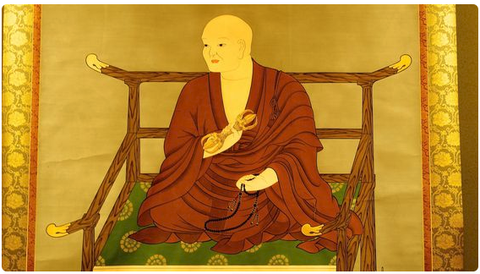
Kukai
Picture of Kukai – Kukai brought back green tea from China in 805
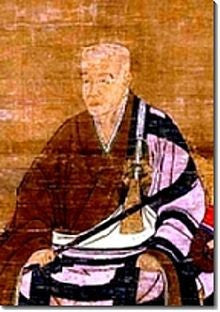
EisaiPicture of Eisai: Eisai penned one of the oldest books on specialty tea in 1211.

With the rise of the Ming Dynasty in the 14th century, Japan increased its cultural exchange with southern China. Among the merchandise being traded and passed overseas was green tea's roasting and processing methods.

Poetry, writing, paintings, and calligraphy depicting tea emerged during this time, eventually leading to the art of the tea ceremony.

This widespread interest in tea also prompted the establishment of tea houses, where people could enjoy the beverage in a peaceful setting, fostering connections and socializing. By the 15th century, the ceremonial preparation and consumption of tea had become a central part of Japanese culture, embodying Zen principles such as mindfulness and simplicity. It was during this time that the tea ceremony, or "chanoyu," took its formal shape, influencing not just how tea was consumed but how it was integrated into the cultural identity of Japan.

How Japanese Green Tea Evolved to a 250 Billion Yen Business
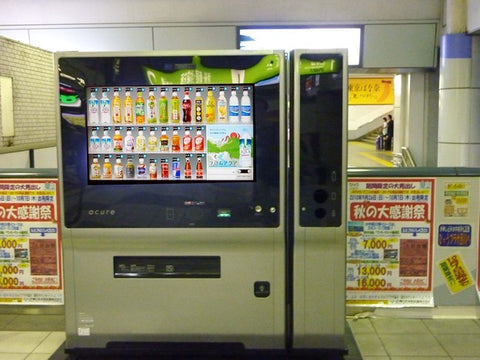
Japanese Vending Machine

Green tea has since evolved into a billion-yen business over the past decade.

Ayataka, a brand of Coca-Cola in Japan that produces bottled green tea, has grown into a 777-billion-yen industry. Green tea is one of the most popular packaged beverages on the market in Japan.

Today, many Japanese people prefer their tea conveniently packaged in plastic bottles. Other companies are strong competitors to Coca-Cola in Japan’s tea-growing nation.

Japanese retailers generally only stock in-demand beverages, so the pressure to develop new green tea products and adaptations is high. Ito En, another of Japan’s traditional tea makers that produces bottled green tea in Japan, began adding powdered tea to their green tea drinks. This makes them cloudier and more indicative of richer-tasting teas traditionally brewed in a teapot.

In recent years, the green tea market in Japan has witnessed a shift toward innovation, with a growing focus on convenience and health benefits. Some companies have introduced ready-to-drink green tea options infused with additional vitamins and minerals, to cater to the health-conscious consumer. Furthermore, new product lines, such as sugar-free green tea and tea blends with flavors like citrus or ginger, have found their way into the market, expanding the appeal of green tea beyond traditional consumers. With an ever-expanding range of green tea-based products, including snacks, cosmetics, and even alcohol, the green tea industry has become a major player in Japan's broader food and beverage sector, contributing significantly to the country’s economy.

What is Green Tea?
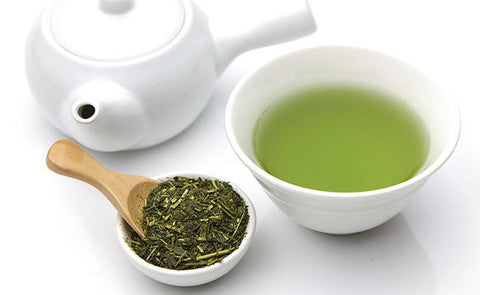
 

Green Tea

Green tea and black tea originate from the same species of Camellia sinensis. What differentiates green tea from black tea? How the tea leaves are processed gives them their unique taste and color.

There are two principal varieties of Camellia sinensis tea plants used when brewing tea.

Camellia sinensis, a smaller-leafed tea plant native to China, is primarily used for green and white teas. Camellia sinensis evolved as a shrub and grew in warmer regions with drier and cooler climates. This type of plant has a high tolerance for low temperatures and thrives well in mountainous areas.

To process the green tea, leaves are harvested from the tea plant and heated through steaming or pan-frying. Japanese green tea is steamed, whereas Chinese green tea is pan-fried.

Drying the leaves prevents oxidation and maintains their green color while locking in the fresh tea flavors. When green tea is brewed, the color is usually green, yellow, or very light brown. The flavors of the tea vary depending on whether the leaves are toasted through pan-frying, firing, or steaming. Pan-fried tea typically has a grass-like, vegetal flavor, while steamed leaves are sweeter and more seaweed-like.

Green tea’s distinct processing methods not only contribute to its flavor profile but also enhance its health benefits. Steamed green tea, common in Japan, retains more of its antioxidants compared to its pan-fried counterpart, making it a popular choice for those seeking a nutrient-rich beverage. The steaming process also preserves more of the natural enzymes in the tea, contributing to its fresh and delicate taste, which sets it apart from other teas.

What Type of Japanese Green Tea is Available? 

There are many different green teas available, all originating from the same Camellia sinensis tea plant.

There are a few factors that differentiate these various types of green tea:

  • Where the tea plants are grown
  • How they’re cultivated
  • The various climate conditions the plants endure

Many green teas originate from China.

Some notable types include:

  • Gunpowder green tea and Dragonwell green tea, which are both grown in the Zhejiang Province of China,
  • Snowy Mountain Jian, a green tea grown in the Yunnan Province of China
  • Xin Yang Mao Jian, a unique tea grown in the Henan Province

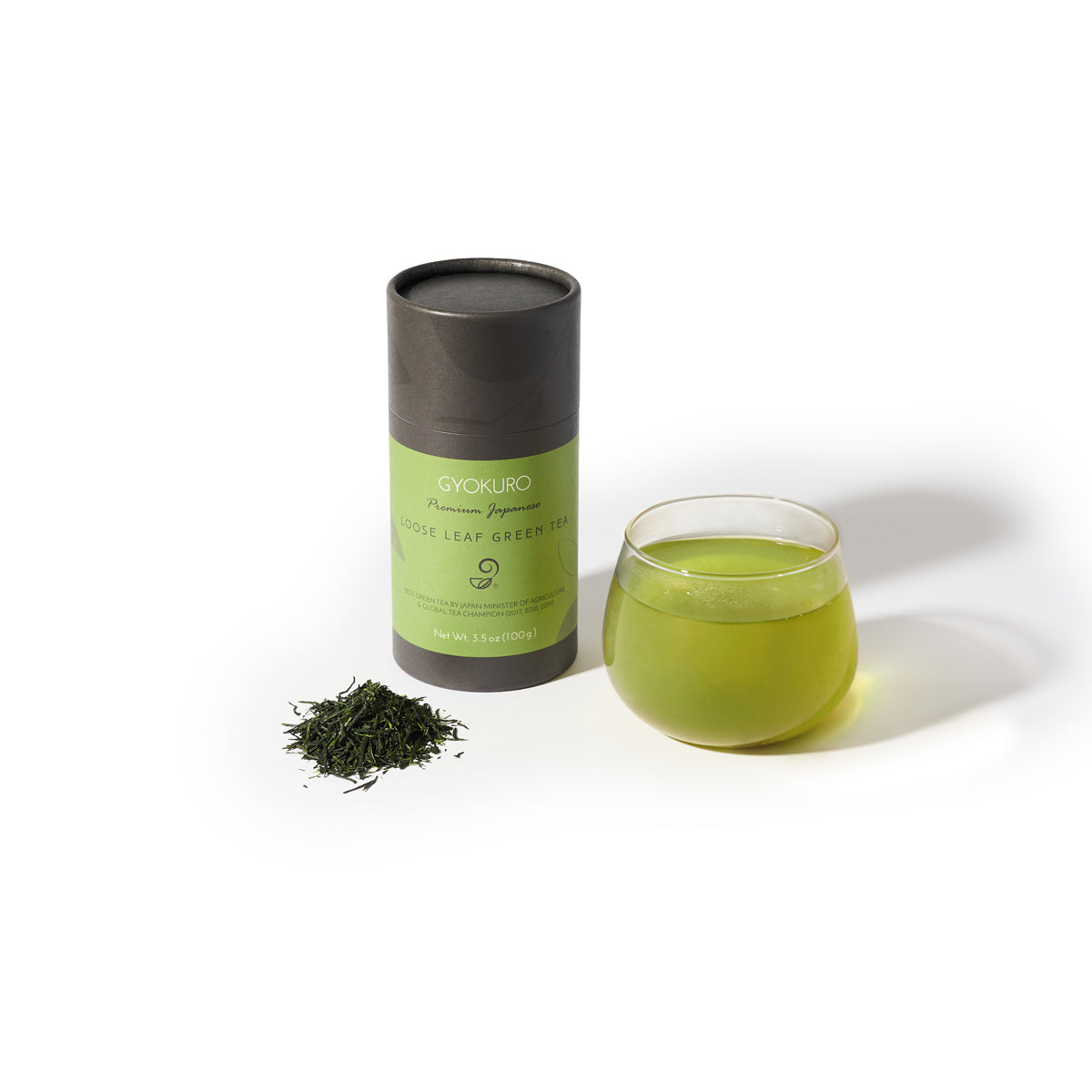
Japan has a great variety of green teas, including Gyokuro, a green tea widely considered one of the best in Japan. Gyokuro tea is a shaded green tea grown in the shade rather than under the sun. Other varieties include Sencha green tea, the common "everyday" Japanese green tea.

Covering Tea

Although Gyokuro is a type of sencha tea, it has a unique cultivation method that originated in Japan. Before harvesting, Gyokuro tea leaves are kept out of the sun for at least two weeks. This causes the alkaloid caffeine and amino acid theanine in the leaves to increase, resulting in a sweeter tea flavor.

Although Gyokuro is a type of sencha tea, it has a unique cultivation method that originated in Japan. Before harvesting, Gyokuro tea leaves are kept out of the sun for at least two weeks. This causes the alkaloid caffeine and amino acid theanine in the leaves to increase, resulting in a sweeter tea flavor. Additionally, the shaded environment intensifies the tea’s green color and enhances the overall umami taste, making Gyokuro a premium choice for tea enthusiasts seeking a richer, more refined flavor profile. Other varieties, like Bancha and Hojicha, offer distinct flavors and are often consumed throughout the day as more affordable options.

Matcha Green Tea

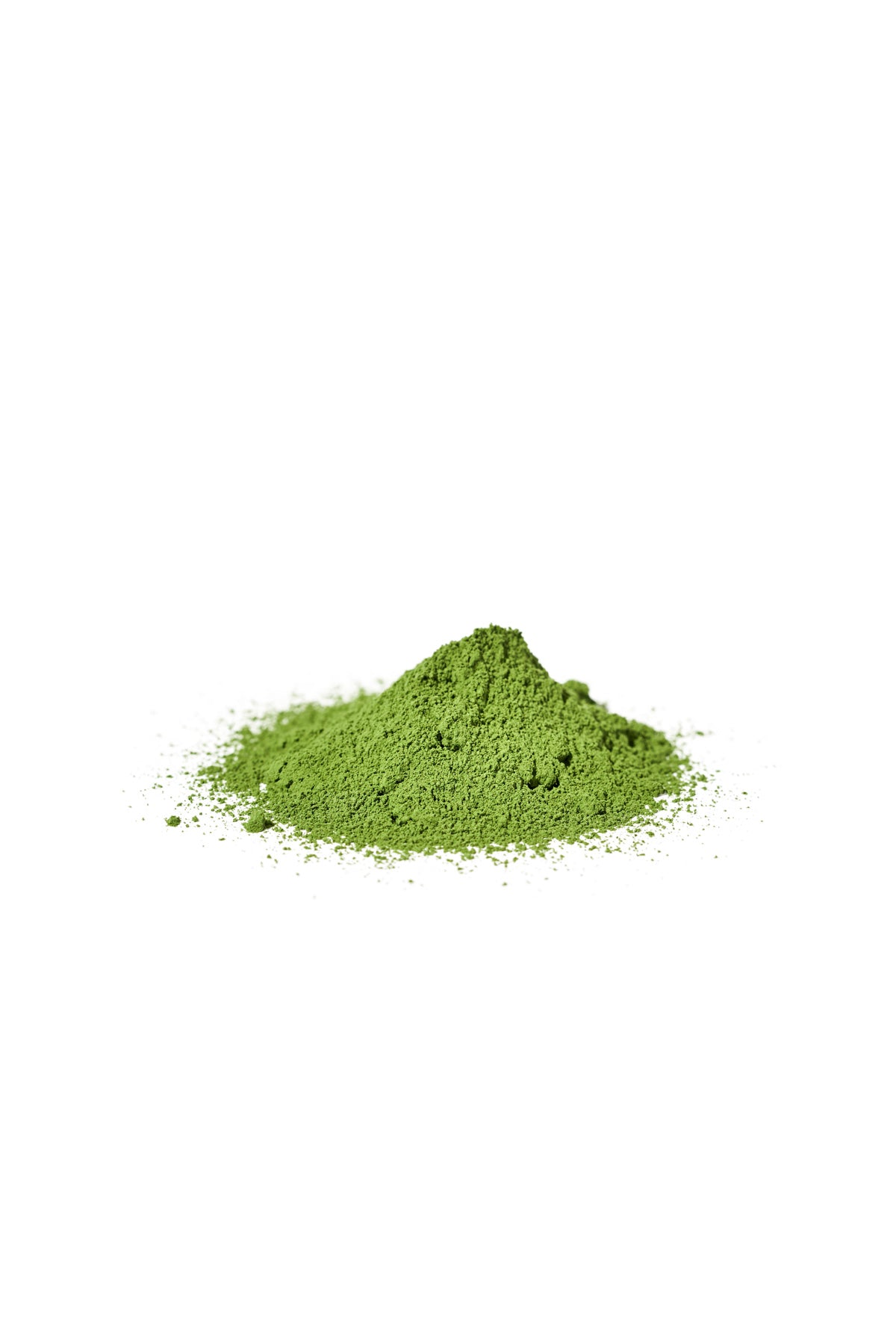
The most notable form of green tea from Japan is matcha green tea, made from powdered gyokuro.

Matcha tea leaves are also grown in the shade. But unlike typical gyokuro leaves, they're not just steamed, dried, and rolled during the cultivation process.

Matcha leaves go through a unique refining phase where the leaves are cut, the stems and veins are removed, and just the meat of the leaves is left before they are dried out. The leaves are then called tencha and ground into a powder known as matcha.

Matcha green tea is widely known for being used in traditional Japanese tea ceremonies.

Matcha green tea is widely known for being used in traditional Japanese tea ceremonies. Its powdered form allows for the entire leaf to be consumed, providing a richer taste and more concentrated nutrients compared to other types of green tea. The ceremonial preparation of matcha, which involves whisking the powder with hot water to create a frothy, vibrant green tea, is an integral part of Japanese culture. Additionally, matcha is valued not only for its ceremonial significance but also for its health benefits, as it is packed with antioxidants, vitamins, and amino acids like L-theanine, which promote calm and focus.

(Read my other popular article, 25 Matcha Trivia You (Probably) Didn't Know here.)


Diagram of green tea category


Health Benefits

good health green tea 

Many consider green tea to be one of the healthiest beverages in the world.

It's loaded with antioxidants, such as polyphenols, L-theanine, catechins, and EGCG, as well as other powerful nutrients that can have incredibly positive effects on the body. Notably, these include lowering your risk of cancer. Drinking green tea can also speed up your metabolism, leading to weight loss and an overall decrease in body fat. Green tea also contains caffeine, which acts as a stimulant to improve brain function.

Although all types of green tea have their benefits, try to drink higher-quality brands of green tea. Some lower-quality brands may contain excessive fluoride levels, which can be dangerous when ingested in large quantities.

Furthermore, green tea’s health benefits extend to mental well-being, as the presence of L-theanine, an amino acid, can promote relaxation and reduce stress levels. This makes it an excellent choice for those looking to enhance focus and maintain mental clarity throughout the day. Studies have even suggested that regular green tea consumption may improve memory and cognitive function, making it an ideal beverage for both physical and mental vitality.

How It's Used Throughout the World

Over the centuries, green tea has spread worldwide, with different cultures incorporating it into their unique recipes and preparations.

  • In Taiwan, bubble green tea has hit a huge wave of popularity. This high-calorie treat is made with iced green tea and powdered milk sugar. Adding small balls of tapioca gives it an extra chewy texture.
  • In Morocco, green tea leaves are served with mint and sugar in a beverage called Touareg tea. This green tea is served in a tall, narrow glass and can be served up to three times a day.
  • Green tea has also gained widespread popularity in Europe in recent years due to its prominent health benefits.
  • In Japan, green tea is often enjoyed as part of traditional tea ceremonies, where it is prepared with great care and served to guests in a highly ritualistic manner. This practice has a deep cultural significance, promoting mindfulness and a sense of tranquility.
  • In the United States, green tea has become a popular choice in cafes, health food stores, and as a basis for a variety of iced teas and health drinks, especially for those seeking a healthier alternative to sugary sodas or coffee. Its use in smoothies, energy drinks, and even as an ingredient in baked goods has also become increasingly common.

CONCLUSION

Green tea’s journey from its origins in ancient China and Japan to becoming a global beverage phenomenon is a testament to its cultural significance and numerous health benefits. Whether enjoyed in traditional ceremonies, modern cafés, or as part of diverse culinary creations, green tea has earned its place as one of the healthiest and most versatile drinks in the world. From its rich antioxidants to its potential in promoting mental clarity and weight loss, green tea continues to captivate people worldwide. As its popularity grows, it not only remains a cherished tradition but also adapts to the evolving tastes and preferences of different cultures, ensuring that it will continue to thrive for generations to come.

Above is part of a chapter from my recent book, I Will Teach You How to Be Healthy by Drinking Using Japanese Green Tea: Surprising Facts and Tips for How You Can Take Best Advantage of This Amazing Plant.

This post was first published in 2017 and updated in 2022. 

Please Click Below Image to Get My Book from Amazon

(Both Printable Format and Kindle Version Available)

I Will Teach You How to be Healthy by Drinking Using Japanese Green Tea: Surprising Facts and Tips for How You can Take Best

Paperback: 112 pages
Language: English
ISBN-10: 1541252454
ISBN-13: 978-1541252455
Product Dimensions: 5.5 x 0.2 x 8.5 inches
Shipping Weight: 6.7 ounces
Click Here to View Table of Contents and First 2 Chapters
Available at Amazon I Will Teach You How to be Healthy by Using Japanese Green Tea!


FAQs about the History of Japanese Green Tea

When did green tea actually arrive in Japan?

805 CE was the first arrival, when Buddhist monks Saichō and Kūkai returned from China with tea seeds. But the consequential moment came nearly 400 years later, in 1191 CE, when the monk Eisai brought back tea seeds from his second China trip and planted them at Reisenji temple. Eisai's planting is considered the start of Japanese tea cultivation; he also wrote the first Japanese tea book (Kissa Yōjōki, 喫茶養生記), which framed tea as medicine.

So tea arrived earlier than 1191 but didn't take cultural hold until Eisai's work — both because his tea garden actually produced sustained tea and because his writings positioned tea as a serious medical and spiritual practice rather than just a curiosity from China.

From 1191, tea spread through the Buddhist monastery network, then to the warrior class (samurai), then gradually to commoners. By the 1500s, tea drinking was a defined Japanese cultural practice rather than a Chinese import.

Who was the most important figure in Japanese tea history?

Sen no Rikyū (千利休, 1522-1591), without serious competition. Rikyū took Japanese tea ceremony from a Chinese-influenced display of luxury into a uniquely Japanese practice grounded in wabi (侘び) — the aesthetic of imperfection and humility. Almost everything we recognize as "Japanese tea ceremony" today comes from Rikyū's synthesis: the small four-and-a-half-mat tea room, raku ceramics, the four principles (wakeiseijaku 和敬清寂), the codified ritual movements.

Eisai is important as the founder of Japanese tea cultivation. Murata Jukō and Takeno Jōō are important as Rikyū's predecessors who established the wabi-aesthetic foundations. But Rikyū consolidated and refined their work into the form that endured. He's often described as Japan's tea Shakespeare; that comparison may actually undersell him.

After Rikyū, the major figures are mostly his descendants — Sōtan (his grandson) split the family into the three san-Senke schools (Urasenke, Omotesenke, Mushakōjisenke) that still teach his lineage today.

How did matcha become so prominent in Japanese tea culture?

Matcha was the original Japanese tea form. When Eisai brought tea to Japan, the Chinese practice he learned from was already powdered tea (the precursor to matcha). Steeped loose-leaf tea didn't really take hold in Japan until the 1730s, when a tea merchant named Nagatani Sōen developed the steaming process that produced sencha as we know it today.

So for the first 500+ years of Japanese tea history, matcha (or its predecessors) was essentially the only green tea. The development of sencha was actually the radical innovation, not matcha. Today's perception of "matcha as the special premium form" reverses the historical relationship — matcha is the older form; sencha is the newer one.

Matcha's modern global popularity (post-2010s) owes more to the wellness/health-food movement than to its long Japanese history. The traditional ceremonial role of matcha never really left Japan; what's new is matcha-flavored everything in the West.

What's the connection between samurai and Japanese tea?

Tea ceremony was deeply embedded in samurai culture from the 1300s onward. Sengoku-era warlords (Oda Nobunaga, Toyotomi Hideyoshi, Tokugawa Ieyasu) were avid tea practitioners — Nobunaga and Hideyoshi both used elaborate tea ceremonies as political tools, hosting allies and enemies in tea rooms to display power and refinement. Owning a famous tea bowl could be politically more valuable than owning a province.

The samurai connection isn't romantic decoration. Tea practice gave warriors a contemplative discipline, a venue for cementing alliances, and a marker of cultivated rather than purely martial status. Sen no Rikyū himself served as Hideyoshi's tea master — the closest aide who curated his entire tea-cultural presentation. The eventual political clash (and Rikyū's ordered seppuku in 1591) is one of the most famous incidents in Japanese cultural history.

After the Sengoku period ended, tea continued as a samurai practice through the Edo era. Some surviving samurai families maintain centuries of tea-school enrollment to this day, which is part of why Japanese tea culture has such institutional continuity.

How has Japanese tea changed in the modern era?

Three big shifts. First, mechanization (1900s-1950s) — most tea harvesting moved from hand-picking to machine-harvesting, dramatically increasing volume but reducing quality at the high end. Hand-picked first-flush tea became a small premium category rather than the standard. Second, the bottled-tea revolution (1985 onward) — Itoen's Oi Ocha launched canned green tea and rebuilt daily Japanese tea consumption around vending machines and convenience stores rather than tea houses or kyusu brewing.

Third, the global wellness export (2000s-present) — matcha specifically, but also sencha and hojicha, became Western health-food categories in ways that completely changed the global tea market. Japanese tea farms now export significant volumes that go through completely different supply chains than the domestic market. Modern Japanese tea farmers often produce two distinct product lines — domestic-traditional and export-modern — for different audiences. Our storage guide implicitly reflects the modern reality that tea is shipped globally and storage variables matter more than they did in pre-export Japan.

The traditional ceremony lineage (Urasenke, Omotesenke, Mushakōjisenke) continues largely as it has for 400 years, with the modern world swirling around it but not really disrupting the inner practice.

What is the Best Way to Store your Matcha & Japanese Green Tea?

Related products

8 reviews

The Sencha Lover Gift Set - Premium Japanese Green Tea Set Package
$179.00 $159.99
Quick view

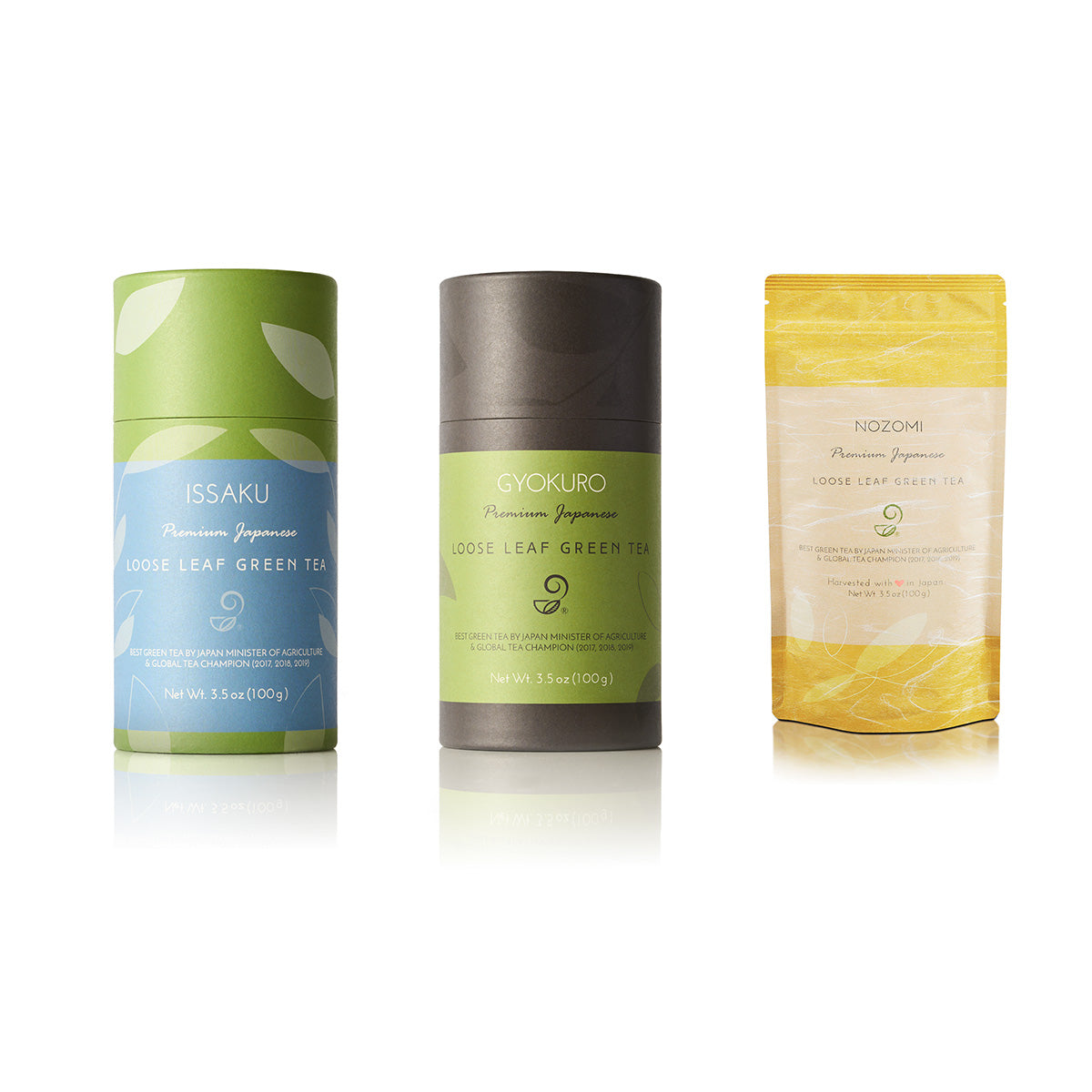
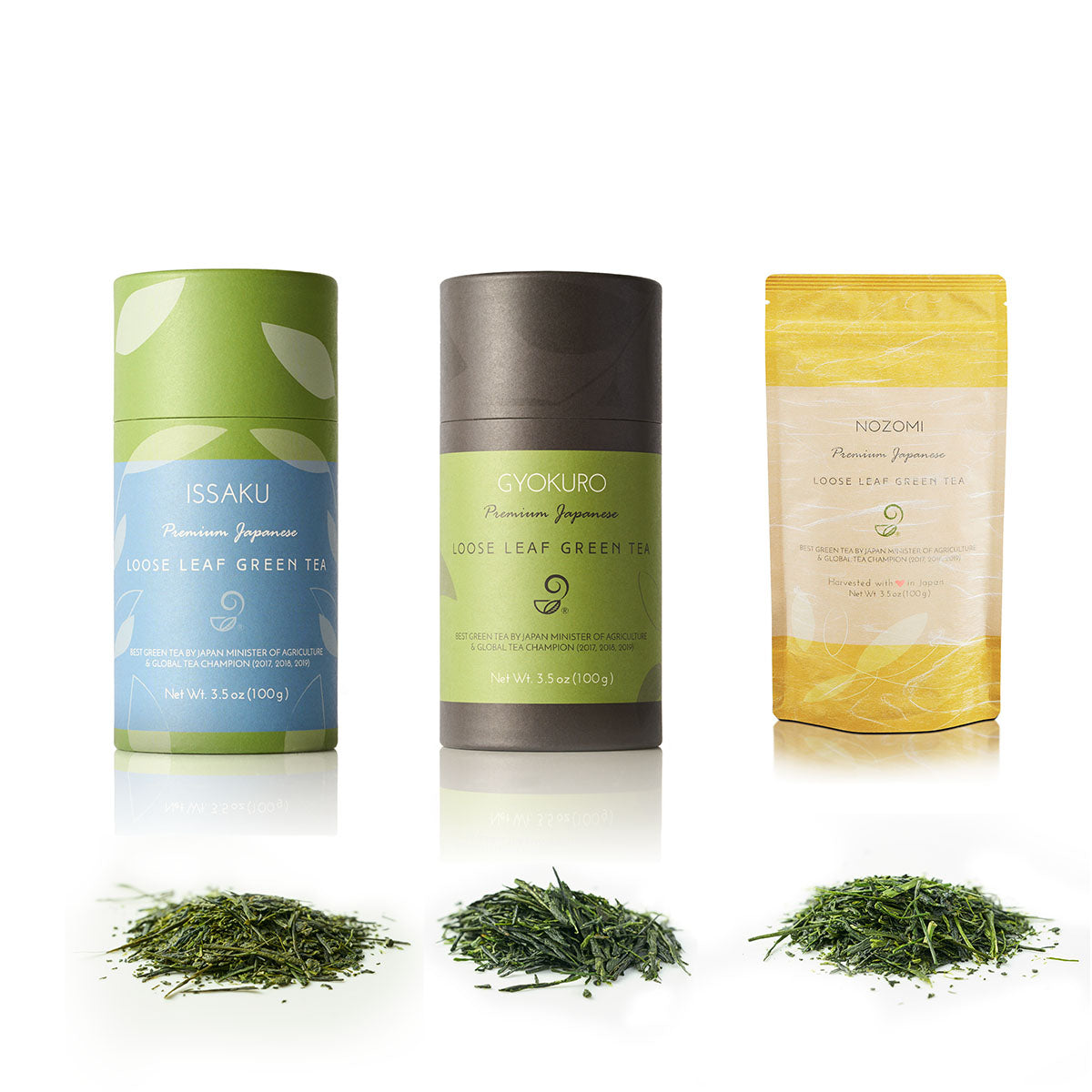
This tea set features three exceptional Japanese green teas, each crafted with care and traditional techniques. Issaku Reserve, a Global Tea Champion winner in 2017 and 2019, is a rare masterpiece created by Farm Master Mr. Arahata at Arahataen Green Tea Farm. Handpicked once a year from the first flush and processed with advanced methods, Issaku represents the highest-grade deep-steamed green tea, available only in limited quantities even in Japan.

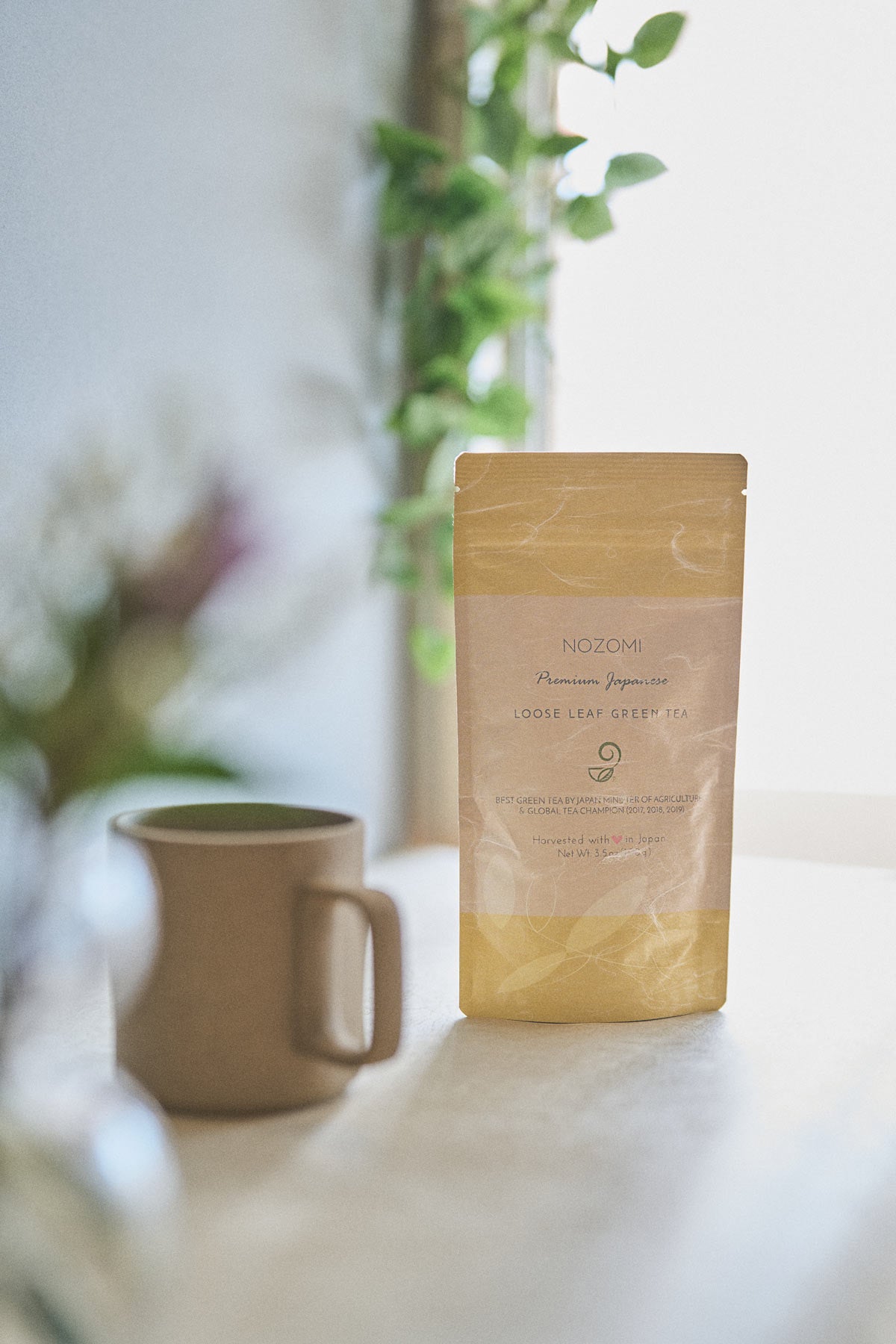
The set also includes Gyokuro, a premium shaded green tea known for its rich, sweet flavor and deep mossy green color. Grown under special mats for 20 days to increase caffeine and amino acid levels, Gyokuro offers a layered, smooth taste unlike any other. Completing the collection is Nozomi, a fine Kabuse-cha, or "Covered Green Tea," carefully grown under nets to gently shade the leaves just before new sprouts emerge, resulting in a soft, rich, and refined flavor profile.

97 reviews

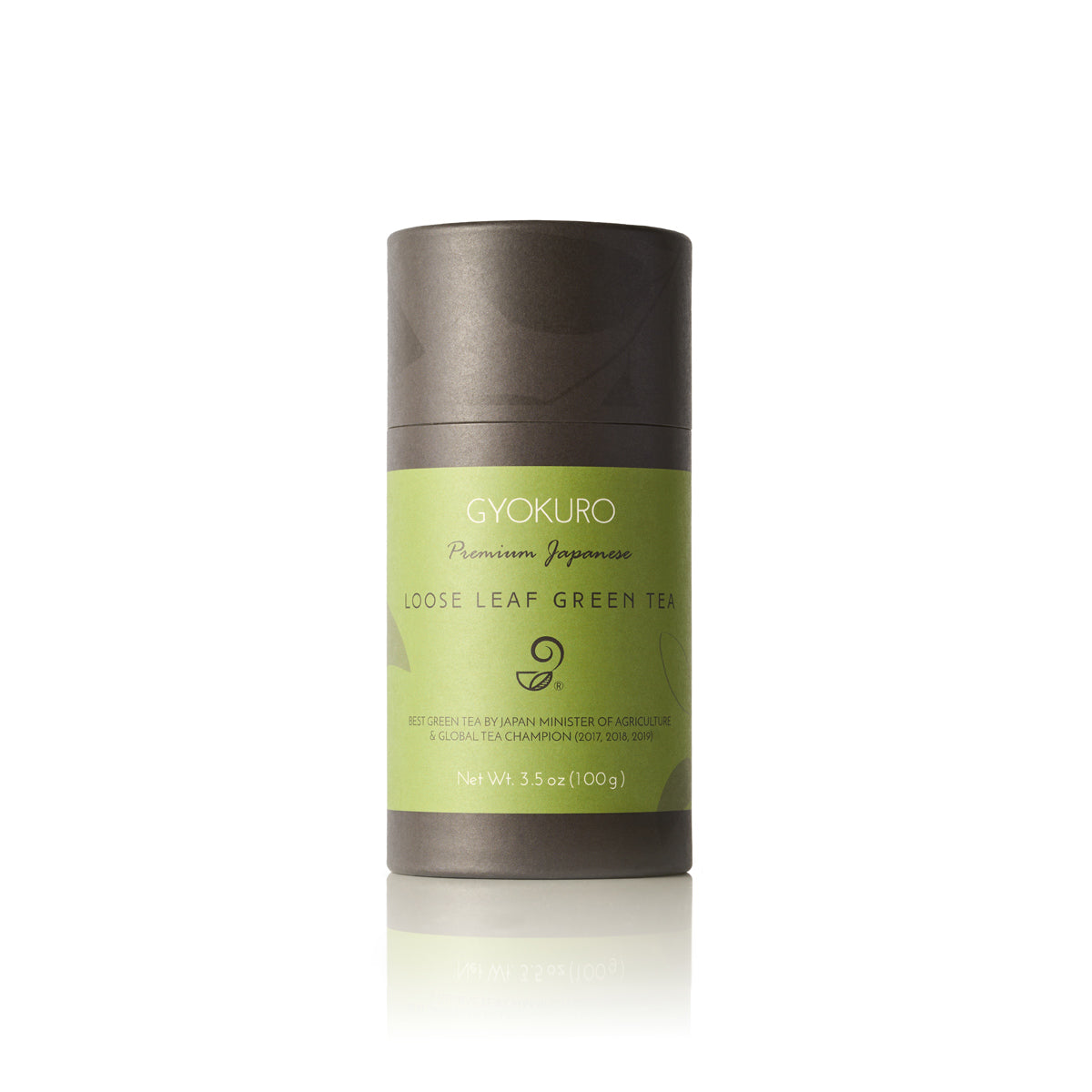
Gyokuro - Shaded Imperial Premium Green Tea

$65.00
Quick view

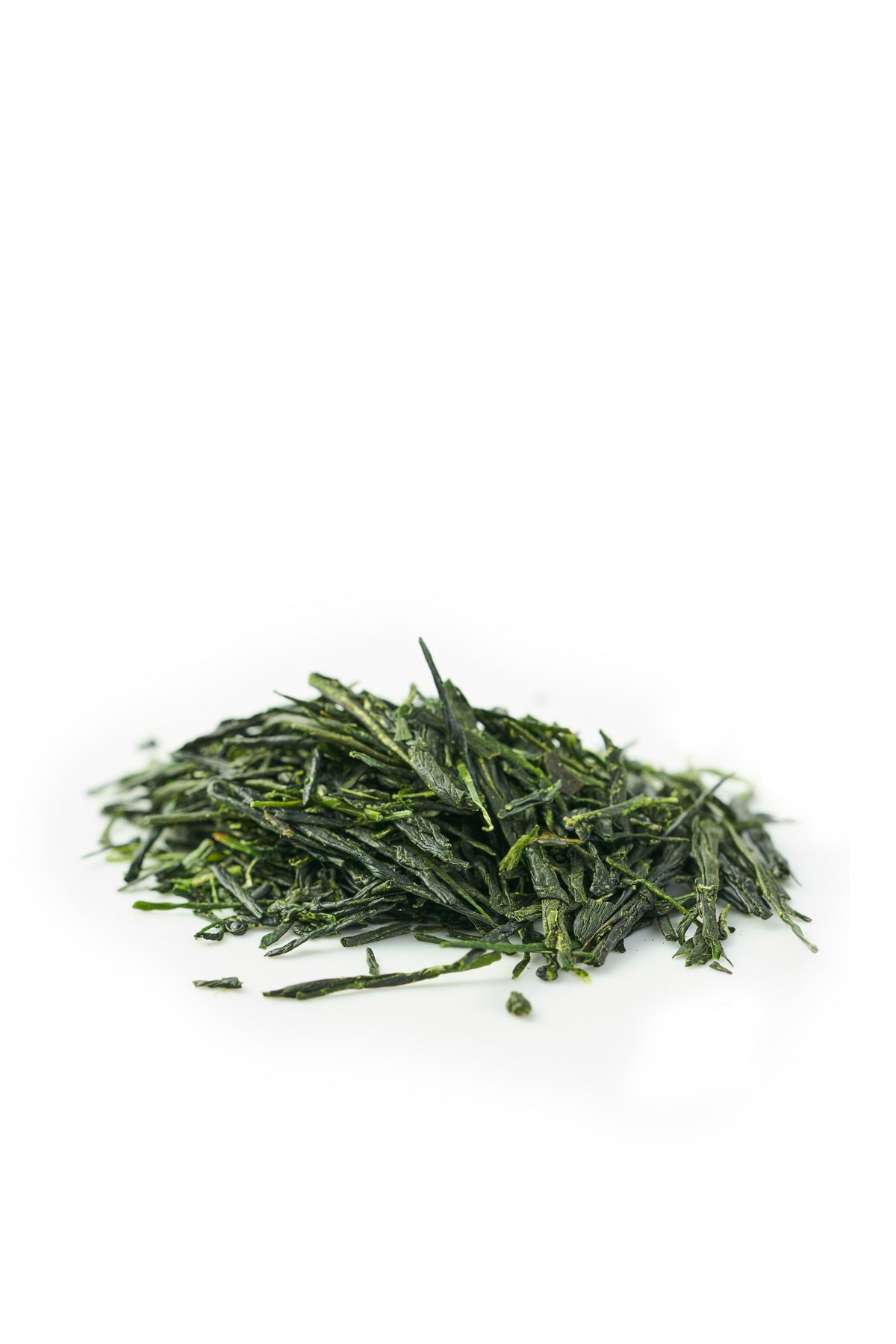
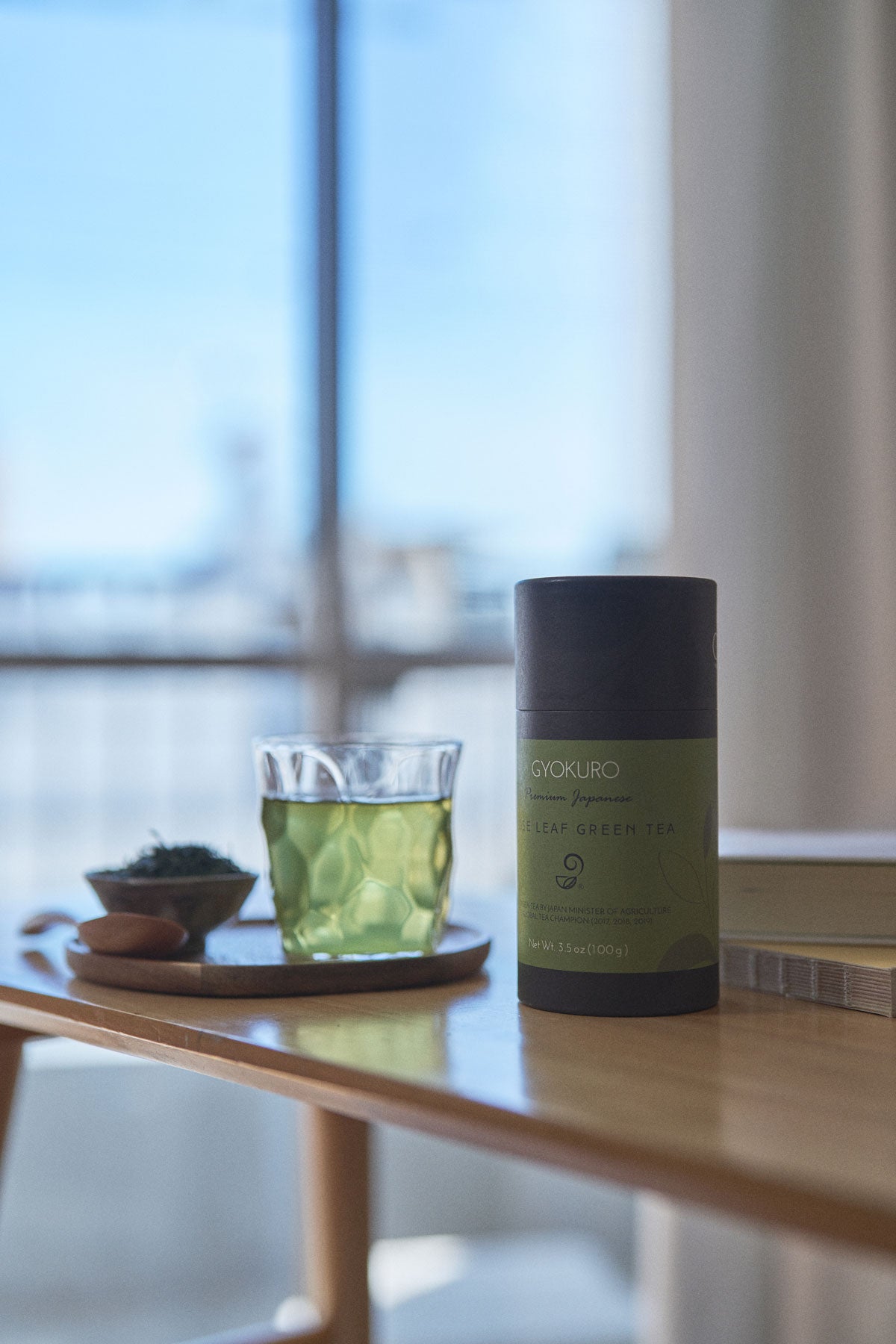
Gyokuro, also known as "jade dew" or "jewel dew tea," is a premium Japanese green tea shaded from the sun for 20 days using specially made mats, a method that boosts caffeine levels and strengthens amino acids to create a sweeter, richer flavor. This extended shading process results in dark, mossy green leaves with an unmistakable aroma and a complex taste that is layered yet balanced. Cultivated by the Chagusaba method in nutrient-rich sugarcane soil and made from the Yabukita cultivar, this loose-leaf authentic Gyokuro is offered in a high-quality, air-tight paper tube canister (chyazutsu) to preserve its exceptional freshness and flavor. Each 3.5 oz (100g) full-size package steeps 30–40 cups, and a convenient single-serve sample is also available.

45 reviews

Hojicha - Roasted Green Tea

$25.00
Quick view

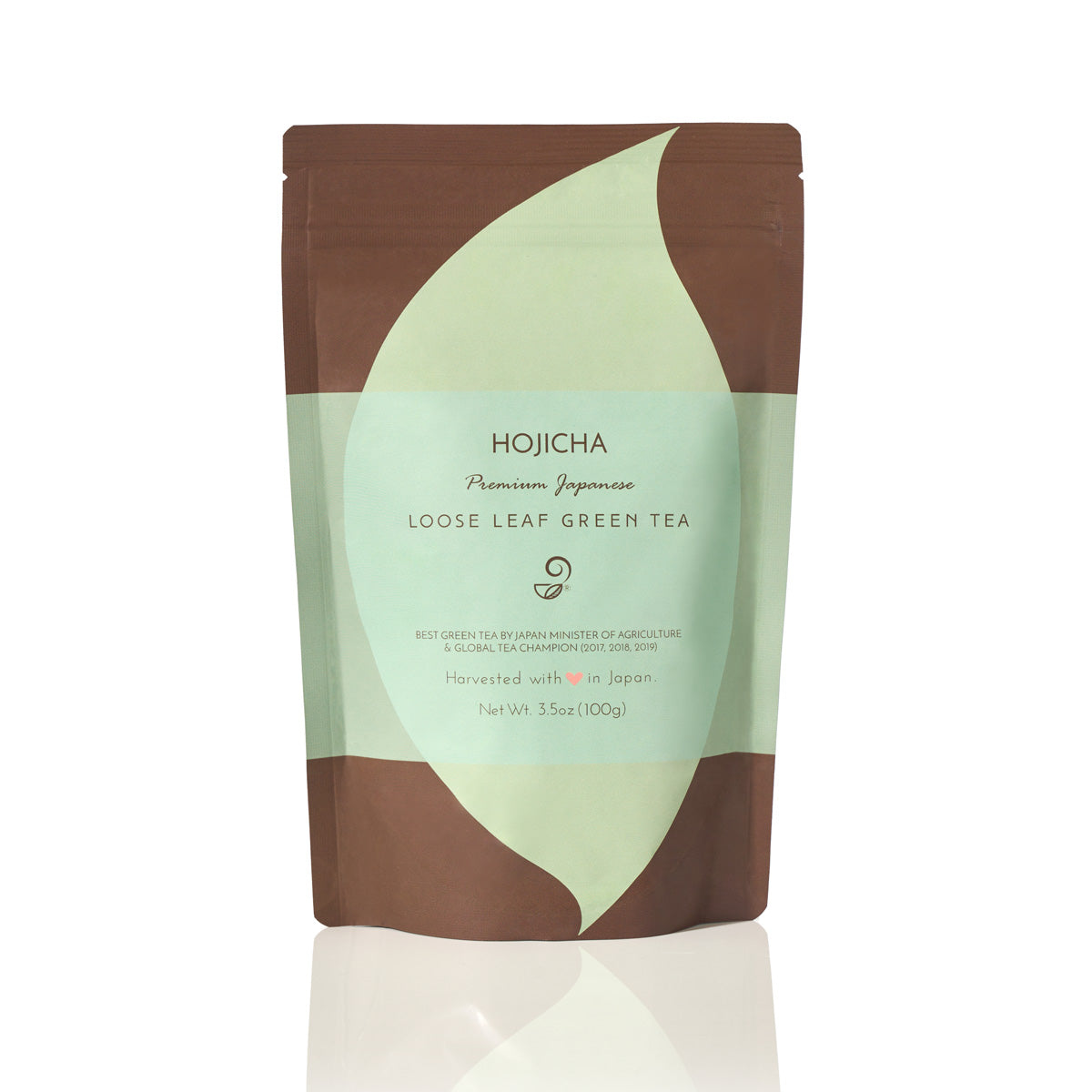
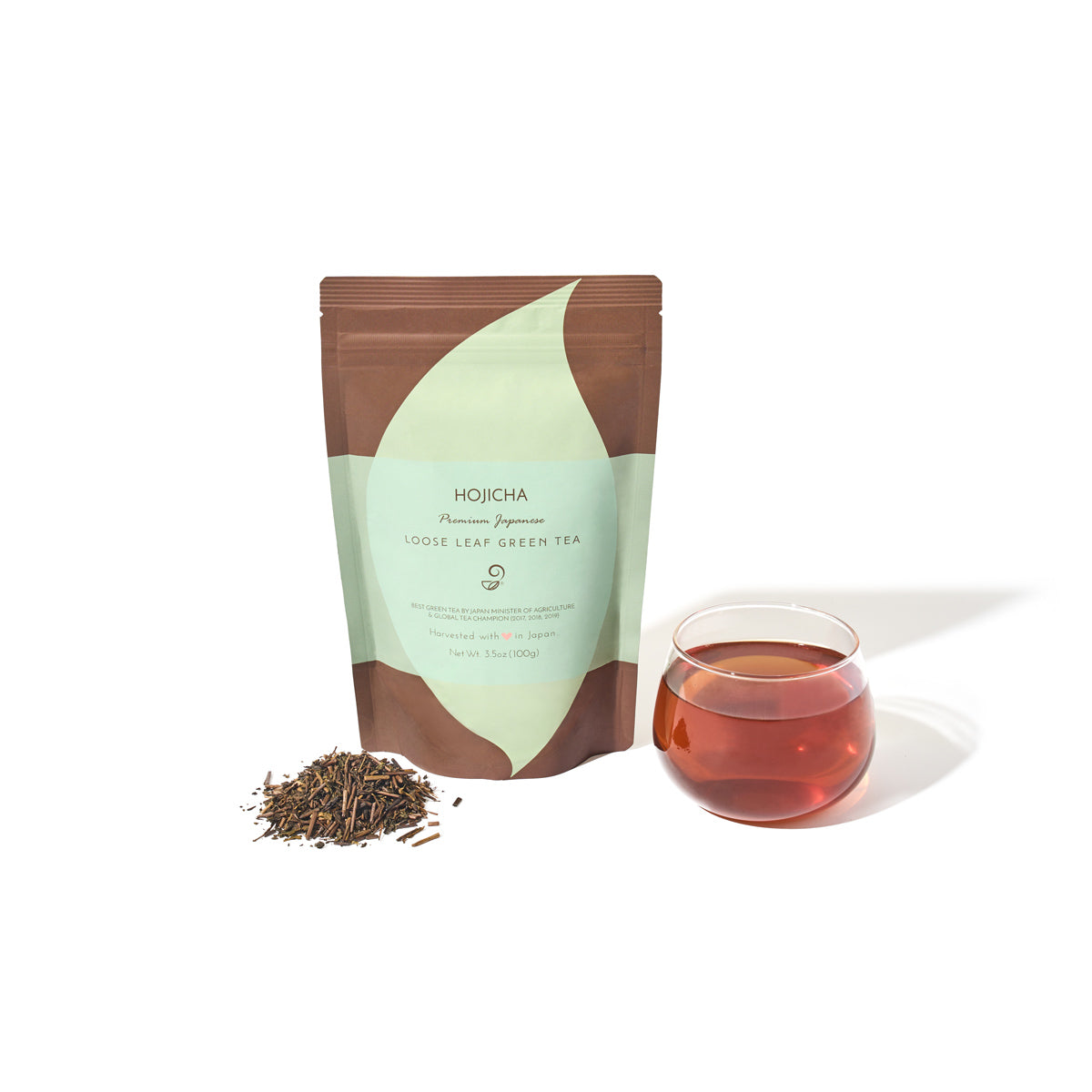
Our roasted green tea, known as hojicha (ほうじ茶), is crafted from freshly harvested premium green tea carefully roasted in porcelain over charcoal to maximize flavor while retaining more catechins than typical hojicha on the market. With lower caffeine and a smoother, less bitter taste compared to steamed green tea, it is an ideal choice for evening relaxation and is gentle enough for kids and pregnant women. Cultivated using the Chagusaba method in nutrient-rich sugarcane soil, this loose-leaf authentic Japanese roasted green tea, made from the Yabukita cultivar, also pairs beautifully with oily foods. Each eco-friendly resealable package contains 3.5 oz (100g) of tea, enough to steep 30–40 comforting cups.

80 reviews

Matcha - Ceremonial Japanese Powdered Green Tea

$39.00
Quick view

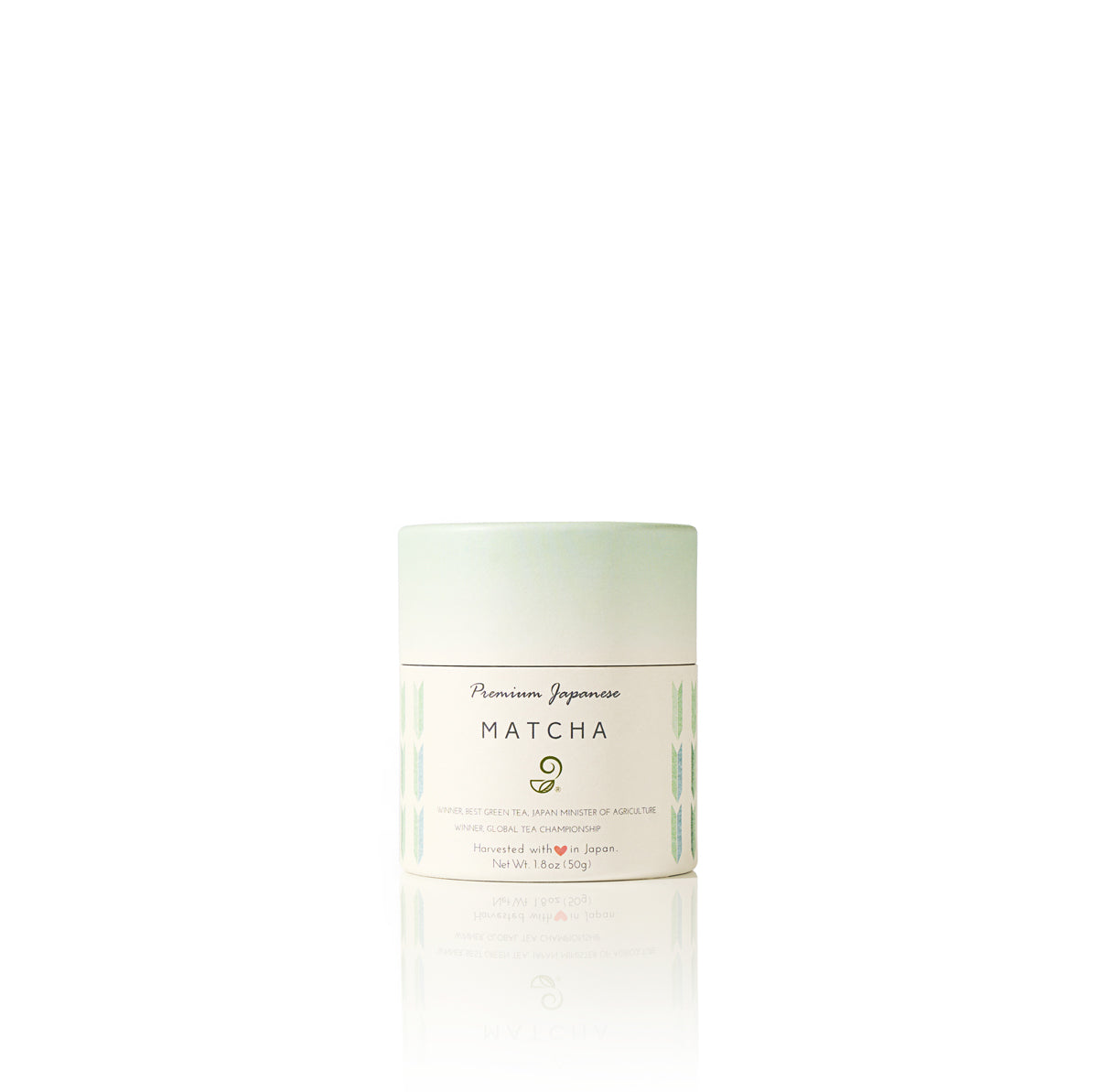
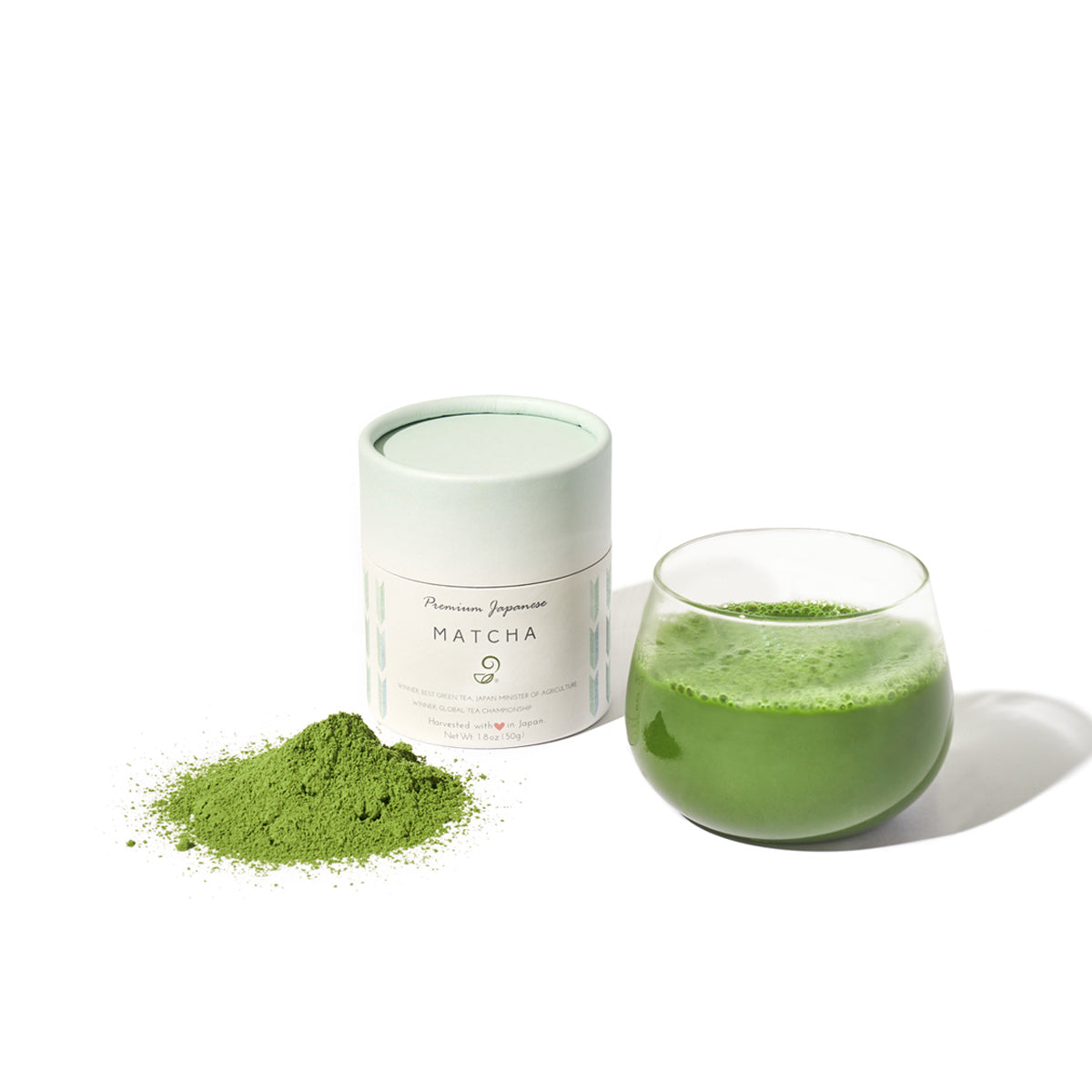
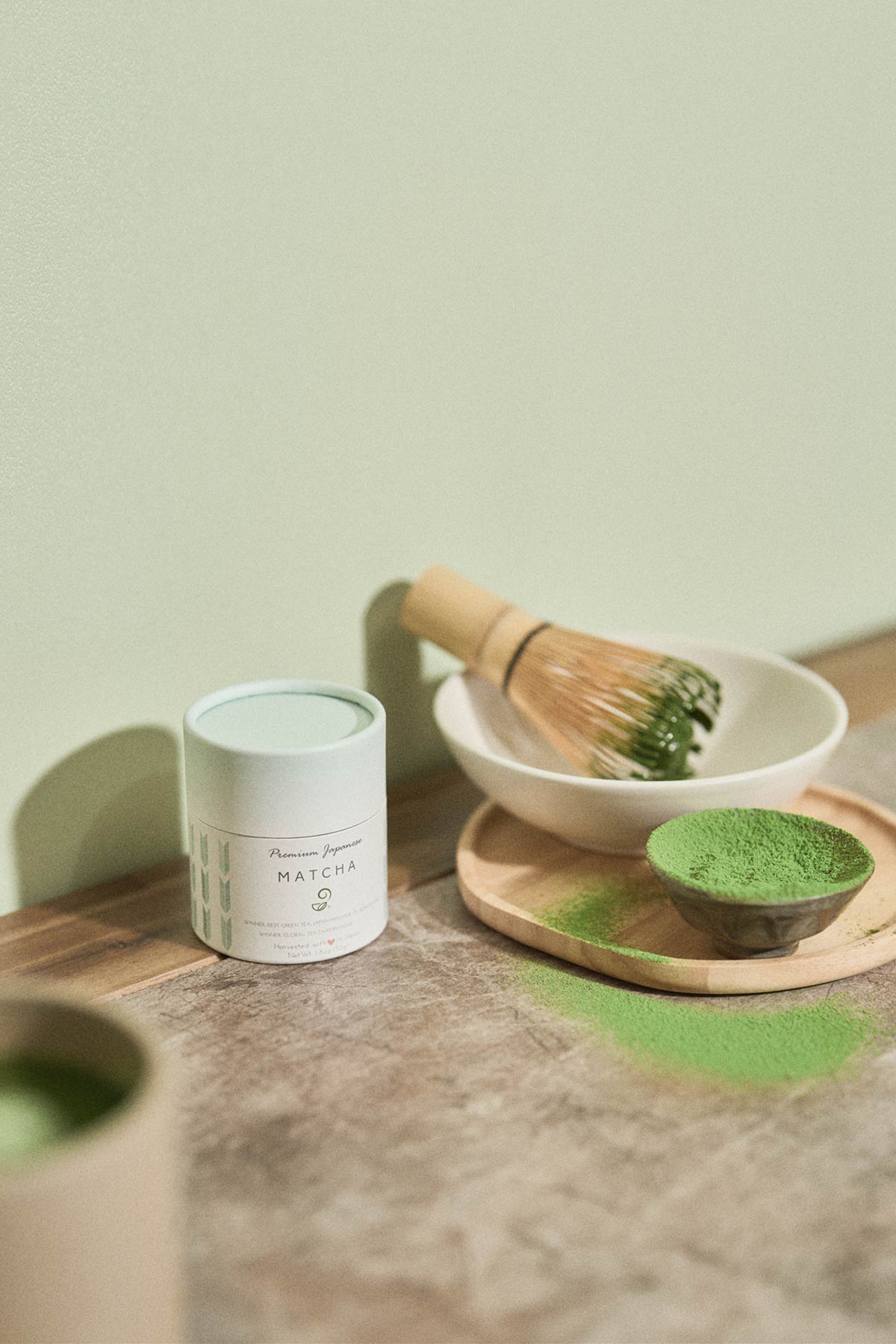
This ceremonial matcha is crafted from the finest Japanese green tea, grown in nutrient-rich soil enhanced with compostable grasses and sugarcane through the Chagusaba method, which gives the tea a natural sweetness and exceptional flavor. In collaboration with researchers from Shizuoka University, farmers ensure that the soil quality consistently produces tea of the highest standard.

Renowned among top Japanese chefs for its unmatched aroma, this matcha is made by carefully shading the plants before harvest to boost caffeine and amino acids, then meticulously drying, de-stemming, and grinding the leaves into a fine powder. Made from the Yabukita cultivar, this 1.8 oz (50g) matcha comes in a high-quality, air-tight paper tube canister, providing a luxurious and authentic Japanese tea experience.

42 reviews

Genmaicha - Green Tea with Roasted Brown Rice

$30.00
Quick view

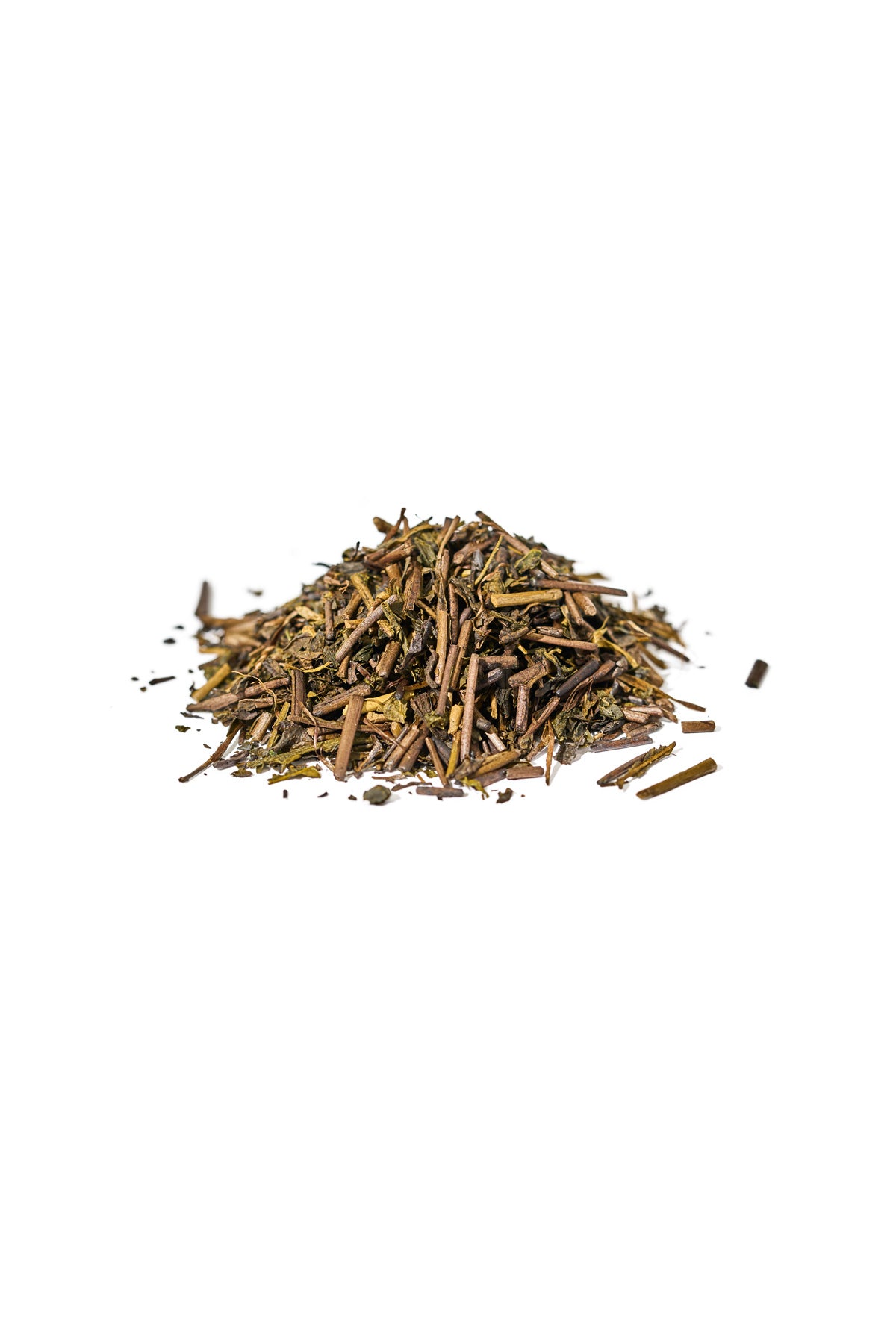
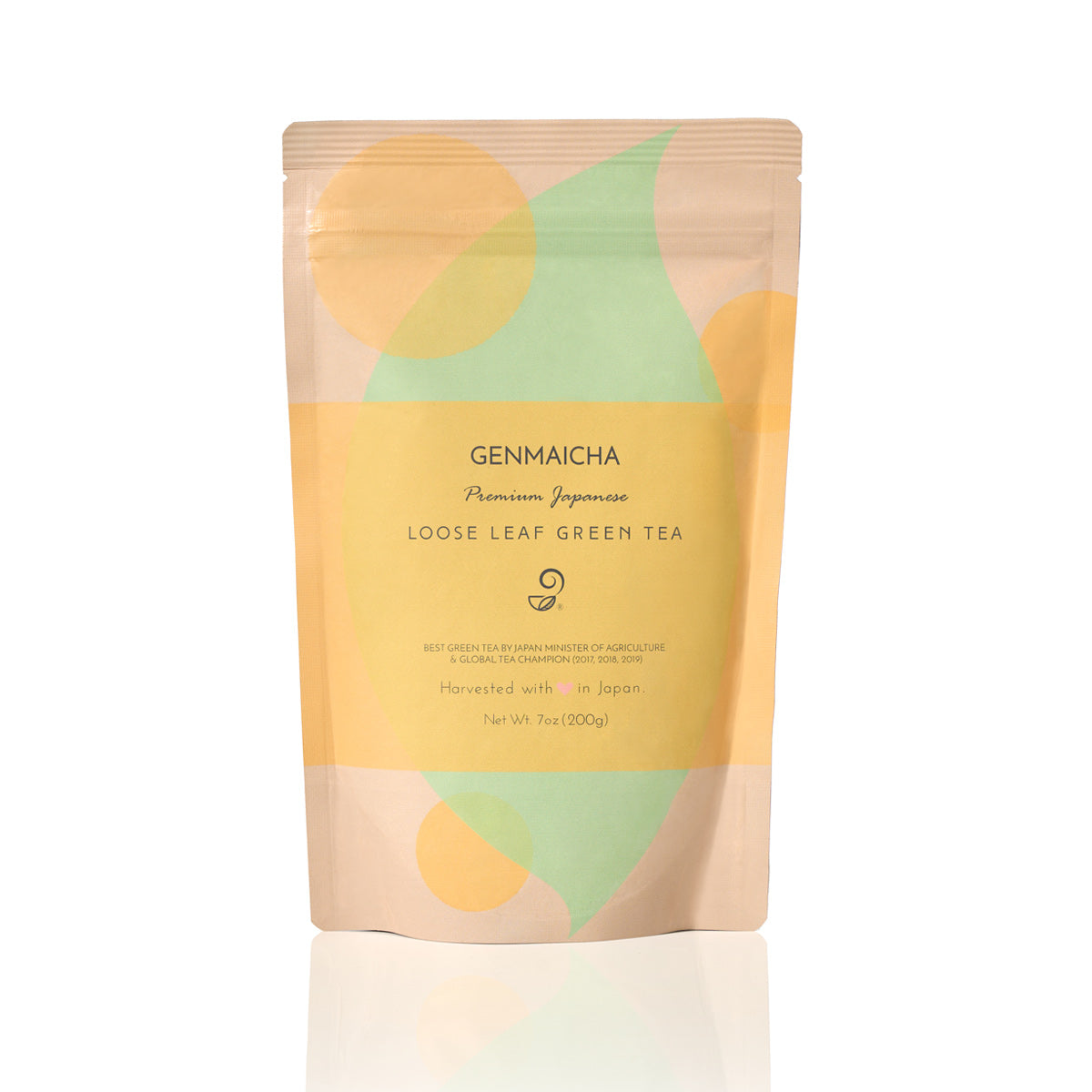
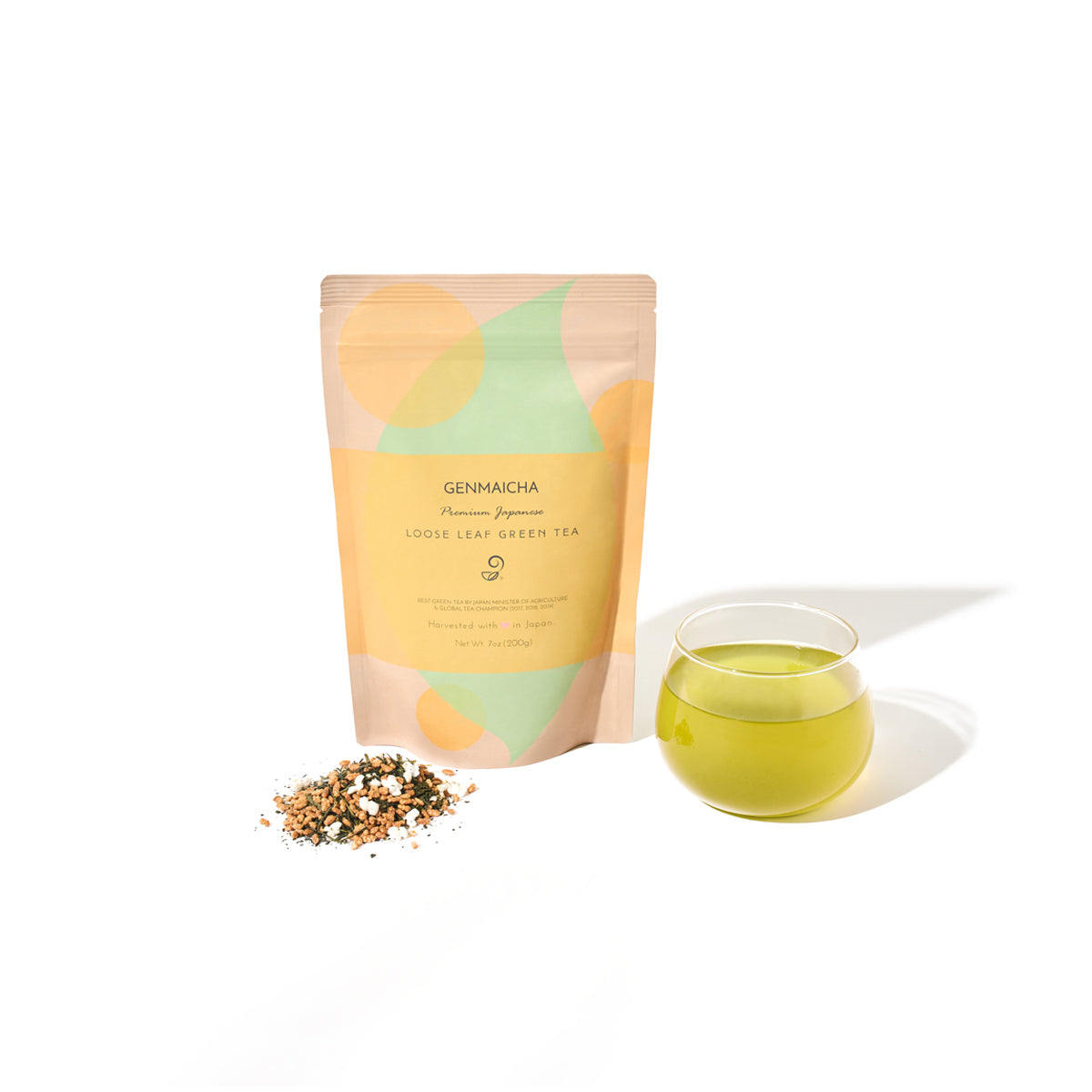
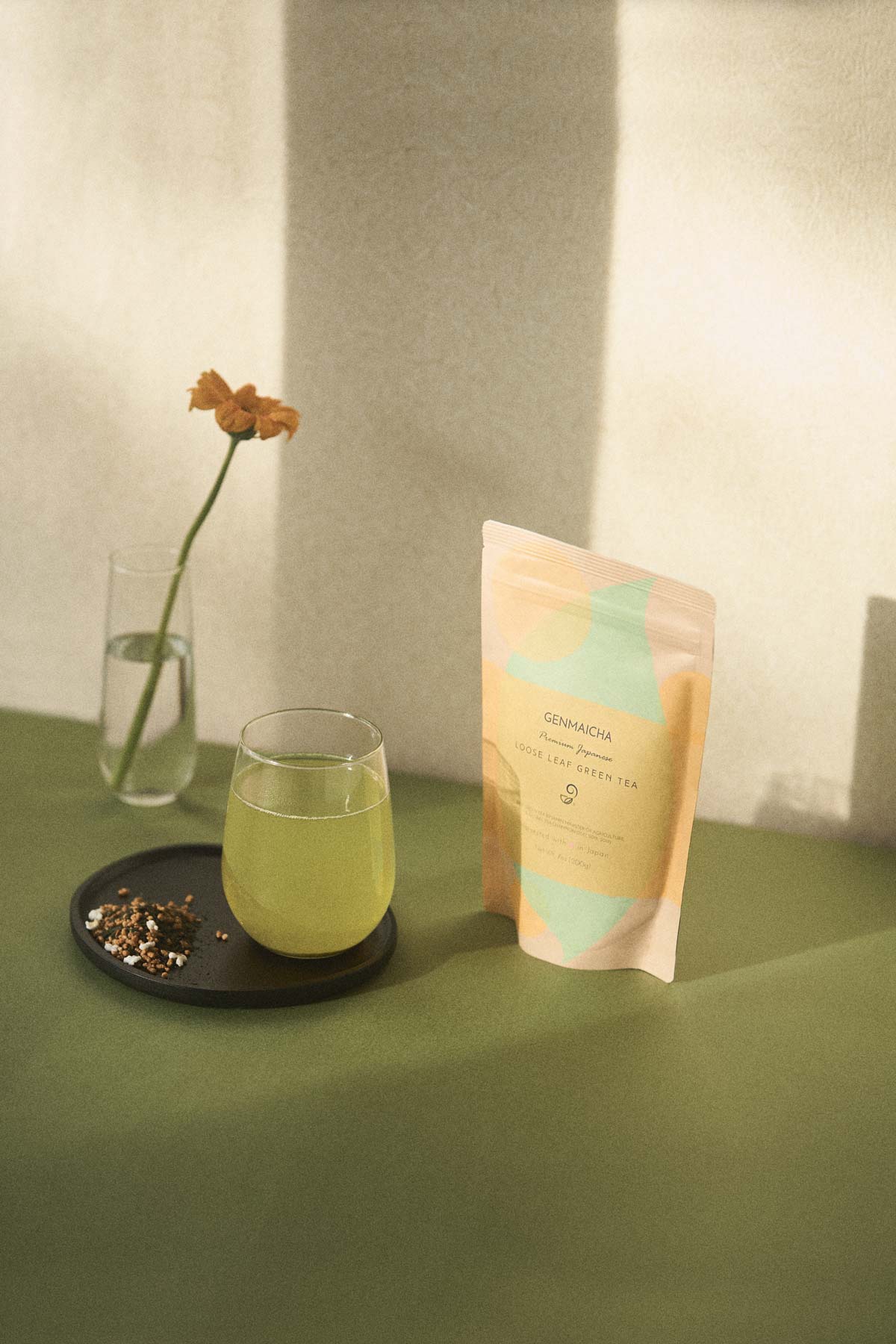
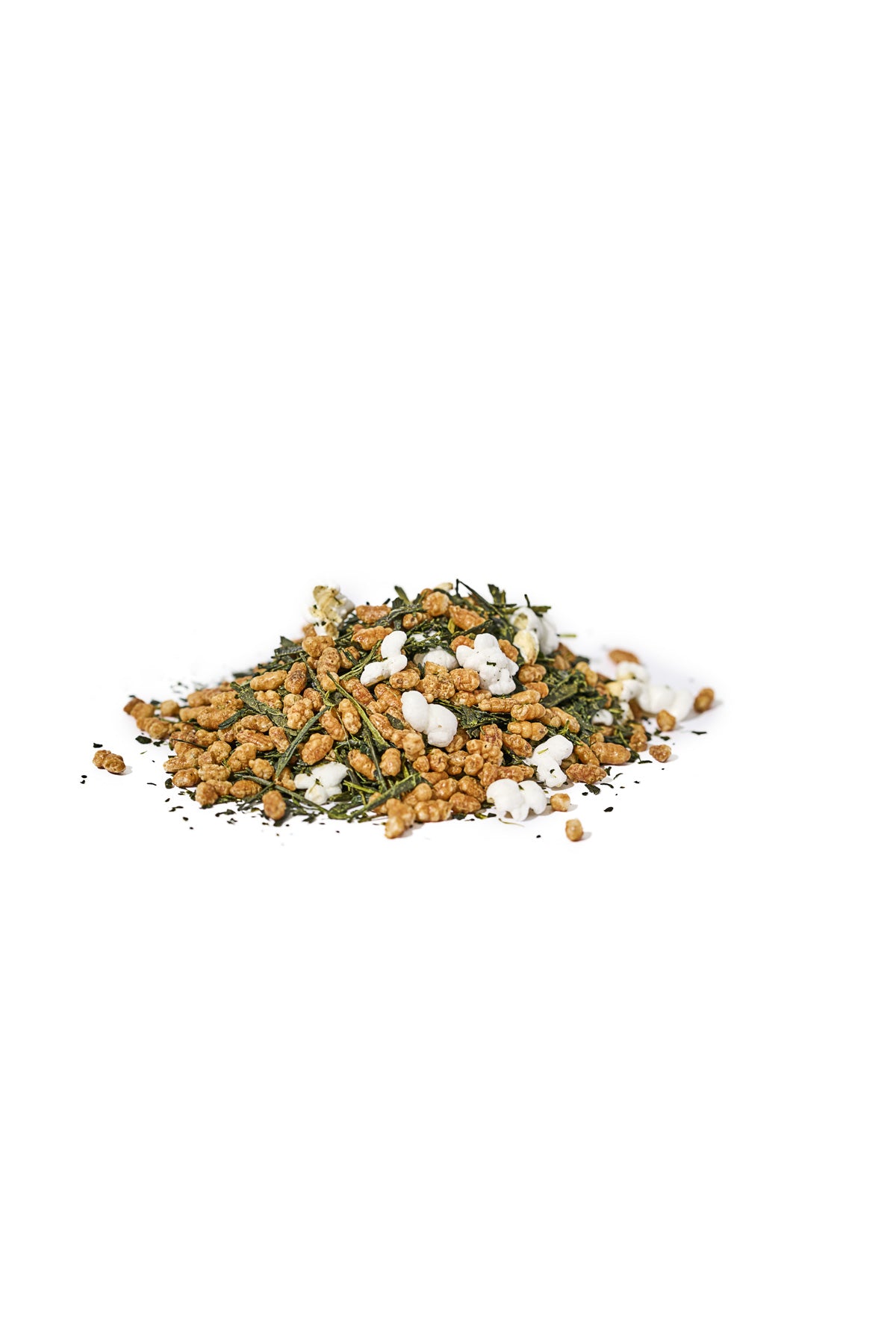
Our premium Japanese Genmaicha blends high-quality green tea with roasted popped brown rice (genmai 玄米), often nicknamed "popcorn tea" because the roasting process sounds like popcorn popping. Popular especially among the older generation in Japan for its mild flavor and lower caffeine content, this tea is easier on the stomach while still offering a rich, comforting taste. The brown rice used is premium Japanese mochi-gome (もち米) sticky rice, enhancing the tea’s nutty, aromatic profile. Made from Fukamushi Sencha and cultivated using the Chagusaba method in nutrient-rich sugarcane soil, this Genmaicha features the Yabukita cultivar and comes in a 7.0 oz (200g) eco-friendly resealable package, enough to steep 50–60 cups.


Related Articles You May Be Interested

Sen No Rikyu – The Tea Master that Changed Japanese Tea Culture Forever
Matcha vs Sencha (Loose-leaf) Green Tea: What Are the Differences?
Do You Know How To Prepare And Serve Green Tea Correctly?
How to Fight Against Anti-Aging by Consuming Japanese Green Tea Daily
Everything You Need To Know About Water And Japanese Green Tea
Is Matcha originally invented in China or Japan? - Green Tea Quiz

Get Free Bonus Books

Join Green Tea Club

Sign up for free to the Green Tea Club to get advice and exclusive articles about how to choose Japanese Tea, and tips, tricks, and recipes for enjoying Japanese tea.

Unsubscribe anytime. It’s free!

About the author

Kei Nishida

Kei Nishida

Author, CEO Dream of Japan

info@japanesegreenteain.com

Certification: PMP, BS in Computer Science

Education: Western Washington University

Kei Nishida is a passionate Japanese green tea connoisseur, writer, and the founder and CEO of Japanese Green Tea Co., a Dream of Japan Company.

Driven by a deep desire to share the rich flavors of his homeland, he established the only company that sources premium tea grown in nutrient-rich sugarcane soil—earning multiple Global Tea Champion awards.

Expanding his mission of introducing Japan’s finest to the world, Kei pioneered the launch of the first-ever Sumiyaki charcoal-roasted coffee through Japanese Coffee Co. He also brought the artistry of traditional Japanese craftsmanship to the global market by making katana-style handmade knives—crafted by a renowned katana maker—available outside Japan for the first time through Japanese Knife Co.

Kei’s journey continues as he uncovers and shares Japan’s hidden treasures with the world.

Learn more about Kei Nishida

Related Posts

Meet Eijiro Tsukada (塚田英次郎): The Charismatic Businessman Behind Cuzen Matcha — Now Available at Japanese Green Tea Co.

Meet Eijiro Tsukada — the man behind Cuzen Matcha. Full guide to the award-winning Matcha Maker, the Pro, and why we're

Read More
Behold: Balmuda's "The MoonKettle" — Where Boiling Water Becomes Art

We were privileged to be invited by Balmuda's Private MoonKettle Launch Event. Here are videos of it and everything you

Read More
OC Japan Fair April 2026 — Visit Us at Booth #A8!
OC Japan Fair Spring 2026 Recap (April 3 - 5 2026)

We were at OC Japan Fair again! April 3-5 2026 with new products, Miki Pon's art debut and more. Here is a recap video f

Read More
Leave a comment

Your email address will not be published..

Cart

Your cart is currently empty.

Start Shopping

Select options