Skip to content

Mother's Day Sale Ending Soon!

Treat her to something truly special.

0 days
0 hours
0 minutes
0 seconds
Shop Sale

Japanese Calligraphy in Tea Ceremony: Philosophy, Painting, and the Way

Tea culture is deeply rooted in Japan, and it goes back a long time. The Japanese tea ceremony comes from Zen philosophy, where the beverage has a lot more meaning than a simple drink for the people. Japanese calligraphy, or decorative handwriting, also has deep connections with tea ceremonies. Drinking tea in the country is a ritual that has many spiritual meanings. Traditionally, tea gatherings used to be held in minimalist tearooms that were decorated with seasonal flowers, hanging scrolls, and tatami mats. There can be both formal gatherings (chaji) and informal gatherings (chakai). A chaji may even be followed by a full-course meal.

Japanese

Traditional Japanese Tea Ceremony

What is a Japanese tea ceremony? Referred to as sadō/chadō or chanoyu, it is a popular cultural activity in the country that involves the ceremonial preparation and also presentation of powdered green tea. This procedure is called temae. Tea is a popular drink in other countries as well, like India and Britain, but the Japanese traditional tea ceremony is different because it is rarely a ceremonial practice in those countries.

Okakura Kakuzō coined the term "Teaism" to refer to the unique Japanese tea ceremony. It is not just an occasion to drink the beverage or a gathering of people for socializing. It has deep-rooted spiritual connections to Zen Buddhism, which was a primary influence.

  • Philosophy of the tea ceremony: The tea ceremony in Japan brings together the concepts of harmony, respect, purity, and tranquility (Wa-Kei-Sei-Jaku). The process aims to provide harmony and peace to the guests by giving them a break from the outside world and letting them focus on the simple work of serving and drinking tea. The whole process has positive vibes. The guests are also served a small meal with sake and a sweet. There is a break after the meal, but the guests must come back into the tea room so that they can purify themselves. All the objects in the ritual are cleansed and purified, including the tea bowl, the whisk, and the tea scoop. The ceremony can last for many hours.

    Calligraphy in Japan
    Traditional

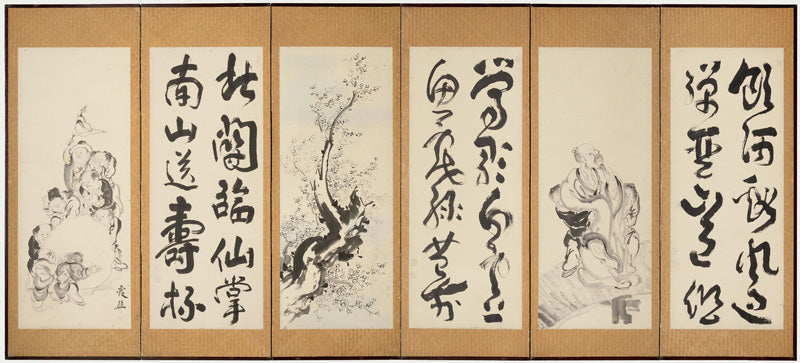
    Japanese calligraphy writing, which is also called shodō, is a form of artistic writing. This is a beautiful piece of visual art that uses an ink brush and pen to execute the lettering in a stunning way. Traditional Japanese calligraphy can be seen in the tearoom as well as in the country. Hanging scrolls are displayed that feature either a calligraphic phrase or a calligraphy poem. There can also be only a single character that is written using a calligraphy brush. Some hanging scrolls may also have a Japanese calligraphy symbol or a photo of the season. It may even display the theme of the tea ceremony.

    Masters of the tea ceremonies have preferred to be perfect in their ceramics, tea utensils, and calligraphy scrolls. It is believed that if the ink is bleeded deeply into the silk cloth or the paper, then the characters can become unreadable.

    • Calligraphy as painting: In Japan, calligraphy is called Shodo. You will find many calligraphy styles at tea parties, like Sosho, Gyosho, and Kaisho. The level of cursiveness also varies. They are called Gyo, Seigyo, and Gyoso.
    • Calligraphy and the Way: "The Way" denotes how tea should be consumed, which is very specific in the country. It is not just an occasion for people to come together and socialize. Tea ceremonies are spiritual in nature and an opportunity for the people to leave behind their everyday worries and enjoy the beverage the way it should be done. The introduction of calligraphy makes it an art form.

      Examples of Calligraphy in the Tea Ceremony

      The

      Elegant Japanese calligraphy is an intrinsic part of the tea ceremonies in the country. In fact, the art of Japanese tea ceremony won’t be the same if the hanging scrolls with the beautiful calligraphy work aren't there. And not just the scrolls; you will find this elegant artwork also in the tea scoops and the tea bowls. Many hosts find unique ways to include calligraphy in the tearooms to make the occasion more beautiful and delightful.

      There have been many famous Japanese calligraphers who have refined and redefined the work, like Konoe Nobutada, Onoe Saishu, Ingen Ryuki, Aizu Yaichi, and Mitsuo Aida.

      Japanese Tea Ceremony Facts

      Drinking tea is a very serious matter in Japan. Here are some interesting facts about the tea ceremony:

      1. The tea ceremony is a time-honored institution that comes from the principles of Zen Buddhism.
      2. The ceremony is held in a tea house, which is ideally detached from the main house.
      3. Sen No Rikyū from the 16th century, was a famous proponent of the tea ceremony. He promoted the wabi-cha style, which means simplicity, quietude, and the absence of ornament.
      4. It is customary to wear a kimono for the tea ceremony.
      5. The room is decorated in a minimalistic style. Everything is kept basic and simple. There is a flower arrangement, a hanging scroll, and tatami flooring.

      Related products
      80 reviews

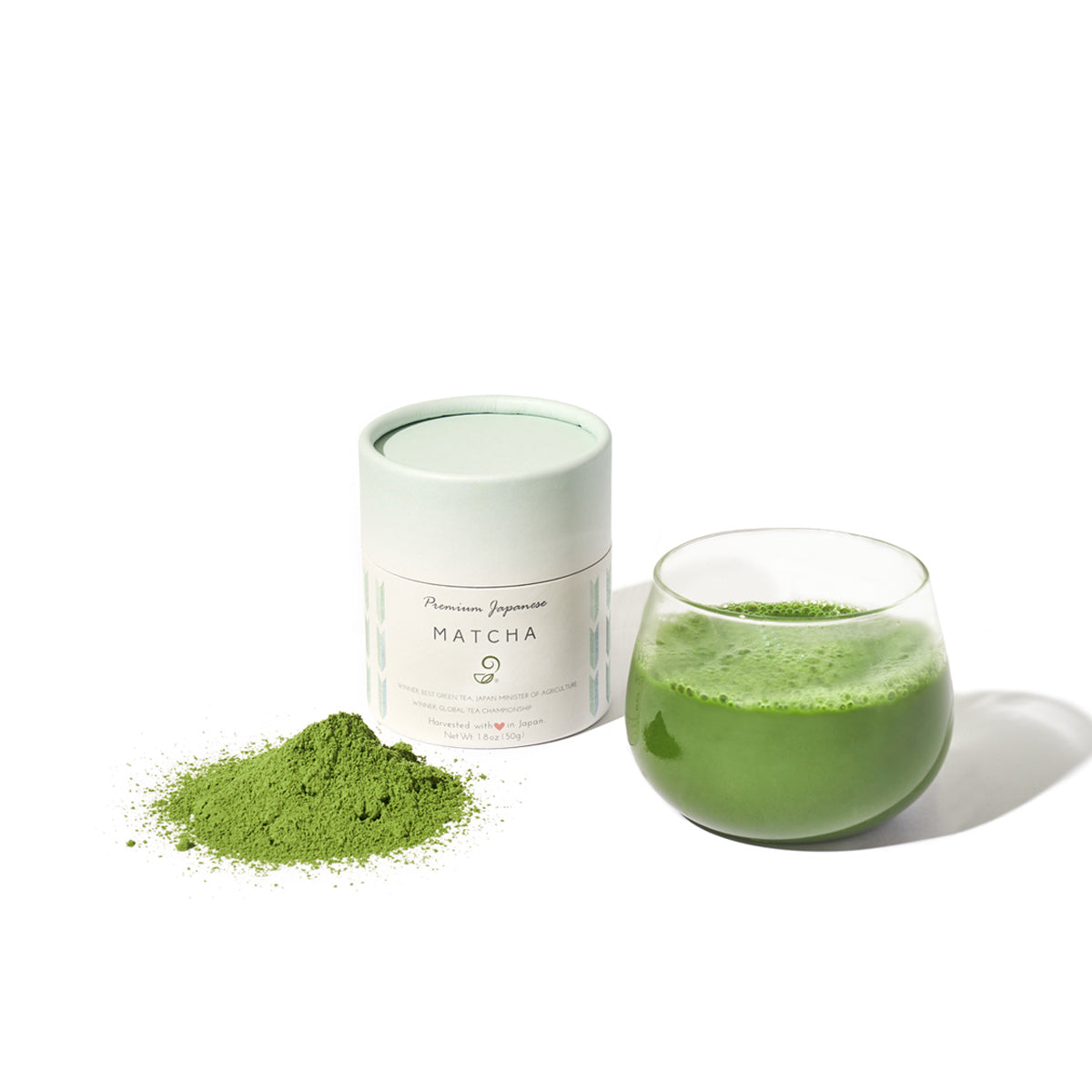
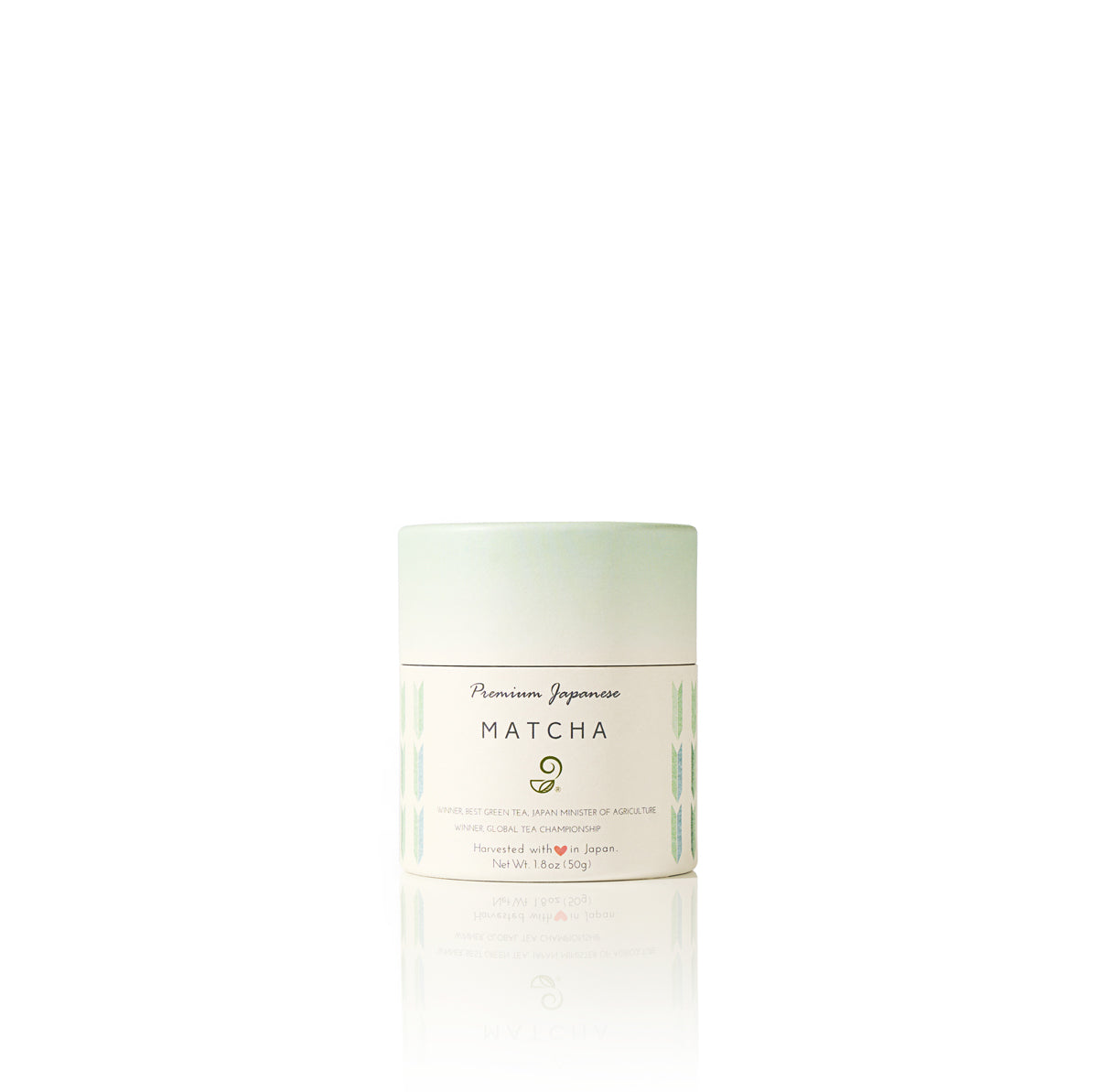
      Matcha - Ceremonial Japanese Powdered Green Tea

      $39.00 $34.99
      Quick view

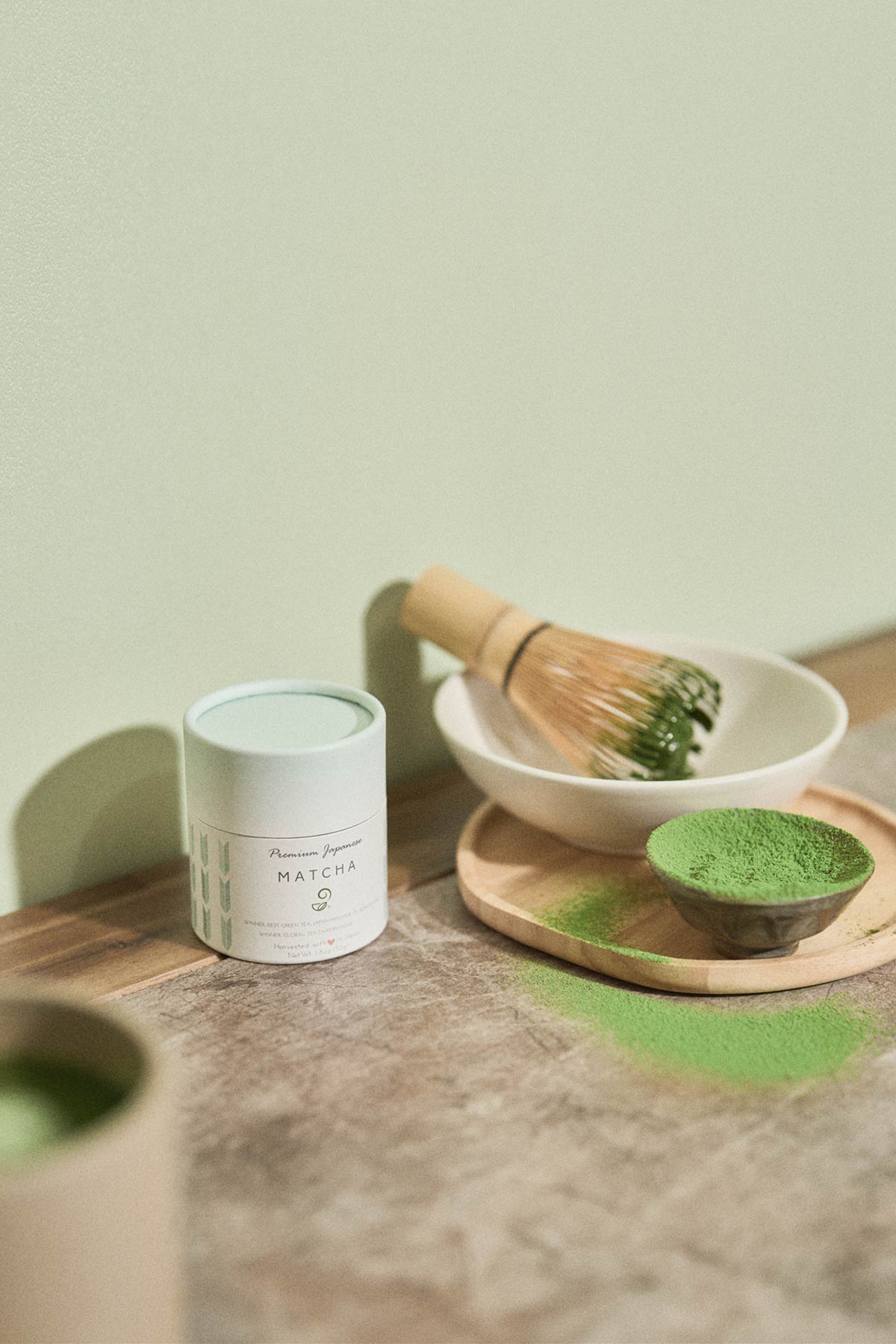
      This ceremonial matcha is crafted from the finest Japanese green tea, grown in nutrient-rich soil enhanced with compostable grasses and sugarcane through the Chagusaba method, which gives the tea a natural sweetness and exceptional flavor. In collaboration with researchers from Shizuoka University, farmers ensure that the soil quality consistently produces tea of the highest standard.

      Renowned among top Japanese chefs for its unmatched aroma, this matcha is made by carefully shading the plants before harvest to boost caffeine and amino acids, then meticulously drying, de-stemming, and grinding the leaves into a fine powder. Made from the Yabukita cultivar, this 1.8 oz (50g) matcha comes in a high-quality, air-tight paper tube canister, providing a luxurious and authentic Japanese tea experience.

      8 reviews

      The Sencha Lover Gift Set - Premium Japanese Green Tea Set Package
      $179.00 $159.99
      Quick view

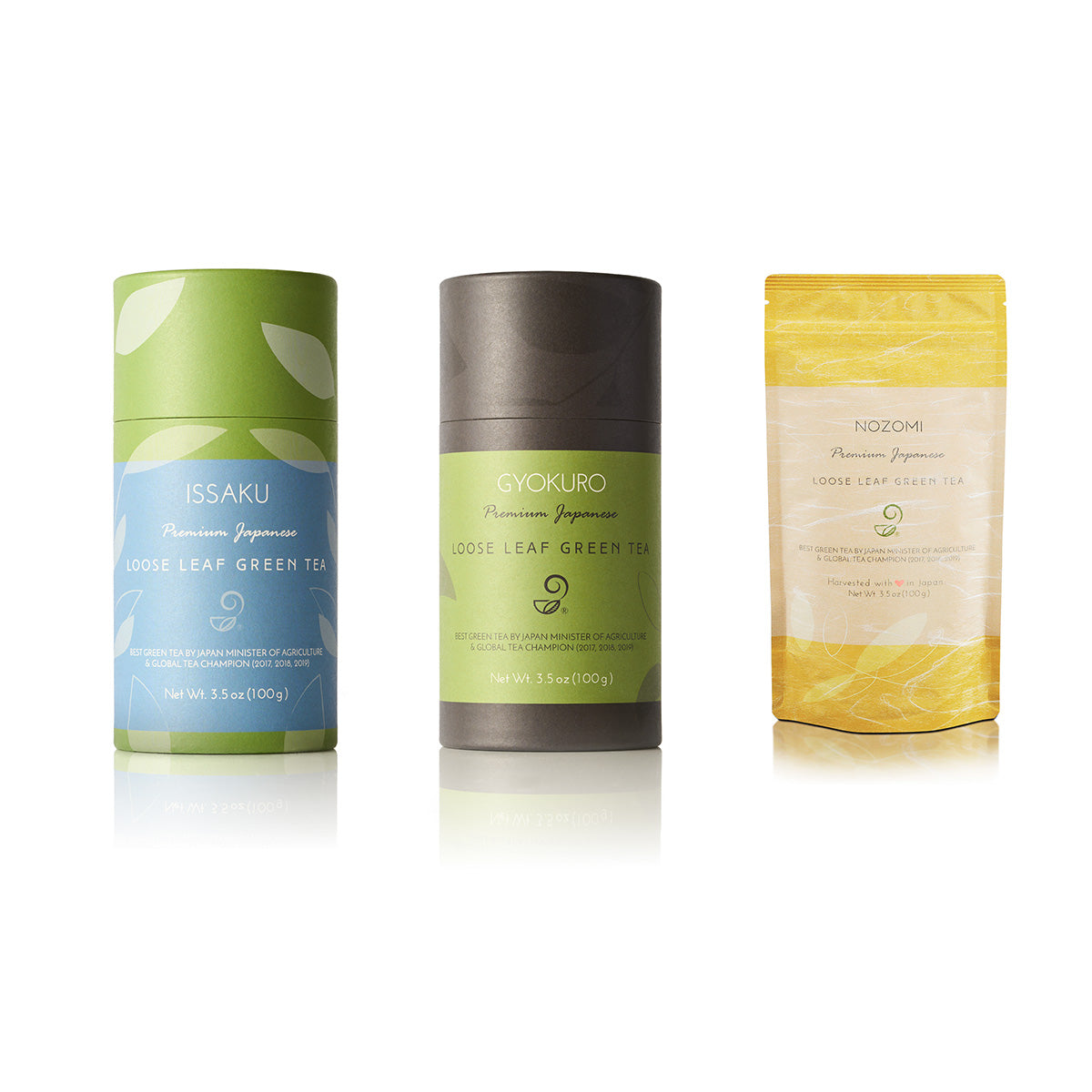
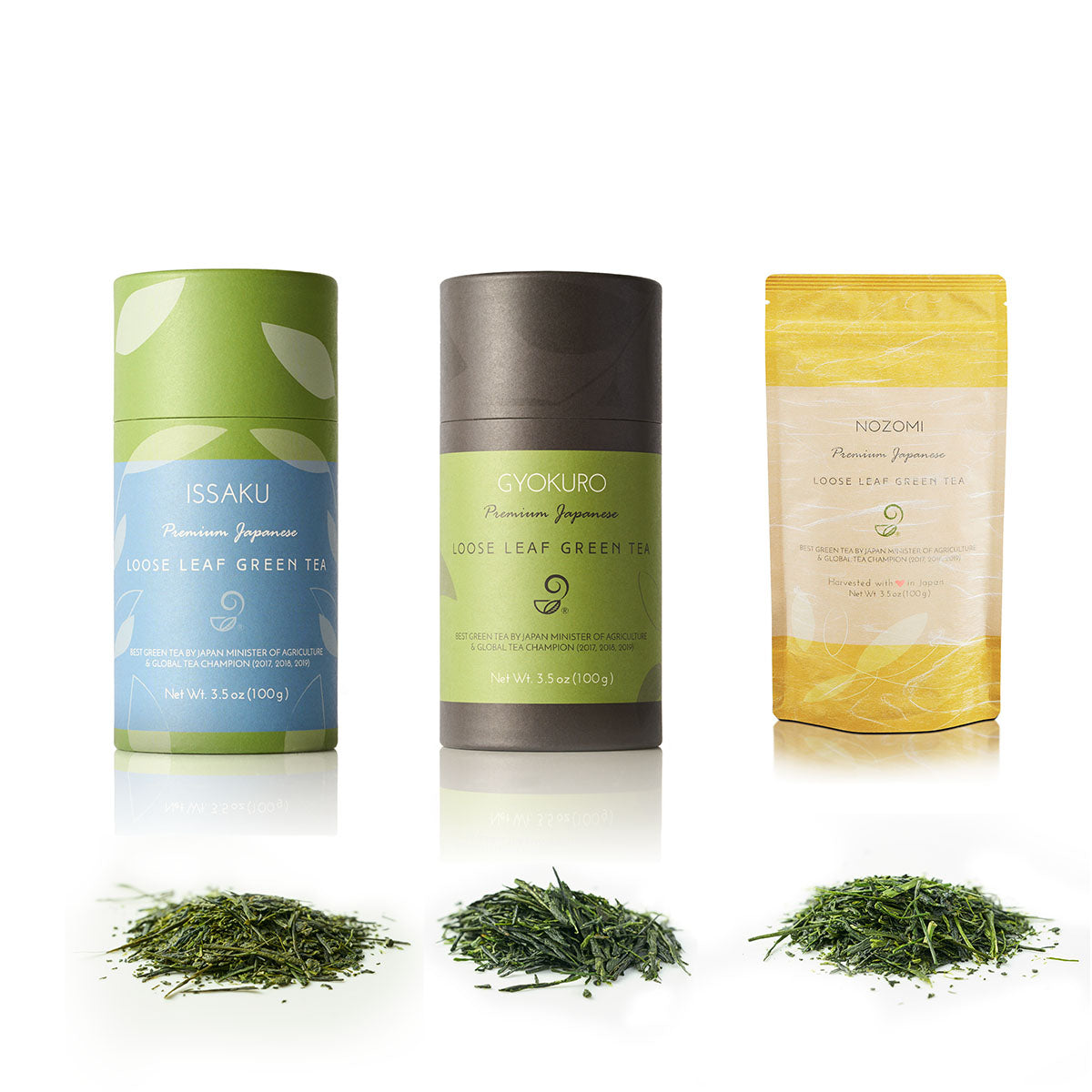
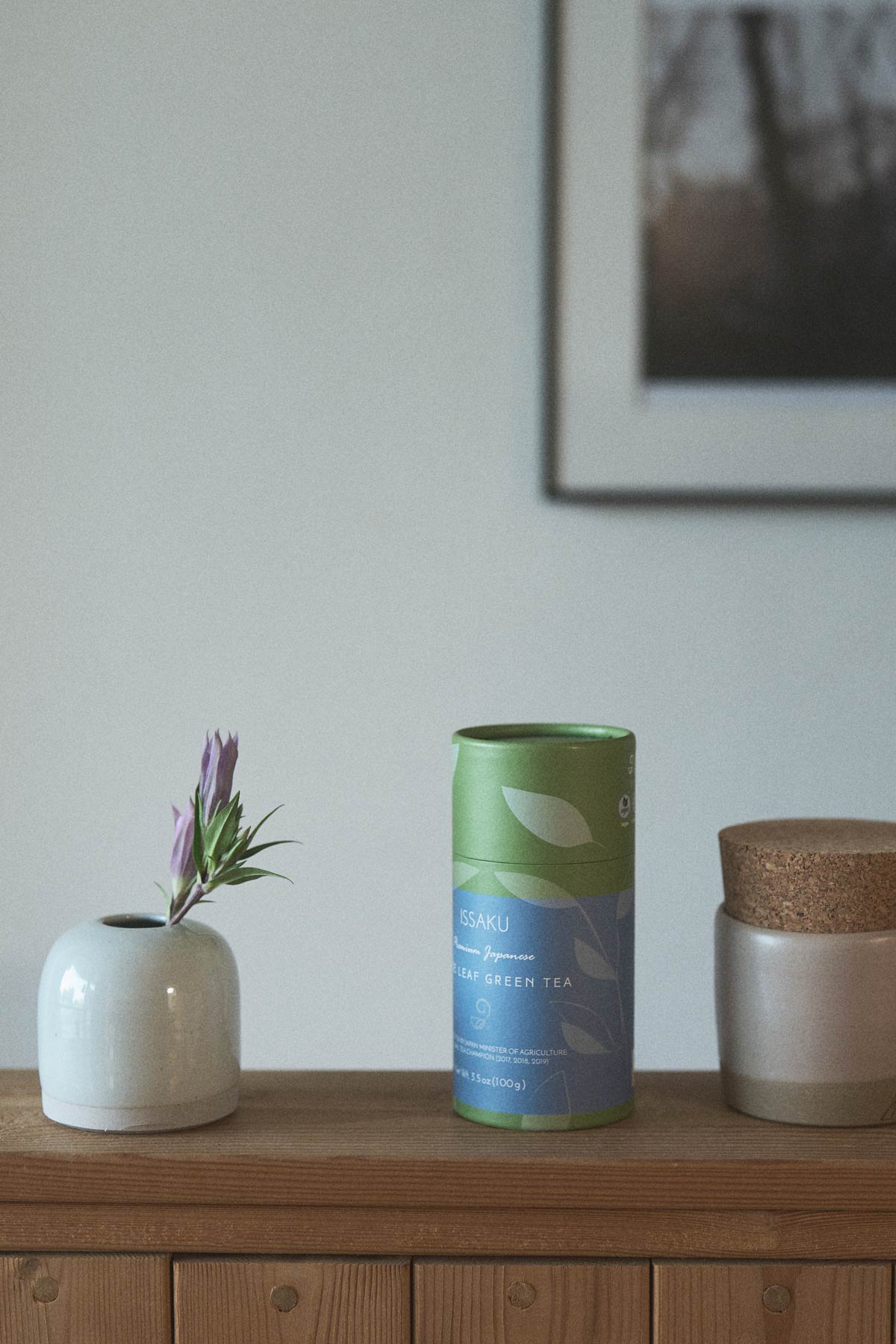
      This tea set features three exceptional Japanese green teas, each crafted with care and traditional techniques. Issaku Reserve, a Global Tea Champion winner in 2017 and 2019, is a rare masterpiece created by Farm Master Mr. Arahata at Arahataen Green Tea Farm. Handpicked once a year from the first flush and processed with advanced methods, Issaku represents the highest-grade deep-steamed green tea, available only in limited quantities even in Japan.

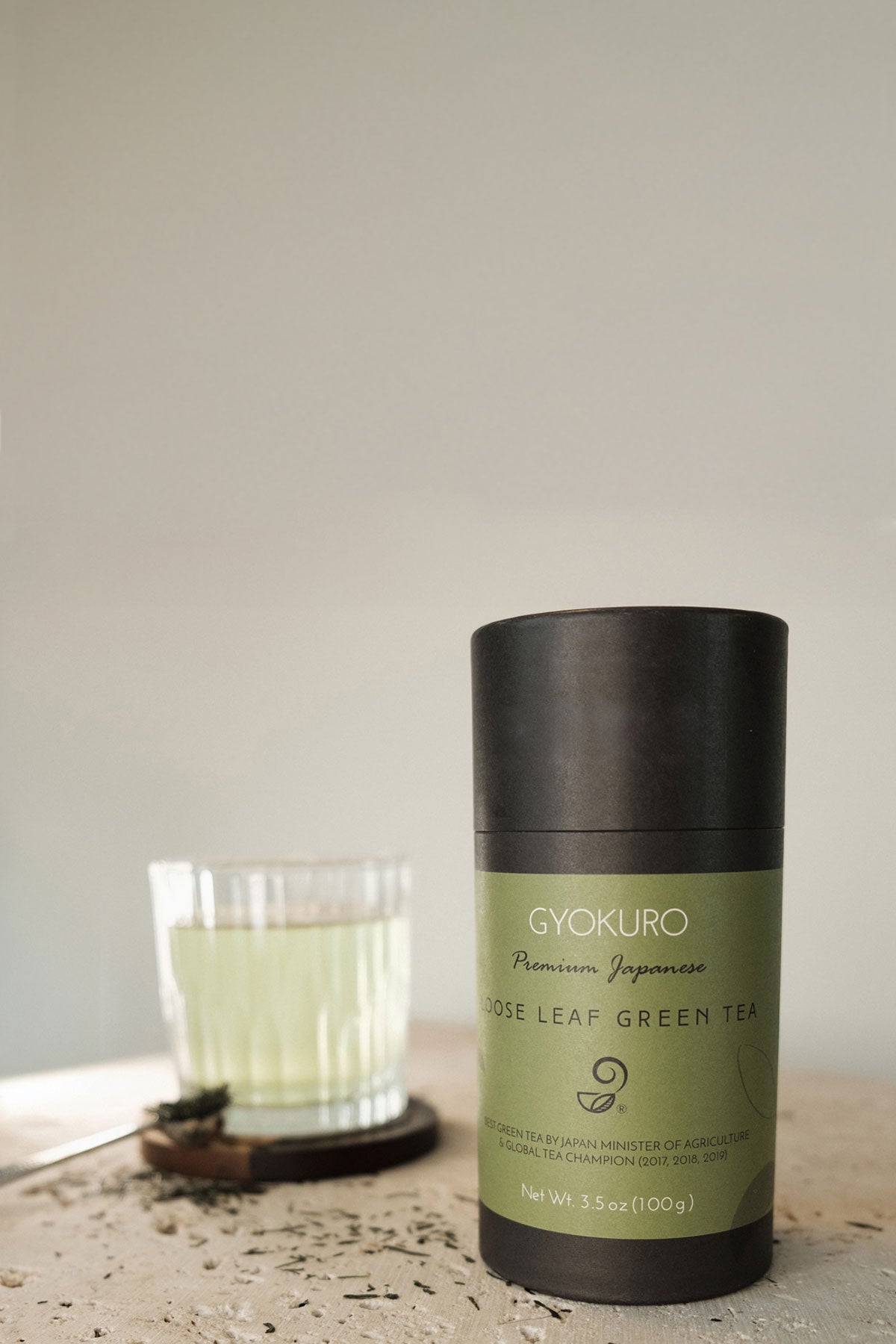
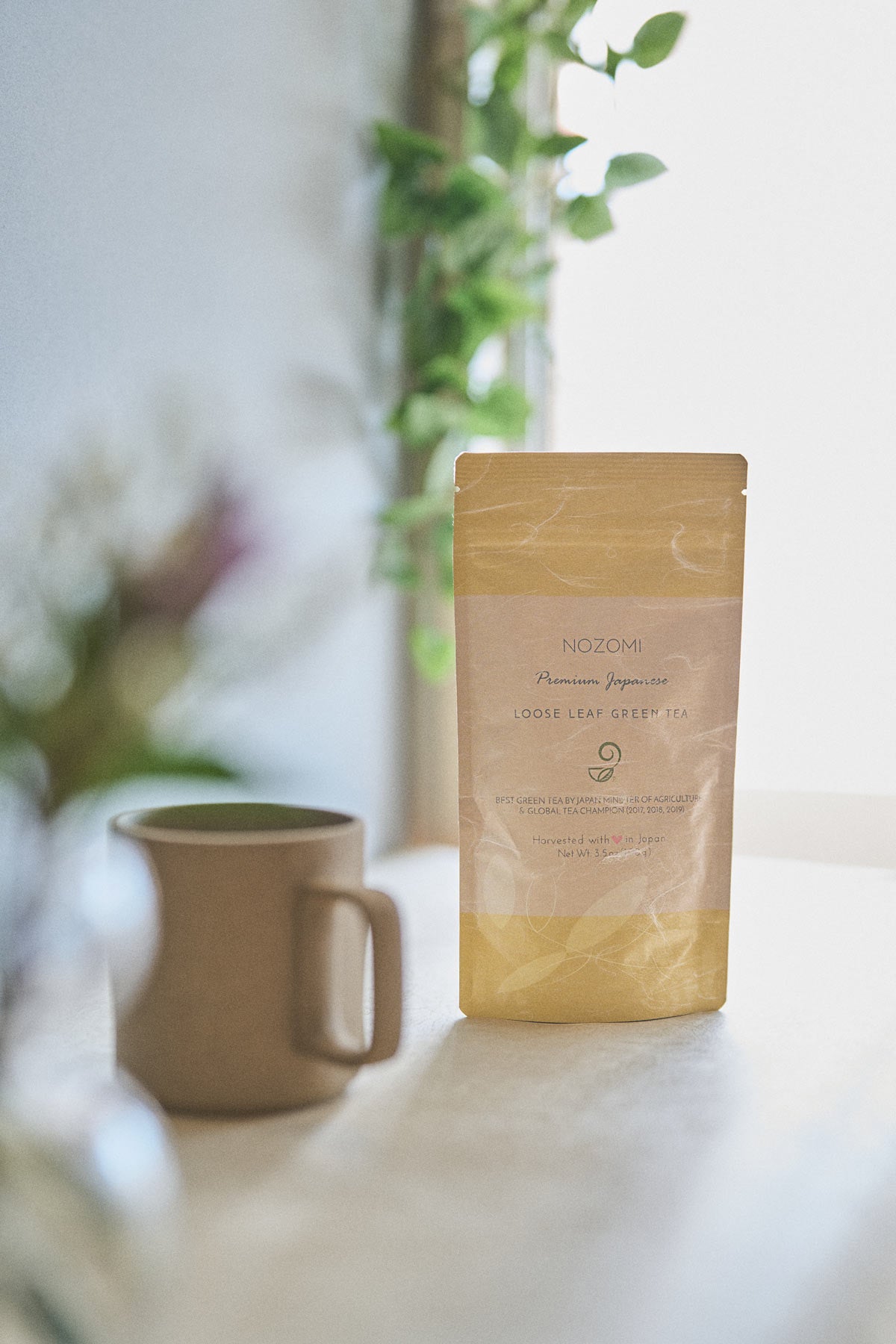
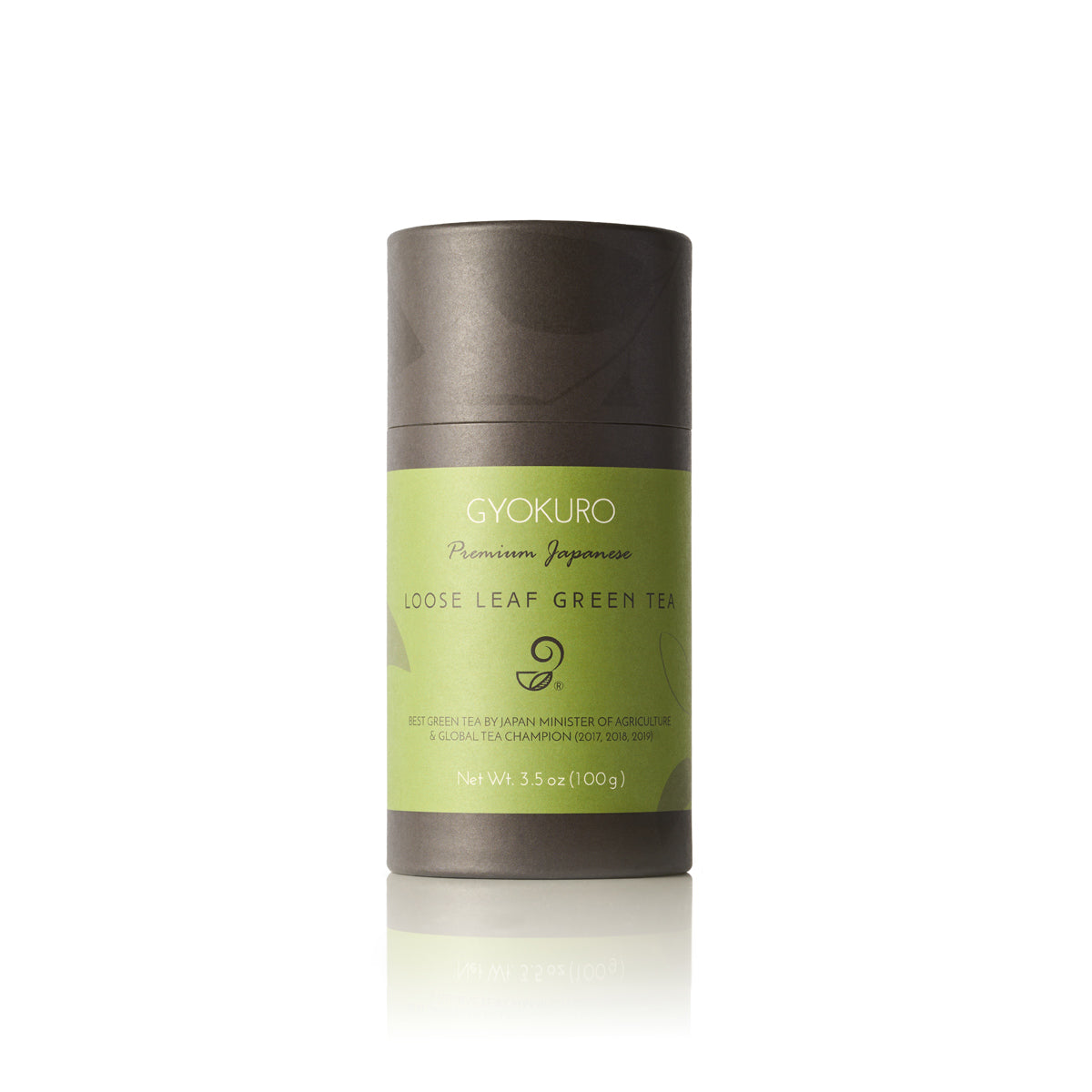
      The set also includes Gyokuro, a premium shaded green tea known for its rich, sweet flavor and deep mossy green color. Grown under special mats for 20 days to increase caffeine and amino acid levels, Gyokuro offers a layered, smooth taste unlike any other. Completing the collection is Nozomi, a fine Kabuse-cha, or "Covered Green Tea," carefully grown under nets to gently shade the leaves just before new sprouts emerge, resulting in a soft, rich, and refined flavor profile.

      97 reviews

      Gyokuro - Shaded Imperial Premium Green Tea

      $65.00
      Quick view

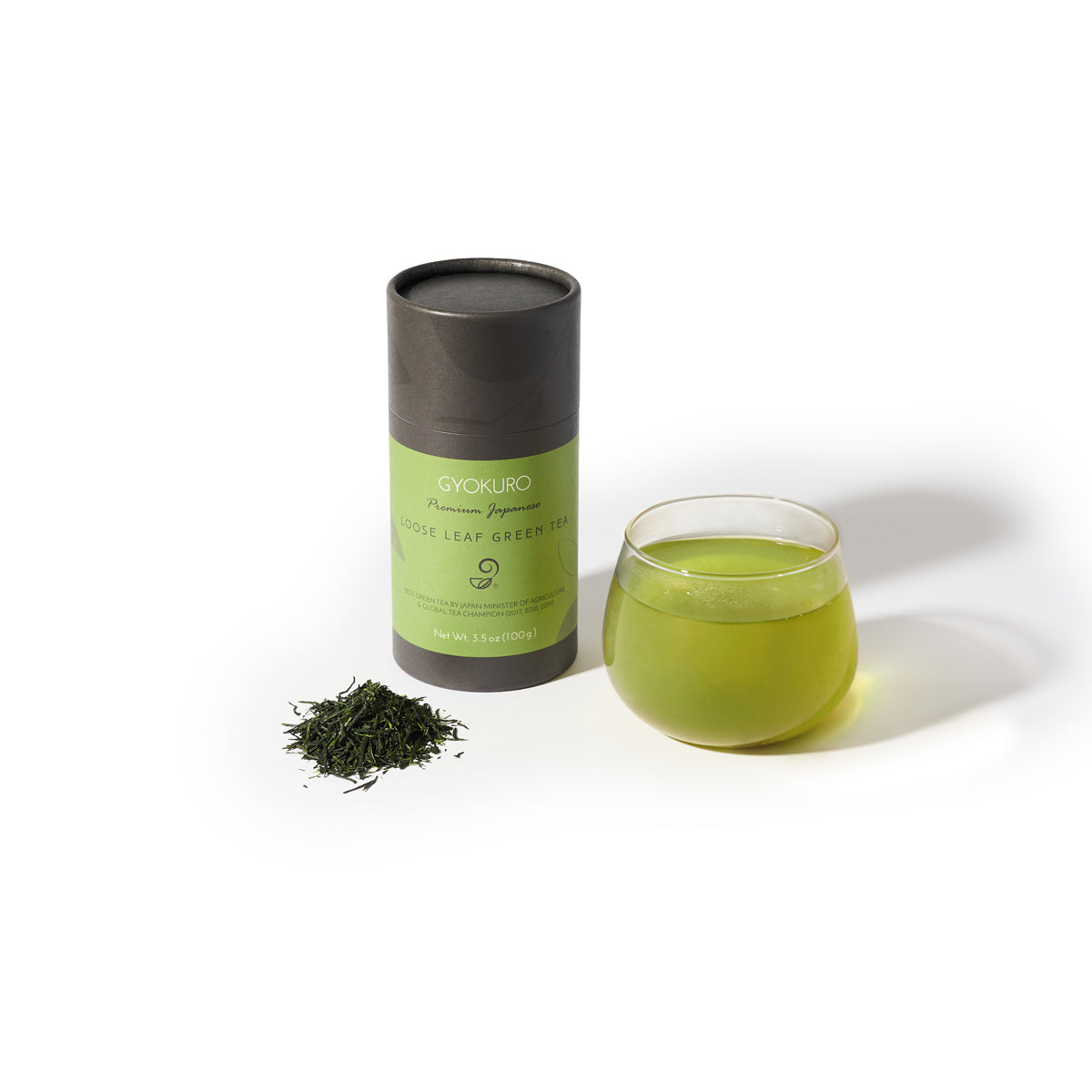
      Gyokuro, also known as "jade dew" or "jewel dew tea," is a premium Japanese green tea shaded from the sun for 20 days using specially made mats, a method that boosts caffeine levels and strengthens amino acids to create a sweeter, richer flavor. This extended shading process results in dark, mossy green leaves with an unmistakable aroma and a complex taste that is layered yet balanced. Cultivated by the Chagusaba method in nutrient-rich sugarcane soil and made from the Yabukita cultivar, this loose-leaf authentic Gyokuro is offered in a high-quality, air-tight paper tube canister (chyazutsu) to preserve its exceptional freshness and flavor. Each 3.5 oz (100g) full-size package steeps 30–40 cups, and a convenient single-serve sample is also available.

      45 reviews

      Hojicha - Roasted Green Tea

      $25.00 $21.99
      Quick view

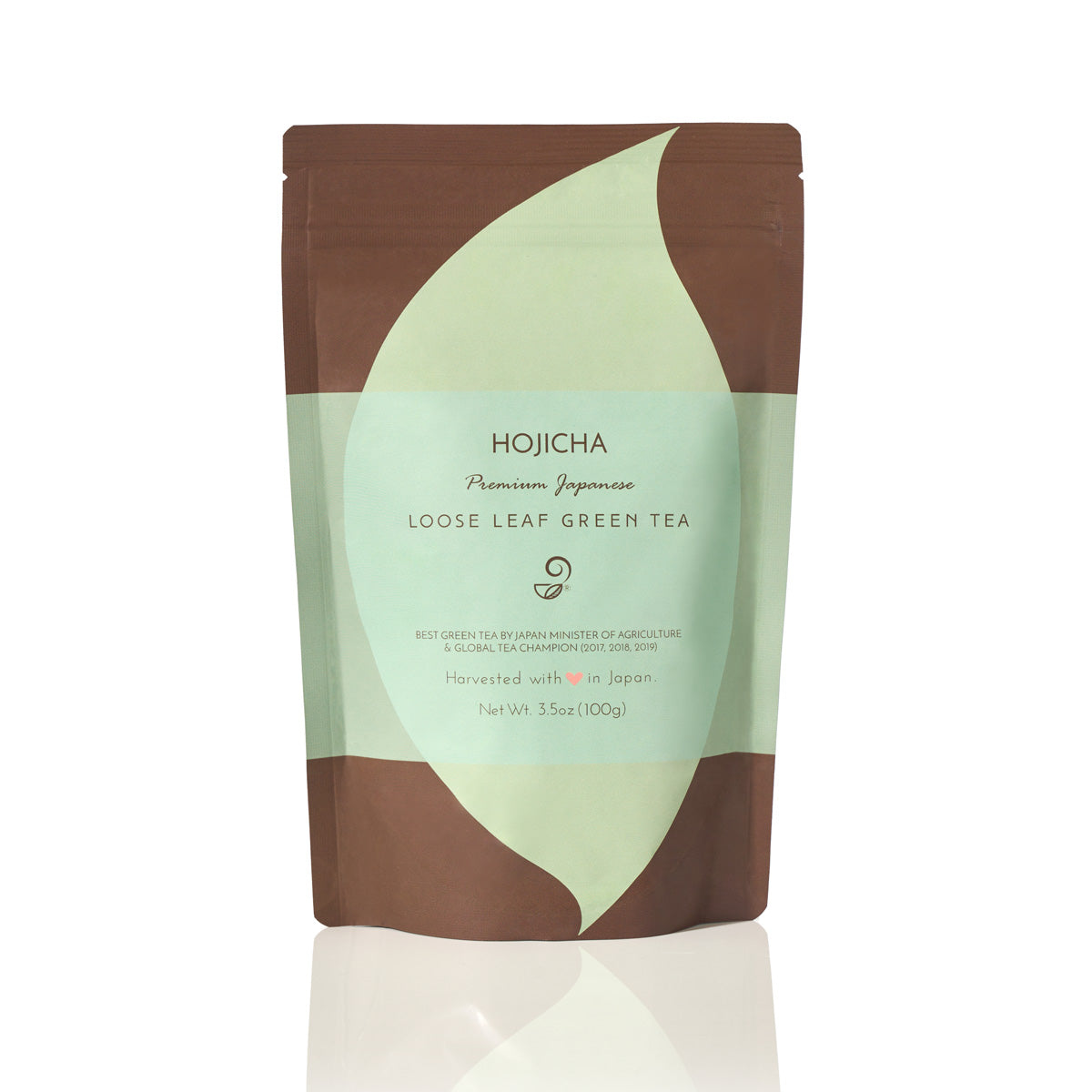
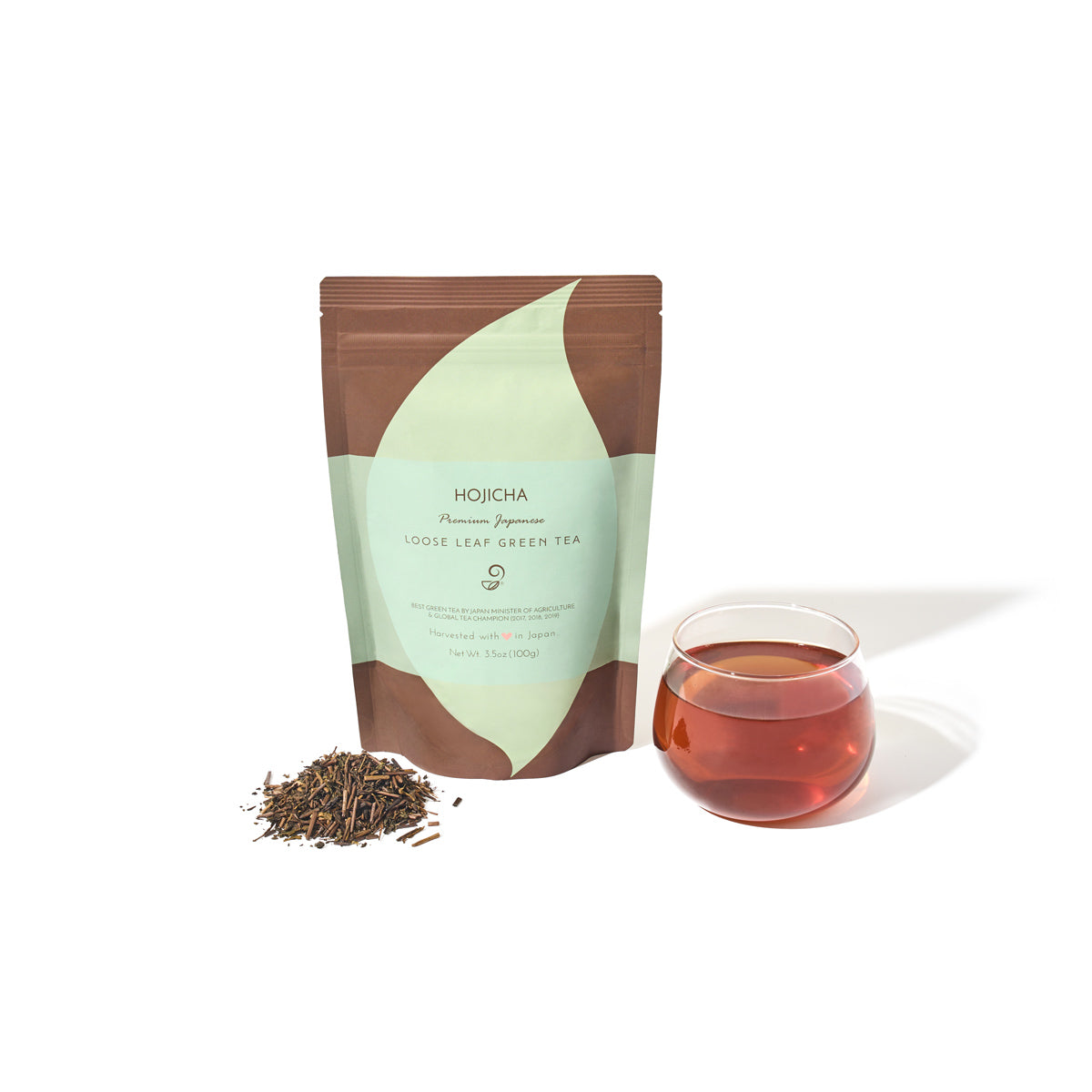
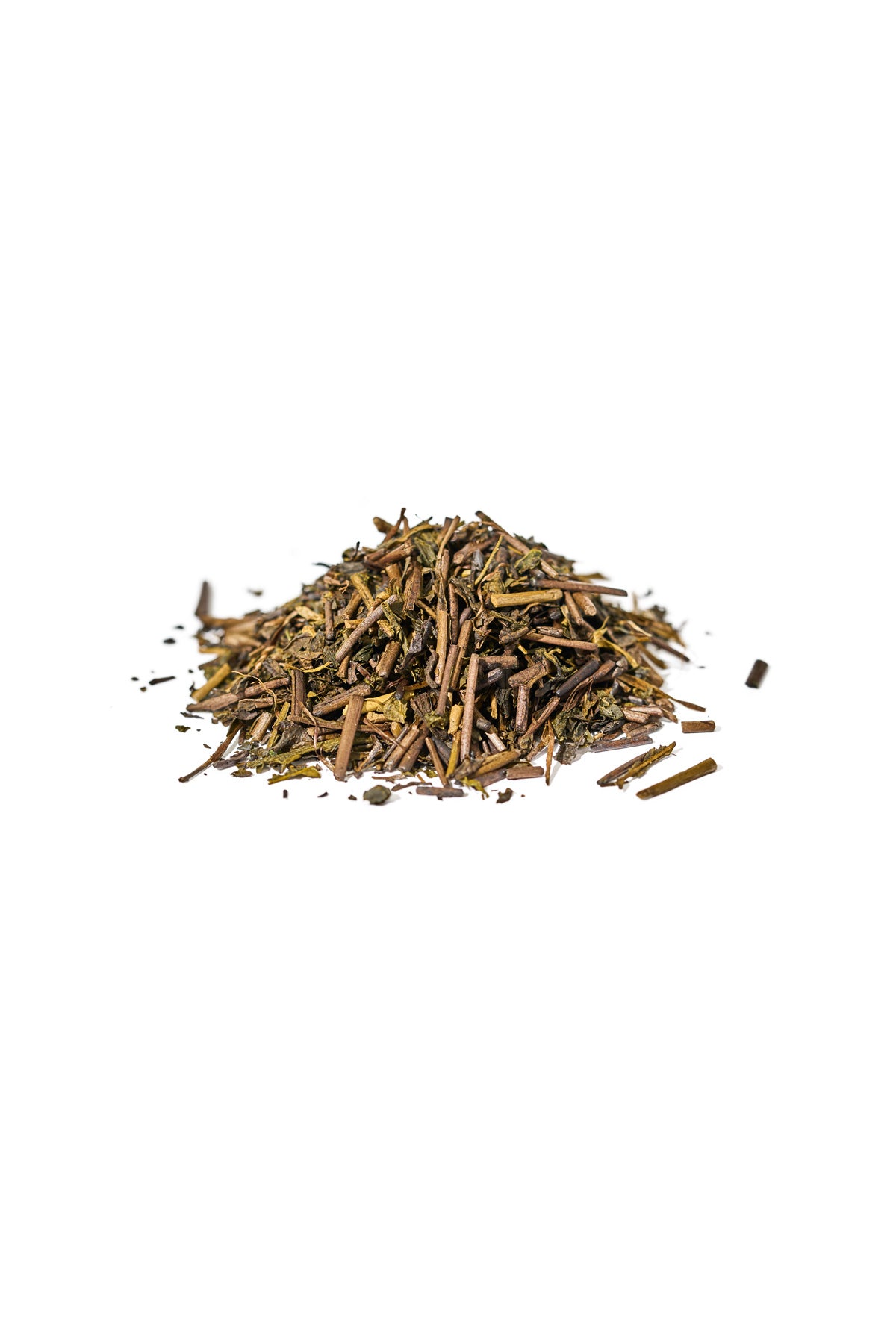
      Our roasted green tea, known as hojicha (ほうじ茶), is crafted from freshly harvested premium green tea carefully roasted in porcelain over charcoal to maximize flavor while retaining more catechins than typical hojicha on the market. With lower caffeine and a smoother, less bitter taste compared to steamed green tea, it is an ideal choice for evening relaxation and is gentle enough for kids and pregnant women. Cultivated using the Chagusaba method in nutrient-rich sugarcane soil, this loose-leaf authentic Japanese roasted green tea, made from the Yabukita cultivar, also pairs beautifully with oily foods. Each eco-friendly resealable package contains 3.5 oz (100g) of tea, enough to steep 30–40 comforting cups.

      42 reviews

      Genmaicha - Green Tea with Roasted Brown Rice

      $30.00 $28.99
      Quick view

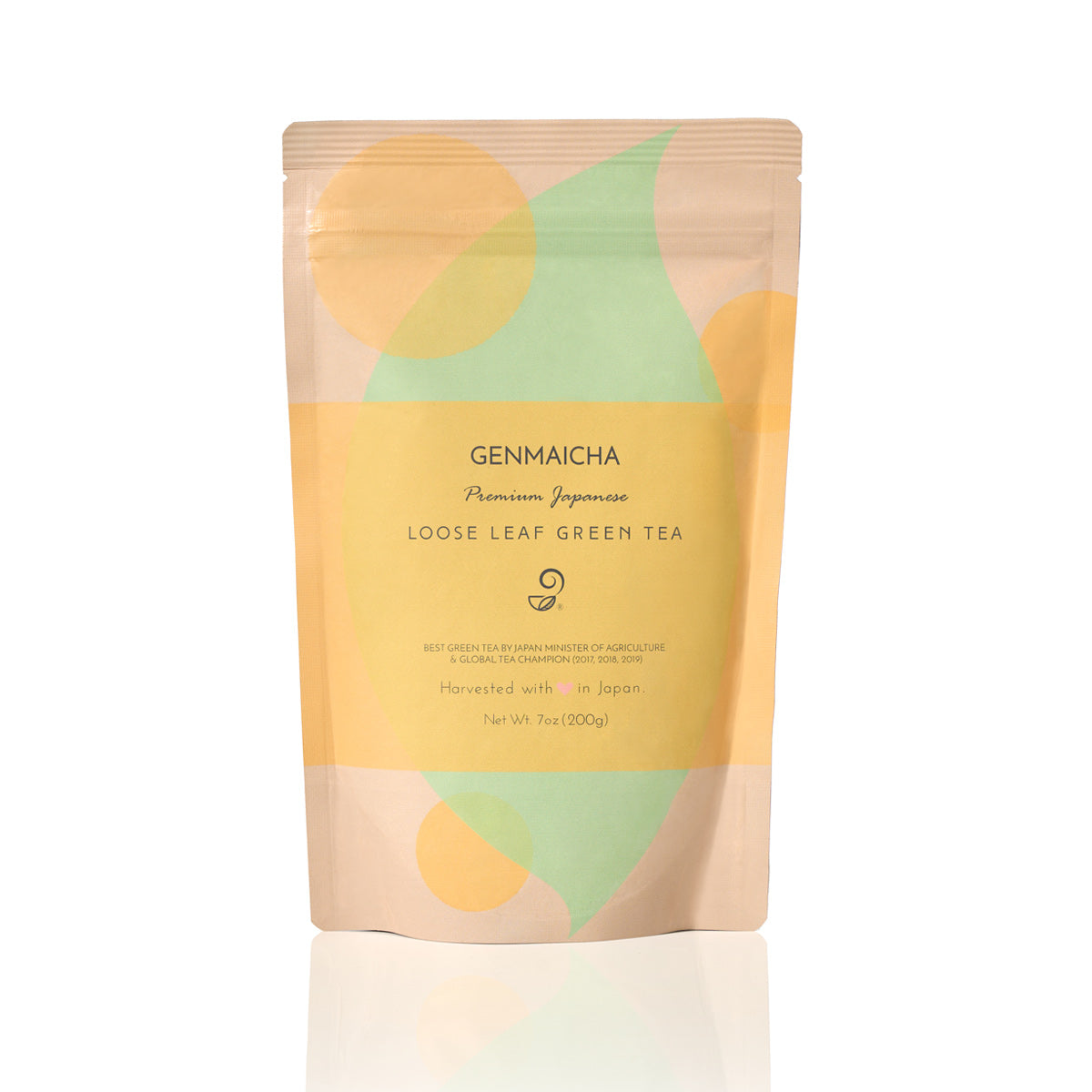
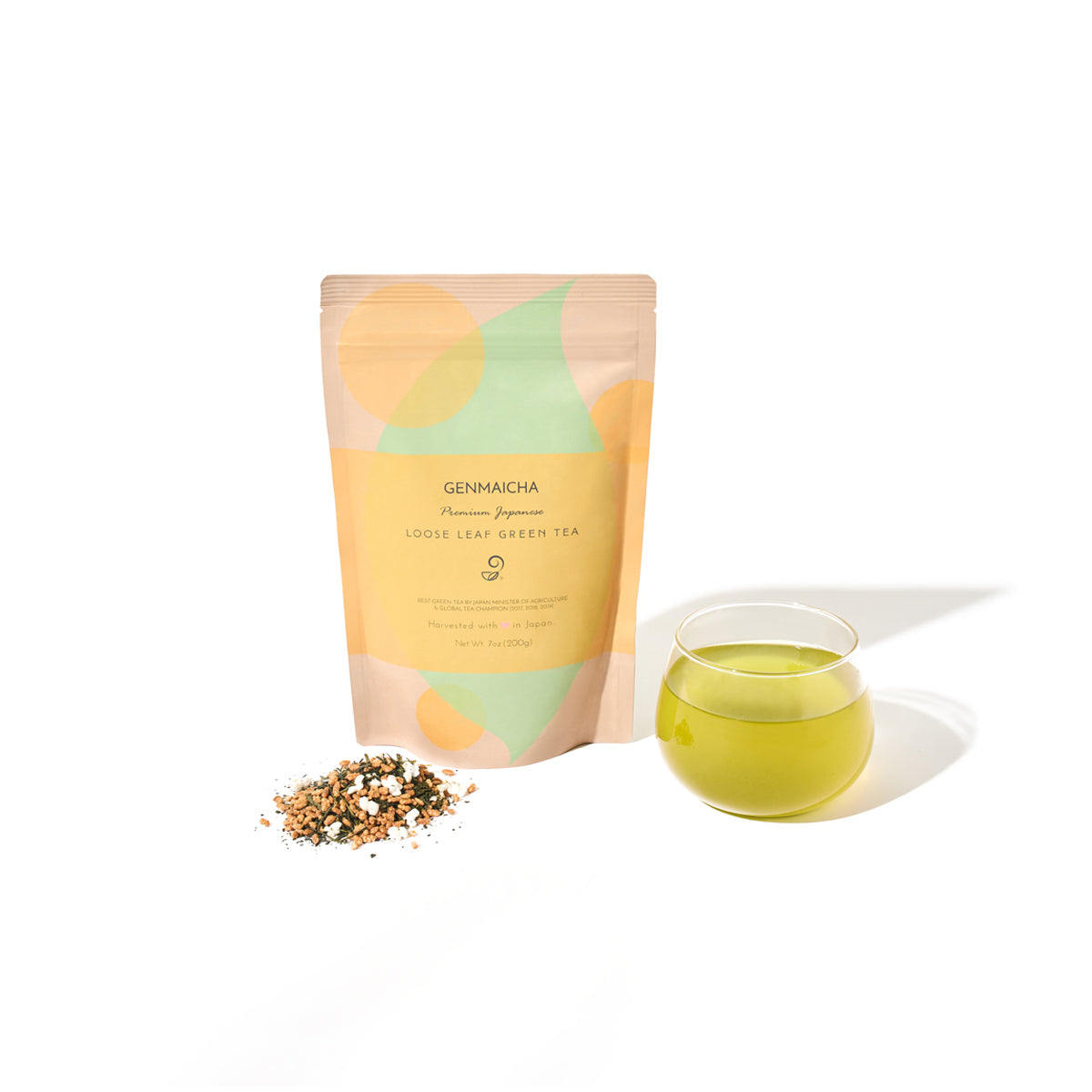
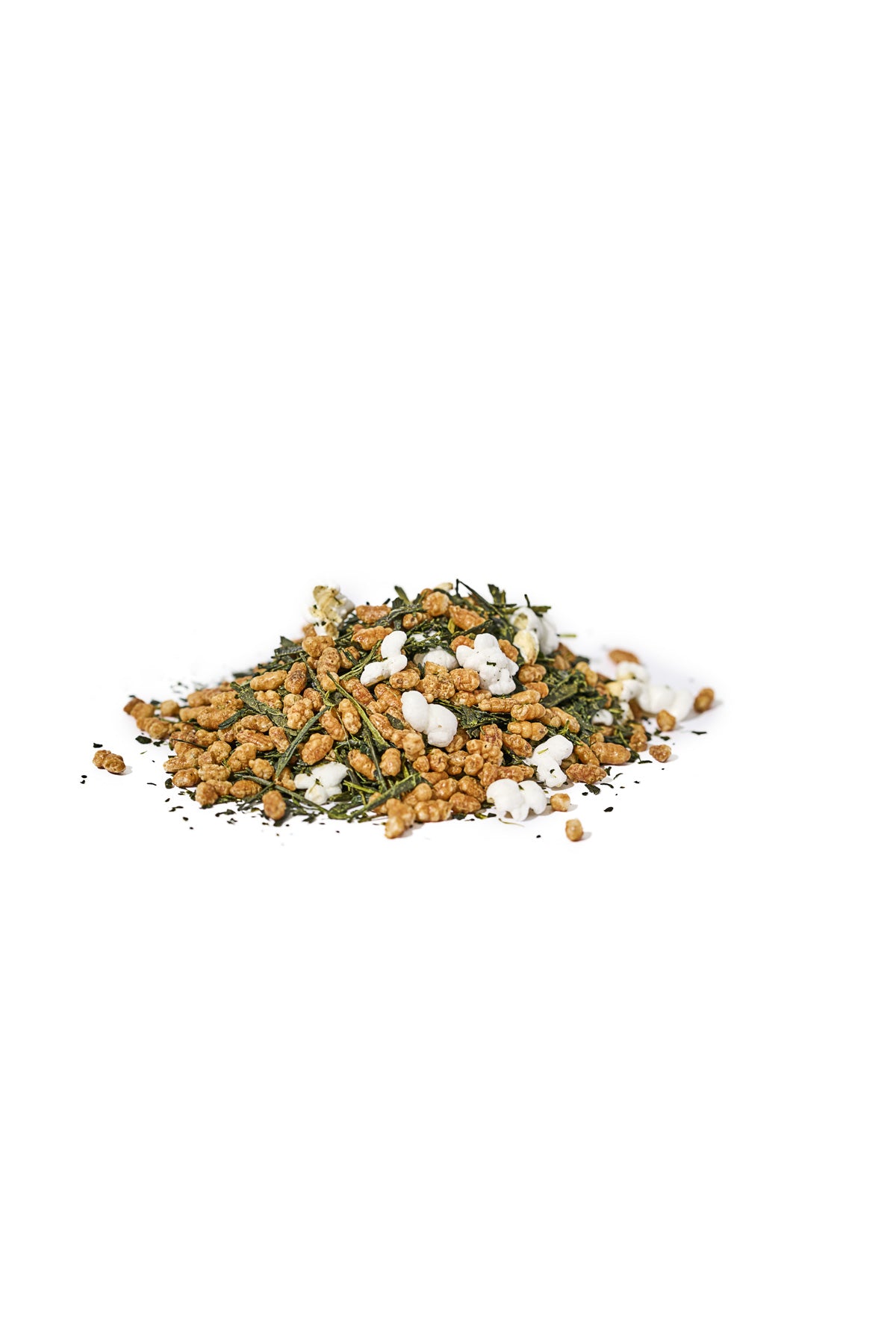
      Our premium Japanese Genmaicha blends high-quality green tea with roasted popped brown rice (genmai 玄米), often nicknamed "popcorn tea" because the roasting process sounds like popcorn popping. Popular especially among the older generation in Japan for its mild flavor and lower caffeine content, this tea is easier on the stomach while still offering a rich, comforting taste. The brown rice used is premium Japanese mochi-gome (もち米) sticky rice, enhancing the tea’s nutty, aromatic profile. Made from Fukamushi Sencha and cultivated using the Chagusaba method in nutrient-rich sugarcane soil, this Genmaicha features the Yabukita cultivar and comes in a 7.0 oz (200g) eco-friendly resealable package, enough to steep 50–60 cups.


      Related Articles You May Be Interested

      What is Japanese Tea Ceremony? – Explained in 6 Simple Steps
      What is Japanese Tea Ceremony? – Explained in 6 Simple Steps
      17 Japanese Tea Ceremony Tools
      Japanese Tea Ceremony: What Not To Do
      Japanese Tea Ceremony: What Not To Do
      10 Ways to Sweeten Your Matcha Green Tea
      10 Ways to Sweeten Your Matcha Green Tea
      Is it Safe to Eat Green Tea Leaves?
      Is it Safe to Eat Green Tea Leaves?

      Get Free Bonus Books

      Join Green Tea Club

      Sign up for free to the Green Tea Club to get advice and exclusive articles about how to choose Japanese Tea, and tips, tricks, and recipes for enjoying Japanese tea.

      Unsubscribe anytime. It’s free!

      About the author

      Kei Nishida

      Author, CEO Dream of Japan

      info@japanesegreenteain.com

      Certification: PMP, BS in Computer Science

      Education: Western Washington University

      Kei Nishida is a passionate Japanese green tea connoisseur, writer, and the founder and CEO of Japanese Green Tea Co., a Dream of Japan Company.

      Driven by a deep desire to share the rich flavors of his homeland, he established the only company that sources premium tea grown in nutrient-rich sugarcane soil—earning multiple Global Tea Champion awards.

      Expanding his mission of introducing Japan’s finest to the world, Kei pioneered the launch of the first-ever Sumiyaki charcoal-roasted coffee through Japanese Coffee Co. He also brought the artistry of traditional Japanese craftsmanship to the global market by making katana-style handmade knives—crafted by a renowned katana maker—available outside Japan for the first time through Japanese Knife Co.

      Kei’s journey continues as he uncovers and shares Japan’s hidden treasures with the world.

      Learn more about Kei

      Related Posts

      Yokohama Peach is offered as a regular menu at Okayama Kobo Cafe!
      Yokohama Peach is offered as a regular menu at Okayama Kobo Cafe! + Recap Video of Pop-up on 2/8/2026 at Anaheim, CA

      We are excited to announce that our Yokohama Peach is now available on the regular menu at the popular Japanese Bakery,

      Read More
      The Story Behind Our Booth Backdrop: Craftsmanship, Engineering, and Sacred Wood
      Behind the Scenes – How We Made the Event Booth & Backdrop Using Sacred Wood

      Discover how our one-of-a-kind event booth came to life—from Japanese Kōshi (格子) design and rare Port Orford Cedar to mo

      Read More
      Hojicha Banana Daifuku (Mochi): The Collaboration of Aromatic Roasted Tea and Richly Sweet Banana
      Hojicha Banana Daifuku (Mochi): The Collaboration of Aromatic Roasted Tea and Richly Sweet Banana

      Dive into the soft, chewy world of Hojicha Banana Daifuku—where toasted tea meets sweet banana in a cloud of fresh mochi

      Read More
      Leave a comment

      Your email address will not be published..

      Cart

      Your cart is currently empty.

      Start Shopping

      Select options