Skip to content

Japan’s Greatest Culinary Combo: Green Tea With Rice

Nowadays, people put Japanese green tea in almost everything. Just a few of the more unique green tea combos include green tea alcoholic beverages, green tea fudge bars, and, of course, the ever-popular green tea Kit Kats. However, there’s one green tea combination that’s been a standard in Japanese cuisine for centuries. We’re talking about green tea and rice. Although many Westerners might not have heard about this combination, green tea-rice recipes abound in the "Land of the Rising Sun." In this article, we’ll take a look at a few of the most popular Japanese green tea-rice recipes, some of which you can cook in your own kitchen. But first, let’s explore the interesting history of an old Japanese standard: brown rice green tea.

The Amazing Myth Behind Brown Rice Green Tea

Brown rice green tea is officially called Genmaicha (Japanese: 玄米茶). Some Japanese believe this tea was invented in the 15th century when a servant named Genmai accidentally spewed brown rice into a samurai’s cup of green tea. The samurai was so angry that Genmai ruined his expensive tea that he instantly chopped the servant’s head off. A few moments later, however, the samurai tried this new blend of tea and was shocked to discover just how delicious it was. Out of remorse for his servant, the samurai ordered his fellow warriors to always drink green tea with brown rice in the morning. He also announced that henceforth green tea with brown rice would be named "Genmaicha" in poor Genmai’s honor.

Although this story may not be factual, the beverage certainly is. Many Japanese historians believe Genmaicha was invented in Kyoto around 90 years ago as an affordable way to give Japan’s peasantry a drink that was very filling. There have also been stories of some Zen monks frequently indulging in Genmaicha between meditation sessions. Be sure to check out the latest Genmaicha brands online and taste this delicious brew for yourselves.

Savor The Popular Japanese Specialty: Ochazuke

One of the most popular Japanese dishes using green tea rice is called Ochazuke (Japanese: お茶漬け). The dish basically consists of green tea, rice, and some kind of topping. Popular toppings include seaweed, salmon, scallions, and sesame seeds, but feel free to experiment if you ever make ochazuke on your own! Historians believe this dish first became popular some time in the Edo period (1603–1868), when Japanese nobility started pouring green tea over their rice. Most Japanese people eat ochazuke either after their main meal or as "comfort food" when they are sick. Ochazuke is supposed to be a light dish, so it wouldn’t be fitting to eat this as a main course.

ochazuke

“Instant Ochazuke,” A Wonderful Midnight Snack

Life is so stressful in most modern Japanese cities. Many people can’t find the time to cook a proper ochazuke using only fresh ingredients. That’s why companies started creating "Instant Ochazuke" packets for sale in various grocery stores. Today, millions of Japanese people purchase these "Instant Ochazuke" packets and enjoy them as a midnight snack. Most "Instant Ochazuke" are packaged with toppings such as seaweed, various herbs, and rice crackers. All customers have to do is get some cooked rice, sprinkle the seasoning over the rice, and pour hot green tea over it all. Most Japanese people always have leftover rice at home, so adding an "Instant Ochazuke" packet is a great way to make a satisfying snack extremely quickly. "Instant Ochazuke" is extremely affordable and easy to make, which is why it’s such a favorite among the super-stressed-out Japanese working class.

Learn The Rich History of Japan’s Favorite Snack: Onigiri

Onigiri

If you’ve ever been to Japan, then you certainly know how popular onigiri (Japanese: お握り) is. Onigiri, which literally means "rice ball," is the ultimate Japanese snack food. Hundreds of street vendors sell thousands of onigiri every day in major Japanese cities. Although we don’t know who first invented these tasty treats, we do know that the Japanese have been consuming something like onigiri for a long time. Believe it or not, archaeologists have discovered what looks like an onigiri from 2,000 years ago! It wasn’t until the Heian period (794–1185), however, that we had the first official records of something like onigiri. At this time, court officials would serve tonjiki (Japanese: 頓食) to servants. These tonjiki were made of white rice and were said to look like an egg. It wasn’t until seaweed became easier to process in the Genroku period (1688–1744) that onigiri became the go-to snack for all Japanese citizens. As the Edo period progressed, onigiri quickly became the most common snack across Japan. As you might expect, there are tons of onigiri that incorporate green tea. In fact, it’s very common to see matcha onigiri sold all over modern-day Japan.

As you can see, the Japanese really have a passion for green tea and rice. There are so many different ways you can enjoy this delectable dish, no matter where you happen to be. Of course, if you ever get a chance to visit Japan for yourselves, you really must try some authentic green tea-rice dishes in the land where it all began. Whether you eat green tea rice at home or in Nihon, you’re sure to enjoy this delicious and nutritious Japanese specialty.

Buy Genmaicha Online

FAQs about Green Tea and Rice in Japanese Cuisine

What is ochazuke and why is it considered a Japanese comfort food?

Ochazuke (お茶漬け) is a simple Japanese dish — hot green tea (or dashi broth) poured over a bowl of cooked rice, often topped with savory ingredients like umeboshi (pickled plum), grilled salmon, nori, or tsukemono. It's been a Japanese staple since the Heian period (8th-12th century), originally because it was a quick way to extend rice with hot liquid for a satisfying meal.

It's comfort food the way a grilled cheese or chicken soup is comfort food in Western cultures — simple, fast, deeply familiar, eaten when you're tired or unwell or just want something quick and warm. The combination of hot tea, soft rice, and salty toppings hits a comfort-food sweet spot that more elaborate dishes can't match.

Modern variations have proliferated: salmon ochazuke, plum ochazuke, fancy versions with sea bream and gold leaf at high-end Japanese restaurants. The basic dish remains household-level common; the elaborate versions exist mostly for tourists and gourmands.

Which Japanese green tea works best for ochazuke?
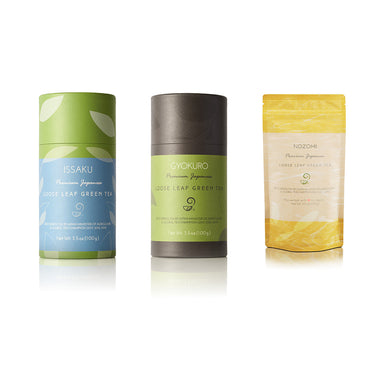
Sencha is the classic — bright, slightly astringent, holds up against the rice and toppings. Standard sencha works well; you don't need premium grade for ochazuke since the tea is one component among several rather than the central feature.

Hojicha is the autumn-winter alternative — the roasted notes pair beautifully with grilled fish and pickled vegetables. Hojicha ochazuke is increasingly popular in modern Japanese restaurants and works particularly well in colder weather.

Genmaicha (sencha + roasted brown rice) is the comforting middle path — the rice-on-rice flavor harmony makes for an especially home-cooking-feeling ochazuke. Skip matcha; it's too thick and the powder doesn't integrate well with rice. Stick to steeped teas.

How do I make basic ochazuke at home?

Method: cook short-grain Japanese rice (Koshihikari, sushi rice) per package directions. Brew strong hot sencha (about 1.5x the leaf-to-water ratio you'd use for drinking — pour over rice produces best flavor with stronger tea). Place rice in a bowl. Add toppings (umeboshi, salmon flakes, nori, sesame seeds, tsukemono). Pour hot tea over the bowl until rice is half-submerged. Eat immediately with chopsticks and a spoon for the broth.

The right rice texture matters. Day-old rice (cold from the fridge) actually works better than fresh-cooked rice — the slight stiffness holds up against the hot liquid. Many Japanese home cooks make ochazuke specifically with leftover rice from the previous meal.

Don't pour the tea while it's at full boiling temperature — let it cool slightly to about 175-180°F. Boiling-hot tea over rice produces a slightly muddier flavor than tea at proper sencha temperature. Both work; the cooler tea version is cleaner.

What's the cultural significance of ochazuke beyond just being food?

Ochazuke has a specific cultural moment in Japanese hospitality. There's an old Kyoto custom where serving ochazuke to a visiting guest is a polite signal that it's time for them to leave — the implication being "we're winding down to a simple final meal, you've stayed long enough." Hosts and guests both understand the signal; it's etiquette rather than rudeness.

In modern Japanese homes, ochazuke is also the late-night meal — what you eat after coming home tired from work or after drinking, when you want something warm and easy to digest. The dish is associated with end-of-day relaxation in a way other Japanese dishes aren't.

It also represents the broader Japanese philosophy of mottainai (もったいない, "don't waste") — turning leftover rice and a bit of tea and small accompaniments into a proper meal rather than discarding them. The dish embodies the make-do, no-waste, find-comfort-in-simple-things ethic that runs through a lot of Japanese culinary tradition.

What other Japanese dishes pair green tea with rice?

Several. Sencha gohan (rice cooked with green tea instead of water) — the resulting rice has a green tinge and savory tea flavor, eaten as a side dish. Cha-meshi (similar to sencha gohan but specifically using leftover steeped tea leaves cooked into the rice) — adds the leaf material plus tea liquid for a nutty texture.

Matcha onigiri — rice balls with matcha mixed into the rice, sometimes filled with savory items like pickled umeboshi. Visually striking; mild matcha flavor; works as a packable lunch option. Matcha rice porridge (okayu) is another modern variation, particularly popular when recovering from illness because the soft texture and gentle flavor are easy on the stomach.

Tea is often served alongside Japanese rice meals as a beverage rather than incorporated into the food. Standard accompaniment: hot sencha alongside any traditional Japanese meal that includes rice as the starch component. The combination is so universal in Japanese cuisine that thinking of them as separate is almost the wrong frame; rice and green tea are partners, not items.

Related products

42 reviews

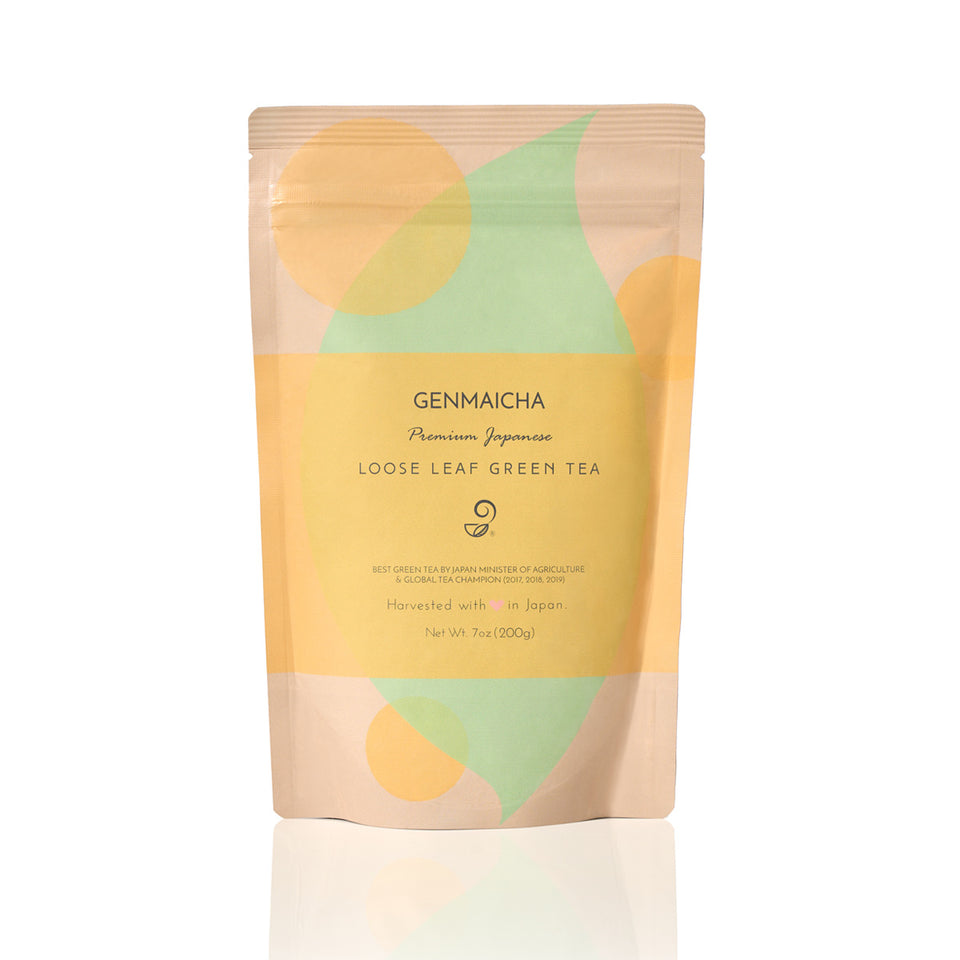
Genmaicha - Green Tea with Roasted Brown Rice

$30.00
Quick view

Our premium Japanese Genmaicha blends high-quality green tea with roasted popped brown rice (genmai 玄米), often nicknamed "popcorn tea" because the roasting process sounds like popcorn popping. Popular especially among the older generation in Japan for its mild flavor and lower caffeine content, this tea is easier on the stomach while still offering a rich, comforting taste. The brown rice used is premium Japanese mochi-gome (もち米) sticky rice, enhancing the tea’s nutty, aromatic profile. Made from Fukamushi Sencha and cultivated using the Chagusaba method in nutrient-rich sugarcane soil, this Genmaicha features the Yabukita cultivar and comes in a 7.0 oz (200g) eco-friendly resealable package, enough to steep 50–60 cups.

8 reviews

The Sencha Lover Gift Set - Premium Japanese Green Tea Set Package
$179.00 $159.99
Quick view

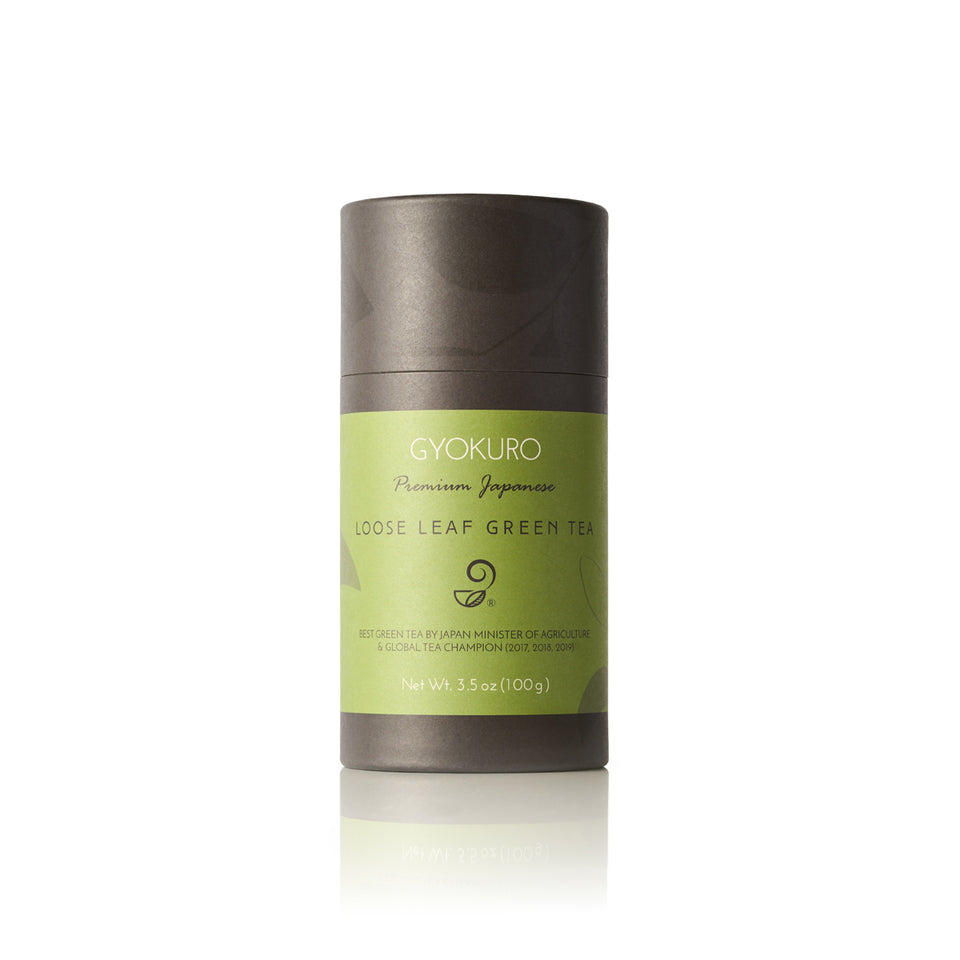
This tea set features three exceptional Japanese green teas, each crafted with care and traditional techniques. Issaku Reserve, a Global Tea Champion winner in 2017 and 2019, is a rare masterpiece created by Farm Master Mr. Arahata at Arahataen Green Tea Farm. Handpicked once a year from the first flush and processed with advanced methods, Issaku represents the highest-grade deep-steamed green tea, available only in limited quantities even in Japan.

The set also includes Gyokuro, a premium shaded green tea known for its rich, sweet flavor and deep mossy green color. Grown under special mats for 20 days to increase caffeine and amino acid levels, Gyokuro offers a layered, smooth taste unlike any other. Completing the collection is Nozomi, a fine Kabuse-cha, or "Covered Green Tea," carefully grown under nets to gently shade the leaves just before new sprouts emerge, resulting in a soft, rich, and refined flavor profile.

97 reviews

Gyokuro - Shaded Imperial Premium Green Tea

$65.00
Quick view

Gyokuro, also known as "jade dew" or "jewel dew tea," is a premium Japanese green tea shaded from the sun for 20 days using specially made mats, a method that boosts caffeine levels and strengthens amino acids to create a sweeter, richer flavor. This extended shading process results in dark, mossy green leaves with an unmistakable aroma and a complex taste that is layered yet balanced. Cultivated by the Chagusaba method in nutrient-rich sugarcane soil and made from the Yabukita cultivar, this loose-leaf authentic Gyokuro is offered in a high-quality, air-tight paper tube canister (chyazutsu) to preserve its exceptional freshness and flavor. Each 3.5 oz (100g) full-size package steeps 30–40 cups, and a convenient single-serve sample is also available.

45 reviews

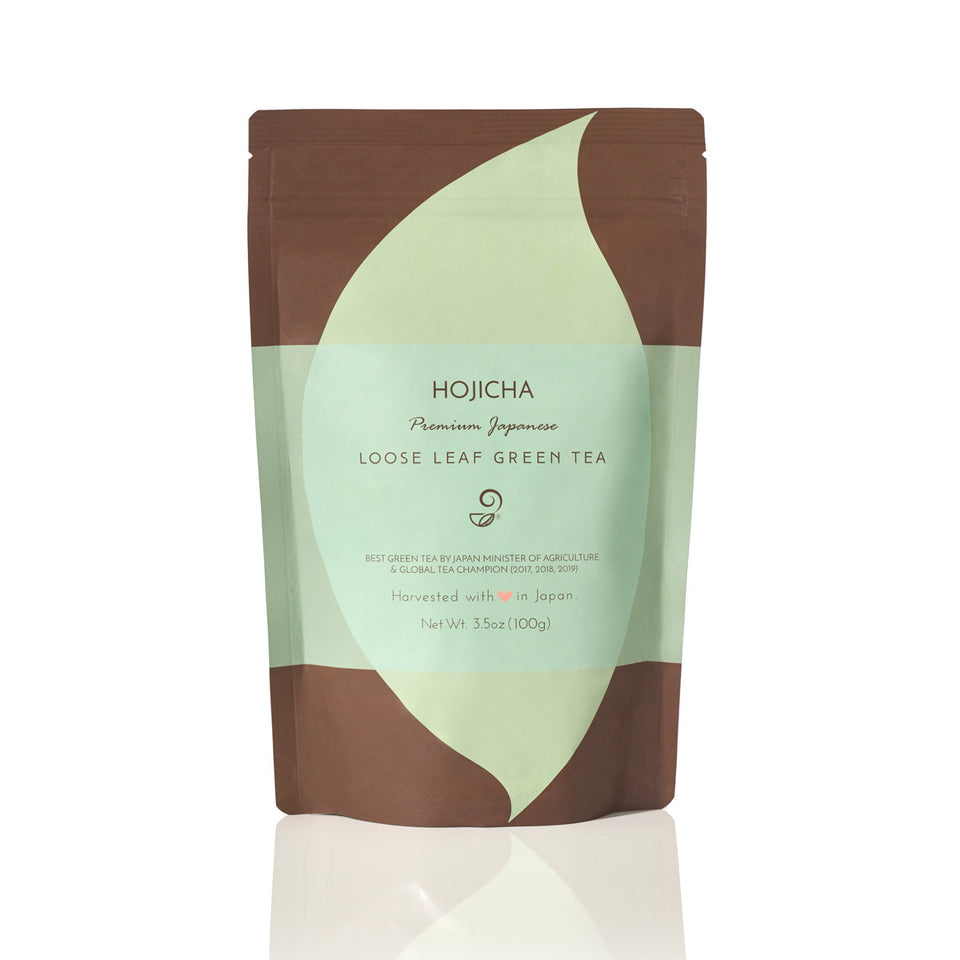
Hojicha - Roasted Green Tea

$25.00
Quick view

Our roasted green tea, known as hojicha (ほうじ茶), is crafted from freshly harvested premium green tea carefully roasted in porcelain over charcoal to maximize flavor while retaining more catechins than typical hojicha on the market. With lower caffeine and a smoother, less bitter taste compared to steamed green tea, it is an ideal choice for evening relaxation and is gentle enough for kids and pregnant women. Cultivated using the Chagusaba method in nutrient-rich sugarcane soil, this loose-leaf authentic Japanese roasted green tea, made from the Yabukita cultivar, also pairs beautifully with oily foods. Each eco-friendly resealable package contains 3.5 oz (100g) of tea, enough to steep 30–40 comforting cups.

80 reviews

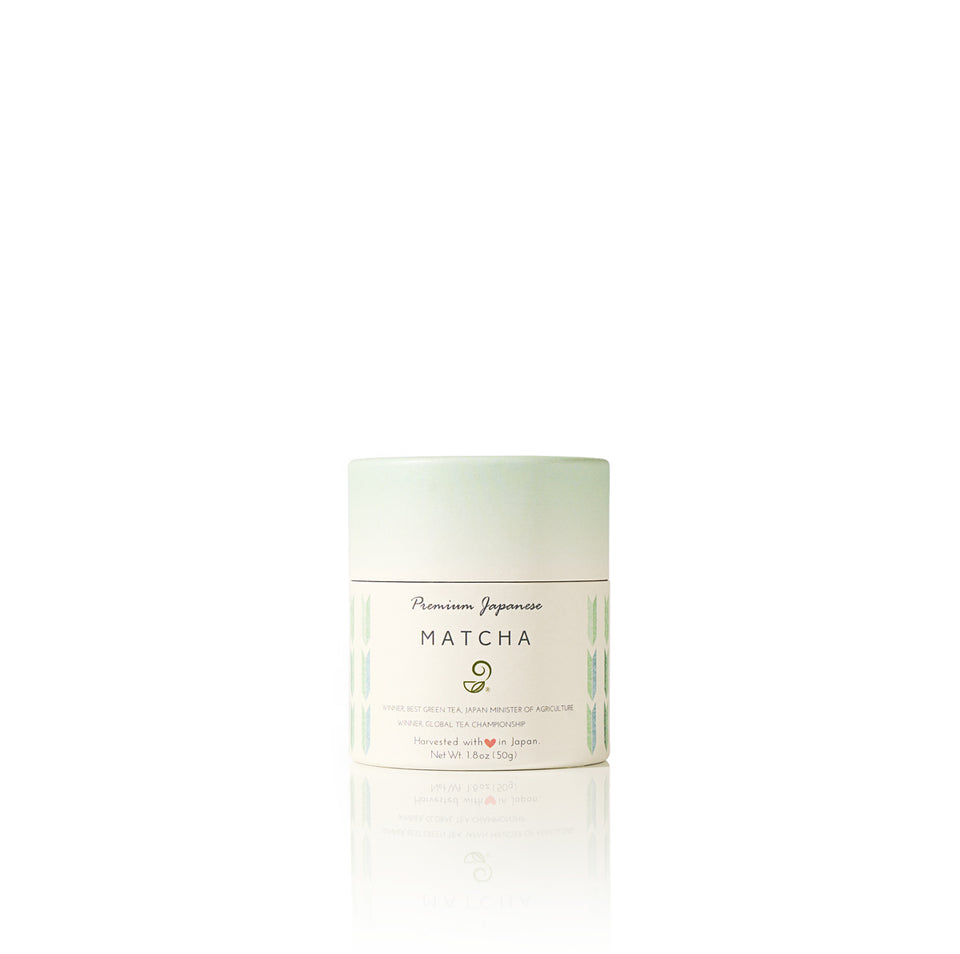
Matcha - Ceremonial Japanese Powdered Green Tea

$39.00
Quick view

This ceremonial matcha is crafted from the finest Japanese green tea, grown in nutrient-rich soil enhanced with compostable grasses and sugarcane through the Chagusaba method, which gives the tea a natural sweetness and exceptional flavor. In collaboration with researchers from Shizuoka University, farmers ensure that the soil quality consistently produces tea of the highest standard.

Renowned among top Japanese chefs for its unmatched aroma, this matcha is made by carefully shading the plants before harvest to boost caffeine and amino acids, then meticulously drying, de-stemming, and grinding the leaves into a fine powder. Made from the Yabukita cultivar, this 1.8 oz (50g) matcha comes in a high-quality, air-tight paper tube canister, providing a luxurious and authentic Japanese tea experience.


Related Articles You May Be Interested

Everything You Need to Know about Genmaicha (玄米茶)
5 Japanese Green Tea Recipes to Make with Your Family and Strengthen Relationships
Vending Machine Culture and Green Tea Trend in Japan
Matcha-Infused Filipino Treats: Puto and Pancit Canton Combo
Should You Drink Your Tea Before or After You Eat? – Green Tea Quiz

Get Free Bonus Books

Join Green Tea Club

Sign up for free to the Green Tea Club to get advice and exclusive articles about how to choose Japanese Tea, and tips, tricks, and recipes for enjoying Japanese tea.

Unsubscribe anytime. It’s free!

About the author

Kei Nishida

Kei Nishida

Author, CEO Dream of Japan

info@japanesegreenteain.com

Certification: PMP, BS in Computer Science

Education: Western Washington University
Kei Nishida is a passionate Japanese green tea connoisseur, writer, and the founder and CEO of Japanese Green Tea Co., a Dream of Japan Company.

Driven by a deep desire to share the rich flavors of his homeland, he established the only company that sources premium tea grown in nutrient-rich sugarcane soil—earning multiple Global Tea Champion awards.

Expanding his mission of introducing Japan’s finest to the world, Kei pioneered the launch of the first-ever Sumiyaki charcoal-roasted coffee through Japanese Coffee Co. He also brought the artistry of traditional Japanese craftsmanship to the global market by making katana-style handmade knives—crafted by a renowned katana maker—available outside Japan for the first time through Japanese Knife Co.

Kei’s journey continues as he uncovers and shares Japan’s hidden treasures with the world.

Learn more about Kei Nishida

Related Posts

OC Japan Fair April 2026 — Visit Us at Booth #A8!
OC Japan Fair Spring 2026 Recap (April 3 - 5 2026)

We were at OC Japan Fair again! April 3-5 2026 with new products, Miki Pon's art debut and more. Here is a recap video f

Read More
Super Mario and Japanese Green Tea

Super Mario and green tea share a hometown! Watch our Yoshi Matcha Cookies video recipe + discover how Nintendo and matc

Read More
Our Matcha Is Now at Pillow Talk Cafe in Pasadena — Master Japanese-Inspired Cake Makers

Our matcha is now at Pillow Talk Cafe Pasadena! Meet the cafe, try the Egg Heaven sando & Matchamisu, and see how th

Read More
Leave a comment

Your email address will not be published..

Cart

Your cart is currently empty.

Start Shopping

Select options