Skip to content

Matcha-Infused Filipino Treats: Puto and Pancit Canton Combo

Calling the attention of all the Filipino and Non-Filipino matcha lovers out there, you might’ve found the perfect blog post for you. One thing’s for sure: you’re in for a treat!

We’ve all seen recipes for matcha ice cream, cheesecake, truffles, cookies, cupcakes, and all that jazz, but we are taking a step further by adding matcha to all the most popular and well-loved Filipino dishes, which you can definitely make in the comfort of your own home without breaking the bank.

Without further ado, here are the recipes:

The Bouncy Matcha Puto Recipe

Puto is a staple dish in the Philippines, and at every feast or birthday party you go to, it is best believed that puto of all shapes and sizes will make an appearance on every buffet table. It is often paired with pancit, which serves as its side dish. And it is best paired with a hot cup of coffee. And, yes, coffee! The Philippines is a tropical country, but the locals prefer to drink a hot cup of coffee as their merienda (snack).

When making your bouncy matcha puto, you’ll need the following ingredients:

  • 2 cups all-purpose flour, sifted
  • 2 tbsp. baking powder, sifted
  • 2 eggs, beaten
  • 1.5 tsp. vanilla flavor
  • ½ cup white sugar
  • ½ cup brown sugar
  • Pinch of salt
  • 7 tbsps. butter, melted
  • 1 can of evaporated milk or 1 cup of full-cream milk
  • 1 cup of water
  • 2 tbsps. matcha powder
  • Sliced cheese or cream cheese
  • Green and Yellow food coloring

Procedure:

For the Puto Batter:

  1. In a small bowl, melt 1 stick of butter in the microwave. If using a pan to melt butter, use the lowest heat possible. Do not burn the butter. You need 7 tablespoons of melted butter. (Alternatively, you can use coconut oil or lard.)
  2. In a mixing bowl, add melted butter, beaten eggs, and ½ cup white and brown sugar. Whisk it until well combined.
  3. Add 1 cup of evaporated milk or full-cream milk. Whisk it and gradually add in the sifted flour and baking powder.
  4. Gradually add water while whisking. If you have an electric hand mixer, beat it quickly until the batter becomes bubbly. But DO NOT overmix it; you only need enough bubbles in the batter to make your puto fluffy when cooked.
  5. Once it becomes bubbly, fold in your vanilla flavoring and matcha powder with a clean spatula.
  6. Your batter should have a pancake-like consistency, and you should see some small bubbles, which means that your puto will be fluffy when it’s cooked.

Steaming Puto:

  1. Transfer the batter to a small pitcher and fill each silicon mold until it’s ¾ full; you do not want your puto to overflow. Then carefully place each slice of cheese or cream cheese in the center; you can either put a slice in the center, which serves as a filling, or just put it on top as a dressing, or you can do both.
  2. Prepare your steamer and wait until the water reaches its boiling point before you start placing your puto in the steamer rack on top.
  3. Use a clean cloth to seal the top of the steamer.
  4. Steam it for up to 10 minutes over low heat. Once cooked, transfer it to a wire rack to cool for 5 minutes until it's ready for unmolding.
  5. Serve and Enjoy!

    matcha green tea

    Sweet and Spicy Matcha Pancit Canton

    Another fan-favored dish from the Philippines is influenced by the Chinese merchants who traded goods in the Philippines in the 7th century AD. To this day, it is a staple food for celebrations, especially birthday parties, because its long noodles signify long life. So, if you want to make sure that you will leave long, make sure to not break or cut your noodles!

    Ingredients: 

    For the matcha noodles:

    • 300 g of all-purpose flour; you might need more for dusting.
    • 4 room-temperature large eggs
    • 30 g of matcha powder, sieved (or more, depending if you like your matcha to taste stronger)
    • Salt 

    For pancit:

    • 300 grams of skinned medium-sized shrimp
    • 250 grams of chopped pork belly
    • 2 tablespoons of soy sauce
    • 2 tablespoons of rice wine
    • 1 teaspoon minced garlic
    • 1 small carrot
    • 1 bell pepper
    • 50 grams of snap peas
    • 1/4 head of white cabbage
    • 1 shallot
    • 2 tablespoons of cooking oil
    • Salt
    • Pepper

    For the sauce:

    • 1 and 1/2 cups bone broth
    • 2 tablespoons of oyster sauce
    • 2 tablespoons of hoisin sauce
    • 1 tablespoon tapioca starch or corn starch (never flour!)
    • 1/2 teaspoon sesame seed oil
    • 1 tbsp. chili powder
    • 3 tbsp. honey
    • 1 tbsp. lemon 

    Procedure:

    For the matcha noodles:

    1. Combine and sift the flour and matcha into a bowl.
    2. Mix until incorporated.
    3. On a large, flat, clean surface, place the flour and match mixture in a mound.
    4. Crack all four large eggs into the center of the mound of flour and matcha, creating a well to hold the eggs.
    5. Using a light hand, break the yolks of the egg and gently bring the flour into the center of the well using your fingertips.
    6. Keep incorporating the flour into the eggs until all the flour has been absorbed.
    7. Once the dough starts to form, bring it together with your palms and knead into a smooth yellow dough. This will take roughly 5 minutes. Note: If your dough is on the dry side, you can add a little splash of water to bring it together.
    8. When the dough forms a ball, cover tightly with cling wrap and refrigerate for a minimum of 30 minutes to allow the dough to rest and the gluten to develop. No longer than 18 hours.
    9. After resting, remove the dough from the fridge and cut it into four equal pieces. Set it aside and cover it with a towel to stop it from drying out.
    10. Flour your work surface and rolling pin, and roll 1 ball of dough at a time into a large, thin sheet. I don't give dimensions for this part as they vary, but my one note would be to get it as thin as humanly possible. Like paper-thin.
    11. Once the dough has been rolled out, fold it over itself several times.
    12. Cut the roll of pasta into strips roughly 1/4 inch thick, depending on what pasta you are making.
    13. Then dust some flour over the sliced strips of dough and unravel them to reveal your fresh pasta! Repeat this process with the remaining dough.
    14. Set the cut pasta aside on a tray and leave it out at room temperature to cook off, or cover and place it in the fridge to be cooked later.

    Cooking fresh matcha green tea noodles in a pot

    To Cook Fresh Matcha Noodles:

    1. Place a medium pot over medium-high heat and boil 8 cups of water. Once the water is boiling, salt it and place the fresh pasta in the water.
    2. Add the pasta and allow it to cook for roughly 2 minutes, or until tender. When the pasta floats to the top of the pot, it is ready.
    3. Strain the water off the pasta and let it cool.

    For pancit:

    1. Cut the pork belly into half-inch slices. Cut each slice into strips less than half an inch wide.
    2. Place the pork belly in a bowl. Add the soy sauce, rice wine, and half of the garlic. Mix well. 
    3. Cover the bowl and let the pork marinate in the fridge for at least 30 minutes.
    4. Peel the carrot and julienne.
    5. Core and deseed the bell pepper and julienne it as well.
    6. Pinch off the tips of the snap peas and pull off the stringy fiber along the sides.
    7. Thinly slice the cabbage.
    8. Peel the shallot and thinly slice.
    9. Heat the wok and pour in a tablespoon of oil.
    10. Stir-fry the pork in the hot oil until cooked through. The pork had been cut into small pieces, and because stir-frying requires extremely high heat, the pork should be done in less than five minutes. Scoop them out and transfer them to a bowl.
    11. Stir-fry your chopped pepperoni for 3 minutes. Scoop them out and transfer them to a bowl.
    12. Heat the remaining cooking oil in the wok. Stir-fry the carrot, bell pepper, snap peas, and cabbage with generous pinches of salt and pepper just until softened, about 15 seconds.
    13. Add the sliced shallot and remaining garlic to the vegetables in the wok and stir-fry for another 15 seconds.
    14. Scoop them out and spread them on a plate to cool them and stop the cooking immediately. In a bowl, mix together all the ingredients for the sauce and pour it into the wok.
    15. Cook, stirring often, until thickened and no longer cloudy in appearance. Don’t worry if it doesn’t look too thick. It shouldn’t be. Slightly thickened is the ideal texture—just thick enough to coat the noodles but not make them stick together as they cool.
    16. Taste the sauce. Add salt and pepper, if needed (you may need to if your broth is unseasoned or underseasoned).
    17. Add the noodles, cooked pork, and vegetables to the sauce and toss thoroughly. Combine for minutes.

    Impress your family and friends when they come over with these matcha-infused recipes; whether they’re non-matcha or matcha lovers, they will for sure ask you for the recipe so they can remake them when they’re craving pancit or puto. Share this post with your loved ones so they do not have to keep asking for the recipe.

    FAQs about Matcha in Filipino and Asian Fusion Dishes

    Why does matcha work in Filipino dishes like puto and pancit canton?
    Matcha (抹茶) integrates surprisingly well with Filipino cuisine for two reasons. First, the umami profile of matcha pairs with the savory-sweet balance that defines a lot of Filipino food (think: salty pork, sweet sauces, rice-based starches). Second, the visual appeal — matcha green against typical Filipino off-white rice cake or wheat noodles creates beautiful contrast. The culinary matcha is the right grade for these applications since the flavor needs to hold up against bold ingredients.

    Filipino cuisine is also relatively open to fusion — generations of trade and migration have made Filipino food adaptable to ingredients from China, Japan, Spain, and the US. Adding matcha to traditional dishes feels like another layer rather than an awkward imposition.

    The dishes that work best are ones where the matcha replaces a neutral element (food coloring, mild flavoring) without overhauling the recipe — matcha puto instead of plain puto, matcha-tinted pancit canton instead of regular. Don't try to matcha-fy adobo or sinigang; those have flavor profiles that fight matcha.

    What is puto, and how do I make a matcha version?

    Puto is a steamed Filipino rice cake — soft, slightly sweet, often served as a side or snack. The classic version uses rice flour, sugar, and coconut milk; modern versions sometimes use all-purpose flour for easier texture. Adding 1-2 tablespoons of culinary matcha to a standard puto recipe gives you matcha puto with the same texture but distinctive green color and umami undertone.

    Method: combine 2 cups rice flour, 1/2 cup sugar, 1.5 tablespoons matcha (sifted), 1 tablespoon baking powder, pinch of salt; whisk in 1 cup coconut milk and 1 cup water; pour into small molds; steam 15-20 minutes until set. Serve with a small piece of cheese on top (traditional) or kept plain for a cleaner matcha experience.

    Matcha puto stays moist for 2-3 days at room temperature in a sealed container. They freeze well too — wrap individually and microwave briefly to reheat. The matcha color fades very slightly during steaming but the green remains vibrant enough to be visually striking.

    Can I add matcha to pancit canton or other Filipino noodle dishes?

    Yes, but it works best when matcha is incorporated into the noodles themselves rather than the sauce. Make pancit canton noodles (or use store-bought wheat noodles) with matcha worked into the dough — about 1 tablespoon matcha per 250g flour. The cooked noodles have a green tint and subtle matcha flavor that holds up against the savory sauce ingredients.

    Adding matcha to the sauce typically fails — the savory ingredients (soy sauce, oyster sauce, fish sauce) overwhelm matcha, and the acidic tomato or calamansi components break down catechins quickly. Stick to noodle-side matcha integration.

    Matcha pancit is more visual than flavor — guests enjoy the unusual green noodles even if matcha doesn't dominate the dish. Pair with traditional pancit toppings (kalamansi, soy sauce, vegetables, meat) and the dish reads as a creative twist rather than a food-color stunt.

    Are there other Asian fusion dishes where matcha actually works?

    Several. Matcha banh xeo (Vietnamese crispy crepe) — adding matcha to the rice flour batter produces a green crepe that pairs with traditional Vietnamese filling and herbs. Matcha mochi waffles — Korean-Japanese fusion that's gone viral on social media. Matcha-tinged dim sum dough (for siu mai or har gow) — striking visually, mild matcha flavor.

    Indian-fusion: matcha kulfi (Indian milk-based ice cream) works beautifully because the cardamom and pistachio profile of kulfi harmonizes with matcha's umami. Matcha lassi (matcha + yogurt drink) — surprisingly good as a tangy-umami refreshment.

    What rarely works: matcha + heavy curry (the spices overpower), matcha + coconut milk in savory contexts (works in desserts, fights in mains), matcha + strong fermented flavors (kimchi, miso) where the umami profiles compete rather than complement.

    Where do I find culinary matcha that works for cooking experiments?

    Specialty Japanese tea retailers have the most reliable culinary-grade matcha at fair prices. JPCo's culinary-grade matcha is positioned for cooking applications — stronger flavor that holds up in baking and savory dishes, more economical pricing than ceremonial-grade. Yunomi, Hibiki-an, Senbird, and ZenCha all carry similar quality.

    Avoid: "matcha" sold at general grocery stores in oversized bulk pouches at very low prices. The product is usually old, oxidized, and culinary-grade-or-worse with stale flavor. The cost-savings disappear when the cooking results are flat.

    For most home cooking experiments, a 100g pouch of culinary matcha lasts 4-8 weeks of regular use. Buy small enough that you'll finish before staleness sets in. The freshness window for culinary matcha is shorter than people think.

    Related products

    80 reviews

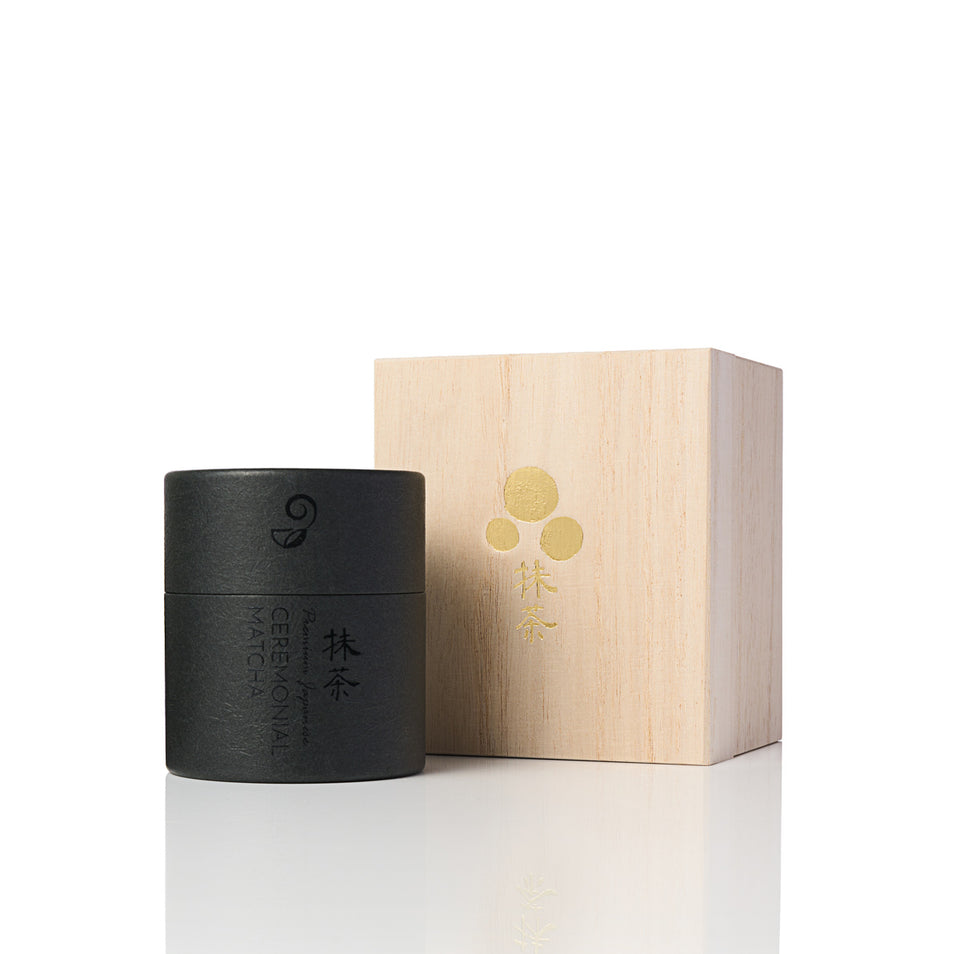
    Matcha - Ceremonial Japanese Powdered Green Tea

    $39.00
    Quick view

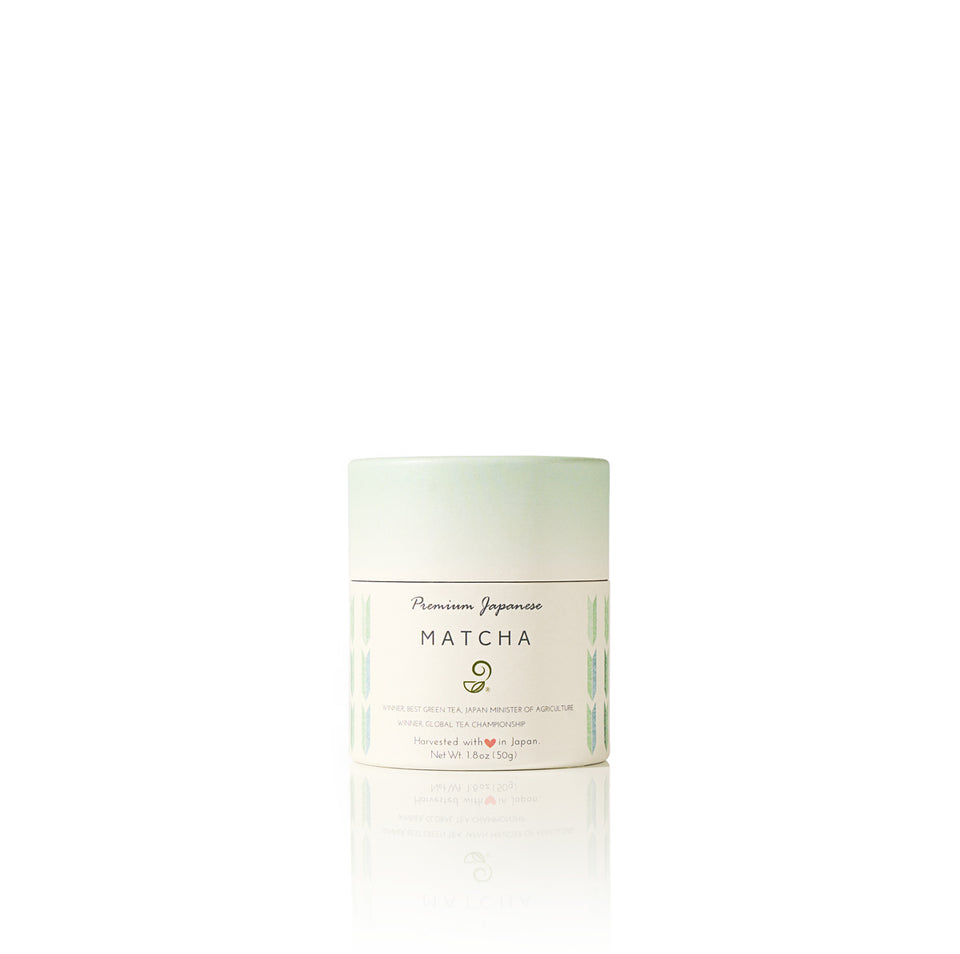
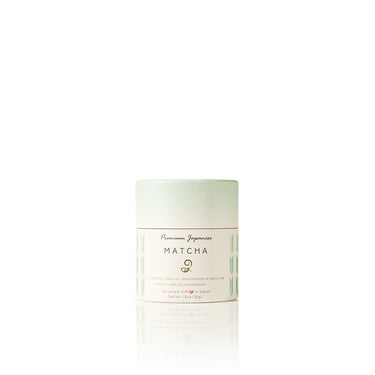
    This ceremonial matcha is crafted from the finest Japanese green tea, grown in nutrient-rich soil enhanced with compostable grasses and sugarcane through the Chagusaba method, which gives the tea a natural sweetness and exceptional flavor. In collaboration with researchers from Shizuoka University, farmers ensure that the soil quality consistently produces tea of the highest standard.

    Renowned among top Japanese chefs for its unmatched aroma, this matcha is made by carefully shading the plants before harvest to boost caffeine and amino acids, then meticulously drying, de-stemming, and grinding the leaves into a fine powder. Made from the Yabukita cultivar, this 1.8 oz (50g) matcha comes in a high-quality, air-tight paper tube canister, providing a luxurious and authentic Japanese tea experience.

    22 reviews

    Matcha - Japanese Limited Reserve Ceremonial Green Tea - (Global Tea Champion 2018, 2025)

    $300.00
    Quick view

    This Premium Ceremonial Grade Matcha is one of the most luxurious matcha teas available, crafted from carefully cultivated Japanese green tea grown in nutrient-rich sugarcane soil using the Chagusaba method. Traditionally reserved for high-end tea ceremonies in Japan and loved by many tea masters, this matcha was once unavailable outside of Japan and is now finally accessible to U.S. consumers. Every step of its production, from shading the tea plants to increase caffeine and amino acid levels to the meticulous removal of stems and veins before grinding into a fine powder, is handled with a blend of advanced technology and time-honored tradition. Made from the Yabukita cultivar, this 30g (1.05 oz) ceremonial matcha offers a vivid color, unforgettable aroma, and the highest standard of flavor, earning recognition as a Global Tea Champion in 2018 and 2025.

    4 reviews

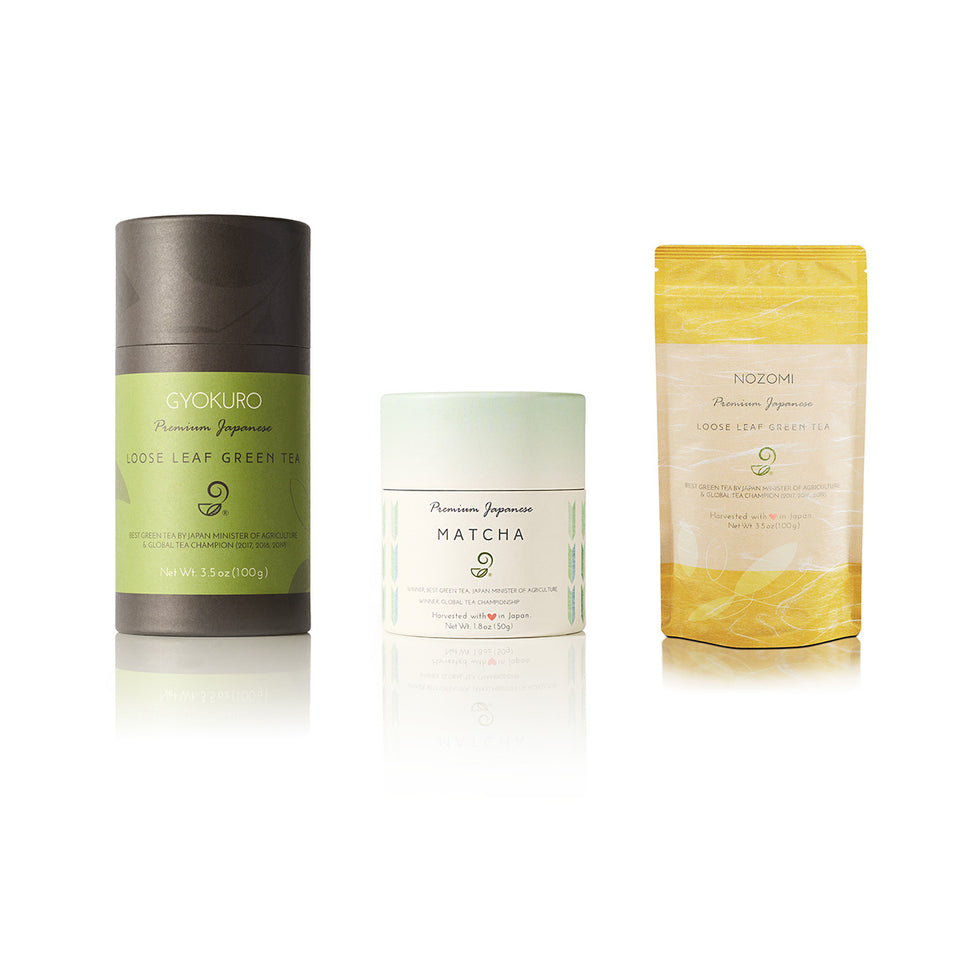
    The Covered Trio Gift Set - Ceremonial Matcha, Gyokuro, and Nozomi Japanese Green Tea Set Package

    $143.00 $128.00
    Quick view

    This tea set features three premium Japanese green teas, all cultivated in nutrient-rich sugarcane soil to enhance their flavor and natural sweetness. Gyokuro, a prized shaded green tea, is grown under special mats for 20 days to increase caffeine and amino acid levels, resulting in a rich, sweet taste and deep mossy green color. The set also includes a luxurious matcha, crafted from carefully shaded, hand-processed leaves and renowned for its smooth, aromatic flavor, developed in collaboration with researchers from Shizuoka University to maximize the benefits of the enriched soil. Completing the collection is Nozomi, a fine Kabuse-cha or "Covered Green Tea," where young tea leaves are gently shaded just before sprouting, producing a soft, refined flavor perfect for tea enthusiasts.

    2 reviews

    Matcha and Chasen Whisk Gift Set

    $74.00 $66.00
    Quick view

    This set features a premium matcha made from the finest Japanese green tea, cultivated in soil enriched with compostable grasses and sugarcane to bring out a natural sweetness. In collaboration with researchers from Shizuoka University, farmers carefully study soil conditions to enhance flavor quality. The tea plants are shaded before harvest to increase caffeine and amino acid content, then skillfully dried, de-stemmed, and ground into a fine powder, creating a matcha with a luxurious aroma and taste highly regarded by top Japanese chefs.

    Paired with the matcha is a traditional 100-prong bamboo chasen whisk, considered the highest-grade among matcha tools. Unlike common 40-60 prong versions, this finely crafted whisk is widely used in high-end tea ceremonies in Japan. Its balanced dimensions offer the perfect design for preparing a smooth and frothy bowl of authentic matcha.

    Ceremonial Japanese Powdered Green Tea and Electric Matcha Whisk

    $56.99 $45.60
    Quick view

    This starter gift set brings together premium ceremonial Japanese matcha and the Elementi electric matcha whisk, giving you everything you need to prepare smooth, authentic matcha at home. The matcha is 100% made in Japan, produced from carefully shaded green tea leaves that are stone-ground into a vibrant, fine powder prized for its rich umami, natural caffeine, and amino acid content.

    Paired with the matcha is the Elementi electric whisk, designed for quick and effortless preparation. Its powerful motor creates a smooth, frothy cup in seconds, while the ergonomic, soft-touch grip ensures comfortable handling. This item ships within the USA only (excluding HI and AK).


    Related Articles You May Be Interested

    Matcha Banana Smoothie – How Matcha is Used in the Trendy Beverage in Japan
    Matcha Banana Smoothie – How Matcha is Used in the Trendy Beverage in Japan
    How to Make Matcha Macarons
    How to Make Matcha Macarons
    How to Make Matcha Okara Cookies
    How to Make Matcha Okara Cookies
    How to Make Matcha À La Mode (Matcha Ice Cream)
    How to Make Matcha À La Mode (Matcha Ice Cream)
    How to Make Matcha Chocolate Bars & Matcha Dry Cake
    How to Make Matcha Chocolate Bars & Matcha Dry Cake

    Get Free Bonus Books

    Join Green Tea Club

    Sign up for free to the Green Tea Club to get advice and exclusive articles about how to choose Japanese Tea, and tips, tricks, and recipes for enjoying Japanese tea.

    Unsubscribe anytime. It’s free!

    About the author

    Kei Nishida

    Kei Nishida

    Author, CEO Dream of Japan

    info@japanesegreenteain.com

    Certification: PMP, BS in Computer Science

    Education: Western Washington University
    Kei Nishida is a passionate Japanese green tea connoisseur, writer, and the founder and CEO of Japanese Green Tea Co., a Dream of Japan Company.

    Driven by a deep desire to share the rich flavors of his homeland, he established the only company that sources premium tea grown in nutrient-rich sugarcane soil—earning multiple Global Tea Champion awards.

    Expanding his mission of introducing Japan’s finest to the world, Kei pioneered the launch of the first-ever Sumiyaki charcoal-roasted coffee through Japanese Coffee Co. He also brought the artistry of traditional Japanese craftsmanship to the global market by making katana-style handmade knives—crafted by a renowned katana maker—available outside Japan for the first time through Japanese Knife Co.

    Kei’s journey continues as he uncovers and shares Japan’s hidden treasures with the world.

    Learn more about Kei Nishida

    Related Posts

    The Story Behind Our Booth Backdrop: Craftsmanship, Engineering, and Sacred Wood
    Behind the Scenes – How We Made the Event Booth & Backdrop Using Sacred Wood

    Discover how our one-of-a-kind event booth came to life—from Japanese Kōshi (格子) design and rare Port Orford Cedar to mo

    Read More
    Hojicha Banana Daifuku (Mochi): The Collaboration of Aromatic Roasted Tea and Richly Sweet Banana
    Hojicha Banana Daifuku (Mochi): The Collaboration of Aromatic Roasted Tea and Richly Sweet Banana

    Dive into the soft, chewy world of Hojicha Banana Daifuku—where toasted tea meets sweet banana in a cloud of fresh mochi

    Read More
    Ceremonial Matcha Gift Set HARIO and JPCo
    The Art of Precision: HARIO Unveils the Definitive US-Exclusive Matcha Collection

    ✨Discover the secret behind Japan’s most coveted matcha — a US-exclusive precision ritual that could change how you brew

    Read More
    Leave a comment

    Your email address will not be published..

    Cart

    Your cart is currently empty.

    Start Shopping

    Select options