Skip to content

Is Using The Microwave Good For Green Tea? - The Answer May Surprise You

Traditions and green tea go hand in hand. Green tea is steeped (pun intended) in ritual and history through centuries of consumption. The idea that tea connoisseurs have perfected the best brewed green tea is not a difficult concept to embrace. It isn’t surprising that there has been a lot of research done on green tea. 

After centuries of green tea, you would think everything that needs to be known is known about this most beneficial drink. After all, science has determined that green tea is one of the most beneficial beverages available for consumption. Its health benefits are numerous. 

Irespect science and its research, after all it is one of the things that has made our product outstanding in the market. Always with an open mind, we journeyed into the unknown with this question, “Is using the microwave good for green tea?”

In pursuit of the definitive answer between the purist versus the scientist, even we were surprised at the findings on this one. Several studies have uncovered a very interesting side effect of processing green tea with the use of the microwave.

Those results follow.
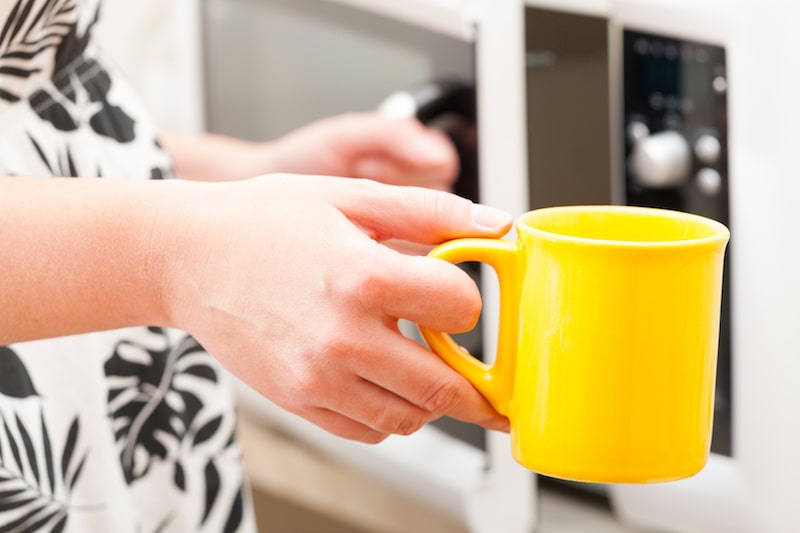
Is Making Green Tea In The Microwave Good or Bad?

Here’s My Synopsis of the Green Tea Studies

In 2012, Dr. Quan Vuong, from the University of Newcastle, Australia, conducted a​ ​studyon the consequences of brewing green tea through microwave extractions; specifically how the compounds within the tea leaves were affected.

Based on his documented analysis, Dr. Vuong’s research resolved that microwaving green tea extracted more beneficial nutrients and caffeine versus other extraction methods, like conventional heating and ultrasound extraction.

In the first​ study, ​microwaved extraction of one minute with 400 watt microwave was used to completely extract the catechin and epicatechin from green tea. Comparatively, ultrasonic extraction required 60 minutes to extract the catechin and epicatechin from green tea.

In a second study, microwaved heating at low wattage and conventional kettle heating maintained green tea heated at 175 degree Fahrenheit or 80 degree Celsius for 30 minutes.

The study revealed that microwaved green tea had a higher level of catechins than conventional heating. The study states, “Microwave-assisted water extraction (MWE) . . . appear more efficient than conventional water extraction (CWE) at both 80 and 100 degrees Celsius, particularly for the extraction of flavonols and hydroxycinnamic acids.”

In a third study, microwaving green tea destroys polyphenol oxidase. Polyphenol oxidase is an enzyme that degrades polyphenol. When this enzyme is destroyed, as it is during microwaving, the extraction leads to a higher level of catechins and phenols. The result is a sweeter, tastier, more colorful, and higher quality green tea brew.

The tests also reveal that brewing green tea by microwave, you can extract approximately 80% of the catechins and 92% of the caffeine.
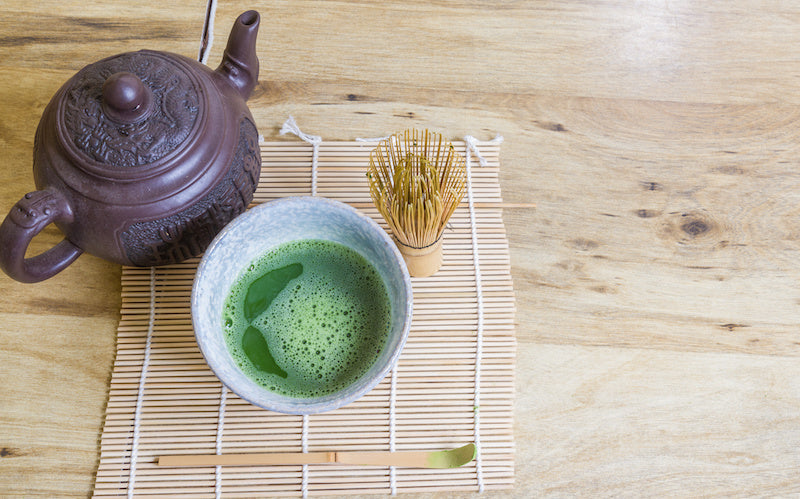
Chanoyu is the traditional way of making Japanese green teaHere’s My Analysis of Microwaving versus conventional heating
  1. It produces a higher extraction and protection of catechins (powerful polyphenol anti-oxidant)
  2. It produces a higher extraction and protection of epicatechin (powerful anti-oxidant flavonoid)
  3. It produces a higher extraction and protection of flavanol epigallocatechin gallate
  4. It produces a higher extraction and protection of hydroxycinnamic acids
  5. It extracts approximately 92% of caffeine level in green tea

Favorite green tea, green tea comic

Fun Green Tea Microwave Recipe​

Following the research steps above we offer a new recipe option for brewing green tea:

  1. Place Japanese sencha green tea into a microwave-safe cup and add cold filtered water;

  2. Heat at 400W to 500W microwave power for approximately 1 minute;

  3. Steep heated beverage for approximately 1 to 2 minutes;

  4. Remove tea leaf residue;

  5. Add condiments to taste.

  6. If the tea is not hot enough for you, enjoy poring it over ice as cold tea.

Scientific research has spoken and revealed that it is perfectly safe to microwave your Japanese green tea. So, ​if you’re in a rush​, rest assured, crank up the microwave, and enjoy the healthiest beverage through the scientifically promoted healthiest process.

Just remember, there is a spiritual health that comes from tradition and ritual. So, if you’re a purist ​and have the time​, may you enjoy your green tea ritual of ​Chanoyu, t​he beautiful ceremonial preparation and presentation of green tea matcha.

This post about Is Using The Microwave Good For Green Tea? - The Answer May Surprise You was first published in 2019. We added the audio of this blog in 2022 just for you.

FAQs about Microwaving Green Tea

Is microwaving green tea actually OK, or does it ruin the tea?

It's fine for reheating, not great for brewing from scratch. Microwaves heat unevenly — they create hot spots in the water that can briefly hit boiling temperature even when the average looks right, and that quick scorch over-extracts the catechins and pulls bitter notes that wouldn't show up with stovetop or kettle heating. So for the first brew of a delicate sencha (煎茶) or gyokuro (玉露), the microwave will give you a noticeably worse cup.

For reheating already-brewed tea that's gone lukewarm, microwave is fine — short bursts (20–30 seconds), don't let it boil. The catechins are already extracted, so you're not changing the flavor profile, just warming the liquid. Reheat too long and you'll concentrate the bitterness, but a quick warmup is harmless.

There's also a 2014 Spanish study that suggested microwaving green tea actually increases polyphenol extraction — but the methodology used a controlled, lower-power microwave protocol that's not how anyone microwaves tea at home. In a normal kitchen microwave, the uneven heating cancels out any theoretical extraction benefit.

Does microwaving destroy the catechins or other antioxidants in green tea?

Catechins are heat-sensitive but not heat-fragile. Brief microwave heating to brewing temperature (175°F / 80°C) doesn't degrade them meaningfully. What does degrade catechins is sustained high heat — boiling for several minutes, leaving tea on a warmer plate for hours, or repeated reheats over a single day. Each cycle of heat-and-cool does a small amount of cumulative damage.

L-theanine is more robust — it's stable through normal cooking temperatures and you don't really lose it to heat. Vitamin C in green tea (which is a small amount but real) is the most heat-sensitive component and starts degrading above 150°F (65°C); microwaving usually destroys most of it.

Practical takeaway: a quick microwave reheat is a non-event for the antioxidant load. Boiling tea on the stove for 5 minutes does more damage than 30 seconds in the microwave does. Don't sweat the reheats; do brew fresh when you can.

What's the best way to reheat green tea without ruining the flavor?

Honestly, the best reheat is no reheat — brew a smaller amount that you'll finish hot, then cold-brew the rest if you want it later. Cold-brewed green tea tastes great chilled and doesn't need warming. But if you must reheat, the order of preference is: stovetop low-and-slow → microwave short bursts → kettle reboil → never reuse a thermos that's been sitting all day.

For stovetop, pour the tea into a small saucepan and warm on low heat (don't simmer, don't boil) for 30–60 seconds. For microwave, 20-second bursts at medium power, stirring between each. The trick is to stop while the tea is still cooler than ideal — the residual heat will bring it up to drinking temperature, and you avoid the scorched-edge problem.

Avoid reheating tea that's been sitting at room temperature for more than 4 hours. It's not unsafe, but the catechins start oxidizing within a couple of hours and the flavor goes flat regardless of how you warm it. Better to brew fresh.

How to Cold Brew Japanese Green Tea - The Expert Advice

Why does microwave-brewed tea taste different from kettle-brewed?

Three reasons. First, temperature control — kettle water comes off at a known, even temperature; microwave water has hot spots and cold spots and the average can be misleading. Sencha brewed in microwaved water often tastes bitter even when the cup feels right because some of the leaves were exposed to near-boiling water.

Second, oxygenation. Kettle water (especially if you let it briefly cool from a rolling boil) has dissolved oxygen that brings out tea's aroma. Microwave water has less dissolved oxygen because the heating happens in still water. The cup can taste flat or muted as a result. Our water-and-green-tea guide explains the chemistry in more detail.

Third, the brewing ritual matters more than people admit. Pouring a known temperature from a kettle, watching the leaves unfurl, controlling the timing — all of that influences your perception of the final cup. Microwave brewing skips most of those signals and the resulting tea tastes "different" partly because it is different and partly because the experience is different.

Everything You Need To Know About Water And Japanese Green Tea

What's the easiest setup at home if I want to stop microwaving and brew tea properly?
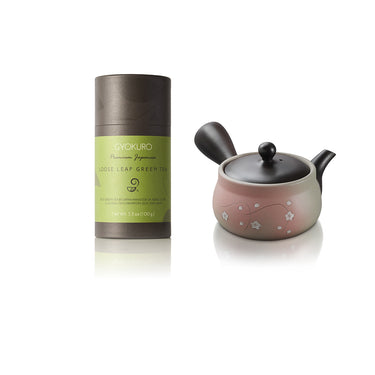
A variable-temperature electric kettle and a small kyusu (急須) — that's the entire upgrade. The kettle costs $40–80 and lets you set 175°F for sencha and matcha or 140°F for gyokuro at the press of a button. The kyusu costs $30–60 and brews tea the way it's meant to be brewed. Total investment: about $80–140, lasts decades.

If that feels like too much commitment up front, the Beginner Gift Set bundles a Tokoname kyusu with a few starter teas and runs less than the kettle alone. You can use it with a stovetop kettle and dial in the kettle later.

The microwave isn't the enemy — it's just the lowest-yield way to brew tea that's worth more than instant. Once you swap in a real kettle and a real pot, the cup quality jumps in a way you can taste from the first session.

Related products

8 reviews

The Sencha Lover Gift Set - Premium Japanese Green Tea Set Package
$179.00 $159.99
Quick view

This tea set features three exceptional Japanese green teas, each crafted with care and traditional techniques. Issaku Reserve, a Global Tea Champion winner in 2017 and 2019, is a rare masterpiece created by Farm Master Mr. Arahata at Arahataen Green Tea Farm. Handpicked once a year from the first flush and processed with advanced methods, Issaku represents the highest-grade deep-steamed green tea, available only in limited quantities even in Japan.

The set also includes Gyokuro, a premium shaded green tea known for its rich, sweet flavor and deep mossy green color. Grown under special mats for 20 days to increase caffeine and amino acid levels, Gyokuro offers a layered, smooth taste unlike any other. Completing the collection is Nozomi, a fine Kabuse-cha, or "Covered Green Tea," carefully grown under nets to gently shade the leaves just before new sprouts emerge, resulting in a soft, rich, and refined flavor profile.

97 reviews

Gyokuro - Shaded Imperial Premium Green Tea

$65.00
Quick view

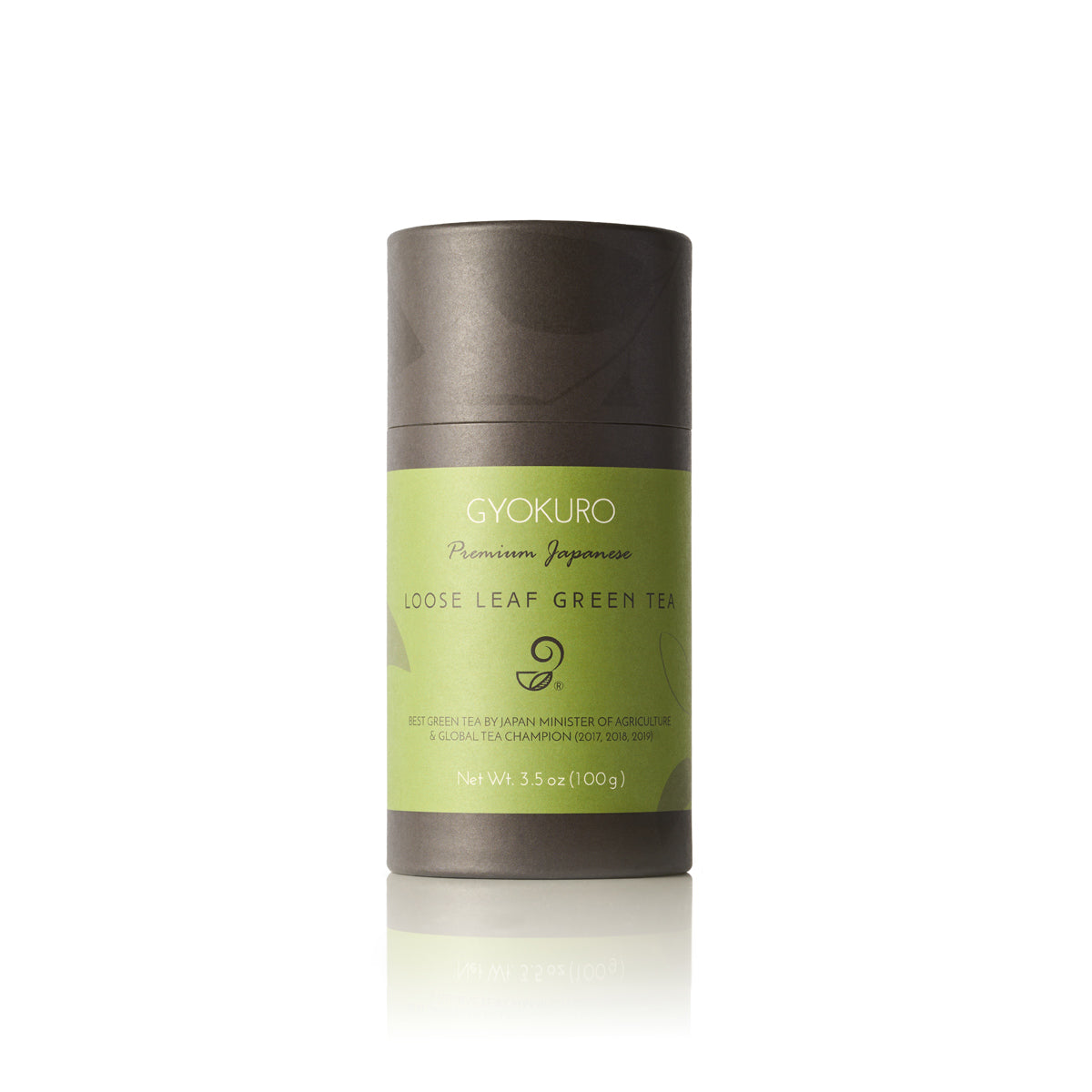
Gyokuro, also known as "jade dew" or "jewel dew tea," is a premium Japanese green tea shaded from the sun for 20 days using specially made mats, a method that boosts caffeine levels and strengthens amino acids to create a sweeter, richer flavor. This extended shading process results in dark, mossy green leaves with an unmistakable aroma and a complex taste that is layered yet balanced. Cultivated by the Chagusaba method in nutrient-rich sugarcane soil and made from the Yabukita cultivar, this loose-leaf authentic Gyokuro is offered in a high-quality, air-tight paper tube canister (chyazutsu) to preserve its exceptional freshness and flavor. Each 3.5 oz (100g) full-size package steeps 30–40 cups, and a convenient single-serve sample is also available.

45 reviews

Hojicha - Roasted Green Tea

$25.00
Quick view

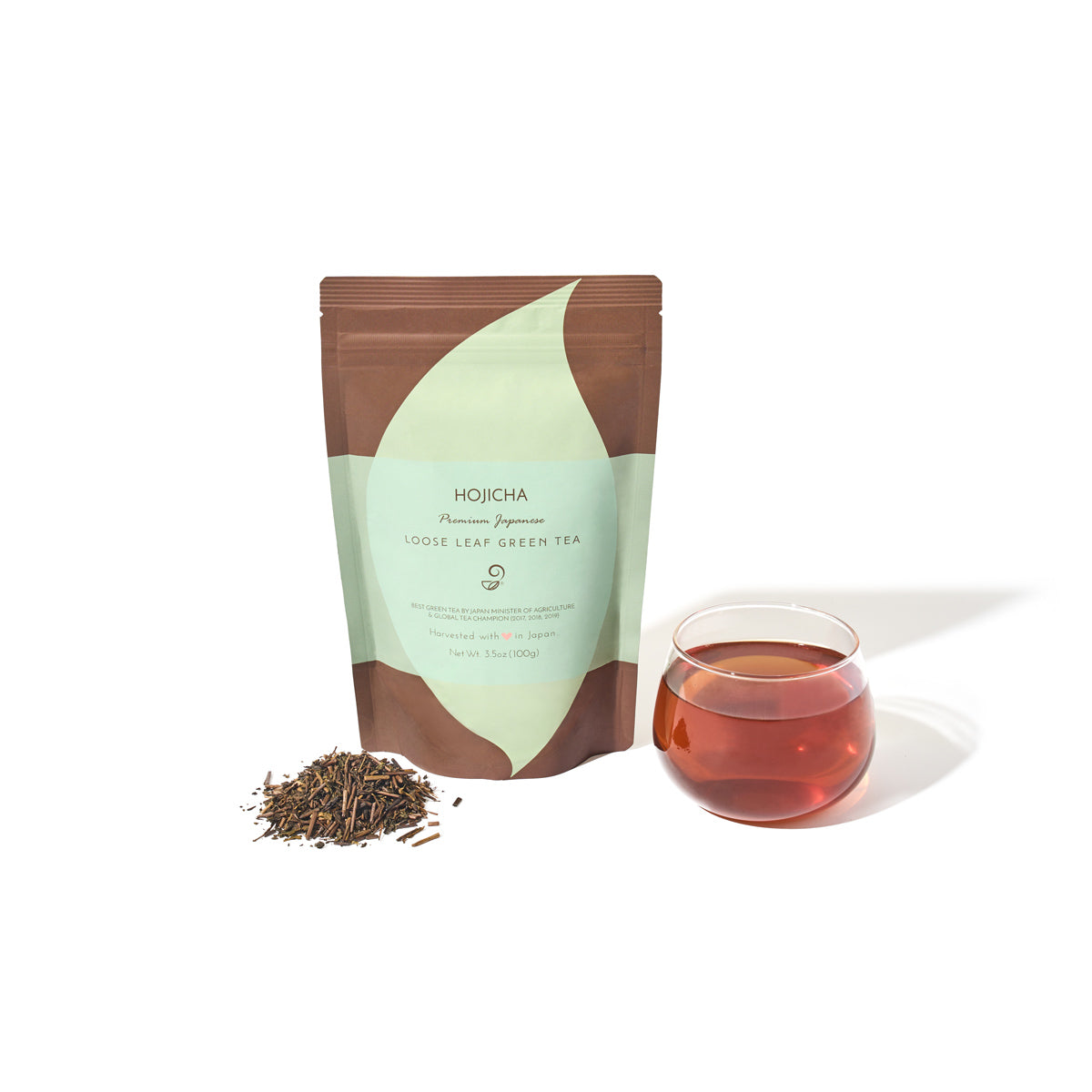
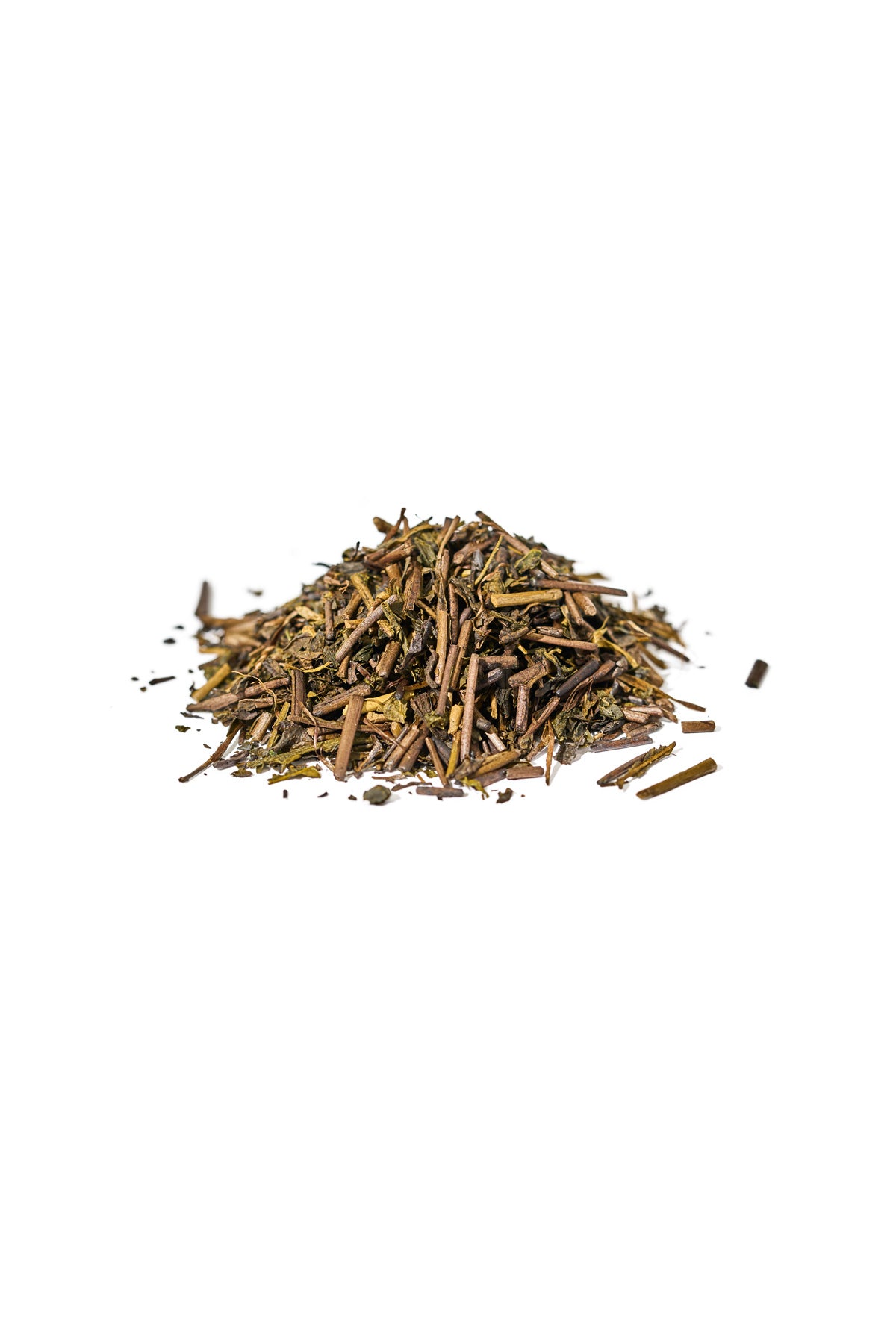
Our roasted green tea, known as hojicha (ほうじ茶), is crafted from freshly harvested premium green tea carefully roasted in porcelain over charcoal to maximize flavor while retaining more catechins than typical hojicha on the market. With lower caffeine and a smoother, less bitter taste compared to steamed green tea, it is an ideal choice for evening relaxation and is gentle enough for kids and pregnant women. Cultivated using the Chagusaba method in nutrient-rich sugarcane soil, this loose-leaf authentic Japanese roasted green tea, made from the Yabukita cultivar, also pairs beautifully with oily foods. Each eco-friendly resealable package contains 3.5 oz (100g) of tea, enough to steep 30–40 comforting cups.

80 reviews

Matcha - Ceremonial Japanese Powdered Green Tea

$39.00
Quick view

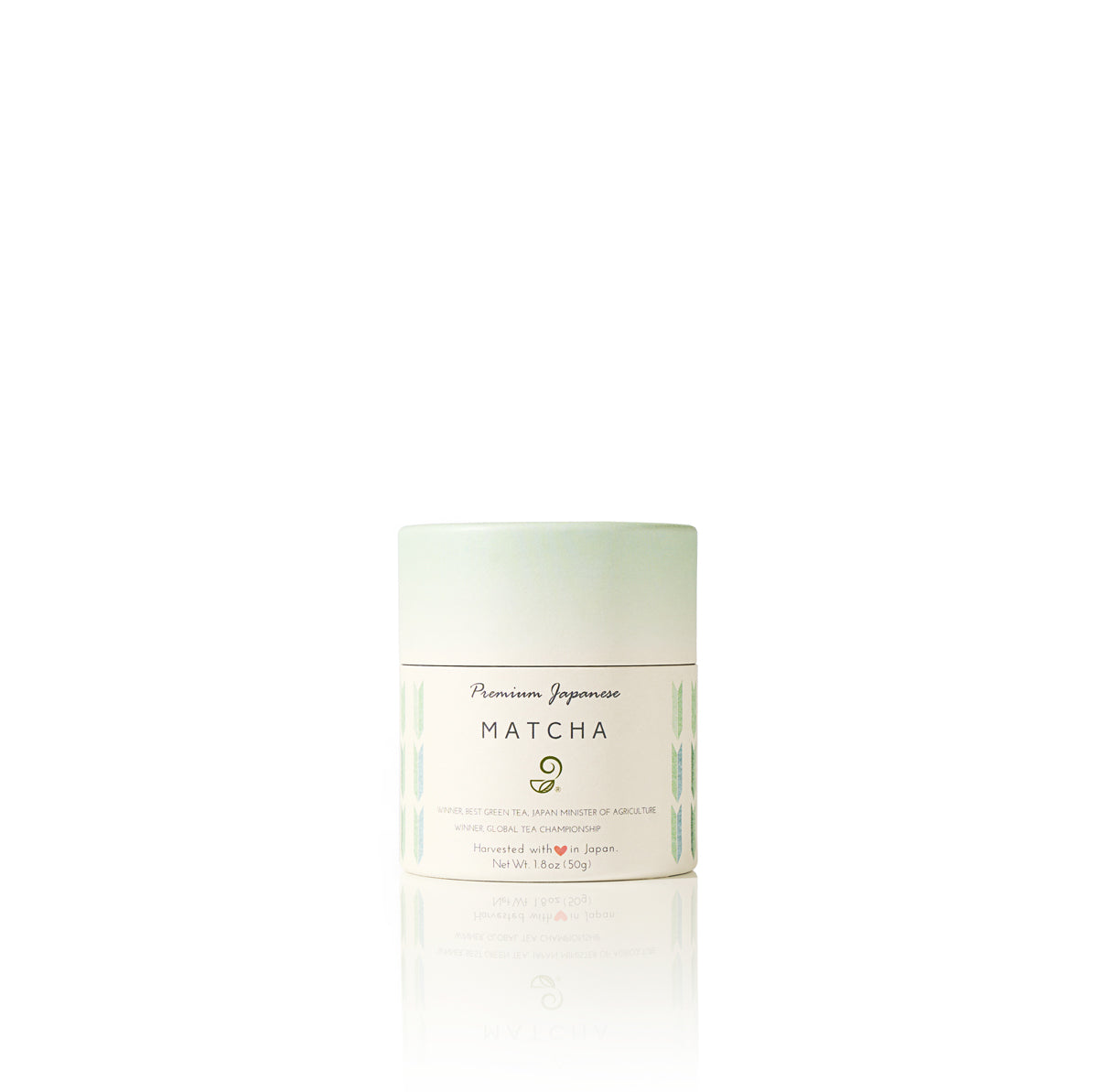
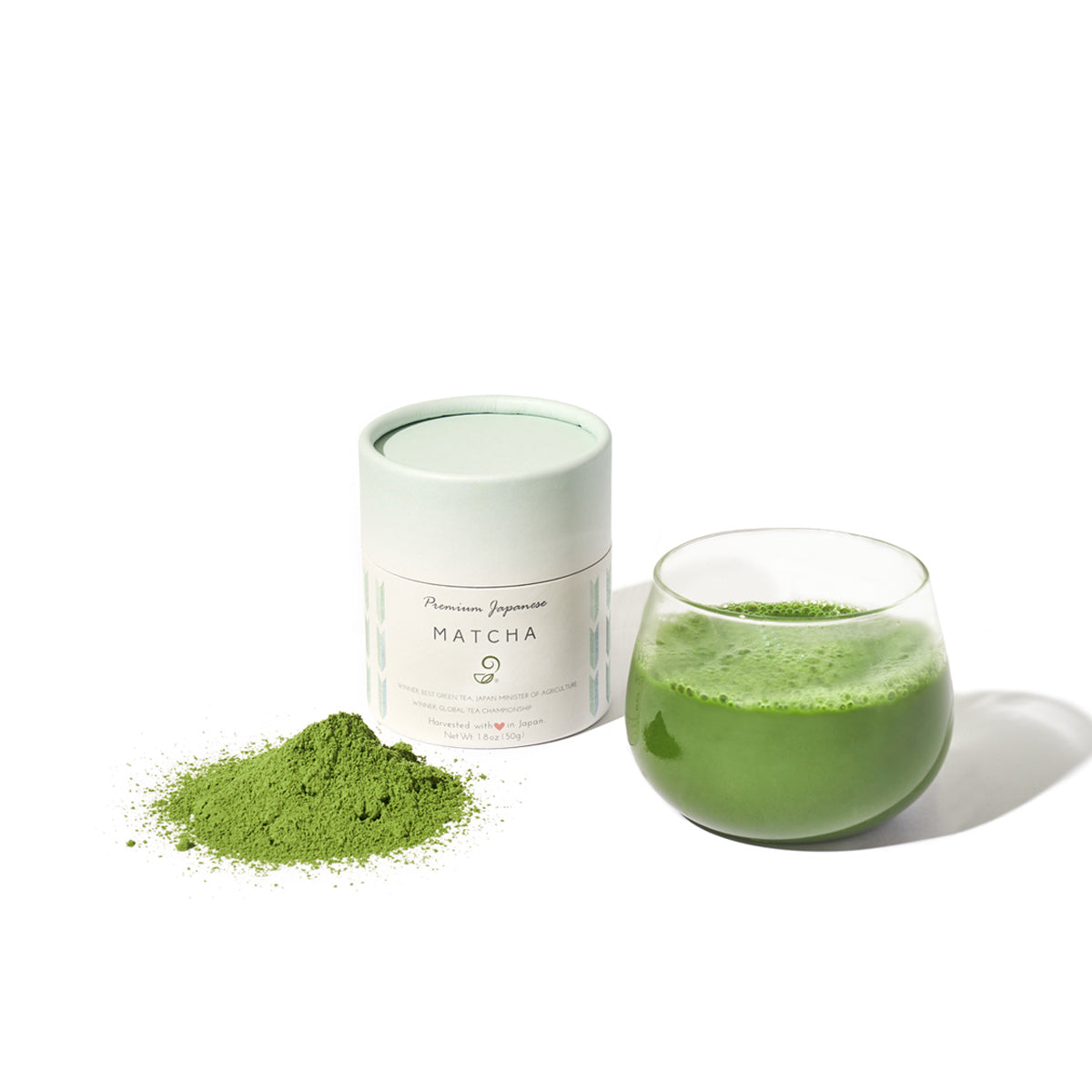
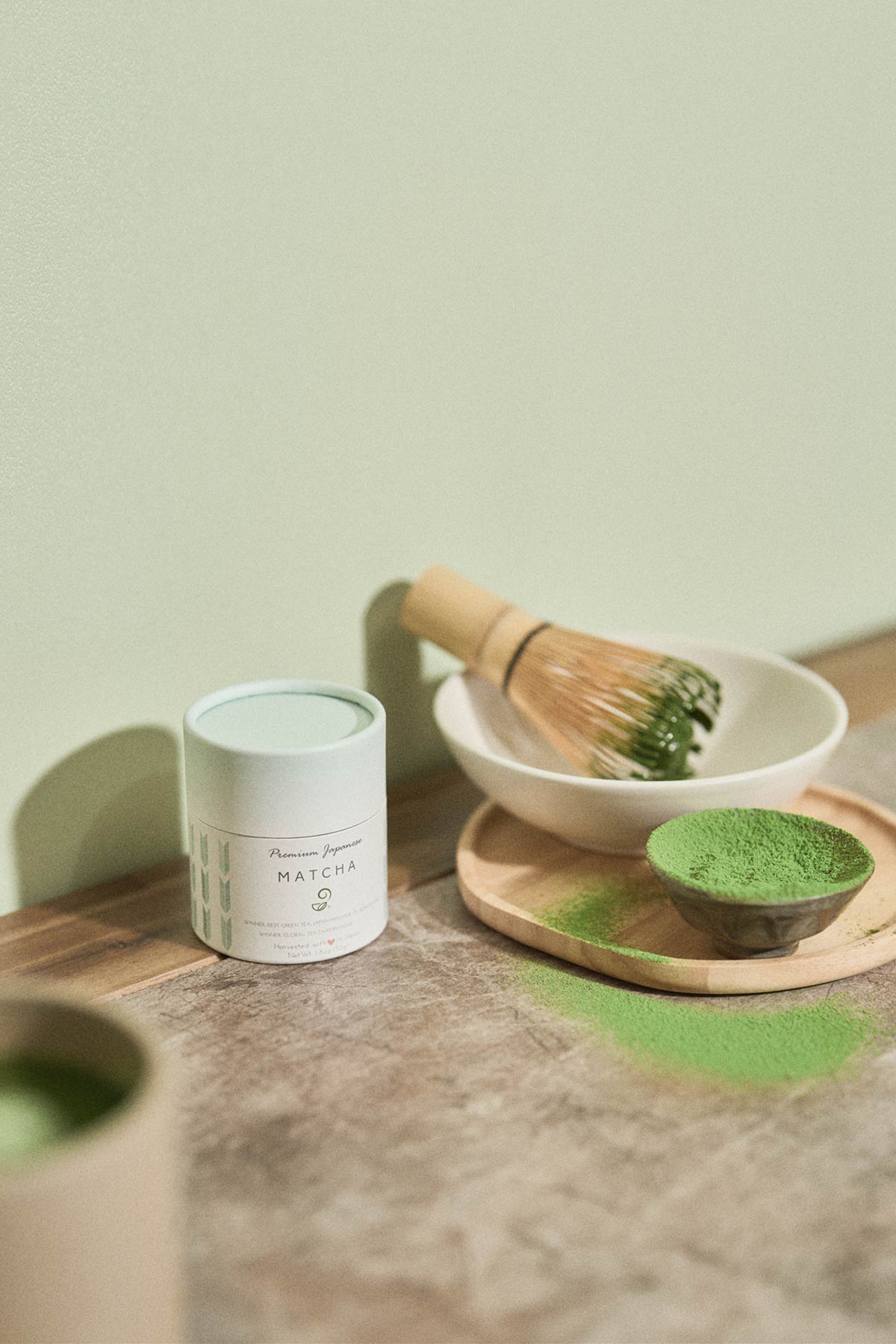
This ceremonial matcha is crafted from the finest Japanese green tea, grown in nutrient-rich soil enhanced with compostable grasses and sugarcane through the Chagusaba method, which gives the tea a natural sweetness and exceptional flavor. In collaboration with researchers from Shizuoka University, farmers ensure that the soil quality consistently produces tea of the highest standard.

Renowned among top Japanese chefs for its unmatched aroma, this matcha is made by carefully shading the plants before harvest to boost caffeine and amino acids, then meticulously drying, de-stemming, and grinding the leaves into a fine powder. Made from the Yabukita cultivar, this 1.8 oz (50g) matcha comes in a high-quality, air-tight paper tube canister, providing a luxurious and authentic Japanese tea experience.

42 reviews

Genmaicha - Green Tea with Roasted Brown Rice

$30.00
Quick view

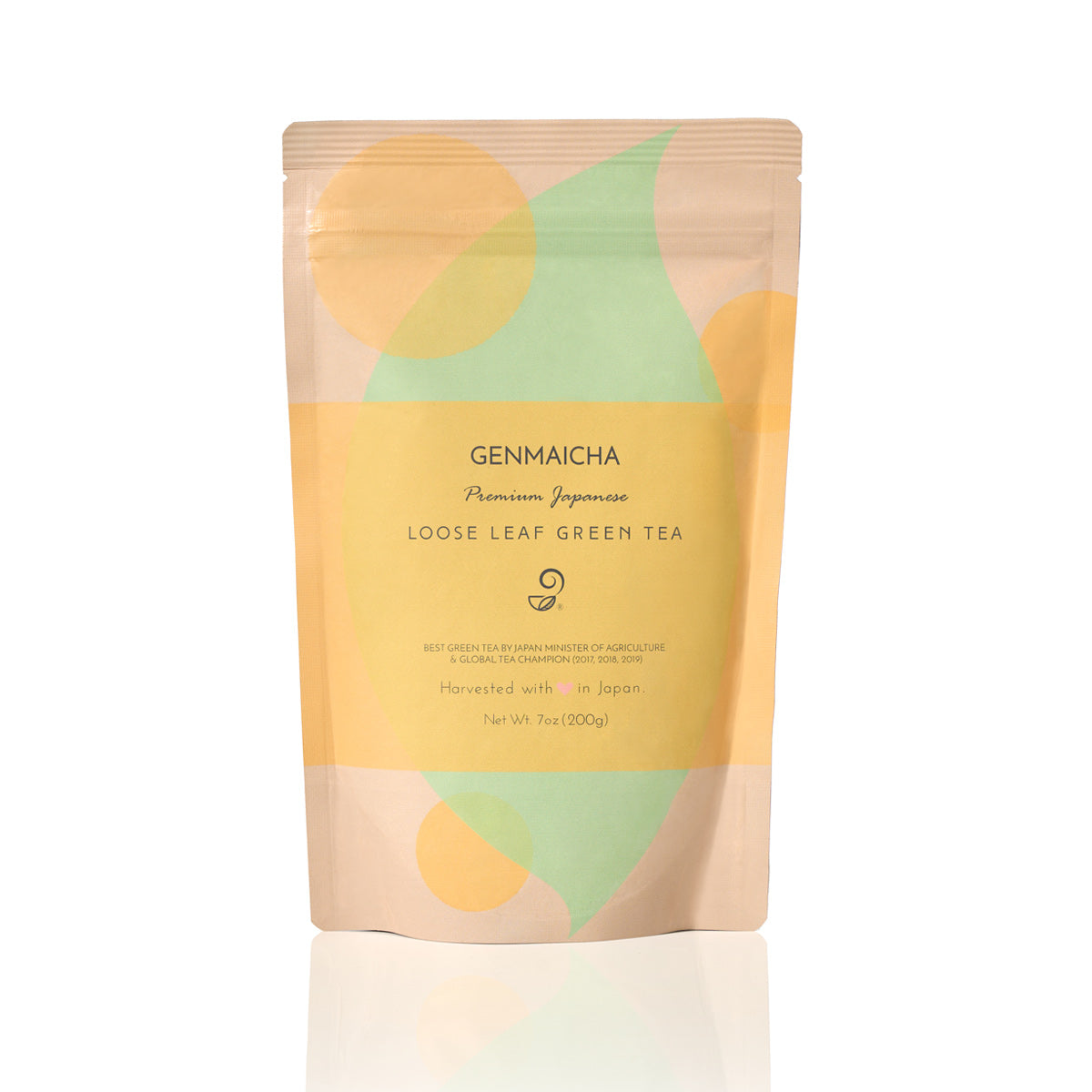
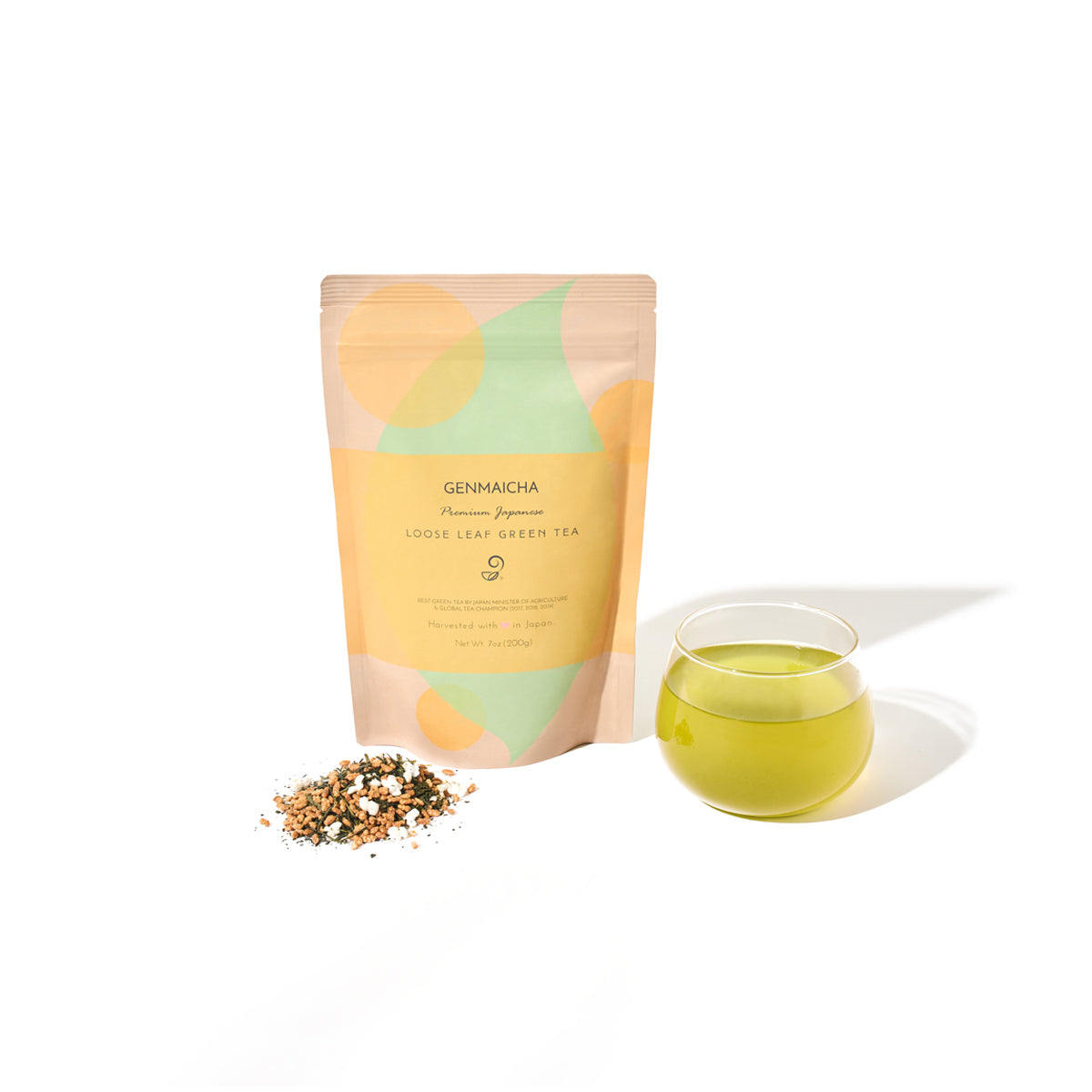
Our premium Japanese Genmaicha blends high-quality green tea with roasted popped brown rice (genmai 玄米), often nicknamed "popcorn tea" because the roasting process sounds like popcorn popping. Popular especially among the older generation in Japan for its mild flavor and lower caffeine content, this tea is easier on the stomach while still offering a rich, comforting taste. The brown rice used is premium Japanese mochi-gome (もち米) sticky rice, enhancing the tea’s nutty, aromatic profile. Made from Fukamushi Sencha and cultivated using the Chagusaba method in nutrient-rich sugarcane soil, this Genmaicha features the Yabukita cultivar and comes in a 7.0 oz (200g) eco-friendly resealable package, enough to steep 50–60 cups.


Related Articles You May Be Interested

Fresh Healthy Recipe - Mango Bubble Tea with Green Tea
How to Make a Green Tea Latte: Four Delicious Ways
10 Trendy Green Tea Cocktail Recipes You Will Love
Everything You Need To Know About Japanese Hojicha Tea
Everything You Need to Know About Different Types of Japanese tea

Get Free Bonus Books

Join Green Tea Club

Sign up for free to the Green Tea Club to get advice and exclusive articles about how to choose Japanese Tea, and tips, tricks, and recipes for enjoying Japanese tea.

Unsubscribe anytime. It’s free!

About the author

Kei Nishida

Kei Nishida

Author, CEO Dream of Japan

info@japanesegreenteain.com

Certification: PMP, BS in Computer Science

Education: Western Washington University

Kei Nishida is a passionate Japanese green tea connoisseur, writer, and the founder and CEO of Japanese Green Tea Co., a Dream of Japan Company.

Driven by a deep desire to share the rich flavors of his homeland, he established the only company that sources premium tea grown in nutrient-rich sugarcane soil—earning multiple Global Tea Champion awards.

Expanding his mission of introducing Japan’s finest to the world, Kei pioneered the launch of the first-ever Sumiyaki charcoal-roasted coffee through Japanese Coffee Co. He also brought the artistry of traditional Japanese craftsmanship to the global market by making katana-style handmade knives—crafted by a renowned katana maker—available outside Japan for the first time through Japanese Knife Co.

Kei’s journey continues as he uncovers and shares Japan’s hidden treasures with the world.

Learn more about Kei Nishida

Related Posts

Simply Donabe — New Cookbook from TOIRO's Naoko-san Is Out!

Simply Donabe is here! We celebrated TOIRO's Naoko-san's new cookbook at a special dinner at Camélia in DTLA — see our p

Read More
Introducing New Product - Meet Hojicha Powder
Introducing A New Product - Meet Hojicha Powder

Discover the game-changing Hojicha powder your kitchen has been waiting for — richer flavor, easier recipes, and surpris

Read More
Yokohama Peach is offered as a regular menu at Okayama Kobo Cafe!
Yokohama Peach is offered as a regular menu at Okayama Kobo Cafe! + Recap Video of Pop-up on 2/8/2026 at Anaheim, CA

We are excited to announce that our Yokohama Peach is now available on the regular menu at the popular Japanese Bakery,

Read More
6 comments on Is Using The Microwave Good For Green Tea? - The Answer May Surprise You
  • Japanese Green Tea Co.
    Japanese Green Tea Co.January 02, 2021

    Hi Linda,
    According to the study, Matcha and Loose-leaf will act the same in terms of the effect. The same for re-heating; it does not break the chemical element as you would imagine.

  • Linda
    LindaJanuary 02, 2021

    Do you know if the microwave benefits are the same for preparing matcha vs. loose leaf green tea? And what about reheating matcha?

  • greentea
    greenteaNovember 25, 2019

    Hi Jean. Glad to hear that! : )

  • Jean

    Thanks for your response! Have been experimenting a little and I am starting to enjoy the “less hot” version of my green tea. :)

  • greentea
    greenteaNovember 18, 2019

    HI Jean
    Thank you very much for your comment. You are right that 500W for 1 minute may not be too hot; though for me it is good temperature.We added point 6 “If the tea is not hot enough for you, enjoy to pour it over ice as cold tea.” in the instruction based on your comment.Hope this answers your question.

  • 1 2 Next »
Leave a comment

Your email address will not be published..

Cart

Your cart is currently empty.

Start Shopping

Select options