Skip to content

Fresh Healthy Recipe - Mango Bubble Tea with Green Tea


Bubble Tea was invented in Taiwan in the 1980’s and got its name from the bubbles that appear after vigorously shaking the contents of the drink. Since then, Bubble Tea has grown in popularity over the years and can now be enjoyed in many different varieties.  One of our favorite summer varieties is Mango Bubble Tea which can be made by mixing chilled jasmine green tea with fresh mango or mango ice cream.

Mango Bubble Tea

Mango is Healthy!

There are many health benefits to adding fresh mango to your bubble tea recipes.  

Scientific data has shown that mangoes contain antioxidant compounds that help protect the body against certain cancers.  Additionally, consuming mangoes can help lower cholesterol because they contain high levels of fiber, pectin, and vitamin C.

Mangoes are Good for Your Skin Too

Another wonderful reason to enjoy mango in your tea is because of their ability to help clear skin. When you consume more mangoes, you are allowing them to unclog pores and eliminate pimples.  

Did you know that just one cup of fresh mango provides 25 percent of your daily value of vitamin A? 

This is particularly important when it comes to improving eye health, helping prevent night blindness, and dry eyes.  Mangoes also help to normalize insulin levels in the blood, which helps to prevent diabetes.

 Furthermore, the fiber in mangoes helps to improve and aid with digestion. Lastly, your immune system will get a healthy boost from the high levels of vitamin C found in mangoes.  

What is Jasmine Green Tea?

Jasmine green tea is type of Chinese green tea and is one of the most famously scented teas in the world. For instance, if you go to Chinese restaurant in USA, most of the time, this is the kind of tea that you will be served. You can recognize it by its floral smell which goes very well with Chinese food.

Generally, jasmine teas are made by heating dried Jasmine flower petals when processing the tea.

Jasmine is Healthy too!

Drinking jasmine green tea has many wonderful health benefits as well. For example, jasmine green tea is well known for its ability to fight bacteria which helps our bodies produce good bacteria and aids in digestion.  

It also contains catechins which have fat burning properties to help with weight loss.  Even the simple act of inhaling the scent from jasmine green tea reduces your heart rate and has a sedative effect on nerve activity and mood, which helps reduce stress.  

High levels of antioxidants in jasmine green tea tea attack free radicals that form in the body which have been linked to cancer.  In addition to the high levels of antioxidants that help prevent cancer, they also play a role in slowing the aging process. 

Jasmine green tea also helps to regulate and improve blood circulation and heart health because of its ability to reduce cholesterol and “bad” fats.  

Drinking jasmine green tea prevents colds due to its antiviral and antibacterial properties.  If you are already sick, drinking jasmine tea can speed your recovery. Lastly, jasmine green tea helps to prevent and reduce symptoms of Irritable Bowel Disease. 

Green Tea with Mango:

The simplest way to add mango to your green tea is to cut off a few slices or cubes of mango and add them to chilled green tea.(Either Jasmine or regular sencha green tea)  You can also blend the mango (about 100 grams) into a puree and place it at the bottom of your cup before pouring your chilled green tea on top.  

Mango Bubble Tea

Green Tea with Mango Ice Cream 24oz (700ml):

When you make your Mango Ice Cream with Green Tea, if using a 24 oz cup (700ml), you will make 500ml of green tea. It’s recommended that you use either Jasmine or regular sencha green tea and add 2 scoops of mango ice cream.  

Remember that the mango will add sweetness, so it is best to just use half as much sugar. This is a wonderful aspect of the beverage, because many of today’s customers are looking to consume less sugar in their diets.

    1. Fill a shaker cup 500ml with ice
    2. Add Hot Jasmine Green Tea to the 500ml mark
    3. Add 5-10 grams of fructose or sugar
    4. Shake by hand or place in your shaker machine for 8 seconds
    5. Pour into a 24oz (700ml) cup
    6. Add two scoops of Mango Ice Cream
    7. Serve and Enjoy!
    8. Download Printable One-Page Recipe PDF Now

      Sign up for the free Green Tea Club (unsubscribe anytime) to download the printable PDF of this recipe now.

Mango Bubble Tea

This article is written by Mike, CEO of BubbleTeaology

Author Bio

Mike, BubbleTeaology
Mike is originally from the US but has spent the past 6 years in Taiwan and 2 of those years working for one of the largest bubble tea shops in Taiwan.  Now he is the owner of BubbleTeaology which supplies Boba Tea Machines and Wholesale Ingredients to drink shops around the world.

FAQs about Mango Bubble Tea with Green Tea

Does mango actually pair well with green tea — they seem like an odd combo?

Better than expected, especially with the right green tea. Mango's tropical sweetness and floral aromatics work surprisingly well with sencha (煎茶) cold-brewed for sweetness rather than astringency, or with hojicha (ほうじ茶) where the roasted notes echo mango's slightly toasted ripeness. The combination is more popular in East Asian milk tea culture than in traditional Japanese tea, but it works.

The pairing fails with hot-brewed astringent sencha or with ceremonial-grade matcha — the delicate vegetal notes get overwhelmed by mango's intensity, and the catechins react with mango's enzymes (bromelain-related) to produce slight bitterness. Match the tea to the role: cold-brew sencha or hojicha for mango, not hot premium matcha.

Bubble tea (boba) format works particularly well for the mango-green tea combo because the milky base and tapioca pearls provide texture and sweetness that bridge the tea and fruit profiles. Plain mango-green tea without milk can taste thin; the milk tea format gives it body.

What kind of green tea works best in bubble tea recipes?
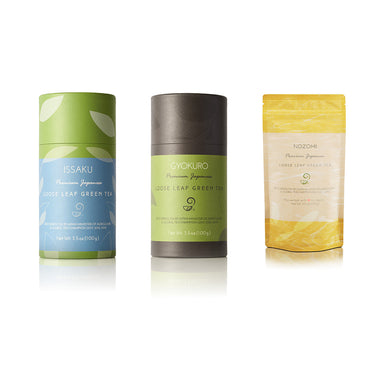
Cold-brewed sencha is the cleanest base — refreshing, mild astringency, holds up against added sweeteners and milk without getting muddy. Brew strong (10g of sencha per 500ml cold water, steep overnight) and use the resulting concentrate as the tea base for bubble tea. The Sencha Lover Gift Set includes cultivars suited for cold-brew preparation.

Matcha works for matcha-based bubble tea (different category than green-tea bubble tea), but combining whisked matcha with mango is tricky — the matcha tends to clash with mango's acidity. If you want matcha + tropical, pineapple is a worse fit, mango is borderline, lychee is the best tropical fruit pairing.

Hojicha bubble tea is genuinely excellent and underrated — the roasted notes pair beautifully with brown sugar tapioca pearls and milk. Hojicha + mango works too if the mango is restrained.

Are tapioca pearls vegan and gluten-free? Any health concerns?

Generally yes for both. Tapioca pearls are made from cassava root, naturally vegan and gluten-free. They're high in carbohydrates (mostly starch) so they add 50-100 calories per serving to a bubble tea, which matters if you're calorie-conscious or carb-restricted.

The bigger health concern is added sugar. Most commercial bubble teas contain 20-50 grams of added sugar per serving — primarily in the brown sugar syrup the tapioca pearls are soaked in, plus additional sweetener in the tea base. Drinking bubble tea daily is essentially drinking a dessert. Once-weekly is more reasonable.

Home-made bubble tea lets you control the sugar load. Use plain tapioca pearls without brown sugar coating, sweeten the tea base with honey or maple syrup at modest levels, and you can keep total added sugar under 10g per serving. Substantial improvement over commercial versions while preserving most of the experience.

How do I make mango-green tea bubble tea at home?

Method: cook tapioca pearls per package directions (usually 25-30 minutes simmer + 30 minutes rest in cooking water). Cold-brew sencha overnight (10g leaf per 500ml cold filtered water). Blend ripe mango with a small amount of cold water and a touch of honey to make mango puree. To assemble: cooked pearls in glass, mango puree (3 tablespoons), cold-brewed sencha (200ml), milk or oat milk (60-100ml), ice. Stir and drink with a wide straw.

Frozen mango works as a mango substitute — easier to blend, gives the drink a slushy texture if you blend with extra ice. Fresh ripe mango has stronger aroma but requires careful timing (only ripe-but-not-overripe mango works; underripe is fibrous, overripe is too soft).

Don't pre-mix and store — bubble tea is best within an hour of assembly. The tapioca pearls harden as they cool and the tea-fruit-milk balance shifts as time passes. Make as needed.

Is bubble tea healthier than coffee shop drinks like Frappuccinos?

Roughly comparable on calories and sugar; the tea base provides health benefits the Frappuccino doesn't. A medium mango-green tea bubble tea (commercial) typically has 350-450 calories and 30-50g of added sugar — similar range to a medium Frappuccino. The bubble tea also delivers some catechins, L-theanine, and the actual fruit nutrition (in fresh-fruit versions); the Frappuccino delivers neither.

Net: bubble tea is marginally less unhealthy than coffee-shop dessert drinks, but neither is genuinely healthy as a daily habit. Both are dessert-category beverages.

If you want the bubble tea experience minus most of the sugar, ask for half-sweet (most chains accommodate), use lower-sugar tea bases (oolong or green over Thai tea), and skip the brown-sugar boba in favor of plain. The drink ends up a meaningful step healthier without losing the ritual experience.

Related products

1 review

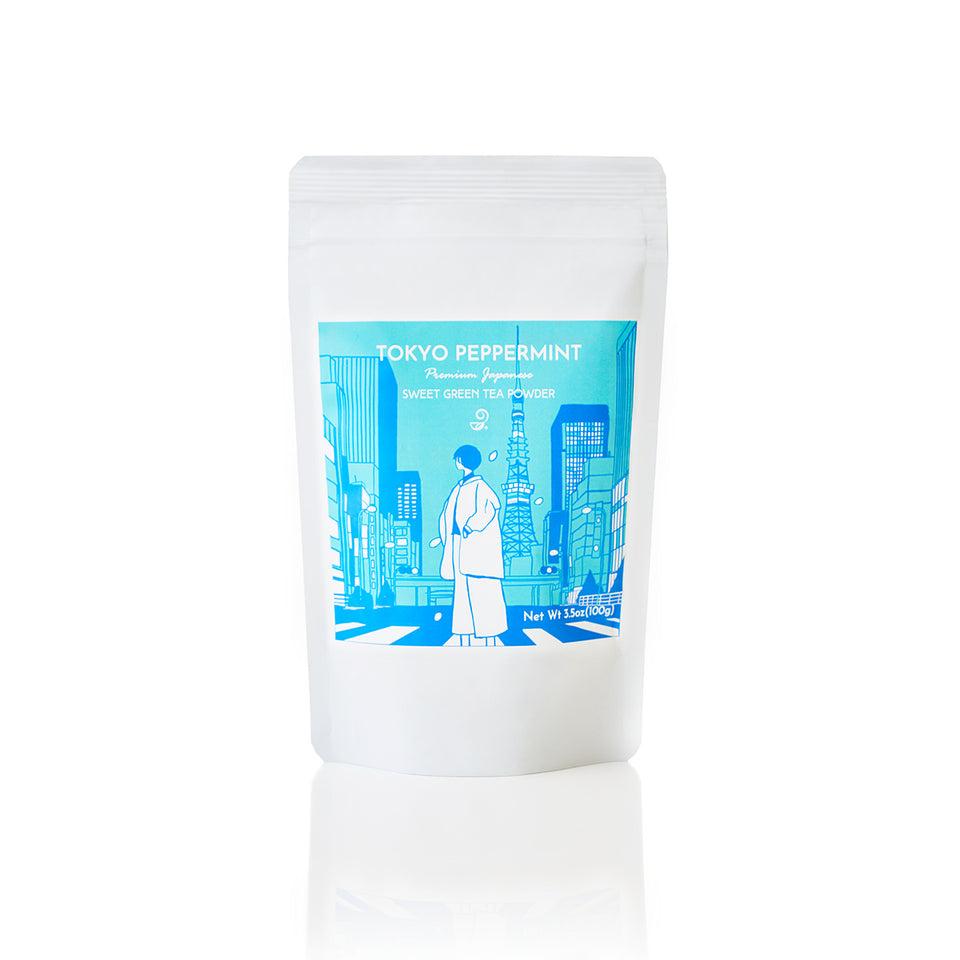
Tokyo Peppermint

$25.00
Quick view

Enjoy the refreshing mix of premium Japanese sencha (煎茶) and crisp peppermint (ペパーミント). 

Tokyo Peppermint perfectly blends earthy umami and cool freshness, making it ideal for both hot and iced preparations. 

It's the perfect tea for relaxation or a quick energy boost, crafted with high-quality ingredients for a modern twist on traditional Japanese tea. 

8 reviews

The Sencha Lover Gift Set - Premium Japanese Green Tea Set Package
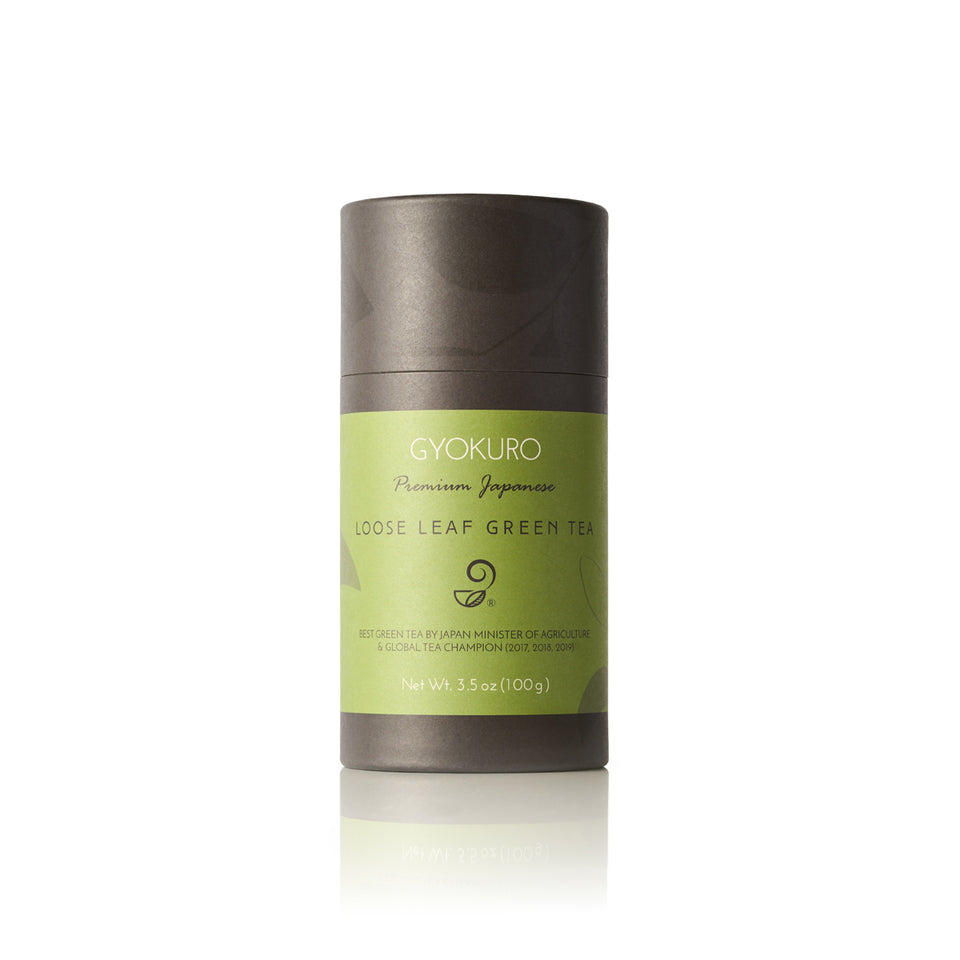
$179.00 $159.99
Quick view

This tea set features three exceptional Japanese green teas, each crafted with care and traditional techniques. Issaku Reserve, a Global Tea Champion winner in 2017 and 2019, is a rare masterpiece created by Farm Master Mr. Arahata at Arahataen Green Tea Farm. Handpicked once a year from the first flush and processed with advanced methods, Issaku represents the highest-grade deep-steamed green tea, available only in limited quantities even in Japan.

The set also includes Gyokuro, a premium shaded green tea known for its rich, sweet flavor and deep mossy green color. Grown under special mats for 20 days to increase caffeine and amino acid levels, Gyokuro offers a layered, smooth taste unlike any other. Completing the collection is Nozomi, a fine Kabuse-cha, or "Covered Green Tea," carefully grown under nets to gently shade the leaves just before new sprouts emerge, resulting in a soft, rich, and refined flavor profile.

97 reviews

Gyokuro - Shaded Imperial Premium Green Tea

$65.00
Quick view

Gyokuro, also known as "jade dew" or "jewel dew tea," is a premium Japanese green tea shaded from the sun for 20 days using specially made mats, a method that boosts caffeine levels and strengthens amino acids to create a sweeter, richer flavor. This extended shading process results in dark, mossy green leaves with an unmistakable aroma and a complex taste that is layered yet balanced. Cultivated by the Chagusaba method in nutrient-rich sugarcane soil and made from the Yabukita cultivar, this loose-leaf authentic Gyokuro is offered in a high-quality, air-tight paper tube canister (chyazutsu) to preserve its exceptional freshness and flavor. Each 3.5 oz (100g) full-size package steeps 30–40 cups, and a convenient single-serve sample is also available.

45 reviews

Hojicha - Roasted Green Tea

$25.00
Quick view

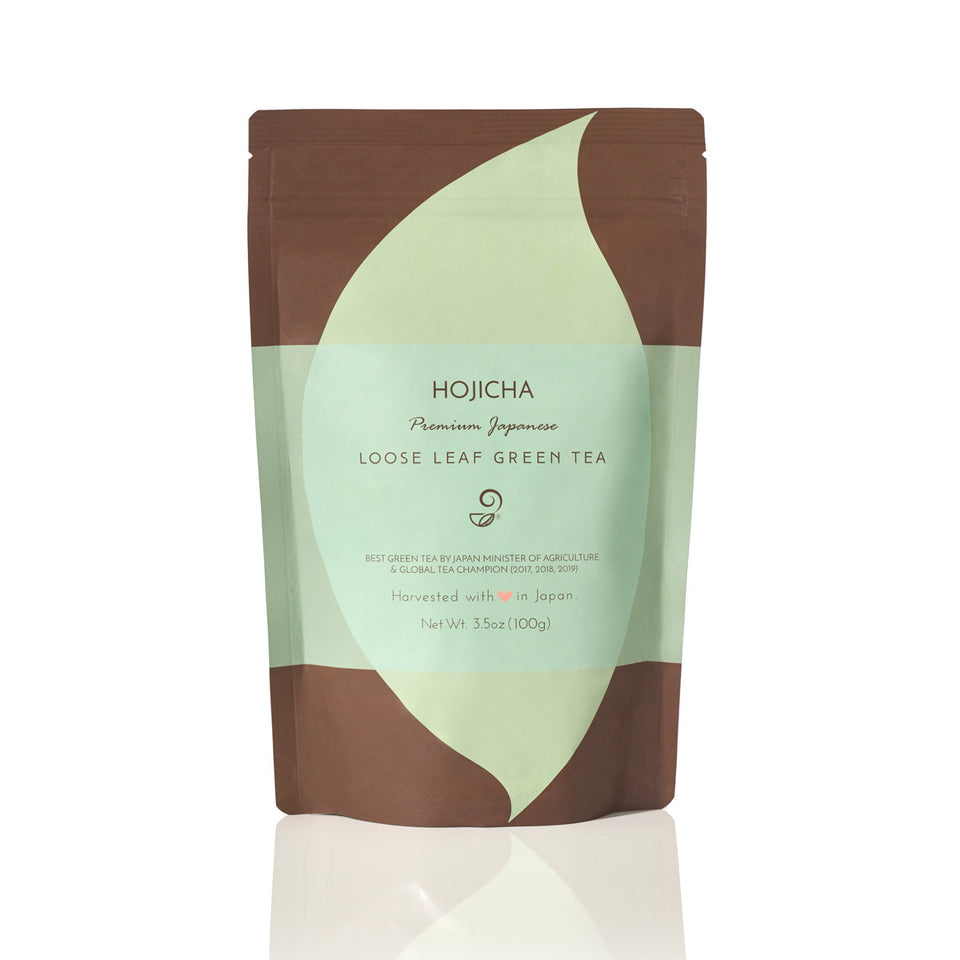
Our roasted green tea, known as hojicha (ほうじ茶), is crafted from freshly harvested premium green tea carefully roasted in porcelain over charcoal to maximize flavor while retaining more catechins than typical hojicha on the market. With lower caffeine and a smoother, less bitter taste compared to steamed green tea, it is an ideal choice for evening relaxation and is gentle enough for kids and pregnant women. Cultivated using the Chagusaba method in nutrient-rich sugarcane soil, this loose-leaf authentic Japanese roasted green tea, made from the Yabukita cultivar, also pairs beautifully with oily foods. Each eco-friendly resealable package contains 3.5 oz (100g) of tea, enough to steep 30–40 comforting cups.

80 reviews

Matcha - Ceremonial Japanese Powdered Green Tea

$39.00
Quick view

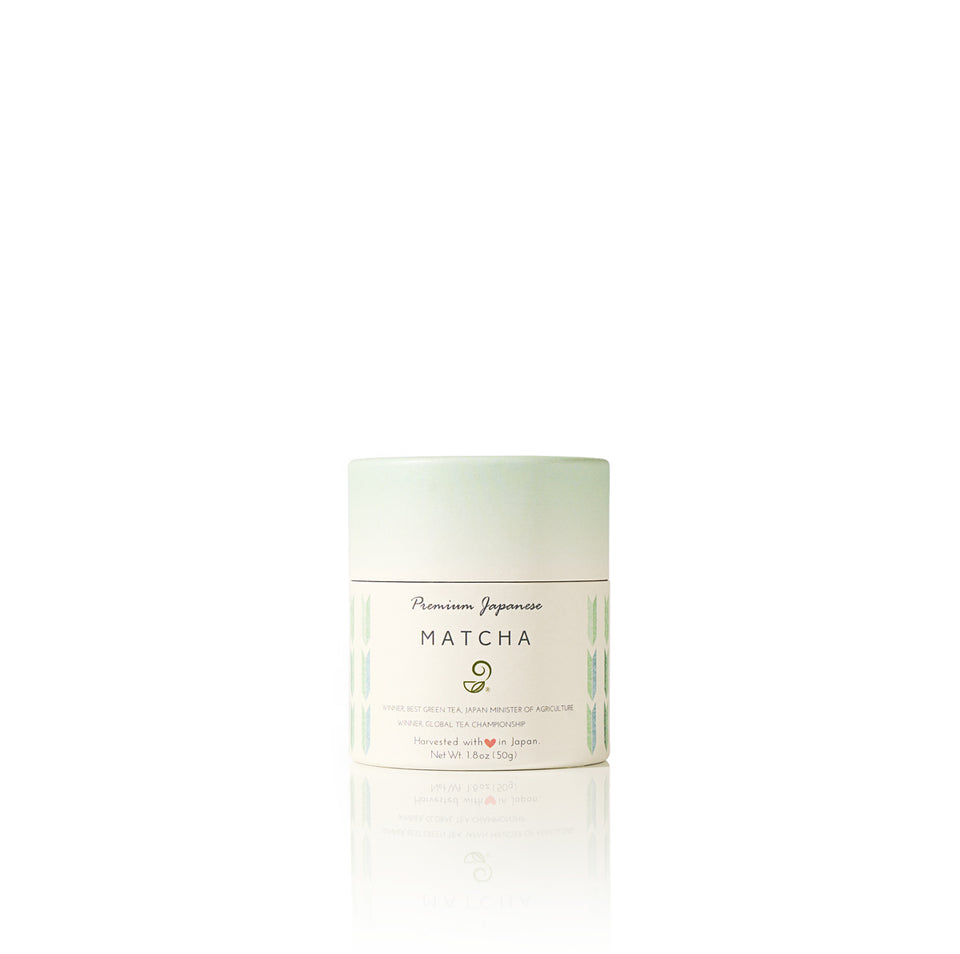
This ceremonial matcha is crafted from the finest Japanese green tea, grown in nutrient-rich soil enhanced with compostable grasses and sugarcane through the Chagusaba method, which gives the tea a natural sweetness and exceptional flavor. In collaboration with researchers from Shizuoka University, farmers ensure that the soil quality consistently produces tea of the highest standard.

Renowned among top Japanese chefs for its unmatched aroma, this matcha is made by carefully shading the plants before harvest to boost caffeine and amino acids, then meticulously drying, de-stemming, and grinding the leaves into a fine powder. Made from the Yabukita cultivar, this 1.8 oz (50g) matcha comes in a high-quality, air-tight paper tube canister, providing a luxurious and authentic Japanese tea experience.


Related Articles You May Be Interested

Green Tea Bubble Tea - What is it? Why is it Trending? & How You Can Make it at Home
10 Trendy Green Tea Cocktail Recipes You Will Love
20 Yummy And Healthy Green Tea Smoothie Recipes
What To Do With Tea Going Out of Date?
Cooking Up a Green Storm: 10 Must-Try Matcha-Infused Vegan Recipes for Your Plant-Based Kitchen

Get Free Bonus Books

Join Green Tea Club

Sign up for free to the Green Tea Club to get advice and exclusive articles about how to choose Japanese Tea, and tips, tricks, and recipes for enjoying Japanese tea.
Unsubscribe anytime. It’s free!

Related Posts

What is Shincha - New Crop Tea and What Makes them Unique?
What is Shincha Tea and What Makes It Unique?

Discover the secrets of Shincha, Japan's acclaimed new crop tea. Explore its distinct features, flavors, and traditions.

Read More
Meet Eijiro Tsukada (塚田英次郎): The Charismatic Businessman Behind Cuzen Matcha — Now Available at Japanese Green Tea Co.

Meet Eijiro Tsukada — the man behind Cuzen Matcha. Full guide to the award-winning Matcha Maker, the Pro, and why we're

Read More
Behold: Balmuda's "The MoonKettle" — Where Boiling Water Becomes Art

We were privileged to be invited by Balmuda's Private MoonKettle Launch Event. Here are videos of it and everything you

Read More
Leave a comment

Your email address will not be published..

Cart

Your cart is currently empty.

Start Shopping

Select options