Skip to content

Is Matcha Healthier than Sencha (Loose Leaf)?


Short Answer – Matcha is Healthier

The short answer is: yes, matcha is healthier than loose-leaf (sencha) tea, except for the fact that matcha has more caffeine than loose-leaf tea.

Why is Matcha Healthier?

The main reason that matcha is healthier than sencha is not because of the differences in the tea itself but in how you drink it.

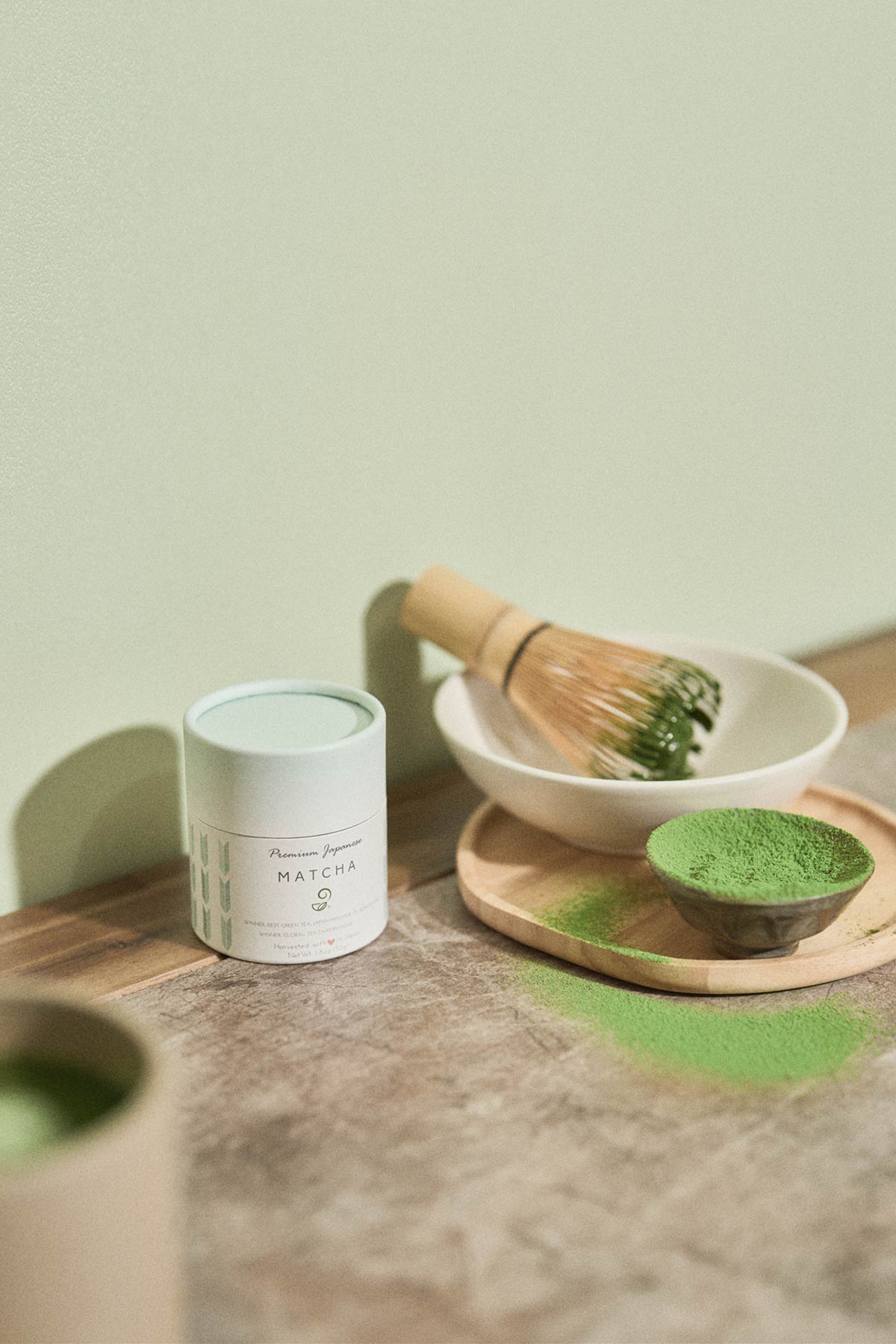
Matcha comes in powdered form, where you consume the entire tea leaf. Conversely, when you drink loose-leaf (sencha) tea, you are steeping the tea in a teapot or some other filter. (Read more about the differences between matcha and sencha.)

Regarding matcha, by consuming the entire tea leaf, you get the maximum health benefit that comes with the tea.

But Wait, Matcha has More Caffeine!

In spite of its benefits, matcha has more caffeine than sencha. As you may know, caffeine is not necessarily considered a healthy element in tea. (Read my other article where I explain everything about tea and caffeine.) Authentic matcha is grown in shade before harvesting, and the tea leaf creates more caffeine during this period.

So… What About Powdered Green Tea? 

Powdered green tea, aka konacha, is produced by powdering regular sencha. With this in mind, if quality sencha is used for powdering the green tea, this will make the tea as healthy as matcha while containing less caffeine.

matcha or not matcha

Powdered Tea = Bad Quality?

The problem is that most powdered teas are produced by using low-quality green tea. As you can imagine, when processing green tea, there are "leftover" tea leaves or stems that are perfect for powdering. Obviously, the stems of tea leaves, otherwise considered leftover parts, are not thought to be particularly healthy.

Find Quality Powdered Tea

There are exceptions to these, however. For instance, if you are able to find powdered tea that is made from premium green tea, you get the best of both worlds, i.e., consuming the entire tea leaf with less caffeine.

Japanese Green Tea Company’s Green Tea with Lemon and Green Tea with Orange or Benifuuki Powdered Tea, which are good for allergies, are all examples of this, but you will find many more quality powdered teas online.

Just make sure that you order powdered tea that is claimed to be powdered from the first crop or top-quality part of the tea leaf.

Regardless, if you don’t mind the caffeine and love the sweet bitterness of matcha, then matcha is indeed healthy for you!

General List of Matcha Health Benefit

In case you are wondering, here is a short list of the health benefits of matcha:

Lower Blood Pressure

Matcha contains an antioxidant called catechins. This ingredient can lower blood pressure. They can greatly help you if your blood pressure is 130 or higher, which increases the risk of developing stroke, heart attack, heart disease, and other health complications. Read more about it here.

Contains Cancer-Fighting Properties

Matcha tea has been extensively researched for its cancer-fighting capabilities. The tea contains polyphenols, which can help boost plasma antioxidant activities. Matcha tea contains about 60% EGCG, which is 100 times more than other teas. Read more about it here.

Boost Metabolism

Matcha tea is also rich in epigallocatechin. This compound can boost metabolism and discourage the growth of fat cells. According to study research conducted by the Journal of Endocrinology about EGCG, daily administration of EGCG on rats resulted in a 21 percent loss in body weight within seven days. This makes match tea the perfect alternative to coffee, which can reduce blood sugar levels, which normally cause weight gain.

Dental Health

Drinking a cup of matcha at least once per day can improve the shape of your teeth. There is an ingredient in the leaves that ensures the acid levels in the mouth are favorable. Or maybe it is the fluoride that the plant assimilates from the soil. Read more about it here.

Rich in Antioxidants

Matcha contains high amounts of catechins, which are natural antioxidants. These compounds stabilize dangerous free radicals, which can cause serious diseases and even damage the cells. The matcha tea has all the nutrients that the natural leaf has. In fact, it contains more catechins than other types of tea.

A recent research study done on mice found that matcha supplements improved antioxidant levels in the animals and reduced damage caused by free radicals. Adding matcha as part of your daily diet could improve your antioxidant level and reduce your chances of contracting diseases. 

FAQs about Matcha vs Sencha — Health Comparison

Is matcha actually healthier than sencha, or is that marketing?

It's both — partly real, partly oversold. Per gram, matcha (抹茶) does have more catechins, more L-theanine, more chlorophyll, and more vitamins than sencha (煎茶), because matcha is the whole shaded leaf consumed as powder, while sencha is brewed and the leaves discarded. So a single bowl of matcha delivers a higher absolute dose of beneficial compounds than a single cup of brewed sencha.

But "healthier" depends on how much you drink. Three to four cups of good sencha throughout the day can equal or exceed the catechin and L-theanine load of one matcha bowl. So if you're drinking sencha consistently, you're getting comparable benefits — just spread out across the day. The matcha advantage is concentration; the sencha advantage is the gentler, all-day approach.

The honest answer is that matcha is healthier per serving, sencha is healthier per dollar (matcha costs much more), and both are excellent. The marketing that positions matcha as a superfood and sencha as merely "a green tea" overstates a real but bounded difference.

How does the antioxidant content compare cup-by-cup?

A 2g serving of ceremonial matcha (抹茶) delivers roughly 130-160mg of EGCG (the most-studied catechin), depending on grade and origin. A typical cup of brewed sencha delivers 30-50mg of EGCG depending on leaf, brewing time, and temperature. So matcha is roughly 3-4x as potent per serving for catechins. Multiply by the cups you'd drink and you can match the matcha dose with 3-4 cups of sencha — but most casual drinkers don't drink that many.

L-theanine is similar — matcha delivers about 30-50mg per bowl, sencha 10-25mg per cup. Same multiplier. Both have measurable amounts; matcha just gets there faster.

Vitamin K is the biggest single difference, because it's fat-soluble and doesn't extract into water. Matcha has it; sencha doesn't (the vitamin K stays in the discarded leaves). If you're optimizing for vitamin K, matcha wins by a wider margin than for catechins or L-theanine.

Are caffeine levels different — does matcha give you more energy?

Yes, matcha has more caffeine per serving — roughly 60-80mg per matcha bowl vs. 25-40mg per cup of sencha. The matcha caffeine also feels different than coffee caffeine because of the L-theanine ratio. L-theanine slows the rate at which caffeine hits your system, producing a longer, steadier alertness without the spike-and-crash pattern of coffee.

Sencha has the same L-theanine modulation effect but at a lower caffeine dose, so the alertness is gentler. Many people who find coffee too jagged use sencha for daily focus and matcha for the occasional stronger mental boost.

If you're caffeine-sensitive, sencha is the safer choice. If you want the focused-but-calm state matcha is famous for, and your caffeine tolerance is normal, matcha delivers it more reliably than sencha.

What about cost — how much more does matcha cost compared to sencha?

Significantly more, but the difference per cup is smaller than the difference per gram. Ceremonial matcha runs roughly $4-15 per gram for high-grade. Quality loose-leaf sencha runs roughly $0.30-1 per gram. So per-gram, matcha is 5-15x more expensive.

But you use less matcha per serving (2g per bowl) than sencha per cup (5-7g per pot, often used for 2-3 steeps so effectively 2g per cup). So per cup, matcha is 2-3x more expensive than premium sencha and 5-10x more than supermarket sencha. That's still significant, but not the 15x the per-gram comparison suggests.

If you're optimizing for cost-per-cup of high-quality green tea, sencha wins easily. If you're optimizing for per-cup health benefit, the costs converge enough that the per-cup difference isn't that large.

Which one should I choose for my goals — matcha or sencha?

If your priority is daily ritual and meditation focus, matcha — the whisking, the bowl, the focused single-serving experience all support a contemplative practice. If your priority is hydration with light caffeine and antioxidant support throughout the workday, sencha — multiple cups, gentle effect, lower cost. Many people end up doing both: matcha morning bowl, sencha through the afternoon.

If your priority is pure efficiency of getting catechins and L-theanine into your body, matcha. If your priority is the discipline of brewing technique (right temperature, right time, multiple steeps), sencha. They reward different attention.

Cost-wise, sencha is more sustainable as an everyday habit; matcha is more sustainable as an occasional ritual. Pick the version that matches the role tea plays in your daily life — not the version with the better marketing.

TRY OUR PREMIUM MATCHA & SENCHA
80 reviews

Matcha - Ceremonial Japanese Powdered Green Tea

$39.00
Quick view

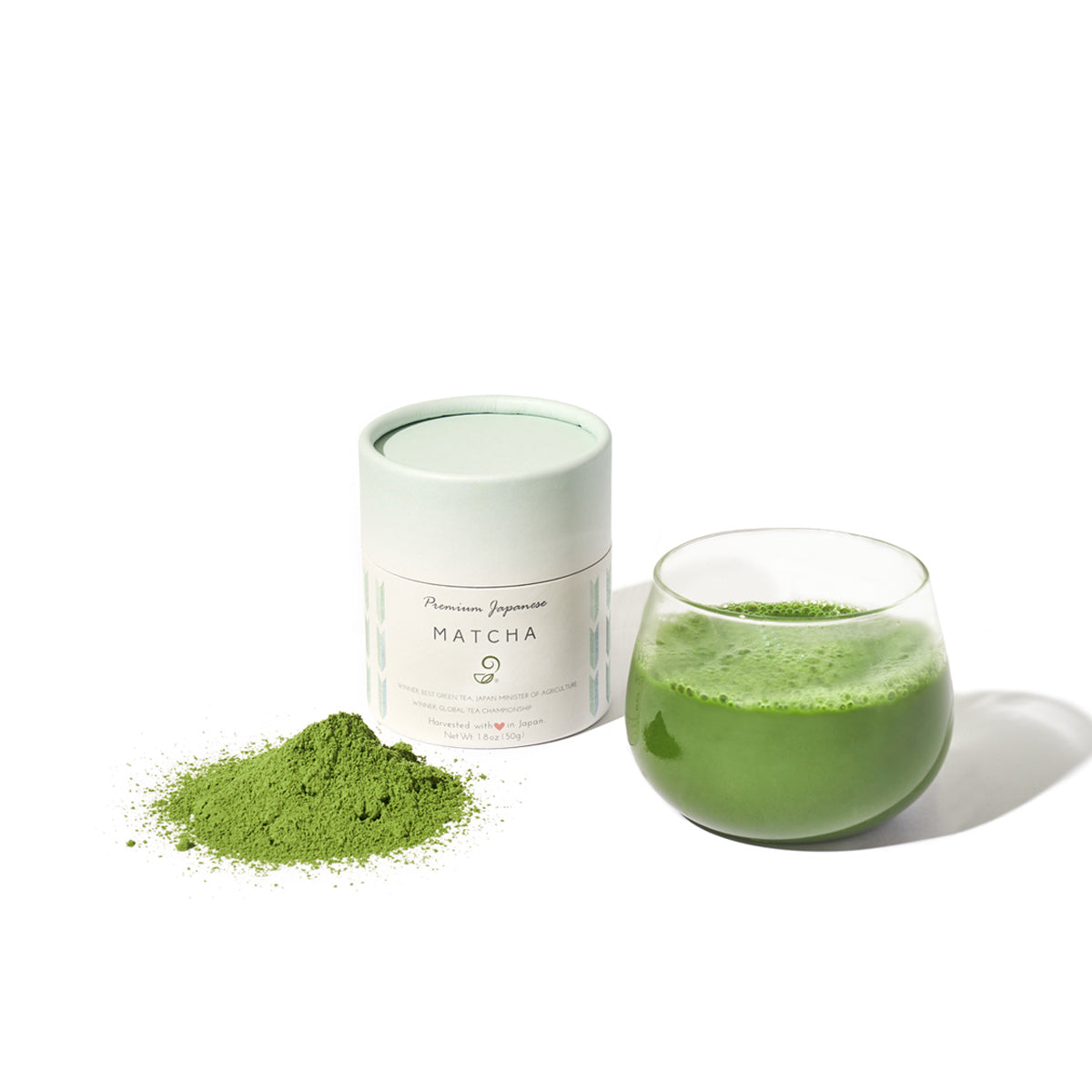
This ceremonial matcha is crafted from the finest Japanese green tea, grown in nutrient-rich soil enhanced with compostable grasses and sugarcane through the Chagusaba method, which gives the tea a natural sweetness and exceptional flavor. In collaboration with researchers from Shizuoka University, farmers ensure that the soil quality consistently produces tea of the highest standard.

Renowned among top Japanese chefs for its unmatched aroma, this matcha is made by carefully shading the plants before harvest to boost caffeine and amino acids, then meticulously drying, de-stemming, and grinding the leaves into a fine powder. Made from the Yabukita cultivar, this 1.8 oz (50g) matcha comes in a high-quality, air-tight paper tube canister, providing a luxurious and authentic Japanese tea experience.

97 reviews

Gyokuro - Shaded Imperial Premium Green Tea

$65.00
Quick view

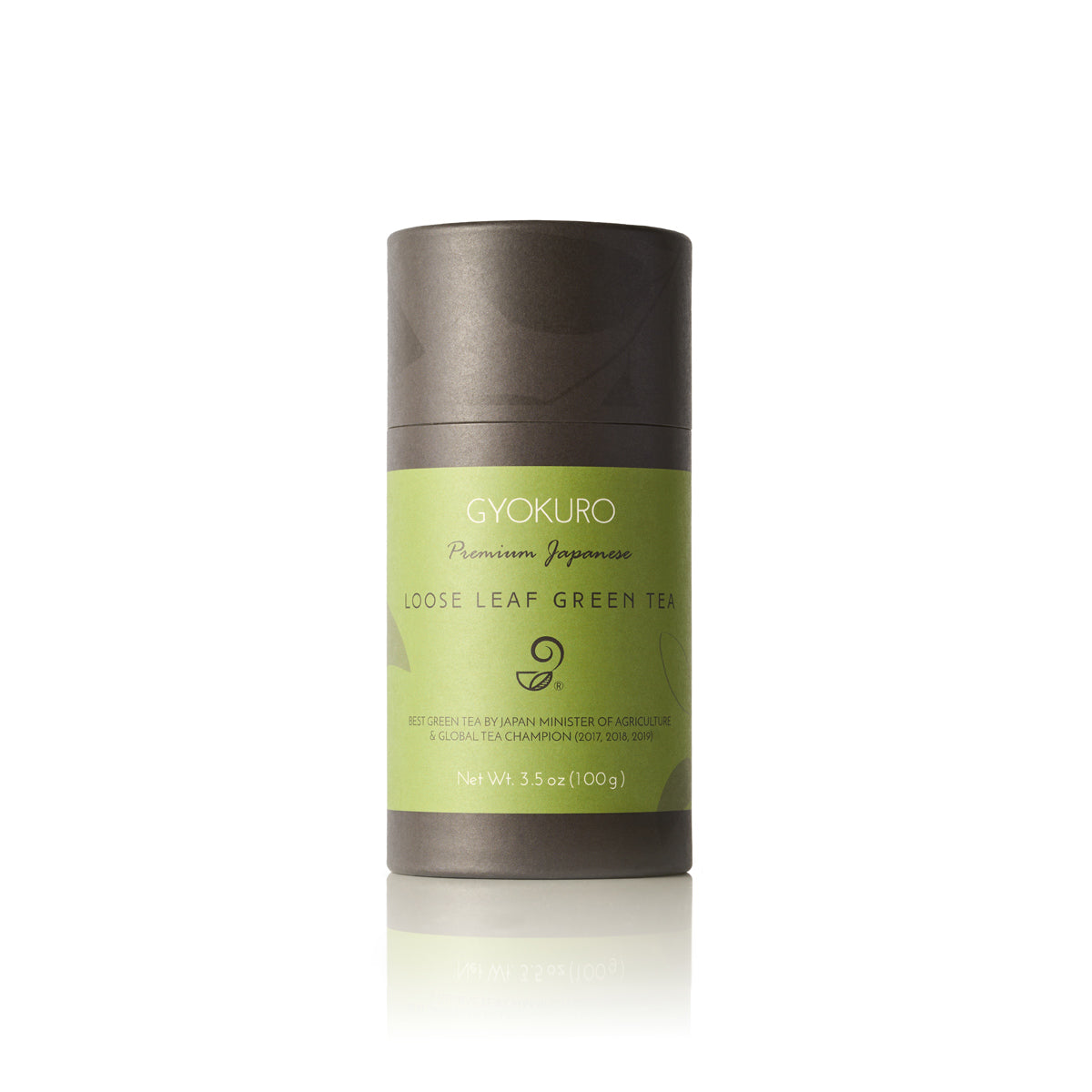
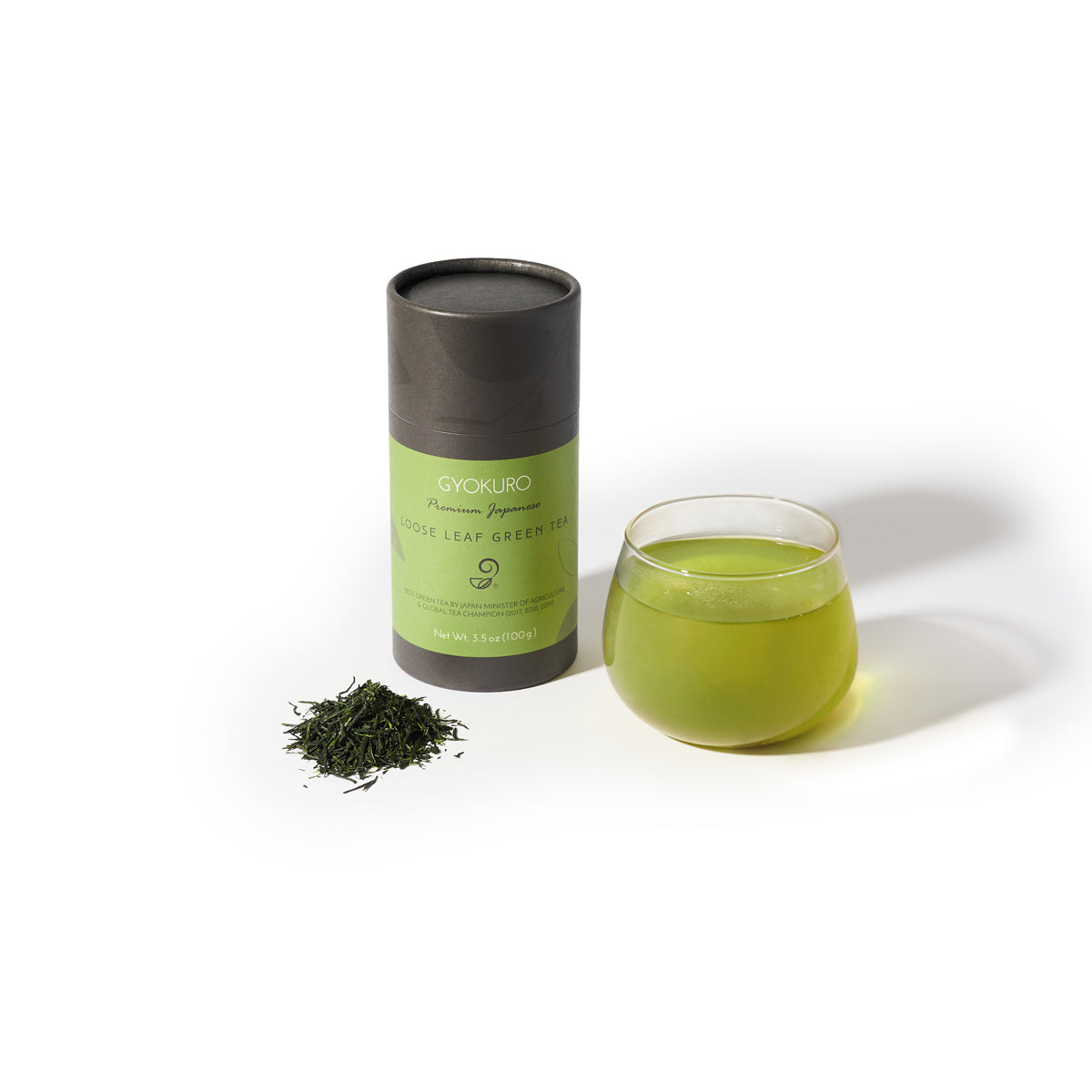
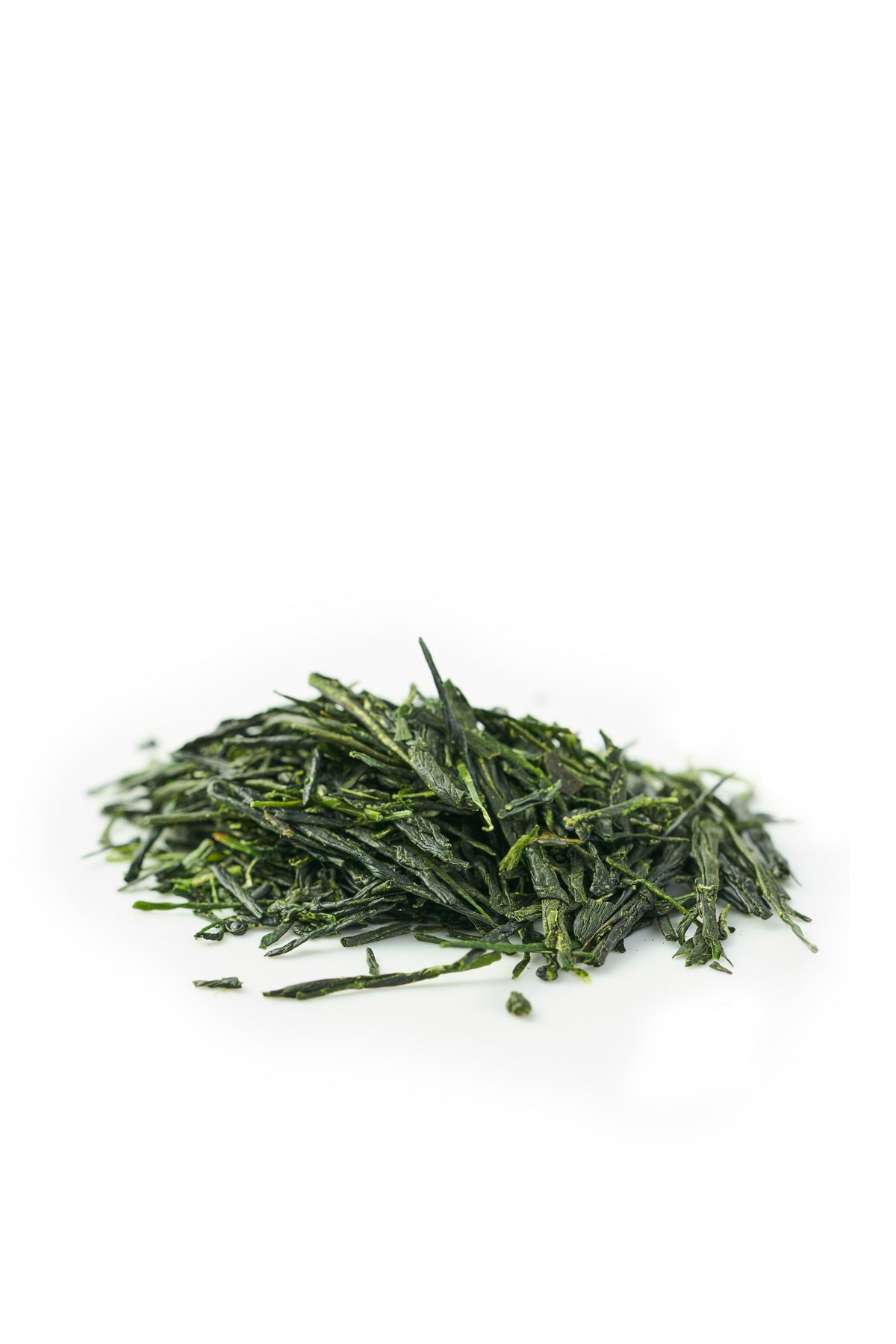
Gyokuro, also known as "jade dew" or "jewel dew tea," is a premium Japanese green tea shaded from the sun for 20 days using specially made mats, a method that boosts caffeine levels and strengthens amino acids to create a sweeter, richer flavor. This extended shading process results in dark, mossy green leaves with an unmistakable aroma and a complex taste that is layered yet balanced. Cultivated by the Chagusaba method in nutrient-rich sugarcane soil and made from the Yabukita cultivar, this loose-leaf authentic Gyokuro is offered in a high-quality, air-tight paper tube canister (chyazutsu) to preserve its exceptional freshness and flavor. Each 3.5 oz (100g) full-size package steeps 30–40 cups, and a convenient single-serve sample is also available.

8 reviews

The Sencha Lover Gift Set - Premium Japanese Green Tea Set Package
$179.00 $159.99
Quick view

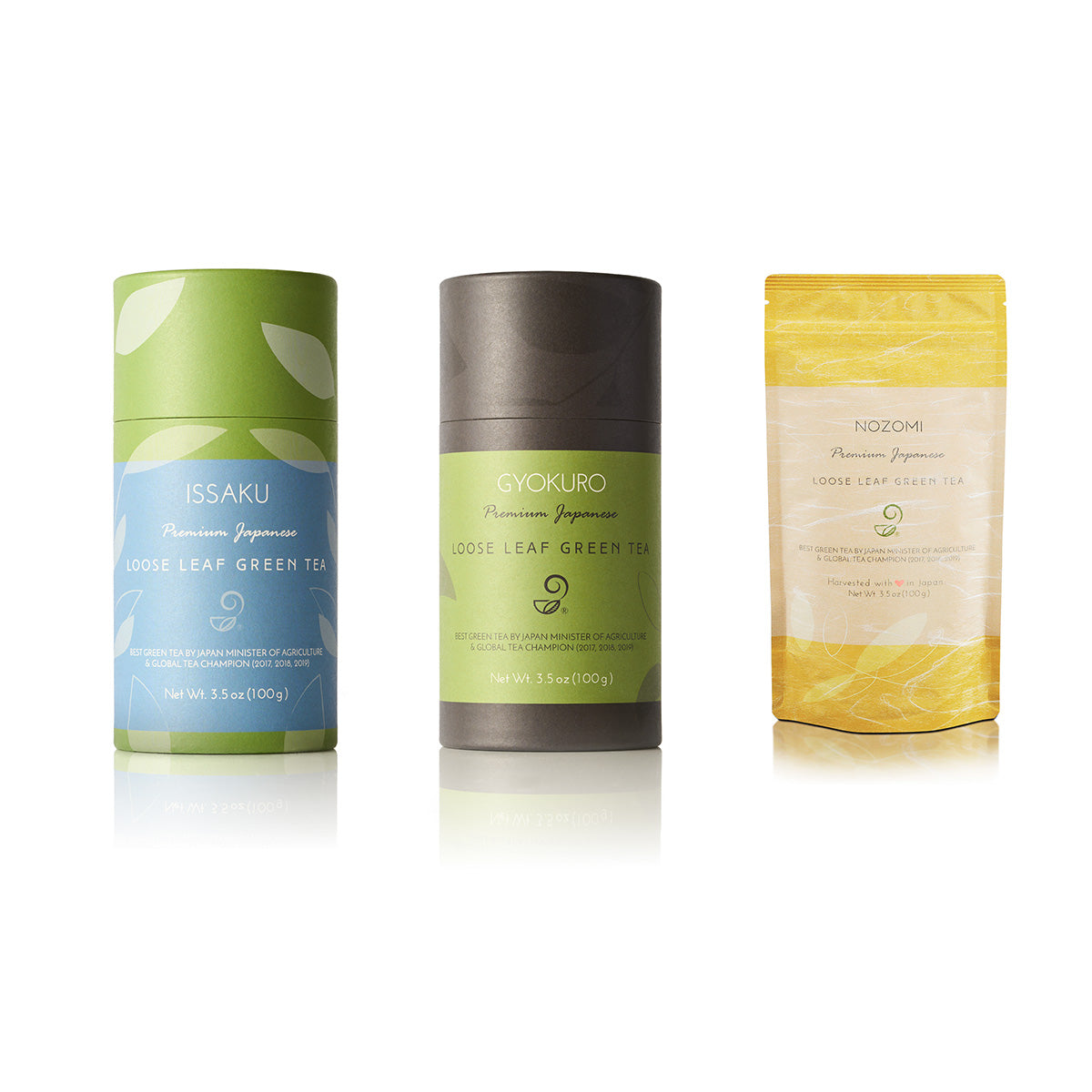
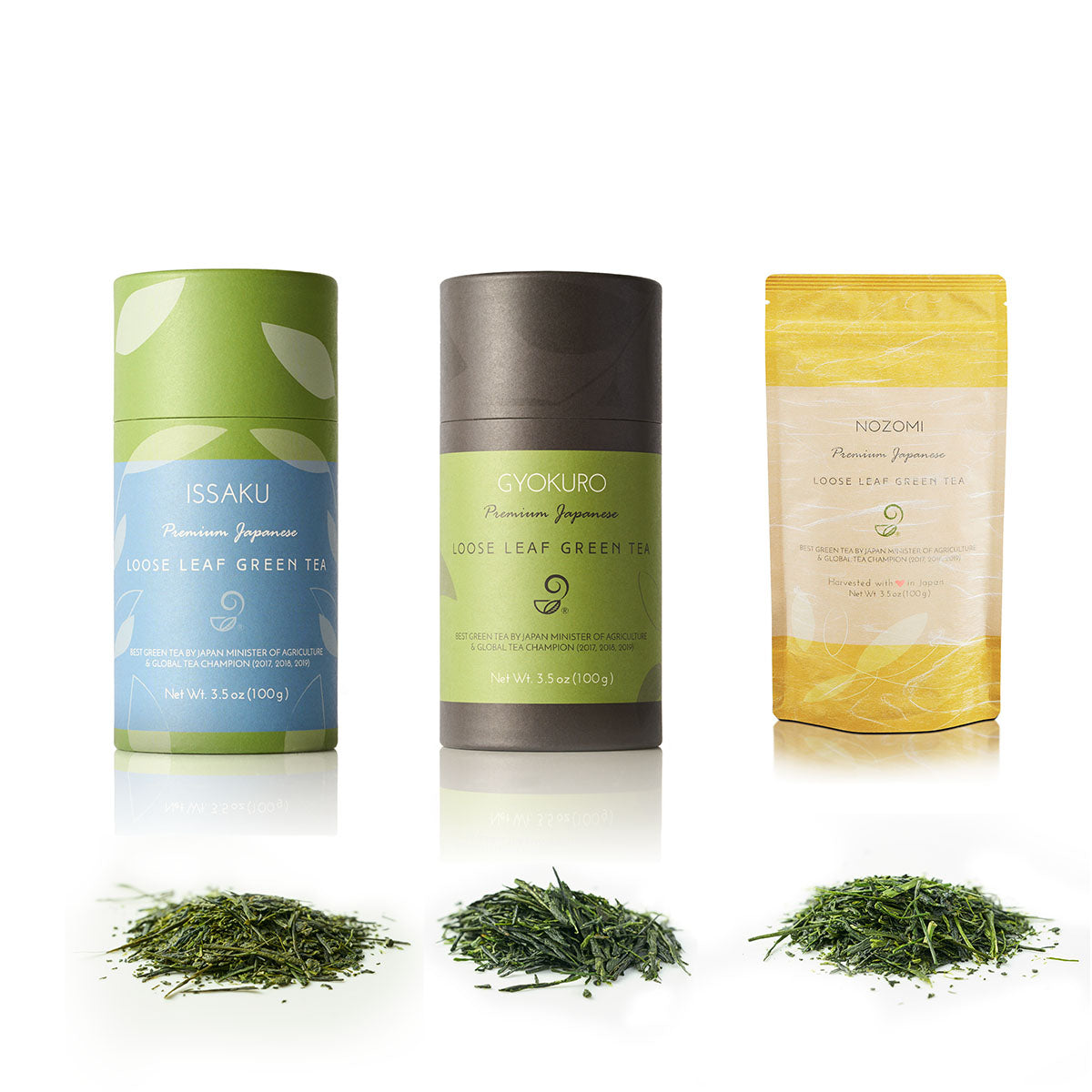
This tea set features three exceptional Japanese green teas, each crafted with care and traditional techniques. Issaku Reserve, a Global Tea Champion winner in 2017 and 2019, is a rare masterpiece created by Farm Master Mr. Arahata at Arahataen Green Tea Farm. Handpicked once a year from the first flush and processed with advanced methods, Issaku represents the highest-grade deep-steamed green tea, available only in limited quantities even in Japan.

The set also includes Gyokuro, a premium shaded green tea known for its rich, sweet flavor and deep mossy green color. Grown under special mats for 20 days to increase caffeine and amino acid levels, Gyokuro offers a layered, smooth taste unlike any other. Completing the collection is Nozomi, a fine Kabuse-cha, or "Covered Green Tea," carefully grown under nets to gently shade the leaves just before new sprouts emerge, resulting in a soft, rich, and refined flavor profile.

28 reviews

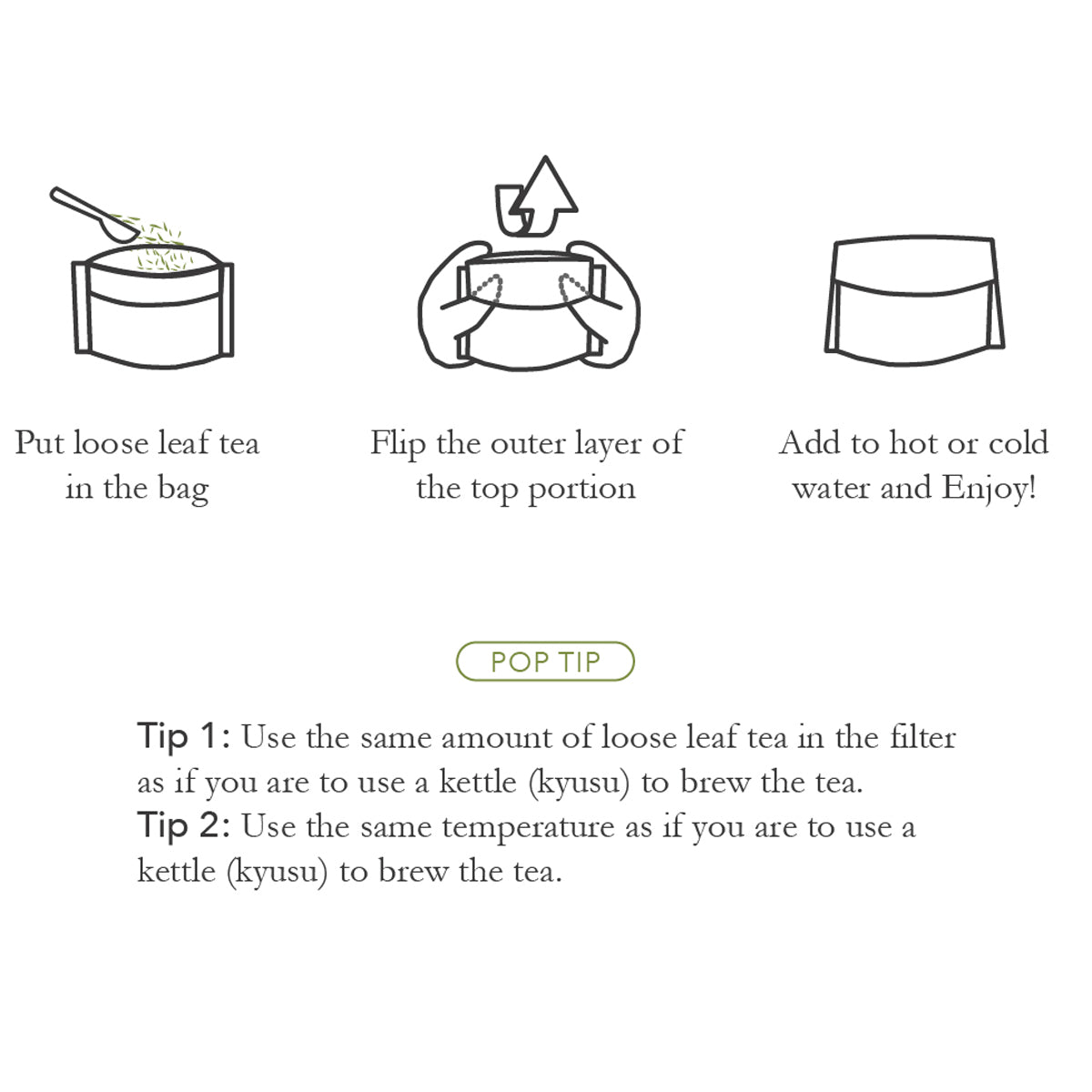
Loose Leaf Tea Filters | 144 or 504 Filter Bags

$15.00
Quick view

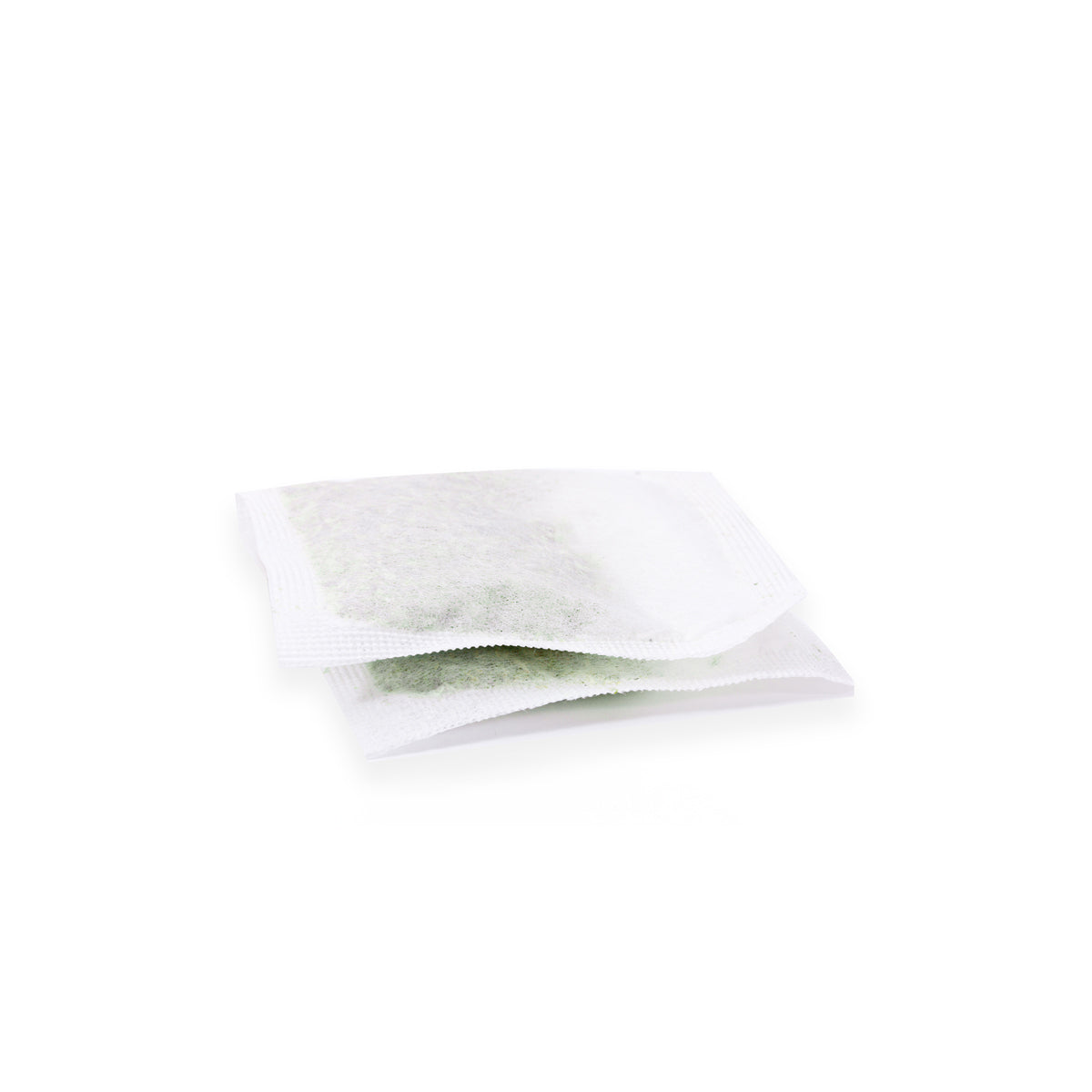
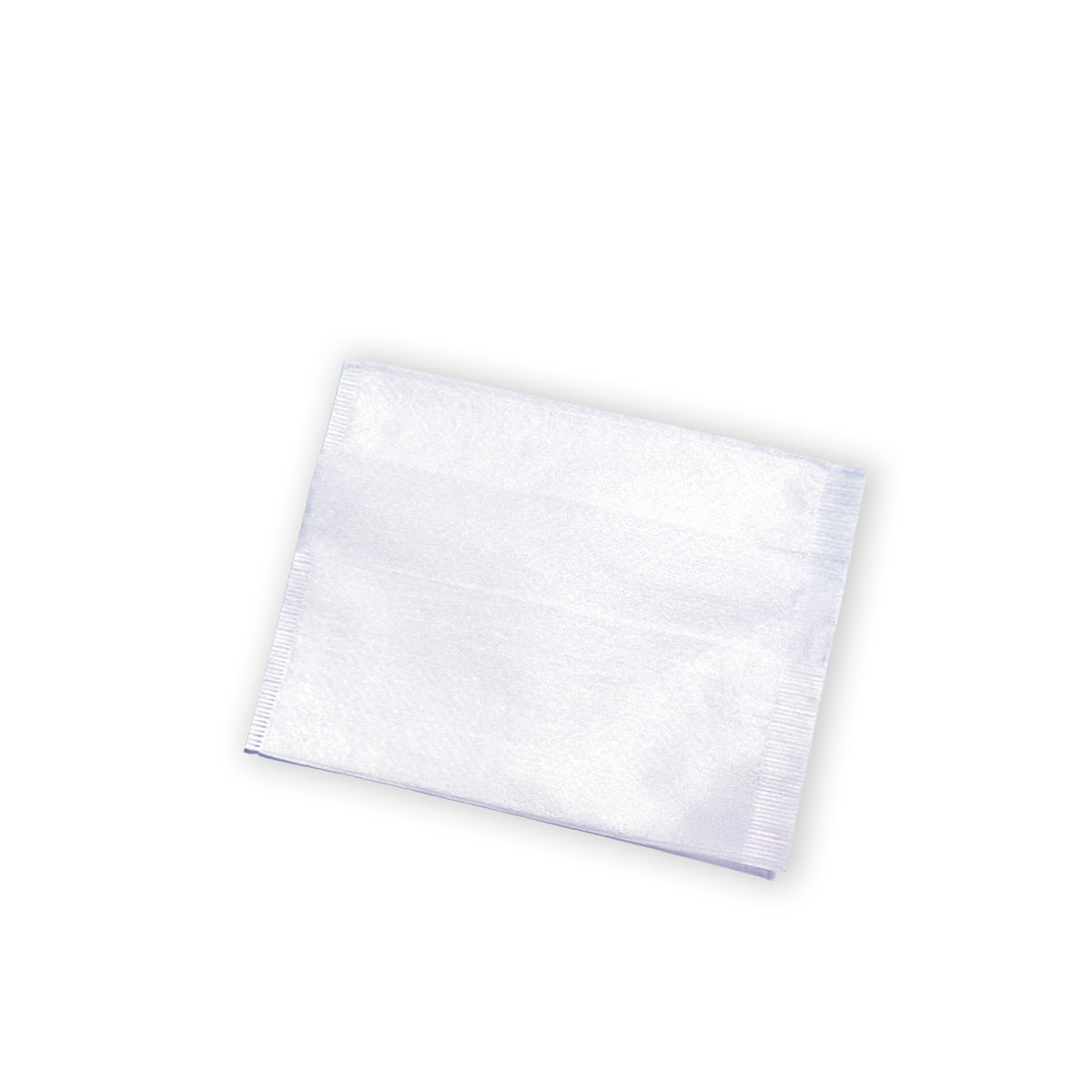
Enjoy brewing your favorite loose-leaf teas with these easy-to-use filter bags (お茶パック), designed for tea lovers who want a simple and effective way to get the most flavor from their tea. Each oversized bag allows tea leaves to fully expand, enhancing the release of rich flavors and aromas, while the widened bottom ensures thorough brewing.

Perfect not only for green tea but also for black tea, herbal blends, and even soups, these versatile pouches measure 3.5" x 2.8" (9cm x 7cm). Each pack includes 144 or 504 high-quality filters, proudly made in Japan.

22 reviews

Matcha - Japanese Limited Reserve Ceremonial Green Tea - (Global Tea Champion 2018, 2025)

$300.00
Quick view

This Premium Ceremonial Grade Matcha is one of the most luxurious matcha teas available, crafted from carefully cultivated Japanese green tea grown in nutrient-rich sugarcane soil using the Chagusaba method. Traditionally reserved for high-end tea ceremonies in Japan and loved by many tea masters, this matcha was once unavailable outside of Japan and is now finally accessible to U.S. consumers. Every step of its production, from shading the tea plants to increase caffeine and amino acid levels to the meticulous removal of stems and veins before grinding into a fine powder, is handled with a blend of advanced technology and time-honored tradition. Made from the Yabukita cultivar, this 30g (1.05 oz) ceremonial matcha offers a vivid color, unforgettable aroma, and the highest standard of flavor, earning recognition as a Global Tea Champion in 2018 and 2025.


Related Articles You May Be Interested

Matcha vs Sencha (Loose-leaf) Green Tea: What Are the Differences?
Is Matcha originally invented in China or Japan? - Green Tea Quiz
25 Matcha Trivia You (Probably) Didn't Know
Is it Safe to Eat Green Tea Leaves?
How to Cold Brew Matcha: Your Comprehensive Guide

Get Free Bonus Books

Join Green Tea Club

Sign up for free to the Green Tea Club to get advice and exclusive articles about how to choose Japanese Tea, and tips, tricks, and recipes for enjoying Japanese tea.

Unsubscribe anytime. It’s free!

About the author

Kei Nishida

Kei Nishida

Author, CEO Dream of Japan

info@japanesegreenteain.com

Certification: PMP, BS in Computer Science

Education: Western Washington University

Kei Nishida is a passionate Japanese green tea connoisseur, writer, and the founder and CEO of Japanese Green Tea Co., a Dream of Japan Company.

Driven by a deep desire to share the rich flavors of his homeland, he established the only company that sources premium tea grown in nutrient-rich sugarcane soil—earning multiple Global Tea Champion awards.

Expanding his mission of introducing Japan’s finest to the world, Kei pioneered the launch of the first-ever Sumiyaki charcoal-roasted coffee through Japanese Coffee Co. He also brought the artistry of traditional Japanese craftsmanship to the global market by making katana-style handmade knives—crafted by a renowned katana maker—available outside Japan for the first time through Japanese Knife Co.

Kei’s journey continues as he uncovers and shares Japan’s hidden treasures with the world.

Learn more about Kei Nishida

Related Posts

Yokohama Peach is offered as a regular menu at Okayama Kobo Cafe!
Yokohama Peach is offered as a regular menu at Okayama Kobo Cafe! + Recap Video of Pop-up on 2/8/2026 at Anaheim, CA

We are excited to announce that our Yokohama Peach is now available on the regular menu at the popular Japanese Bakery,

Read More
The Story Behind Our Booth Backdrop: Craftsmanship, Engineering, and Sacred Wood
Behind the Scenes – How We Made the Event Booth & Backdrop Using Sacred Wood

Discover how our one-of-a-kind event booth came to life—from Japanese Kōshi (格子) design and rare Port Orford Cedar to mo

Read More
Hojicha Banana Daifuku (Mochi): The Collaboration of Aromatic Roasted Tea and Richly Sweet Banana

Dive into the soft, chewy world of Hojicha Banana Daifuku—where toasted tea meets sweet banana in a cloud of fresh mochi

Read More
Leave a comment

Your email address will not be published..

Cart

Your cart is currently empty.

Start Shopping

Select options