Table of contents
Green tea has been part of a healthy diet for thousands of years. And it's not only the ancients who have discovered the benefit. Now, medical science has proven the value of this subtle and often tasty beverage. But what about consuming green tea on an empty stomach?
As numerous individuals experience success in weight loss and diabetes management through Intermittent Fasting (IF) protocols, many are discovering the advantages of green tea, prompting them to inquire about it.
(Click here to read what makes drinking green tea the perfect beverage during intermittent fasting.)
IF ideally calls for the consumption of nothing but water during the fasting periods. Because some find this tiresome, they've experimented with adding black coffee, black coffee with artificial sweeteners or natural sweeteners that don't change blood sugar much (such as stevia and monk fruit), and teas.
While green tea is often considered a safe and healthy choice, drinking it on an empty stomach may affect people differently depending on their digestive sensitivity, caffeine tolerance, and overall health. Some individuals report feeling energized and mentally alert when starting their day with green tea, while others may experience mild nausea or stomach discomfort due to its tannin and caffeine content. Understanding how your body responds is important, especially if you are practicing intermittent fasting or managing conditions such as acid reflux or anemia.
Green Tea On Empty Stomach: Drinking Guide
That brings us back to that big question: is it safe to drink green tea on an empty stomach? Green tea can lower the body's ability to absorb iron naturally, especially for people suffering from anemia. Let’s first watch this video and find out if it is really safe.
For most healthy individuals, however, drinking green tea on an empty stomach is generally safe in moderation. The key factor is personal tolerance. While some people experience no negative effects and even feel a gentle boost in energy and focus, others may notice mild stomach irritation or nausea due to increased stomach acidity. Paying attention to how your body responds can help you decide whether green tea first thing in the morning works well for you or if it’s better enjoyed between meals.
It’s also worth noting that the strength and preparation method of your green tea can influence how it affects your stomach. Strongly brewed tea or tea steeped for too long contains higher levels of tannins, which may increase acidity and irritation. Preparing a lighter brew or opting for varieties known to be gentler—such as hojicha or genmaicha—may reduce the likelihood of discomfort.
Additionally, hydration levels and overall diet play a role in how your body reacts. Drinking green tea alongside adequate water intake and maintaining a balanced diet can help minimize potential side effects. If you have underlying digestive issues or chronic health conditions, consulting a healthcare professional before making green tea a daily empty-stomach habit is a wise step.
First of all, Green Tea is Healthy

Consuming green tea not only supplies caffeine to give us a gentle energy boost, but it also contains antioxidants and substances that contribute to lowering blood pressure. However, it can have negative effects such as impacting iron absorption in people suffering from anemia, increasing heart rate and blood pressure, and causing stomach issues and increased stomach acidity when consumed on an empty stomach. On the positive side, it’s proven to help decrease rates of esophageal cancer—and potentially other cancers as well—and has a positive influence on blood cholesterol, weight loss, increased energy, natural disease prevention, and enhanced blood flow.
Much of green tea’s health power comes from compounds known as catechins—especially epigallocatechin gallate (EGCG)—which help reduce oxidative stress and inflammation in the body. These plant-based antioxidants support cardiovascular health, improve metabolic function, and may play a role in protecting cells from damage over time. When consumed in moderation, green tea can be a valuable addition to a balanced diet, whether you’re fasting or simply aiming to improve overall wellness.
In addition to catechins, green tea also contains L-theanine, an amino acid that promotes relaxation without causing drowsiness. This unique combination of L-theanine and caffeine can improve focus, mental clarity, and sustained attention while minimizing the jittery effects often associated with stronger caffeinated beverages like coffee. This makes green tea a popular choice for those seeking steady energy throughout the day.
Research also suggests that regular green tea consumption may support heart health by improving cholesterol levels and enhancing blood vessel function. Over time, these benefits can contribute to reduced cardiovascular risk when paired with a healthy lifestyle. While green tea is not a cure-all, its wide range of protective compounds makes it one of the most beneficial beverages you can include in your daily routine.
(This post discusses the connection between green tea and lowering blood pressure.)
Green Tea has Benefits During Fasting

According to IF guru, author, and nephrologist Dr. Jason Fung—who many turn to as one of the ultimate authorities in intermittent fasting—adding tea during the fasting period does not appreciably raise blood sugar. Using natural sweeteners like stevia and monk fruit that don't change blood sugar much can be beneficial when adding them to beverages like green tea during fasting. And in the case of green tea, it can have small but measurably positive effects on metabolism.
Green tea contains polyphenols, which help with fat oxidation and the rate at which the body uses calories. Dr. Fung encourages people to drink up, both during fasting and during feeding periods.
In addition to supporting metabolism, green tea may also help curb appetite during fasting windows. The mild caffeine content combined with catechins can promote alertness and reduce hunger sensations for some individuals, making fasting periods more manageable. While results vary from person to person, many find that green tea provides a helpful balance of hydration, energy, and metabolic support without significantly disrupting the fasting state.
Furthermore, green tea may support insulin sensitivity and help stabilize energy levels throughout the fasting period. By encouraging the body to rely more efficiently on stored fat for fuel, it can complement the metabolic goals of intermittent fasting. While it is not a magic solution, incorporating green tea into a well-structured fasting routine may enhance both physical performance and mental clarity during extended periods without food.
Alert: It also can Cause Stomach Upset on an Empty Stomach
However, there is a catch-22 with deriving benefits from green tea while fasting. In addition to its many benefits, green tea is also high in tannins, which increase stomach acids. For most, this won't be a problem. But for someone with peptic ulcers or gastric reflux, it may cause heartburn or other stomach distress.
(Learn all about tannins and the science behind green tea in this post.)

Weighing the Opinions
Some health experts warn of an acidic stomach for some. However, other sources claim the opposite: that green tea is a more gentle alternative than either black tea or coffee.
This might make a difference, in particular for those who are doing IF, as the only beverages allowed aside from water all have some component of possibly causing stomach acidity on an empty stomach or during fasts. The question is whether or not this is tolerable for the individual.
The only way to know whether green tea can be consumed comfortably during your own fasting periods is to go ahead and give it a try. Remember, green tea is beneficial to us whether we are fasting or not, so there's no harm in trying. We have few choices for drinks during fast periods, and there's no reason to discount green tea as a viable and potentially quite beneficial option.
Ultimately, moderation and awareness are key. If you notice symptoms like nausea, heartburn, or discomfort, adjusting the strength of your brew, switching to a lower-tannin variety, or drinking it slightly later in your fasting window may help. Listening to your body will allow you to enjoy the potential benefits of green tea while minimizing any unwanted side effects.
Frequently Asked Questions About Drinking Green Tea on an Empty Stomach


Conclusion
So, is it okay to drink green tea on an empty stomach? For most healthy individuals, the answer is yes—when consumed in moderation and with awareness of how your body responds. Green tea offers powerful antioxidants, gentle caffeine for energy, and potential metabolic benefits that can complement both everyday wellness routines and intermittent fasting plans.
However, it’s not ideal for everyone. Those with anemia, acid reflux, peptic ulcers, or sensitivity to caffeine may experience discomfort or reduced iron absorption when drinking green tea without food. In such cases, enjoying it between meals or after eating may be a better option.
Ultimately, green tea can be a beneficial addition to your diet, whether you’re fasting or not. The key is personalization: start slowly, monitor how you feel, and adjust accordingly. When used wisely, green tea can be both a refreshing beverage and a supportive tool for overall health.
Buy High Grade Green Tea in Teabags

10 reviews
$179.00 USD
$159.99 USD
USD
/
The Sencha Lover Gift Set - Premium Japanese Green Tea Set Package
2 reviews
$90.00 USD
$72.00 USD
USD
/
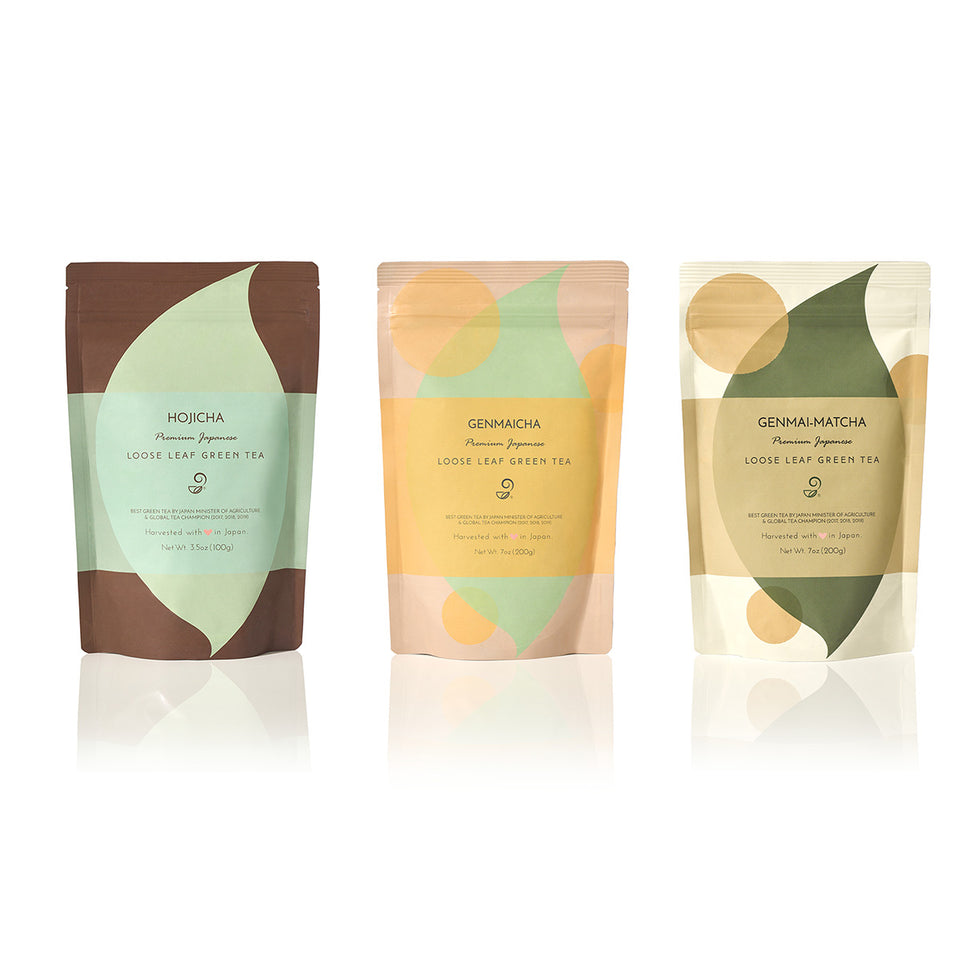
Hojicha Genmaicha Trio Gift Set - Premium Japanese Green Tea Set Package


Get Free Bonus Books

Sign up for free to the Green Tea Club to get advice and exclusive articles about how to choose Japanese Tea, and tips, tricks, and recipes for enjoying Japanese tea.
About the author

Kei Nishida
Author, CEO Dream of Japan
Certification: PMP, BS in Computer Science
Education: Western Washington University