

Live Demo (Recording) of How to Make Easy Matcha Latte
My good friend, Pat from AllDayIEat and I did a Facebook Live session to show how to make an easy matcha latte. You can watch the recording of the session below.
Do you want to learn how to make a green tea latte taste delicious? You're in the right place!
There are few beverages as visually striking or sensorially complex as a freshly prepared green tea latte. It’s a modern café icon, a beacon of calm energy in a world dominated by the frantic buzz of coffee. Holding a warm mug, you get the creamy, comforting sweetness of milk perfectly balanced by the uniquely vegetal, savory, and profound flavor of matcha. This drink isn't just a trend; it's an experience—a moment of affordable luxury and mindful indulgence.
The global fascination with the green tea latte stems from its unique position as both a wellness drink and a delightful treat. But to truly appreciate it, one must understand its heart: matcha. This isn't your standard tea. The journey to answer "how do you make a green tea latte?" begins weeks before the tea is even harvested, with a special cultivation process that sets matcha apart from all other teas and is the secret to its incredible character.
Today we're going to cover how to make a green tea latte the traditional way, as well as fast, cold, and coffee house options.
There are different ways to make a green tea latte, but all of them involve matcha, which is fine powder made from grinding a special variety of green tea.
It’s essential to distinguish this process from the standard method of how to make green tea. With conventional green tea, you steep the leaves in hot water to infuse their flavor, and then the leaves are discarded. With matcha, you are consuming the entire, specially prepared tea leaf, which has been stone-ground into a microscopic powder. This powder is then suspended in water or milk, not just infused. This fundamental difference is why a green tea matcha latte delivers a more potent, vibrant flavor and a significantly higher concentration of the antioxidants, amino acids, and chlorophyll that make green tea so celebrated.
Matcha has two unique characteristics in its farming and processing: first shade-grown for three weeks before it is harvested. Second, the plant`s stems and veins are removed when it`s processed.
In other words, matcha is not simply ground green tea leaves of any variety.
(If you're a matcha fan, you won't want to miss "25 Matcha Trivia You (Probably) Didn’t Know" for all kinds of interesting information!)
So, first things first: if you want to make a delicious green tea latte, you will need real matcha.
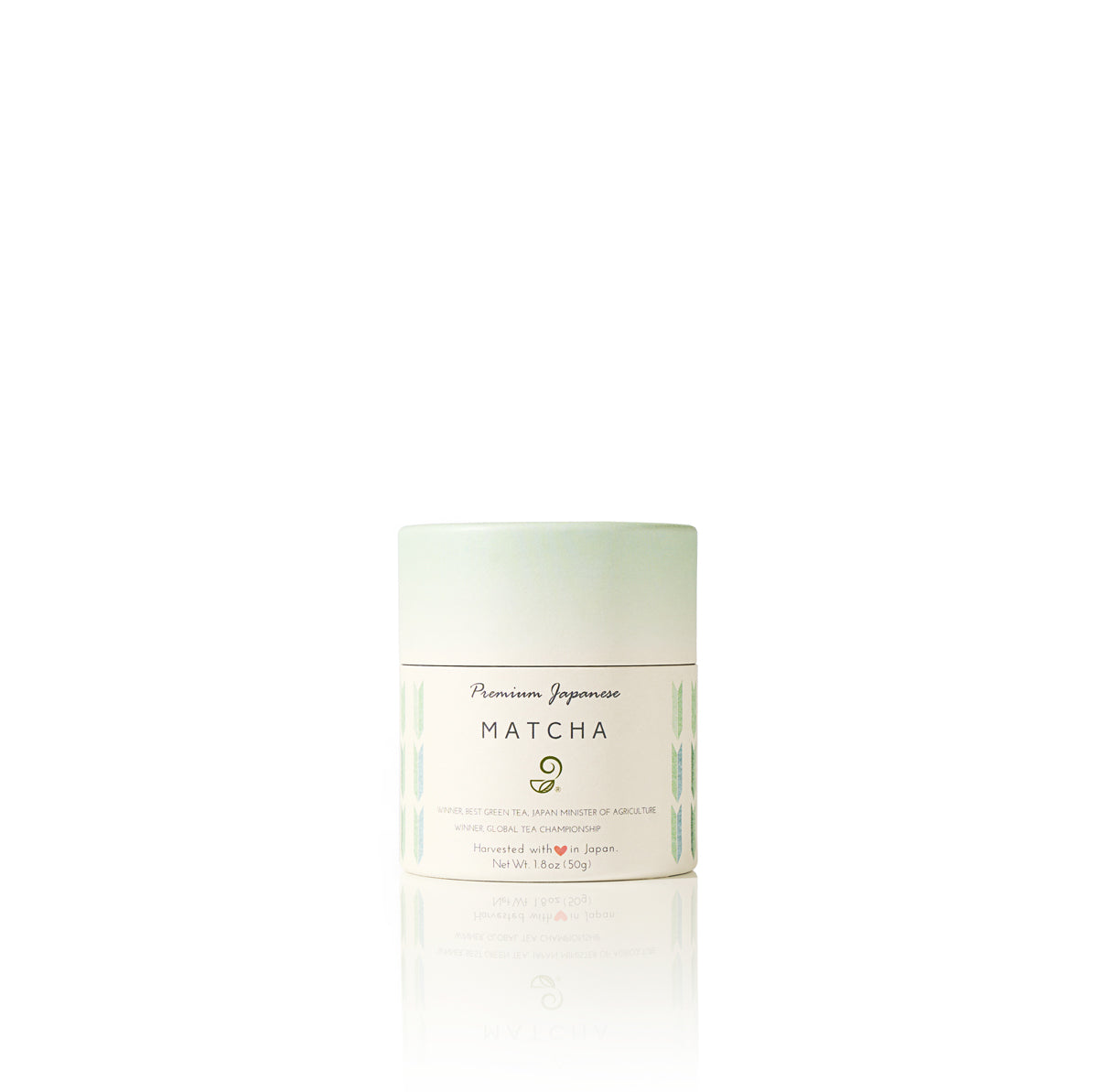
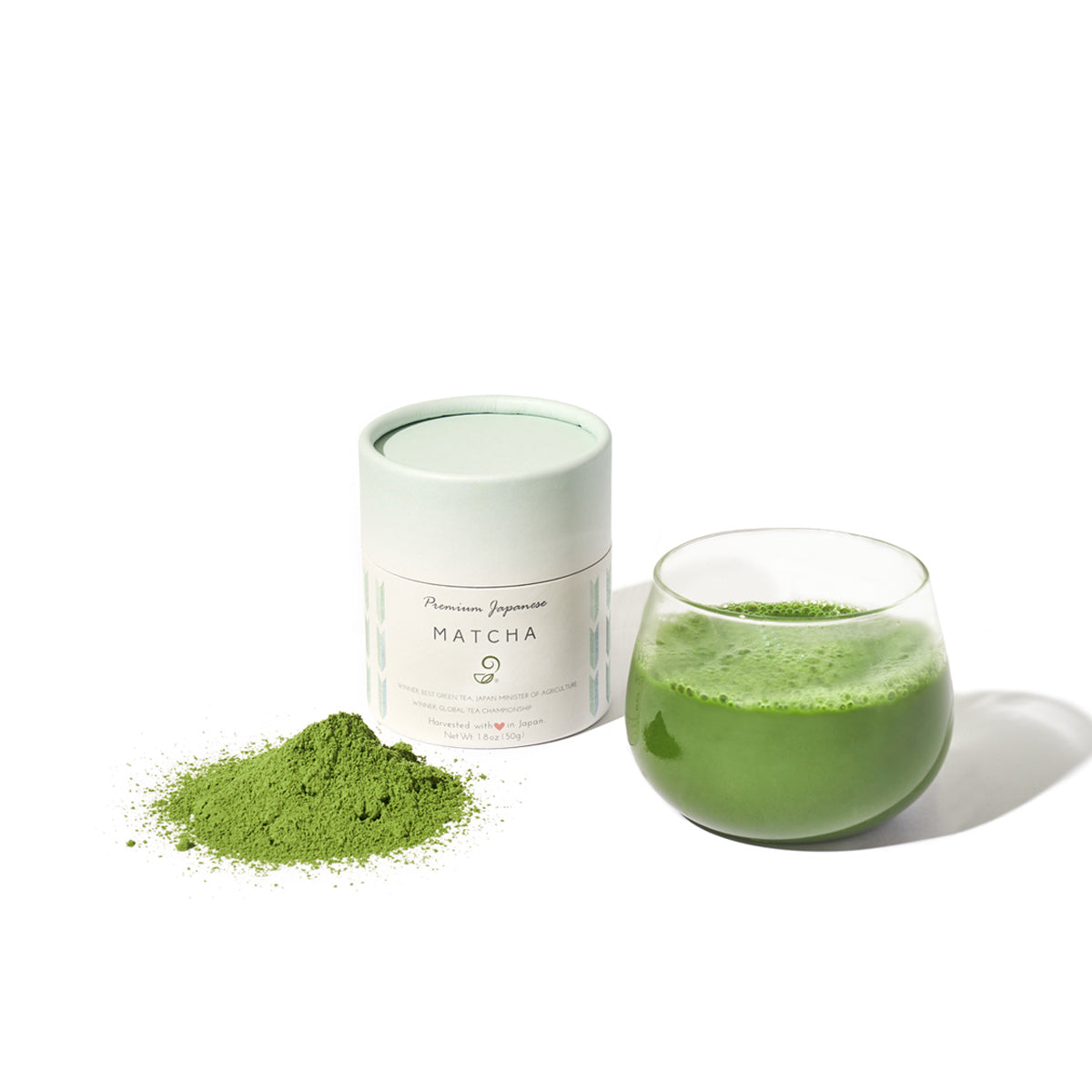
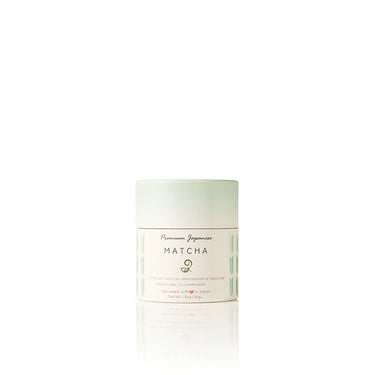
Here is a link to the premium matcha I use in the video. This matcha is the one that won the Global Tea Championship in 2018. Click here to get yours today.

How To Make A Green Tea Latte: Traditional Version
Ready to learn how to make a green tea latte the traditional way? This method takes the most time but will generally yield the best flavor!
This authentic green tea latte recipe is rooted in the principles of the Japanese tea ceremony (Chadō). It is a meditative process where each step is performed with intention to create the most harmonious and delicious result. While it requires a few specific tools, the superior, velvety-smooth texture and rich, nuanced flavor are well worth the effort.
Tools for the Traditional Method:
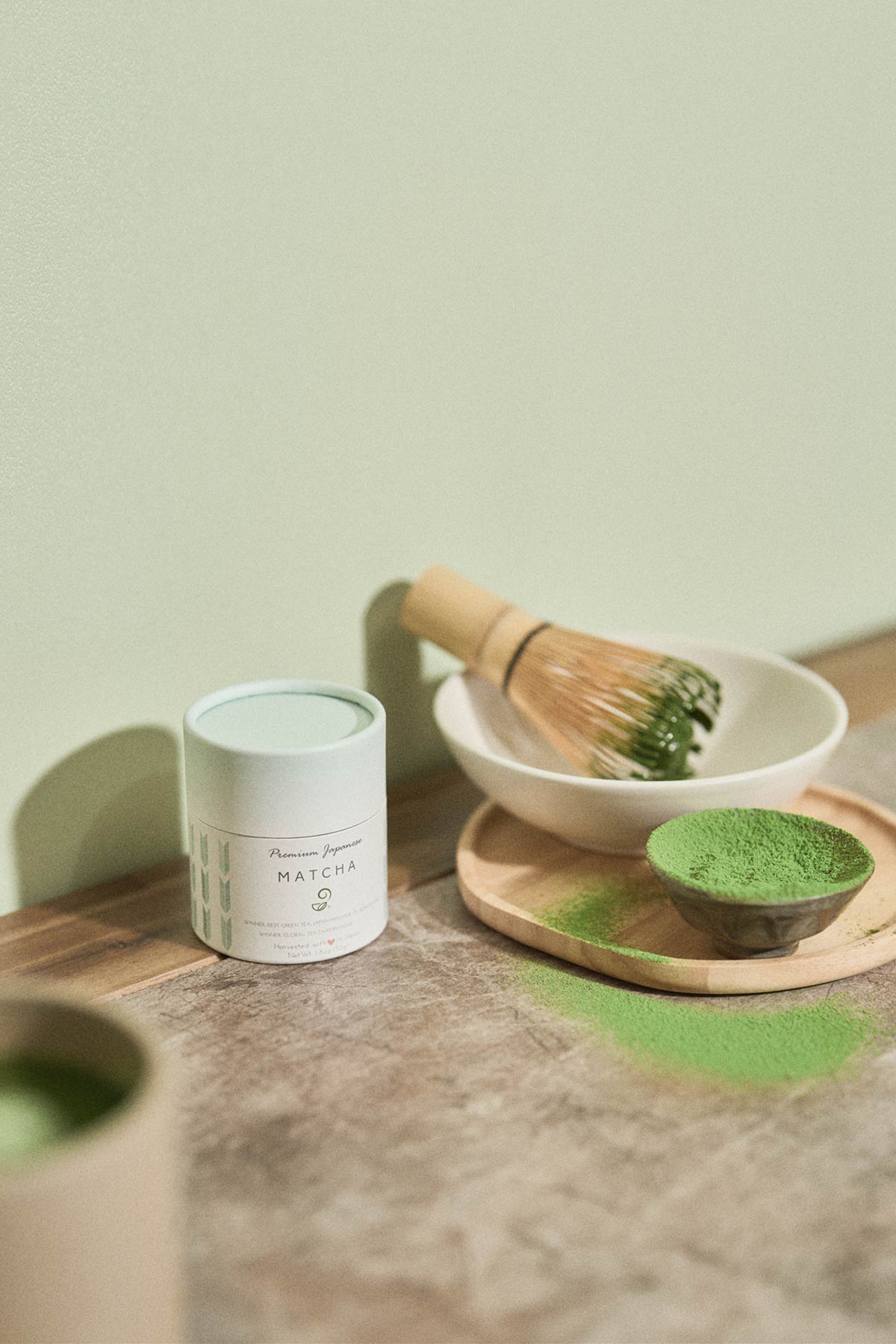
- Chawan (Tea Bowl): A wide, ceramic bowl is essential. Its shape provides ample room for whisking and creating a fine foam.
- Chasen (Bamboo Whisk): This is the most crucial tool. Its many delicate prongs are designed to suspend the matcha powder perfectly in the water and whip air into it, preventing clumps and creating a creamy consistency.
- Chashaku (Bamboo Scoop): While a teaspoon works, the chashaku is designed to scoop the perfect amount of matcha.
Now, let's begin the step-by-step process.
- Start with a wide mug that’s at least eight ounces in size.
- Using a fine sifter, sift about one teaspoon of matcha into the mug. The sifter helps break up clumps that may happen in storage. It’s important to use wide mugs as the tools to make the latte work better with more room.
- The next step is to heat some water. You can use either a tea kettle or a saucepan for this step, but the important thing is not to use boiling water in your latte.
- Remove 1/4 cup of water before it reaches a boil, or let the water stand after boiling for about a minute to reach the correct temperature. Boiling water will negatively affect the taste of the matcha and may make it taste harsh.
- Pour the hot water into the mug with the matcha, then combine it into a paste. You can use either a whisk or a handheld frother for this step. Bamboo whisks
- At this point, you can heat up 3/4 cup of milk and one teaspoon of sweetener, such as sugar or honey. Use more or less sweetener as desired. Any milk can be used, including non-dairy and low-fat milk. However, take note that low-fat milk will produce less foam and have a less rich taste. Full-fat cow`s milk, coconut, or almond milk tend to work best.
- As with the water, do not let the milk boil. The best way to do this is to use a thermometer and only let it reach about 150 degrees Fahrenheit.
Green Tea Foam
In order to produce foam, you have a couple of options:
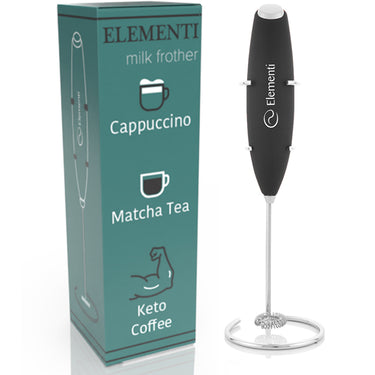
- If you have a handheld frother, you can run it for 30 seconds just below the surface of the warm milk.
- If you don’t have a frother, you can whisk the milk after you pour it into your mug.
Now you're ready to enjoy your latte!
Speed It Up: How to Make Green Tea Latte FAST
If you have less time, you might want to consider this faster method for making green tea latte.
Let's be realistic—not every morning allows for a multi-step tea ritual. For those days when you need a delicious green tea latte in a hurry, these methods are your best friend. They prioritize speed and convenience without sacrificing too much on flavor, delivering a perfectly enjoyable drink in minutes.
Method 1: The Shaker Jar
This is the ultimate low-tech, high-speed solution.
This method involves combining the 3/4 cup of milk with the 1/4 cup of water in a microwave-safe jar.
- Place it in the microwave, uncovered, and cook it for two minutes. Watch it carefully to make sure it doesn’t boil.
- When the milk and water mixture is hot, sift in one teaspoon of matcha and your desired amount of sweetener. (In the quick method, it’s better to use a powdered sweetener such as sugar or a sugar alternative.)
- Seal and cover the jar, then shake it for a full minute.
Use a towel or potholder to protect your hands.
Method 2: The Blender or Frother
If you have a handheld frother or an immersion blender, you can achieve a smoother result even faster.
If the jar does not have a lid, you can also use an immersion blender. This method only takes about 20 seconds.
This method doesn’t look as pretty as the long way, but it should have a similar taste.
Another method is heat the milk in the microwave oven and use a handheld frother to make it creamy. Put a teaspoonful of matcha powder in a cup and whisk it with 1/4 cup of hot water using a mini hand whisk. Pour the frothed milk into the cup of whisked matcha (add a sweetener if desired), mix with a teaspoon, and it is ready to drink!
Cool It Down: How to Make an Iced Green Tea Latte
In the summer, an iced green tea latte is just the thing to cool down and still get the same calming energy of matcha.
There is arguably no beverage more refreshing on a hot day than a perfectly chilled, frothy iced green tea matcha latte. The key to a great iced latte is not just making it cold, but also creating a light, airy texture that prevents the ingredients from separating. The instructions below for matcha green tea latte how to make it cold are your ticket to summer bliss.
For this method, you’ll need a cocktail shaker, a jar with a lid, or a wide glass. Cocktail shakers work best for creating froth and making your latte nice and cold.
(Need to stock up on matcha? Shop our collection here)
- Put one cup of ice into the cocktail shaker, and then sift two matcha teaspoons into the shaker.
- Add half a cup of water and, half a cup of milk, and the desired sweetener. Again, higher-fat milk will produce more froth.
- Close the cocktail shaker and shake it for a full minute.
(If you don`t have a cocktail shaker, combine the above ingredients except for the ice using a stainless steel water bottle, either whisk or use an immersion blender to mix.)
- Once the mixture is combined, you can use it to create two smaller lattes or one large one.
- Add ice to serving glasses, and strain the mixture from the cocktail shaker into the glass.
If you used one of the other methods, then simply pour it in. If the mixture isn’t cold enough, try chilling it for a few minutes in the freezer first.
Iced green tea lattes are perfect, with a small amount of whipped cream to finish.
Unique, Fun Ways to Make Matcha Latte
Iced Matcha Banana Latte
Blend one sliced banana, drop of vanilla, and a glass of milk. Whisk the matcha with hot water as you usually do. Pour the banana mixture into the glass, then pour the matcha mixture.
This is a healthy powerhouse that tastes like a decadent treat. The natural sweetness from the banana often means no extra sweetener is needed. It’s a fantastic breakfast replacement or post-workout recovery drink.
Matcha White Chocolate
You can also use your favorite milk chocolate or cocoa bar in this recipe, although you matcha will become visible when you use white chocolate.
Chop your white chocolate bar into pieces, or use chocolate chips. Melt these in your saucepan. Slowly add half or one cup of milk while melting the chocolates. After the chocolates are melted, let them cool a bit and make your matcha mixture in your cup or mug. Then, pour the white chocolate mixture into your matcha mix. You can add whipped cream or foamed milk and sprinkle some matcha powder on top.
This is pure indulgence. The creamy, buttery flavor of high-quality white chocolate pairs beautifully with the slightly bitter, earthy notes of matcha, creating a complex and satisfying dessert-style latte.
Strawberry Matcha Latte
This drink is frequently ordered in cafes, and now you can make it yourself with strawberry bits on top.
Combine strawberries and sugar in a blender to make strawberry syrup and blend until smooth. Pour the mixture into your glasses, filling about 1/4 of each glass. Then. make your matcha mixture.
Like a matcha latte, put ice on the glasses and fill them with milk and the matcha mixture. You can put strawberry bits on top or slice a strawberry and put it on the side of the glass for decoration. Then, you can eat that strawberry after drinking your strawberry matcha.
A visual and flavorful masterpiece! The tartness of the strawberries cuts through the creaminess of the milk and complements the matcha perfectly. This is a café favorite you can now master at home.
How to Make a Green Tea Latte: Coffee House Style
Making a green tea latte similar to those found at coffee houses such as Starbucks differs only slightly from the methods we've covered. One difference is that vanilla syrup is often used as a sweetener.
Ever wondered matcha green tea latte how to make it taste exactly like the one from your favorite coffee shop? The secret often lies in two things: a pre-sweetened matcha blend and a flavored syrup. Coffee chains prioritize consistency and speed, and their recipes are designed for that. You can easily replicate this at home.
DIY Café Matcha Blend: For a 1:1 copycat, mix equal parts high-quality matcha powder and powdered sugar. Store this in an airtight container. Use two heaping teaspoons of this blend per latte.
DIY Vanilla Syrup: In a saucepan, combine 1 cup of water and 1 cup of granulated sugar. Heat over medium, stirring until the sugar completely dissolves. Remove from heat and stir in 1 tablespoon of vanilla extract. Let it cool completely before transferring to a bottle. It will last for weeks in the refrigerator.
- For an iced green tea latte, you can add about four teaspoons of matcha powder to one cup of milk and blend with a frother or electric whisk.
- Then add one cup of ice and mix in your desired amount of vanilla syrup.
Starbucks uses a premade blend of matcha powder and sugar that goes into the cup first and is followed by steamed milk. Some coffee houses also use premade matcha and milk bases that can be added to ice, blended with ice, or heated up.
Sprinkling edible rose petals on top adds a garden aesthetic to your drink.
How To Make Matcha Latte Art
Latte art is all the rage...and it's no surprise! If you want to learn how to make matcha latte art for yourself, we've got you covered. Here is a video of my friend Yi from Yi Reservation making matcha latte art. Click here for his matcha macaron video recipe.
Creating latte art is a rewarding skill that turns your homemade green tea latte into a work of art. The stunning contrast between the deep green matcha and the bright white milk foam is especially beautiful. The foundation of all latte art is perfectly steamed and textured milk, often called "microfoam." The goal is a silky, liquid texture like wet paint, with no visible bubbles.
To achieve this, aerate your milk with a steam wand or a high-powered frother for only a few seconds to introduce air, then submerge the frother and continue to heat/spin the milk to create a smooth, integrated vortex. When pouring, start high to let the milk sink below the surface, then lower the pitcher close to the mug's surface and pour steadily to let the white foam rise and create your design. It takes practice, but mastering a simple heart shape is a fantastic and achievable first goal for any home barista.
We first published this post in 2017, and it was updated in 2025 just for you.
This article was originally published on T-Ching, where my article is featured.
Buy Matcha Now
8 reviews
$179.00
$159.99
/
Quick view
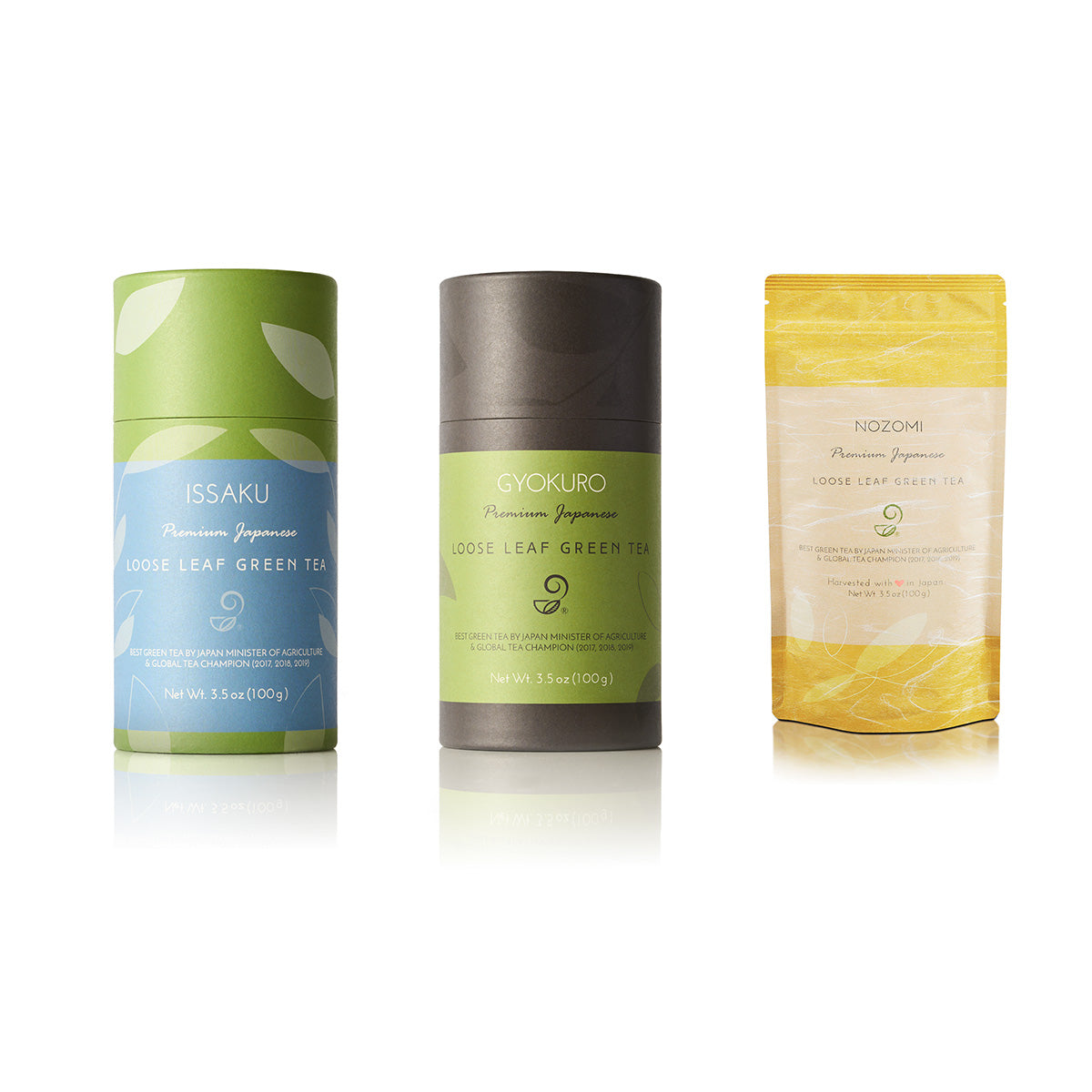
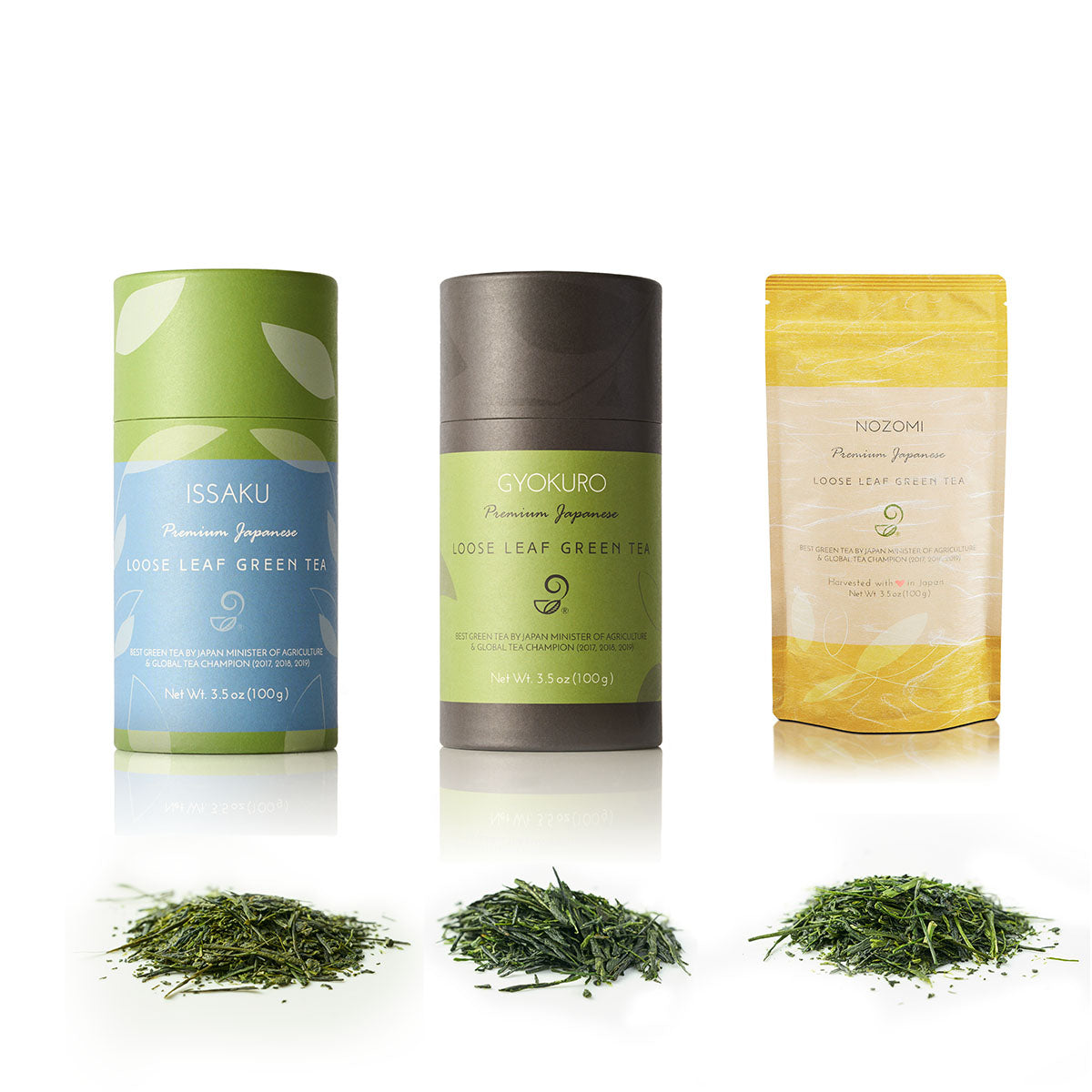
The Sencha Lover Gift Set - Premium Japanese Green Tea Set Package
FAQs about Green Tea (Matcha) Lattes
Is a green tea latte the same thing as a matcha latte?

Why does my matcha latte taste bitter or come out lumpy?

Can I make a matcha latte without a bamboo whisk?
• Disclosure: I only recommend products I would use myself, and all opinions expressed here are my
own. This post may contain affiliate links that I may earn a small commission at no additional cost to you.
The commission also supports us in producing better content when you buy through our site links.
Thanks for your support.
- Kei and Team at Japanese Green Tea Co.


Get Free Bonus Books

Sign up for free to the Green Tea Club to get advice and exclusive articles about how to choose Japanese Tea, and tips, tricks, and recipes for enjoying Japanese tea.
About the author

Kei Nishida
Author, CEO Dream of Japan
Certification: PMP, BS in Computer Science
Education: Western Washington University


