Skip to content

How to make Matcha Rose Latte

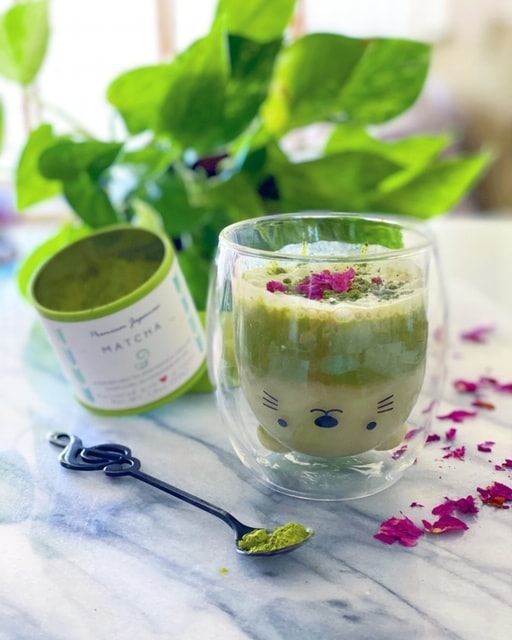
Matcha Rose Latte is the perfect blend of premium-quality green tea and nut milk, naturally sweetened by honey. The rose petals give it a beautiful but delicate touch and further enhance the sweetness.

This recipe was created by Priscilla McLimClick here to follow her on Instagram and join her on her culinary journey!

Ingredients:

  • 1 cup almond or soy milk
  • 2 tsps of Matcha powder
  • 1 tbsp of honey
  • 1 tbsp of hot water
  • Rose petals for decorations

Steps:

  1. Whisk the matcha powder with hot water until creamy. Set aside.
  2. Heat up milk with honey.
  3. Pour milk into a glass and fill it to 1/2 glass.
  4. Top 1/2 glass of milk with the matcha cream mix.
  5. Sift 1/2 teaspoon green tea powder on top and sprinkle rose petals.

Bon appetit!
MATCHA ROSE LATTE

Buy Matcha Used In Recipe

Buy Matcha Whisk Used In the Recipe

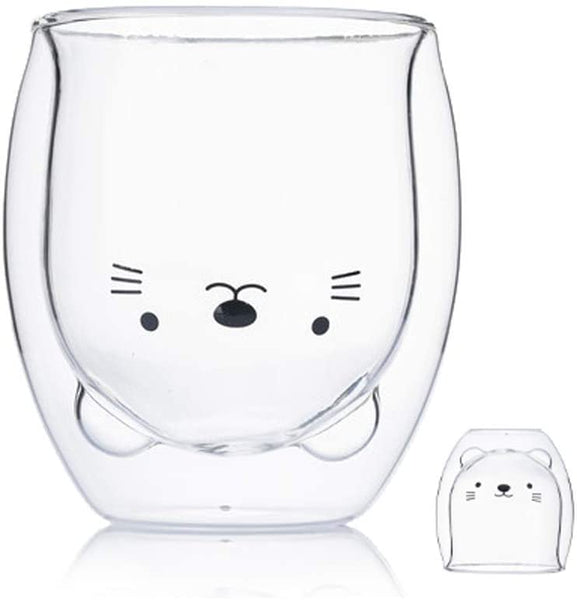
Buy Cute Glass Used In the Photo

Cute Mugs Glass Double Wall Insulated Glass Espresso Cup, Coffee Cup, Tea Cup, Milk Cup, Best gift for Office and Personal Birthday (Cat) 
Click here to get this from Amazon
Cute Mug

About the Author

Priscilla McLim

Priscilla McLim started her cooking page during the quarantine, showcasing everyday dining in an elegant manner. She enjoys playing with colors to create a bold and bright effect. Her love for cooking and hosting dinner parties started when she lived in London many years ago. She used to wake up at 5 a.m. to go to Billingsgate Fish Market to get fresh seafood, such as scallops from Scotland and oysters from France and Ireland. She also started making sauces from scratch so she could control what went into her food consumption. She is currently based in San Francisco and will be getting married in August!

Follow her on Instagram at www.instagram.com/mclimfood to join her on her culinary journey!

FAQs about Matcha Rose Latte

Why does rose pair well with matcha specifically — does it actually work or is it Instagram aesthetics?

It actually works, and not just visually. Rose has floral aromatic compounds (geraniol, citronellol, rose oxide) that share notes with the linalool and other floral terpenes naturally present in shaded green tea. So when you combine matcha (抹茶) and rose, you're not creating a flavor clash — you're amplifying notes that were already faintly there in the matcha and bringing them forward.

Visually, the pink-and-green contrast is photogenic, which is why the drink got popular on Instagram. But the underlying flavor logic is sound, and matcha rose latte was an actual Japanese café offering before it was a viral aesthetic. Cherry blossom (sakura) lattes work for similar reasons — floral compounds layering onto matcha's vegetal-floral base.

The pairing fails when the rose is too sweet or too perfume-y, which is why source matters. Edible-grade rose water or rose syrup, used in moderation, complements; cosmetic-grade rose oil or sugary rose syrup overwhelms.

What's the best form of rose to use — rose water, rose syrup, or dried petals?

Rose water is the cleanest option for matcha lattes — it adds aroma without sugar, and a small amount (¼-½ teaspoon per latte) is enough to noticeably shift the drink toward floral without dominating. Look for food-grade rose water from Middle Eastern grocers or specialty shops; the cheap supermarket versions can taste soapy.

Rose syrup adds both sweetness and rose flavor. It's good if you want a sweeter latte and don't want to add separate sugar, but the rose flavor is usually less pure than rose water — most syrups are over-sweet and the rose comes across as candy-like. If you go this route, look for less-sweet artisan rose syrups.

Dried rose petals are mostly visual — sprinkled on top of the foam, they look beautiful but contribute very little flavor unless steeped first. If you want both look and flavor, use rose water or syrup for taste and a few petals for garnish.

What's the right ratio so neither matcha nor rose dominates?
Standard recipe is 2g of ceremonial matcha whisked into 2oz hot water, then ¼-½ teaspoon of rose water added, then 6oz of milk (oat or whole dairy works best). The matcha leads, the rose follows as a top note. Increasing rose past ½ teaspoon starts pushing the latte into perfume territory; less than ¼ teaspoon and the rose disappears.

If you're using rose syrup instead of rose water, start with 1 teaspoon and adjust. Syrup has both sweetness and flavor, so you'll need to reduce or skip any other sweetener.

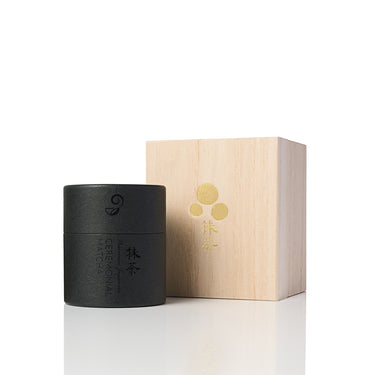
The rule is matcha first, rose second. If your latte tastes more like rose than matcha, you've overdone the rose — pull back next time. Card below for the matcha worth using here.

Does the pretty pink-green color stay, or does it fade?

It depends on the rose source. Rose water itself doesn't add pink color — the pink in viral photos usually comes from beet powder, dragon fruit, or pink-tinted rose syrup. The rose flavor and the pink color are often two separate ingredients in those drinks, not one ingredient providing both.

If you're using only rose water, your latte will be the standard matcha green throughout — beautiful, but not pink. To get the pink-green layered look, add a separate pink ingredient: a teaspoon of beet powder for natural color, or a few drops of pink-tinted rose syrup, layered carefully so it sits below the matcha foam.

The Instagram-perfect ombre look fades within minutes regardless because the layers naturally diffuse. Drink it (or photograph it) within the first 60 seconds for best visual effect.

Can I make this iced, and how does that change the recipe?

Yes, and many drinkers prefer it iced — the cold milk and ice carry rose flavor better than hot milk for some palates. The basic adjustments: bloom the matcha in 2oz of hot water first (so it doesn't clump in the cold drink), let it cool slightly, then pour over ice into 8oz of cold milk with the rose water already stirred in.

For an even smoother iced version, cold-brew the matcha with cold water in a shaker (vigorous shaking dissolves the powder cold-style) then add to milk and rose water. This avoids the bloom step but requires more shaking. Either method works.

Iced matcha rose latte stays photogenic longer than hot, because the cold layers diffuse more slowly. If you're making it for visual effect (or for a slow weekend brunch), the iced version is the smarter pick.

Related products

80 reviews

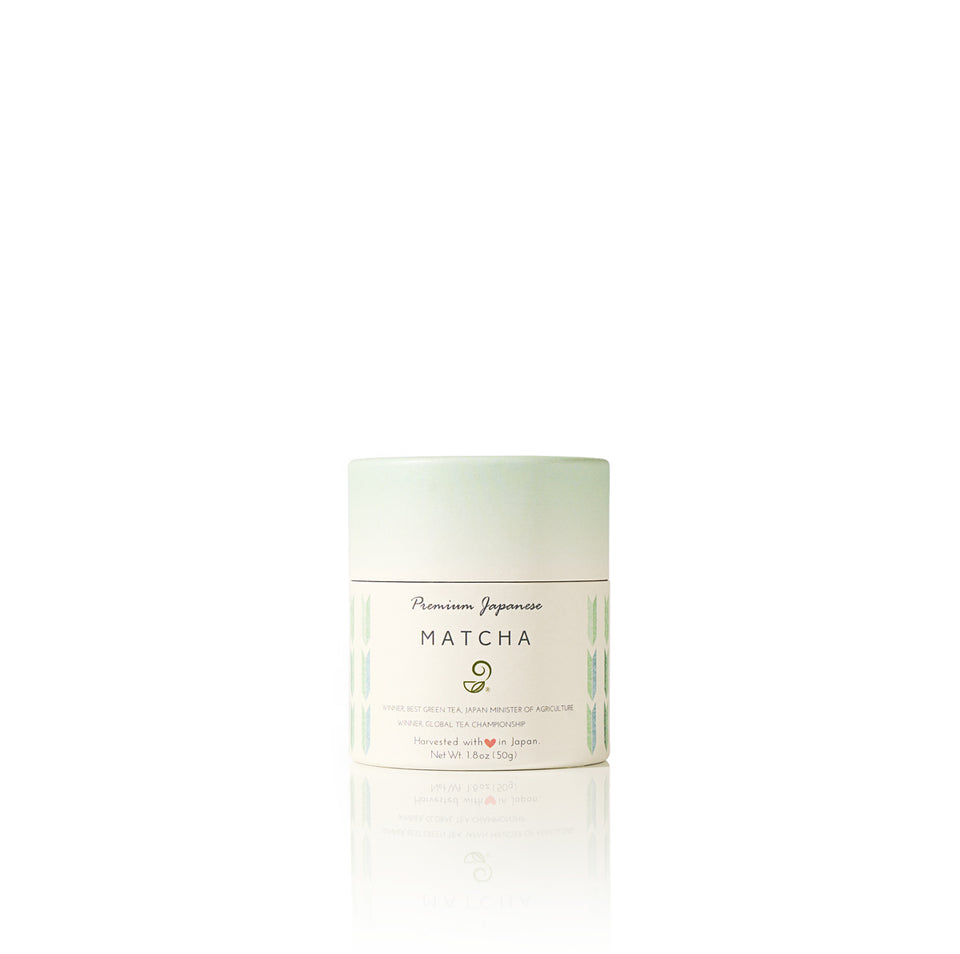
Matcha - Ceremonial Japanese Powdered Green Tea

$39.00
Quick view

This ceremonial matcha is crafted from the finest Japanese green tea, grown in nutrient-rich soil enhanced with compostable grasses and sugarcane through the Chagusaba method, which gives the tea a natural sweetness and exceptional flavor. In collaboration with researchers from Shizuoka University, farmers ensure that the soil quality consistently produces tea of the highest standard.

Renowned among top Japanese chefs for its unmatched aroma, this matcha is made by carefully shading the plants before harvest to boost caffeine and amino acids, then meticulously drying, de-stemming, and grinding the leaves into a fine powder. Made from the Yabukita cultivar, this 1.8 oz (50g) matcha comes in a high-quality, air-tight paper tube canister, providing a luxurious and authentic Japanese tea experience.

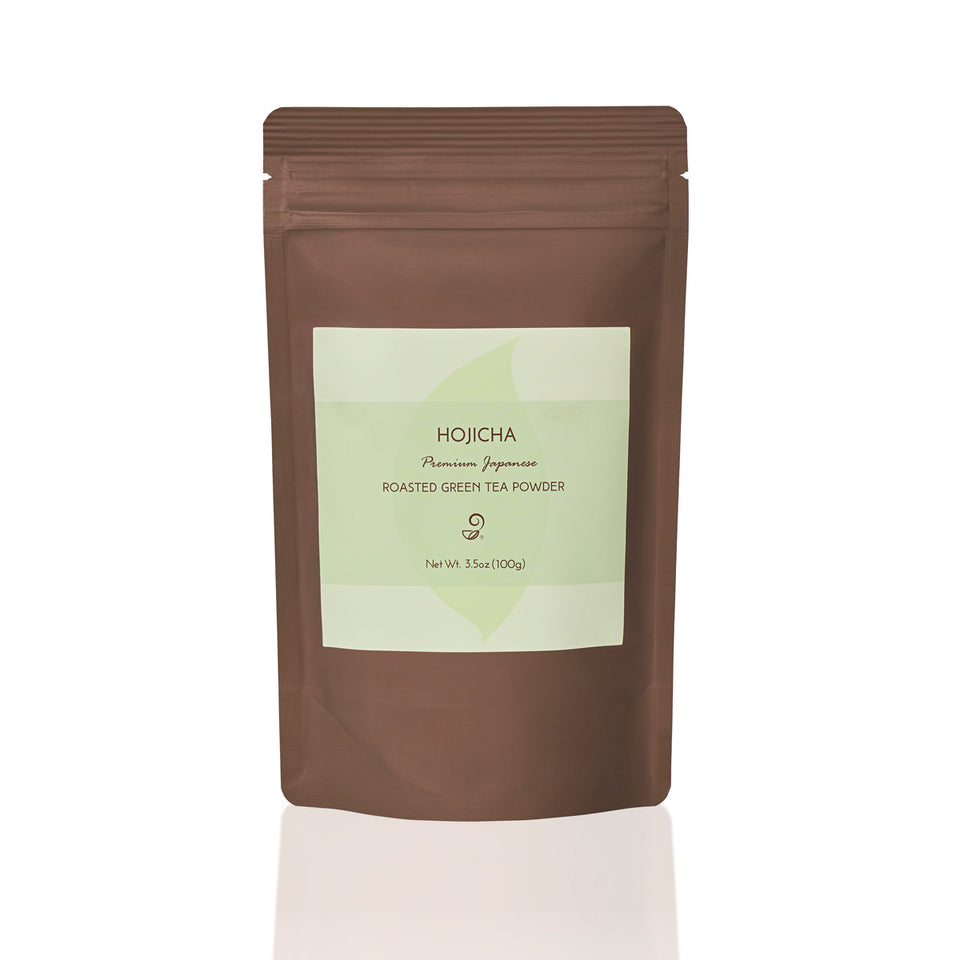
Hojicha Powder - Roasted Green Tea Powder

$25.00
Quick view

Our roasted green tea, known as hojicha (ほうじ茶), is crafted from freshly harvested premium green tea carefully roasted in porcelain over charcoal to maximize flavor while retaining more catechins than typical hojicha on the market. With lower caffeine and a smoother, less bitter taste compared to steamed green tea, it is an ideal choice for evening relaxation and is gentle enough for kids and pregnant women. Cultivated using the Chagusaba method in nutrient-rich sugarcane soil, this loose-leaf authentic Japanese roasted green tea, made from the Yabukita cultivar, also pairs beautifully with oily foods. Each eco-friendly resealable package contains 3.5 oz (100g) of tea, enough to steep 30–40 comforting cups.

22 reviews

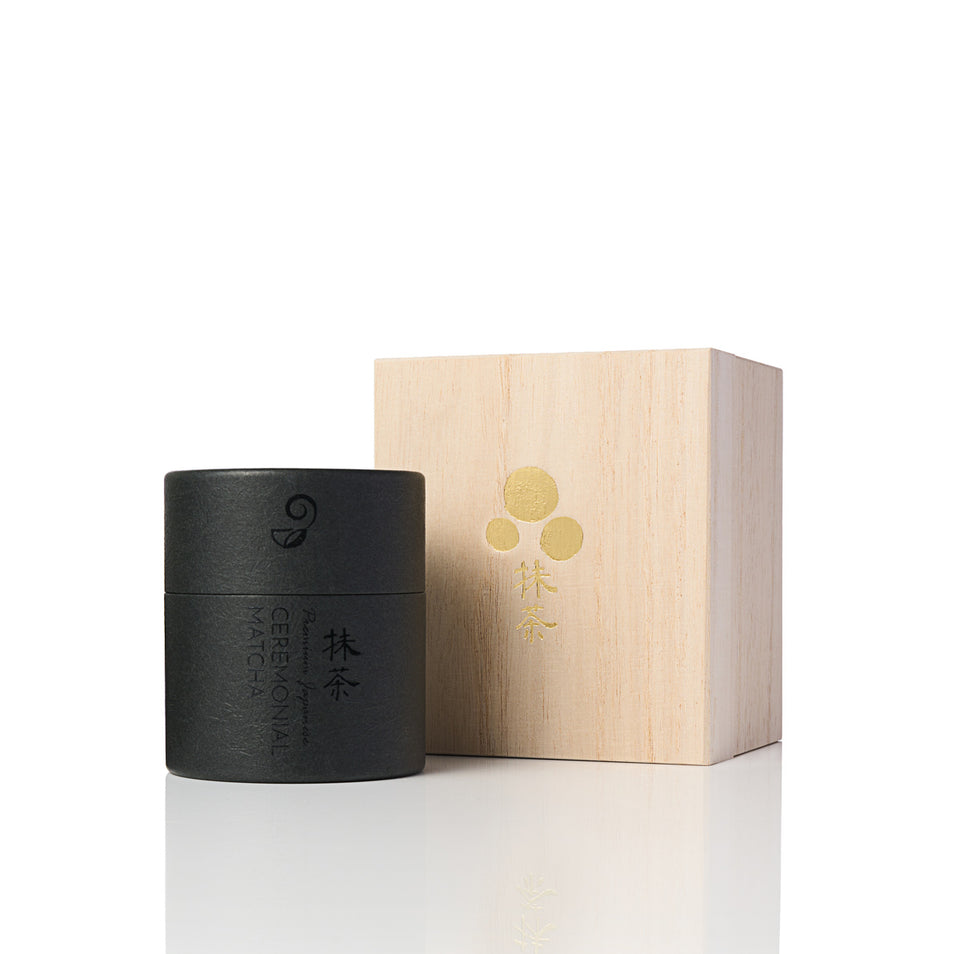
Matcha - Japanese Limited Reserve Ceremonial Green Tea - (Global Tea Champion 2018, 2025)

$300.00
Quick view

This Premium Ceremonial Grade Matcha is one of the most luxurious matcha teas available, crafted from carefully cultivated Japanese green tea grown in nutrient-rich sugarcane soil using the Chagusaba method. Traditionally reserved for high-end tea ceremonies in Japan and loved by many tea masters, this matcha was once unavailable outside of Japan and is now finally accessible to U.S. consumers. Every step of its production, from shading the tea plants to increase caffeine and amino acid levels to the meticulous removal of stems and veins before grinding into a fine powder, is handled with a blend of advanced technology and time-honored tradition. Made from the Yabukita cultivar, this 30g (1.05 oz) ceremonial matcha offers a vivid color, unforgettable aroma, and the highest standard of flavor, earning recognition as a Global Tea Champion in 2018 and 2025.

4 reviews

The Covered Trio Gift Set - Ceremonial Matcha, Gyokuro, and Nozomi Japanese Green Tea Set Package

$143.00 $128.00
Quick view

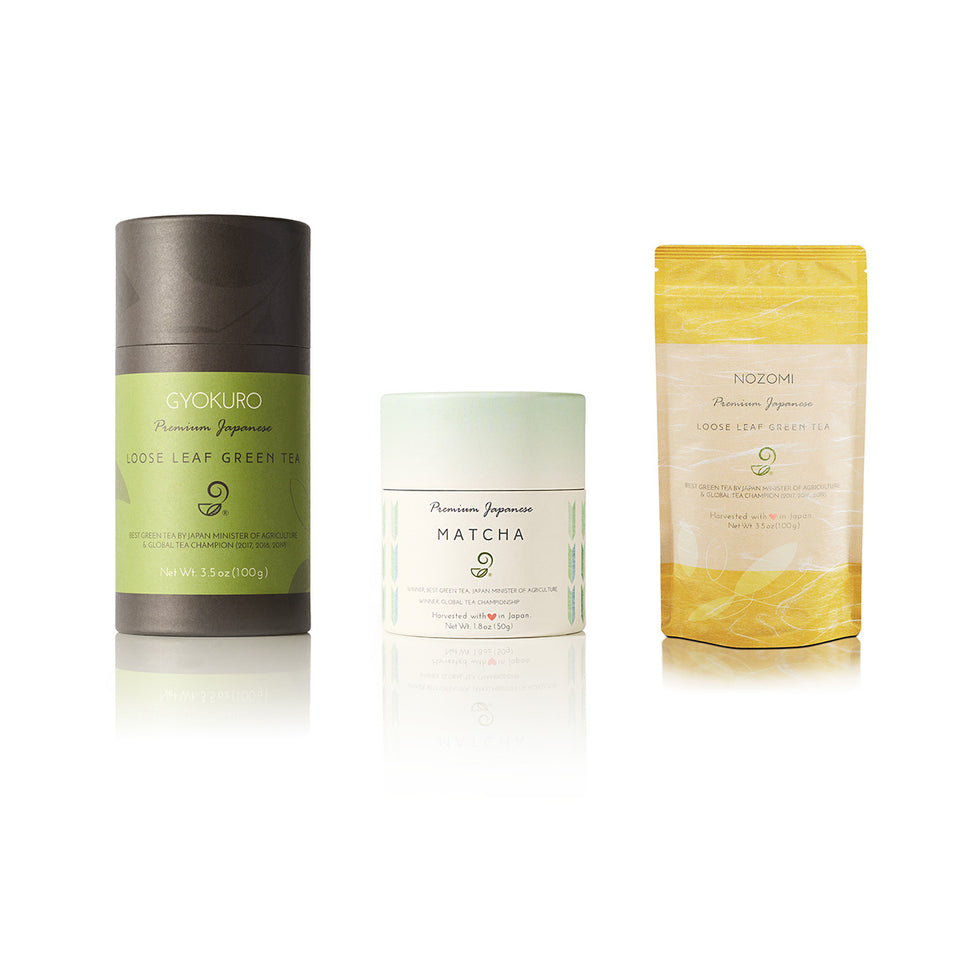
This tea set features three premium Japanese green teas, all cultivated in nutrient-rich sugarcane soil to enhance their flavor and natural sweetness. Gyokuro, a prized shaded green tea, is grown under special mats for 20 days to increase caffeine and amino acid levels, resulting in a rich, sweet taste and deep mossy green color. The set also includes a luxurious matcha, crafted from carefully shaded, hand-processed leaves and renowned for its smooth, aromatic flavor, developed in collaboration with researchers from Shizuoka University to maximize the benefits of the enriched soil. Completing the collection is Nozomi, a fine Kabuse-cha or "Covered Green Tea," where young tea leaves are gently shaded just before sprouting, producing a soft, refined flavor perfect for tea enthusiasts.

2 reviews

Matcha and Chasen Whisk Gift Set

$74.00 $66.00
Quick view

This set features a premium matcha made from the finest Japanese green tea, cultivated in soil enriched with compostable grasses and sugarcane to bring out a natural sweetness. In collaboration with researchers from Shizuoka University, farmers carefully study soil conditions to enhance flavor quality. The tea plants are shaded before harvest to increase caffeine and amino acid content, then skillfully dried, de-stemmed, and ground into a fine powder, creating a matcha with a luxurious aroma and taste highly regarded by top Japanese chefs.

Paired with the matcha is a traditional 100-prong bamboo chasen whisk, considered the highest-grade among matcha tools. Unlike common 40-60 prong versions, this finely crafted whisk is widely used in high-end tea ceremonies in Japan. Its balanced dimensions offer the perfect design for preparing a smooth and frothy bowl of authentic matcha.

• Disclosure: I only recommend products I would use myself, and all opinions expressed here are my own. This post may contain affiliate links that I may earn a small commission at no additional cost to you.
The commission also supports us in producing better content when you buy through our site links.
Thanks for your support.
- Kei and Team at Japanese Green Tea Co.


Related Articles You May Be Interested

How to Make the Perfect Cup of Matcha - Video Recipe
How to remove lumps from Matcha effectively
How to Make a Green Tea Latte: Four Delicious Ways
How To Easily Make Matcha With A Handheld Matcha Whisk Frother
The Process Behind Your Cup of Matcha

Get Free Bonus Books

Join Green Tea Club

Sign up for free to the Green Tea Club to get advice and exclusive articles about how to choose Japanese Tea, and tips, tricks, and recipes for enjoying Japanese tea.
Unsubscribe anytime. It’s free!

Related Posts

What is Shincha - New Crop Tea and What Makes them Unique?
What is Shincha Tea and What Makes It Unique?

Discover the secrets of Shincha, Japan's acclaimed new crop tea. Explore its distinct features, flavors, and traditions.

Read More
Meet Eijiro Tsukada (塚田英次郎): The Charismatic Businessman Behind Cuzen Matcha — Now Available at Japanese Green Tea Co.

Meet Eijiro Tsukada — the man behind Cuzen Matcha. Full guide to the award-winning Matcha Maker, the Pro, and why we're

Read More
Behold: Balmuda's "The MoonKettle" — Where Boiling Water Becomes Art

We were privileged to be invited by Balmuda's Private MoonKettle Launch Event. Here are videos of it and everything you

Read More
Leave a comment

Your email address will not be published..

Cart

Your cart is currently empty.

Start Shopping

Select options