Skip to content

How to Make A Hojicha Oat Milk Latte

Subscribe to Youtube See all videos

Download Printable One-Page Recipe PDF Now

Sign up for the free Green Tea Club (unsubscribe anytime) to download the printable PDF of this recipe now.

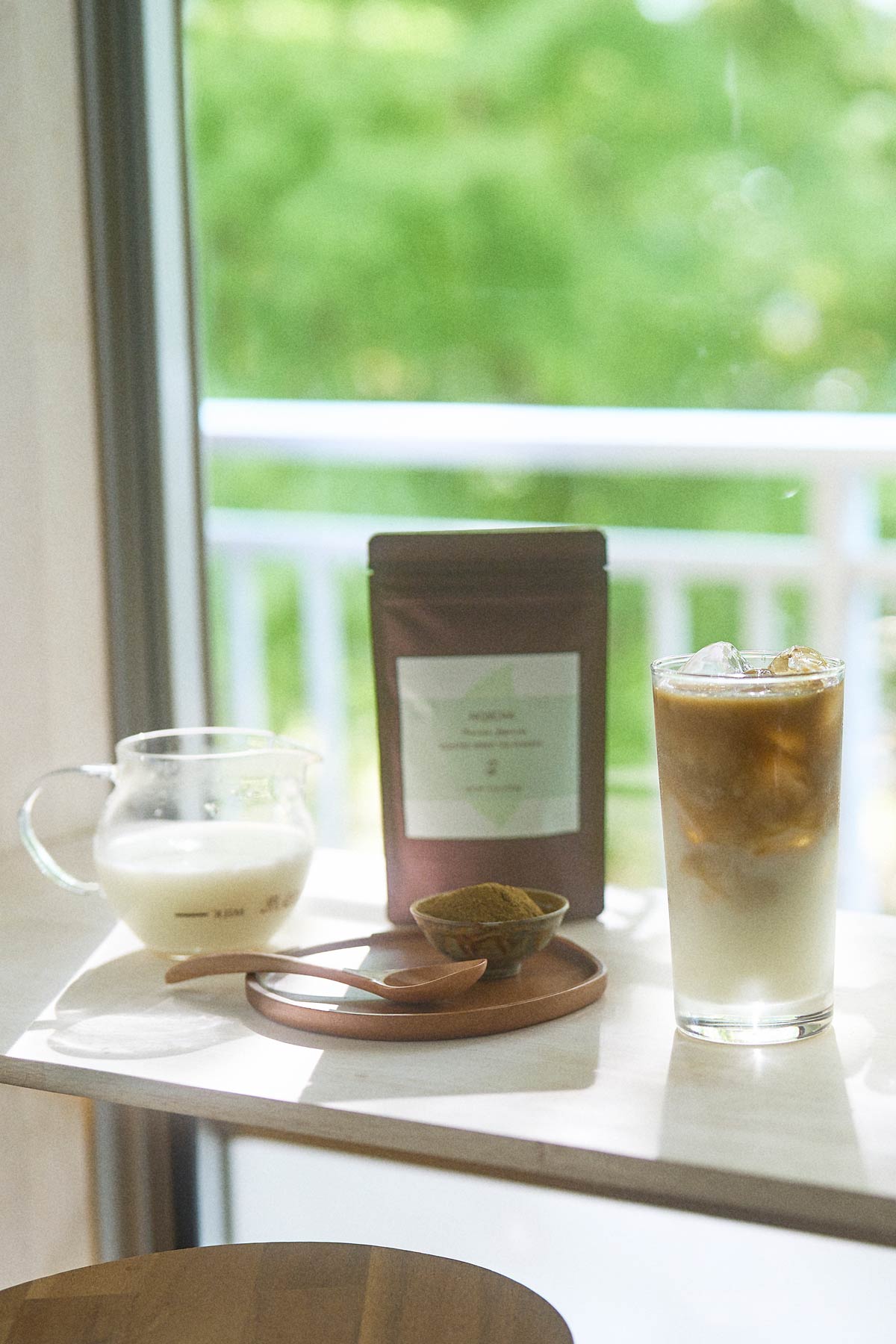
Hojicha Oat Milk Latte

Iced oat milk latte with Hojicha (Japanese roasted tea), Loose Leaf or hojicha powder Tea.

 Ingredients:

  • ½ cup of ice
  • ¾ cup of oat milk
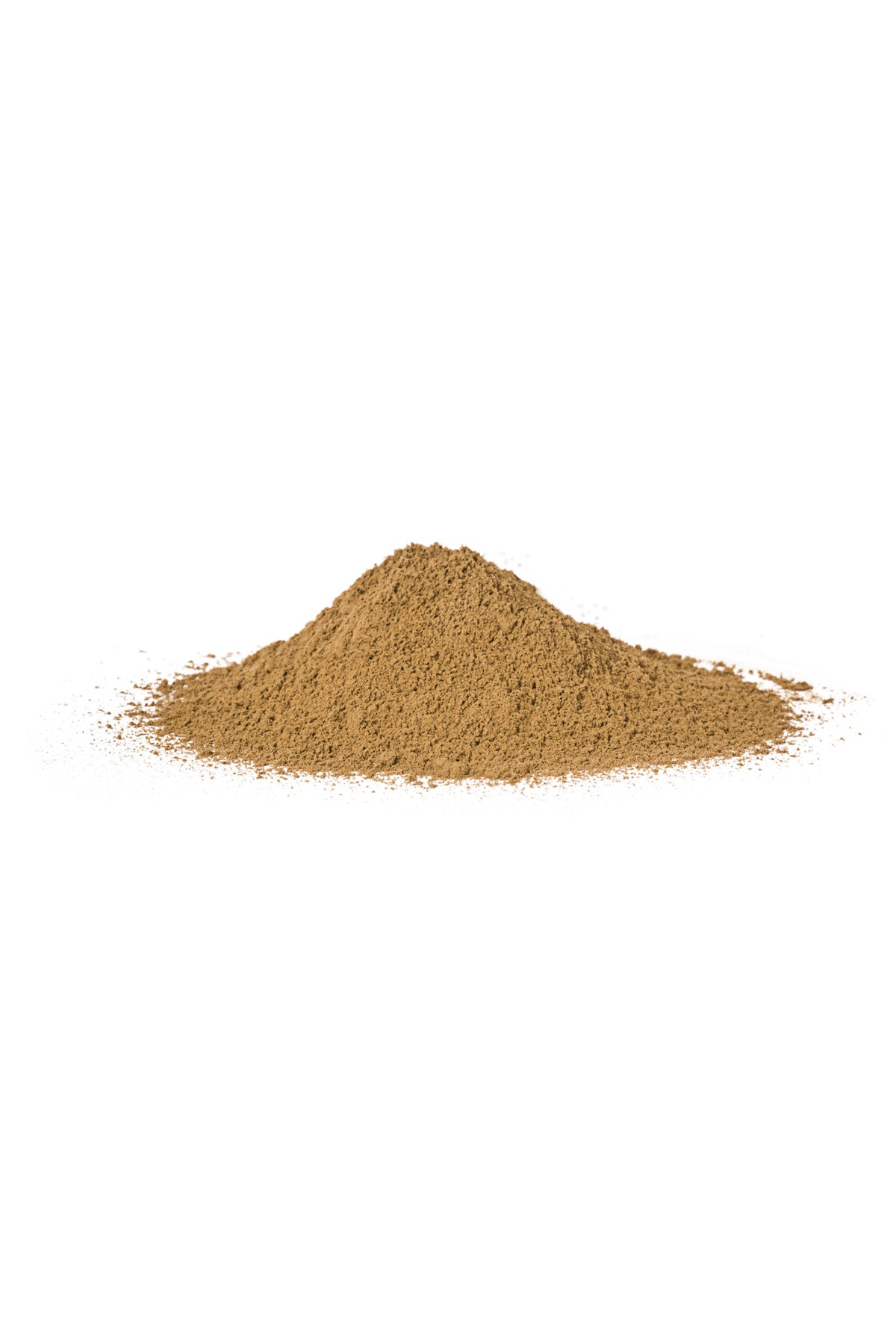
  • 2 teaspoons of Hojicha Powder (To make hojicha powder from loose leaf, see below)
  • ¼ cup of cold filtered water
  • 1 tablespoon of maple syrup (optional)

Directions:

  1. Put ice in a tall glass.
  2. Add the oat milk.
  3. Optional: Gently stir in maple syrup.
  4. In a separate bowl, mix the Hojicha powder with the cold filtered water, then whisk until completely dissolved.
  5. Pour the Hojicha liquid onto the iced oat milk and watch the layered effect happen.
  6. Enjoy your deliciously aesthetic Hojicha Oat Milk Latte.
  7. Download Printable One-Page Recipe PDF Now

    Sign up for the free Green Tea Club (unsubscribe anytime) to download the printable PDF of this recipe now.

    Oat Milk or Soy Milk

    DIY Hojicha Powder (Turning loose-leaf hojicha into powder) 

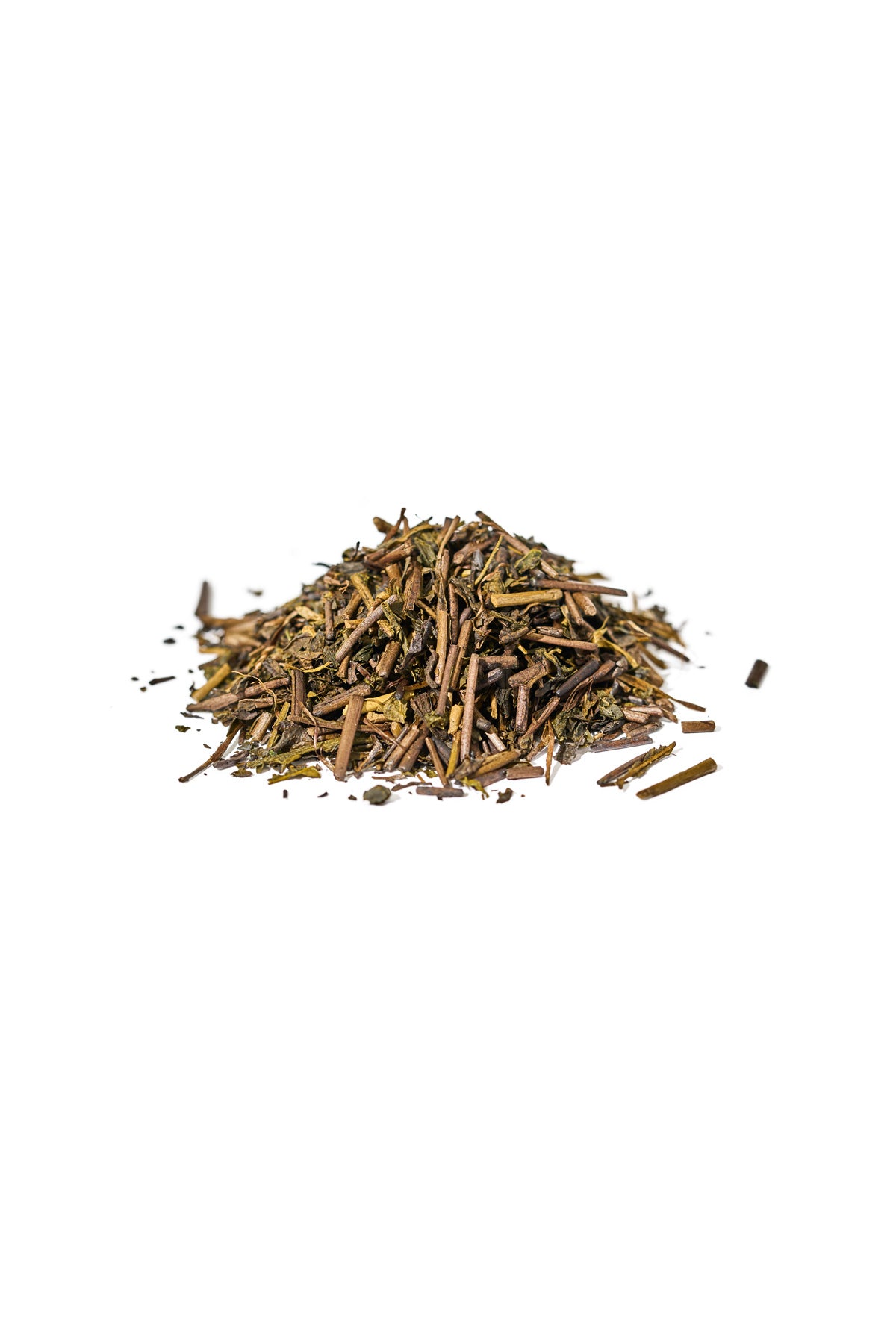
    If you find yourself wanting to try a certain drink or food recipe that requires Hojicha powder, but you only have loose Hojicha leaves at home, fret not, because you can find ways to turn those leaves into powder. All you need is the right appliance.

    What are your options for turning leaves into powder?

    • Spice grinder
    • Coffee grinder
    • Millstone (on the off chance that you have this old-fashioned tool in your home)

    Your best option for making fine powder to the level of commercially available Hojicha powder is either a spice grinder or a coffee grinder.

    Blenders and Food Processors can be considered, but I found them too big to handle small portions, and the powder ends up being more chopped leaves.

    What do you have to do to make Hojicha powder using these appliances?

    1. Make sure that your machine is clean and completely dry.
    2. Place the right amount of leaves, paying attention not to overfill.
    3. Check to see if the lid is securely on before running the machine.
    4. Blend, process, or grind for about 10 seconds, and repeat until your powder is at the desired fineness. If you run longer than 10 seconds, the heat is created and damages the taste of the hojicha, so shake and let it cool down between each spin.

    If the above produced a combination of dust and bigger particles, you might have to pulse repeatedly, carefully arranging the contents so they’re not just pushed to the sides.

    If repeated blending or processing still doesn’t give you a fine powder, you could use a fine-mesh sieve to strain it or a mortar and pestle to pound and crush it into something finer.

    Download Printable One-Page Recipe PDF Now

    Sign up for the free Green Tea Club (unsubscribe anytime) to download the printable PDF of this recipe now.

    FAQs about Hojicha Oat Milk Latte

    Why does hojicha pair so well with oat milk specifically — better than dairy or almond?

    Oat milk has natural sweetness and a slight oat-flavor body that mirrors hojicha's roasted, almost grain-like character. They share a flavor language. Cow milk works too, but the dairy fat slightly mutes the roasted notes; almond milk is too thin and the almond flavor competes with the hojicha (焙じ茶) roast for attention. Oat milk hits a middle ground — enough body to feel like a latte, enough flavor to complement rather than compete.

    It's the same logic as why oat milk became the default for coffee shops doing matcha lattes — the slight oat sweetness rounds out the tea's character without masking it.

    If you don't have oat milk, soy milk is the second-best non-dairy match (similar body, slightly bean-y but neutral). Coconut milk works for a tropical-leaning latte. Cashew is fine but a bit thin. Almond is the one I'd skip for hojicha specifically.

    What's the right hojicha-to-oat-milk ratio for a balanced latte?

    Standard latte ratio: about 1 teaspoon (~2g) of hojicha powder to 8oz (240ml) of oat milk, plus 1-2oz hot water to bloom the powder before adding milk. The hot water step matters — whisking powder directly into cold or even warm oat milk leaves clumps. Bloom in hot water first, then mix with hot or cold oat milk.

    If you're using brewed hojicha (not powder), the ratio shifts: brew a strong concentrate (about 5g leaf to 6oz water for 4 minutes at 195°F), then top with 8oz steamed oat milk. Brewed hojicha gives a lighter, more delicate latte; powder gives a denser, more roasted-flavor-forward one. Both are good, just different.

    Sweetener is optional — oat milk is sweet enough that most people don't need any. If you do, a teaspoon of honey or a small amount of brown sugar fits the roasted profile better than white sugar.

    Can I make this iced, or does it have to be hot?

    Iced works perfectly — and many drinkers prefer it in summer. Make the hojicha hot first to bloom the powder properly (or brew the leaves at full temperature), let it cool slightly, then pour over ice with cold oat milk on top or stirred in. Pouring hot hojicha straight onto ice without cooling first dilutes the flavor too much.

    For an even better iced version, cold-brew hojicha leaves overnight (3-4g per cup of water, 6 hours in the fridge), strain, mix with cold oat milk. The slow cold extraction pulls out more sweet and umami notes from hojicha than hot brewing does, and the result is a creamier-tasting iced latte without any added sweetener.

    If you're using powder, the bloom-then-cool method is faster and produces a thicker drink. If you're using leaves, cold-brewing is better but requires planning. Both produce a noticeably different iced latte than just dumping ice into hot.

    Does it have to be hojicha powder, or can I use loose-leaf?

    Both work, with different results. Hojicha powder gives you a denser, fuller latte because you're consuming the whole leaf — the roasted flavor comes through stronger and the drink has more body. Loose-leaf hojicha gives you a lighter, more delicate latte because you're brewing an extraction; you steep the leaves in hot oat milk or hot water first, then strain.

    Powder is more convenient (no straining, faster prep) and stronger-tasting. Leaves are more nuanced and produce less waste over time per gram. For a daily latte routine, most home drinkers settle on powder. For a weekly slower-ritual latte, leaves are arguably better.

    Skip teabag hojicha for lattes — the cut leaves are too small and produce a thinner, less flavorful brew that gets lost in the milk. The card below is the powder version that works well for daily use.

    How does a hojicha latte compare to a matcha latte?

    Different drinks, different effects. Matcha (抹茶) latte is grassier, brighter green, more caffeinated, more umami-forward. Hojicha (焙じ茶) latte is roastier, darker, lower in caffeine, less astringent. The matcha latte tastes "alive and green"; the hojicha latte tastes "warm and toasty." Most people who try both end up rotating — matcha in the morning, hojicha in the afternoon or evening.

    Caffeine is the practical difference for evening drinking. Matcha has roughly 70mg per latte; hojicha has 15-30mg. So hojicha is the safer late-day option if you want a tea latte without disrupting sleep.

    Flavor preferences vary widely. Coffee drinkers often gravitate toward hojicha first because the roasted profile is more familiar. People who like green vegetables or kombu often gravitate toward matcha. Try both before committing to a daily routine.

    Related products
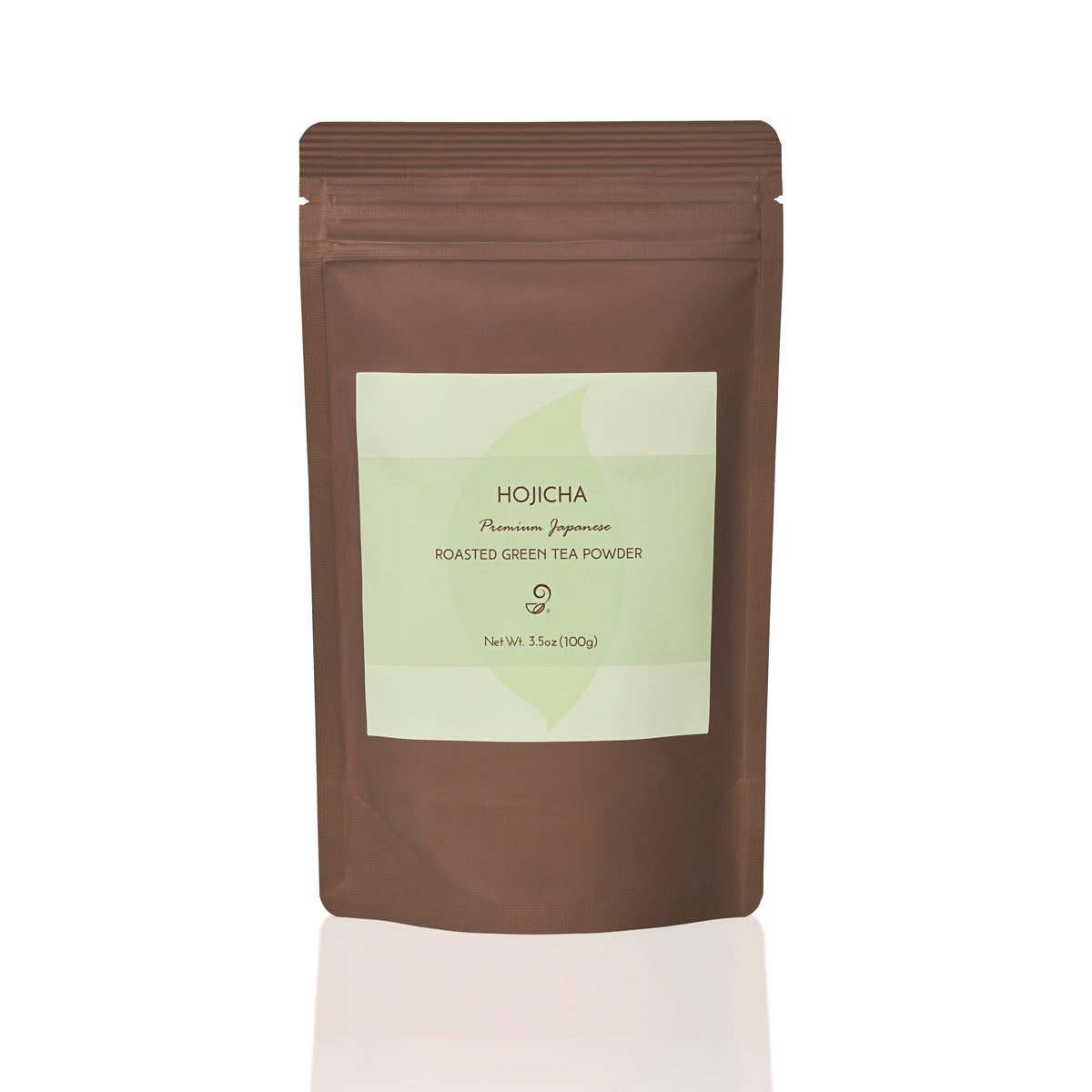
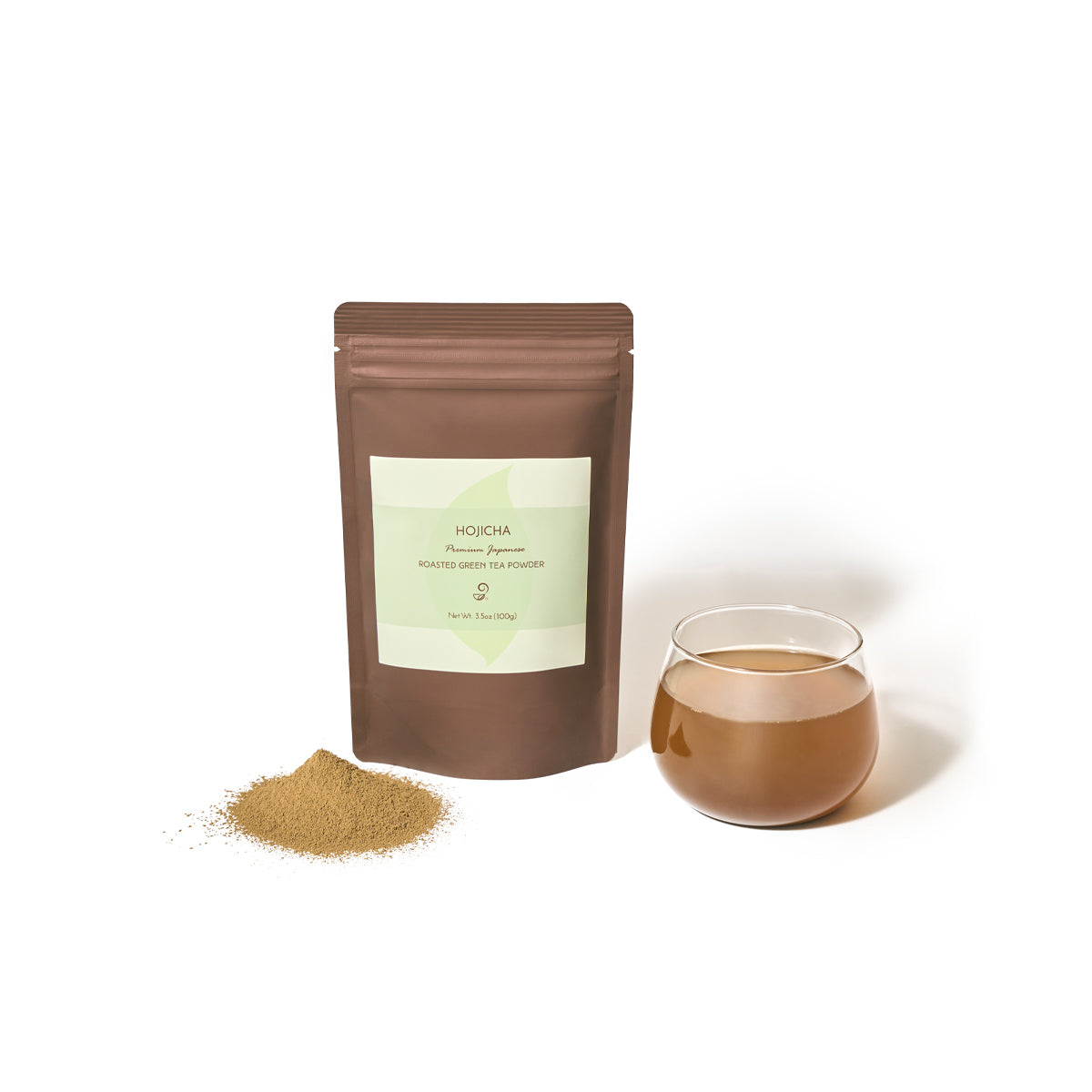
    Hojicha Powder - Roasted Green Tea Powder

    $25.00
    Quick view

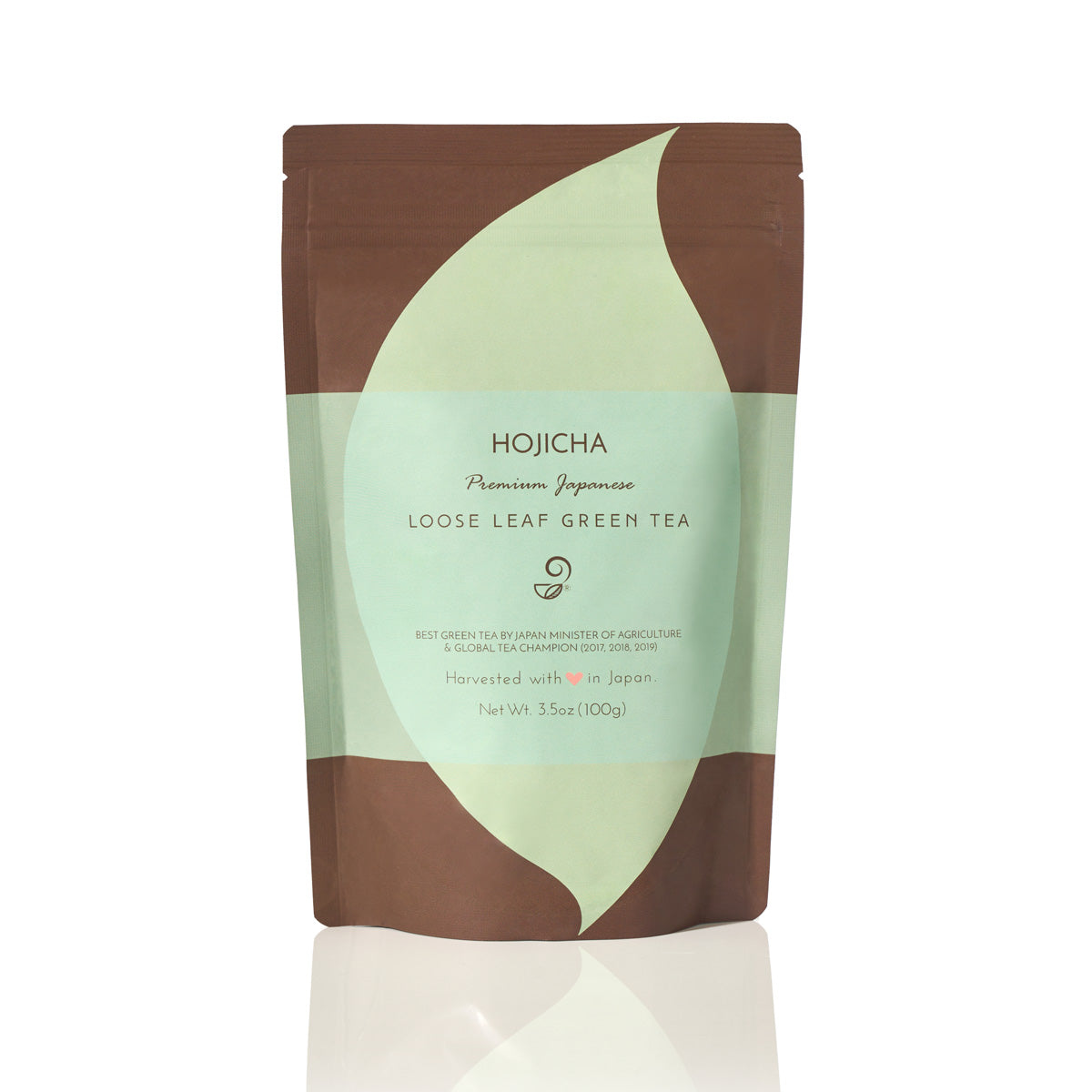
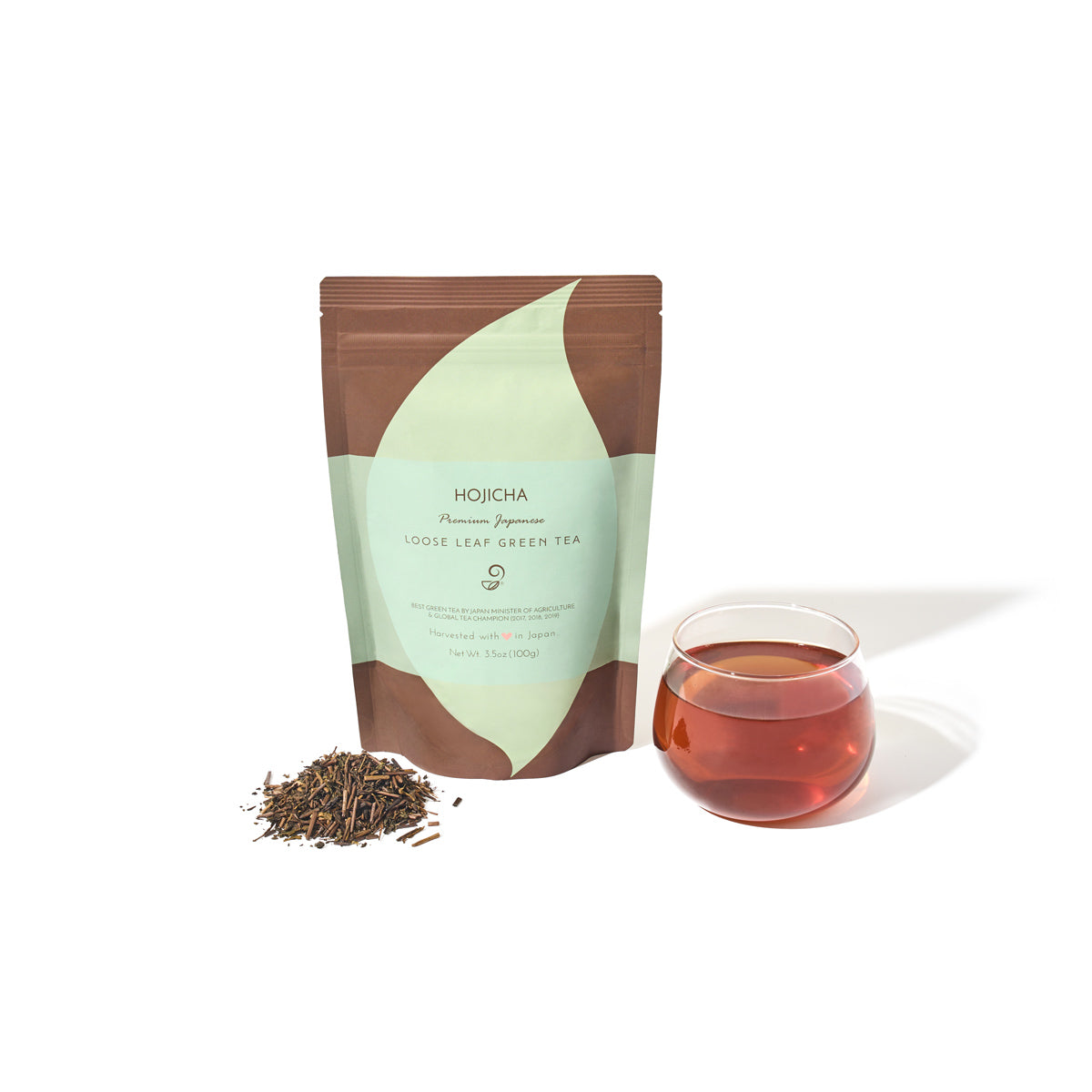
    Our roasted green tea, known as hojicha (ほうじ茶), is crafted from freshly harvested premium green tea carefully roasted in porcelain over charcoal to maximize flavor while retaining more catechins than typical hojicha on the market. With lower caffeine and a smoother, less bitter taste compared to steamed green tea, it is an ideal choice for evening relaxation and is gentle enough for kids and pregnant women. Cultivated using the Chagusaba method in nutrient-rich sugarcane soil, this loose-leaf authentic Japanese roasted green tea, made from the Yabukita cultivar, also pairs beautifully with oily foods. Each eco-friendly resealable package contains 3.5 oz (100g) of tea, enough to steep 30–40 comforting cups.

    45 reviews

    Hojicha - Roasted Green Tea

    $25.00
    Quick view

    Our roasted green tea, known as hojicha (ほうじ茶), is crafted from freshly harvested premium green tea carefully roasted in porcelain over charcoal to maximize flavor while retaining more catechins than typical hojicha on the market. With lower caffeine and a smoother, less bitter taste compared to steamed green tea, it is an ideal choice for evening relaxation and is gentle enough for kids and pregnant women. Cultivated using the Chagusaba method in nutrient-rich sugarcane soil, this loose-leaf authentic Japanese roasted green tea, made from the Yabukita cultivar, also pairs beautifully with oily foods. Each eco-friendly resealable package contains 3.5 oz (100g) of tea, enough to steep 30–40 comforting cups.

    14 reviews

    Buy Premium Matcha Chasen Whisk (100 Prong)

    $35.00 $19.99
    Quick view

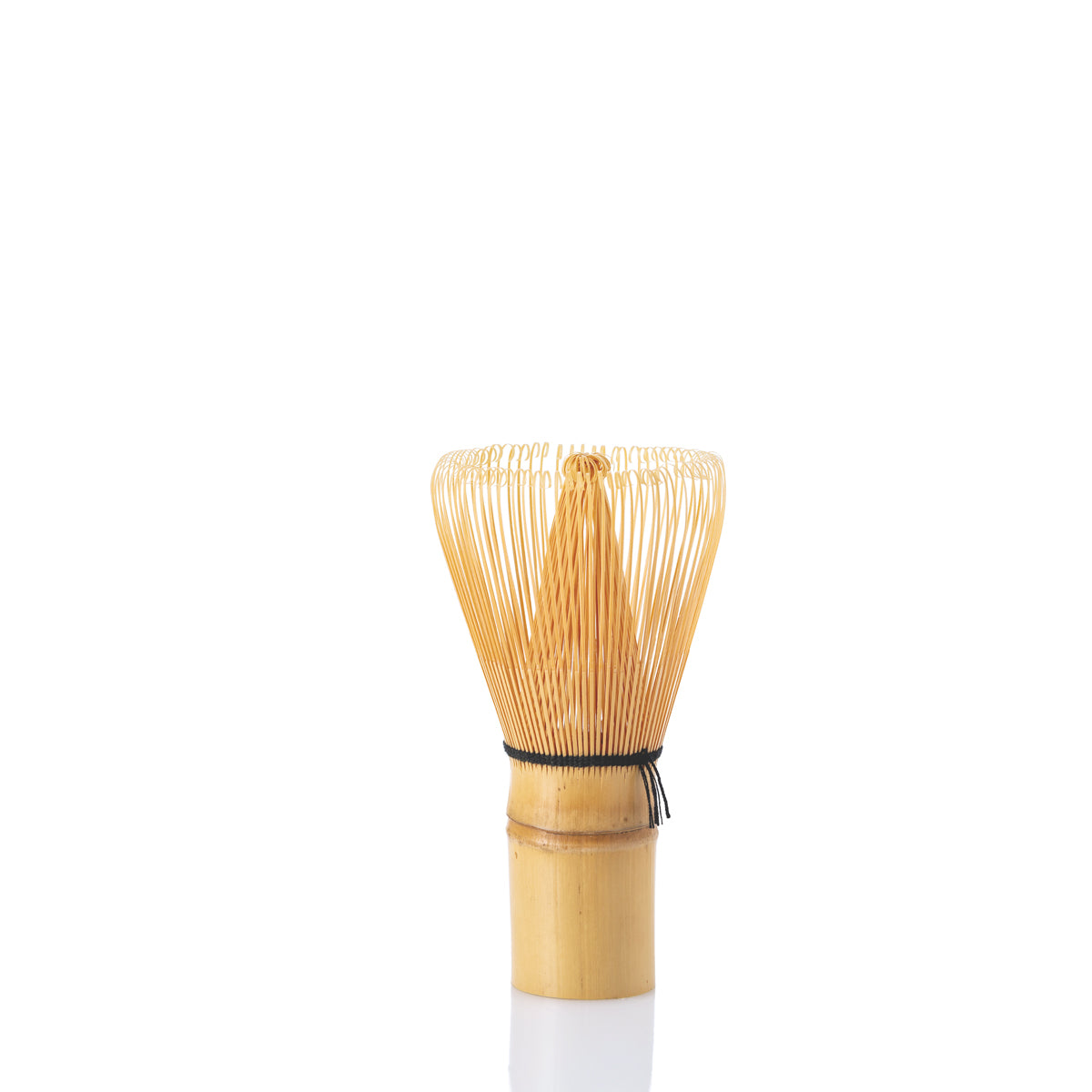
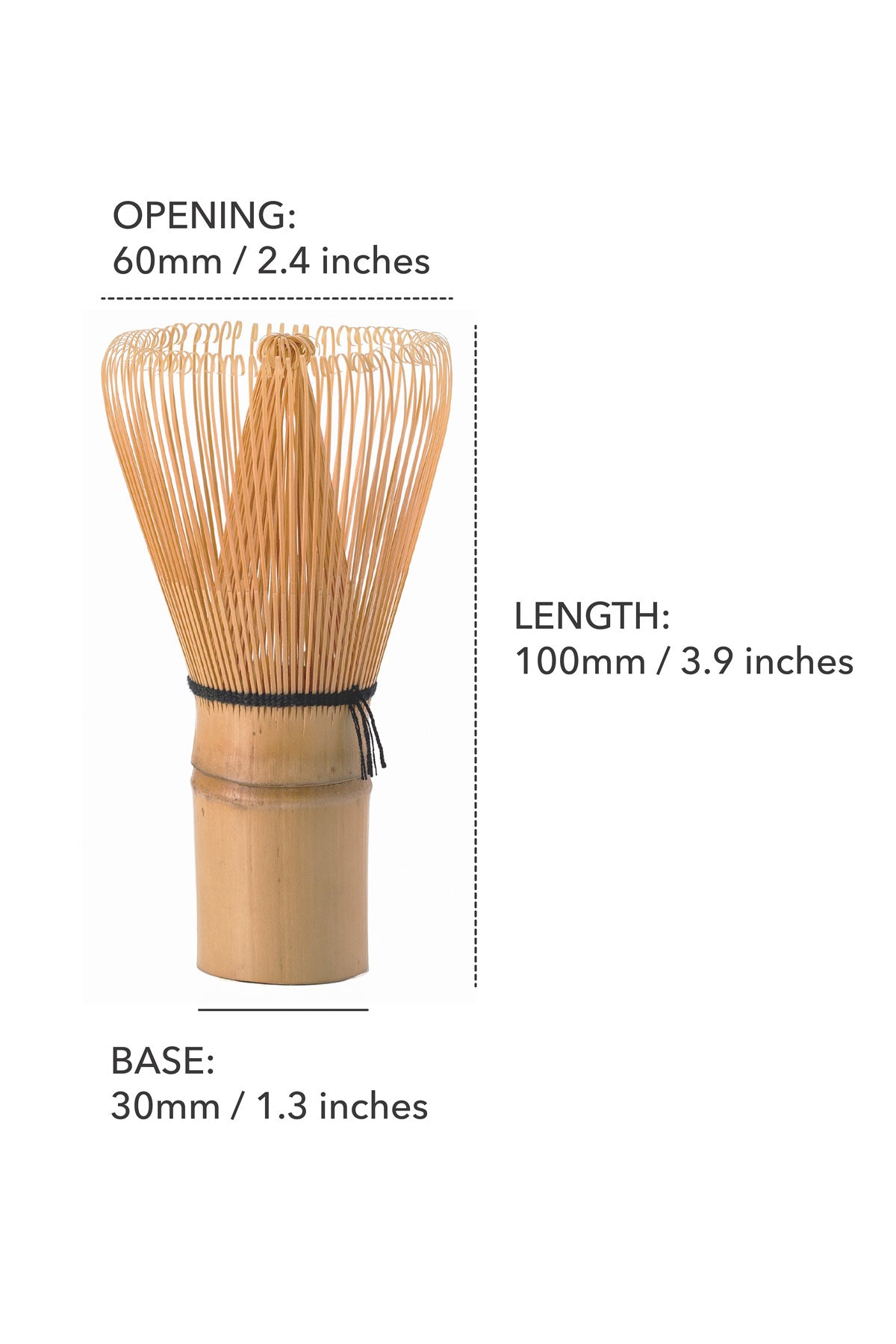
    This premium-quality matcha chasen whisk is crafted with durable, high-grade bamboo and designed for lasting performance. Featuring 100 prongs, it offers a superior whipping ability compared to lower-quality 40–60 prong whisks and is considered the highest grade, often used in high-end tea ceremonies in Japan.

    As it is made from natural bamboo, measurements may slightly vary, but generally, the base measures about 30mm (1.3 inches), the length is 100mm (3.9 inches), and the whisk opening is 60mm (2.4 inches), making it an ideal choice for creating a perfectly smooth and frothy matcha.

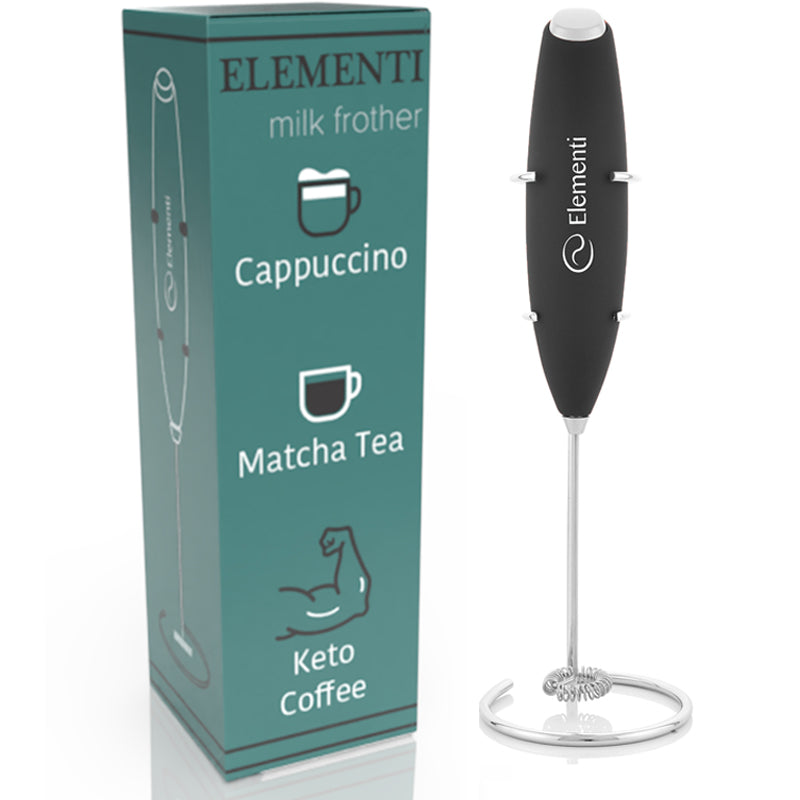
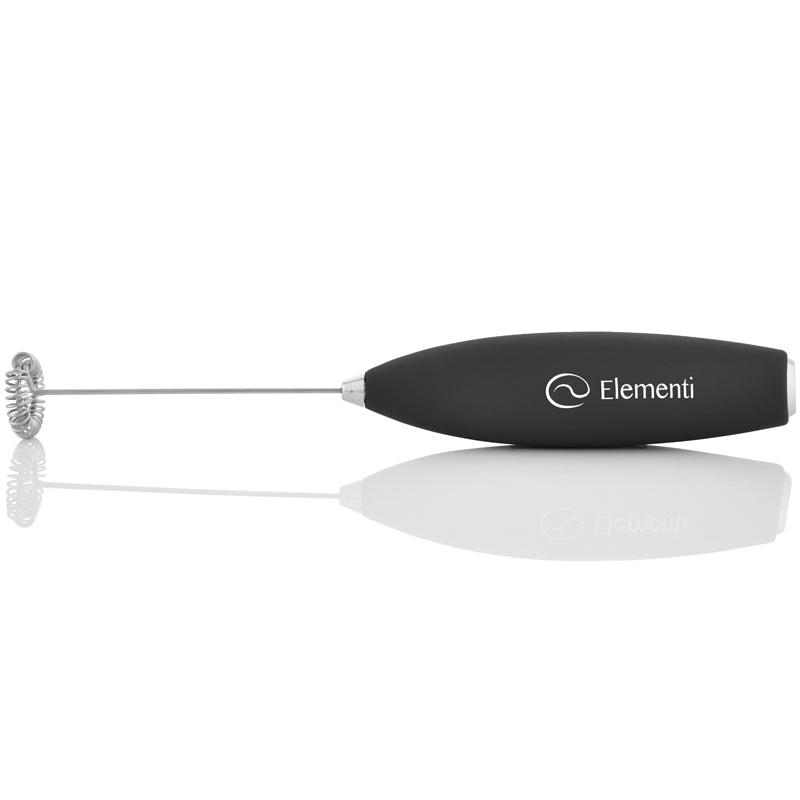
    Elementi Electric Matcha Whisk - Handheld Milk Frother

    $17.99
    Quick view

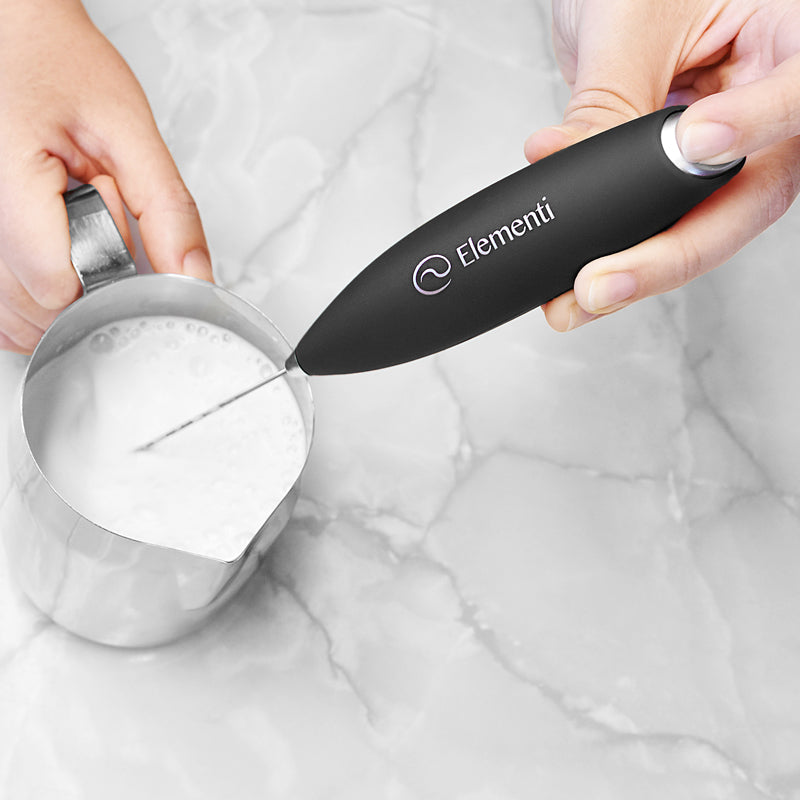
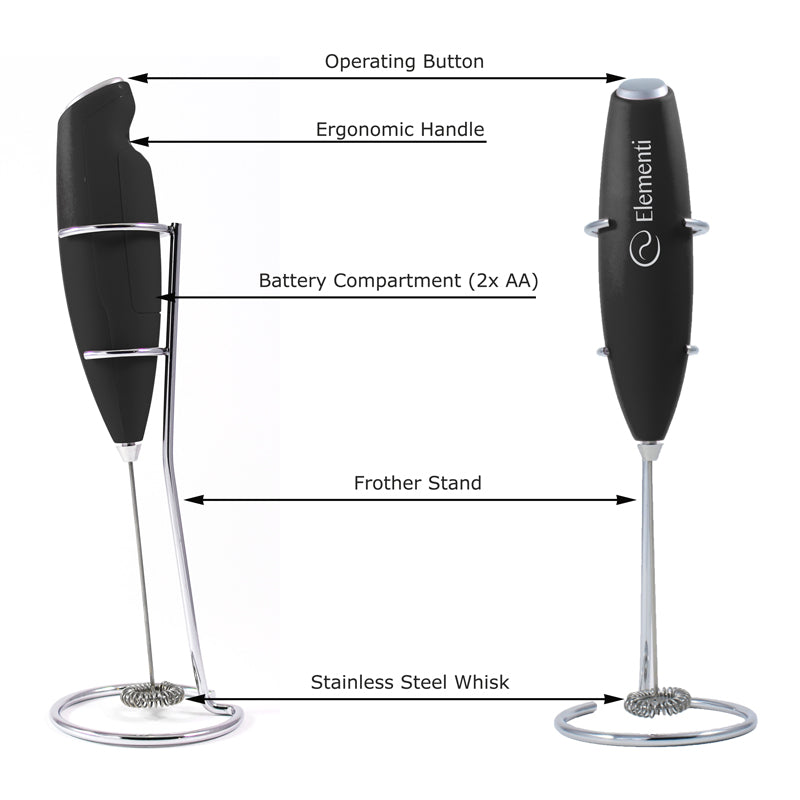
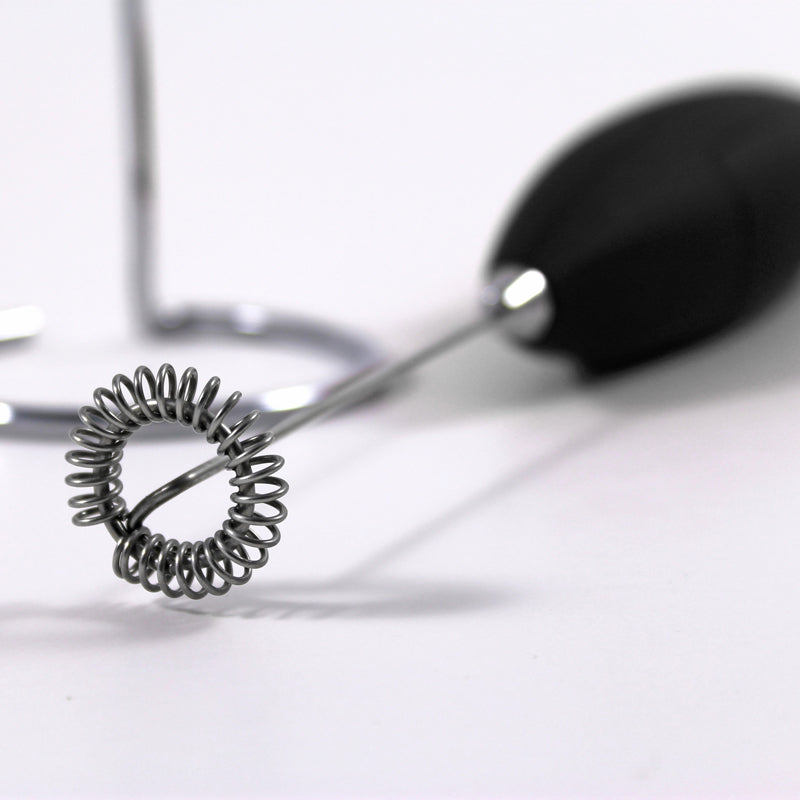
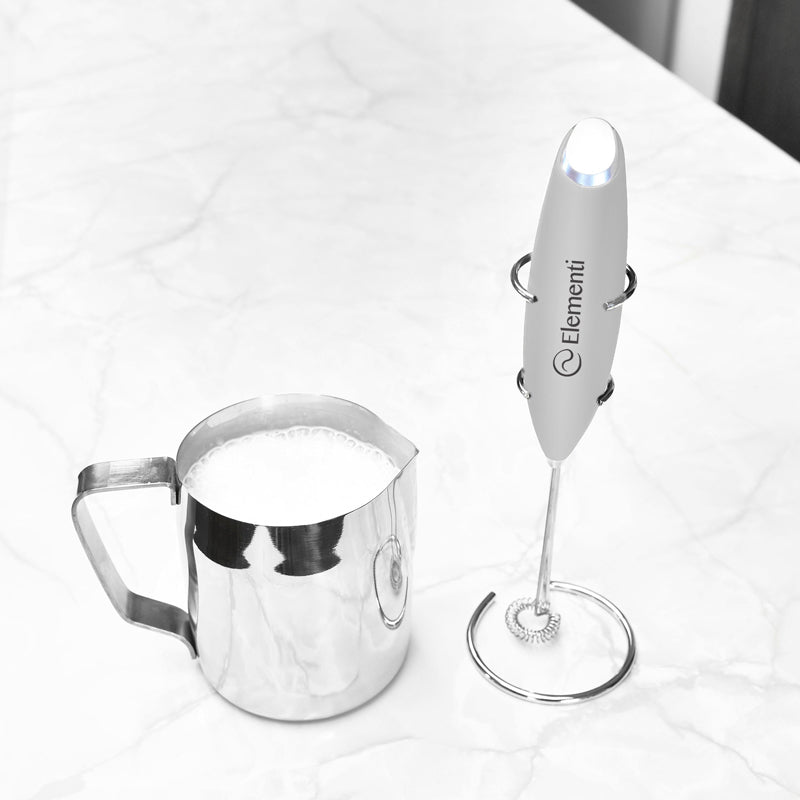
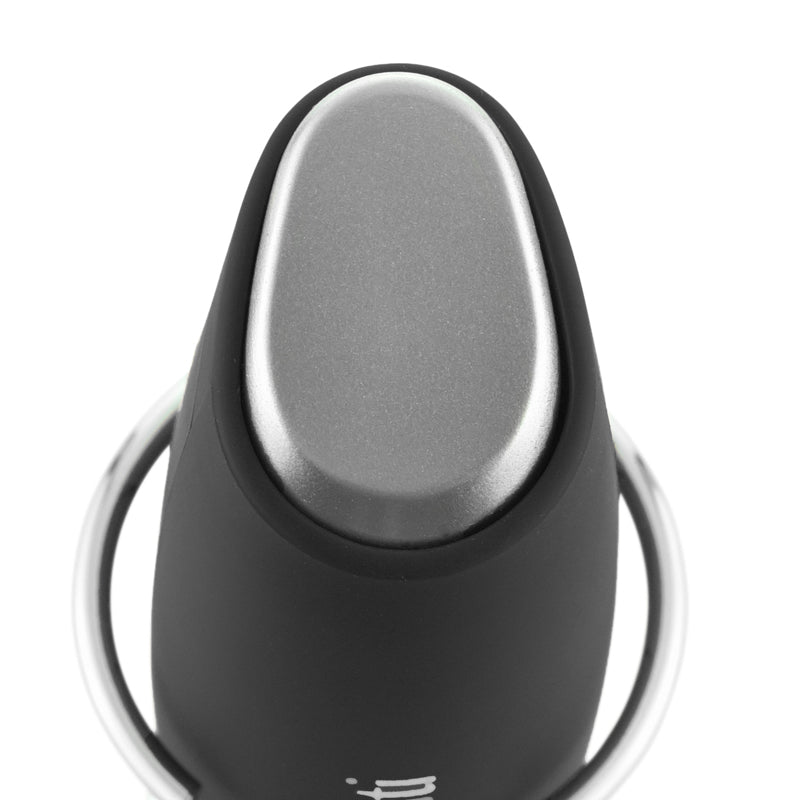
    This handheld coffee latte frother is perfect for coffee lovers who want café-quality foam at home. Featuring a powerful high-speed, high-torque motor, it can create rich, foamed milk in just 15–20 seconds (requires 2xAA batteries, not included). Designed with a soft-touch ergonomic grip for easy handling, the frother measures 11 inches tall and 2 inches in diameter, making it a convenient and efficient tool for preparing lattes, cappuccinos, and more.

    80 reviews

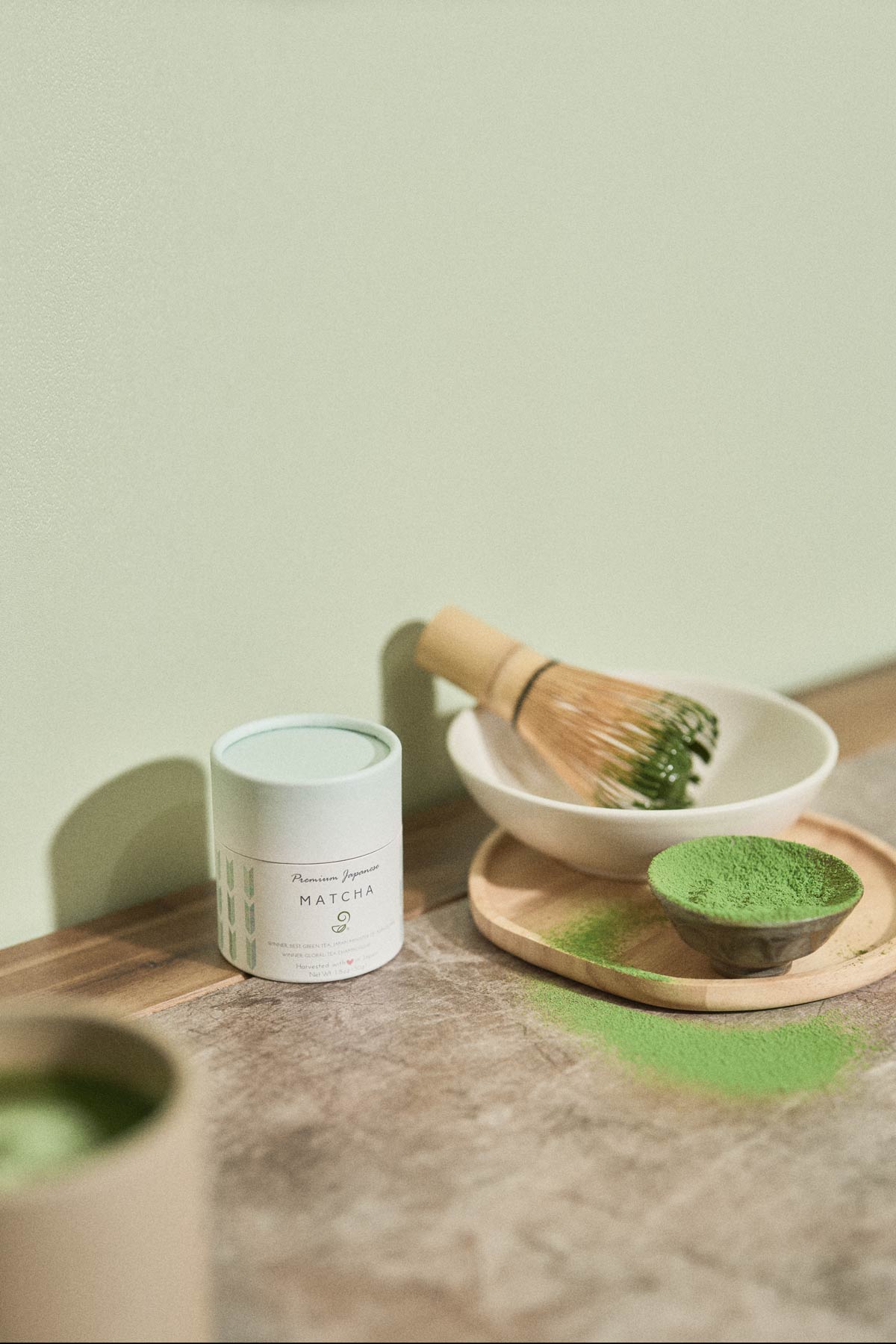
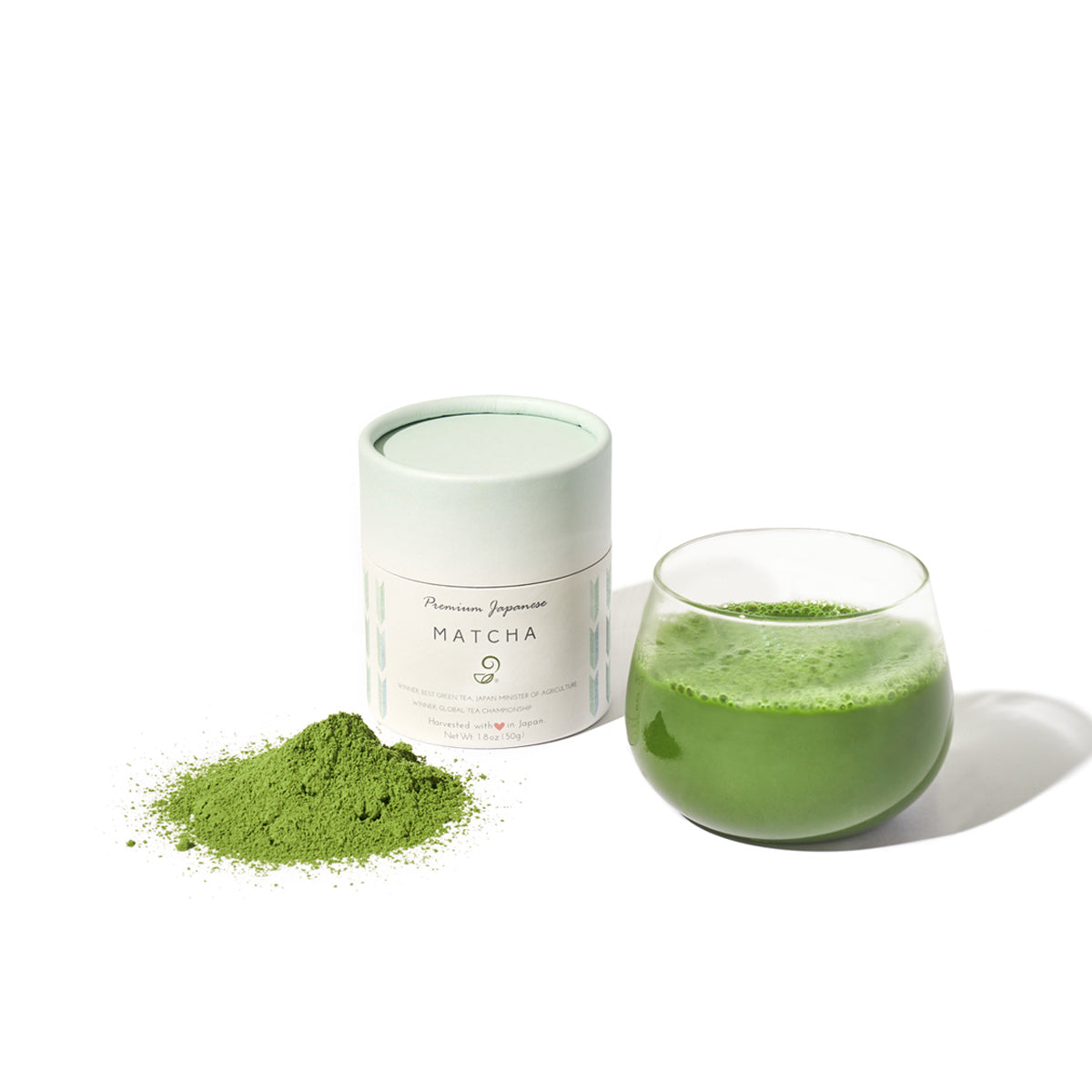
    Matcha - Ceremonial Japanese Powdered Green Tea

    $39.00
    Quick view

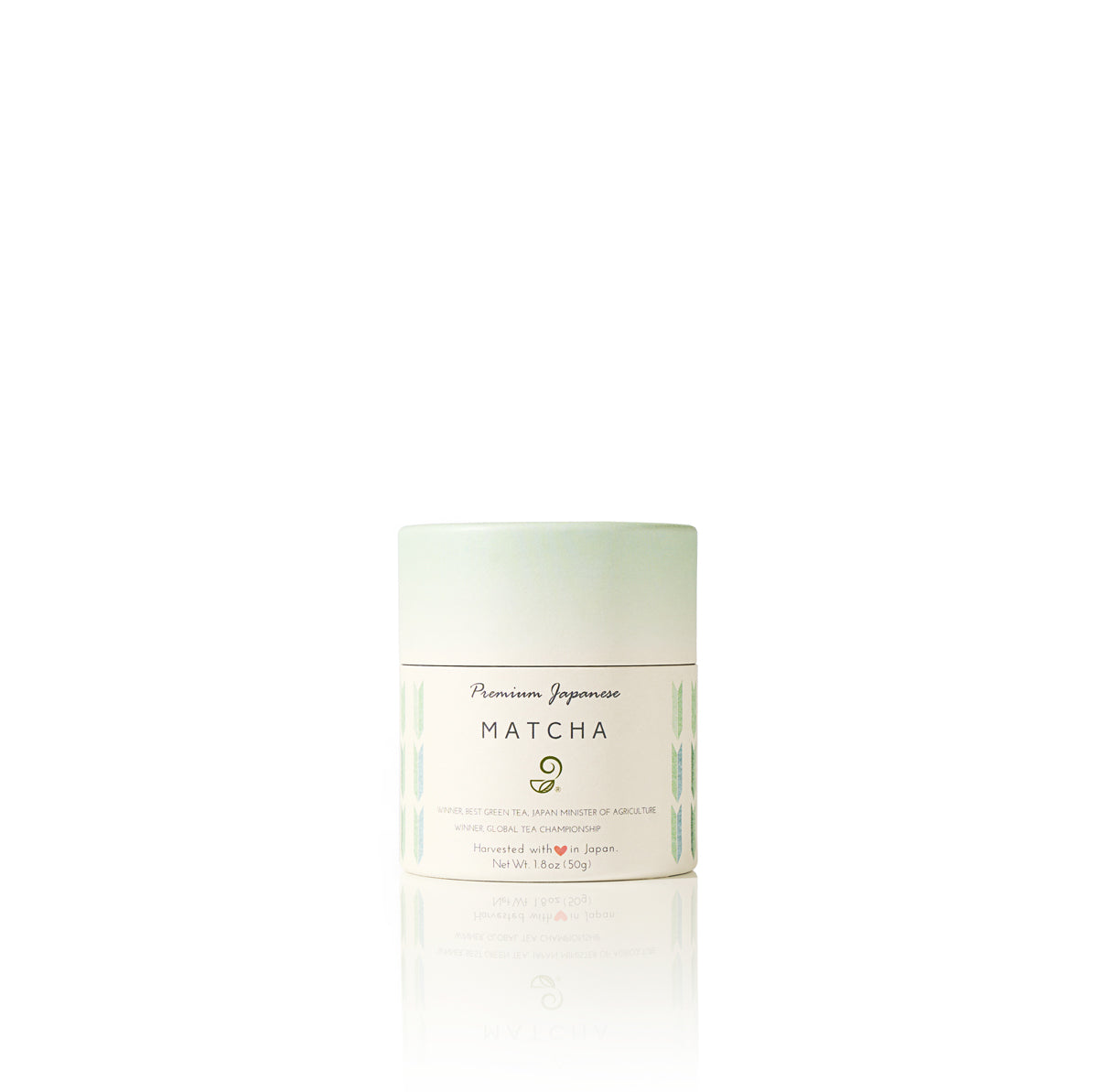
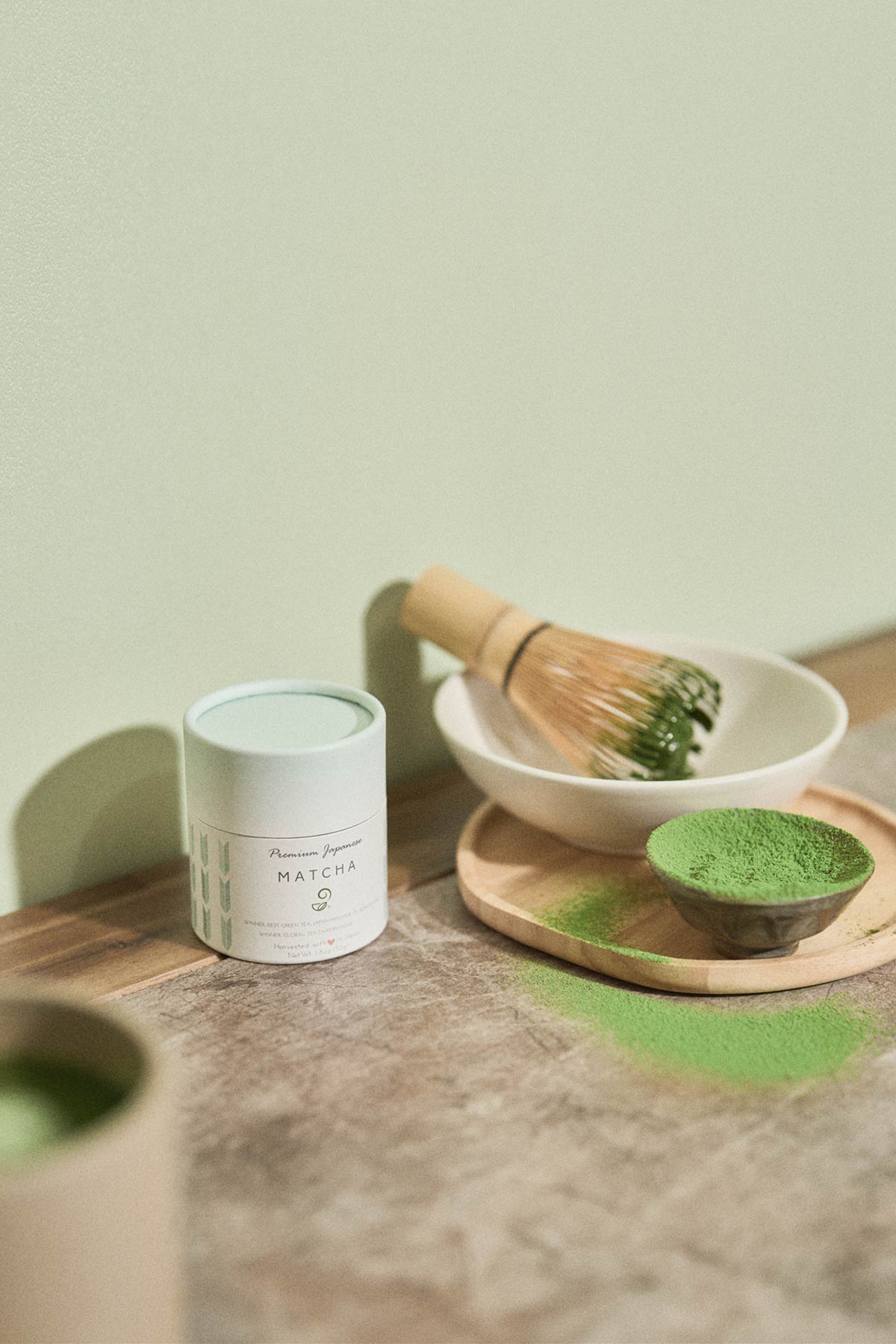
    This ceremonial matcha is crafted from the finest Japanese green tea, grown in nutrient-rich soil enhanced with compostable grasses and sugarcane through the Chagusaba method, which gives the tea a natural sweetness and exceptional flavor. In collaboration with researchers from Shizuoka University, farmers ensure that the soil quality consistently produces tea of the highest standard.

    Renowned among top Japanese chefs for its unmatched aroma, this matcha is made by carefully shading the plants before harvest to boost caffeine and amino acids, then meticulously drying, de-stemming, and grinding the leaves into a fine powder. Made from the Yabukita cultivar, this 1.8 oz (50g) matcha comes in a high-quality, air-tight paper tube canister, providing a luxurious and authentic Japanese tea experience.

    1 review

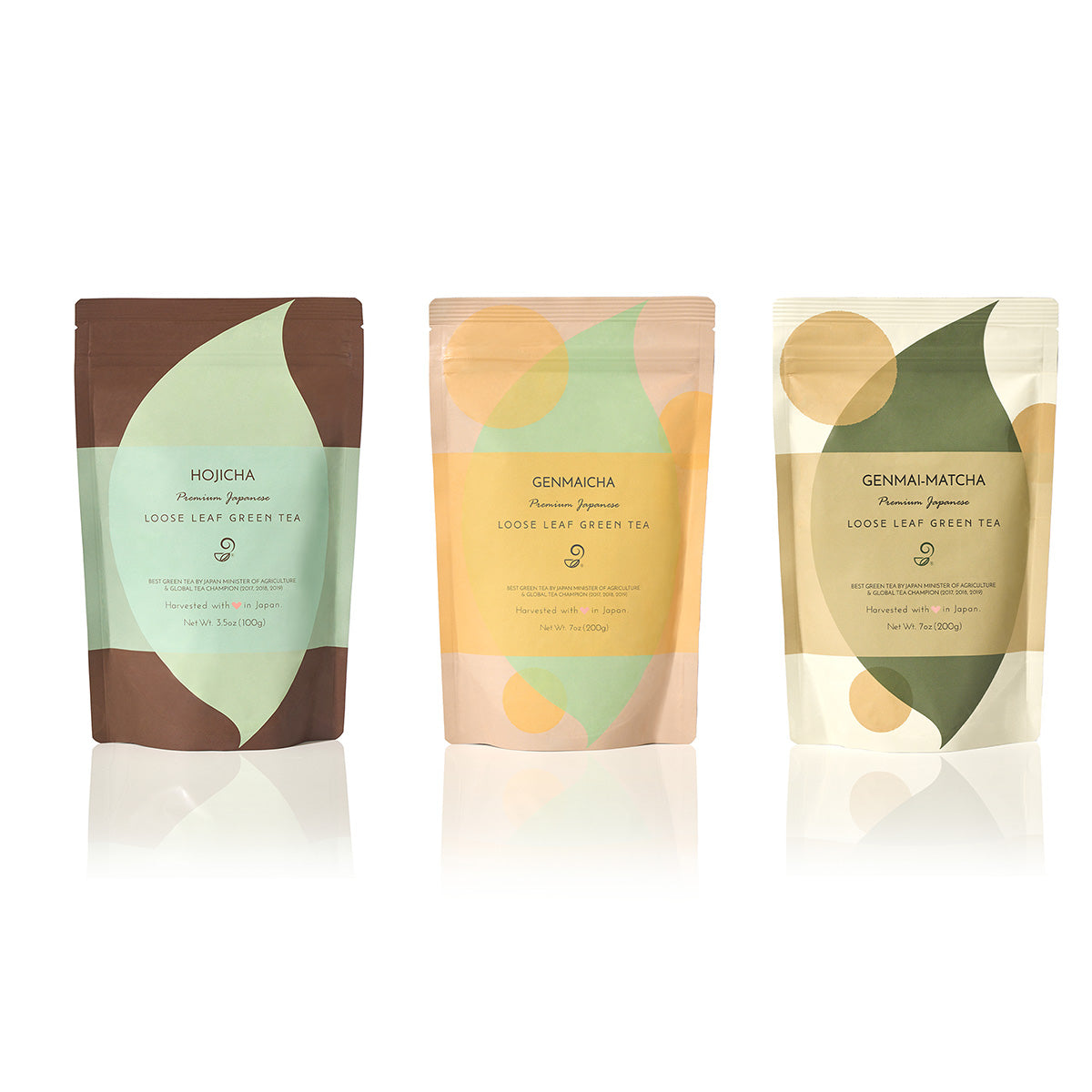
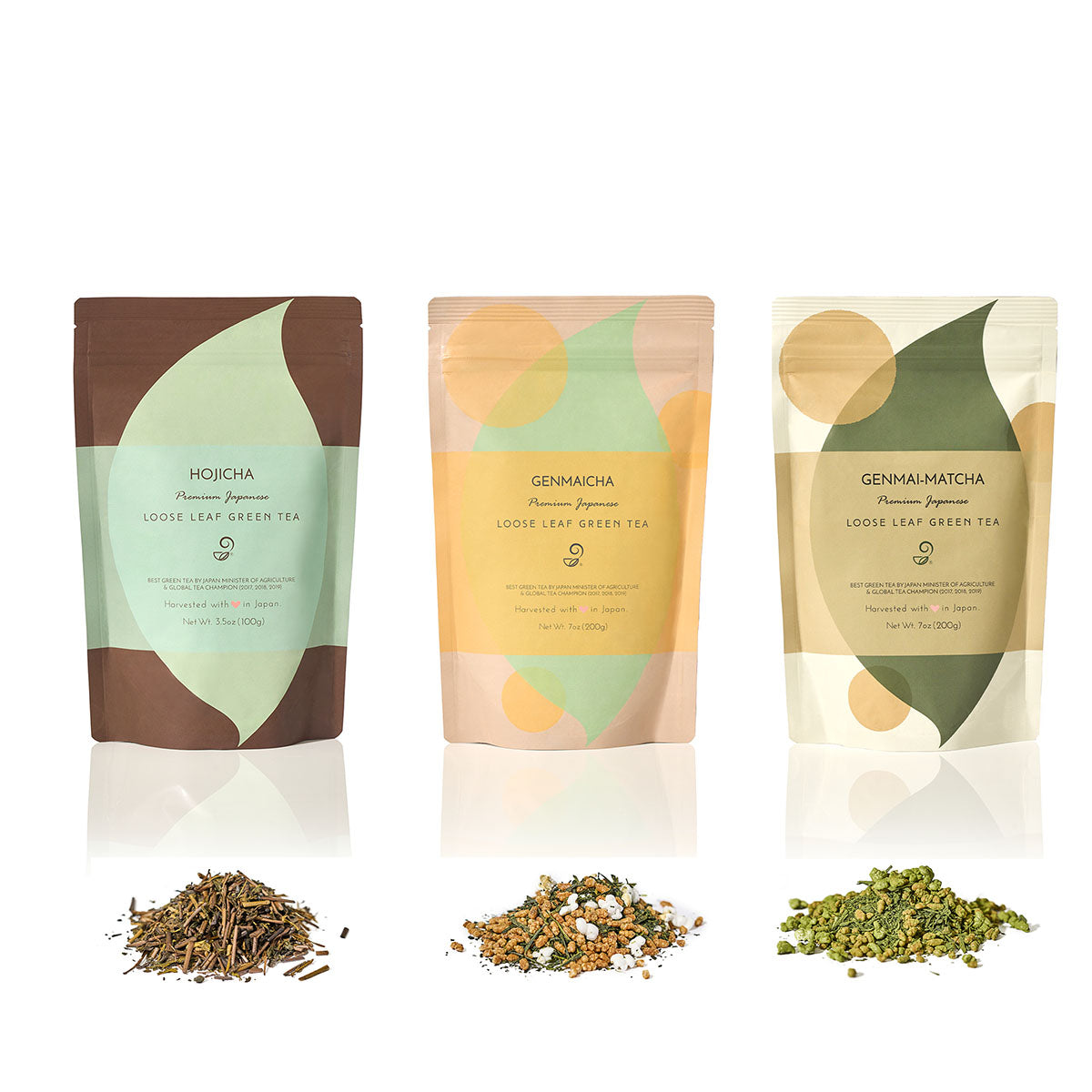
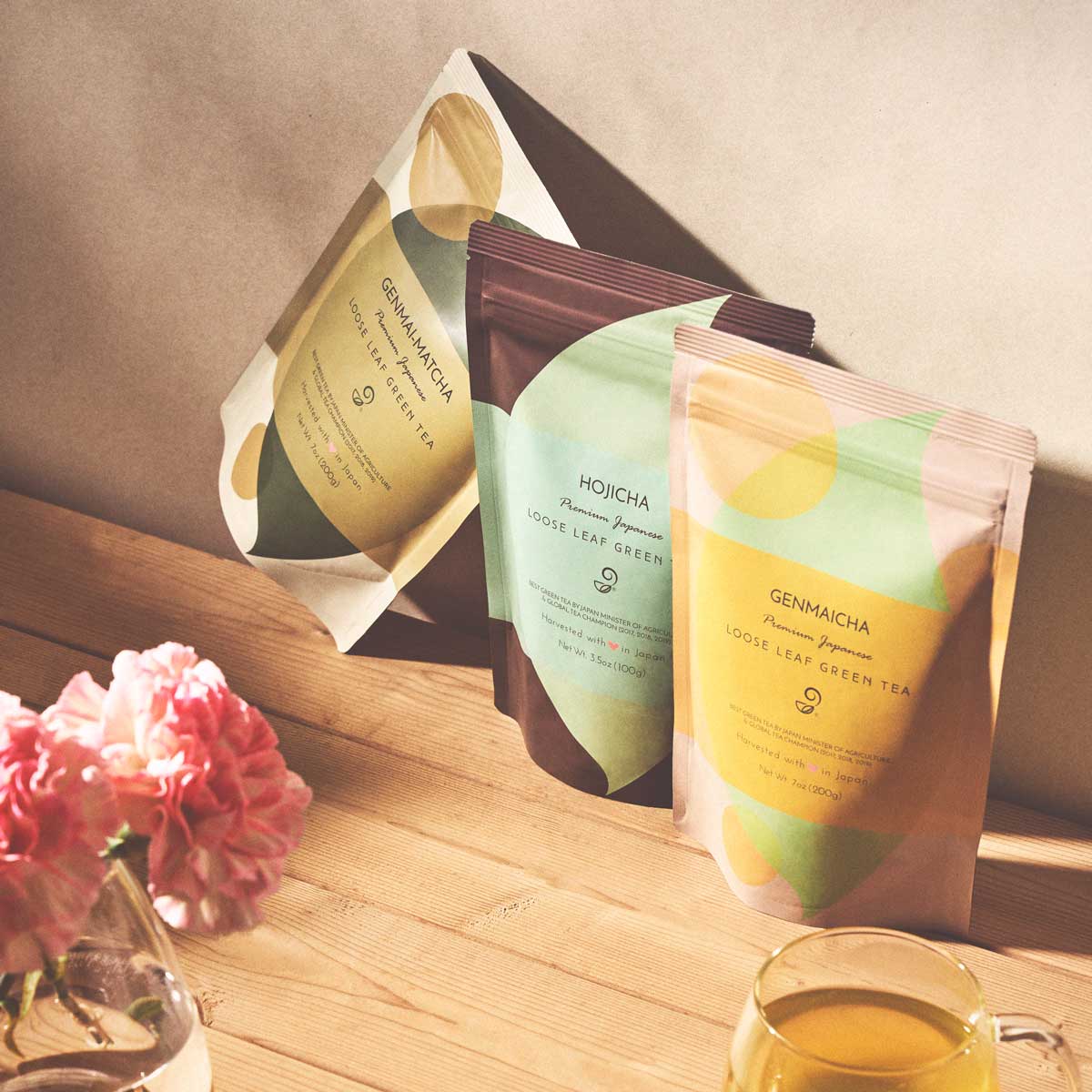
    Hojicha Genmaicha Trio Gift Set - Premium Japanese Green Tea Set Package

    $90.00 $72.00
    Quick view

    This special tea set features three traditional Japanese teas, each offering a unique and satisfying experience. Hojicha is made by roasting Bancha leaves at high temperatures, resulting in a reddish-brown tea with a rich umami flavor and a warm, toasty aroma. Genmaicha combines green tea with roasted brown rice, creating a nutty, aromatic flavor that is both comforting and ideal for enjoying between meals.

    The set also includes Genmai Matcha, crafted using premium green tea grown in nutrient-rich sugarcane soil in Japan. Thanks to this special soil, the tea offers an award-winning aroma, a smooth and gentle flavor, and significantly less bitterness and astringency, providing a refreshing and healthful drinking experience.


    Related Articles You May Be Interested

    Everything You Need To Know About Japanese Hojicha Tea
    Everything You Need To Know About Japanese Hojicha Tea
    Totoro & Japanese Green Tea + Our Secret Edible Makkuro Kurosuke Recipe!
    Totoro & Japanese Green Tea + Our Secret Edible Makkuro Kurosuke Recipe!
    Hojicha Pudding (Video Recipe) & Learn about Pudding and Japan プリン
    Hojicha Pudding (Video Recipe) and Everything You Need to Know about Pudding プリン and Japan
    Delicious Chocolate Hojicha Pumpkin Bread Recipe | Easy Fall Baking Ideas
    Delicious Chocolate Hojicha Pumpkin Bread Recipe | Easy Fall Baking Ideas
    How to Make Hojicha Syrup
    How to Make Hojicha Syrup

    Get Free Bonus Books

    Join Green Tea Club

    Sign up for free to the Green Tea Club to get advice and exclusive articles about how to choose Japanese Tea, and tips, tricks, and recipes for enjoying Japanese tea.

    Unsubscribe anytime. It’s free!

    About the author

    Kei Nishida

    Kei Nishida

    Author, CEO Dream of Japan

    info@japanesegreenteain.com

    Certification: PMP, BS in Computer Science

    Education: Western Washington University

    Kei Nishida is a passionate Japanese green tea connoisseur, writer, and the founder and CEO of Japanese Green Tea Co., a Dream of Japan Company.

    Driven by a deep desire to share the rich flavors of his homeland, he established the only company that sources premium tea grown in nutrient-rich sugarcane soil—earning multiple Global Tea Champion awards.

    Expanding his mission of introducing Japan’s finest to the world, Kei pioneered the launch of the first-ever Sumiyaki charcoal-roasted coffee through Japanese Coffee Co. He also brought the artistry of traditional Japanese craftsmanship to the global market by making katana-style handmade knives—crafted by a renowned katana maker—available outside Japan for the first time through Japanese Knife Co.

    Kei’s journey continues as he uncovers and shares Japan’s hidden treasures with the world.

    Learn more about Kei Nishida

    Related Posts

    Yokohama Peach is offered as a regular menu at Okayama Kobo Cafe!
    Yokohama Peach is offered as a regular menu at Okayama Kobo Cafe! + Recap Video of Pop-up on 2/8/2026 at Anaheim, CA

    We are excited to announce that our Yokohama Peach is now available on the regular menu at the popular Japanese Bakery,

    Read More
    The Story Behind Our Booth Backdrop: Craftsmanship, Engineering, and Sacred Wood
    Behind the Scenes – How We Made the Event Booth & Backdrop Using Sacred Wood

    Discover how our one-of-a-kind event booth came to life—from Japanese Kōshi (格子) design and rare Port Orford Cedar to mo

    Read More
    Hojicha Banana Daifuku (Mochi): The Collaboration of Aromatic Roasted Tea and Richly Sweet Banana
    Hojicha Banana Daifuku (Mochi): The Collaboration of Aromatic Roasted Tea and Richly Sweet Banana

    Dive into the soft, chewy world of Hojicha Banana Daifuku—where toasted tea meets sweet banana in a cloud of fresh mochi

    Read More
    Leave a comment

    Your email address will not be published..

    Cart

    Your cart is currently empty.

    Start Shopping

    Select options