Table of contents
For a healthy diet, green tea has been endorsed for so long, while another increasingly widespread shade of healthy diet is now becoming highly recommended i.e. matcha. The beverage is full of health and taste. Here’s what should be acquainted with about the beverage.
In recent years, matcha has evolved from being a traditional Japanese tea to a modern-day wellness essential. Unlike regular green tea, where leaves are steeped and discarded, matcha allows you to consume the entire leaf in powdered form, unlocking a richer source of nutrients and antioxidants. Its bright, earthy flavor and vibrant color have made it a popular ingredient not only in beverages but also in smoothies, desserts, and even skincare products. With its growing popularity among health enthusiasts and food lovers alike, matcha has become a symbol of mindful living and natural energy.
What is Matcha Tea?
A special form of green tea, known as matcha; literally means “powdered form”.
A type of green tea which is made by taking fledgling tea leaves and crushing them into a perky green powder. Corresponding to green tea, matcha is derived from the Camellia sinensis plant. Though, it is grown up in a different way and yet has an exceptional nutrient profile. It actually is a different form of tea than the regular one, as the leaves are first pervaded in water and afterward removed. Matcha attends as an influential antioxidant and has plentiful former benefits. Due to the calming and energizing properties of matcha, it thus becomes a standard drink among Western yogis.
Unlike regular green tea, where only the essence of the leaf is extracted, matcha allows you to consume the entire leaf itself—giving you a far more concentrated dose of nutrients. The cultivation process is also unique; the tea bushes are shaded before harvest to boost chlorophyll levels, resulting in matcha’s signature bright green hue and deep umami flavor. This careful growing and grinding process is what gives matcha its silky texture, earthy taste, and remarkable health potency that continues to fascinate both tea connoisseurs and wellness enthusiasts worldwide.
Availability Categorization
Matcha is available in numerous grades, from the luxurious and finest ceremonial grade to a cuisine grade. A cuisine grade may refer to be used for cooking other than using as a brew.
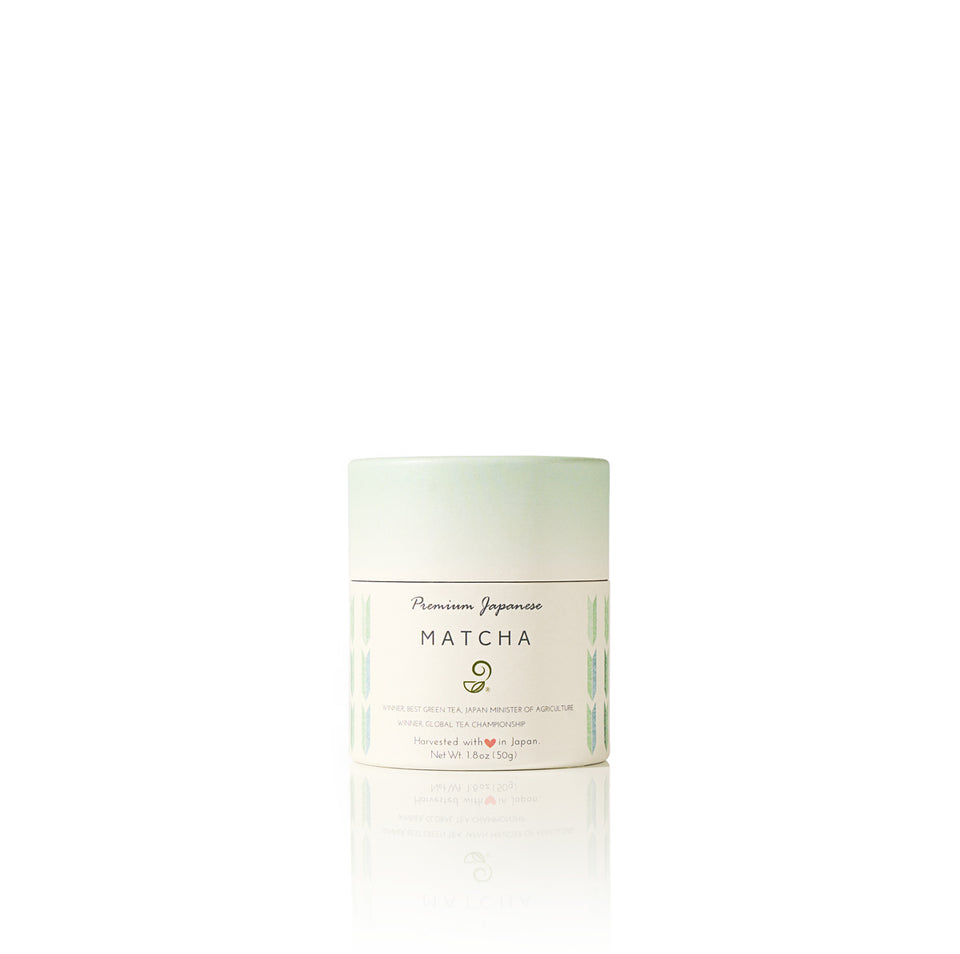
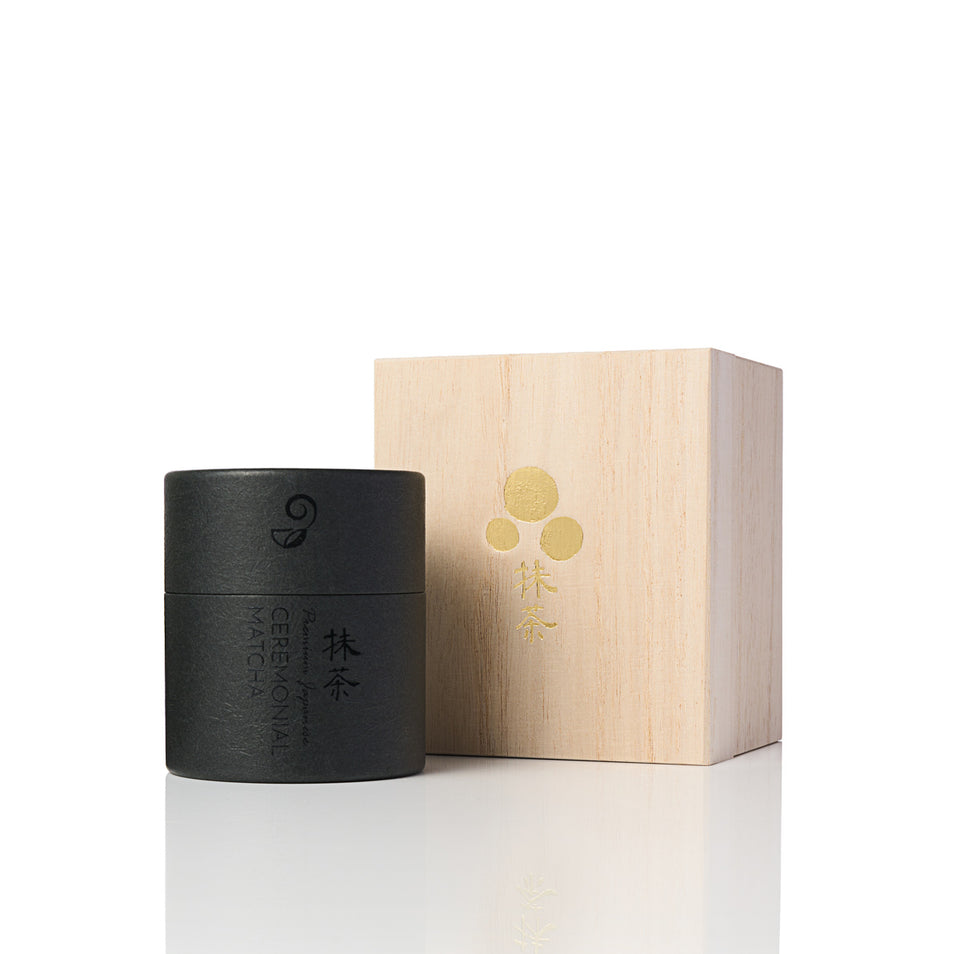
Ceremonial Grade - the highest quality and the most expensive one used.
Premium Grade -the medium quality used and the reasonable one.
Culinary/ Cooking Grade - cheapest of all and appropriate for cooking tenacities.
Each grade of matcha has its own purpose and distinct flavor profile. The ceremonial grade is delicate, smooth, and naturally sweet, traditionally whisked with water during Japanese tea ceremonies. Premium grade matcha offers a balanced flavor that works beautifully for daily sipping or in lattes, providing quality without the high ceremonial price. Meanwhile, culinary grade is bolder and slightly bitter, making it ideal for baking, smoothies, and desserts where its flavor can stand out among other ingredients. Understanding these grades helps ensure you select the right matcha for your needs—whether you seek an authentic tea experience or a vibrant culinary boost.
Why Matcha?
To wake up in the morning and feel fresh is the most soothing feeling in the world. Matcha provides the same contented feeling in the blooming sunshine as a cup of tea in the morning. Thus, coffee may leave us tired meanwhile whereas matcha retains us moving and doesn’t let us stop in the midway. It also postures a multiplicity of health welfares.
Unlike coffee, which gives a quick jolt of energy followed by a crash, matcha delivers a calm, steady alertness that lasts for hours. This is because it contains L-theanine, an amino acid that promotes relaxation without drowsiness, perfectly balancing the natural caffeine content. The result is a gentle energy boost that enhances focus, mental clarity, and mood — making it a favorite drink among students, professionals, and fitness enthusiasts. Whether you’re seeking a morning ritual or a mid-day refreshment, matcha offers a natural way to stay energized, calm, and centered throughout your day.
How to make Matcha Tea?
There’s no misgiving that matcha will leave you feeling awesome, so now the question arises how you do make it? It is really very easy to make matcha tea and it only involves 3 steps. But before we get to the tea, it requires some special ingredients to be added and some special tools to make it even more frothy and yummy.
The beauty of matcha lies in its simplicity and ritual. Whether you’re using traditional Japanese tools or modern kitchen alternatives, the process itself can be a calming, mindful experience. Preparing matcha isn’t just about brewing a drink — it’s about creating a moment of focus and balance. Each whisk, pour, and swirl contributes to the tea’s rich texture and smooth finish. From the vibrant green hue to the soft foam on top, every step allows you to connect with centuries of tea tradition while crafting a modern, health-boosting beverage right in your own kitchen.
Tools for making Matcha tea
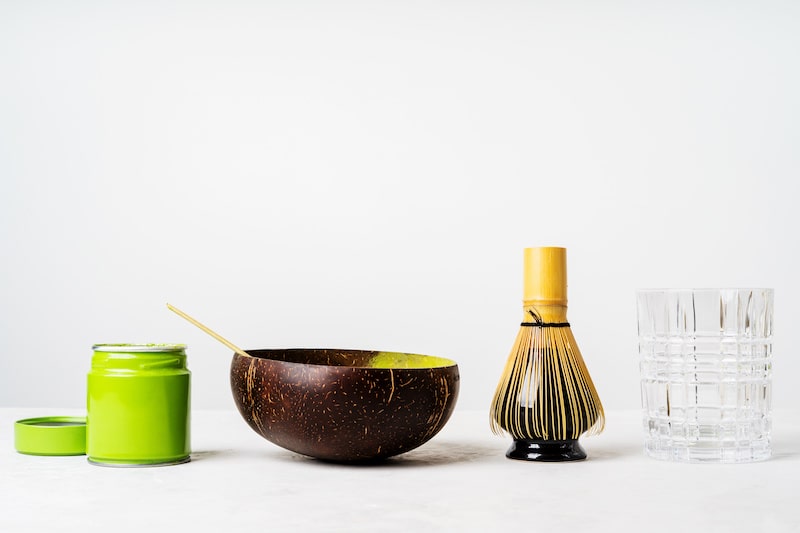
There exist some traditional ceremonial tools for making matcha which are as follows:
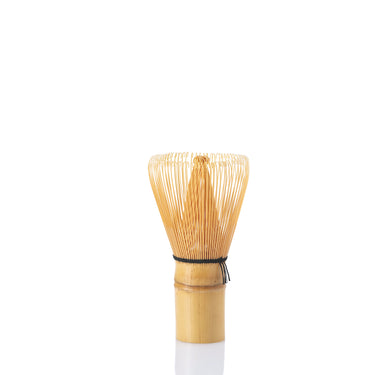
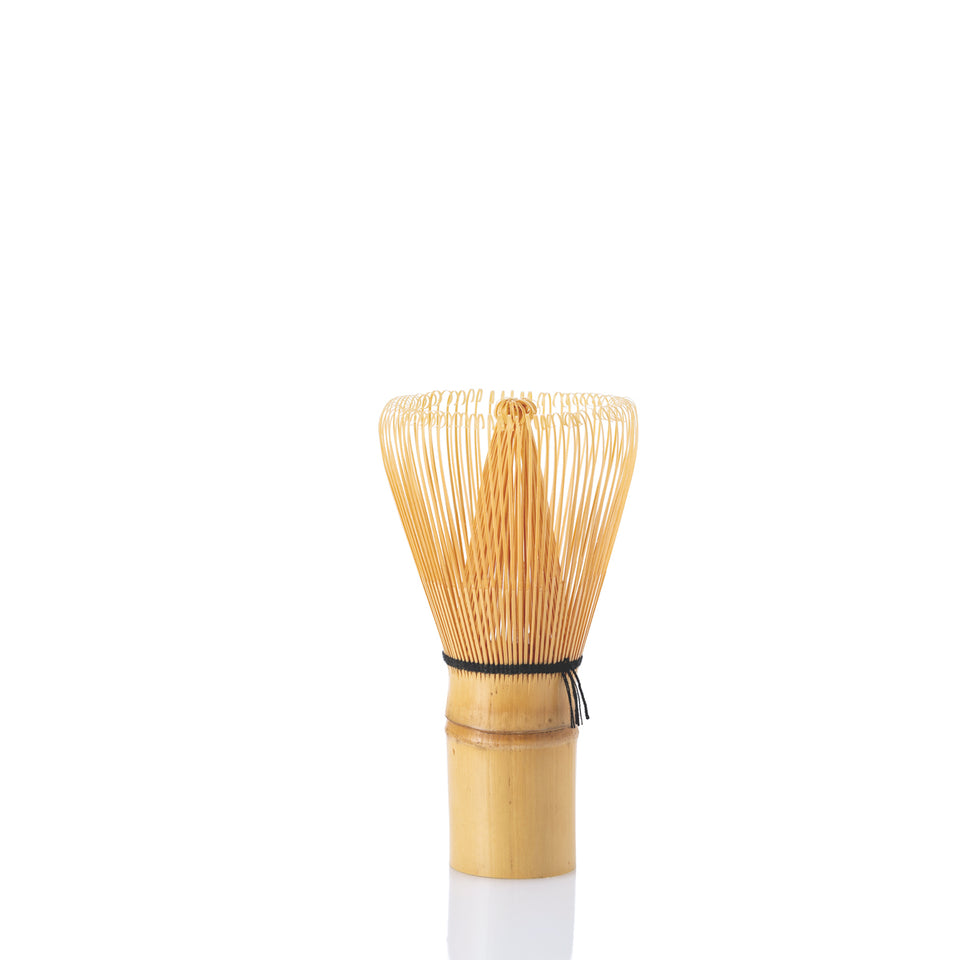
- Bamboo whisk (chasen) -- a wooden hand-split tool is used to produce perfect frothing.
- Ceramic Bowl (Chawan) – A deep cup is used to keep the tea hot.
- Teapot (Kyusu) – Made up of cast iron and it is used to keep the purity of the brew.
- Sifter (Furui) – Made up of mesh metal and is basically used to make a smoother and frothier bowl of tea.
- Bamboo Spoon (Chashaku) – a wooden spoon is used for stirring.
- Tea Container (Netsume) – A small, lidded jar is designed so that it can hold matcha powder.
- Thermometer – For determining the right temperature i.e. not more than 180°F (82°C).
Modern Hacks to make Matcha Tea
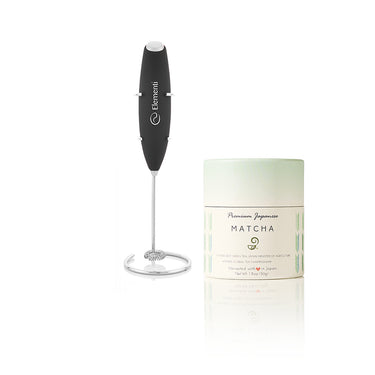
- Handheld Whisk or Milk Frother – The quickest way of getting smooth and blended matcha.
- Latte Mug – Due to its tall sides and walls, it gives extra space for spinning, whisking, and stirring matcha.
- Electronic Teapot -- A modern tool for making different types of teas, including matcha and it also controls temperature and make our task even easier.

Ingredients:
Here are the ingredients used to make matcha tea.
- 1½ tbsp. (2 grams) matcha powder
- 1 tbsp. (15 milliliters) hot water
- 1 cup or 240 milliliters of milk (Cow, coconut, almond etc.)
- 1 tbsp. agave
- 1 tbsp. maple syrup
- 1 tbsp. honey
- 1 tbsp. sugar (optional)
How to make Matcha tea at home:
To make a perfect cup of tea for a refreshing healthy morning and a stimulating day, the easiest steps written below must be followed;
Step 1 :
Take a ceramic bowl, and a place a small sifter i.e a strainer over the bowl. Now measure the matcha powder and mildly knock the side of the strainer to jiggle the matcha powder into the cup. All the clusters and clumps will be removed and a smoother drink can be attained.
Step 2 :
Water taken should be almost 165 to 180°F. It should not be boiling. Use a bamboo whisk for acquiring traditional tea. Vigorously stir the tea using crisscross motions to produce a frothy beverage. You can also use a regular mini whisk if a bamboo whisk is not easily available. Until the whole powder is dissolved, one should not stop whisking.
Step 3:
The same step can be repeated for using milk instead of water and the modern tools can also be used for making a perfect cup of tea.
Step 4 :
Pour the hot milk or water into the latte or tea container. Place a large bamboo spoon just inside the frothing cup to grasp back the fluff. You can pour the milk as much as you’d like to pour, not all the milk is necessarily used.
Step 5:
Now scoop the froth and fluff on the topmost of the cup, by using a bamboo spoon gradually. You can place the scooped foam on the latte. Spread the equally through the top of the latte.
Step 6:
Now add agave, honey, maple syrup and sugar if needed and shake it again.
Step 7:
Now to get a refreshing and yummy look garnish you cup to enjoy the taste. Sprinkle the matcha on the top of the froth and drink instantly to avoid its settlement at the bottom of the latte.

Health and Matcha:
- High In antioxidants which can help to soothe injurious free radicals that are amalgams that can harm cells and be a reason of enduring disease.
- Boost and pep talk our brain’s function
- Helps in the prevention of Cancer.
- By investigation it is found that matcha may help to protect the health of our livers.
- It can also be used as a weight loss supplement more than green tea.
- Matcha tea may also help to protect our bodies against heart diseases.
- The high chlorophyll content in matcha naturally cleanses the body by removing heavy metals and toxins.
- L-theanine promotes relaxation and mental clarity without drowsiness, balancing the effects of caffeine.
- May help lower blood sugar and improve insulin sensitivity, reducing the risk of diabetes.
- Provides a steady, sustained energy boost for up to six hours without the crash often caused by coffee.
- The antioxidants and vitamins in matcha help strengthen your body’s natural defenses.
- Regular consumption or topical use can help fight acne, reduce inflammation, and give the skin a natural glow.
- The calming properties of L-theanine help soothe the mind and lower stress hormones.
- Drinking matcha can improve gut health by supporting beneficial bacteria and aiding nutrient absorption.
- Studies show matcha can increase exercise performance by improving stamina and reducing fatigue.
- The antioxidants in matcha fight oxidative stress, helping to slow the signs of aging like wrinkles and dull skin.
- Regular consumption may protect against neurodegenerative diseases such as Alzheimer’s and Parkinson’s.
- Matcha can help regulate cortisol levels, reducing hormonal imbalances caused by stress.
- Stimulates thermogenesis and supports liver detox enzymes for overall metabolic health.
- The catechins in matcha possess antibacterial properties that can help prevent plaque buildup and tooth decay.
Conclusion
Matcha is more than just a vibrant green drink — it’s a centuries-old tradition that continues to inspire modern healthy living. From its calming preparation to its impressive range of health benefits, every cup of matcha offers both nourishment and tranquility. Whether you enjoy it as a morning ritual, a soothing afternoon pick-me-up, or an energizing latte, matcha fits effortlessly into any lifestyle. Its antioxidants, vitamins, and unique combination of caffeine and L-theanine make it one of the most wholesome beverages you can add to your daily routine. So, take a moment, whisk up a bowl of matcha, and sip your way to balance, focus, and lasting well-being — one mindful cup at a time.
FAQs about Making Matcha at Home
Can I make matcha at home without a bamboo whisk?
Why is my matcha lumpy or clumpy no matter what I do?
How much matcha powder should I use per cup?
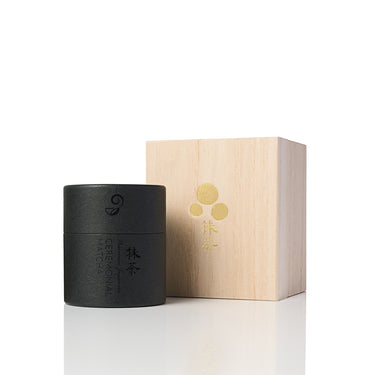 Matcha - Japanese Limited Reserve Ceremonial Green Tea - (Global Tea Champion 2018, 2025)
From $250.00 USD
USD
/
Matcha - Japanese Limited Reserve Ceremonial Green Tea - (Global Tea Champion 2018, 2025)
From $250.00 USD
USD
/
What's the actual difference between traditional matcha and a matcha latte?
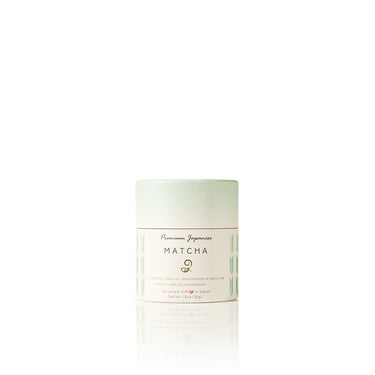 Matcha - Japanese Limited Reserve Ceremonial Green Tea - (Global Tea Champion 2018, 2025)
From $250.00 USD
USD
/
Matcha - Japanese Limited Reserve Ceremonial Green Tea - (Global Tea Champion 2018, 2025)
From $250.00 USD
USD
/
Buy Matcha Online



Get Free Bonus Books

Sign up for free to the Green Tea Club to get advice and exclusive articles about how to choose Japanese Tea, and tips, tricks, and recipes for enjoying Japanese tea.
About the author

Kei Nishida
Author, CEO Dream of Japan
Certification: PMP, BS in Computer Science
Education: Western Washington University