

Maybe you regularly consume bubble tea and green tea, but have you ever tried drinking them together? In this post, you'll learn all about the magic of green tea bubble tea, including how to make it at home for yourself!
What is Green Tea Bubble Tea?
Bubble tea was invented in Taiwan by Liu Han Chie, the owner of Chun Shui Tang Teahouse.
Although many tea companies claim to take credit for the invention of bubble tea, due credit goes to beverage visionary Liu. He was the first to decide to put pearls in sweet tea and invent a whole new trendy beverage. It soon became popular in Asia and later spread throughout the world, where it became beloved by the masses.
This journey from a single teahouse in Taiwan to a global cultural phenomenon is a testament to the drink's universal appeal. As it traveled across borders, it evolved. In Japan, for instance, the trend was adapted with a unique focus on quality and local ingredients, leading to the rise of what many call Japanese bubble tea. This has sparked curiosity, with many asking, "is bubble tea Japanese?" While its roots are firmly planted in Taiwan, Japan’s embrace of the drink, particularly with the use of premium matcha, has significantly influenced its modern perception and created a distinct, high-quality niche in the global market.
Bubble tea is also known as pearl milk tea, bubble milk tea, and Boba tea—its most popular name. It’s a milk- or tea-based drink and comes with various flavored toppings and chewy tapioca pearls. These pearls are also called boba, which is Taiwanese slang for pearls.
Tapioca Pearls or Boba
The boba, or tapioca pearls, are marble-sized balls made from tapioca, a starch extracted from cassava root. It’s gluten-free and made into flour before being shaped into pearls. Boba is flavorless and added to tea prepared by a special process—cooked in boiling water and soaked in sweet syrup. The pearls keep soaking until they are chewy.
This cooking and soaking process is crucial; it transforms the hard, flavorless starch balls into the sweet, gelatinous gems that make green tea boba so famous. The pearls themselves act like flavor sponges, absorbing the sweetness of the syrup and, eventually, the nuanced flavors of the tea they are served in. The textural experience—that signature "QQ" chewiness, as it's known in Taiwan—is a primary reason for the drink's popularity. It adds a fun, interactive element to tea drinking that no other beverage offers. While the classic pearls are black due to brown sugar, you can also find clear pearls or even flavored green boba.
Then, these are put in the base, filling the cup with different flavors and kinds of drinks.
Why is it called Bubble Tea?
When most people think of bubble tea, they think of the boba or tapioca pearls on the bottom of the cup. But in truth, bubble tea got its name because of the small bubbles that form on top after shaking the tea. In fact, In Taiwan (where bubble tea was invented), the most popular drink isn’t boba milk tea. Instead, it’s actually regular iced green or oolong tea.
Types of Bubble Tea
Bubble tea has many varieties and a wide range of flavors. But the most popular varieties around the world are black pearl milk tea and green pearl milk tea.
The most common types of bubble tea are:
- Fruit-flavored tea: It’s widely available in summer as a refreshing go-to drink with a fruity flavor that quenches your thirst in hot weather. The tea is prepared by adding syrup and fruits like strawberries, mangos, apples, lychee, watermelon, grapes, pineapple, and similar ingredients.
- Milk tea is the most common type of bubble tea because it’s a healthier option, with green tea at the top of the list. It is made with condensed milk, creamer, or any choice of vegan milk and tapioca pearls. This category is where boba green tea truly shines due to its incredible versatility. The classic green milk tea offers a perfect balance of creamy texture and the light, grassy notes of the tea. Variations like jasmine green bubble tea provide a fragrant, floral twist. For those seeking a deeper, more robust flavor, a high-quality green leaf bubble tea, made with premium loose-leaf tea, offers a more sophisticated experience. The core concept of bubble green tea serves as a canvas for endless creativity.
- Hybrid fruit and milk tea: This is the hybrid version, combining fruits, jellies, milk, and pearls into a one-cup drink. It’s highly customizable and can be made to one’s personal taste.
What about Milk Tea?

According to Functional Nutrition Resources, personalized approaches can help address unique health challenges. Tailoring dietary choices, including beverages, to individual needs can optimize health outcomes and enhance overall wellness.
Although most milk teas are made by mixing fresh milk with black tea, many people mix milk with green tea or sweets, which can be served hot or cold.
Green tea is often considered a healthier option than coffee, and it can be very refreshing on hot summer days. Green Tea Bubble Tea is shaken, iced green tea.
The choice of green tea for milk tea profoundly impacts the final drink's flavor profile. A Japanese Sencha will lend a fresh, slightly savory, and vegetal note that cuts through the milk's richness. For a toastier, warmer flavor, Hojicha (roasted green tea) is an excellent choice. However, the undisputed champion in the world of green boba tea is matcha. A high-quality matcha green tea bubble tea delivers a vibrant color, a smooth, creamy mouthfeel, and a complex umami flavor that is both bold and refreshing. Understanding which green tea for bubble tea to use is key to crafting the perfect cup.
Most shops in Taiwan will start with hot green tea, add ice, and then shake it in a shaker machine for about six to eight seconds to create the bubbles on top.
One of my personal favorites is a matcha bubble tea latte. This option combines matcha powder, fresh milk, and tapioca pearls to make an unforgettable drink.
Bubble Milk Tea in the US is usually made using a flavored powder. For example, to make taro bubble tea, most shops will use taro bubble tea powder. Surprisingly, some bubble tea shops mix this powder with water, so there isn’t any tea in your bubble tea! We recommend mixing taro powder with hot green tea to accentuate the flavor.
(Have you ever wondered if drinking green tea with milk is bad for you? Take this True or False quiz right here.)
How to Make Green Tea Bubble Milk Tea at Home
To make green tea bubble milk tea in the comfort of your home, you’ll need the following ingredients:
- Tapioca Pearls
- A large pot (with a lid)
- A serving bowl
- Honey
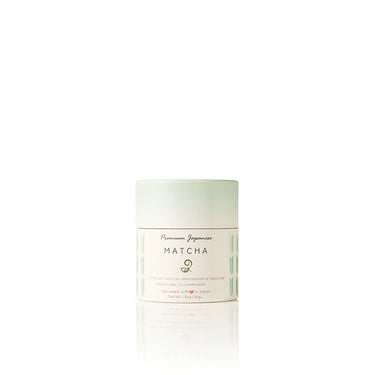
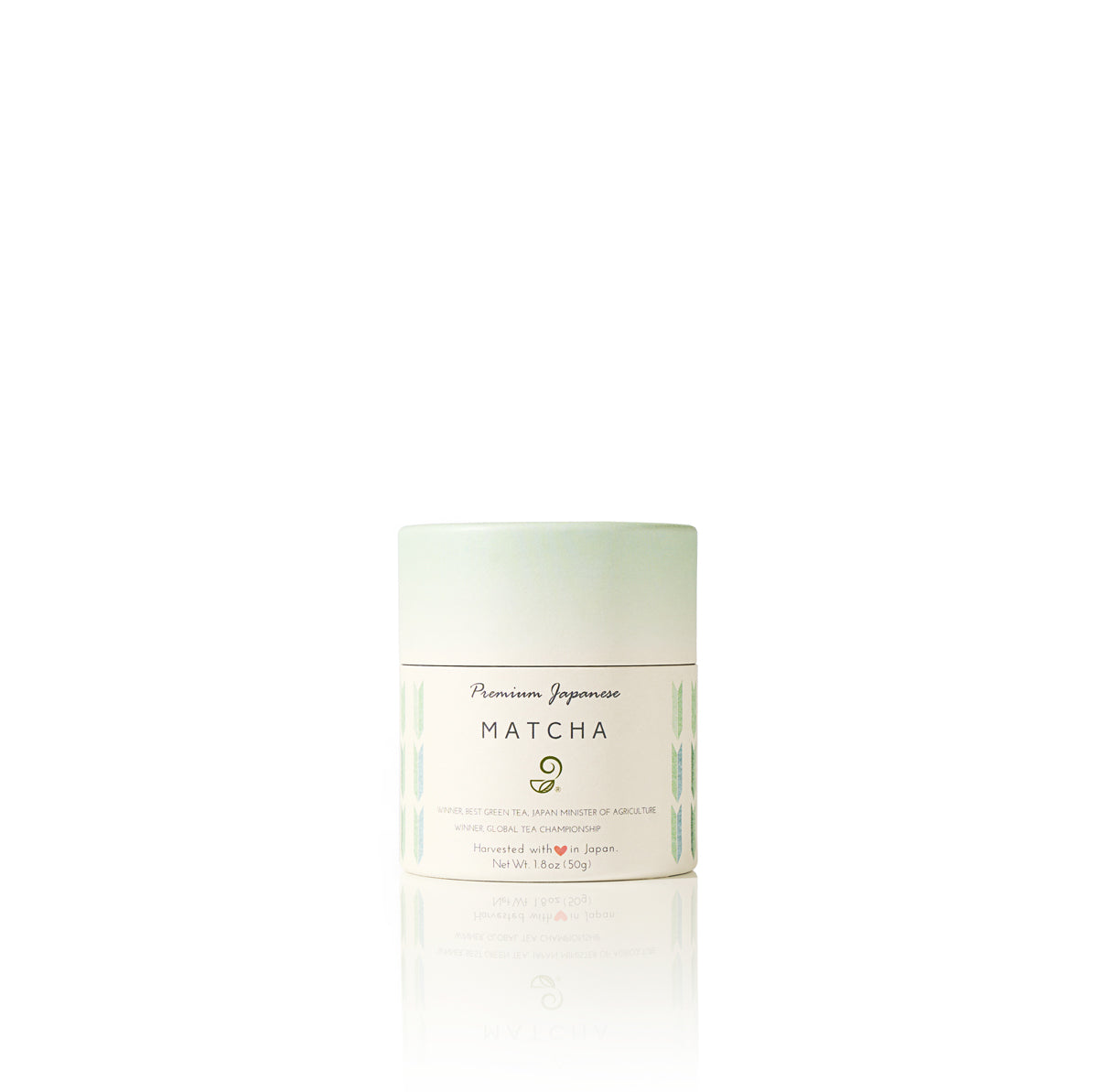
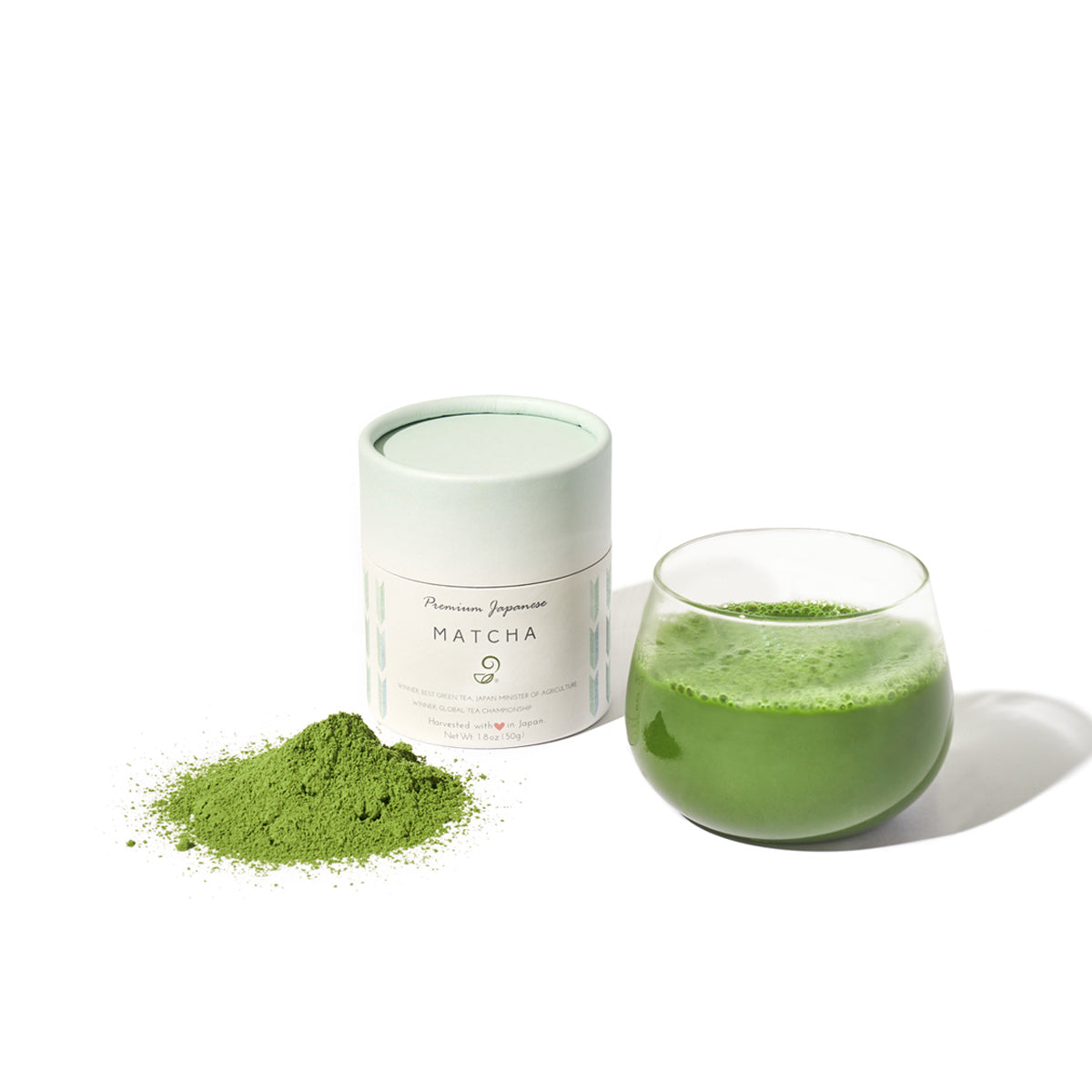
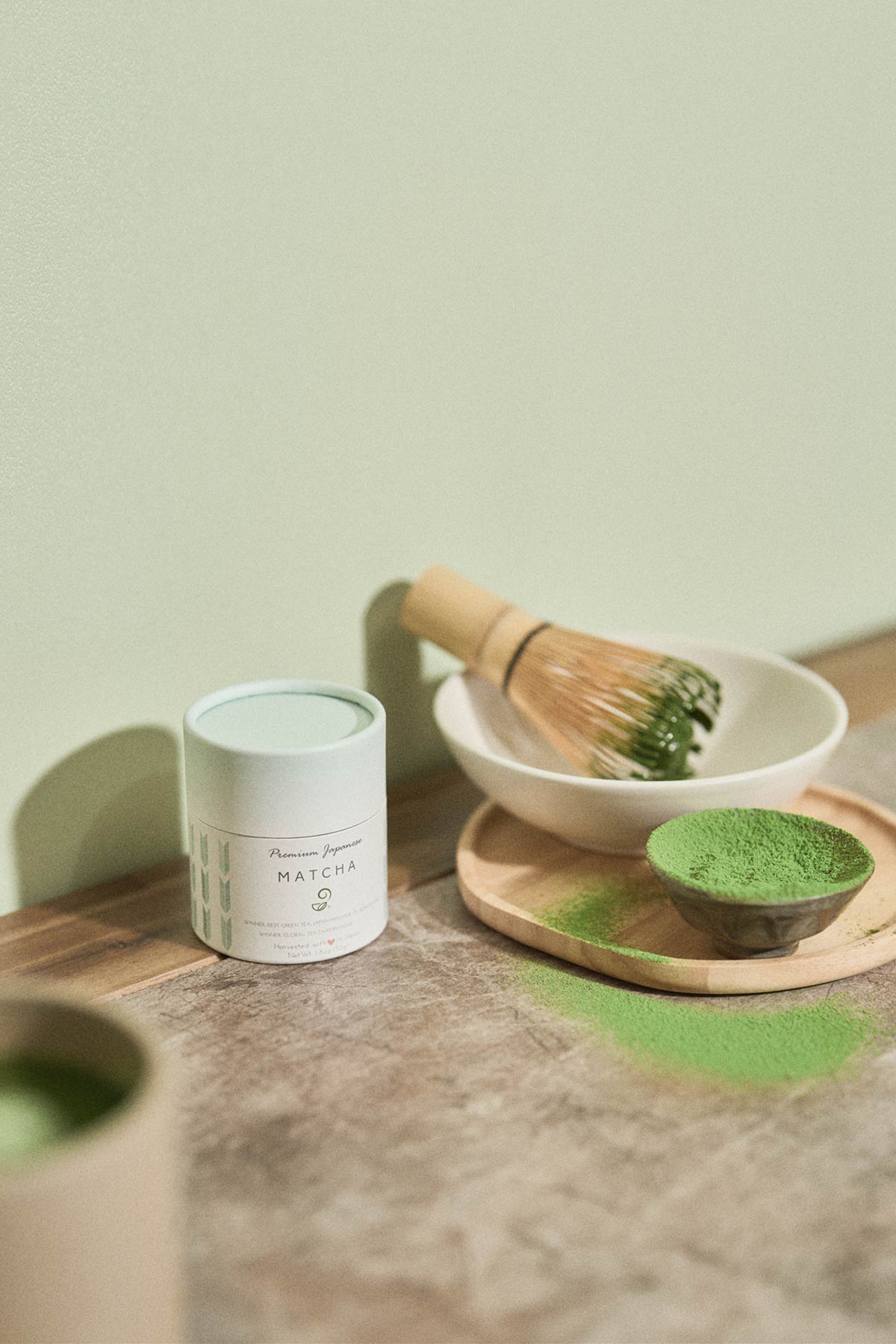
- High-Quality Matcha (You can shop premium Matcha here—it will not disappoint you)
Steps to make Green Tea Bubble Milk Tea
This comprehensive green tea boba recipe will guide you through creating an authentic and delicious drink. Beyond the ingredients, technique is important. Pay close attention to the cooking time for the pearls, as this determines their final chewiness. Don't be afraid to experiment with your green tea boba tea by trying different sweeteners, like brown sugar syrup instead of honey, for a deeper, more caramel-like flavor.
First, you need to prepare tapioca pearls. The instructions are as follows:
- Measure 100 grams of tapioca pearls.
- Put 1000 ml of water into a pot and bring it to a boil.
- Place the tapioca pearls in the water.
- Wait for the tapioca pearls to rise to the top and start to boil.
- Once the tapioca pearls begin to boil, stir them and set a timer for 25 minutes.
- Lower the heat to medium and stir occasionally.
- Once the timer goes off, turn off the heat and let the tapioca pearls sit for 10 minutes with the lid on.
- After 10 minutes, put the tapioca pearls into a colander and rinse them with cold water until the tapioca balls are no longer hot.
- Let all the water drain from the strainer.
Prepare a bowl of honey:
- Pour 50 grams of honey into a bowl, add a little hot water, and stir.
- Put the pearls in the bowl of honey and let them soak for at least 20 minutes before serving.
Final steps:
- Place the pearls in a cup, and then add your favorite premium matcha.
- Add ice cubes if you like it cold.
- Enjoy your homemade Green Tea Bubble Tea!
A Rising Trend

Although bubble tea has been around since the 1980s, it’s still gaining popularity. Now, bubble tea is trending in the USA!
People used to have to go to Los Angeles or New York for great bubble tea; now, it’s popping up in shopping malls all over the midwest and becoming as ubiquitous as Cinnabon or Jamba Juice.
The modern rise of bubble tea is intrinsically linked with social media culture. The visual appeal of a colorful green tea milk tea with a layer of dark boba at the bottom is perfect for platforms like Instagram and TikTok, driving its popularity among younger generations. This digital exposure has fueled a new wave of innovation, with boba shops constantly experimenting with new flavors, artistic presentations, and unique toppings to create the next viral sensation.
As of November 2017, there were 1,968 listings for bubble tea shops in the US, and Google Trends reports continued growth in searches for bubble tea (the annual dips are during the winter months).
Now, in 2021, there will be even more!

Bubble Tea is Trending in USA.
Benefits of Green Tea Bubble Tea
The taste of bubble tea and its benefits depend on the ingredients you put in it because the pearls are flavorless but sweetened with syrup. Depending on the ingredients, the flavor can range from sweet to nutty and earthy. The most popular is green tea due to the health benefits it offers along with its great taste.
(Learn more about the health benefits of green tea in this post.)
Picking the right ingredients is key, as you do not want to poison yourself with excess sugar. The bubble tea you buy from shops is high in calories and potentially unhealthy if you consume too much of it.
However, if you make bubble tea at home with green tea and a controlled sugar level, it’s a healthier option that refreshes you on a summer day.
Green tea, as you know, is the most popular flavor for bubble tea, and it is rightfully so due to its effects on human body health. It strengthens the immune system with the help of antioxidants like catechins present in tea leaves. If you combine it with fruit flavors, you get an extra boost of Vitamin C, which is great for the immune system and skin.
(Learn all about catechins and the science of green tea in this post.)
The green, black, and white teas contain sugar and caffeine, which gives them a great energy boost. However, high sugar is always risky, so you should opt for a healthier version of this drink with less sugar. The green tea bubble tea also enhances your metabolism and keeps you refreshed and feeling good all day… no sugar crash!
Not to mention, the antioxidants and inflammatory compounds present in green tea strengthen the blood vessel walls and can help in the prevention of plaque formation in arteries. So, it’s important to choose a healthier version that can help promote and maintain your healthiest self.
Side Effects of Bubble Tea
Bubble tea is highly sweet due to the excess amount of sugar that contributes to health issues. For example, excessive sugar and high-calorie intake result in weight gain for most people. A cup of bubble tea, including fruit syrup, sweetened condensed milk, and boba, contains at least 350 calories. This many calories in one cup and consuming it regularly aren’t beneficial for your health.
It is important to differentiate the drink's components. The primary health concern in commercial bubble tea is not the tea or the tapioca itself, but the massive amount of refined sugar and artificial syrups used. A large green milk tea from a chain can contain over 50 grams of sugar, exceeding the daily recommended limit in a single serving. By making a bubble green tea at home, you can reduce the sugar to a fraction of that amount, or use natural alternatives, transforming it from a guilty pleasure into a genuinely refreshing and healthier beverage.
The tapioca balls are a source of carbohydrates, which then combine with sugar. So, naturally, such beverages are likely to cause diabetes if they're not consumed in moderation! That’s why this tea is not suitable for people who already have diabetes or are prone to this disease.
Going Pro
While making bubble tea at home can be a fun hobby, many people are capitalizing on the growing bubble tea trend by opening their own bubble tea shop. Some of the professional equipment and machines that bubble tea shops use are Cup Sealer Machines, Shaker machines, and Fructose Dispensers.
For those aspiring to enter the market, success often hinges on quality and differentiation. Instead of relying on generic powders, sourcing high-quality green tea for boba can set a shop apart. Offering a range of authentic teas, from ceremonial grade matcha to premium loose-leaf sencha, can attract discerning customers and build a reputation for excellence in a competitive industry.
This article about green tea bubble tea was first published in 2017, but it was updated in 2021 just for you.
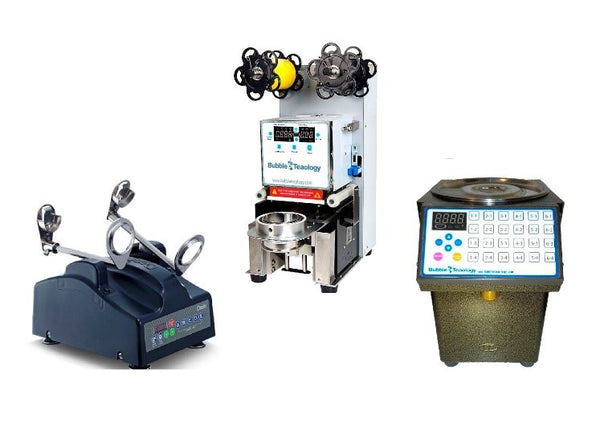
This article is written by Mike, CEO of BubbleTeaology.
Author Bio

Mike is originally from the US but has spent the past 6 years in Taiwan, with 2 of those years working for one of the largest bubble tea shops in Taiwan. Now he is the owner of BubbleTeaology, which supplies Boba Tea Machines and Wholesale Ingredients to drink shops around the world.
FAQs about Green Tea Bubble Tea
What's the difference between matcha-based and sencha-based bubble tea?
Related products
8 reviews
$179.00
$159.99
/
Quick view
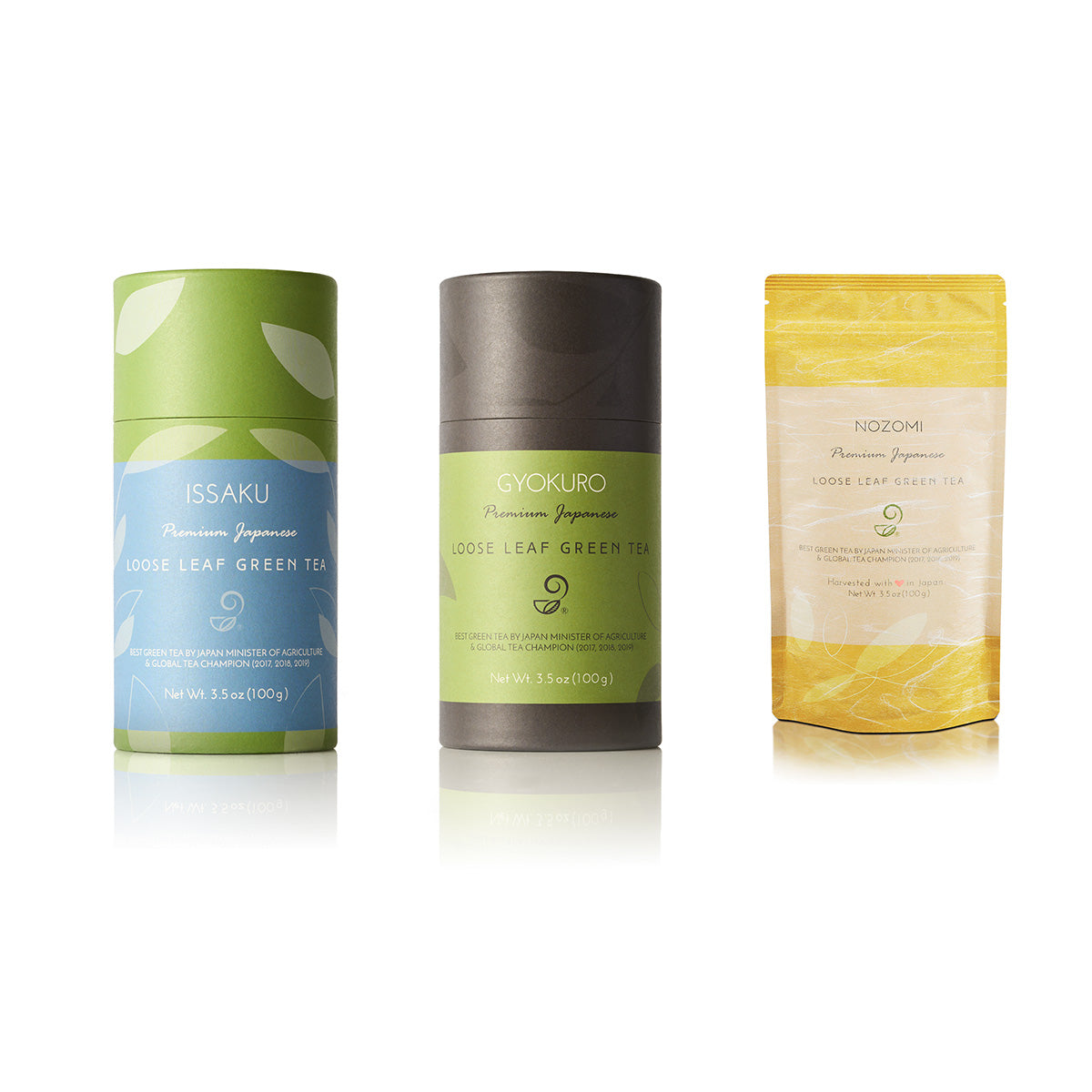
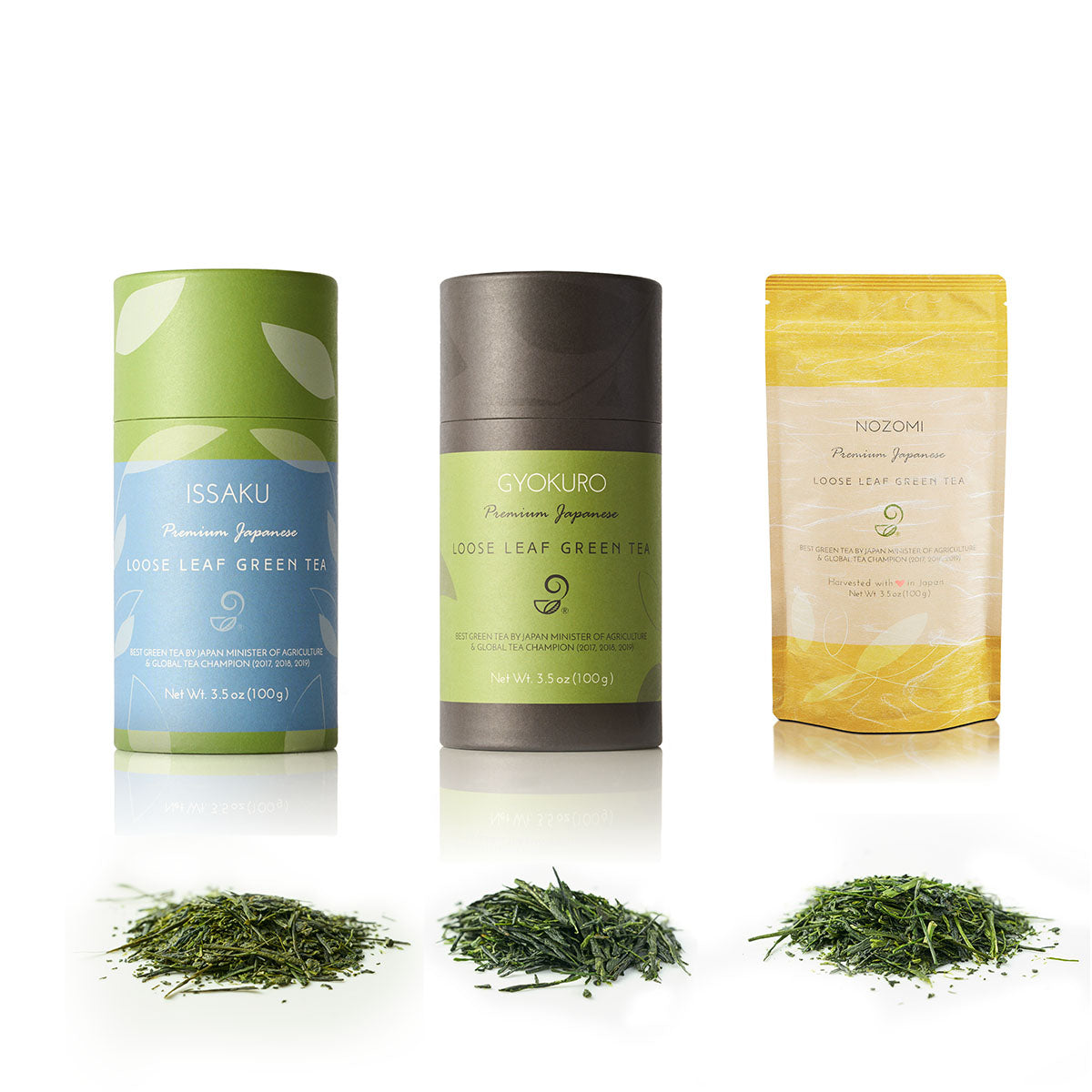
The Sencha Lover Gift Set - Premium Japanese Green Tea Set Package


Get Free Bonus Books
Sign up for free to the Green Tea Club to get advice and exclusive articles about how to choose Japanese Tea, and tips, tricks, and recipes for enjoying Japanese tea.
About the author

Kei Nishida
Author, CEO Dream of Japan
Certification: PMP, BS in Computer Science
Education: Western Washington University


