Skip to content

How to Make Matcha Latte with Marshmallows?

Matcha is no doubt one of the best beverages available today! It is tasty, sweet, and comforting. And you can enjoy it on a cold winter evening when you feel warm and cozy.

In 2017, the sparkling, dense, light-colored green hue became a massive sensation on all social media networks. It became so popular that the global matcha market alone in that year was worth $2.5 billion, and it is estimated to reach $4 billion by 2024. That is outstanding!

After conquering the web, matcha entered the local tea shops and secured a place among the infusions enjoyed by most people. It also became a versatile ingredient for kitchen bloggers and has since become the favorite beverage drink for most people.

What Is Matcha Latte? 

Matcha is derived from the plant Camellia sinensis (the same plant Japanese green tea comes from), which comes in powder form. Matcha latte, on the other hand, consists of matcha powder, milk, and water.

If the matcha powder is unsweetened, the beverage is usually sweetened with syrup or honey. The type of milk used varies according to your preference, as does the amount of milk used.

How To Make Matcha Latte With Marshmallows 

Before we show you how to make matcha latte with marshmallows, let's go through practical ways to make matcha latte with marshmallows. That way, you can know how to prepare your delicious matcha latte with marshmallows adequately.

Basic Formula For Preparing Matcha Lattes 

As said earlier, all matcha lattes are composed of matcha, milk, and usually your preferred sweetener. But after numerous preparations, we found that the best formula, to begin with, is:

Keep in mind that this is a basic formula you should use as a beginner. You can tweak the amounts and types of milk, sweetener, and matha after numerous preparations to create a matcha drink you can enjoy.

The Right Way To Mix The Matcha And The Water 

Most people overlook this crucial step when making numerous matcha latte with marshmallow recipes. The best and preferable way is to create a thick matcha shot. You can do this by mixing the matcha and water in the cup you will use for the latte. Another way is to mix them individually and add them later.

If you want to form a layered impression in your matcha latte, add your preferred sweetener to the bottom layer (most often, it is the milk layer). The milk will become heavier due to the sweetener and maintain its separation from the matcha layer when you pour it in.

What you need to focus on is breaking up the matcha clumps. Most people advise that you sift the matcha first. That can work, but you can also use a different bamboo whisk for whipping the matcha. If you do not have a bamboo whisk, you can use a battery-operated milk frother to beat the match and water to get an even mixture.

It is advisable to use a bamboo whisk with a more extended handle if you want to make the matcha latte in a taller glass.

You Can Use Any Milk, But Milk Like Oats And Rice Milk Are Naturally Sweet. Reduce The Amount Of Sweetener To Your Preference. 

There are numerous types of milk, ranging from regular cow's milk, almond milk, and oat milk to soy, rice, and coconut milk. 

You can use any of them, but keep in mind that some of them, such as oat milk and rice milk, are naturally sweet. If the milk already contains natural sugars or has been sweetened, decrease the amount of sweetener. 

Honey And Maple Syrup Are The Most Popular Sweetener Used. But You Can Use Powdered Brown Sugar, Stevia, Or Moonfruit. 

Many people tend to use honey and maple syrup, which add mouth-watering flavors to the matcha latte. We also recommend simple syrup or powdered brown sugar, which comes from the same sugar.

The simple syrup has delicate caramel notes and does not have the artificial sweet taste that is sometimes available in sugar replacements. Below are some sweeteners you can use and some things you need to keep in mind:

  • You can also opt for monk fruit and stevia. However, some brands come with an aftertaste that makes the matcha latte taste a little bit off.
  • If an alt-milk has natural or added sugars, you can normalize the matcha latte with normal sweetener levels. If the sweetness is too much, you can decrease the amount of the added sweetener.

Can you prepare a matcha latte with marshmallow without a sweetener? Yes. When you steam the milk, it gently sweeteners the matcha. So you need less or no sweetener at all.

Matcha Latte with Marshmallows

How To Effectively Prepare Matcha Latte With Marshmallow 

Ingredients 

  • ½ cups of confectioner’s sugar
  • ½ cups of corn starch
  • 1 tablespoon of butter
  • 6 bags of Japanese matcha green tea
  • 2 ½ packets of unflavored gelatin
  • Pinch of salt
  • ⅛ tablespoons of cream of tartar
  • 3 tablespoons of matcha powder
  • 2 cups of sugar
  • 3 large egg whites

Directions 

  1. Sift the confectioner’s sugar and cornstarch into a bowl. Lightly butter the sides and bottom of a baking pan (preferably a 10.5 x 10.5-inch baking pan). Sift the starch or sugar powder to cover all sides. Save the remaining starch or sugar mixture for later use.
  2. In brewing the tea, pour 1 cup of boiling water over 6 bags of Japanese matcha green tea and steep for two minutes. Pour 12 of the matcha teas into a standing mixer bowl. Sprinkle the gelatin powder and allow it to stand.
  3. Pour the leftover ½ cups of matcha tea into a small saucepan with sugar. Use medium to high heat to heat the sugar and stir it until it dissolves completely. Allow the syrup to heat undisturbed until it reaches a boiling point of 240 degrees. That is about five to six minutes.
  4. Pour the hot syrup into the standing mixer bowl. Begin whisking, but start with low and gradually increase to high. Do this until the mixture triples in volume and thick, shiny peaks are formed. That should take about 10 minutes.
  5. With a pinch of salt, beat the egg whites in a mixing bowl while the syrup is beating. When you see the egg whites foaming, add the cream of tartar. Continue beating the egg whites until they develop shiny, stiff peaks. That should take about three minutes.
  6. Stop the mixer and turn the whisk to the attached paddle. Scrape off the thick gelatin mixture and add the egg whites, slowly combining. Increase the speed to medium-low and continue to mix until it fully combines. Do not forget to scrape the sides from time to time.
  7. Pour the mixture into the pan after blending. Smooth out the mixture with a spatula and sift starch or sugar powder throughout the whole surface. Let it set throughout the night.
  8. Run a spatula around the pan edges and take the marshmallow onto a different surface sprinkled with sugar-starch powder. Cut the marshmallows into squares using the knife. Add the matcha powder to the leftover starch or sugar mixture. Lightly brush the marshmallows and ensure that they coat the cut sides.

Conclusion: Matcha Latte With Marshmallows Is Healthy. But You Need To Pay Attention To The Sweeteners You Use 

Matcha latte has numerous health benefits, but you have to be conscious of the sweeteners and type of milk you use. Certain sweeteners and types of milk have high fats or calories. That can make your matcha latte with marshmallow more of an indulgence than a healthy alternative to your regular coffee-based beverages.

We recommend that you use higher-quality matcha that is less bitter. A drink with a cup of milk and more than two tablespoons of sugar can add to your recommended daily intake.

FAQs about Matcha Latte with Marshmallows

Do marshmallows actually taste good in a matcha latte?

Surprisingly, yes — and they're more than a garnish. Marshmallows do two things in a matcha latte. First, they melt slowly into the hot milk, releasing sweetness gradually instead of all at once like sugar or honey. The drink keeps tasting balanced from the first sip to the last, which sugar-sweetened lattes don't quite manage. Second, they add a soft texture on top — the marshmallow caps the foam, so the first sip is a little fluffy.

The flavor pairs better than you'd expect. Matcha's vegetal note and marshmallow's vanilla-creamy sweetness end up doing the same thing milk and honey do, but cozier. It's a winter drink more than a summer one — feels like a green tea hot cocoa. If you've ever liked a Starbucks white chocolate matcha, the marshmallow version is a less-sweet, more interesting cousin.

How many marshmallows should I use, and big or mini?

Mini marshmallows work best — usually 8 to 10 per 12-ounce mug. Big marshmallows look impressive but melt unevenly, so you end up with a sweet pool at the top and an under-sweet bottom. Minis distribute the sweetness more evenly as they melt and float up nicely. Plus visually they're more fun.

If you're going dairy-free or using sweetened oat milk, drop to 5 or 6 minis since the milk is already sweet. Adjust from there based on how sweet you like your hot drinks. Some people add a few extra and let half melt in fully while the rest float — best of both textures.

What kind of matcha should I use for a matcha latte with marshmallows?
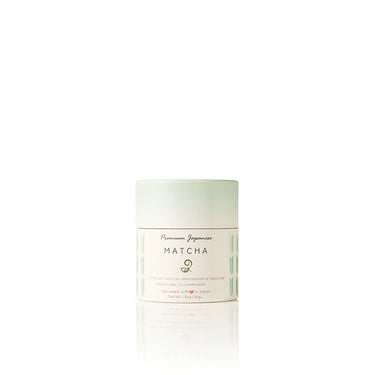
Culinary grade is the right pick for any sweetened/flavored matcha drink — including this one. Our Premium Culinary Matcha has bolder, more pronounced flavor, which holds up against milk + sweetener (and marshmallow sugar). Ceremonial-grade matcha is gentler and more delicate, which is exactly the wrong move when there's marshmallow involved — the marshmallow sweetness will dominate and you'll waste the ceremonial nuance.

Save the Limited Reserve Premium Matcha for usucha (薄茶) or koicha (濃茶) — straight matcha with hot water, where you actually taste the cultivar's character. For the marshmallow latte, culinary grade is both better-tasting in this context and more economical.

Quality still matters even at culinary grade though. Look for vivid green color and a fresh grassy aroma. Faded supermarket matcha will taste astringent under marshmallow sweetness instead of complementing it.

Will the marshmallows make my matcha latte too sweet?

Yes if you also add other sweetener; no if marshmallows are your only sweetener. The biggest mistake is treating marshmallows like a topping and adding honey or syrup on top. Then it's a sugar bomb. Treat the marshmallows AS the sweetener — they're roughly the equivalent of half a teaspoon of sugar each — and you can skip everything else.

If you're using naturally sweet milk like oat or rice, you might find marshmallows alone are still too sweet. Try cutting the count in half (4-5 minis) or switching to unsweetened oat or unsweetened almond. Conversely, if you're using unsweetened soy or just water, marshmallows alone might land just right or feel a bit shy of sweet — adjust to taste.

There's also a vegan-marshmallow option (Dandies and a few other brands make them) if you're avoiding gelatin. They taste essentially identical to regular marshmallows in this drink.

How do I keep the matcha from clumping when I add the marshmallows?
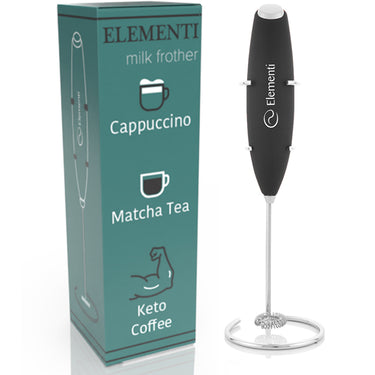
Whisk the matcha into a smooth paste BEFORE adding marshmallows or milk. Put 1 to 2 teaspoons of matcha in your cup, add about 2 tablespoons of hot (not boiling) water, and whisk until you've got a uniform, frothy green liquid with no visible clumps. THEN add the warm milk on top, then the marshmallows.

If you skip this step and pour everything in at once, the matcha balls up and clumps stick to the marshmallows in a way that's hard to fix. The fastest tool for the paste step is a handheld electric whisk like the Elementi — 10 seconds and you've got smooth matcha. A bamboo chasen works too, just takes a bit more time.

One more tip: don't use boiling water on the matcha. Around 175°F (80°C) is ideal — boiling water makes the matcha bitter and the marshmallow sweetness can't quite cover that.

Related products

80 reviews

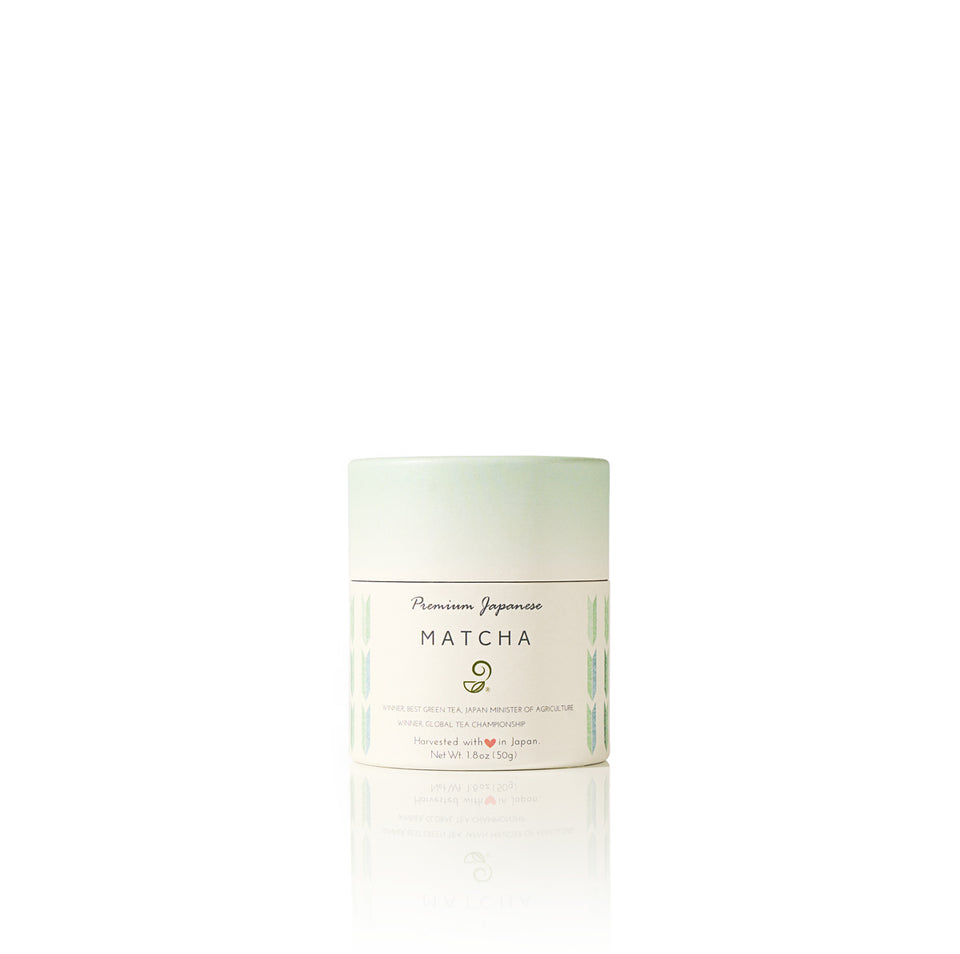
Matcha - Ceremonial Japanese Powdered Green Tea

$39.00
Quick view

This ceremonial matcha is crafted from the finest Japanese green tea, grown in nutrient-rich soil enhanced with compostable grasses and sugarcane through the Chagusaba method, which gives the tea a natural sweetness and exceptional flavor. In collaboration with researchers from Shizuoka University, farmers ensure that the soil quality consistently produces tea of the highest standard.

Renowned among top Japanese chefs for its unmatched aroma, this matcha is made by carefully shading the plants before harvest to boost caffeine and amino acids, then meticulously drying, de-stemming, and grinding the leaves into a fine powder. Made from the Yabukita cultivar, this 1.8 oz (50g) matcha comes in a high-quality, air-tight paper tube canister, providing a luxurious and authentic Japanese tea experience.

Hojicha Powder - Roasted Green Tea Powder

$25.00
Quick view

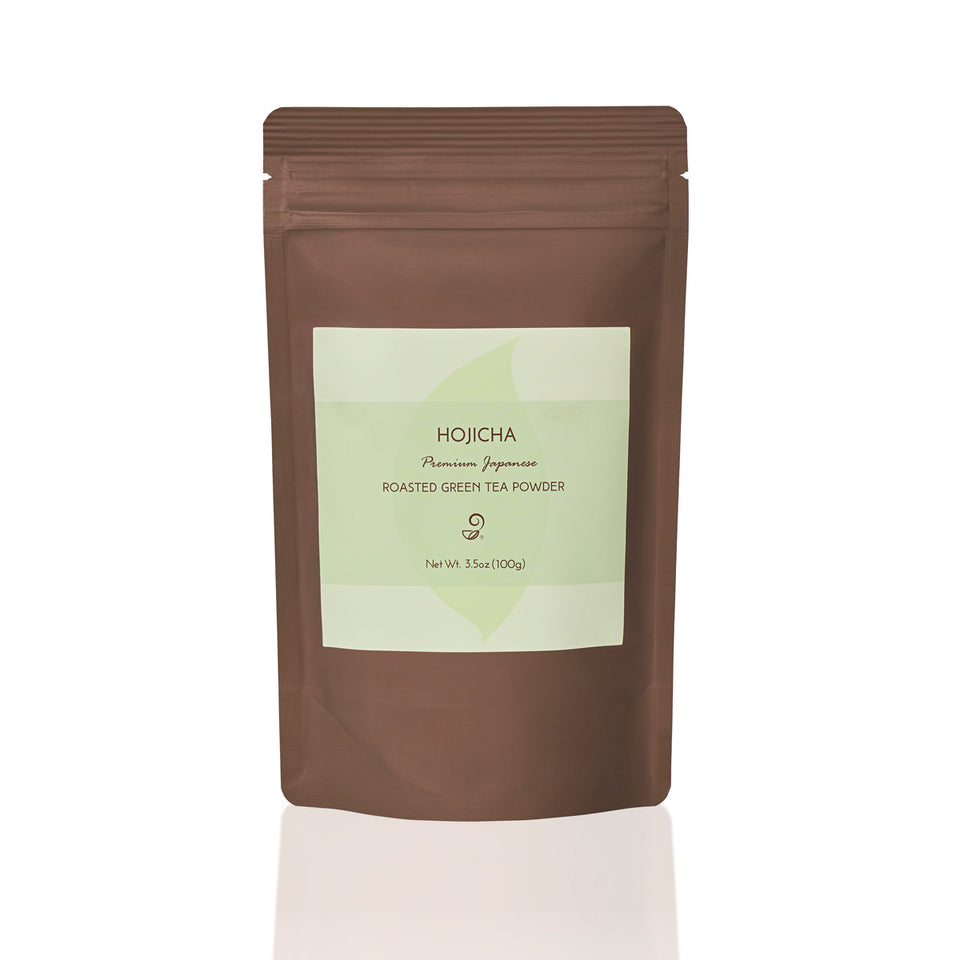
Our roasted green tea, known as hojicha (ほうじ茶), is crafted from freshly harvested premium green tea carefully roasted in porcelain over charcoal to maximize flavor while retaining more catechins than typical hojicha on the market. With lower caffeine and a smoother, less bitter taste compared to steamed green tea, it is an ideal choice for evening relaxation and is gentle enough for kids and pregnant women. Cultivated using the Chagusaba method in nutrient-rich sugarcane soil, this loose-leaf authentic Japanese roasted green tea, made from the Yabukita cultivar, also pairs beautifully with oily foods. Each eco-friendly resealable package contains 3.5 oz (100g) of tea, enough to steep 30–40 comforting cups.

22 reviews

Matcha - Japanese Limited Reserve Ceremonial Green Tea - (Global Tea Champion 2018, 2025)

$300.00
Quick view

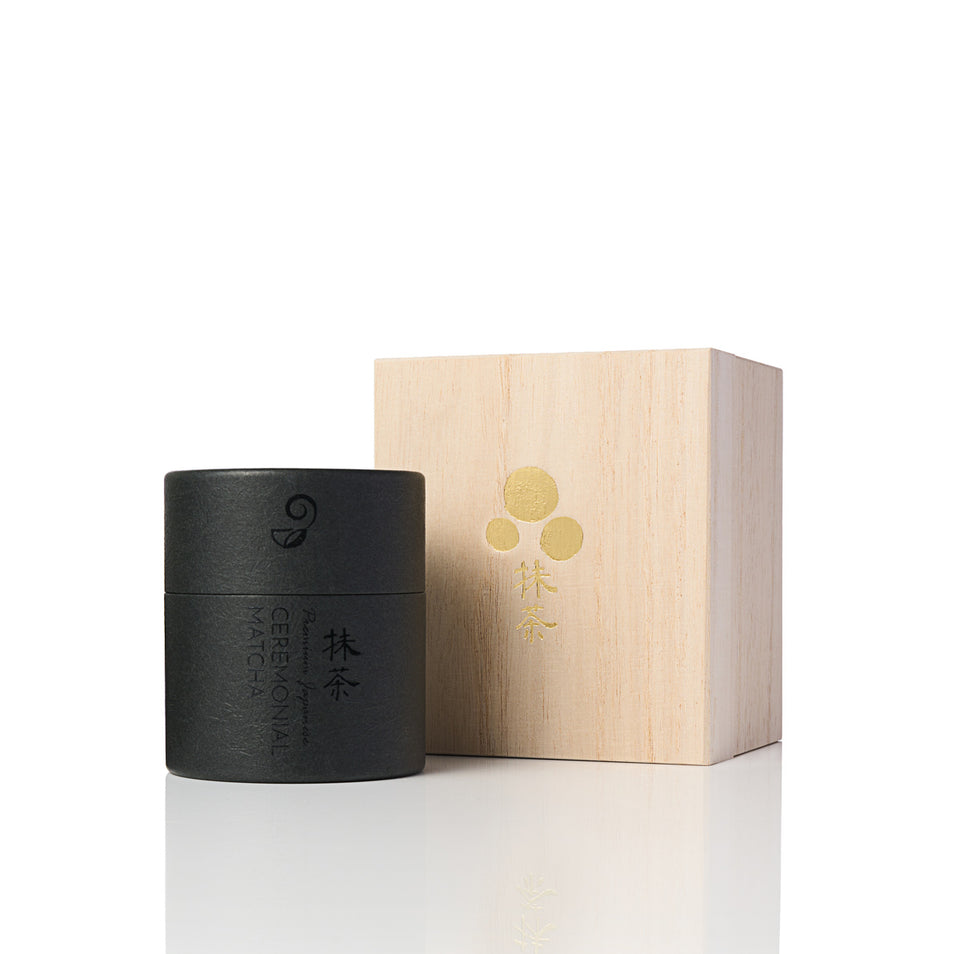
This Premium Ceremonial Grade Matcha is one of the most luxurious matcha teas available, crafted from carefully cultivated Japanese green tea grown in nutrient-rich sugarcane soil using the Chagusaba method. Traditionally reserved for high-end tea ceremonies in Japan and loved by many tea masters, this matcha was once unavailable outside of Japan and is now finally accessible to U.S. consumers. Every step of its production, from shading the tea plants to increase caffeine and amino acid levels to the meticulous removal of stems and veins before grinding into a fine powder, is handled with a blend of advanced technology and time-honored tradition. Made from the Yabukita cultivar, this 30g (1.05 oz) ceremonial matcha offers a vivid color, unforgettable aroma, and the highest standard of flavor, earning recognition as a Global Tea Champion in 2018 and 2025.

4 reviews

The Covered Trio Gift Set - Ceremonial Matcha, Gyokuro, and Nozomi Japanese Green Tea Set Package

$143.00 $128.00
Quick view

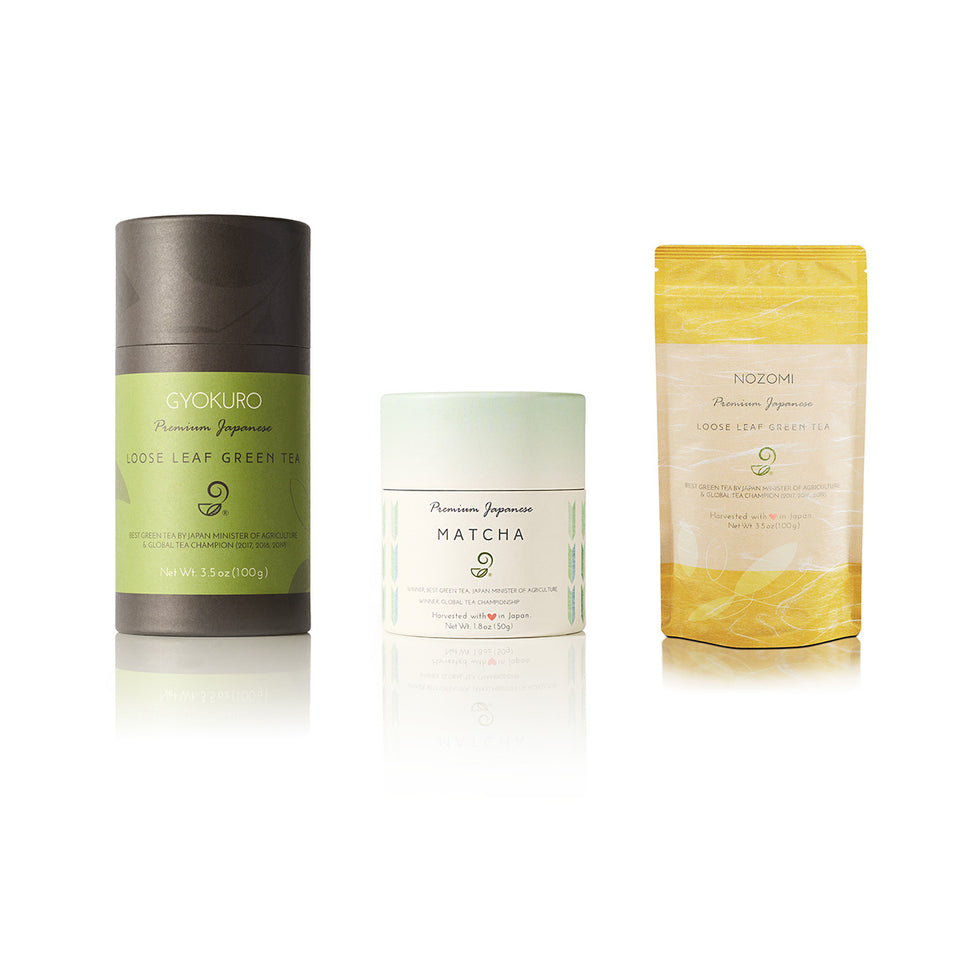
This tea set features three premium Japanese green teas, all cultivated in nutrient-rich sugarcane soil to enhance their flavor and natural sweetness. Gyokuro, a prized shaded green tea, is grown under special mats for 20 days to increase caffeine and amino acid levels, resulting in a rich, sweet taste and deep mossy green color. The set also includes a luxurious matcha, crafted from carefully shaded, hand-processed leaves and renowned for its smooth, aromatic flavor, developed in collaboration with researchers from Shizuoka University to maximize the benefits of the enriched soil. Completing the collection is Nozomi, a fine Kabuse-cha or "Covered Green Tea," where young tea leaves are gently shaded just before sprouting, producing a soft, refined flavor perfect for tea enthusiasts.

2 reviews

Matcha and Chasen Whisk Gift Set

$74.00 $66.00
Quick view

This set features a premium matcha made from the finest Japanese green tea, cultivated in soil enriched with compostable grasses and sugarcane to bring out a natural sweetness. In collaboration with researchers from Shizuoka University, farmers carefully study soil conditions to enhance flavor quality. The tea plants are shaded before harvest to increase caffeine and amino acid content, then skillfully dried, de-stemmed, and ground into a fine powder, creating a matcha with a luxurious aroma and taste highly regarded by top Japanese chefs.

Paired with the matcha is a traditional 100-prong bamboo chasen whisk, considered the highest-grade among matcha tools. Unlike common 40-60 prong versions, this finely crafted whisk is widely used in high-end tea ceremonies in Japan. Its balanced dimensions offer the perfect design for preparing a smooth and frothy bowl of authentic matcha.


Related Articles You May Be Interested

Matcha Banana Smoothie – How Matcha is Used in the Trendy Beverage in Japan
How to Make Matcha Chocolate Bars & Matcha Dry Cake
What Flavors Go Well With Matcha? A Guide For The Tastebuds
How to Make a Green Tea Latte: Four Delicious Ways
How to make Matcha Rose Latte

Get Free Bonus Books

Join Green Tea Club

Sign up for free to the Green Tea Club to get advice and exclusive articles about how to choose Japanese Tea, and tips, tricks, and recipes for enjoying Japanese tea.

Unsubscribe anytime. It’s free!

About the author

Kei Nishida

Kei Nishida

Author, CEO Dream of Japan

info@japanesegreenteain.com

Certification: PMP, BS in Computer Science

Education: Western Washington University

Kei Nishida is a passionate Japanese green tea connoisseur, writer, and the founder and CEO of Japanese Green Tea Co., a Dream of Japan Company.

Driven by a deep desire to share the rich flavors of his homeland, he established the only company that sources premium tea grown in nutrient-rich sugarcane soil—earning multiple Global Tea Champion awards.

Expanding his mission of introducing Japan’s finest to the world, Kei pioneered the launch of the first-ever Sumiyaki charcoal-roasted coffee through Japanese Coffee Co. He also brought the artistry of traditional Japanese craftsmanship to the global market by making katana-style handmade knives—crafted by a renowned katana maker—available outside Japan for the first time through Japanese Knife Co.

Kei’s journey continues as he uncovers and shares Japan’s hidden treasures with the world.

Learn more about Kei Nishida

Related Posts

Our Matcha Is Now at Pillow Talk Cafe in Pasadena — Master Japanese-Inspired Cake Makers

Our matcha is now at Pillow Talk Cafe Pasadena! Meet the cafe, try the Egg Heaven sando & Matchamisu, and see how th

Read More
Simply Donabe — New Cookbook from TOIRO's Naoko-san Is Out!

Simply Donabe is here! We celebrated TOIRO's Naoko-san's new cookbook at a special dinner at Camélia in DTLA — see our p

Read More
Introducing New Product - Meet Hojicha Powder
Introducing A New Product - Meet Hojicha Powder

Discover the game-changing Hojicha powder your kitchen has been waiting for — richer flavor, easier recipes, and surpris

Read More
Leave a comment

Your email address will not be published..

Cart

Your cart is currently empty.

Start Shopping

Select options