Skip to content

Flavors Of Tokyo: Tips To Immerse In Food Culture and Tea Rituals

Tokyo, the vibrant capital of Japan, is a culinary paradise that offers an incredible array of flavors and dining experiences. From traditional Japanese cuisine to modern fusion fare, this city is a melting pot of culinary delights. 

However, to truly immerse yourself in the city's food culture, it's essential to go beyond just sampling the dishes. This article will provide tips and insights to help you relish the city's rich food heritage, including its revered tea rituals.

Dive into Tokyo's culinary scene with cooking classes and food tours

Participating in cooking classes and Tokyo tours offers an authentic dive into the city's renowned food culture. Led by local experts, these allow you to learn traditional Japanese cooking techniques and the cultural narratives behind iconic dishes like sushi, ramen, or tempura. In the hands of a skilled chef, you'll understand the preparation intricacies and the historical context that makes each dish special.

Exploring through food tours offers a unique perspective of diverse flavors, guiding you to hidden spots away from the typical tourist paths. Whether you're rolling your own gyoza or tasting delicacies in bustling markets, these activities deepen your understanding of Japanese cuisine.

This hands-on approach gives a practical start to your culinary journey, ensuring a memorable and authentic exploration of the city's gastronomic landscape.
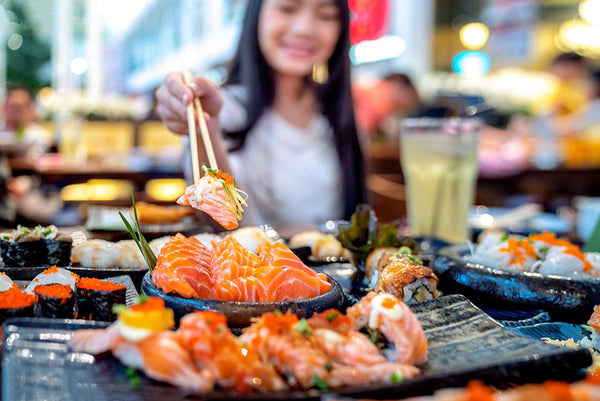
Tokyo Street Food

Discover Japan's izakayas, where culinary delights meet the joy of gathering

Japan's izakaya culture is a unique dining experience that combines delicious food with a lively atmosphere. Izakayas are traditional Japanese pubs where locals gather after work to unwind over drinks and delicious small plates. As you step into an authentic izakaya, you'll be enveloped by the buzz of conversation, the clinking of glasses, and the aromas of sizzling dishes.

A popular izakaya dish that embodies Japanese culinary tradition is yakitori. These grilled skewers come in a variety of flavors, ranging from classic chicken and vegetables to more adventurous options like chicken gizzards or crispy chicken skin. Savor the smoky flavors and the perfect balance of seasoning as you sample these bite-sized delights.

Another izakaya staple is edamame, boiled and salted soybeans that make for a perfect accompaniment to drinks. As you pop these savory beans into your mouth, you'll understand why they've become a beloved snack in Japanese culture.

Explore the delicate balance and intricate flavors of sushi

In Tokyo, the art of sushi is elevated to a level of mastery that few other cities can match. One of the most revered sushi experiences is the omakase at a renowned sushi-ya (sushi restaurant). Omakase means 'I'll leave it up to you,' where the chef curates a multi-course meal showcasing their skills and the freshest seasonal ingredients.

From the delicate flavors of tuna and sea bream to the rich umami of uni (sea urchin), each bite is a revelation. Watch in awe as the chef deftly slices and shapes the fish, applying just the right amount of sushi rice and a brush of soy sauce or a dab of wasabi.

For a truly immersive experience, consider booking a seat at the sushi counter, where you can observe the chef's artistry up close and engage in conversation about the ingredients and techniques used.

Delight in wagashi, Japanese sweets that celebrate art and nature

Japanese sweets, known as wagashi, are not merely desserts but edible works of art that celebrate the beauty of nature and the changing seasons. Step into a traditional tea house or a wagashi shop, and you'll be mesmerized by the intricate designs and delicate flavors on display.

One of the most iconic wagashi is the sakura mochi, a pink-hued rice cake filled with sweet red bean paste and adorned with a salted cherry leaf. This confection pays homage to the beloved cherry blossom season and is a true emblem of spring in Japan.

During the autumn months, you'll find wagashi showcasing the flavors of the season, such as chestnut or persimmon. Admire the beautiful presentations, often featuring intricately sculpted designs or delicate details made from edible materials like gold leaf or candied fruits.

Experience the tranquility of Tokyo's traditional tea ceremony

The Japanese tea ceremony, known as chanoyu, is a deeply revered tradition that dates back centuries. In Tokyo, you can find opportunities to experience this ritualistic art form at tea houses or cultural centers. Prepare to be transported to a realm of tranquility and mindfulness as you witness the tea master's graceful movements and attention to detail.

One of the most iconic tea ceremonies is the chanoyu practiced in the Omotesenke school, which emphasizes the concepts of harmony, respect, purity, and tranquility. As you observe the tea master's precise movements, from the ritualistic cleaning of the utensils to the careful preparation of Japanese matcha tea, you'll gain a deeper appreciation for the cultural significance of this tradition.

After the ceremony, take the time to savor the rich, slightly bitter flavor of the freshly whisked matcha. Notice how the tea's warmth and aroma create a sense of calm and connection with the present moment, a feeling that is at the heart of the chanoyu experience.
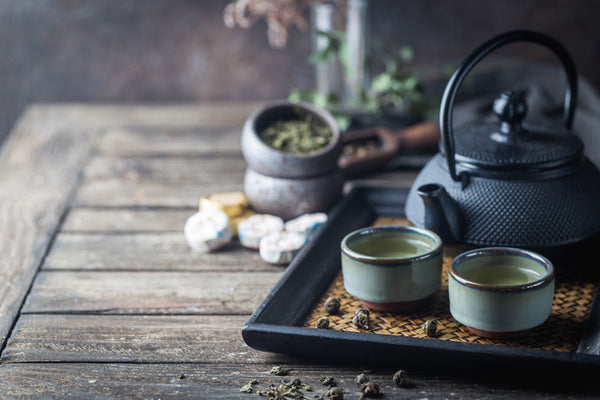
Japanese Tea

Savor the flavors of Tokyo through its unique street food offerings

Tokyo's streets are a true haven for food enthusiasts, presenting an array of mouthwatering street food choices that offer an authentic glimpse into Japanese culinary traditions. One of the must-try street foods is takoyaki, ball-shaped bites filled with octopus, tempura scraps, and green onion, all cooked to perfection in a special molded pan.

As you meander through the vibrant streets of areas like Shinjuku or Yurakucho, the enticing scents of freshly prepared foods will capture your senses. Sample the complex flavors of okonomiyaki, drizzled with thick, sweet sauce, and mayonnaise and sprinkled with seaweed and bonito flakes. Or try the crispy delight of karaage, Japan's flavorful answer to fried chicken, known for its juicy interior and crunchy exterior, often enjoyed with a squeeze of fresh lemon.

For dessert, venture into the world of dango, skewered rice dumplings glazed with a sweet soy sauce. Observe as vendors grill these chewy treats to perfection, offering a traditional taste that perfectly complements the savory adventures of your street food journey.

Embrace the fusion of flavors and culinary innovation

While Tokyo is deeply rooted in its culinary traditions, the city is also a hub of culinary innovation, where chefs push boundaries and create exciting fusion dishes. A fascinating manifestation of this fusion is the blend of Japanese and French culinary arts. This results in dishes that captivate both the eye and the palate, such as a tender piece of Japanese wagyu beef enhanced by a classic Bordelaise sauce or seafood delicately seasoned with Japanese spices.

The city's culinary landscape also includes the reinvention of traditional eateries, exemplified by contemporary ramen shops. These venues reinterpret the classic ramen experience with modern twists and international flavors, transforming a simple bowl of noodles into an extraordinary culinary adventure. From unique broth infusions to gourmet toppings, these updated ramen shops provide a window into the evolving nature of Japanese cuisine.

Conclusion

Tokyo's food culture is a captivating tapestry woven with centuries-old traditions, innovative flavors, and a deep reverence for quality ingredients and artistry. By embracing these tips and immersing yourself in the city's culinary experiences, you'll gain a profound understanding and appreciation for the richness of Japanese cuisine. 

From savoring the delicate flavors of wagashi to participating in the tranquil rituals of a tea ceremony, this city presents numerous ways to deepen your culinary connection. So, embark on a gastronomic adventure, and let the flavors of Tokyo transport you to a world of culinary enlightenment.

FAQs about Tokyo Tea and Food Tips

Which Tokyo neighborhoods are best for Japanese tea exploration?

Asakusa for traditional tea-house culture, Ginza for upscale tea retailers (Ippodo, Maeda-en flagships), Shibuya/Harajuku for modern matcha cafés and tea-themed dessert spots, Yanaka for old-Tokyo tea-shop atmosphere. Each neighborhood offers a different angle on Tokyo's tea scene.

If you only have one day for tea exploration: Ginza in the morning for serious tea retail (buy good loose-leaf to take home), Shibuya/Harajuku afternoon for the modern café experience, Asakusa evening for traditional atmosphere and dinner. Covers most of Tokyo's tea range in one day.

Specialty subneighborhood: Kappabashi (kitchen-supply district near Asakusa) for traditional Japanese tea utensils — kyusu, chawan, chashaku. Most foreign visitors don't know about it; the prices and selection are dramatically better than tourist-oriented shops.

What are the best tea-focused restaurants in Tokyo?

Sakurai Tea Experience (Aoyama) — the most celebrated modern Japanese tea bar in Tokyo, with a tasting-menu format and elaborate tea pairing. Reservations required, expensive, worth it for serious tea travelers. Cha Ginza (Ginza) — Ippodo's flagship tea bar with multiple price tiers from casual tasting to formal experience.

More casual: Nakamura Tokichi (Nihonbashi or Ginza branches) — premium matcha desserts, accessible without reservations, photogenic for social media. Saryo Tsujiri — similar concept, multiple Tokyo locations, traditional Uji-style matcha desserts. These work as walk-in afternoon stops.

For traditional tea ceremony specifically: Hamarikyu Gardens has the Nakajima-no-Ochaya tea house with public matcha service. Imperial Hotel and several other luxury hotels have tea-ceremony programs for guests. Look for these at major hotels if your itinerary doesn't include a dedicated tea-school visit.

How do I navigate tea ceremony tourism without getting tourist-trap experiences?

Avoid: signs in English advertising "Tea Ceremony Experience" near major tourist attractions, kimono-rental + ceremony combo packages aimed at Instagram, hotel concierge bookings of unverified tea-ceremony providers. These exist; they're rarely worth the money.

Seek out: museum-affiliated programs (Tokyo National Museum has occasional ceremony events), tea-school direct programs (Urasenke Tokyo branch runs public ceremonies for visitors), and curated cultural tour companies (Boutique Japan, InsideJapan Tours, Context Travel) that have vetted ceremony experiences with real practitioners.

Ask the right questions when booking: which tea school is teaching, how long has the practitioner been studying, will the ceremony be authentic chakai or just a demonstration. Real practitioners answer these directly; tourist-trap operations dodge or change subjects.

Are there regional teas you can only really find in Tokyo?

A few. Boutique Tokyo-based tea brands (some tea bars have their own house blends), specific seasonal teas from small producers that don't export internationally, and rare cultivar matchas at premium retailers (Ippodo's flagship has small-batch teas not always available elsewhere). The ceremonial matcha market in Tokyo has more variety and rarer cultivars than what's available outside Japan.

Most major Japanese teas (Uji matcha, Shizuoka sencha, Kagoshima gyokuro, regional hojicha) are available globally through good importers. Tokyo retail offers slightly broader range and slightly lower prices than international markets, but the difference isn't dramatic for the categories most foreign visitors are after.

Where Tokyo retail genuinely shines: traditional tea utensils. Tokyo has the deepest selection of authentic kyusu, chawan, chashaku, and specialty equipment. Prices are typically half what equivalent items cost internationally. If you're tea-equipment shopping, plan to buy in Tokyo rather than online before/after the trip.

How do I bring tea home from Tokyo without it going stale?

Buy small-tin packaging rather than bulk bags, store sealed throughout the trip, carry-on luggage only (avoid checked baggage temperature variations). Most premium Japanese tea is packaged in airtight tins that maintain freshness for 3-6 months unopened — far longer than a typical trip. Our storage guide walks through optimal long-term storage once you're home.

Customs considerations: most tea is allowed in carry-on without restriction in most countries. Quantities under 1 kg per person are generally unproblematic; commercial-import quantities require documentation. Declare tea on customs forms when asked; don't hide it.

On arrival home, transfer to dark cabinet storage immediately. Don't leave Japanese tea on a sunny kitchen counter — the light will degrade the tea within weeks. Open the tin only when ready to start drinking; reseal between uses; finish opened tea within 4-8 weeks for peak quality.

What is the Best Way to Store your Matcha & Japanese Green Tea?

Related products

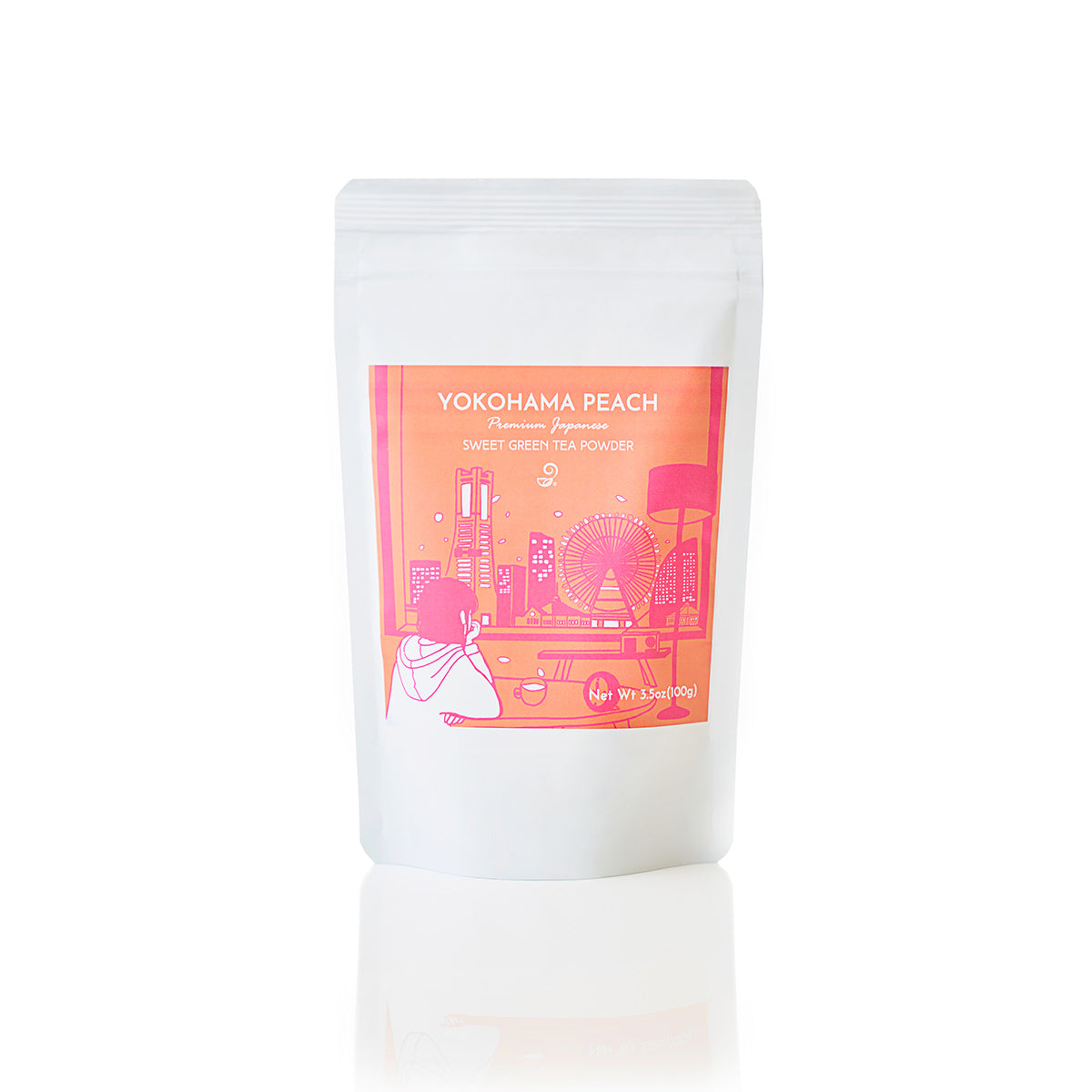
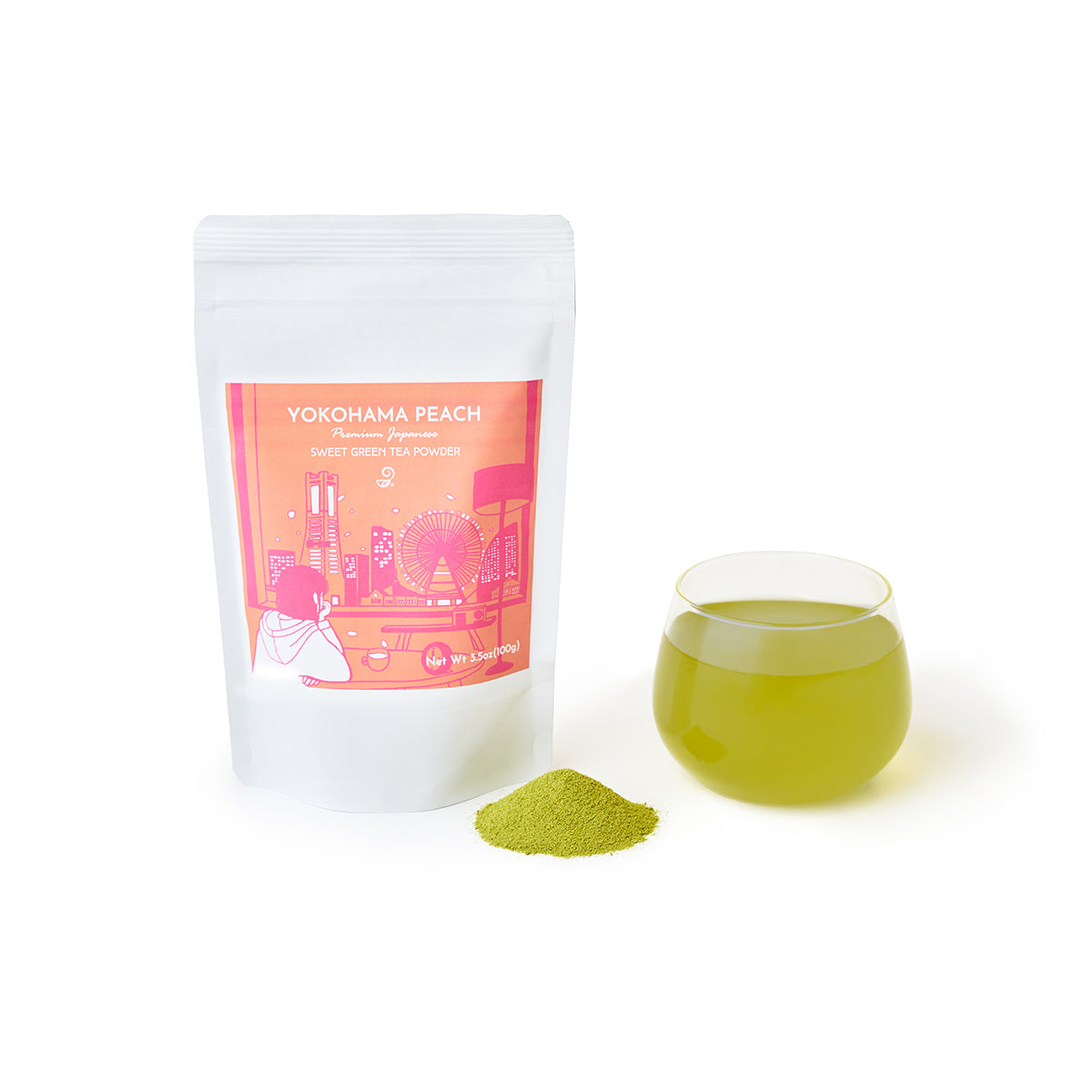
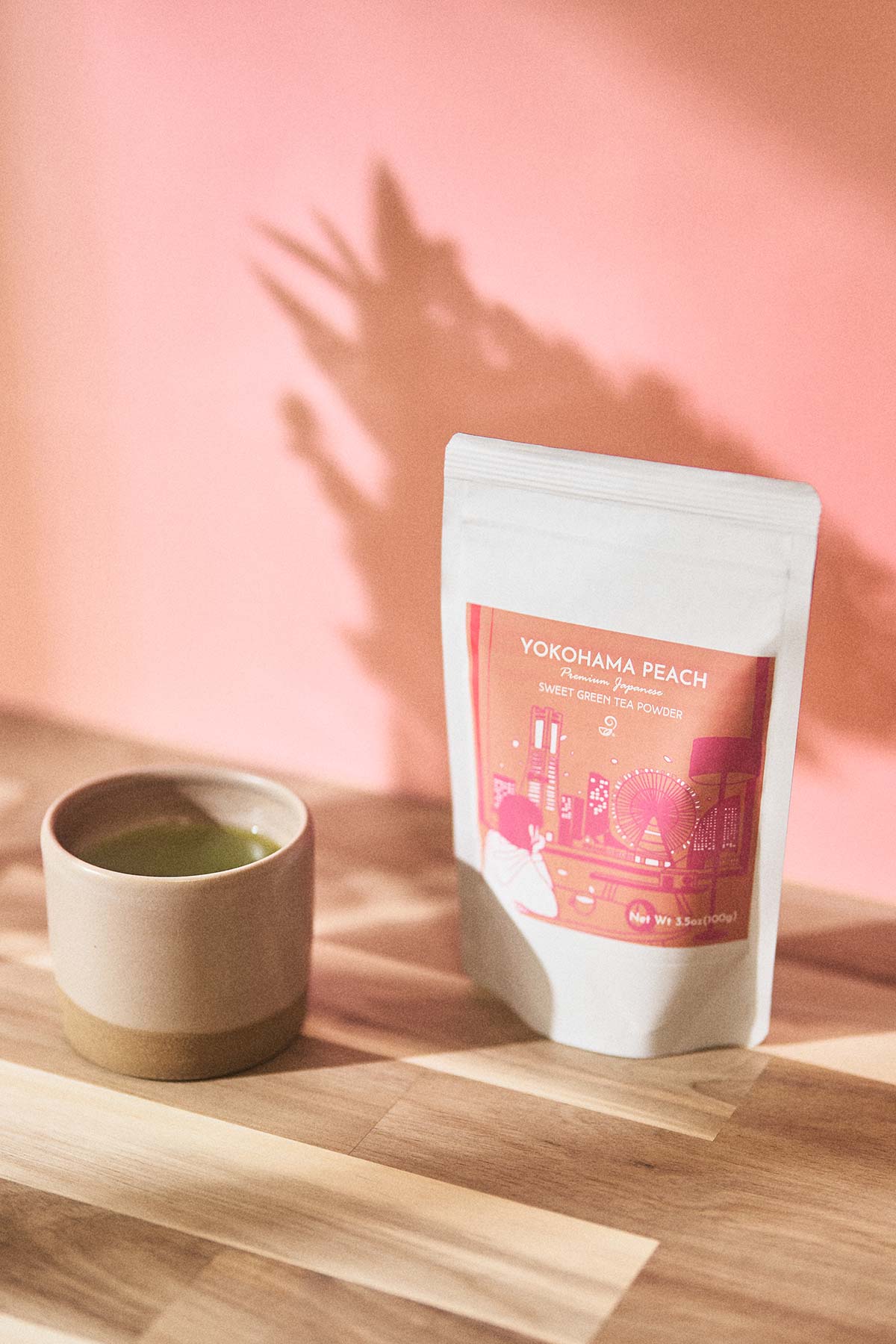
Yokohama Peach

$25.00
Quick view

Yokohama Peach combines sweet, juicy peach (モモ) with premium Japanese sencha (煎茶) for a vibrant and refreshing tea experience. 

The rich, smooth flavor of sencha is enhanced by the delicate fruitiness of peach, creating a perfectly balanced cup that uplifts and satisfies.  

Whether enjoyed hot for a cozy treat or iced for a rejuvenating drink, Yokohama Peach adds a touch of elegance to any occasion. 

1 review

Tokyo Peppermint

$25.00
Quick view

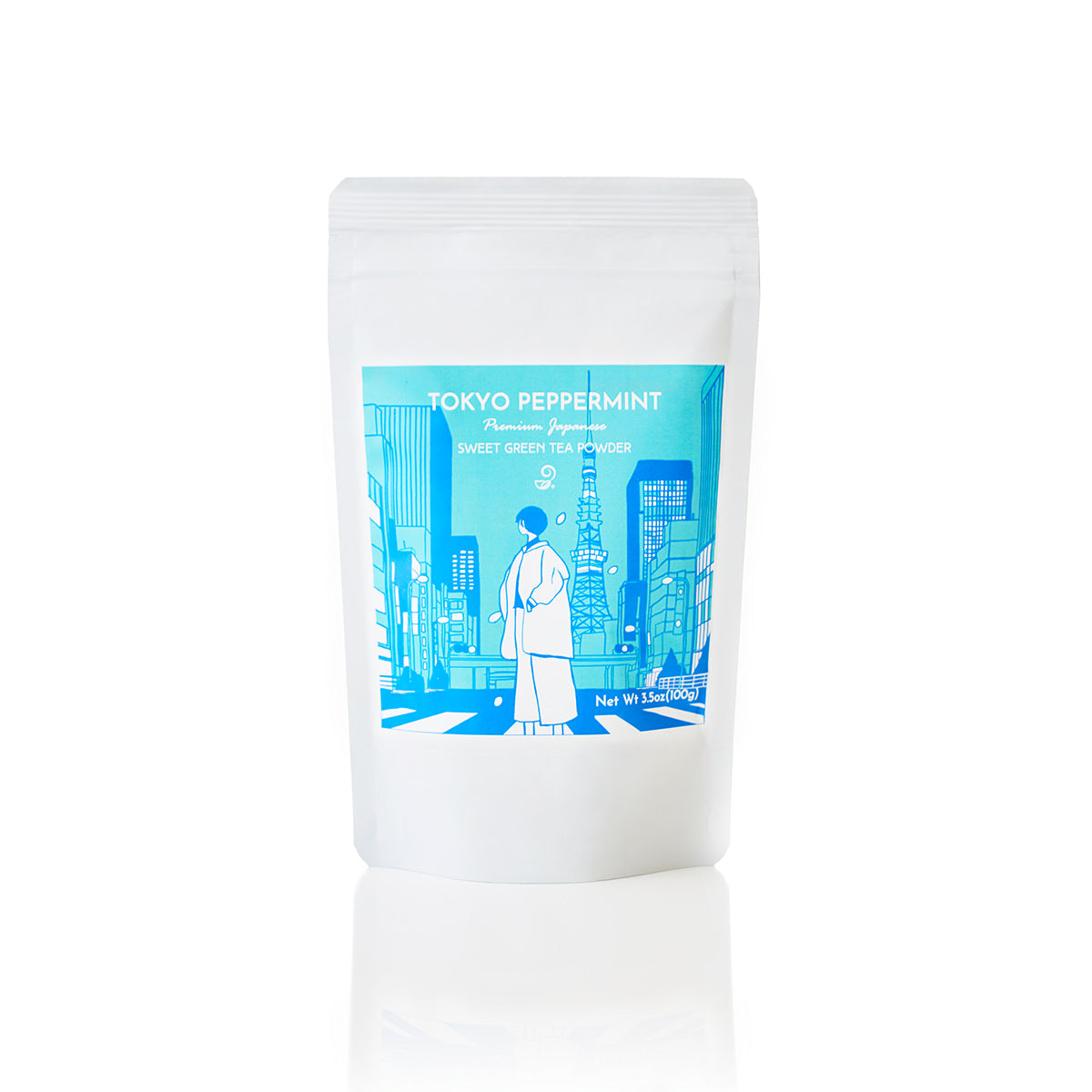
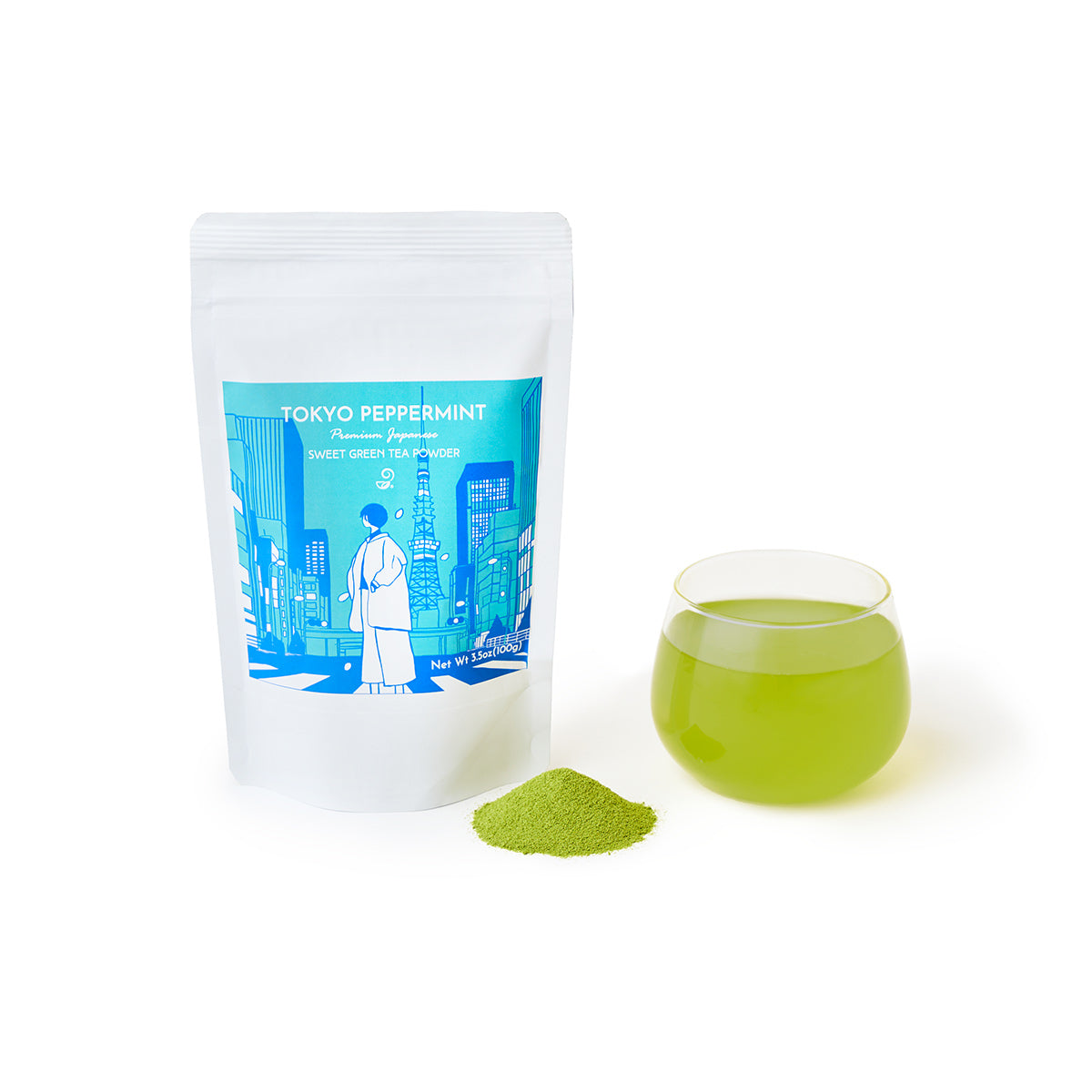
Enjoy the refreshing mix of premium Japanese sencha (煎茶) and crisp peppermint (ペパーミント). 

Tokyo Peppermint perfectly blends earthy umami and cool freshness, making it ideal for both hot and iced preparations. 

It's the perfect tea for relaxation or a quick energy boost, crafted with high-quality ingredients for a modern twist on traditional Japanese tea. 

8 reviews

The Sencha Lover Gift Set - Premium Japanese Green Tea Set Package
$179.00 $159.99
Quick view

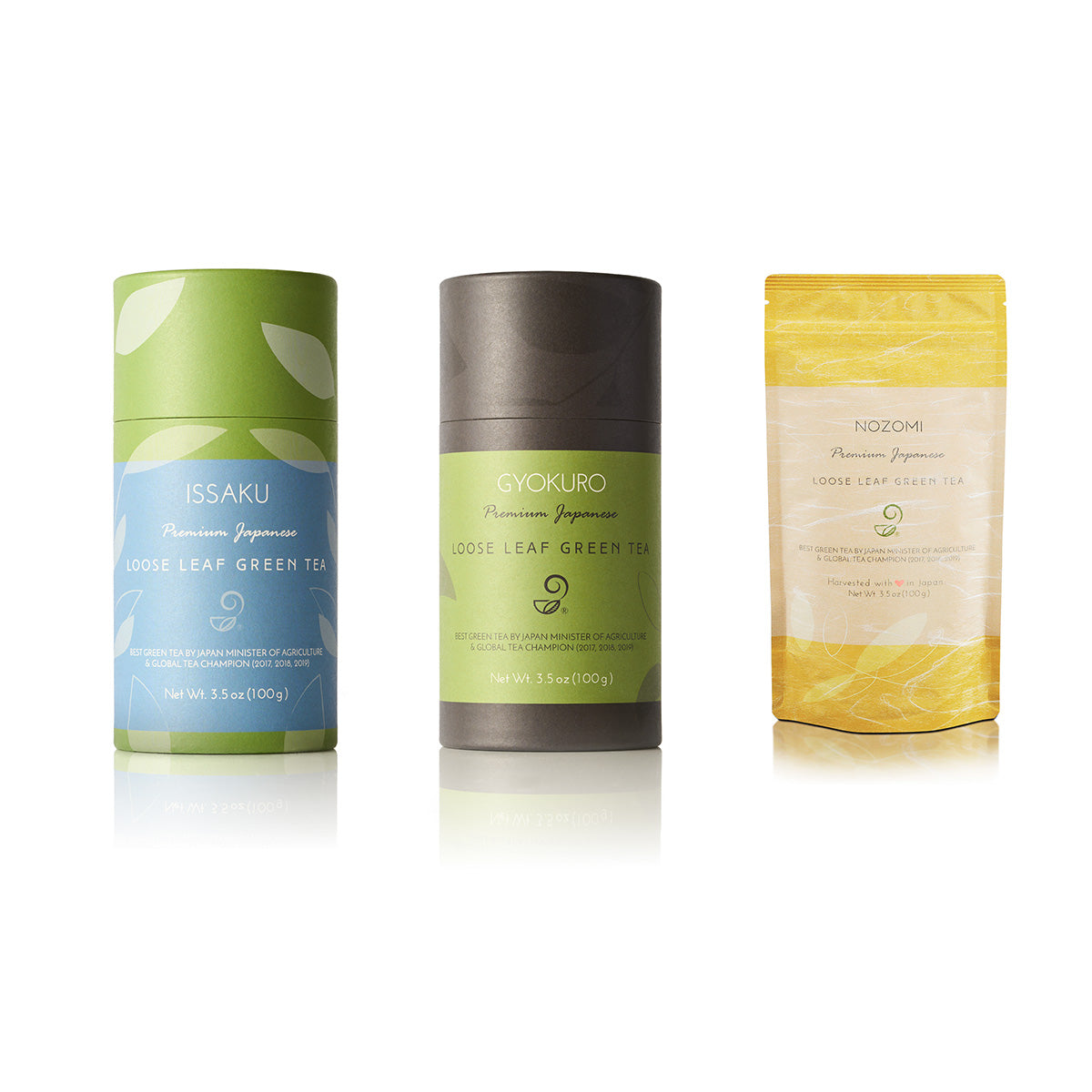
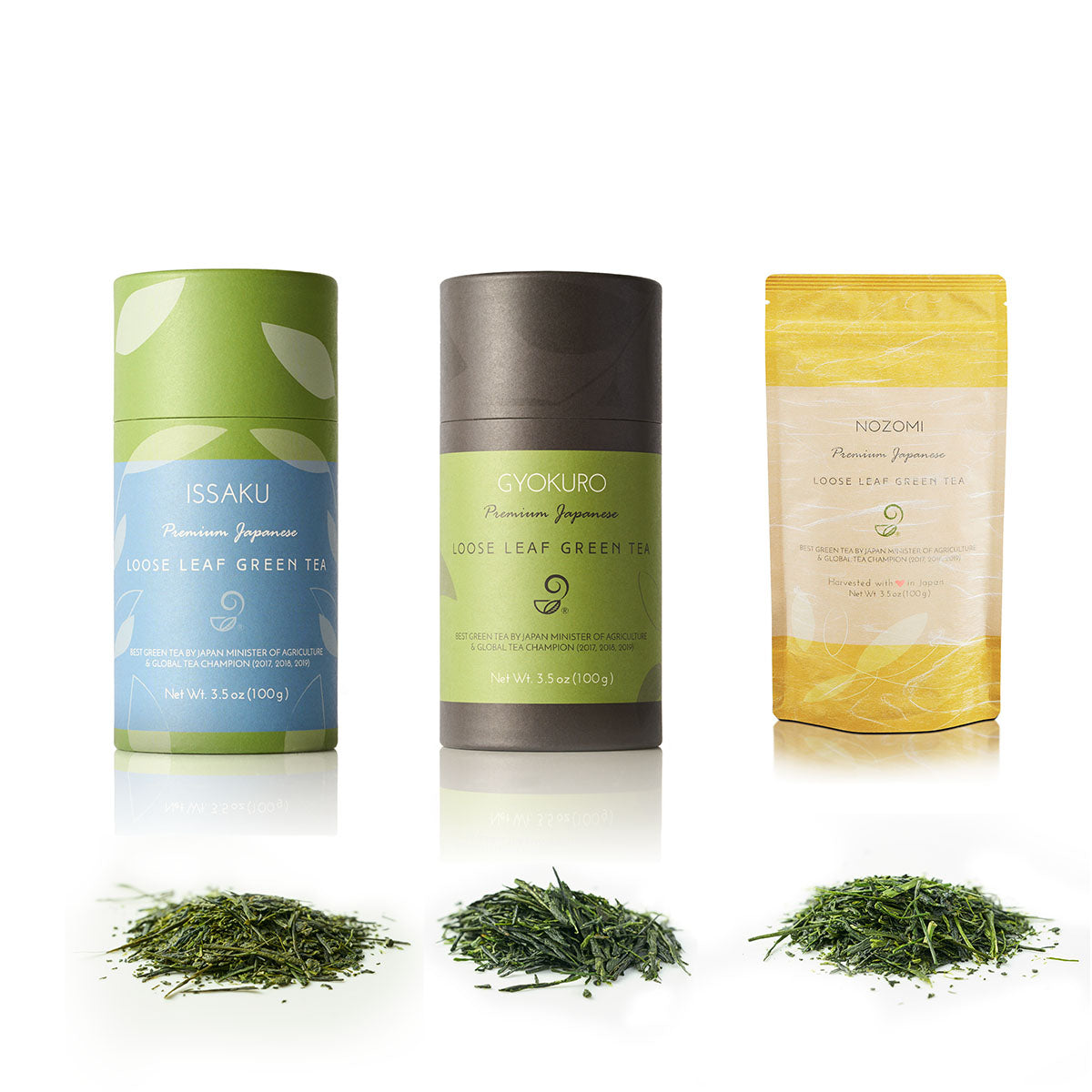
This tea set features three exceptional Japanese green teas, each crafted with care and traditional techniques. Issaku Reserve, a Global Tea Champion winner in 2017 and 2019, is a rare masterpiece created by Farm Master Mr. Arahata at Arahataen Green Tea Farm. Handpicked once a year from the first flush and processed with advanced methods, Issaku represents the highest-grade deep-steamed green tea, available only in limited quantities even in Japan.

The set also includes Gyokuro, a premium shaded green tea known for its rich, sweet flavor and deep mossy green color. Grown under special mats for 20 days to increase caffeine and amino acid levels, Gyokuro offers a layered, smooth taste unlike any other. Completing the collection is Nozomi, a fine Kabuse-cha, or "Covered Green Tea," carefully grown under nets to gently shade the leaves just before new sprouts emerge, resulting in a soft, rich, and refined flavor profile.

97 reviews

Gyokuro - Shaded Imperial Premium Green Tea

$65.00
Quick view

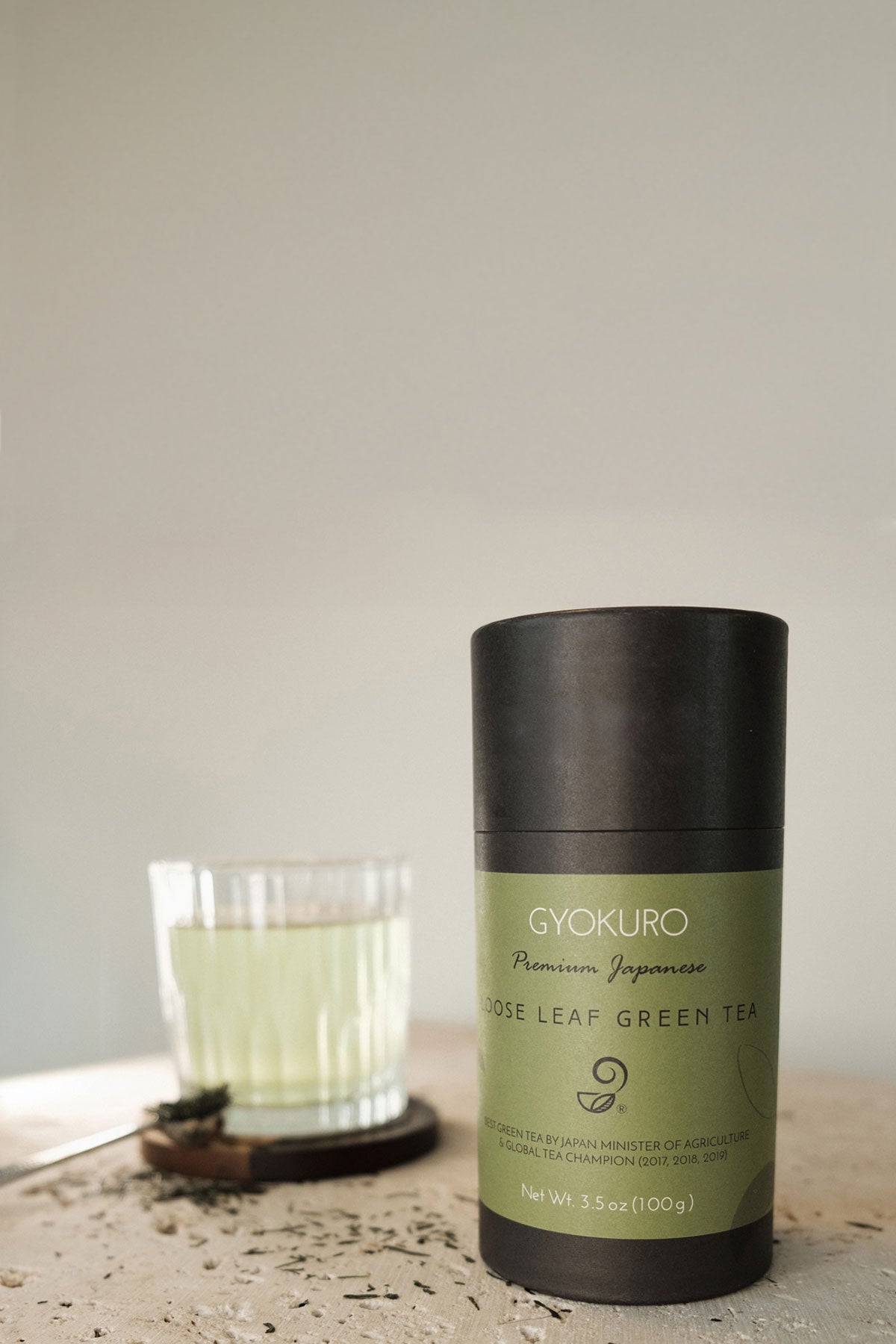
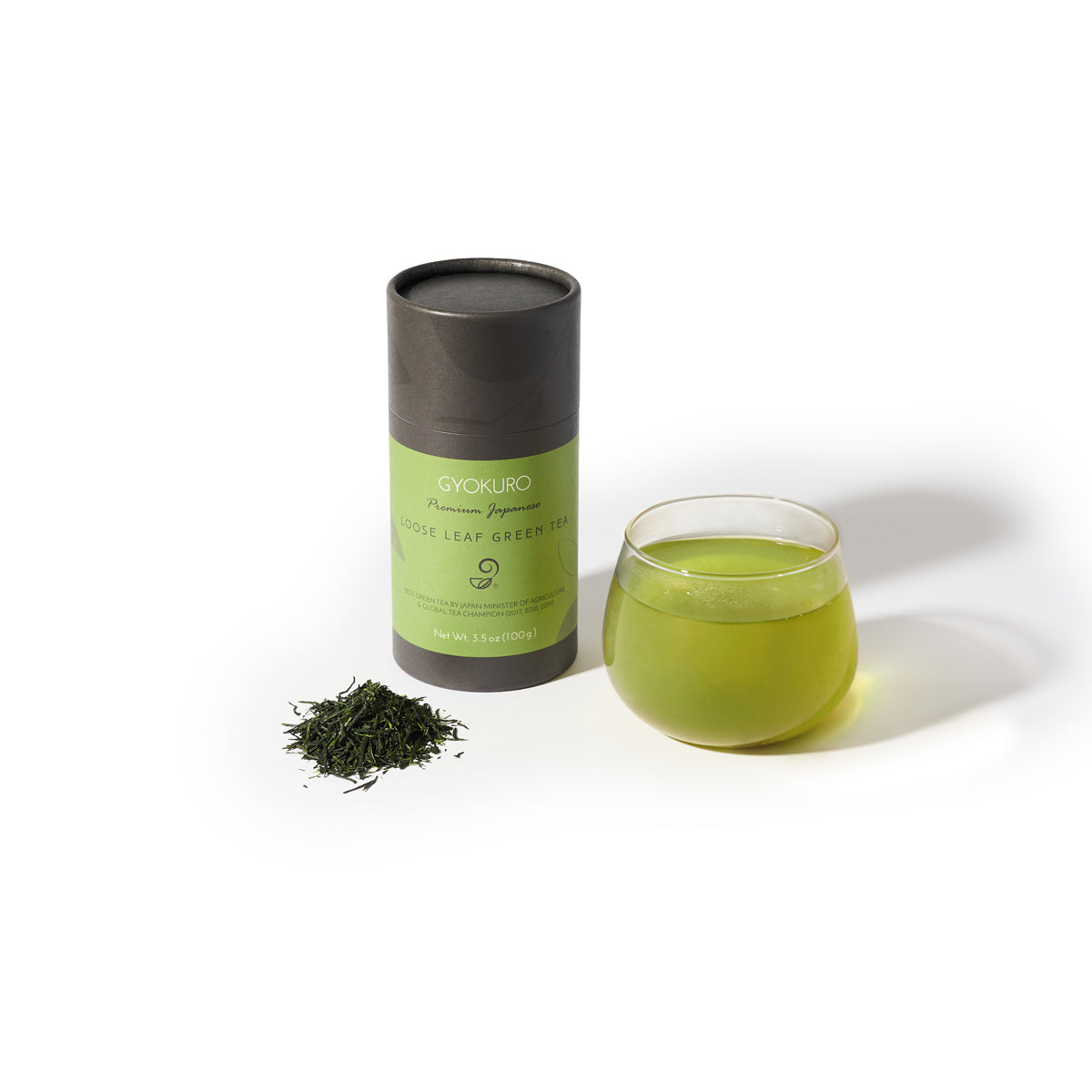
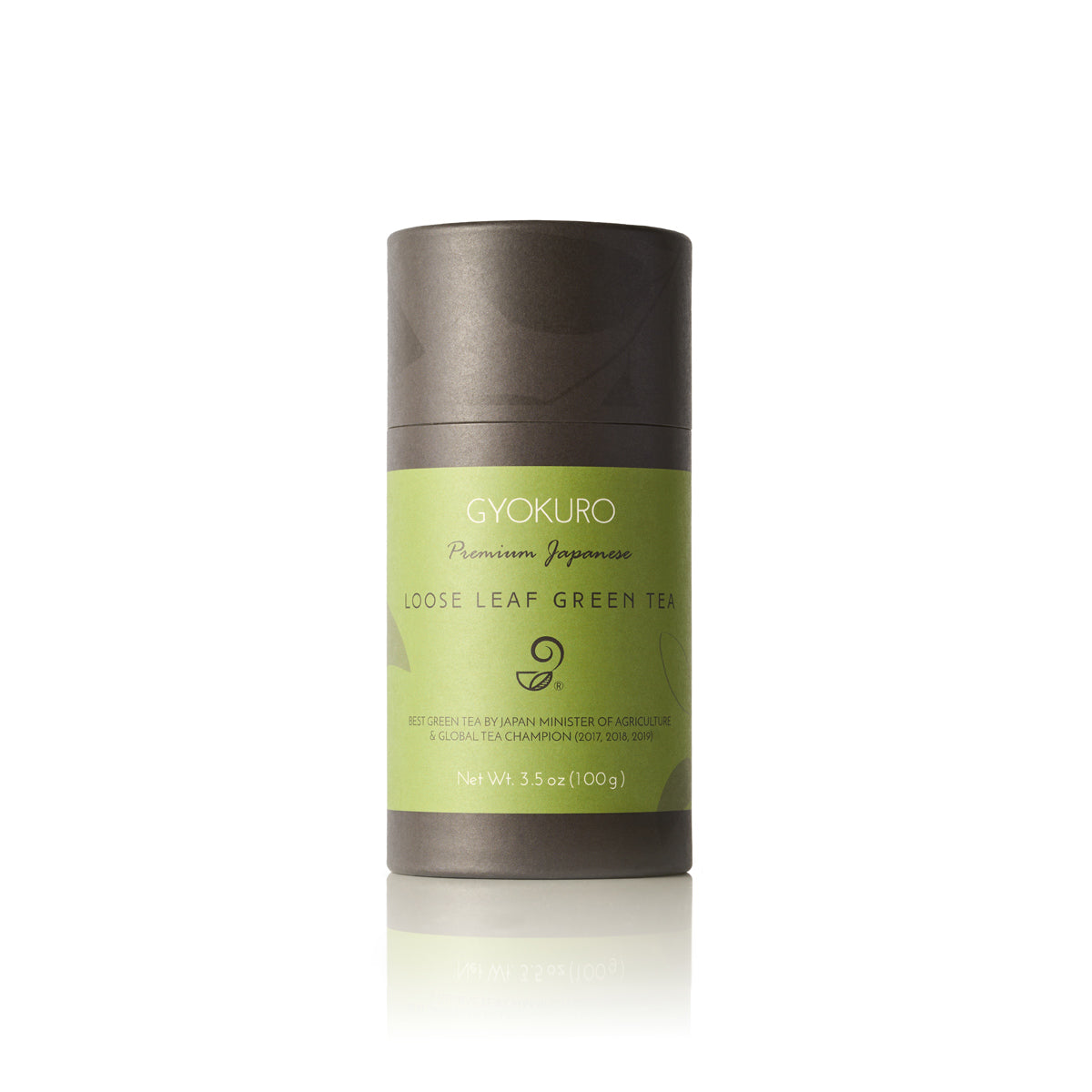
Gyokuro, also known as "jade dew" or "jewel dew tea," is a premium Japanese green tea shaded from the sun for 20 days using specially made mats, a method that boosts caffeine levels and strengthens amino acids to create a sweeter, richer flavor. This extended shading process results in dark, mossy green leaves with an unmistakable aroma and a complex taste that is layered yet balanced. Cultivated by the Chagusaba method in nutrient-rich sugarcane soil and made from the Yabukita cultivar, this loose-leaf authentic Gyokuro is offered in a high-quality, air-tight paper tube canister (chyazutsu) to preserve its exceptional freshness and flavor. Each 3.5 oz (100g) full-size package steeps 30–40 cups, and a convenient single-serve sample is also available.

45 reviews

Hojicha - Roasted Green Tea

$25.00
Quick view

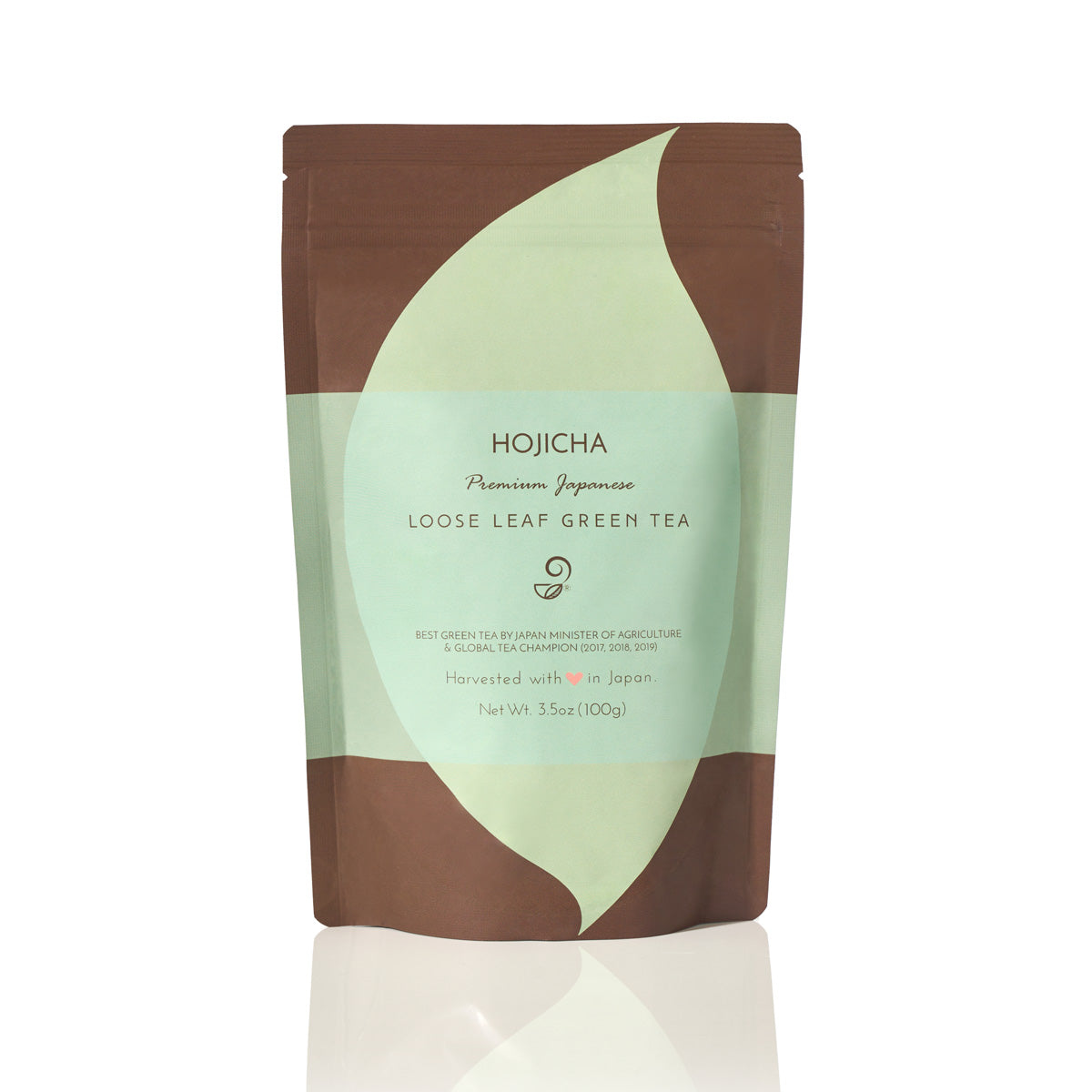
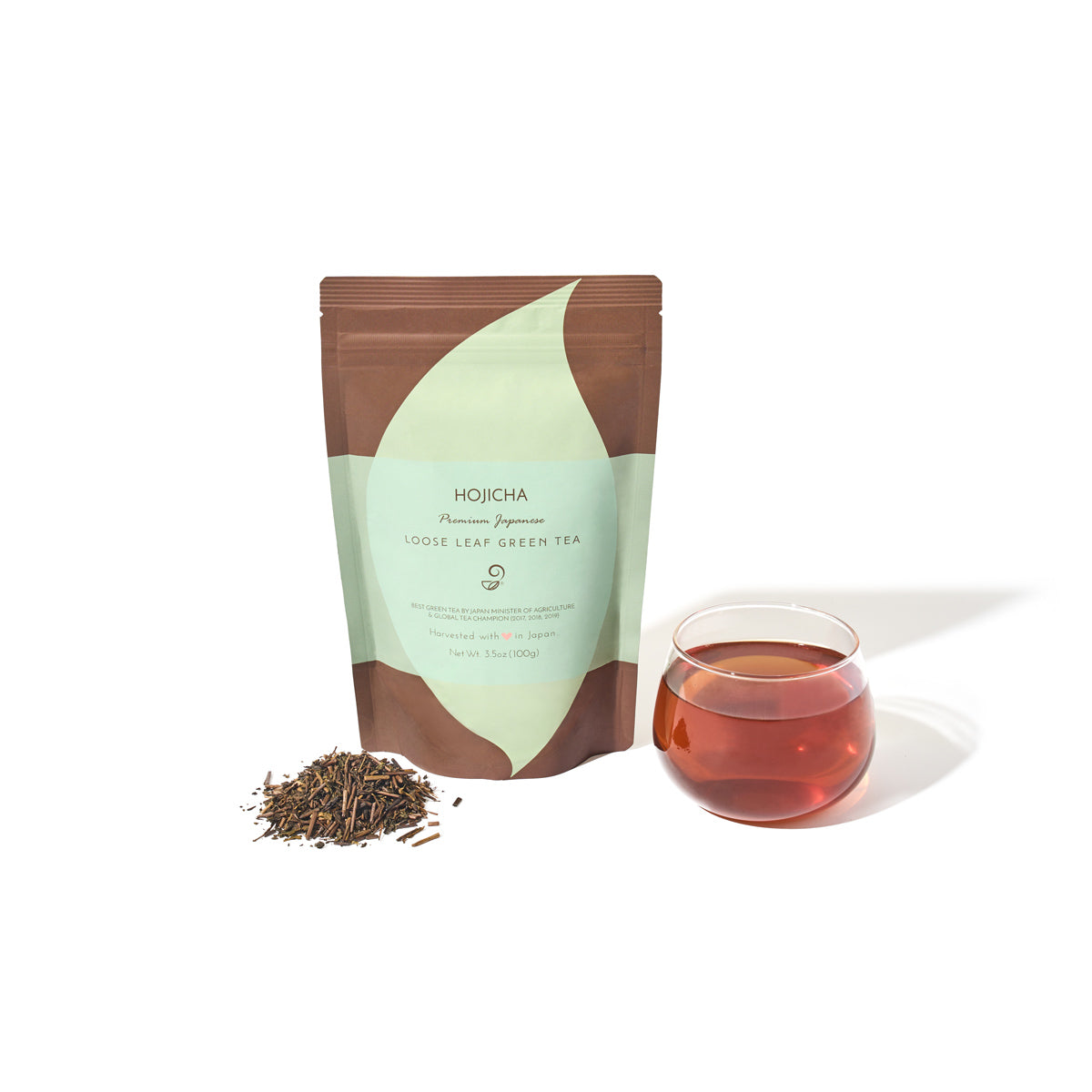
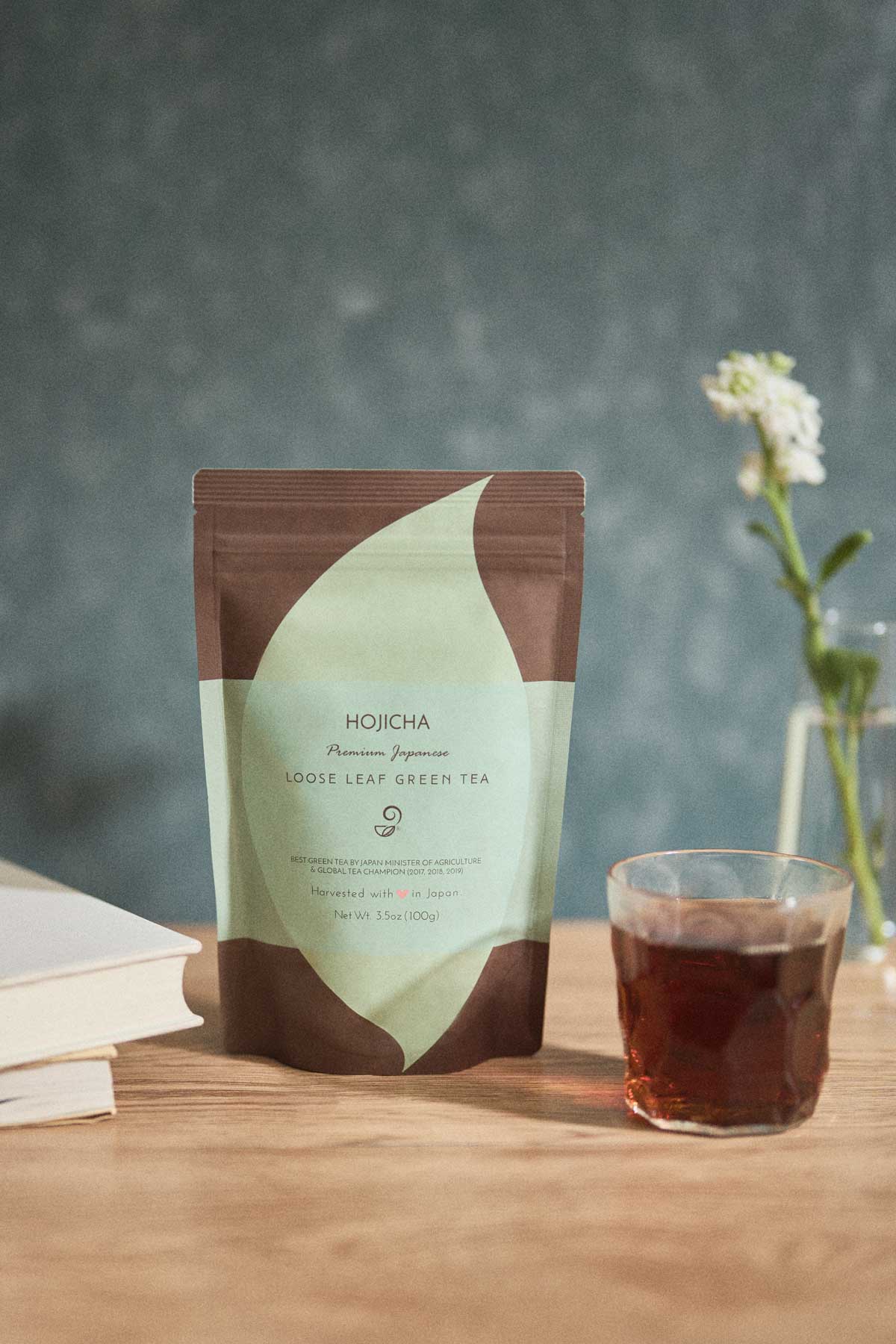
Our roasted green tea, known as hojicha (ほうじ茶), is crafted from freshly harvested premium green tea carefully roasted in porcelain over charcoal to maximize flavor while retaining more catechins than typical hojicha on the market. With lower caffeine and a smoother, less bitter taste compared to steamed green tea, it is an ideal choice for evening relaxation and is gentle enough for kids and pregnant women. Cultivated using the Chagusaba method in nutrient-rich sugarcane soil, this loose-leaf authentic Japanese roasted green tea, made from the Yabukita cultivar, also pairs beautifully with oily foods. Each eco-friendly resealable package contains 3.5 oz (100g) of tea, enough to steep 30–40 comforting cups.


Related Articles You May Be Interested

9 Must See Places in Tokyo for Tea Lovers
6 Tea Shops In Tokyo You Don’t Want To Miss
ChaCha Goes To Japan?! - ChaCha's GreenTea Room Video
Tea Lover Tours in Japan
Designing packages of Tokyo Peppermint and Yokohama Peach by Miki Pon

Get Free Bonus Books

Join Green Tea Club

Sign up for free to the Green Tea Club to get advice and exclusive articles about how to choose Japanese Tea, and tips, tricks, and recipes for enjoying Japanese tea.

Unsubscribe anytime. It’s free!

About the author

Kei Nishida

Kei Nishida

Author, CEO Dream of Japan

info@japanesegreenteain.com

Certification: PMP, BS in Computer Science

Education: Western Washington University

Kei Nishida is a passionate Japanese green tea connoisseur, writer, and the founder and CEO of Japanese Green Tea Co., a Dream of Japan Company.

Driven by a deep desire to share the rich flavors of his homeland, he established the only company that sources premium tea grown in nutrient-rich sugarcane soil—earning multiple Global Tea Champion awards.

Expanding his mission of introducing Japan’s finest to the world, Kei pioneered the launch of the first-ever Sumiyaki charcoal-roasted coffee through Japanese Coffee Co. He also brought the artistry of traditional Japanese craftsmanship to the global market by making katana-style handmade knives—crafted by a renowned katana maker—available outside Japan for the first time through Japanese Knife Co.

Kei’s journey continues as he uncovers and shares Japan’s hidden treasures with the world.

Learn more about Kei Nishida

Related Posts

Simply Donabe — New Cookbook from TOIRO's Naoko-san Is Out!

Simply Donabe is here! We celebrated TOIRO's Naoko-san's new cookbook at a special dinner at Camélia in DTLA — see our p

Read More
Introducing New Product - Meet Hojicha Powder
Introducing A New Product - Meet Hojicha Powder

Discover the game-changing Hojicha powder your kitchen has been waiting for — richer flavor, easier recipes, and surpris

Read More
Yokohama Peach is offered as a regular menu at Okayama Kobo Cafe!
Yokohama Peach is offered as a regular menu at Okayama Kobo Cafe! + Recap Video of Pop-up on 2/8/2026 at Anaheim, CA

We are excited to announce that our Yokohama Peach is now available on the regular menu at the popular Japanese Bakery,

Read More
Leave a comment

Your email address will not be published..

Cart

Your cart is currently empty.

Start Shopping

Select options