Skip to content

ChaCha Goes To Japan?! - ChaCha's GreenTea Room Video

Subscribe to Youtube See all videos

ChaCha introduces what it is like to visit Japan. In this short 5-minute video, ChaCha gives kids a presentation to encourage them to travel to Japan and explain what it is like to visit Japan as a visitor.

Video Summary

ChaCha introduces what it is like to visit Japan. In this short 5-minute video, ChaCha gives kids a presentation to encourage them to travel to Japan and explain what it is like to visit Japan as a visitor.

ChaCha starts the journey from Haneda airport, travels to the center of Tokyo by train, has Japanese food, and stays at a Japanese ryokan-style hotel. Then the next day, ChaCha visits Akihabara.

Note: This video has nothing to do with green tea. : ) 


Video Transcript

ChaCha:
Hi! My name is ChaCha.

I'm on my way to Japan for my vacation.

My Japanese friend told me that Japan is amazing place.

So, I decided to go there. Can't wait to get there!

ChaCha at Haneda Airport

Now, I'm at Haneda Airport in Tokyo.

The Japanese transportation system is pretty convenient.

My hotel is in the same town with Tokyo Ginza, and I can go there by train in only 30 minutes.

The train system is pretty good and very accurate on time.

They have subways, regular trains, and super fast Shinkansen!

I'm going to my hotel now and I'll have dinner.

Let's go!

ChaCha in Tokyo at night

As you know, the Japanese food is amazing!

Not only sushi, there is so much more yummy food here.

Especially in Tokyo, we can enjoy food from all over the world. You should try the Japanese pizza. That is amazing!

ChaCha at the Japanese Ryokan Style Hotel

I'm at the hotel now.

Tokyo is one of the busiest city in Japan and the world. It's true, there are many tall, modern buildings, and the streets are packed with people.

On the other hand, you can enjoy historic places, such as Kyoto.

Kyoto has many historical temple and shrines so that you can enjoy both urban and historical atmosphere.

You can enjoy it twice at once!

That's amazing.

Tomorrow I'm going to explore Tokyo city.

Goodnight!

ChaCha at Tokyo

Good morning everyone!

I'm now at the center of Tokyo.

I lost my way earlier, but a very kind Japanese person helped me find the way.

I can say that Japanese people are super nice and kind.

Not all people can speak English, but don't worry! They at least try to speak English and show you their kindness.

That is amazing!

Japanese cities are very clean.

No garbage on the street.

Amazing!

It comes from Buddhism and Shinto practice.

Kids are educated from early age about the importance of keeping clean.

It's like KonMari everywhere!

ChaCha at Akihabara

At the end of the trip, I went to Akihabara, where people can enjoy lots of manga and animation culture.

We can see manga specialty stores on the street and they don't let people get bored.

It's like different world.

We're actually like in the manga world.

Amazing!

Their historical culture is also amazing.

Kimono is a Japanese style of traditional clothing.

Japanese art influences art all over the world.

Steven Spielberg is one of them.

He had been a big influence on Japanese movies.

Thank you very much for watching!

How was my vacation in Japan?

Did you want to visit Japan too?

I recommend you to visit Japan and make unforgettable memory there.

Japan is waiting for you!

Bye!

 ChaCha mascot puppet asking 'Who is this?'

Watch the Video

Click to Subscribe to my YouTube Channel

Watch More ChaCha's Green Tea Room Videos


Click to Subscribe to my YouTube Channel

FAQs about Japanese Tea Cultural Content (ChaCha Series)

What is the ChaCha video series JPCo created?

ChaCha is a JPCo character-led video series introducing Japanese tea culture in an accessible, sometimes-playful format. The character serves as a guide for viewers — Japanese tea concepts presented through stories rather than pure instruction. The format works for viewers who find text-heavy or formal-instructional content intimidating.

The series covers basics (different tea types, brewing technique), cultural moments (tea ceremony etiquette, seasonal practices), and travel-themed episodes (visiting tea-producing regions in Japan). Each episode is short — usually 3-5 minutes — making them digestible for casual viewing rather than committed study.

ChaCha videos appear on JPCo's YouTube channel and embedded in related blog articles. They're particularly suited for first-time viewers learning about Japanese tea culture and for kids being introduced to tea topics in a kid-friendly format.

Are these videos appropriate for kids who want to learn about Japanese tea?

Yes, deliberately. The ChaCha format is designed to be accessible across age groups — kids enjoy the character-driven storytelling; adults appreciate the cultural depth without academic dryness. For households introducing kids to Japanese culture, the video format is more engaging than reading articles.

Pair the videos with hojicha (low-caffeine tea appropriate for kids) and basic tea-making activity. Kids watching ChaCha while drinking their own cup of hojicha and eating Japanese sweets creates a multi-sensory learning experience that sticks better than passive watching.

For teachers or parents looking to introduce Japanese culture in educational settings, the ChaCha videos work as classroom-friendly content. Short enough to use as discussion-starters, deep enough to anchor longer lessons. Free on YouTube; no subscription needed.

Where can I watch JPCo's ChaCha and other tea-cultural video content?

YouTube channel: search for "Japanese Green Tea Co." — the official channel hosts the full ChaCha series alongside other JPCo video content (brewing tutorials, farm visits, recipe demonstrations, behind-the-scenes business content).

Some video content also embeds in related JPCo blog articles. Reading an article about hojicha brewing technique might include an embedded video showing the actual technique — visual reinforcement of the text content.

If you're new to JPCo's video content and not sure where to start: the most-popular ChaCha episodes and the brewing-basics tutorials are the standard entry points. After watching 5-10 videos, you'll have orientation enough to navigate the broader catalog.

Are there other Japanese tea video creators worth watching alongside ChaCha?

Several. Mei Leaf is the highest-production-quality tea content channel currently online — broadly Asian tea coverage with detailed Japanese tea content. Yunomi runs a smaller but Japan-focused channel. Per Oscar Brekell (Swedish tea grader living in Japan) covers Japanese tea production from an insider perspective.

For specifically Japanese-language content (with English subtitles in some cases), the official channels of major Japanese tea schools (Urasenke especially) post ceremony demonstrations and educational content. Some Japanese tea farms also run their own YouTube channels showing seasonal cultivation work.

Combining ChaCha for accessible introduction with one or two of these higher-depth channels produces a balanced video education in Japanese tea culture. ChaCha gets you started; the more-technical channels deepen the practice.

Can ChaCha-style content actually convey serious cultural information, or is it too lightweight?

Lightweight format, real content. The character-led storytelling format works specifically because viewers retain information they would have skipped in text. "Following ChaCha to a tea farm" is a more memorable framing than "informational article about tea cultivation" — same facts, different retention.

Where ChaCha-style content has limits: very technical content (chemistry, detailed brewing variables, complex tea-school distinctions) doesn't translate cleanly to character-driven storytelling. For technical depth, longer-form video or text content is more appropriate.

Most committed viewers transition from ChaCha-format introduction to deeper formats over time. The lightweight content serves as gateway; once viewers are engaged with Japanese tea culture, they want more depth and seek it out elsewhere. The format isn't trying to be the final destination; it's trying to be the entry door.

Related products
14 reviews

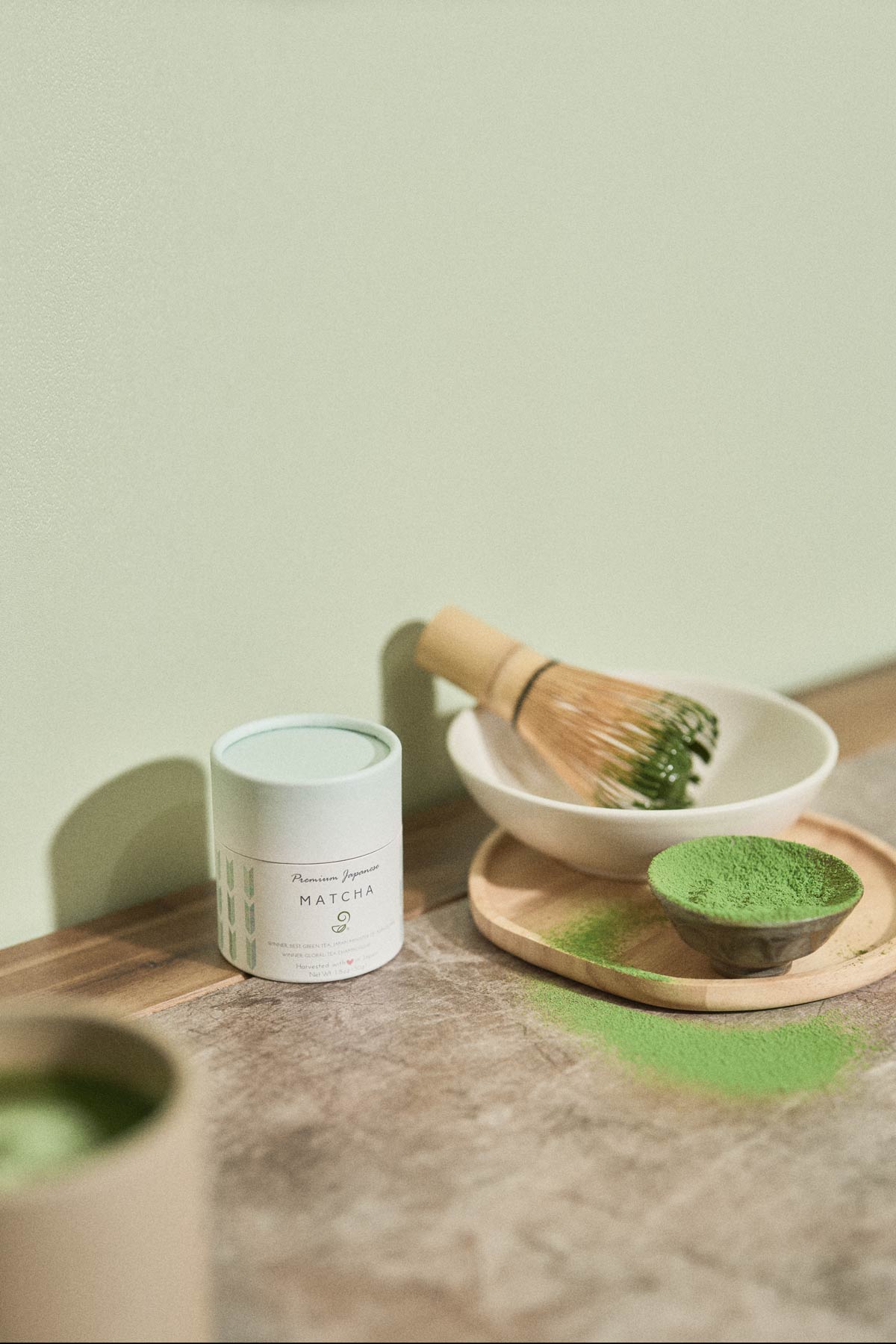
Buy Premium Matcha Chasen Whisk (100 Prong)

$35.00 $19.99
Quick view

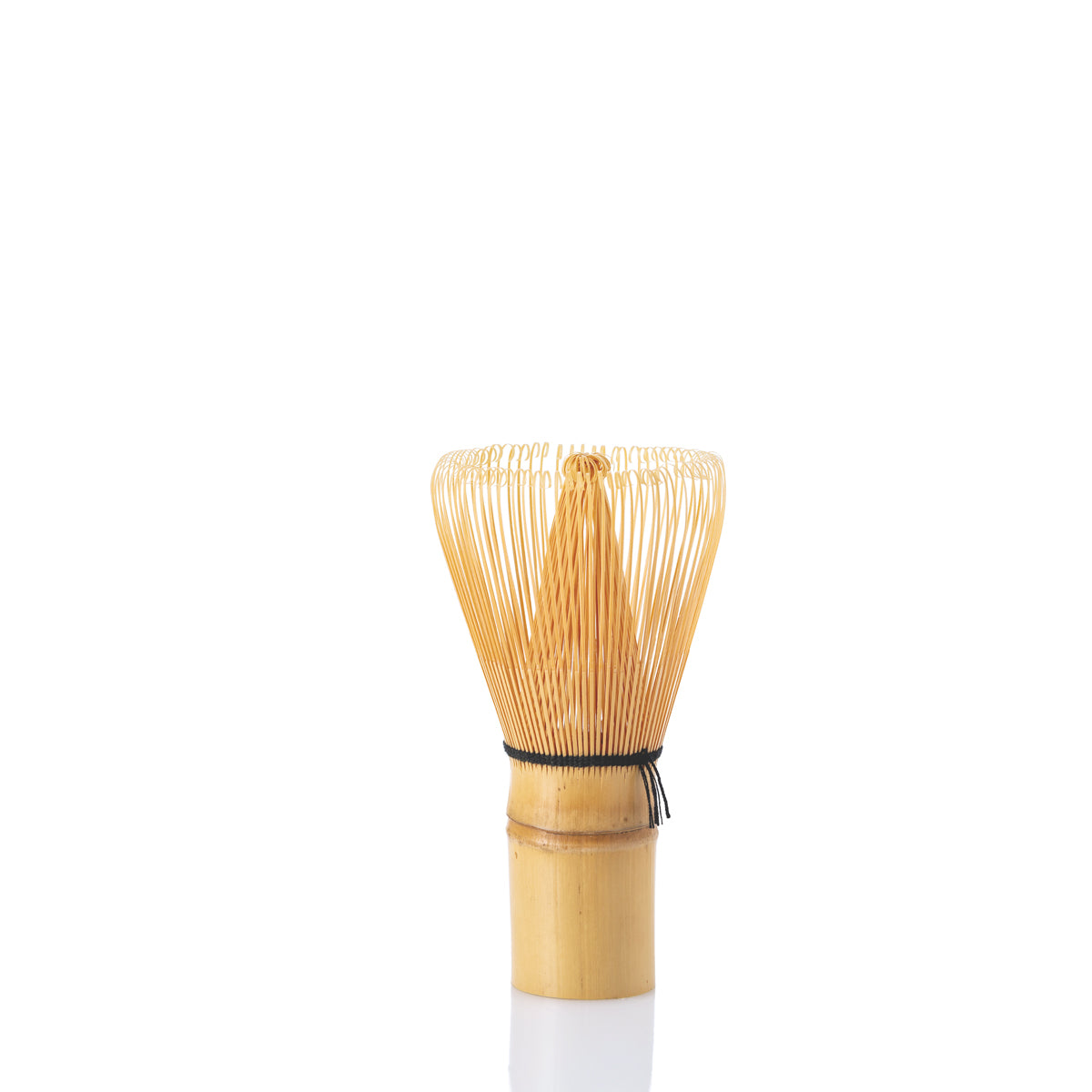
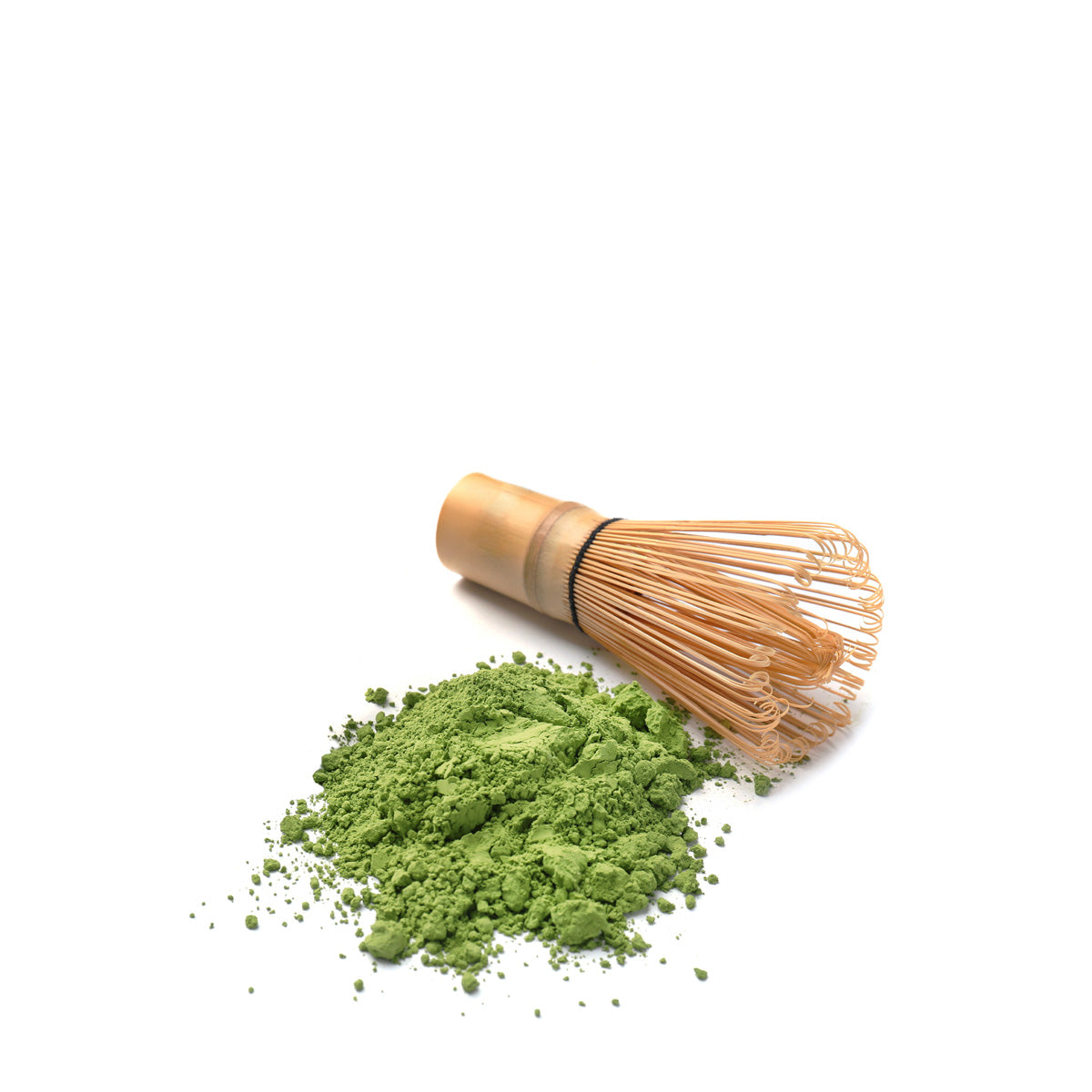
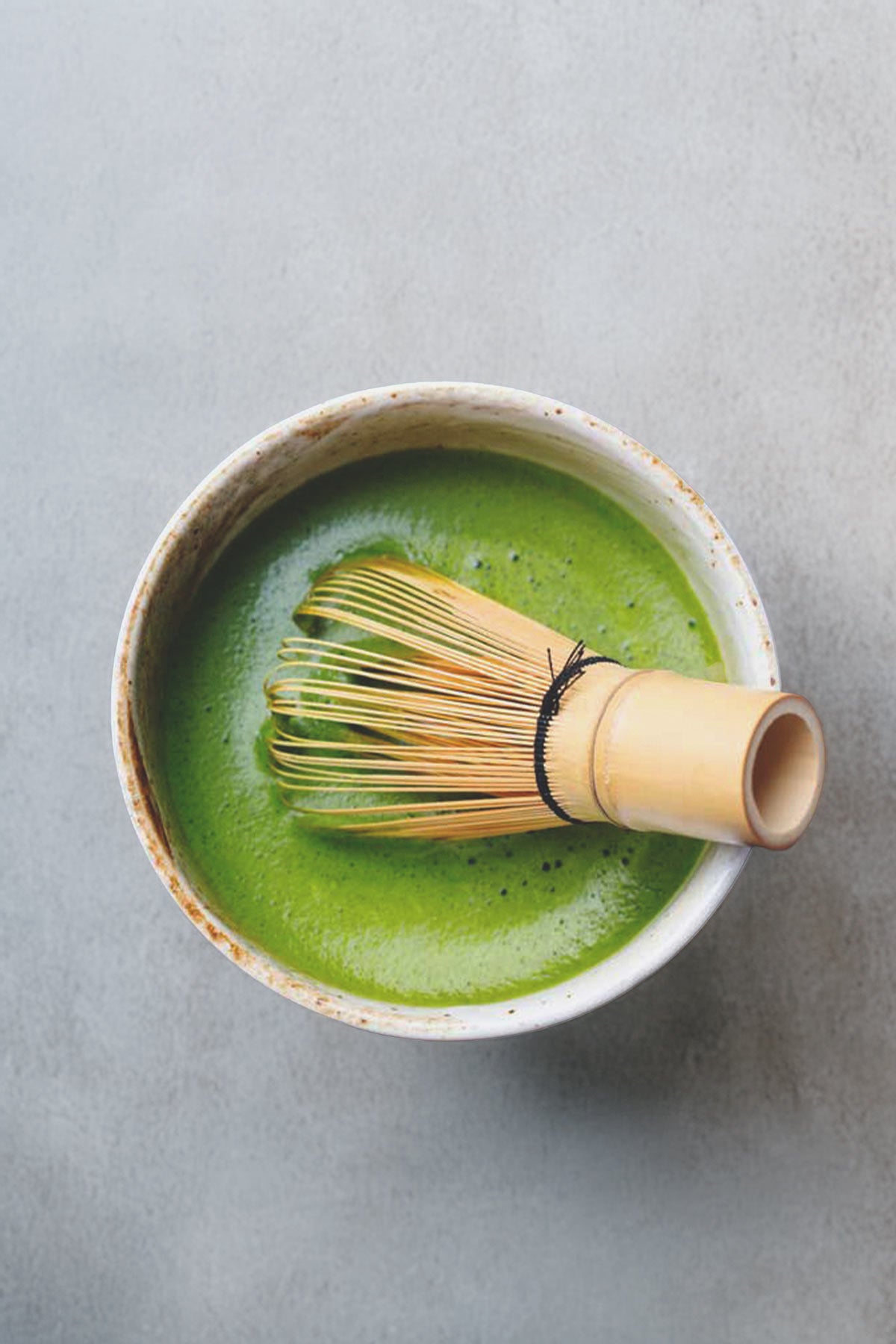
This premium-quality matcha chasen whisk is crafted with durable, high-grade bamboo and designed for lasting performance. Featuring 100 prongs, it offers a superior whipping ability compared to lower-quality 40–60 prong whisks and is considered the highest grade, often used in high-end tea ceremonies in Japan.

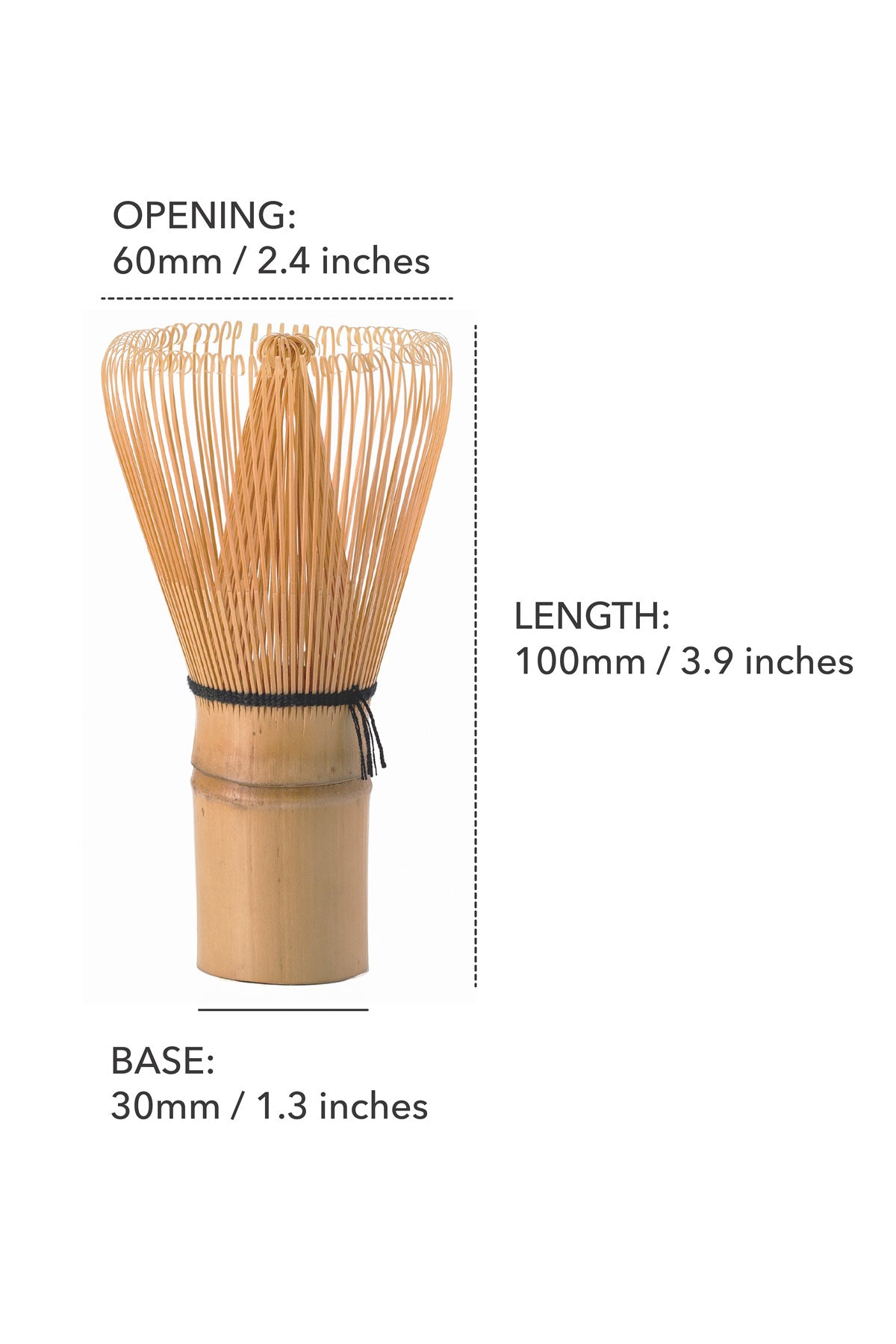
As it is made from natural bamboo, measurements may slightly vary, but generally, the base measures about 30mm (1.3 inches), the length is 100mm (3.9 inches), and the whisk opening is 60mm (2.4 inches), making it an ideal choice for creating a perfectly smooth and frothy matcha.

42 reviews

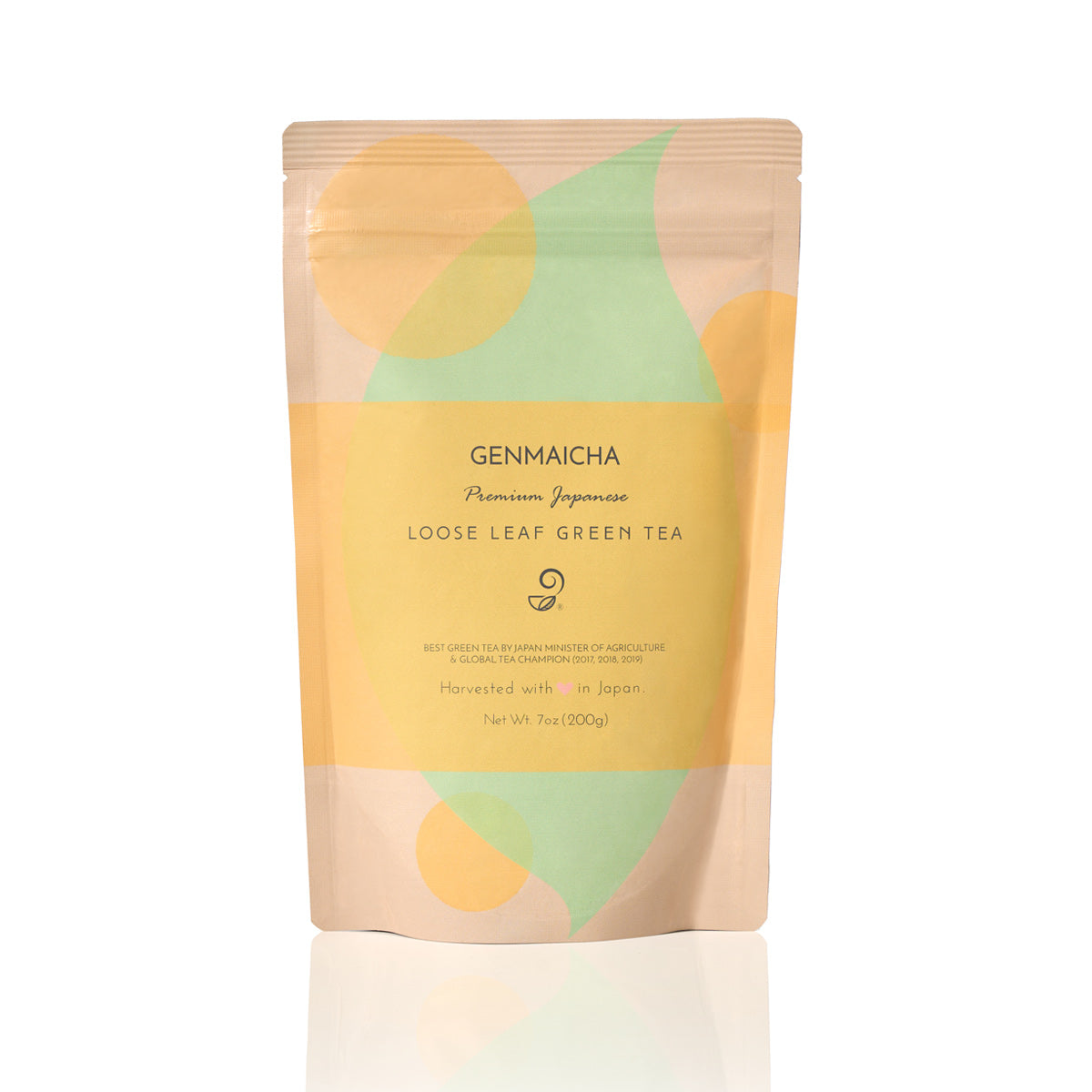
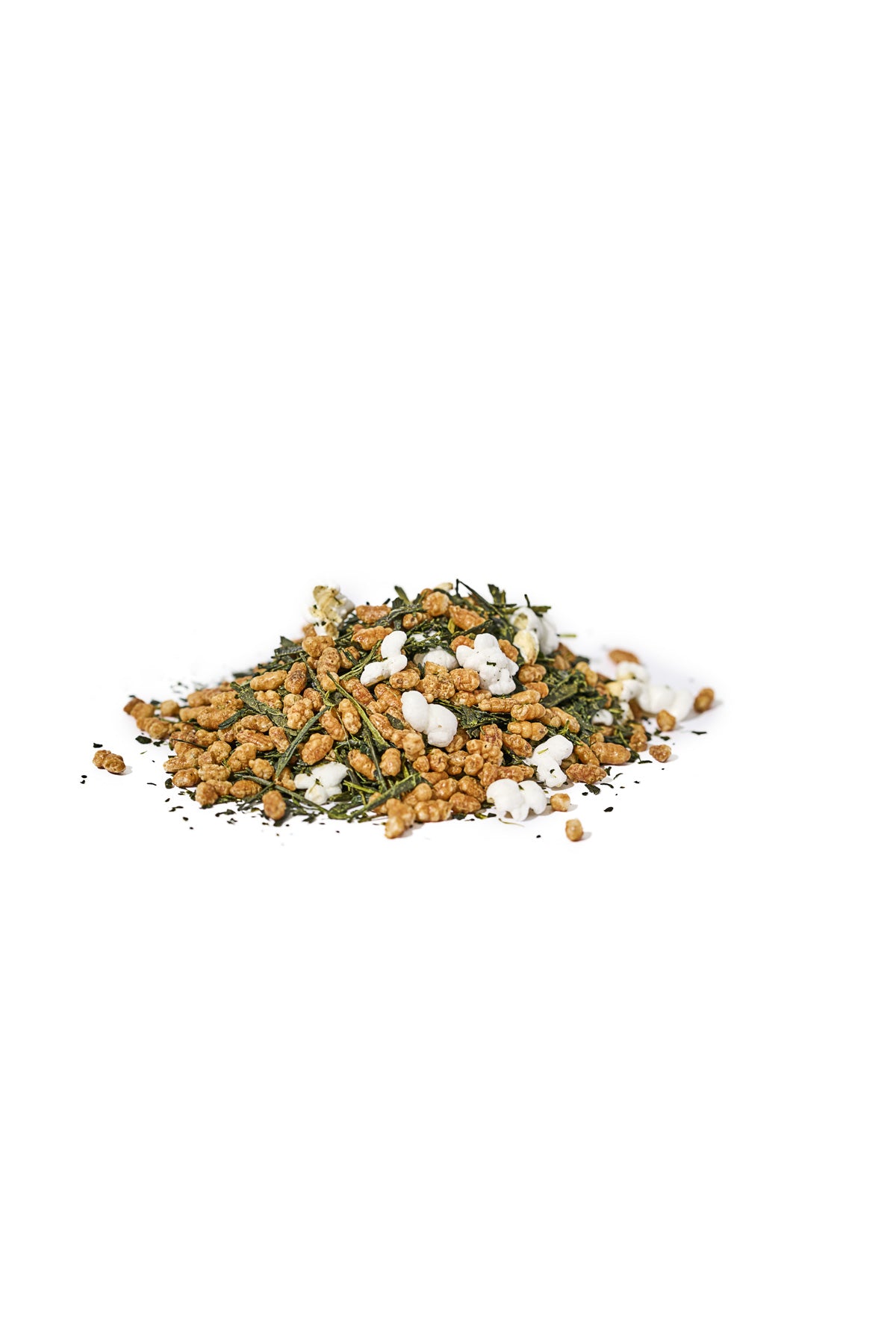
Genmaicha - Green Tea with Roasted Brown Rice

$30.00
Quick view

Our premium Japanese Genmaicha blends high-quality green tea with roasted popped brown rice (genmai 玄米), often nicknamed "popcorn tea" because the roasting process sounds like popcorn popping. Popular especially among the older generation in Japan for its mild flavor and lower caffeine content, this tea is easier on the stomach while still offering a rich, comforting taste. The brown rice used is premium Japanese mochi-gome (もち米) sticky rice, enhancing the tea’s nutty, aromatic profile. Made from Fukamushi Sencha and cultivated using the Chagusaba method in nutrient-rich sugarcane soil, this Genmaicha features the Yabukita cultivar and comes in a 7.0 oz (200g) eco-friendly resealable package, enough to steep 50–60 cups.

85 reviews

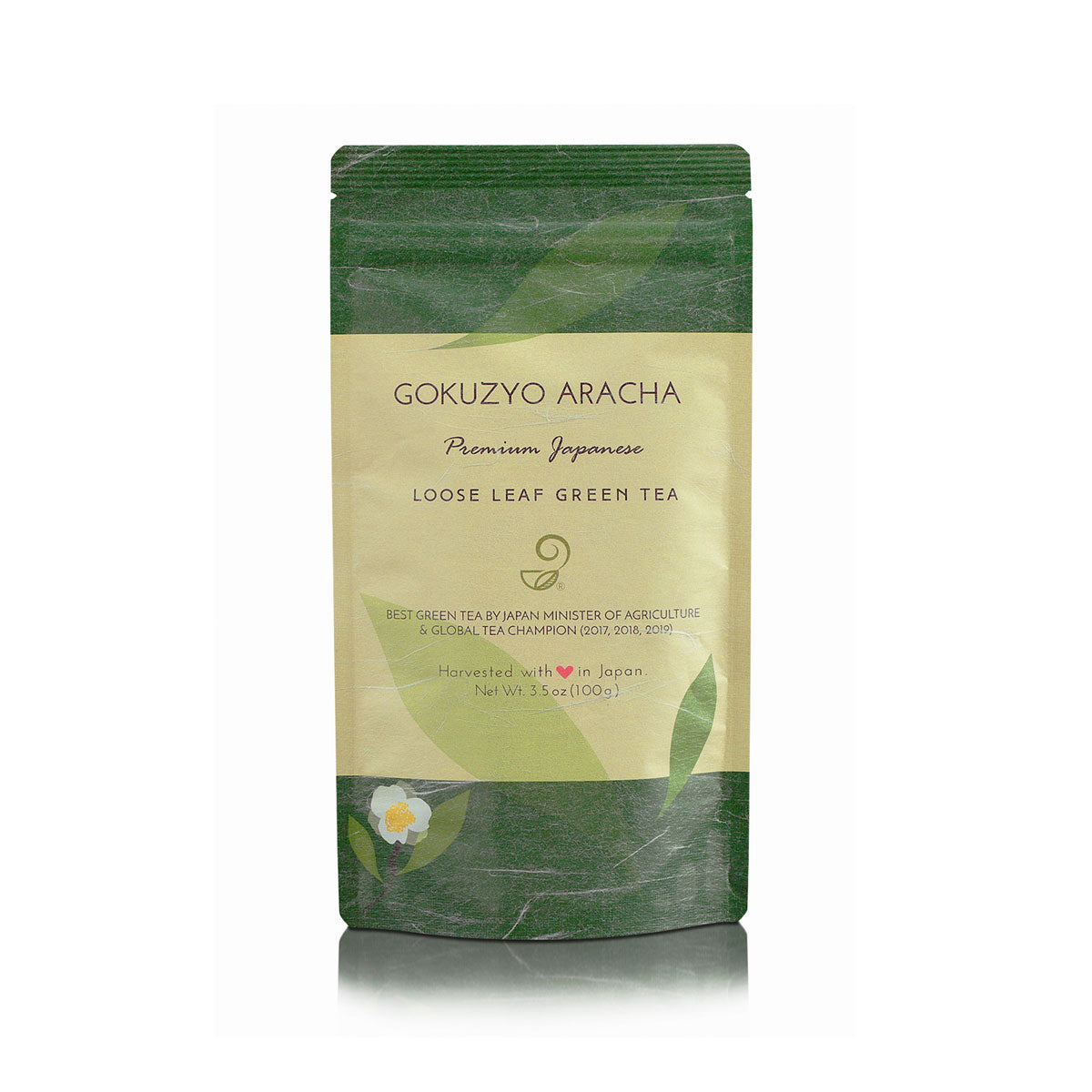
Gokuzyo Aracha - High-Grade Unrefined Green Tea

$39.00
Quick view

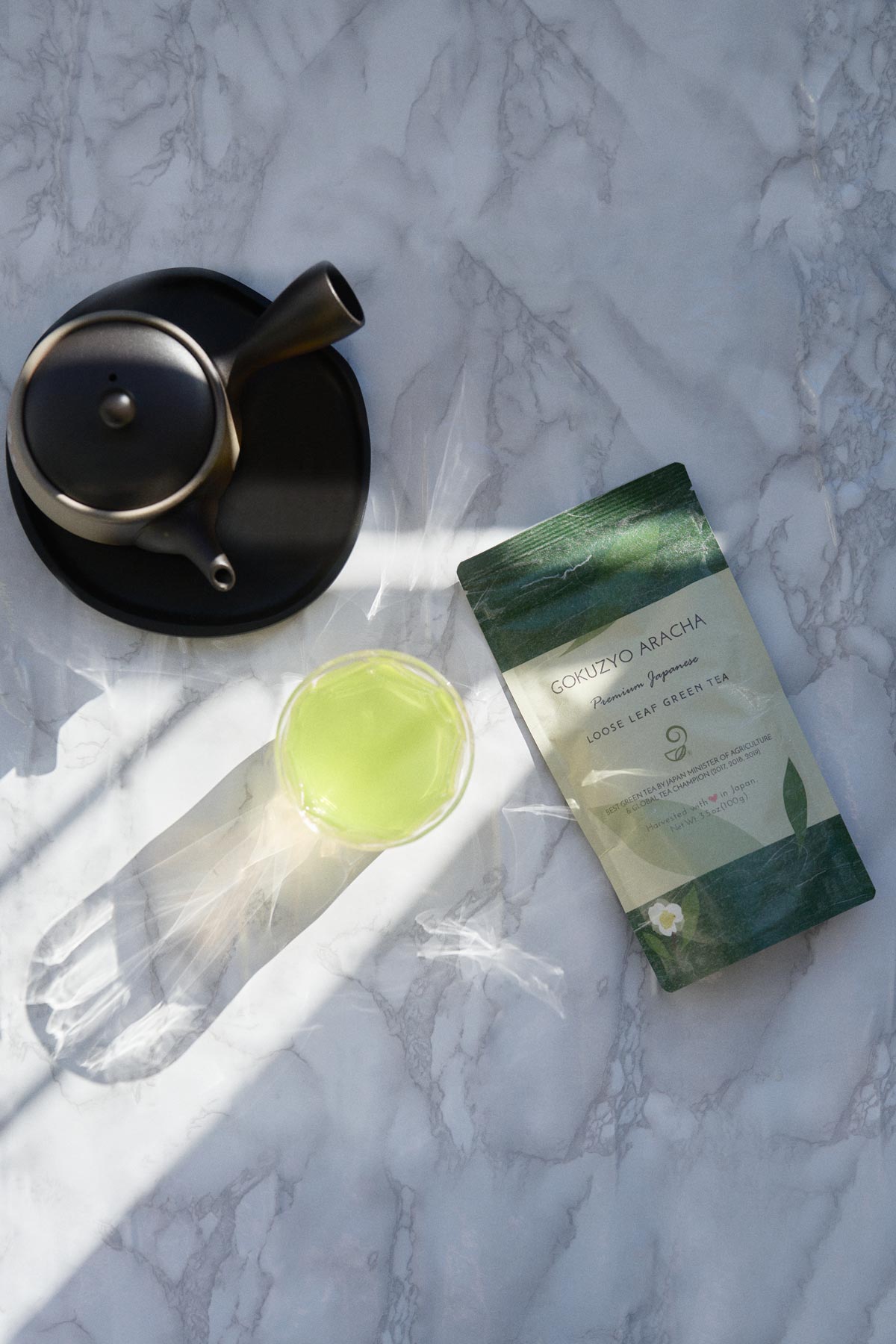
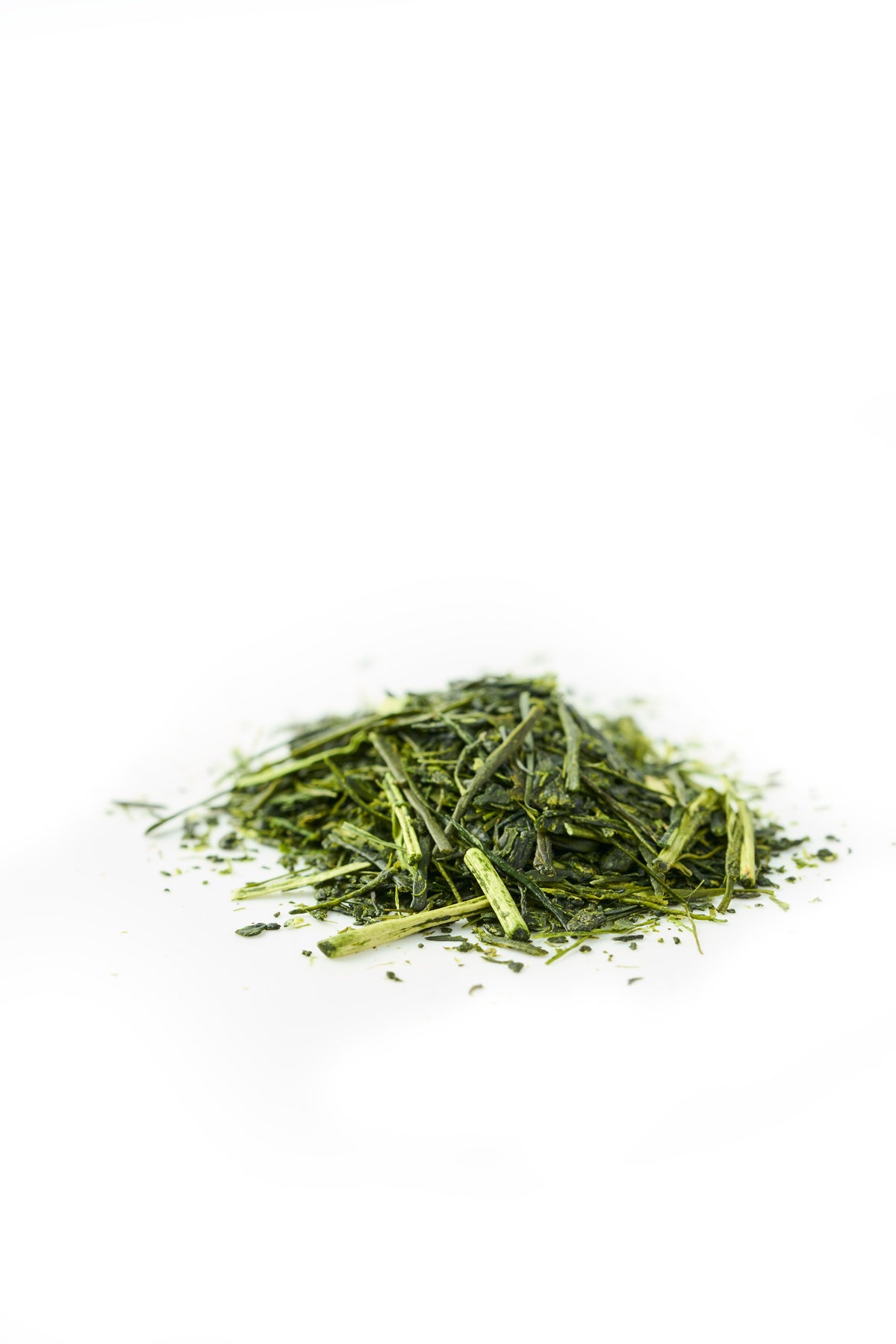
Gokyuzyo 極上, meaning "The Highest Grade," and Aracha 荒茶, meaning "wild tea" or "crude tea," offer a rare opportunity to enjoy green tea in its most natural, unrefined state. Unlike most green teas that undergo further processing, Aracha retains its original shape and includes twig tea, coarse leaves, and powdered tea, producing a beautifully colored drink with a mild, unique taste and higher nutrient content. Traditionally enjoyed by tea farmers for generations, this authentic Fukamushi Sencha is cultivated using the Chagusaba method in nutrient-rich sugarcane soil and made from the Yabukita cultivar. Available in a 3.5 oz (100g) eco-friendly resealable package or as a convenient 0.3 oz (10g) single-serve sample, it offers a truly traditional Japanese tea experience.

97 reviews

Gyokuro - Shaded Imperial Premium Green Tea

$65.00
Quick view

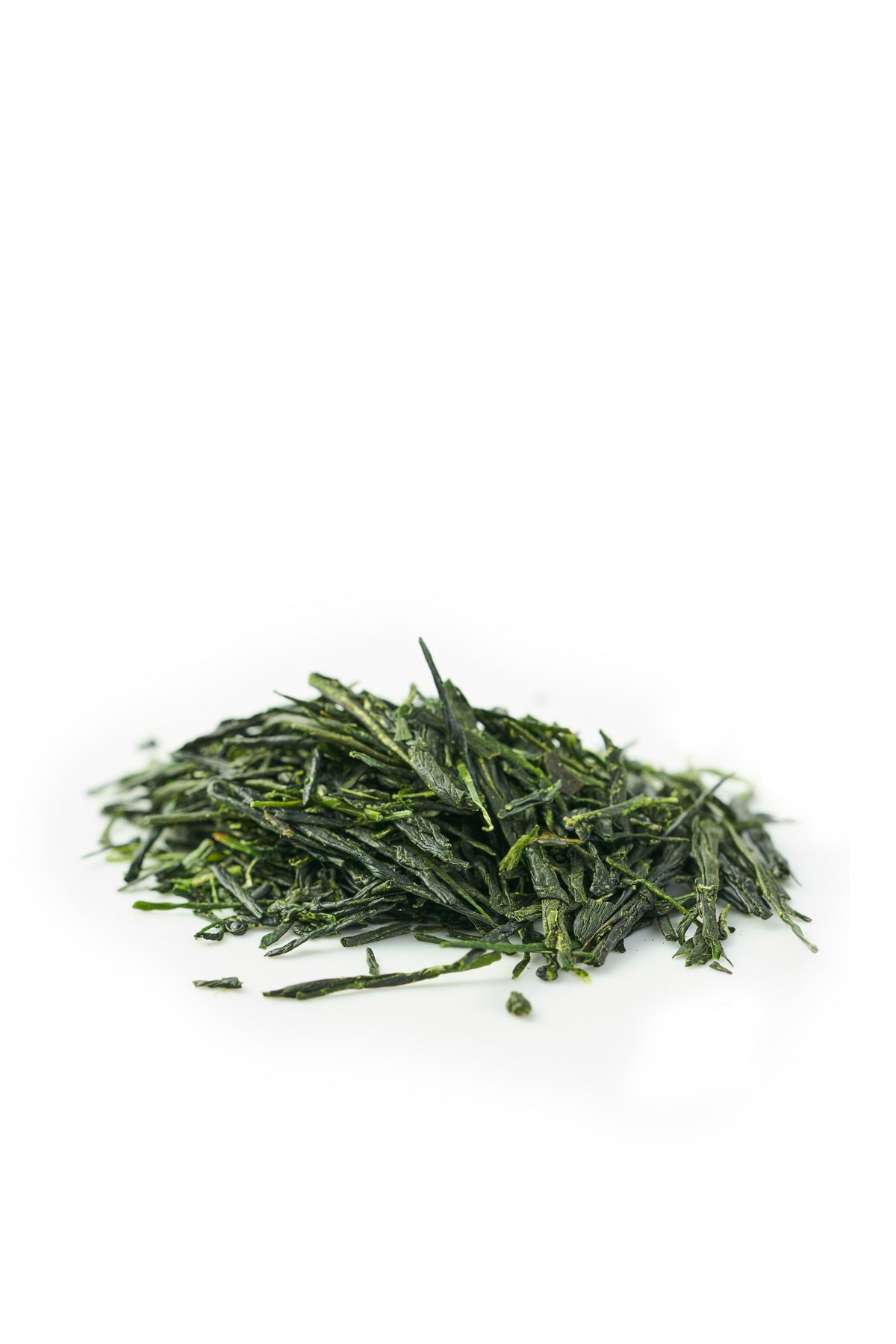
Gyokuro, also known as "jade dew" or "jewel dew tea," is a premium Japanese green tea shaded from the sun for 20 days using specially made mats, a method that boosts caffeine levels and strengthens amino acids to create a sweeter, richer flavor. This extended shading process results in dark, mossy green leaves with an unmistakable aroma and a complex taste that is layered yet balanced. Cultivated by the Chagusaba method in nutrient-rich sugarcane soil and made from the Yabukita cultivar, this loose-leaf authentic Gyokuro is offered in a high-quality, air-tight paper tube canister (chyazutsu) to preserve its exceptional freshness and flavor. Each 3.5 oz (100g) full-size package steeps 30–40 cups, and a convenient single-serve sample is also available.

8 reviews

The Sencha Lover Gift Set - Premium Japanese Green Tea Set Package

$179.00 $159.99
Quick view

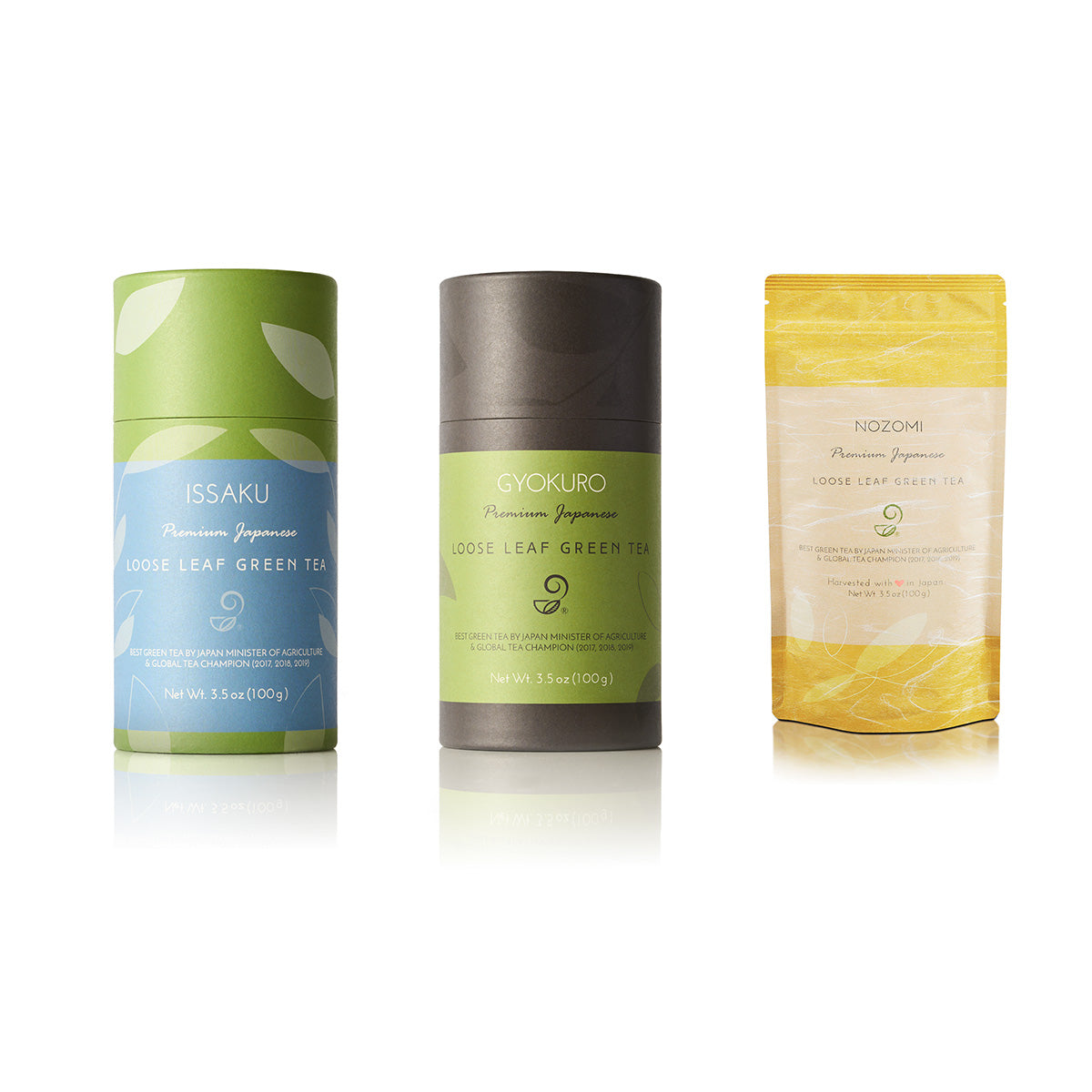
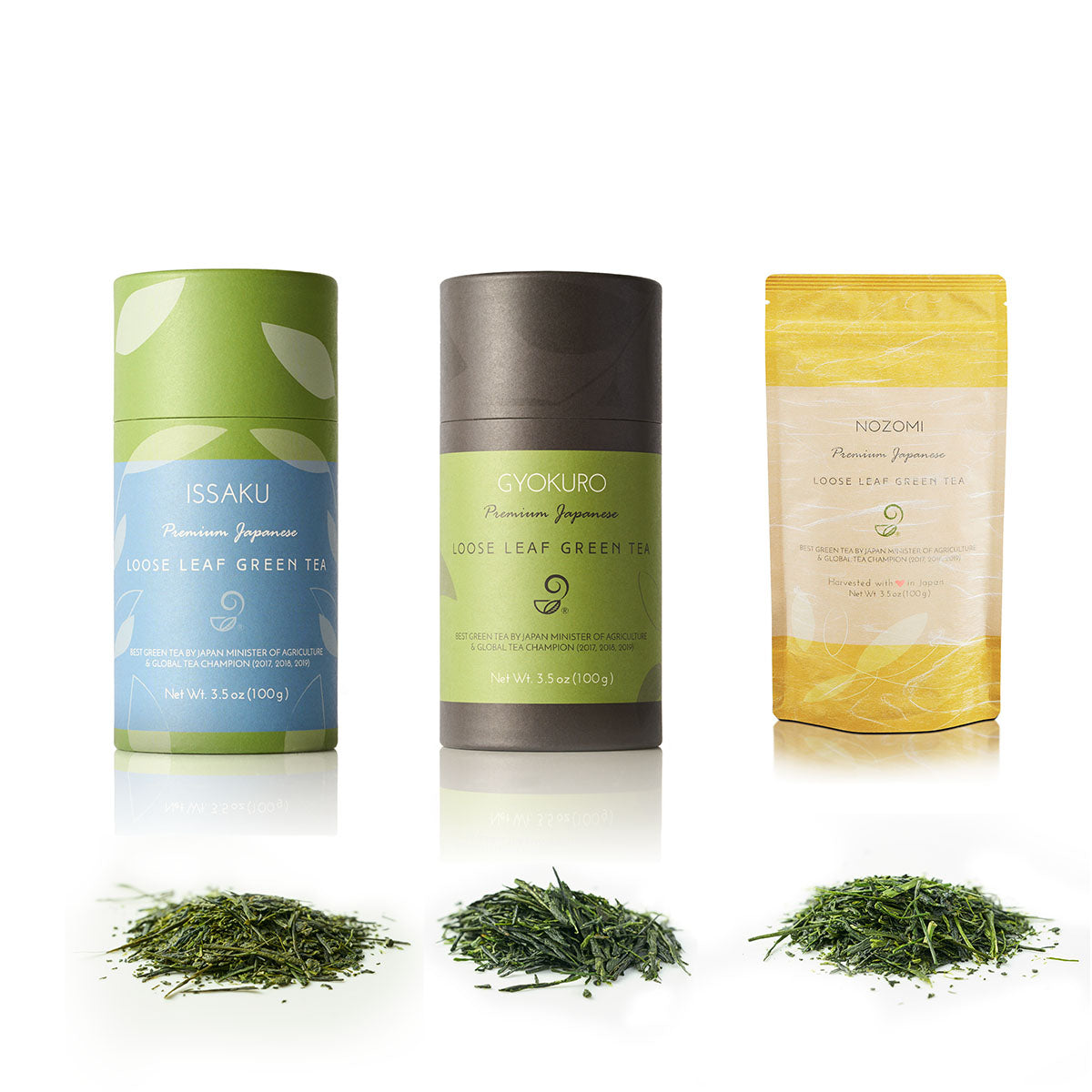
This tea set features three exceptional Japanese green teas, each crafted with care and traditional techniques. Issaku Reserve, a Global Tea Champion winner in 2017 and 2019, is a rare masterpiece created by Farm Master Mr. Arahata at Arahataen Green Tea Farm. Handpicked once a year from the first flush and processed with advanced methods, Issaku represents the highest-grade deep-steamed green tea, available only in limited quantities even in Japan.

The set also includes Gyokuro, a premium shaded green tea known for its rich, sweet flavor and deep mossy green color. Grown under special mats for 20 days to increase caffeine and amino acid levels, Gyokuro offers a layered, smooth taste unlike any other. Completing the collection is Nozomi, a fine Kabuse-cha, or "Covered Green Tea," carefully grown under nets to gently shade the leaves just before new sprouts emerge, resulting in a soft, rich, and refined flavor profile.


Related Articles You May Be Interested

Sony’s First Ever Restaurant/Café – Green Tea Sommelier’s Selfish Guide
Is Matcha Healthier than Sencha (Loose Leaf)?
Everything You Need To Know About Sencha Green Tea
Is Green Tea Good for Kids? - True or False? - Green Tea Quiz
Is Green Tea Good for Kids? - True or False?  - Green Tea Quiz
Japanese Tea Ceremony: What Not To Do

Get Free Bonus Books

Join Green Tea Club

Sign up for free to the Green Tea Club to get advice and exclusive articles about how to choose Japanese Tea, and tips, tricks, and recipes for enjoying Japanese tea.

Unsubscribe anytime. It’s free!

About the author

Kei Nishida

Kei Nishida

Author, CEO Dream of Japan

info@japanesegreenteain.com

Certification: PMP, BS in Computer Science

Education: Western Washington University

Kei Nishida is a passionate Japanese green tea connoisseur, writer, and the founder and CEO of Japanese Green Tea Co., a Dream of Japan Company.

Driven by a deep desire to share the rich flavors of his homeland, he established the only company that sources premium tea grown in nutrient-rich sugarcane soil—earning multiple Global Tea Champion awards.

Expanding his mission of introducing Japan’s finest to the world, Kei pioneered the launch of the first-ever Sumiyaki charcoal-roasted coffee through Japanese Coffee Co. He also brought the artistry of traditional Japanese craftsmanship to the global market by making katana-style handmade knives—crafted by a renowned katana maker—available outside Japan for the first time through Japanese Knife Co.

Kei’s journey continues as he uncovers and shares Japan’s hidden treasures with the world.

Learn more about Kei Nishida

Related Posts

Behold: Balmuda's "The MoonKettle" — Where Boiling Water Becomes Art

We were privileged to be invited by Balmuda's Private MoonKettle Launch Event. Here are videos of it and everything you

Read More
OC Japan Fair April 2026 — Visit Us at Booth #A8!
OC Japan Fair Spring 2026 Recap (April 3 - 5 2026)

We were at OC Japan Fair again! April 3-5 2026 with new products, Miki Pon's art debut and more. Here is a recap video f

Read More
Super Mario and Japanese Green Tea

Super Mario and green tea share a hometown! Watch our Yoshi Matcha Cookies video recipe + discover how Nintendo and matc

Read More
Leave a comment

Your email address will not be published..

Cart

Your cart is currently empty.

Start Shopping

Select options