

If you’re a frequent reader of this blog (if not, then you should be!) and are thinking of heading to Japan sometime soon, then you’re probably going to want to drink some tea whilst you’re over there, right?
I’ve compiled a list of the six best places to buy and drink green tea in the nation's capital, some of which you absolutely shouldn't miss! And don’t even think of drinking green tea in your hotel room and calling it quits.
Tokyo offers some of the most incredible green tea drinking experiences in the world, run by the country's most knowledgeable artisans. Whether you’re a seasoned Gyokuro drinker or a novice taking their first steps in the world of green tea, you’ll find a shop perfectly suited to you.
1. Tokyo Saryo, Setagaya City - Best for Minimalists
 Image credit: Tokyo Saryo
Address: 1 Chome-34-15 Kamiuma, Setagaya City, Tokyo 154-0011
In a small corner of Setagaya City, 20 minutes by train from Shibuya station, is a tea shop that presents Japanese minimalism at its finest. What started as a mission to provide good-quality tea to its customers has clearly turned into something much bigger.
- The shop is in a quiet, residential area that feels miles away from the city's chaos, making it a peaceful retreat for tea lovers.
- Easily accessible via public transport, it's a great stop for those exploring Tokyo beyond the typical tourist spots.
Tokyo Sayro states that most people in Japan drink from PET bottles daily, which completely distort and negatively impact the taste of the tea. It then became their mission to provide the purest and most authentic tea-tasting experience they could. This allowed both visitors and regulars to enjoy Japanese tea the way it was intended to be enjoyed.
- PET bottle culture has made real tea appreciation a rarity — Tokyo Saryo is challenging that.
- They source single-origin tea leaves to ensure the flavors remain untouched and unblended.
But as you’ll learn from a lot of shops on this list, a good-tasting tea shouldn't stop at the cup.
Tokyo Saryo’s interior has been specifically designed to encourage drinkers to focus solely on their cup and the present moment.
- The atmosphere encourages a slower, more intentional tea-drinking ritual.
- Guests are invited to sit at a simple bar where the tea is prepared in front of them — creating a quiet moment of connection.
As such, the tasting room is fronted by two bi-fold doors that let in an extreme amount of natural light. This is accompanied by the presence of only wood and concrete in view during the tasting, a clear salute to modern Japanese design principles and traditional minimalism. Each of these components supports a mindful tasting experience that you’re seriously unlikely to achieve at your local Costa.
- The design strips away distractions, helping guests fully engage with their senses.
- It’s a seamless blend of form and function — where architecture complements the experience of the tea.
What is the hand-dripping technique?
Well, put simply, it’s the exact same process as pour-over coffee.
The sencha is placed in its own tea dripper and has hot water poured over it from a gooseneck teapot.
This technique ensures their single-origin tea is carefully brewed and tastes as it should.
Saryo is a Japanese tea shop like no other.
So go and have a tea-tasting experience that only a few have ever had, and buy some tea to continue supporting their vision.
- Take-home options are available so you can recreate the experience in your own space.
- Supporting Tokyo Saryo also supports the preservation of traditional Japanese tea culture in a modern world.
2. Ippodo, Tokyo Marunouchi Store - Best for luxury tea
Address: 〒100-0005 Tokyo, Chiyoda City, Marunouchi, 3 Chome−1−1, Teigeki Building, 1階 Phone number: +81 3-6212-0202
Ahh, Ippodo.
My guil-tea pleasure…. (not proud of that one…)
If you’ve ever tried to find a tea shop in Tokyo, chances are you’ve heard of this one.
Opened in December 2010, the Tokyo Marunouchi store was Ippodo's second tea shop. Their 300-year-old flagship store is located in Kyoto.
I won't lie; Ippodo is a guilty pleasure of mine. The first time I found the Marunouchi store, I spent way too much money on matcha and gyokuro tea...
But hey, what’s money for if not to buy far too much tea?!
Not sure how the different varieties of tea will taste?
The staff inside the shop are extremely helpful and will gladly whip up a bowl of matcha or green tea in front of you to help you decide.
The shop also features a dimly lit tea room for you to enjoy Matcha, Gyokuro, Sencha, and Bancha at your own pace before deciding to purchase.
The decor is designed in a similar way to traditional Japanese tea rooms and Tokyo Saryo. However, it uses a lack of light to promote a mindful drinking experience instead of an abundance of it.
The shop stocks a variety of teas and is definitely on the more expensive side. But if you’re looking for something special to take home from your trip, then this is without a doubt the best place to go.
Whether you're hunting for an elegant gift or indulging in your own tea ritual back home, Ippodo’s premium packaging and heritage-grade quality make every purchase feel like a true celebration of Japanese tea culture. From ceremonial-grade matcha to perfectly balanced sencha, each tea is a work of art — and one sip is enough to transport you straight back to Japan, no matter where you are in the world.
3. Yamamotoyama Fujie Sabo, Chuo City - Best for food pairings
Address: Japan, 〒103-0027 Tokyo, Chuo City, Nihonbashi, 2 Chome−5−1 髙島屋三井ビルディング1階 Phone number: +81 3-3271-3273
Set in the business district of Chūō, Yamamotoyama Fujie Sabo is a Japanese tea shop with over 300 years of experience.
When we talk about a tea shop that’s existed for such an extended period of time, it’s almost a given that they know their stuff, and Fujie Sabo is no different.
- The shop is part of Yamamotoyama, a tea company founded in 1690, making it one of the oldest commercial tea producers in Japan.
- Located near Tokyo’s financial and corporate center, it draws a mix of refined locals, curious tourists, and business professionals looking for a premium tea break.
Unsurprisingly, their most premium offering is a Gyokuro from Kyoto (Uji Gyokuro) set at ¥2,300 (about $20). It might seem expensive, but if you’ve never had this type of tea before, then I wholeheartedly recommend you try it. Oh, and you can also eat it with soy sauce if you choose to!
- Uji Gyokuro is known for its deep umami flavor, soft sweetness, and elegant aroma.
- The unusual practice of eating the used leaves with soy sauce is a nod to sustainable consumption — and it’s surprisingly tasty!
Also on offer are matcha from several prefectures, single-origin Sencha from Kagoshima, Hojicha from Kyoto, and Genmaicha from a number of locations.
- Each tea is traceable to its region, highlighting Japan’s diverse terroir and climate-specific tea characteristics.
- They rotate offerings seasonally to align with harvest cycles and flavor peaks.
One topic Fujie Sabo prides itself on is the relationship between green tea and food.
So if you’re a foodie but also love your tea, this is a great shop to visit.
Most of the food pairings start with a base of roasted nori seaweed and build up a flavor profile with things like noodles, soup, sushi, wagashi, and, of course, your choice of green tea.
- Their seasonal tasting menu is designed to elevate tea’s natural flavor with complementary dishes — think umami-rich broths, delicate sushi, and handcrafted sweets.
- It’s not just a tea tasting — it’s a full culinary experience with a spotlight on harmony and balance.
- Ideal for those who want to explore tea as part of Japanese gastronomy, not just as a beverage.
4. Sakurai Japanese Tea experience, Minato City - Best for modern tea ceremony
 Image Credit: Image credit: Sakurai Japanese Tea Experience
Address: スパイラルビル 5F, 5 Chome-6-23 Minamiaoyama, Minato City, Tokyo 107-0062, Japan | Phone number: +81 3-6451-1539
If you’re looking for something more than just a tea shop, the Sakurai Japanese Tea Experience might be worth checking out.
After studying for 14 years to become a tea master, Shinya Sakurai opened ‘Sakurai Japanese Tea Experience’’ in an effort to modernize the humble tea ceremony while still honoring its roots. The interior is similar to the previous tea shops on the list, with the main focus being mindfulness and creating a sense of calm. The best atmosphere to enjoy and appreciate tea.
The bar seats around 8 people, so expect an intimate and personal experience throughout your stay.
If instead you’re just after something to take home and can't quite afford the experience, Shinya has vials of tea for sale in the front of his shop, a design that pays homage to the building's pharmaceutical history.
Prices for individual teas start at ¥1,650 ($13), or you can splurge (and you absolutely should) on five tea tasting courses for ¥4,900 ($44).
If you can’t treat yourself to tea in Tokyo, then when can you?!
What truly sets Sakurai's experience apart is the way each tea is brewed and served with a storyteller's grace. Sakurai doesn't just pour tea—he shares its history, explains the technique, and curates an environment where tradition meets innovation. From smoked hojicha to inventive infusions involving seasonal herbs, every cup challenges the notion of what tea can be.
The minimal, almost meditative space is complemented by a rotating tea menu that changes with the seasons. It’s a modern-day kaiseki for tea lovers, where the ritual of drinking becomes an artistic journey. Whether you're deep into tea culture or just curious, this one-of-a-kind experience lingers long after the last sip.
5. Uogashi Meicha, Ginza - Best for learning
 Image Credit: Uogashi Meicha
Address: 5 Chome-5-6 Ginza, Chuo City, Tokyo 104-0061, Japan | Phone number: +81 3-3571-1211
Founded in 1931, Uogashi Meicha is another tea shop that’s been in business for an exceedingly long time and clearly knows its stuff.
Since Tomohiro Tsuchiya (the current company president) took over, plans have shifted from focusing solely on sales to increasing stores and improving staff expertise. These two critical changes meant that Uogashi Meicha was able to provide their tea to a wider audience with far more expertise.
- Tsuchiya’s leadership has focused on education-first service, ensuring customers understand the art and science of tea.
- Staff training includes tea brewing techniques, regional knowledge, and customer communication, especially for international visitors.
Staff speak great English and are only too happy to teach or assist you in your tea-based endeavors!
Whether you want to learn how to properly brew tea, learn about the tea leaves, or learn about the company's history, they’ve got you covered.
You can get hands-on advice on:
- Water temperature and steeping time for different tea types
- Tea leaf origin and harvest seasons
- The nuances of flavor profiles based on elevation, climate, and region
- Traditional and modern brewing tools for home use
I’ve even read a review that stated a couple was in the Ginza branch for over 2 hours, learning everything they could. It’s truly a place that loves to teach about tea just as much as it loves to sell it.
Just like the other shops on this list, Uogashi Meicha has an extensive range of teas to purchase.
(takes a deep breath.)
- Hongyokuro – a richer, more mature version of gyokuro
- Sencha – the classic daily-drinker with balance
- Matcha – stone-ground and ceremonial grade options
- Bancha, Mecha, Genmaicha, Kukicha – each offering distinct taste and aroma
- Hojicha, Konacha, Kamairicha, and Kocha – roasted, steamed, pan-fired, and even black teas for more adventurous palettes.
Plus all sorts of teaware and accessories you may need to make the perfect cup.
If you only have time to go to one place, I’d make it here.
6. Dobashien Tea Company - Best for exclusive tea leaves
Address: 3 Chome-17-8 Akasaka, Minato City, Tokyo 107-0052, Japan | Phone number: +81 3-3583-3788
For the final teashop on this list, we have another long tea business.
Dobashien Tea Shop was established in 1892 when Tetsugoro Dobashi set up shop on the quiet outskirts of Tokyo.
- The founder, Tetsugoro Dobashi, started with a vision to bring premium-grade teas to discerning drinkers in Tokyo.
- At the time, the area was far removed from the city's center — offering a tranquil base for what would become a prestigious tea destination.
The city then grew, and Dobashien found itself in the middle of an elite and financially rich district.
- As Tokyo’s urban landscape shifted, Dobashien became surrounded by luxury ryotei (traditional fine dining establishments), business elites, and cultural tastemakers.
- This shift positioned Dobashien as a natural supplier for Tokyo’s high-end culinary scene.
Ryotei (luxury Japanese restaurants) started to pop up everywhere, and what did they need?
Luxury tea leaves.
Dobashien has had its market and has continued to prosper for over 100 years.
- Their clientele includes Michelin-starred restaurants, tea connoisseurs, and corporate gift buyers seeking something exceptional.
- Many teas are sourced in small batches from specific farms and are not available in mainstream stores.
With their shop located in Minato City, you’ll never be too far away from some of Tokyo’s most luxurious and exclusive tea leaves.
- The location is central yet refined, reflecting the shop’s long-standing association with quality and sophistication.
- You’ll find a variety of rare teas, including aged gyokuro, high-mountain sencha, and private-label blends curated for specific customers.
Well, there you have it. Six of the best places to buy and try green tea in Tokyo
I know I didn’t have to convince this audience to buy tea while you’re in Japan, but I hope I’ve given you a few options and suggestions you weren't aware of to make your trip an extra special one.
It’s been a real privilege to write for Kei and his audience, and if you’re interested in learning more about Japan or trying to plan a trip, then catch me over at A Day of Zen, and I'll be more than happy to help!
じゃあまたね ^_^

Guest post by: Jonny Gleason

A Day of Zen was built with the intention of sharing my love for Japan and its culture as well as guiding first-time visitors through their trip. If you’re interested in learning more or maybe even planning a trip out there, come and say hello at www.adayofzen.com.
6 Must-Visit Tea Shops in Tokyo Infographic
To complement this guide, we’ve also created a visual summary of the 6 must-visit tea shops in Tokyo. These beautifully designed infographics are perfect for quick reference, trip planning, or simply getting inspired by Japan’s rich tea culture. You can find them on our Green Tea Infographic Board on Pinterest — and while you're there, don’t forget to follow us for even more curated content, travel tips, and visual guides dedicated to all things Japanese tea

These infographics are from our Green Tea Infographic Board on Pinterest. Follow us on Pinterest to see more infographics like this!
FAQs about Tokyo Tea Shops
What's the difference between Ippodo, Tokyo Saryo, and Yamamotoyama — should I visit all three?

What's the hand-drip pour-over technique Tokyo Saryo uses, and is it actually better than a kyusu?

Will the tea I buy in Tokyo stay fresh enough to enjoy back home?
Related products
8 reviews
$179.00
$159.99
/
Quick view
The Sencha Lover Gift Set - Premium Japanese Green Tea Set Package


7 reviews
$195.00
$156.00
/
Quick view
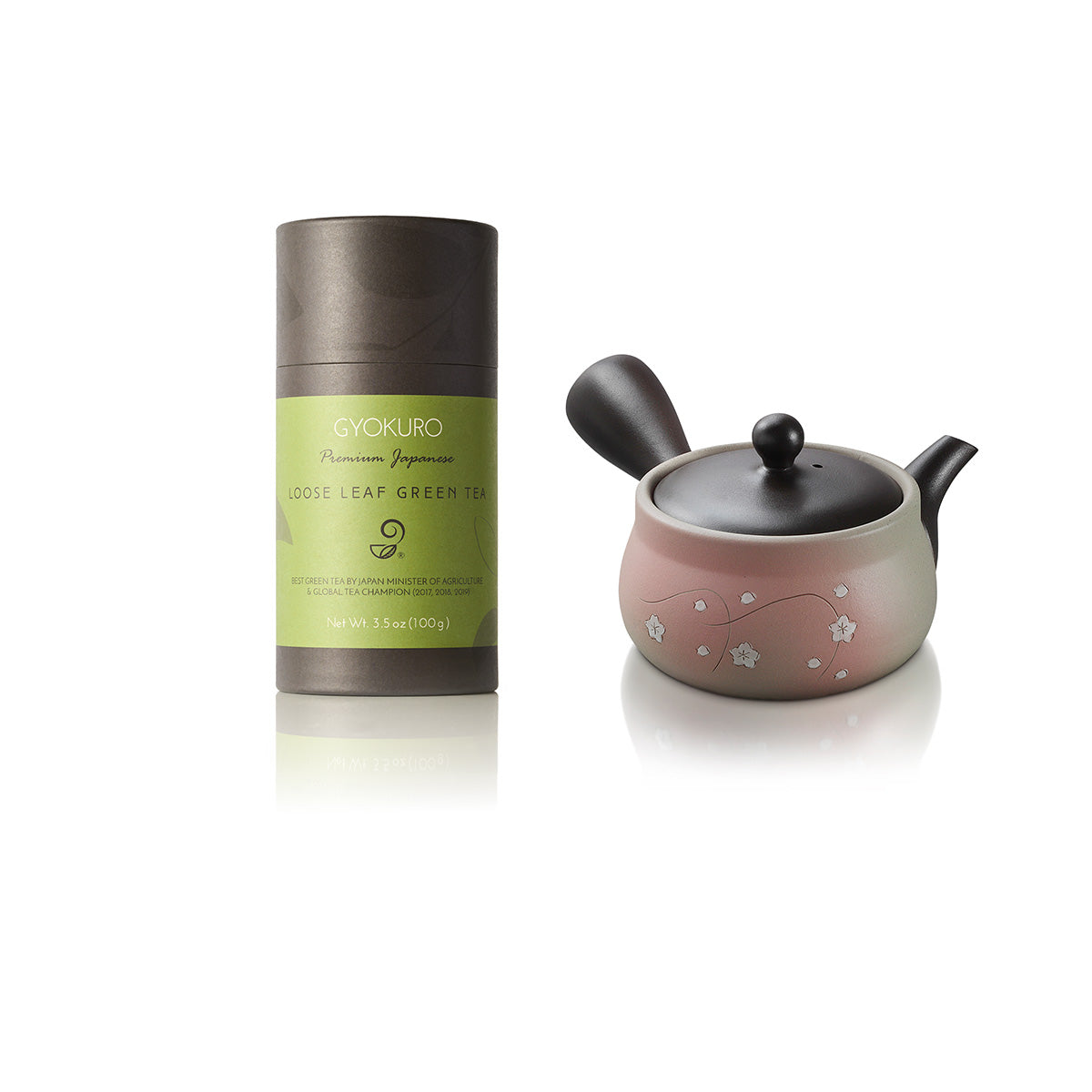
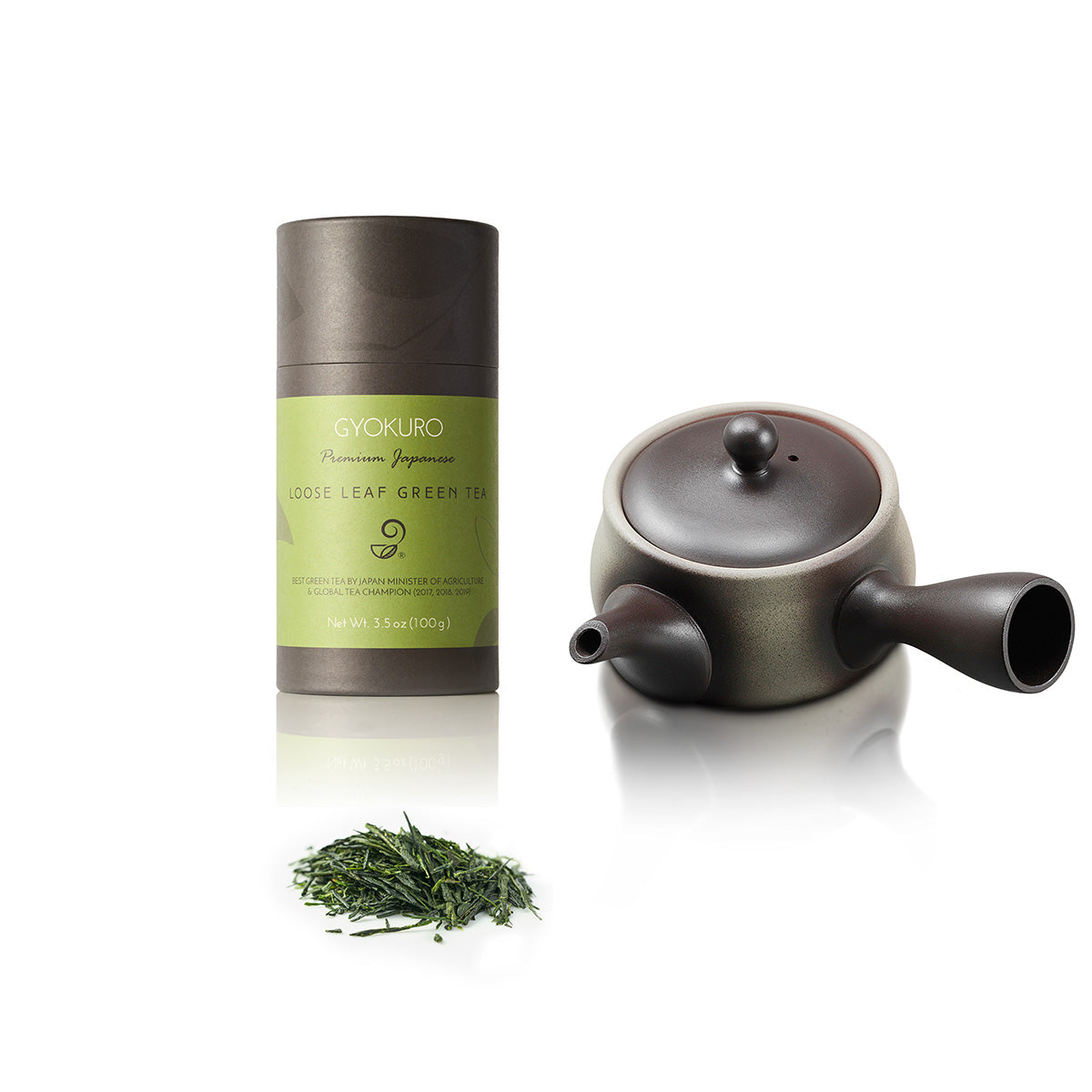
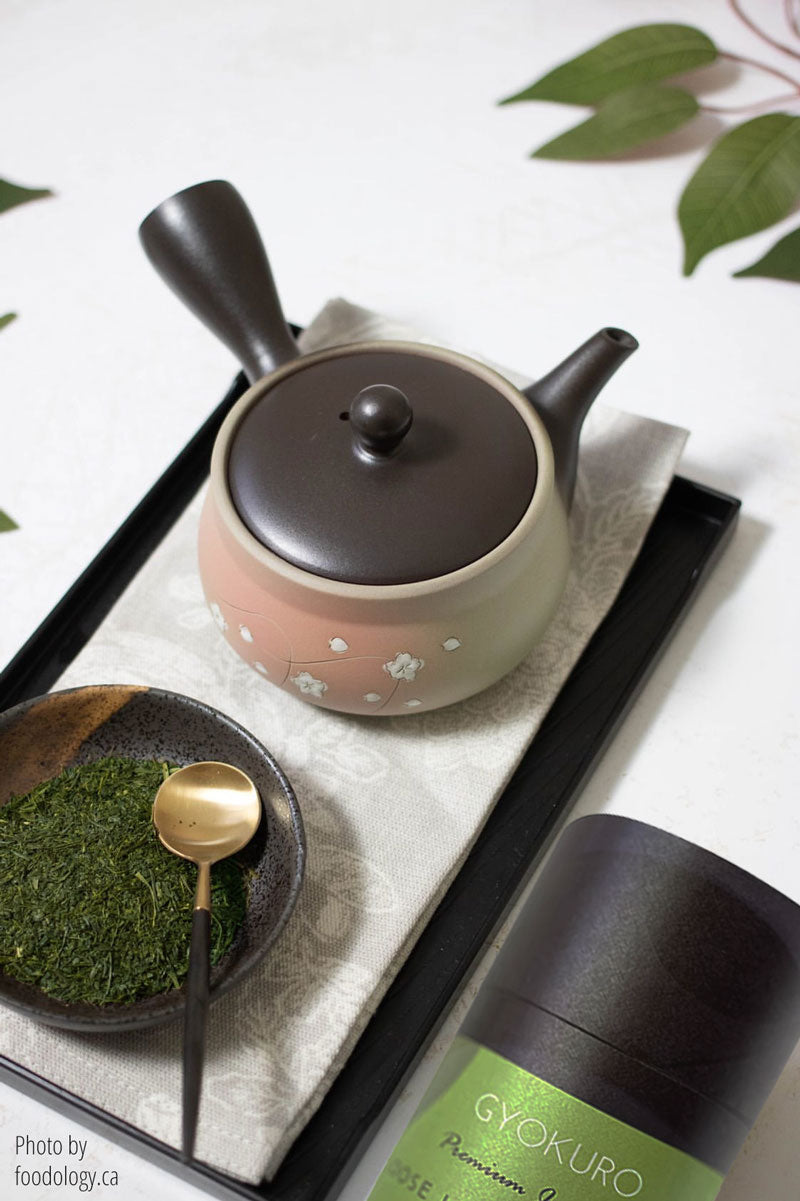
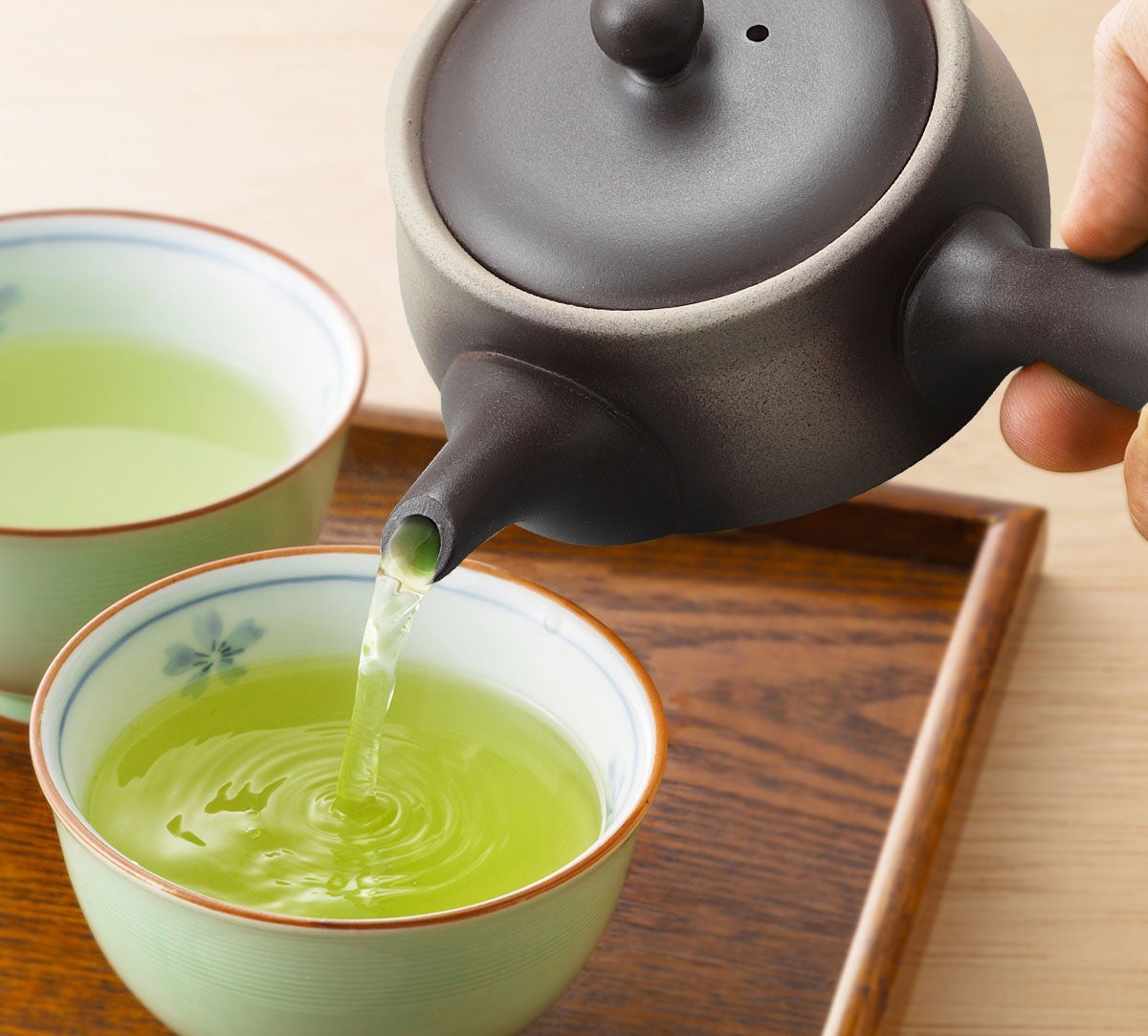
The Beginner Gift Set - Premium Japanese Green Tea and Japanese Tokoname Kyusu Teapot


Get Free Bonus Books

Sign up for free to the Green Tea Club to get advice and exclusive articles about how to choose Japanese Tea, and tips, tricks, and recipes for enjoying Japanese tea.


