

Trends have a way of taking something relatively obscure and pushing it through a “coolness” filter. The latest trend, the green tea smoothie, has revolutionized the way green tea is consumed, and Japan is at the forefront of this exciting trend.
This isn't just about a new drink; it's about the dynamic fusion of ancient tradition and modern wellness. In bustling Tokyo cafes and serene Kyoto neighborhoods, the Japanese green smoothie has emerged as a symbol of a new generation's approach to health—one that honors its cultural roots while embracing global organic smoothie trends. This vibrant, emerald-green concoction is a world away from the quiet, ceremonial preparation of tea, offering a fresh, energetic, and highly accessible way to enjoy one of Japan's most treasured superfoods.
And, like every trend, there is a story behind its popularity which you should know a thing or two about.
How Did the Trend Start?
The truth is that it goes back to green tea in Japan and the different stages of popularity. Most people know that green tea is a staple in Japan, but it hit new grounds of popularity in the 90s. This is mostly due to some of the benefits everyone’s heard about, but popularity fizzled until bottled tea was introduced, revamping the industry.
There was a stagnant period where the tea’s popularity kind of fizzled, however. There were a lot of green tea farmers at the time, and they began to struggle, which forced them to change things up a bit. It was around this time that many green tea farmers began to produce green tea pet bottles. People began to drink the tea in a bottled form more and more, and by the year 2000, the green tea craze regained popularity… but the quality of the tea suffered.
This dip in quality was significant. The first wave of bottled teas often used lower-grade tea dust and extracts, and many were loaded with sugar and artificial flavorings to appeal to a mass market accustomed to soft drinks. This created a generational divide: older generations who knew the nuanced taste of freshly brewed tea were often disappointed, while younger consumers grew up with a sweetened, less authentic version of the beverage.
There was a time when every household in Japan had a teapot, but that slowly began to change because it was so much easier to pick up a bottle from a store than to actually brew your own tea. Not to mention the fact that there were other drinks making their way into Japan’s market, such as black tea and soft drinks.
The bottle explosion kind of led to the revolution in Japan regarding the green tea smoothie. Those who wonder about how this jump occurred should consider some of the other trends happening around the world.
Many of the bottled teas were considered low-quality, but people ignored this because of their accessibility. The industry changed however, when Japan’s youth became aware of additives, natural living, and organic foods, just like the rest of the world. Japan’s youth started moving away from subpar items, and the people of this country wanted to return to high-quality sencha, gyokuro, and even matcha. The green tea smoothie came out of this shift.
This shift wasn't just a fad; it was deeply connected to a growing cultural emphasis on shokuiku (食育), or "food education," which promotes a better understanding of ingredients and healthy eating habits. As young people began seeking out authentic, nutrient-dense foods, they rediscovered high-quality matcha not just as a traditional drink, but as one of the original Japanese superfoods. The smoothie became the perfect modern vehicle for this rediscovery—a convenient, delicious, and highly customizable way to consume this powerful ingredient.
The Green Tea Smoothie Explosion

Yes, people love the idea of returning to something a little more pure and natural, but it is a bit of a chore to brew your own tea. Sure, you may love the benefits of doing so, but that does not mean you are going to fall in love with the process. Some people will find that brewing tea is a beautiful experience, but it is likely not the majority.
Beyond convenience, the explosion was fueled by a revolution in texture and sensation. Traditional green tea has a thin, watery consistency and can be astringent. The Japanese smoothie, however, offered a completely new experience: a thick, creamy, and velvety mouthfeel that was both refreshing and satisfyingly substantial. This textural innovation was key to capturing the imagination of a generation raised on lattes, frappes, and milkshakes.
Why Matcha is the Star of Japanese Smoothies
You might wonder why matcha is used instead of other popular Japanese green teas like sencha or gyokuro. The answer lies in its form and production. Matcha is a fine powder made from the entire tea leaf. When you brew sencha, you are only infusing the water with the leaves' soluble components. When you use matcha in a smoothie, you consume the whole leaf, receiving 100% of its nutrients. This results in a higher concentration of antioxidants, L-theanine, and chlorophyll, directly contributing to the matcha smoothie benefits people seek. Furthermore, as a powder, it blends seamlessly into a smooth, grit-free consistency, which is impossible to achieve by simply blending steeped tea leaves.
Another reason the green tea smoothies became popular deals with the green tea shops showing up around Japan. You might be comparing this to the coffee house trend that took over the United States not too long ago, which is an accurate comparison. These tea houses began to brew specialty drinks like green tea smoothies for patrons who were mostly young people.
As you probably guessed, it did not take long for these tea pubs to become meccas for young people in Japan. It resembled coffee houses here in the States, and boba houses sprung up in many countries in Asia. The number of young people who are now flocking to these houses has cemented this resurgence of green tea as a cool and new trend. Still, there was bound to be a star that was going to take over, and this time it happened to be green tea smoothies.
Green tea smoothies are made from some of the finest green tea leaves, which is a major component of why people love it since it guarantees a strong taste and all the health benefits people love. People also love just how different the drink is from other drinks. Everyone knows that green tea has always had a watery-texture, and while that has not really changed, the smoothie completely flipped this idea on its head. One can easily see how blending something frothy, thick, and creamy with green tea made a splash. People, especially young people, love something different because it helps identify their generation while defying past generations.

Green tea shops are not the only locations in Japan where one can find green tea smoothies. There are several trendy restaurants that offer green tea smoothie variations, and some actually create signature blends that make their green tea smoothies different from others. For example, one blend that is making its rounds in some restaurants is the green tea yogurt smoothie that uses real probiotic-filled yogurt for the mix. It usually blends three-fourths of a cup of cold, green tea, one cup of green spinach, one cored and diced apple, a lemon, one tablespoon of honey, and one-fourth of a cup of plain yogurt.
This yogurt blend taps into the Japanese appreciation for fermented foods and gut health. Another popular variation found in health-conscious cafes is the Aojiru smoothie. Aojiru (青汁) is a nutrient-dense vegetable drink, typically made from kale or young barley grass. Blending the potent, grassy Aojiru with the smoother, more complex umami of matcha creates one of the most powerful and healthy Japanese drinks available.
Many people in Japan are also becoming aware of the farmer’s market trend and the small business craze, so this could be the reason why there is a rise in success for street vendors and food trucks, both of which are jumping into this new green tea smoothie trend. Street vendors and food trucks appear in events, festivals, and other similar activities throughout eclectic neighborhoods in Japan, but they do this in different ways.

Street vendors and food trucks also do their best to offer blends that are a little different, and those that serve green tea smoothies from a food truck are known to serve things that are a little edgy. For example, it is not uncommon to get a green tea smoothie topped with a little bit of vodka or gin to spice things up a bit. (Read my other article 10 trendy green tea cocktail recipe if you are interested to know more about this) Food trucks are staples in adult-oriented community events like raves or concerts. Likewise, most of the time these trucks are run by young entrepreneurs, making them quite hip amongst the youth in the country. This is one reason why it is easy to associate food trucks to younger subcultures in Japan.
Green tea smoothie vendors at the farmer’s markets like to make their smoothies with the fruits of the season. People who frequent farmer’s markets are in love with eating or drinking foods that are in their natural form, so making smoothies with farm fresh fruit is always a good idea. An example of this is the Mikan green tea smoothie, which is served when the Japanese variation of the orange is in season. It consists of one-fourth of a cup of coconut milk, yogurt, and green tea; a farmer’s market vendor will likely get his Mikan oranges from stands at the market.
This dedication to seasonality, known as shun (旬), is a cornerstone of Japanese cuisine. Following a green tea smoothie recipe Japan style often means adapting to the calendar. In autumn, you might find a smoothie with Kyoho grapes and matcha. In late spring, a luxurious version with white strawberries and matcha could appear. This approach ensures the highest quality ingredients and keeps the offerings exciting and new.
The Mikan recipe also calls for four ice cubes and five frozen ice cubed-sized chunks of spinach along with five grams of whey protein powder with the last ingredient being half a teaspoon of vanilla. It is a very interesting variation of the smoothie and one that only comes once a season. Vendors try different variations depending on the time of year, which is what makes them exciting to green tea smoothie lovers.
The Future of the Green Tea Smoothie
Now, many businesses are trying to join this trend with bottled tea. The difference is that these new bottled teas are now made with higher quality tea and have added natural fruits to make smoothies in a bottle. Some blends contain cold-pressed ingredients since this is a natural way to extract juice from fruits or vegetables. Some people are accepting the new bottled version of tea, but most are only interested in fresh, brewed teas made into their favorite green tea smoothie.
The new generation of bottled Japanese smoothies is a direct response to the quality concerns of the past. Brands now use technologies like High-Pressure Processing (HPP) to ensure safety and preserve the nutrients and vibrant colors of fresh ingredients without using heat. This allows them to offer a convenient product that aligns with modern organic smoothie trends.
There is no telling where this trend is headed, but its popularity is actually reaching Europe and the United States. Many people are beginning to see the benefits of green tea smoothies and just how versatile this drink can be. Keep in mind that there is always a blend out there that has not been discovered, so do not be afraid to experiment with your green tea smoothie recipes.
As the trend evolves, we can expect even more innovation. We may see savory smoothies incorporating ingredients like avocado and miso, or collaborations with traditional Japanese confectionery (wagashi) artisans to create dessert smoothies with flavors of adzuki bean and kinako (roasted soybean flour). The revolution is far from over; it's a delicious, ongoing conversation between Japan's rich past and its healthy future.
If you are interested in making one at home, check out one of my most my popular article: 20 Yummy and healthy green tea smoothie recipes – and everything you need to know about green tea smoothie here.

This is a chapter of my published book: Green Tea Cha – How Japan and the World Enjoy Green Tea in the 21st Century

This article was originally published on T-Ching where my article is featured

Related products
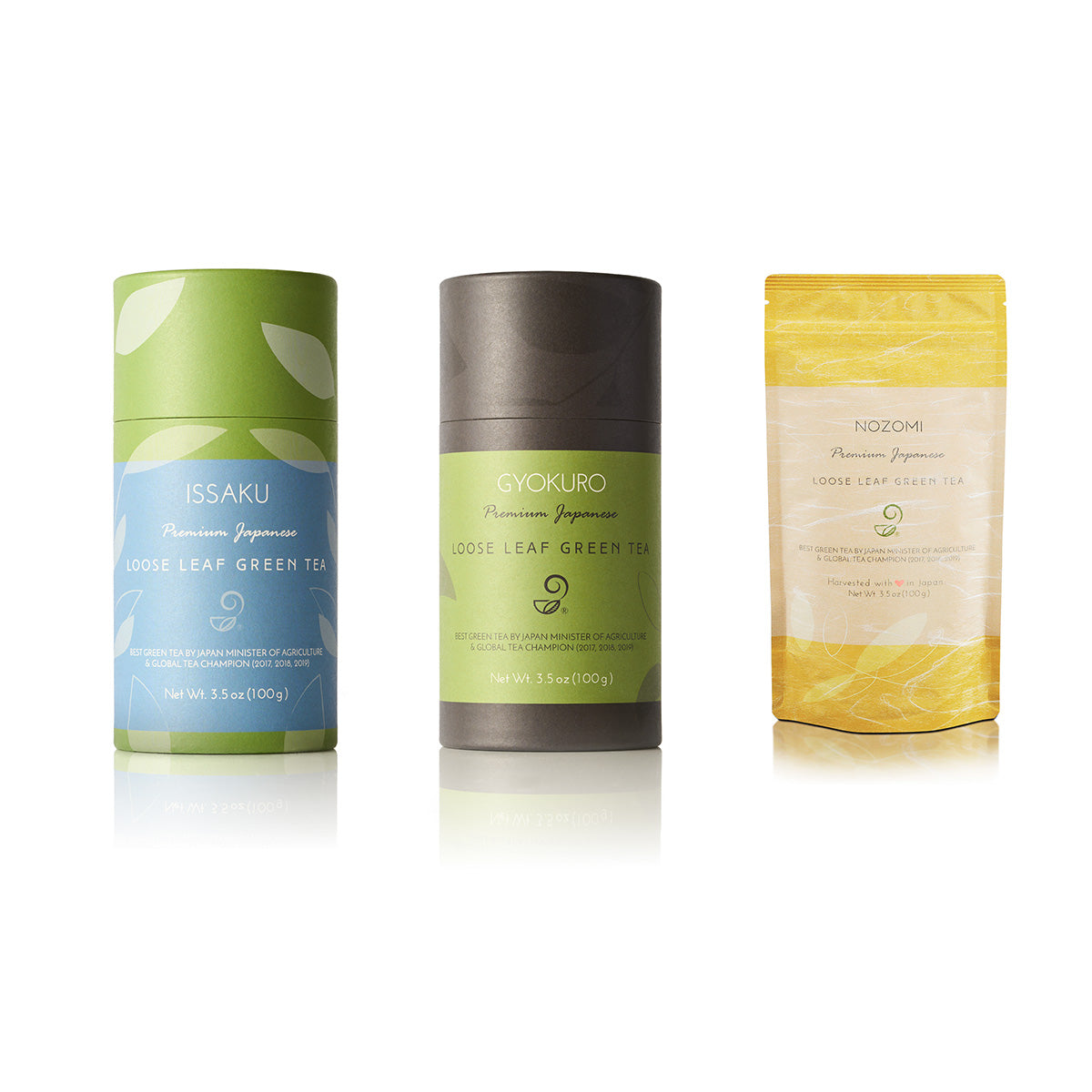
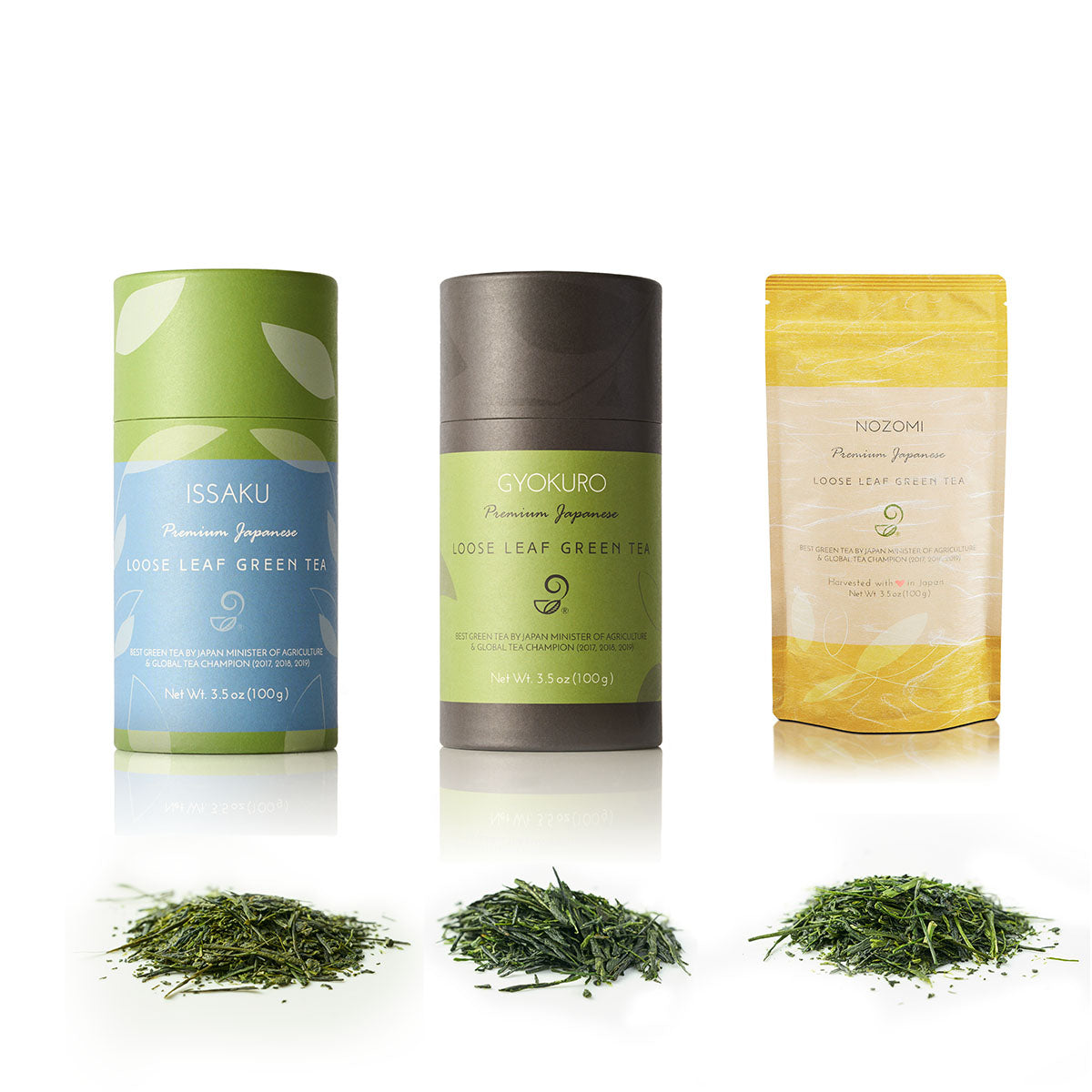
8 reviews
$179.00
$159.99
/
Quick view
The Sencha Lover Gift Set - Premium Japanese Green Tea Set Package


Get Free Bonus Books

Sign up for free to the Green Tea Club to get advice and exclusive articles about how to choose Japanese Tea, and tips, tricks, and recipes for enjoying Japanese tea.
About the author

Kei Nishida
Author, CEO Dream of Japan
Certification: PMP, BS in Computer Science
Education: Western Washington University


