Skip to content

Everything You Need to Know about Covering Process for Matcha and Gyokuro

What the Covering Process Does to Tea

We all know that to produce a delicate, umami-flavored matcha green tea, the covering process is a vital step. The effects of the shade is what distinguishes matcha from sencha, or regular green tea. However, matcha isn’t the only tea that is covered before the harvesting season.

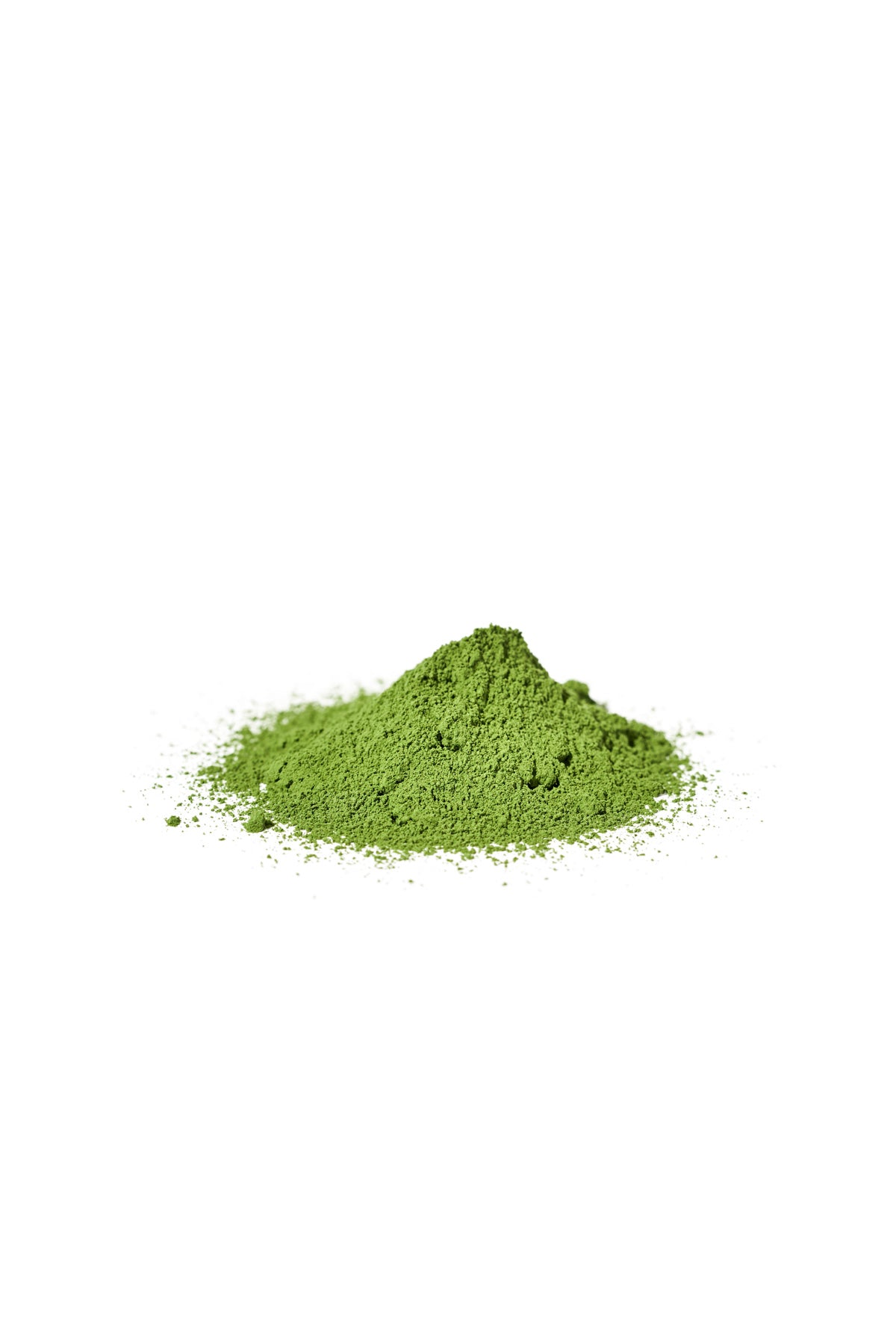
Gyokuro, also known as “jade dew,” is another type of Japanese green tea that undergoes the shading phase. Everything about matcha and gyokuro is the same, up until the actual processing of the harvested tea leaves. For matcha, a very intricate and careful practice of destemming the leaves, extracting the veins is performed. This leaves only the juicy, vital part of the leaf to be dried out into tencha. Not a single drop of water remains to ground tencha into the fine, airy vibrant powder that is matcha.

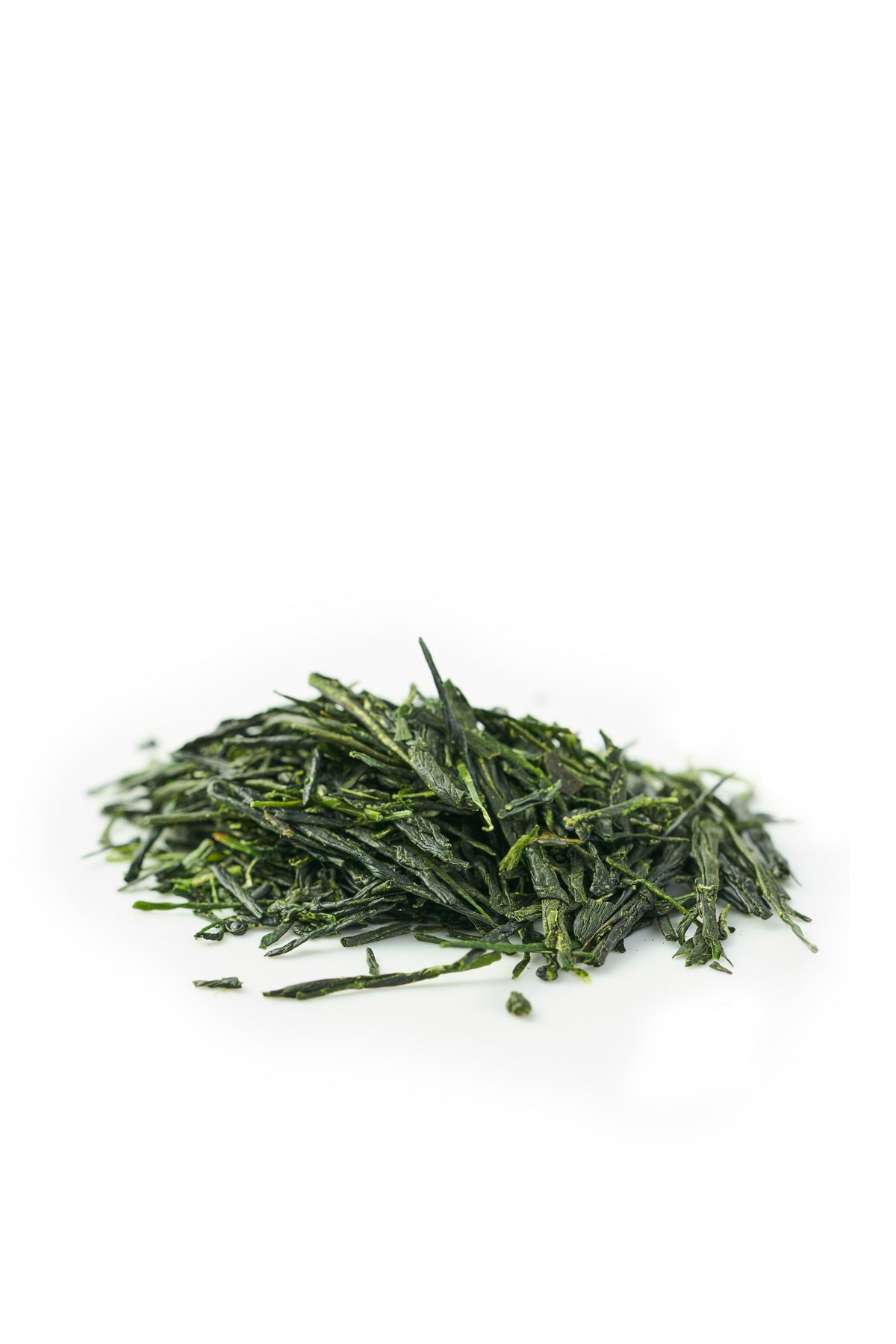
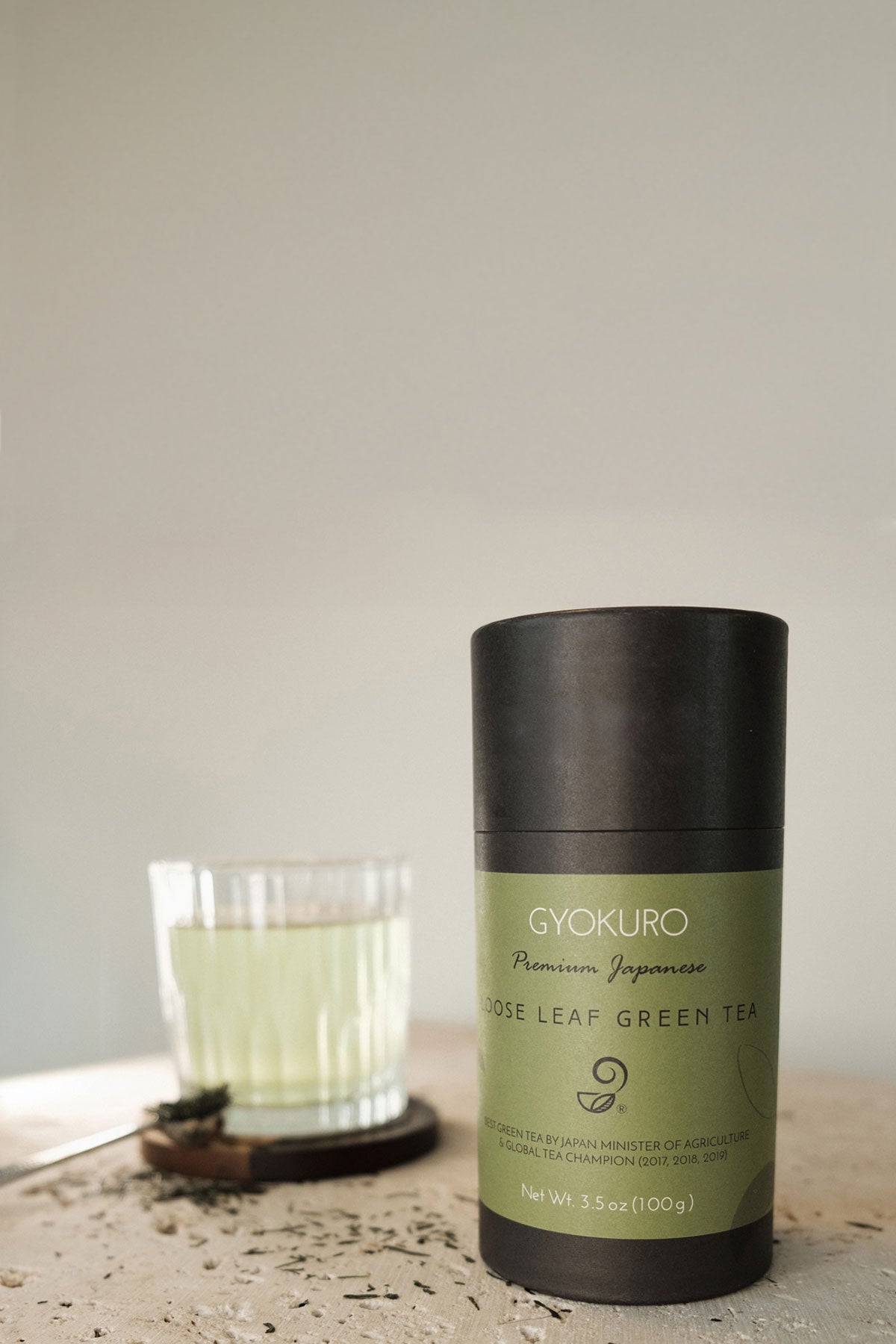
The production of gyokuro tea goes down another path. After the shading phase, the plants are steamed first, then dried into rolled-up crinkled versions of the original leaves. Gyokuro tea leaves become a lovely dark green reminiscent of seaweed, with a rich, sweet flavor. When brewed, the tea has an amber, dewy appearance.

Both of these classic Japanese teas, while made differently, incorporate the covering process. What exactly is this famous, traditional Japanese tea-farming practice, where did It originate from, and why is it necessary to create such delicate, refined green teas?


Kabusecha is covered for 7-10 days, Gyokuro is covered at least 20 days.

By purposely blocking sunlight for a few days before new sprout grow, the tea creates a very unique aroma and taste.

Due to the special net blocking sunlight, the tea leaves increase chlorophyll, making the color of the tea a darker green. Tea made from such leaves create a beautiful emerald green color which is rare to see in other types of green tea. 

History of The Covering Process

Before matcha, green tea in 12th century Japan was popular for its health benefits, and less for its flavor. Seen as a medicine, green tea was consumed despite the earthy, bitter taste. Tea leaves were powdered using a stone mill and even a whisk was used to blend it with hot water, like matcha today.

It wasn’t until the 15h or 16th century that people began covering green tea leaves – and for quite an interesting reason. Fearing that the cold of the winter months would destroy the growing tea leaves, farmers began covering crops with a canopy, unaware of the effect this would have. They would usually cover the crops right before they began to sprout, which was usually in the late spring. Realizing the immense difference in the flavor of the tea – from bitter to sweet umami– that covering green tea leaves became common practice. So, yes, this method which is incredibly important in the discovery of matcha was discovered by accident.

Today, not every green tea is produced using the covering method. Kabuse sencha refers to the few, high-quality teas that are shaded. Sencha literally means tea leaves that are steeped in hot water. Kabuse is based off the Japanese verb “kabusu,” which means “to cover.”

Matcha and gyokuro are two such exclusive example of Kabuse-sencha. Gyokuro is quite expensive as it requires a longer time under shade each springtime. Shading can be damaging if there isn’t a good balance. Being without the sun for too long is taxing on tea plants. All of the sugar than been stored from photosynthesis from the previous year is used up during the shading time, so Gyokuro is harvested once annually.

The Science Behind the Covering Process

The Science Behind the Covering Process

To find out how shading green tea, or Camellia sinensis, result in such dramatic changes in flavor, appearance, and nutrients, let’s look at the science.

All plants need water, rich soil, and most importantly, sunlight. Such things are essential for plants to thrive. Green tea plants are no exception. So why would limiting sunlight produce better quality tea leaves?

The reason for this is stress. Just like a healthy amount of stress can sometimes help humans perform better, the same can happen with plants. Adding a certain stressor to a plant’s environment can affect its growth in a surprisingly positive way. Stressors can be anything from insects eating the plant to being in a high elevation.

For Japanese green tea, shading is the stressor. Without the sun, photosynthesis, the process of creating energy from sunlight, cannot occur. Cutting off the sunlight forces the plant to work harder to produce the chlorophyll it needs to survive. This chemical change is essential in creating the great effects of shading. The overabundance of chlorophyll gives sencha its bright, lush green color. The increased chlorophyll production not only exudes a beautiful verdant color, but it also results in softer, more delicate leaves.

Effects of Covering on Nutrients and Health Benefits

Catechins are a type of antioxidant which improves skin healthIn addition to chlorophyll, other chemical productions take place due to shading. While plants love the sun, the light usually breaks down some important nutrients in the leaves. Amino acids would be deconstructed and transformed into chatecins due to the sun, which causes the bitterness of normal green tea. So when blocked from the sunlight, amino acids are preserved, leaving sweet notes of flavor.

One such amino acid is L-theanine, which is important for improved concentration, calmness, and relaxation. The L-theanine in green tea is known for promoting alpha brain waves, which reduce stress and boost one’s mood. L-theanine works with caffeine to gradually release a sustainable amount of caffeine, for long-lasting energy.

Catechins are a type of antioxidant, the most famous one being EGCG (epigallocatechin gallate). Matcha and Gyokuro have the highest amounts of EGCG of all green teas. Because it is an antioxidant, it is critical in fighting toxic free-radicals which can prevent cancer down the line. Other health benefits include reducing blood pressure, maintaining weight, and improving skin. EGCG is instrumental in protecting skin from toxins, stress, anti-aging, and sun damage.

Shading the tea can also magnify the caffeine content. The high chlorophyll affects the amount of caffeine in the tea leaf. That’s why matcha green tea and gyokuro green tea have the most caffeine compared to other types. Gyokuro has concentrated caffeine, with an average of 35 mg per 8 ounces, due to its extended time spent in the shade. The only reason why matcha is known for having more is that the entire leaf is grounded into powder.


Different Types of Covering

Depending on the type of tea, there are a few different types of coverings. Some of the types of teas that use the covering method include matcha, gyokuro, and kabuse-cha. The differences in these teas are in the length of time they are covered.

Gyokuro tea requires about 20 days of being covered to achieve a high grade. With the longest amount of time shaded compared to other teas, the high production of chlorophyll sinks in to create Gyokuro's deep, forest green color. Gyokuro tea leaves are hand-picked between May and June.

Kabuse-cha, or “covered green tea” is a cross between sencha and gyokuro. Kabuse-cha is faster to harvest than gyokuro, needing about half as much time. Usually, the time spans from 10-14 days for Kabuse-cha. The short time limit results in a tea that is a mix of sencha mellowness and a bit of umami.

There are a couple types of covering methods: direct and canopy covering. With direct covering, plastic or burlap material cloaks the leaves directly. The covering can be black in color, but other colors are used for specific purposes.

Canopy covering is when material is added gradually, almost like the plants are being weaned off of sunlight. In the past, farmers shaded tea plants with straw, bamboo, or grass, which falls under the category of canopy because the shading structures take time to be built.

Tea and Lots of Work

The Advantages and Disadvantages of Covering Process

Shading tea plants is not as simple as placing a sheet over them. There is a reason why this covering process increases the cost of high-quality tea like matcha and gyokuro. The aim of producing perfect tea is a fragile balance between the amount of yield produced and quality. Farmers must be precise in the process of shading tea plants to harvest leaves in great condition.

Challenges

The process of covering tea plants is in o itself, a difficult one. Farmers have one chance to do it properly and keep the plants covered for the exact time needed to produce a specific time of tea. Everything from taste to appearance to nutritional content depends on the covering process.

Before covering, a bare-bones framework is constructed around the crops. This structure take time and energy to build in preparation for covering. Once the material shields leaves from the sun, keeping it on is another challenge. Wind can cause plastic covering to move around, either harming the leaves or leaving them exposed to the sunlight.

Benefits

The wonderful umami taste, lack of bitterness, aromatic earthy scent,

The most prominent advantage of shading tea leaves is the resulting quality. Shading leaves create a delicacy, regardless of which type of tea, whether it's matcha, kabuse-cha, or gyokuro. The wonderful umami taste, lack of bitterness, aromatic earthy scent, and chlorophyll induced green color makes the process worth it. Furthermore, shaded teas win over other teas in antioxidant, caffeine, and nutritional content.


Buy Gyokuro Shaded Imperial Japanese Premium Green Tea 

FAQs about the Covering Process for Matcha and Gyokuro

What is the covering process and why does it make matcha and gyokuro so different?

Covering — known in Japanese as ōishita (覆下) cultivation — is the practice of shading tea plants for several weeks before harvest, usually with bamboo mats, straw, or modern black mesh cloth. The plants stop receiving direct sun for the final two to four weeks of their growing cycle. That single change rewires what's happening inside the leaf.

In sunlight, tea plants convert L-theanine (the umami amino acid) into catechins — which is what gives unshaded sencha (煎茶) its bright, slightly astringent character. Block the sun, and the conversion slows. L-theanine accumulates. Chlorophyll concentrates. The leaf grows softer and darker green. By harvest, the chemistry of a shaded leaf is fundamentally different from an unshaded one even though they're the same cultivar.

That's why matcha (抹茶) and gyokuro (玉露) taste sweet and umami-rich while sencha tastes brighter and grassier. Same plant, same farm, same harvest window — different sun exposure. The matcha vs sencha comparison goes deeper into how that one variable changes everything downstream.

How long are the plants actually covered, and does longer shading make better tea?

For gyokuro (玉露), the standard is 20 days under cover. For ceremonial matcha (抹茶), it's longer — often 30 to 40 days, sometimes pushed to nearly 50 for the highest grades. The longer the shade, the more L-theanine accumulates and the more vivid green the leaf becomes. So in a sense, yes, longer shading makes "better" tea by traditional Japanese standards.

But it's also more expensive. Shaded plants produce less yield because they're working harder against the artificial darkness, and farmers need to maintain the structures and check them daily. Plants stay shaded so long that they become physically weaker and need a year or more to recover. Some farms only shade alternating rows or alternate years to let the plants rest.

There's also a ceiling on "longer is better." Past about 50 days of shade, the plant starts struggling enough that flavor starts to flatten. The sweet spot — where umami is high but the leaf is still healthy — is roughly 30-40 days for the very top grades. Anything over that is diminishing returns.

Why does shading make tea taste sweet and umami-rich instead of grassy?

Because L-theanine doesn't get converted into catechins. In a sunlit plant, the leaf is metabolically active and rapidly turns the L-theanine roots send up into the bitter, astringent catechins that protect the leaf from sun damage. Shade slows that conversion to a crawl. The L-theanine — which by itself tastes sweet, brothy, and umami — accumulates in the leaf instead. The ceremonial matcha (抹茶) you whisk into a bowl is essentially L-theanine concentrate ground fine.

Catechins are also reduced in absolute terms because there's less photosynthesis happening overall. So you get more umami and less astringency at the same time, which is why shaded teas read so differently on the palate. They taste "meatier," almost broth-like, instead of grassy or vegetal.

That's why the first sip of well-made gyokuro (玉露) is usually a surprise to people expecting normal green tea. It barely tastes like tea in the conventional sense. The matcha card below is the easiest entry point — bowl whisked properly, the same chemistry comes through immediately.

Is shading expensive or hard? Why isn't it done for all green teas?

It's both. Setting up the covers, maintaining them through wind and rain, harvesting under the structure, and tearing them down each year is significantly more labor-intensive than open-field cultivation. Yields per plant drop because the shaded leaves grow more slowly. Plants need extra recovery time, which means a farm can't shade every row every year without burning out the bushes. All of that translates into a per-kilo cost that's two to four times higher than ordinary sencha (煎茶).

From a market angle, most consumers don't pay enough premium to justify shading every harvest. Sencha is the everyday tea of Japan — affordable, plentiful, satisfying. Gyokuro and matcha are the special-occasion teas, made from a smaller, more carefully tended portion of the same farm's plants. Treating every leaf as if it were destined for matcha would price the average cup out of reach.

So shading is reserved for the harvests where the premium pays off. The rest of the field stays in the sun and produces sencha, kabusecha (lightly shaded — the in-between category), and bancha. The system makes economic sense even if it leaves money on the table at the high end.

Are matcha and gyokuro made from the same plant, just processed differently?
Same plant species — Camellia sinensis — and often very similar cultivars. The differences come from two places: how long they're shaded and what's done with the leaf after harvest. Gyokuro (玉露) is shaded for about 20 days, then the leaves are steamed, rolled into needles, and dried whole — you brew it like sencha. Matcha (抹茶) is shaded longer (30+ days), the leaves are steamed but not rolled, the stems and veins are removed, and the leaf is then stone-ground into the fine powder you whisk into water.

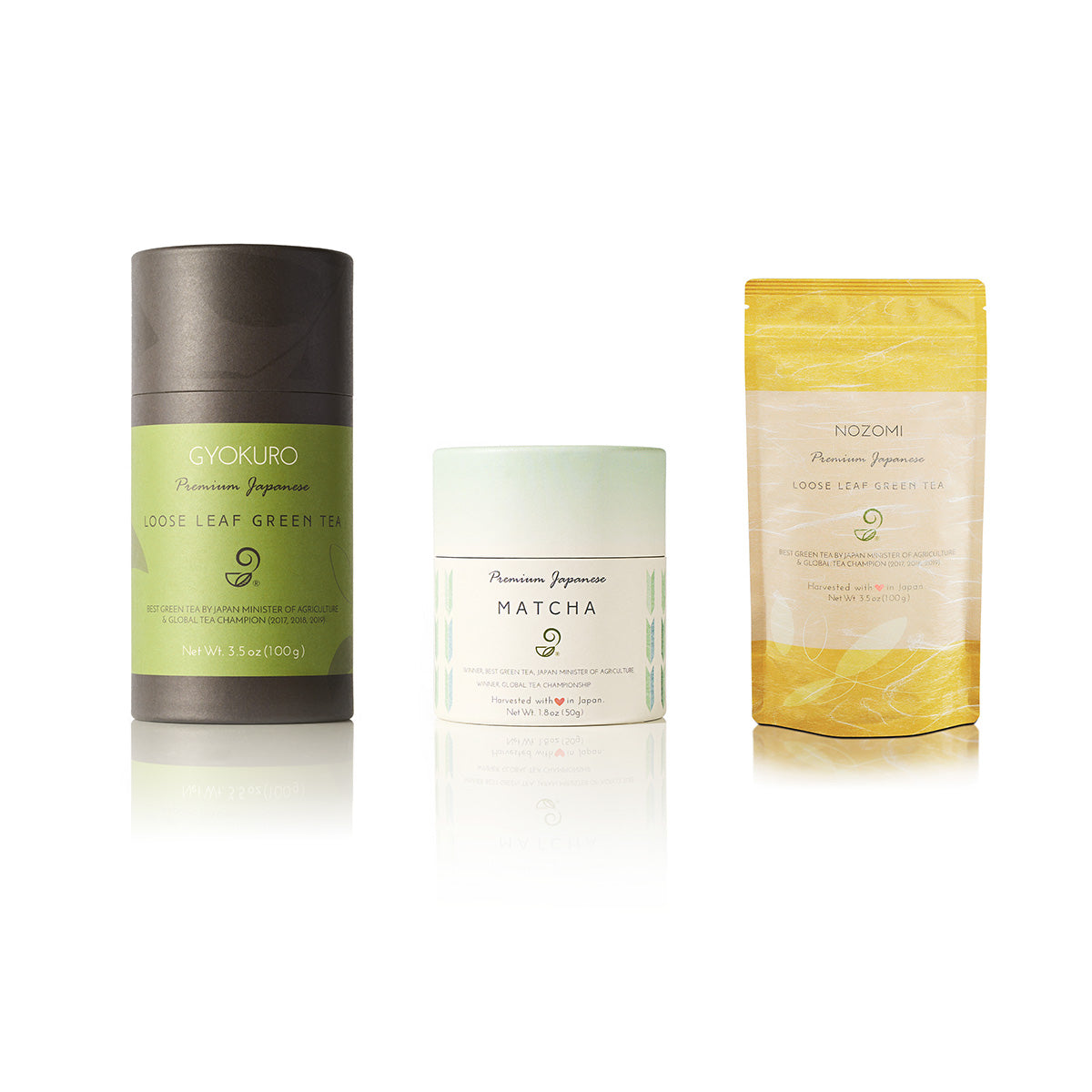
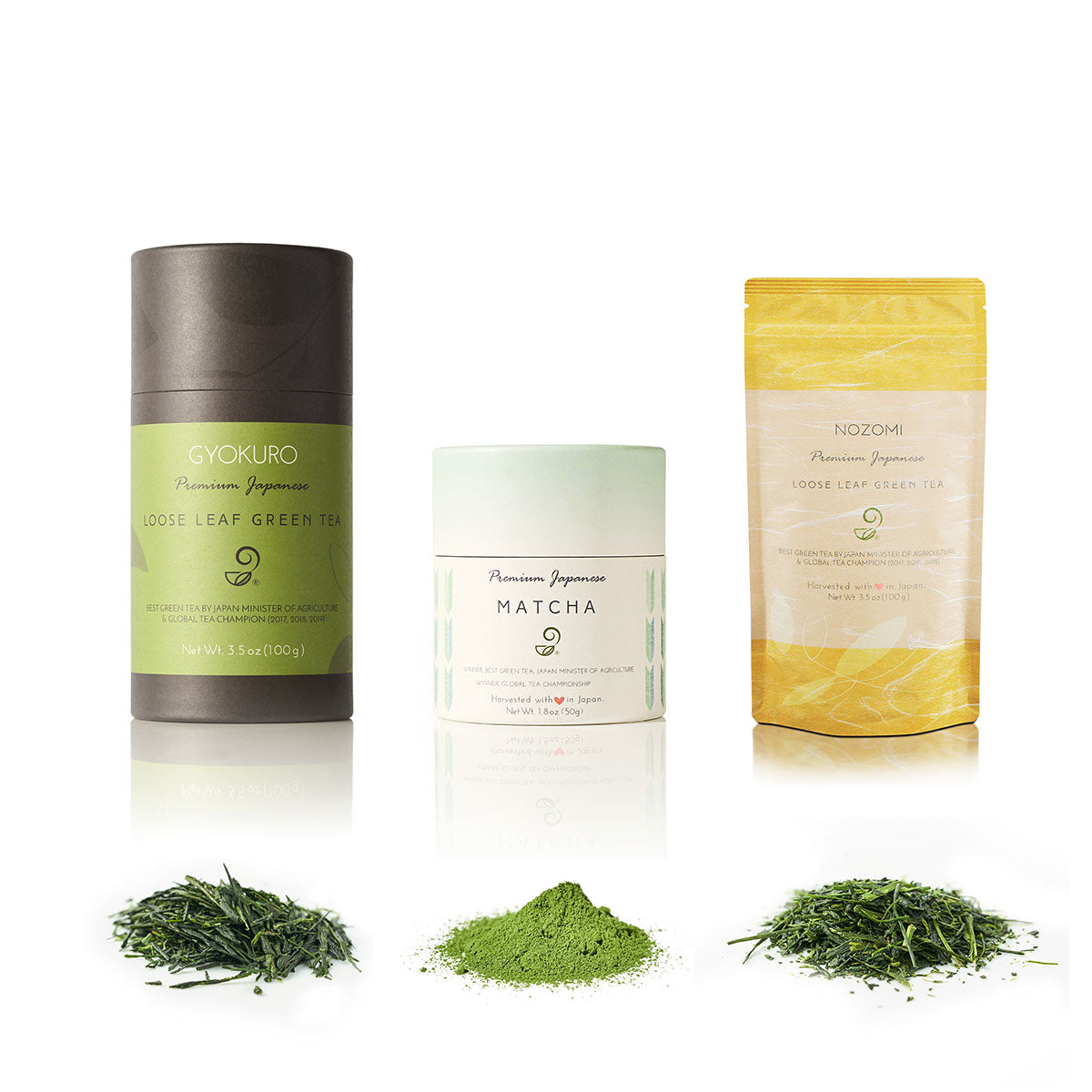
So they share a starting point but diverge sharply after harvest. A farm growing tencha (the unground leaf that becomes matcha) and a farm growing gyokuro might be planting the same Yabukita or Saemidori cultivars. The covering window and the post-harvest path are what determine which premium category the leaf becomes. The Covered Trio Gift Set lets you taste matcha, gyokuro, and kabusecha (lightly shaded) side-by-side, which makes the relationships obvious.

If you're trying to understand Japanese green tea at a structural level, that gift set is the single best teaching tool I'd recommend — three shaded teas from three shading durations, brewed back to back. Card below.

Related products

97 reviews

Gyokuro - Shaded Imperial Premium Green Tea

$65.00
Quick view

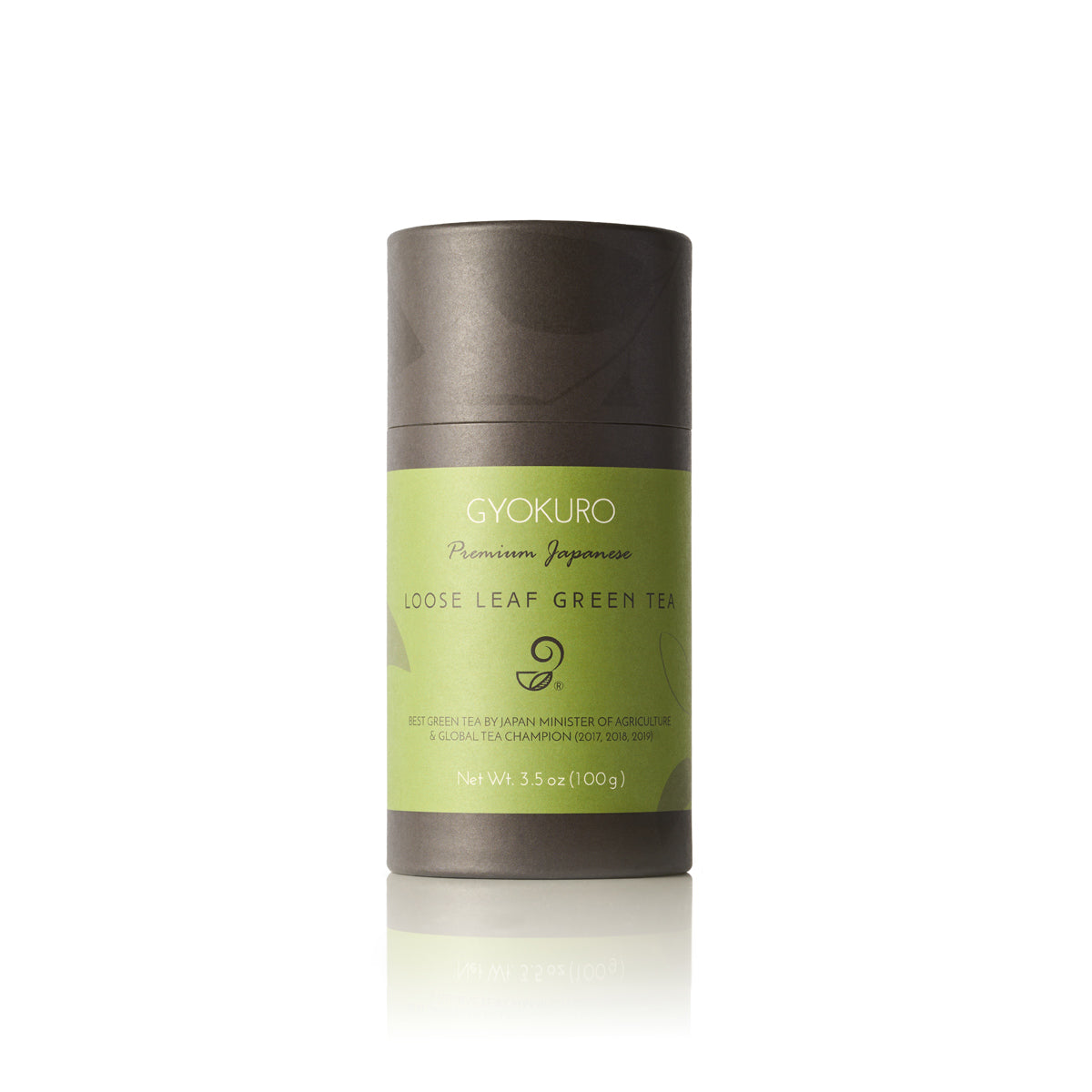
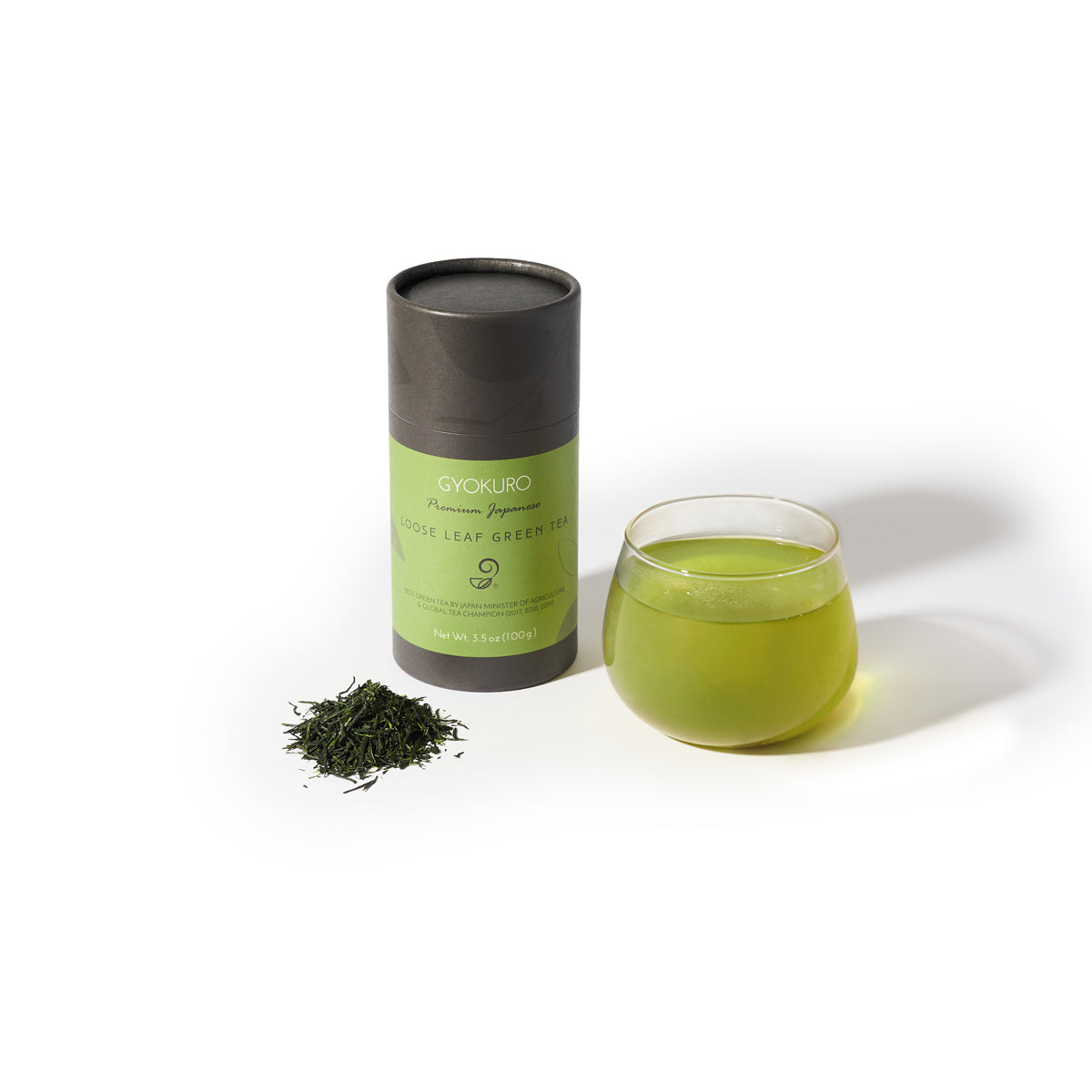
Gyokuro, also known as "jade dew" or "jewel dew tea," is a premium Japanese green tea shaded from the sun for 20 days using specially made mats, a method that boosts caffeine levels and strengthens amino acids to create a sweeter, richer flavor. This extended shading process results in dark, mossy green leaves with an unmistakable aroma and a complex taste that is layered yet balanced. Cultivated by the Chagusaba method in nutrient-rich sugarcane soil and made from the Yabukita cultivar, this loose-leaf authentic Gyokuro is offered in a high-quality, air-tight paper tube canister (chyazutsu) to preserve its exceptional freshness and flavor. Each 3.5 oz (100g) full-size package steeps 30–40 cups, and a convenient single-serve sample is also available.

8 reviews

The Sencha Lover Gift Set - Premium Japanese Green Tea Set Package
$179.00 $159.99
Quick view

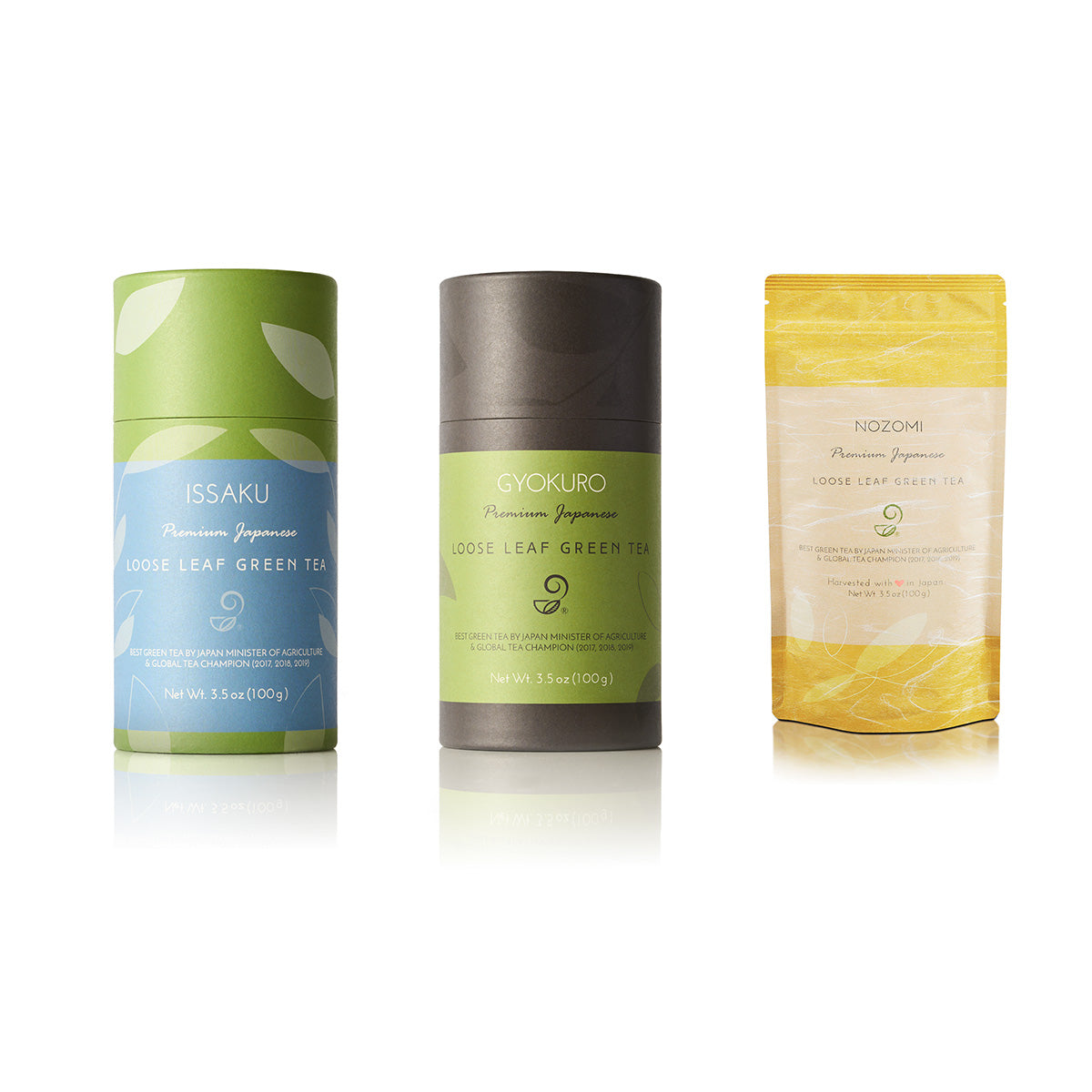
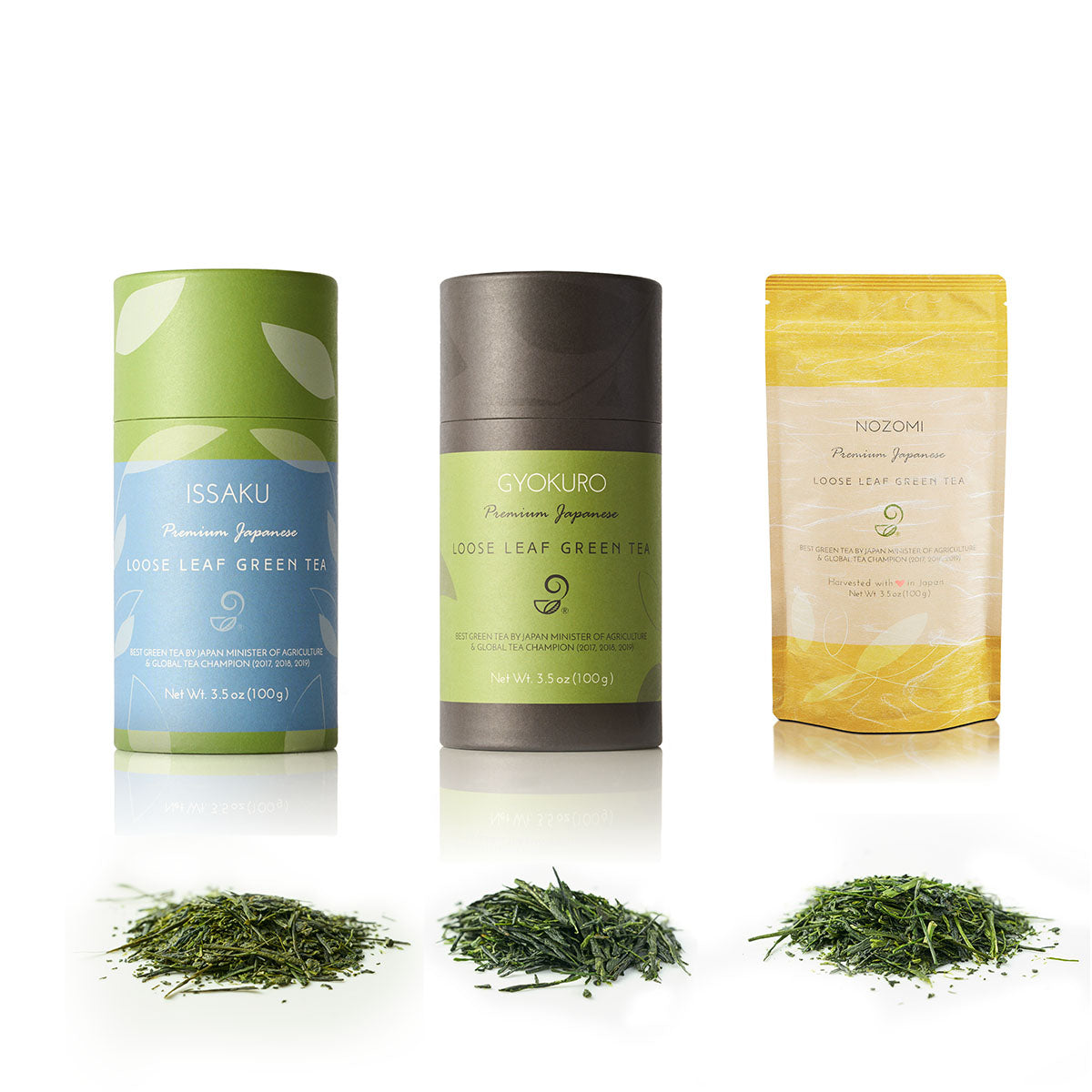
This tea set features three exceptional Japanese green teas, each crafted with care and traditional techniques. Issaku Reserve, a Global Tea Champion winner in 2017 and 2019, is a rare masterpiece created by Farm Master Mr. Arahata at Arahataen Green Tea Farm. Handpicked once a year from the first flush and processed with advanced methods, Issaku represents the highest-grade deep-steamed green tea, available only in limited quantities even in Japan.

The set also includes Gyokuro, a premium shaded green tea known for its rich, sweet flavor and deep mossy green color. Grown under special mats for 20 days to increase caffeine and amino acid levels, Gyokuro offers a layered, smooth taste unlike any other. Completing the collection is Nozomi, a fine Kabuse-cha, or "Covered Green Tea," carefully grown under nets to gently shade the leaves just before new sprouts emerge, resulting in a soft, rich, and refined flavor profile.

80 reviews

Matcha - Ceremonial Japanese Powdered Green Tea

$39.00
Quick view

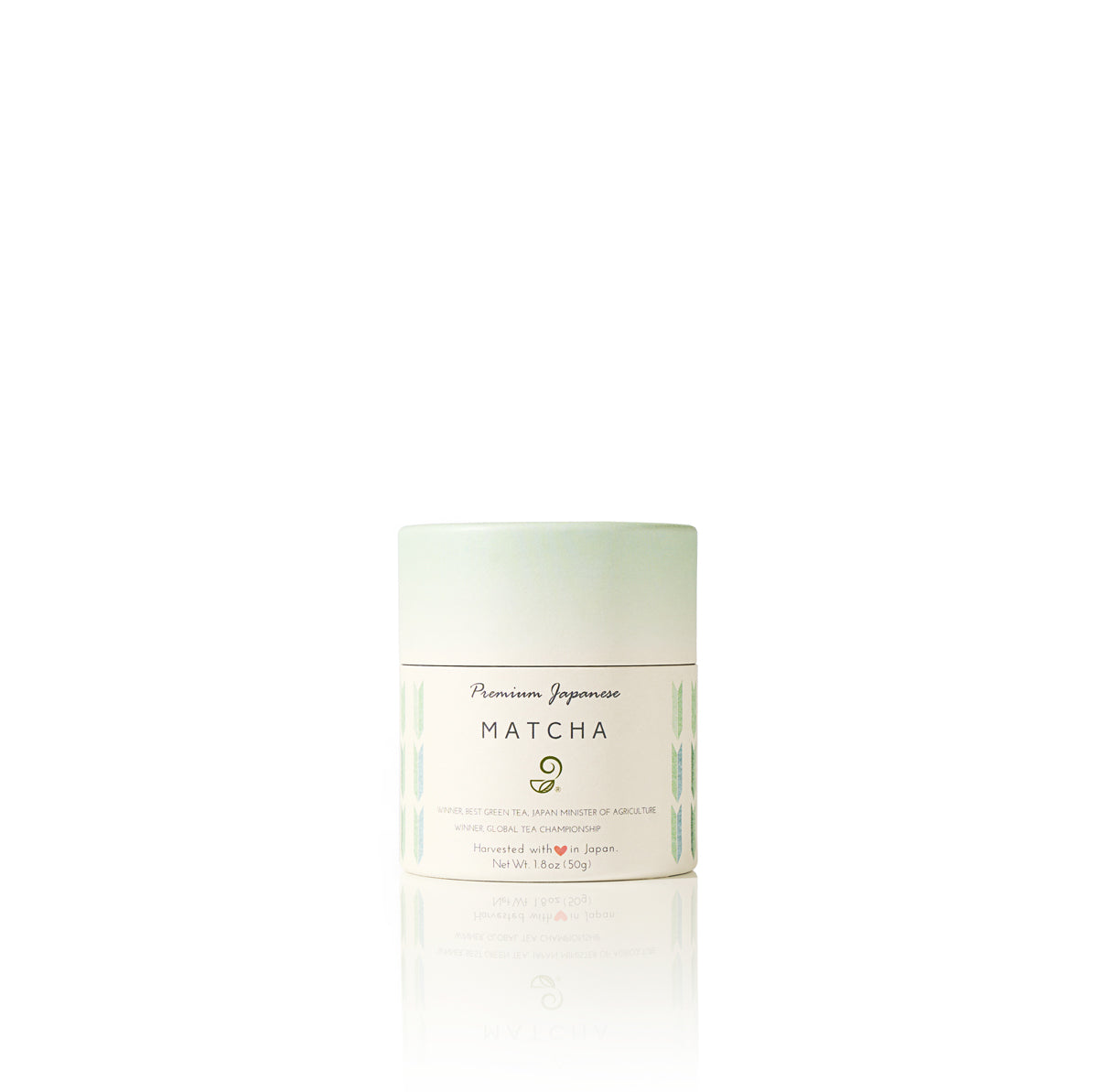
This ceremonial matcha is crafted from the finest Japanese green tea, grown in nutrient-rich soil enhanced with compostable grasses and sugarcane through the Chagusaba method, which gives the tea a natural sweetness and exceptional flavor. In collaboration with researchers from Shizuoka University, farmers ensure that the soil quality consistently produces tea of the highest standard.

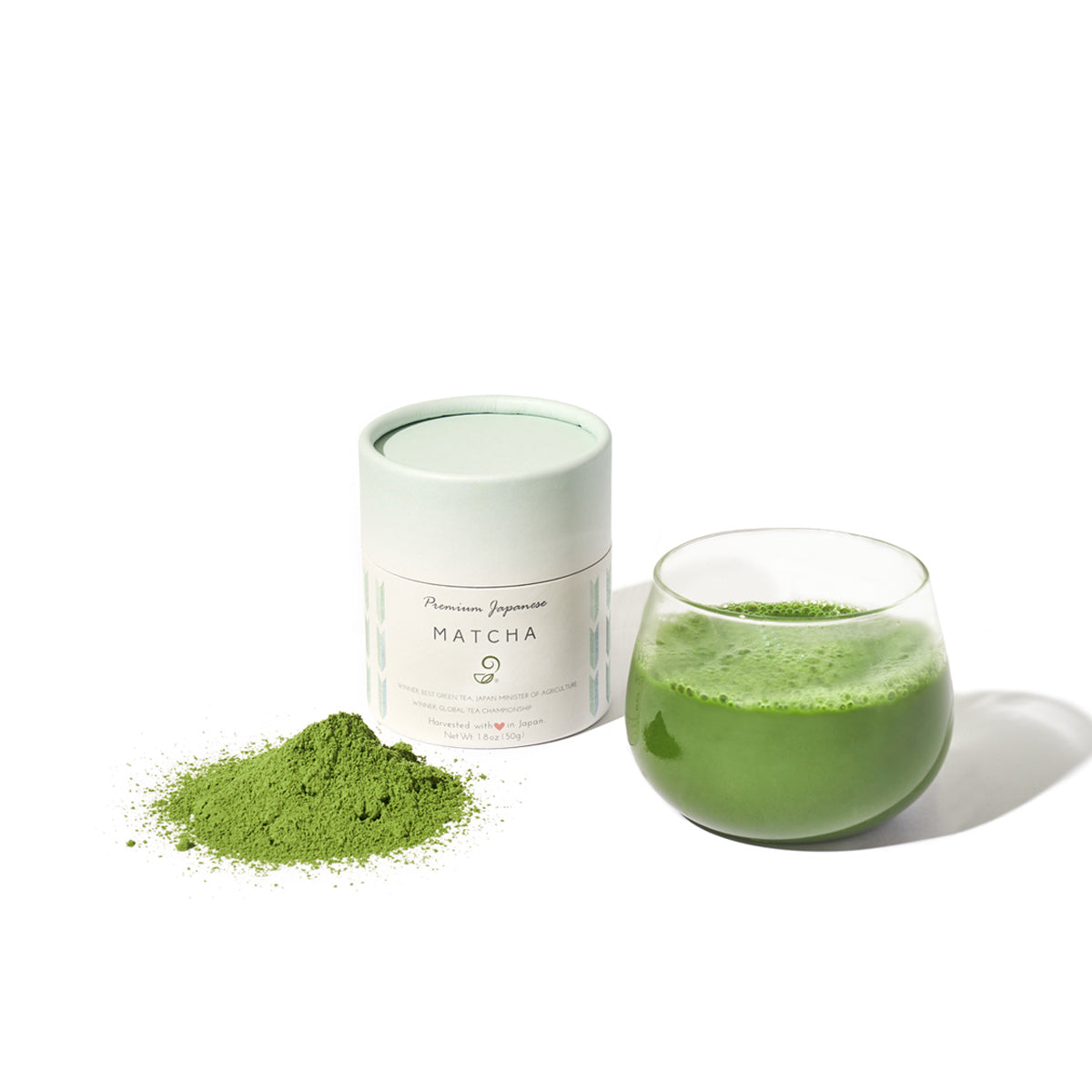
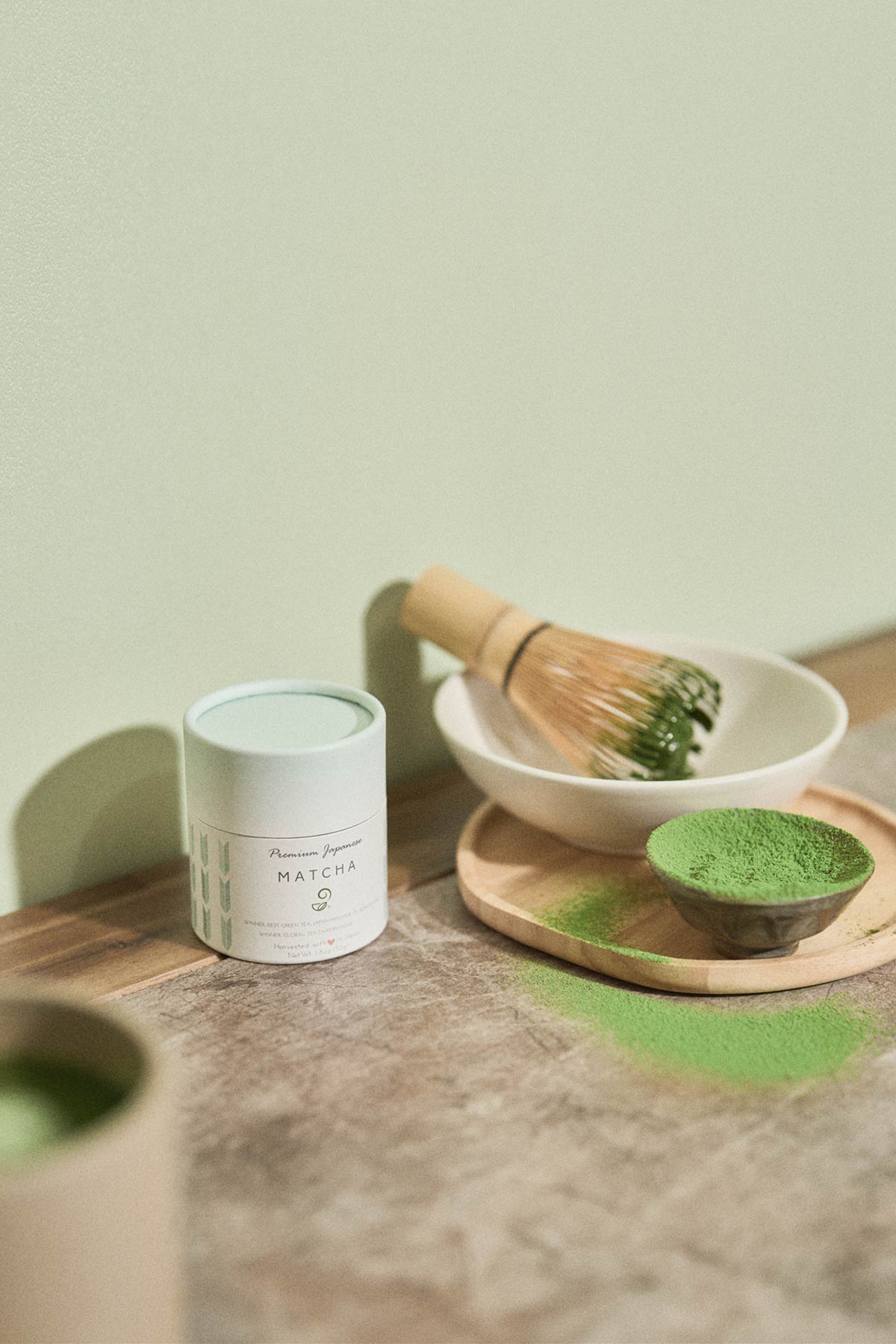
Renowned among top Japanese chefs for its unmatched aroma, this matcha is made by carefully shading the plants before harvest to boost caffeine and amino acids, then meticulously drying, de-stemming, and grinding the leaves into a fine powder. Made from the Yabukita cultivar, this 1.8 oz (50g) matcha comes in a high-quality, air-tight paper tube canister, providing a luxurious and authentic Japanese tea experience.

4 reviews

The Covered Trio Gift Set - Ceremonial Matcha, Gyokuro, and Nozomi Japanese Green Tea Set Package

$143.00 $128.00
Quick view

This tea set features three premium Japanese green teas, all cultivated in nutrient-rich sugarcane soil to enhance their flavor and natural sweetness. Gyokuro, a prized shaded green tea, is grown under special mats for 20 days to increase caffeine and amino acid levels, resulting in a rich, sweet taste and deep mossy green color. The set also includes a luxurious matcha, crafted from carefully shaded, hand-processed leaves and renowned for its smooth, aromatic flavor, developed in collaboration with researchers from Shizuoka University to maximize the benefits of the enriched soil. Completing the collection is Nozomi, a fine Kabuse-cha or "Covered Green Tea," where young tea leaves are gently shaded just before sprouting, producing a soft, refined flavor perfect for tea enthusiasts.

22 reviews

Matcha - Japanese Limited Reserve Ceremonial Green Tea - (Global Tea Champion 2018, 2025)

$300.00
Quick view

This Premium Ceremonial Grade Matcha is one of the most luxurious matcha teas available, crafted from carefully cultivated Japanese green tea grown in nutrient-rich sugarcane soil using the Chagusaba method. Traditionally reserved for high-end tea ceremonies in Japan and loved by many tea masters, this matcha was once unavailable outside of Japan and is now finally accessible to U.S. consumers. Every step of its production, from shading the tea plants to increase caffeine and amino acid levels to the meticulous removal of stems and veins before grinding into a fine powder, is handled with a blend of advanced technology and time-honored tradition. Made from the Yabukita cultivar, this 30g (1.05 oz) ceremonial matcha offers a vivid color, unforgettable aroma, and the highest standard of flavor, earning recognition as a Global Tea Champion in 2018 and 2025.


Related Articles You May Be Interested

What is Nozomi? - Explained in One Minute
Is Drinking Too Much Green Tea Bad for You?
What is the Best Way to Store your Matcha & Japanese Green Tea?
The Best Way to Keep Matcha & Green Tea is to Freeze - Green Tea Quiz
Everything you need to know about Matcha Chasyaku (茶杓)

Get Free Bonus Books

Join Green Tea Club

Sign up for free to the Green Tea Club to get advice and exclusive articles about how to choose Japanese Tea, and tips, tricks, and recipes for enjoying Japanese tea.

Unsubscribe anytime. It’s free!

About the author

Kei Nishida

Kei Nishida

Author, CEO Dream of Japan

info@japanesegreenteain.com

Certification: PMP, BS in Computer Science

Education: Western Washington University

Kei Nishida is a passionate Japanese green tea connoisseur, writer, and the founder and CEO of Japanese Green Tea Co., a Dream of Japan Company.

Driven by a deep desire to share the rich flavors of his homeland, he established the only company that sources premium tea grown in nutrient-rich sugarcane soil—earning multiple Global Tea Champion awards.

Expanding his mission of introducing Japan’s finest to the world, Kei pioneered the launch of the first-ever Sumiyaki charcoal-roasted coffee through Japanese Coffee Co. He also brought the artistry of traditional Japanese craftsmanship to the global market by making katana-style handmade knives—crafted by a renowned katana maker—available outside Japan for the first time through Japanese Knife Co.

Kei’s journey continues as he uncovers and shares Japan’s hidden treasures with the world.

Learn more about Kei Nishida

Related Posts

OC Japan Fair April 2026 — Visit Us at Booth #A8!
OC Japan Fair Spring 2026 Recap (April 3 - 5 2026)

We were at OC Japan Fair again! April 3-5 2026 with new products, Miki Pon's art debut and more. Here is a recap video f

Read More
Super Mario and Japanese Green Tea

Super Mario and green tea share a hometown! Watch our Yoshi Matcha Cookies video recipe + discover how Nintendo and matc

Read More
Our Matcha Is Now at Pillow Talk Cafe in Pasadena — Master Japanese-Inspired Cake Makers

Our matcha is now at Pillow Talk Cafe Pasadena! Meet the cafe, try the Egg Heaven sando & Matchamisu, and see how th

Read More
Leave a comment

Your email address will not be published..

Cart

Your cart is currently empty.

Start Shopping

Select options