Table of contents
There's considerably more going on in that cup than most people realize.
I've spent a lot of time reading about green tea and cognition. The honest takeaway? The research is better than many expect, but the hype is worse. The truth lies between "ancient superfood boosts your GPA" and "it's just warm water with leaves." This story is truly worth knowing.
Buddhist monks drank it before their long meditation sessions. People didn’t use terms like "amino acid" or "working memory" back then. They also weren’t running controlled trials. They just noticed it helped. Turns out they weren't wrong.

What's Actually in It That Matters
Two compounds carry most of the cognitive load: caffeine and L-theanine. Caffeine you know. L-theanine gives green tea its special feel, unlike coffee, even though both have similar caffeine levels.
L-theanine is an amino acid found mainly in Camellia sinensis, the source of all true teas. What it does is hard to put into words precisely, but "relaxed alertness" is the phrase researchers reach for most often. Your attention sharpens but the static clears. You can sit with something difficult for an extended stretch without that restless, overcaffeinated feeling creeping in. It doesn't make you tired. It just... quiets the noise.
A 2008 study in Nutritional Neuroscience had participants do attention-switching tasks. They tried L-theanine alone, caffeine alone, and a mix of both. The combined group performed best — more accurate, faster, less distractible. The effect wasn't enormous, but it was consistent and it was specifically better than either compound alone. Researchers called it synergistic. That's not marketing talk. It's a technical term. It means the interaction creates more than you’d expect by just adding the two effects together.
There's also EGCG — a catechin antioxidant found in high concentrations in green tea. Animal studies have linked it to neurogenesis in the hippocampus, which is the brain region most directly involved in forming new memories. The human data is still early, but it keeps pointing in a direction worth paying attention to.
Before You Even Open a Book
Here’s something often overlooked in study tips: the five minutes before a session may be more important than the first hour. Efficient learners come to their desks with clear goals. They know what a good answer looks like. They understand where the tough parts are and how everything connects. That orientation changes the whole texture of what follows.
Some people sketch out the topic before they open anything — a rough map of what they're about to deal with. Others go straight to examples, just to get a feel for what a solid approach actually looks like in practice. That's where a lot of students find https://edubirdie.com/do-my-assignment useful — it gives you a concrete sense of how to tackle complex material before you try to figure it out from scratch. Having that reference point at the start saves a surprising amount of time and mental energy. Instead of spending the first hour just orienting yourself, you can actually get to the thinking. And that early uncertainty — the stress of not knowing where to begin — is exactly the kind of thing green tea, as it turns out, has something to say about..
On Memory Specifically
The study from the University of Basel in 2014 is the one that keeps getting cited, for good reason. Participants drank green tea extract. Then, they completed memory tasks in an MRI scanner. The green tea group had much stronger connections between the frontal and parietal cortex than the placebo group. These areas manage working memory, the space where real-time thinking occurs.
Working memory isn't about long-term storage. It's the scratchpad. It’s what you’re using now to track this sentence. You rely on it when connecting a new idea to something you learned last week. It helps you follow a complicated argument without losing the thread. Small gains there don't feel dramatic — they just make everything a bit less effortful. Over a semester that compounds into something real.
A big study in Japan, published in the American Journal of Clinical Nutrition, followed over a thousand adults. It found that those who drank green tea regularly had much lower rates of cognitive decline as they aged. Two to three cups a day was where the effect was most consistent. That's not about this exam or next month's deadline. But the brain you're working with at 50 is shaped in part by what you do with it at 20.
The Practical Stuff
To really feel a difference, not just enjoy a tasty drink, keep these points in mind:
● The best time to study is 30 to 45 minutes after taking L-theanine and caffeine. That's when their levels peak in most people.
● Matcha is stronger than steeped tea. You consume the whole ground leaf. This means more L-theanine and more EGCG. You get steadier focus without a hard crash at the end.
● Green tea has 30–50 mg of caffeine per cup, while coffee has about 95 mg. This means green tea won't disrupt your sleep in the afternoon like coffee can.
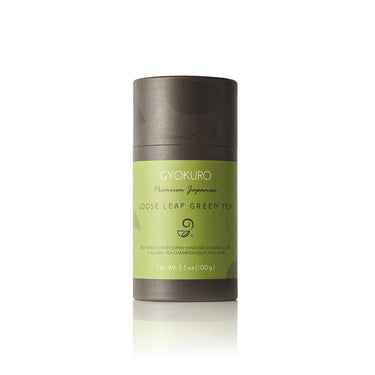
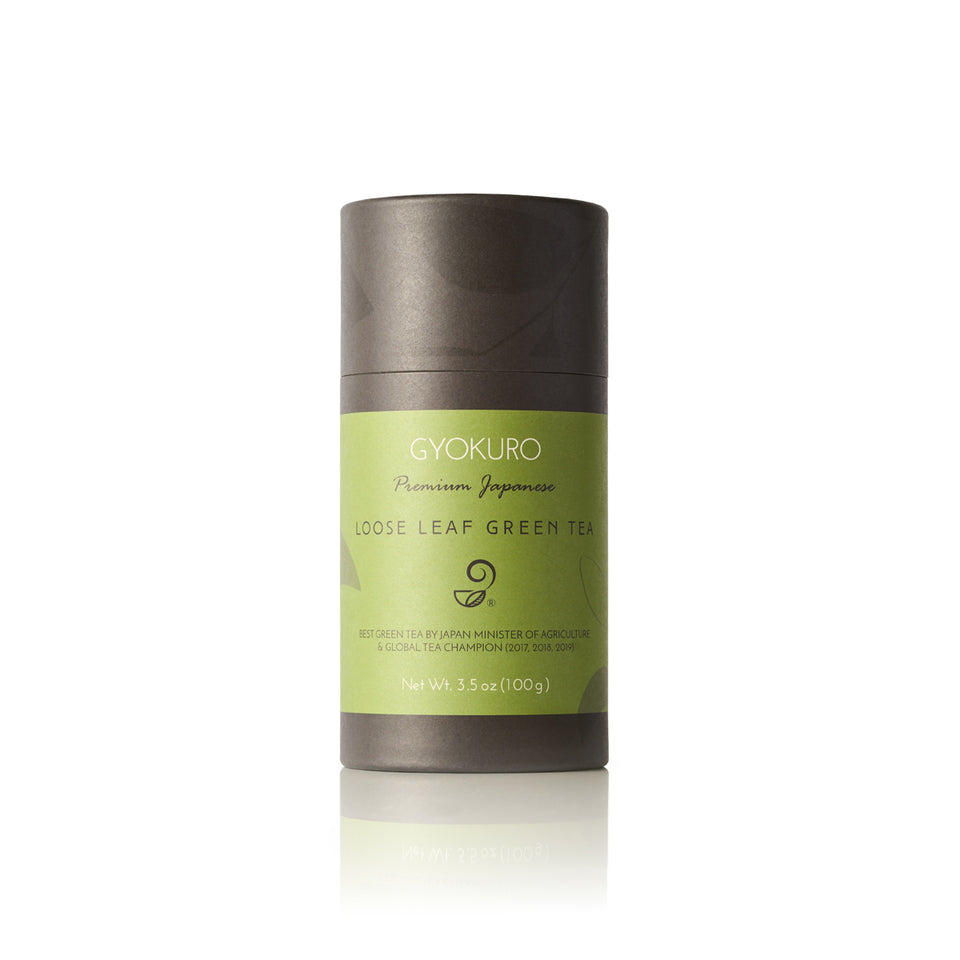
● Shade-grown teas like gyokuro have much more L-theanine than regular green teas. It's a great choice if you drink tea daily.
● Sleep still tops this list. Consolidation occurs at night, and skimping on sleep can undo more than a week of good tea habits.
The Cortisol Thing — Which Is Actually the Main Story
Cortisol suppresses the hippocampus. Not metaphorically — literally reduces its functional capacity right when stress peaks. The experience of knowing something perfectly well until the moment you're tested on it, and then having it vanish? That's not a confidence problem or a preparation problem. That's cortisol interfering with retrieval at the neurochemical level.
L-theanine consistently reduces cortisol response under stress across multiple independent studies. I think this is the most useful thing green tea offers students. It’s even better than the boost to working memory or the focus effect. A nervous system that isn't in fight-or-flight learns faster, holds more, and retrieves more reliably under pressure. The calm isn't incidental. It's the whole point.
Matcha vs. Regular — Does It Actually Matter?
Yes, somewhat. Matcha packs a stronger punch. Its effects build slowly and last for hours. You won’t experience the typical spike-and-crash. If you're doing a long session, it's worth the extra effort. Regular steeped green tea works well and fits easily into your daily routine. Gyokuro is a great choice. It has more L-theanine than regular green tea. It’s also easier to prepare than matcha. Plus, its unique flavor makes it feel like a real ritual fast.
And the ritual genuinely matters, by the way. Making tea is a transition. You boil water, wait, and hold something warm before you begin. It's a physical signal that something different is about to happen. Mindfulness moments before a task can improve attention quality. This has been shown in many studies. That's what making tea is, whether you think of it that way or not.
What Green Tea Can't Do
It can't fix passive studying. It won't compensate for weeks of sleep deprivation. It won't make material stick if you're not actually engaging with it. It creates better conditions for real work. You’ll feel less mental clutter, a more stable baseline, and a nervous system that supports you. If the foundations are there, it helps. If they're not, it doesn't matter.
Worth Adding to the Desk
The research on green tea and cognition is more solid than most people give it credit for. The L-theanine and caffeine synergy is well-documented and consistently replicated. The Basel working memory findings hold up. The cortisol reduction data is real. As you age, the evidence for long-term brain health becomes more important.
It won't save an exam you didn't prepare for. To study consistently, create a routine before you sit down. This habit helps calm your mind and keeps you focused. It deserves its spot in your process without demanding much back.
Quietly. Reliably. Without making a fuss.
Which is, honestly, a pretty good description of what it does to your brain too.
FAQs about Green Tea, Memory, and Academic Performance
How much green tea per day for memory and focus benefits?
Which green tea has the most L-theanine?
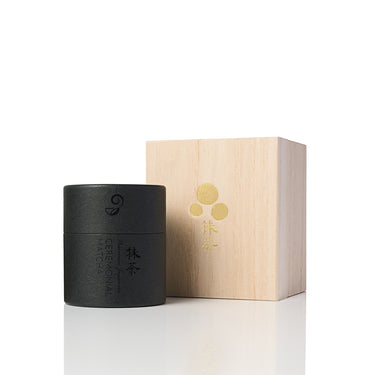 Matcha - Japanese Limited Reserve Ceremonial Green Tea - (Global Tea Champion 2018, 2025)
From $250.00 USD
USD
/
Matcha - Japanese Limited Reserve Ceremonial Green Tea - (Global Tea Champion 2018, 2025)
From $250.00 USD
USD
/
Can I drink too much green tea trying to boost focus?
Related products


10 reviews
$179.00 USD
$159.99 USD
USD
/
The Sencha Lover Gift Set - Premium Japanese Green Tea Set Package


Get Free Bonus Books

Sign up for free to the Green Tea Club to get advice and exclusive articles about how to choose Japanese Tea, and tips, tricks, and recipes for enjoying Japanese tea.
About the author

Kei Nishida
Author, CEO Dream of Japan
Certification: PMP, BS in Computer Science
Education: Western Washington University