Skip to content

Does Green Tea Help With Fatigue?

When you are feeling worn out and tired quite often, you may be searching for something that you can eat or drink that will alleviate one or more of the symptoms that you are feeling. One substance that might be able to help is green tea, since it may be able to lessen fatigue for some. Keep reading for more information about green tea and what it can do for your energy levels, as well as a few other aspects to investigate in your own life when it comes to relieving this issue of feeling tired or exhausted.

Green Tea Can Be Good For Your Health

Whether or not you are a tea drinker, there are many reasons to ingest more of this popular drink. For instance, drinking green tea can be handy when it comes to staying hydrated since you are adding water to your body when you drink it. You can also read this article for additional reasons why green tea is a good choice.

Can Green Tea Help With Fatigue?

Green tea may be able to help alleviate feelings associated with fatigue in a few different ways.

  1. Tea contains caffeine. Since green tea contains caffeine, it may be able to give you the boost you need to get through the day without feeling tired or worn out.
  2. Tea may help you relax. Another reason it can help with fatigue is because it may help you relax or wind down after a long day. If you are drinking tea late at night or after work, it might help you get a good night’s sleep. This might help you feel less tired. Just be sure not to drink too many cups before bed, since this may keep you up instead or cause you to have to get up to go to the bathroom when you should be asleep.
  3. Tea contains antioxidants. Tea, especially green tea, contains antioxidants that are known to fight free radicals, which are substances that may cause certain illnesses and cancers. When you have antioxidants in your diet, this may improve your overall health, not just your energy level.

    Other Things To Consider

    When you are experiencing fatigue more often than not, there are a few things you should consider so you can be proactive about your health.

    Work On Your Mental Health

    There are multiple mental health conditions that may cause you to feel fatigued, including depression or other mood disorders. If you suspect that you may have the symptoms of a mental condition, it is important that you work with a therapist so these feelings can be addressed. This article is a good read if you want to learn more about how counseling can help you and the approaches that are sometimes utilized.

    Talk To A Doctor

    You may also be feeling tired if you are affected by a physical ailment. Common problems like a cold or flu can be ruled out by visiting your doctor and getting checked out. This may be a good idea if you haven’t been to the doctor in a long time, since they will be able to tell you exactly what is going on with your body. In some cases, you might need medicine or antibiotics, but in other cases, the fatigue may be caused by other aspects of your life.

    Look At Your Diet

    One place that might need attention in your life is your diet. If you already eat healthy and incorporate plenty of fruits and vegetables on your plate, this is probably not what is making you feel tired. However, if you are not always careful when it comes to your meals or skip them regularly, this could contribute to feeling worn out. Keep in mind that the food you eat acts like fuel to get you through your day. You wouldn’t forget to put gas in your car if the gauge alerted you that it was empty, so don’t let your body run out of fuel either. Provide your body with the best foods you can.

    Get Some Sleep

    It can also be a big help if you get the right amount of sleep each night. This might be hard to do since it can be quite difficult to get 6–8 hours of sleep every night, but do your best to get adequate sleep as often as possible. A good rule of thumb is to schedule your bedtime and not deviate from that time, even on the weekends.

    Relax When You Can

    Sometimes, when you are feeling fatigued, it is okay to relax. You may have had a stressful week or have finished a big project that felt like it drained you. When this happens, take some time to rest or take a nap when you need to. Shoot for napping in the late morning or early afternoon hours and not close to bedtime, however.

    Fresh Air May Be Needed

    Another thing to consider when you are feeling exhausted is fresh air. Your body might need some. If you don’t remember when you saw the sun last or went for a brisk walk, consider doing just that. Spend a few minutes outside, and it may be able to give you a jolt of energy or improve your mood.

    Overview: Tea May Help Fight Fatigue

    According to an article published in Nutrients, there are a handful of reasons why tea is good for your body, and a couple worth mentioning are that it may be able to provide energy and improve your mood. When these things are needed in your life, you might want to start drinking green tea. Even drinking just one or two cups a day may be able to make a big difference. Furthermore, consider the reason you are feeling run down and pay attention to your health and wellness. Together, these things can go a long way toward improving your fatigue, so you won’t have to feel worn out and tired each day.

    About the Author

    Marie Miguel 

    Marie Miguel

    Marie Miguel has been a writing and research expert for nearly a decade, covering a variety of health-related topics. Currently, she is contributing to the expansion and growth of a free online mental health resource with BetterHelp.com. With an interest in and dedication to addressing stigmas associated with mental health, she continues to specifically target subjects related to anxiety and depression. 

    FAQs about Green Tea and Fatigue

    Does green tea actually fight fatigue, or is it just the caffeine?

    Both — but the L-theanine adds something coffee's pure caffeine doesn't. The caffeine in green tea (25-35 mg per cup) provides acute alertness within 30-60 minutes. The L-theanine modulates the caffeine effect to be smoother and longer-lasting than coffee's spike-and-crash pattern. So green tea fights fatigue through caffeine while also avoiding some of the side-effects (jitters, mid-afternoon crash) that other caffeine sources produce.

    For sustained energy across a workday, this profile is genuinely useful. Many former-coffee-drinkers report that green tea produces less acute alertness in any given moment but more total productive energy across the day. The matcha (抹茶) delivers the highest concentration of both compounds for the strongest fatigue-fighting effect.

    Where green tea doesn't help: fatigue from sleep deprivation, illness, or chronic conditions. Tea is supportive against everyday energy dips; it's not therapeutic for clinical fatigue. If you're tired all the time despite adequate sleep, see a doctor — green tea won't fix the underlying issue.

    Will green tea help me feel less tired if I haven't slept well?

    Modestly, yes. The caffeine + L-theanine combination provides about 4-6 hours of meaningful alertness even on a poor night's sleep. You won't feel as good as you would after good sleep, but functional output is recoverable to a meaningful degree.

    The L-theanine component matters specifically for sleep-deprived states — it reduces the jittery edge that pure caffeine produces when you're already stressed and tired. Coffee on poor sleep often produces anxiety + alertness + irritability. Green tea on poor sleep produces alertness + steadier mood + less stress reactivity. Cleaner functional state.

    This is supportive, not transformative. The actual fix for sleep-related fatigue is sleep. Green tea helps you function during the recovery day; it doesn't replace the sleep you missed. Use it as a daily-survival tool rather than as a permanent substitute for sleep.

    What's the best time of day to drink green tea to fight afternoon fatigue?

    90 minutes before the afternoon dip you typically experience. For most people that's around 1-1:30 PM, since the post-lunch slump usually hits at 2:30-3:30 PM. The 90-minute lead time lets the L-theanine reach peak brain levels right when you need it.

    Drinking tea after the slump has hit is less effective — by then you're already in low-output mode and fighting against your circadian rhythm. Catching the afternoon dip preemptively works better than reactively.

    Stop afternoon tea drinking by 2:30-3 PM if sleep matters to you. Caffeine half-life is 5-6 hours, so a 4 PM cup still has measurable caffeine in your system at 10 PM. Switch to hojicha (much lower caffeine) for late-afternoon tea drinking if you need the ritual without the sleep impact.

    Is matcha better than steeped tea for fighting fatigue?

    More concentrated dose, similar mechanism. One bowl of matcha delivers caffeine equivalent to 2-3 cups of sencha plus higher L-theanine. So matcha is more efficient for getting the fatigue-fighting effect in a single drink. The trade-off is the higher per-serving caffeine load if you're caffeine-sensitive or trying to manage total daily caffeine carefully.

    Practical: 1 morning bowl of matcha + 2-3 afternoon cups of sencha works well for fatigue management — covers the morning ramp and the afternoon dip without overdosing caffeine in either window.

    If your fatigue is mostly afternoon-specific (mornings feel fine), use sencha or matcha in the early afternoon rather than morning. Time the caffeine to where the fatigue actually hits, not when you'd normally drink coffee. Personalizing the timing based on your actual energy curve is higher-yield than following generic morning-tea recommendations.

    Is green tea sustainable for daily fatigue management, or will I build tolerance?

    Some tolerance, but less than coffee produces. Daily green tea drinkers do develop modest caffeine tolerance over weeks — the same dose produces slightly less acute alertness than it did initially. The L-theanine effect doesn't seem to diminish with regular use, so the calm-focus component stays intact even as caffeine tolerance builds.

    This is mostly fine. Once you reach steady-state daily intake (around 4-8 weeks of consistent practice), the tolerance plateaus and you stay at the new baseline. You're not getting the dramatic acute alertness you got at week 1, but you're getting reliable steady performance every day, which is more useful for sustained fatigue management.

    If you want to reset tolerance, take a 2-3 week break from caffeine entirely (drink only hojicha or decaf during the break). After the break, your sensitivity returns to baseline and the next month of daily green tea produces noticeable acute effects again. Most people don't bother with this; the steady-state performance is more valuable than periodic acute peaks.

    Related products

    31 reviews

    Diet Green Tea Bags – Tappuri Catechin (30 tea bags)

    $25.00
    Quick view

    Support your weight loss journey with Tappuri Catechin (たっぷりカテキン), our award-winning green tea packed with 400mg of catechins per cup—over three times more than traditional green tea. These powerful, all-natural antioxidants are known to aid in weight management, protect cells from damage, and promote longevity. Combined with L-theanine, which enhances focus, energy, and brain function, this tea helps boost metabolism and energy burn naturally.

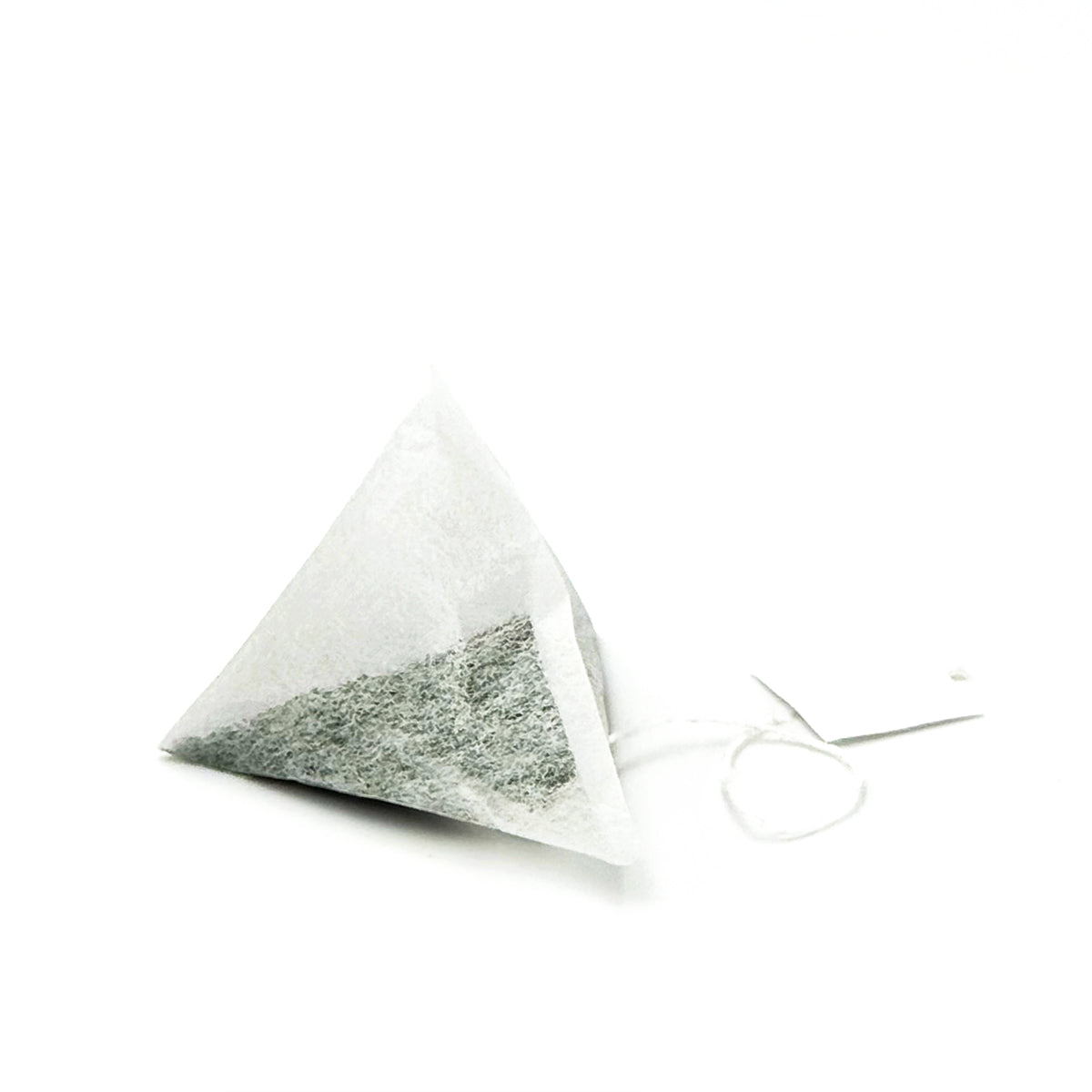
    Tappuri Catechin is a loose-leaf authentic Japanese green tea teabag, made from deep-steamed Fukamushi Sencha cultivated using the Chagusaba method in nutrient-rich sugarcane soil. Featuring the Yabukita cultivar, each resealable aluminum bag includes 30 pyramid-shaped tea bags (2g each), offering a convenient and refreshing way to support your health goals.

    8 reviews

    The Sencha Lover Gift Set - Premium Japanese Green Tea Set Package
    $179.00 $159.99
    Quick view

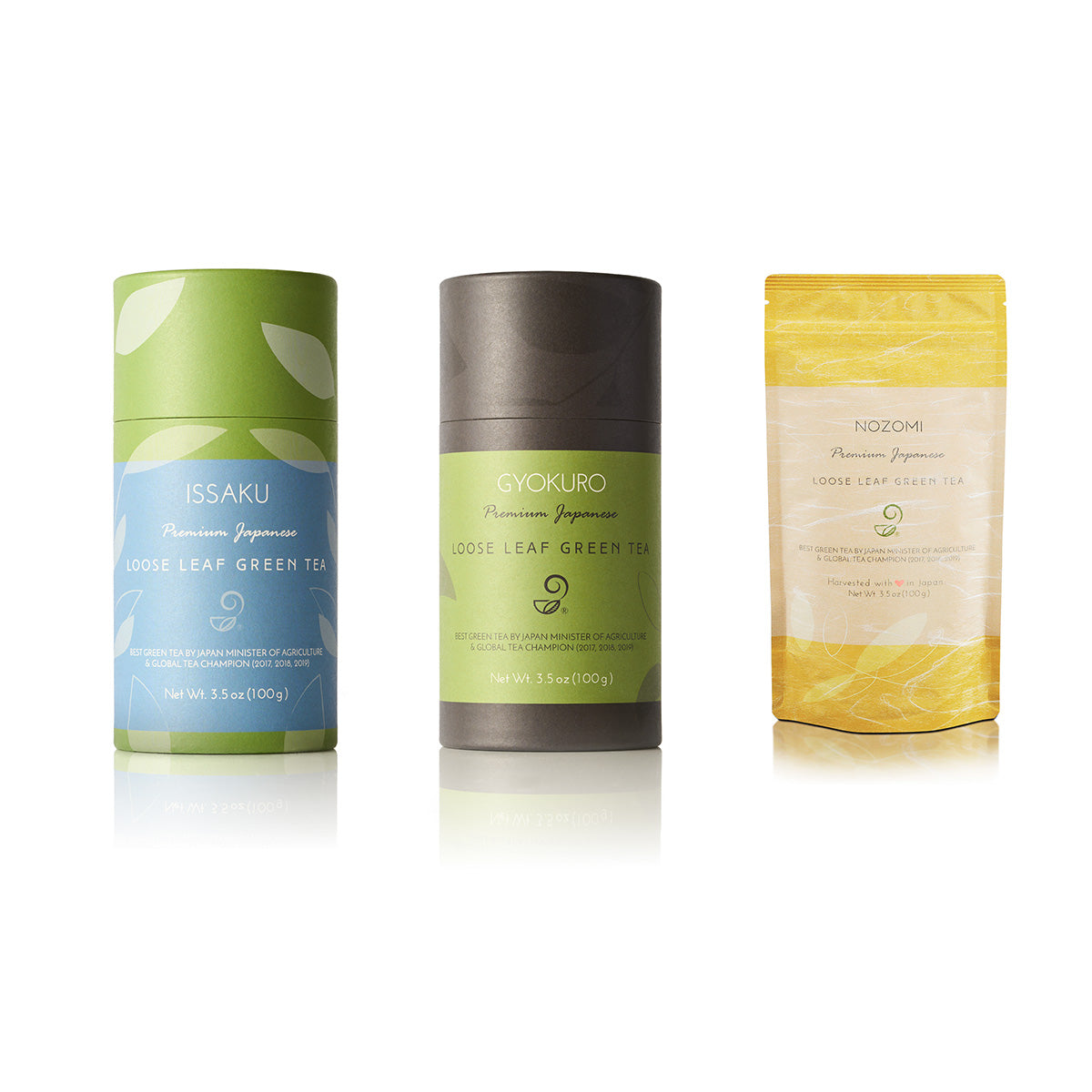
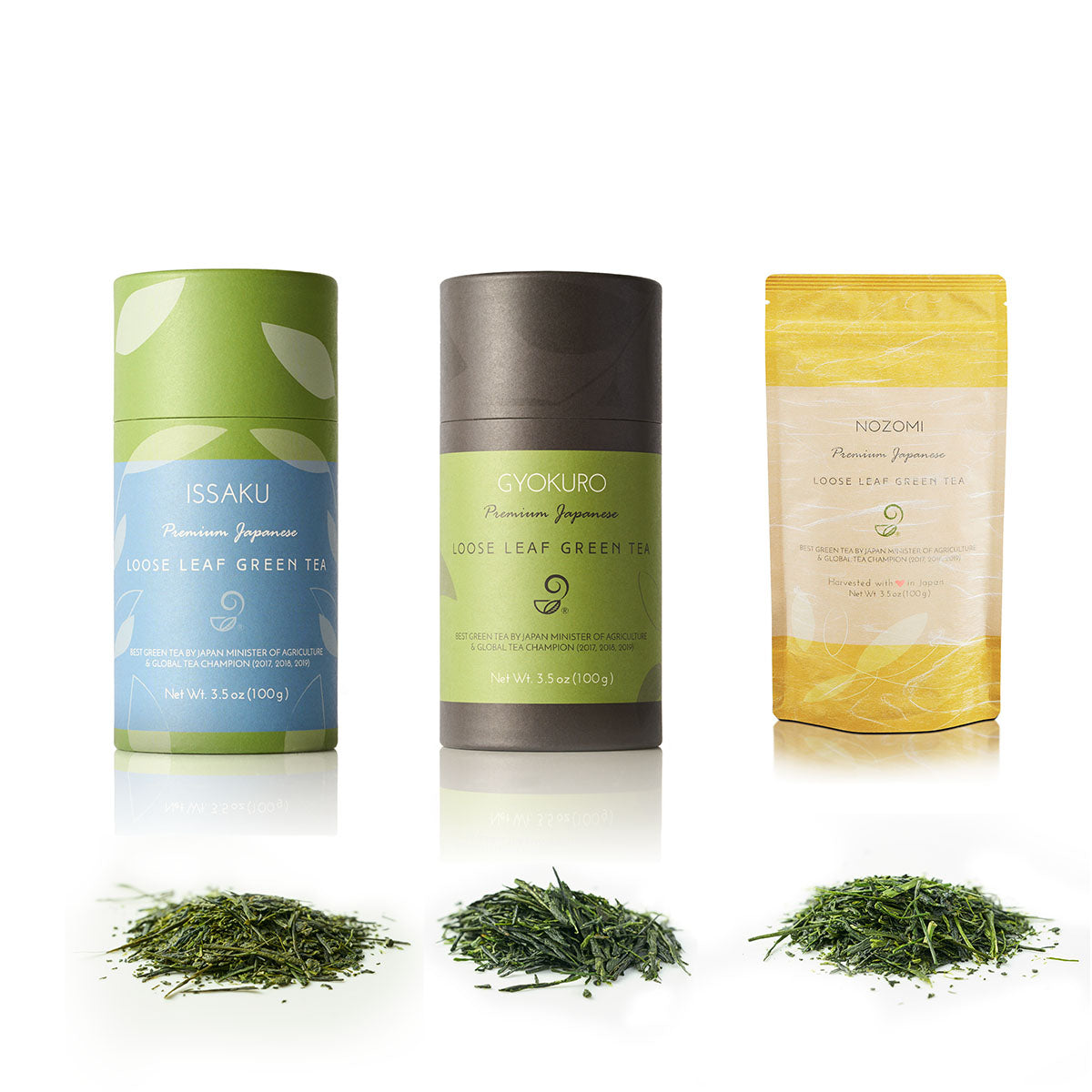
    This tea set features three exceptional Japanese green teas, each crafted with care and traditional techniques. Issaku Reserve, a Global Tea Champion winner in 2017 and 2019, is a rare masterpiece created by Farm Master Mr. Arahata at Arahataen Green Tea Farm. Handpicked once a year from the first flush and processed with advanced methods, Issaku represents the highest-grade deep-steamed green tea, available only in limited quantities even in Japan.

    The set also includes Gyokuro, a premium shaded green tea known for its rich, sweet flavor and deep mossy green color. Grown under special mats for 20 days to increase caffeine and amino acid levels, Gyokuro offers a layered, smooth taste unlike any other. Completing the collection is Nozomi, a fine Kabuse-cha, or "Covered Green Tea," carefully grown under nets to gently shade the leaves just before new sprouts emerge, resulting in a soft, rich, and refined flavor profile.

    97 reviews

    Gyokuro - Shaded Imperial Premium Green Tea

    $65.00
    Quick view

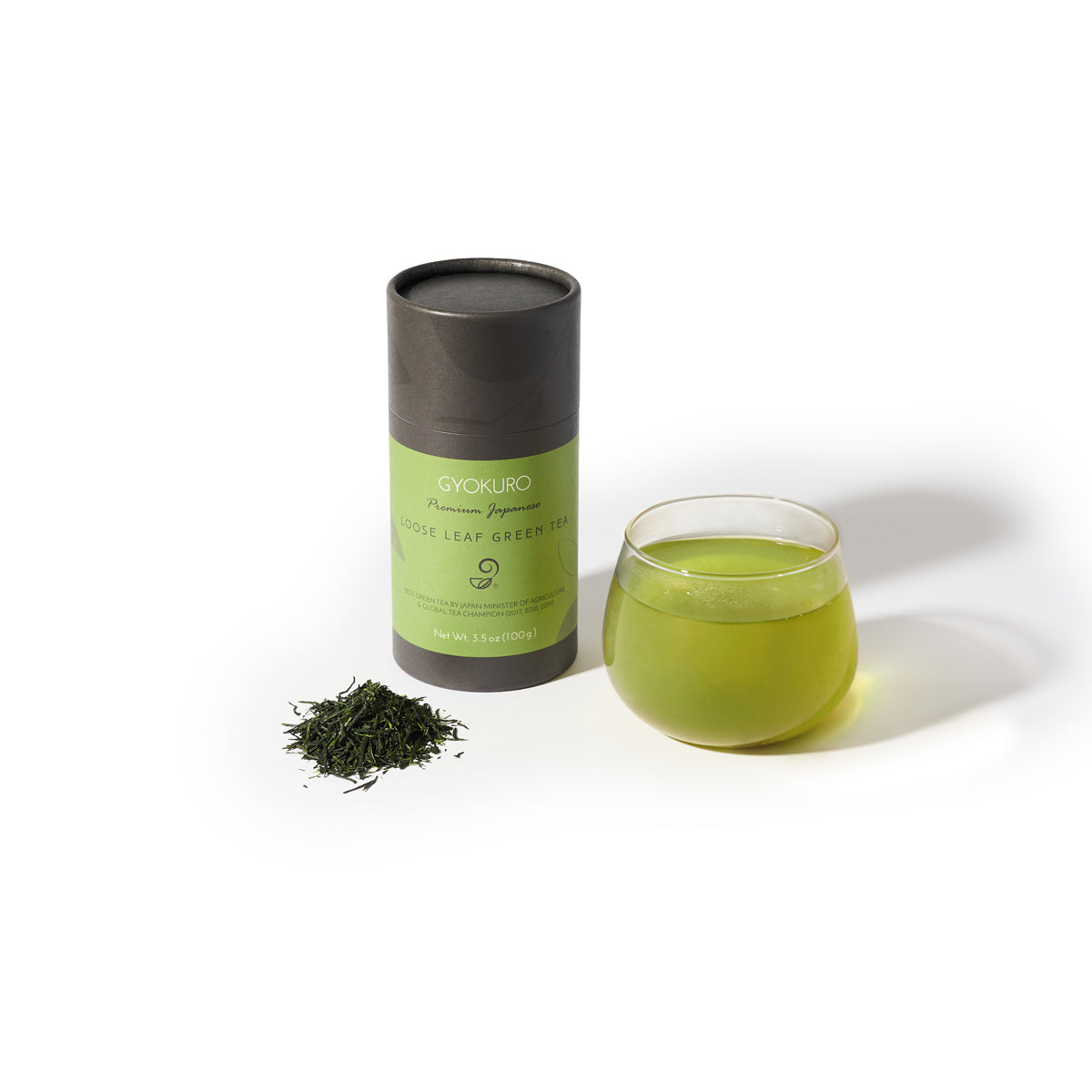
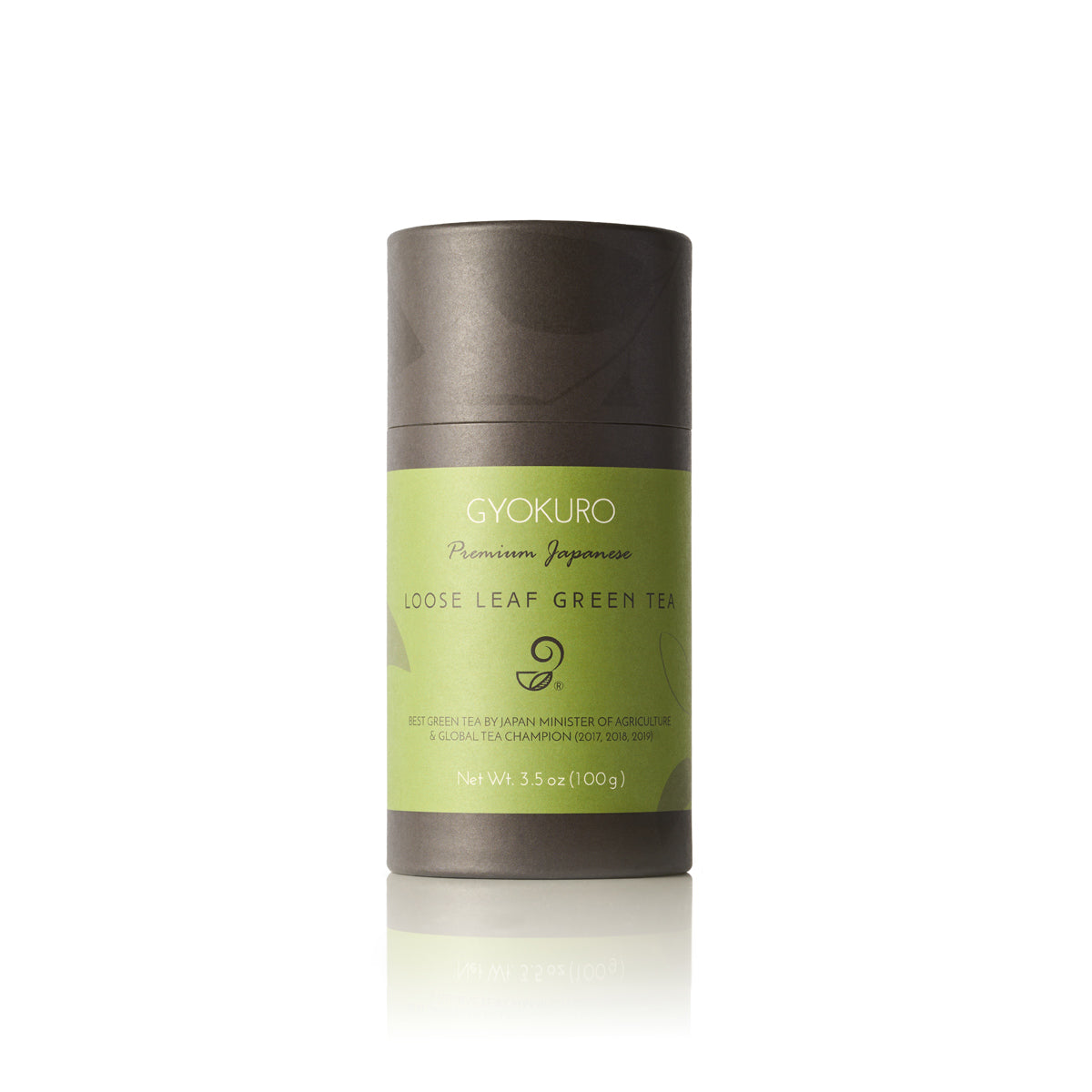
    Gyokuro, also known as "jade dew" or "jewel dew tea," is a premium Japanese green tea shaded from the sun for 20 days using specially made mats, a method that boosts caffeine levels and strengthens amino acids to create a sweeter, richer flavor. This extended shading process results in dark, mossy green leaves with an unmistakable aroma and a complex taste that is layered yet balanced. Cultivated by the Chagusaba method in nutrient-rich sugarcane soil and made from the Yabukita cultivar, this loose-leaf authentic Gyokuro is offered in a high-quality, air-tight paper tube canister (chyazutsu) to preserve its exceptional freshness and flavor. Each 3.5 oz (100g) full-size package steeps 30–40 cups, and a convenient single-serve sample is also available.

    45 reviews

    Hojicha - Roasted Green Tea

    $25.00
    Quick view

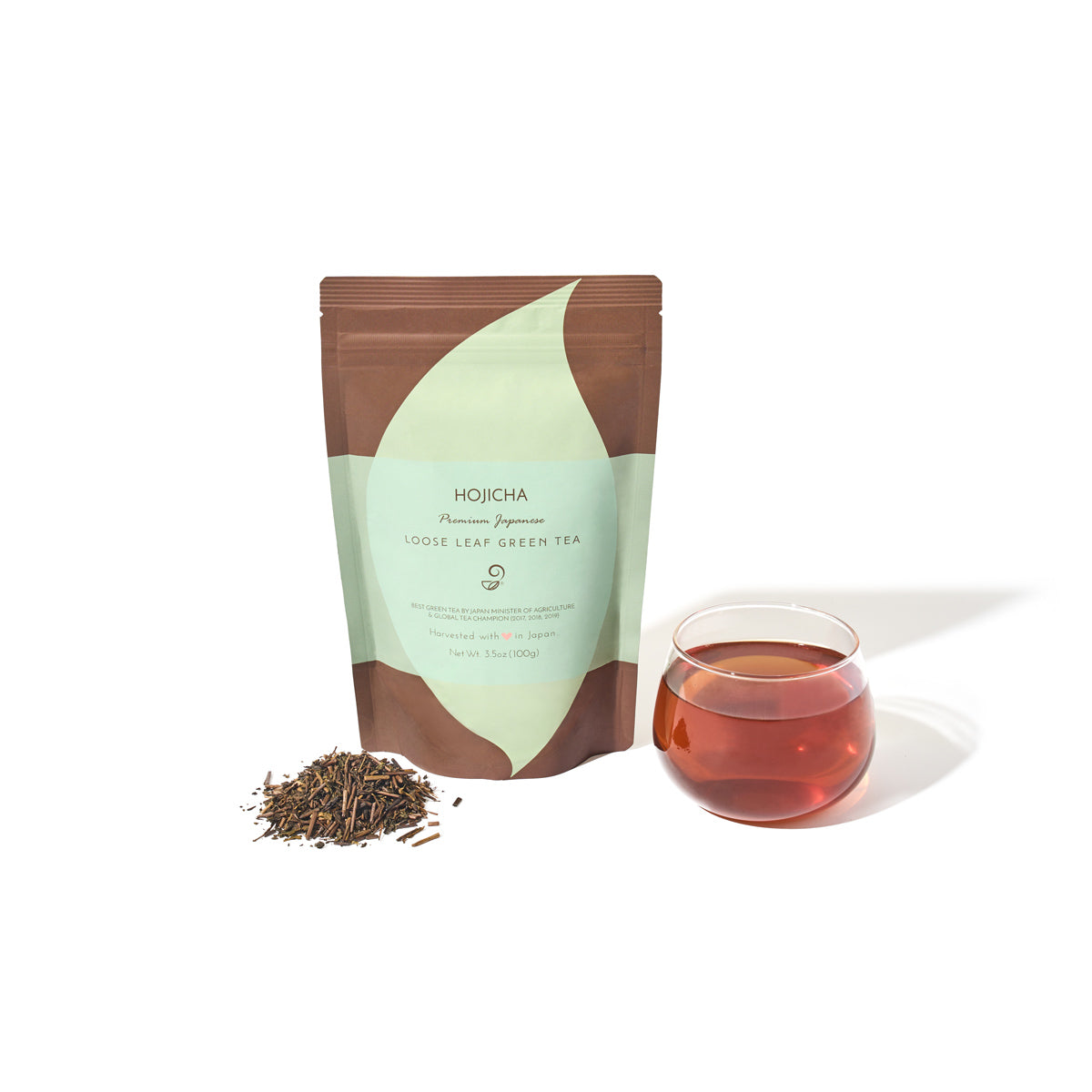
    Our roasted green tea, known as hojicha (ほうじ茶), is crafted from freshly harvested premium green tea carefully roasted in porcelain over charcoal to maximize flavor while retaining more catechins than typical hojicha on the market. With lower caffeine and a smoother, less bitter taste compared to steamed green tea, it is an ideal choice for evening relaxation and is gentle enough for kids and pregnant women. Cultivated using the Chagusaba method in nutrient-rich sugarcane soil, this loose-leaf authentic Japanese roasted green tea, made from the Yabukita cultivar, also pairs beautifully with oily foods. Each eco-friendly resealable package contains 3.5 oz (100g) of tea, enough to steep 30–40 comforting cups.

    80 reviews

    Matcha - Ceremonial Japanese Powdered Green Tea

    $39.00
    Quick view

    This ceremonial matcha is crafted from the finest Japanese green tea, grown in nutrient-rich soil enhanced with compostable grasses and sugarcane through the Chagusaba method, which gives the tea a natural sweetness and exceptional flavor. In collaboration with researchers from Shizuoka University, farmers ensure that the soil quality consistently produces tea of the highest standard.

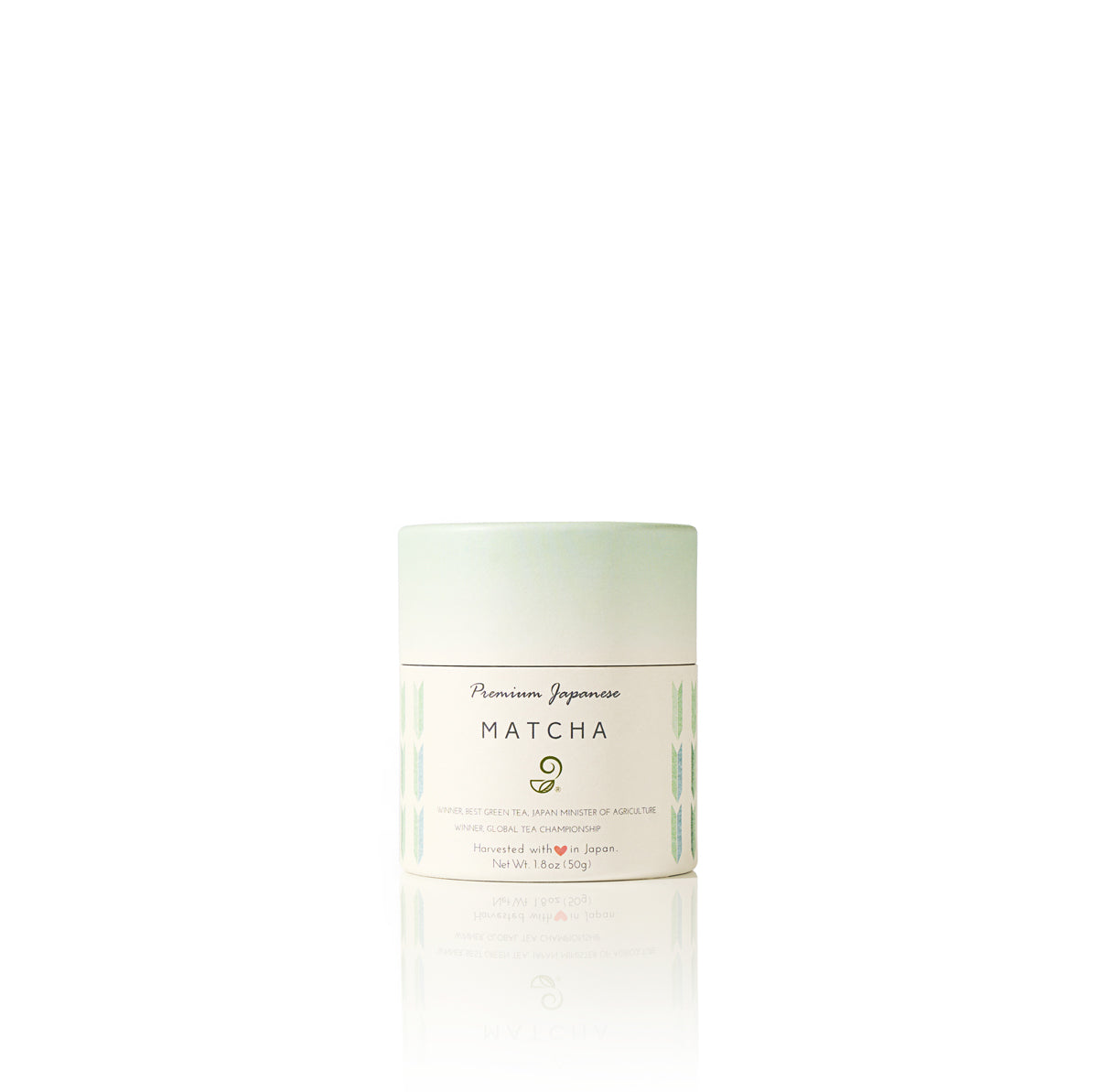
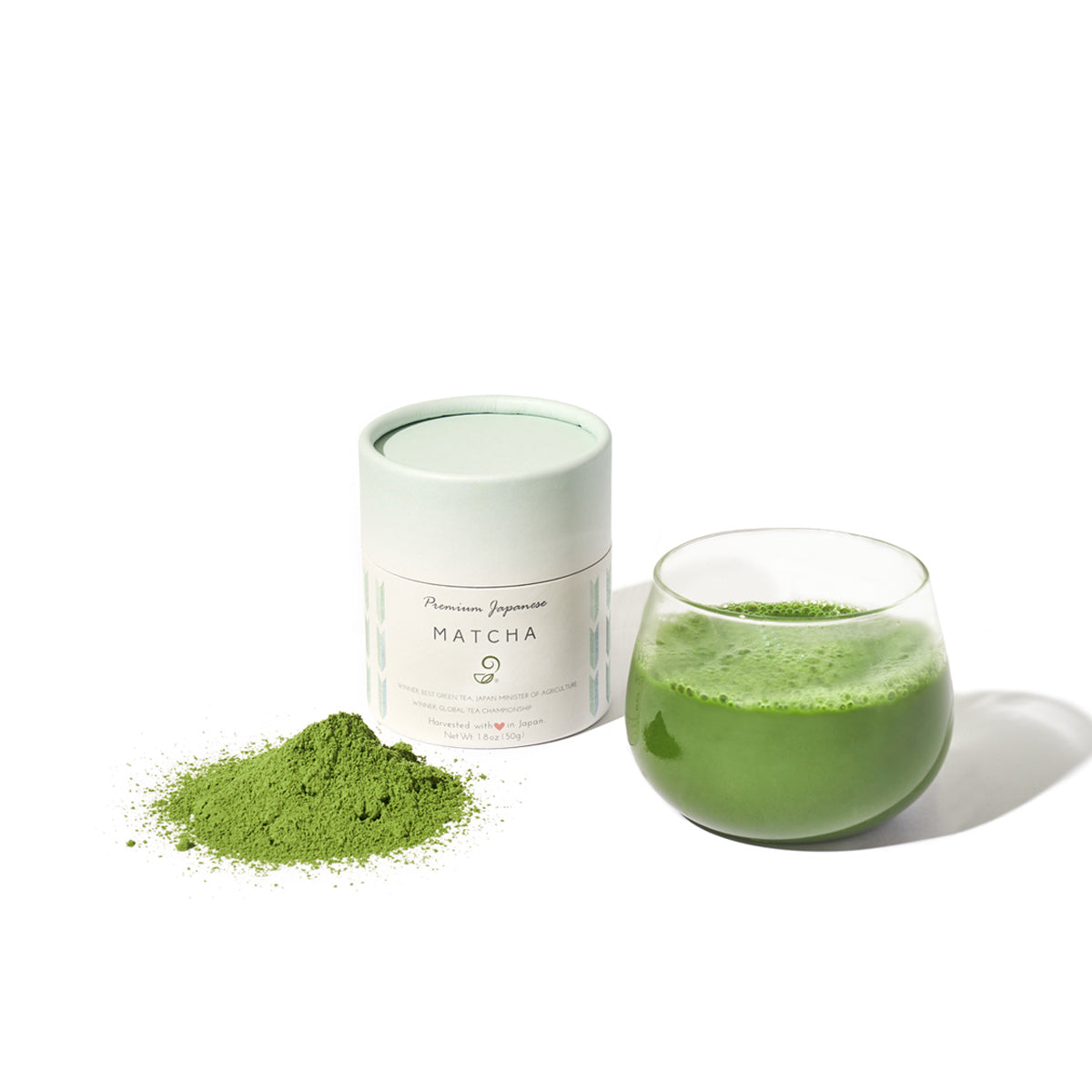
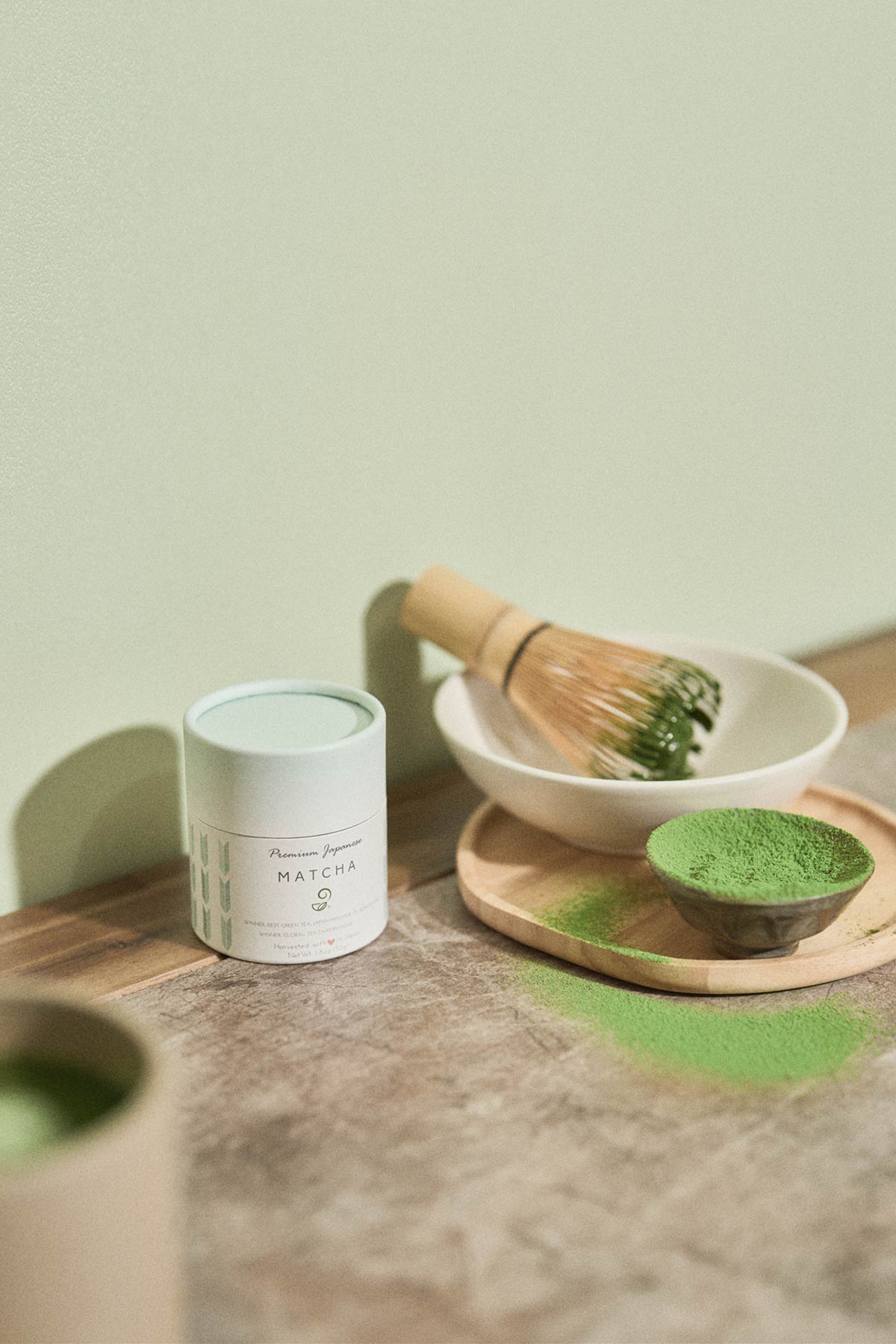
    Renowned among top Japanese chefs for its unmatched aroma, this matcha is made by carefully shading the plants before harvest to boost caffeine and amino acids, then meticulously drying, de-stemming, and grinding the leaves into a fine powder. Made from the Yabukita cultivar, this 1.8 oz (50g) matcha comes in a high-quality, air-tight paper tube canister, providing a luxurious and authentic Japanese tea experience.


    Related Articles You May Be Interested

    Does Green Tea Calm You Down?
    Does Green Tea Calm You Down?
    Is Green Tea Psychoactive As a Beverage?
    Is Green Tea Psychoactive As a Beverage?
    How Tea Helps With Mental Health
    How Tea Helps With Mental Health
    How Tea Improves Memory and Concentration
    How Tea Improves Memory and Concentration
    Everything You Need to Know about Genmaicha (玄米茶)
    Everything You Need to Know about Genmaicha (玄米茶)

    Get Free Bonus Books

    Join Green Tea Club

    Sign up for free to the Green Tea Club to get advice and exclusive articles about how to choose Japanese Tea, and tips, tricks, and recipes for enjoying Japanese tea.

    Unsubscribe anytime. It’s free!

    About the author

    Kei Nishida

    Kei Nishida

    Author, CEO Dream of Japan

    info@japanesegreenteain.com

    Certification: PMP, BS in Computer Science

    Education: Western Washington University

    Kei Nishida is a passionate Japanese green tea connoisseur, writer, and the founder and CEO of Japanese Green Tea Co., a Dream of Japan Company.

    Driven by a deep desire to share the rich flavors of his homeland, he established the only company that sources premium tea grown in nutrient-rich sugarcane soil—earning multiple Global Tea Champion awards.

    Expanding his mission of introducing Japan’s finest to the world, Kei pioneered the launch of the first-ever Sumiyaki charcoal-roasted coffee through Japanese Coffee Co. He also brought the artistry of traditional Japanese craftsmanship to the global market by making katana-style handmade knives—crafted by a renowned katana maker—available outside Japan for the first time through Japanese Knife Co.

    Kei’s journey continues as he uncovers and shares Japan’s hidden treasures with the world.

    Learn more about Kei Nishida

    Related Posts

    Behold: Balmuda's "The MoonKettle" — Where Boiling Water Becomes Art
    Behold: Balmuda's "The MoonKettle" — Where Boiling Water Becomes Art

    We were privileged to be invited by Balmuda's Private MoonKettle Launch Event. Here are videos of it and everything you

    Read More
    OC Japan Fair April 2026 — Visit Us at Booth #A8!
    OC Japan Fair Spring 2026 Recap (April 3 - 5 2026)

    We were at OC Japan Fair again! April 3-5 2026 with new products, Miki Pon's art debut and more. Here is a recap video f

    Read More
    Super Mario and Japanese Green Tea
    Super Mario and Japanese Green Tea

    Super Mario and green tea share a hometown! Watch our Yoshi Matcha Cookies video recipe + discover how Nintendo and matc

    Read More
    Leave a comment

    Your email address will not be published..

    Cart

    Your cart is currently empty.

    Start Shopping

    Select options