Skip to content

Does Adding Lemon to Tea Reduce Caffeine? – Green Tea Quiz

Subscribe to Youtube See all videos

Green tea is already a fantastic drink with its antioxidants; adding drops of lemon will give it a twist. There are rumors that adding lemon reduces the caffeine in green tea. Let's dive in and learn the benefits that green tea and lemon fusion can bring us.

Similar Health Benefits of Lemon and Green Tea

Green tea and lemon have antioxidants to fight toxins and are also beneficial for fat burning. These drinks reduce stress and anxiety, and many studies have shown that they boost immunity because both have Vitamin C. However, lemon increases the catechins in green tea. Regarding improving digestion, the citric acid in lemon slows down food absorption so the stomach can have more time breaking down food to get the nutrients for the body. Green tea's catechins reduce inflammation in the gastrointestinal tract and help prevent bloating. Both drinks reduce the risk of heart disease and stroke.

Japanese Green Tea and Lemon

Health benefits of Lemon

In contrast with green tea, lemon helps absorb iron from foods and prevent anemia. In addition, the citric acid in lemon may help prevent the formation of kidney stones. However, it is still best to drink green tea with lemon 30 to 60 minutes after eating if you need more iron in your body because green tea blocks iron absorption.

Health benefits of green tea

Green tea helps prevent diabetes, and its catechins help prevent cell damage and improve brain function. This drink protects you from getting Alzheimer’s and Parkinson’s disease. Green tea has caffeine, which is a stimulant for an energy boost and mental alertness. Green tea has less caffeine than coffee, so its caffeine content is not that strong. Green tea's L-theanine, an amino acid, helps the person drinking it reduce anxiety levels and become calm. Antioxidants in green tea reduce the risk of getting breast, prostate, colorectal, and other types of cancer. When drinking green tea, the catechins inhibit oral bacteria growth, reducing bad breath. Green tea prevents us from having diabetes because it lowers blood sugar and improves insulin sensitivity.

Caffeine and burning fat

Active compounds called catechins enhance the norepinephrine in green tea, break down fat in the cells, and then these melted fats flow to the bloodstream. Caffeine increases lipase, which breaks down fats during food digestion. With catechins and a small amount of caffeine, your

Exercise and diet will not go in vain. In addition, you will have more energy to use for your daily activities because of the stimulant found in caffeine.

Lemon does not contain caffeine, and there's no study or evidence that lemon can reduce caffeine. Green tea has only 30mg to 50mg of caffeine in a cup (8 oz.) serving. There are also decaf green teas out there, although they still contain 2 to 3mg of caffeine. You will get all the health benefits from your drink when combining plain green tea and lemon, rather than just drinking decaf, where you have to check if the decaf method they use has no harmful substances.

Buy Green Tea with Lemon

FAQs about Lemon and Caffeine in Tea

Does lemon actually reduce caffeine in tea?

No. The caffeine in your cup of tea is the caffeine in your cup — adding lemon doesn't break it down, neutralize it, or change the dose. The myth probably came from confusion between lemon's effect on catechins (which it does affect, by stabilizing them and improving absorption) and any effect on caffeine (which it doesn't have).

If you want lower-caffeine tea, the real options are: brew at lower temperatures (less caffeine extracts), use less leaf, brew for shorter times, drink hojicha or other naturally lower-caffeine teas, or drink decaf. Lemon doesn't belong in this list.

That said, there's a perception trick that might explain why some people "feel" less caffeinated when they add lemon: the citric acid changes the rate at which catechins absorb, which mildly affects the time-course of caffeine's effect. The total dose is the same, but the curve might feel slightly different. That's not a caffeine reduction; it's a timing shift.

What does lemon actually do when added to green tea?

Three real effects. First, lemon's citric acid stabilizes the catechins (especially EGCG) through digestion, which means more of them survive your stomach and reach your bloodstream — increased catechin bioavailability by roughly 5x in some studies. Second, lemon's vitamin C boosts iron absorption from food, partially offsetting the catechin-iron-binding issue that can otherwise reduce iron uptake.

Third, flavor — lemon brightens green tea's natural notes and gives the cup more lift, especially with sencha (煎茶) and lighter teas. The aromatic oils in fresh lemon zest enhance the tea's freshness; the juice adds tartness that some people enjoy. Our lemon-and-green-tea article goes deeper into the dosing and timing.

None of these effects involve caffeine. The catechin stabilization is the most-discussed real benefit, but it's about absorption efficiency rather than dose.

If I want less caffeine, what should I actually do — beyond skipping the lemon trick?

Switch to lower-caffeine teas. Hojicha (ほうじ茶) is roasted and naturally has about a third the caffeine of standard sencha. Genmaicha (sencha + roasted brown rice) is also lower because the rice dilutes the leaf content. Bancha (lower-grade sencha from later harvests) has less caffeine than premium sencha. White tea has surprisingly more caffeine than people expect; it's not a low-caffeine option.

Brewing technique matters too. Caffeine extracts faster than catechins, especially at higher temperatures. A 30-second steep at 165°F pulls out roughly 70% of the caffeine you'd get from a 90-second steep at 175°F. So a quick low-temperature steep gives you about half the caffeine for slightly less flavor depth.

If you must drink decaffeinated tea, look for CO₂-extraction decaf rather than ethyl-acetate. CO₂ decaf preserves more catechins (only about 20-30% loss vs 40-50% for ethyl-acetate). The flavor is also cleaner.

Does lemon affect the caffeine absorption time, even if total caffeine is unchanged?

Slightly, yes. Caffeine absorbs through the stomach lining in roughly 15-45 minutes, peaking around 30-60 minutes after ingestion. The presence of food, drink temperature, and stomach pH all affect that curve modestly. Lemon shifts stomach pH lower (more acidic), which can slow gastric emptying slightly and might delay caffeine peak by a few minutes.

In practice, this is barely noticeable in everyday drinking. The difference between drinking green tea with lemon vs without lemon shifts caffeine onset by maybe 5-10 minutes for most people. If you have an hour-long meeting starting in 30 minutes, lemon-tea vs plain-tea won't meaningfully change whether you're alert during the meeting.

The one place this might matter: people who are very caffeine-sensitive and who notice acute caffeine effects within 15 minutes of drinking. For those drinkers, a touch of lemon might shift the onset to a slightly more comfortable curve. Most people won't notice.

Are there other myths about how to "reduce" caffeine in tea that I should ignore?

Several. The most common: "throwing out the first 30-second brew removes the caffeine." This is untrue. Some caffeine extracts in the first 30 seconds, but most catechins do too — you'd be discarding almost as much catechin as caffeine, and it's the caffeine you're hoping to remove. The claim originated as a marketing pitch and has no chemistry behind it.

"Drinking tea before noon avoids caffeine effects on sleep" — partially true, but the half-life of caffeine in most adults is 5-6 hours, so even a noon cup has measurable caffeine in your system at midnight. The cleaner advice is to stop caffeinated tea by 2-3 PM if sleep matters to you.

"Adding milk neutralizes caffeine." Untrue. Milk slows caffeine absorption slightly (food in the stomach delays gastric emptying) but doesn't reduce the dose. The total caffeine reaches your bloodstream regardless.

"Cold-brewed tea has less caffeine." Partially true — cold-brewing extracts about 60-70% of the caffeine you'd get from hot brewing. So this one is real and meaningful. The other myths are not.

Related products

97 reviews

Gyokuro - Shaded Imperial Premium Green Tea

$65.00
Quick view

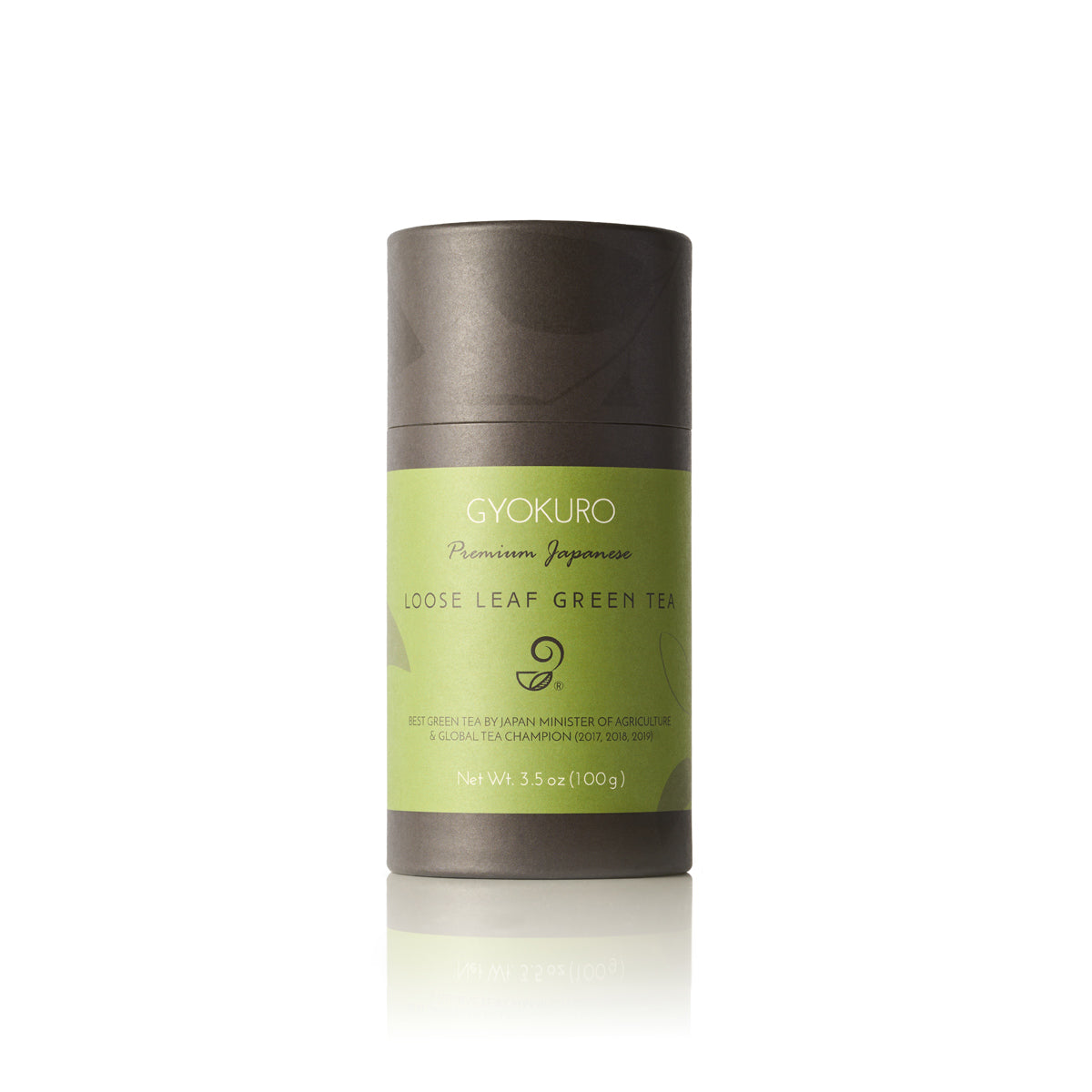
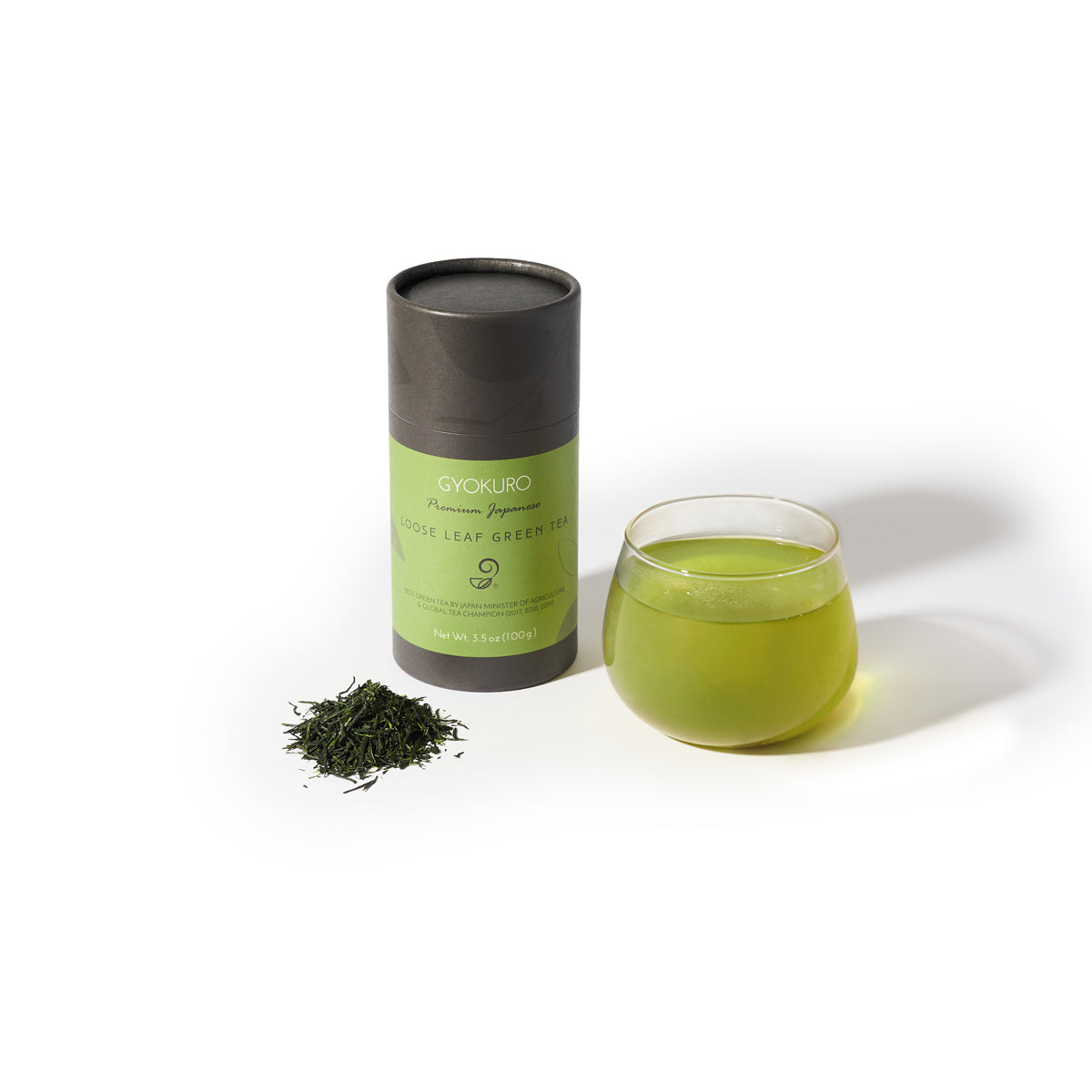
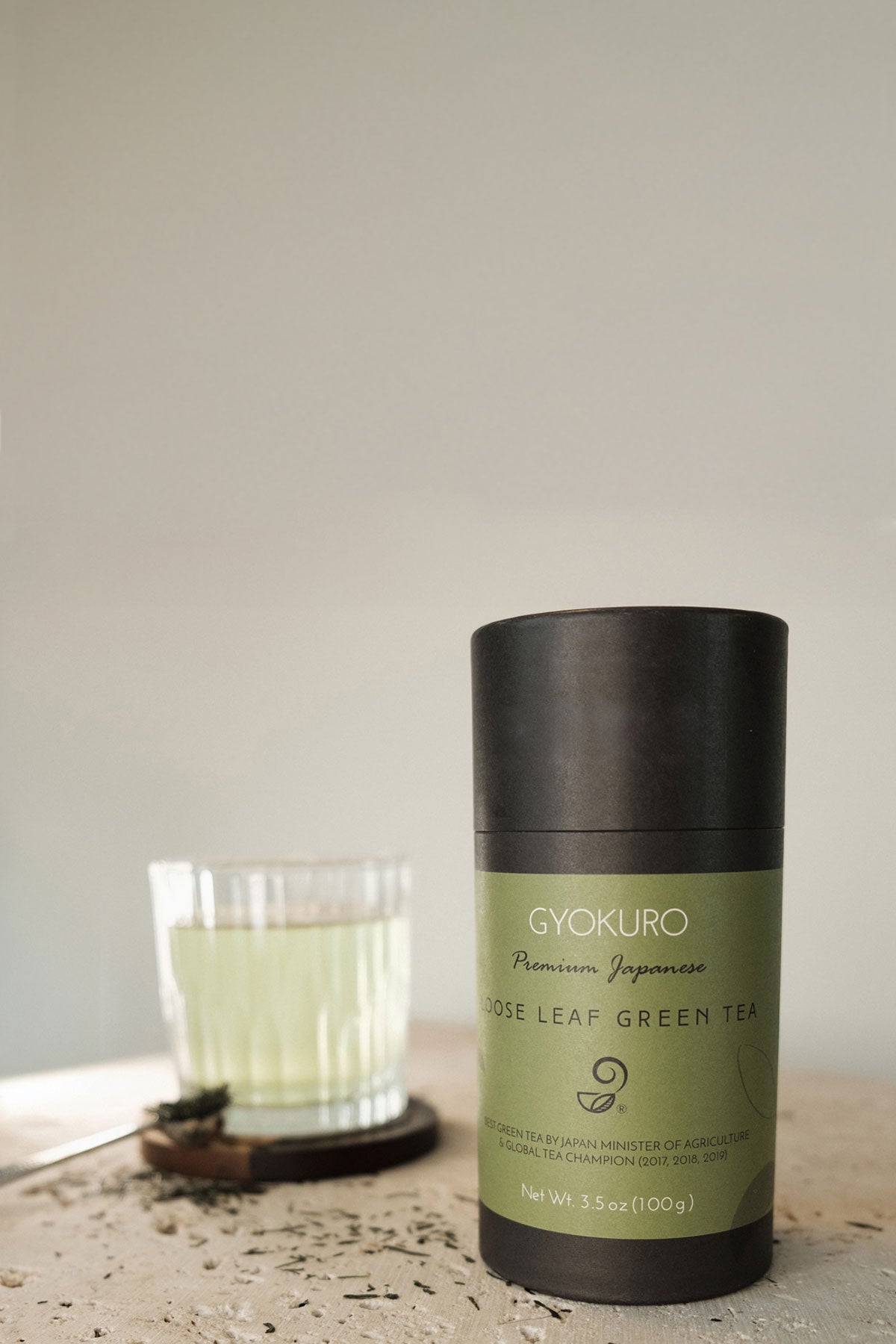
Gyokuro, also known as "jade dew" or "jewel dew tea," is a premium Japanese green tea shaded from the sun for 20 days using specially made mats, a method that boosts caffeine levels and strengthens amino acids to create a sweeter, richer flavor. This extended shading process results in dark, mossy green leaves with an unmistakable aroma and a complex taste that is layered yet balanced. Cultivated by the Chagusaba method in nutrient-rich sugarcane soil and made from the Yabukita cultivar, this loose-leaf authentic Gyokuro is offered in a high-quality, air-tight paper tube canister (chyazutsu) to preserve its exceptional freshness and flavor. Each 3.5 oz (100g) full-size package steeps 30–40 cups, and a convenient single-serve sample is also available.

8 reviews

The Sencha Lover Gift Set - Premium Japanese Green Tea Set Package
$179.00 $159.99
Quick view

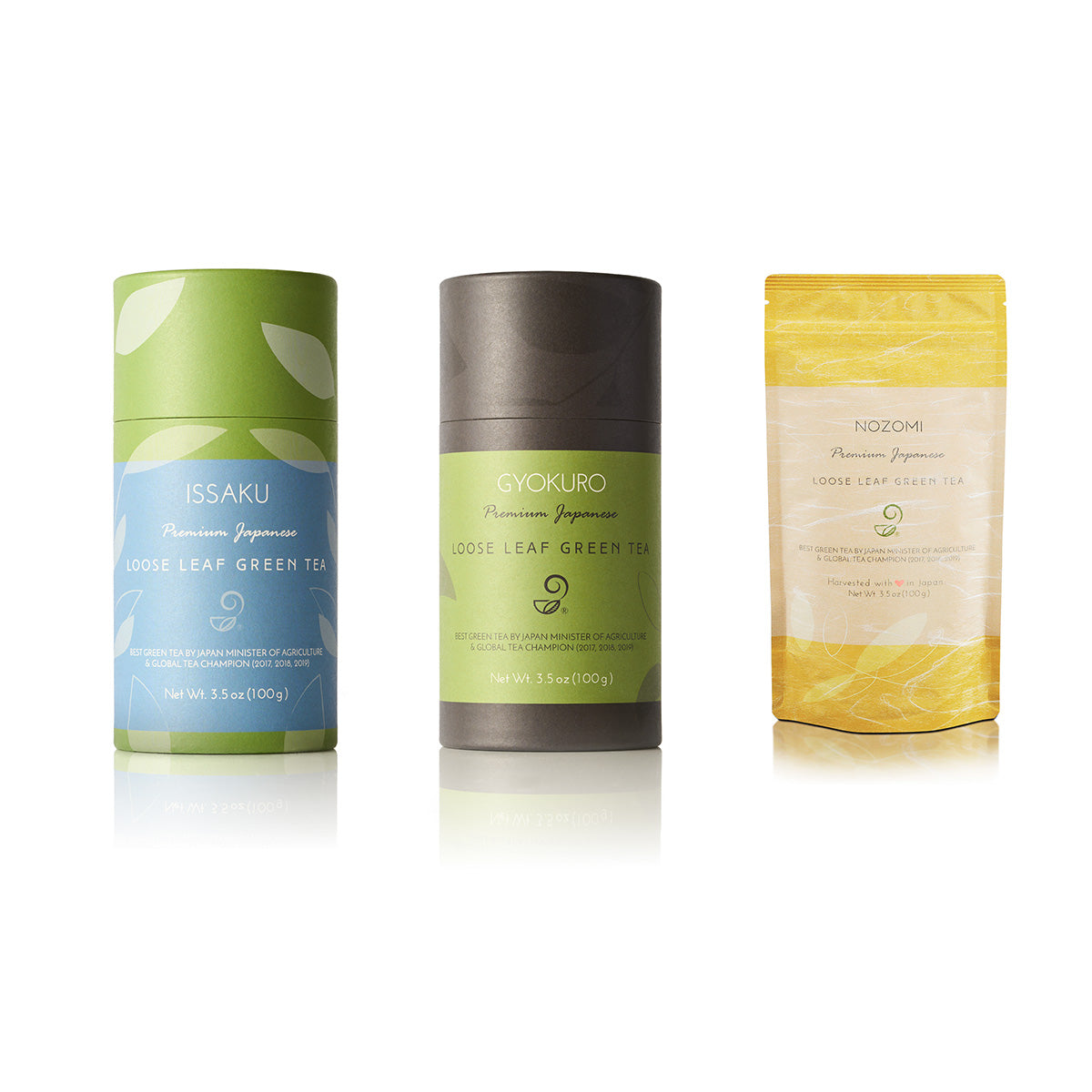
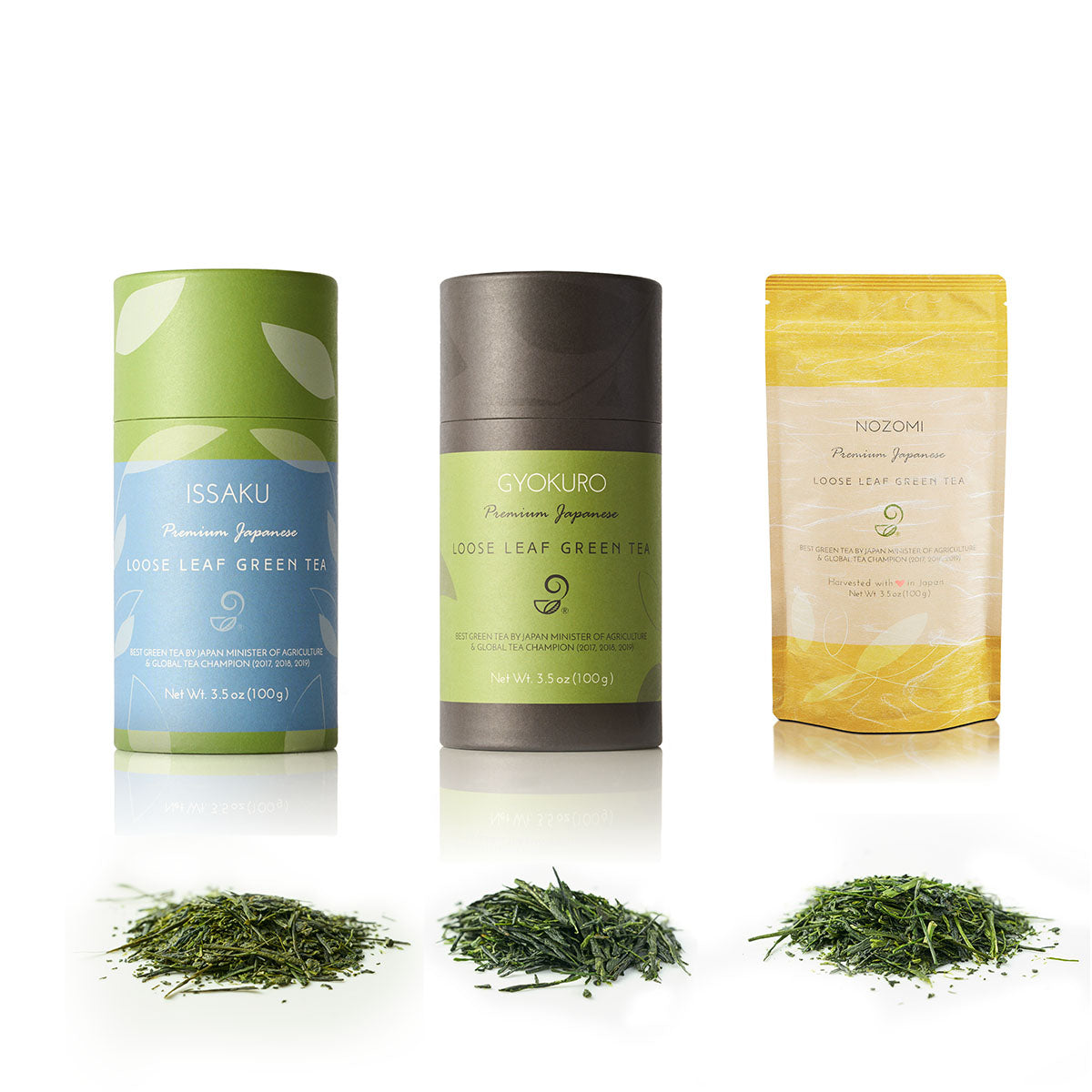
This tea set features three exceptional Japanese green teas, each crafted with care and traditional techniques. Issaku Reserve, a Global Tea Champion winner in 2017 and 2019, is a rare masterpiece created by Farm Master Mr. Arahata at Arahataen Green Tea Farm. Handpicked once a year from the first flush and processed with advanced methods, Issaku represents the highest-grade deep-steamed green tea, available only in limited quantities even in Japan.

The set also includes Gyokuro, a premium shaded green tea known for its rich, sweet flavor and deep mossy green color. Grown under special mats for 20 days to increase caffeine and amino acid levels, Gyokuro offers a layered, smooth taste unlike any other. Completing the collection is Nozomi, a fine Kabuse-cha, or "Covered Green Tea," carefully grown under nets to gently shade the leaves just before new sprouts emerge, resulting in a soft, rich, and refined flavor profile.

45 reviews

Hojicha - Roasted Green Tea

$25.00
Quick view

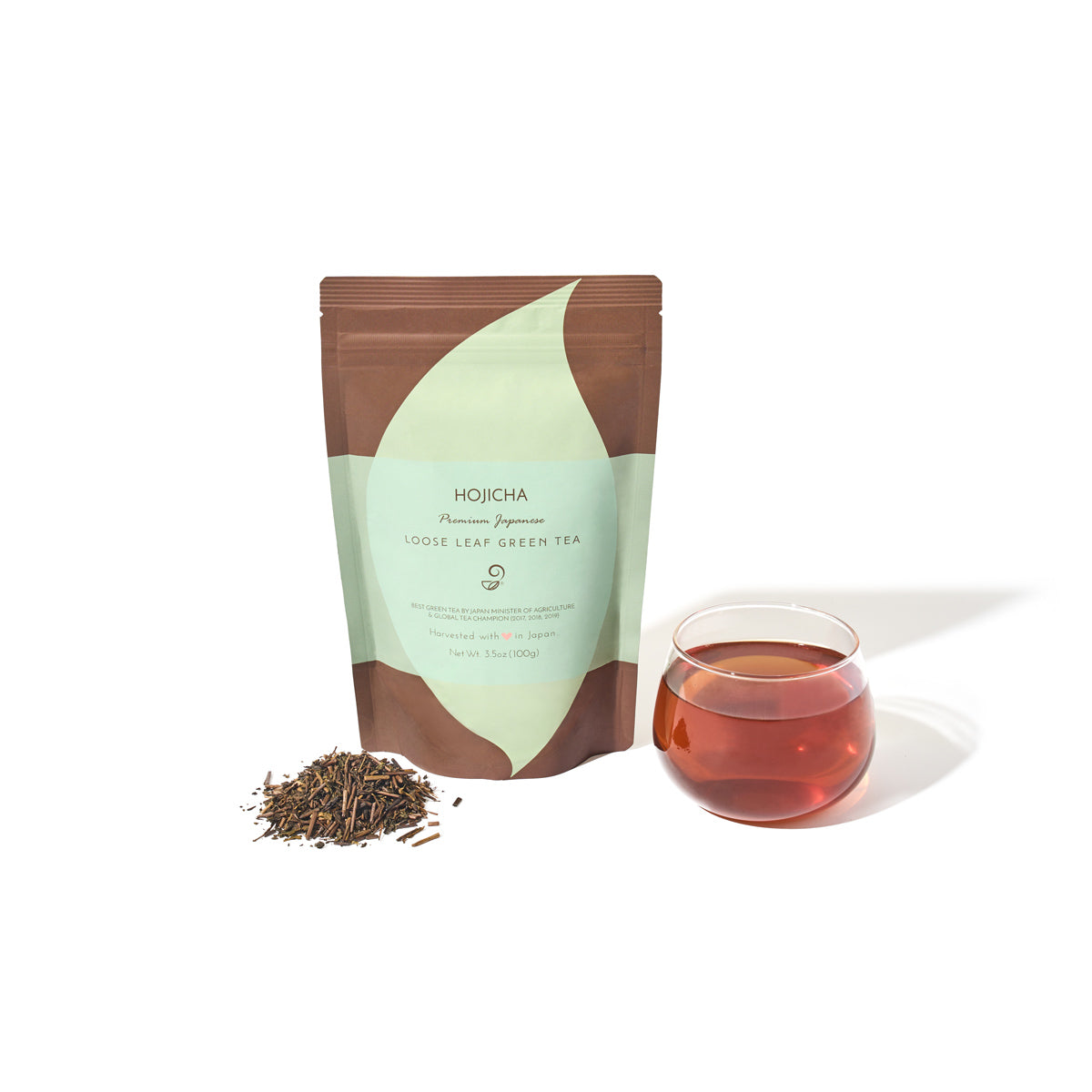
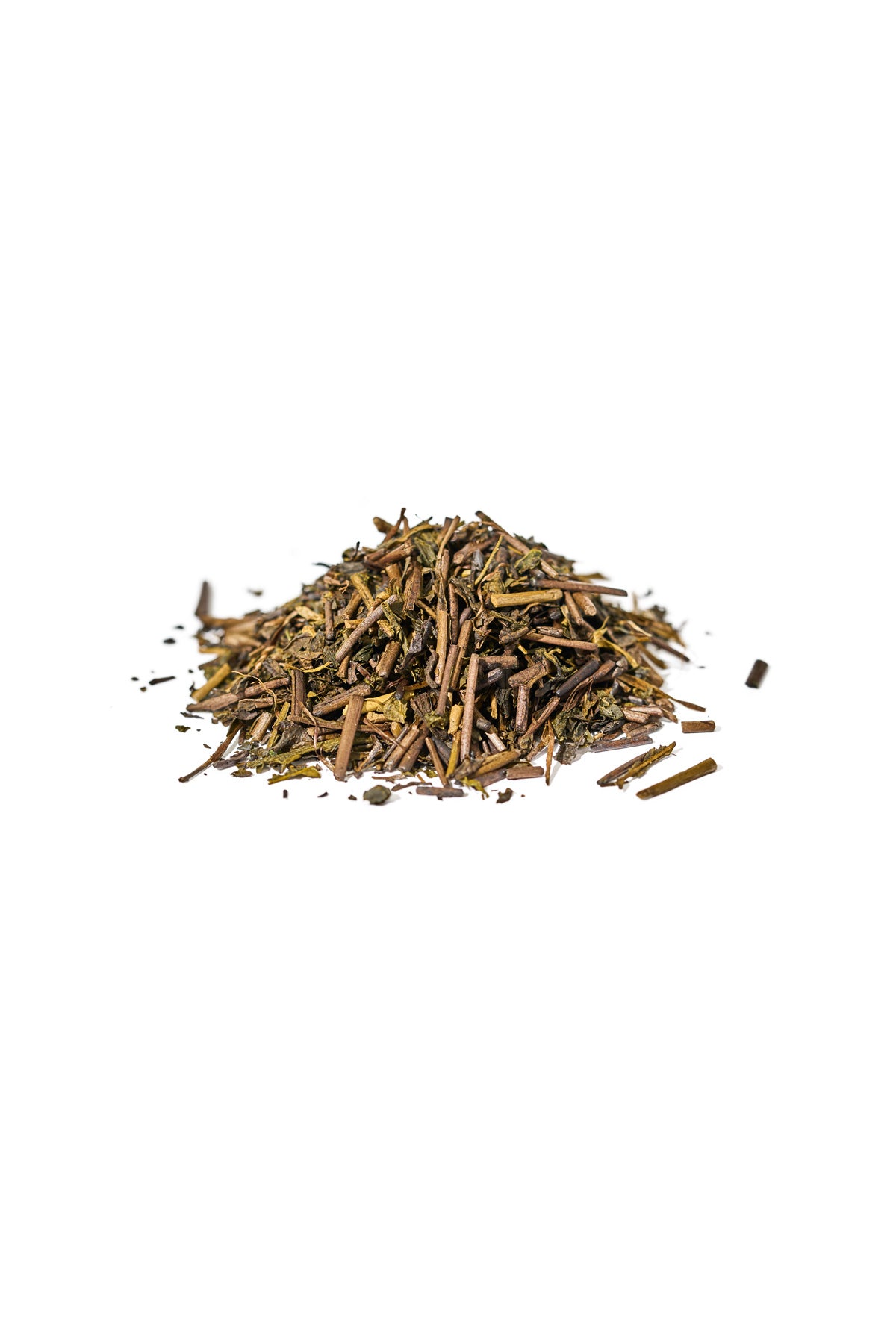
Our roasted green tea, known as hojicha (ほうじ茶), is crafted from freshly harvested premium green tea carefully roasted in porcelain over charcoal to maximize flavor while retaining more catechins than typical hojicha on the market. With lower caffeine and a smoother, less bitter taste compared to steamed green tea, it is an ideal choice for evening relaxation and is gentle enough for kids and pregnant women. Cultivated using the Chagusaba method in nutrient-rich sugarcane soil, this loose-leaf authentic Japanese roasted green tea, made from the Yabukita cultivar, also pairs beautifully with oily foods. Each eco-friendly resealable package contains 3.5 oz (100g) of tea, enough to steep 30–40 comforting cups.

80 reviews

Matcha - Ceremonial Japanese Powdered Green Tea

$39.00
Quick view

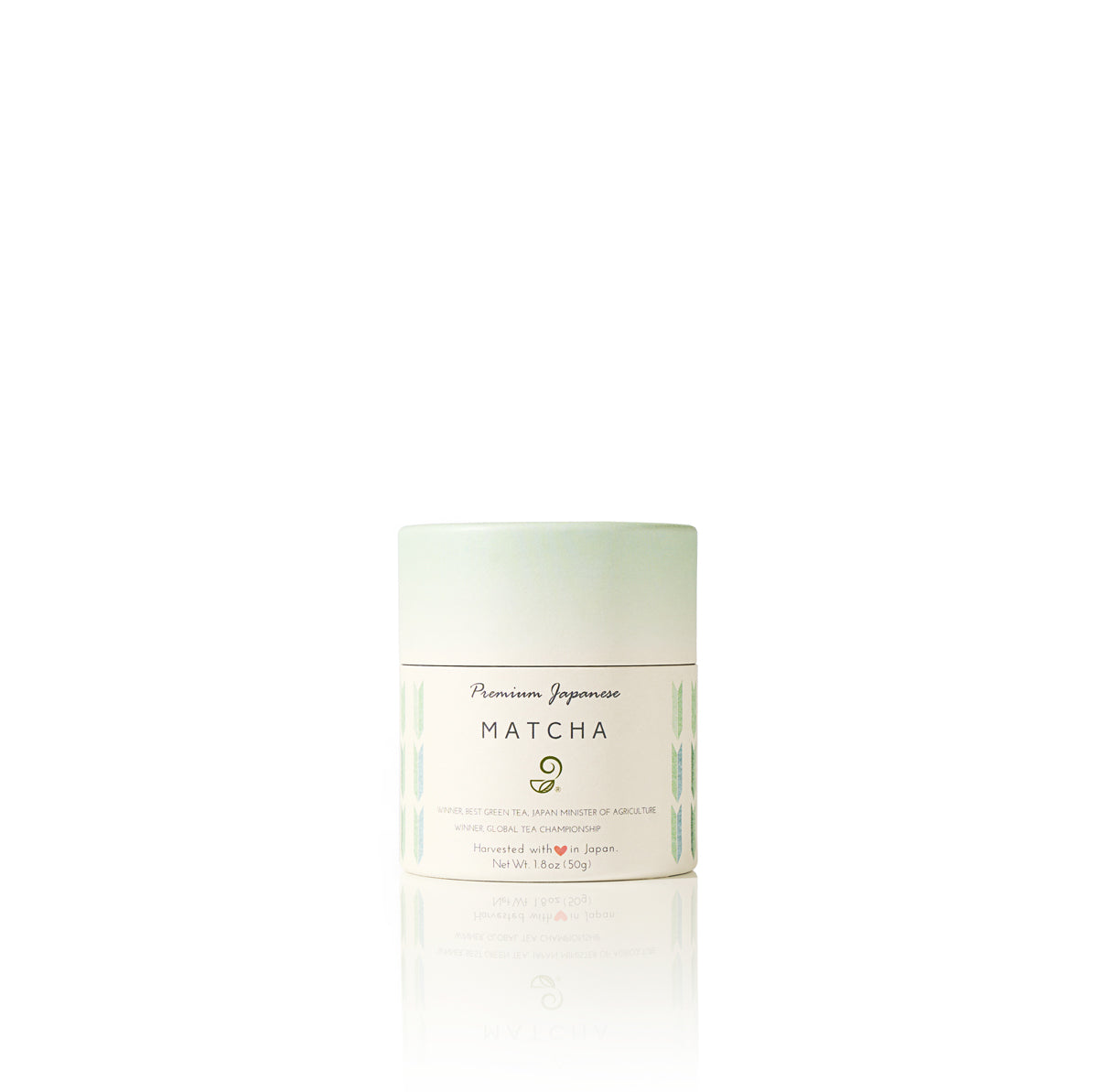
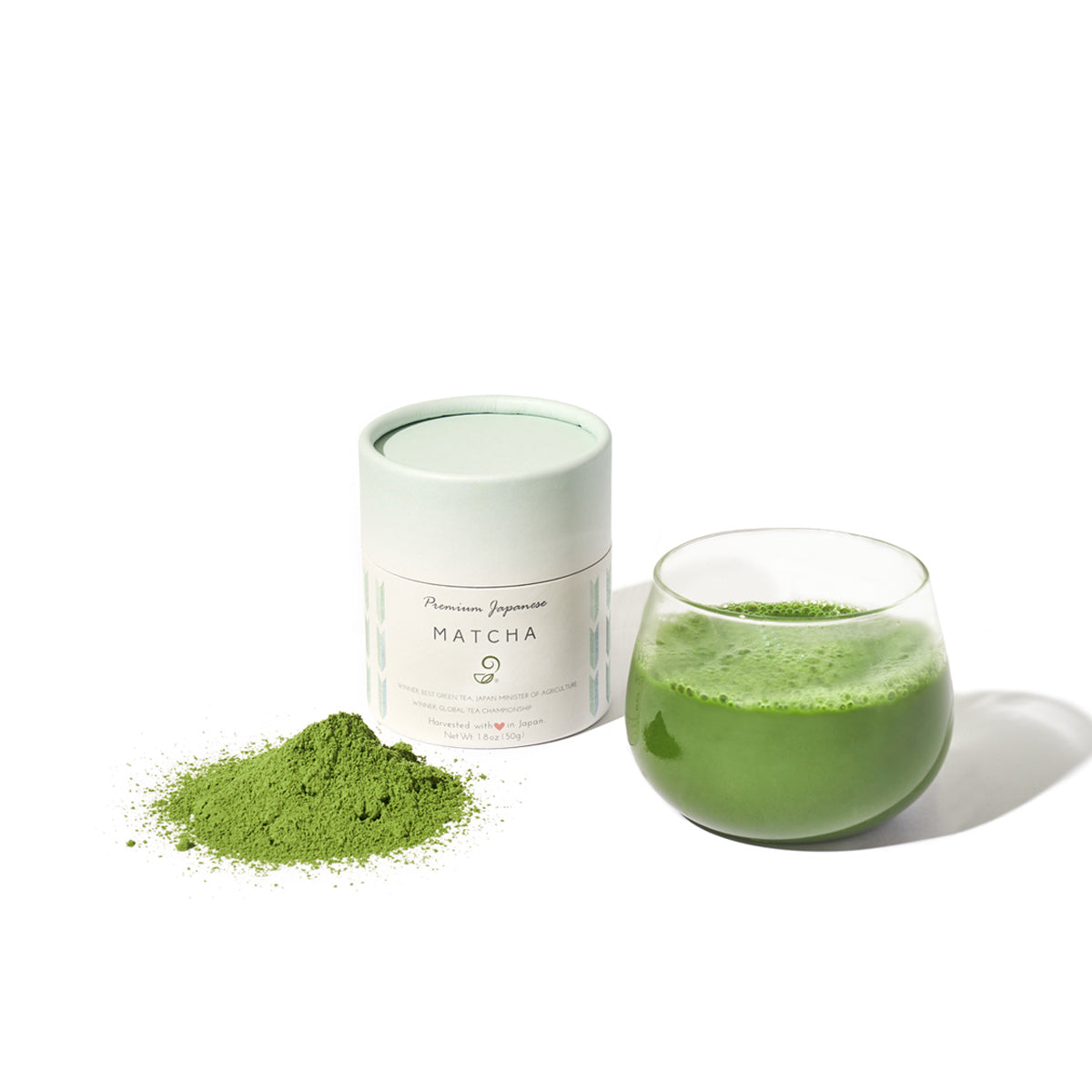
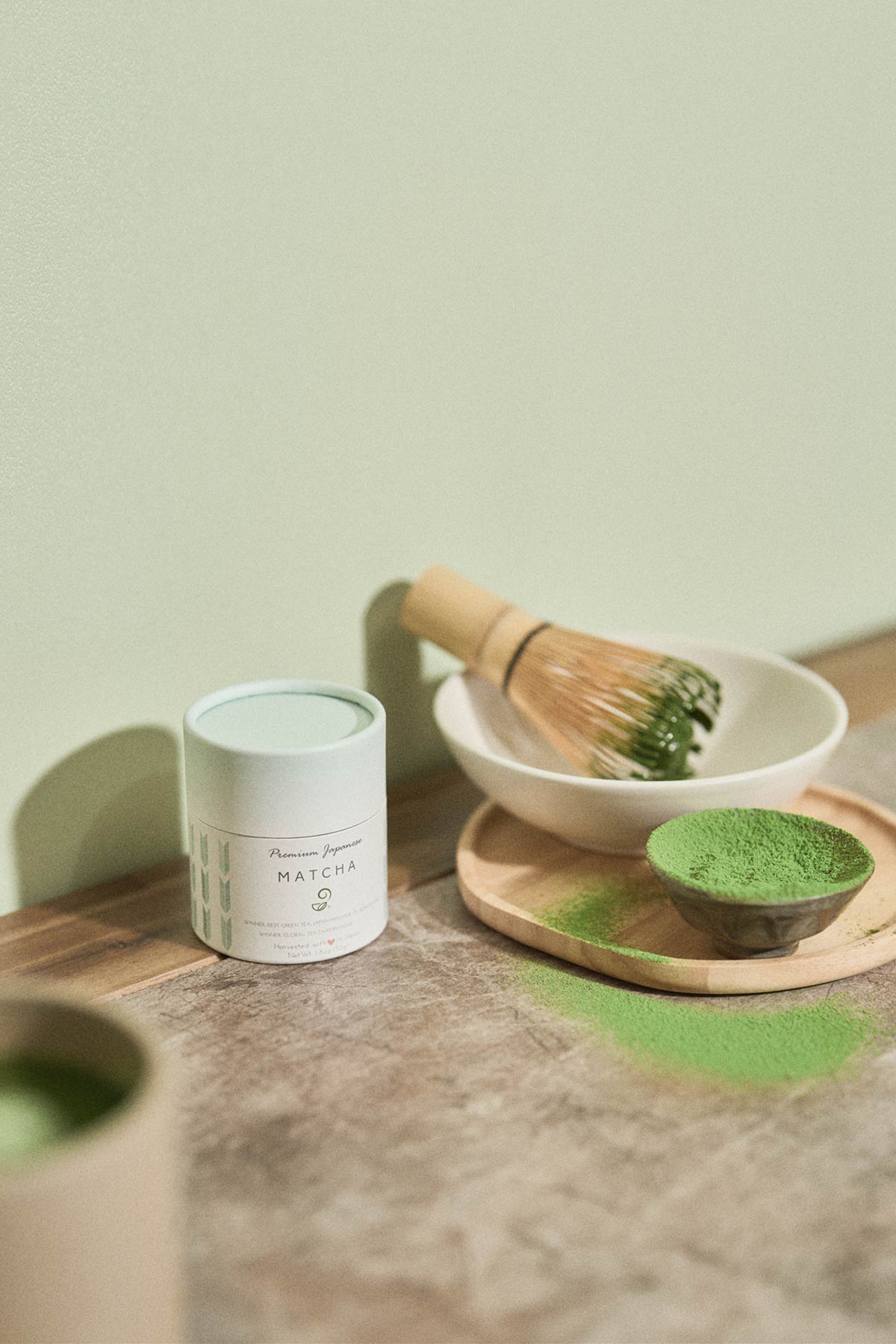
This ceremonial matcha is crafted from the finest Japanese green tea, grown in nutrient-rich soil enhanced with compostable grasses and sugarcane through the Chagusaba method, which gives the tea a natural sweetness and exceptional flavor. In collaboration with researchers from Shizuoka University, farmers ensure that the soil quality consistently produces tea of the highest standard.

Renowned among top Japanese chefs for its unmatched aroma, this matcha is made by carefully shading the plants before harvest to boost caffeine and amino acids, then meticulously drying, de-stemming, and grinding the leaves into a fine powder. Made from the Yabukita cultivar, this 1.8 oz (50g) matcha comes in a high-quality, air-tight paper tube canister, providing a luxurious and authentic Japanese tea experience.

42 reviews

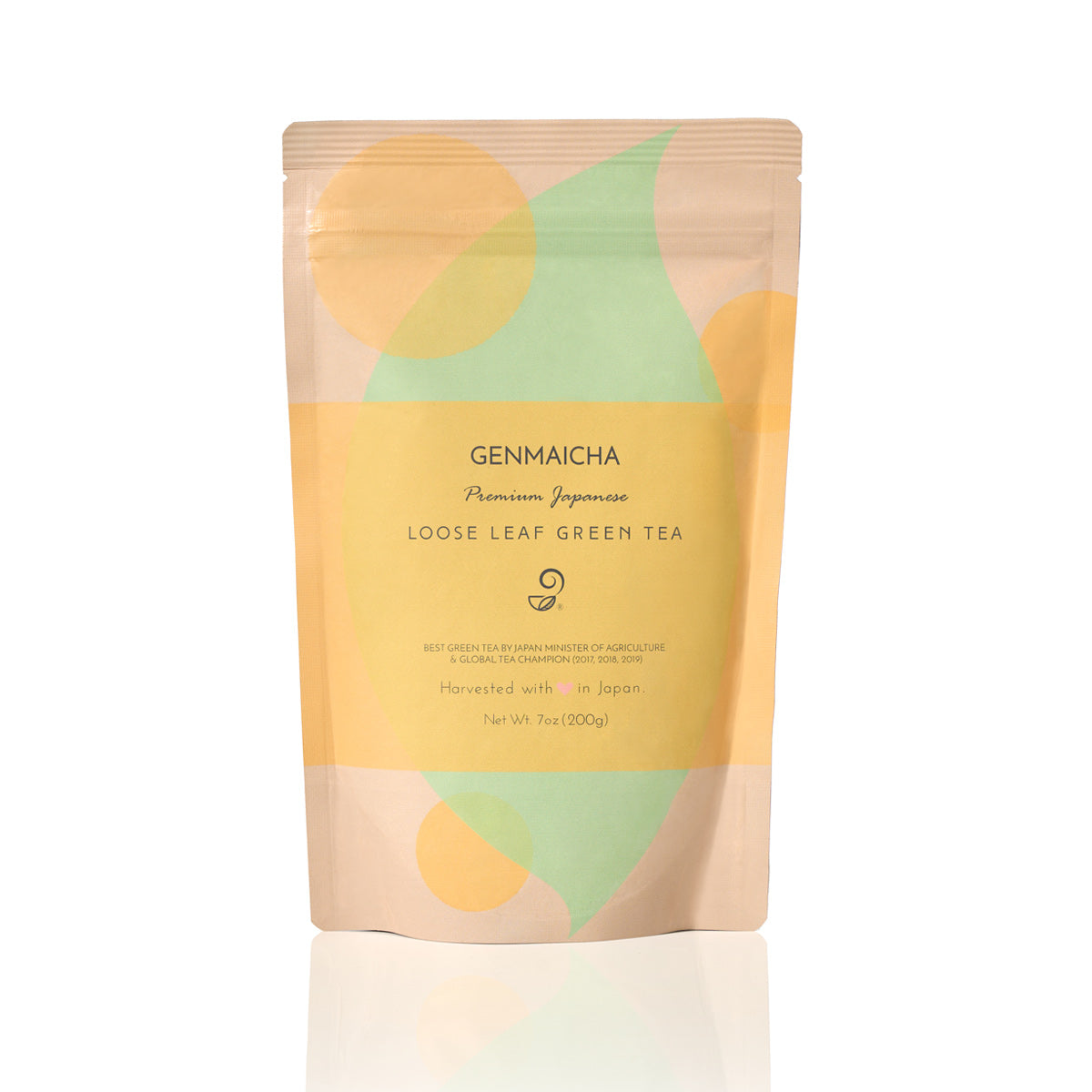
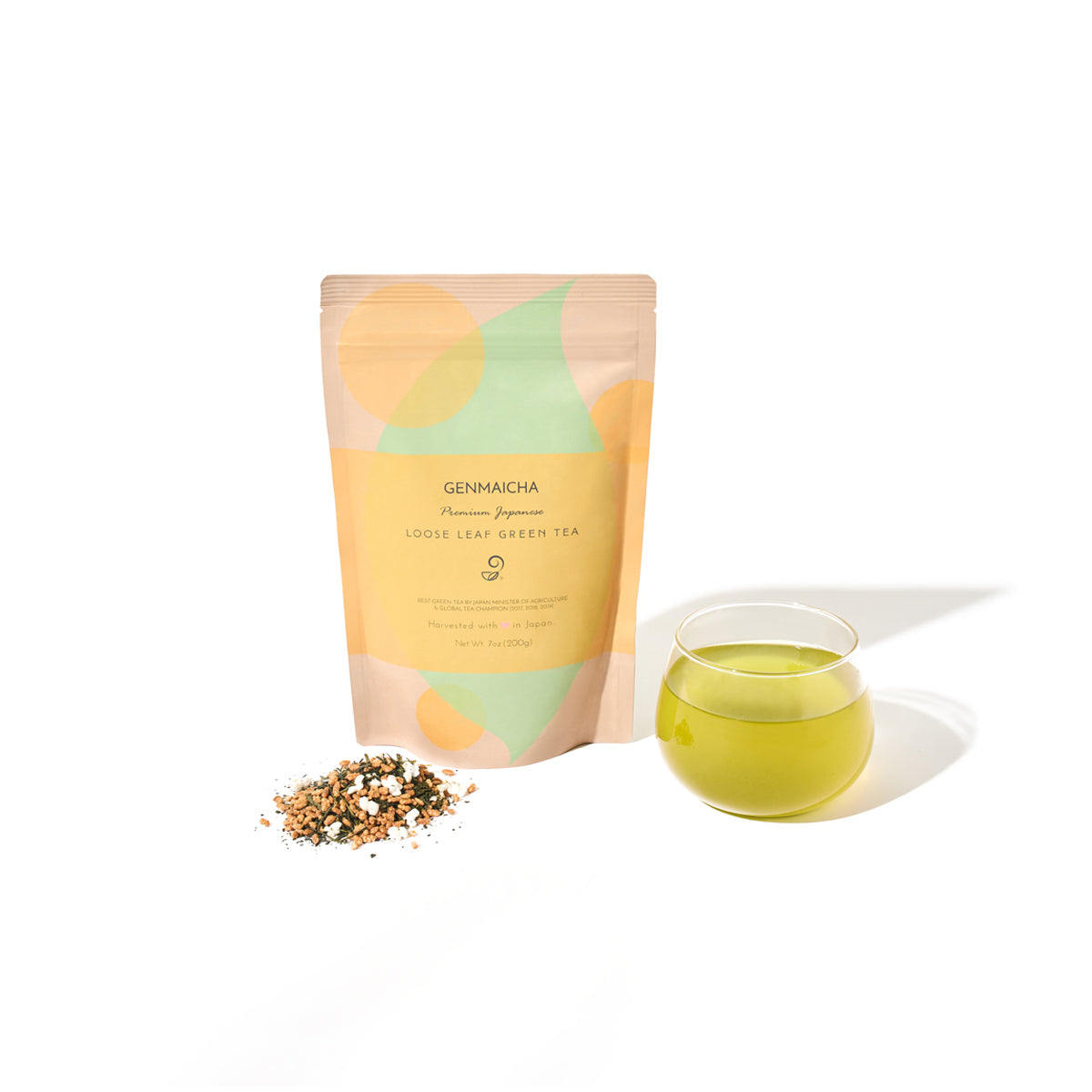
Genmaicha - Green Tea with Roasted Brown Rice

$30.00
Quick view

Our premium Japanese Genmaicha blends high-quality green tea with roasted popped brown rice (genmai 玄米), often nicknamed "popcorn tea" because the roasting process sounds like popcorn popping. Popular especially among the older generation in Japan for its mild flavor and lower caffeine content, this tea is easier on the stomach while still offering a rich, comforting taste. The brown rice used is premium Japanese mochi-gome (もち米) sticky rice, enhancing the tea’s nutty, aromatic profile. Made from Fukamushi Sencha and cultivated using the Chagusaba method in nutrient-rich sugarcane soil, this Genmaicha features the Yabukita cultivar and comes in a 7.0 oz (200g) eco-friendly resealable package, enough to steep 50–60 cups.


Related Articles You May Be Interested

Does Adding Lemon to Japanese Green Tea Enhance the Benefit?
Will I Lose Weight Faster if I had Lemon or Ginger to Green Tea? - Green Tea Quiz
Green Tea Science Part 3: Everything You Need to Know About Green Tea and Caffeine
Is Decaffeinated Tea Unhealthy?
Is Green Tea Good for Kids? - True or False? - Green Tea Quiz
Is Green Tea Good for Kids? - True or False?  - Green Tea Quiz

Get Free Bonus Books

Join Green Tea Club

Sign up for free to the Green Tea Club to get advice and exclusive articles about how to choose Japanese Tea, and tips, tricks, and recipes for enjoying Japanese tea.

Unsubscribe anytime. It’s free!

About the author

Kei Nishida

Kei Nishida

Author, CEO Dream of Japan

info@japanesegreenteain.com

Certification: PMP, BS in Computer Science

Education: Western Washington University

Kei Nishida is a passionate Japanese green tea connoisseur, writer, and the founder and CEO of Japanese Green Tea Co., a Dream of Japan Company.

Driven by a deep desire to share the rich flavors of his homeland, he established the only company that sources premium tea grown in nutrient-rich sugarcane soil—earning multiple Global Tea Champion awards.

Expanding his mission of introducing Japan’s finest to the world, Kei pioneered the launch of the first-ever Sumiyaki charcoal-roasted coffee through Japanese Coffee Co. He also brought the artistry of traditional Japanese craftsmanship to the global market by making katana-style handmade knives—crafted by a renowned katana maker—available outside Japan for the first time through Japanese Knife Co.

Kei’s journey continues as he uncovers and shares Japan’s hidden treasures with the world.

Learn more about Kei Nishida

Related Posts

The Story Behind Our Booth Backdrop: Craftsmanship, Engineering, and Sacred Wood
Behind the Scenes – How We Made the Event Booth & Backdrop Using Sacred Wood

Discover how our one-of-a-kind event booth came to life—from Japanese Kōshi (格子) design and rare Port Orford Cedar to mo

Read More
Hojicha Banana Daifuku (Mochi): The Collaboration of Aromatic Roasted Tea and Richly Sweet Banana

Dive into the soft, chewy world of Hojicha Banana Daifuku—where toasted tea meets sweet banana in a cloud of fresh mochi

Read More
Ceremonial Matcha Gift Set HARIO and JPCo
The Art of Precision: HARIO Unveils the Definitive US-Exclusive Matcha Collection

✨Discover the secret behind Japan’s most coveted matcha — a US-exclusive precision ritual that could change how you brew

Read More
Leave a comment

Your email address will not be published..

Cart

Your cart is currently empty.

Start Shopping

Select options