

Like a natural healing elixir, green tea, with its potent antioxidants and anti-inflammatory properties, could be your secret weapon in the recovery process following plastic surgery. Imagine if you could accelerate your healing, reduce swelling, and potentially decrease your downtime just by incorporating this simple beverage into your daily routine. Are you intrigued by the possibility of aiding your recovery with the power of green tea? We promise, there's so much more to uncover.
Understanding Plastic Surgery Recovery
When you're recovering from plastic surgery, it's critical to grasp the complexity of the healing process, including factors like the body's natural response to trauma, the importance of proper nutrition, and the role of rest in facilitating recovery.
Your body instinctively responds to the stress of surgery by initiating an inflammatory response. This isn't something to be alarmed about; it's your body's way of protecting the surgical site and promoting healing.
However, this response can be influenced by the food you consume. Proper nutrition, particularly high-protein diets, can accelerate wound healing by providing the necessary building blocks for tissue repair and regeneration. It's not just about eating more; it's about eating right.
Rest, on the other hand, plays an equally significant role. It allows the body to divert more energy towards healing. You might feel like getting back to your routine, but remember, your body needs time to heal.
Understanding these three components of the healing process can help you better manage your recovery. You'll be able to make informed decisions and take proactive steps towards your recovery.
Note that we aren't discussing green tea just yet; that's for the next subtopic. Stay tuned!
The Power of Green Tea
While you're focusing on rest and nutrition, don't overlook the power of green tea, a beverage rich in antioxidants that can greatly aid in your recovery process. These antioxidants, primarily catechins like epigallocatechin gallate (EGCG), have been scientifically proven to be potent enhancers of the body's defense mechanisms.
Green tea is also a super source of polyphenols, compounds that have a beneficial effect on the body's metabolism. Polyphenols can help speed up your metabolic rate, which in turn promotes faster healing. They're also linked to reducing oxidative stress, which is critical because oxidative stress can delay your healing process post-surgery.
Moreover, green tea contains an amino acid called L-theanine, which has calming effects on the brain. This could be particularly beneficial for post-surgical patients who may be experiencing anxiety or stress related to their recovery.
Lastly, green tea is a natural diuretic, which can help reduce fluid retention, a common post-surgical issue. So a cup or two of green tea per day can be a helpful addition to your post-surgery recovery plan.
However, it's important to remember that while green tea has many benefits, it's not a substitute for professional medical advice or treatment.
Green Tea's Role in Reducing Inflammation
In addition to these benefits, you'll find that green tea plays a significant role in combating inflammation, a common issue after surgery. The main compound responsible for this is epigallocatechin gallate (EGCG), a potent antioxidant. This molecule has been shown in numerous studies to have strong anti-inflammatory properties, which can be particularly beneficial in the recovery process post-surgery.
But how does it work? Here are some key points:
- EGCG suppresses the activation of inflammatory pathways. This reduces the production of pro-inflammatory cytokines, proteins that can exacerbate inflammation.
- It inhibits the function of certain cells called neutrophils. These cells can contribute to inflammation if they're overly active.
- EGCG also prevents oxidative damage that can lead to inflammation. It does this by neutralizing harmful free radicals, unstable molecules that can damage cells.
How Antioxidants Speed Up Healing
Delving deeper into the healing properties of green tea, it's the antioxidants, like EGCG, that really speed up your recovery after a surgical procedure. Epigallocatechin gallate (EGCG), one of the most essential antioxidants in green tea, plays a pivotal role in the body's healing process. It acts by neutralizing harmful free radicals that can delay healing, thereby fostering a conducive environment for your body to repair itself.
Moreover, EGCG promotes collagen synthesis, a protein that's crucial for wound healing. By boosting collagen production, it helps restore the strength and flexibility of your skin, speeding up the recovery of surgical wounds.
That's not all. The antioxidant power of green tea also enhances your body's immune response. By strengthening your immunity, it helps your body fight off potential infections that could slow down your healing process.
In essence, the antioxidants in green tea, especially EGCG, serve as your body's little helpers, working tirelessly to ensure a speedy recovery. They neutralize damage-causing agents, stimulate collagen production, and bolster your immune system, thereby accelerating your healing journey after plastic surgery.
Incorporating Green Tea Into Your Diet
Regularly incorporating green tea into your diet can greatly enhance your post-surgery recovery process, and it's simpler than you might think. Green tea isn't only a powerful source of antioxidants that can accelerate healing, but it also has anti-inflammatory properties that can help reduce swelling and discomfort post-surgery.
Integrating green tea into your everyday diet doesn't have to be an intimidating task. Here are three simple ways to do it:
- Green Tea as a Beverage: Replace one of your daily cups of coffee or tea with green tea. It's readily available in tea bags or loose leaf form.
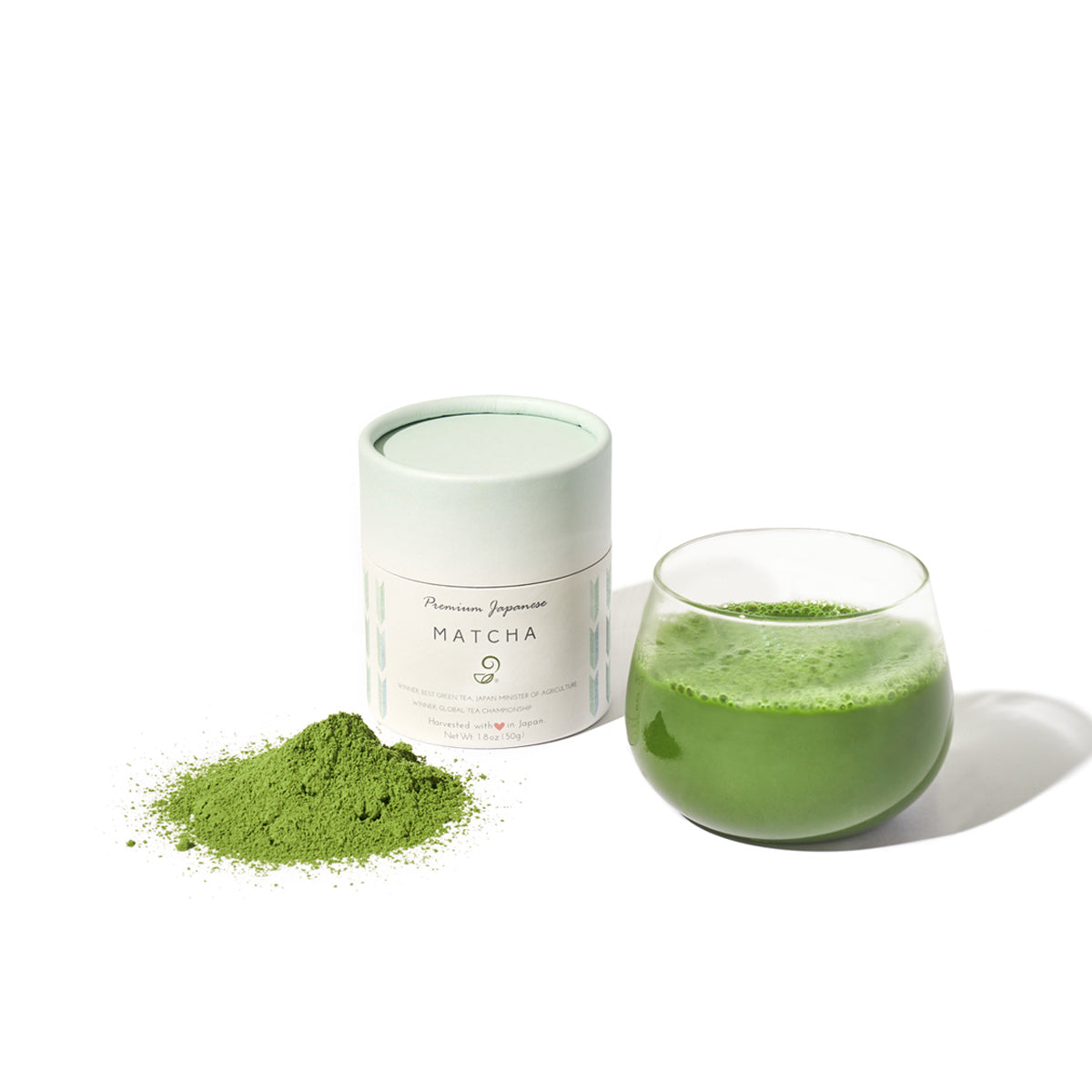
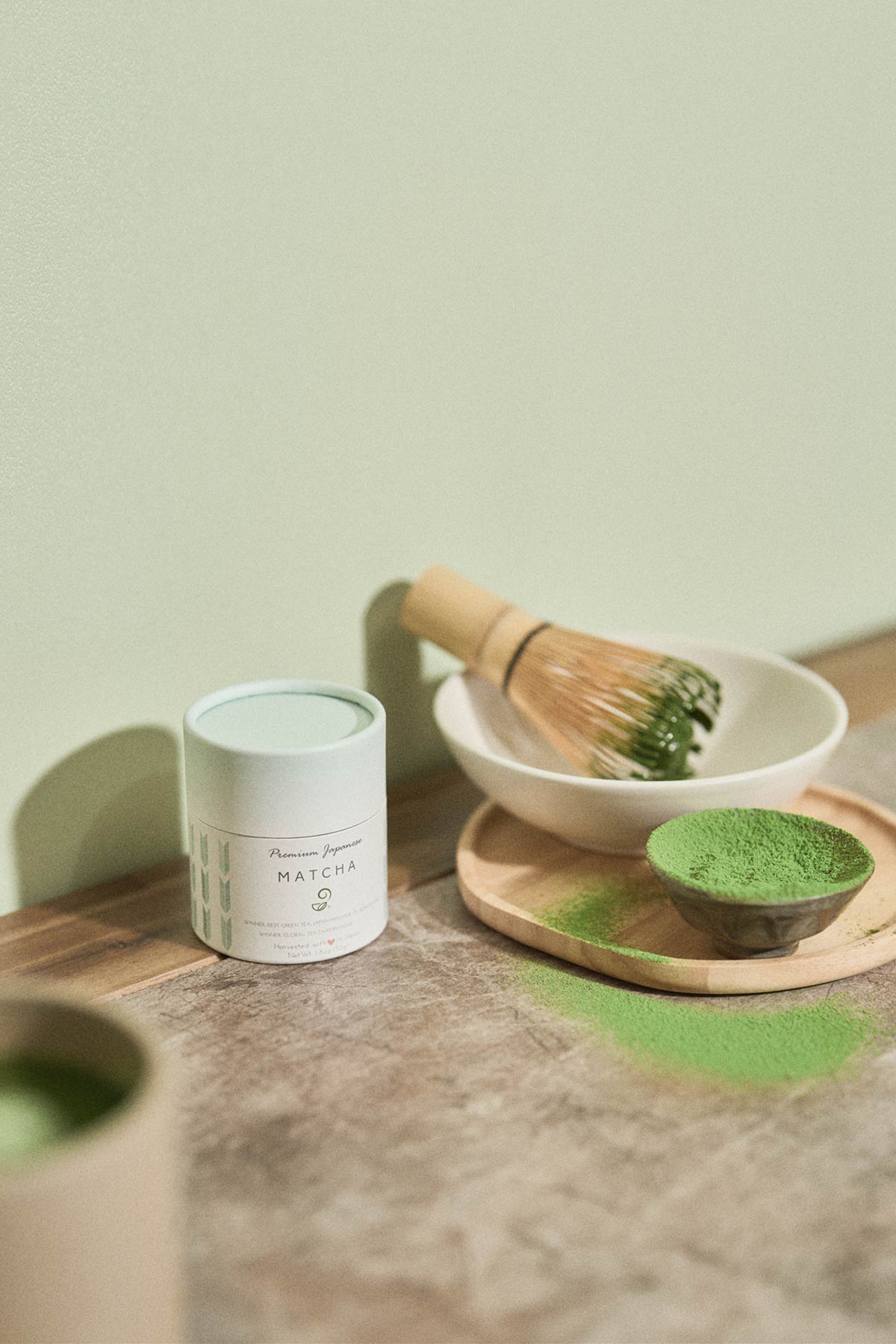
- Green Tea in Smoothies: Boost your smoothie's nutritional profile by adding a spoonful of matcha, a type of powdered green tea.
- Green Tea in Cooking: You can use green tea as a broth for soups, or as a marinade for meats and vegetables.
Green Tea Vs. Other Herbal Teas
While you might enjoy a variety of herbal teas, it's worth emphasizing that green tea often outshines most with its antioxidative and anti-inflammatory properties. The polyphenols in green tea, specifically epigallocatechin gallate (EGCG), have been shown to neutralize harmful free radicals and reduce inflammation, which aids the healing process post-surgery.
Contrarily, other herbal teas like chamomile and peppermint may soothe and relax, but lack the powerful EGCG compound. They may have their own healing properties, but they don't match the potent antioxidant and anti-inflammatory effects of green tea.
Moreover, green tea also contains a unique amino acid, L-theanine, which promotes calmness and relaxation without causing drowsiness. This is beneficial for post-operative recovery where stress can impede the healing process.
Another point to take into account is the caffeine content. While some other herbal teas are naturally caffeine-free, green tea does contain caffeine. However, the caffeine content in green tea is notably lower than that in black tea or coffee, making it a better choice for those sensitive to caffeine.
Keep in mind, though, that too much caffeine can interfere with sleep, which is important for recovery.
Healing Benefits of Caffeine-Free Green Tea
For those who are sensitive to caffeine or prefer a caffeine-free alternative, decaffeinated green tea still offers the same potent healing benefits, making it an excellent choice for post-operative recovery. Even without caffeine, this type of green tea retains the powerful antioxidants that are key to its health benefits.
Here are a few specific ways caffeine-free green tea supports healing post-surgery:
- The antioxidant properties of green tea aid in reducing inflammation. This is vital in the healing process as it helps to minimize swelling and pain, leading to a more comfortable recovery.
- Green tea promotes wound healing and tissue regeneration. It's rich in polyphenols, compounds that accelerate the repair of damaged cells and promote the growth of healthy new ones.
- Decaffeinated green tea also cleanses the body by aiding in detoxification. This helps to flush out toxins, including anesthesia and medications used during surgery, speeding up overall recovery.
Green Tea Supplements: A Viable Option?
If you're considering a more concentrated source of green tea's healing properties, green tea supplements might just be a viable option. They offer a potent dose of the beneficial compounds found in green tea, mainly polyphenols and catechins, which are known for their antioxidant and anti-inflammatory properties. Supplements can be a convenient way to make sure you're receiving a consistent amount of these compounds, especially if you're not a fan of drinking green tea or have dietary restrictions.
However, it's crucial to mention that not all green tea supplements are created equal. Some may contain additives or lower-quality extracts, so you'll want to choose a reputable brand. Look for products that list the amount of EGCG (epigallocatechin gallate), the most potent catechin in green tea, on the label.
Moreover, while supplements can provide a concentrated dose, they shouldn't replace a balanced diet. The body absorbs nutrients best from whole foods, so while supplements can complement your diet, they shouldn't be the sole source of these compounds.
While considering adding green tea to your post-surgical routine, it's also important to remember that consulting a board-certified plastic surgeon is crucial. They can create a personalized plan to ensure a safe and successful outcome. Look for experienced surgeons with a proven track record, such as those at Aestheticon clinic.
Always consult your doctor before starting any new supplement regimen, particularly if you're recovering from surgery.
Potential Side Effects of Consuming Green Tea
Despite the numerous health benefits green tea and its supplements offer, it's also important to be aware of potential side effects you might encounter. Much like any other dietary supplement, green tea's effects can vary based on numerous individual factors, such as your overall health, age, and the quantity you consume.
The side effects of green tea primarily stem from its caffeine content and tannins:
- Caffeine Sensitivity: If you're sensitive to caffeine, green tea may cause insomnia, restlessness, and rapid heartbeat. Overconsumption can lead to a condition known as caffeine toxicity, which features symptoms like nausea, vomiting, and convulsions.
- Tannins: The tannins in green tea can inhibit iron absorption from foods, potentially leading to anemia in some individuals.
- Drug Interactions: Green tea may interact with certain medications, altering their effectiveness. It can affect blood thinners, chemotherapy drugs, and certain psychiatric medications. Always consult with your healthcare provider before incorporating green tea into your post-surgery recovery routine.
Personal Stories: Green Tea Aiding Recovery
Turning now to personal stories, you'll find many accounts of how green tea has played a significant role in aiding recovery, bolstering the scientific evidence of its health benefits. One woman from Oregon reports that sipping on green tea throughout the day helped her manage post-surgery swelling and pain. This aligns with studies showing that the anti-inflammatory properties of green tea can reduce swelling and discomfort.
Another case from Florida involved a man who'd undergone extensive reconstructive surgery following a car accident. He noted that his recovery time was quicker than expected, a fact he attributes to his daily consumption of green tea.
Scientifically, this could be due to the presence of catechins in green tea, which are known to speed up the healing process by improving circulation and promoting the regeneration of healthy cells.
Practical Tips for Post-Surgery Nutrition
While green tea is a beneficial component of post-surgery recovery, it's important to incorporate it into a balanced and nutritious diet to maximize your healing potential. The antioxidant properties of green tea, particularly its catechin content, can help reduce inflammation and oxidative stress, essential for a swift and smooth recovery.
But remember, your body needs more than just green tea. Here are some practical tips for a nutritious post-surgery diet:
- Protein-rich foods: Include lean meats, fish, eggs, and plant-based proteins like beans and lentils. Proteins are the building blocks for tissue repair and growth.
- Vitamin-rich fruits and vegetables: These provide essential vitamins and minerals that are critical for immune function and wound healing. They also have high water content to keep you hydrated.
- Whole grains: Foods like brown rice, oats, and whole wheat bread provide the fiber necessary to maintain digestive health during your recovery period.
To optimize your recovery process, it's essential to focus on a nutritious diet, adequate hydration, and rest. Incorporating green tea into this regimen is an added bonus, but it's not a standalone solution. Always consult your healthcare provider before making significant changes to your diet.
Conclusion
In the winding road to recovery post-plastic surgery, don't overlook the humble green tea. Its potent antioxidants and inflammation-busting properties can be your secret weapon in healing faster.
Whether through a warm, comforting cuppa or a convenient supplement, make green tea your steadfast companion. But remember, it's not a magic bullet and moderation is key.
Here's to a speedier recovery, as you sip your way to good health.
FAQs about Green Tea and Surgery Recovery
How much green tea is recommended after plastic surgery?


When should I start drinking green tea before plastic surgery?

Related products

8 reviews
$179.00
$159.99
/
Quick view
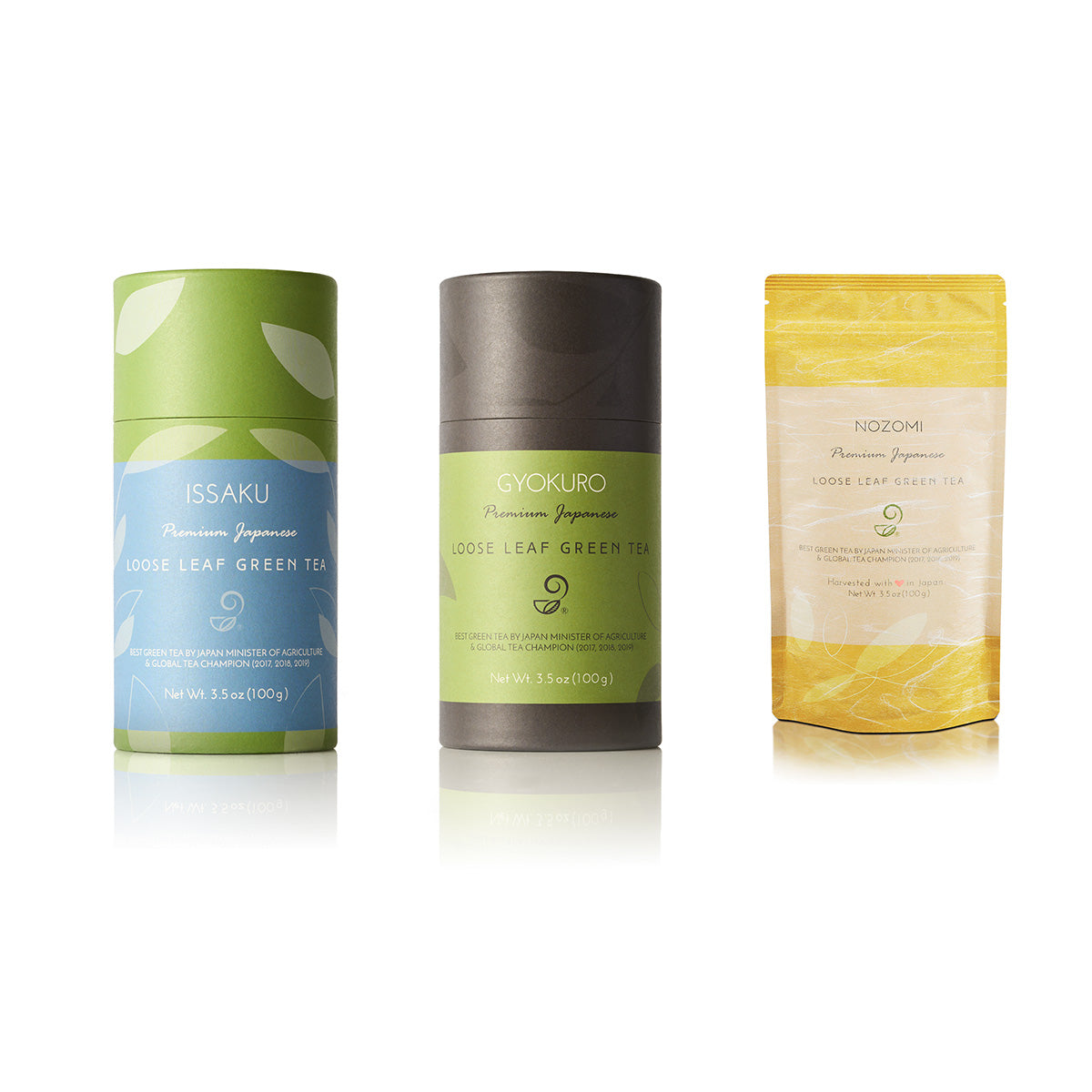
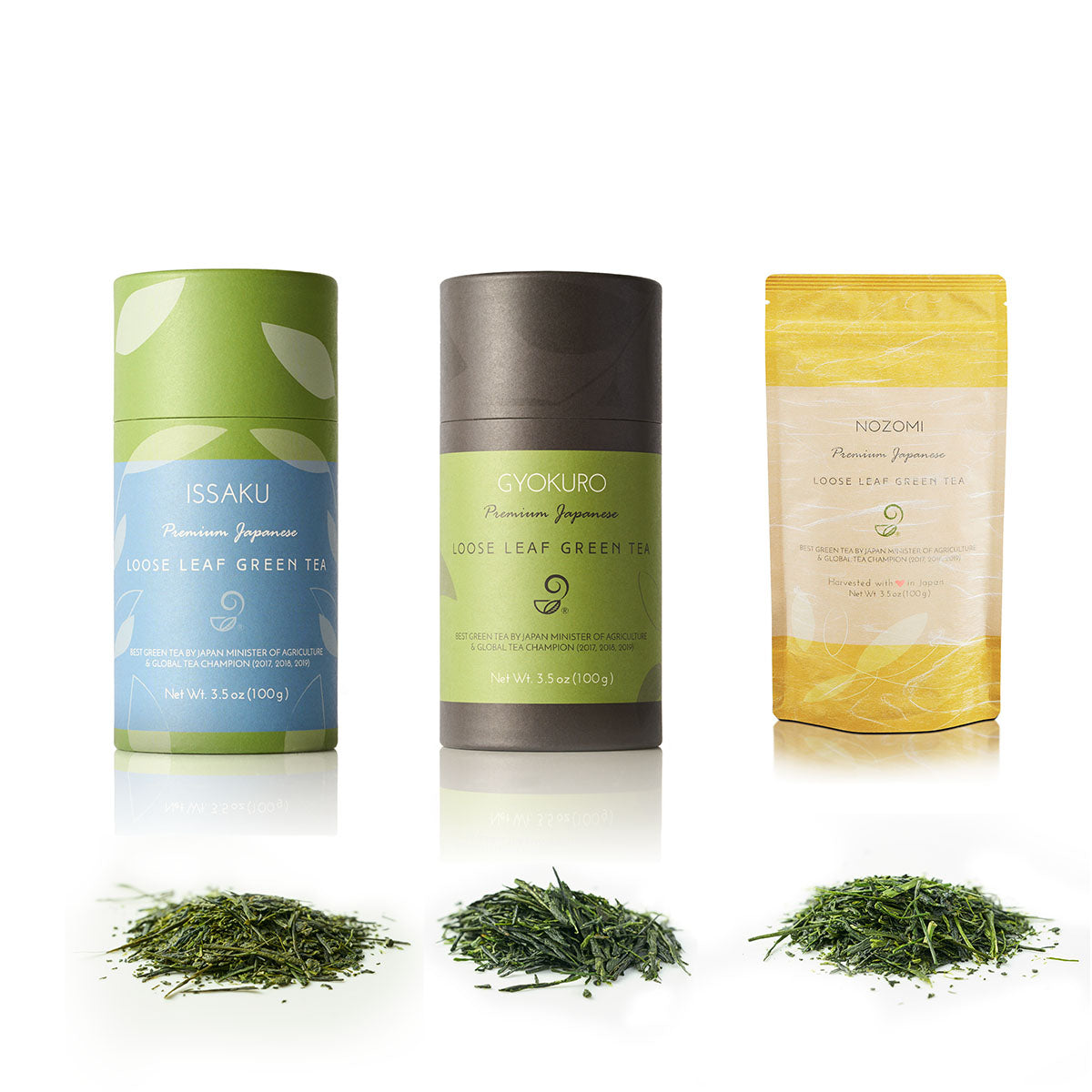
The Sencha Lover Gift Set - Premium Japanese Green Tea Set Package





Get Free Bonus Books

Sign up for free to the Green Tea Club to get advice and exclusive articles about how to choose Japanese Tea, and tips, tricks, and recipes for enjoying Japanese tea.
About the author

Kei Nishida
Author, CEO Dream of Japan
Certification: PMP, BS in Computer Science
Education: Western Washington University


