Skip to content

Death Wish Green Tea Recipe - The Pursuit of More Caffeinated Energy

Download Printable Recipe PDF Now

Sign up for the free Green Tea Club (unsubscribe anytime) to download the printable PDF of this recipe now.

Remember that old Daft Punk song Harder, Better, Faster, Stronger?

Well, just like that song, it feels like ever since humans first discovered caffeine in tea leaves, we’ve been on a quest to find ever-more powerful sources of energy to keep us working, philosophizing, and, most of all, partying.

Nowadays, tea or coffee is the bare minimum. People are starting to reach for super-caffeinated brands of coffee, and many often go for a cold beverage: sugary, sweet, ultra-high-caffeine energy drinks.

But is it good for us to keep upping the caffeine content, and is there a healthier way to do it?

Energy Drinks, High Caffeine Products & Green Tea with a Twist

In this article, we will dabble in the world of high-caffeine products.

Some you may have heard of, and some you might find a little surprising.

First, we will talk about a coffee product that has taken the U.S. market by storm over the last ten or so years.

After that, we will uncover some of the history of Japan’s (and the world’s!) very first energy drinks. Finally, we have an adults-only recipe to share with you as an alternative to late-night pick-me-ups like espresso martinis and the ever-popular Red Bull and vodka.

Coffee with Double the Caffeine

In the recent years, a wave of coffee beans has hit the shelves with a claim of being "extra-strong."

Regular old coffee isn't powerful enough for some people anymore. Of course, as the YouTuber and coffee nerd James Hoffmann points out, “strength” can mean a lot of things when it comes to coffee. Still, even if some of these claims of “strength” are a little dubious, people on a night out or working hard clearly love the idea of super-charged coffee.

Death Wish Coffee Co.

One brand particularly well known in the U.S. for its claims of extra caffeine and strength, is Death Wish Coffee Co. And, to their credit, it appears that they may have created a very potent blend. Established in 2012, they have been consistently growing in popularity not only because of their powerful brew, but also for their humorous and skull-filled branding. Looking at their packaging makes you feel like you’re in the leather-clad Japanese band Guitar Wolf.

Death Wish Coffee Co. Dark Roast

But what about its taste? And more importantly, what about your health? Surely… consuming double the caffeine all at once can’t be all that good for you.

Taste Vs. Potency
We're not about to disparage Death Wish Coffee Co., a fair-trade brand that donated thousands of dollars to the Special Olympics.

However, it has to be said that this attitude in the industry of pursuing high-caffeine content, even at the cost of flavor and health, is different from how we like to enjoy our coffee. We want to think that coffee is about more than just the kick it gives you – there are delicate notes and an entire experience that goes with it. And if all you care about is caffeine, there are other ways to get more of that…

The Rise of Energy Drinks

So, suppose you don't want to mess with your coffee, but you're desperate for a significant energy jolt. In that case, you'll need a little Japanese invention called the energy drink.

That’s right!

The very first energy drink was made in 1962 by Taisho Pharmaceutical Co. in Tokyo, Japan.

It has the medicinal-sounding name Lipovitan-D, or simply Lipovitan, and is often advertised for its high level of taurine (1000mg in a 100ml bottle, is that a lot?). Ever since the introduction of Lipovitan, more and more energy drinks have been hitting the shelves.


The Lipovitian series has been a bestseller for over half a century!


Korean Lipovitan D

Korean Lipovitan D is also popular worldwide.
I found this in Korean grocery store the other day so I snapped a picture of them!


On a side note, I grew up in Japan during the peak of the bubble in the 1990s. I remember the commercial for this product being aired very heavily.

Fight Ippatsu Commercial


This is a kind of commercial on TV that encourages people to work harder with the energy drink, and I think many did, including my parents. : )

Krating Daeng (Red Bull)

In 1976, the Thai-made precursor to Red Bull appeared, Krating Daeng, which also contained taurine and other vitamins.

This original version of Red Bull isn’t carbonated, and so it tastes a little odd to the Western pallet. An Austrian entrepreneur named Dietrich Mateschitz tried Krating Daeng on a trip to Thailand and loved its effect on curing his jet lag. So, he got together with the original company to reformulate the drink into the Red Bull we know today. It's now one of the best-known energy drink brands in the world.


Red Bull Energy Drink


Better than Tea or Coffee?

Energy and healthy vitamins – surely these wonderful products are far better than tea or coffee!

Or… are they?

If you haven't already guessed, the kick these drinks give you is more due to the high caffeine and sugar content than any vitamins or other chemical additives. They are not all bad — we did a comparison here between Red Bull and Green Tea — but it's safe to say that ultra-processed drinks full of additives are rarely a good thing.

Big Energy, Big Problems

Some energy drinks can have double the caffeine, or even more than a standard cup of coffee.

On top of this, they also tend to be overloaded with sugar, having often at least as much as most sodas. So, be prepared for a major crash after you are caffeinated high.

Granted, it isn't entirely fair to vilify energy drinks when plenty of people like to put milk and sugar into their coffee and tea – but you're probably not going to put 14 teaspoons of sugar into your cup of coffee, as is found in a 16-ounce can of Monster.

Green Tea – A Healthier Alternative?

Don’t get us wrong, we love coffee (of course we do!), and having an energy drink from time to time when you need a big boost isn't the end of the world.

But we always return to green tea for its vibrant flavor, and most of all, for its many health benefits. And, because green tea tends to have less caffeine than black tea or coffee, you can drink a little more without risking losing sleep.

It’s a more sustainable and healthier way of keeping your energy levels high throughout the day.

Green Tea - a Healthier Alternative

Sip Your Toxins Away

Green tea is full of good stuff – we’re talking catechins, polyphenols, and detoxification enzymes; and guess what? Green tea might even strengthen your bones!

Enjoy a nice cup of Japanese green tea instead of adding more chemicals to your body through ultra-processed foods or risking your heart health with super-high doses of caffeine.

It detoxifies the body, increases your energy levels and endurance, and it's just plain delicious.

Our Death Wish Green Tea Recipe

Green Tea Energy Drink - Red Bull, Lemonade, and Matcha


But listen, between friends, we know sometimes you’re going to want a bit more of a kick if you’re having a little soirée.

And let’s be real, you’re not going to be sipping a cup of tea on the dance floor.

So, here’s our little solution for you. Introducing Death Wish Green Tea, our cocktail concoction that's got an extra kick, is for adults-only and still has the health benefits of green tea.

It's harder, better, faster, stronger, and, best of all, healthier! Leave out the alcohol for a fantastic, refreshing summertime drink.


Servings: 1

Prep Time: 15 Minutes

Cals: 70 kcals

Ingredients

Lemonade Mixture

  • 1 cup cold water
  • ¼ cup hot water
  • ¼ cup mint leaves
  • 1 tbsp honey
  • juice of 1 lemon
  • 5 oz vodka (optional) 

Matcha Mixture

  • 1 tsp matcha
  • 1 tbsp honey
  • 2 oz hot water
 
Instructions
  1. Prepare the lemonade mixture by adding the honey, mint leaves, lemon juice, and hot water in a jar. Mix to dissolve the honey, then add the cold water and optional vodka and place in the fridge for 30 minutes or up to 2 hours.

    Green Tea Energy Drink - Red Bull, Lemonade, and Matcha

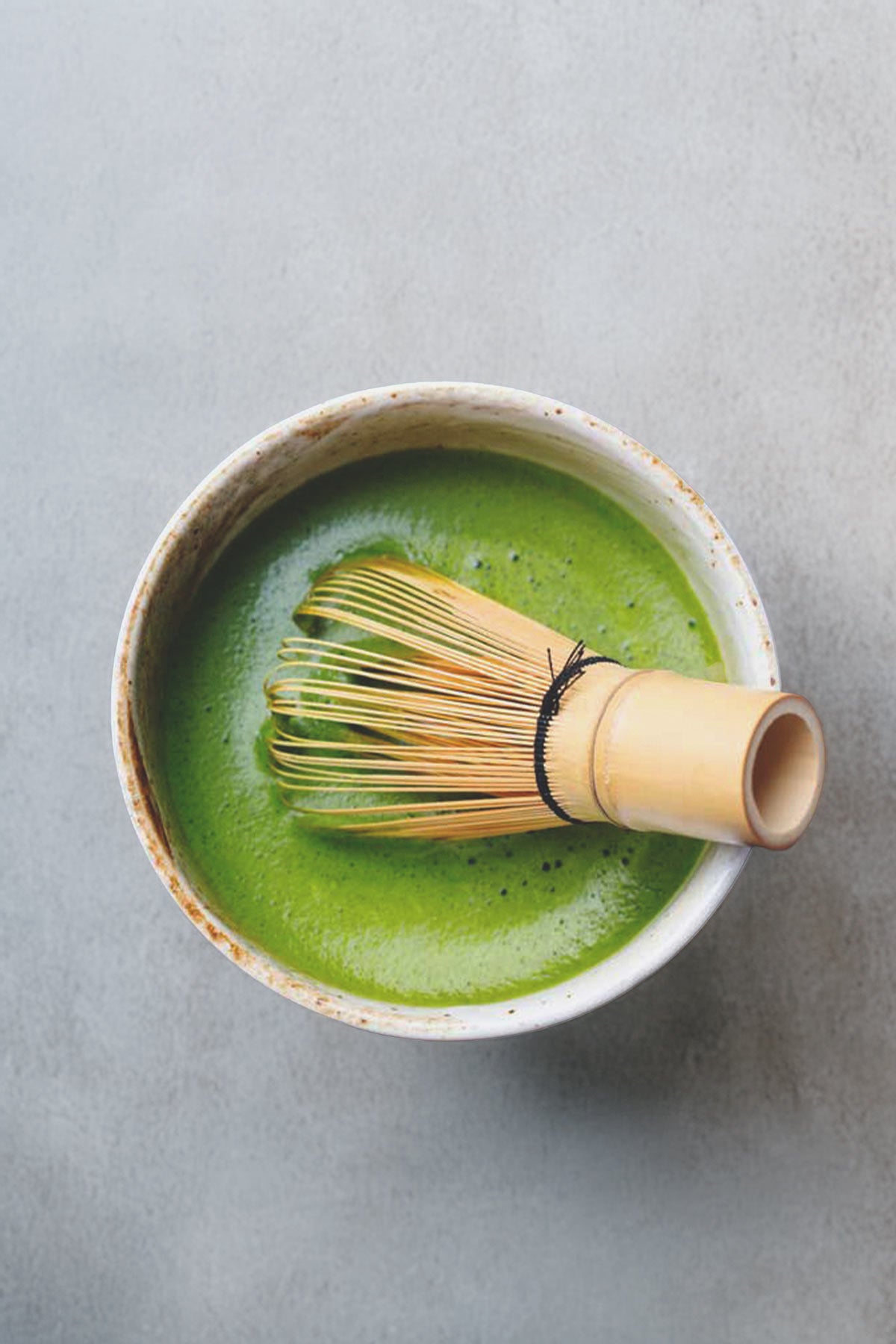
  2. Whisk the matcha and hot water in a small bowl until the matcha dissolves completely. Add the honey and whisk again until well combined.


  3. Serve the lemonade layer in an ice-filled glass, then add half a can of Red Bull. Finally, add the matcha mixture and mix to combine. Garnish with a lemon peel and extra mint leaves and enjoy.


Slow is Good, Too

We love caffeine.

You love caffeine.

Everyone loves caffeine.

But for our money, we prefer good flavor and quality ingredients over pure buzz.

Ultimately, tea and coffee shouldn’t just be about the energy boost. The world is moving fast enough as it is.

Sometimes, it's nice to make yourself a cup of Japanese green tea, sit back, enjoy the aromas, and relax. Knowing when to stop is just as important as knowing when to start.

 Take care of your physical and mental well-being and let your thoughts rest instead of chasing the next big caffeine high to help finish the next task on your list.

Download Printable Recipe PDF Now

Sign up for the free Green Tea Club (unsubscribe anytime) to download the printable PDF of this recipe now.

FAQs about Death Wish High-Caffeine Green Tea

What's a "Death Wish" green tea — is it actually safe?

"Death Wish" is a high-caffeine specialty drink concept — usually combining matcha, strong sencha, and other caffeinated ingredients to deliver the maximum stimulant load possible from green tea. The name plays on Death Wish Coffee (a high-caffeine coffee brand) and is more marketing than warning.

Safety-wise, even a strong Death Wish green tea typically delivers 200-300 mg of caffeine — roughly equivalent to 2-3 strong cups of coffee, which is within the FDA's safe daily caffeine intake (400 mg) but should be your only caffeine source for the day. Drinking Death Wish green tea plus regular coffee plus energy drinks crosses into territory worth being cautious about.

For caffeine-tolerant adults, an occasional Death Wish drink is fine. For caffeine-sensitive people, anyone with cardiovascular issues, or anyone managing anxiety, skip it — the concentrated caffeine isn't worth the risk.

How is a Death Wish green tea different from regular strong matcha?
Multiplicative caffeine. A bowl of regular matcha is 60-80 mg of caffeine. A Death Wish drink might combine 2-3 grams of matcha (instead of the standard 1-2g) plus a shot of cold-brew sencha concentrate plus possibly an L-theanine extract for focus modulation. The result is 200-300 mg in one drink — the upper end of what your body can comfortably process at once. The culinary-grade matcha works for this since the dose is too aggressive for ceremonial-grade nuance to matter.

The L-theanine modulation is what distinguishes a Death Wish green tea from a Death Wish coffee. Even at very high caffeine doses, the L-theanine in matcha and sencha smooths the curve so you avoid the worst of the jitters. Coffee at the same caffeine dose would be much more jarring physiologically.

Honest frame: this is a stunt-level drink, not a daily-practice drink. It's interesting once or twice; don't make it part of your routine.

When would someone actually want a Death Wish green tea — what's the use case?

Three legitimate use cases. First, all-night work or study sessions where you genuinely need maximum sustained alertness for 6-8 hours. The L-theanine + caffeine combo at high dose holds focus longer than coffee alone would. Second, pre-race for endurance athletes where the legal caffeine ergogenic benefit matters and the L-theanine prevents jittery race-day performance. Third, novelty consumption — testing tolerance, comparing to coffee, casual experimentation.

Don't drink it for energy in the everyday sense. The crash from a Death Wish drink (8-12 hours after consumption) is meaningful, and the cumulative caffeine load if you do this regularly creates dependency and tolerance issues. It's a tool, not a daily beverage.

If your daily energy is consistently flagging, the answer is sleep, hydration, and nutrition — not progressively-stronger tea drinks. Death Wish green tea is for situations where moderate-tea isn't enough and the trade-offs of high caffeine are acceptable for that one occasion.

What's the maximum safe single dose of green tea caffeine?

Roughly 200-300 mg in one sitting for healthy caffeine-tolerant adults. Above 400 mg in a single dose, side effects (anxiety, heart palpitations, GI distress) become common. Above 600 mg, you're in territory where some individuals could have more serious effects.

For perspective: a strong cup of coffee is 100-120 mg, a 2g bowl of matcha is 60-80 mg, a cup of sencha is 25-35 mg. So 2-3 grams of matcha plus a strong sencha could land at 150-200 mg total — high but not dangerous for tolerant adults. Pushing higher (3+ grams of matcha + multiple sencha shots) starts approaching uncomfortable territory.

Caffeine sensitivity varies enormously between individuals. Some adults are fine with 500+ mg in a session; others get jittery at 100. Knowing your personal tolerance from years of caffeine exposure matters more than rule-of-thumb numbers.

Are there L-theanine supplements I could add to amplify the effect without more caffeine?

Yes, and that's the cleaner approach. Pure L-theanine supplements (typically 100-200 mg capsules) deliver concentrated L-theanine without additional caffeine, which means you can amplify the calm-focus profile of green tea without pushing the caffeine higher.

Practical stack: a normal bowl of matcha (60-80 mg caffeine) + 200 mg L-theanine supplement produces a focus state similar to what a Death Wish drink delivers, but with much lower caffeine load. The cognitive effect is mostly the L-theanine; the caffeine just provides the alertness baseline. More L-theanine = more focus without more jitters.

This stack is what a lot of nootropic-interested users actually do for sustained-focus work, instead of progressively-stronger caffeine drinks. The efficacy is similar, the side-effect profile is gentler, and you can sustain it daily without the dependency issues high-caffeine drinks create.

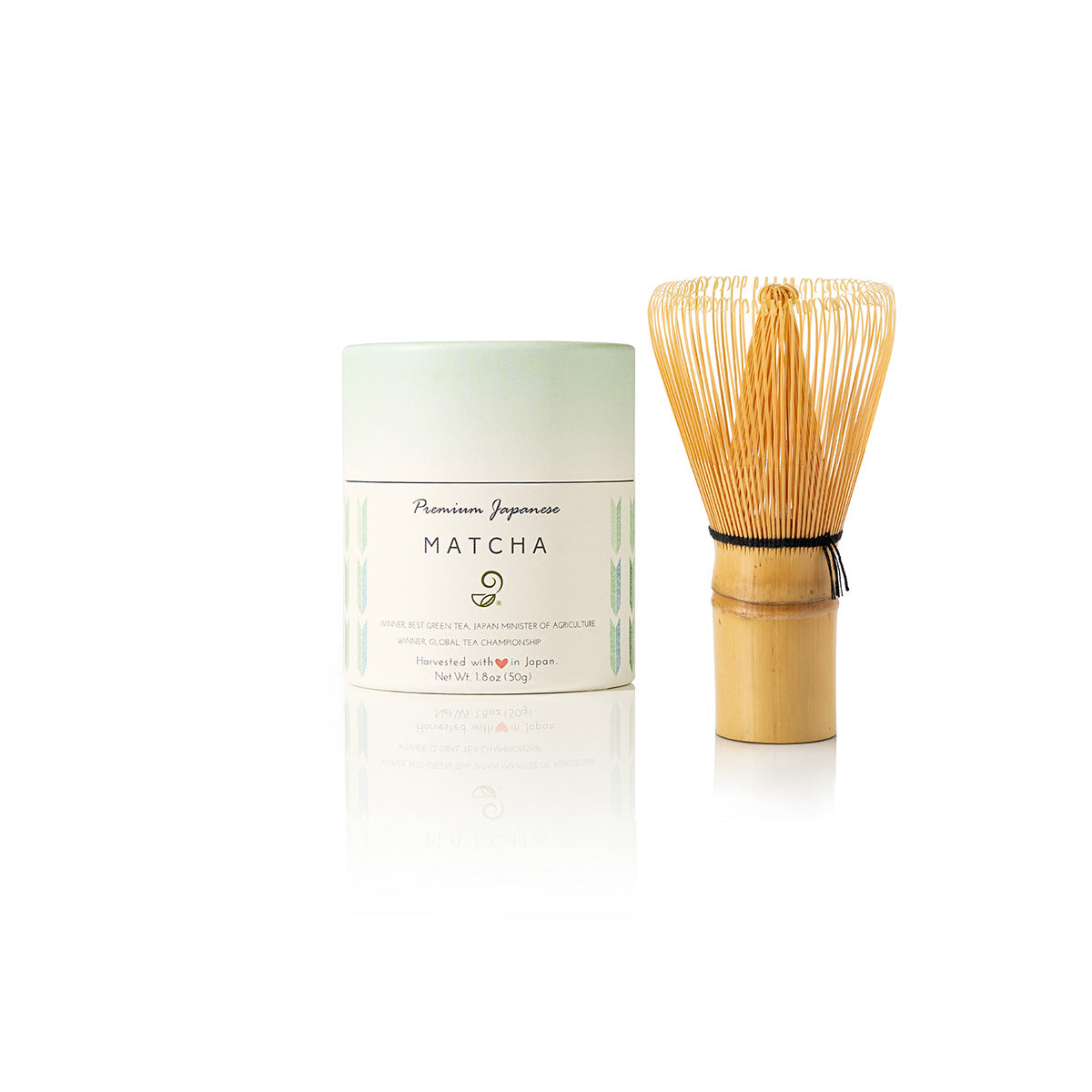
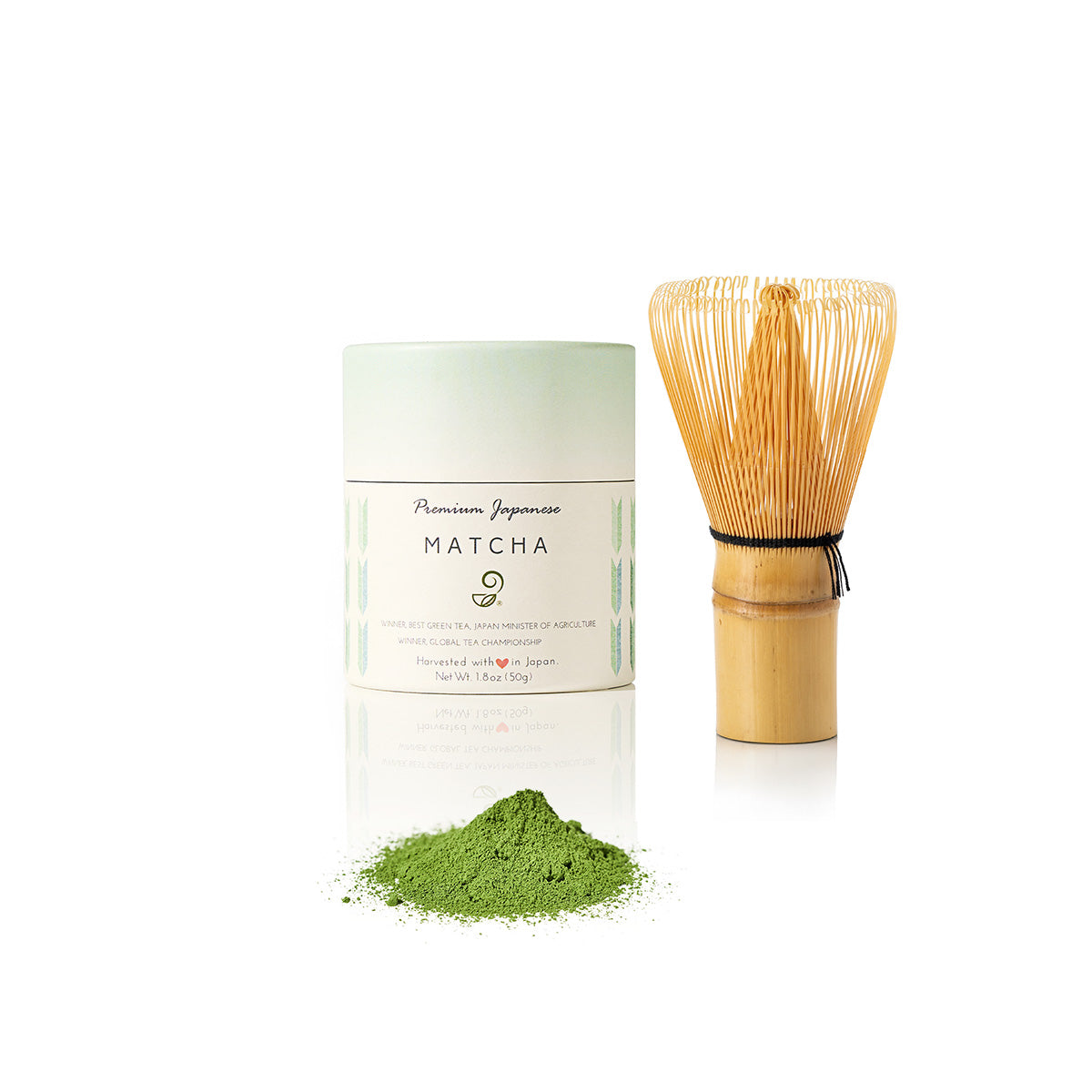
Buy Matcha and Whisk Set
2 reviews

Matcha and Chasen Whisk Gift Set

$74.00 $66.00
Quick view

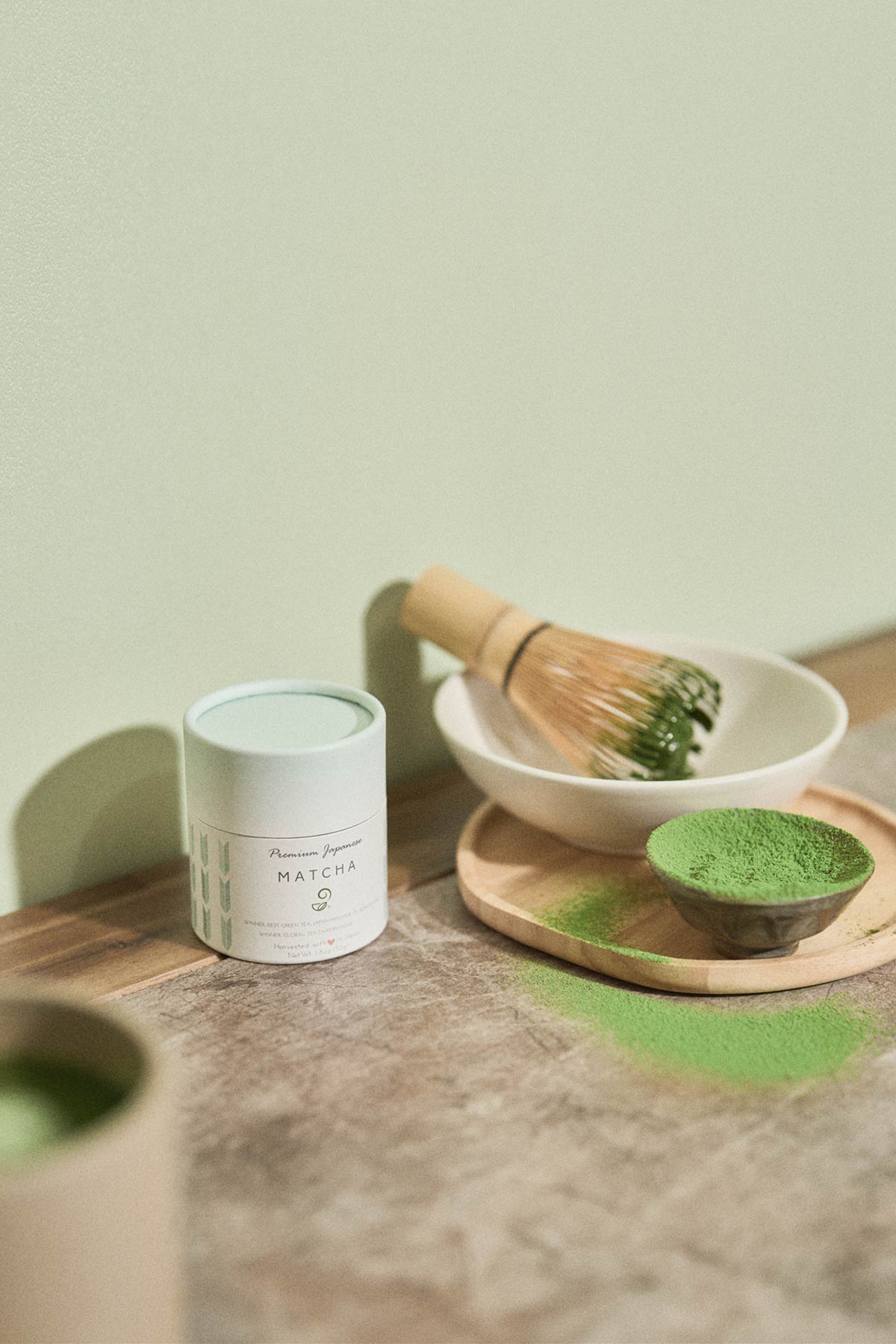
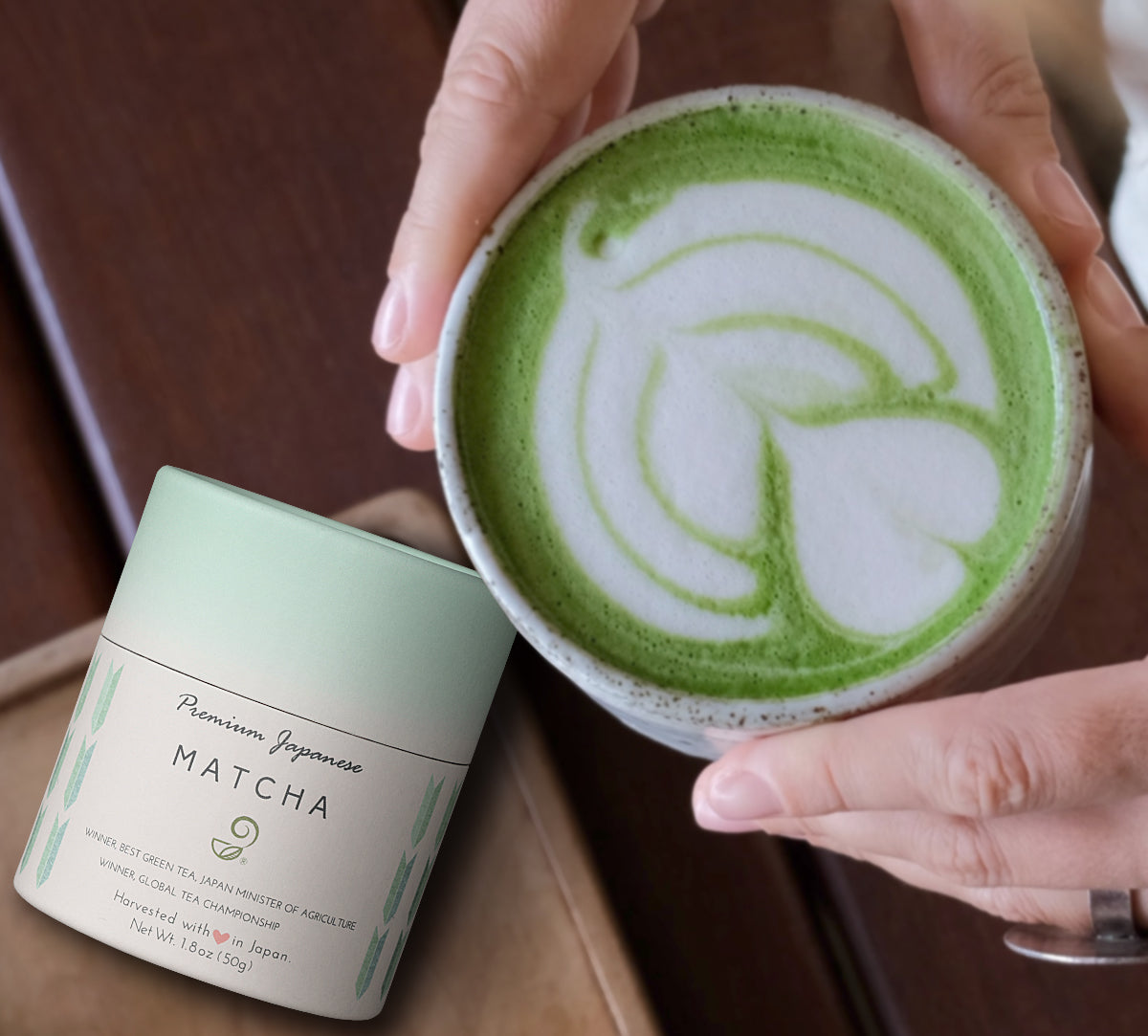
This set features a premium matcha made from the finest Japanese green tea, cultivated in soil enriched with compostable grasses and sugarcane to bring out a natural sweetness. In collaboration with researchers from Shizuoka University, farmers carefully study soil conditions to enhance flavor quality. The tea plants are shaded before harvest to increase caffeine and amino acid content, then skillfully dried, de-stemmed, and ground into a fine powder, creating a matcha with a luxurious aroma and taste highly regarded by top Japanese chefs.

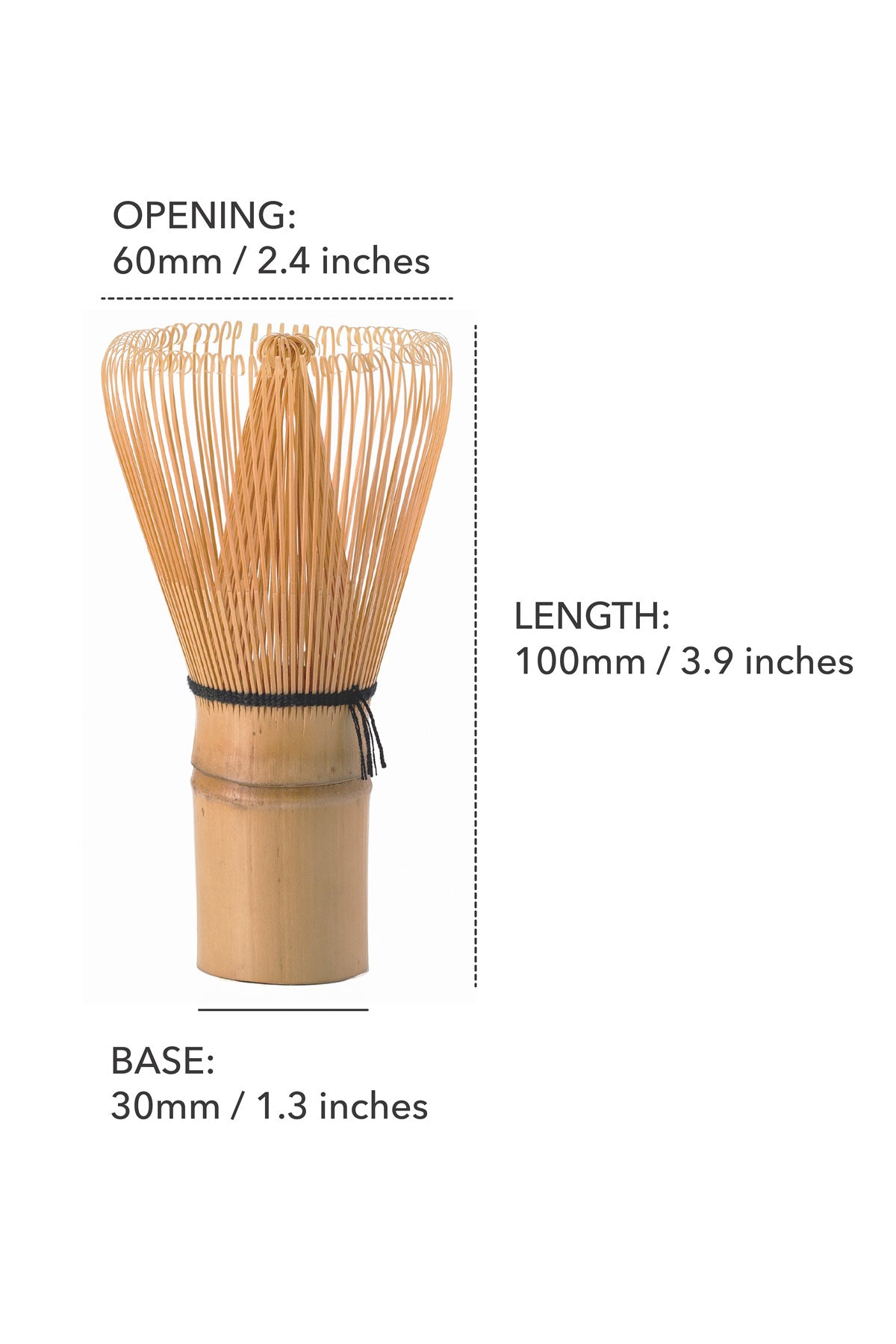
Paired with the matcha is a traditional 100-prong bamboo chasen whisk, considered the highest-grade among matcha tools. Unlike common 40-60 prong versions, this finely crafted whisk is widely used in high-end tea ceremonies in Japan. Its balanced dimensions offer the perfect design for preparing a smooth and frothy bowl of authentic matcha.

Ceremonial Japanese Powdered Green Tea and Electric Matcha Whisk

$56.99 $45.60
Quick view

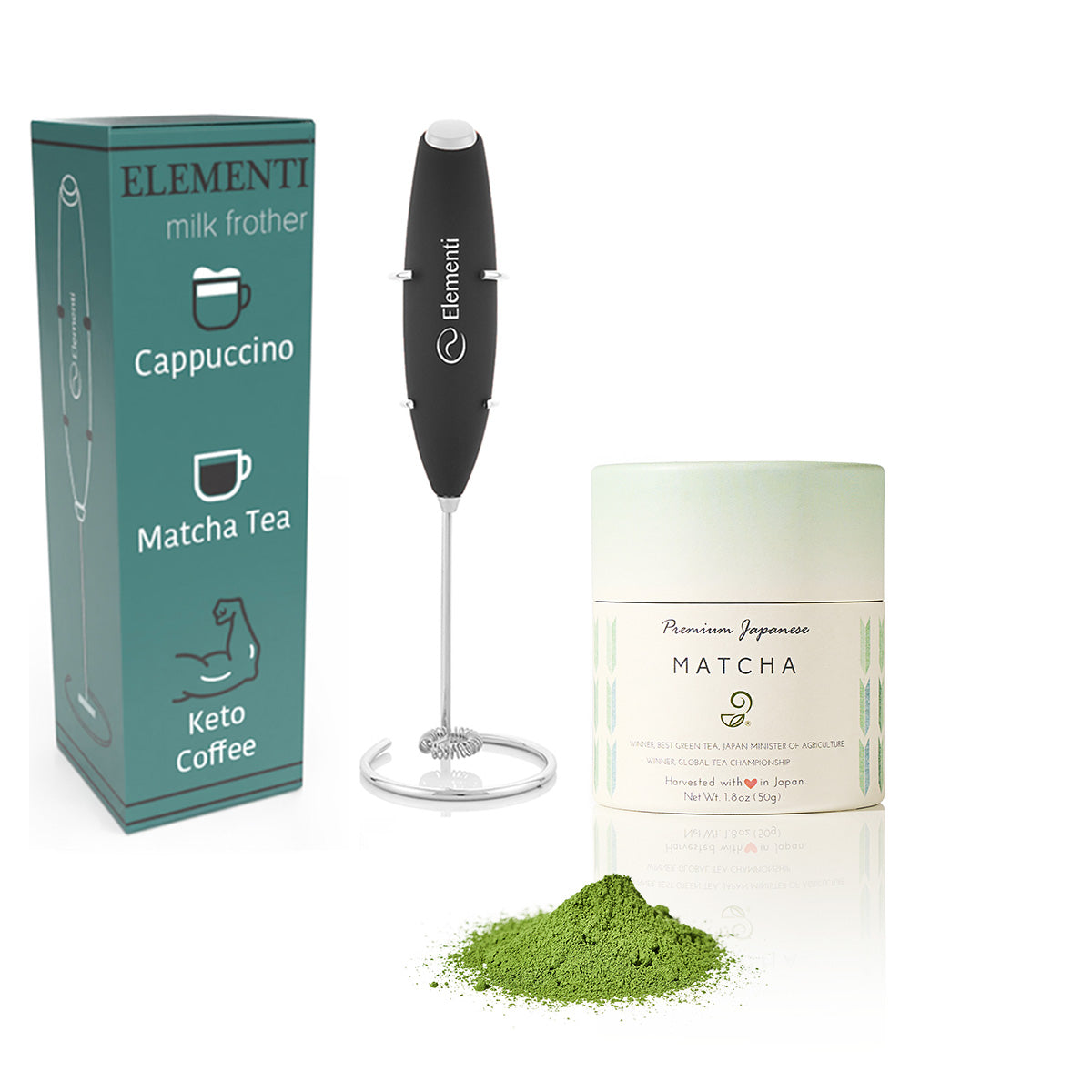
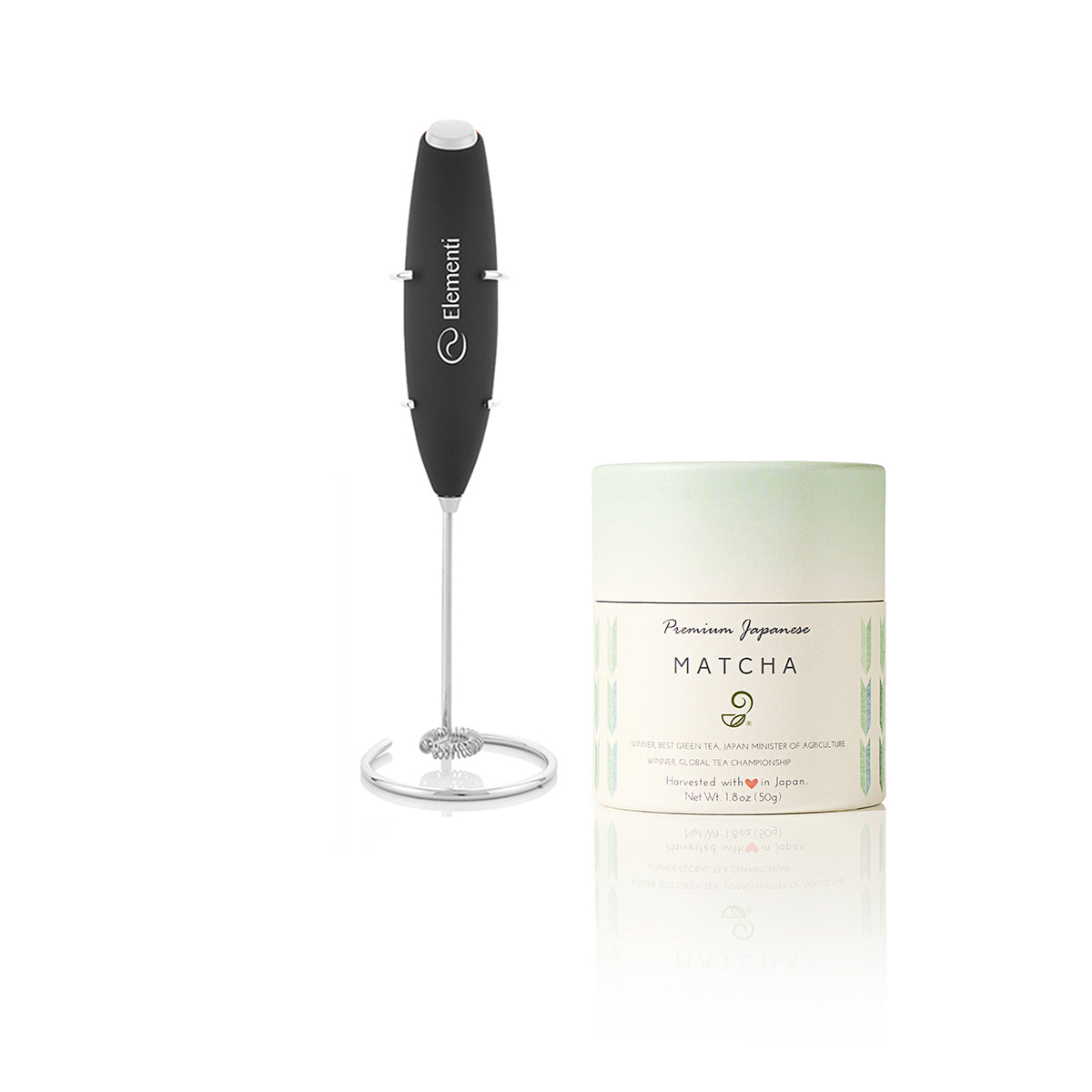
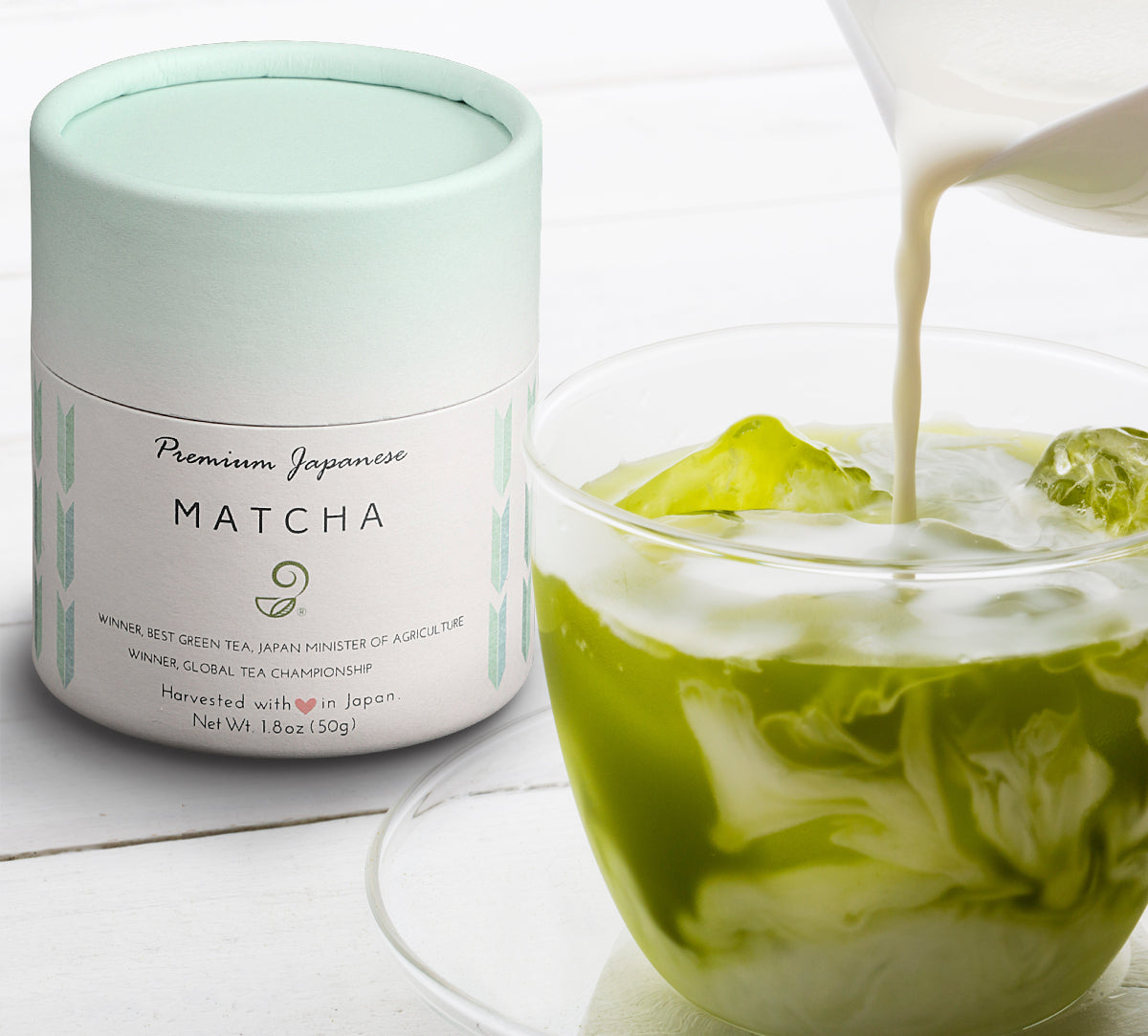
This starter gift set brings together premium ceremonial Japanese matcha and the Elementi electric matcha whisk, giving you everything you need to prepare smooth, authentic matcha at home. The matcha is 100% made in Japan, produced from carefully shaded green tea leaves that are stone-ground into a vibrant, fine powder prized for its rich umami, natural caffeine, and amino acid content.

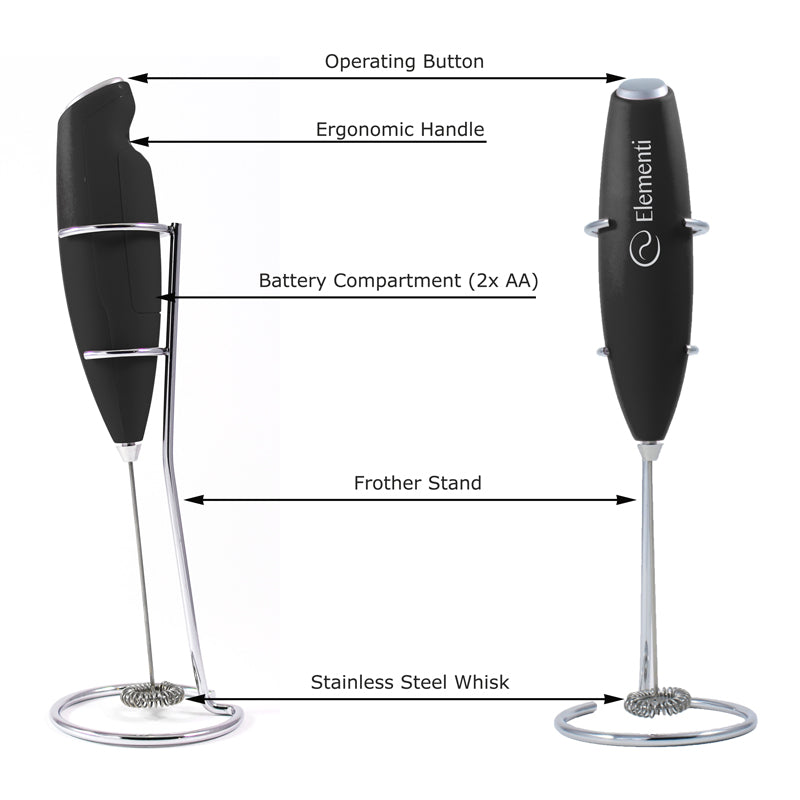
Paired with the matcha is the Elementi electric whisk, designed for quick and effortless preparation. Its powerful motor creates a smooth, frothy cup in seconds, while the ergonomic, soft-touch grip ensures comfortable handling. This item ships within the USA only (excluding HI and AK).

8 reviews

The Sencha Lover Gift Set - Premium Japanese Green Tea Set Package
$179.00 $159.99
Quick view

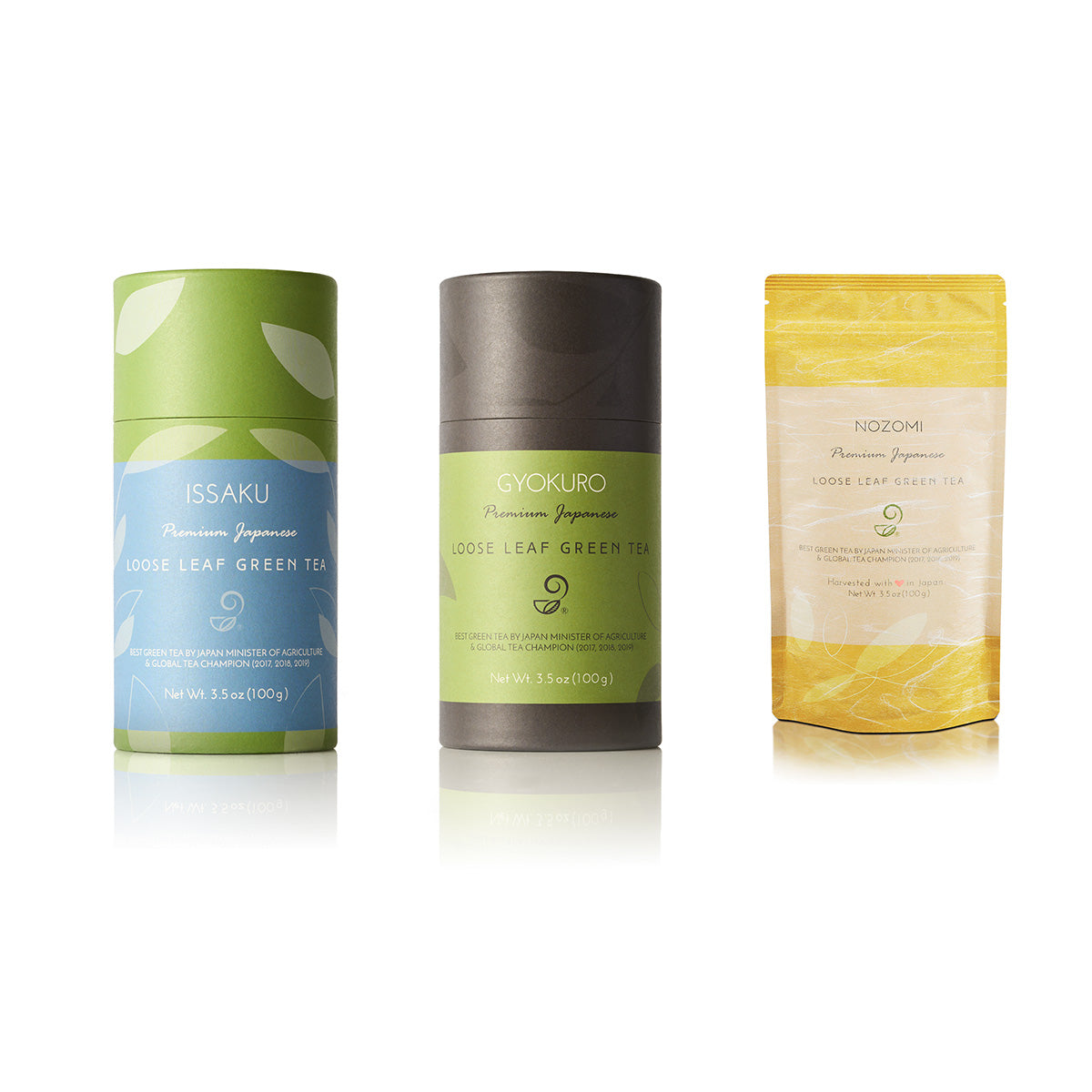
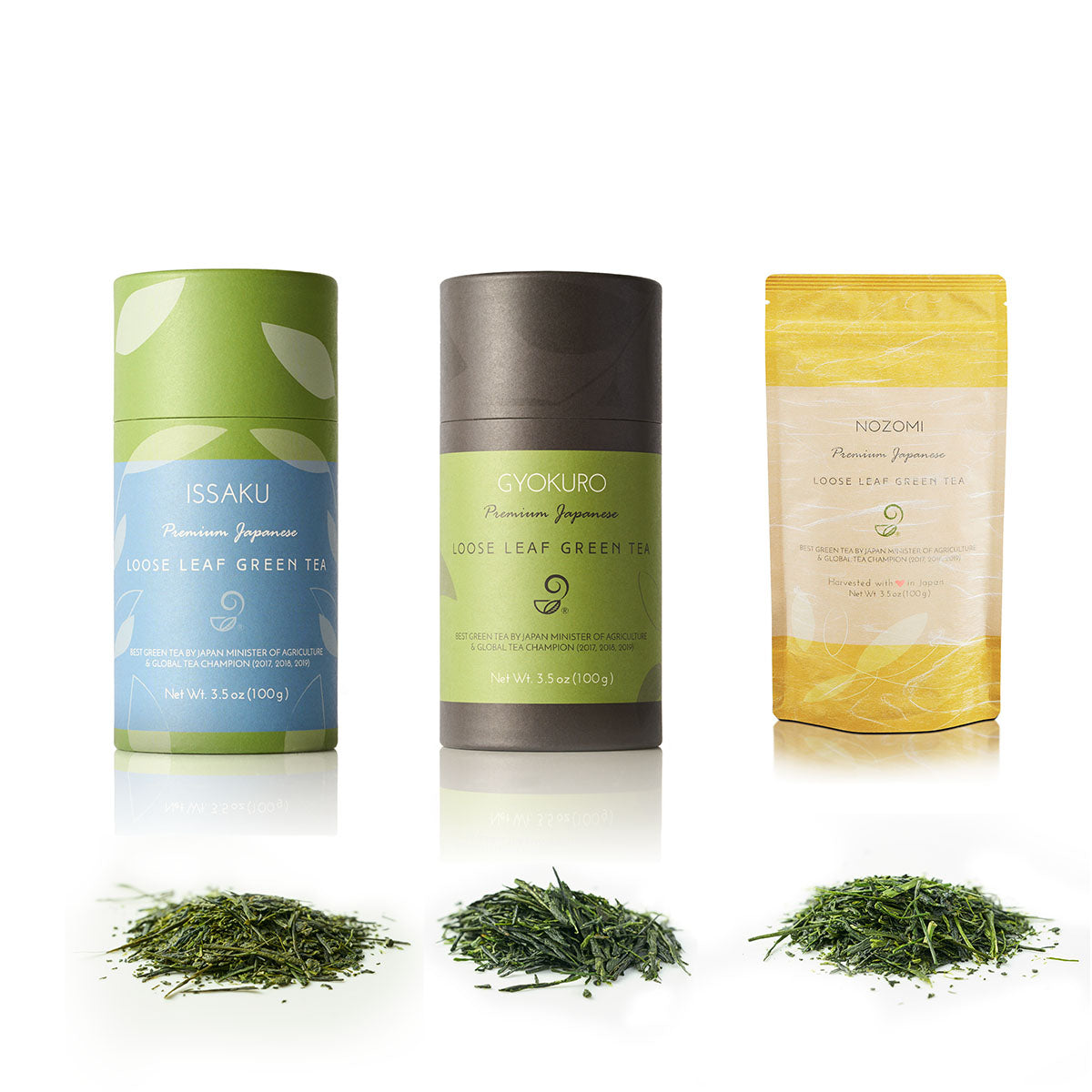
This tea set features three exceptional Japanese green teas, each crafted with care and traditional techniques. Issaku Reserve, a Global Tea Champion winner in 2017 and 2019, is a rare masterpiece created by Farm Master Mr. Arahata at Arahataen Green Tea Farm. Handpicked once a year from the first flush and processed with advanced methods, Issaku represents the highest-grade deep-steamed green tea, available only in limited quantities even in Japan.

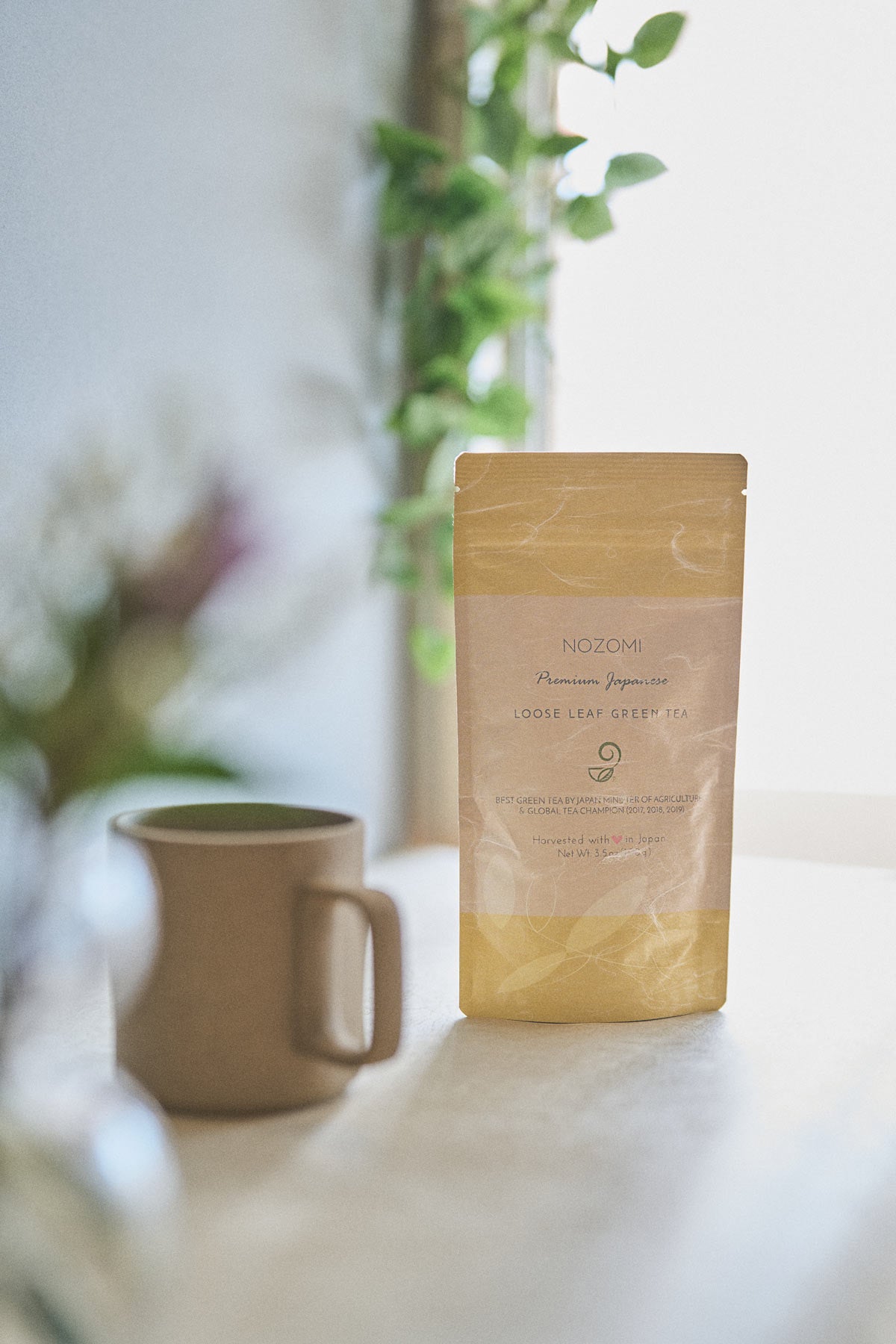
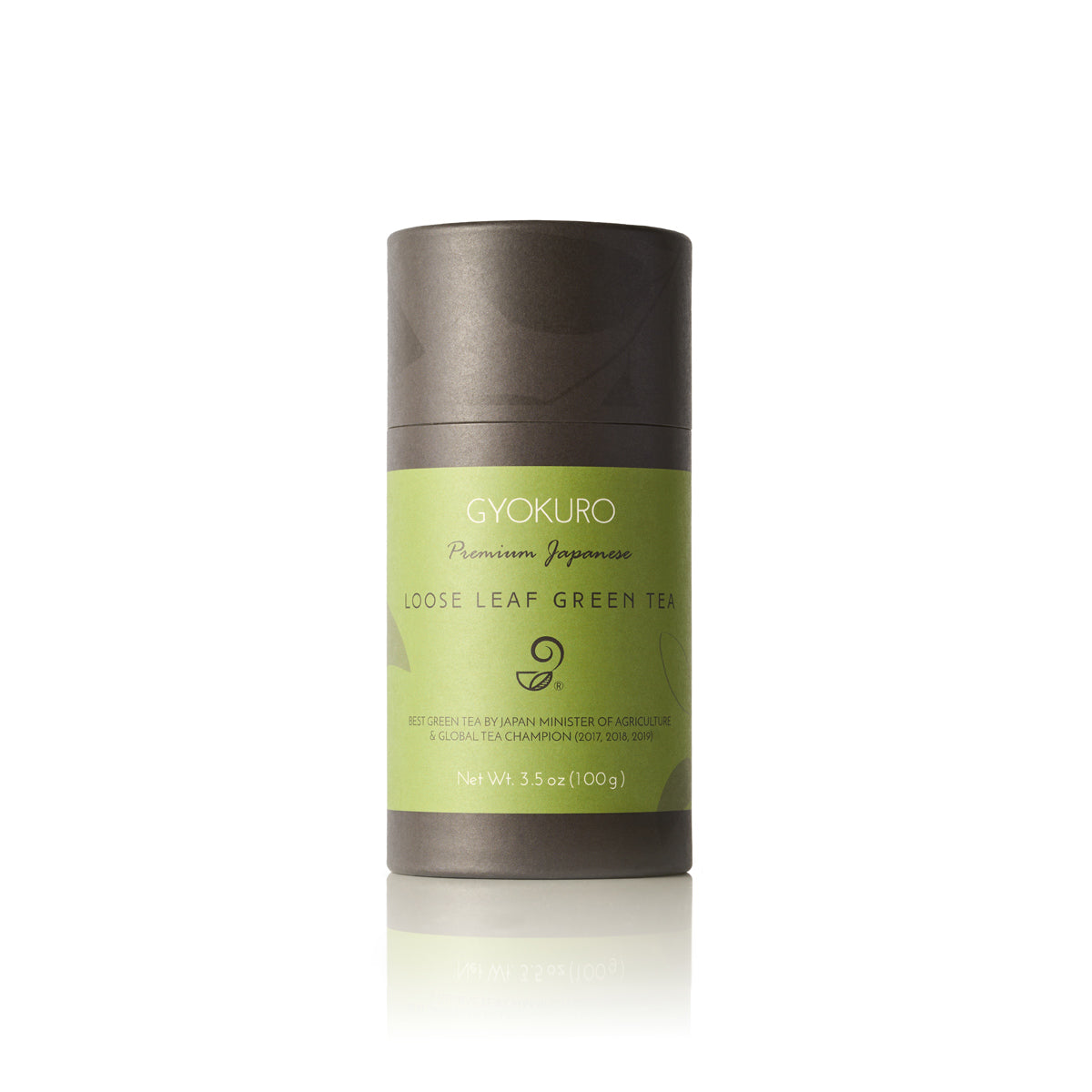
The set also includes Gyokuro, a premium shaded green tea known for its rich, sweet flavor and deep mossy green color. Grown under special mats for 20 days to increase caffeine and amino acid levels, Gyokuro offers a layered, smooth taste unlike any other. Completing the collection is Nozomi, a fine Kabuse-cha, or "Covered Green Tea," carefully grown under nets to gently shade the leaves just before new sprouts emerge, resulting in a soft, rich, and refined flavor profile.

97 reviews

Gyokuro - Shaded Imperial Premium Green Tea

$65.00
Quick view

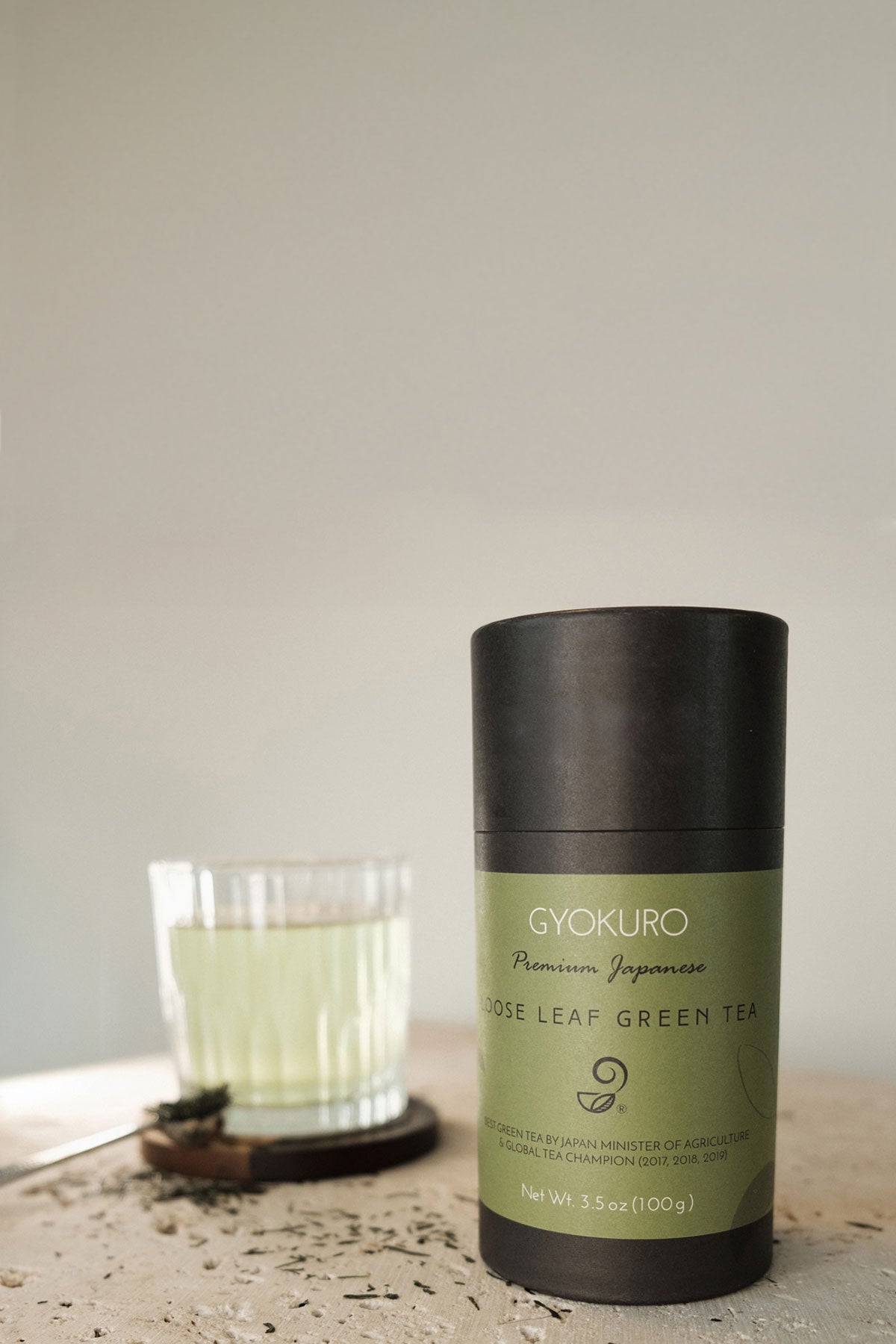
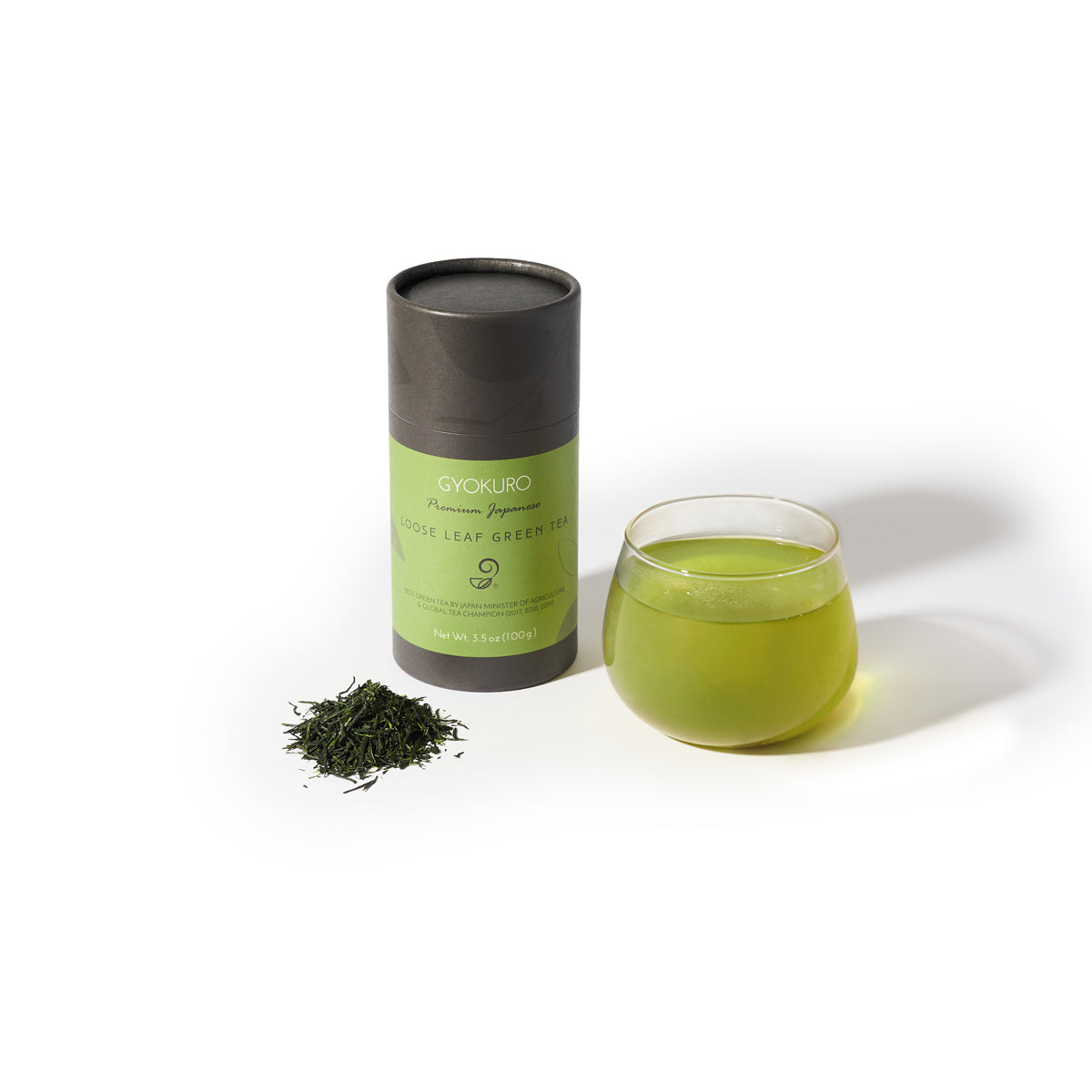
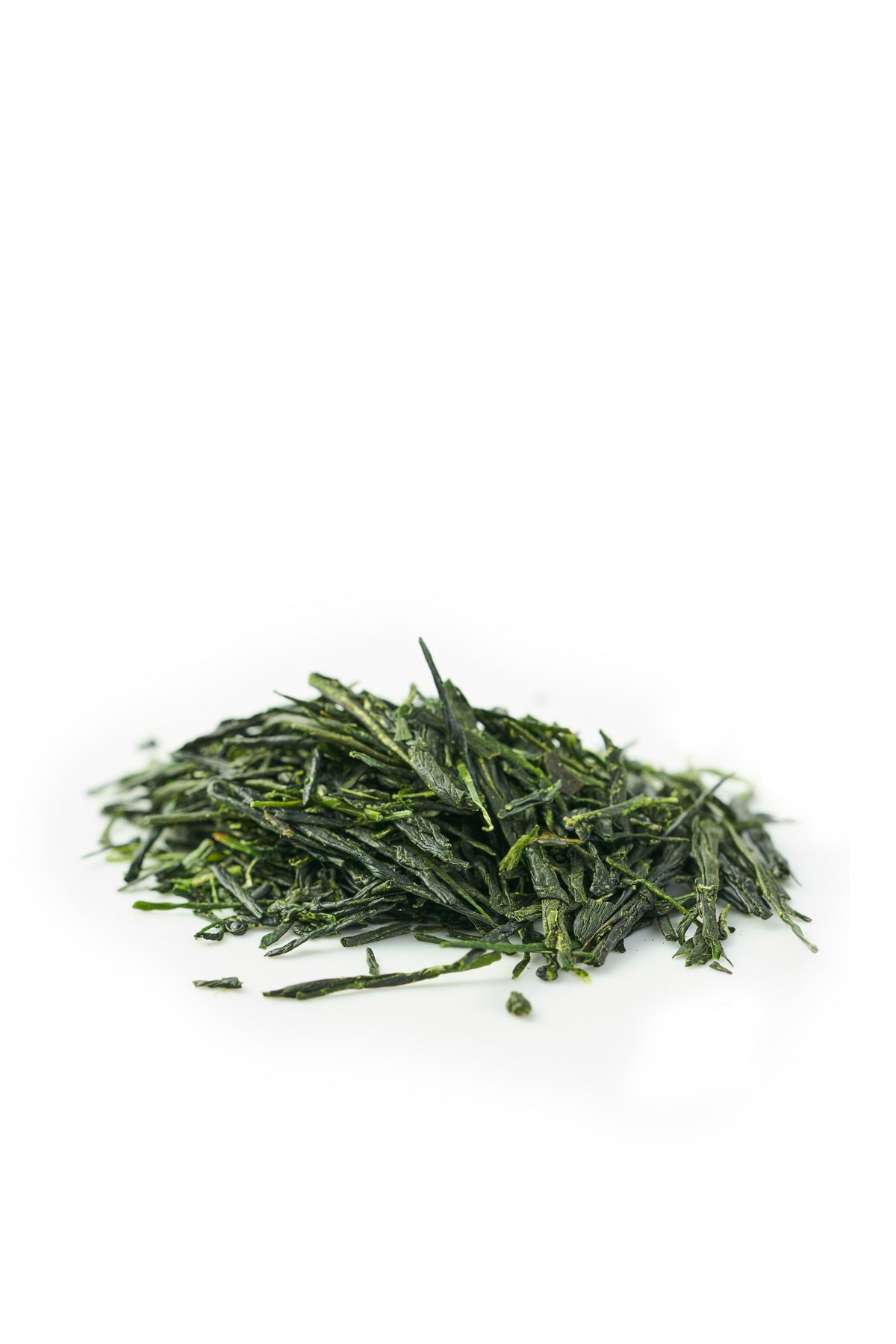
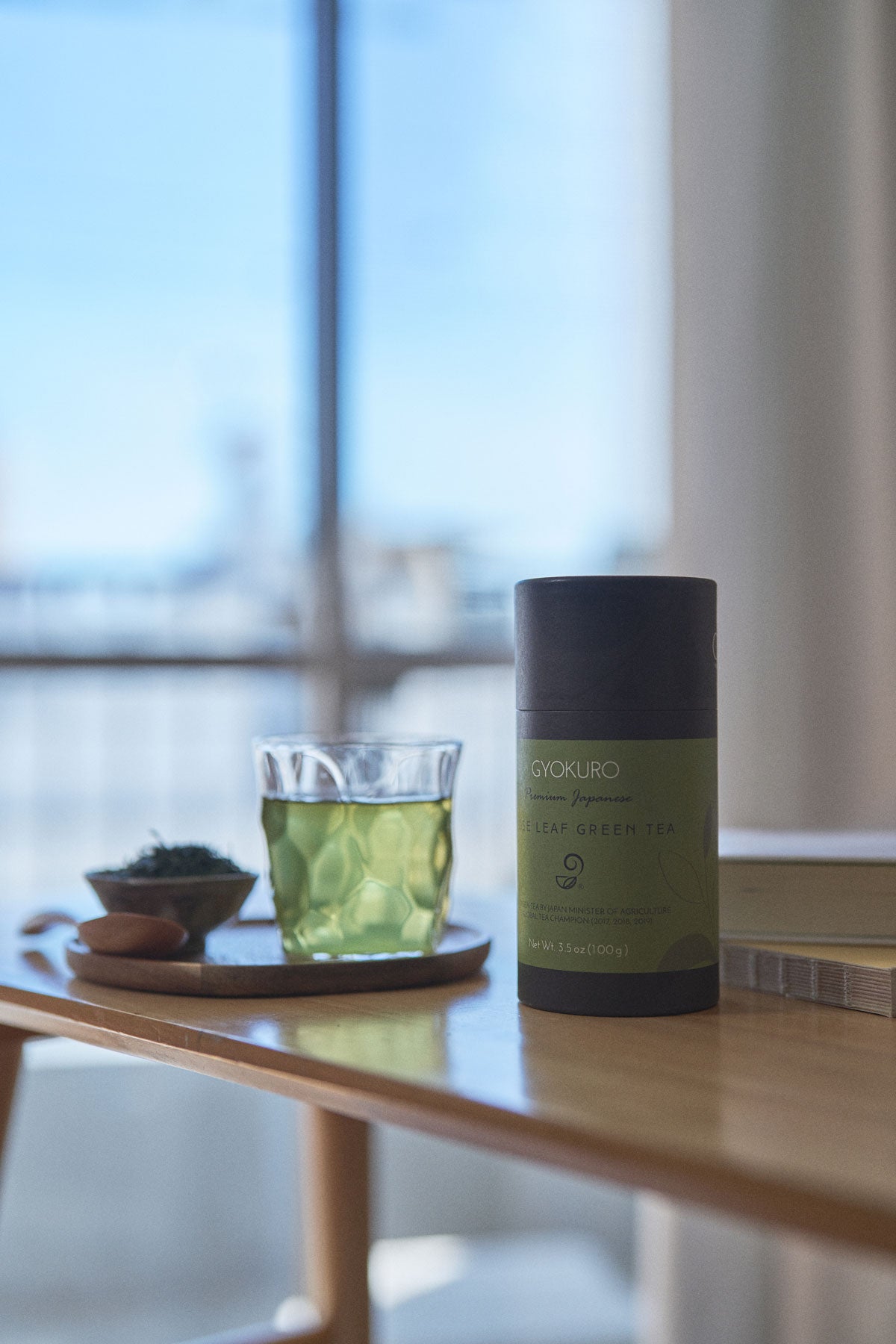
Gyokuro, also known as "jade dew" or "jewel dew tea," is a premium Japanese green tea shaded from the sun for 20 days using specially made mats, a method that boosts caffeine levels and strengthens amino acids to create a sweeter, richer flavor. This extended shading process results in dark, mossy green leaves with an unmistakable aroma and a complex taste that is layered yet balanced. Cultivated by the Chagusaba method in nutrient-rich sugarcane soil and made from the Yabukita cultivar, this loose-leaf authentic Gyokuro is offered in a high-quality, air-tight paper tube canister (chyazutsu) to preserve its exceptional freshness and flavor. Each 3.5 oz (100g) full-size package steeps 30–40 cups, and a convenient single-serve sample is also available.

45 reviews

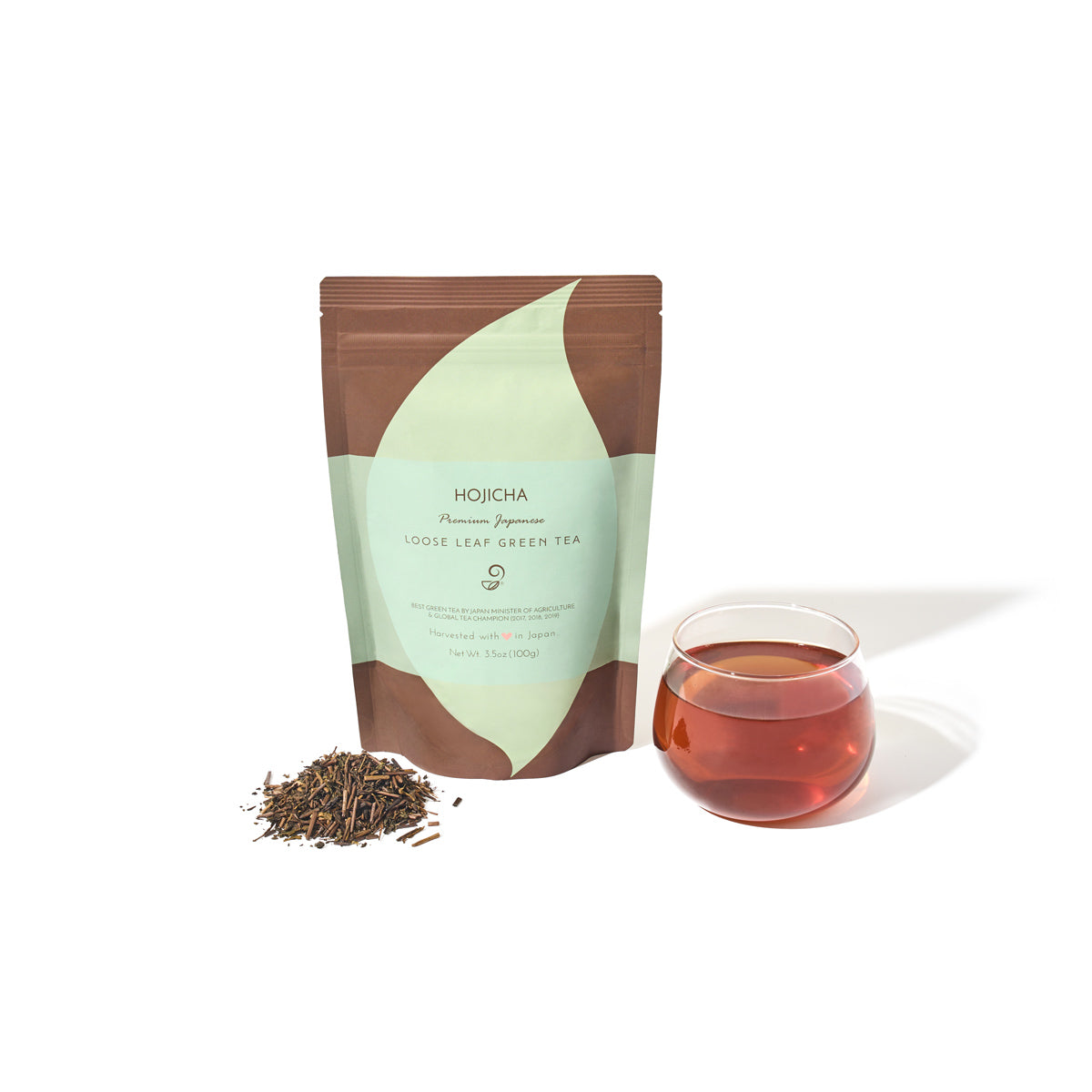
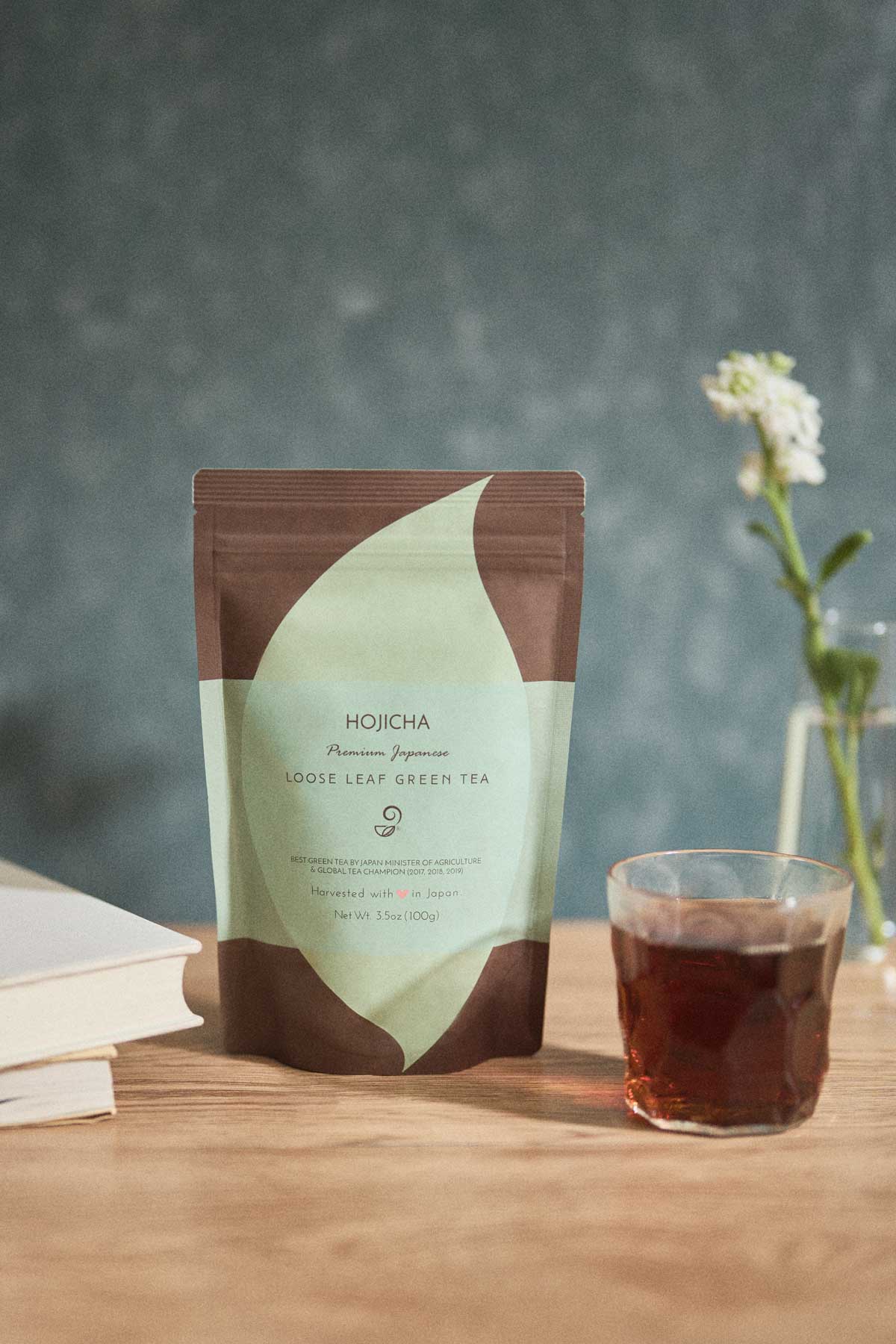
Hojicha - Roasted Green Tea

$25.00
Quick view

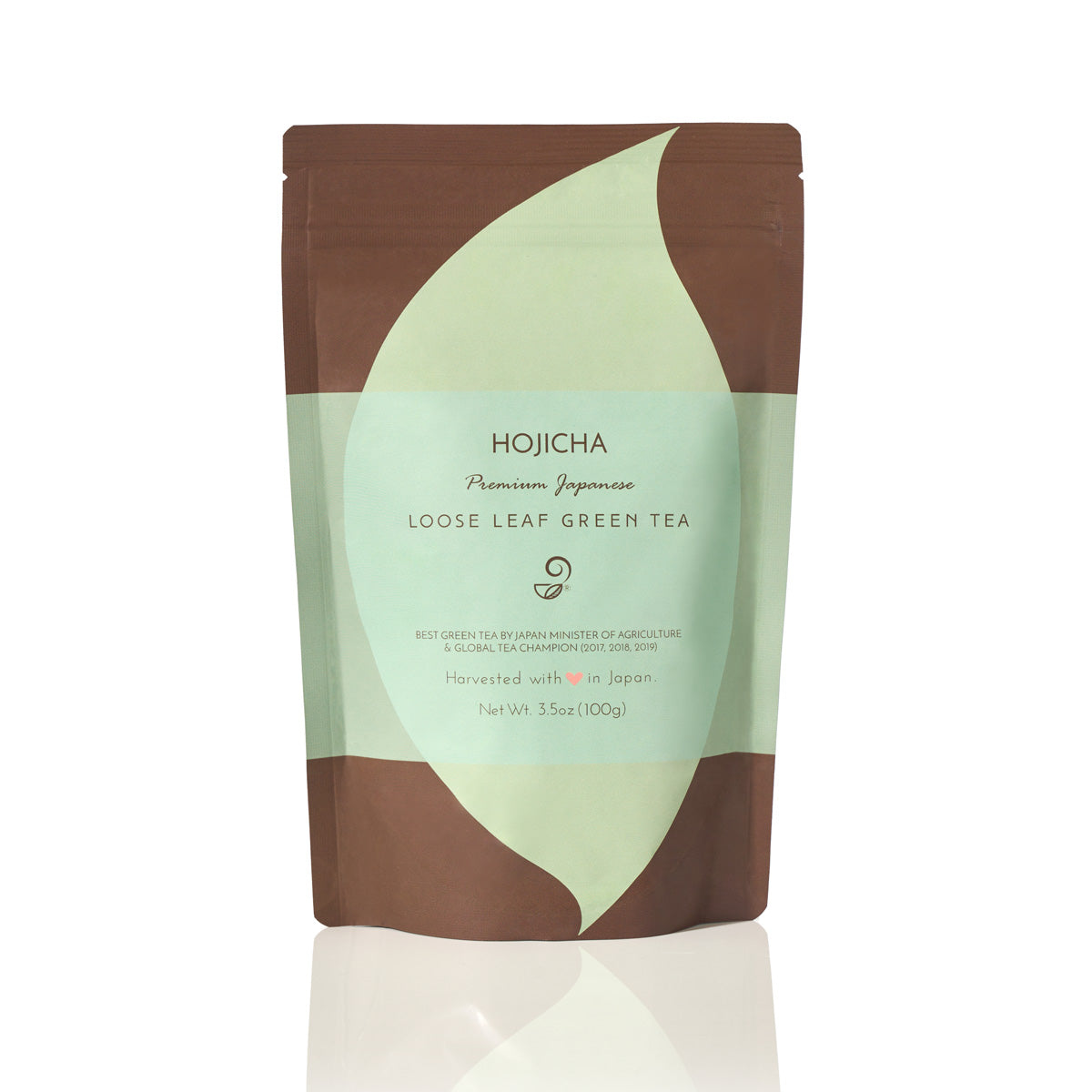
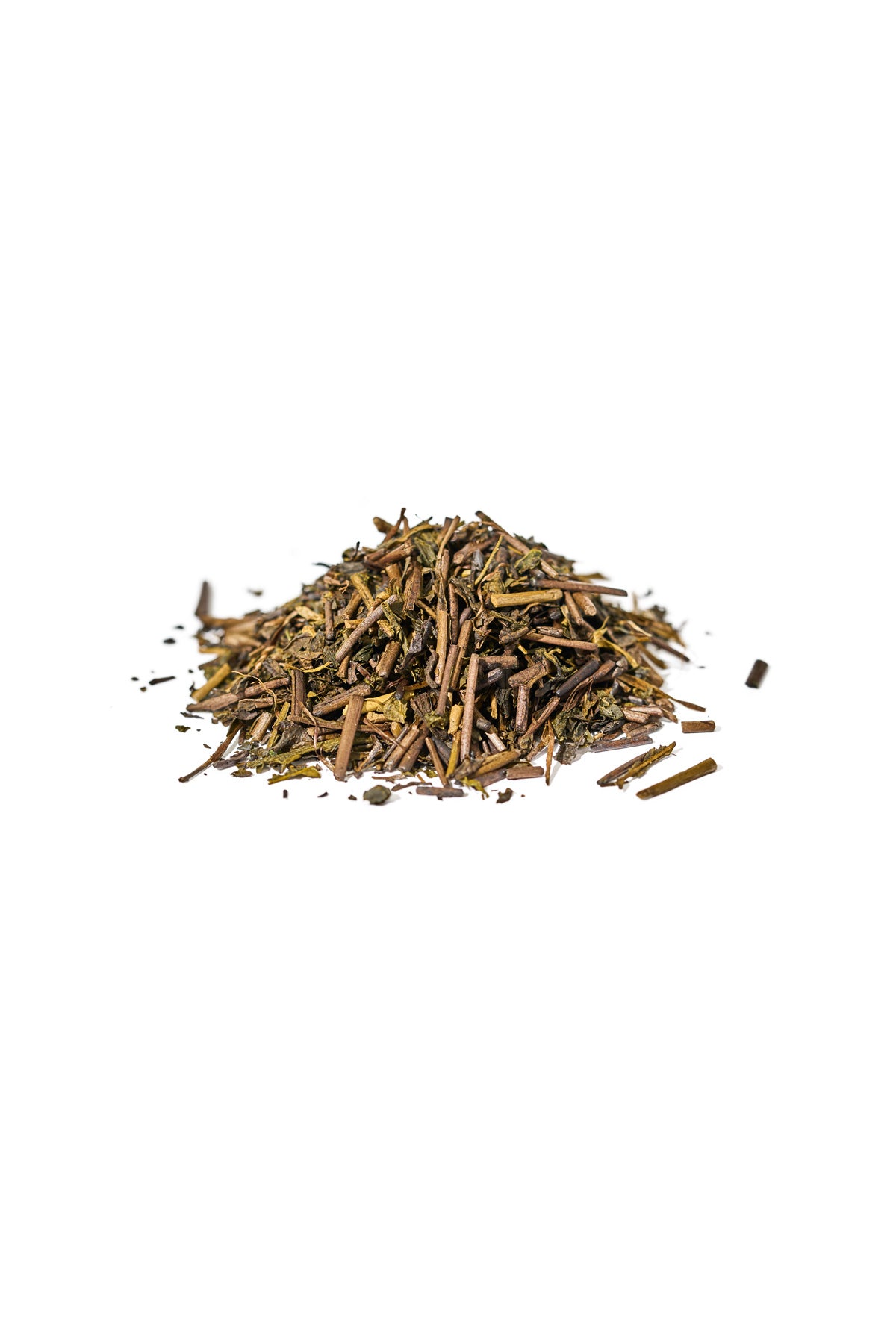
Our roasted green tea, known as hojicha (ほうじ茶), is crafted from freshly harvested premium green tea carefully roasted in porcelain over charcoal to maximize flavor while retaining more catechins than typical hojicha on the market. With lower caffeine and a smoother, less bitter taste compared to steamed green tea, it is an ideal choice for evening relaxation and is gentle enough for kids and pregnant women. Cultivated using the Chagusaba method in nutrient-rich sugarcane soil, this loose-leaf authentic Japanese roasted green tea, made from the Yabukita cultivar, also pairs beautifully with oily foods. Each eco-friendly resealable package contains 3.5 oz (100g) of tea, enough to steep 30–40 comforting cups.

• Disclosure: I only recommend products I would use myself, and all opinions expressed here are my own. This post may contain affiliate links that I may earn a small commission at no additional cost to you.
The commission also supports us in producing better content when you buy through our site links.
Thanks for your support.
- Kei and Team at Japanese Green Tea Co.


Related Articles You May Be Interested

10 Trendy Green Tea Cocktail Recipes You Will Love
Japanese Green Tea vs Red Bull - 10 Battles You Don’t Want to Miss
How to Cold Brew Matcha: Your Comprehensive Guide
Green Tea and Milk: 10 Ways to Enjoy It
Matcha
Chocolate
Cheesecake
Bars - Recipe
Matcha Chocolate Cheesecake Bars (Video Recipe) - Match(a) Made in Heaven! Show Your Love with Matcha this Valentine
Green Tea Science Part 3: Everything You Need to Know About Green Tea and Caffeine

Get Free Bonus Books

Join Green Tea Club

Sign up for free to the Green Tea Club to get advice and exclusive articles about how to choose Japanese Tea, and tips, tricks, and recipes for enjoying Japanese tea.

Unsubscribe anytime. It’s free!

About the author

Kei Nishida

Kei Nishida

Author, CEO Dream of Japan

info@japanesegreenteain.com

Certification: PMP, BS in Computer Science

Education: Western Washington University

Kei Nishida is a passionate Japanese green tea connoisseur, writer, and the founder and CEO of Japanese Green Tea Co., a Dream of Japan Company.

Driven by a deep desire to share the rich flavors of his homeland, he established the only company that sources premium tea grown in nutrient-rich sugarcane soil—earning multiple Global Tea Champion awards.

Expanding his mission of introducing Japan’s finest to the world, Kei pioneered the launch of the first-ever Sumiyaki charcoal-roasted coffee through Japanese Coffee Co. He also brought the artistry of traditional Japanese craftsmanship to the global market by making katana-style handmade knives—crafted by a renowned katana maker—available outside Japan for the first time through Japanese Knife Co.

Kei’s journey continues as he uncovers and shares Japan’s hidden treasures with the world.

Learn more about Kei Nishida

Related Posts

Introducing New Product - Meet Hojicha Powder
Introducing A New Product - Meet Hojicha Powder

Discover the game-changing Hojicha powder your kitchen has been waiting for — richer flavor, easier recipes, and surpris

Read More
Yokohama Peach is offered as a regular menu at Okayama Kobo Cafe!
Yokohama Peach is offered as a regular menu at Okayama Kobo Cafe! + Recap Video of Pop-up on 2/8/2026 at Anaheim, CA

We are excited to announce that our Yokohama Peach is now available on the regular menu at the popular Japanese Bakery,

Read More
The Story Behind Our Booth Backdrop: Craftsmanship, Engineering, and Sacred Wood
Behind the Scenes – How We Made the Event Booth & Backdrop Using Sacred Wood

Discover how our one-of-a-kind event booth came to life—from Japanese Kōshi (格子) design and rare Port Orford Cedar to mo

Read More
Leave a comment

Your email address will not be published..

Cart

Your cart is currently empty.

Start Shopping

Select options