Skip to content

Best Article of the Year 2022 - Voted by you!

The vote of the year for the blog articles was amazingly popular, and thank you so, so much for all your votes and the nice comments you sent me about blogs and videos!

I feel so proud and honored to be creating these tea-related articles and videos you love (or dislike; see below).teer

This is the motivation for us to create better content.
 
Thank you so much!
 
It’s funny that no one (except very few) liked Japanese Green Tea vs. Peruvian Tea with my experience in Peru, haha.🥲  Oh well! 💪
 
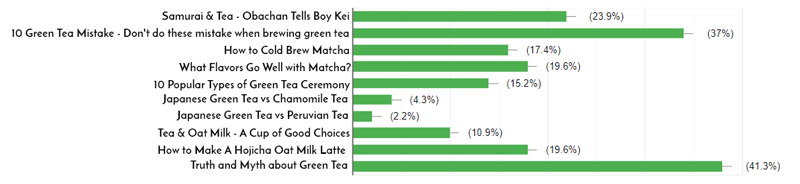
So, drum roll please… here is the result of the Best of 2022!
Image

Below, you see the actual links to the blogs and videos in order of the vote count.
 
Just a sneak peek: we are releasing another video next week, which I am so proud of; it is probably the best we have got so far. (Hint: about a famous tea person you probably know and an unfamous story you may not know.)
 
We are just wrapping up the final tune. I will let you know as soon as the video is published next week!
 
Thank you so much again, and I love you!

Oh, and in case you forgot (or purposely didn't and changed your mind) to vote, I still want to hear from you, and you can still cast your vote here and leave a comment!

#1 (41% voted) Truths and Myths about Green Tea

Green tea is a popular beverage all across the globe. It is consumed almost daily in many parts of East Asia and is often the first choice of tea in other parts of the world. It is one of the most common teas consumed by people from different countries, cultures, and generations.


#2 (37% voted) 10 green tea mistakes: Don’t do these mistakes when brewing green tea

Green tea tastes great, especially when you try a sample of it at grocery stores and tea festivals. When you got home and brewed your tea, the result was a bitter green tea or just a drinkable tea that lacked flavor. Cheer up! You just did not know how to brew green tea, right? Please don't give up on tasting good green tea, and let's learn how to make it right by discussing the following mistakes:

#3 (23% voted) Samurai and Tea

Learn more about how the samurai perfected the art of the tea ceremony and how tea culture became an integral part of what it means to be a Samurai warrior.


#4 (19% voted) What Flavors Go Well With Matcha? A Guide For The Tastebuds

Matcha is ever-popular. Powdered green tea has gone beyond being exclusively Japanese and is everywhere now. From Starbucks to local grocery stores, matcha has a strong presence and millions of enthusiastic buyers. With a drink so popular, it’s only natural that we look for flavors that go along with it. Matcha is a very healthy drink, so when finding a flavor pairing, choose one that adds to the goodness of this beverage.

#5 (19% voted) How to Make Hojicha Oat Milk Latte 

#6 (17% voted) How to Cold brew Matcha 

#7 (15% voted) 10 Popular Types of Japanese Tea Ceremony - How many do you know?

The Japanese Tea ceremony, known as Chado (茶道 the way of tea) or Cha no yu (茶の湯 hot water tea, or hot water of tea), is part of Japanese culture. It is a tradition where they ceremonially prepare, serve, and drink matcha. Many rituals and practices turn into tea ceremonies. You might be asking about when they practice those tea ceremonies and what occasion they celebrate. We will take a journey through the types of tea ceremonies and how they appreciate the tea leaves.

#8 (11% voted) Tea & Oat Milk - A Cup of Good Choices

I went to Blue Bottle Coffee the other day and ordered a matcha latte. I noted that the store's default milk is oat milk and not whole milk, as would typically be expected. This gave me a slight pause. I know oat milk is currently very popular. Still, before this visit, I hadn't really considered that it might be the default milk in coffee shops and other similar establishments.

#9 (2% voted) Japanese Green Tea vs Chamomile Tea - 10 battles you don't want to miss

Japanese Green Tea and Chamomile have garnered cult followings over the years. People drink these beverages for different reasons; some prefer their taste, while others often drink them for their wonderful health benefits. Let’s find out which drink suits your lifestyle and health needs so you can figure out whether you’re going to purchase Japanese Green Tea or Chamomile Tea.

#10 (1% voted🥲) Japanese Green Tea vs Peruvian Tea

FAQs about JPCo's Best Articles of the Year

How are JPCo's best articles of the year determined?

Reader voting plus editorial review. JPCo runs annual reader polls where customers and blog subscribers nominate and vote on their favorite articles from the past year. The poll usually runs in November-December for that year's articles. Editorial team weighs reader votes alongside engagement metrics (page views, time on page, social shares) to compile the final list.

Reader voting captures what genuinely resonated with the audience; pure engagement metrics can favor controversial or clickbait-style content over actually-useful pieces. The combined approach produces best-of lists that are both popular and substantively valuable.

If you're a regular blog reader, look for the annual call-for-votes notice — usually email and on-site. Voting takes 5 minutes and helps shape what kind of content gets prioritized in future years.

What kinds of JPCo articles tend to win best-of awards?

Three categories. First, deeply-researched health-and-science pieces (catechin biology, specific health applications, comparison studies) where readers learn something they couldn't find elsewhere. Second, cultural-and-historical pieces (Sen no Rikyū, tea ceremony, Japanese tea traditions) that provide context for the practice. Third, practical how-to pieces (brewing techniques, recipe development, equipment guides) that change what readers do in their daily tea practice.

Articles that feature personal narrative — Kei's farm visits, tea-region travel writing, behind-the-scenes business stories — also tend to perform well. The voice and personal connection separate JPCo's content from generic tea writing in a way readers respond to.

Articles that don't tend to win: generic health-listicle content ("10 reasons green tea is good"), promotional product announcements without independent value, and short news items about industry events. Readers consistently vote for substance over volume.

Where can I read JPCo's best-of-year article collections?

The annual best-of lists are published on the JPCo blog (japanesegreenteain.com/blogs/green-tea-and-health) and shared via the email newsletter. Each year's list links to the actual articles, so you can binge-read the year's best content in a single afternoon.

Beyond annual best-of compilations, the JPCo blog maintains topic-based archives — green tea health, tea ceremony, brewing technique, recipes, business behind-the-scenes. Searching by topic produces deeper exploration than year-by-year browsing.

If you want to start as a new reader: read the year's best-of list first (covers high-quality recent content), then explore one topic archive that interests you most (deep-dive into a specific area). This is more useful than trying to read the entire blog chronologically.

Does reader voting actually affect what content gets created?

Yes, meaningfully. Reader voting signals which content categories produce real value rather than just generating page views. When a deeply-researched chemistry article wins the poll over multiple shorter listicles, the editorial team prioritizes more in-depth content for the following year.

Voting also reveals topic gaps. If readers consistently vote for tea-ceremony content but the blog doesn't publish much in that area, the editorial team responds by commissioning more tea-ceremony pieces. The poll functions as informal market research for content prioritization.

Practical: if you want to see more of a specific kind of content from JPCo, voting (and emailing feedback) actually moves the needle. Anonymous engagement metrics provide signal but don't tell the editorial team what readers actively appreciate. Direct voting and feedback do.

Can I subscribe to be notified about each year's best-of release?

Yes. The JPCo email newsletter announces the annual call-for-votes in November and the final best-of compilation in early January. Subscribing to the newsletter is the most reliable way to stay informed about both the voting and the resulting content.

The newsletter also includes mid-year content highlights, new product announcements, seasonal tea-related content, and occasional exclusive content for subscribers. For regular blog readers, the newsletter is more valuable than just bookmarking the blog and checking periodically.

Subscribe link is on most JPCo blog pages (footer or sidebar). Unsubscribe is one-click; no commitment required. Worth at least trying for 3-6 months to see if the cadence and content fit your interests.

Related products

8 reviews

The Sencha Lover Gift Set - Premium Japanese Green Tea Set Package
$179.00 $159.99
Quick view

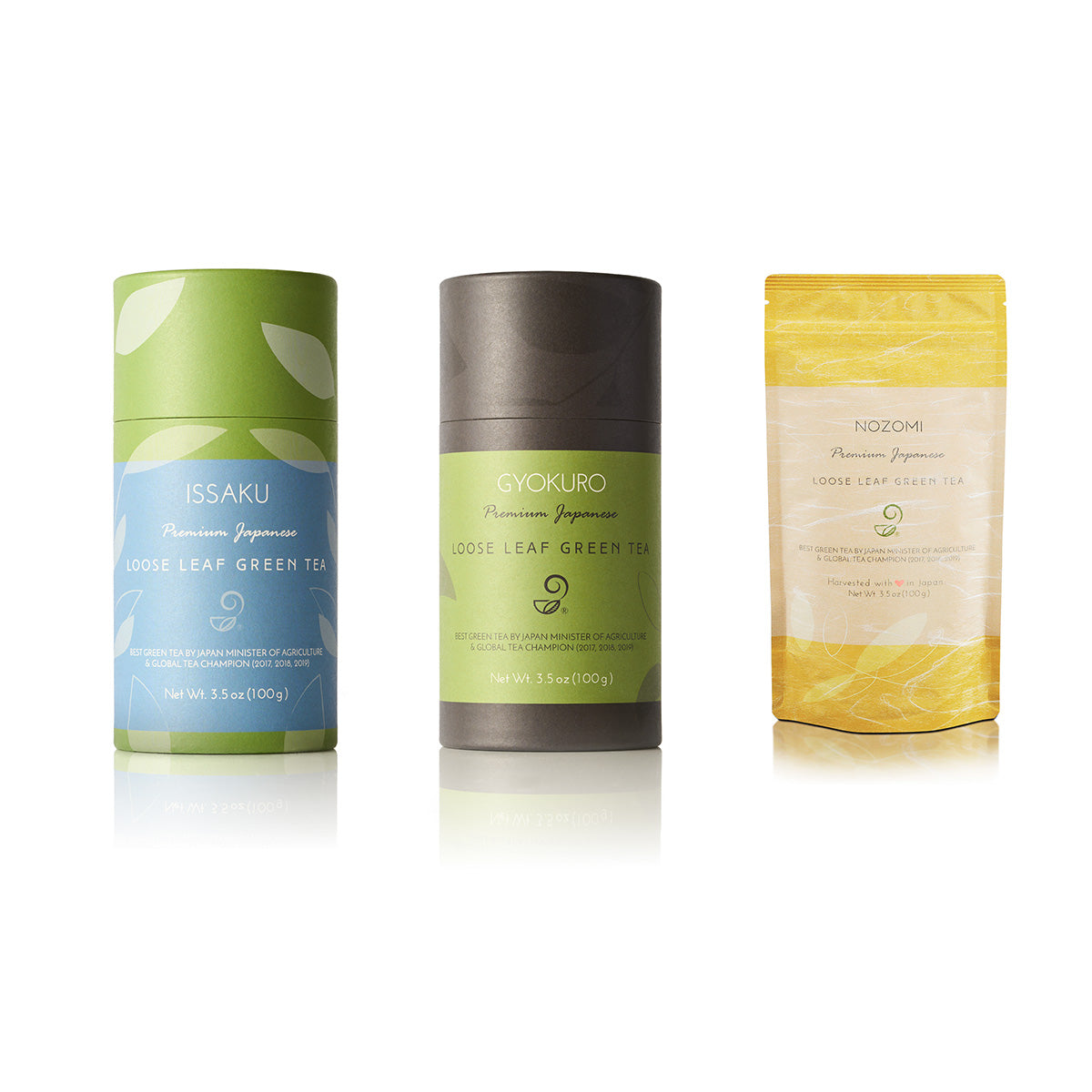
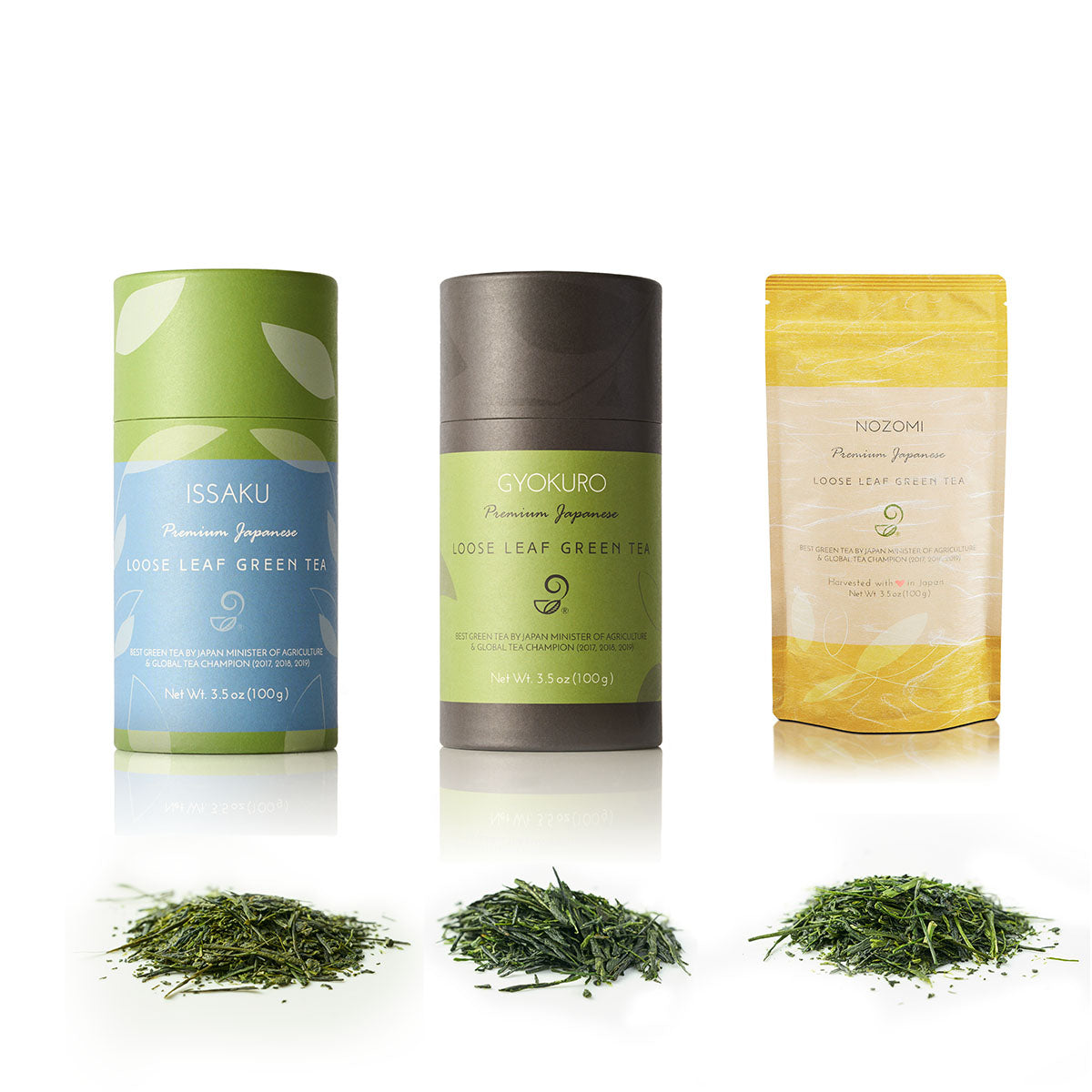
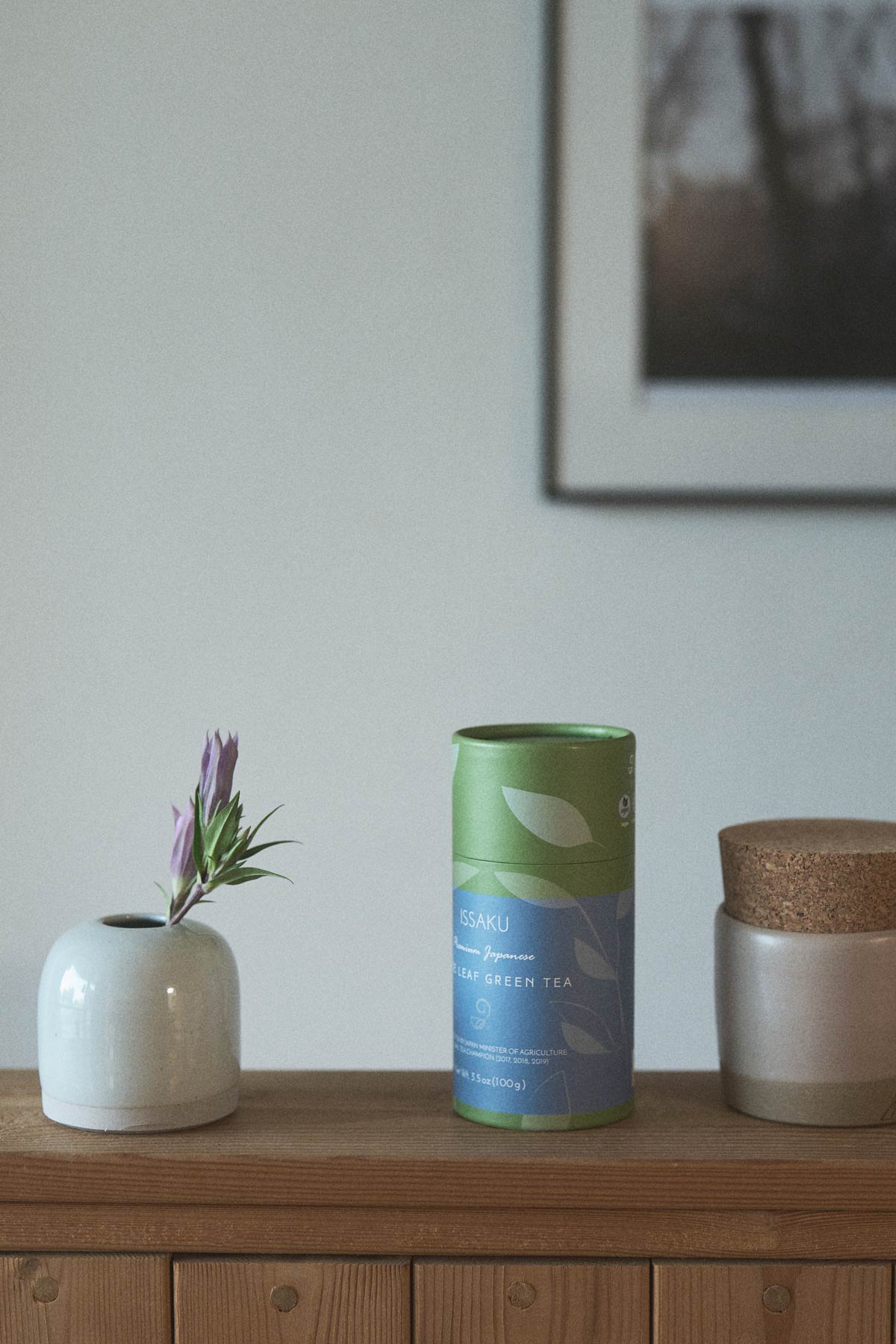
This tea set features three exceptional Japanese green teas, each crafted with care and traditional techniques. Issaku Reserve, a Global Tea Champion winner in 2017 and 2019, is a rare masterpiece created by Farm Master Mr. Arahata at Arahataen Green Tea Farm. Handpicked once a year from the first flush and processed with advanced methods, Issaku represents the highest-grade deep-steamed green tea, available only in limited quantities even in Japan.

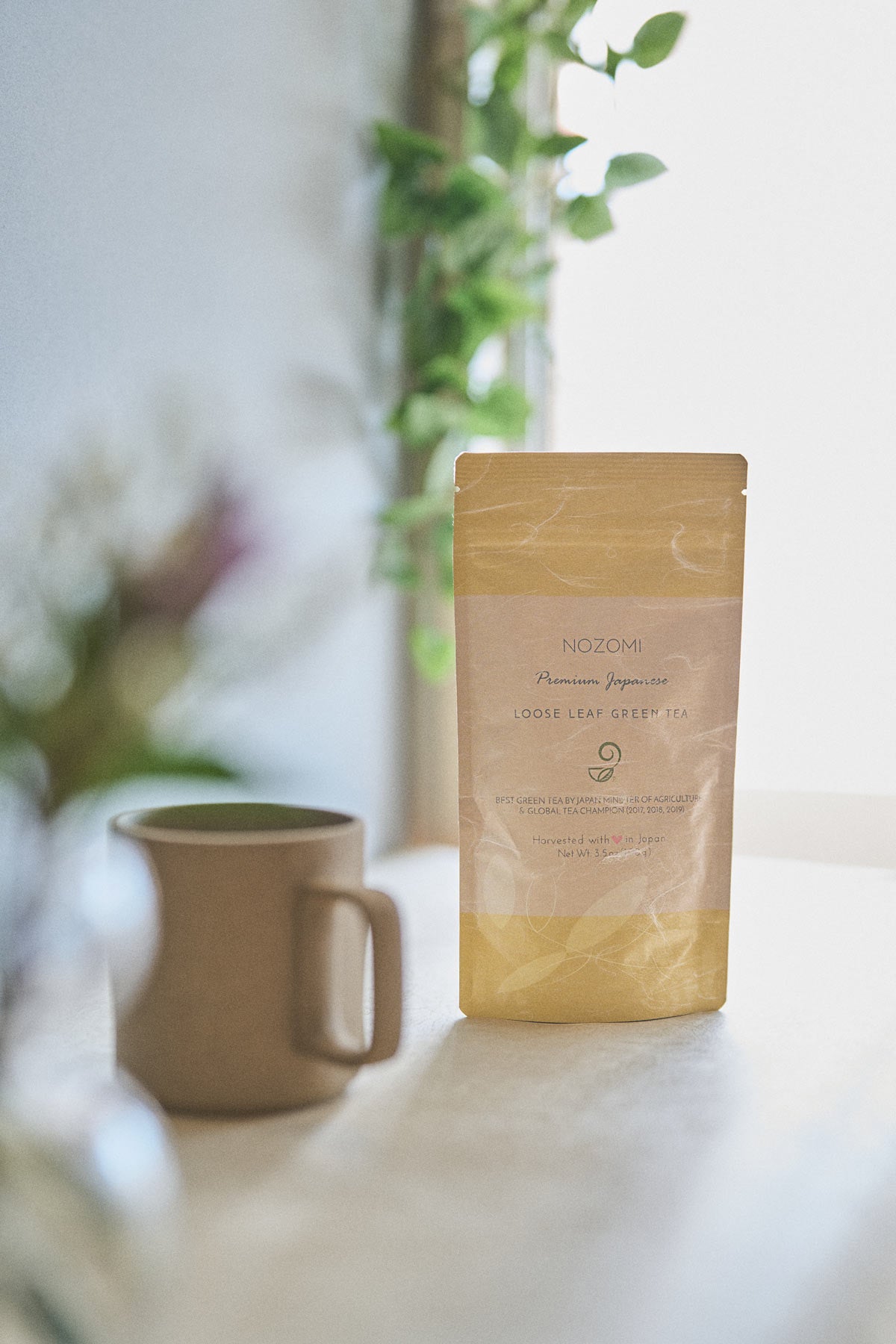
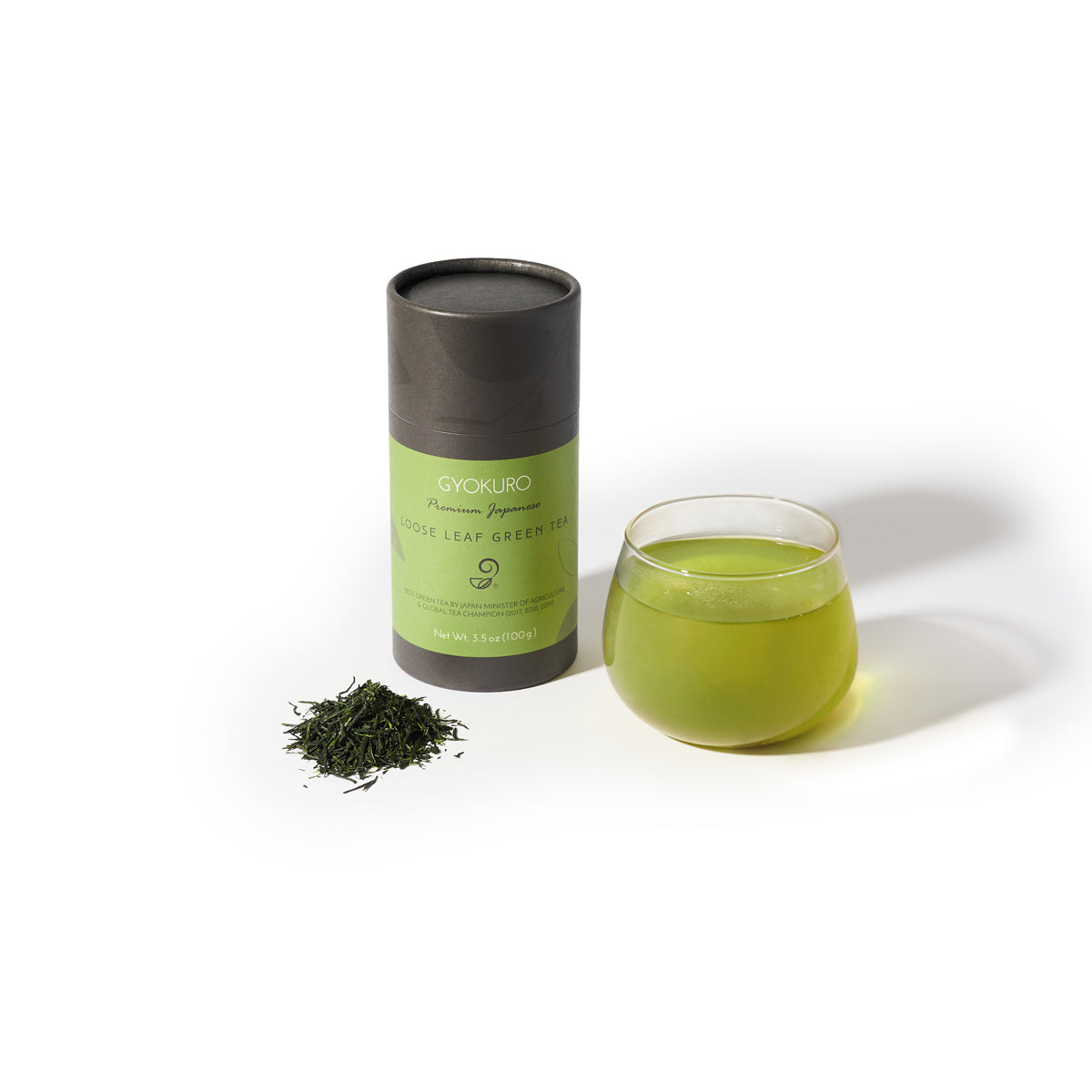
The set also includes Gyokuro, a premium shaded green tea known for its rich, sweet flavor and deep mossy green color. Grown under special mats for 20 days to increase caffeine and amino acid levels, Gyokuro offers a layered, smooth taste unlike any other. Completing the collection is Nozomi, a fine Kabuse-cha, or "Covered Green Tea," carefully grown under nets to gently shade the leaves just before new sprouts emerge, resulting in a soft, rich, and refined flavor profile.

97 reviews

Gyokuro - Shaded Imperial Premium Green Tea

$65.00
Quick view

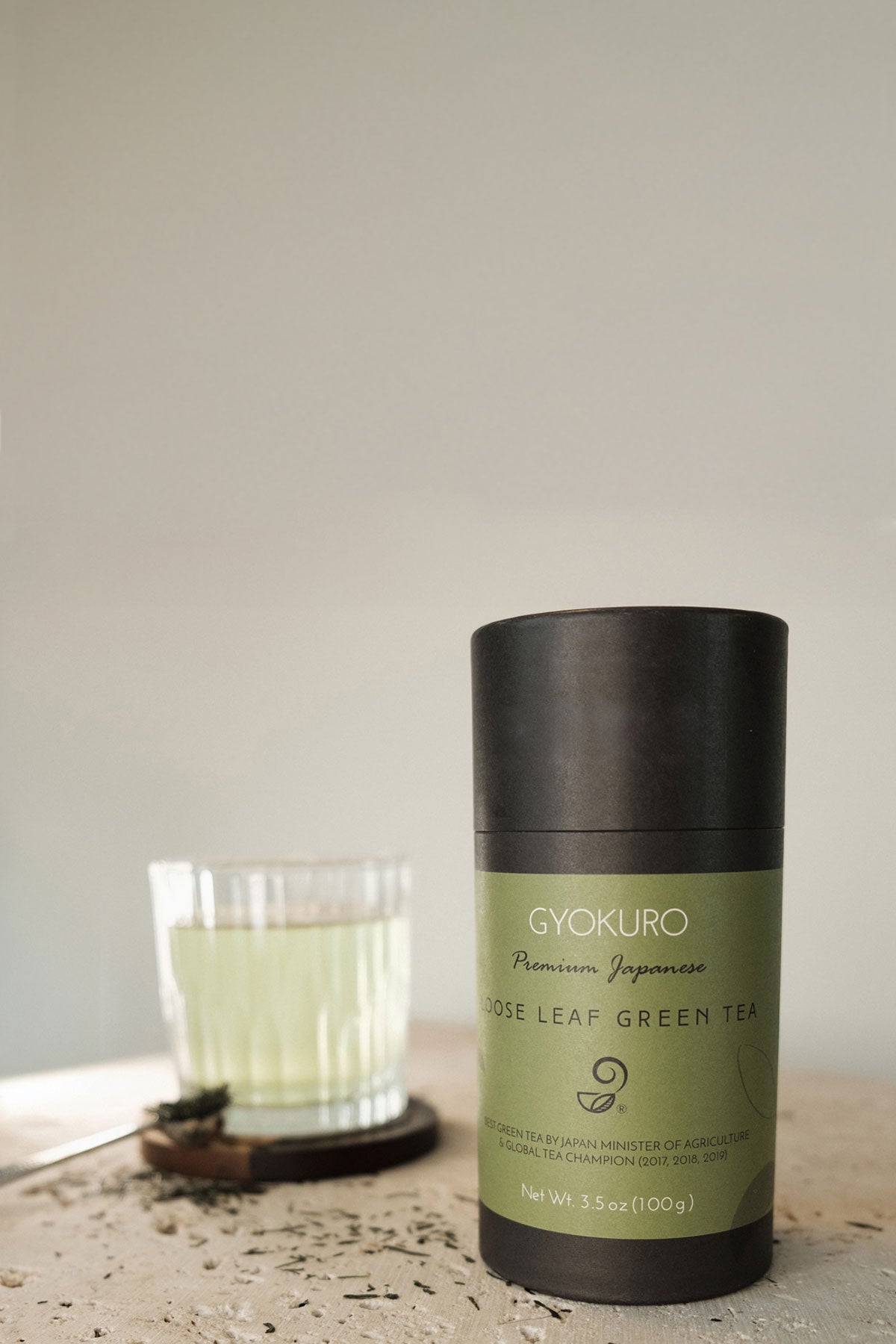
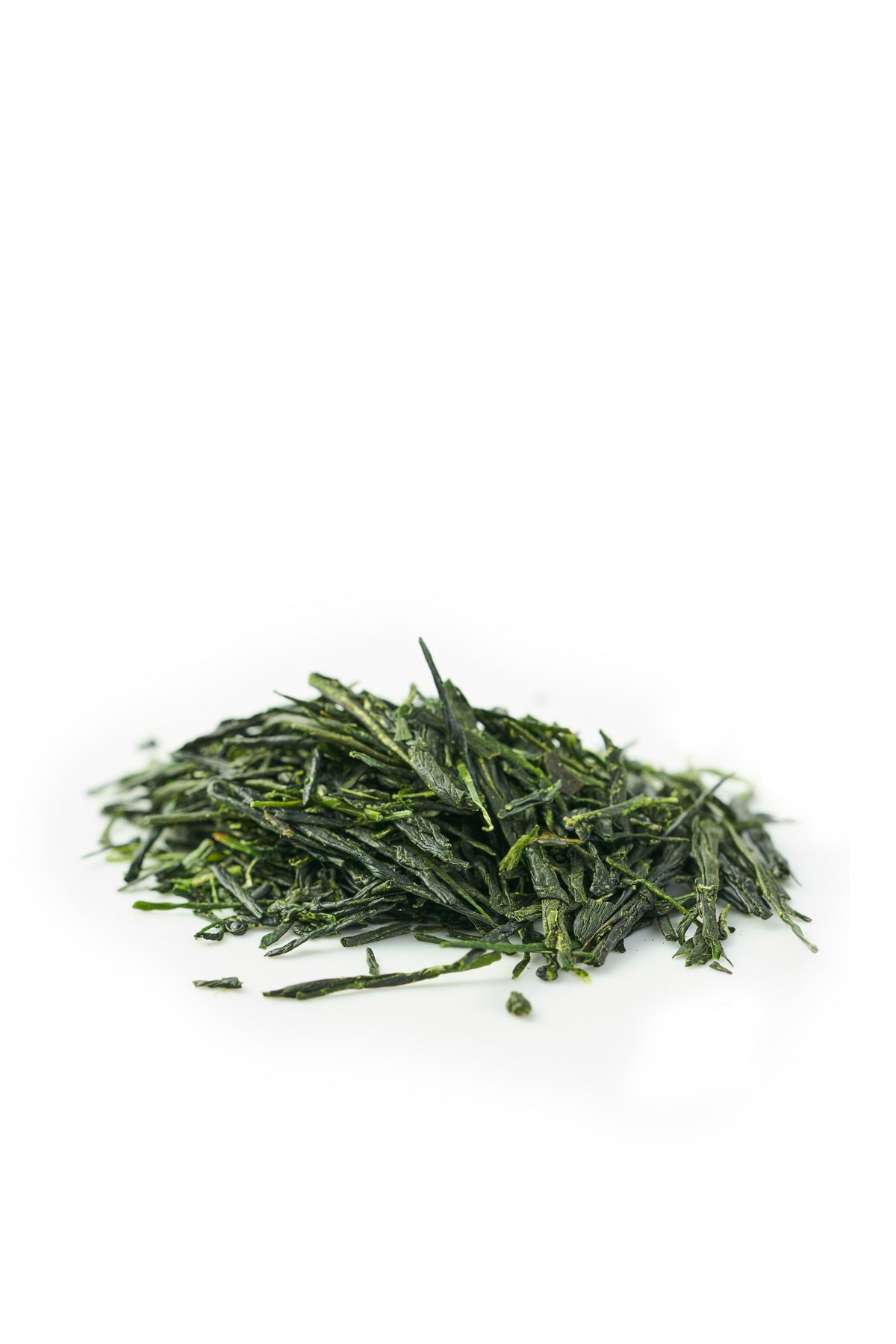
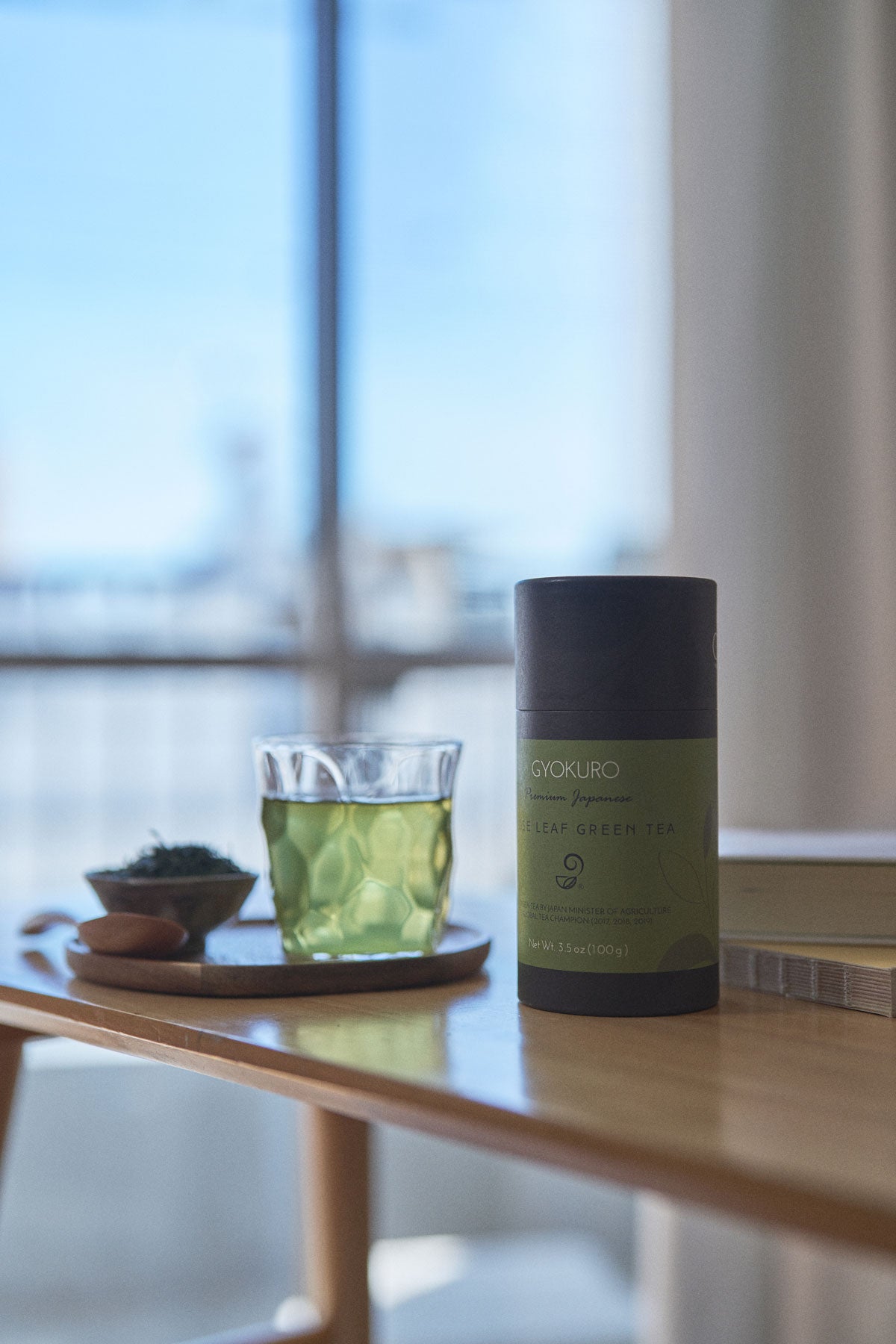
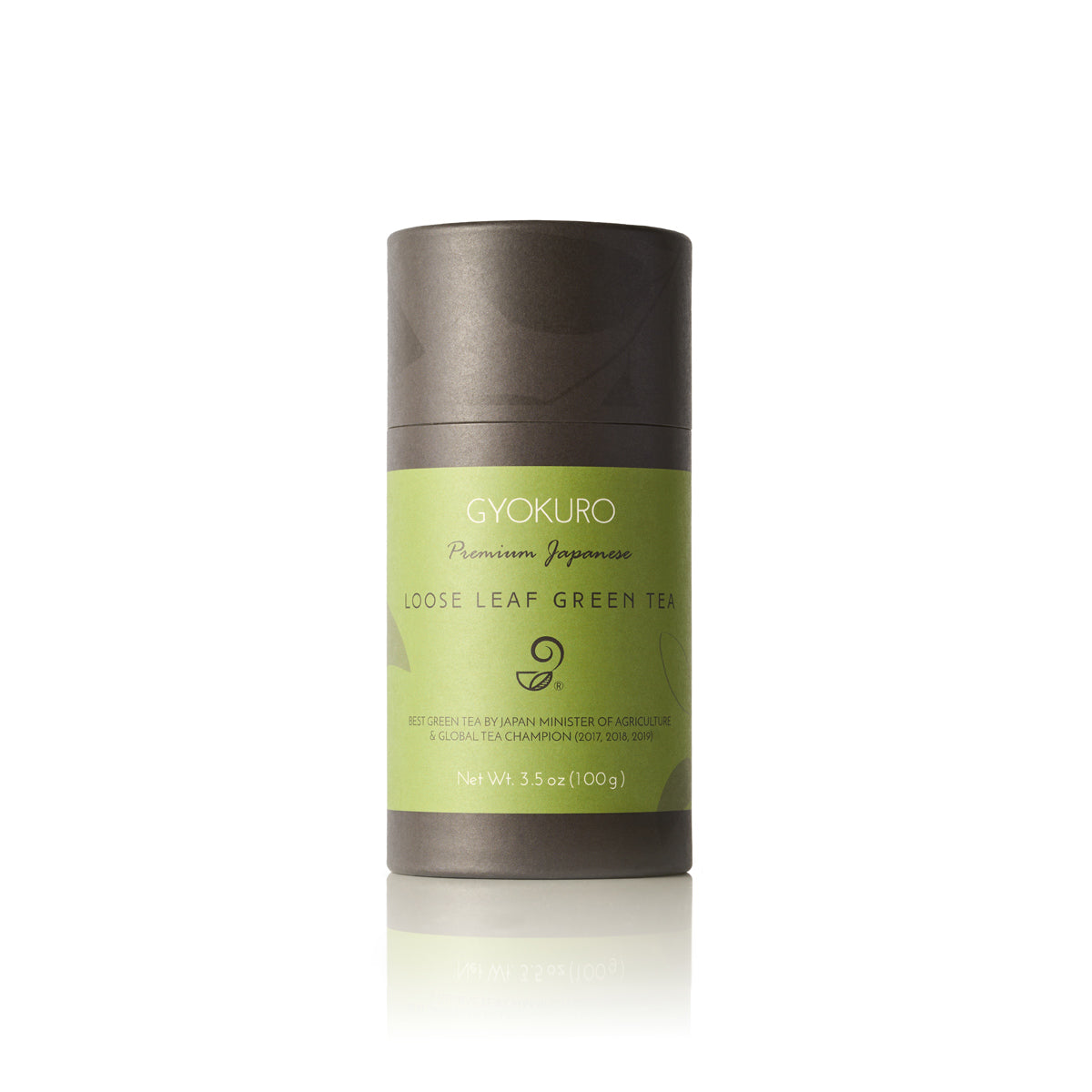
Gyokuro, also known as "jade dew" or "jewel dew tea," is a premium Japanese green tea shaded from the sun for 20 days using specially made mats, a method that boosts caffeine levels and strengthens amino acids to create a sweeter, richer flavor. This extended shading process results in dark, mossy green leaves with an unmistakable aroma and a complex taste that is layered yet balanced. Cultivated by the Chagusaba method in nutrient-rich sugarcane soil and made from the Yabukita cultivar, this loose-leaf authentic Gyokuro is offered in a high-quality, air-tight paper tube canister (chyazutsu) to preserve its exceptional freshness and flavor. Each 3.5 oz (100g) full-size package steeps 30–40 cups, and a convenient single-serve sample is also available.

45 reviews

Hojicha - Roasted Green Tea

$25.00
Quick view

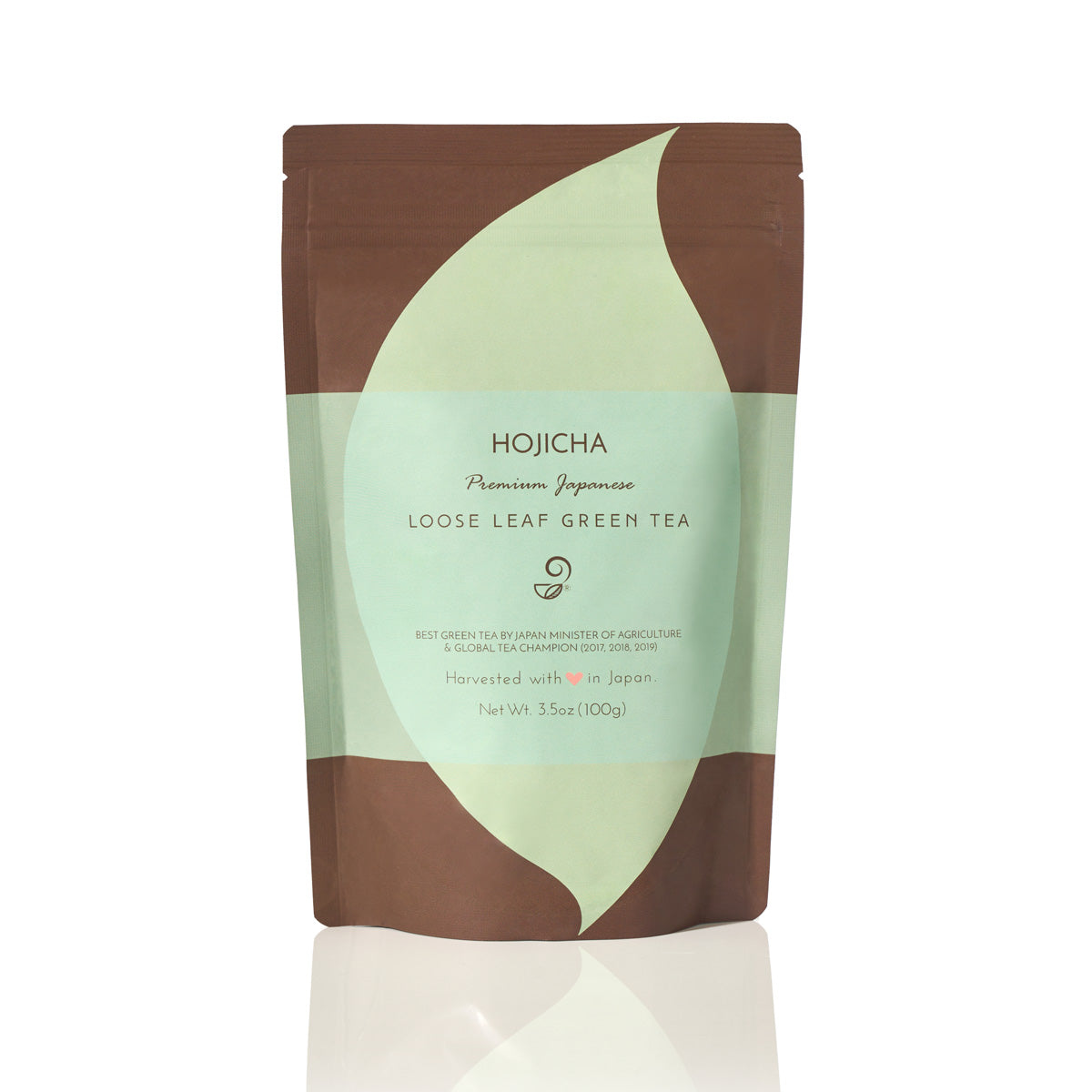
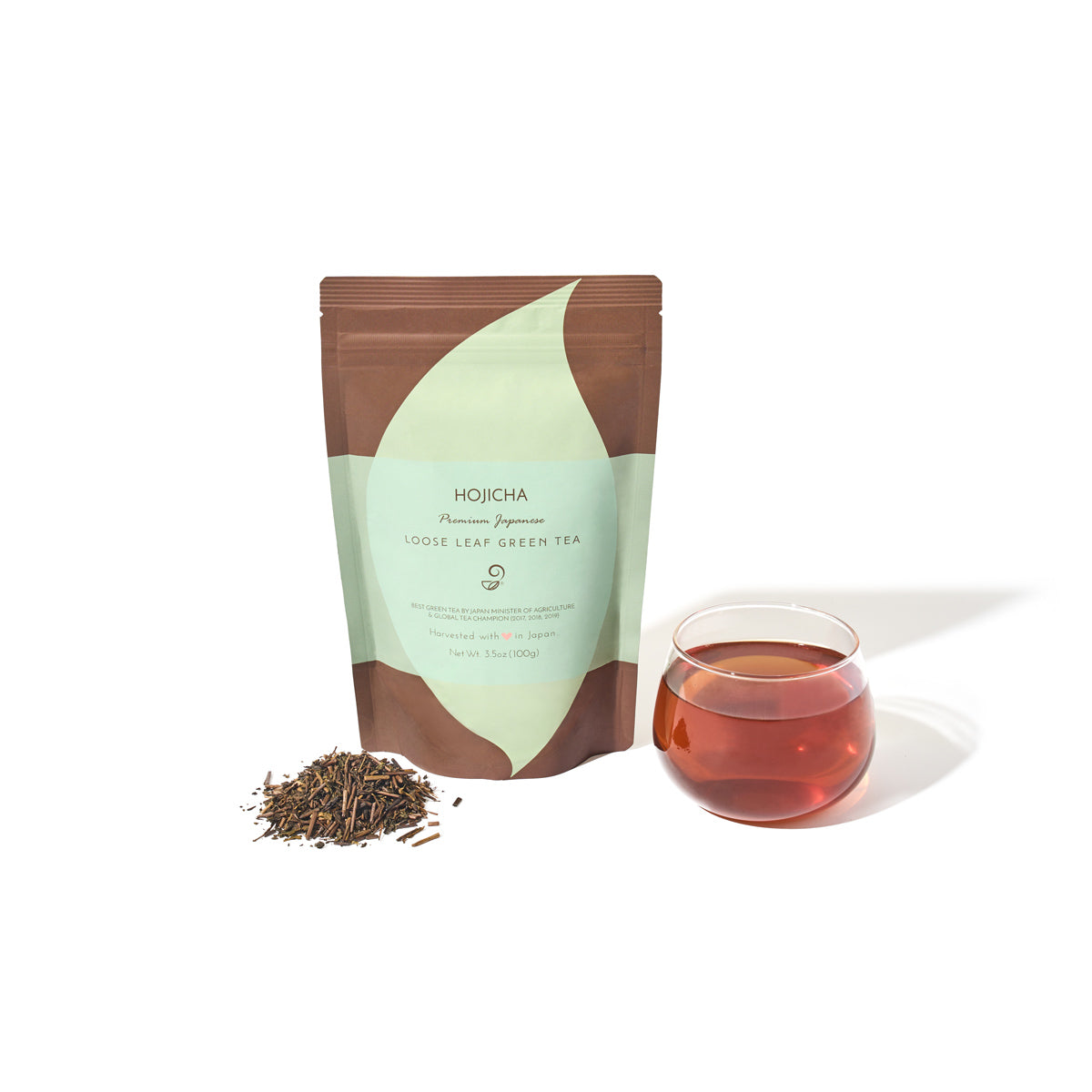
Our roasted green tea, known as hojicha (ほうじ茶), is crafted from freshly harvested premium green tea carefully roasted in porcelain over charcoal to maximize flavor while retaining more catechins than typical hojicha on the market. With lower caffeine and a smoother, less bitter taste compared to steamed green tea, it is an ideal choice for evening relaxation and is gentle enough for kids and pregnant women. Cultivated using the Chagusaba method in nutrient-rich sugarcane soil, this loose-leaf authentic Japanese roasted green tea, made from the Yabukita cultivar, also pairs beautifully with oily foods. Each eco-friendly resealable package contains 3.5 oz (100g) of tea, enough to steep 30–40 comforting cups.

80 reviews

Matcha - Ceremonial Japanese Powdered Green Tea

$39.00
Quick view

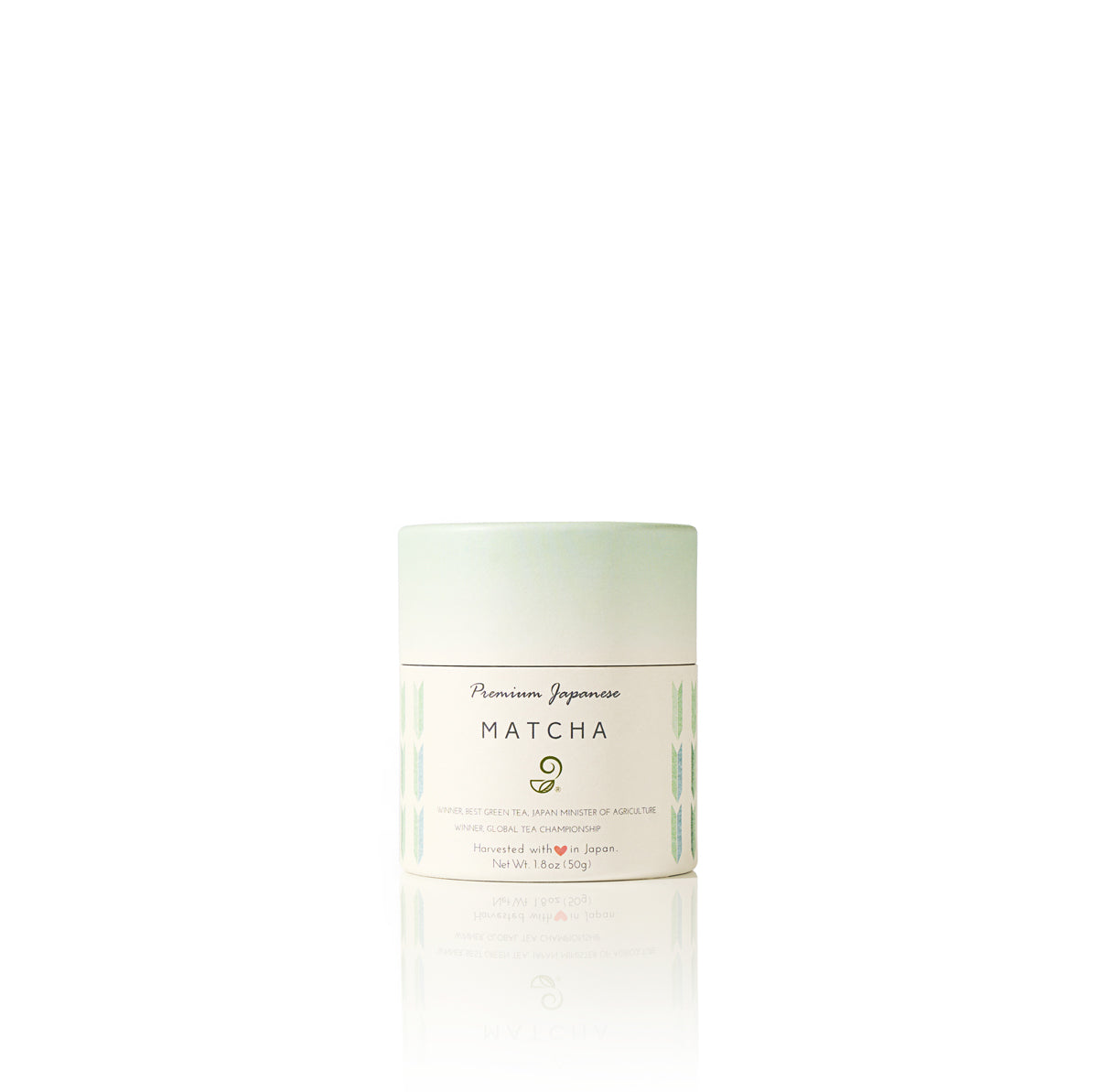
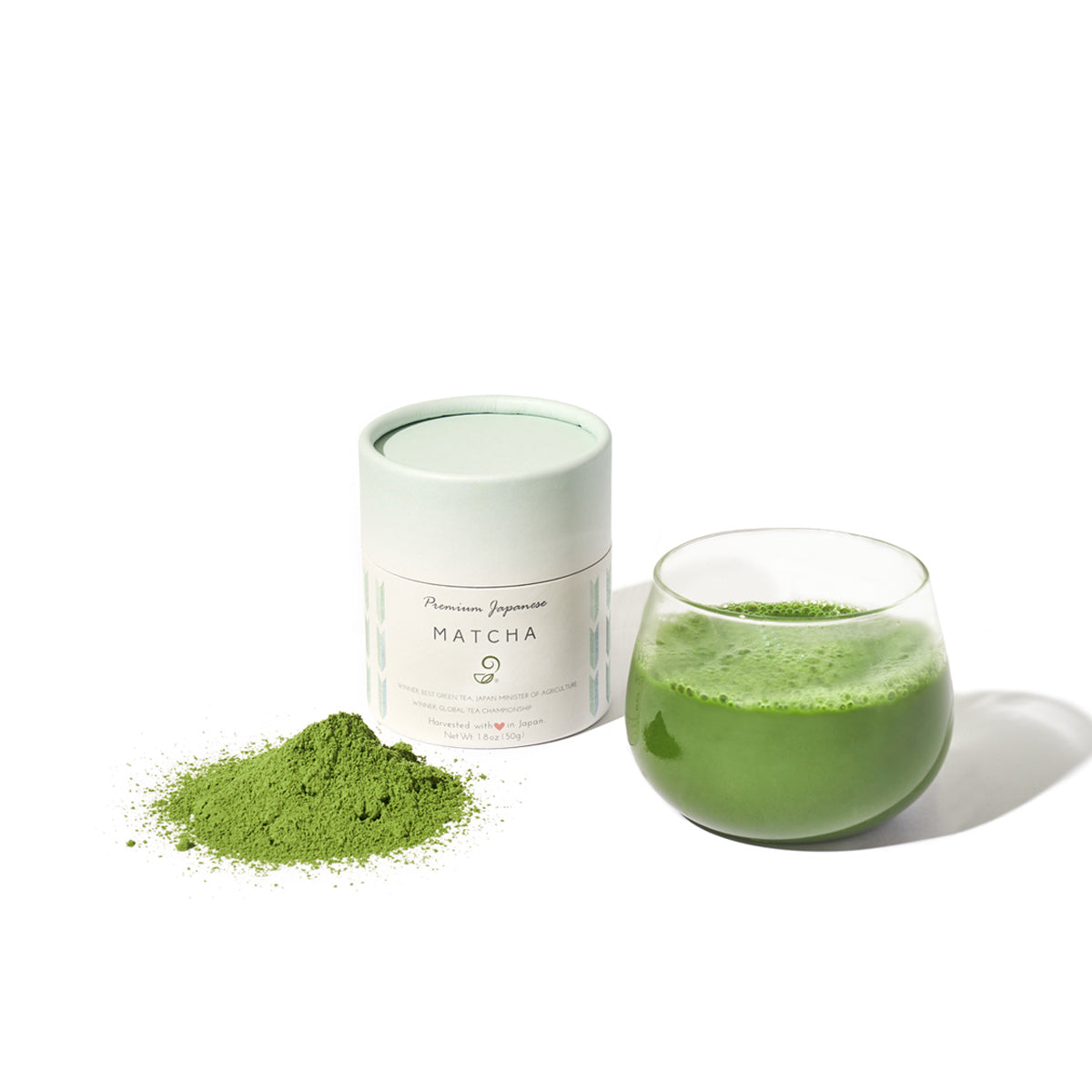
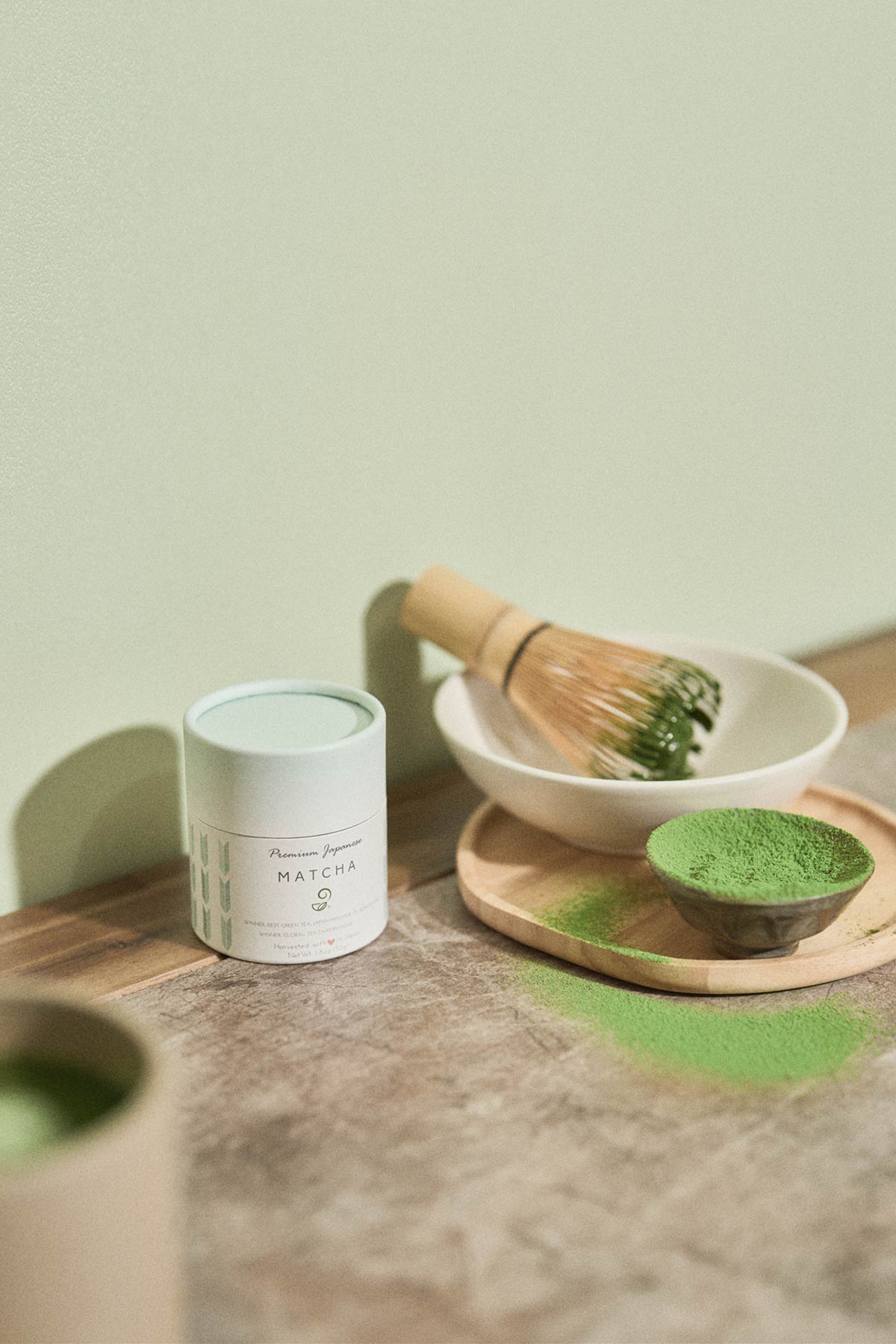
This ceremonial matcha is crafted from the finest Japanese green tea, grown in nutrient-rich soil enhanced with compostable grasses and sugarcane through the Chagusaba method, which gives the tea a natural sweetness and exceptional flavor. In collaboration with researchers from Shizuoka University, farmers ensure that the soil quality consistently produces tea of the highest standard.

Renowned among top Japanese chefs for its unmatched aroma, this matcha is made by carefully shading the plants before harvest to boost caffeine and amino acids, then meticulously drying, de-stemming, and grinding the leaves into a fine powder. Made from the Yabukita cultivar, this 1.8 oz (50g) matcha comes in a high-quality, air-tight paper tube canister, providing a luxurious and authentic Japanese tea experience.

42 reviews

Genmaicha - Green Tea with Roasted Brown Rice

$30.00
Quick view

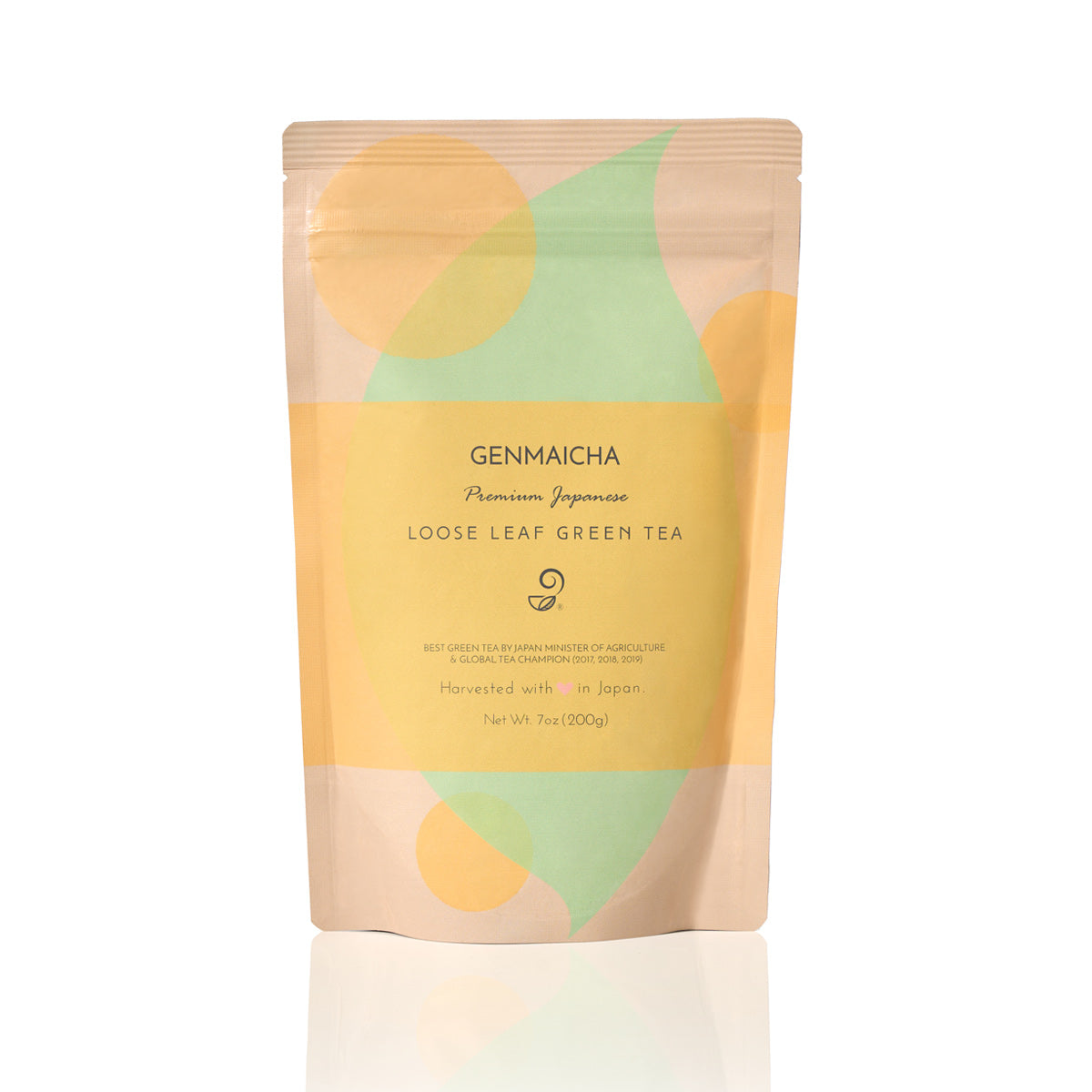
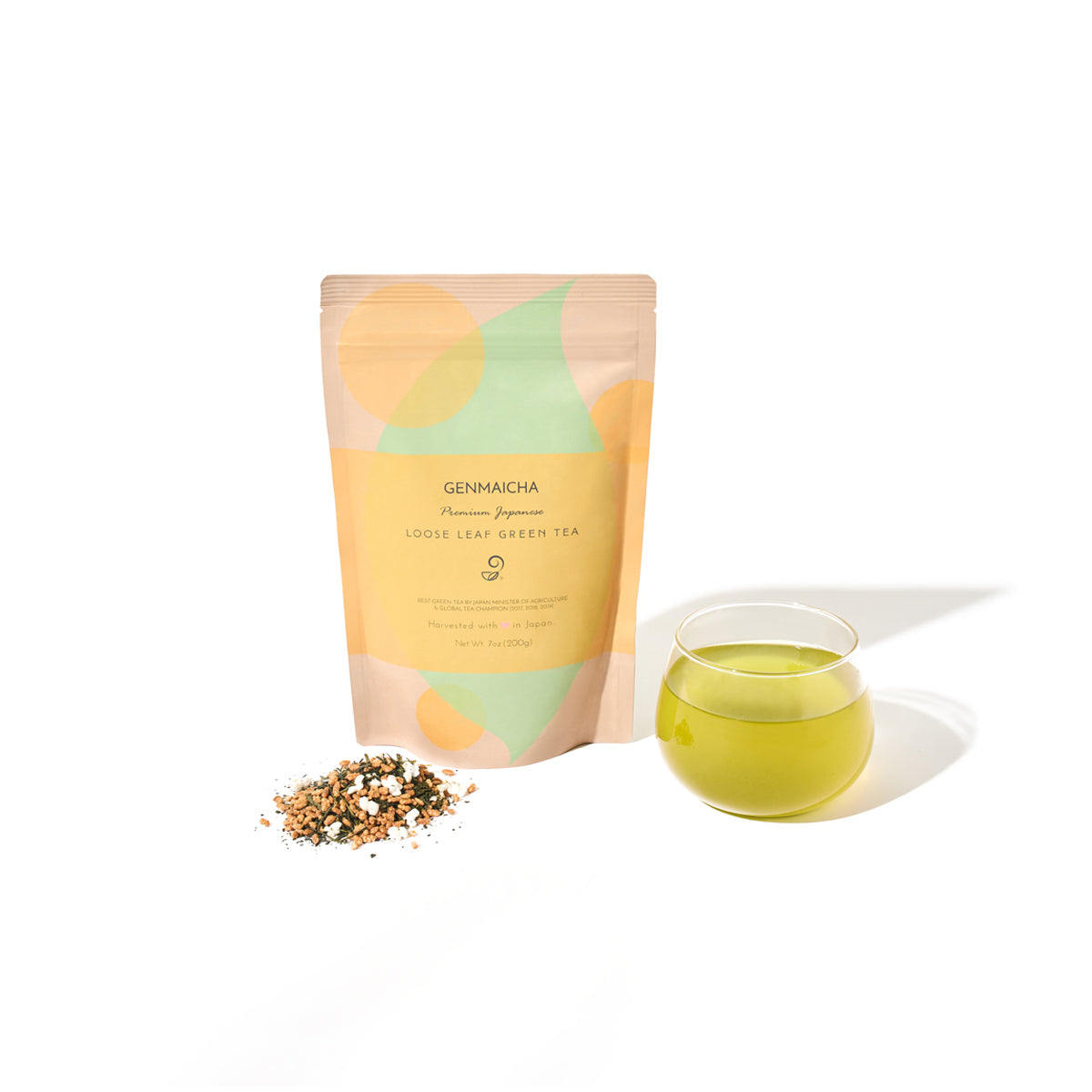
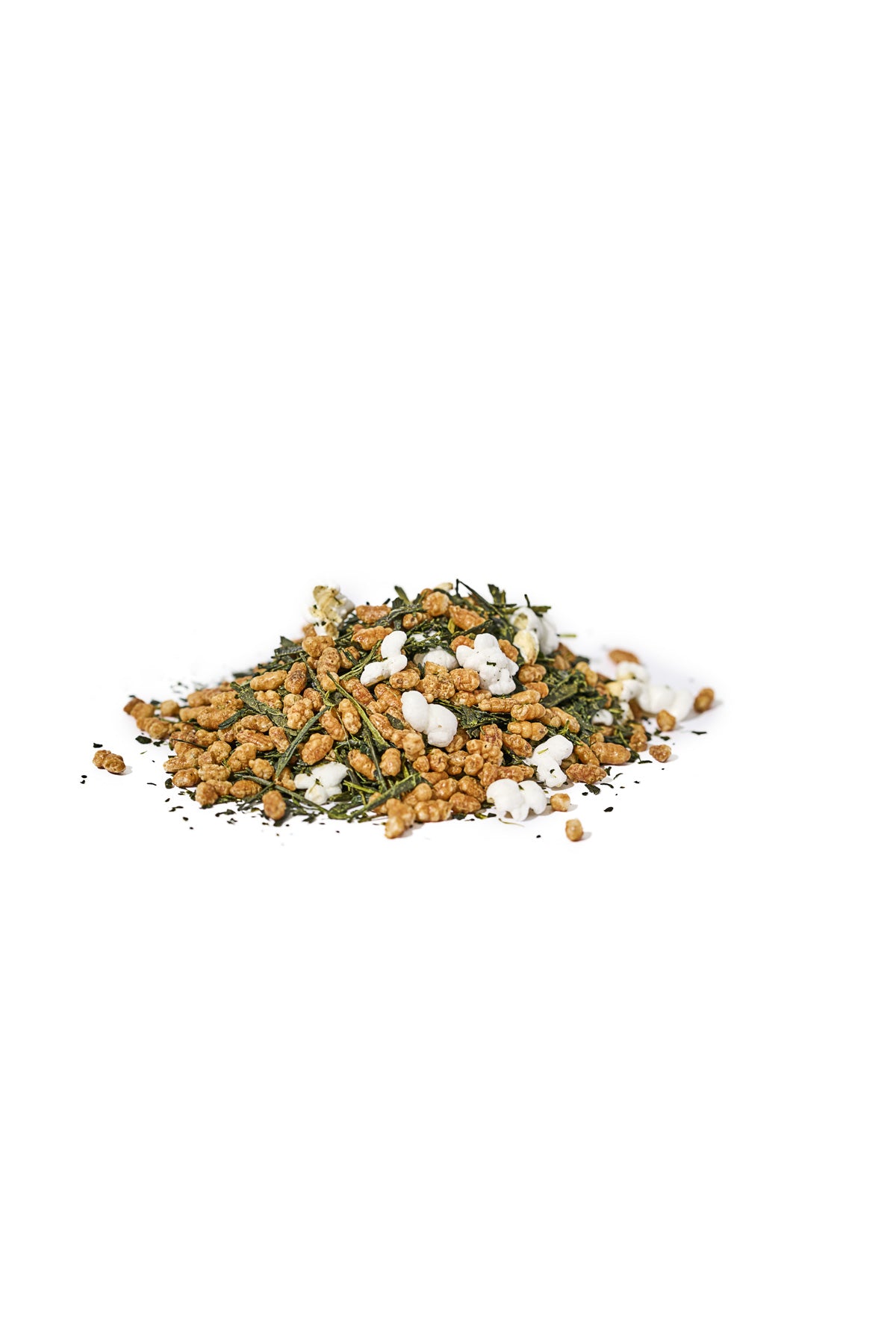
Our premium Japanese Genmaicha blends high-quality green tea with roasted popped brown rice (genmai 玄米), often nicknamed "popcorn tea" because the roasting process sounds like popcorn popping. Popular especially among the older generation in Japan for its mild flavor and lower caffeine content, this tea is easier on the stomach while still offering a rich, comforting taste. The brown rice used is premium Japanese mochi-gome (もち米) sticky rice, enhancing the tea’s nutty, aromatic profile. Made from Fukamushi Sencha and cultivated using the Chagusaba method in nutrient-rich sugarcane soil, this Genmaicha features the Yabukita cultivar and comes in a 7.0 oz (200g) eco-friendly resealable package, enough to steep 50–60 cups.


Related Articles You May Be Interested

How to Select Japanese Green Tea? - The Expert Advice
How to Select Japanese Green Tea?  - The Expert Advice
Chabana 茶花– Importance of Flower Arrangement (Ikebana) in Japanese Tea Ceremony
10 Things about Japanese Green Tea Harvesting You (Probably) Didn't Know
Oregano Tea Benefits and Some Healthy Tea Snacks
The History of Japanese Green Tea

Get Free Bonus Books

Join Green Tea Club

Sign up for free to the Green Tea Club to get advice and exclusive articles about how to choose Japanese Tea, and tips, tricks, and recipes for enjoying Japanese tea.

Unsubscribe anytime. It’s free!

About the author

Kei Nishida

Kei Nishida

Author, CEO Dream of Japan

info@japanesegreenteain.com

Certification: PMP, BS in Computer Science

Education: Western Washington University

Kei Nishida is a passionate Japanese green tea connoisseur, writer, and the founder and CEO of Japanese Green Tea Co., a Dream of Japan Company.

Driven by a deep desire to share the rich flavors of his homeland, he established the only company that sources premium tea grown in nutrient-rich sugarcane soil—earning multiple Global Tea Champion awards.

Expanding his mission of introducing Japan’s finest to the world, Kei pioneered the launch of the first-ever Sumiyaki charcoal-roasted coffee through Japanese Coffee Co. He also brought the artistry of traditional Japanese craftsmanship to the global market by making katana-style handmade knives—crafted by a renowned katana maker—available outside Japan for the first time through Japanese Knife Co.

Kei’s journey continues as he uncovers and shares Japan’s hidden treasures with the world.

Learn more about Kei Nishida

Related Posts

Our Matcha Is Now at Pillow Talk Cafe in Pasadena — Master Japanese-Inspired Cake Makers

Our matcha is now at Pillow Talk Cafe Pasadena! Meet the cafe, try the Egg Heaven sando & Matchamisu, and see how th

Read More
Simply Donabe — New Cookbook from TOIRO's Naoko-san Is Out!

Simply Donabe is here! We celebrated TOIRO's Naoko-san's new cookbook at a special dinner at Camélia in DTLA — see our p

Read More
Introducing New Product - Meet Hojicha Powder
Introducing A New Product - Meet Hojicha Powder

Discover the game-changing Hojicha powder your kitchen has been waiting for — richer flavor, easier recipes, and surpris

Read More
Leave a comment

Your email address will not be published..

Cart

Your cart is currently empty.

Start Shopping

Select options