

Green tea tastes great, especially when you try a sample of it at grocery stores and tea festivals. When you got home and brewed your tea, the result was a bitter green tea or just a drinkable tea that lacked flavor. Cheer up! You just did not know how to brew green tea, right? One important thing to remember is that green tea is much more delicate than other types of tea, which means small mistakes can greatly affect its taste. Factors like water temperature, steeping time, and even the quality of the leaves all play a crucial role in the final flavor. Unlike black tea, green tea requires a more gentle approach to bring out its natural sweetness and fresh aroma. Once you understand these basics, you’ll notice a big difference in both taste and overall experience.
Please don't give up on tasting good green tea, and let's learn how to make it right by discussing the following mistakes:
1. Not using leaves and just buying green tea leaves in the grocery
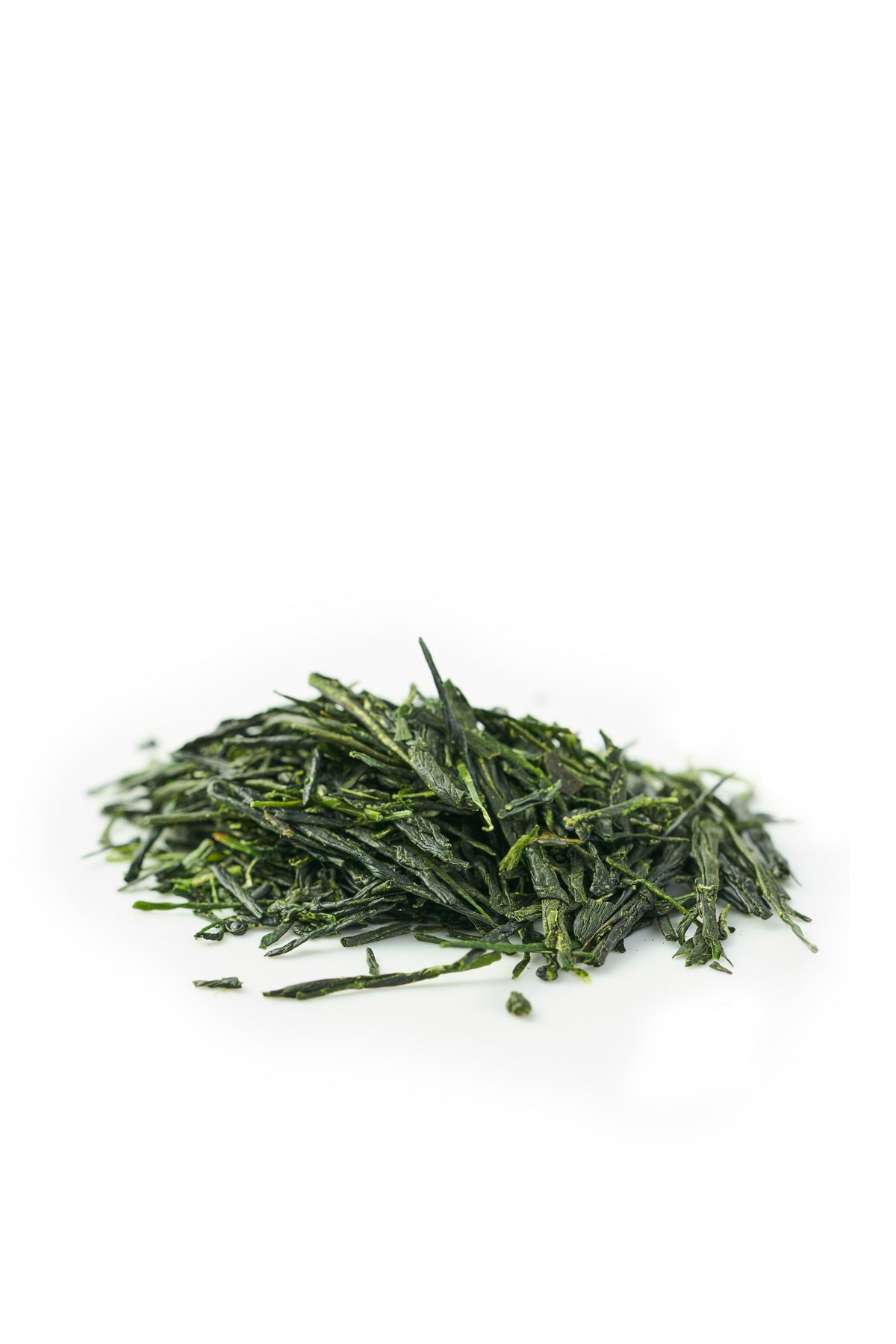
Green tea bags and powders are convenient, but it is better to use green tea leaves to reap the most of the benefits of green tea. It does not mean that you can just grab green tea leaves at the grocery store. You must look for quality because some leaves were inconsistent in shape and color. A greener or drier tea does not mean a high-quality tea. Look for color and shape consistencies and the rolled leaves' texture to see how well these were packed. Don’t just be fooled by beautiful packaging. Bright green or very green leaves do not mean fresh green tea.
Another useful tip is to check the aroma of the tea leaves before buying, if possible. Fresh, high-quality green tea should have a light, clean, and slightly grassy or vegetal scent. If the leaves smell stale, overly dry, or have no aroma at all, it may indicate poor quality or old stock. You can also look for information about the origin and harvest date on the packaging, as reputable brands often provide these details to reflect freshness and authenticity.
2. Buying bulk for your consumption
Besides taking note of the expiration date, buy green tea leaves that can last you up to 3 months because buying too many stocks will make the leaves too old for steeping. It is not true that storing green tea for many years will make an aged and better-tasting tea. The freshest tea is the one with proper storage, and it won't take too long for the leaves to be made into tea.
It’s also important to pay attention to how you store your tea after purchase. Even within those 2–3 months, exposure to air, heat, moisture, and light can quickly reduce the quality of the leaves. Keeping your tea in a cool, dark place in an airtight container will help preserve its freshness and flavor for longer. Buying smaller quantities more frequently ensures that you always enjoy green tea at its best.
3. Using distilled water and mineral water
Water should taste good, whether it is soft tap water, spring water, or bottled water. You may use bottled water except for mineral and distilled water. Distilled water makes boiled or hot water with tea taste metallic or dull, while hard water has more mineral particles, making your drink taste flat. It also wreaks havoc on the green tea leaves while brewing.

If you don't have soft tap water, use filtered water or get a good water filter system. Note: To be sure, taste the water first before using it to make a green tea drink. The water to be used must not be acidic or alkalized.
Another factor to consider is the temperature and freshness of the water itself. Always use freshly drawn water rather than water that has been previously boiled, as reheated water loses oxygen, which can affect the taste of your tea. Oxygen-rich water helps bring out the natural flavors and aroma of green tea. Using clean, fresh water each time you brew will noticeably improve the overall quality of your cup.
4. Using boiling water
Hot water at boiling point will make green tea lose its flavor because the water will burn or cook the leaves. Boil water and let it sit for a few minutes before using it to brew green tea. When using a stove and kettle, remember how low or high the flame is. Remember the minutes, so If the tea tastes good, that’s the waiting time. An electric kettle with temperature control or a kettle with a thermometer is a better option.
Different types of green tea may also require slightly different temperatures for the best results. For example, delicate Japanese green teas like sencha or gyokuro taste better at lower temperatures, while some Chinese green teas can handle slightly hotter water. If you’re unsure, start with cooler water and adjust gradually. This approach helps prevent bitterness and allows you to discover the ideal brewing temperature for your specific tea.
5. Rushing the tea brewing process. Tea drinking is supposedly a time to calm and relax.
Small green tea leaves will brew more quickly than large ones, and you can see after 1 minute if green tea tastes good. If not, just wait for another 30 minutes and taste it again. In the case of a caffeine energy boost, you can steep the green tea for 3 to 5 minutes; steeping it longer than 5 minutes will not make an energy-boosting green tea. Steeping it too long will result in a bitter taste, which will be toxic for you instead of refreshing. For good-quality green tea, you can re-steep these 2-3 times.
Here’s a fix. If you overbrew your tea, just make it into iced tea or milk tea. You may add honey, lemon, or lime when the tea is warm but not too hot. It’s also helpful to pay attention to how the flavor changes with each steep. The first infusion is usually light and delicate, while later infusions can bring out deeper and slightly stronger notes. Instead of rushing, take small sips and observe the taste as it develops. This not only improves your brewing skills but also turns tea drinking into a more relaxing and enjoyable experience.
6. Using Ball Infuser Type
Leaves can become larger in size when steeping, and using a wider or larger filter or infuser is better than using a ball-type infuser. Don't you have an infuser? You can pour the water directly on the leaves inside the teapot or glass pitcher and strain the leaves when drinking this in a cup. For beginners, it is great to use a mug with an infuser. Using a cramped infuser can limit how much the leaves expand, which directly affects flavor extraction. When tea leaves have enough space, they unfurl fully and release their natural oils, aroma, and taste more effectively. If possible, choose an infuser that allows the leaves to move freely in the water, as this will give you a richer and more balanced cup of green tea.
7. Use a teapot for green tea only
Washing the teapot will remove the residue, but the tea smell still lingers there. Having steeped too many teas or juices in the teapot will surely ruin your tasting experience with green tea, unless you just want to drink green tea with several flavors in one.
Over time, teapots can absorb flavors and aromas from previously brewed drinks, especially strong teas or flavored beverages. These lingering notes can interfere with the delicate taste of green tea. If you regularly drink different types of tea, consider using separate teapots or thoroughly cleaning them with mild, unscented methods. This helps ensure that each cup of green tea maintains its pure and natural flavor.

8. Do not put less than one teaspoon
For best extraction of green tea flavor, use around one teaspoon of tea leaves; you may add more if, after one and a half minutes, the taste is still bland to you. When the taste is too strong, you can use fewer leaves the next time you drink.
The ideal amount of tea leaves can also depend on the type of green tea you are using. Some varieties have tightly rolled leaves, while others are more open and lightweight, which can affect how much you should use per cup. Instead of strictly measuring by volume every time, you can adjust based on taste and experience. Over time, you’ll find the perfect balance that suits your preference.
9. Using a wide-mouthed cup
Same with the teapot; there must be designated cups only for green tea use. If you notice, most green teacups have narrow mouths. A wide-mouthed cup will turn almost all your tea drink cold quickly, unlike in narrow-mouthed teacups, where only the top will become a bit less warm so you can sip, and then the rest of the tea drink is still warm. The most common type of Japanese teacup, the one without handles, is called Yunomi. The other common types are Chawan and Matchawan.
The material of the cup also plays a role in your tea experience. Ceramic cups are commonly preferred because they retain heat well and do not affect the flavor of the tea. Thin glass cups, while visually appealing, tend to lose heat more quickly. Choosing the right cup in both shape and material can help maintain the ideal temperature and enhance the overall enjoyment of your green tea.
10. Using a non-airproof container for storage and keeping it in a bright-lighted room
Tea leaves will lose their freshness in a short time if you just roll the packaging or transfer it to a plastic bag. Store green tea in an airtight container and place it in a dark place because light will eat away its abundant chlorophyll, making green tea taste metallic.
Drinking green tea is enjoyable and a great way to relax. Whether you are alone or having a chat, a good-tasting tea will make your body feel rejuvenated. Enjoy your drink. We hope you can improve your tea brewing skills, and making several mistakes won't stop you from being a green tea lover.
In addition to light and air, moisture and strong odors can also affect the quality of green tea. Avoid storing tea near spices, coffee, or any strongly scented items, as tea leaves can easily absorb surrounding smells. Keeping your tea in a cool, dry place—away from heat sources like stoves or direct sunlight—will help preserve its natural aroma and flavor for a longer time.
Conclusion
Brewing the perfect cup of green tea doesn’t have to be complicated—it simply requires attention to a few key details. By avoiding these common mistakes, such as using the wrong water temperature, over-steeping, or storing tea improperly, you can greatly improve both the flavor and overall experience. Green tea is meant to be smooth, refreshing, and relaxing, so take your time to experiment and find what works best for you. With the right approach, every cup can become a moment of calm and enjoyment.
Related products
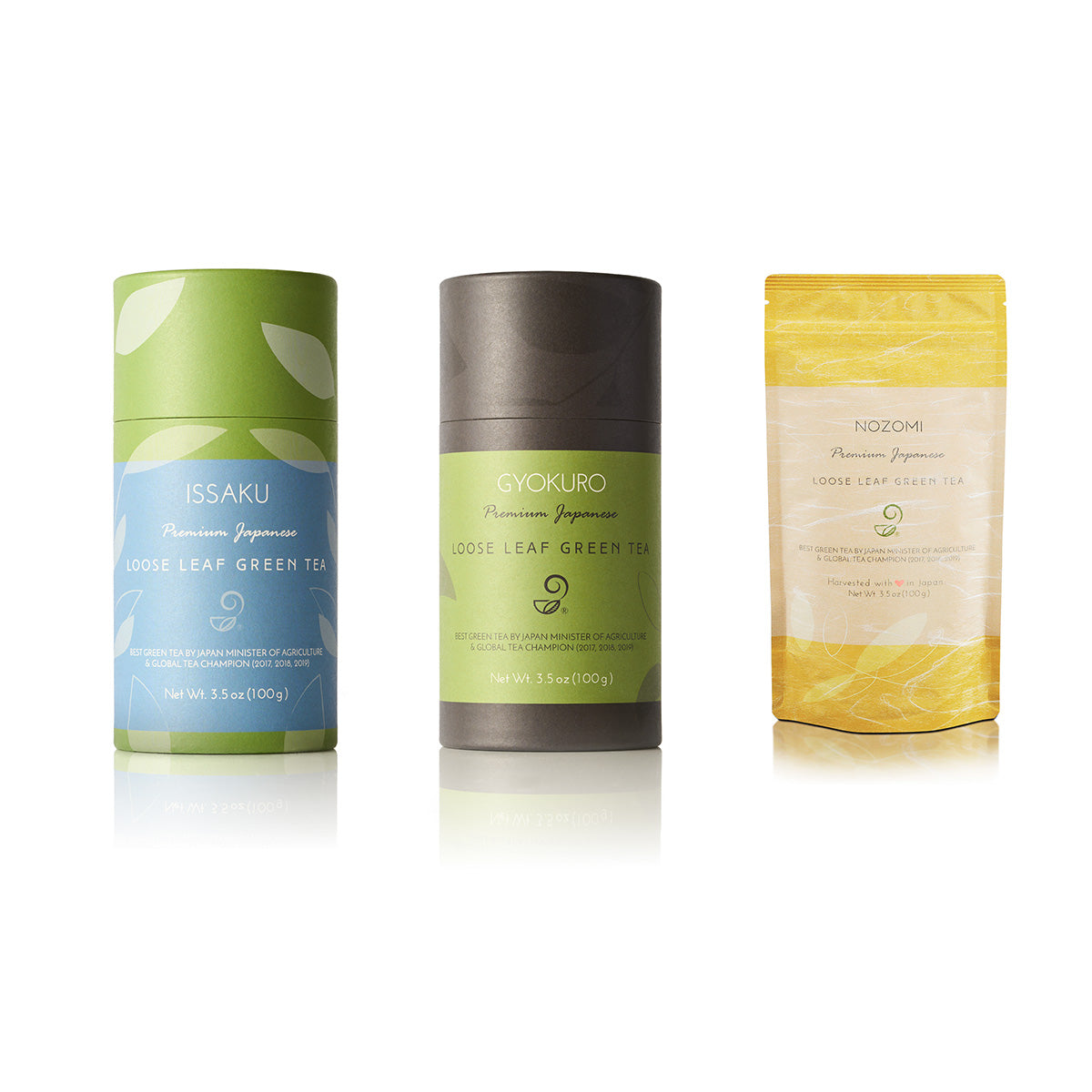
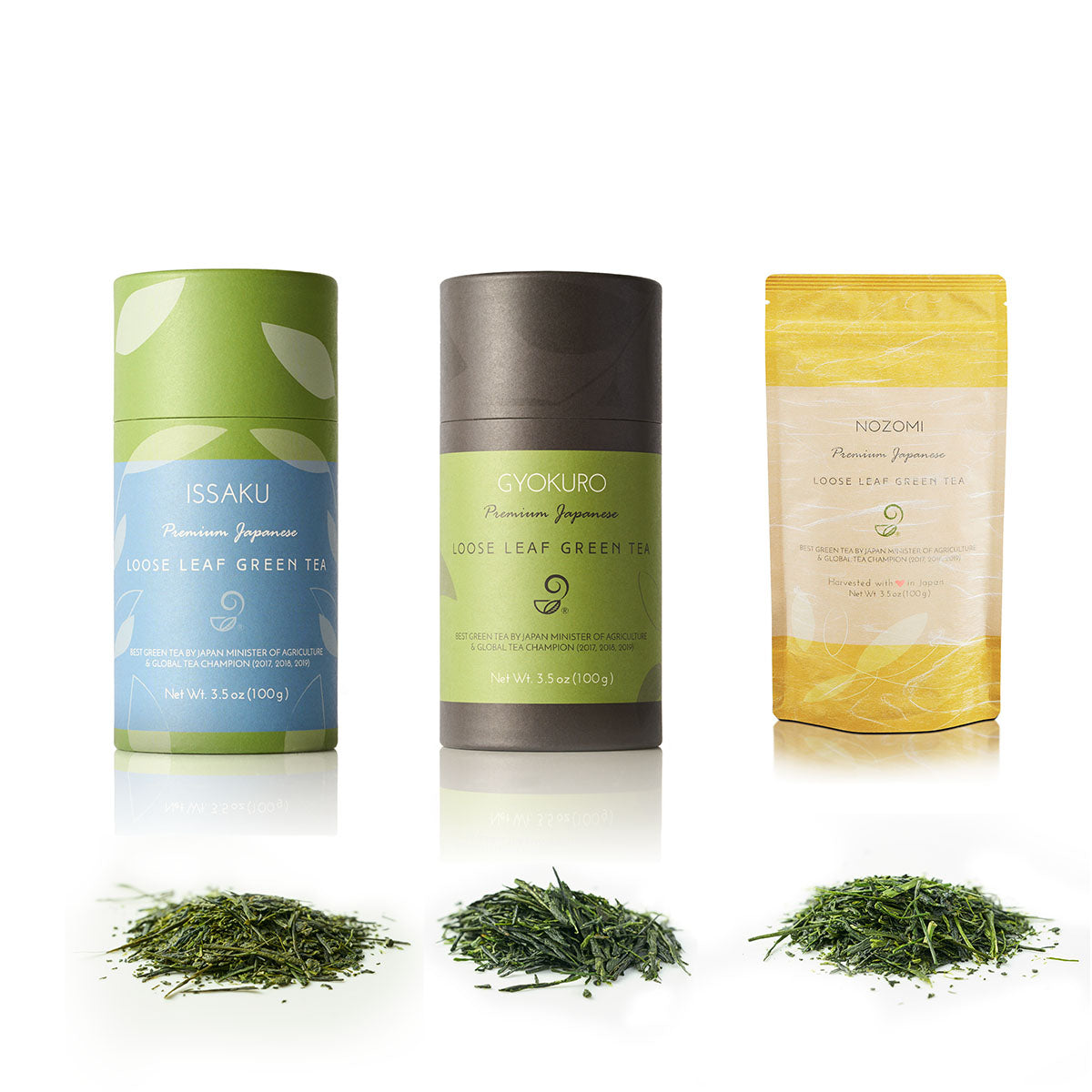
8 reviews
$179.00
$159.99
/
Quick view
The Sencha Lover Gift Set - Premium Japanese Green Tea Set Package




Get Free Bonus Books

Sign up for free to the Green Tea Club to get advice and exclusive articles about how to choose Japanese Tea, and tips, tricks, and recipes for enjoying Japanese tea.
About the author

Kei Nishida
Author, CEO Dream of Japan
Certification: PMP, BS in Computer Science
Education: Western Washington University


