Skip to content

A Tea-Lover's Journey Through Japan: Exploring Traditional Tea Culture

Embark on a captivating journey through Japan, a nation where tea is not just a beverage but an integral part of its cultural fabric. Japan offers a unique tea experience that combines tradition, artistry, and serene landscapes, making it a must-visit for any tea enthusiast. From the lush green tea fields of Shizuoka to the tranquil tea houses of Kyoto, each destination in Japan presents an opportunity to immerse yourself in its rich tea culture.

As you explore, you'll visit renowned locations like Shizuoka, known for producing some of Japan's finest green teas. Here, the landscape offers stunning views and a unique insight into the cultivation and production processes that make Japanese tea so distinctive. This journey allows you to engage with local artisans and understand the significance of tea ceremonies, a ritual that holds great importance in Japanese society.

In bustling Tokyo, contemporary tea shops offer modern takes on traditional favorites. Whether you're savoring frothy matcha or enjoying a delicate sencha, the diversity of flavors and preparation methods available in Japan is bound to enrich your appreciation for tea. Discover how Japan seamlessly blends old with new, revealing the evolving nature of tea culture in this fascinating country.

Exploring the Roots of Japanese Tea

Japanese tea boasts a rich cultural heritage, deeply intertwined with the country's traditions and geography. Key features of the Japanese tea ceremony emphasize harmony and tranquility, while regions like Uji, Shizuoka, and Kagoshima offer distinct flavors and methods.

Distinctive Features of Japanese Tea Ceremony

The Japanese tea ceremony, known as "Chado" or "The Way of Tea," is a cultural ritual that transcends simple tea preparation. It focuses on harmony, respect, purity, and tranquility. Central to the ceremony is the preparation and consumption of matcha, a finely powdered green tea.

Each step in the ceremony is deliberate, from whisking the tea to serving it in handcrafted bowls. The environment, usually a teahouse or a carefully designed room, contributes to the overall experience, encouraging mindfulness and reflection.

The ceremony's aesthetic values, coupled with a focus on the spiritual and social connection, provide a unique glimpse into Japanese culture. It draws on centuries-old Zen Buddhist principles, making each gathering intimate and meaningful.

Regional Specialties: Uji, Shizuoka, and Kagoshima

Japan's regional tea varieties are renowned for their unique flavors and cultivation methods. Uji, near Kyoto, is famous for its high-quality matcha and sencha. The area's climate and rich soil contribute to its distinctive taste and vibrant green color, making Uji tea highly sought after.

In Shizuoka, tea has been cultivated for centuries and accounts for a significant portion of Japan’s tea production. The region is known for its diverse varieties, including sencha, matcha, and hojicha, each offering a unique flavor profile. The landscape, with its mountainous terrain, provides ideal conditions for growing tea.

Further south, Kagoshima's warm climate and volcanic soil produce robust and aromatic tea varieties. This region specializes in deep-steamed teas, resulting in a rich taste and a strikingly dark color. Each region offers a distinct flavor, reflecting the local climate and cultivation techniques, making a tea-tasting journey through Japan a truly unique experience.

Traveling to Japan for Tea Enthusiasts

Japan's rich tea culture offers an immersive experience for enthusiasts; an Asia cruise will make your senses come alive. Explore Kyoto's serene tea gardens, engage with tea masters, and visit regions renowned for their distinctive green teas, like Shizuoka. Savor diverse flavors, from traditional ceremonies to modern cafes blending classic and contemporary styles.

Planning Your Tea Journey

Start by choosing the right seasons. Spring and autumn provide mild weather and stunning landscapes, enhancing your visit. Plan your itinerary to cover regions like Kyoto and Shizuoka. Each destination offers unique tea experiences, catering to different preferences. Prioritize experiences such as tea plantation tours or traditional ceremonies.

Book your accommodations early, especially in popular spots like Kyoto. Look for ryokans, traditional inns where you can experience authentic Japanese culture.

Must-Visit Tea Shops and Cafes

Kyoto boasts some of Japan's most revered tea houses. Kyoto's tea gardens provide a peaceful escape and opportunity to enjoy freshly brewed tea. Oahu's serene tea rooms offer a calm respite.

Tokyo blends modernity with tradition, featuring cafes like Choui Matcha, where matcha is the star. Enjoy carefully crafted teas and regional specialties in Tokyo's bustling tea scene.

Tea Plantation Tours

Explore Shizuoka, known for producing much of Japan's green tea. The lush tea plantations of Shizuoka are a sight to behold, offering guided tours that teach you about the tea-making process.

Uji, near Kyoto, is another must-visit, famous for its premium matcha. Many plantations here offer interactive experiences, allowing you to pick tea leaves and witness the preparation firsthand.

Participating in a Tea Ceremony

Experience the meticulous traditions of a Japanese tea ceremony. In Kyoto, visit places like the Tea Ceremony House, a recreation designed in the style of Kobori Enshu, a notable tea master from the Edo Period. Witnessing a ceremony in these settings is a profound cultural immersion.

In several cities, you can book workshops where tea masters guide you through every step, allowing you to understand and appreciate the ritual deeply. Such participation offers a glimpse into Japan's spiritual connection with tea.

FAQs about a Tea-Lover Trip Through Japan

What's the best region in Japan for a tea-focused trip?
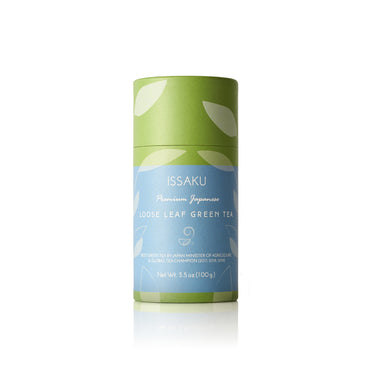
Shizuoka and Uji are the two essentials. Shizuoka produces about 40% of all Japanese tea — rolling hills with Mount Fuji in the distance, generations of tea farms, the heart of where most Japanese sencha (煎茶) comes from. Our Issaku Reserve comes from a single farm in this region, so a Shizuoka trip is basically a visit to where Yabukita-cultivar Japanese tea was perfected.

Uji (宇治), just south of Kyoto, is where matcha was first popularized in Japan and where the highest-end ceremonial matcha still comes from. The historic stone-grinding workshops are still operating; some have been continuously milling matcha for 400+ years. The town itself is small and walkable — easy to do as a day trip from Kyoto.

If you have a third stop, Kagoshima (in southern Kyushu) is the matcha-growing region that's been overtaking older areas in recent decades — high-tech farming, deep umami flavors, and beautiful southern Japanese landscape. The further from Tokyo you go, the more you see of how Japanese tea actually gets made.

Can a non-Japanese-speaking visitor book tea farm tours and ceremony experiences?

Yes, it's much easier than it used to be. Most major tea regions (Uji, Shizuoka, Kagoshima) now have English-language tour operators specifically catering to international tea tourism. Look for 'tea tourism' or 'cha tourism' Japan operators online — they'll handle farm visits, ceremony bookings, and hotel coordination as a package.

For tea ceremony specifically: Urasenke and Omotesenke (the two largest tea ceremony schools) both have English-language demonstration sessions in Kyoto, Tokyo, and a few other major cities. These are public-friendly versions of real ceremony — long enough to feel meaningful, short enough that beginners stay engaged. Reservations usually open 1-2 weeks ahead.

Independent farm visits (just walking up to a tea farm) are tough without Japanese — most farms aren't tourism-oriented and language is a real barrier. Go through a tour operator, or stay in a small ryokan in tea country and ask the host to coordinate. Hosts are almost always willing.

What's the right time of year to visit Japanese tea regions?

Late April through May is the most exciting — that's shincha (新茶, new tea) season, when the first flush of the year is being harvested. Tea farms are busy, the bushes are bright green with new growth, and the air actually smells different (the surrounding hillsides smell like fresh tea). It's also when the highest-quality leaves of the year are being picked.

June through August is hot and humid in tea country (especially southern regions like Kagoshima), but it's when summer harvests happen and when the fields are at their most lush. Less photogenic than spring but you get to see ongoing farm work.

November is also worth knowing about — that's when the cha-tsubo-kuchikiri (茶壺の口切) ceremony happens at major tea schools. The fresh year's tea jar is opened and the new tea is officially served for the first time. It's one of the most important dates on the Japanese tea calendar.

What tea should I bring back as a souvenir from Japan?
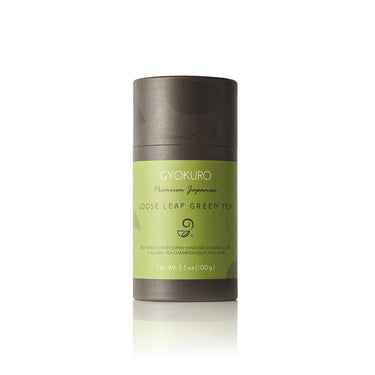
Single-origin sencha or gyokuro from a small named farm is the most distinctive souvenir — something that's hard to source outside Japan and represents the regional terroir. Our Gyokuro Imperial is the type of tea worth bringing back if you can find a similar farm-direct version while you're there.

Skip mass-market cans and bottles — those exist on every supermarket shelf in Japan and aren't a meaningful gift. Look for tea sold in vacuum-sealed pouches or proper tin canisters from named farms. The smaller and more specific the producer, the better. Top-tier ceremonial matcha from Uji is also a strong souvenir — small tin, high impact, will outlast any other tea gift you bring back.

One practical note: tea is shelf-stable but oxidizes once opened. Don't open the bag to 'sample' it on the trip back — it'll be stale by the time you serve it to friends. Keep packages sealed until you're ready to drink at home.

Can you really taste a difference between Shizuoka and Uji teas, or is it marketing?
Real difference. The two regions specialize in different processes and produce noticeably different cups. Shizuoka is mostly sun-grown sencha with crisp, vegetal, slightly grassy notes — the textbook Japanese green tea profile. Uji is famous for shaded matcha and gyokuro with deeper umami, more sweetness, and a creamier mouth-feel. Side-by-side, even casual drinkers can usually tell them apart after a couple of minutes.

There's also Kagoshima's profile (in the south) — typically deeper, more umami-rich, and slightly heavier than Shizuoka teas, partly because of the volcanic soil and partly because of different cultivars (Saemidori is more common there). Each prefecture has developed local cultivars optimized for the local climate, which compounds the regional variation.

If you want to taste this for yourself before committing to a Japan trip, our Sencha Lover Gift Set includes premium teas from different farms — the easiest at-home version of the regional tasting you'd do in person.

Related products

8 reviews

The Sencha Lover Gift Set - Premium Japanese Green Tea Set Package
$179.00 $159.99
Quick view

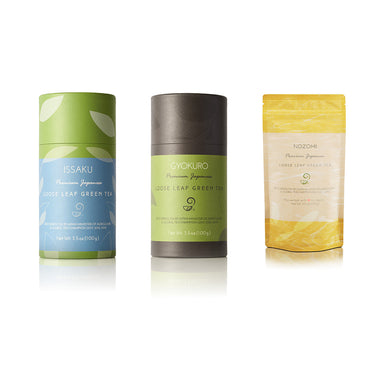
This tea set features three exceptional Japanese green teas, each crafted with care and traditional techniques. Issaku Reserve, a Global Tea Champion winner in 2017 and 2019, is a rare masterpiece created by Farm Master Mr. Arahata at Arahataen Green Tea Farm. Handpicked once a year from the first flush and processed with advanced methods, Issaku represents the highest-grade deep-steamed green tea, available only in limited quantities even in Japan.

The set also includes Gyokuro, a premium shaded green tea known for its rich, sweet flavor and deep mossy green color. Grown under special mats for 20 days to increase caffeine and amino acid levels, Gyokuro offers a layered, smooth taste unlike any other. Completing the collection is Nozomi, a fine Kabuse-cha, or "Covered Green Tea," carefully grown under nets to gently shade the leaves just before new sprouts emerge, resulting in a soft, rich, and refined flavor profile.

97 reviews

Gyokuro - Shaded Imperial Premium Green Tea

$65.00
Quick view

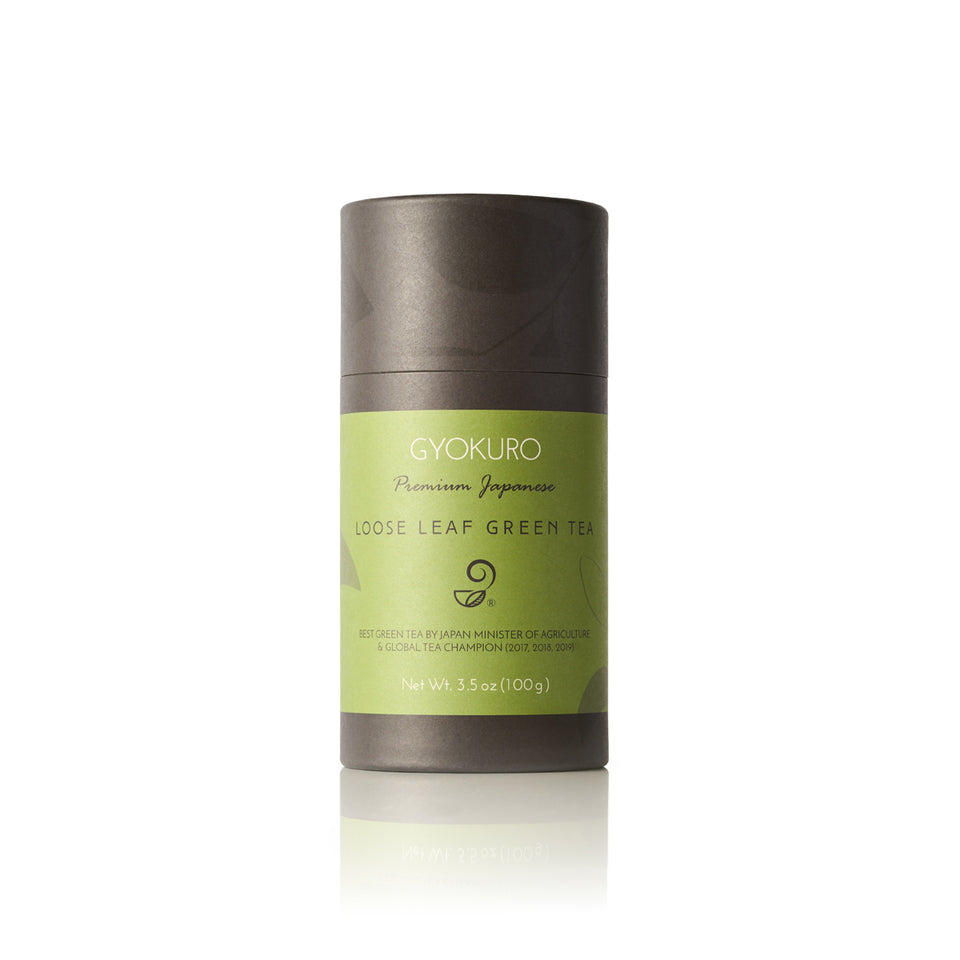
Gyokuro, also known as "jade dew" or "jewel dew tea," is a premium Japanese green tea shaded from the sun for 20 days using specially made mats, a method that boosts caffeine levels and strengthens amino acids to create a sweeter, richer flavor. This extended shading process results in dark, mossy green leaves with an unmistakable aroma and a complex taste that is layered yet balanced. Cultivated by the Chagusaba method in nutrient-rich sugarcane soil and made from the Yabukita cultivar, this loose-leaf authentic Gyokuro is offered in a high-quality, air-tight paper tube canister (chyazutsu) to preserve its exceptional freshness and flavor. Each 3.5 oz (100g) full-size package steeps 30–40 cups, and a convenient single-serve sample is also available.

45 reviews

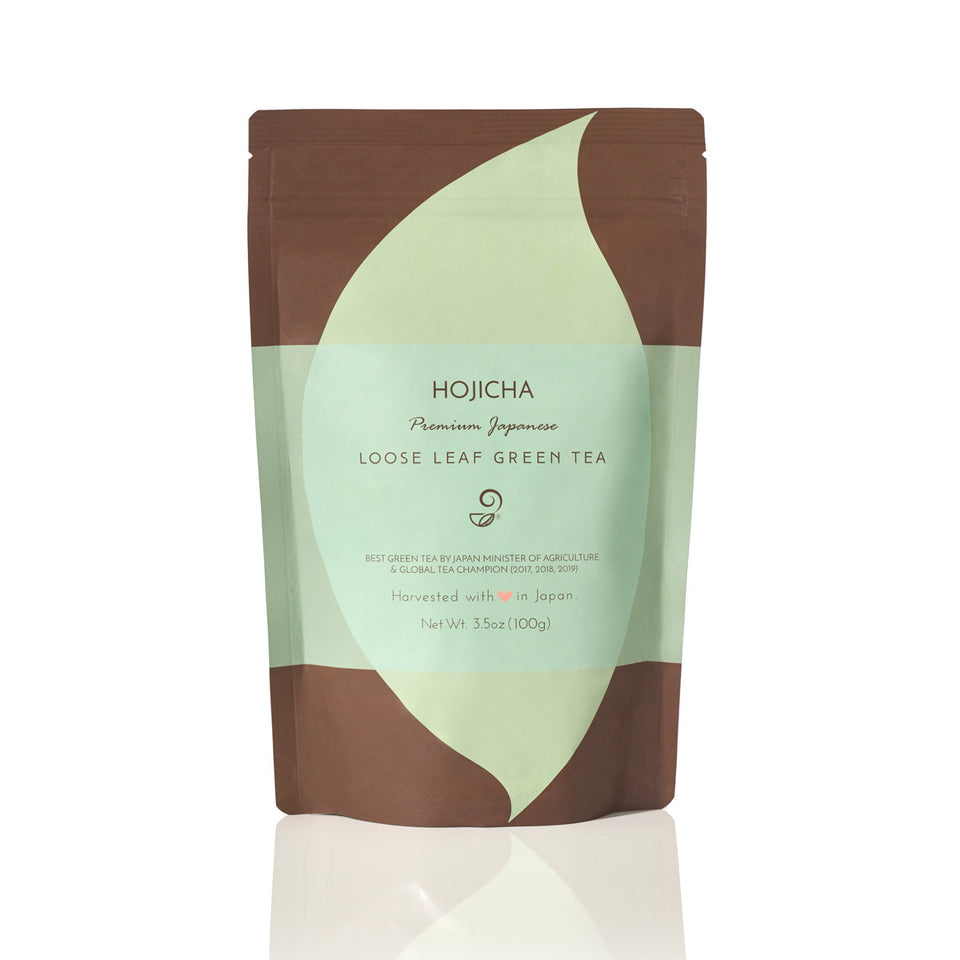
Hojicha - Roasted Green Tea

$25.00
Quick view

Our roasted green tea, known as hojicha (ほうじ茶), is crafted from freshly harvested premium green tea carefully roasted in porcelain over charcoal to maximize flavor while retaining more catechins than typical hojicha on the market. With lower caffeine and a smoother, less bitter taste compared to steamed green tea, it is an ideal choice for evening relaxation and is gentle enough for kids and pregnant women. Cultivated using the Chagusaba method in nutrient-rich sugarcane soil, this loose-leaf authentic Japanese roasted green tea, made from the Yabukita cultivar, also pairs beautifully with oily foods. Each eco-friendly resealable package contains 3.5 oz (100g) of tea, enough to steep 30–40 comforting cups.

80 reviews

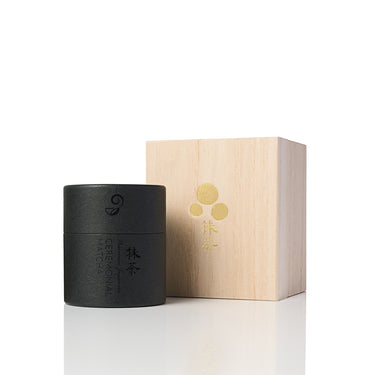
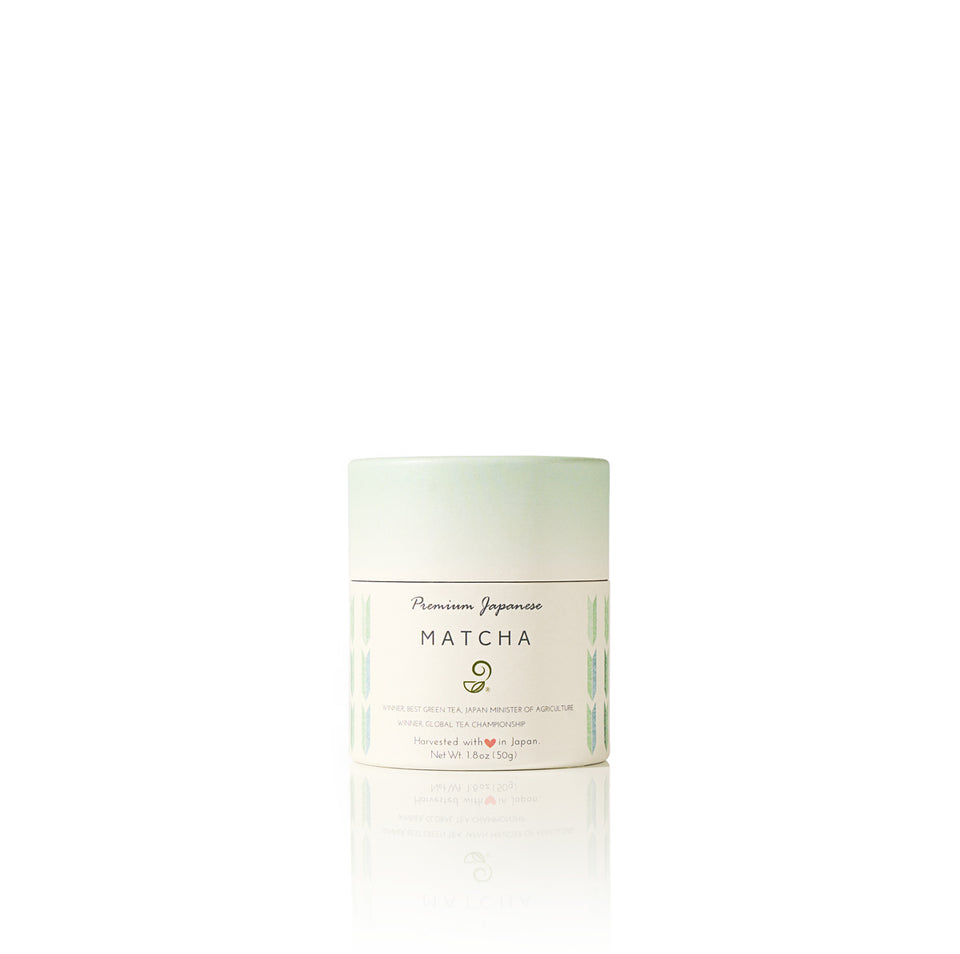
Matcha - Ceremonial Japanese Powdered Green Tea

$39.00
Quick view

This ceremonial matcha is crafted from the finest Japanese green tea, grown in nutrient-rich soil enhanced with compostable grasses and sugarcane through the Chagusaba method, which gives the tea a natural sweetness and exceptional flavor. In collaboration with researchers from Shizuoka University, farmers ensure that the soil quality consistently produces tea of the highest standard.

Renowned among top Japanese chefs for its unmatched aroma, this matcha is made by carefully shading the plants before harvest to boost caffeine and amino acids, then meticulously drying, de-stemming, and grinding the leaves into a fine powder. Made from the Yabukita cultivar, this 1.8 oz (50g) matcha comes in a high-quality, air-tight paper tube canister, providing a luxurious and authentic Japanese tea experience.

42 reviews

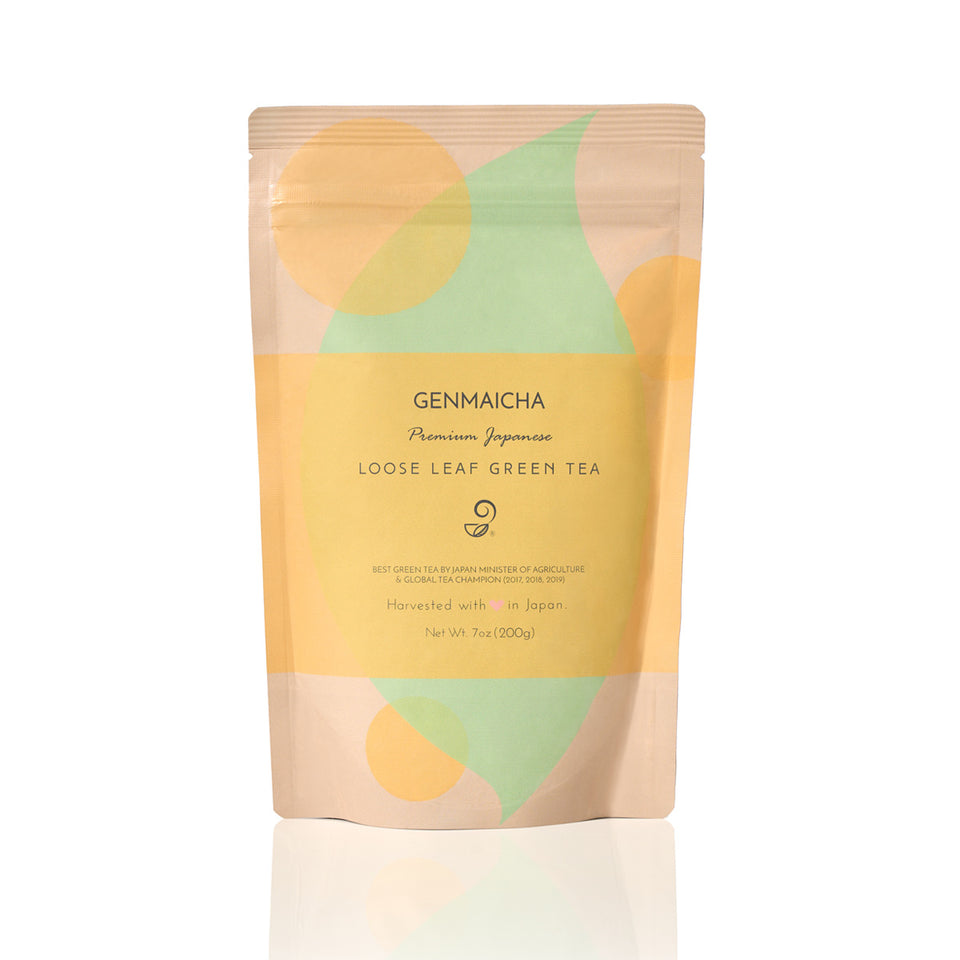
Genmaicha - Green Tea with Roasted Brown Rice

$30.00
Quick view

Our premium Japanese Genmaicha blends high-quality green tea with roasted popped brown rice (genmai 玄米), often nicknamed "popcorn tea" because the roasting process sounds like popcorn popping. Popular especially among the older generation in Japan for its mild flavor and lower caffeine content, this tea is easier on the stomach while still offering a rich, comforting taste. The brown rice used is premium Japanese mochi-gome (もち米) sticky rice, enhancing the tea’s nutty, aromatic profile. Made from Fukamushi Sencha and cultivated using the Chagusaba method in nutrient-rich sugarcane soil, this Genmaicha features the Yabukita cultivar and comes in a 7.0 oz (200g) eco-friendly resealable package, enough to steep 50–60 cups.


Related Articles You May Be Interested

Sen No Rikyu – The Tea Master that Changed Japanese Tea Culture Forever
Our Matcha Wins the Global Tea Champion 2025 and Video Recaps from the World Tea Expo 2025
Is Green Tea Addictive?
How Do You Make Matcha Tea At Home?
Japanese Green Tea vs Red Bull - 10 Battles You Don’t Want to Miss

Get Free Bonus Books

Join Green Tea Club

Sign up for free to the Green Tea Club to get advice and exclusive articles about how to choose Japanese Tea, and tips, tricks, and recipes for enjoying Japanese tea.

Unsubscribe anytime. It’s free!

About the author

Kei Nishida

Kei Nishida

Author, CEO Dream of Japan

info@japanesegreenteain.com

Certification: PMP, BS in Computer Science

Education: Western Washington University
Kei Nishida is a passionate Japanese green tea connoisseur, writer, and the founder and CEO of Japanese Green Tea Co., a Dream of Japan Company.

Driven by a deep desire to share the rich flavors of his homeland, he established the only company that sources premium tea grown in nutrient-rich sugarcane soil—earning multiple Global Tea Champion awards.

Expanding his mission of introducing Japan’s finest to the world, Kei pioneered the launch of the first-ever Sumiyaki charcoal-roasted coffee through Japanese Coffee Co. He also brought the artistry of traditional Japanese craftsmanship to the global market by making katana-style handmade knives—crafted by a renowned katana maker—available outside Japan for the first time through Japanese Knife Co.

Kei’s journey continues as he uncovers and shares Japan’s hidden treasures with the world.

Learn more about Kei Nishida

Related Posts

Super Mario and Japanese Green Tea

Super Mario and green tea share a hometown! Watch our Yoshi Matcha Cookies video recipe + discover how Nintendo and matc

Read More
Our Matcha Is Now at Pillow Talk Cafe in Pasadena — Master Japanese-Inspired Cake Makers

Our matcha is now at Pillow Talk Cafe Pasadena! Meet the cafe, try the Egg Heaven sando & Matchamisu, and see how th

Read More
Simply Donabe — New Cookbook from TOIRO's Naoko-san Is Out!

Simply Donabe is here! We celebrated TOIRO's Naoko-san's new cookbook at a special dinner at Camélia in DTLA — see our p

Read More
Leave a comment

Your email address will not be published..

Cart

Your cart is currently empty.

Start Shopping

Select options