Skip to content

4 Ways To Add Green Tea To Your Recipes


The world is waking up. More people than ever are waving goodbye to fast and processed foods in favor of natural and healthy products. Everyone is aware of the health benefits of fruits and vegetables, thanks in large part to our parents reminding us every single day throughout our childhood before allowing us to leave the table. “Eat your vegetables,” is a common saying in many households, but… “eat your tea”? Green tea to be specific. The saying might not catch on but the act of eating green tea, in addition to drinking it, is at an all-time high.

As more people turn to healthier lifestyles, green tea has evolved from a mere beverage to a versatile ingredient in the kitchen, with a growing range of culinary uses. From adding a health boost to baked goods to enhancing smoothies and desserts, it’s no longer just something to sip—it’s becoming an essential part of daily meals. This trend reflects a shift towards not just choosing healthier options but embracing them in creative, delicious ways.

Benefits of Green Tea

Many people classify green tea as a superfood because of its wide range of positive effects on the body, mind, and overall well-being. Studies show that green tea can increase your metabolism, which in turn elevates the body’s ability to burn fat. In fact, green tea is the active ingredient in a variety of weight loss supplements. It’s also an excellent source of antioxidants, which is generally agreed to reduce the risk of cancer and even slow the growth of existing tumors. Other benefits, with varying degrees of effectiveness across many studies, include increased brain function, healthier skin, lower risk of heart disease, and even reduced stress.

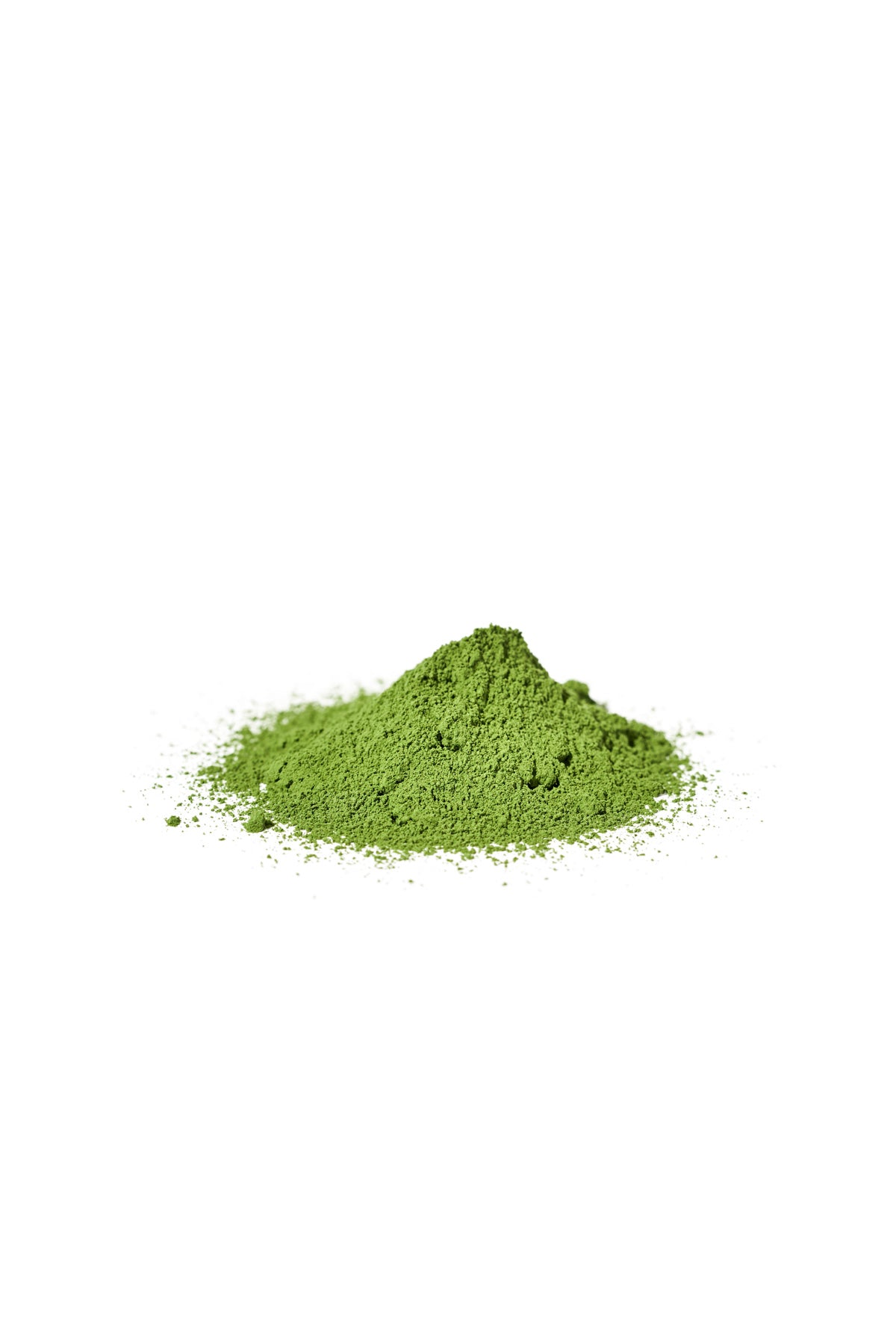
Wouldn’t it be great if we could take all of these benefits and double them, triple them, or even more? Matcha is a special type of green tea that is grown in the shade and then stone-ground into a fine powder, using the best parts of the leaf, causing the healthy ingredients to become concentrated. The powdered form also makes it more versatile for use in recipes since it can easily mix with other ingredients.

Green tea's benefits extend beyond just weight management and skin health. Recent studies suggest that regular consumption of green tea can help regulate blood sugar levels, which is especially beneficial for individuals at risk of developing type 2 diabetes. Green tea has been found to improve insulin sensitivity, making it a powerful ally for anyone looking to maintain healthy blood sugar levels. In addition to this, green tea’s anti-inflammatory properties help reduce the risk of chronic conditions, such as arthritis, by soothing inflammation in the joints.

Moreover, green tea has been linked to better cardiovascular health due to its ability to reduce bad cholesterol levels and improve blood vessel function. The catechins in green tea help to improve blood flow, lower blood pressure, and decrease the risk of heart disease. Incorporating green tea into a balanced diet can, therefore, act as a preventive measure against numerous heart-related health issues. By integrating it into daily routines, people can enjoy not just its delightful flavor, but also its long-term health benefits.

Green Tea in the Kitchen

1. Ice Cream

What better way to start off a list than with one of humankind’s favorite treats? Even though ice cream isn’t the healthiest thing in the world it can help your conscience by knowing that you’re getting many important nutrients. This is especially true if you are opt-in for a health-conscious, dairy and sugar-free ice cream option.

Start off by using a coconut rough ice cream recipe and add 1-2 tablespoons of matcha green tea (adjust according to taste) to the mixture and continue as normal. Your ice cream will now be a beautiful shade of green with a hint of delicious green tea flavor.

Another great benefit of incorporating green tea into your ice cream is its potential to enhance the overall flavor profile. Matcha green tea adds a unique, slightly earthy taste that pairs wonderfully with sweet ingredients. The rich, creamy texture of ice cream provides the perfect base for matcha, allowing its vibrant color and flavor to shine. For those looking to experiment further, try combining matcha with other complementary ingredients, such as coconut milk or almond milk, to create a dairy-free version that’s just as indulgent. This healthy twist on a classic treat not only satisfies your cravings but also provides a nutritional boost.

2. Chocolate Energy Balls

With so many people having busy schedules these days, it’s essential to have enough energy to complete your huge list of daily tasks. It’s far too common for people to head to their nearest convenience store and purchase a canned energy drink, loaded with sugar and empty calories.

A simple recipe is to add ¼ cup each of pitted dates and either almonds or cashews to a blender and mix well. Knead in ¼ cup of cocoa powder, 1 tablespoon of matcha and 1 tablespoon of coconut oil. Roll into 10 balls and lightly dust with matcha powder. These chocolate matcha balls will give you that extra boost you need to power through the daily grind.

Not only do these chocolate matcha energy balls provide a quick energy boost, but they also offer sustained nourishment throughout the day. The combination of dates, nuts, and coconut oil gives you healthy fats, fiber, and natural sugars, which help fuel your body in a balanced way. The matcha not only adds a burst of energy but also provides antioxidants, supporting overall health. You can easily customize this recipe by adding other ingredients, such as chia seeds or a pinch of cinnamon, for added flavor and nutritional value. These energy balls are perfect as a pre-workout snack, a mid-day pick-me-up, or even a healthy treat to satisfy your sweet tooth without the crash.

3. Baked Goods

Muffins, cakes and even cookies can reap the extra benefits from the powerful matcha green tea powder. No special instructions are required for this one but it’s best to start by using it with simpler recipes until you get a feel for how the flavor affects the overall taste.

Pro tip: Matcha is amazing when added to chocolate chip cookies or muffins. Try white chocolate chips for that extra little dash of elegance. All you need to do is add 1-2 tablespoons to the correct amount of flour for your chosen recipe. It’s that easy. This one is sure to impress your friends.

Matcha’s versatility in baked goods extends beyond just muffins and cookies. You can experiment by adding it to cakes, brownies, or even pancakes for a vibrant twist. The earthy, slightly bitter flavor of matcha pairs wonderfully with sweet ingredients, creating a well-balanced taste. For a more indulgent treat, try incorporating matcha into frosting or glazes for cakes and cupcakes. You can even create a matcha-flavored layer in a cake for a striking green interior. With matcha, the possibilities are endless, and it's a fun way to bring an extra layer of flavor and nutrition to your favorite baked treats.

4. Smoothies

Smoothies are already an extremely popular beverage for those seeking a healthier lifestyle, and now they’ve just been kicked up a notch. Get all of the nutrients from your favorite fruits and vegetables along with the added antioxidizing properties of green tea. Instead of matcha powder this time, you’re able to prepare a smoothie by brewing regular green tea leaves.

A delicious recipe is to start off by brewing 1½ cups of strong green tea (if you’re using bags, use 2 teabags) and let it cool. Get out your blender and add 3 cups of frozen white grapes, 2 cups of baby spinach, 1 medium-sized ripe avocado and 2 teaspoons of honey. Add your green tea and blend until smooth and drink immediately. This recipe is ideal for before or after workouts.

For a refreshing twist, you can experiment with different green tea variations, such as flavored green tea or even infused green tea with herbs like mint or ginger. This adds a layer of complexity to your smoothie, elevating both flavor and health benefits. You can also try adding protein powder or Greek yogurt for an extra protein boost, making the smoothie more filling and perfect for a meal replacement. Don't forget to adjust the sweetness to your liking by adding fruits like bananas or berries, or a natural sweetener like stevia or agave. Whether you're looking to energize yourself in the morning or recharge after a workout, this green tea smoothie offers a healthy, delicious, and customizable option.

I have written an extensive article about Green Tea smoothie.  Check out here. 
Green Tea Smoothie

Conclusion

These are just a few of the exciting ways to work with green tea in the kitchen. Try experimenting yourself to see what other new creations you can come up with. Add matcha to waffles, frosting, and even cocktails. Mix with foods that your kids love to make sure they have enough energy for the day and to maximize their brain’s performance. It’s thought to help with concentration, which is a big bonus for classroom learning. The use of green tea is only going to increase in popularity as more people learn about everything it has to offer. The best time to start is now.

As green tea continues to gain recognition for its numerous health benefits, it’s clear that its potential in the kitchen is limitless. Whether you're looking to enhance the flavor of your meals or boost your overall health, incorporating green tea into your diet is a simple yet effective step toward a healthier lifestyle. With its versatility, green tea can be added to virtually any dish, from savory meals to sweet treats. So, start exploring the possibilities and enjoy the many benefits of green tea to your palate and well-being. The journey to a healthier, more vibrant you starts with just a cup of tea—or perhaps, even a spoonful of matcha.

FAQs about Adding Green Tea to Recipes

What's the easiest way to add green tea to recipes I already make?
Sub matcha for vanilla in any recipe that uses vanilla as a primary flavor — vanilla cake, vanilla cookies, vanilla custard. The culinary matcha works as a 1-tablespoon-per-cup-of-flour swap and produces a vibrant green color with distinct flavor.

Second-easiest: add 1-2 tablespoons of brewed strong green tea (cooled) to anything that already includes liquid — sauces, glazes, dressings, soups. The flavor addition is subtle but noticeable, and the color stays neutral. Salad dressings with a splash of cold-brewed sencha are a sleeper move that works in everything from grain bowls to roast vegetables.

Third: hojicha as a flavor accent in baked goods that have warm-spice profiles already (gingerbread, pumpkin bread, chai-spiced anything). The roasted notes integrate into existing flavor profiles rather than competing.

Can I cook savory dishes with green tea, or is it just for sweets?

Both, with the right tea-dish matching. Savory works particularly well with hojicha (broths, braises, glazes for fish or chicken) and matcha (matcha salt for sushi or tempura, matcha-tinged risotto, savory matcha vinaigrette). The umami in matcha specifically pairs with savory umami sources like parmesan, miso, soy sauce, and dashi.

Tea-smoked dishes are an underrated technique — using brewed tea leaves in stovetop smoking imparts a tea flavor to fish, duck, or pork that's hard to replicate any other way. Hojicha and lapsang souchong are the most-used teas for smoking; sencha works but produces a more delicate flavor than tea-smoking traditionally targets.

Tea-poached dishes (poaching pears in green tea, simmering chicken in tea-infused stock) infuse subtle flavor without overwhelming. Lower temperatures (160-180°F) prevent the catechins from going bitter and let the flavor develop slowly.

What ratios should I use when adding tea to recipes?

For matcha in baking: 1-2 tablespoons of culinary matcha per standard recipe (12 cookies, 9-inch cake, 8x8 brownies). More than 2 tablespoons starts overwhelming and drying out the texture; less than 1 tablespoon barely registers. Sift the matcha before adding to avoid clumps.

For hojicha powder in baking: same range as matcha — 1-2 tablespoons per standard recipe. The flavor is less intense than matcha so you can push to 3 tablespoons in some applications without overdoing.

For brewed tea as liquid in recipes: substitute 25-50% of the called-for liquid with brewed strong green tea. Replacing all the liquid usually makes the flavor too pronounced; partial substitution gives you the tea benefit while maintaining the recipe's overall balance.

Can I use leftover brewed tea in recipes, or do I need fresh-brewed?

Same-day leftover is fine; multi-day leftover loses too much flavor and aroma. Brew morning tea in slightly excess quantity and reserve a cup or two in the fridge for cooking later that day — works well for sauces, salad dressings, glazes, and braising liquid added before evening cooking.

After 24 hours, brewed green tea has lost most of its aromatic top notes (the catechins remain but the fresh-grass and umami aromas fade). The remaining liquid still works for color and mild flavor in baked goods but isn't worth using in dishes where green tea flavor is supposed to be a featured note.

Frozen brewed tea (cooled and frozen in ice cube trays) preserves more aromatics than refrigerated leftover. A jar of green tea ice cubes in the freezer covers most cooking needs and stays fresh for a few weeks. Pop one or two cubes into a sauce or marinade as needed.

What's the worst recipe to try adding green tea to — what just doesn't work?

High-acid recipes. Adding green tea (especially matcha) to lemon-heavy, vinegar-heavy, or tomato-based recipes produces bitter and unpleasant results — the catechins break down on contact with strong acid and turn brown and astringent. Skip green tea in marinara, lemon curd, ceviche, and acidic vinaigrettes.

Heavy-spice recipes where the spices already dominate (curries, jerk seasonings, mole sauces) bury green tea entirely. The matcha or hojicha you added contributes nothing detectable while wasting the tea cost. If a recipe has more than 5 distinct spices, green tea is probably wasted.

Long-simmered recipes (4+ hour braises, slow-cooker dishes) destroy green tea's volatile aromatics. The liquid retains catechin content but loses what makes the tea taste like tea. Add green tea at the end of long cooking, not the beginning, or skip it entirely for slow-cooked applications.

Related products

8 reviews

The Sencha Lover Gift Set - Premium Japanese Green Tea Set Package
$179.00 $159.99
Quick view

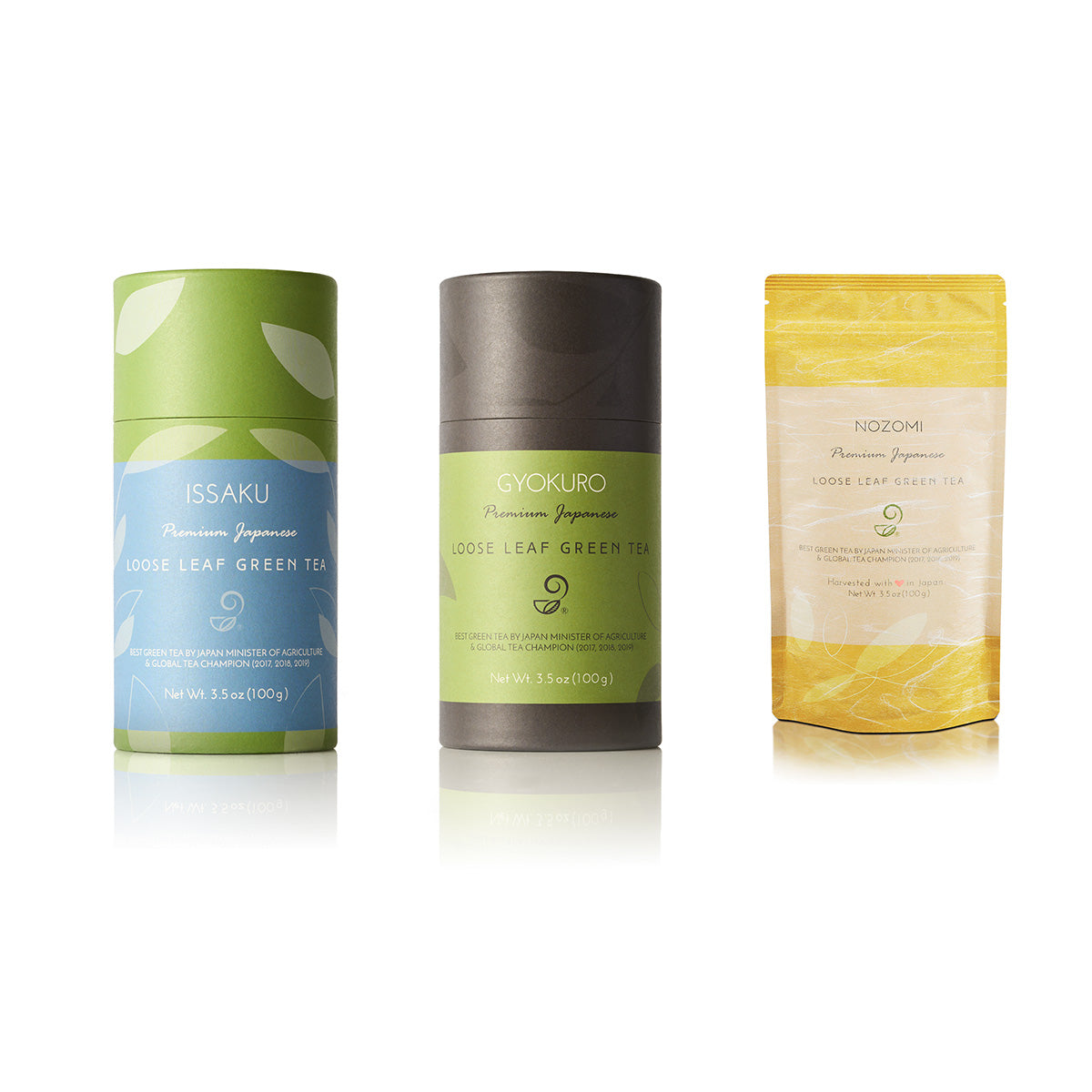
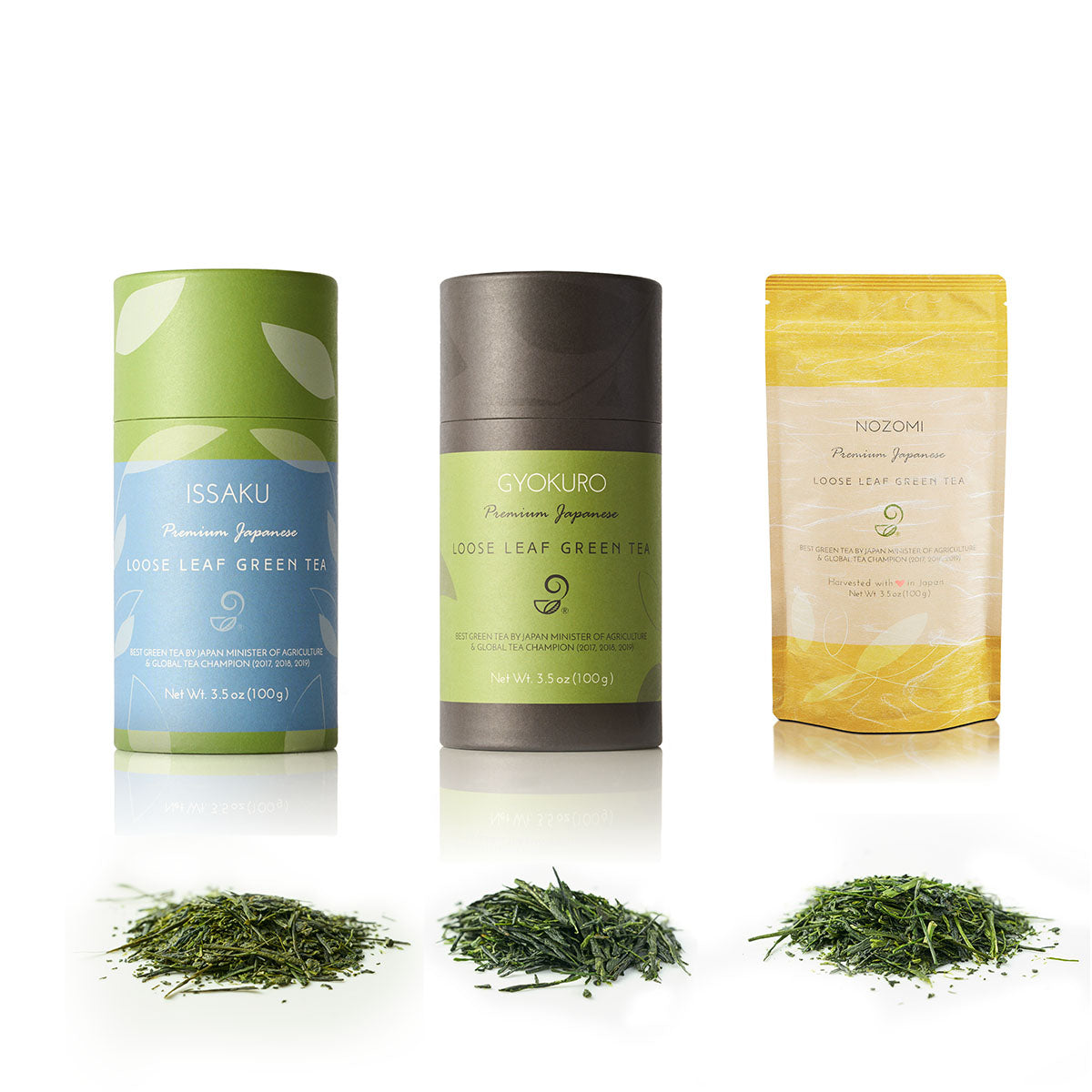
This tea set features three exceptional Japanese green teas, each crafted with care and traditional techniques. Issaku Reserve, a Global Tea Champion winner in 2017 and 2019, is a rare masterpiece created by Farm Master Mr. Arahata at Arahataen Green Tea Farm. Handpicked once a year from the first flush and processed with advanced methods, Issaku represents the highest-grade deep-steamed green tea, available only in limited quantities even in Japan.

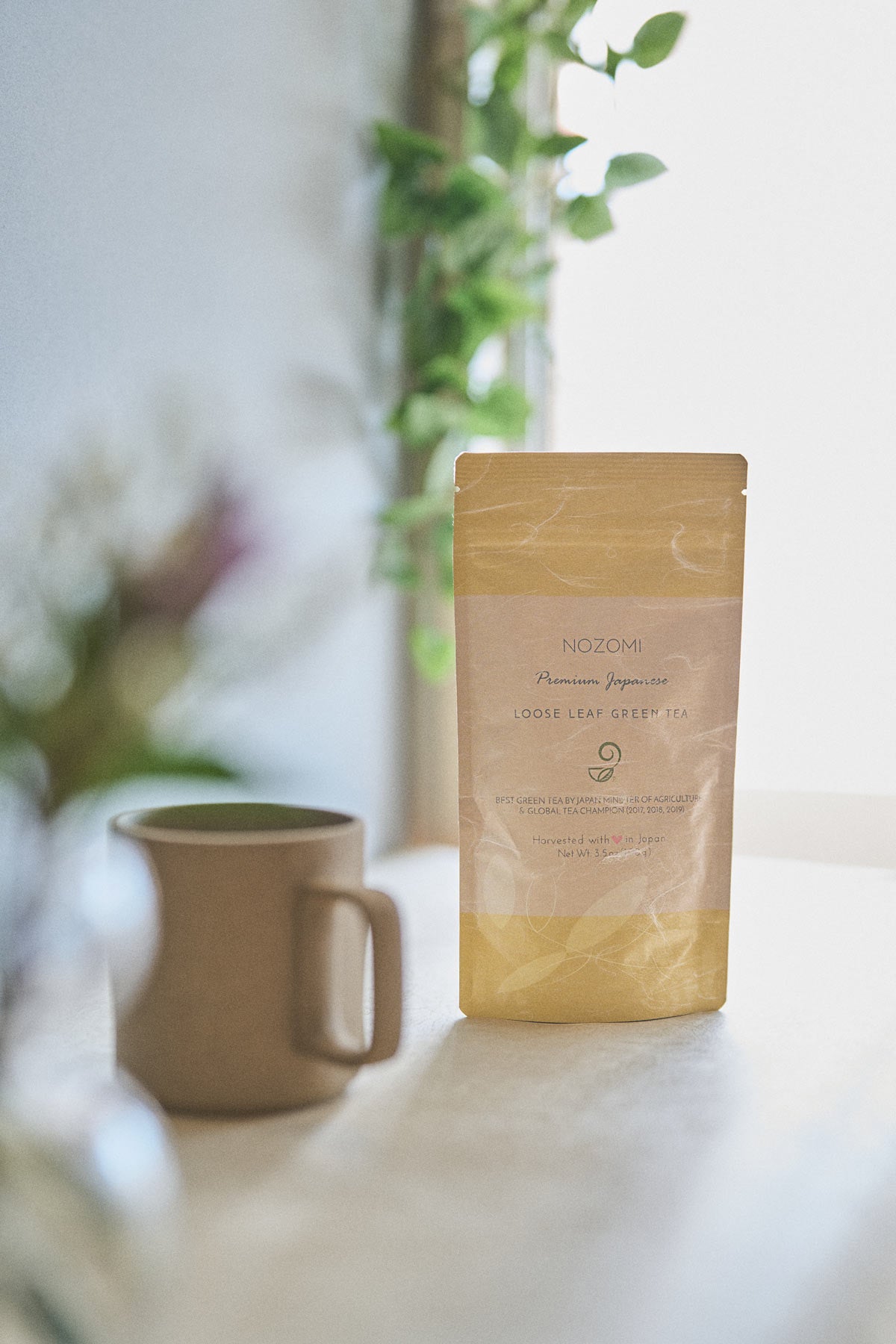
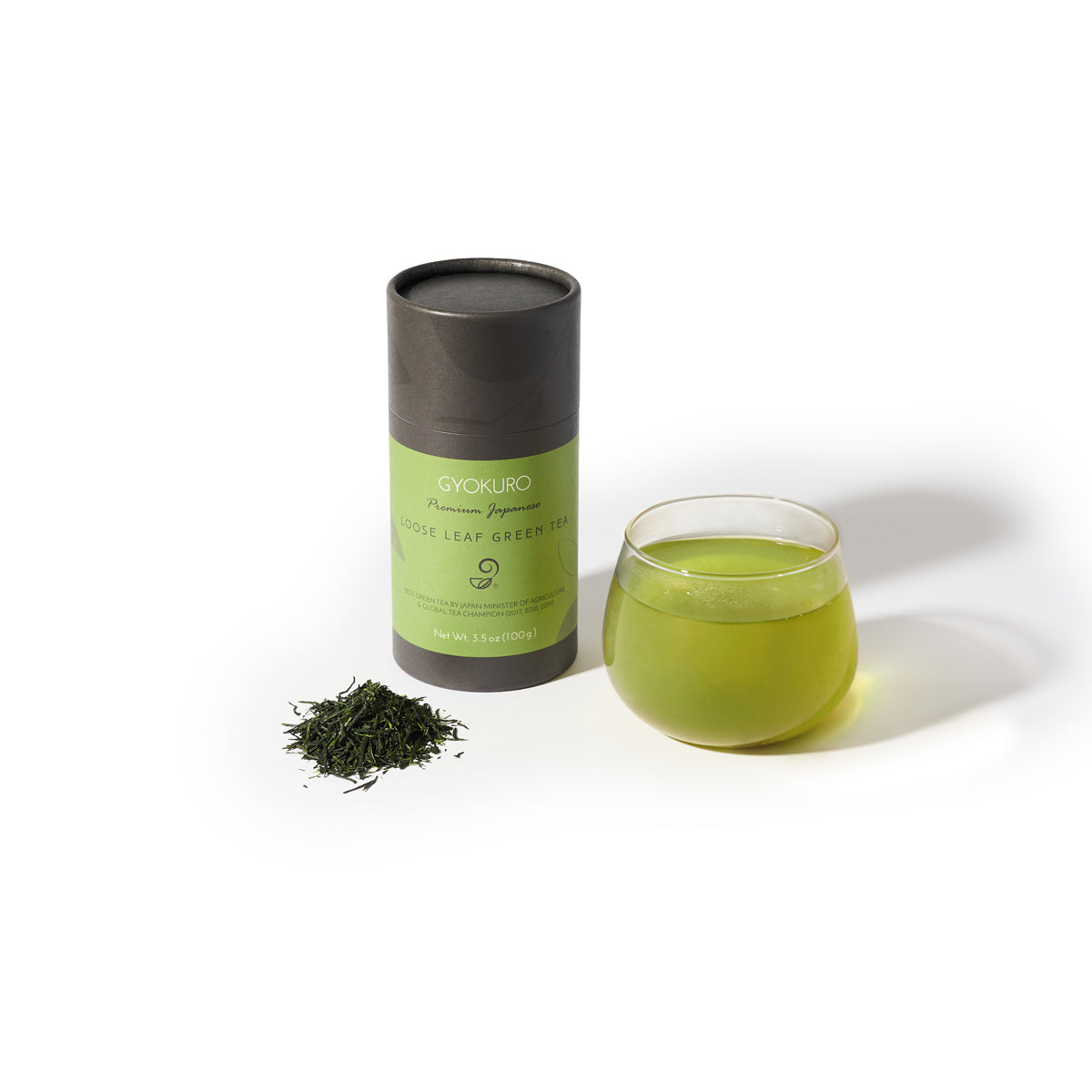
The set also includes Gyokuro, a premium shaded green tea known for its rich, sweet flavor and deep mossy green color. Grown under special mats for 20 days to increase caffeine and amino acid levels, Gyokuro offers a layered, smooth taste unlike any other. Completing the collection is Nozomi, a fine Kabuse-cha, or "Covered Green Tea," carefully grown under nets to gently shade the leaves just before new sprouts emerge, resulting in a soft, rich, and refined flavor profile.

97 reviews

Gyokuro - Shaded Imperial Premium Green Tea

$65.00
Quick view

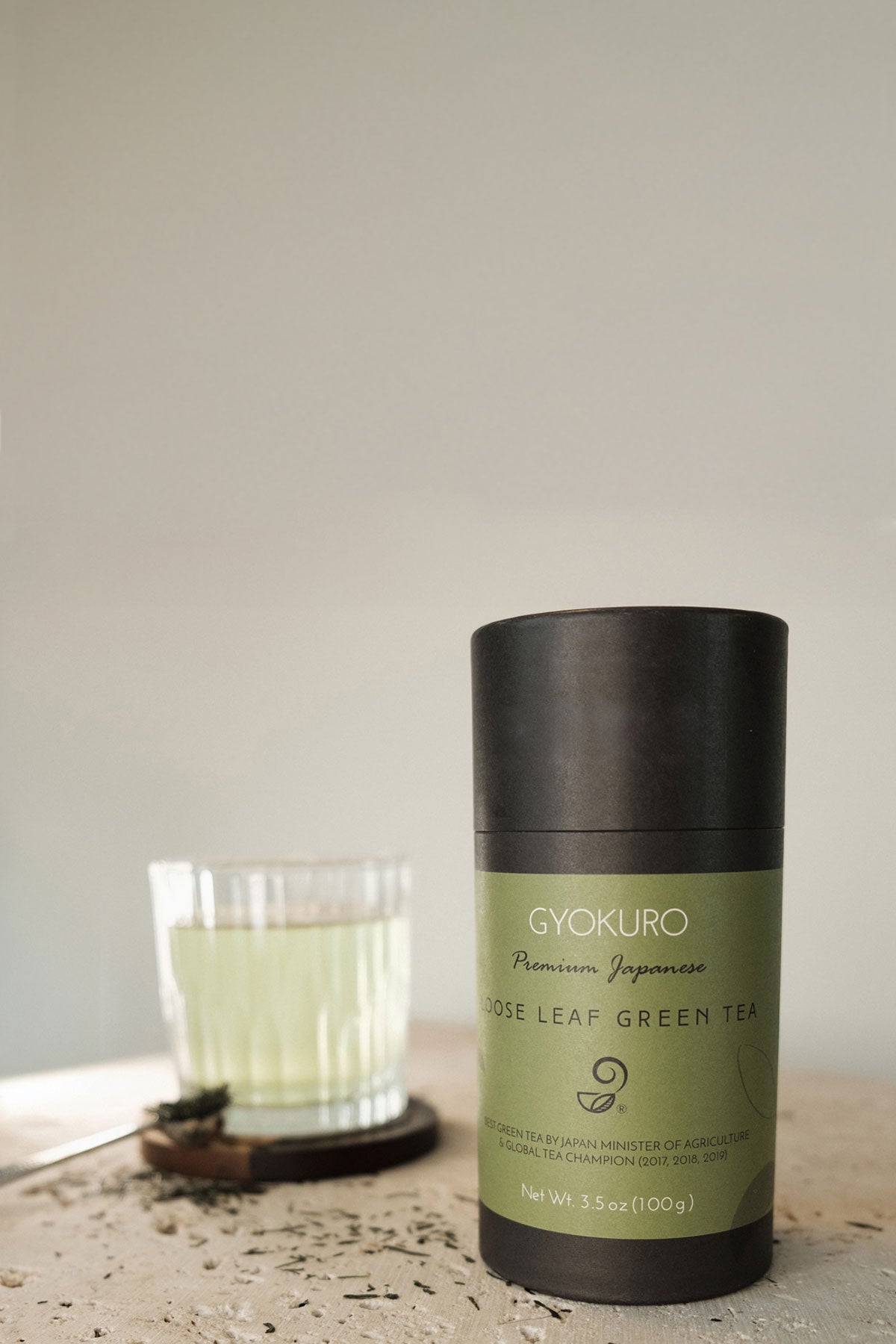
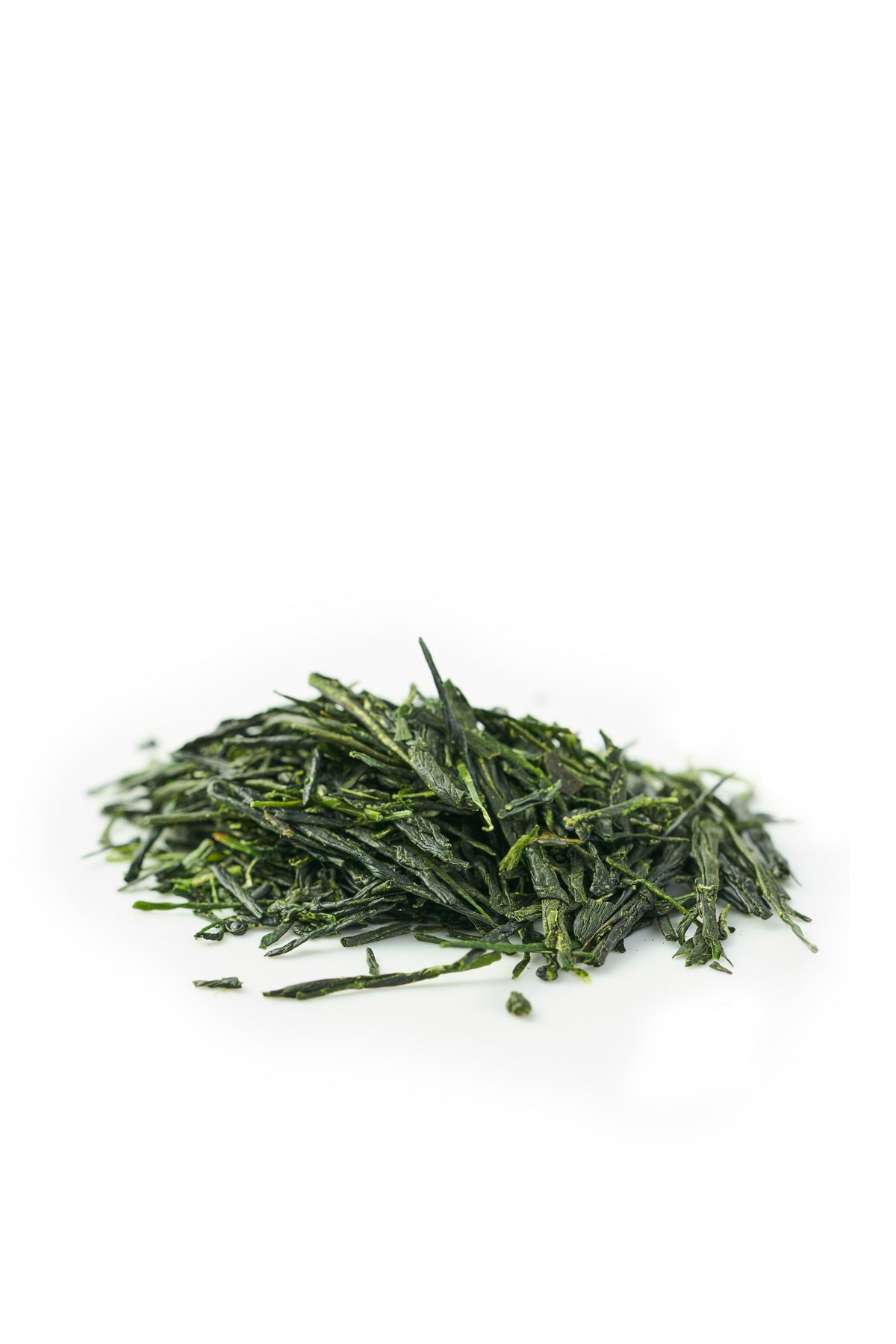
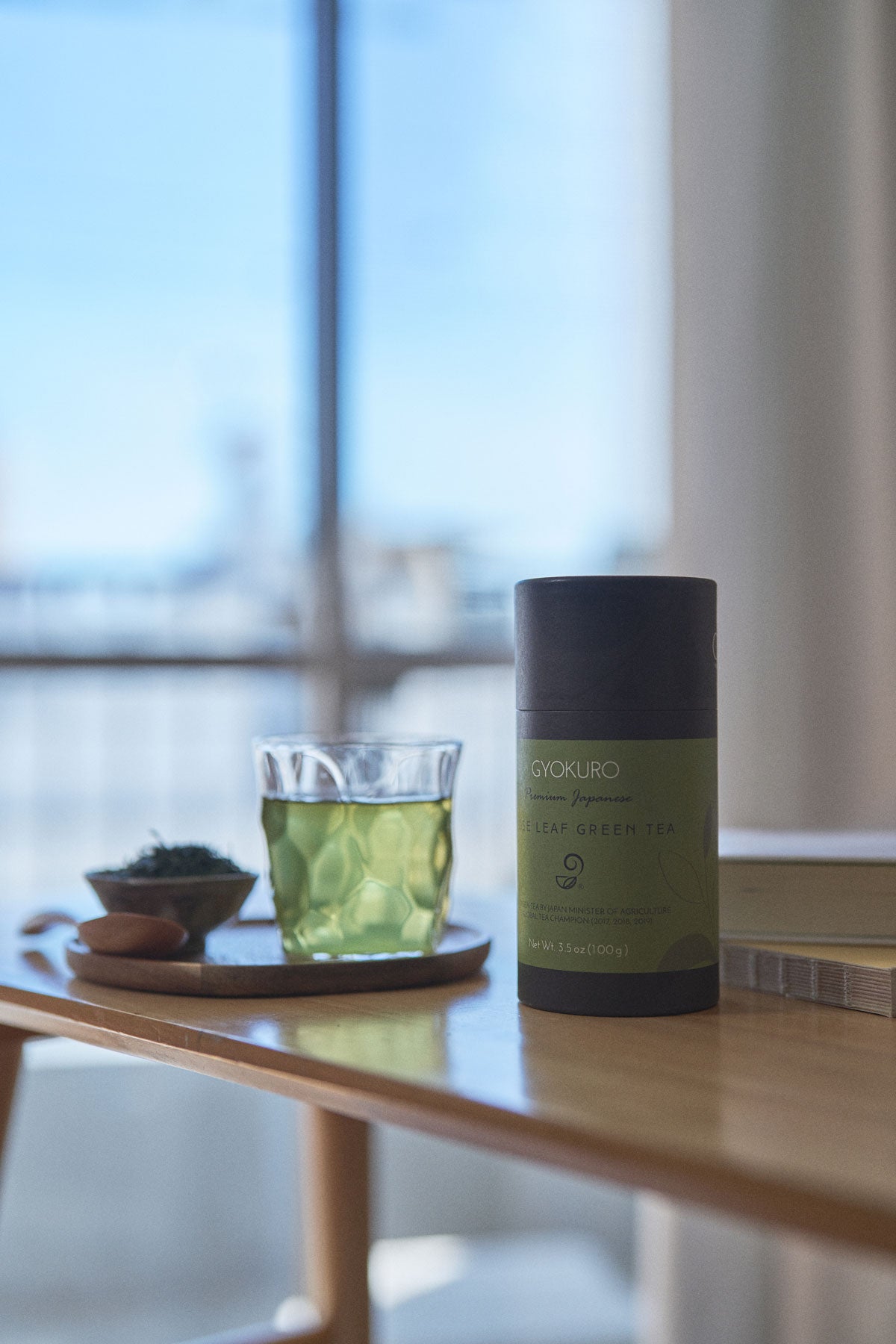
Gyokuro, also known as "jade dew" or "jewel dew tea," is a premium Japanese green tea shaded from the sun for 20 days using specially made mats, a method that boosts caffeine levels and strengthens amino acids to create a sweeter, richer flavor. This extended shading process results in dark, mossy green leaves with an unmistakable aroma and a complex taste that is layered yet balanced. Cultivated by the Chagusaba method in nutrient-rich sugarcane soil and made from the Yabukita cultivar, this loose-leaf authentic Gyokuro is offered in a high-quality, air-tight paper tube canister (chyazutsu) to preserve its exceptional freshness and flavor. Each 3.5 oz (100g) full-size package steeps 30–40 cups, and a convenient single-serve sample is also available.

45 reviews

Hojicha - Roasted Green Tea

$25.00
Quick view

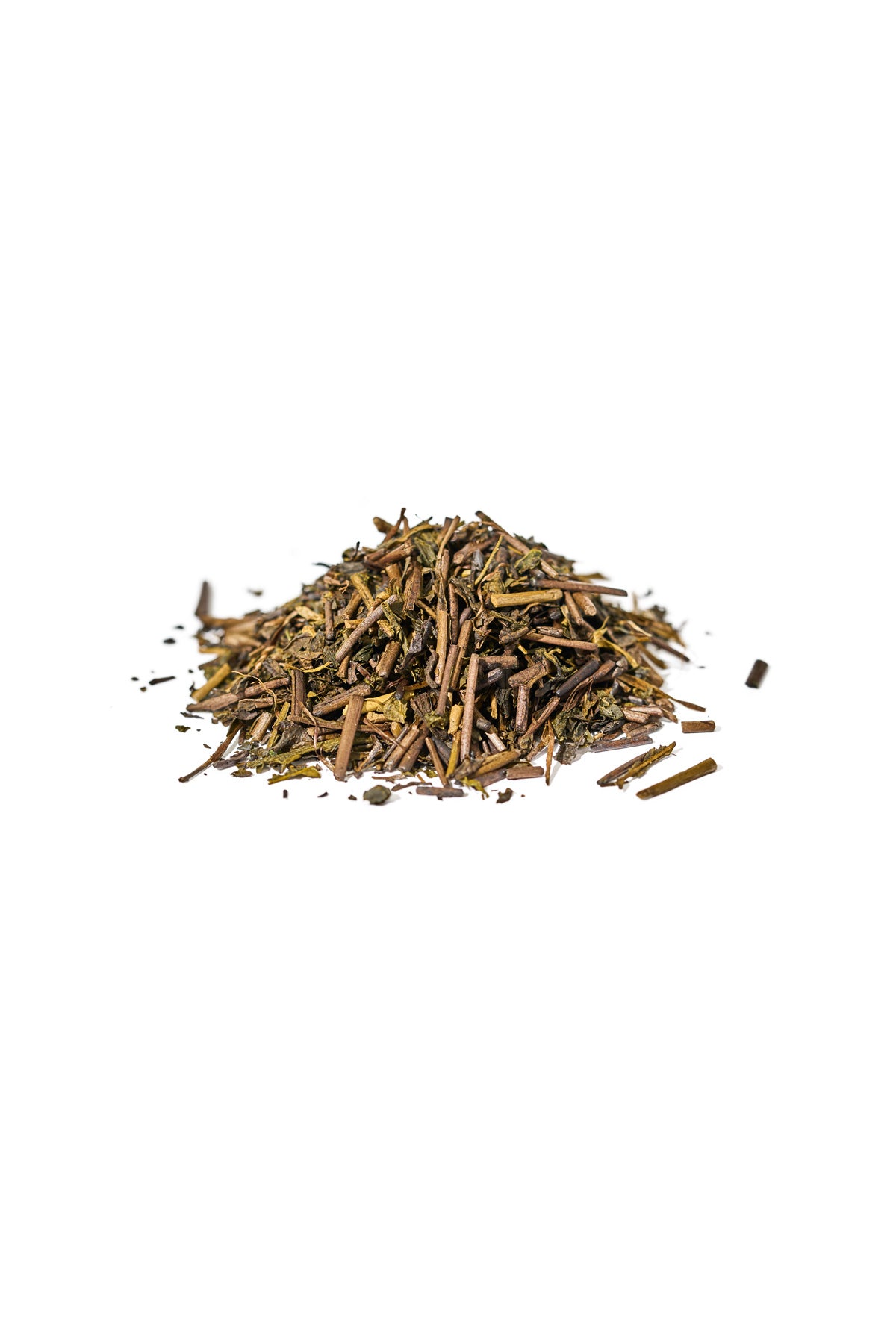
Our roasted green tea, known as hojicha (ほうじ茶), is crafted from freshly harvested premium green tea carefully roasted in porcelain over charcoal to maximize flavor while retaining more catechins than typical hojicha on the market. With lower caffeine and a smoother, less bitter taste compared to steamed green tea, it is an ideal choice for evening relaxation and is gentle enough for kids and pregnant women. Cultivated using the Chagusaba method in nutrient-rich sugarcane soil, this loose-leaf authentic Japanese roasted green tea, made from the Yabukita cultivar, also pairs beautifully with oily foods. Each eco-friendly resealable package contains 3.5 oz (100g) of tea, enough to steep 30–40 comforting cups.

80 reviews

Matcha - Ceremonial Japanese Powdered Green Tea

$39.00
Quick view

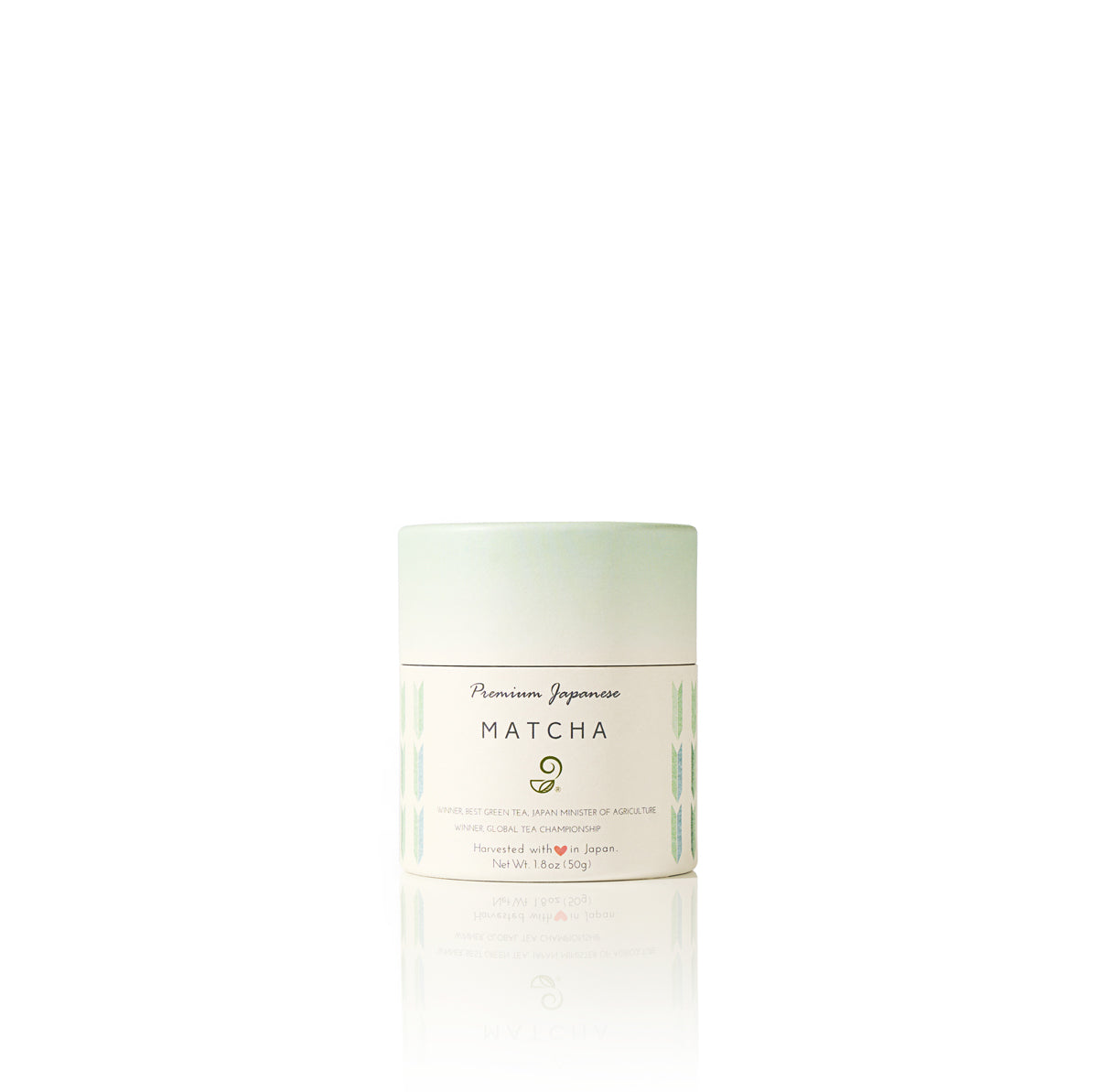
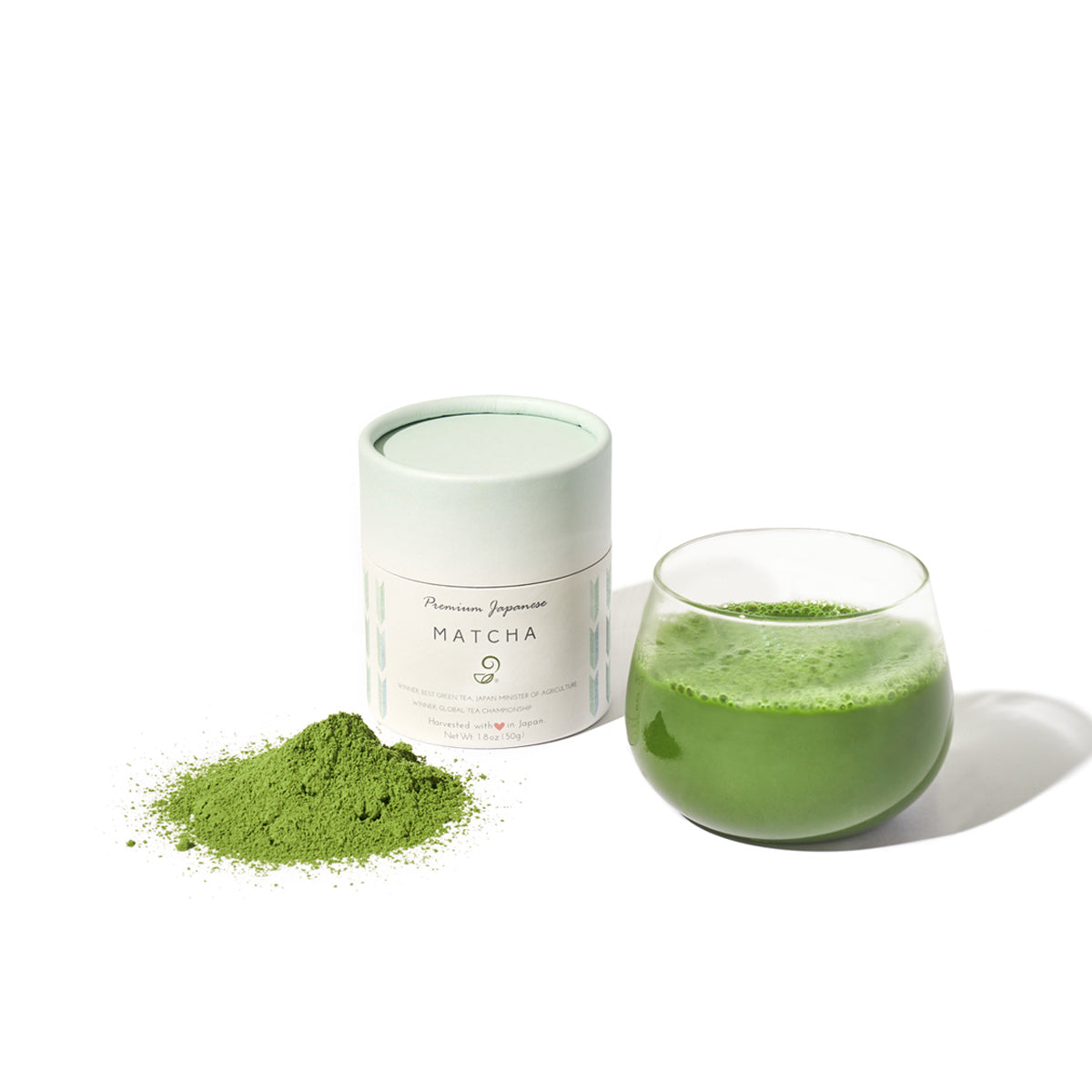
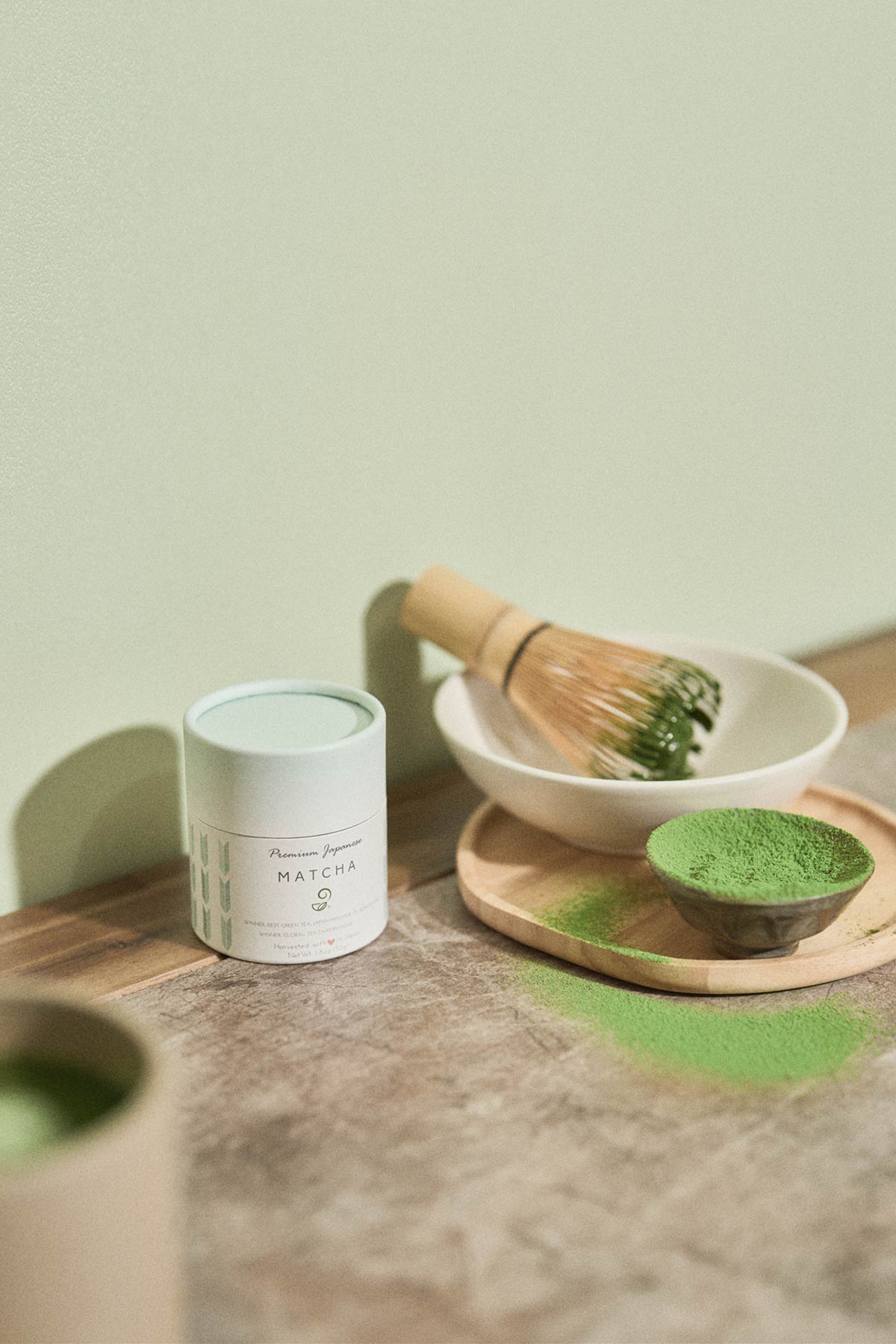
This ceremonial matcha is crafted from the finest Japanese green tea, grown in nutrient-rich soil enhanced with compostable grasses and sugarcane through the Chagusaba method, which gives the tea a natural sweetness and exceptional flavor. In collaboration with researchers from Shizuoka University, farmers ensure that the soil quality consistently produces tea of the highest standard.

Renowned among top Japanese chefs for its unmatched aroma, this matcha is made by carefully shading the plants before harvest to boost caffeine and amino acids, then meticulously drying, de-stemming, and grinding the leaves into a fine powder. Made from the Yabukita cultivar, this 1.8 oz (50g) matcha comes in a high-quality, air-tight paper tube canister, providing a luxurious and authentic Japanese tea experience.

42 reviews

Genmaicha - Green Tea with Roasted Brown Rice

$30.00
Quick view

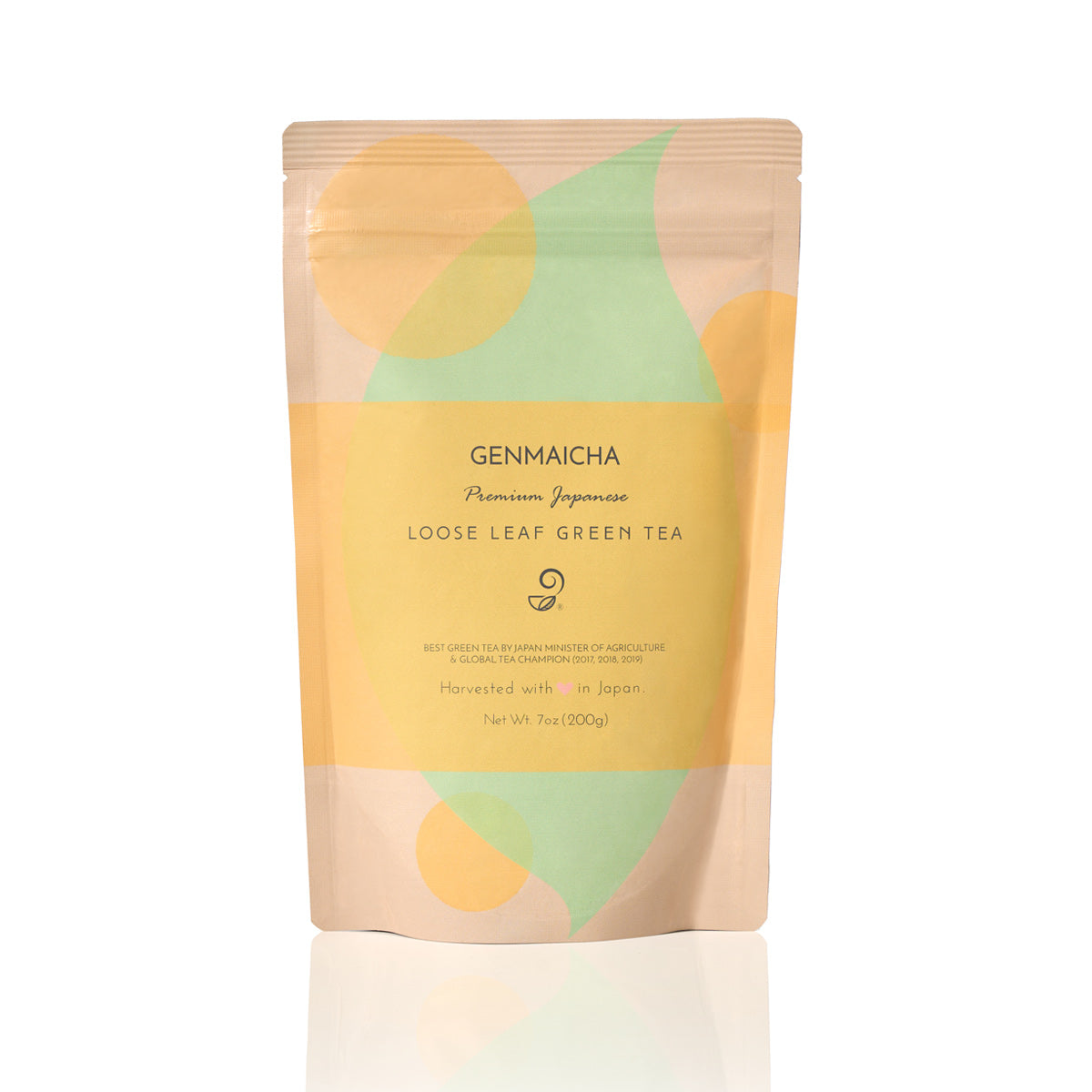
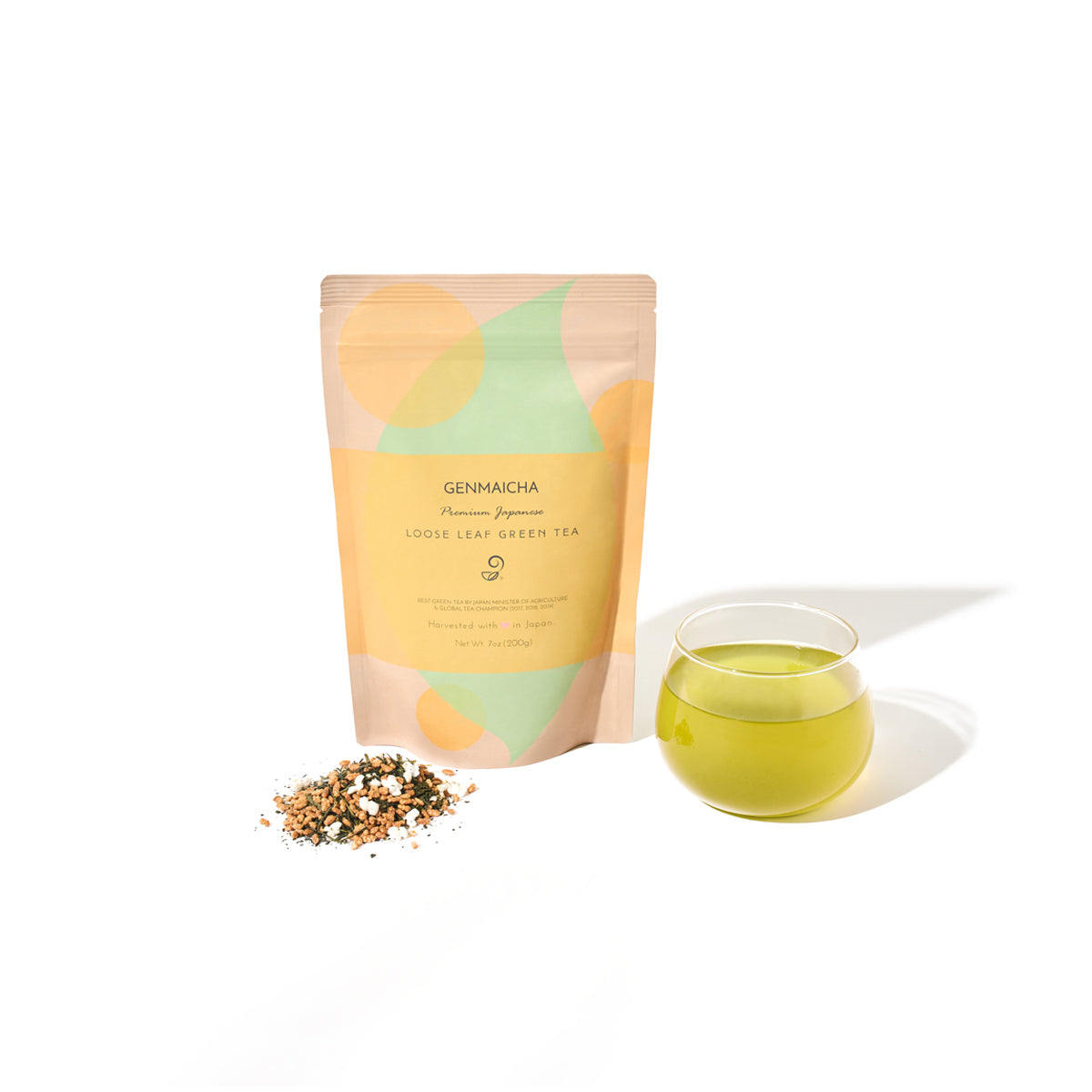
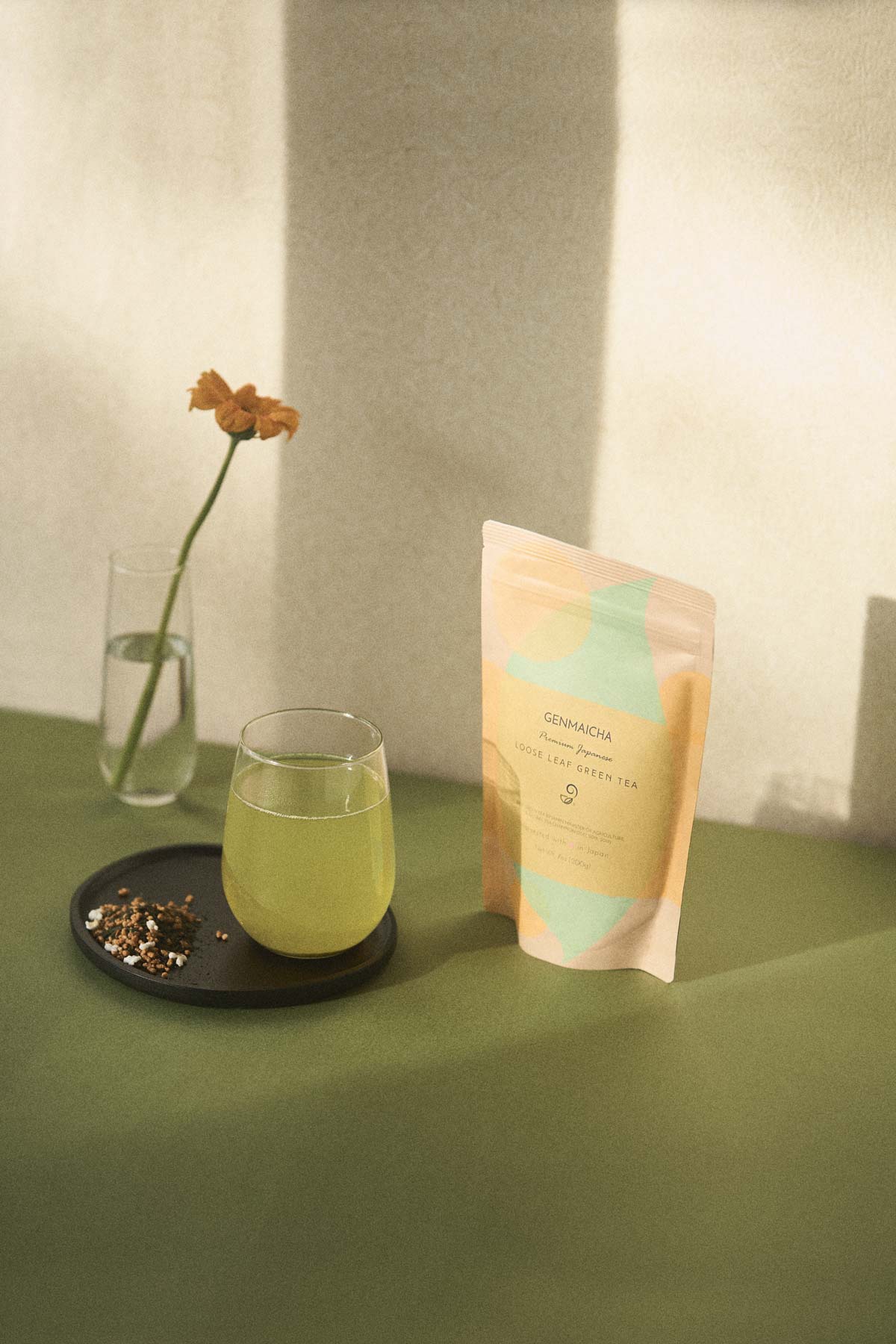
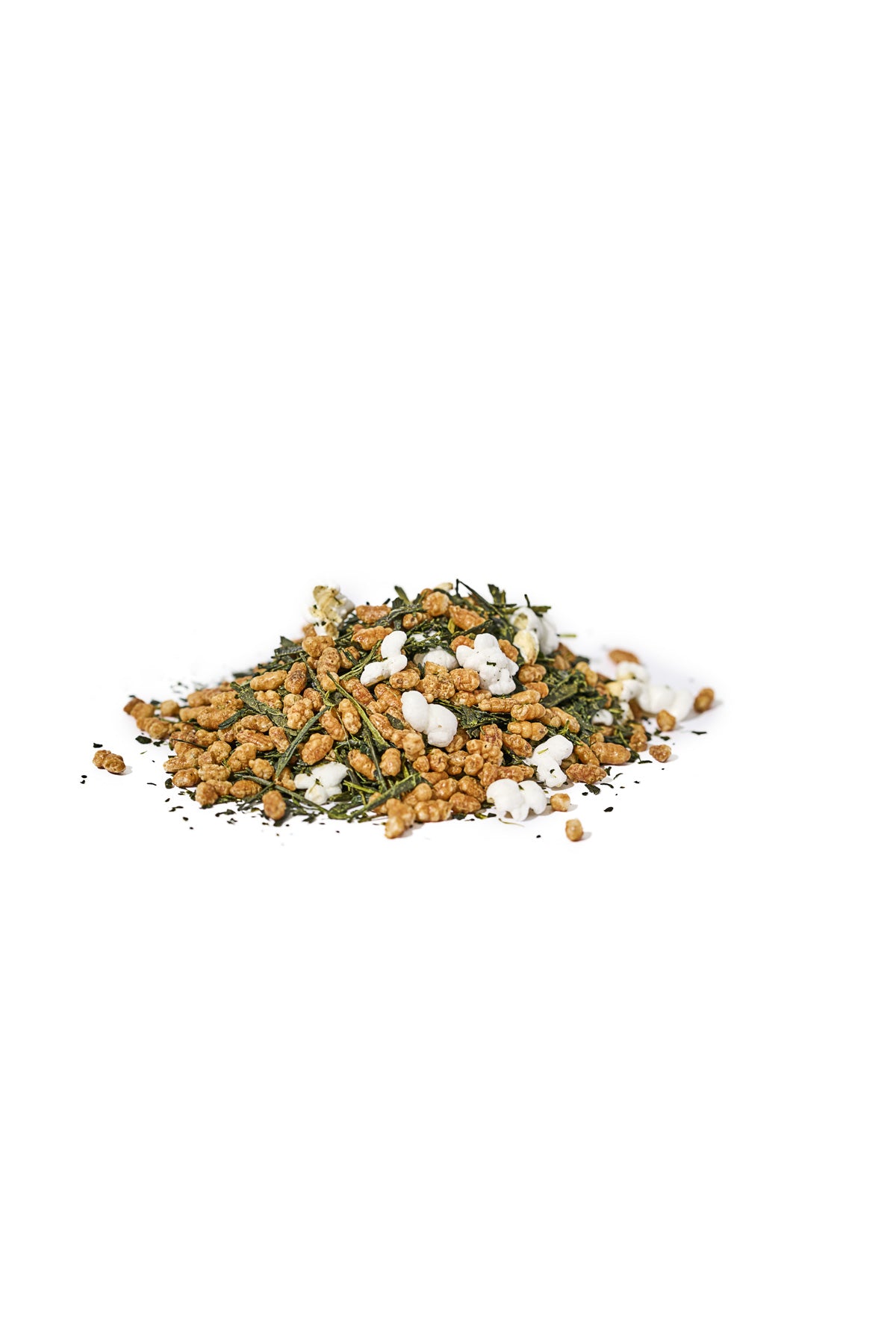
Our premium Japanese Genmaicha blends high-quality green tea with roasted popped brown rice (genmai 玄米), often nicknamed "popcorn tea" because the roasting process sounds like popcorn popping. Popular especially among the older generation in Japan for its mild flavor and lower caffeine content, this tea is easier on the stomach while still offering a rich, comforting taste. The brown rice used is premium Japanese mochi-gome (もち米) sticky rice, enhancing the tea’s nutty, aromatic profile. Made from Fukamushi Sencha and cultivated using the Chagusaba method in nutrient-rich sugarcane soil, this Genmaicha features the Yabukita cultivar and comes in a 7.0 oz (200g) eco-friendly resealable package, enough to steep 50–60 cups.


Related Articles You May Be Interested

Coffee Creamer: The Secret to Making Matcha Drinks Taste Amazing?
Green Tea and Milk: 10 Ways to Enjoy It
Scientifically Proven Ways Japanese Green Tea Makes Your Bones Stronger
20 Yummy And Healthy Green Tea Smoothie Recipes
Matcha Banana Smoothie – How Matcha is Used in the Trendy Beverage in Japan

Get Free Bonus Books

Join Green Tea Club

Sign up for free to the Green Tea Club to get advice and exclusive articles about how to choose Japanese Tea, and tips, tricks, and recipes for enjoying Japanese tea.

Unsubscribe anytime. It’s free!

About the author

Kei Nishida

Kei Nishida

Author, CEO Dream of Japan

info@japanesegreenteain.com

Certification: PMP, BS in Computer Science

Education: Western Washington University

Kei Nishida is a passionate Japanese green tea connoisseur, writer, and the founder and CEO of Japanese Green Tea Co., a Dream of Japan Company.

Driven by a deep desire to share the rich flavors of his homeland, he established the only company that sources premium tea grown in nutrient-rich sugarcane soil—earning multiple Global Tea Champion awards.

Expanding his mission of introducing Japan’s finest to the world, Kei pioneered the launch of the first-ever Sumiyaki charcoal-roasted coffee through Japanese Coffee Co. He also brought the artistry of traditional Japanese craftsmanship to the global market by making katana-style handmade knives—crafted by a renowned katana maker—available outside Japan for the first time through Japanese Knife Co.

Kei’s journey continues as he uncovers and shares Japan’s hidden treasures with the world.

Learn more about Kei Nishida

Related Posts

Yokohama Peach is offered as a regular menu at Okayama Kobo Cafe!
Yokohama Peach is offered as a regular menu at Okayama Kobo Cafe! + Recap Video of Pop-up on 2/8/2026 at Anaheim, CA

We are excited to announce that our Yokohama Peach is now available on the regular menu at the popular Japanese Bakery,

Read More
The Story Behind Our Booth Backdrop: Craftsmanship, Engineering, and Sacred Wood
Behind the Scenes – How We Made the Event Booth & Backdrop Using Sacred Wood

Discover how our one-of-a-kind event booth came to life—from Japanese Kōshi (格子) design and rare Port Orford Cedar to mo

Read More
Hojicha Banana Daifuku (Mochi): The Collaboration of Aromatic Roasted Tea and Richly Sweet Banana

Dive into the soft, chewy world of Hojicha Banana Daifuku—where toasted tea meets sweet banana in a cloud of fresh mochi

Read More
Leave a comment

Your email address will not be published..

Cart

Your cart is currently empty.

Start Shopping

Select options