Table of contents
Matcha green tea: maybe you’ve heard of it, or you've seen it as an exclusive menu item at your local café. All that’s clear about it is that matcha is a type of green tea that seems to saturate social media photos as an aesthetically pleasing, foamy green drink. Matcha flavored beverages are popular today, as well as overpriced. What is it about matcha that distinguishes it from other types of tea? What makes this exquisite green potion so costly?
Beyond its trendy appearance, matcha holds a deep cultural and historical significance that contributes to its premium value. Unlike regular green tea, which is simply steeped, matcha represents centuries of refinement in Japanese farming, craftsmanship, and ceremonial practice. The tea isn’t just consumed — it is prepared, appreciated, and shared with intention. This elevated cultural legacy adds to matcha’s reputation as a luxury tea. When people buy matcha today, they aren’t only paying for a beverage; they’re paying for a carefully preserved tradition, highly specialized farming techniques, and the prestige associated with a drink that has been treasured in Japan for generations.
What Makes Matcha Different?
Matcha green tea powder is derived from the same plant as other teas, Camellia sinensis. Each tea made from this plant is produced differently. In some cases, the leaves are simply steamed and dried. Other tea leaves undergo various stages of fermentation. Matcha is a true-leaf green tea, meaning the entirety of the leaves are used to produce a powder. To make basic matcha tea, the powder is mixed with hot water, creating a frothy, vibrant green liquid.
What truly sets matcha apart is that you’re consuming the whole leaf rather than an infusion. With regular brewed teas, the nutrients steep into the water and the leaves are discarded. Matcha, however, delivers the full spectrum of vitamins, antioxidants, amino acids, and natural compounds because the leaf itself is ingested. This is why matcha has a richer flavor profile, a stronger color, and significantly more nutritional potency than other teas. Its unique preparation method — whisking rather than brewing — creates a thicker, creamier consistency that enhances both the taste and the sensory experience.
Japan - the Best Environment for Producing Matcha
Matcha literally means "ground tea," so one could argue the first people to grind tea leaves were the Chinese. However, the production of fine, bright green matcha powder was devised by the Japanese. (See my other article for more detail about this: Is Matcha Originally invented in China or Japan) They began the process of shading tea leaves, then steaming and drying them before pulverizing them. Without these steps, the taste, color, and nutrients of matcha powder would not be the same.
Although farmers discovered the benefits of shading by accident, it revolutionized the role of matcha in Japanese culture. Originally, green tea's main purpose was medicinal, but with the aromatic flavor born out of these new production methods, people began to drink it for taste, pleasure, and ceremonies.
Zen Buddhists ritualized the process of creating matcha through the Japanese Tea Ceremony. Tea ceremonies are precise, choreographed displays of graceful preparation of tea, in which the host dresses in traditional garb and stirs tea powder into hot water with a bamboo whisk.
Japan’s natural environment further elevates the quality of matcha, making it difficult for other countries to replicate. Regions like Uji, Nishio, and Kagoshima offer the perfect balance of rich volcanic soil, clean water sources, consistent rainfall, and gentle temperatures — all of which contribute to producing tender, nutrient-dense tea leaves. Generations of farmers have perfected cultivation methods that prioritize flavor and purity over mass production. This combination of ideal climate and carefully preserved agricultural expertise is a major reason Japanese matcha stands out globally and often commands a higher price.

Matcha Creation is a Complex Process
Today, Japan is the main production site for high-quality matcha powder. The fertile soil, mild climate, and slight elevation of the locations all contribute to quality matcha production. Already, it is clear why costs might be high if the overall available landmass for growing and preparing matcha is limited. In fact, for everyday matcha powder, the cost per gram is about $0.25–$0.50 in U.S. dollars. Ceremonial matcha, which is of the highest grade, costs $0.75–$1.00 per gram.
There are several reasons for that. During the farming process, tea leaves are harvested throughout the year, but the best time is in May. Leaves are picked by hand. For matcha, there is a specific way of optimizing leaf color, flavor, and nutrients that isn’t involved with other teas. Several weeks before the time of harvest, the plants are starved of photosynthesis by being shaded from the sun. By completing the growing process in darkness, the plants are forced to produce an abundance of chlorophyll, which lends itself to the vibrant green color, as well as amino acids. This makes the flavor more sweet and full-bodied, preventing bitterness. Furthermore, all nutrients, like antioxidants and catechins, are preserved.
This meticulous attention doesn’t end at harvest — the post-harvest handling is equally labor-intensive. Once the shaded leaves are picked, they must be steamed immediately to prevent oxidation and preserve their bright color. After steaming, the leaves are dried and carefully sorted to separate only the youngest, softest leaves, which offer the smoothest flavor. These leaves are then processed into tencha, a delicate precursor to matcha that must remain intact until grinding. Every step demands skilled hands, precise timing, and specialized equipment, all of which add layers of cost long before the powder ever reaches consumers.

Surprising Fact - Grinding Tea Leaves Takes a Long Time
The next phase of production also contributes to the high expenses. The picked leaves are dried and must be sorted by age. The younger the leaf, the higher the grade of the plant. The stems and veins of the leaves are removed by hand, which takes so much time and manpower. Once the tencha, the de-veined, de-stemmed leaves, have cooled, then comes the grinding. The highest quality matcha powder is milled by hand using granite stone wheels. The leaves are ground into the finest powder. In fact, procuring 30 grams of matcha powder takes more than an hour. That concludes the process before the powder is packaged and stored.
What many people don’t realize is that the grinding itself is an art form that requires remarkable precision. The stone mills must rotate at a very slow, steady pace to prevent friction-generated heat from damaging the delicate tea leaves. Even a slight increase in temperature can degrade the color, aroma, and nutritional compounds that make matcha so valuable. Because each mill can only produce a small amount of powder per hour, farmers often operate multiple mills simultaneously — all of which require maintenance, monitoring, and expert handling. This slow, careful process ensures the powder remains ultra-fine and silky, giving matcha its signature smooth texture and ability to whisk into a creamy, frothy drink.
The More Nutritious, the Greater the Cost
Matcha green tea is different from other teas, not only in production but also in nutritional content. As you will later come to know, the distinct process of matcha cultivation is done carefully to maximize taste and health benefits.
Matcha is said to have about 137 more catechins than regular green tea. During the shade-blocking period right before harvest, the tea plants grow slowly and more delicately, resulting in soft buds with a high concentration of amino acids and glutamates. Because the entire leaf is ground into powder, all antioxidants are preserved and accessed. Matcha green tea contains high amounts of epigallocatechin (EGCG), about three times as much as other types of tea. EGCG is renowned for its prevention of cancer and its help in improving cardiac and metabolic health. The antioxidants, which are catechins, fight inflammation, especially in chronic conditions like rheumatoid arthritis.
Matcha also contains a higher quantity of caffeine than normal green tea. This, combined with L-theanine, a compound that promotes relaxation, improves brain function. Regular consumption of matcha tea has shown improvement in cognitive abilities like attention, memory, and reduced stress.
The richness of nutrients and numerous benefits contribute to the higher cost of matcha compared with other teas.
Beyond its well-known antioxidants, matcha also provides a concentrated dose of vitamins and minerals that further elevate its value. It contains vitamin C, vitamin A, potassium, and small amounts of iron and calcium — all of which are typically present in only trace amounts in regular steeped teas. Because matcha is consumed whole, these nutrients aren’t lost during brewing. This nutrient density is one of the core reasons health enthusiasts gravitate toward matcha for immune support, detoxification, and sustained energy. When you consider that a single serving delivers the benefits of multiple cups of regular green tea, the higher price becomes easier to understand: you’re paying for a deeply concentrated, premium-quality source of wellness.

What About Chinese-Made Matcha?
Please note that I love Chinese tea, but the fact is that many of the matcha grown in China are not regulated, and there are so many sad facts about one not following good practices. This section describes tea production, but note that there are many tea productions in China that are of better quality.
All of the steps involved in matcha production are extremely intensive, time-sensitive, careful, and take so much labor and resources. Once it hits the market, the high price is justified. However, this is if you want a high grade, umami-flavored matcha. What if you don’t mind a lower quality in exchange for a more affordable price?
Many matcha “knock-offs” exist that run for a lower cost. China, the powerhouse of discount goods produces cheaper matcha that costs about $7 per ounce, as opposed to $26-$32 per ounce of Japanese matcha. The labor involved in Chinese-produced matcha is not as intensive. Chinese farming practices are more like a short-cut, wherein plants are not shade-grown, and the tea leaves are fried for quicker processing. This makes sense since the goal of such techniques is for increased quantity and accessibility, however, quality is vastly undercut.
Chinese production methods give matcha powder a grainy texture, as opposed to fine and dusty. This reduces the frothiness and nutritional value. It's not organic, nor is it closely regulated resulting in poor working conditions and the incorporation of artificial coloring and additives.
Environmentally, the soil in Chinese land is not optimal for high-quality tea leaf farming. Combined with the high likelihood of toxicity due to pesticides (some of which have been banned), the quality of matcha matches the affordable cost. Interestingly, most of the world purchase matcha that's been made in China.
Matcha green tea powder is an exceptional tea, the best of which is made in Japan. The price of the matcha can be quite high. Once you examine the underlying labor costs, time of processing, and meticulous care involved to create a matcha powder with many beneficial qualities, the cost makes sense.
In recent years, however, China has begun making efforts to improve its matcha production, with some regions experimenting with shading techniques, stricter pesticide controls, and more refined processing methods. While these improved batches still vary widely in consistency and quality, they show that China is capable of producing better matcha when proper standards are followed. Still, the gap remains: Japanese matcha benefits from centuries of perfected craftsmanship and cultural dedication, while Chinese matcha is still developing its identity in the global market. For consumers, this ultimately comes down to priorities — affordability and accessibility, or premium quality and traditional craftsmanship.
Conclusion
Matcha’s higher price tag is not a marketing trick — it’s a reflection of the extraordinary care, tradition, and craftsmanship behind every gram. From the shading of the fields weeks before harvest to the hand-selection of tender leaves, from the meticulous grinding process to the cultural heritage that shaped its identity, matcha is unlike any other tea in the world. Its vibrant color, rich umami flavor, and exceptional nutritional profile are all the result of a production method that values quality over quantity. And while cheaper alternatives exist, they often cut corners that compromise both taste and purity. Understanding the labor, environment, and centuries of refinement that go into authentic Japanese matcha allows us to appreciate not only its cost — but also its true worth.
Buy Matcha Green Tea Online
7 reviews
$143.00 USD
$128.00 USD
USD
/
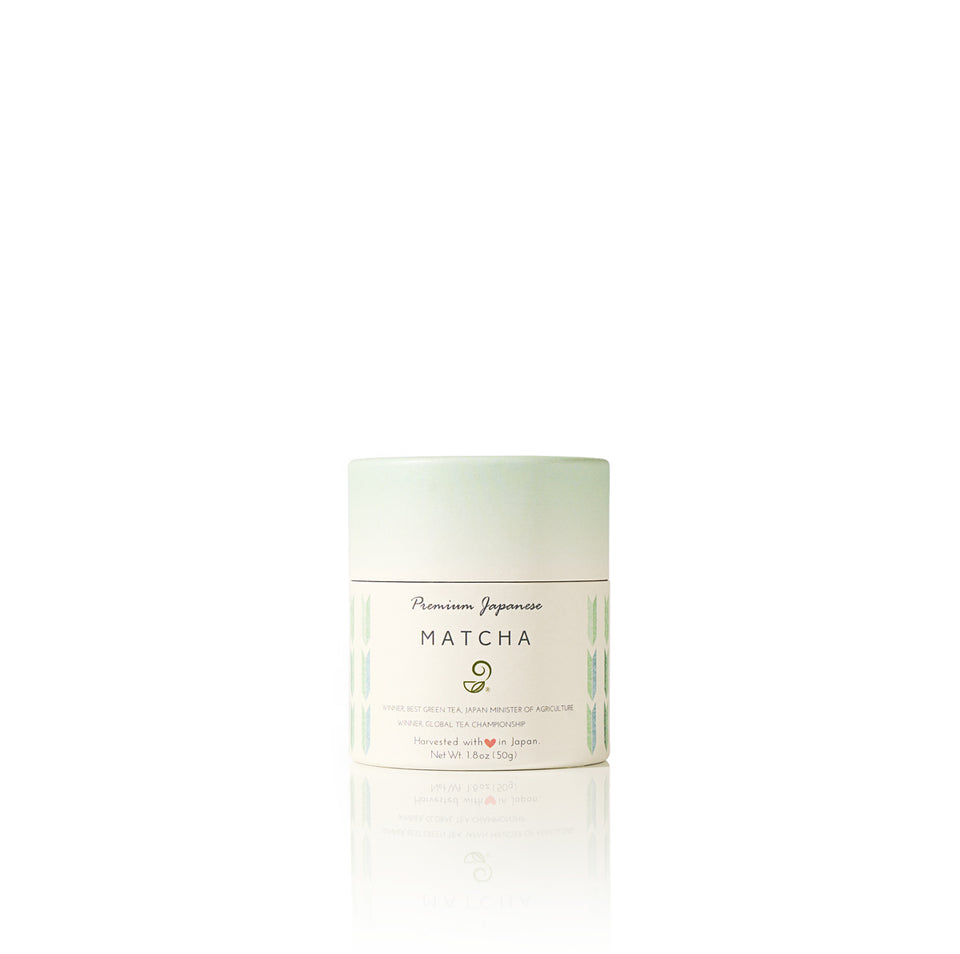
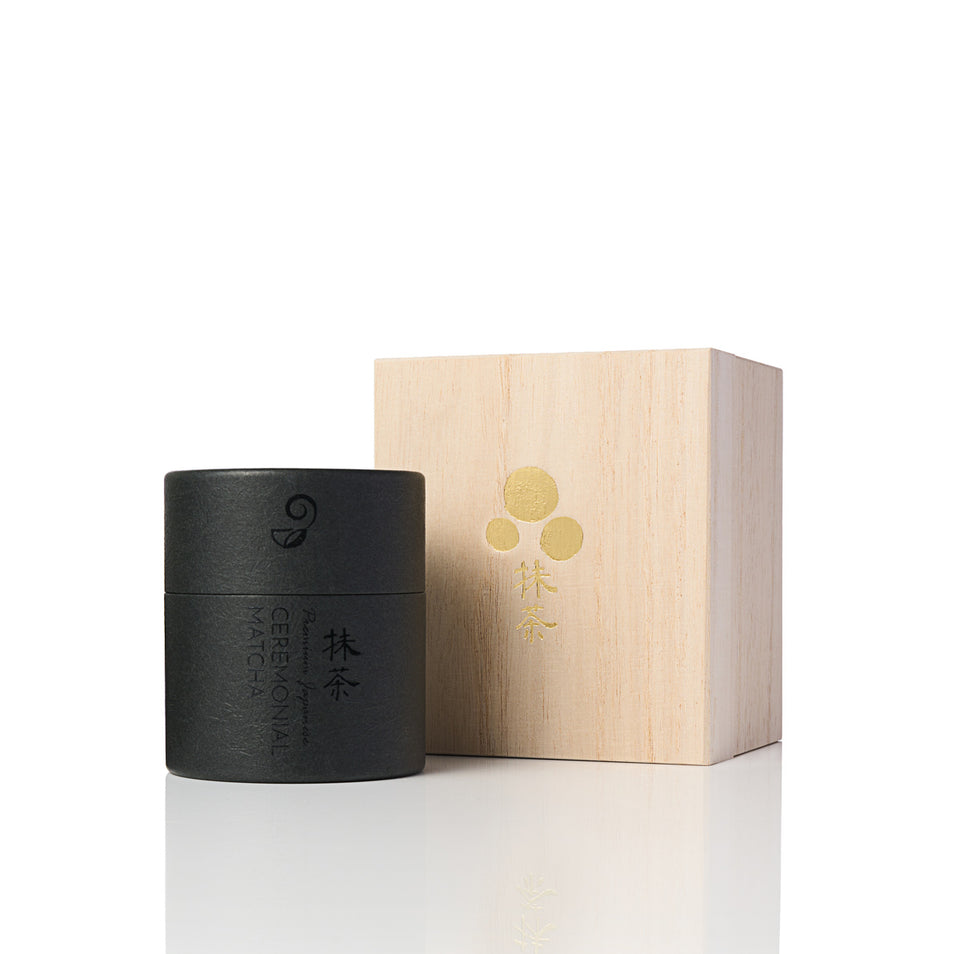
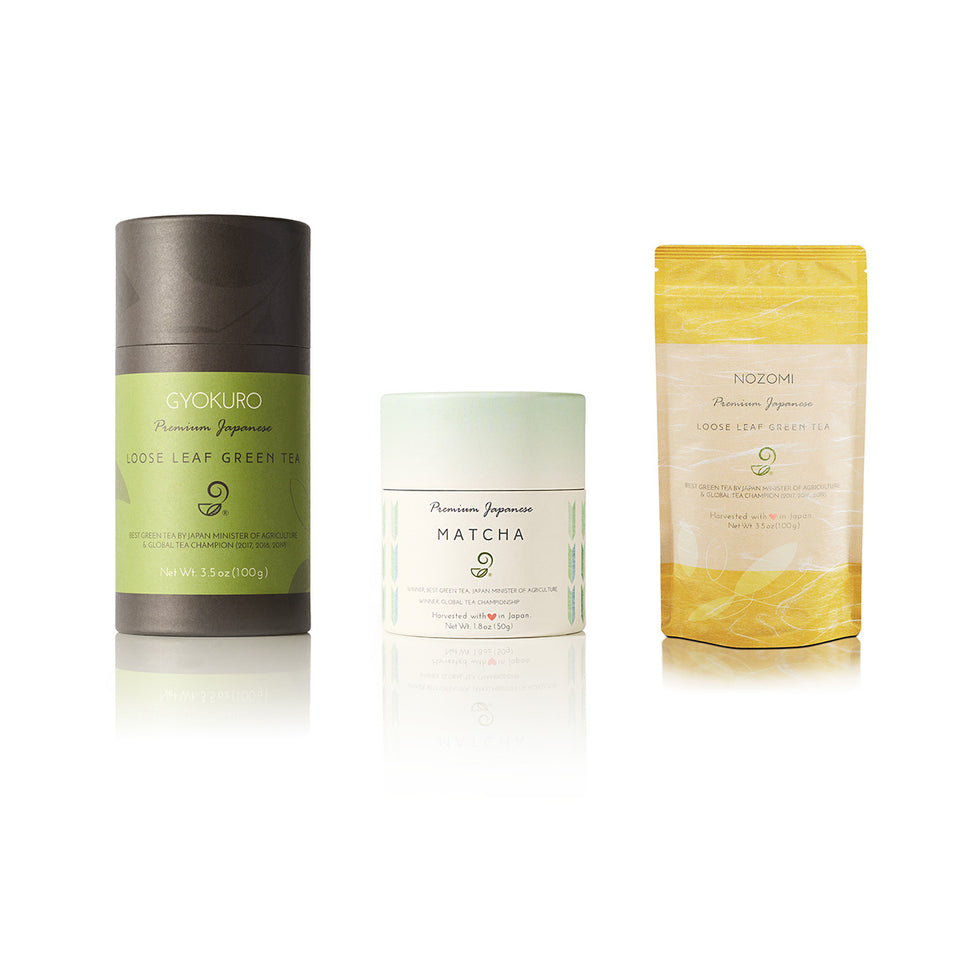
The Covered Trio Gift Set - Ceremonial Matcha, Gyokuro, and Nozomi Japanese Green Tea Set Package


Get Free Bonus Books

Sign up for free to the Green Tea Club to get advice and exclusive articles about how to choose Japanese Tea, and tips, tricks, and recipes for enjoying Japanese tea.
About the author
Kei Nishida
Author, CEO Dream of Japan
Certification: PMP, BS in Computer Science
Education: Western Washington University