

Download Printable Recipe PDF Now
Asian and Asian-inspired foods tantalize tastebuds everywhere, from Korean-style spicy-crunchy chicken to bubble teas and the ever-popular ramen. From time to time, these Eastern flavors collide with Western cuisine to form incredible creations. And well, it so happens that at some point, one of Japan’s traditional sweets (mochi) met up with an American classic (the donut) to form the wonderous mochi donut もちドーナツ・餅ドーナツ. However, this delightful combination has flown under the radar in many countries. That is, until now.
Mochi What!?
Yes, those little squishy balls of sweet rice have had a date with the deep frier and turned into something equally splendid. If you want to find out what mochi is, what a mochi donut is, or better yet, how to make a mochi donut yourself, then this article is for you!
What is Mochi餅?
Before we get into what mochi donuts are, it’s good to understand what mochi is in the first place. Usually, when someone from outside of Japan tries mochi for the first time, they have one of two reactions: Is this squishy food for aliens? What the heck is it? Or, this is incredible; where can I get more!?

An All-Time Favorite
Traditionally, mochi is highly pulverized rice to the point that it becomes a soft, sticky, and creamy sort of 'dough.' While most people are exposed to mochi as a type of dessert, it can also be used in savory dishes such as Ozoni お雑煮, a type of soup eaten during new year in Japan. When eaten as a dessert, it is filled with something like sweet red bean paste, formed into a ball, and dusted with mochiko flour (made from Japanese mochigome rice.) These days, you can easily find mochi filled with all sorts of things, from sweet matcha fillings to even frozen mochi filled with ice cream (highly recommended!)
Japan’s Oldest Dessert
Mochi dates back to the Nara period (the 8th Century)奈良時代 and has ingrained itself into Japanese culture. Even today, in rural villages, families still gather to celebrate the new year by making mochi the traditional way—pounding up hot rice with big wooden mallets! This process is called mochitsuki, and it is undoubtedly a great way to relieve some of the year's stress.

Modern Mochi Making
Nowadays, most people, particularly those living in cities, will use a mochi-machine or a pot on their stove. Instead of using hot cooked rice, mochiko flour is often used to make the process faster and easier (but far less entertaining than pounding rice with a giant hammer with friends and family). Of course, one can always purchase amazing mochi almost anywhere in Japan, but making it is a much more fun holiday activity.

Japanese Mochi Machine
The Mochi Donut
However, you didn't come here to learn about mochi, but mochi donuts! These beautiful creations are not precisely like mochi, but it's easy to see why they have become so popular. They have a delicious crispy-chewy texture, are easy to cook at home, baked or deep fried, and are much quicker to make as they don't require yeast or rising time. So, it's no wonder people have become obsessed with these sweet treats.
Origin of Mochi Donuts
Funnily enough, mochi donuts both are and are not a Japanese invention. They first appeared in Hawaii in the 1990s, likely inspired by the mochi brought to Hawaii by the large Japanese community living there. However, an American donut chain, Mister Donut, first made mochi donuts somewhat popular. The chain was started in the United States but spread to Asia, especially Japan, and is now mostly considered a Japanese franchise. It really is a Japanese-American invention!
Growing Popularity of Mochi Donuts
Around the early 2000s, Mister Donut started selling a donut made from tapioca starch called the "Pon De Ring." In the last few years, mochi donuts have gained more traction. Their unique shape and beautiful presentation have made them prominent on social media. Mochi donuts can now be found in many specialty bakeries, and many people enjoy making them at home.
Buying Mochi Donuts Today
While you might struggle to find Mister Donut in the U.S. now, you can still find some great mochi donuts in other bakeries. We have a couple in our city of Portland, Oregon. See the bottom of this article for more details on our favorite mochi donut bakeries, and others around the world as we continue to add more locations!

How to Make Mochi Donuts at Home
Below is our super easy recipe for making mochi donuts at home. You'll find that it's much faster to make than traditional donuts, as there is no rising time. As a bonus, because our version is baked instead of deep fried, it contains far less fat. Additionally, to make things even easier, we use a traditional ring shape rather than connected balls. To make this recipe, the only special equipment you will need is a donut pan, which is cheap and readily available online.

Strawberry Mochi Donuts with Matcha Buttercream Frosting
Yields: 6 servings
Calories: 245 kcal/serving
Prep time: 25 minutes
Cook time: 20 minutes
Ingredients
Strawberry Mochi Donuts
- 1 cup + 2 tbsp or glutinous rice flour
- 2 tbsp ground freeze-dried strawberries
- ¾ cup + 2 tbsp milk
- 3 ½ tbsp melted butter
- ¼ cup packed brown sugar
- 1 egg
- 1 tsp baking powder
- 1 tsp vanilla extract
- small pinch of salt
Matcha Buttercream Frosting
- 1 ¾ cups powdered sugar
- ¾ cups cubes of butter, room temperature
- ¼ cup egg whites
- 1 tbsp matcha powder
- ½ tbsp vanilla extract

Instructions
- Preheat the oven to 350°F and lightly grease the donut pan with cooking spray or butter. Set aside.
- In a mixing bowl, whisk the rice flour, baking powder, freeze-dried strawberries, and salt.
- In a separate mixing bowl, whisk the melted butter and brown sugar. Add in the egg and whisk until well combined. Stir in the milk and vanilla extract.
- Add the dry ingredients to the wet ingredients and mix until a batter-like consistency forms, ensuring all dry ingredients are well-mixed.
- Pour the batter into a ziploc bag and cut the edge of a corner to pipette the dough into each donut cavity. Bake for 18-20 minutes until the donuts are slightly browned on the edges.
- Meanwhile, make the buttercream by whisking the egg whites and powdered sugar with a stand mixer for about 5 minutes until stiff peaks form. Add the cubes of butter and mix for another 3-5 minutes until a fluffy, buttercream consistency forms. Add the matcha and vanilla extract and mix until well combined. Add the buttercream to a ziploc bag and cut the edge of the corner to pipette the buttercream onto each donut. Play around with designs and sprinkle ground freeze-dried strawberries on top for a pop of color!
Download Printable Recipe PDF Now
Can I Use Other Types of Flour?
Yes. Most glutinous rice flour and tapioca flour will work for this recipe. However, the texture can change dramatically depending on which flour you use (not necessarily bad, depending on what you like.) is what we prefer and what works best for this recipe. Glutinous rice flour is different from , even if the mochigome rice used in mochiko flour is a type of glutinous rice.
Are They Gluten Free?
Yes! Even though the types of flour in mochi donuts are called "glutinous," this only refers to the texture of the flour when cooked. So, if you are gluten intolerant, you should be OK with consuming our recipe. Some flour brands, of course, could differ – always consult the packaging to be safe. And, if you ever buy mochi donuts from a bakery, be aware that they have very likely come into contact with flour from other products in the store.
Can I Make the Traditional Shape of Mochi Donuts?
You can make the traditional shape of a mochi donut using our recipe. You can easily find mochi donut-shaped baking rings online. Or you can deep fry them the "traditional" way. Just note that it’s a little trickier than baking them in the oven, so it could require some practice to get it right (you might have to eat lots of donuts as a punishment if you fail. Not so bad, eh?)

Enjoying Mochi Donuts
Mochi pairs exceptionally well with Japanese green tea, and donuts are coffee's best friend. So, your mochi donuts can be served with either of these hot beverages to balance the sweetness. Try having your mochi donuts with something like our Nozomi loose-leaf tea, or try out our Quattro Mountain blend if you prefer coffee.
If you try out our recipe, take a photo and send it to us! We'd love to see how your mochi donuts turned out. And let us know what you think—are mochi donuts better than regular donuts? Are they worth the hype? Personally, I think we’re going to have to keep eating both donuts to compare. For scientific reasons, naturally.
Where to Find Mochi Donuts Near You
Below is a list of locations where you can find good quality mochi donuts around the world. We’re starting with our city, Portland, Oregon, but keep checking back as we will continually update the list. Do you know of a great mochi donut place in your town or city? Share it with us, and we might add it to the list!
United States
-
Portland, Oregon
Mochinut (3616 SE Hawthrone Blvd, Portland, OR 97214)
There are two well-known bakeries for mochi donuts in Portland. The first is a large chain called Mochinut, which has quite a few locations around the U.S. On their website, you can check to see if there’s a location in your state – and there’s a good chance that there’s at least one. Mochinut began in Cerritos, California and is expanding rapidly. Its Portland location opened sometime around 2023. They also serve boba tea; if you’re looking for something savory, they even have Korean-style hot dogs. You can see some beautiful mochi donuts on their Instagram.
Outside Mochinut, Portland
Mikiko Mochi Donuts (300 NE 28th Ave. Portland, OR 97232)
Another bakery, that’s dear to the hearts of the mochi donut lovers in Portland, is Mikiko Donuts. Mikiko has been around for many years and has a dedicated following. They have two locations – one closer to the center of Portland and the other in Beaverton. If you want a big batch of donuts for an event or celebration, they’re a good choice as they offer catering. Mikiko doesn’t use the “traditional” mochi donut shape but believe us, these are seriously delicious treats. As a bonus, their kitchen is entirely gluten-free – so it’s completely celiac-safe.
-
New York
Mochi Dolci (222 West 79th St, New York, NY 10024)
If you're a fan of unique and delicious treats, you’ll want to visit Mochi Dolci in NY!
Made from glutinous rice flour, these donuts have a delightful chewiness that sets them apart from traditional donuts.
At Mochi Dolci, they offer a diverse array of flavors to suit every palate. Whether you're craving the rich taste of matcha, the sweet and earthy notes of ube, or the indulgent flavor of chocolate, we’ve got something to satisfy your cravings.
Mochi Dolci has quickly become a beloved spot for both locals and visitors. Their welcoming atmosphere and friendly staff ensure that each trip to Mochi Dolci is enjoyable from start to finish. Whether you’re a mochi donut aficionado or a newcomer to these delightful treats, you are welcome to experience the perfect blend of texture and flavor at our shop.
Their cozy, welcoming shop is the perfect place to enjoy a delicious treat and a refreshing drink. Visit and find out why mochi donuts are quickly becoming a must-try indulgence.
-
Massachusetts
Pinku Mochi (9 Park St, Attleboro, MA 02703) Also in Rhode Island (2190 Broad St, Ste 11, Cranston, RI 02905)
If you’re looking for a donut experience that goes beyond the ordinary, Pinku Donuts is the place to be. Here, every bite is a burst of flavor and fun. The shop specialize in crafting mochi donuts, a delightful twist on the classic donut.
Their donuts are made from scratch daily, using premium ingredients to ensure the highest quality and flavor in every treat. Whether you're a fan of classic flavors or adventurous combinations, they got something to satisfy your cravings.
To enhance your mochi donut experience, they offer a variety of beverages that pair beautifully with their treats. From a smooth, freshly brewed coffee to a refreshing iced tea, their drink menu is designed to complement the unique flavors of mochi donuts. Whether you’re in the mood for something sweet or savory, they got the perfect beverage to accompany your donut.
Pinku Donuts has quickly become a favorite among locals and visitors alike. Their commitment to quality, creativity, and customer satisfaction sets them apart and makes every visit a special occasion. They strive to create a welcoming environment where you can relax, enjoy, and indulge in some of the best donuts around.
Ready to discover why Pinku Donuts is the talk of the town? Stop by the shop and treat yourself to a delightful donut experience.
FAQs about Mochi Donuts
What flavors of mochi donuts pair well with Japanese green tea?

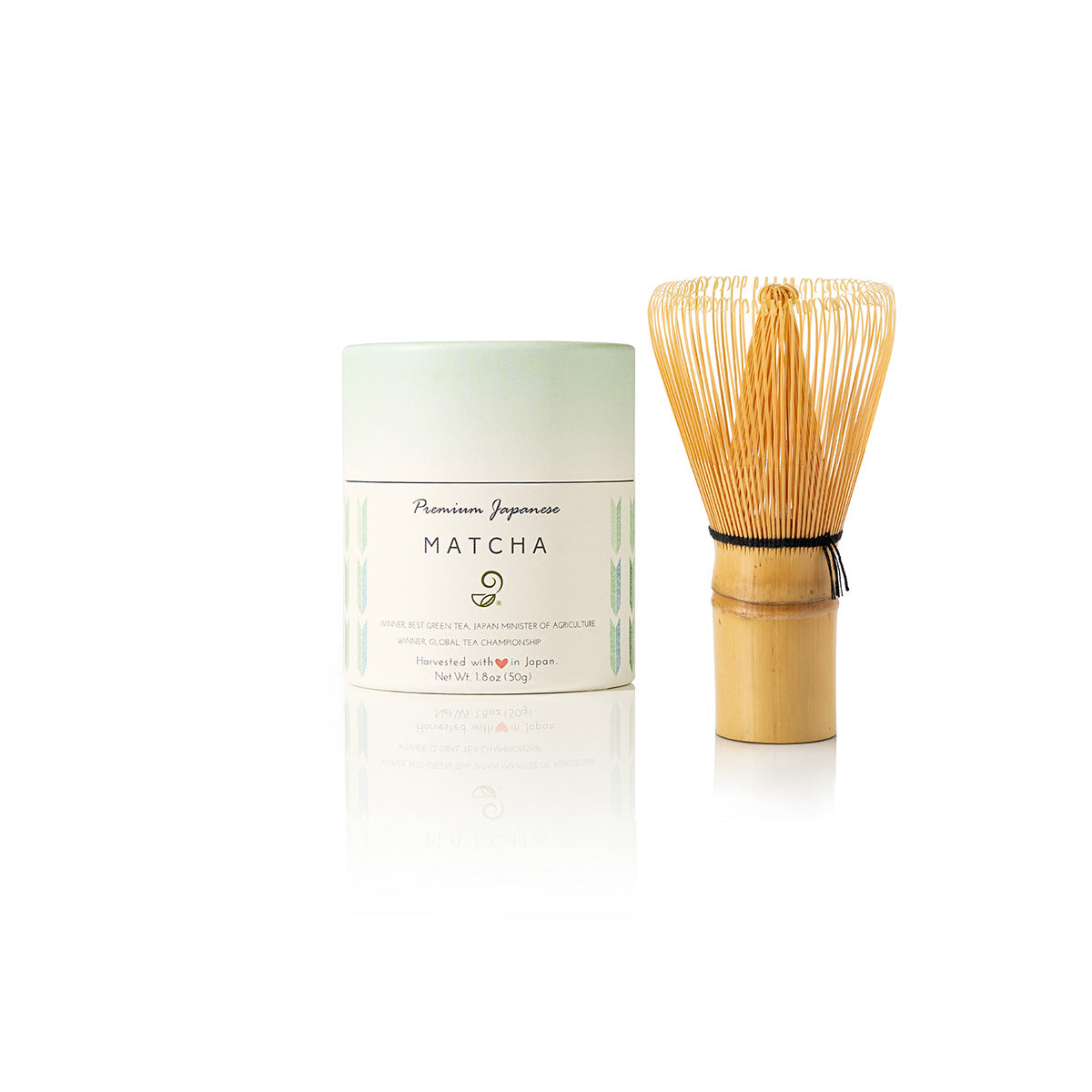
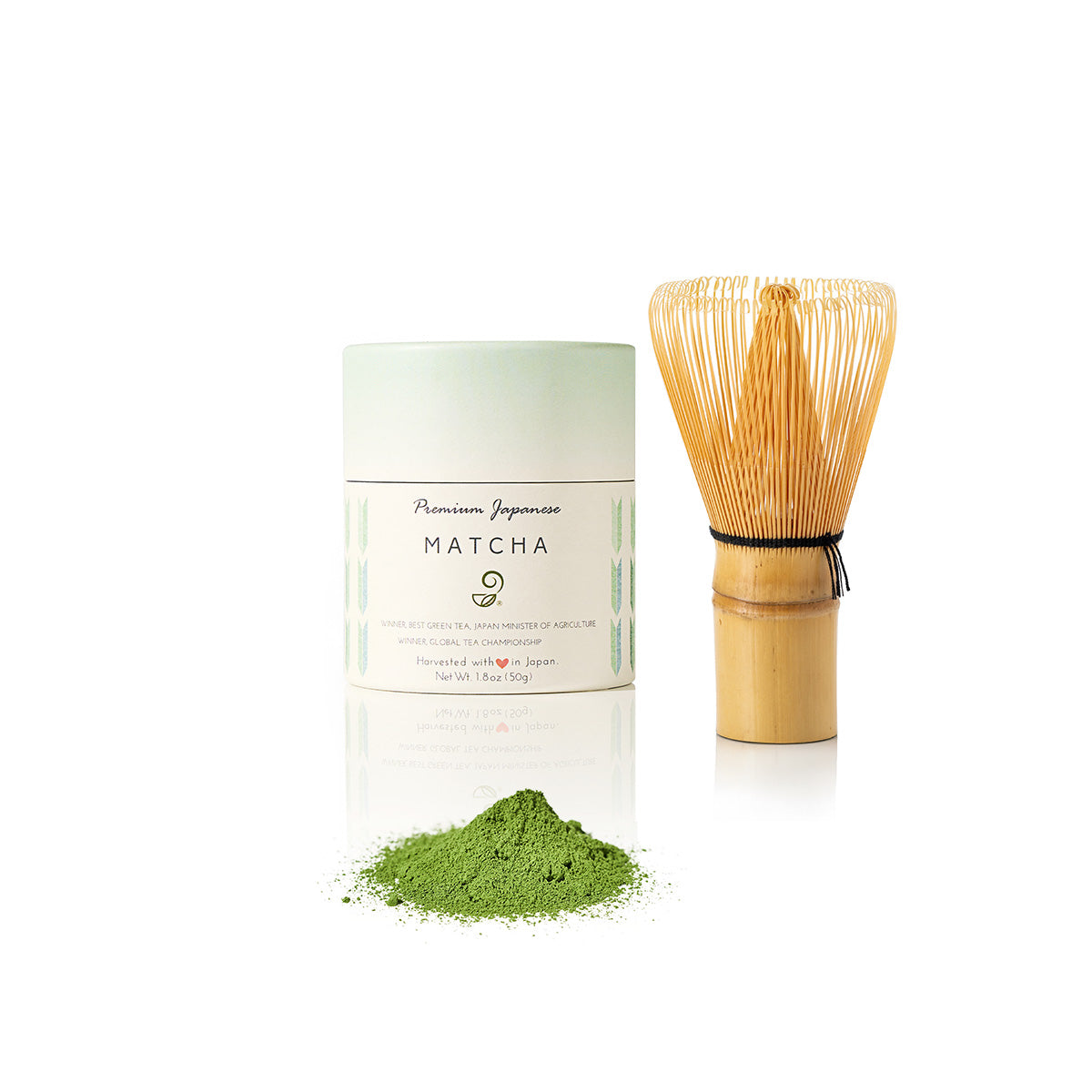
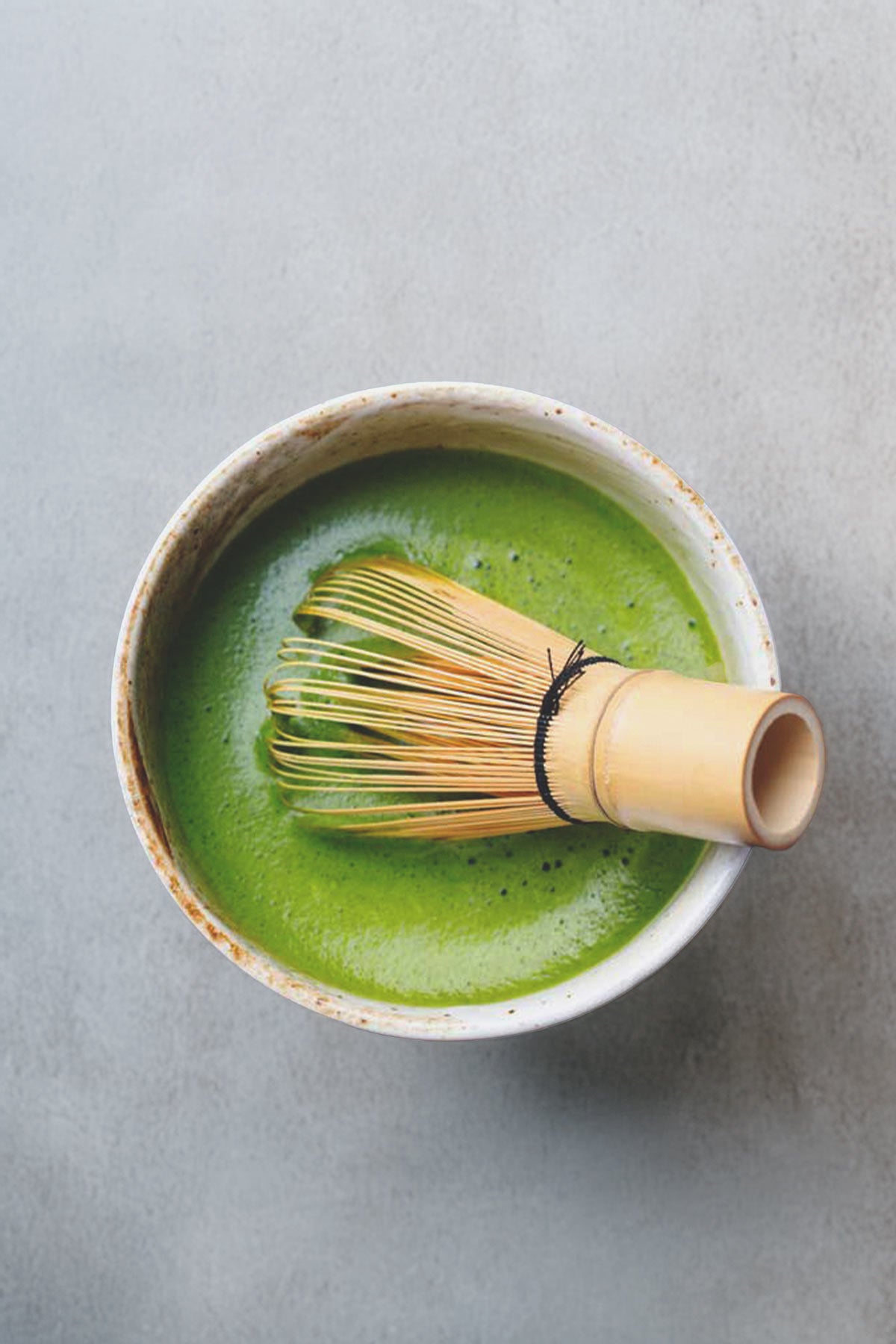
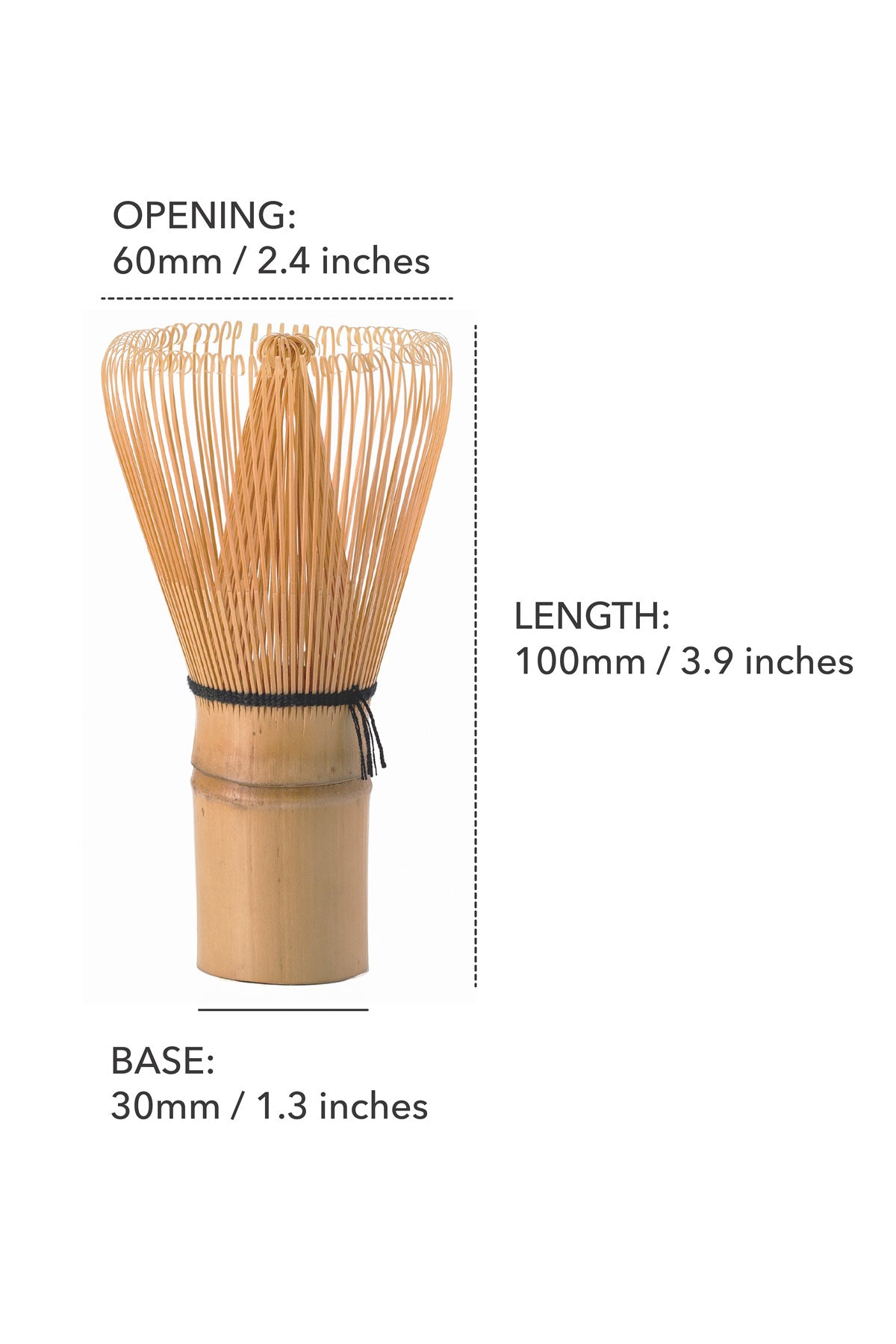
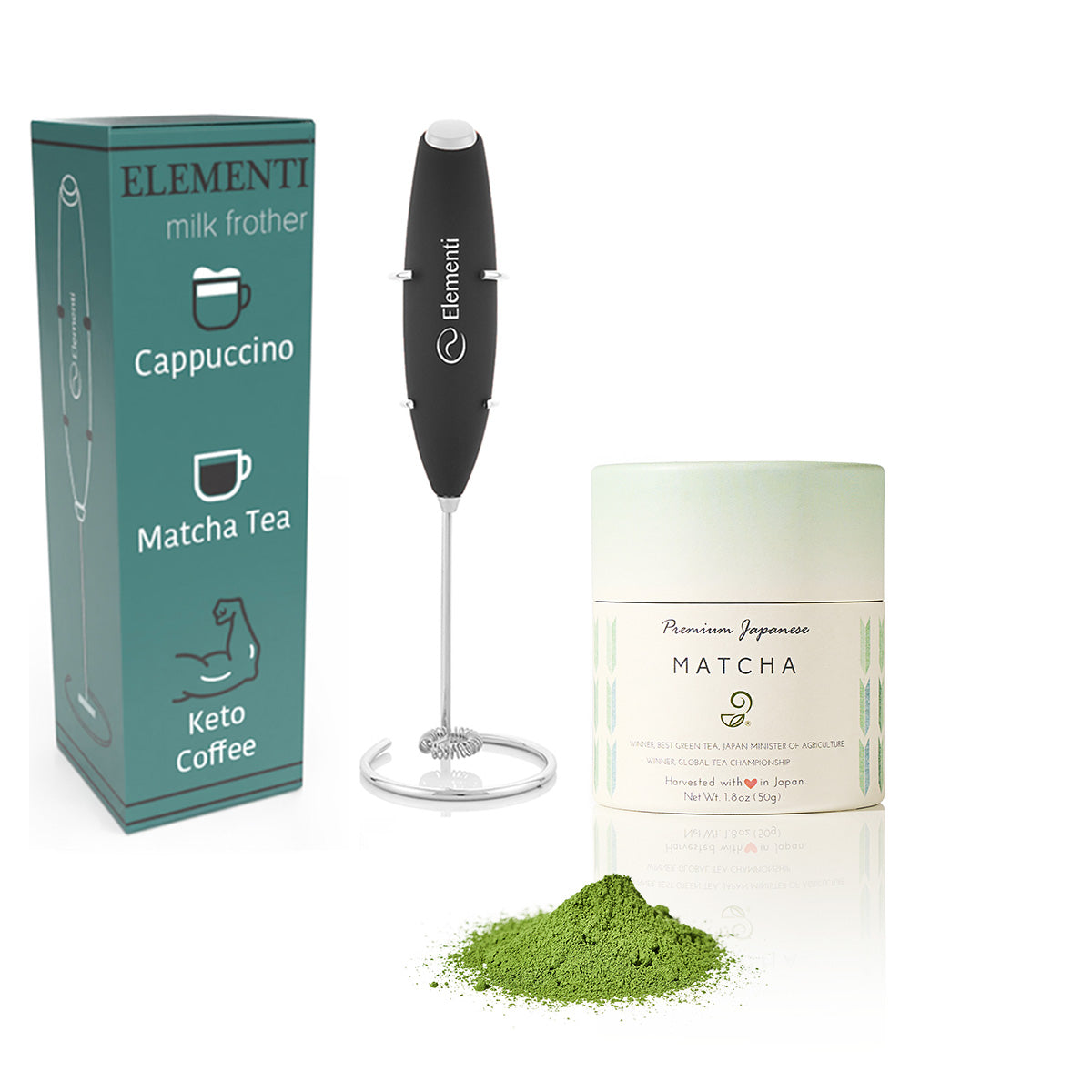
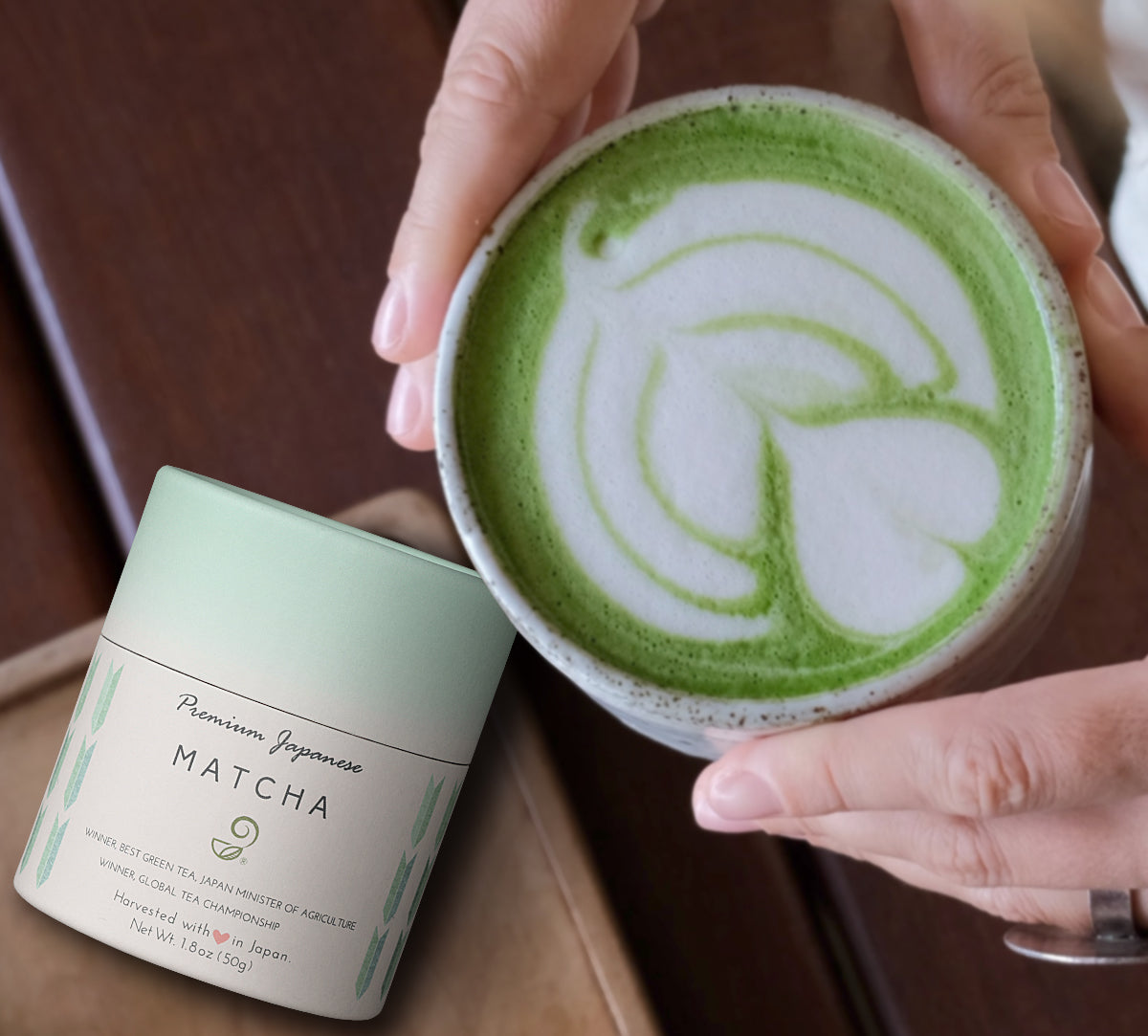
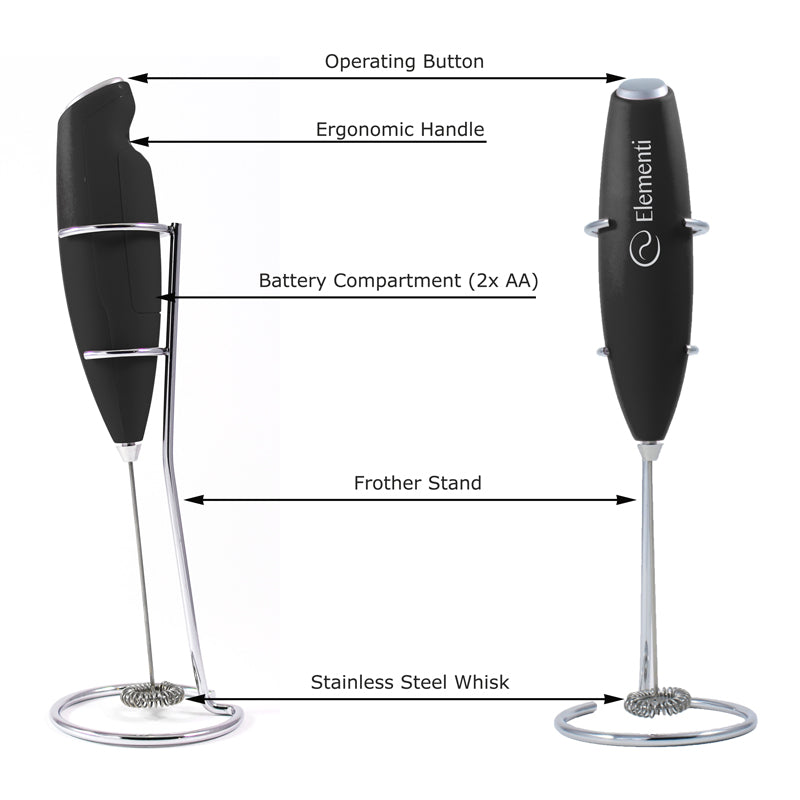
Buy Matcha for Matcha Mochi Donuts


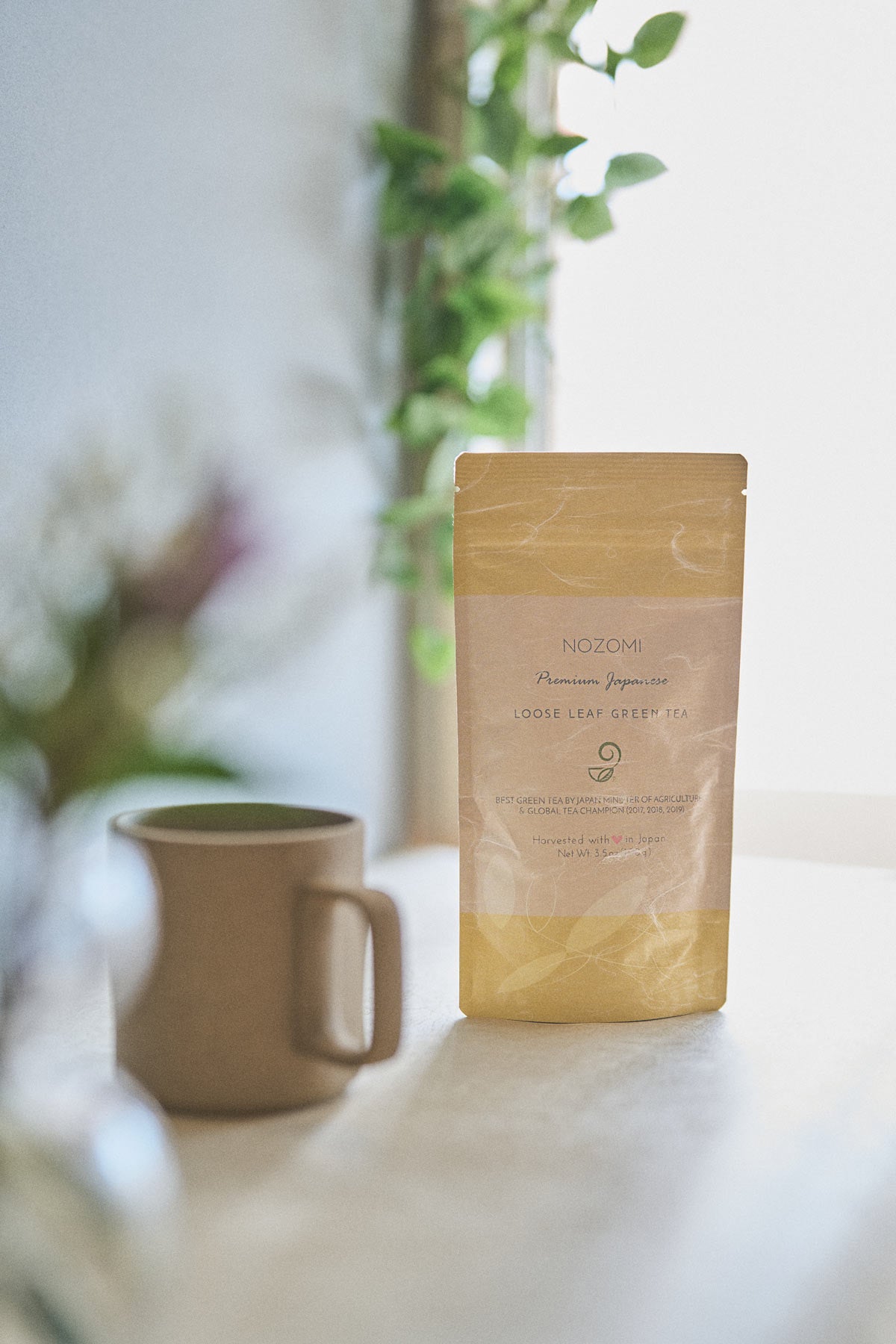
8 reviews
$179.00
$159.99
/
Quick view
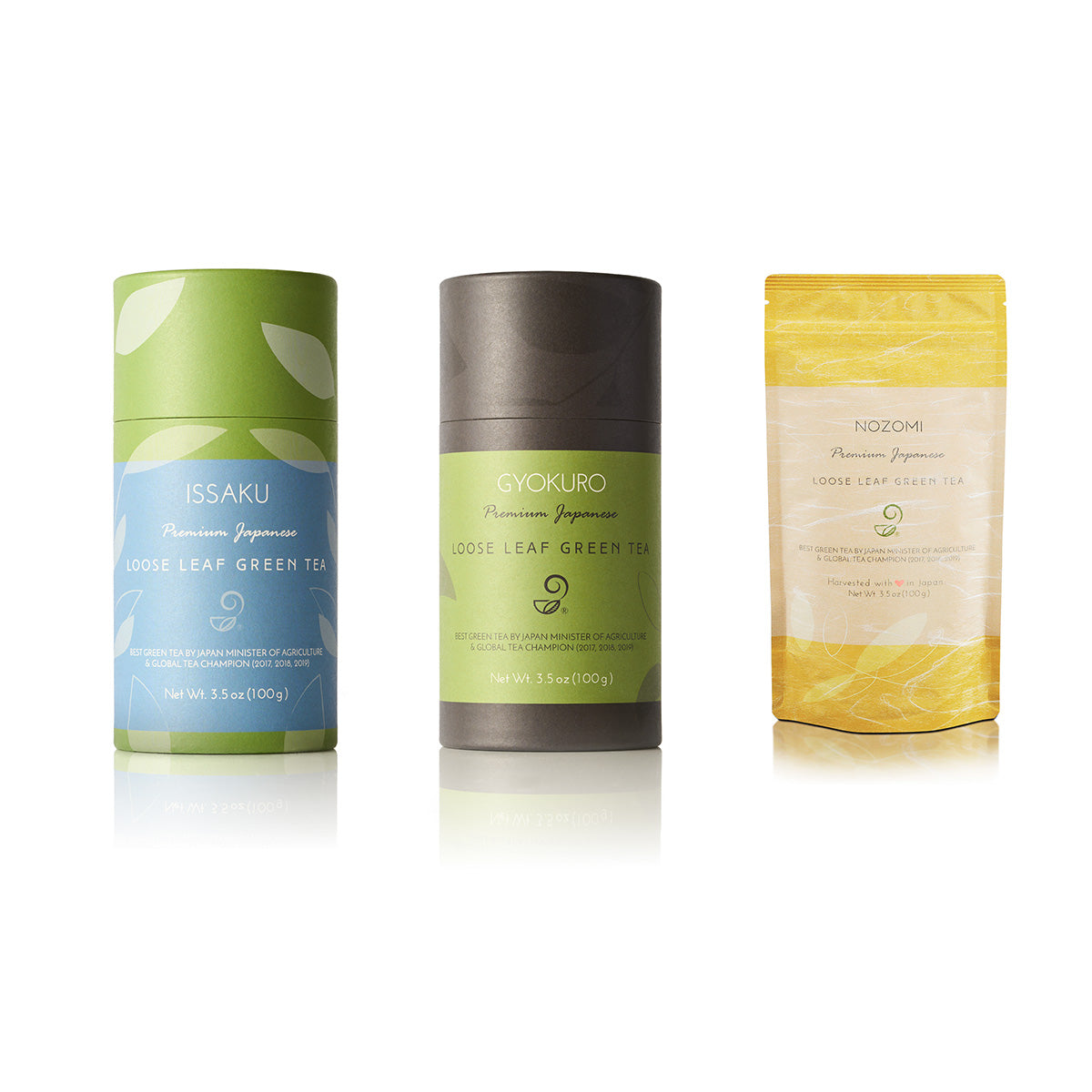
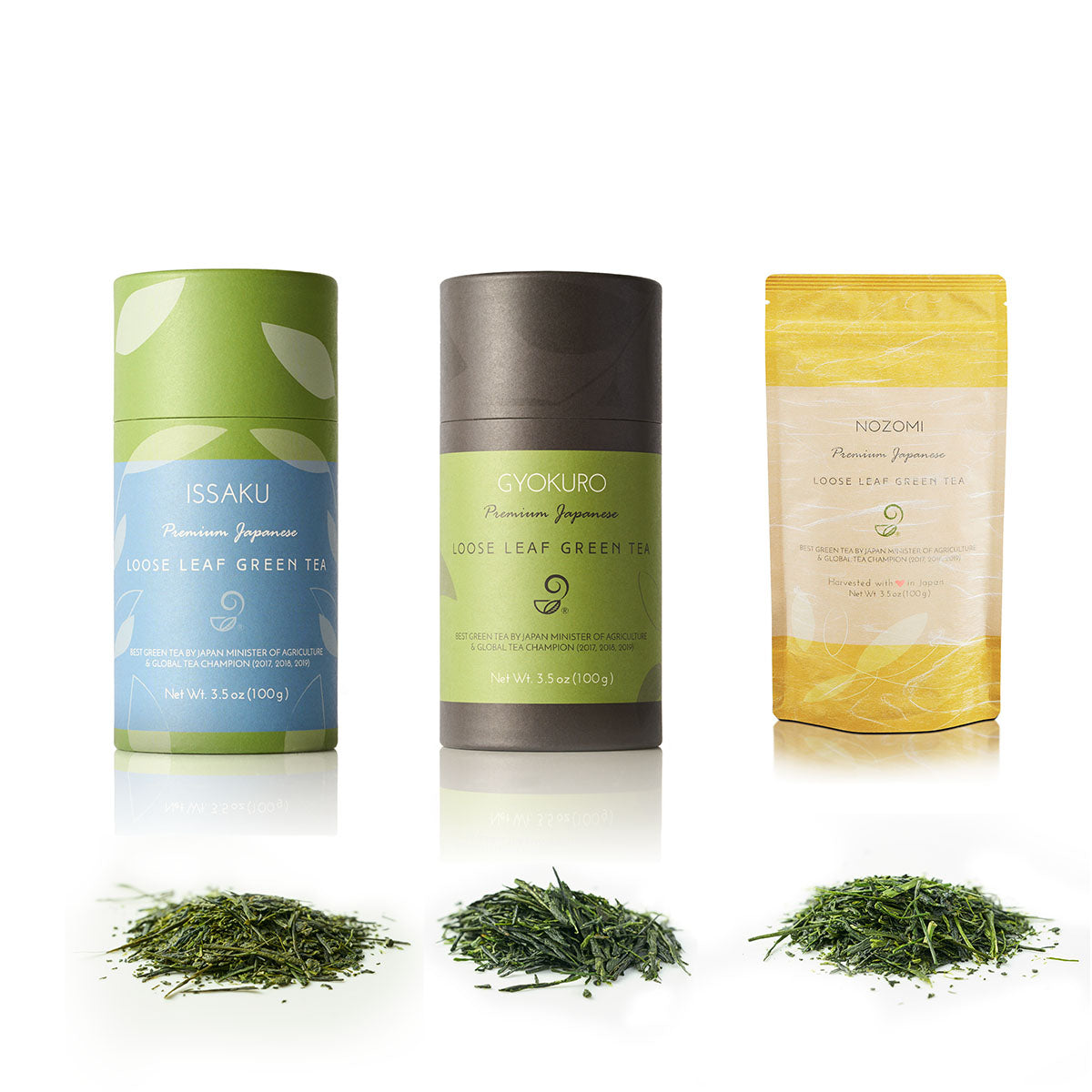
The Sencha Lover Gift Set - Premium Japanese Green Tea Set Package
• Disclosure: I only recommend products I would use myself, and all opinions expressed here are my
own. This post may contain affiliate links that I may earn a small commission at no additional cost to you.
The commission also supports us in producing better content when you buy through our site links.
Thanks for your support.
- Kei and Team at Japanese Green Tea Co.


Get Free Bonus Books

Sign up for free to the Green Tea Club to get advice and exclusive articles about how to choose Japanese Tea, and tips, tricks, and recipes for enjoying Japanese tea.
About the author

Kei Nishida
Author, CEO Dream of Japan
Certification: PMP, BS in Computer Science
Education: Western Washington University


