Table of contents
Japan loves its vending machines (known as jidōhanbaiki 自動販売機, or jihanki for short 自販機) and its green tea, so it's no wonder the combination of both is a hot trend across the country. The Japan Vending Machine Manufacturers Association notes that there is roughly one vending machine for every 23 people; this means there are more vending machines per capita in Japan than in any other country. Surprisingly, even Buddhist temples have vending machines that sell amulets.
Green tea, in its multitude of forms, is the most commonly sipped beverage in the country. Hot or cold, green tea fuels Japanese society in a number of ways, and one of the most popular means is through countless vending machines that stand like ready-to-serve sentinels throughout the country. In fact, vending machines that sell green tea, whether hot or cold, are located not only on nearly every street corner, but down alleyways, and in train stations too.

In a nation with an unquenchable thirst for green tea (ryokucha), the vending machine is a perfect partner for doling out Japan's most-consumed drink whether it's Sencha, Matcha, Kukicha, or another iteration of green tea, it's a sure bet you will find your favorite combination at a vending machine regardless of whether you are visiting Tokyo, Osaka, or Sapporo. However, if you are in the mood for hot green tea, keep in mind you are more likely to find it in vending machines during the winter rather than the summer since the demand for hot tea changes according to the season.
The trend in readily available green tea from a myriad of vending machines all over Japan is a great fit for the country's busy society. It serves Japanese culture well because, as columnist Harrison Jacobs of Business Insider notes, it's common knowledge that Japan is famous for a hard-working society where jobs take up much of its time. Thus, the need for a quick, green tea pick-me-up means taking only a few moments to feed a yen note into a machine, grabbing your tea, and heading off to the next business meeting. This is preferable in Japan's busy society than lingering in a shop waiting for tea to be prepared.
Jacobs also mentions that Japanese culture is comfortable with automation and is usually on the cutting edge, developing evolved high-tech machines. This too fits with Japan's need for convenience and ease when it comes to products – especially its craving for green tea.
Massive consumption of green tea from vending machines spans the country as 2.5 billion green tea containers are sold in Japan every year. The Japan National Tourism Organization estimates those billions of containers means that Japan gulps down vending machine green tea to the tune of about 6.95 trillion yen annually, and most machines accommodate coins, bills, various yen notes, and IC cards, such as Suica, Kitaca, Icoca, and Pasmo, among others.
When it comes to grabbing a bottle or a can of green tea from a vending machine, people in Japan have a large selection to choose from. Different green tea drinks include Genmaicha (green tea with brown rice), Gyokuro, Hojicha (roasted green tea), Matcha, Tencha, and Sencha, which is the most popular type of green tea in Japan. If there is a type of green tea that can be bottled or put into a can, you will find a machine that serves it.
The prevalence of vending machines in Japan goes beyond just convenience. These machines reflect Japan’s cultural relationship with technology and automation. The country's widespread adoption of vending machines showcases a deep trust in machines to provide quick, reliable service, which is particularly evident in its bustling urban centers. In addition to green tea, vending machines in Japan offer a variety of products, ranging from snacks and beverages to umbrellas and even fresh fruit, displaying the country’s innovative spirit.
Japan has perfected the art of vending, ensuring that no matter where you are – be it the crowded streets of Tokyo or the remote countryside – you can access essential items with minimal effort. The customization options offered by modern vending machines, such as the ability to pay with various IC cards and the machine's ability to communicate in multiple languages, make the experience both user-friendly and futuristic. Furthermore, with Japan being one of the world’s leaders in cutting-edge technology, it’s no surprise that vending machines continue to evolve with AI and contactless features, offering personalized experiences and a seamless, automated shopping journey for all.
Japan's Vending Machines not Only Deliver Green Tea, but Say “Thank You” in Japanese
Vending machine culture, and the green tea trend in Japan show no sign of slowing down. In fact, you can probably expect automated machines to become more high tech and consumer-friendly in the future. Not that they aren't already friendly to those who patronize them; after all, some jidōhanbaiki offer a spoken “thank you” once your order has been delivered. Politeness is a characteristic in Japanese culture, and manners even extend to vending machines! As Kontaku.com noted in an article, some jihanki (a shorter reference for vending machine) even update you on current events or the weather.
In addition to their polite "thank you" messages, Japan’s vending machines are becoming increasingly interactive, catering to the cultural value of customer service and convenience. Some machines offer touchscreens that allow customers to select specific tea varieties or even learn more about the products they're purchasing, such as detailed descriptions of the green tea’s origins or health benefits.
Furthermore, these machines often have the ability to adjust to user preferences, remembering past orders and suggesting personalized options based on the time of day or weather conditions. For example, on a chilly winter morning, a vending machine might recommend a hot cup of Sencha or Hojicha to warm you up, while in summer, it may suggest a refreshing cold matcha. This integration of technology creates an intuitive, user-centric experience that goes beyond simply vending a product – it enhances the interaction between the machine and its users, reflecting the Japanese commitment to seamless service and innovation.
A History of Unmanned Sellers
Part of Japan’s history with jihanki has to do with the country’s post-World War II rebuilding efforts. Throughout the 1940s, jihanki gave Japanese consumers quick, easy access to the food goods they needed throughout their day and kept operating costs low for food sellers. A related tradition is the “unmanned seller,” which describes fruit and vegetable stands, often in the Japanese countryside, at which customers pay and pick their produce without interacting with a vendor. Low operating costs for food vendors helped consumers get more value for their food money.
The concept of unmanned sellers in Japan, which extends beyond vending machines, is deeply rooted in the country’s rural culture and post-war economic recovery. In the countryside, unmanned stalls selling fresh produce, flowers, and local goods became an efficient and sustainable way to provide for communities. These stands, often placed along roadsides or in farmers' markets, relied on the honor system, where customers could select their items and leave payment in a box without needing to speak to a vendor. This tradition not only kept overhead costs low for small-scale farmers and producers but also promoted trust and a sense of community among consumers.
As Japan transitioned into an industrialized society, this model of efficiency and self-service translated well into urban areas, where vending machines could offer products like snacks, drinks, and even hot meals, all without the need for human interaction. Today, the legacy of unmanned sellers continues to thrive in Japan, influencing everything from convenience store systems to digital services, where customers are empowered to make their own purchases with minimal effort.
Low Crime Rate and Vending Machine
Japan’s low crime rate is another factor in its vending machine culture. Unmanned sellers were, and still are, unlikely to be stolen from. Likewise, Japanese citizens are quite unlikely to vandalize or attempt to rob jihanki.
Jihanki continued to gain popularity in the 1960s when Japan’s population expanded and its infrastructure grew. Access to vending machines became part of everyday life, and Japanese citizens became familiar and comfortable with jihanki, eventually growing to expect them. Because the vending machines are generally kept in good working order and are rarely vandalized, consumers trust that the food, cigarettes, and drinks offered by the machines are safe to consume.

The presence of vending machines in nearly every corner of Japan has become a cultural norm, further solidified by the country's well-established safety and trust in automation. This high level of trust in unmanned machines has encouraged the expansion of vending machines into even more specialized areas, such as vending machines that offer fresh food, flowers, and even daily necessities like toiletries.
With the Japanese public’s confidence in their reliability, these machines are used not just for convenience but also for quick access to essential items, especially in busy urban settings. The growing integration of vending machines into daily life aligns with Japan’s values of efficiency and convenience, and as the country continues to innovate with technology, it's likely that the relationship between Japanese consumers and vending machines will only deepen, leading to even more advanced, user-friendly, and versatile vending experiences in the future.
The Many Drink Makers
In addition, Japan is also home to a large number of soft drink manufacturers. Jihanki serve as point-of-purchase advertising for beverage companies like Asahi, Calpis, Ito En, Kirin, Pokka Sapporo, and Suntory. Each company crafts its vending machine to be eye-catching, and to be branded with the company’s unique visual language. Consumers just have to glance at the machine to know what kind of drinks to expect.
However, unlike in the United States where vending machines are associated with unhealthy drinks full of sugar, artificial colors, excessive sodium, and empty calories, jihanki tend to serve healthy beverages. Japanese consumers often choose healthy drinks such as water, mineral water, plum juice, coffee, and unsweetened green tea over sugar-laden sodas and energy drinks; of course, U.S.-based brands such as Coca Cola, Dr. Pepper, Minute Maid, and Fanta do also take a share of the Japanese vending machine market.
The focus on health-conscious beverages in Japan's vending machines reflects the country's overall cultural emphasis on well-being and balanced lifestyles. Unlike in many other countries where vending machines are often stocked with sugary sodas and snacks, Japanese vending machines prioritize drinks that promote hydration, relaxation, and nutritional benefits. Green tea, in particular, stands out as a staple in these machines due to its numerous health benefits, including antioxidants that support the immune system.
Additionally, the growing popularity of bottled coffee and lightly sweetened fruit juices provides a diverse range of beverages to suit every taste and dietary preference. Companies like Ito En and Suntory have tapped into this health-conscious trend, offering drinks with minimal additives, further cementing the role of vending machines as a convenient, yet healthier, alternative to traditional convenience store options. This commitment to healthier options ensures that the vending machine culture in Japan remains aligned with the country's values of quality, nutrition, and consumer satisfaction.
Green Tea Vending Machines
Some jihanki specialize in green tea; you can spot these by the tea theme of the machine, which might include the kanji character for “tea” written all over the outside of the vending machine. Japanese tea beverages are served unsweetened, and without sugar or sugar substitutes with the exception of black teas which are available from jihanki with sugar and milk, the way black tea is often served in Europe.
2.5 billion green tea cans are sold in Japan per year. Many brands, including Oi Ocha (which translates into English as “Hey, tea”), opt to package their products in transparent plastic bottles that allow consumers to see the green color of the tea. The labels of these bottles are often green themselves and depict leaves. This design makes the tea appear refreshing, but also makes many of the tea brands look almost identical.

Ito En, the maker of Oi Ocha, was the Japanese company that first introduced bottled green tea in vending machines. The traditional tea company introduced cans of sencha green tea in 1985 and followed up with bottled Oi Ocha in 1989. Oi Ocha is the most popular bottles green tea in Japanese vending machines.
The Coca-Cola company’s bottled green tea brand is called Ayataka, which earns the manufacturer over $1 billion in sales per year. Coca-Cola developed its green tea flavor in partnership with Kanbayashi Shunsho, a traditional tea maker based in Kyoto.
The appeal of these green tea vending machines lies not only in their functionality but also in their design. By offering transparent bottles that showcase the vibrant green color of the tea, these machines make the drink visually inviting and refreshing. This branding strategy helps distinguish green tea from other beverages, despite the fact that many of the labels and packaging may look similar. The introduction of bottled green tea by Ito En in 1985 revolutionized the way Japanese consumers enjoyed their favorite drink, while Coca-Cola’s entry into the market with Ayataka further boosted green tea’s popularity globally. As more companies continue to innovate and improve their green tea offerings, these specialized vending machines will likely remain a beloved feature of Japanese society, reflecting both the country’s traditional tea culture and its modern need for convenience.
Conclusion
Japan’s unique vending machine culture, particularly its focus on green tea, is a fascinating blend of tradition, convenience, and innovation. The country’s dedication to offering high-quality, health-conscious beverages through automated machines has made green tea an accessible and integral part of daily life. With an impressive selection of teas, from traditional Sencha to trendy bottled options like Oi Ocha, Japan’s vending machines continue to cater to a fast-paced society that values both efficiency and wellness. As technology evolves and consumer preferences shift, it's clear that vending machines will remain a cornerstone of Japanese culture, providing quick, reliable, and refreshing drinks for years to come.
Read on - Click here to read about Major Green Tea Manufactures in Japan
Above is part of a chapter from my recent book: Green Tea Cha : How Japan and the World Enjoy Green Tea in the 21st Century
Please Click Below Image to Get My Book Green Tea Cha : How Japan and the World Enjoy Green Tea in the 21st Century from Amazon (Both Printable Format and Kindle Version Available)

Green Tea Cha - How Japan and the World Enjoy Green Tea in the 21st Century
Paperback: 152 pages
Language: English
ISBN-10: 1546704418
ISBN-13: 978-1546704416
Product Dimensions: 5.5 x 0.4 x 8.5 inches
Shipping Weight: 9 ounces
Language: English
ISBN-10: 1546704418
ISBN-13: 978-1546704416
Product Dimensions: 5.5 x 0.4 x 8.5 inches
Shipping Weight: 9 ounces
Book Description:
Kei Nishida is back with his latest book on the subject of Green Tea, Green Tea Cha, How Japan and the world Enjoys Green Tea in the 21st Century. In this 143 page book Tokyo native Nishida covers the changing use and appreciation for tea in the 21st Century. He brings together a collection of facts and observances that allows the reader to peer into the cultural mindset of those who enjoy Green Tea. He begins by explaining how tea is enjoyed in Japan today and the merger of traditional Japanese culture with that of the jihanki (vending machines) and ends with a discussion of Green Tea Beverages that “you’ve never heard of before but are drop dead delicious.” Each chapter brings together a plethora of information about the uses of Green Tea in his pleasant, informative style, encouraging the reader to seek out these drinks and dishes for themselves. By the end of the book readers will not only have a list of “must try” drinks and dishes but also an appreciation for this powerful, tasty antioxidant.
Click Here to Get This Book On Amazon Now
FAQs about Japanese Tea Vending Machine Culture
Are vending machine teas as good as fresh-brewed — is the quality real?
Are there tea vending machines outside Japan — where else can I find them?
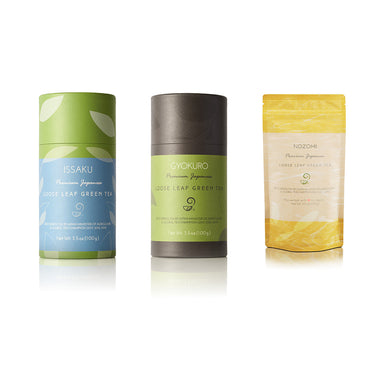
Related products

10 reviews
$179.00 USD
$159.99 USD
USD
/
The Sencha Lover Gift Set - Premium Japanese Green Tea Set Package


Get Free Bonus Books

Sign up for free to the Green Tea Club to get advice and exclusive articles about how to choose Japanese Tea, and tips, tricks, and recipes for enjoying Japanese tea.
About the author
Kei Nishida
Author, CEO Dream of Japan
Certification: PMP, BS in Computer Science
Education: Western Washington University