Skip to content

Traditional Japanese Teas and Modern Ready-to-Drink Options: A Review of the Most Delicious Selections

Japanese tea culture has long been celebrated, featuring an assortment of teas that differ in flavor, preparation techniques, and cultural significance. Tea rituals, known as "chanoyu" or "sado," combined art with mindfulness, reflecting Zen ideas that have had such an impactful presence in Japanese society for millennia. This article delves into traditional Japanese teas and modern ready-to-drink equivalents to comprehensively review some of today's best offerings. To find out more about Japanese treats, also check out the Tokyo Treat review on realreviews.io.

Matcha: The Ceremonial Green Tea

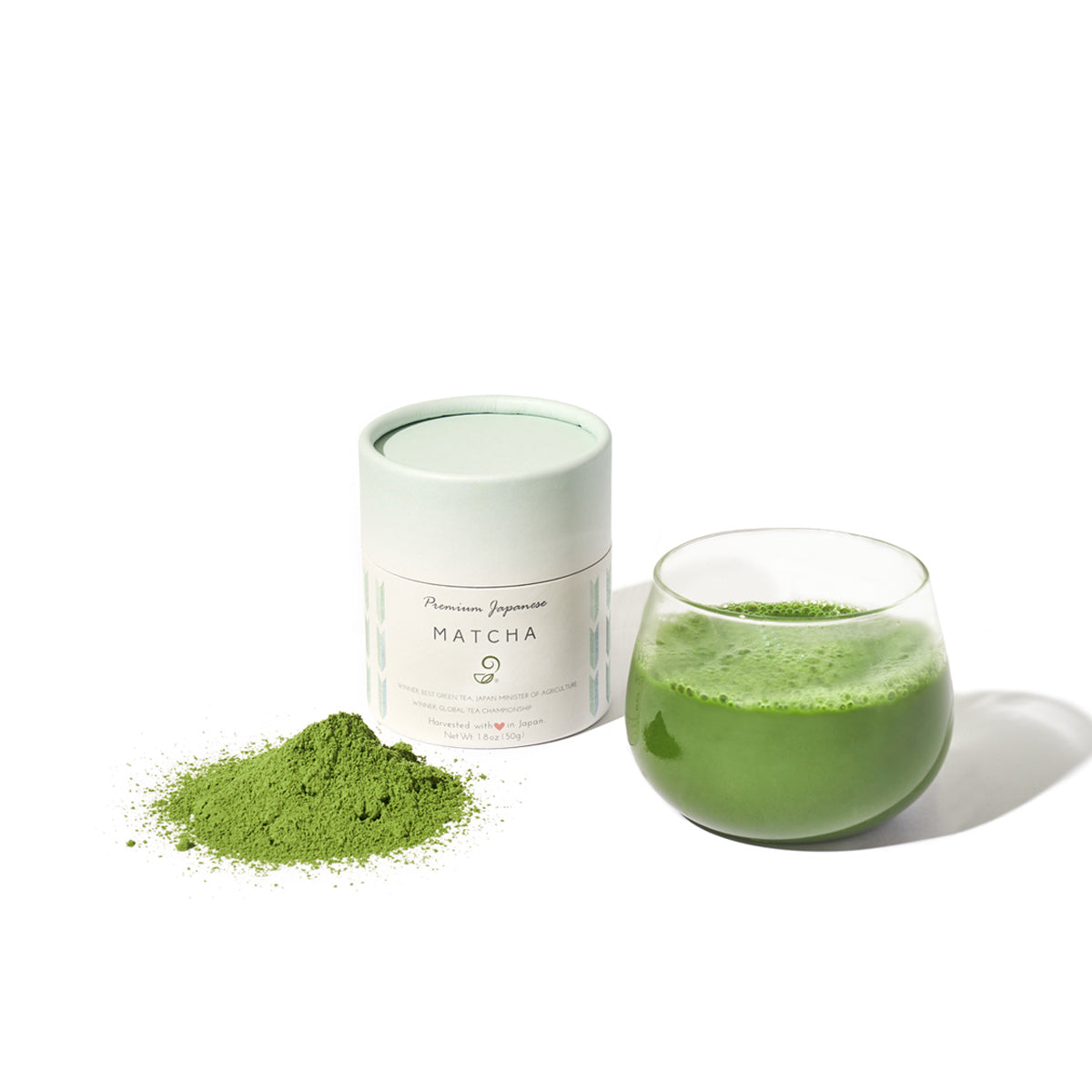
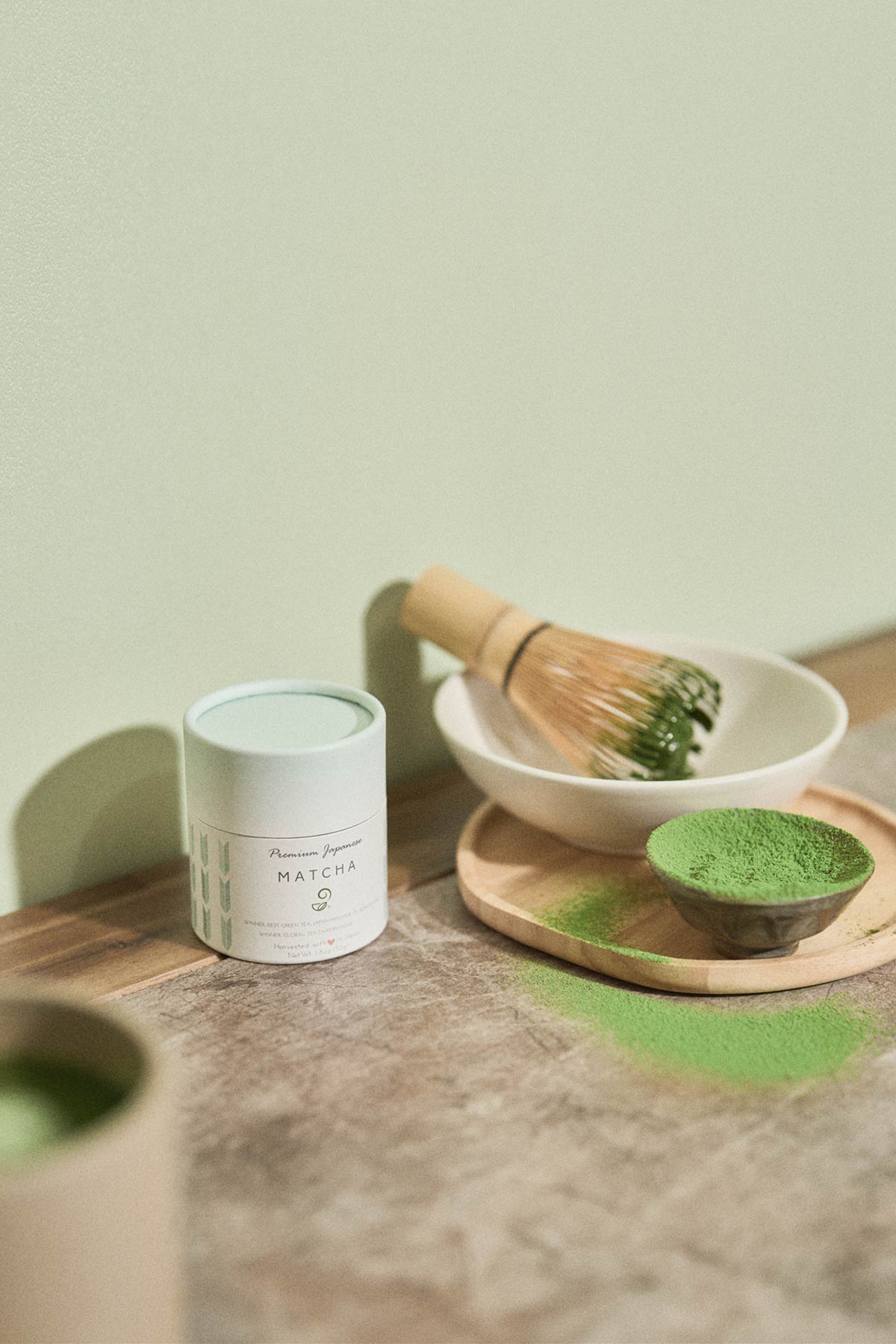
Japanese green tea powder, or matcha, is one of the most popular traditional drinks in Japan. Matcha is a popular green drink that is made by whisking powder with hot water to create a creamy, frothy drink with rich, somewhat bitter tastes. It is also known for its high antioxidant content and metabolism-boosting properties. Although it's still frequently served at traditional tea ceremonies, you can now find it in lattes, desserts, and even savory meals!

Sencha: Everyday Green Tea

Sencha is Japan's favorite tea, accounting for over 80% of their output. Crafted from steamed and dried green tea leaves, its refreshing grassy taste features subtle sweetness. Prep time is easy: simply soak the leaves in hot water for several minutes! Sencha's characteristic bitter-umami balance has made it an enjoyable option for regular drinking, while it's recognized for improving digestion and having relaxing properties as health benefits.

Genmaicha: The Nutty Green Tea

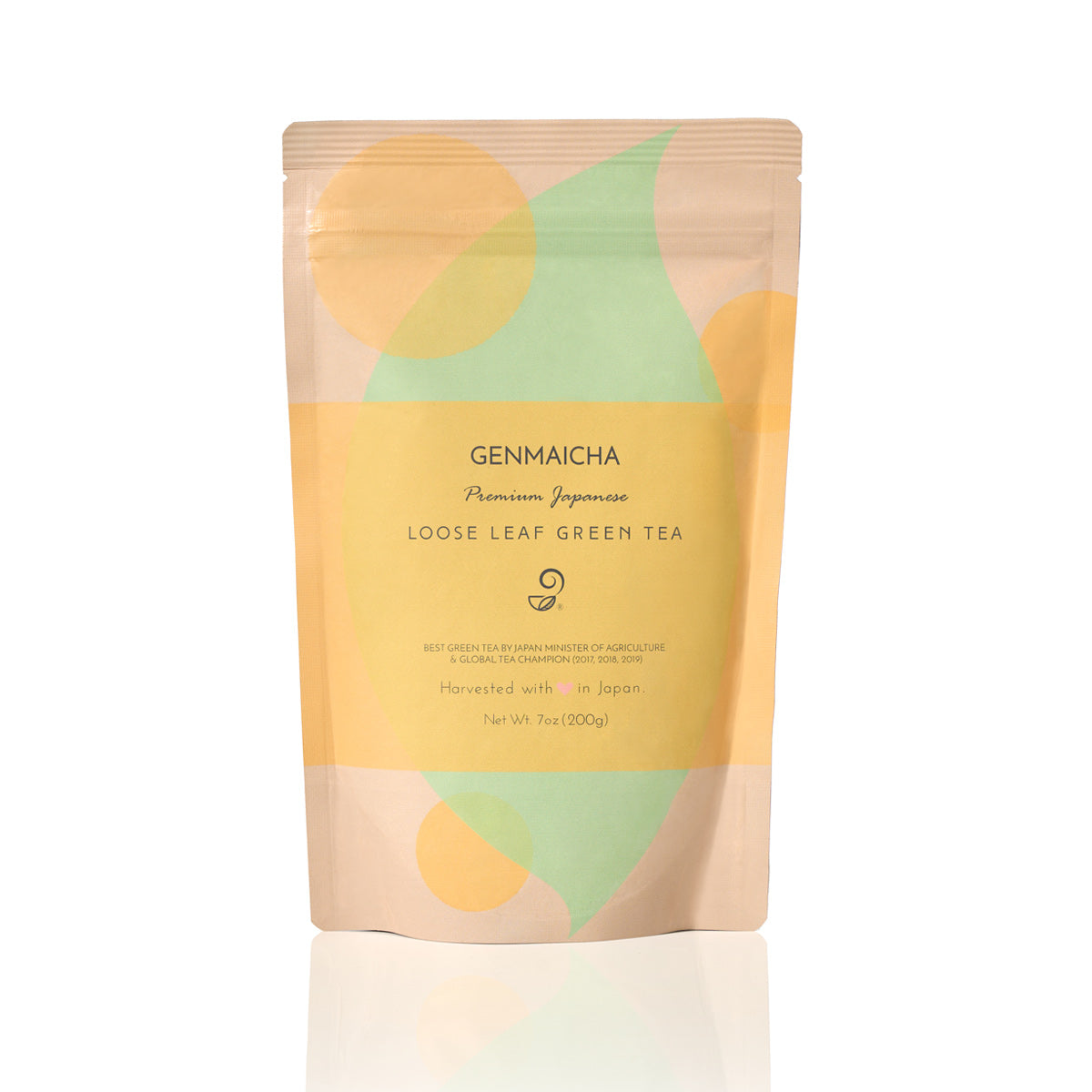
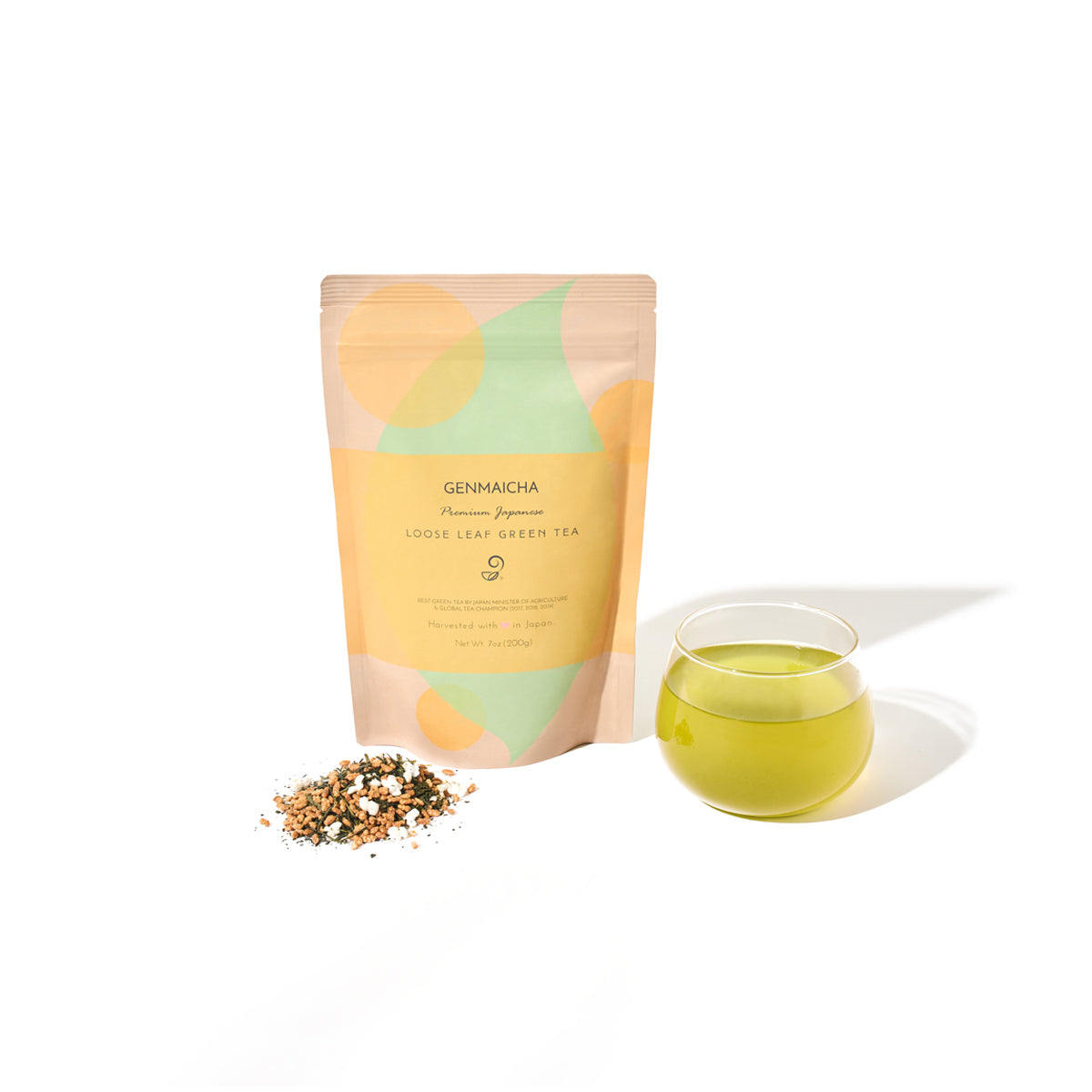
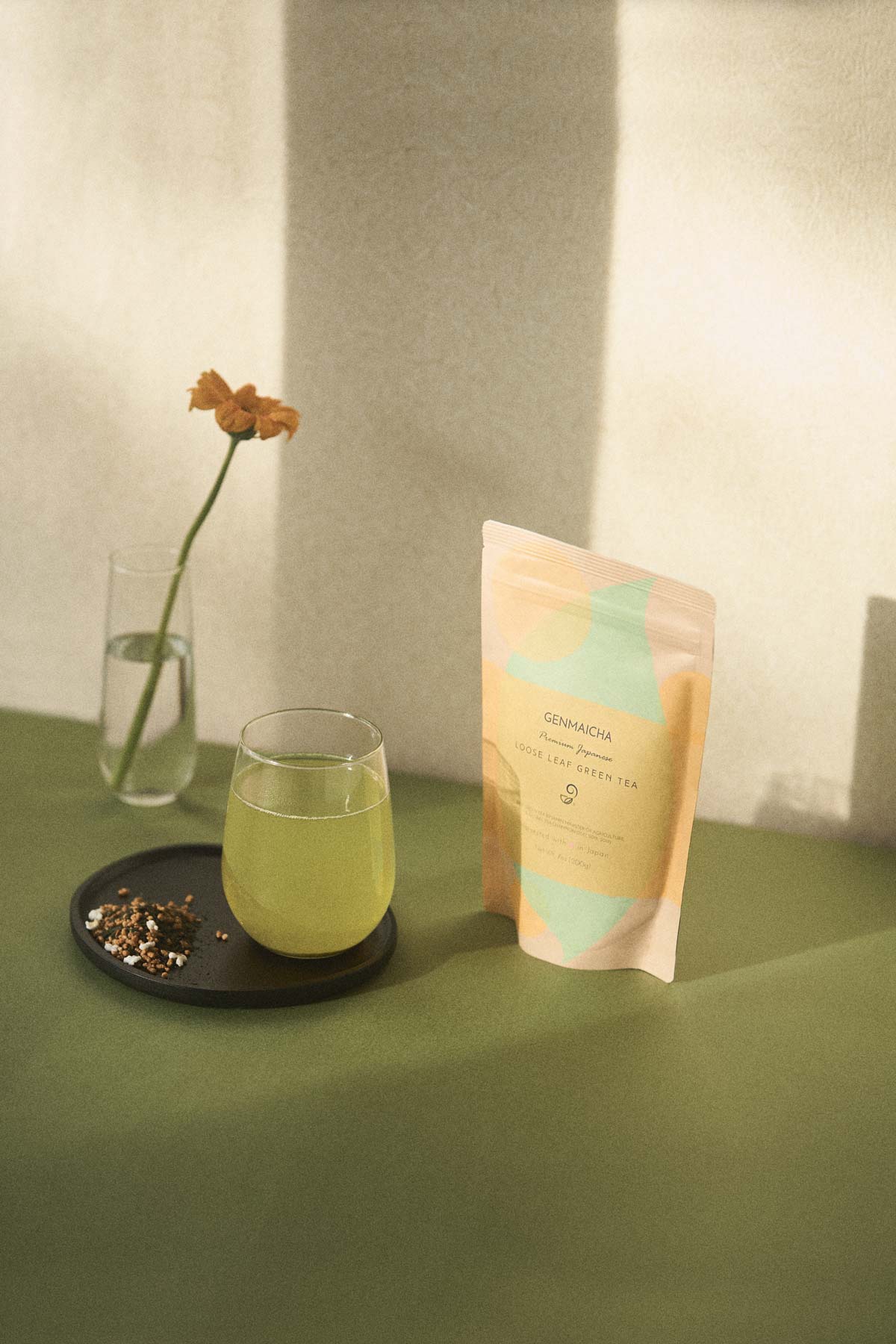
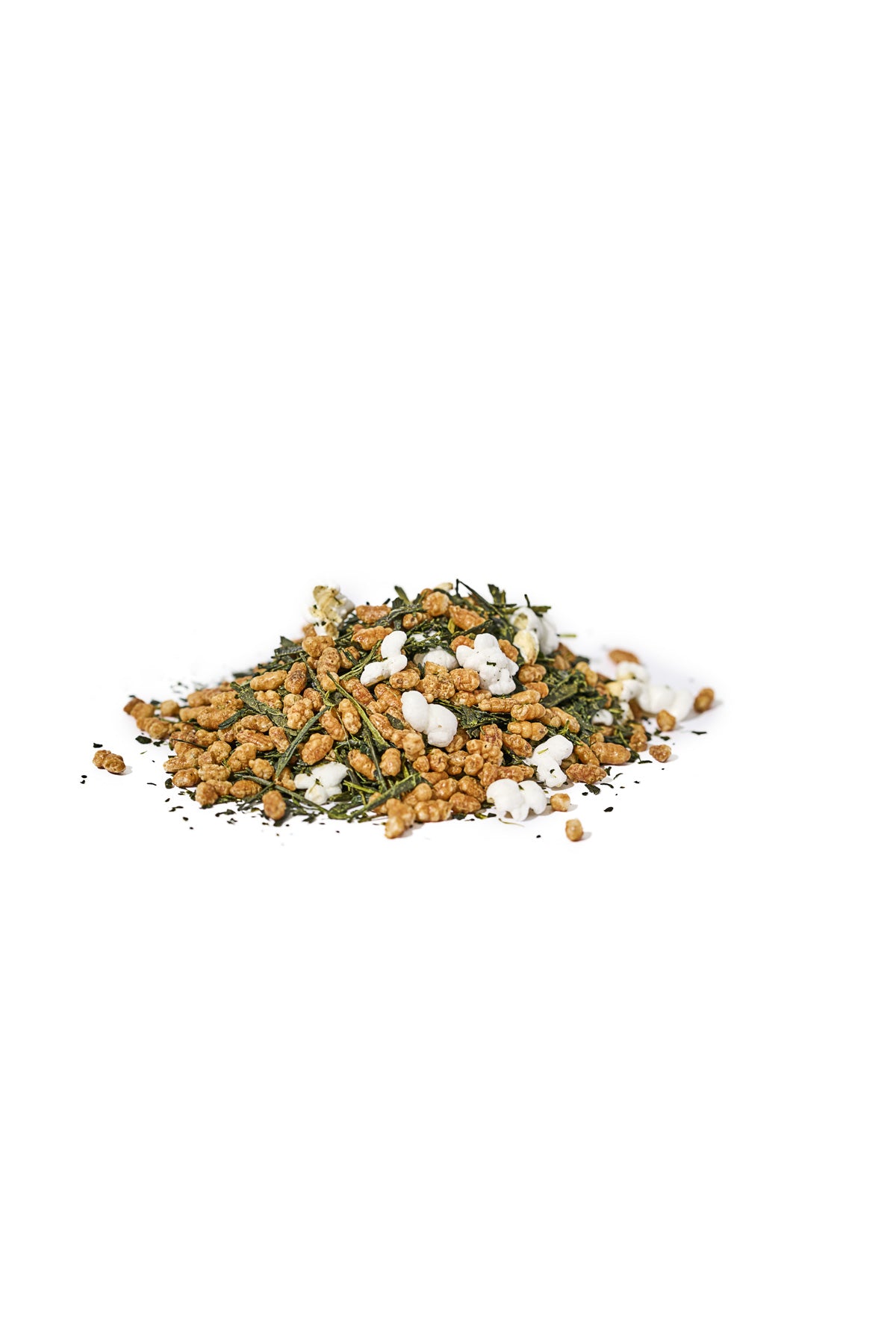
Genmaicha is an extraordinary combination of green tea and roasted brown rice, creating an irresistibly nutty and toasty taste. When combined with Sencha or Bancha tea leaves and rice grains, Genmaicha takes on its trademark scent and smooth yet slightly sweet flavor - often known by its nickname as popcorn tea due to certain grains popping while being roasted. Genmaicha has become a trendy beverage to relax after meals or enjoy on a relaxing day.

Hojicha: The Roasted Green Tea

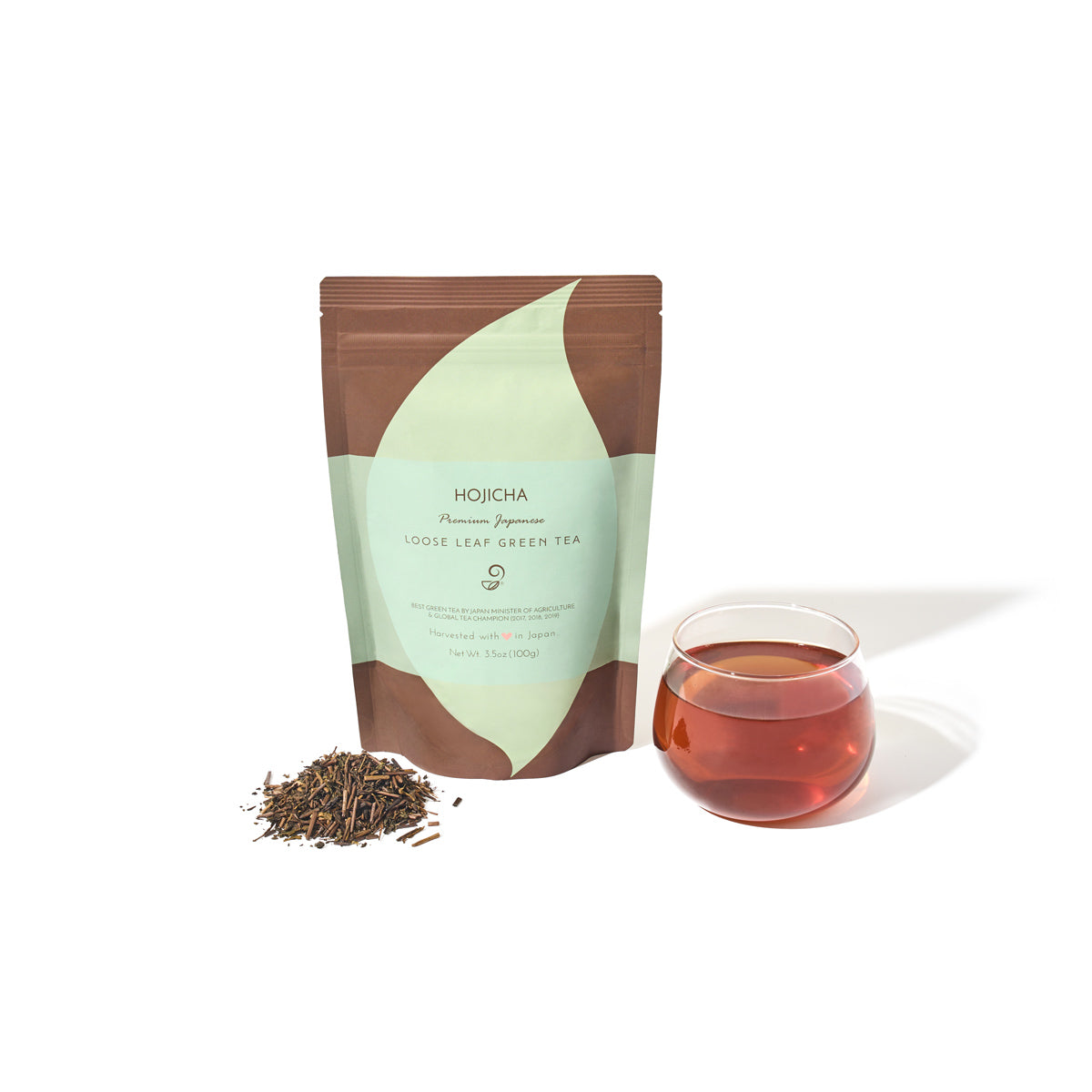
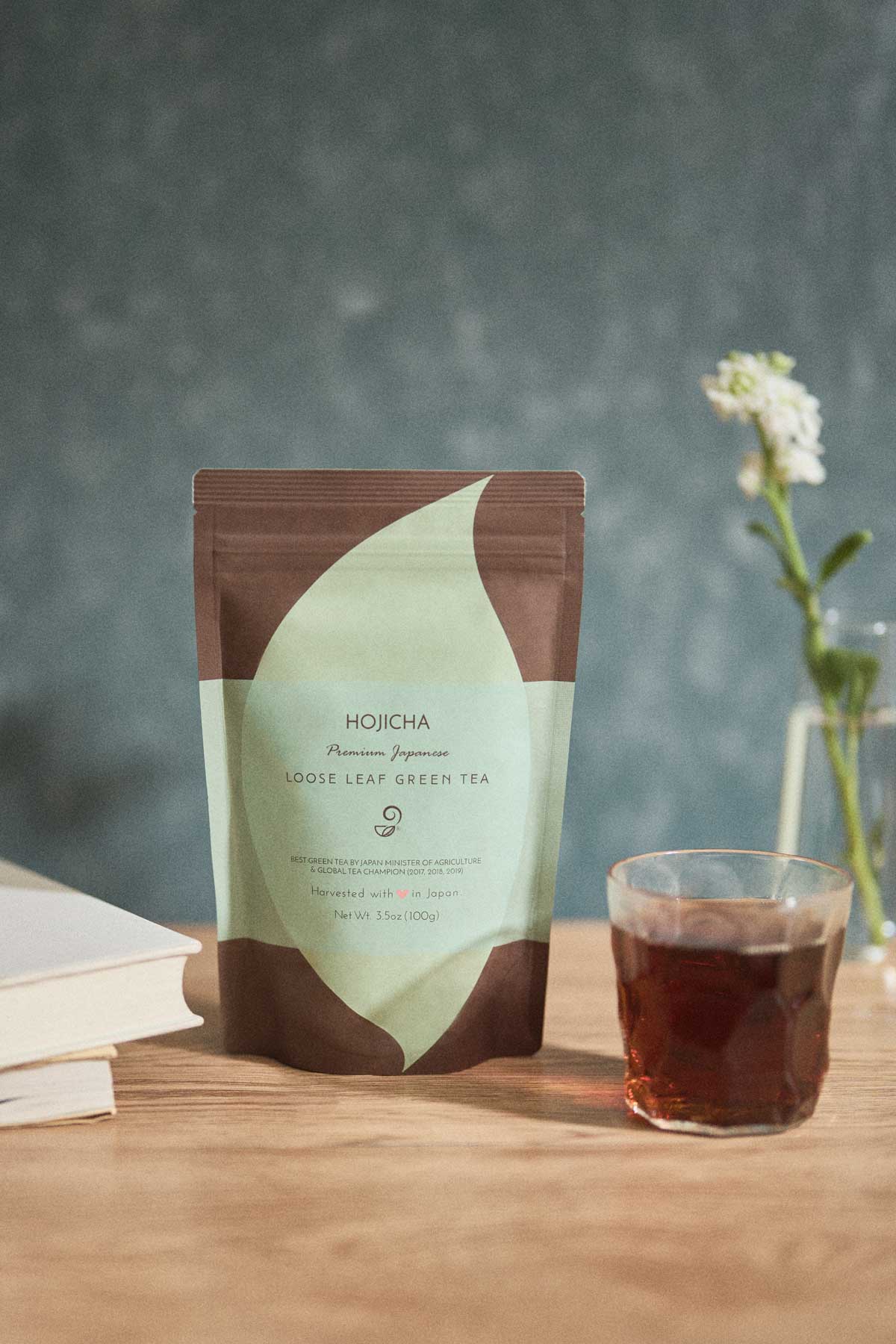
Hojicha green tea stands out from other varieties by its distinctive roasting process. Tea leaves are heated at high temperatures until their flavors, aroma, and reddish-brown hue emerge; this also reduces caffeine concentration levels, making Hojicha an excellent option for evening sipping or caffeine-sensitive individuals. Hojicha offers its distinct taste profile featuring caramel notes and subtle smokiness - an appealing change from the standard green tea experience!

Modern Ready-to-Drink Japanese Teas

Ready-to-drink (RTD) teas have gained popularity recently, providing consumers with a hassle-free, easy method to enjoy Japanese tea without having to prepare it ahead of time. There are many different flavors and variations of RTDs available, ranging from the classic green to intriguing mixes and infusions. They are therefore sensible options that people may enjoy while having hectic lifestyles. Those who like to sample the distinctive tastes of Japanese tea while on the road will find these easy choices to be ideal. RTD teas are also frequently packed using eco-friendly materials, which makes them a sustainable option for customers who care about the environment.

Ito En: A Leader in RTD Teas

Ito En is an esteemed name in the RTD tea industry, and it is known for its premium quality products and commitment to authenticity. They offer various varieties of green tea, such as Oi Ocha (pure, unsweetened green tea). It boasts fresh yet slightly bitter notes reminiscent of freshly brewed Sencha; other options offered by Ito En include Jasmine Green Tea and Matcha Green Tea, which cater to different preferences while upholding Japanese tradition.

Kirin: Innovation in RTD Teas

Kirin is an esteemed beverage business that has tremendously advanced RTD tea production. Their Kirin Nama-cha product is an outstanding option with a fresh-brewed taste and clean aftertaste. It is created using freshly plucked leaves in their particular brewing method to maintain original aromas. Kirin has also experimented with different tea blends, such as Lemon Green Tea and Sweetened Milk Tea, that appeal to various customer demographics.

Suntory: Tradition Meets Convenience

Suntory, another prominent beverage company, has successfully blended tradition with convenience in its RTD tea line. Their Iyemon brand features teas crafted using high-grade leaves from Kyoto - an area well known for tea production - while Iyemon Tokucha stands out as an incredibly delicious blend that combines tradition with modern health benefits for weight management and fat burning. Suntory's dedication to quality and innovation has cemented its place among those seeking authentic Japanese flavors in an easily accessible packaging format.

Crafting the Perfect RTD Tea

RTD Japanese teas' success lies in a carefully crafted process that marries traditional and modern technology. High-grade leaves are selected and processed to retain their unique tastes and health benefits; advanced brewing procedures capture this essence for an experience similar to freshly brewed tea; aseptic packaging technology increases freshness while oxygen-free settings increase shelf life; packaging innovations help preserve their freshness over time.

Health Benefits of Japanese Teas

Traditional and ready-to-drink Japanese teas are widely recognized for their numerous health benefits, mainly green varieties like Matcha and Sencha that contain high levels of antioxidants that fight free radicals that contribute to chronic illness. Furthermore, catechins in Matcha and Sencha have also been shown to promote cardiovascular health and metabolism, while Hojicha tea contains lower caffeine levels for those wanting to lower their caffeine intake while still enjoying tasty beverages; certain tea varieties (Genmaicha) even have relaxing properties which help relieve tension and promote relaxation.

Exploring Japanese Tea Blends

Japanese tea culture values single-origin teas and a diverse selection of specialty mixes, combining multiple types of leaves and additives into distinct tastes. Shincha, the year's first harvest, is frequently combined with other teas to enhance its delicate and refreshing character. Karigane combines Sencha leaves with branches from tea plant branches or twigs for a more effortless drinking experience - creating novel flavor experiences and showing its diversity and creativity! These distinct tea creations demonstrate Japan's rich cultural history!

The Future of Japanese Tea

The future of Japanese tea is bright as long as it maintains its centuries-old customs while responding to changing consumer preferences. Technological developments in farming, processing, and packaging are making premium Japanese teas more widely available, while ecologically friendly growing methods guarantee that tea will continue to be enjoyed by future generations. Demand for traditional and ready-to-drink Japanese teas is expected to rise sharply as more health advantages of green tea become known, solidifying their position in the world tea market.

Conclusion

Japanese tea offers a delightful and nutritious drinking experience, from ceremonial preparation to ready-to-drink varieties. From rich, ceremonial Matcha and Genmaicha varieties from companies such as Ito En, Kirin, and Suntory RTD offerings. Japanese tea's growing popularity demonstrates both ancient varieties and more modern options that remain appealing over time. Tea lovers will be enthralled with Japanese tea for many years to come because to its distinct tastes and health advantages. Japanese tea is a multipurpose beverage that is sure to be around for a while, whether it is savored in a traditional tea ceremony or as an easy-to-drink choice.

FAQs about Traditional Japanese Tea vs Ready-to-Drink Options

Are bottled ready-to-drink Japanese teas as healthy as freshly brewed?

Almost never quite as healthy, though some are surprisingly close. The biggest issues with bottled tea are oxidation (catechin antioxidants degrade once tea is exposed to air for hours/days), added ascorbic acid (vitamin C added as a preservative — fine, but it does shift flavor), and added sweeteners (some 'unsweetened' RTD teas still contain noticeable sugar or honey).

The closest you'll get to fresh-brewed: cold-brewed bottled teas in dark glass bottles consumed within 7 days of bottling, or unsweetened single-origin sencha in nitrogen-flushed cans. Most supermarket plastic-bottle teas (Itoen, Pokka, Suntory) sit on shelves for months and have lost a substantial fraction of their original catechins by the time you drink them.

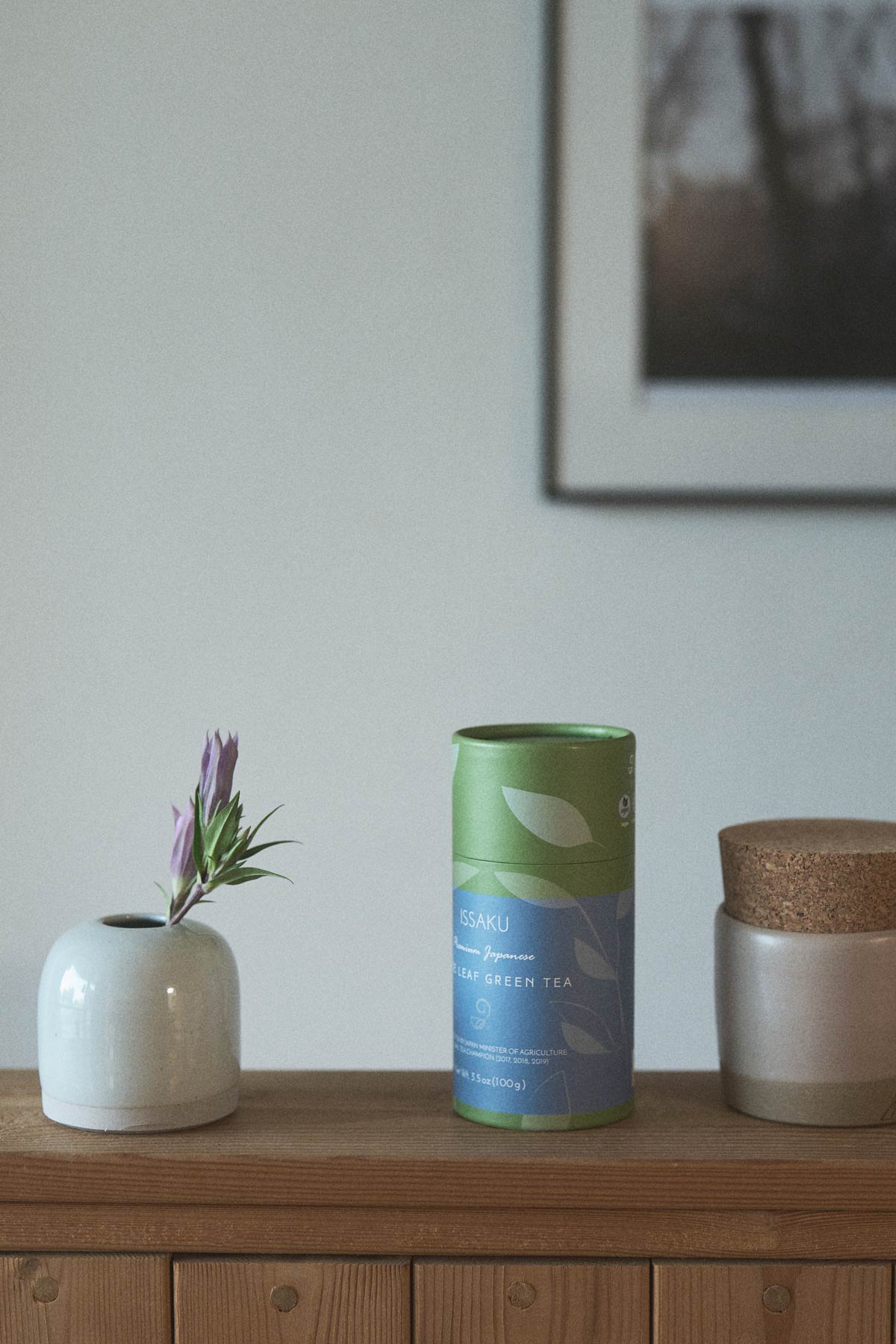
If you actually want the antioxidant benefits people associate with green tea, freshly brewed from quality leaf — like our Issaku Reserve — gives you 2-3x the catechin content of typical RTD products in the same volume.

What's actually in the 'green tea' part of bottled green tea drinks?

Usually one of three things, in descending quality order: cold-brewed brewed sencha, hot-brewed sencha extract, or matcha extract powder. Premium Japanese RTD brands typically use real cold-brewed sencha (which preserves more of the original flavor compounds). Mass-market brands often use hot-brewed extract that's then diluted to bottling strength. Some 'matcha' bottled drinks use just a tiny dose of matcha extract for color, with the bulk of the tea being plain green tea blend.

The fastest read is the ingredient list. 'Green tea' as the only listed tea ingredient is honest. 'Green tea extract' or 'tea solids' suggests dehydrated and rehydrated, which means flavor compounds have been lost in the process. Single-origin or named-cultivar bottled teas are the rarest and best — but the price reflects it.

Is matcha in a can or bottle real matcha?

Sometimes — but the dosing is almost always very low. A typical can of matcha latte contains 0.3 to 0.5 grams of matcha. A traditional bowl of usucha (薄茶) uses 2 grams. So even the matcha-forward canned drinks deliver about 1/4 to 1/6 the matcha you'd get from a single cup at home.

The bigger issue is grade. Canned matcha is typically the lowest-grade culinary matcha, often blended with other green tea powder to extend it. Real ceremonial-grade matcha — like our Limited Reserve Premium Matcha — would cost roughly $4-5 per can in matcha alone if used at proper dose, which makes it economically incompatible with the canned-drink format.

The honest framing: canned matcha drinks are a green-tea-flavored beverage with some matcha in it, not 'matcha to go.' Real matcha is best made fresh, even if it takes 90 seconds with a handheld whisk.

What's the easiest way to get fresh-brewed Japanese green tea on the go?
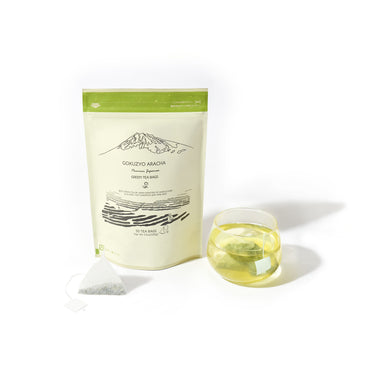
Three good options. First — the simplest — keep pyramid teabags at your office or in your bag. 90 seconds of hot water and you've got fresh sencha equal to anything bottled. Second, cold brew at home in a 16oz reusable bottle: 2 teaspoons of loose-leaf sencha + cold water in a Soilon-mesh infuser, leave overnight in the fridge. Third, a small Japanese-style tumbler (like a Hario Mizudashi or a Zojirushi vacuum bottle) lets you brew warm sencha for the morning commute.

If you're trying to upgrade from supermarket bottled green tea to fresh leaf, the Sencha Lover Gift Set gives you three different premium senchas to find your favorite without buying full-sized bags first. Most people who switch from RTD to fresh sencha don't go back.

Are unsweetened bottled green teas actually unsweetened?

In Japan, almost always yes — labeling laws are strict and 'no sugar added' is taken literally. Itoen, Pokka, Suntory unsweetened teas in Japan really are unsweetened. Same brands' US-export versions have slightly different formulations to suit American palates, but they're still mostly genuinely unsweetened.

Where it gets murky is American craft RTD brands marketing to the wellness/clean-eating market. 'Unsweetened' on the label sometimes means 'no refined cane sugar,' but the bottle still contains stevia, monk fruit, erythritol, or fruit concentrate — all sweet, all calling themselves not-sugar. Read the ingredient list, not the front-of-package claim. If anything besides water + tea + ascorbic acid (vitamin C, the standard preservative) is listed, it's at least mildly sweetened.

If you genuinely want zero sweetness — the way most Japanese drink everyday tea — the simplest path is to brew at home. Even quality bottled tea contains hidden vitamin C / preservatives that subtly affect flavor; freshly brewed has none of that.

Related products

8 reviews

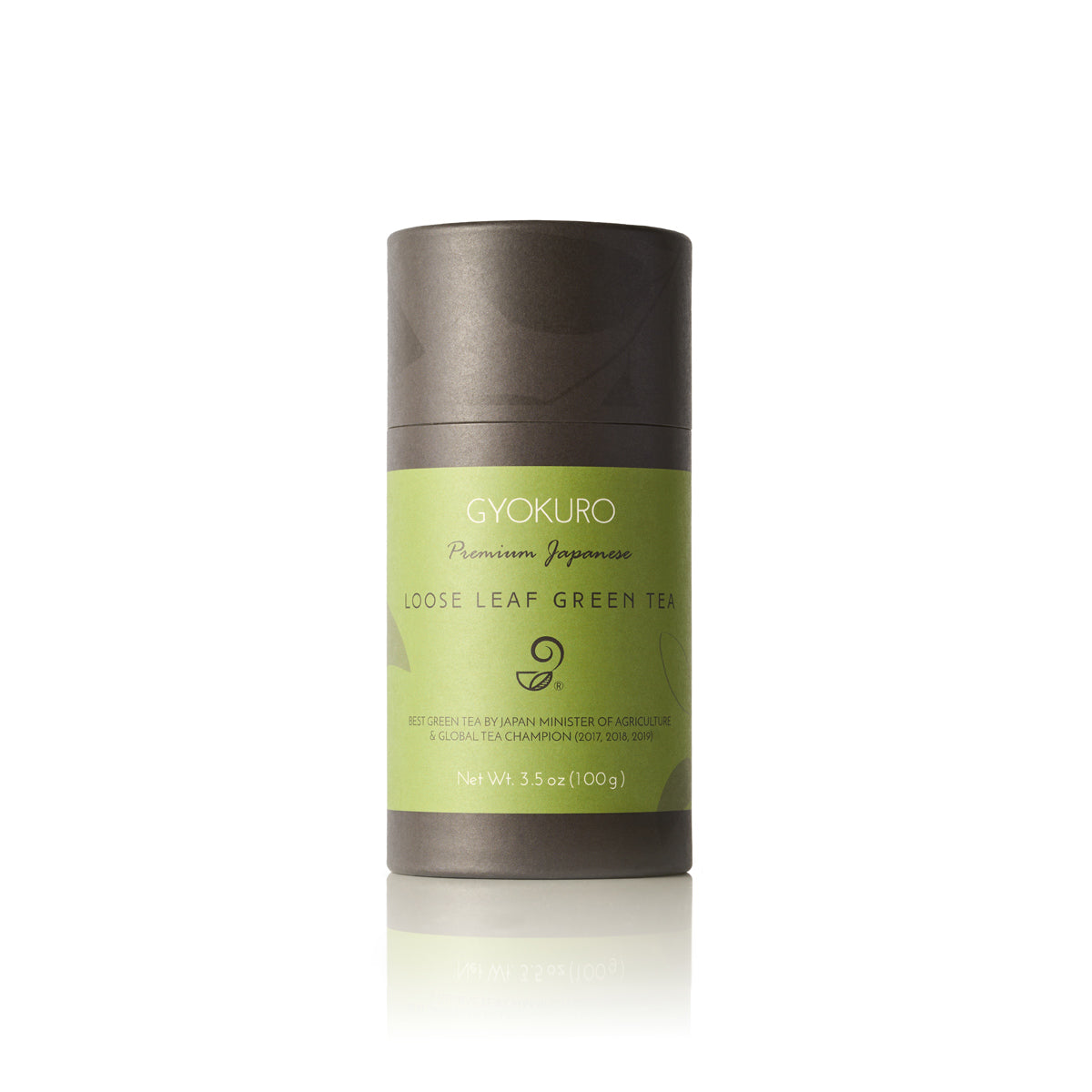
The Sencha Lover Gift Set - Premium Japanese Green Tea Set Package
$179.00 $159.99
Quick view

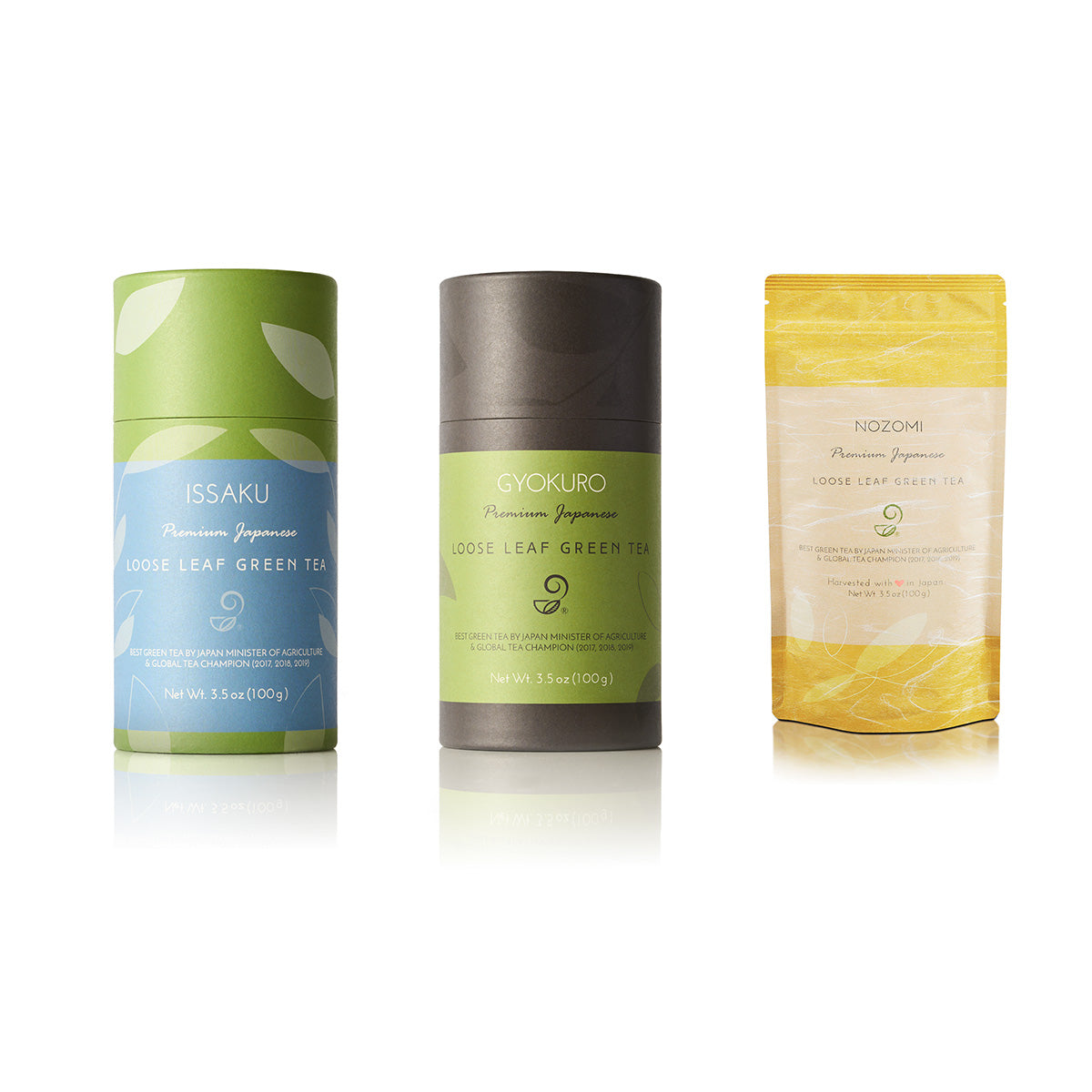
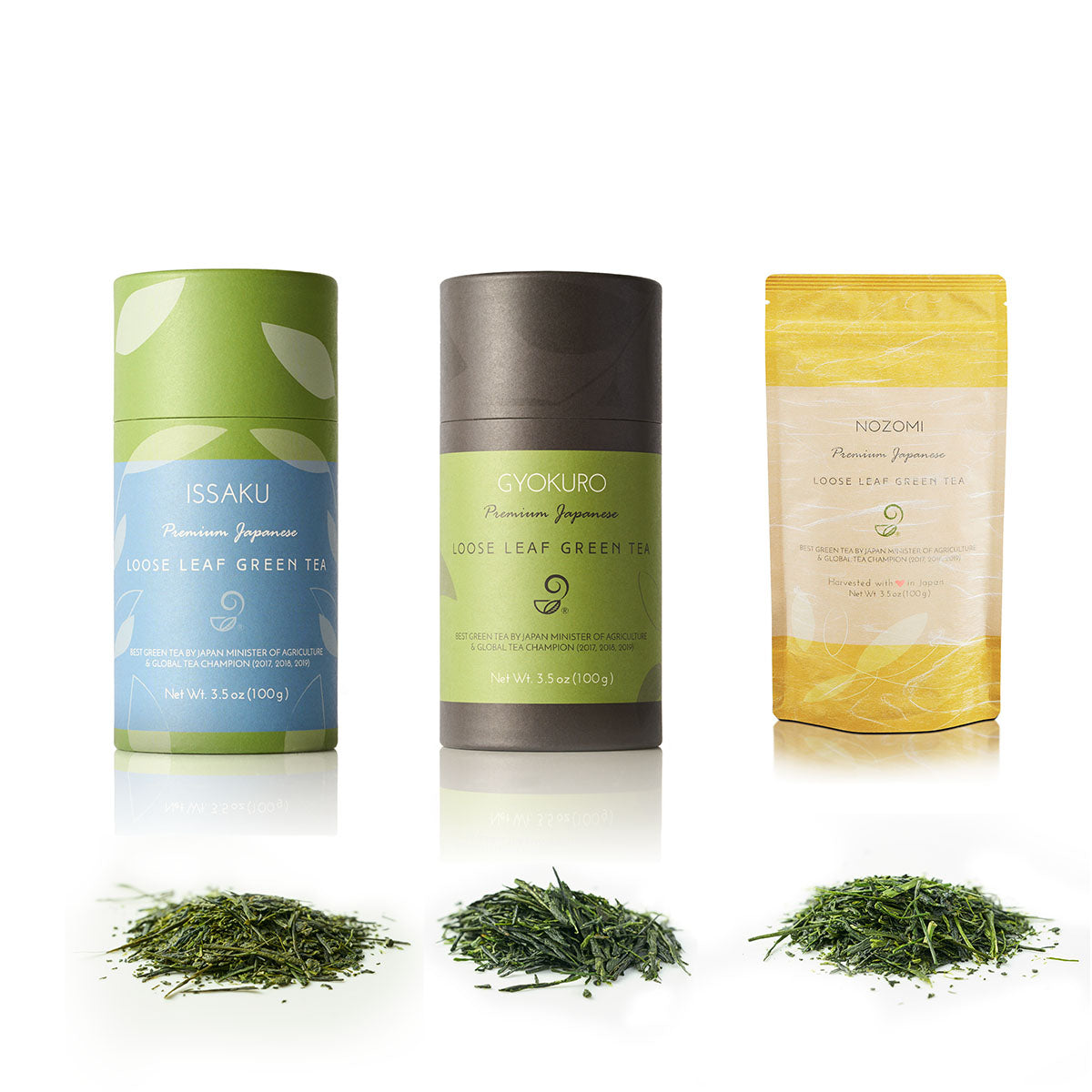
This tea set features three exceptional Japanese green teas, each crafted with care and traditional techniques. Issaku Reserve, a Global Tea Champion winner in 2017 and 2019, is a rare masterpiece created by Farm Master Mr. Arahata at Arahataen Green Tea Farm. Handpicked once a year from the first flush and processed with advanced methods, Issaku represents the highest-grade deep-steamed green tea, available only in limited quantities even in Japan.

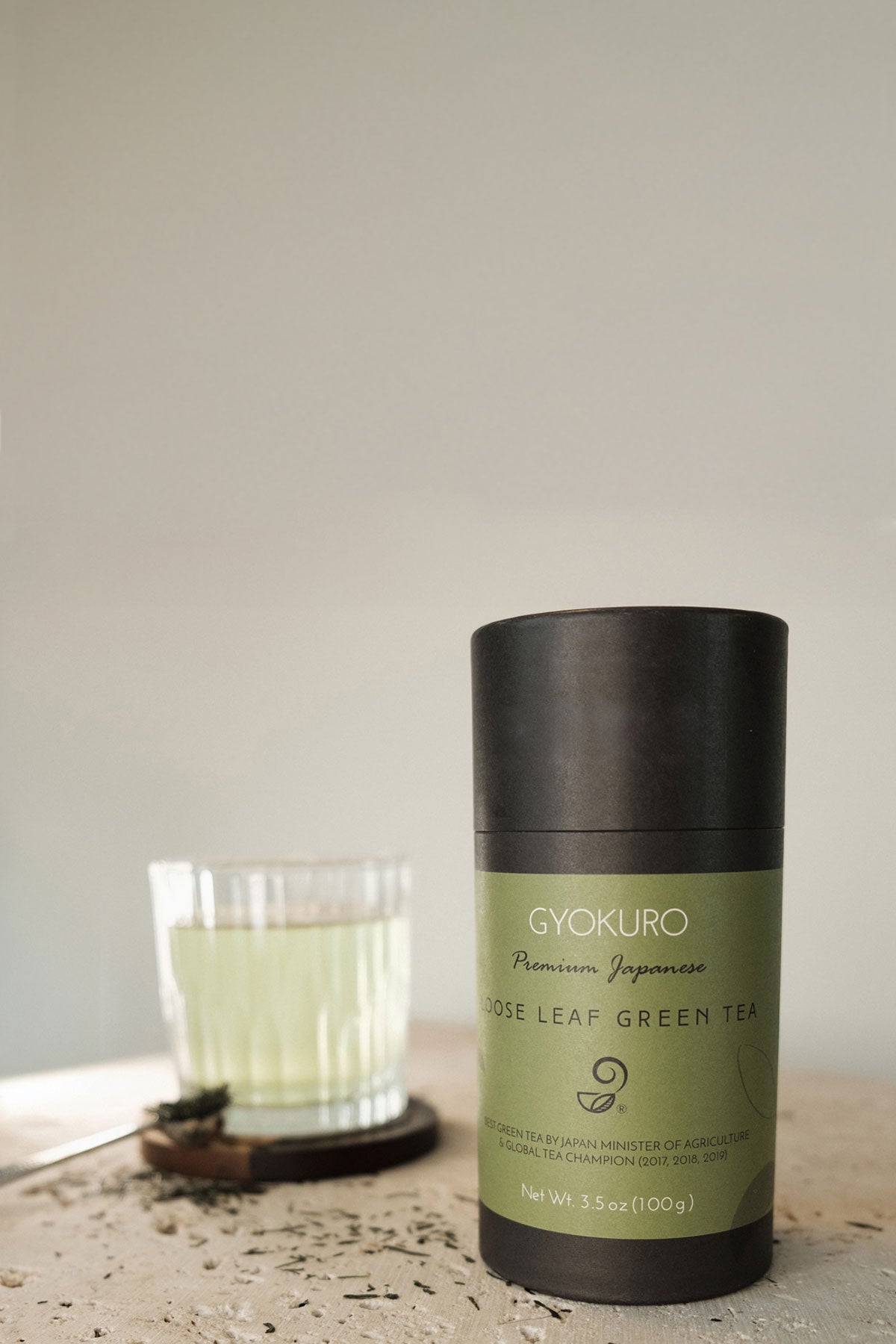
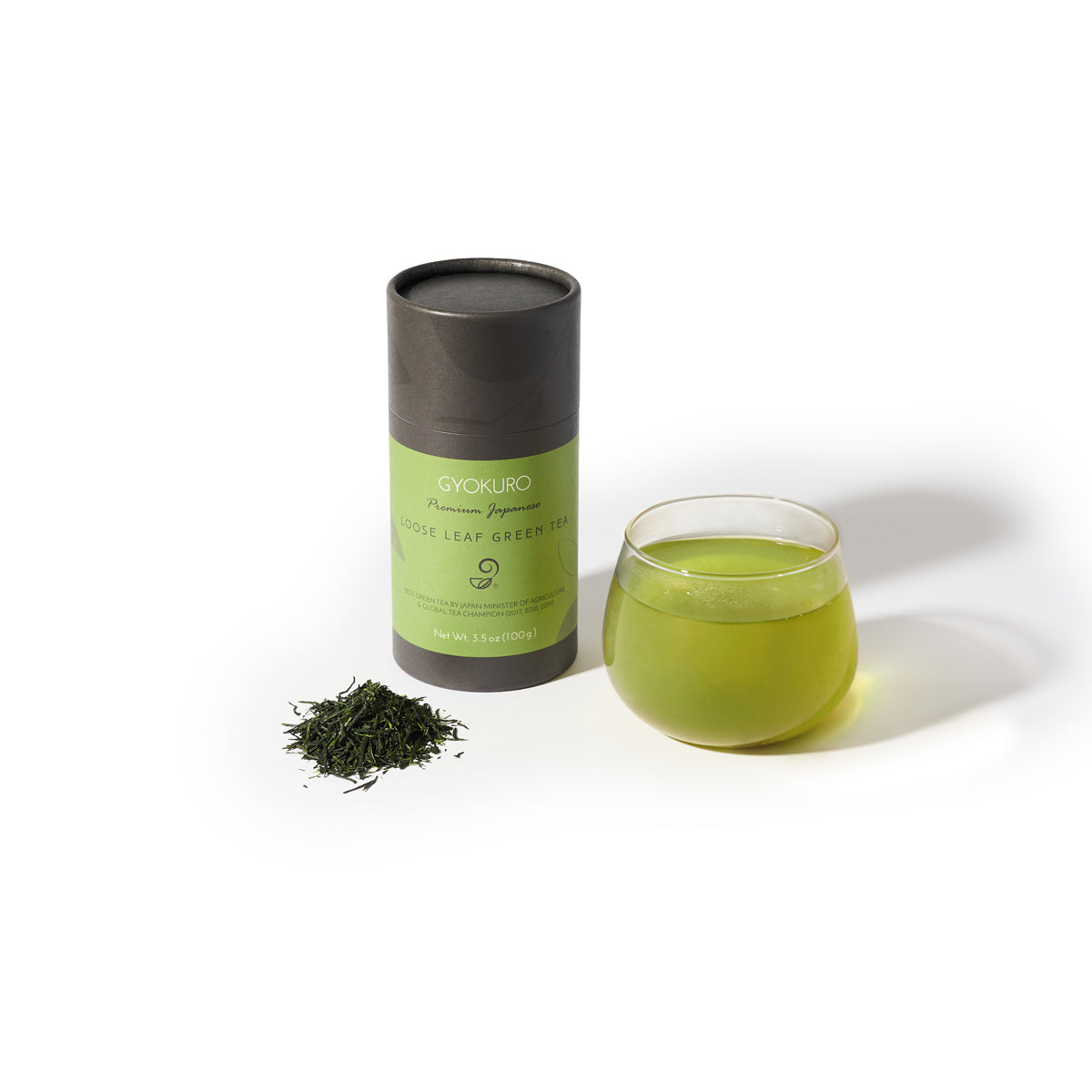
The set also includes Gyokuro, a premium shaded green tea known for its rich, sweet flavor and deep mossy green color. Grown under special mats for 20 days to increase caffeine and amino acid levels, Gyokuro offers a layered, smooth taste unlike any other. Completing the collection is Nozomi, a fine Kabuse-cha, or "Covered Green Tea," carefully grown under nets to gently shade the leaves just before new sprouts emerge, resulting in a soft, rich, and refined flavor profile.

97 reviews

Gyokuro - Shaded Imperial Premium Green Tea

$65.00
Quick view

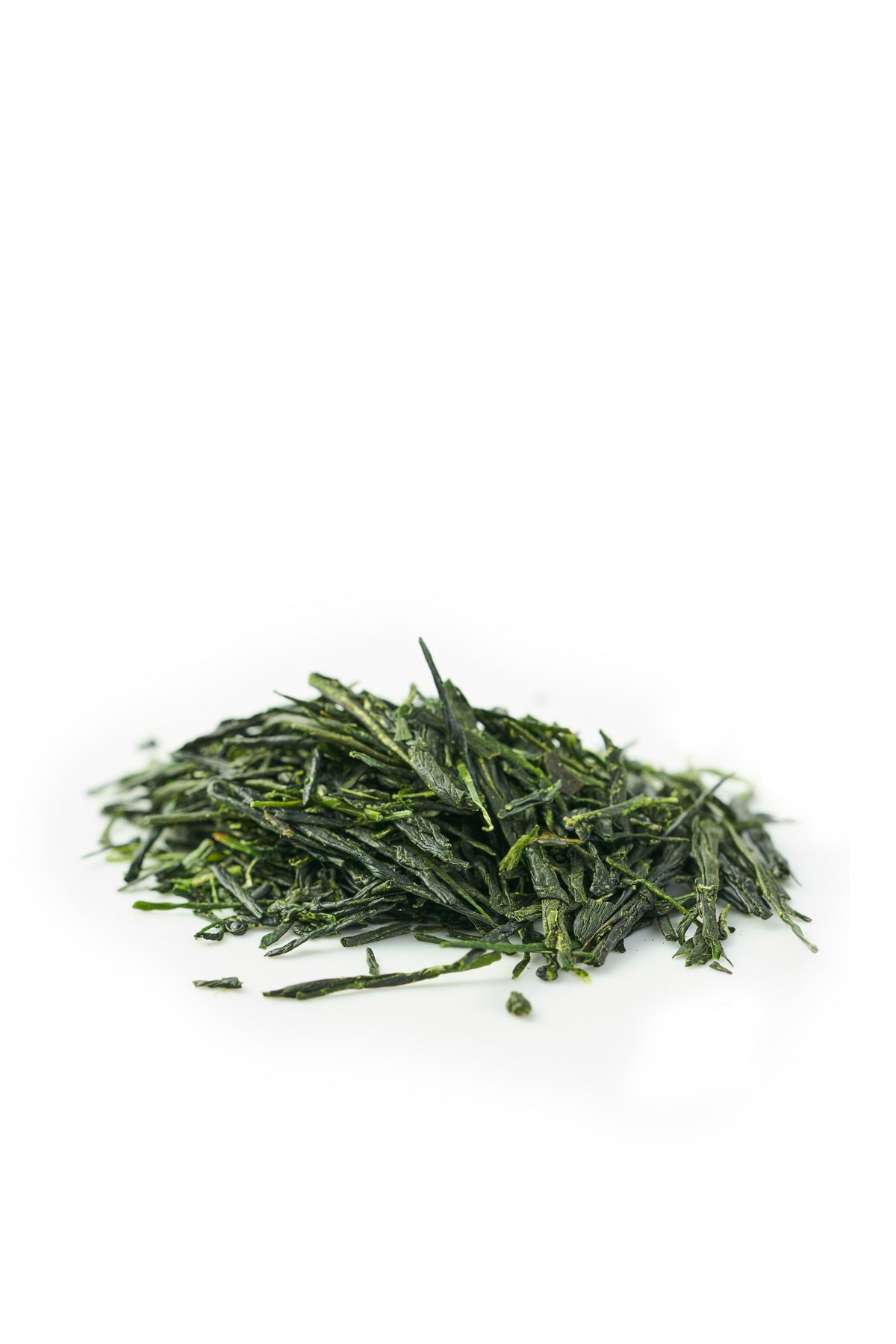
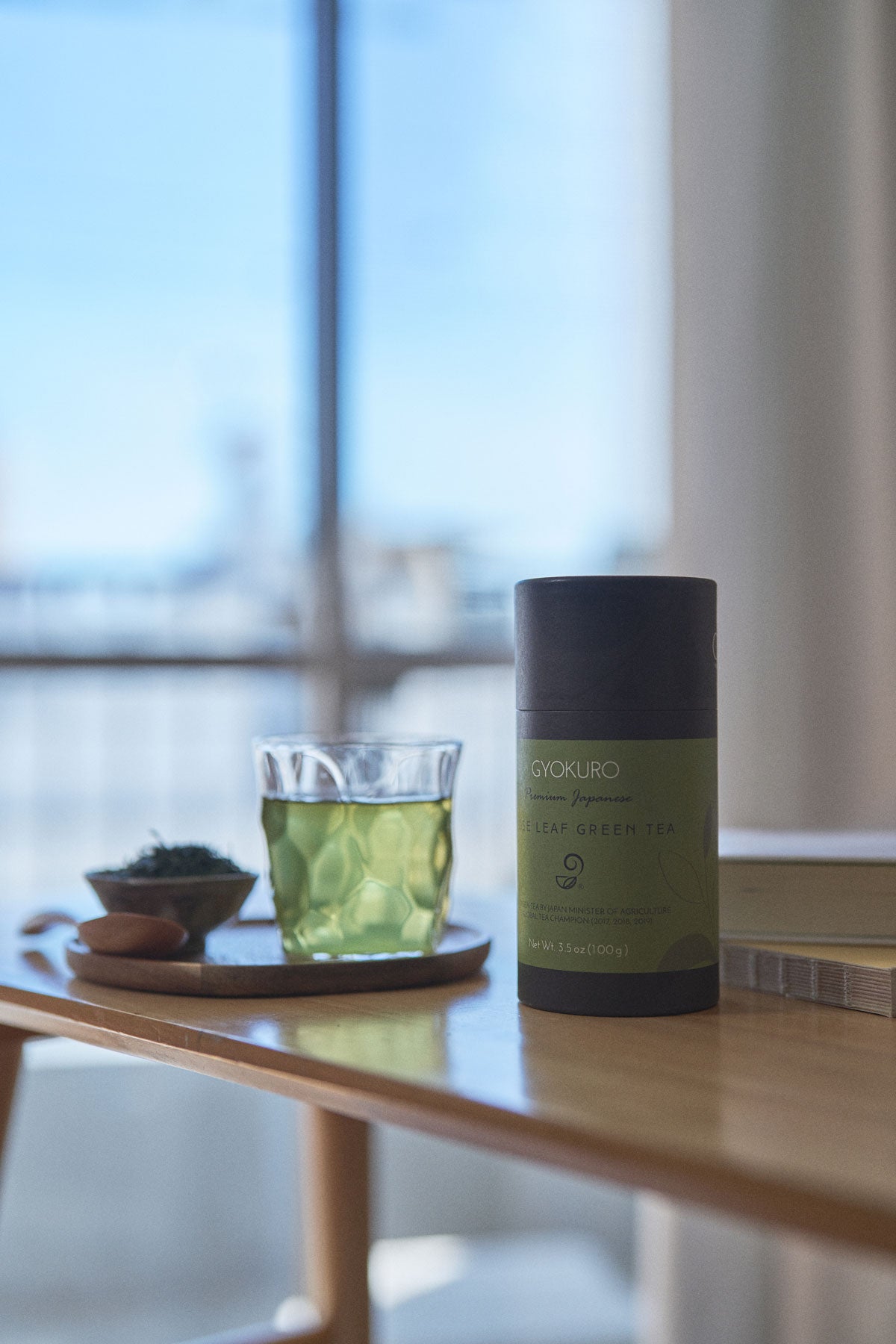
Gyokuro, also known as "jade dew" or "jewel dew tea," is a premium Japanese green tea shaded from the sun for 20 days using specially made mats, a method that boosts caffeine levels and strengthens amino acids to create a sweeter, richer flavor. This extended shading process results in dark, mossy green leaves with an unmistakable aroma and a complex taste that is layered yet balanced. Cultivated by the Chagusaba method in nutrient-rich sugarcane soil and made from the Yabukita cultivar, this loose-leaf authentic Gyokuro is offered in a high-quality, air-tight paper tube canister (chyazutsu) to preserve its exceptional freshness and flavor. Each 3.5 oz (100g) full-size package steeps 30–40 cups, and a convenient single-serve sample is also available.

45 reviews

Hojicha - Roasted Green Tea

$25.00
Quick view

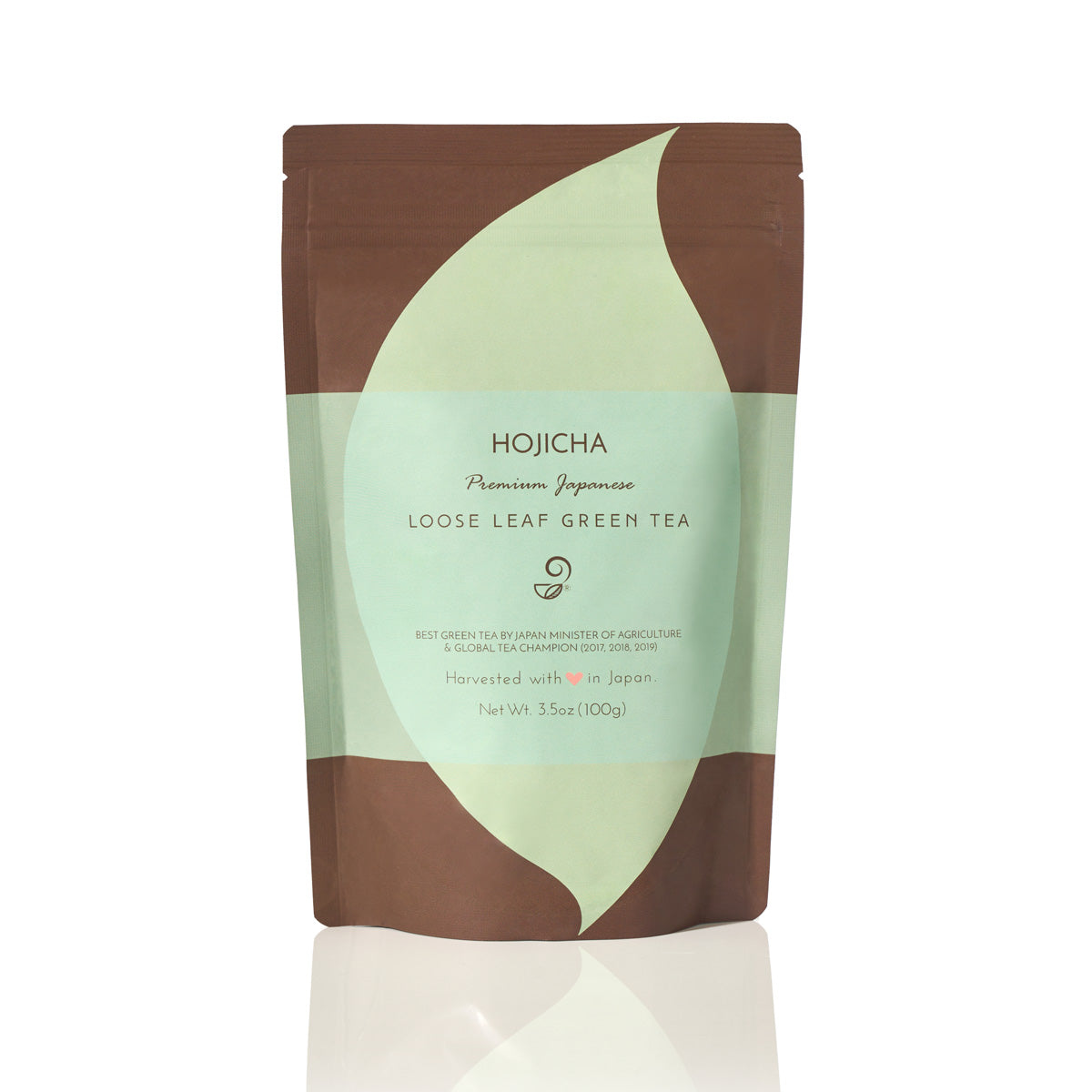
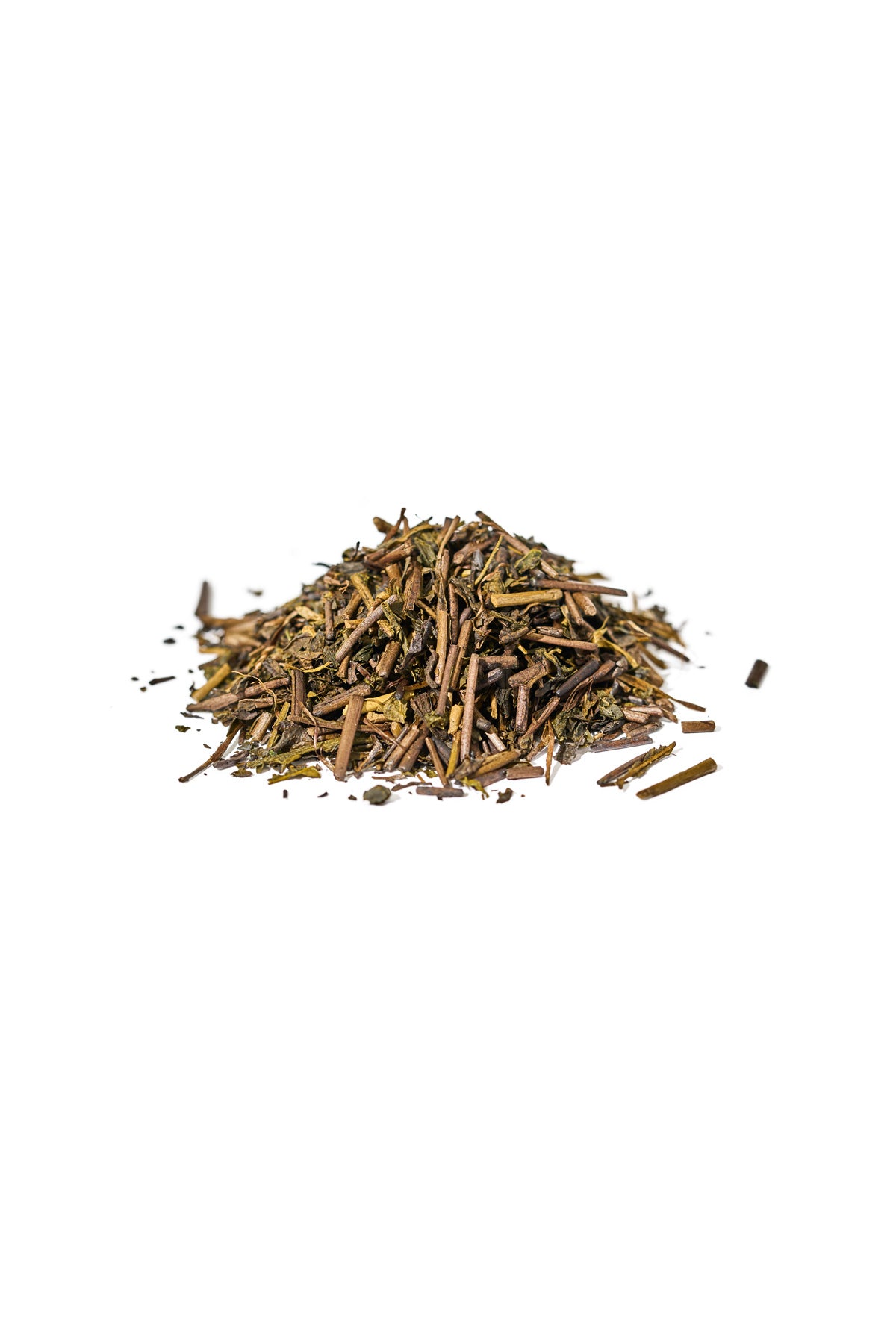
Our roasted green tea, known as hojicha (ほうじ茶), is crafted from freshly harvested premium green tea carefully roasted in porcelain over charcoal to maximize flavor while retaining more catechins than typical hojicha on the market. With lower caffeine and a smoother, less bitter taste compared to steamed green tea, it is an ideal choice for evening relaxation and is gentle enough for kids and pregnant women. Cultivated using the Chagusaba method in nutrient-rich sugarcane soil, this loose-leaf authentic Japanese roasted green tea, made from the Yabukita cultivar, also pairs beautifully with oily foods. Each eco-friendly resealable package contains 3.5 oz (100g) of tea, enough to steep 30–40 comforting cups.

80 reviews

Matcha - Ceremonial Japanese Powdered Green Tea

$39.00
Quick view

This ceremonial matcha is crafted from the finest Japanese green tea, grown in nutrient-rich soil enhanced with compostable grasses and sugarcane through the Chagusaba method, which gives the tea a natural sweetness and exceptional flavor. In collaboration with researchers from Shizuoka University, farmers ensure that the soil quality consistently produces tea of the highest standard.

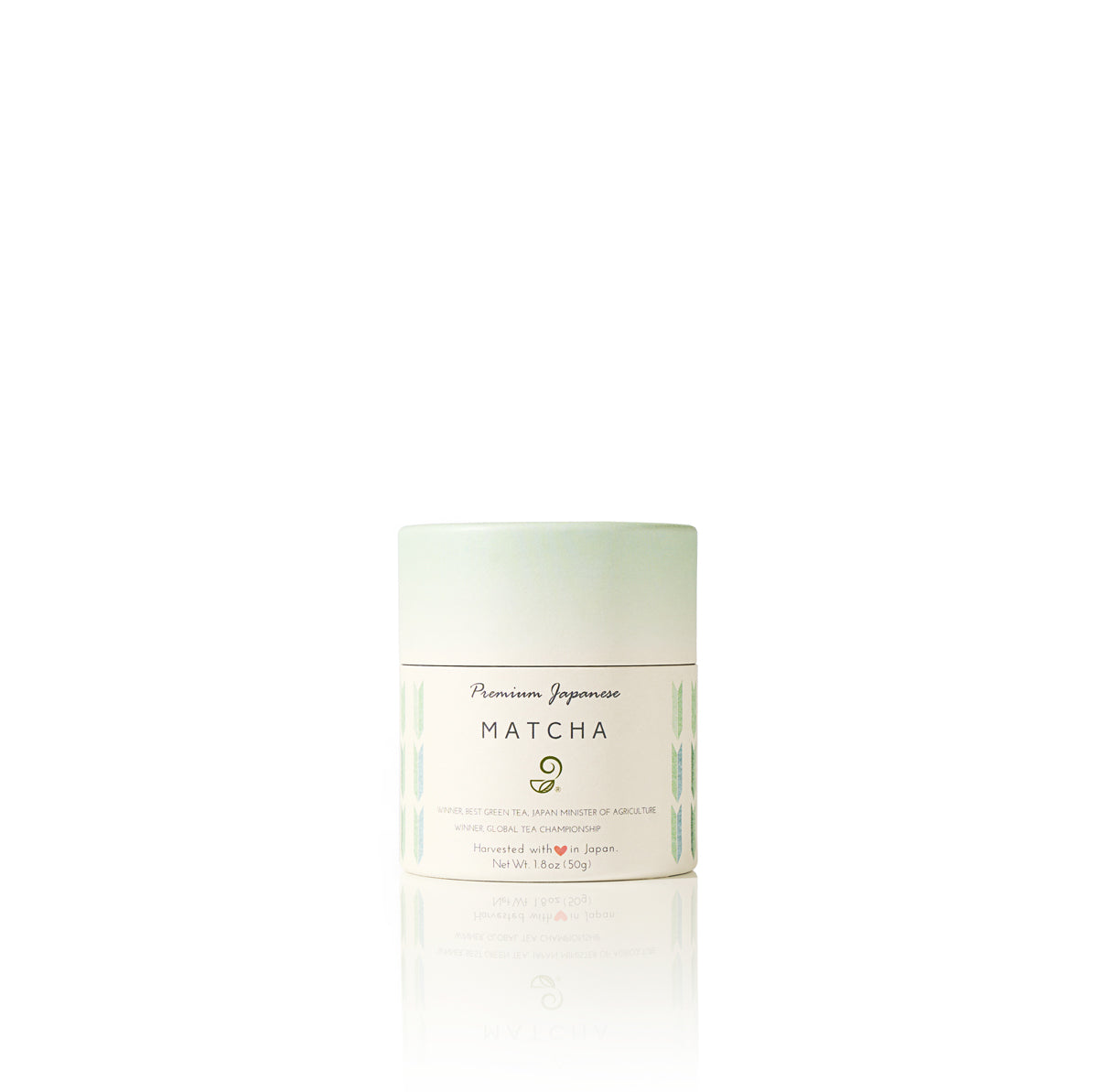
Renowned among top Japanese chefs for its unmatched aroma, this matcha is made by carefully shading the plants before harvest to boost caffeine and amino acids, then meticulously drying, de-stemming, and grinding the leaves into a fine powder. Made from the Yabukita cultivar, this 1.8 oz (50g) matcha comes in a high-quality, air-tight paper tube canister, providing a luxurious and authentic Japanese tea experience.

42 reviews

Genmaicha - Green Tea with Roasted Brown Rice

$30.00
Quick view

Our premium Japanese Genmaicha blends high-quality green tea with roasted popped brown rice (genmai 玄米), often nicknamed "popcorn tea" because the roasting process sounds like popcorn popping. Popular especially among the older generation in Japan for its mild flavor and lower caffeine content, this tea is easier on the stomach while still offering a rich, comforting taste. The brown rice used is premium Japanese mochi-gome (もち米) sticky rice, enhancing the tea’s nutty, aromatic profile. Made from Fukamushi Sencha and cultivated using the Chagusaba method in nutrient-rich sugarcane soil, this Genmaicha features the Yabukita cultivar and comes in a 7.0 oz (200g) eco-friendly resealable package, enough to steep 50–60 cups.


Related Articles You May Be Interested

Costco's Green Teabags vs Japanese Greentea Co's Teabags - What are the differences? Q&A
Everything You Need to Know about Genmaicha (玄米茶)
Everything You Need to Know About Different Types of Japanese tea
Major Japanese Tea Manufacturers in 2025 and the Best Sellers
Green Tea Science Part 1: Polyphenols, Catechins and EGCG - 45 Commonly Asked Questions and How You Can Benefit

Get Free Bonus Books

Join Green Tea Club

Sign up for free to the Green Tea Club to get advice and exclusive articles about how to choose Japanese Tea, and tips, tricks, and recipes for enjoying Japanese tea.

Unsubscribe anytime. It’s free!

About the author

Kei Nishida

Kei Nishida

Author, CEO Dream of Japan

info@japanesegreenteain.com

Certification: PMP, BS in Computer Science

Education: Western Washington University

Kei Nishida is a passionate Japanese green tea connoisseur, writer, and the founder and CEO of Japanese Green Tea Co., a Dream of Japan Company.

Driven by a deep desire to share the rich flavors of his homeland, he established the only company that sources premium tea grown in nutrient-rich sugarcane soil—earning multiple Global Tea Champion awards.

Expanding his mission of introducing Japan’s finest to the world, Kei pioneered the launch of the first-ever Sumiyaki charcoal-roasted coffee through Japanese Coffee Co. He also brought the artistry of traditional Japanese craftsmanship to the global market by making katana-style handmade knives—crafted by a renowned katana maker—available outside Japan for the first time through Japanese Knife Co.

Kei’s journey continues as he uncovers and shares Japan’s hidden treasures with the world.

Learn more about Kei Nishida

Related Posts

Yokohama Peach is offered as a regular menu at Okayama Kobo Cafe!
Yokohama Peach is offered as a regular menu at Okayama Kobo Cafe! + Recap Video of Pop-up on 2/8/2026 at Anaheim, CA

We are excited to announce that our Yokohama Peach is now available on the regular menu at the popular Japanese Bakery,

Read More
The Story Behind Our Booth Backdrop: Craftsmanship, Engineering, and Sacred Wood
Behind the Scenes – How We Made the Event Booth & Backdrop Using Sacred Wood

Discover how our one-of-a-kind event booth came to life—from Japanese Kōshi (格子) design and rare Port Orford Cedar to mo

Read More
Hojicha Banana Daifuku (Mochi): The Collaboration of Aromatic Roasted Tea and Richly Sweet Banana

Dive into the soft, chewy world of Hojicha Banana Daifuku—where toasted tea meets sweet banana in a cloud of fresh mochi

Read More
Leave a comment

Your email address will not be published..

Cart

Your cart is currently empty.

Start Shopping

Select options