Skip to content

The Process Behind Your Cup of Matcha

With the clamor of knowing every "behind-the-scenes" detail of simply everything under the sun, from sumptuous food to shoemaking, have you ever wondered how matcha is made? While we have already talked about how Camellia Sinensis should be shaded before being harvested and the leaves should be deveined, removing the stems and the veins, to produce tencha, once you find out, you will realize how much patience, time, effort, and care are being put into every spoonful of matcha.

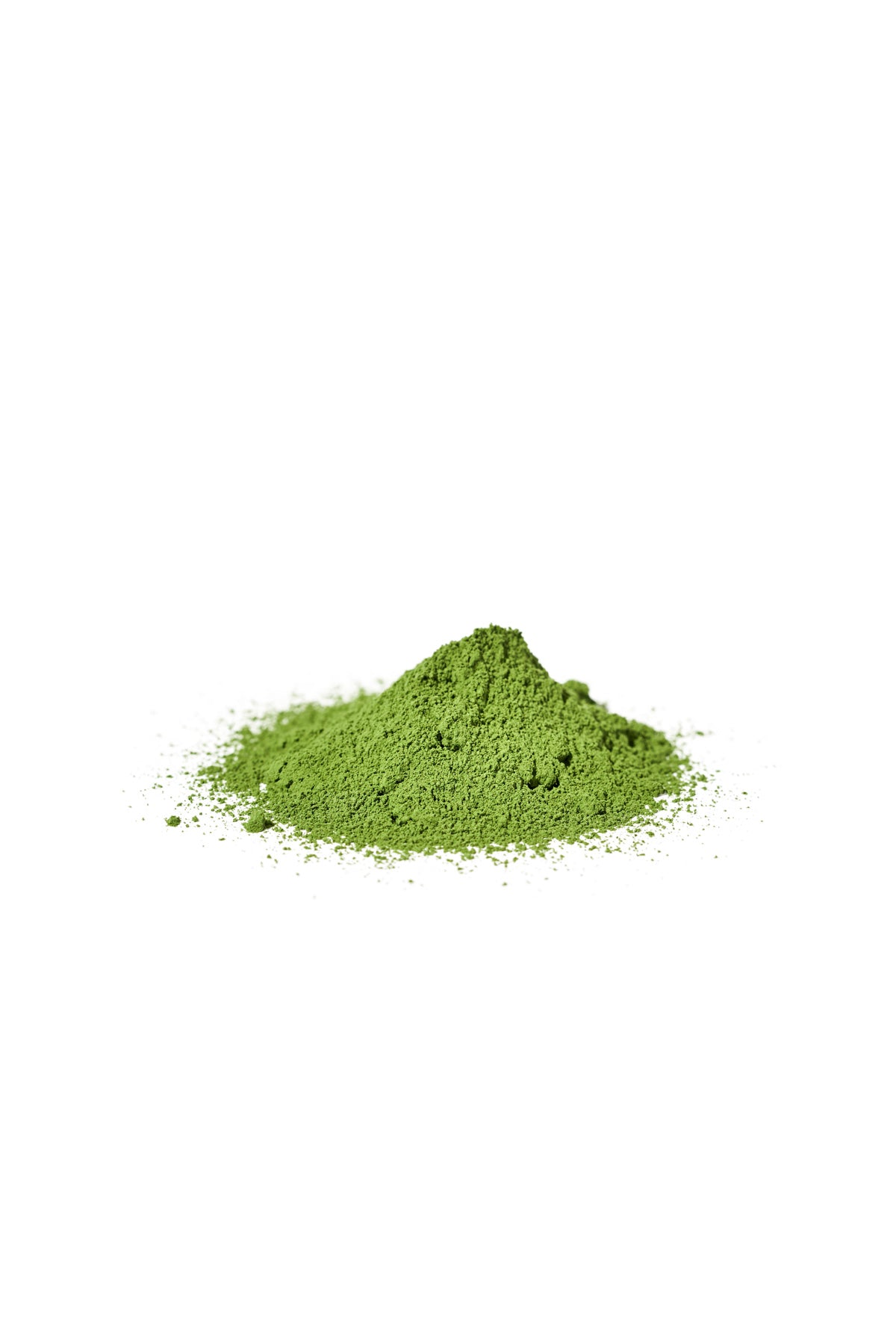
Since matcha is being used in so many different ways, from the traditional Japanese tea ceremony to flavoring and dyeing foods such as mochi and soba noodles, green tea ice creammatcha lattes, and a variety of Japanese wagashi confectionery, it would be interesting to know the processing and grinding of tencha leaves into this fine, even green tea powder called matcha.

From Harvesting to Grinding

The very start of the creation of matcha is the shading of Camellia Sinensis to produce catechins and theanine that are beneficial to drinkers of matcha. Upon harvest, the leaves will be steamed and then cooled for oxidation, giving the matcha its aroma and umami flavor and maintaining the green color of the leaves.

matcha farm

This steaming process was invented by a tea merchant in Kyoto, Soen Nagatani, during the 18th century. Before the steaming method, the usual way was to roast the leaves over a heated pan, which came from the Chinese traditional method of processing tea leaves to stop the oxidation of the tea leaves. The roasting makes the leaves brownish at the end of the process, but the steaming method allows the leaves to retain their green color and oxidation. Nagatani also introduced a new kneading step into the green tea-making process called Sencha that has been used to make most of the Japanese green teas, including gyokuro and matcha.

Upon drying, the leaves will be sorted out and deveined to remove the stems to produce tencha leaves, the flat leaves that look like dried herbs. Tencha is never a final product. The tencha leaves will be dried again after sorting and crushed and ground thereafter. Tencha leaves are kept in a cool and dark environment to avoid degradation, and the manner of grinding tencha has a direct impact on the grade of the final product.

Tencha is the Soul of Every Matcha

The process of stone-grinding tencha leaves was introduced in Japan during the 12th century by a Zen Buddhist monk named Esai. The leaves were pulverized into a fine powder, added to a bowl along with hot water, and whisked into a frothy cup.

Tencha is the soul of matcha. It is the raw material to be ground to be transformed into a very fine green tea powder called matcha. This is grown and deveined specifically for grinding, as stems and veins would interrupt the grinding process, leading to an uneven powder. While nowadays there are machine grind mills using heat for faster grinding of tea leaves that cause the matcha powder to lose some of its natural aromas in the process, Ishi-usu is the traditional stone-mill grinding mechanism that is being used to grind the tencha. Ishi-usu is used to make premium-grade matcha.

Matcha Grind

Another grinding mill is usually made from granite that is known to be a "soft" stone, as one avoids too much friction or heat for burning or oxidation of the leaves. This is to be used by rotating the mill counterclockwise slowly and carefully to create a finely powdered tea. Each revolution is done at a three-second interval, or about thirty revolutions per minute, so as not to burn the leaves if too fast or to leave the uneven texture of the powder if too slow.

The process also takes a lot of patience and time since the ground powder should end up at least a mere micron (μm) size. Also, it takes about an hour to grind twenty-five to forty grams of matcha. Thus, it takes an expert to truly grind using an ishi-usu or granite grind mill a high-quality ceremonial and premium-grade matcha.

This is the process we use at Japanese Green Tea Co. for our matcha.

Other Methods for Grinding

But nowadays, there is a more modern way to grind tencha leaves to make matcha. Ceramic ball mills are used by matcha grinding factories, with ceramic balls inside that grind the matcha leaves while the external container rotates continuously. The mill is loaded with tencha leaves by a machine operator in the evenings and set to a specific program, to be ground at night and offloaded by workers the next morning. It is usually used in culinary-grade matcha production. However, while this method produces more matcha, the heat caused by the milling causes the leaves to turn a more pale color compared to the traditional way of milling.

Note: We do not use this approach at Japanese Green Tea Co.

Matcha

The "bead mill method" is another way of grinding tencha leaves and uses small balls or beads to crush the leaf into powder, making the same fine powder but less clumpy. This makes the grinding process faster and produces larger amounts of matcha in less time than other tencha grinders, up to 20 kg per hour, at a lower cost. It allows continuous feeding and powder granularity control and prevents leaf color and flavor degradation with an integrated cooling system. When Matcha powder is made at a factory, the final powder product they get is only about one fifth or sixth of the original leaf weight.

Note: We do not use this approach at Japanese Green Tea Co.

The next time you take a sip of a cup of matcha, you will likely more appreciate its aroma, texture on the tongue, and taste, as well as the cost of ceremonial and premium-grade green tea powder. It is truly a work of art for authentic Japanese matcha to be able to deliver the leaves to your cup in powder form. Having said this, the way you see matcha on your next drink will definitely not be the same as some average beverage but a cup of drink with a heart and soul.

FAQs about How Matcha is Made

What's the actual difference between tencha and gyokuro — they sound similar?
Both are shaded teas — grown under cover for the final 20-30 days before harvest, which converts catechins into L-theanine and gives the tea its umami sweetness. The difference is what happens after harvest. Gyokuro (玉露) is rolled and dried into the long, needle-like leaves you steep. Tencha (碾茶) is steamed, dried, and then de-stemmed and de-veined into flat, paper-like flakes — and that flat tencha is what gets stone-ground into matcha.

So you can think of it this way: tencha is the precursor leaf for matcha, and gyokuro is the precursor leaf for steeped tea drinking. Same plant, same shading process, completely different post-harvest handling. Gyokuro tastes like a deep, broth-like umami when steeped; matcha tastes like the same compounds but as a whisked suspension because you ingest the whole leaf.

Tencha by itself isn't really sold at retail — it's an intermediate product that goes straight to matcha mills. The few tea shops that do sell tencha mostly sell it as a curiosity, since brewing it whole gives you a watery version of matcha rather than a proper tea.

Why does it take so long to grind matcha — what's actually happening?

A traditional granite stone mill produces about 30-40 grams of matcha per hour. That's slow because the stones rotate at only 30-40 revolutions per minute, and the gap between the upper and lower stones is fractions of a millimeter. The slow speed and tight gap together produce the ultra-fine particle size (5-10 microns) that makes matcha behave like a liquid suspension rather than a sediment.

Speed it up and the matcha gets ruined two ways. First, the friction generates heat that destroys the volatile aromatic compounds responsible for matcha's fresh-grass aroma. Second, faster grinding creates a coarser particle size, which means the matcha sinks instead of suspending and the texture goes grainy on the palate. The slow stone mill is the only way to get the fine, aromatic, suspension-stable powder that defines proper matcha.

To produce 1 kg of matcha takes a stone mill roughly 25-30 hours of continuous work. That's why proper ceremonial matcha is expensive — the bottleneck isn't the leaf cost, it's the milling time and labor.

Is stone-milled matcha actually better than ball-milled or industrial matcha?

For ceremonial matcha, yes — meaningfully so. Stone-milled matcha has the brightest color, the finest particle size, the best aroma retention, and the smoothest mouthfeel. The slow, low-temperature grinding preserves what makes matcha matcha. Side-by-side, the difference is obvious: stone-milled matcha looks vibrantly green; ball-milled or industrial matcha is more olive or yellowish, and the suspension settles faster.

For culinary matcha — the kind used in baking, lattes, and cooking — ball-milled or industrial matcha is honestly fine. The flavor profile gets diluted by milk, sugar, and other ingredients, so the subtle aromatic differences that matter for ceremonial use are lost anyway. Industrial matcha is roughly half the price for that reason and is a sensible choice for everyday culinary work.

The trap is buying ball-milled matcha at ceremonial prices, which a lot of brands do. If a matcha is dull green, settles to the bottom of the bowl quickly, and tastes mostly bitter without aromatic complexity, it's almost certainly not stone-milled even if the label suggests otherwise.

Why is good matcha so expensive — what makes it cost what it does?

Three layers of cost: the shading, the de-stemming, and the milling. Shading the tea fields for 20-30 days requires labor (setting up the screens or netting), reduced yield (shaded plants produce less leaf per acre), and longer cultivation (the plants are stressed and need more rest after harvest). De-stemming and de-veining tencha is mostly hand labor in premium matcha — a worker can process maybe 1-2 kg of tencha per hour, and you need clean tencha to grind into clean matcha. Stone milling, as discussed, is the slowest step.

Stack those costs and a kilogram of ceremonial matcha takes roughly 50-70 hours of skilled labor before it ever leaves the farm. At Japanese wholesale prices, that's $300-600 per kilogram for the upper grade, which retails at $800-1,500. Compare that to sencha, which has none of those steps and runs $30-100 per kilogram wholesale.

If you're paying $30 for 30 grams of "ceremonial matcha," the math suggests one of: marketing markup on lower-grade matcha, ball-milled rather than stone-milled, or older inventory. Properly priced ceremonial-grade like our matcha (抹茶) represents the actual production cost rather than a discount.

How long does it take from harvest to my bowl — the full timeline?

Roughly 4-8 weeks under normal supply chain. Harvest happens in late April or early May (the first flush, ichiban-cha, is what the best matcha comes from). Steaming and drying happens within 24 hours of harvest. The leaves rest as aracha (荒茶) for several weeks while the harvest finishes. Then the de-stemming, de-veining, sorting, and packaging takes another 1-2 weeks. Stone milling for ceremonial-grade is timed against orders, so finishing-grade tencha is milled to demand.

Once the matcha is milled, freshness becomes the next clock. Matcha is at peak quality for about 4-6 weeks after milling, which is why ceremonial-grade is sold in small tins (20-40g) and why our shipping is timed close to milling. After 3-4 months in an opened tin, even ceremonial matcha goes flat in color and aroma. Our storage guide walks through how to keep it fresh once you have it home.

The shincha (新茶, "new tea") tradition in Japan refers specifically to the first matcha milled from the spring harvest — typically available in May-July depending on the supplier. That's the freshest you can buy and traditionally treated as a small annual ceremony in tea-drinking households.

What is the Best Way to Store your Matcha & Japanese Green Tea?

Related products

80 reviews

Matcha - Ceremonial Japanese Powdered Green Tea

$39.00
Quick view

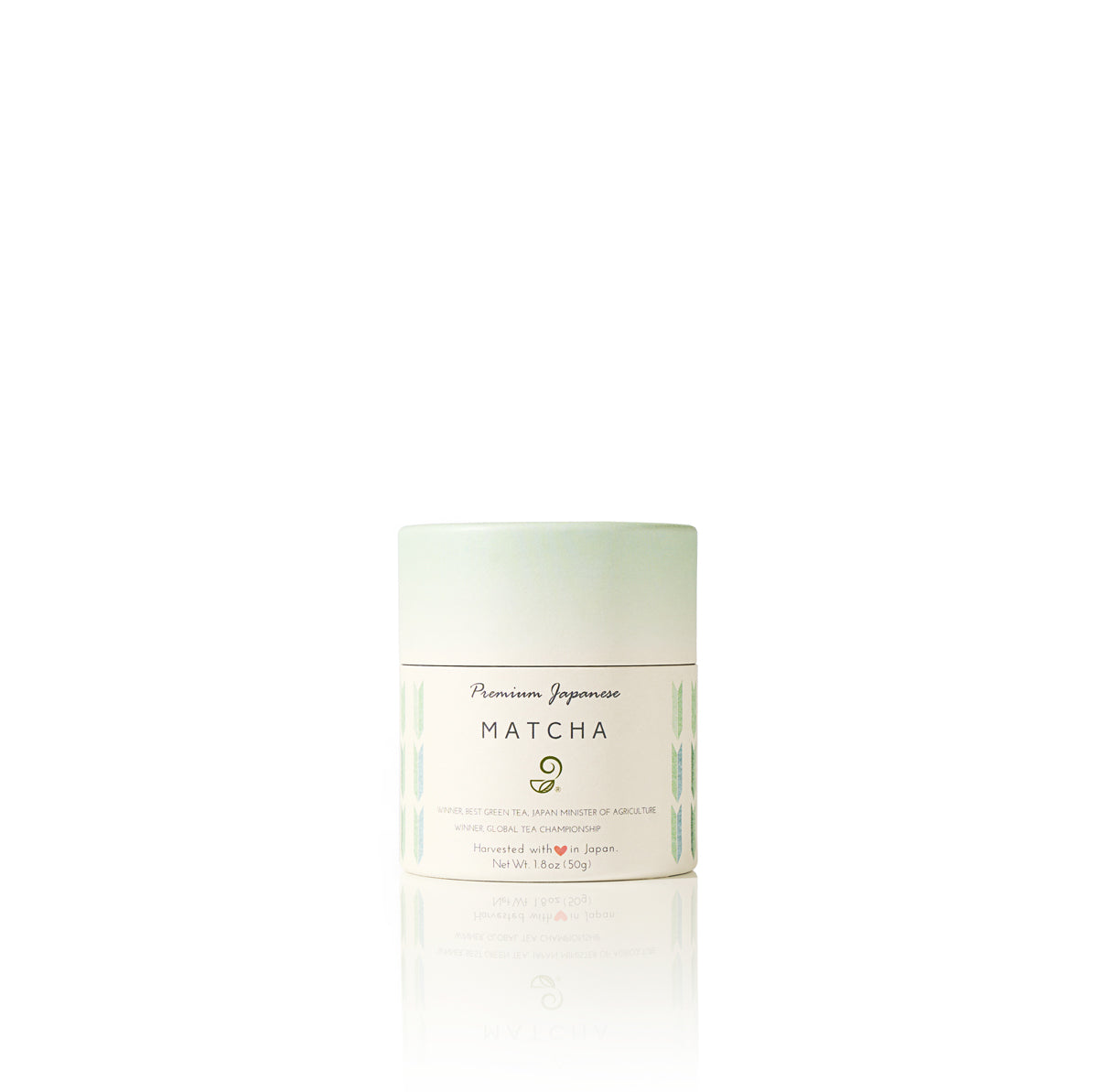
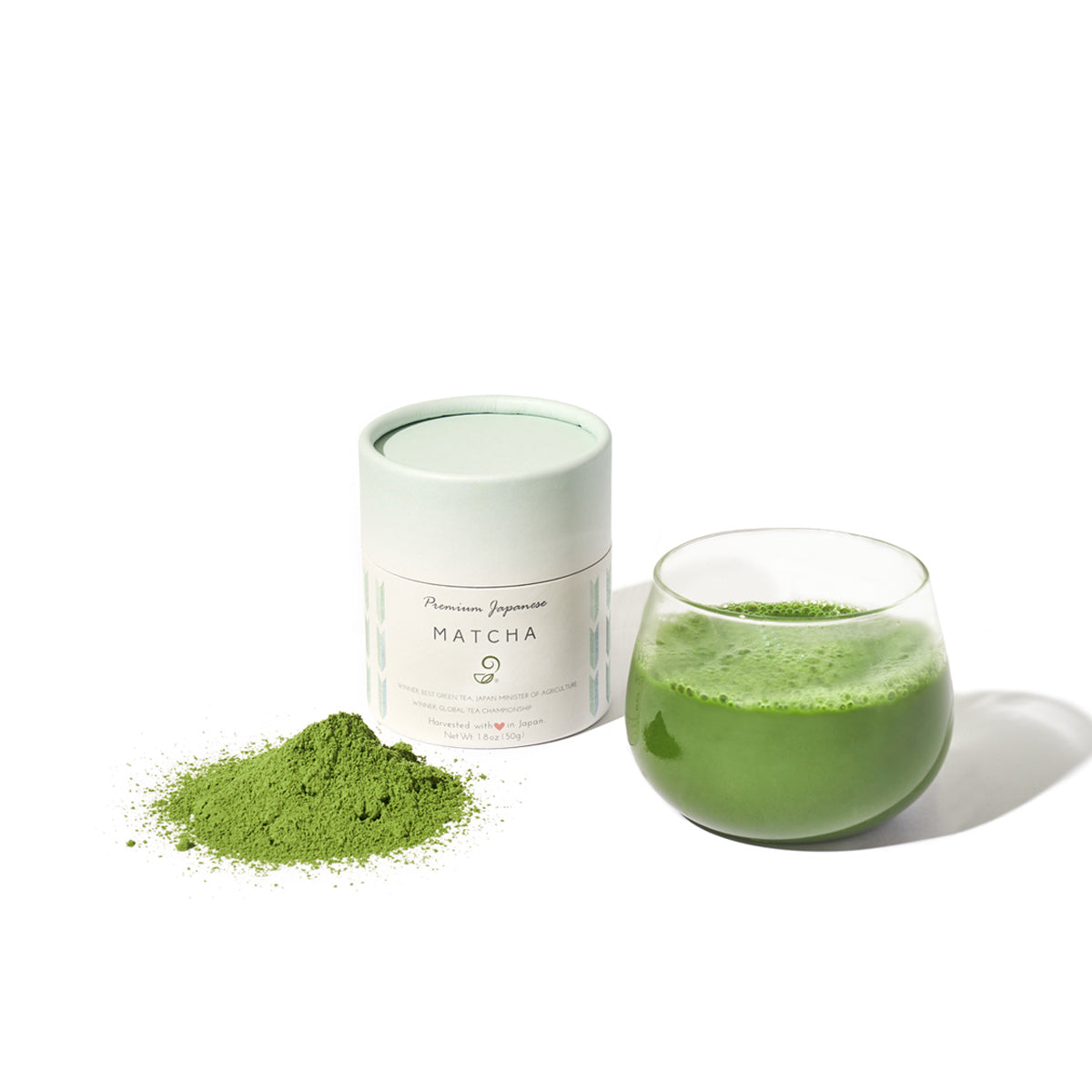
This ceremonial matcha is crafted from the finest Japanese green tea, grown in nutrient-rich soil enhanced with compostable grasses and sugarcane through the Chagusaba method, which gives the tea a natural sweetness and exceptional flavor. In collaboration with researchers from Shizuoka University, farmers ensure that the soil quality consistently produces tea of the highest standard.

Renowned among top Japanese chefs for its unmatched aroma, this matcha is made by carefully shading the plants before harvest to boost caffeine and amino acids, then meticulously drying, de-stemming, and grinding the leaves into a fine powder. Made from the Yabukita cultivar, this 1.8 oz (50g) matcha comes in a high-quality, air-tight paper tube canister, providing a luxurious and authentic Japanese tea experience.

97 reviews

Gyokuro - Shaded Imperial Premium Green Tea

$65.00
Quick view

Gyokuro, also known as "jade dew" or "jewel dew tea," is a premium Japanese green tea shaded from the sun for 20 days using specially made mats, a method that boosts caffeine levels and strengthens amino acids to create a sweeter, richer flavor. This extended shading process results in dark, mossy green leaves with an unmistakable aroma and a complex taste that is layered yet balanced. Cultivated by the Chagusaba method in nutrient-rich sugarcane soil and made from the Yabukita cultivar, this loose-leaf authentic Gyokuro is offered in a high-quality, air-tight paper tube canister (chyazutsu) to preserve its exceptional freshness and flavor. Each 3.5 oz (100g) full-size package steeps 30–40 cups, and a convenient single-serve sample is also available.

22 reviews

Matcha - Japanese Limited Reserve Ceremonial Green Tea - (Global Tea Champion 2018, 2025)

$300.00
Quick view

This Premium Ceremonial Grade Matcha is one of the most luxurious matcha teas available, crafted from carefully cultivated Japanese green tea grown in nutrient-rich sugarcane soil using the Chagusaba method. Traditionally reserved for high-end tea ceremonies in Japan and loved by many tea masters, this matcha was once unavailable outside of Japan and is now finally accessible to U.S. consumers. Every step of its production, from shading the tea plants to increase caffeine and amino acid levels to the meticulous removal of stems and veins before grinding into a fine powder, is handled with a blend of advanced technology and time-honored tradition. Made from the Yabukita cultivar, this 30g (1.05 oz) ceremonial matcha offers a vivid color, unforgettable aroma, and the highest standard of flavor, earning recognition as a Global Tea Champion in 2018 and 2025.

4 reviews

The Covered Trio Gift Set - Ceremonial Matcha, Gyokuro, and Nozomi Japanese Green Tea Set Package
$143.00 $128.00
Quick view

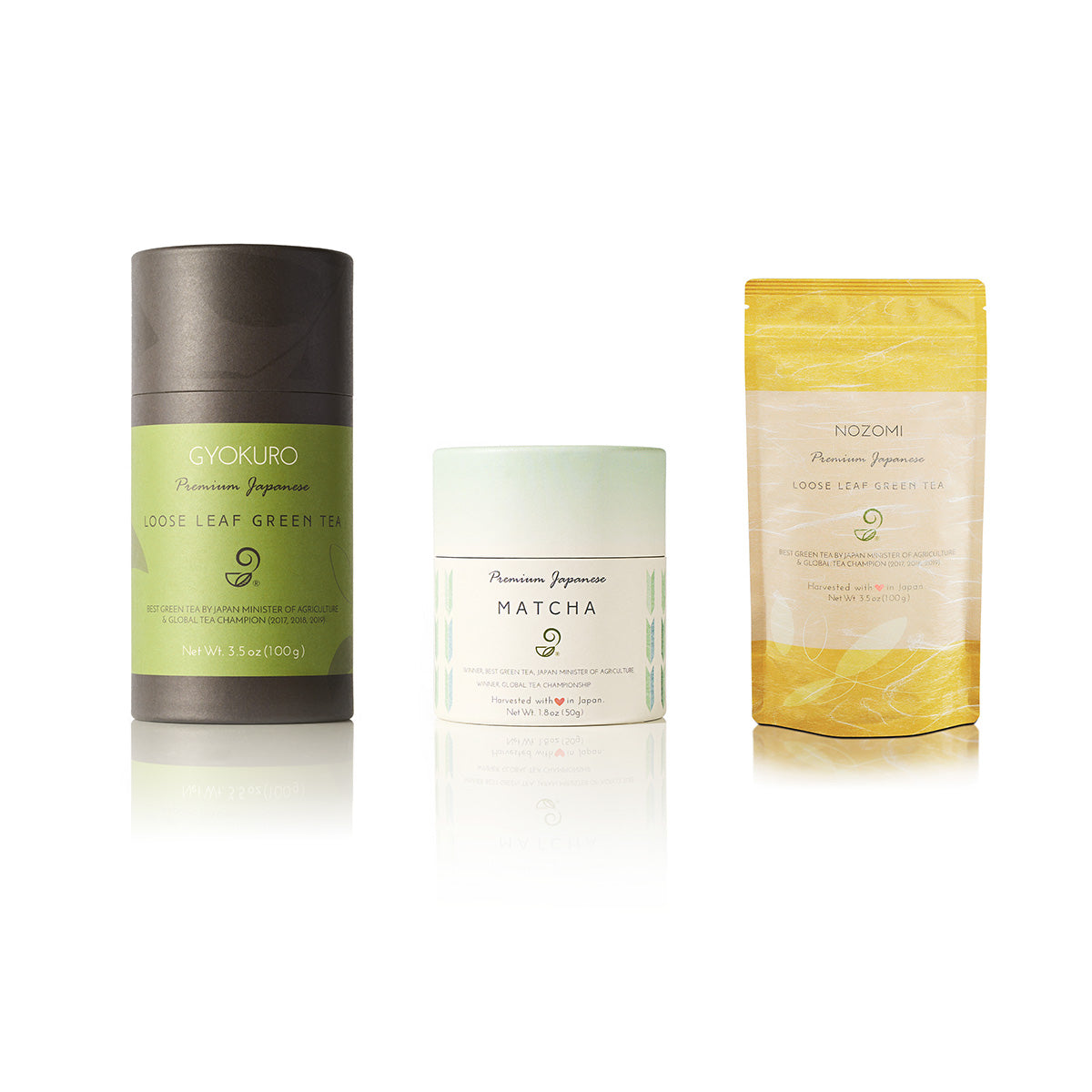
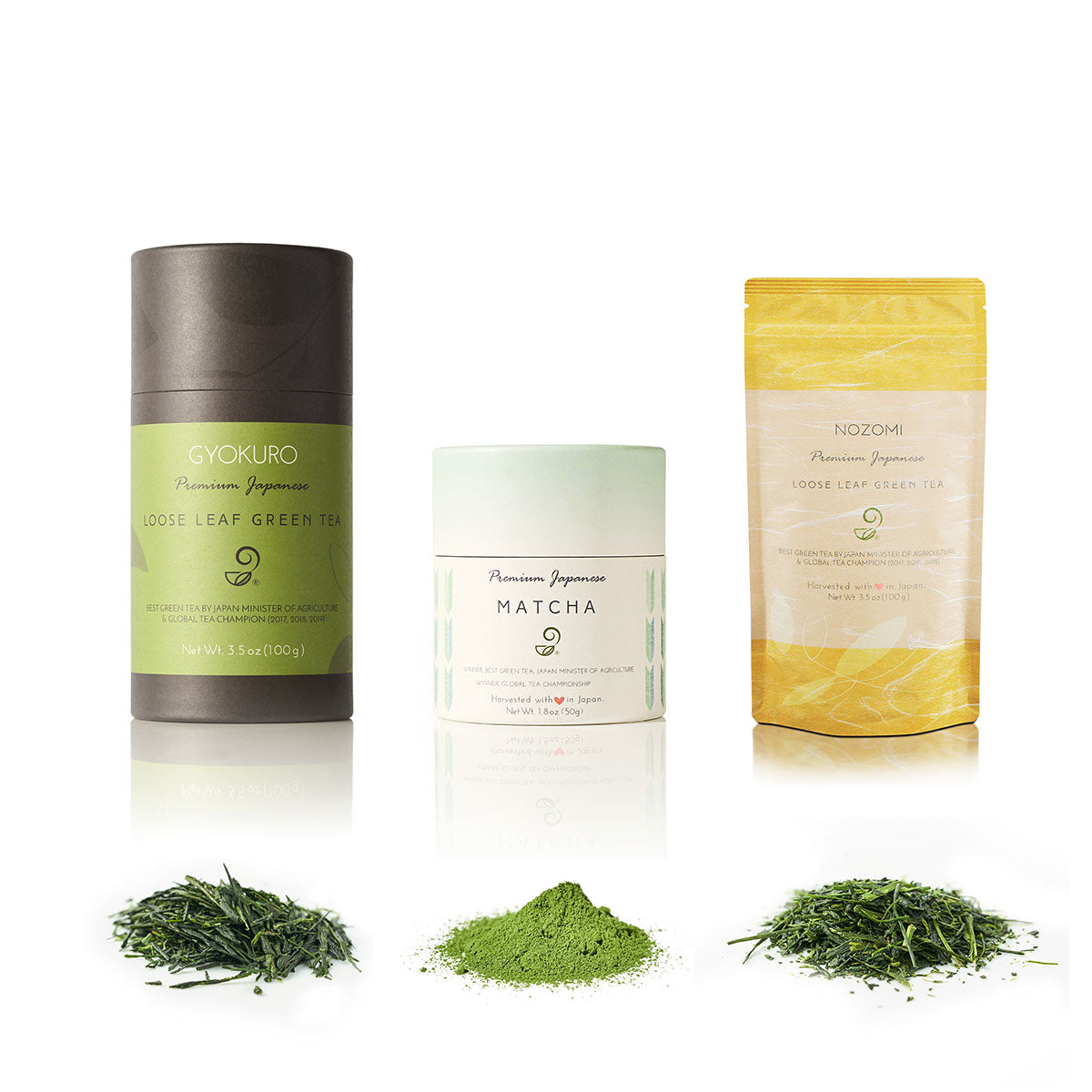
This tea set features three premium Japanese green teas, all cultivated in nutrient-rich sugarcane soil to enhance their flavor and natural sweetness. Gyokuro, a prized shaded green tea, is grown under special mats for 20 days to increase caffeine and amino acid levels, resulting in a rich, sweet taste and deep mossy green color. The set also includes a luxurious matcha, crafted from carefully shaded, hand-processed leaves and renowned for its smooth, aromatic flavor, developed in collaboration with researchers from Shizuoka University to maximize the benefits of the enriched soil. Completing the collection is Nozomi, a fine Kabuse-cha or "Covered Green Tea," where young tea leaves are gently shaded just before sprouting, producing a soft, refined flavor perfect for tea enthusiasts.

2 reviews

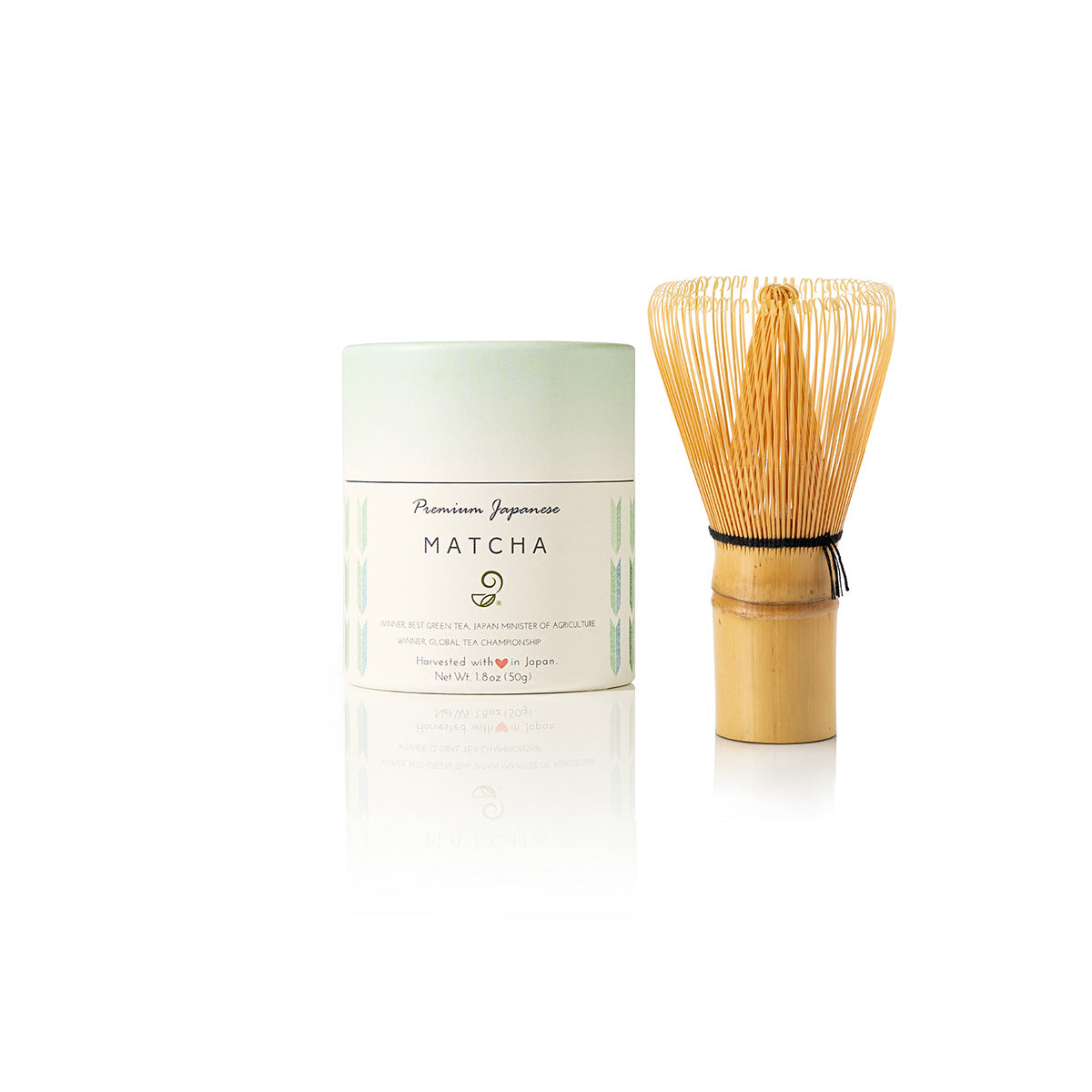
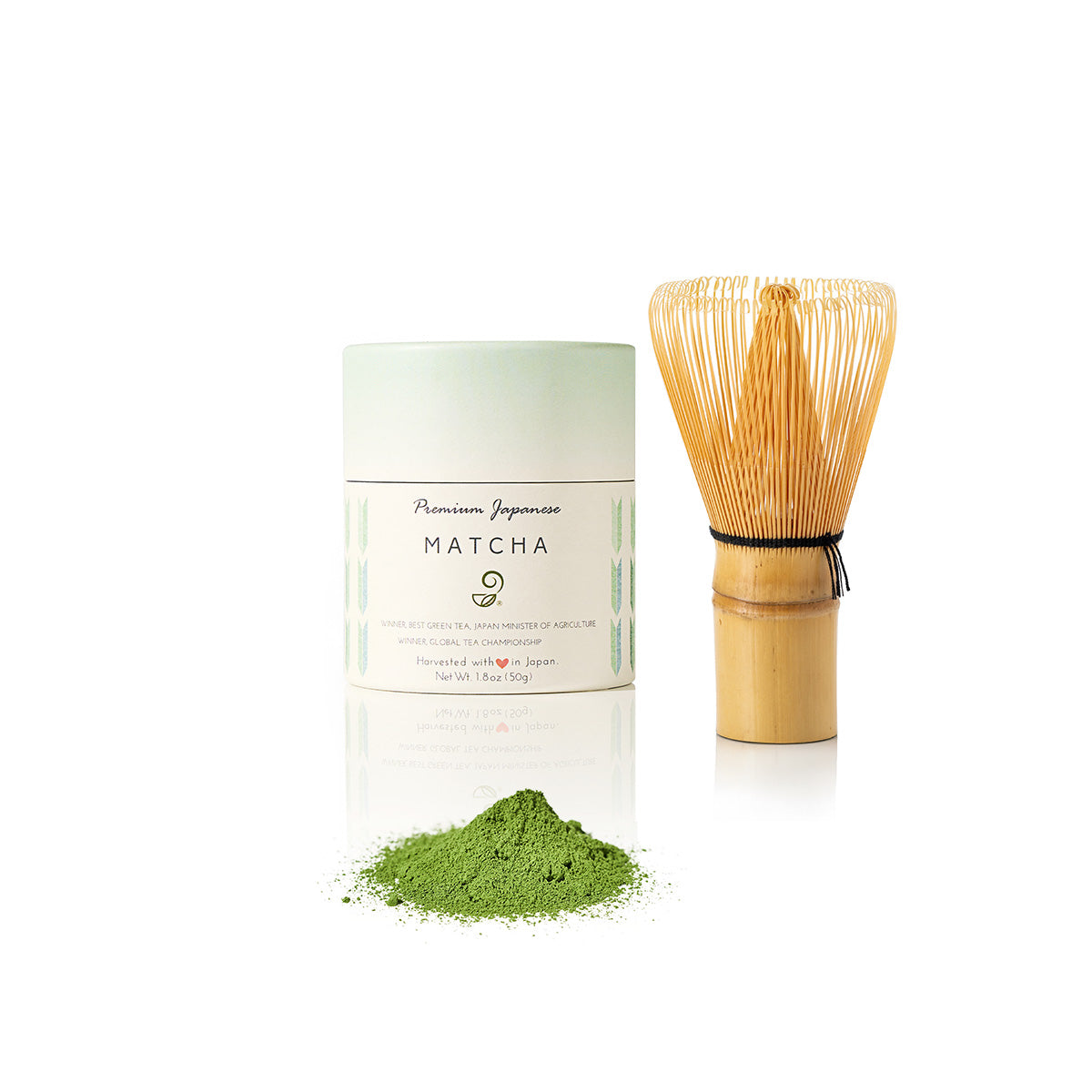
Matcha and Chasen Whisk Gift Set

$74.00 $66.00
Quick view

This set features a premium matcha made from the finest Japanese green tea, cultivated in soil enriched with compostable grasses and sugarcane to bring out a natural sweetness. In collaboration with researchers from Shizuoka University, farmers carefully study soil conditions to enhance flavor quality. The tea plants are shaded before harvest to increase caffeine and amino acid content, then skillfully dried, de-stemmed, and ground into a fine powder, creating a matcha with a luxurious aroma and taste highly regarded by top Japanese chefs.

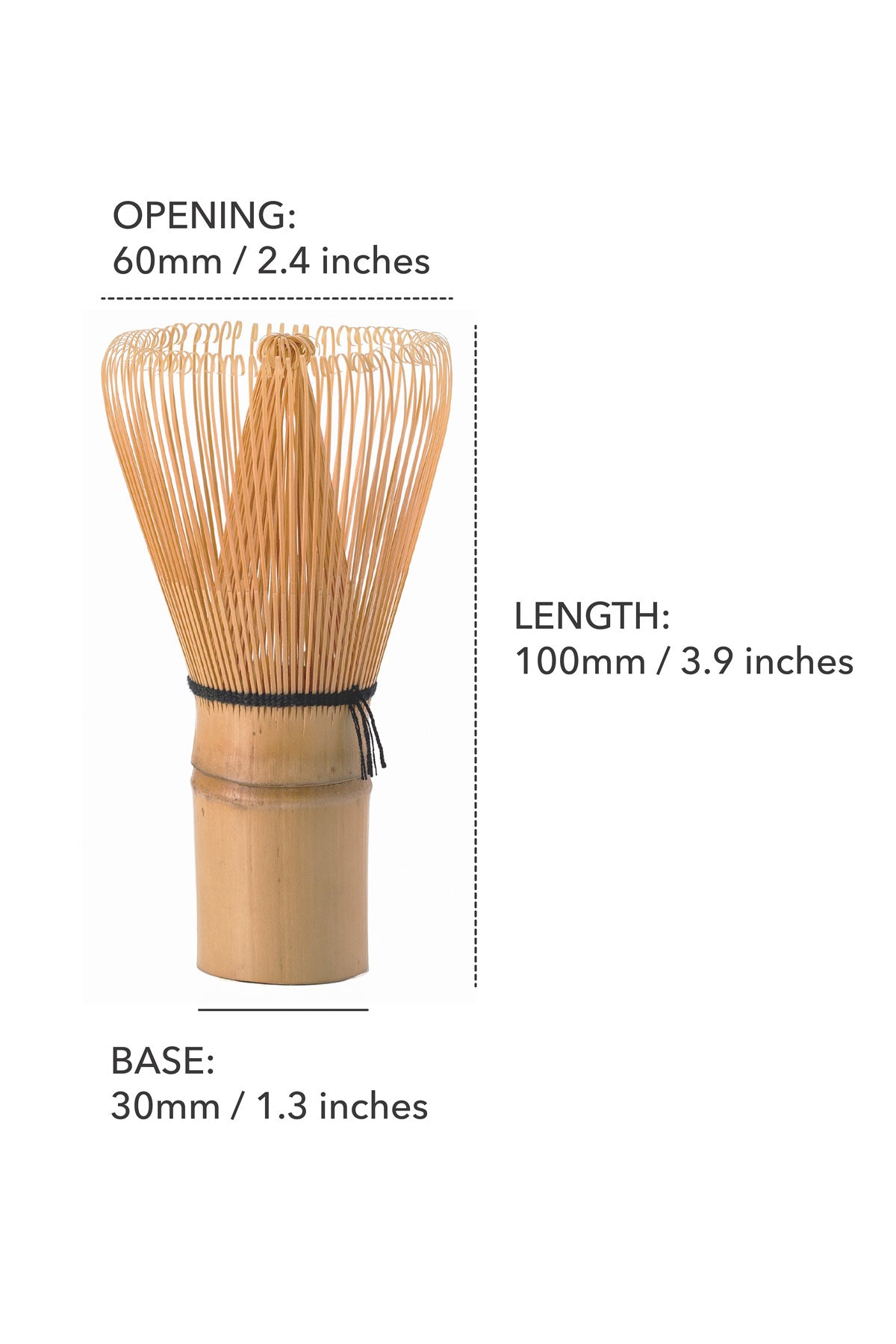
Paired with the matcha is a traditional 100-prong bamboo chasen whisk, considered the highest-grade among matcha tools. Unlike common 40-60 prong versions, this finely crafted whisk is widely used in high-end tea ceremonies in Japan. Its balanced dimensions offer the perfect design for preparing a smooth and frothy bowl of authentic matcha.


Related Articles You May Be Interested

What is Matcha? Explained in One Minute
Everything You Need to Know about Covering Process for Matcha and Gyokuro
Is Matcha Healthier than Sencha (Loose Leaf)?
25 Matcha Trivia You (Probably) Didn't Know
The Best Way to Keep Matcha & Green Tea is to Freeze - Green Tea Quiz

Get Free Bonus Books

Join Green Tea Club

Sign up for free to the Green Tea Club to get advice and exclusive articles about how to choose Japanese Tea, and tips, tricks, and recipes for enjoying Japanese tea.

Unsubscribe anytime. It’s free!

About the author

Kei Nishida

Kei Nishida

Author, CEO Dream of Japan

info@japanesegreenteain.com

Certification: PMP, BS in Computer Science

Education: Western Washington University

Kei Nishida is a passionate Japanese green tea connoisseur, writer, and the founder and CEO of Japanese Green Tea Co., a Dream of Japan Company.

Driven by a deep desire to share the rich flavors of his homeland, he established the only company that sources premium tea grown in nutrient-rich sugarcane soil—earning multiple Global Tea Champion awards.

Expanding his mission of introducing Japan’s finest to the world, Kei pioneered the launch of the first-ever Sumiyaki charcoal-roasted coffee through Japanese Coffee Co. He also brought the artistry of traditional Japanese craftsmanship to the global market by making katana-style handmade knives—crafted by a renowned katana maker—available outside Japan for the first time through Japanese Knife Co.

Kei’s journey continues as he uncovers and shares Japan’s hidden treasures with the world.

Learn more about Kei Nishida

Related Posts

What is Shincha - New Crop Tea and What Makes them Unique?
What is Shincha Tea and What Makes It Unique?

Discover the secrets of Shincha, Japan's acclaimed new crop tea. Explore its distinct features, flavors, and traditions.

Read More
Meet Eijiro Tsukada (塚田英次郎): The Charismatic Businessman Behind Cuzen Matcha — Now Available at Japanese Green Tea Co.

Meet Eijiro Tsukada — the man behind Cuzen Matcha. Full guide to the award-winning Matcha Maker, the Pro, and why we're

Read More
Behold: Balmuda's "The MoonKettle" — Where Boiling Water Becomes Art

We were privileged to be invited by Balmuda's Private MoonKettle Launch Event. Here are videos of it and everything you

Read More
Leave a comment

Your email address will not be published..

Cart

Your cart is currently empty.

Start Shopping

Select options