Skip to content

The Hidden Benefits of Green Tea on Your Skin

Eastern influences are now a huge thing in the world of fashion and beauty. From our favorite ingredients to celebrity styles, the Eastern culture proves that it can stay on par with most Western countries. One of them is the Asian skincare trend that has led many ladies to invest in their skincare routine. While others are trying out painless permanent hair removal for smooth, hair-free skin, some are filling up their carts with skincare essentials.

Among these Asian skincare essentials, green tea has gained a huge following in the skincare community because of its countless health benefits. Packed with antioxidants and other skin-loving ingredients, green tea refreshes our body from the inside out, especially our skin. This widely sought-out health beverage came from the leaves of the evergreen shrub Camellia sinensis, also known as 'tea shrub'. Although green tea started in China, its manufacture and production quickly spread worldwide.

While the skincare community has become saturated with chemical formulations and cosmetic products, green tea offers a natural way to enhance your skin while improving your physical health. So if you want to get better-looking skin, here are some ways green tea improves your skin's health.

Green tea prevents acne 

For those who are struggling to pick the best product for their acne regimen, green tea is the way to go. In a study about the effects of green tea on acne and sebum production, the experiment showed that green tea contains a polyphenolic compound called EGCG (epigallocatechin-3-gallate), which helps in treating acne, oily skin, and other skin infections.

Sebum production, or the process of naturally secreting oil from our skin glands, is a critical factor in developing acne breakouts and oily skin since it clogs the pores with oil and dirt. Green tea does its wonders by regulating sebum production. It also contains tannins, a natural astringent compound that works by shrinking the pores to lessen skin clogging and balance out the skin's surface.

A person with excess sebum production is likely to experience acne breakouts and clogged pores. While most skin products simply eliminate excess oil on the skin surface, green tea tackles the root cause by reducing oil production in the skin cells. This results in less oily skin without the effects of chemical substances found in several cosmetic products.

Green tea repairs the skin

As mentioned earlier, green tea contains micronutrients called EGCG, which are responsible for green tea's skin repair abilities. EGCG contains antioxidants that protect the skin from the skin-aging effects of the sun. In a study by the University of Kentucky College of Medicine, UV exposure accounts for over 80% of visible signs of skin aging, including wrinkling, scalping, a dry appearance, and impaired pigmentation.

To reduce the damage caused by UV rays, drinking a few cups of green tea reduces inflammation and redness related to sun exposure. Green tea also contains benzoic acid, which treats skin irritation from eczema or burns. Drinking green tea can also eliminate age spots from sun damage and reduce the risk of skin cancer.

The skin repair properties of EGCG also come with skin-enhancing features by improving moisture retention and skin hydration and reducing wrinkle formation. This means green tea aids in slowing down skin aging by applying it topically or taking oral supplements that contain green tea properties. The continuous use of green tea leads to noticeable results after several weeks by improving the skin's elasticity.

As an anti-aging product, green tea contains catechins, which reactivate dry skin cells. Taking it orally or topically will affect the outermost skin layer, including the formation of age spots and wrinkles associated with free radical damage.

Green tea reduces puffiness and inflammation

Green tea extracts naturally contain moderate amounts of caffeine, a form of vasoconstrictor that works together with tea tannins to minimize blood vessels. As a result, it reduces puffiness around the face and eyes and dark circles. It also gives the skin a brighter appearance that looks rejuvenated and glowing.

Meanwhile, those who suffer from skin inflammation should drink green tea to receive its antioxidant properties, which help fight inflammation. Green tea has an anti-inflammatory ability that eliminates the risk of skin disorders. That is why many skin products today contain green tea extract to maximize its skin-enhancing results. It also contains polyphenols for the prevention of UVB-induced skin problems such as melanoma and nonmelanoma skin cancer.

Hopefully, you now have an idea how enjoying a cup of green tea goes a long way toward having smooth skin. If you're hesitant to try chemically produced skincare products, using green tea offers a natural way to keep yourself looking and feeling great without putting any artificial substances in or on your body. Not only will your skin look good, but your body will thank you for it, too.

FAQs about Hidden Skin Benefits of Green Tea

What are the less-talked-about skin benefits of green tea besides anti-aging?

Three under-discussed benefits. First, sebum regulation — green tea catechins have been shown to reduce sebum (oil) production in oily skin types, which helps with acne and shine without the drying effects of harsher treatments. Second, UV-induced inflammation reduction — daily green tea consumption modestly reduces the inflammatory response to sun exposure, which compounds into less photo-aging over years. Third, modest support for collagen synthesis through anti-inflammatory action on the dermis.

Less established but promising: green tea may help with rosacea (anti-inflammatory action), eczema (some topical EGCG formulations show benefit), and post-procedure recovery (modestly faster healing in some clinical contexts). These are smaller bodies of evidence but suggest the skin benefits go beyond the well-known anti-aging story.

Practical: drinking 3-5 cups daily plus occasional topical use covers most of these benefits. Specific dermatologic conditions need targeted medical treatment; green tea contributes alongside rather than replacing.

Does green tea actually help with skin pigmentation issues?

Modestly, in some contexts. EGCG has been shown to inhibit tyrosinase (the enzyme that produces melanin) in lab studies, suggesting it could help with hyperpigmentation. Topical applications show more clinical evidence than oral consumption — a 2-3% green tea extract cream applied to hyperpigmented areas has produced modest lightening in some studies.

For melasma (hormone-related pigmentation often during pregnancy or with hormonal birth control), green tea is supportive at best. Real treatment usually requires prescription compounds (hydroquinone, tretinoin, azelaic acid). Green tea can be a daily supportive addition but isn't a primary treatment.

For sun damage spots and post-acne marks, daily green tea may modestly speed natural fading and reduce new dark-spot formation. The effect is gradual; expect 12+ weeks before any visible change. Combine with daily sunscreen (which is the actually-effective primary intervention) for best results.

Can I make a green tea face mist or toner at home?

Easily. Brew strong green tea (1 tablespoon high-quality sencha or 1 teaspoon matcha in 250ml hot water), steep 5-10 minutes for stronger extraction, cool completely, strain. Pour into a small spray bottle for face mist, or into a small glass bottle for toner application.

Storage: keep refrigerated, use within 3-5 days. Without preservatives, the brewed tea grows bacteria after about a week. For longer shelf life, add a few drops of vitamin E oil or witch hazel; these have mild preservative properties without disrupting the green tea benefit.

Application: spray on cleansed face morning and evening, let air-dry, follow with moisturizer. The catechins and polyphenols absorb modestly through skin, providing topical antioxidant benefit. Effect is mild but pleasant; most users report softer skin and slightly reduced redness over a few weeks of use.

Is matcha better than green tea for topical skin applications?
More concentrated, but harder to use cleanly. Matcha powder mixed into a paste (matcha + honey + a few drops of water) makes a face mask with high catechin density that brewed green tea can't match. The downside is the green color stains skin temporarily — you'll look slightly green for an hour after rinsing.

For toners and mists, brewed green tea is more practical because the liquid is clear and doesn't stain. For weekly face masks or targeted spot treatment, matcha paste is more potent.

Combination approach works well: daily brewed-green-tea toner for everyday support, weekly matcha face mask for concentrated antioxidant boost. The two together cover both consistency and intensity at modest cost.

How long does it take to see skin benefits from drinking and applying green tea?

Topical application: small acute effects within days (slight redness reduction, light brightness, modest soothing). Visible structural changes (texture, pigmentation) take 8-12 weeks of consistent application.

Oral consumption: 4-12 weeks for measurable improvements depending on what you're measuring. Acute inflammation responds within days; acne improvement at 4-8 weeks; skin elasticity and hydration improvements at 8-12 weeks; long-term photo-aging slowdown only visible across years of consistent practice.

Track with photos rather than mirrors. Take a photo at week 0, week 4, week 8, week 12 in similar lighting. Comparing across the timeline catches gradual improvements that day-to-day mirror checks miss. This is how researchers measure skin changes too.

Related products

8 reviews

The Sencha Lover Gift Set - Premium Japanese Green Tea Set Package
$179.00 $159.99
Quick view

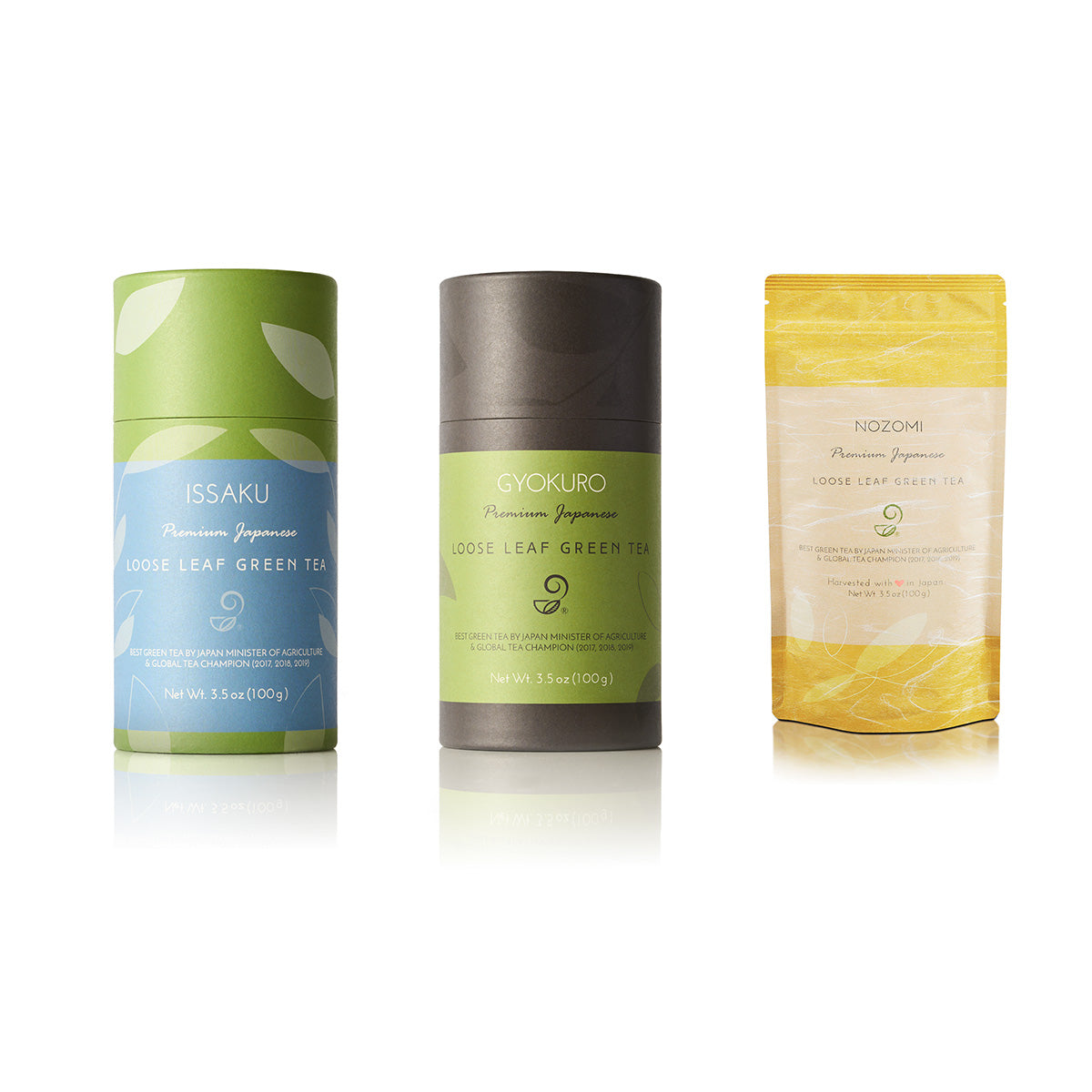
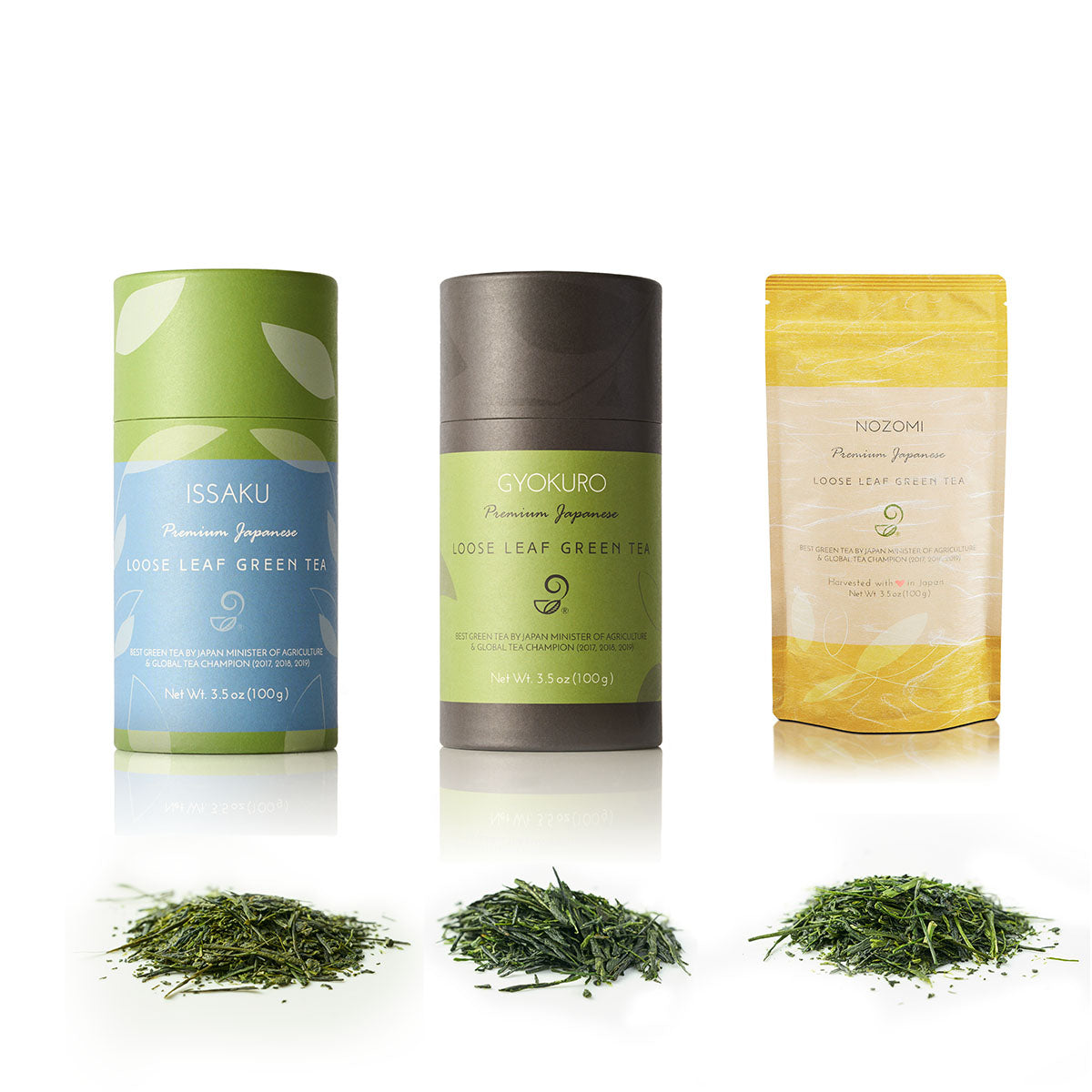
This tea set features three exceptional Japanese green teas, each crafted with care and traditional techniques. Issaku Reserve, a Global Tea Champion winner in 2017 and 2019, is a rare masterpiece created by Farm Master Mr. Arahata at Arahataen Green Tea Farm. Handpicked once a year from the first flush and processed with advanced methods, Issaku represents the highest-grade deep-steamed green tea, available only in limited quantities even in Japan.

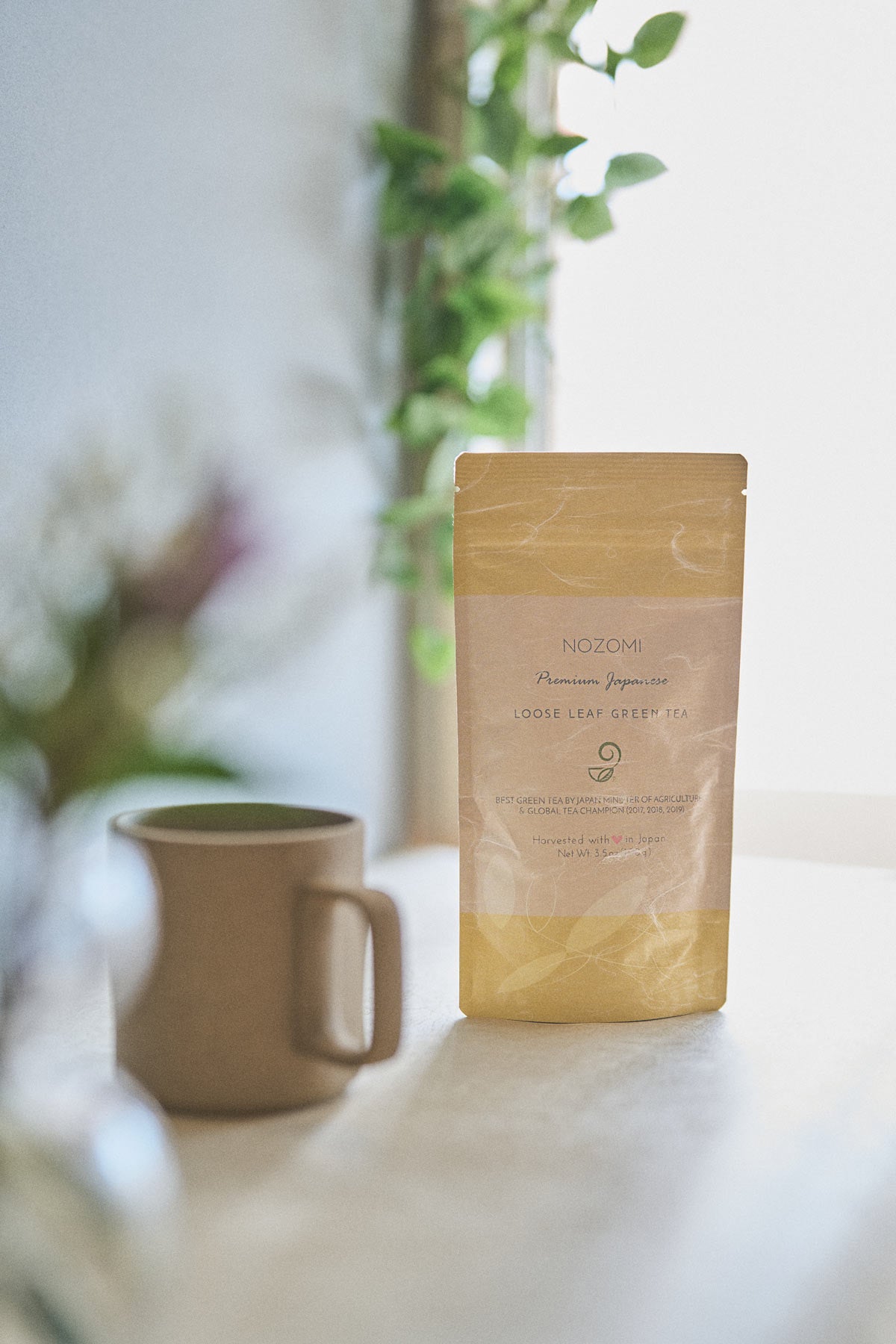
The set also includes Gyokuro, a premium shaded green tea known for its rich, sweet flavor and deep mossy green color. Grown under special mats for 20 days to increase caffeine and amino acid levels, Gyokuro offers a layered, smooth taste unlike any other. Completing the collection is Nozomi, a fine Kabuse-cha, or "Covered Green Tea," carefully grown under nets to gently shade the leaves just before new sprouts emerge, resulting in a soft, rich, and refined flavor profile.

97 reviews

Gyokuro - Shaded Imperial Premium Green Tea

$65.00
Quick view

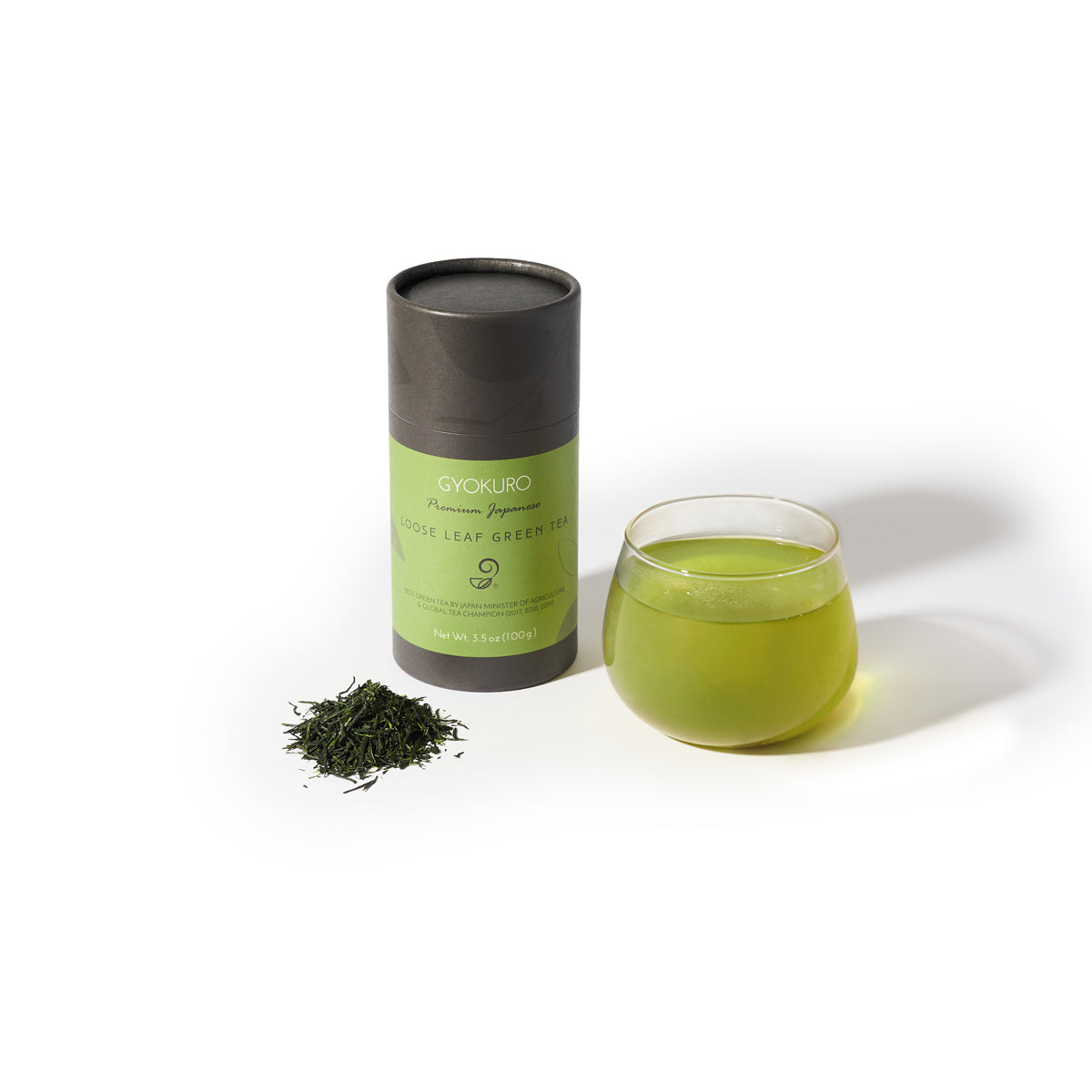
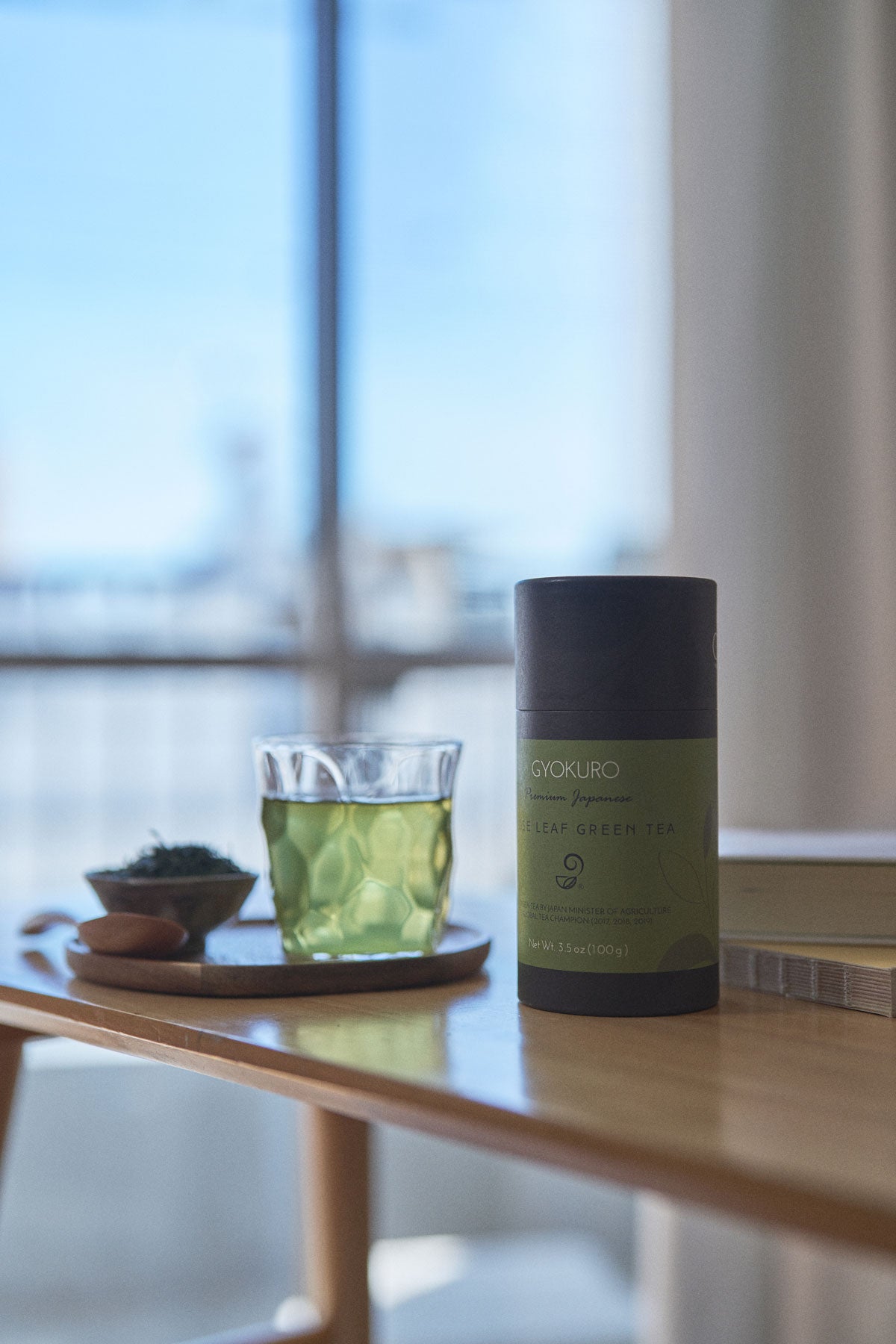
Gyokuro, also known as "jade dew" or "jewel dew tea," is a premium Japanese green tea shaded from the sun for 20 days using specially made mats, a method that boosts caffeine levels and strengthens amino acids to create a sweeter, richer flavor. This extended shading process results in dark, mossy green leaves with an unmistakable aroma and a complex taste that is layered yet balanced. Cultivated by the Chagusaba method in nutrient-rich sugarcane soil and made from the Yabukita cultivar, this loose-leaf authentic Gyokuro is offered in a high-quality, air-tight paper tube canister (chyazutsu) to preserve its exceptional freshness and flavor. Each 3.5 oz (100g) full-size package steeps 30–40 cups, and a convenient single-serve sample is also available.

45 reviews

Hojicha - Roasted Green Tea

$25.00
Quick view

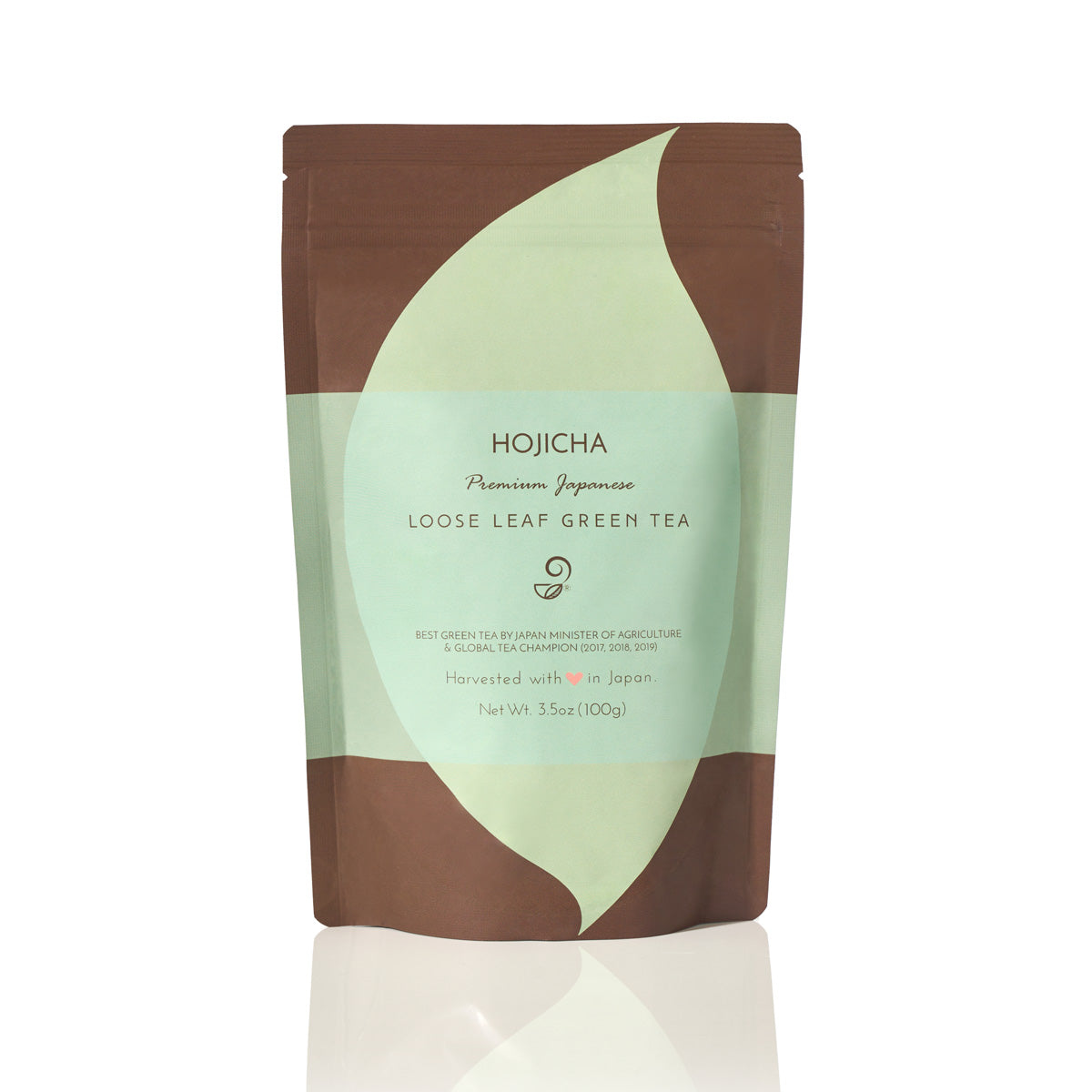
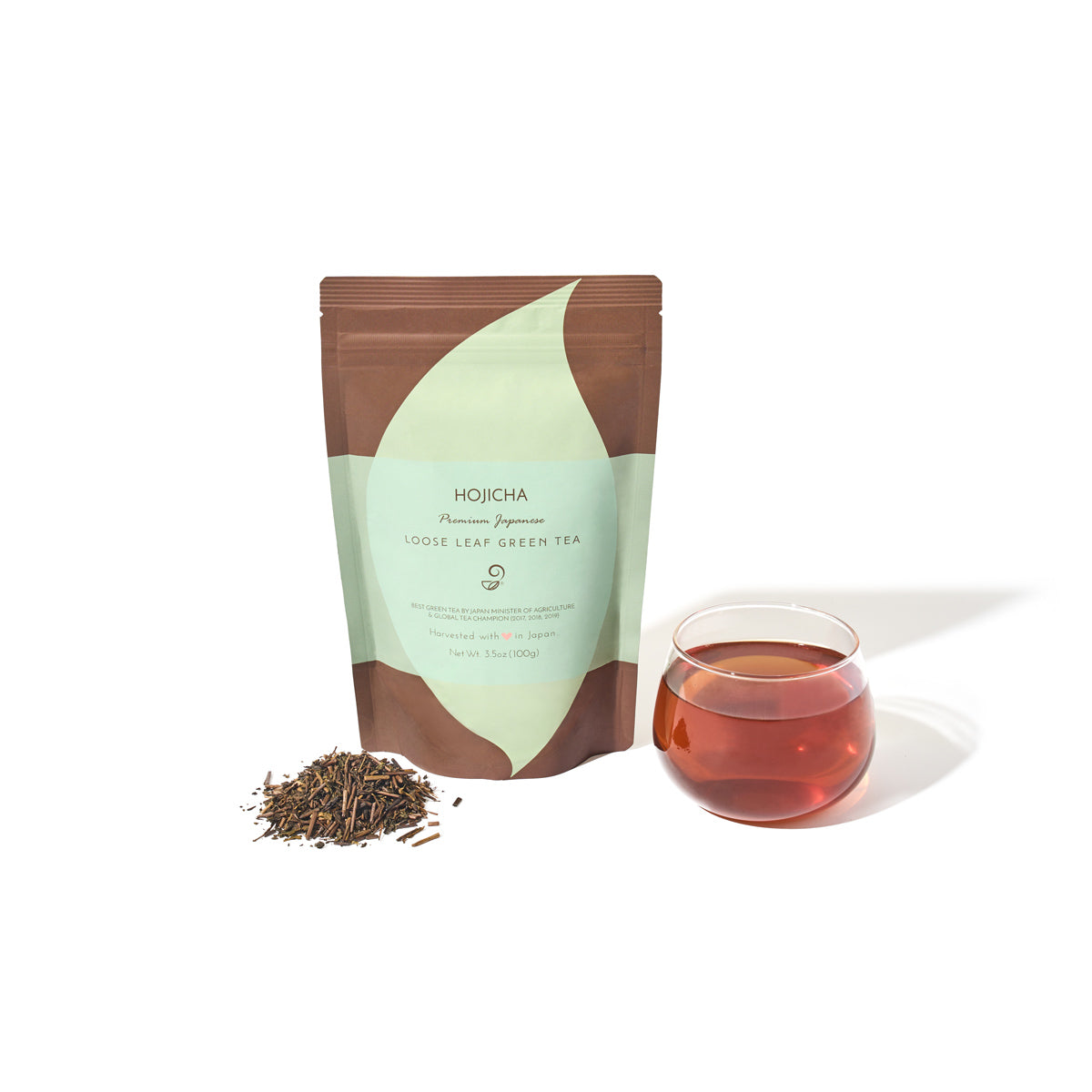
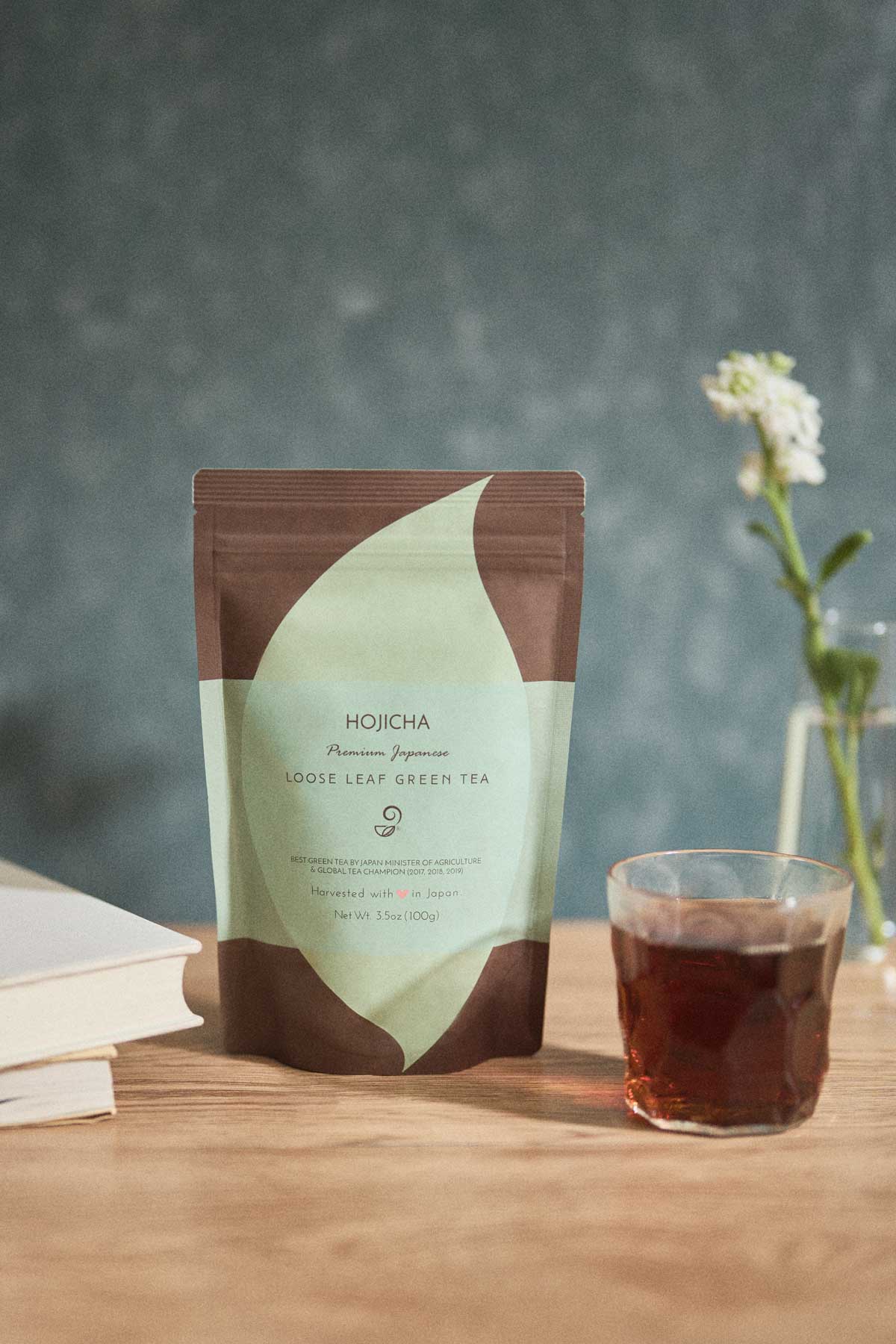
Our roasted green tea, known as hojicha (ほうじ茶), is crafted from freshly harvested premium green tea carefully roasted in porcelain over charcoal to maximize flavor while retaining more catechins than typical hojicha on the market. With lower caffeine and a smoother, less bitter taste compared to steamed green tea, it is an ideal choice for evening relaxation and is gentle enough for kids and pregnant women. Cultivated using the Chagusaba method in nutrient-rich sugarcane soil, this loose-leaf authentic Japanese roasted green tea, made from the Yabukita cultivar, also pairs beautifully with oily foods. Each eco-friendly resealable package contains 3.5 oz (100g) of tea, enough to steep 30–40 comforting cups.

80 reviews

Matcha - Ceremonial Japanese Powdered Green Tea

$39.00
Quick view

This ceremonial matcha is crafted from the finest Japanese green tea, grown in nutrient-rich soil enhanced with compostable grasses and sugarcane through the Chagusaba method, which gives the tea a natural sweetness and exceptional flavor. In collaboration with researchers from Shizuoka University, farmers ensure that the soil quality consistently produces tea of the highest standard.

Renowned among top Japanese chefs for its unmatched aroma, this matcha is made by carefully shading the plants before harvest to boost caffeine and amino acids, then meticulously drying, de-stemming, and grinding the leaves into a fine powder. Made from the Yabukita cultivar, this 1.8 oz (50g) matcha comes in a high-quality, air-tight paper tube canister, providing a luxurious and authentic Japanese tea experience.

42 reviews

Genmaicha - Green Tea with Roasted Brown Rice

$30.00
Quick view

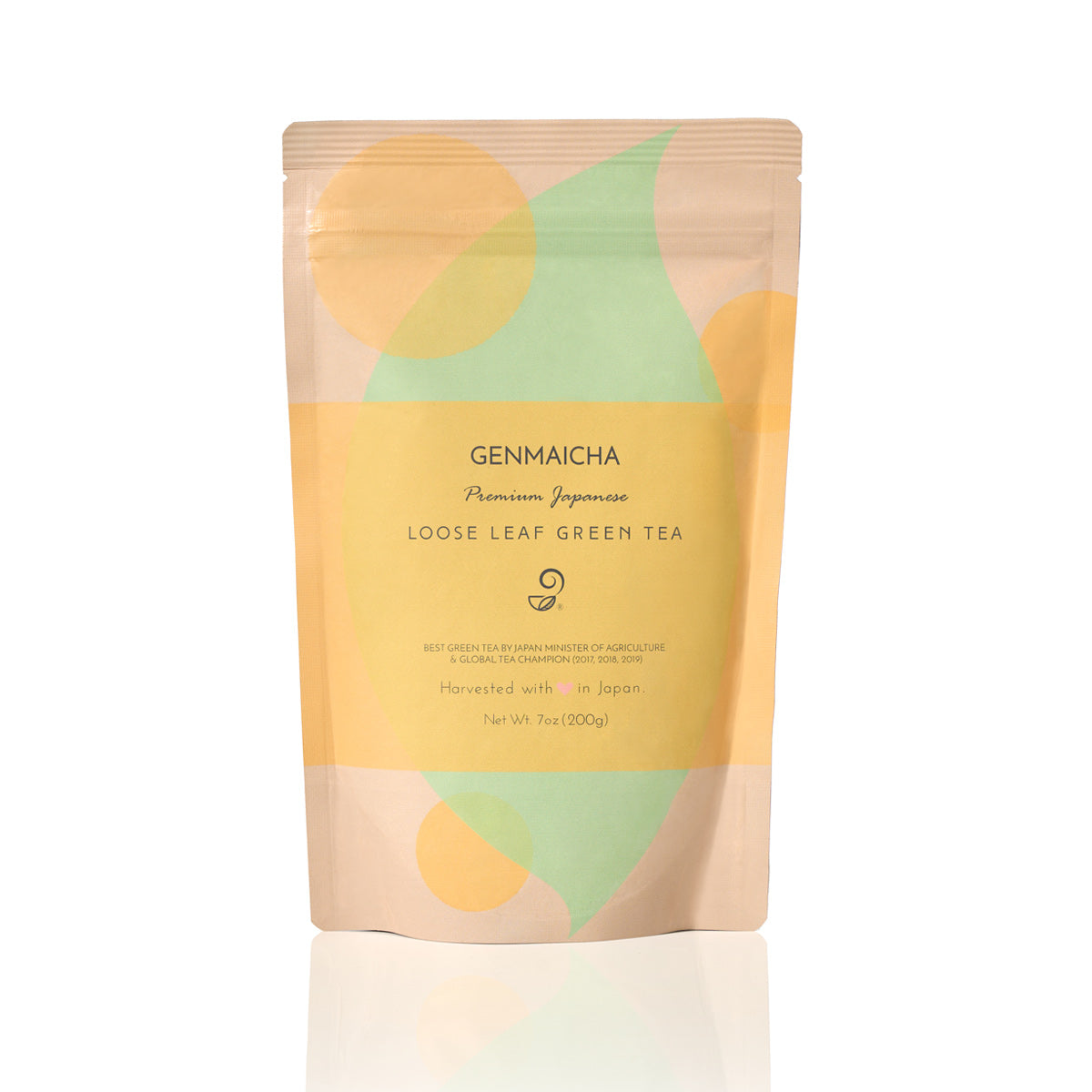
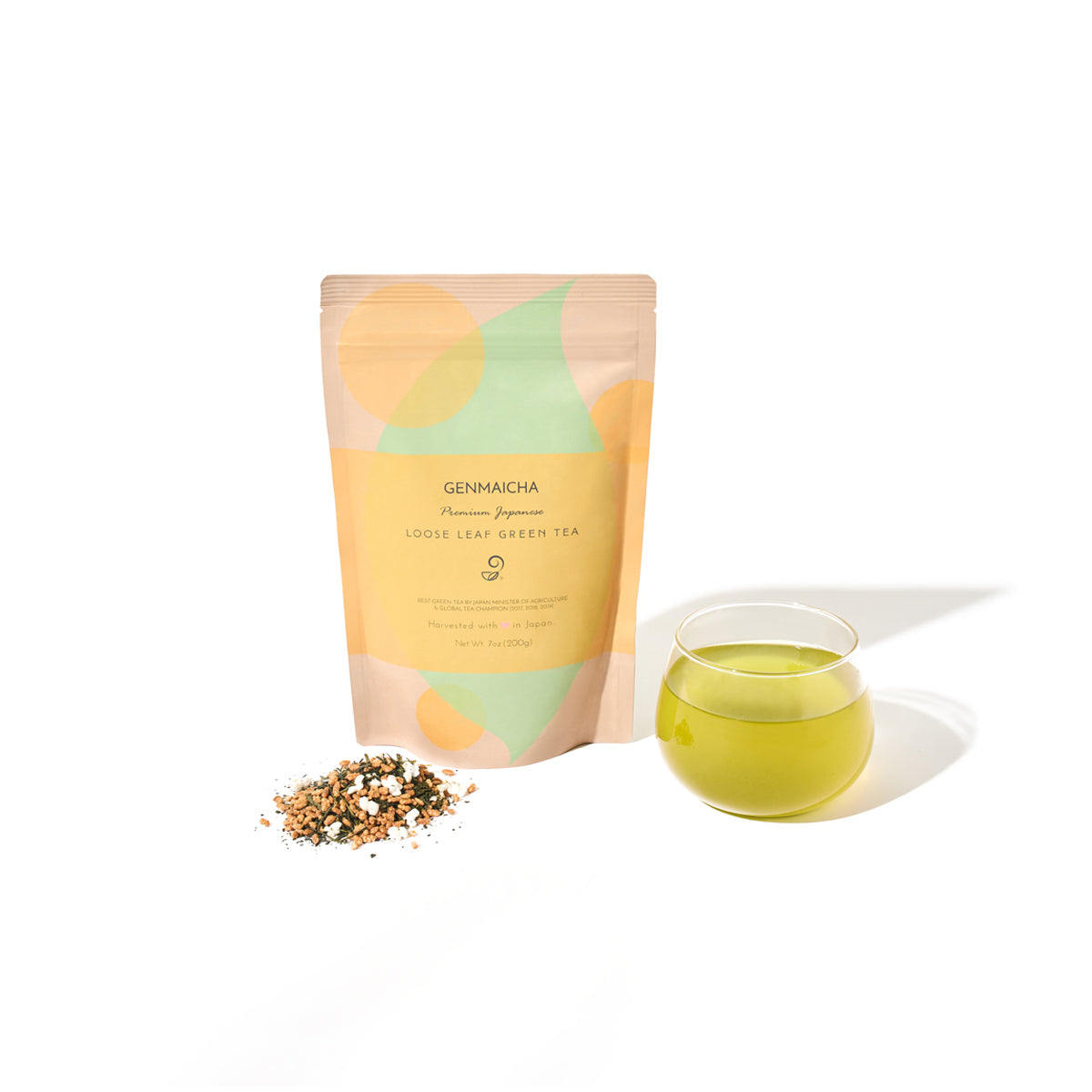
Our premium Japanese Genmaicha blends high-quality green tea with roasted popped brown rice (genmai 玄米), often nicknamed "popcorn tea" because the roasting process sounds like popcorn popping. Popular especially among the older generation in Japan for its mild flavor and lower caffeine content, this tea is easier on the stomach while still offering a rich, comforting taste. The brown rice used is premium Japanese mochi-gome (もち米) sticky rice, enhancing the tea’s nutty, aromatic profile. Made from Fukamushi Sencha and cultivated using the Chagusaba method in nutrient-rich sugarcane soil, this Genmaicha features the Yabukita cultivar and comes in a 7.0 oz (200g) eco-friendly resealable package, enough to steep 50–60 cups.


Related Articles You May Be Interested

Does Drinking Green Tea Cause Acne?
Japanese Green Tea and Skin Health
How to Take a Bath with Japanese Green Tea
The Power of Benifuuki Green Tea for Allergies & More
Japanese Green Tea and Diabetes - 10 Reasons Why It is Good for Prevention and Management

Get Free Bonus Books

Join Green Tea Club

Sign up for free to the Green Tea Club to get advice and exclusive articles about how to choose Japanese Tea, and tips, tricks, and recipes for enjoying Japanese tea.

Unsubscribe anytime. It’s free!

About the author

Kei Nishida

Kei Nishida

Author, CEO Dream of Japan

info@japanesegreenteain.com

Certification: PMP, BS in Computer Science

Education: Western Washington University

Kei Nishida is a passionate Japanese green tea connoisseur, writer, and the founder and CEO of Japanese Green Tea Co., a Dream of Japan Company.

Driven by a deep desire to share the rich flavors of his homeland, he established the only company that sources premium tea grown in nutrient-rich sugarcane soil—earning multiple Global Tea Champion awards.

Expanding his mission of introducing Japan’s finest to the world, Kei pioneered the launch of the first-ever Sumiyaki charcoal-roasted coffee through Japanese Coffee Co. He also brought the artistry of traditional Japanese craftsmanship to the global market by making katana-style handmade knives—crafted by a renowned katana maker—available outside Japan for the first time through Japanese Knife Co.

Kei’s journey continues as he uncovers and shares Japan’s hidden treasures with the world.

Learn more about Kei Nishida

Related Posts

Our Products are Now at Yama Sushi Marketplace — One of LA's Most Trusted Japanese Markets Since 1984!

Yama Sushi Marketplace is now carrying our products! Plus the full story of LA's beloved Japanese market — California Ro

Read More
What is Shincha - New Crop Tea and What Makes them Unique?
What is Shincha Tea and What Makes It Unique?

Discover the secrets of Shincha, Japan's acclaimed new crop tea. Explore its distinct features, flavors, and traditions.

Read More
Meet Eijiro Tsukada (塚田英次郎): The Charismatic Businessman Behind Cuzen Matcha — Now Available at Japanese Green Tea Co.

Meet Eijiro Tsukada — the man behind Cuzen Matcha. Full guide to the award-winning Matcha Maker, the Pro, and why we're

Read More
Leave a comment

Your email address will not be published..

Cart

Your cart is currently empty.

Start Shopping

Select options