Skip to content

Tea vs. Coffee Quiz - 5 Quiz Challenges for you

There are two main breakfast drinks around the world: tea and coffee. Do you know how they compare? Try out this quick little quiz and see what you know when it comes to comparing these two perennial morning favorites.

1. Which is Older?

Tea is undoubtedly the elder of the two beverages. Indeed, tea is thought to be even older than wine! Tea has been accompanying meals for almost 5,000 years, which is most of humanity’s documented history.

Coffee, on the other hand, only entered the arena in the 11th century at the earliest. Its use was high in the Middle East for some time before entering the western world in the 1700s. Coffee’s actual discovery is still left open to interpretation since no one is quite sure how it came to be used by humans.

Both drinks are venerable, but when it comes to history, there are few drinks that can compete with tea. Depending on who you ask, tea may even be older than beer, which is most often considered the oldest manufactured drink!

2. Which Has More Caffeine?

Tea loses out in this category, having only 45–70 mg of caffeine per cup. Black teas can reach the upper end of this scale and even be comparable to a weak cup of coffee, however.

On the other hand, black coffee contains 95–200 mg of caffeine per cup. By volume, it clearly has more of the good stuff, but there’s a little bit more to the picture here. Both contain a lot more than caffeine, but tea has some very interesting compounds to accompany your caffeine fix.

Tea is less likely to make you jittery since it contains a compound called L-theanine, which balances caffeine while providing a bit of an extra boost. So it comes out to a net draw if you’re looking to boost energy levels.

Those with anxiety should give tea a shot over coffee if they’re not willing to kick their caffeine habit. L-Theanine is actually an anxiolytic, helping to calm a person down. That’s why the energetic buzz from tea is much more subtle and calm!

3. Which is Healthier?

Both drinks have some healthy qualities.

Tea is a known source of antioxidants, which help prevent damage to your DNA from agents called free radicals. The profile of chemicals in green tea, for instance, just seems to make you overall healthier.

Less inflammation, less heart disease, antiviral, and even neuroprotective properties are all found in the tea leaf.

coffee and tea

Meanwhile, coffee also has a great reputation for being healthy. A meta-analysis shows lower mortality for all causes across the board. It also showed some minor harmful effects, but they seemed to even out once the study took smoking into account.

Coffee’s health benefits are far more controversial, however. Studies are conflicting and ongoing.

We’re going to have to give this one to tea. While coffee may have some great health effects, tea has a more stable relationship with studies, and the polyphenol compounds within it are all healthy stuff on their own.

4. Which is Better for Weight Loss?

Caffeine is known to increase the metabolism of those who drink it. Unfortunately, the effects taper off as your tolerance to the compound increases.

Coffee’s weight-loss effects are primarily derived from its caffeine content. The effect is, therefore, short-lived, and using coffee to promote weight loss requires cycling it in and out.

Tea, on the other hand, seems to have a lasting effect on the metabolism, which is sustained despite daily tea drinking. It may also come from the fact that tea drinkers tend to abstain from sugary drinks during the day, but many people drink their tea sweetened.

Neither is a magic bullet, and both can help, but tea seems to be the better of the two for those who are looking for a smaller waist.

5. Which is More Widely Consumed?

Those who live in the Western world might assume that coffee is the drink of choice around the world. That’s certainly not the case, but which is more widely consumed?

Tea, by a good margin. The per capita consumption of tea is second only to bottled water in the beverage industry. It’s simply the most widely consumed flavored drink around!

Actually, coffee has some competition here as well. Coffee is actually behind carbonated drinks like Coca-Cola when it comes to worldwide consumption. The impression an American might get that everyone drinks coffee is just wrong; when it comes to worldwide popularity, nothing beats tea!

How’d You Score?

There are some surprises when we compare tea and coffee, in both their histories and their inherent physical qualities. Neither is a bad choice for the morning, but in the end, it appears that tea simply wins out in most categories. How did you score on this short quiz?

About The Author

Kate MacDonnell, CoffeeChannel

Kate has been a coffee enthusiast since she could reach the kitchen counter and a writer since she could hold a pen. A native of Colorado, she loves drinking amazing coffee all over the world and has an ever-growing collection of coffee gear.

She’s sipped espresso with yuzu in Thailand, goat milk caramel lattes in Mexico, buttery white coffee in Malaysia, and cream cheese coffee in Korea. At a coffee plantation in Tanzania, Kate roasted coffee beans over an open fire, which probably still smells like coffee. Trust us: you can’t get that aroma out of your hair! At home, her favorite brewing method is smooth, clear Chemex, although the Wacaco Minipresso is a close second. She enjoys writing for coffee websites and sampling every kind of coffee known to man.

FAQs about Tea vs Coffee Comparisons

Which has more caffeine, tea or coffee?

Coffee, by a clear margin. A standard 8oz cup of brewed coffee has 95-120 mg of caffeine. A cup of standard sencha has 25-35 mg. Matcha is in the middle (60-80 mg per bowl) — between sencha and coffee. So drinking the same number of cups, coffee delivers 3-4x more caffeine than tea.

This is partly counter-intuitive because dry coffee beans actually contain less caffeine by weight than tea leaves do. The difference is that coffee uses more dry product per cup (about 10g) compared to tea (about 2-3g for steeped, 2g for matcha) — plus brewing methods extract caffeine differently.

Practical: if you're managing daily caffeine intake, account for what you're actually drinking. Three cups of green tea + one cup of coffee is about 200 mg total caffeine, which is moderate. Three cups of coffee alone is 300+ mg, which is more concentrated.

Which has more antioxidants, green tea or coffee?

Roughly comparable per cup. Green tea provides 50-150 mg of catechins per 8oz cup; coffee provides 70-200 mg of chlorogenic acids per 8oz cup. Both are antioxidant-rich; the specific compound profiles differ. The matcha (抹茶) delivers more total antioxidants per cup than steeped tea or coffee because you ingest the whole leaf.

On total antioxidant capacity (ORAC) measures, coffee usually scores slightly higher per ml. On EGCG specifically (the most-studied tea catechin for cancer-prevention research), green tea wins easily because coffee has essentially no EGCG.

Practically, the difference between green tea and coffee on antioxidants is smaller than the difference between drinking either one and drinking neither. Both contribute meaningfully to total daily polyphenol intake; both stack with antioxidants from food for cumulative benefit.

Which is better for sleep — tea or coffee?

Tea, by a clear margin. The lower caffeine content alone makes tea less sleep-disruptive than coffee. Beyond that, the L-theanine in green tea modulates the caffeine effect to be smoother and gentler — less acute stimulation that can interfere with sleep onset.

For evening drinking specifically, hojicha (ほうじ茶) with its very low caffeine (7-10 mg per cup) is essentially sleep-safe — you can drink hojicha 2 hours before bed without disrupting sleep for most people. Coffee at the same time would be a clear sleep disruptor.

Decaf coffee exists but isn't quite a green-tea equivalent. Removing caffeine from coffee reduces the alertness without adding the calm-focus mechanism that L-theanine provides. So decaf coffee has less sleep impact than regular coffee but doesn't replicate green tea's specifically calming profile.

Which is better for cognitive performance — tea or coffee?

Different rather than better. Coffee provides sharper acute alertness — best for short, intense cognitive tasks. Green tea (especially matcha) provides flatter, longer-duration focus — better for sustained cognitive work over hours.

For peak performance on a 1-hour test or presentation, coffee may have the edge. For 4-8 hours of focused study, writing, or research, tea's sustained-focus profile usually produces better cumulative output. Many committed cognitive workers maintain both — coffee for high-output bursts, tea for deep work blocks.

Both produce real cognitive enhancement compared to no caffeine. The mistake is treating them as competing — they serve different roles. Match the beverage to the work pattern.

Can I just drink both tea and coffee daily without problems?

Easily, with caffeine awareness. Most committed tea-and-coffee drinkers consume both daily — coffee for one part of the day (often morning), tea for another (often afternoon and evening). The total caffeine should be considered (a typical pattern is 1-2 cups of coffee + 3-4 cups of tea daily, totaling around 300-400 mg caffeine), but the combination is normal for many adults.

Watch for: caffeine sensitivity (jitters, anxiety, sleep issues), iron-absorption interference if you have iron-status concerns, gastric discomfort from drinking both daily on a sensitive stomach. If any of these emerge, reduce one or the other.

My typical day: coffee in the morning (alertness boost, social ritual), sencha mid-morning (sustained focus), gyokuro or matcha early afternoon (umami pleasure), hojicha in the evening (low-caffeine wind-down). The two beverages serve different roles in different windows; both are present without conflict.

Related products

8 reviews

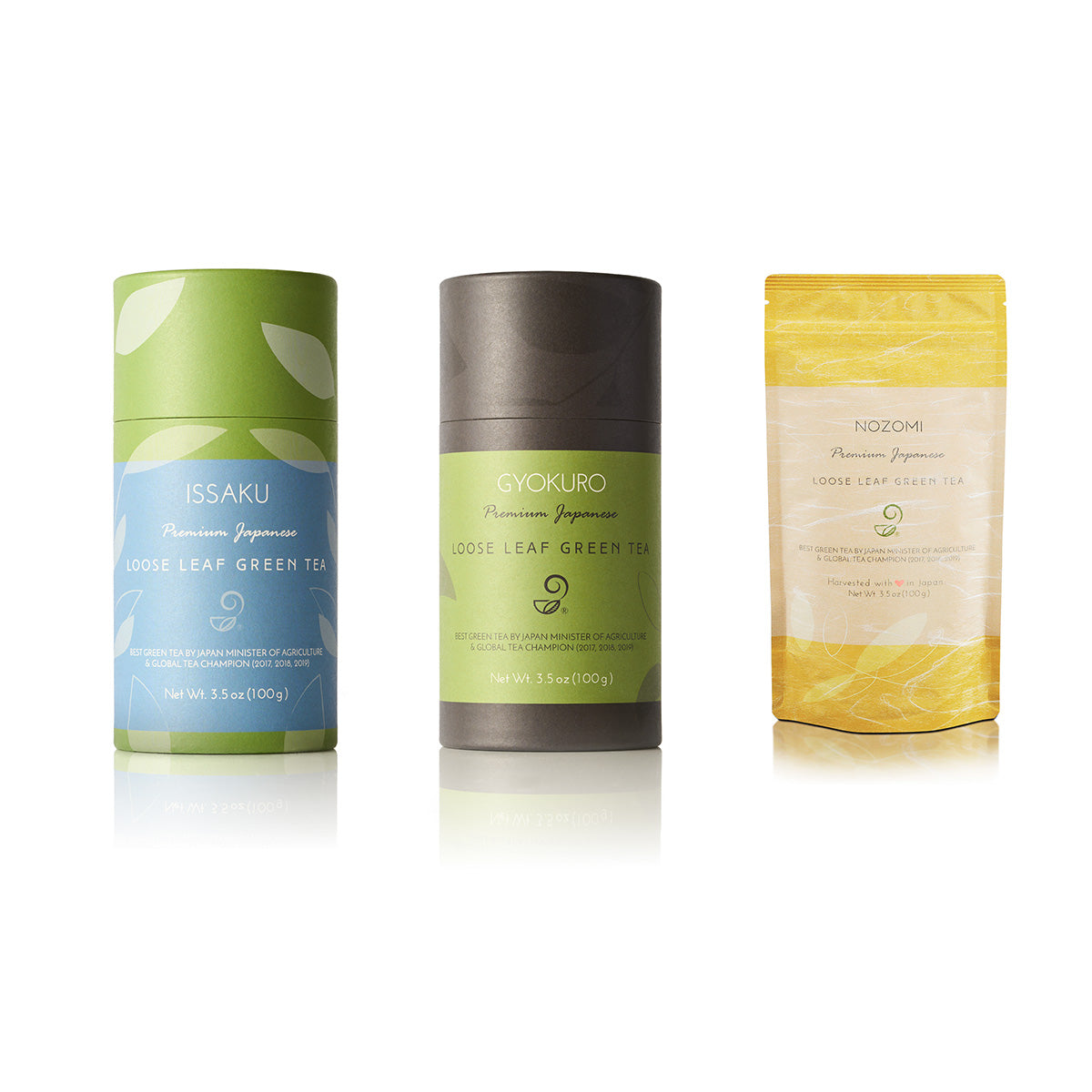
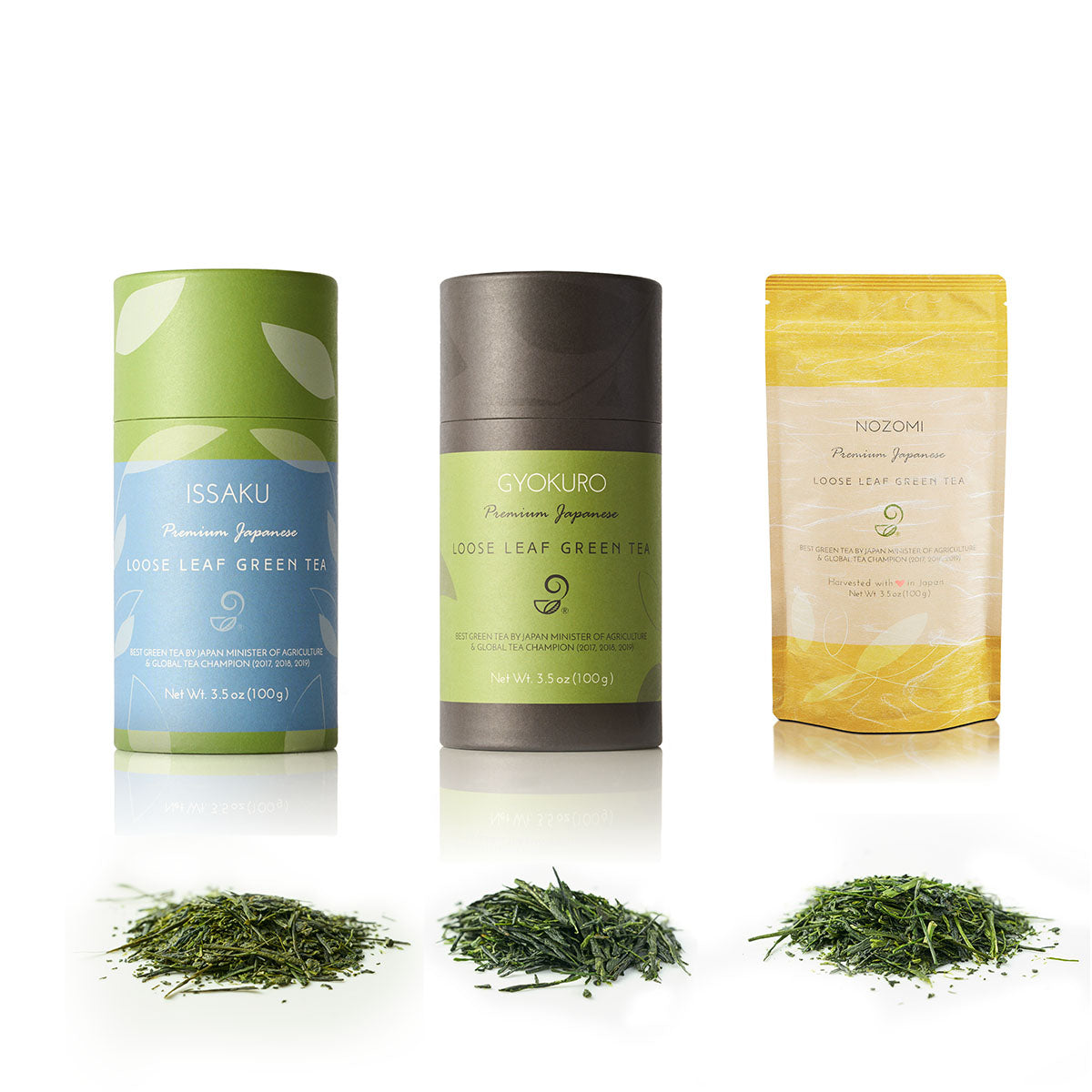
The Sencha Lover Gift Set - Premium Japanese Green Tea Set Package
$179.00 $159.99
Quick view

This tea set features three exceptional Japanese green teas, each crafted with care and traditional techniques. Issaku Reserve, a Global Tea Champion winner in 2017 and 2019, is a rare masterpiece created by Farm Master Mr. Arahata at Arahataen Green Tea Farm. Handpicked once a year from the first flush and processed with advanced methods, Issaku represents the highest-grade deep-steamed green tea, available only in limited quantities even in Japan.

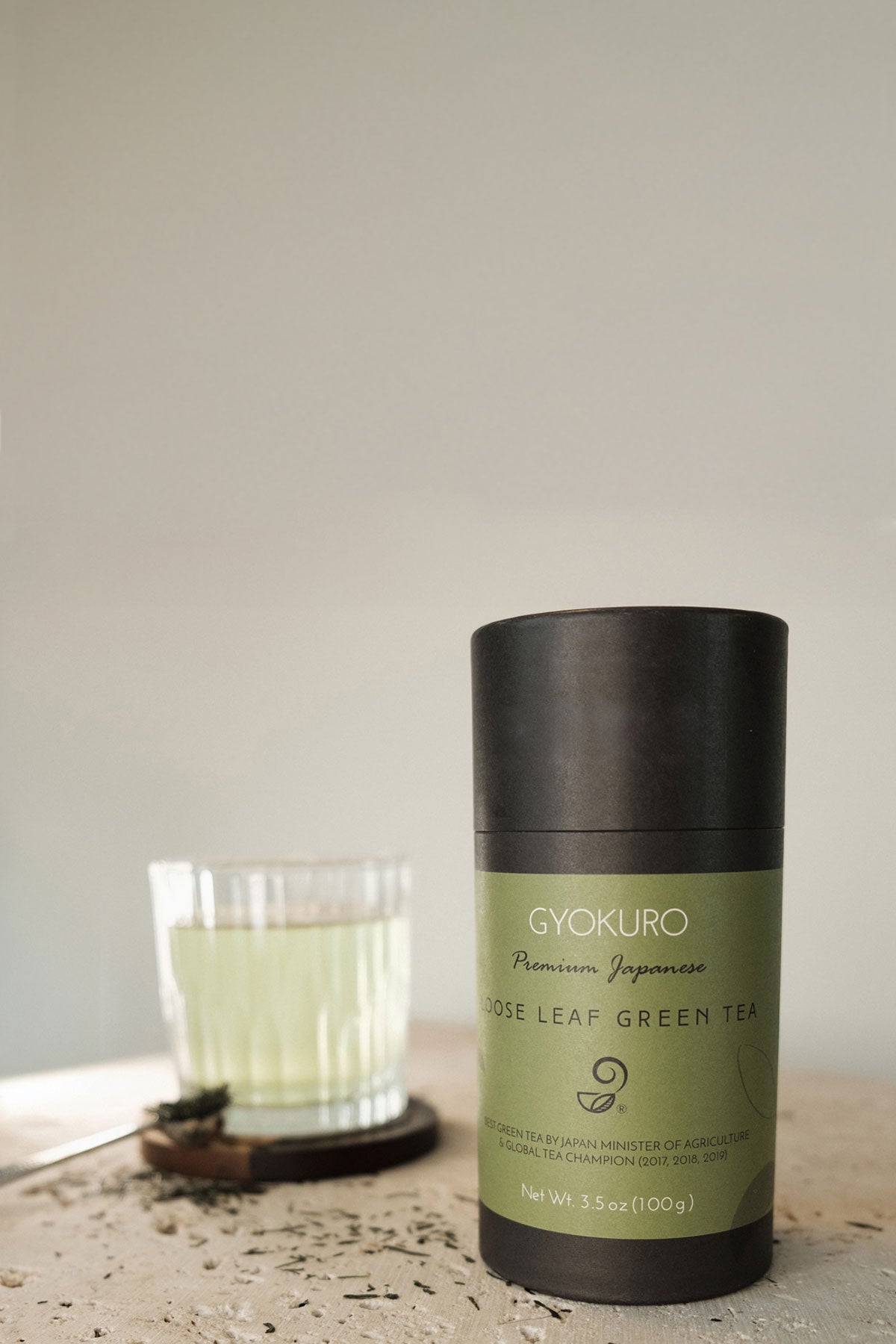
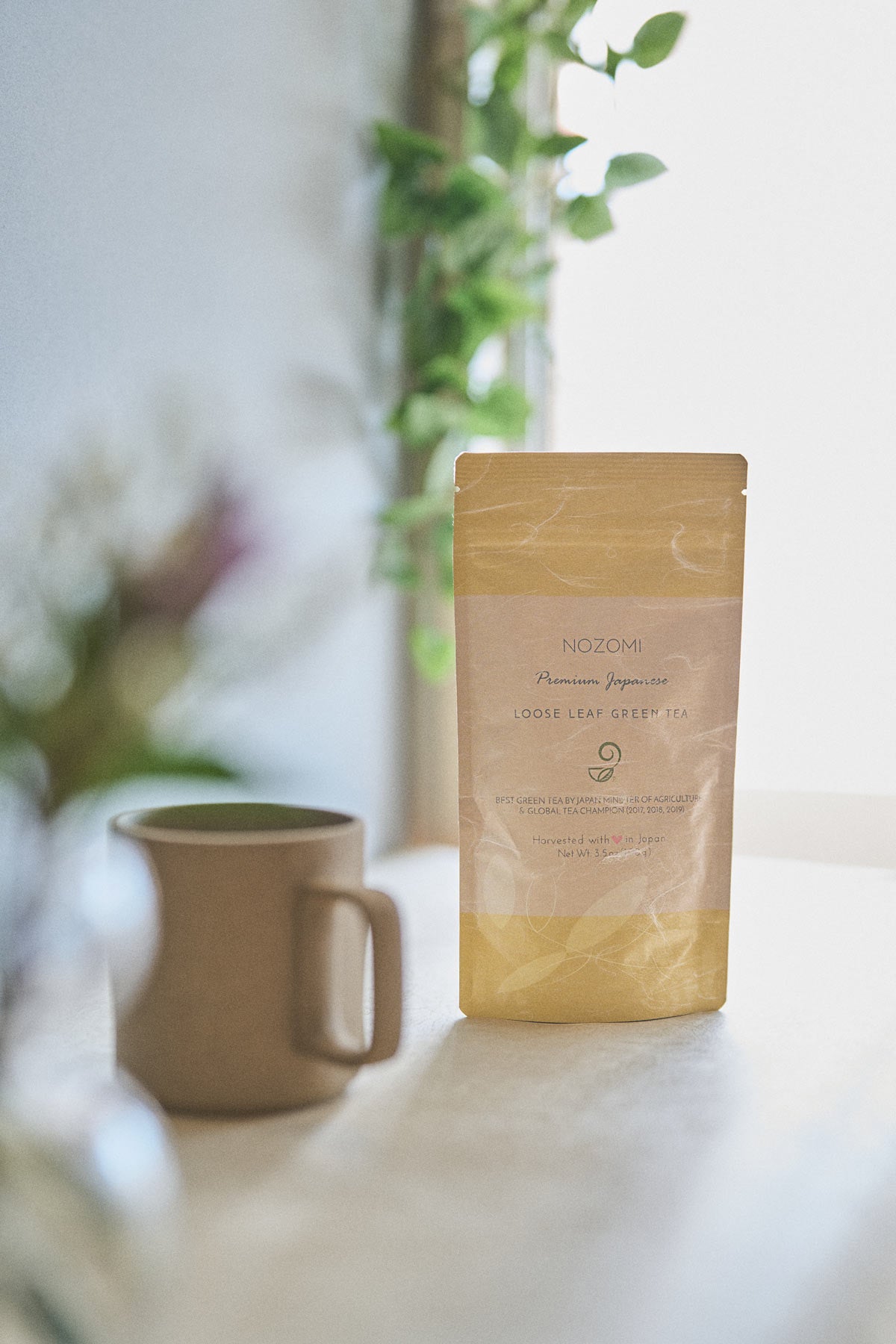
The set also includes Gyokuro, a premium shaded green tea known for its rich, sweet flavor and deep mossy green color. Grown under special mats for 20 days to increase caffeine and amino acid levels, Gyokuro offers a layered, smooth taste unlike any other. Completing the collection is Nozomi, a fine Kabuse-cha, or "Covered Green Tea," carefully grown under nets to gently shade the leaves just before new sprouts emerge, resulting in a soft, rich, and refined flavor profile.

97 reviews

Gyokuro - Shaded Imperial Premium Green Tea

$65.00
Quick view

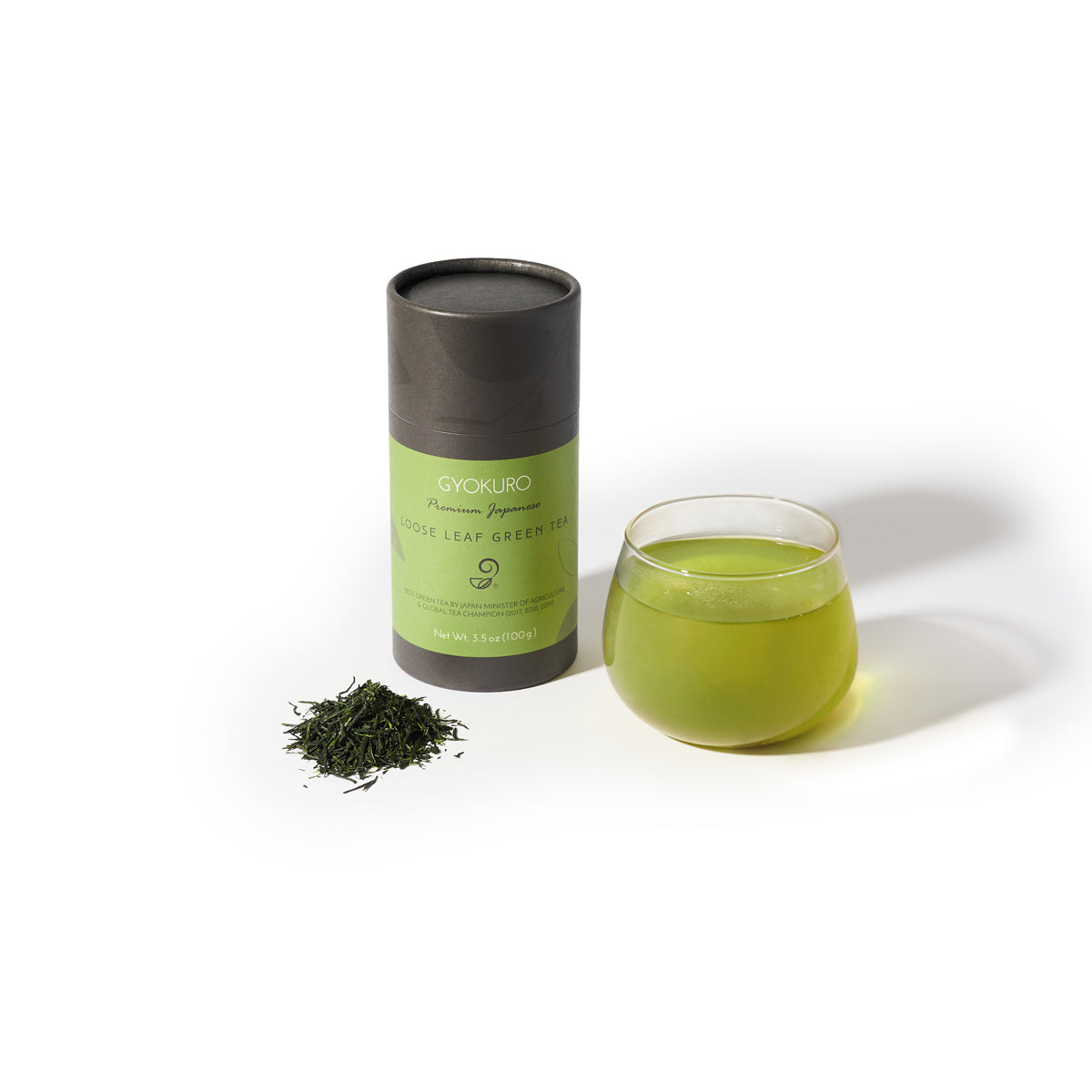
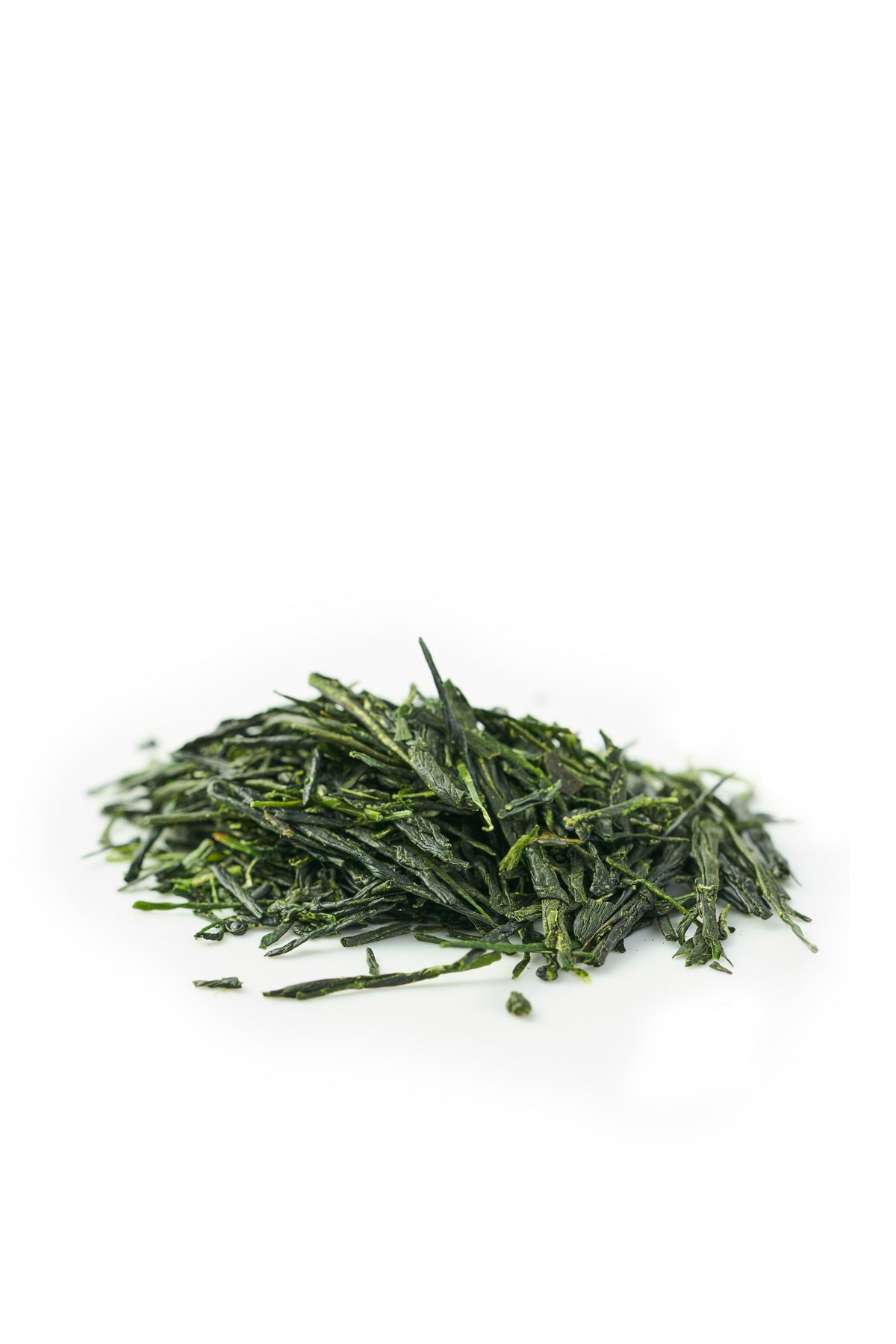
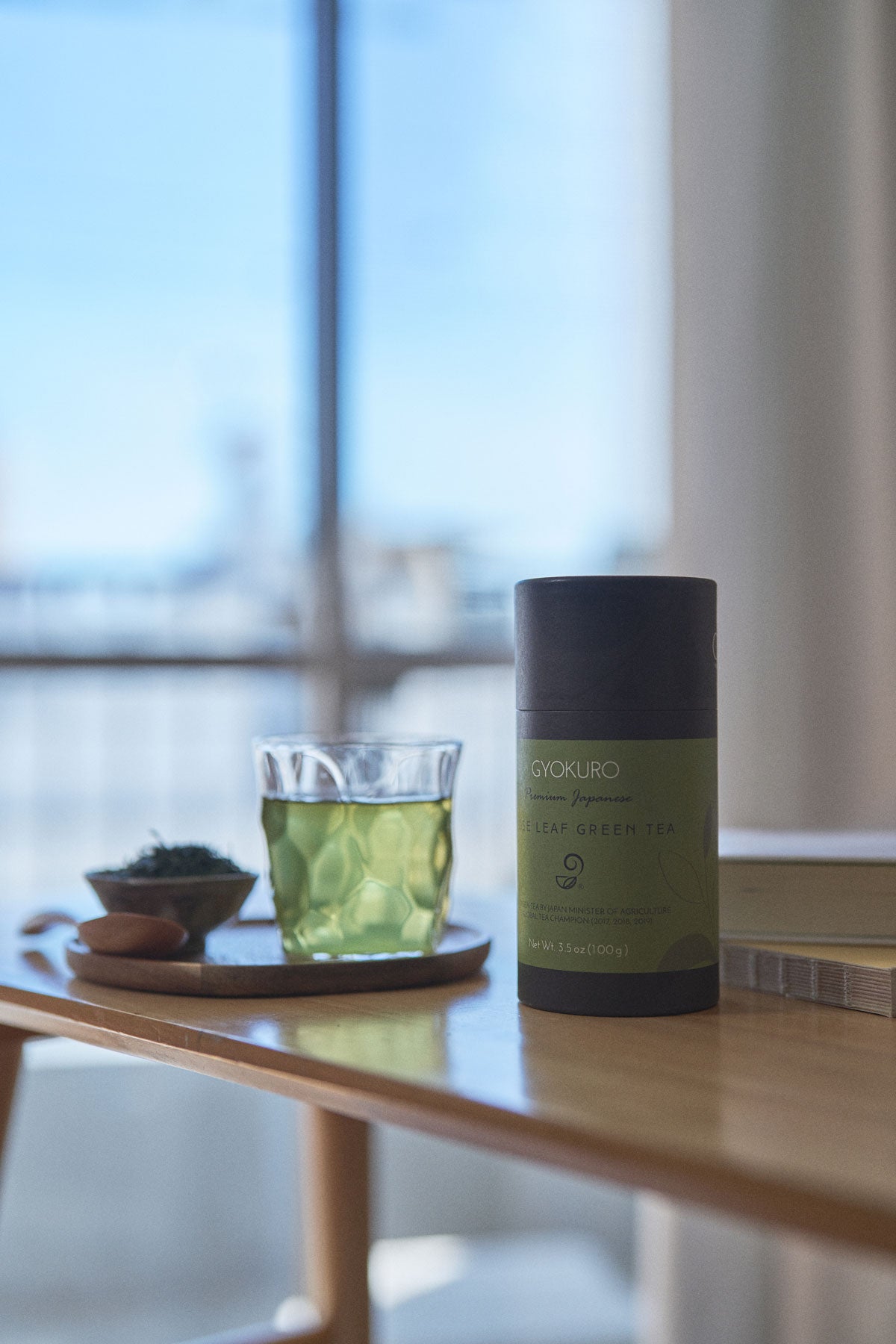
Gyokuro, also known as "jade dew" or "jewel dew tea," is a premium Japanese green tea shaded from the sun for 20 days using specially made mats, a method that boosts caffeine levels and strengthens amino acids to create a sweeter, richer flavor. This extended shading process results in dark, mossy green leaves with an unmistakable aroma and a complex taste that is layered yet balanced. Cultivated by the Chagusaba method in nutrient-rich sugarcane soil and made from the Yabukita cultivar, this loose-leaf authentic Gyokuro is offered in a high-quality, air-tight paper tube canister (chyazutsu) to preserve its exceptional freshness and flavor. Each 3.5 oz (100g) full-size package steeps 30–40 cups, and a convenient single-serve sample is also available.

45 reviews

Hojicha - Roasted Green Tea

$25.00
Quick view

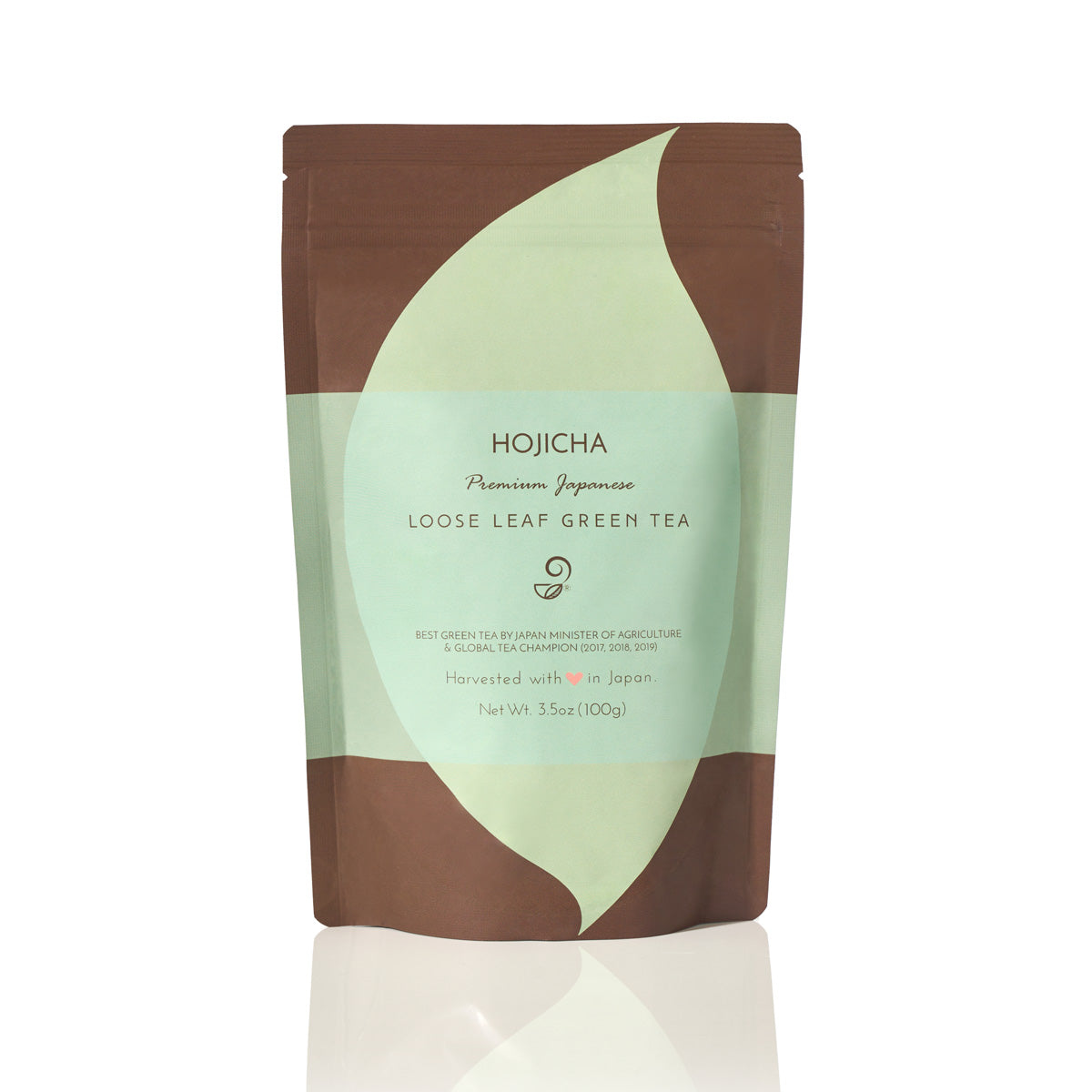
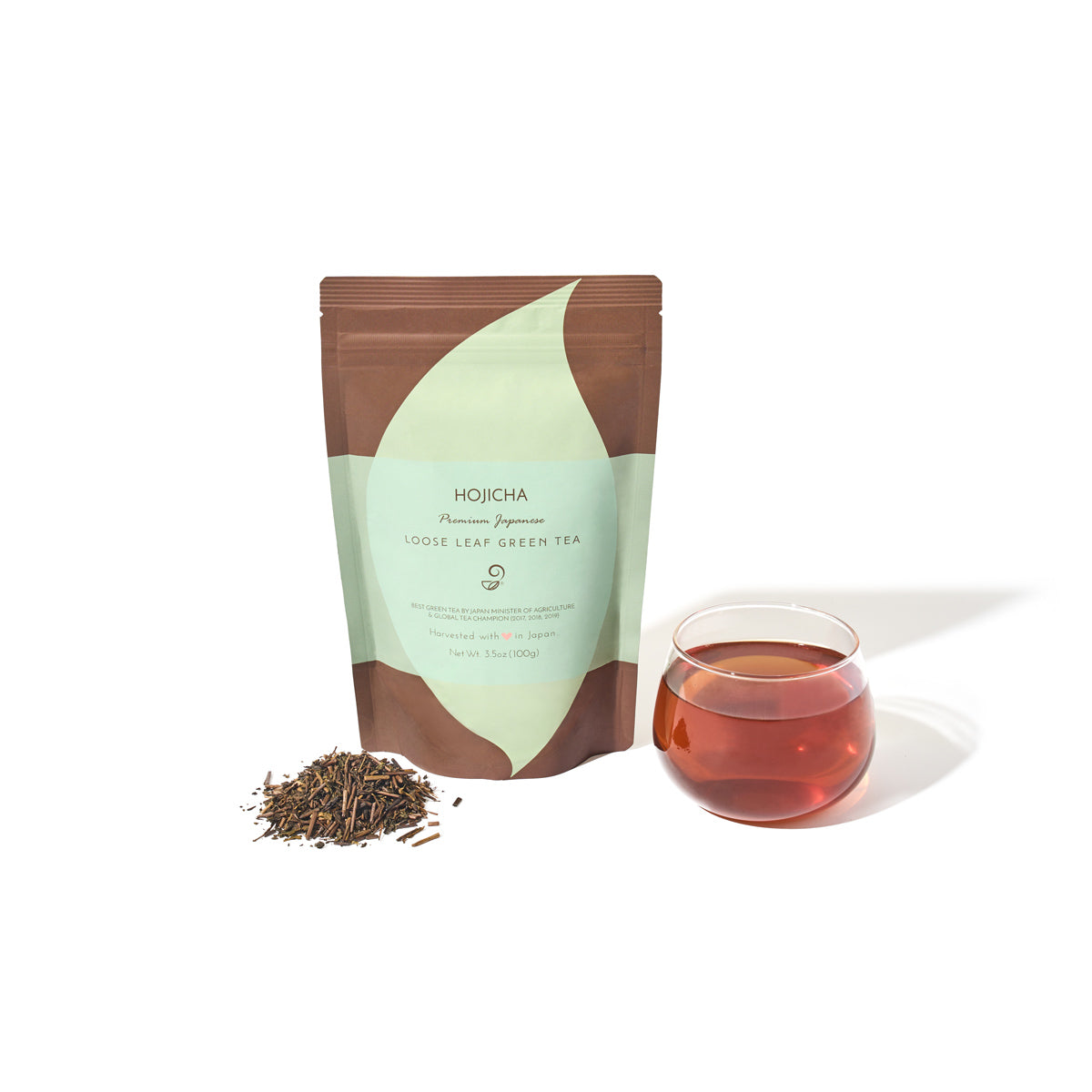
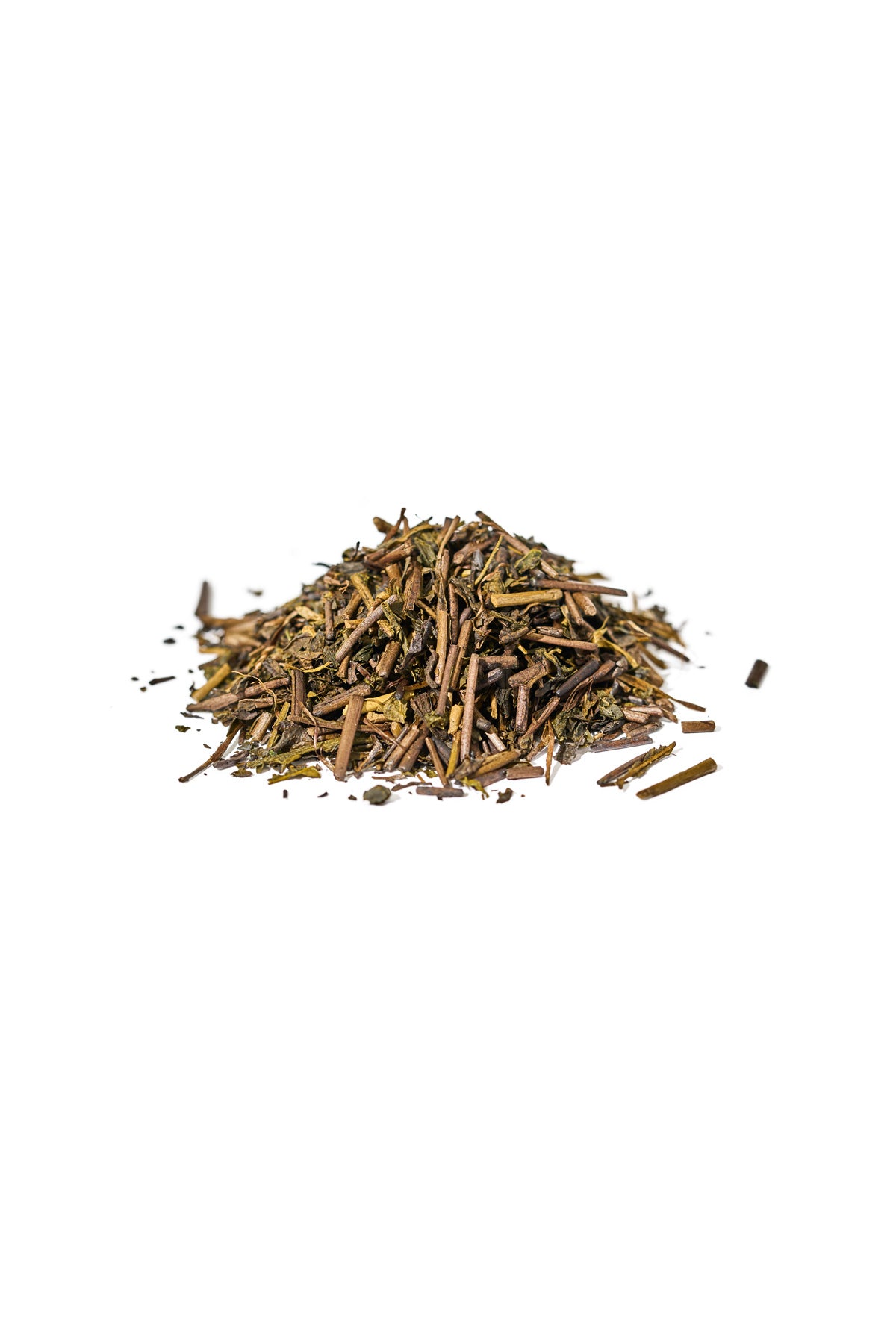
Our roasted green tea, known as hojicha (ほうじ茶), is crafted from freshly harvested premium green tea carefully roasted in porcelain over charcoal to maximize flavor while retaining more catechins than typical hojicha on the market. With lower caffeine and a smoother, less bitter taste compared to steamed green tea, it is an ideal choice for evening relaxation and is gentle enough for kids and pregnant women. Cultivated using the Chagusaba method in nutrient-rich sugarcane soil, this loose-leaf authentic Japanese roasted green tea, made from the Yabukita cultivar, also pairs beautifully with oily foods. Each eco-friendly resealable package contains 3.5 oz (100g) of tea, enough to steep 30–40 comforting cups.

80 reviews

Matcha - Ceremonial Japanese Powdered Green Tea

$39.00
Quick view

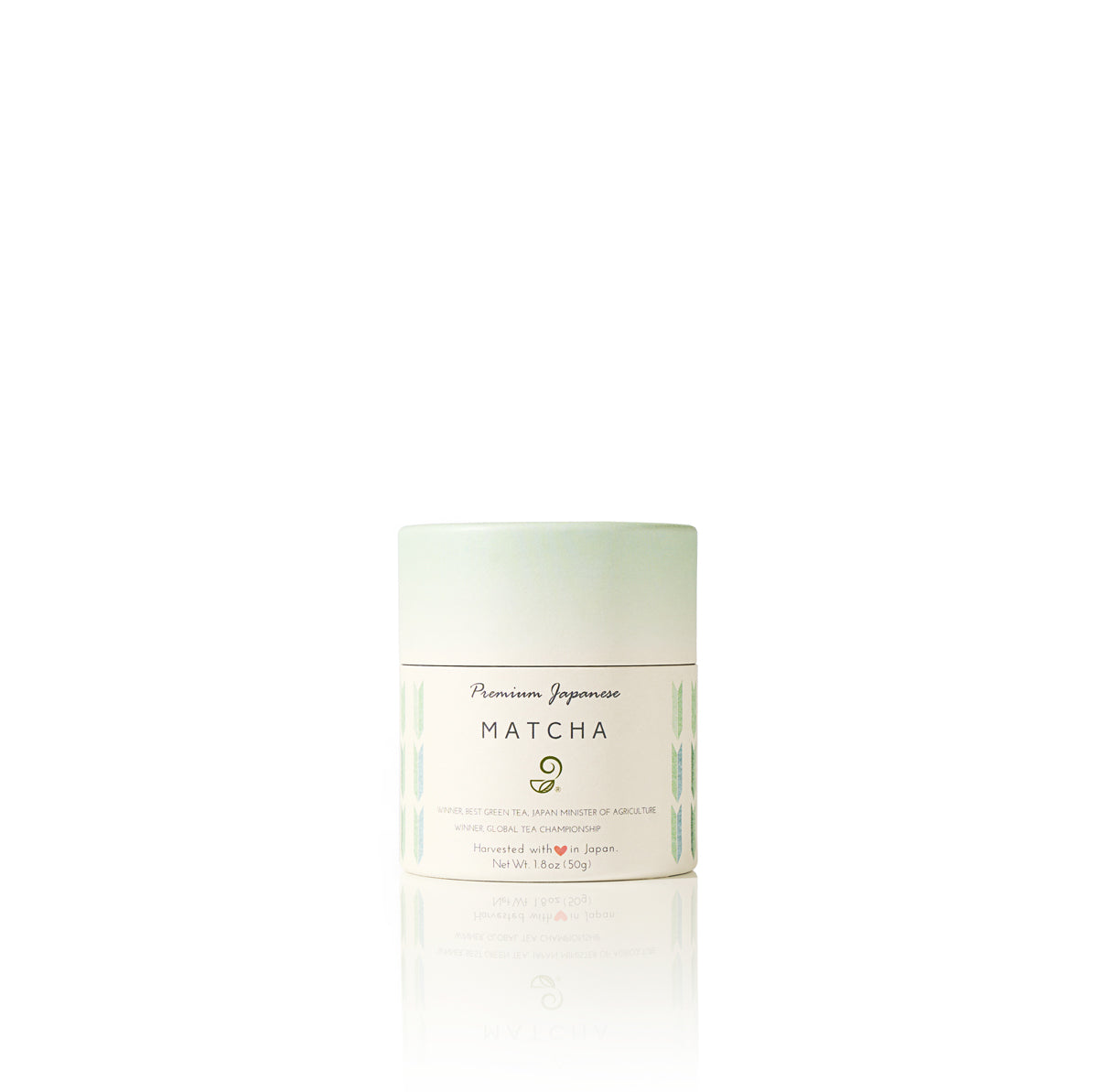
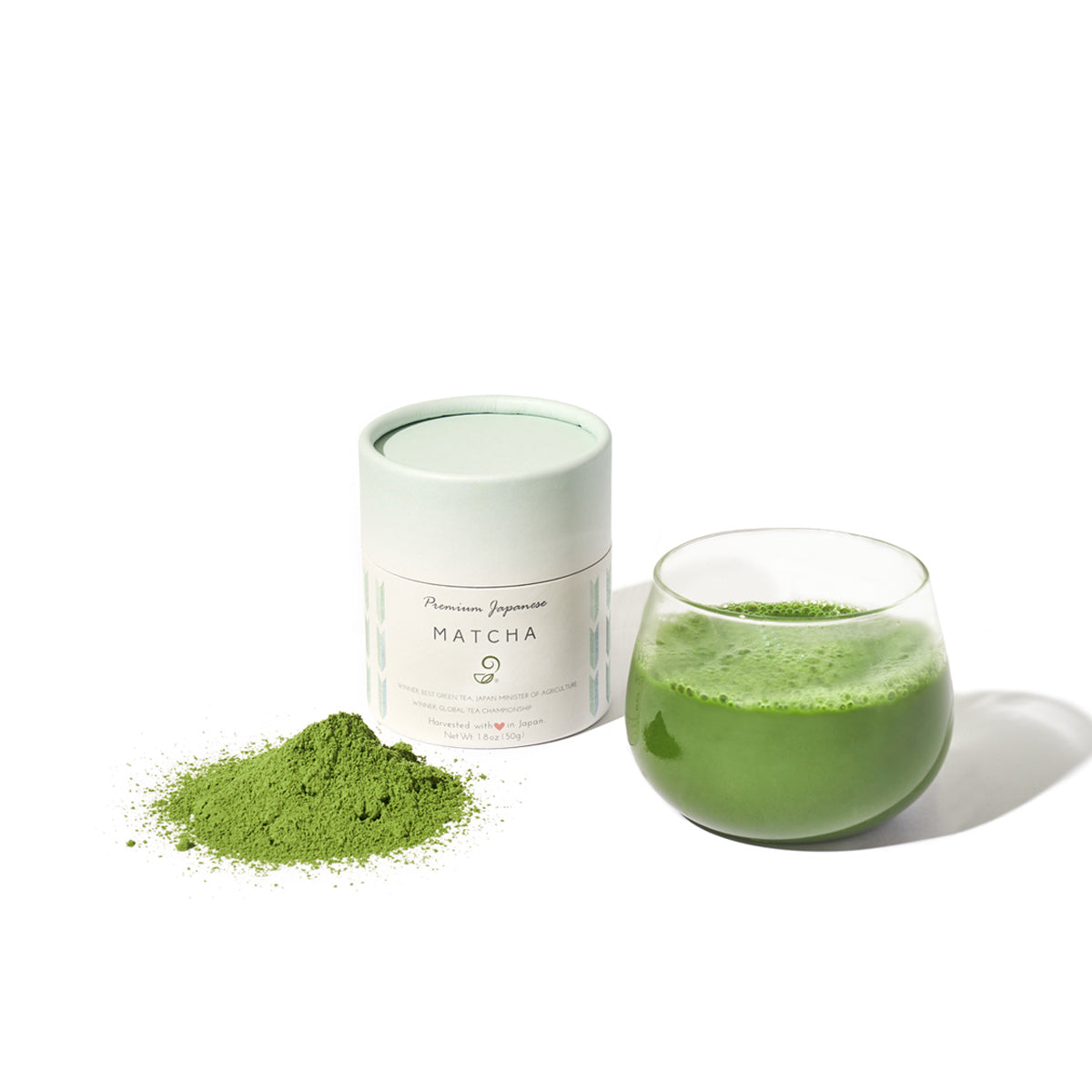
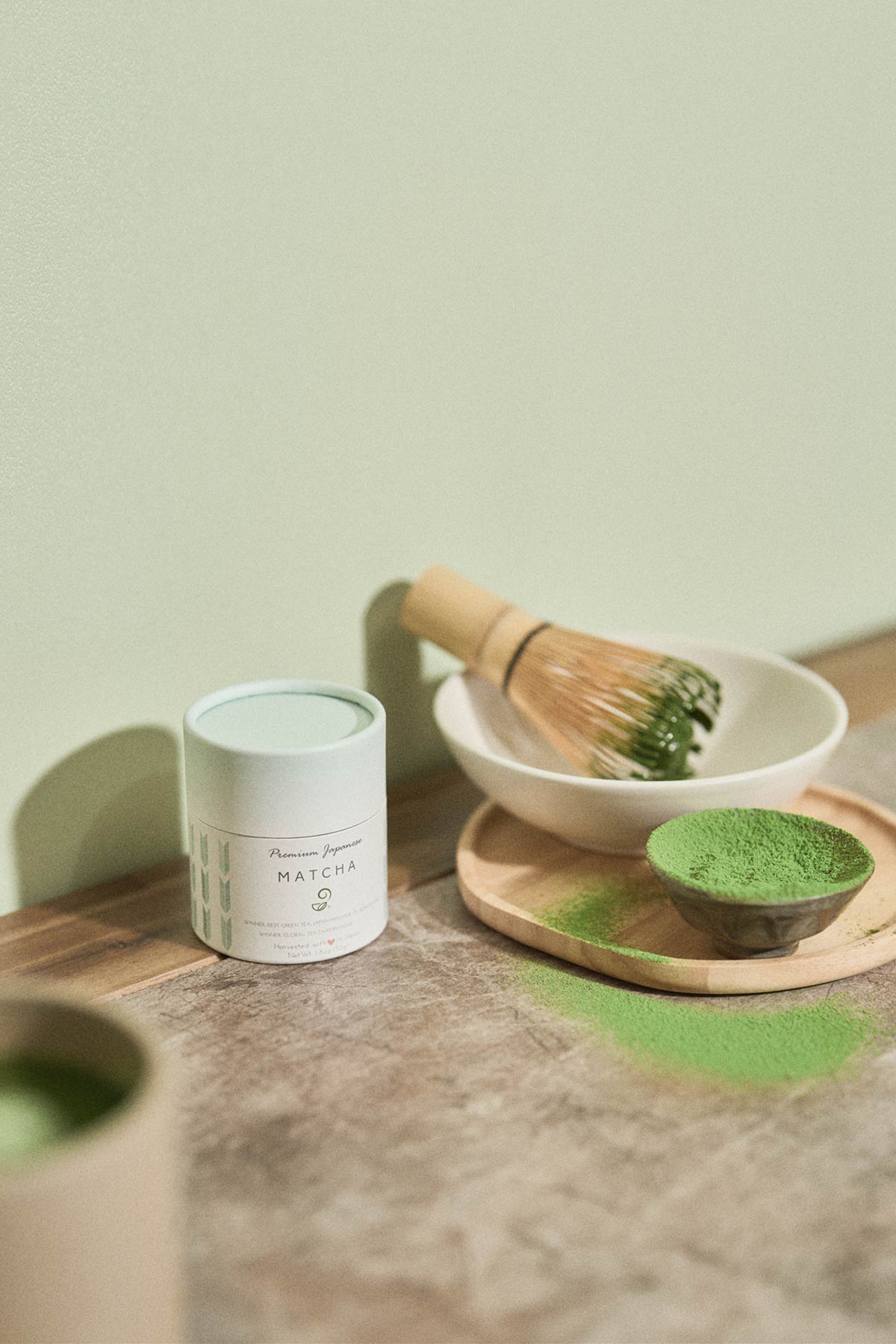
This ceremonial matcha is crafted from the finest Japanese green tea, grown in nutrient-rich soil enhanced with compostable grasses and sugarcane through the Chagusaba method, which gives the tea a natural sweetness and exceptional flavor. In collaboration with researchers from Shizuoka University, farmers ensure that the soil quality consistently produces tea of the highest standard.

Renowned among top Japanese chefs for its unmatched aroma, this matcha is made by carefully shading the plants before harvest to boost caffeine and amino acids, then meticulously drying, de-stemming, and grinding the leaves into a fine powder. Made from the Yabukita cultivar, this 1.8 oz (50g) matcha comes in a high-quality, air-tight paper tube canister, providing a luxurious and authentic Japanese tea experience.

42 reviews

Genmaicha - Green Tea with Roasted Brown Rice

$30.00
Quick view

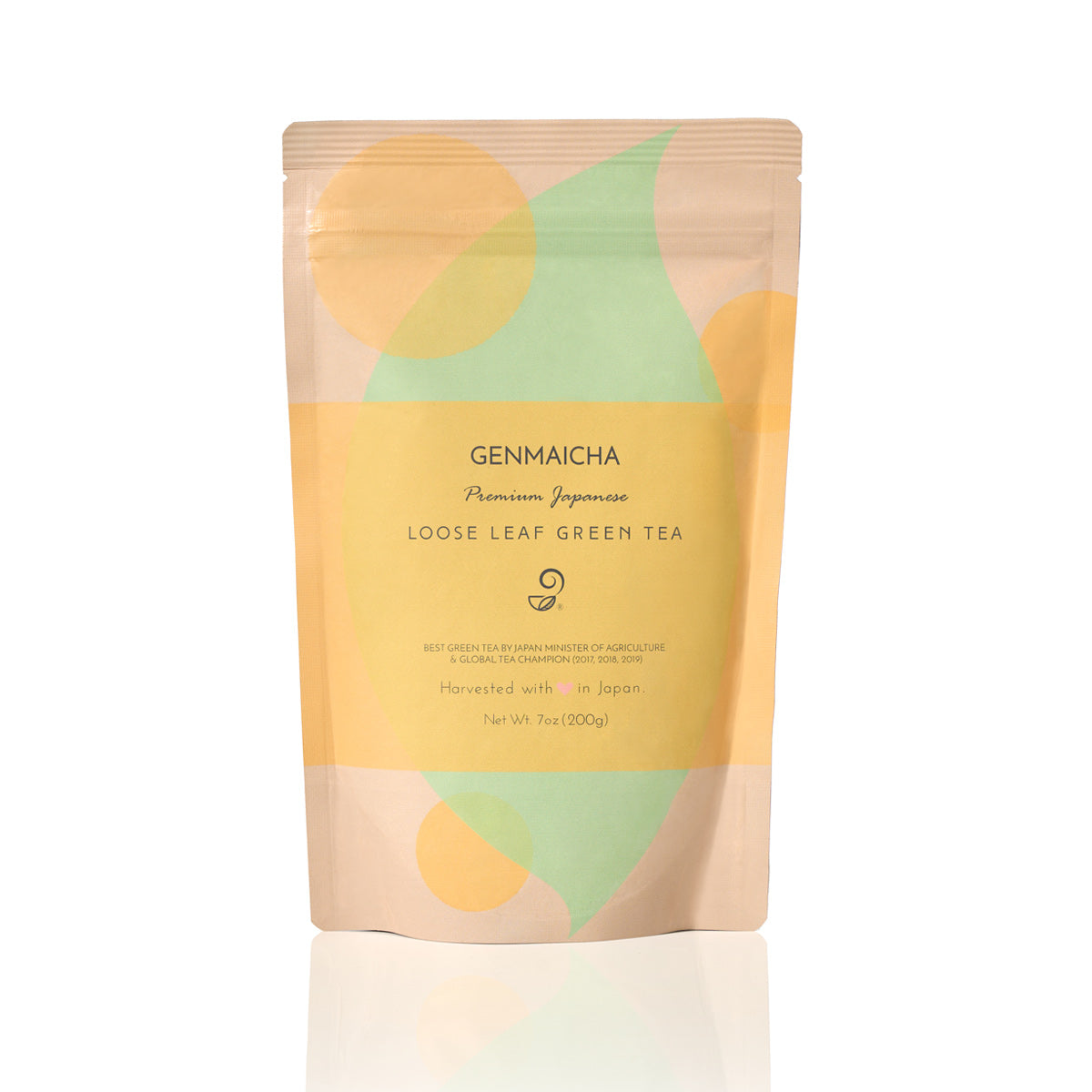
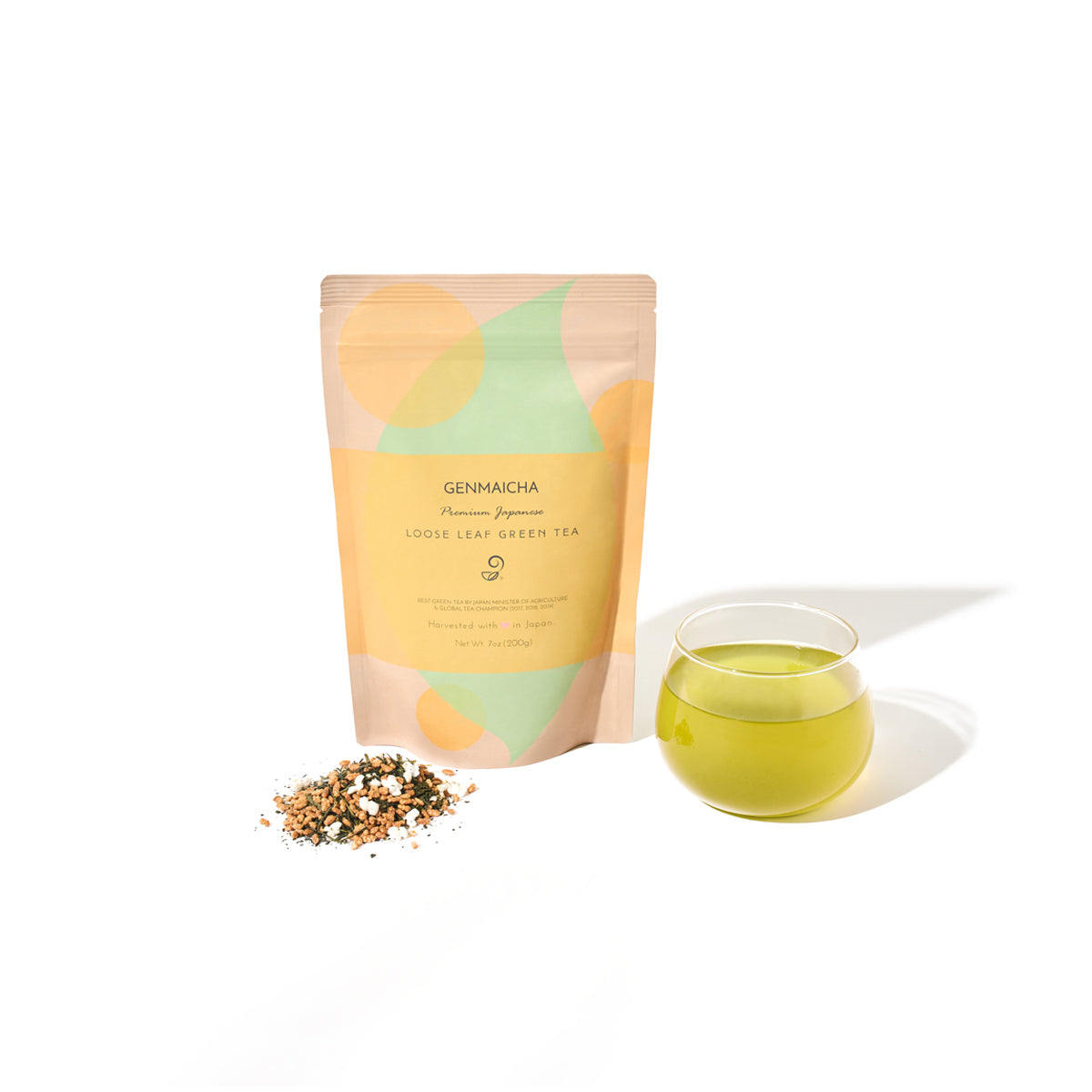
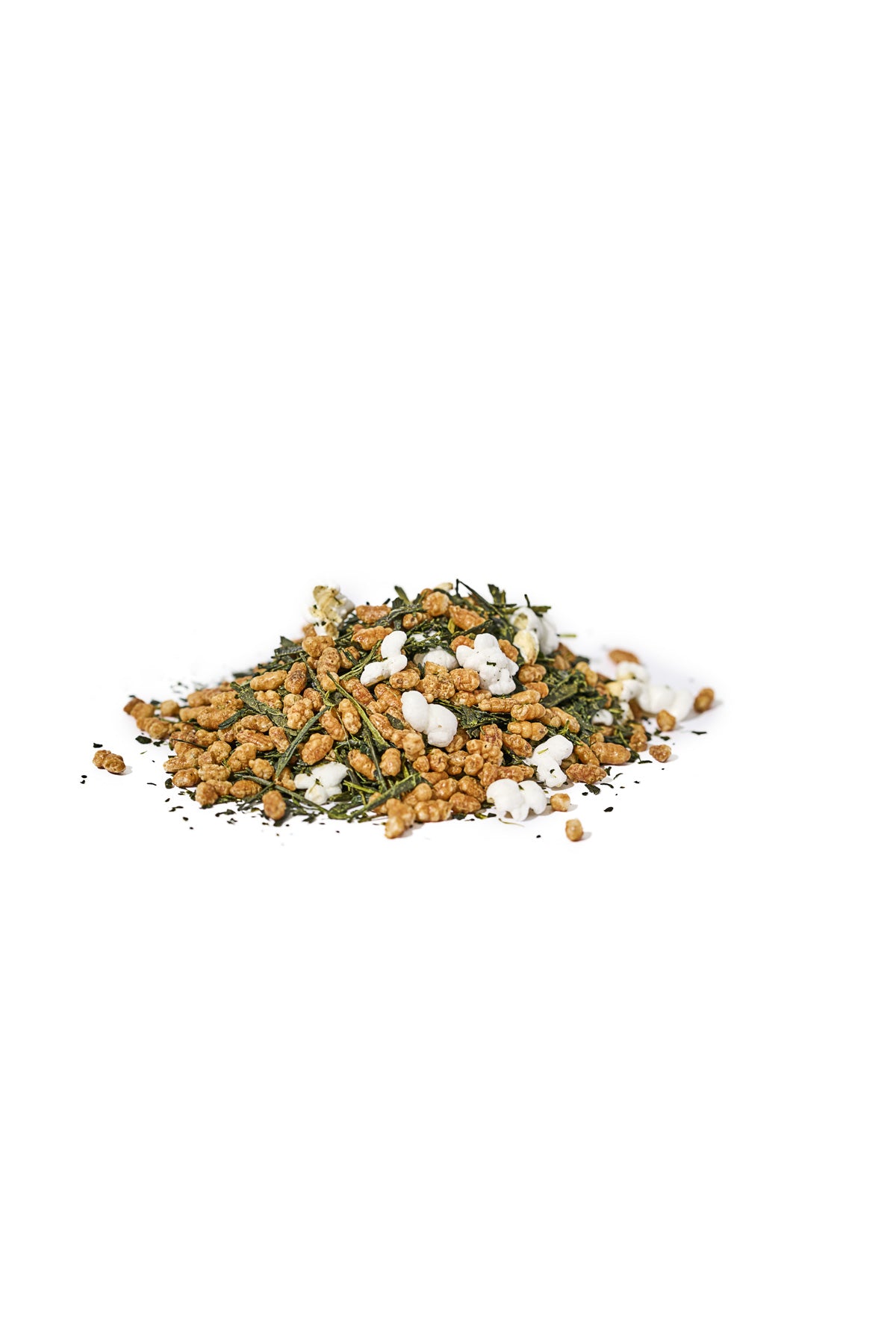
Our premium Japanese Genmaicha blends high-quality green tea with roasted popped brown rice (genmai 玄米), often nicknamed "popcorn tea" because the roasting process sounds like popcorn popping. Popular especially among the older generation in Japan for its mild flavor and lower caffeine content, this tea is easier on the stomach while still offering a rich, comforting taste. The brown rice used is premium Japanese mochi-gome (もち米) sticky rice, enhancing the tea’s nutty, aromatic profile. Made from Fukamushi Sencha and cultivated using the Chagusaba method in nutrient-rich sugarcane soil, this Genmaicha features the Yabukita cultivar and comes in a 7.0 oz (200g) eco-friendly resealable package, enough to steep 50–60 cups.


Related Articles You May Be Interested

Health Benefit Comparison - Coffee vs Tea
Is Matcha originally invented in China or Japan? - Green Tea Quiz
Yerba Mate Tea (マテ茶) vs Japanese Green Tea
Japanese Green Tea vs Italian Tea
Japanese Green Tea vs Italian Tea - Personal account of tea in Italy from my recent Italy trip
Japanese Green Tea vs Red Bull - 10 Battles You Don’t Want to Miss

Get Free Bonus Books

Join Green Tea Club

Sign up for free to the Green Tea Club to get advice and exclusive articles about how to choose Japanese Tea, and tips, tricks, and recipes for enjoying Japanese tea.

Unsubscribe anytime. It’s free!

Related Posts

OC Japan Fair April 2026 — Visit Us at Booth #A8!
OC Japan Fair Spring 2026 Recap (April 3 - 5 2026)

We were at OC Japan Fair again! April 3-5 2026 with new products, Miki Pon's art debut and more. Here is a recap video f

Read More
Super Mario and Japanese Green Tea

Super Mario and green tea share a hometown! Watch our Yoshi Matcha Cookies video recipe + discover how Nintendo and matc

Read More
Our Matcha Is Now at Pillow Talk Cafe in Pasadena — Master Japanese-Inspired Cake Makers

Our matcha is now at Pillow Talk Cafe Pasadena! Meet the cafe, try the Egg Heaven sando & Matchamisu, and see how th

Read More
Leave a comment

Your email address will not be published..

Cart

Your cart is currently empty.

Start Shopping

Select options