

Download Printable Recipe PDF Now
In November 2024, I visited Japan House in Los Angeles for an exhibit called Yes, Kawaii is Art – Express Yourself.
Wow, it was an eye-opening exhibit for me; I never thought of Kawaii as art. The exhibit even showed that there is a history of Kawaii.
Then, I wondered if there was any connection between Kawaii culture and Japanese green tea.
Is there a connection between these two seemingly distinct aspects of Japanese culture?
Am I pushing my luck a bit?
I was curious to find out—and what I discovered was the beautiful fusion of old and new, playful and peaceful, that brings together these two beloved elements of Japan.
Well, this blog is what I found out.


Introduction
When you think of Kawaiiかわいい, you might imagine adorable characters and playful designs, while Japanese green tea, particularly Matcha, conjures images of peaceful tea ceremonies and rich traditions.
During my visit to Japan House, I had the chance to witness how Kawaii culture has evolved and how it’s now influencing everything from fashion to food.
One of the most delightful aspects of the exhibit was seeing how traditional elements like green tea have been adapted and reinterpreted in a more light-hearted, visually appealing way, bringing a fresh twist to something ancient.
This fusion of Kawaii and green tea is not just a trend; it reflects Japan’s ability to innovate while staying grounded in its deep cultural roots.
Read on to find out more about this, but first, let me share my experience with the visit to the Japan House in LA.

The glowing Japan House sign, marking the entrance to a cultural hub where traditional and modern Japanese arts come together.
What is Japan House, LA?
Japan House Los Angeles is a cultural center located in the heart of Hollywood, designed to showcase the rich history, contemporary innovations, and global influence of Japan.
It bridges Japan and the United States, offering visitors an immersive experience in Japanese art, culture, design, and cuisine.
The space is dedicated to promoting cultural exchange, providing a platform to experience both traditional and modern Japan in one place.

Japan House LA merges traditional Japanese arts with innovative technology and design, creating a modern cultural hub.
The Kawaii Exhibit at Japan House
On the day I visited, the Kawaii exhibit was in full swing, and it was a true celebration of all things cute and playful in Japanese culture.
From oversized plush toys to Sanrio merchandise and food art, the exhibit highlighted how Kawaii has transcended the confines of fashion and entertainment to become a powerful cultural movement that influences a wide variety of industries.
I found it particularly fascinating how Kawaii culture intersects with food, especially in the way that traditional Japanese ingredients—like green tea—are being transformed into Kawaii-inspired treats that are as visually captivating as they are delicious.

Innovation and Tradition Combined
But Japan House isn’t just about Kawaii—it’s also a space for innovation.
As a hub for cutting-edge design, technology, and art, Japan House brings a contemporary twist to Japan’s ancient cultural practices.
Whether it’s exploring the future of Japanese robotics or experiencing an art installation that blends the old with the new, Japan House brings Japan’s vibrant culture to life in a way that is both engaging and accessible.


Yoshiki’s Influence
One important figure behind Japan House is Yoshiki, the renowned Japanese musician who serves as an advisor.
Yoshiki is a cultural icon in his own right—he’s the first person of Japanese origin to have his hand and footprints immortalized at the Chinese Theatre in Hollywood, which is a significant milestone for both him and Japanese culture in the U.S.
You can find his handprint on the back-left side of the theatre, where he also left a drawing of a drumstick.
I first thought drawings were chopsticks. (sorry, Yoshiki!)
It’s a quirky yet fitting tribute to the cultural fusion that Japan House embraces.

Yoshiki’s handprint at the Chinese Theatre symbolizes Japan’s deep influence on global culture.
The Influence of Kawaii in Japan
Kawaii かわいい(meaning "cute" in Japanese) is far more than just a design aesthetic—it is a cultural philosophy that has transformed modern Japanese life.
Emerging in the 1970s, Kawaii celebrated innocence, simplicity, and playfulness.
The Kawaii movement not only evokes feelings of joy and comfort in an otherwise fast-paced, sometimes overwhelming world, but it has also become a lens through which the world views Japan's unique take on beauty, creativity, and expression.

An informative display at Japan House LA highlights Kawaii's history and cultural evolution with insights from Sebastian Masuda, a prominent figure in Kawaii art and culture.
Kawaii as a Cultural Response to Modernization
At its core, Kawaii is a cultural response to Japan's rapid modernization, where work pressures, societal expectations, and technological advancements often leave little room for emotional expression.
Kawaii offers a form of emotional release, a playful rebellion against everyday life's rigid and often harsh reality. It suggests that beauty can be found in simplicity and that softness, vulnerability, and joy can be celebrated openly.
Kawaii in Consumer Culture
Initially, Kawaii was seen primarily in consumer products, such as cartoon characters, stationery, and clothing.
However, over the years, it has evolved into an all-encompassing cultural movement that influences everything from design to behavior, and importantly, to food.
In Japan, Kawaii is not confined to children’s toys or playful merchandise—it has become an integral part of adult life as well.
It’s embedded in the national psyche, representing a desire to escape the stresses of everyday life through simple, joyful expressions of innocence.
A striking example is Kumamon, the cheerful bear mascot of Kumamoto Prefecture, who has become a national sensation.


Kumamon is a beloved bear mascot created by Kumamoto Prefecture in Japan to promote tourism and local products, embodying the playful and approachable spirit of Kawaii culture.
This integration of Kawaii into adult life highlights its role as a cultural balm, offering a lighthearted escape from the pressures of modern living. Far from being confined to childhood, Kawaii is a pervasive force in Japanese culture, celebrating whimsy and positivity in all facets of life.
Kawaii and Japanese Food Culture
One of the most fascinating aspects of Kawaii culture is how it has permeated nearly every aspect of Japanese life.
You’ll find Kawaii elements in the way people dress, as seen in the colorful, oversized clothing that became popular with youth subcultures in Harajuku.

It’s evident in the meticulous and creative ways in which food is prepared, such as in the adorable bento boxes packed with rice, vegetables, and fish designed to look like animals or characters.
In Japanese food culture, the influence of Kawaii is particularly striking in the trend of “kyaraben”キャラ弁(character bento).

These lunchboxes, often prepared by parents for their children, feature food styled to resemble beloved characters from anime, video games, or popular mascots. For instance, rice may be shaped into a panda's face with seaweed for detailing, or boiled eggs may be carved to resemble cartoon eyes. These delightful creations not only encourage children to eat healthy meals but also showcase a level of craftsmanship and creativity that elevates food preparation to an art form. Restaurants and cafes have adopted this concept as well, offering dishes like omurice (omelet rice) with ketchup designs or parfaits adorned with cookie ears and whipped cream smiles.
Kawaii even influences the design of everyday objects, from the playful patterns on office supplies to the round, friendly faces on electronics and even trains.
Kawaii and Wabi-Sabi
Kawaii is not just about visual appeal; it is also deeply tied to Japan’s broader cultural values. At the heart of Kawaii is a deep appreciation for minimalism, attention to detail, and the beauty of imperfection.
This is where the influence of Wabi-Sabi, a traditional Japanese aesthetic, comes into play.
Wabi-Sabi celebrates the natural cycle of growth, decay, and the passage of time, finding beauty in the imperfect and the transient. Similarly, Kawaii embraces simplicity in design and childlike wonder, highlighting the joy found in small, often overlooked details.
For example, Wabi-Sabi values can be seen in the imperfect shapes of handmade pottery, where each piece carries the unique marks of its creation.
Kawaii culture reflects this same ethos by celebrating the charm of imperfections in its designs, such as a hand-drawn face on a piece of stationery or an asymmetrical heart on a cupcake.
These imperfections do not detract from the beauty of the object but rather enhance its authenticity and emotional resonance, inviting the viewer to connect with the piece on a deeper level.

Kawaii’s Global Appeal
This cultural fusion creates a form of Kawaii that is emotionally resonant, combining both innocence and sophistication.
In Japan, Kawaii has become an art form, especially in the realm of food. Treats such as bento boxes, Kawaii cakes, and Kawaii pastries are designed to taste delicious and offer a visual delight.
These foods often depict characters or scenes in a way that evokes nostalgia and joy. What is remarkable is that this kind of food presentation transcends generations—both children and adults can appreciate the artistry and emotional connection that Kawaii food brings.

Kawaii-themed treats bring joy to the eater and the viewer alike, illustrating the culture’s emotional appeal
Over time, Kawaii culture has spilled over from its Japanese origins and grown into a global trend.
Brands like Sanrio, the company behind the iconic Hello Kitty, were some of the first to capitalize on Kawaii’s universal appeal.
What began as a niche cultural expression in Japan became an international sensation. Kawaii quickly became a hallmark of Japanese pop culture from fashion collaborations to product designs.
The familiar faces of Hello Kitty, Totoro, and other Kawaii characters now adorn everything from school supplies to high-end fashion, illustrating the broad appeal of this cultural phenomenon.

An iconic Hello Kitty plush toy on display at the Kawaii exhibit, highlighting the influence of Sanrio characters in Japanese pop culture.
The Role of Japanese Green Tea in Kawaii Culture
While Kawaii represents Japanese culture's playful, colorful side, Japanese Green Tea, particularly Matcha, embodies calm, mindfulness, and tradition.
These two cultural pillars may seem like opposites at first glance, but they share a profound connection in the way they bring joy, creativity, and a sense of harmony to daily life.
Both Kawaii and Matcha reflect Japan’s ability to merge aesthetic appeal with deeper emotional and cultural significance, transforming everyday experiences into something extraordinary.
Matcha, with its vibrant green hue, stands as a symbol of harmony and precision, rooted in centuries-old practices like the Japanese Tea Ceremony or Chanoyu.
This ritual emphasizes mindfulness, grace, and appreciation for nature, all of which resonate with the ethos of Kawaii.
Much like the intricate designs of Kawaii bento boxes or adorable mascots, the careful preparation of Matcha in the tea ceremony is an art form that celebrates attention to detail and a sense of wonder.
Both Kawaii and Matcha rituals invite participants to pause and savor small, delightful moments, fostering a deeper connection to the present.
The connection becomes even more evident in how tea culture has embraced Kawaii aesthetics.
Matcha lattes topped with whimsical foam art, tea packaging adorned with adorable characters, and cafes that combine the serene atmosphere of tea with playful Kawaii decor illustrate how these two elements of Japanese culture beautifully complement one another.
A cup of Matcha served in a pastel-colored tea bowl with a charming design encapsulates the meeting point between Kawaii’s cheerfulness and Matcha’s tranquil sophistication.
Together, they create an experience that is both uplifting and grounding.
Even the philosophy behind both Matcha and Kawaii overlaps.
Matcha, steeped in Zen Buddhist traditions, teaches mindfulness and appreciation for simplicity, while Kawaii encourages finding joy in small, often overlooked details.
For instance, a handmade chawan (tea bowl) used for whisking Matcha often carries imperfections celebrated through the Wabi-Sabi aesthetic—a philosophy that values beauty in the imperfect and transient.
Similarly, the playful irregularities of Kawaii designs, like hand-drawn illustrations or asymmetrical smiles on characters, evoke a similar charm, emphasizing authenticity and emotional resonance.
In modern Japan, the fusion of Kawaii and tea culture has become a vibrant part of daily life.
From Matcha-flavored sweets shaped like animals to tea shops with decor inspired by popular anime characters, the blending of these two elements bridges tradition and contemporary creativity.
This combination not only delights the senses but also reflects Japan’s cultural knack for harmonizing the whimsical with the profound.
Together, Kawaii and Matcha remind us to savor the little joys, whether it’s in the form of a smiling cup of tea or a carefully crafted character-shaped dessert, making every moment a touch more magical.

Making Keroppi Matcha Macarons: A Fun Fusion of Kawaii and Japanese Green Tea
Inspired by Kawaii exhibit and doing some research about Kawaii, I was inspired to make something of our own.
We decided to have a little fun making these Keroppi Matcha Macarons!
Keroppi is my personal Favorite character from Sanrio and guess what, he is green color! (Hint hint, matcha is green!)
The recipe for Keroppi Matcha Macarons involves making almond meal-based shells, which are flavored with Matcha powder.
The filling is a creamy Matcha buttercream, and the decoration features Keroppi’s face, which is created with chocolate and beetroot powder.
The result is a playful, cute, and delicious treat that embodies the best of both Kawaii culture and Japanese Green Tea.
videoid="afpPGQz9pUs", cover="https://cdn.shopify.com/s/files/1/1423/7286/files/Keroppi.jpg?v=1741143137"
Download Printable Recipe PDF Now
INGREDIENTS
Macaron Shells
● ½ cup almond meal
● ½ cup powdered sugar
● 2 egg whites
● 2 tsp matcha powder, divided
● 1/3 cup white sugar
Matcha Buttercream Filling
● 2 cups powdered sugar
● ½ cup unsalted butter, softened
● 1 tbsp matcha powder
● 1 tbsp milk
Keroppi Face
● 2 tbsp melted white chocolate
● 2 tbsp melted dark chocolate
● 1 tsp beet root powder
INSTRUCTIONS
- Sift the almond meal, powdered sugar and 1 tsp of matcha powder in a mixing bowl. For an even smoother macaron shell, pass this mixture through a sieve once more.
- In a separate mixing bowl, whisk the egg whites until frothy. Slowly add the sugar about 1 tbsp at a time and mix until stiff peaks form. Add 1 tsp of matcha powder and mix until well combined.
- Add about 1/3 of the dry mixture to the meringue and mix with a spatula. Add the remaining dry mixture and quickly mix until the batter easily drops from the spatula.
- Place this mixture into a pipette or Ziploc bag.
- On a baking sheet lined with parchment paper, pipette about 1-inch circles. To flatten them, tap the baking tray on a countertop a few times to help them spread and settle. Allow them to dry at room temperature for 1-2 hours.
- Bake them at 250°F for 10-15 minutes, or until macarons are fully cooked. Remove from the oven and let them cool.
- Meanwhile, make the buttercream filling by mixing the butter with an electric mixer. Sift in the powdered sugar, matcha powder, and add the milk. Mix until a buttercream consistency forms.
- Pipette the cream onto a macaron shell and gently press another shell on top.
- Place a small dot of melted white chocolate on the back of each candy eyes to secure them onto the macaron.
- Use a toothpick to create the mouth using the melted dark chocolate. (alternatively, you can use an edible black marker)
- Mix the melted white chocolate with the beet root powder and use the base of a small skewer or toothpick to create the pink cheeks.
- Refrigerate for 10 minutes, serve and enjoy!
What is Keroppi?
Keroppi is a beloved character from Sanrio, the same company that introduced the world to Hello Kitty, My Melody, and many other iconic figures in Kawaii culture.
Keroppi's full name is Kerokerokeroppiケロケロケロッピー, a playful repetition of "kero," the Japanese onomatopoeia for a frog's croak.
First debuting in 1988, Keroppi quickly became a favorite among fans for his cheerful and charming personality, as well as his adorable frog design with bright eyes and a perpetual smile.
According to Sanrio, he lives in Donut Pond with his family and friends and he is a talented singer and loves playing the kero-kero-koropi, a unique instrument that resembles a ukulele. His love for music highlights his playful and creative nature.
Little Known Facts about Keroppi
Not many people know that Keroppi has a twin brother named Koroppi. While Keroppi is outgoing and loves adventure, Koroppi is more reserved, highlighting the contrast between their personalities. They both live in Donut Pond, adding depth to Keroppi’s backstory.
In the 2024 Sanrio Character Ranking, Keroppi achieved a notable milestone by securing the 7th placewith 2,244,819 votes. This marks his first return to the top 10 in 12 years, reflecting a resurgence in his popularity among fans.
Curious? The top three positions were claimed by Cinnamoroll (1st), Pochacco (2nd), and Kuromi (3rd). Hello Kitty was surprisingly 5th place with 3,551,441 votes.
Conclusion
The fusion of Kawaii and Japanese Green Tea is a delightful exploration of Japan’s ability to blend tradition with innovation.
By combining the playful, whimsical nature of Kawaii with the calming, mindful practices associated with Matcha, we see how Japan’s culture can evolve while remaining deeply rooted in its rich heritage.
Whether through adorable treats like Keroppi Matcha Macarons or the global influence of Kawaii, Japan continues to inspire us with its unique ability to innovate while staying true to its traditions.
Ah, this was a fun article and video to write. I hope you enjoyed it as much as I did! Let us know if you have anything about Kawaii that you want to share with us and to the community.
FAQs about Kawaii Culture and Japanese Green Tea
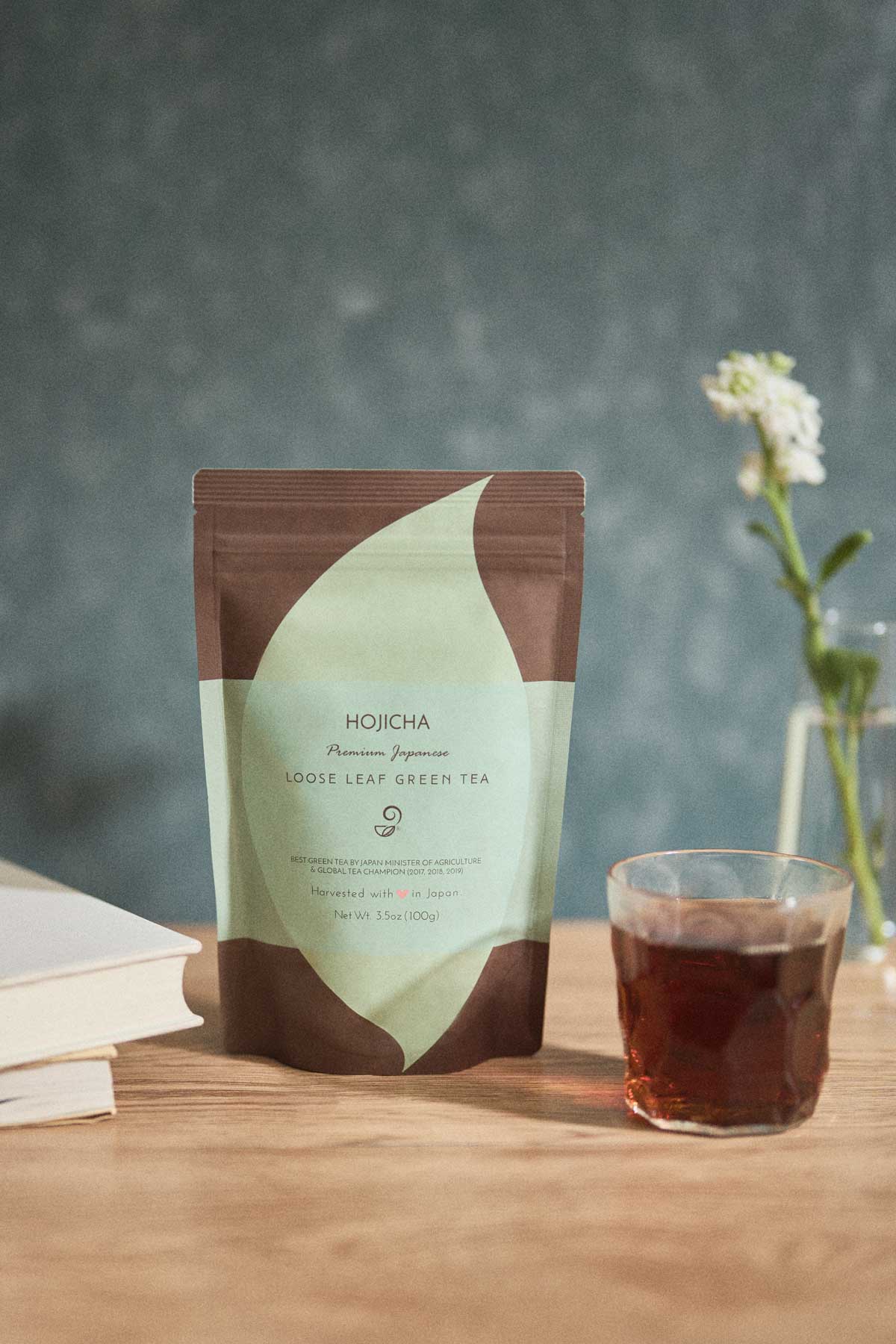
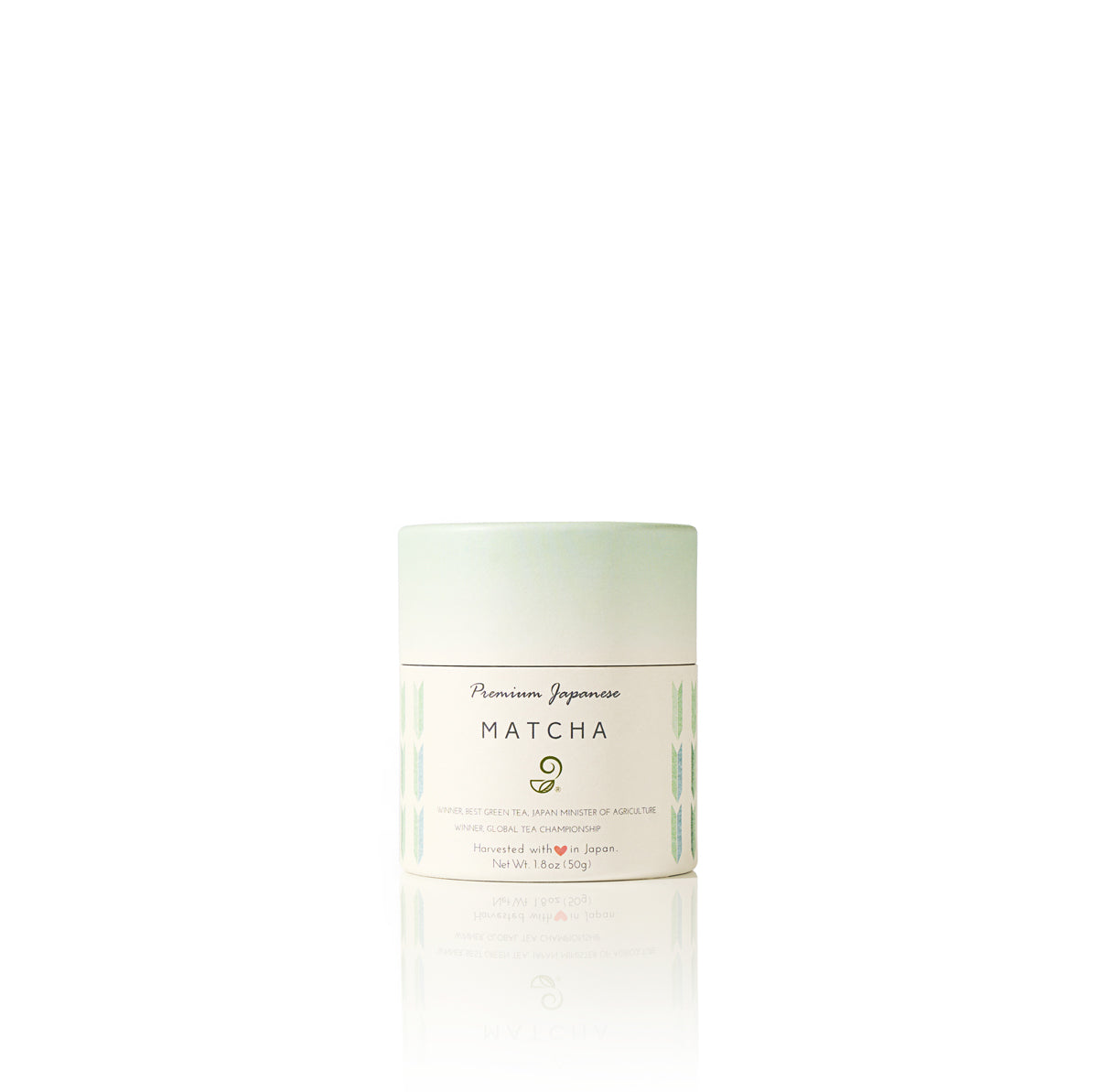
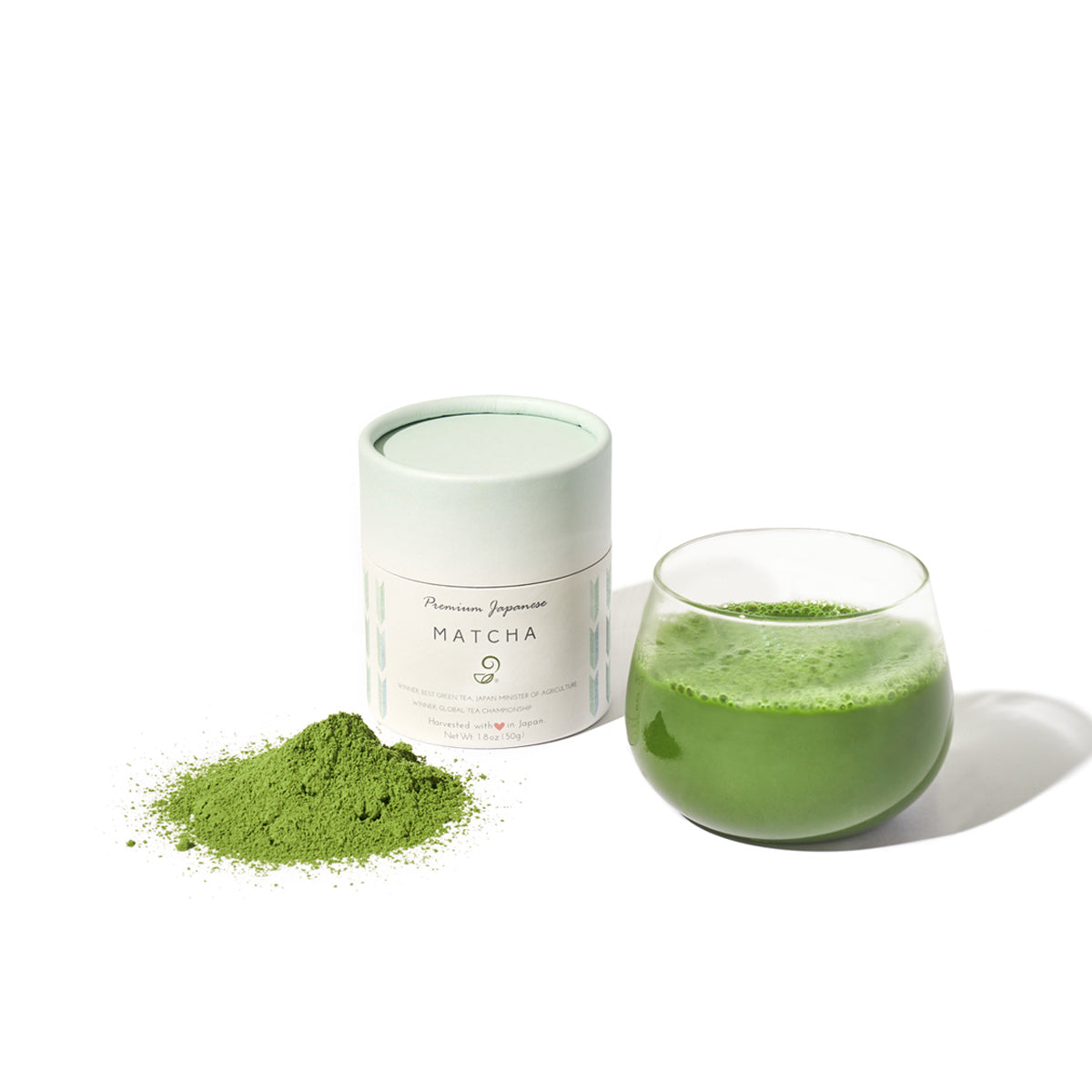
What are some examples of kawaii-meets-tea products?

Related products
8 reviews
$179.00
$159.99
/
Quick view
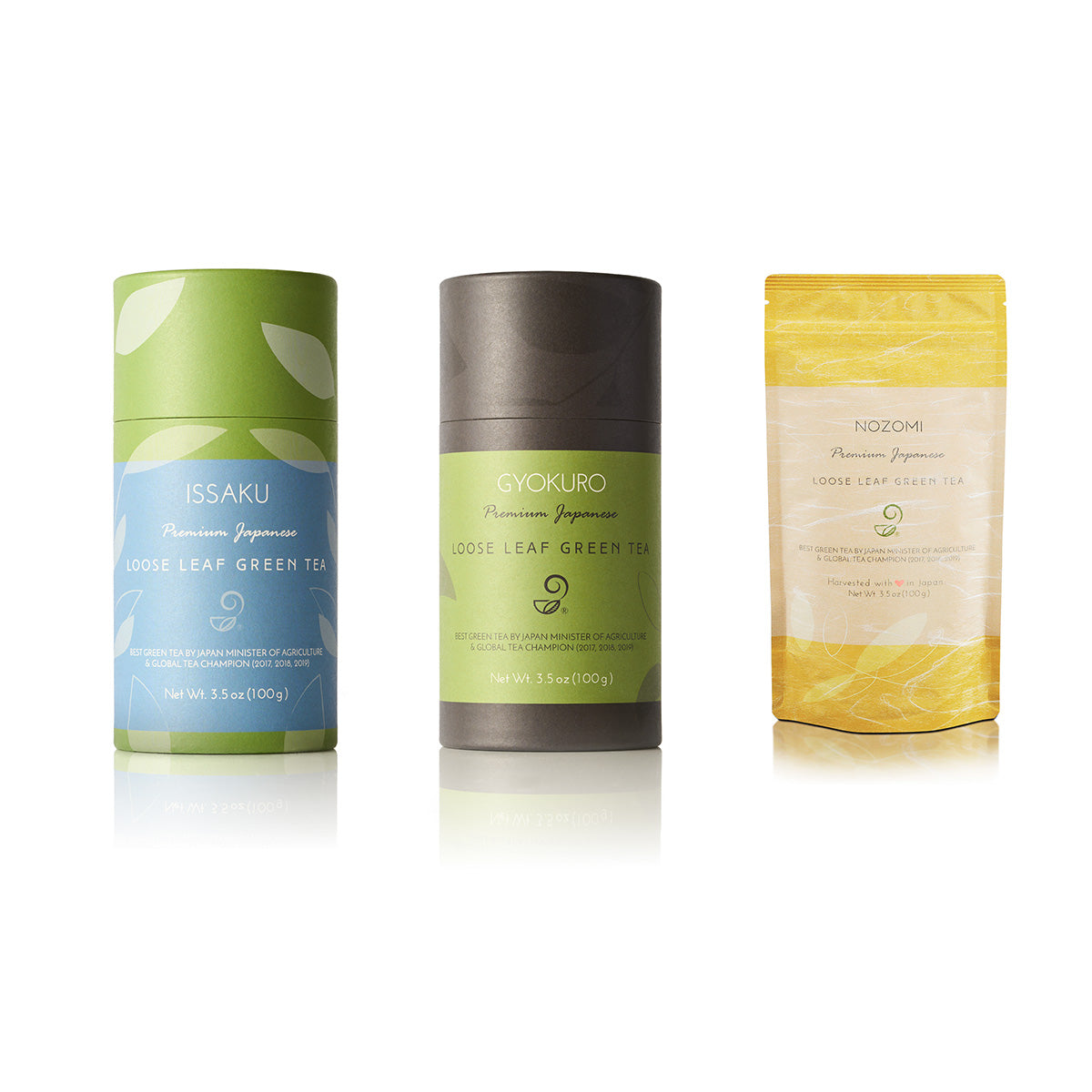
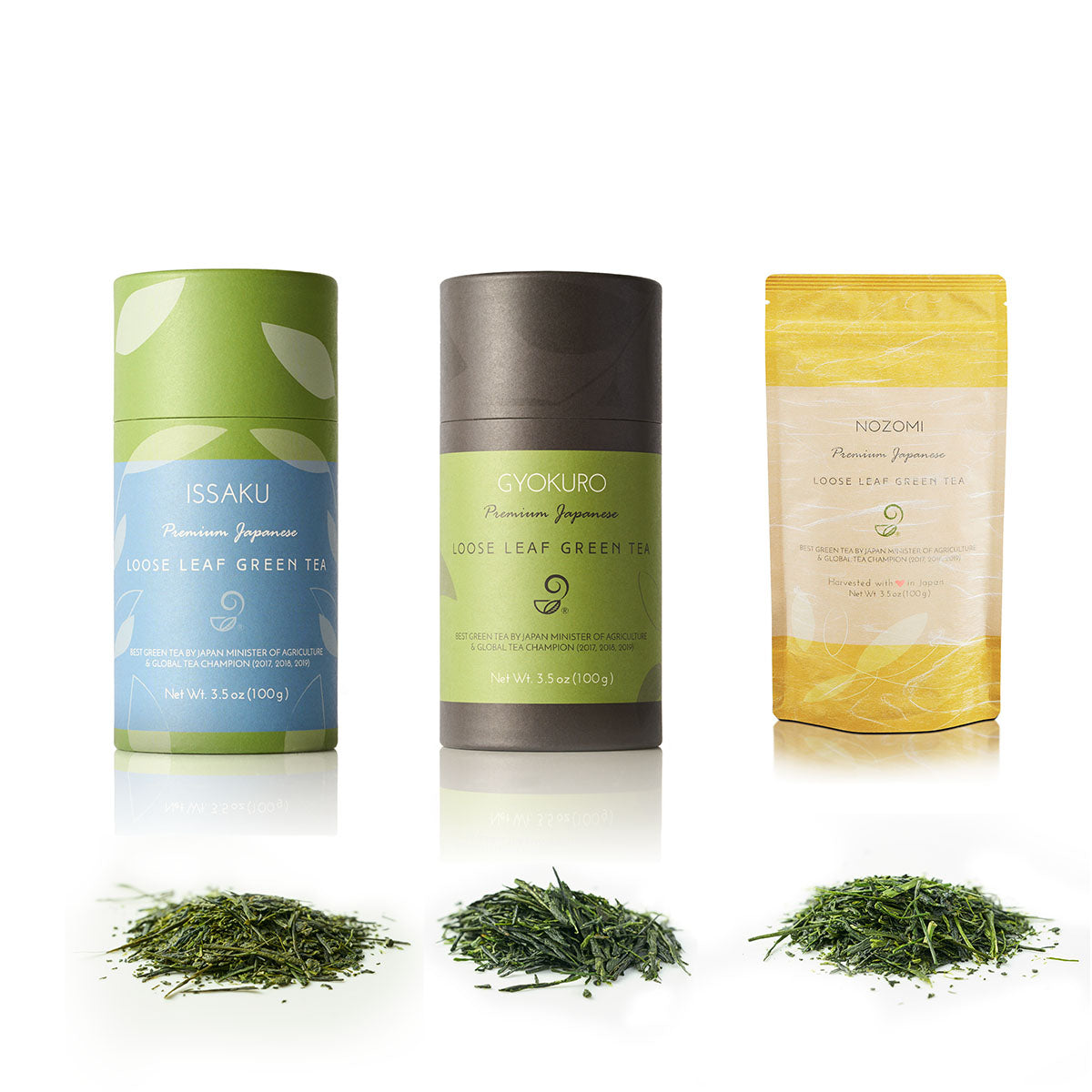
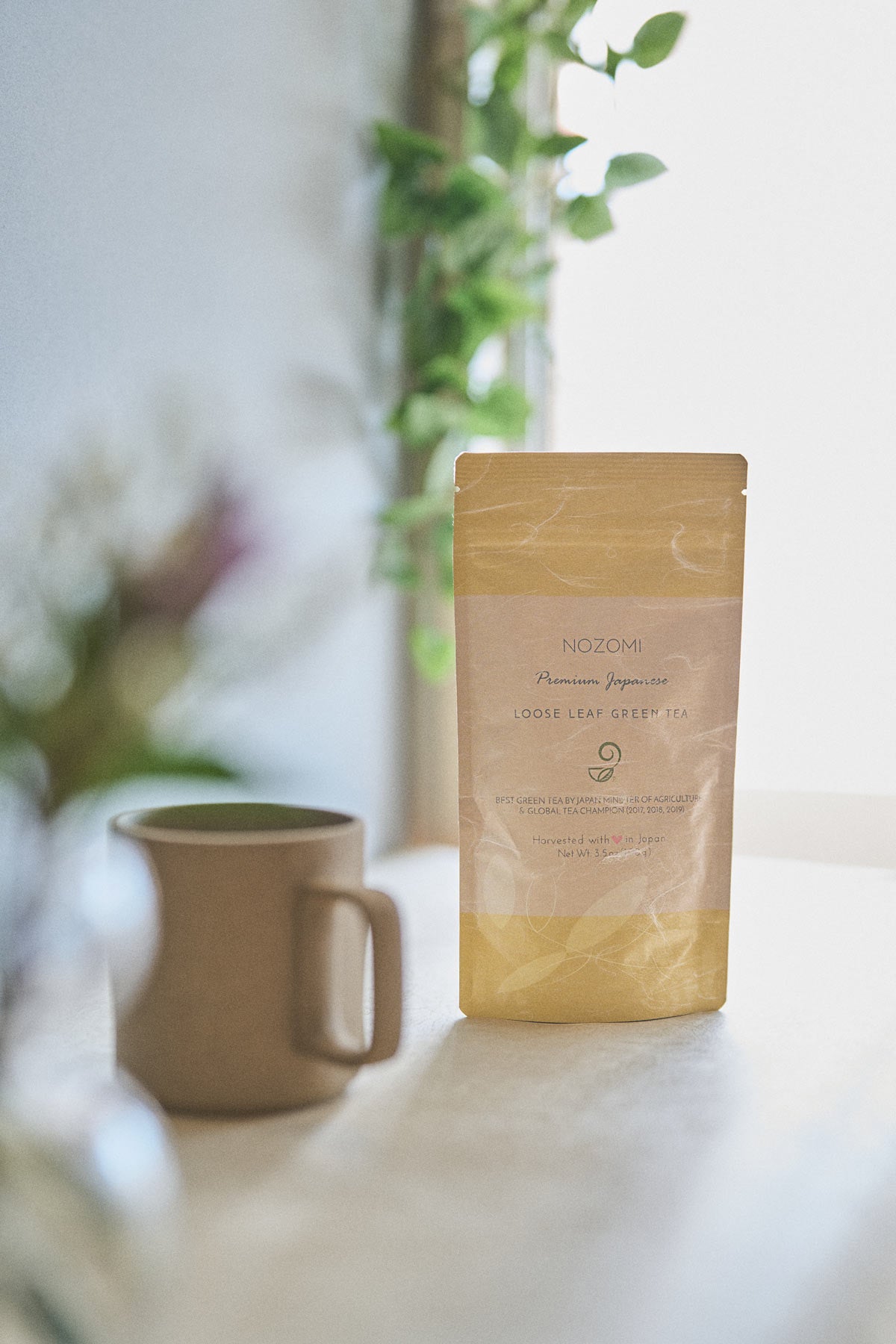
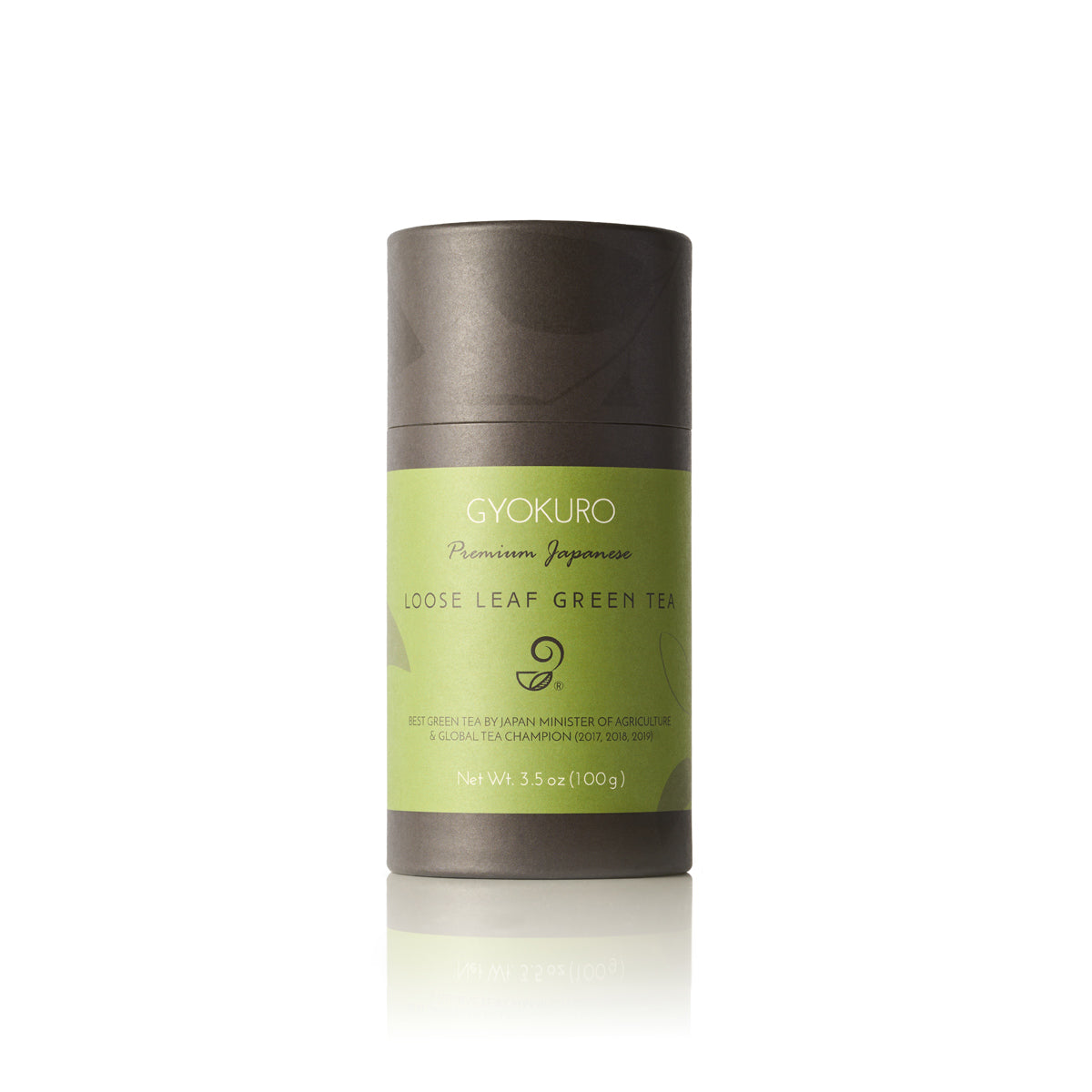
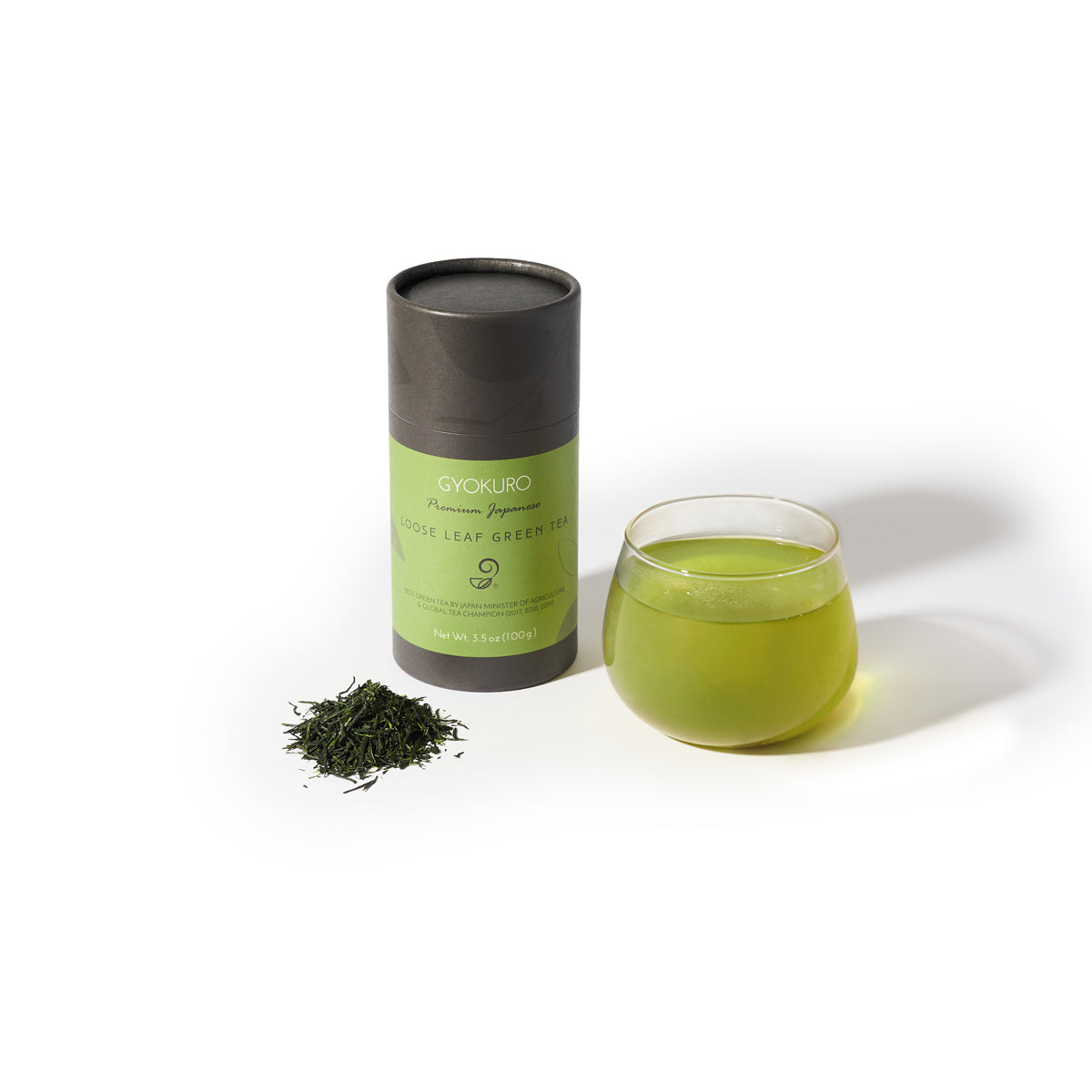
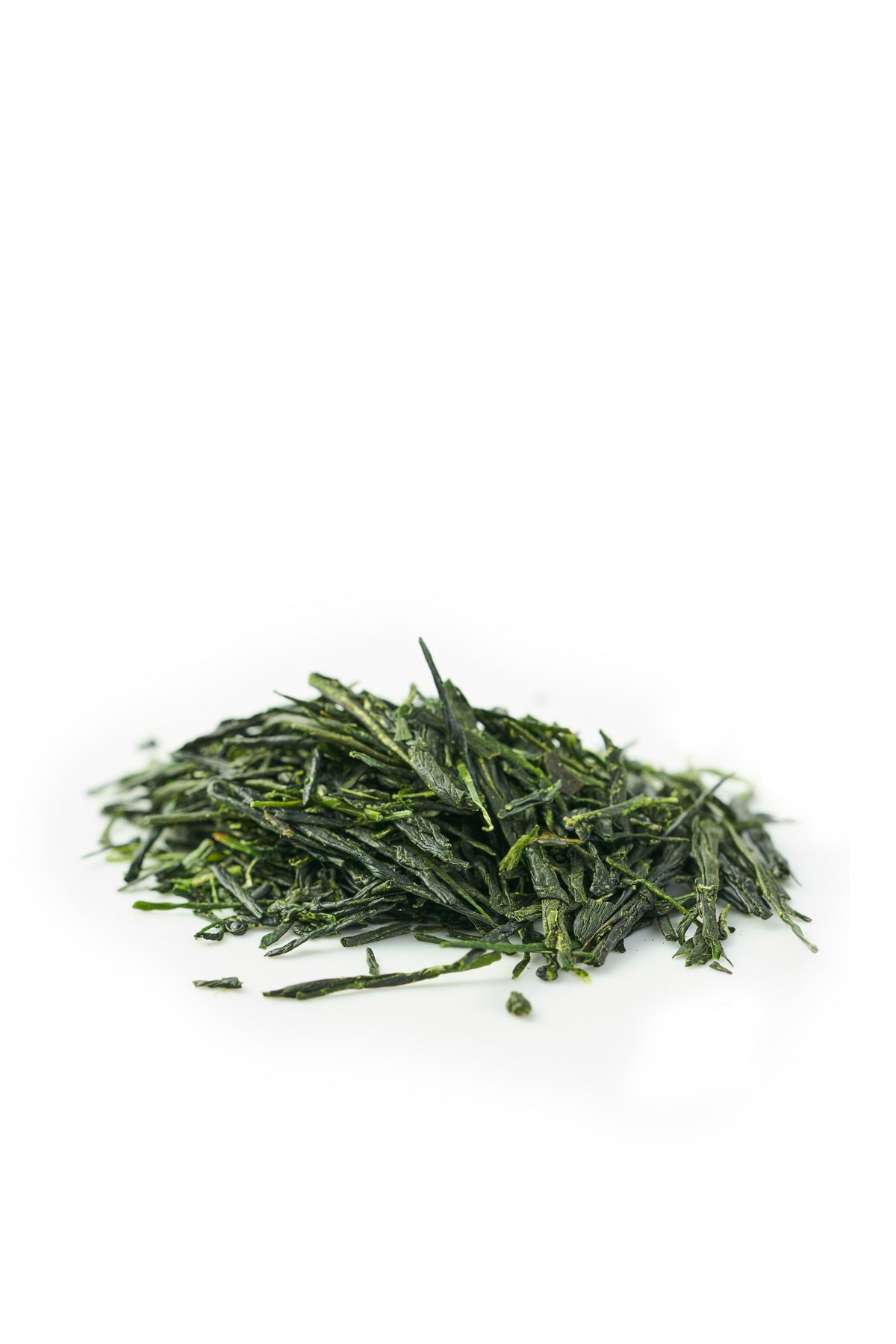
The Sencha Lover Gift Set - Premium Japanese Green Tea Set Package
• Disclosure: I only recommend products I would use myself, and all opinions expressed here are my
own. This post may contain affiliate links that I may earn a small commission at no additional cost to you.
The commission also supports us in producing better content when you buy through our site links.
Thanks for your support.
- Kei and Team at Japanese Green Tea Co.





Get Free Bonus Books

Sign up for free to the Green Tea Club to get advice and exclusive articles about how to choose Japanese Tea, and tips, tricks, and recipes for enjoying Japanese tea.
About the author
Kei Nishida
Author, CEO Dream of Japan
Certification: PMP, BS in Computer Science
Education: Western Washington University


