

If there is one beverage to be dubbed the healthiest on earth, it would have to be Japanese Green Tea because it is loaded with antioxidants that have many benefits in matters of skincare, health, and fitness.
Green tea is made from unoxidized leaves, making it one of the less processed types of tea. That being said, this hydrating beverage therefore contains the most antioxidants and other beneficial polyphenols that have anti-inflammatory and anti-carcinogenic effects.
A cup of tea contains varying levels of caffeine, depending on the length of infusing time and the amount of tea infused. While coffee and black tea have approximately 95 and 50 milligrams of caffeine, respectively, green tea only has 20–40 milligrams per 8-ounce cup. This is the reason why people can drink Japanese Green Tea even after dinner and still not have any trouble getting a good night's sleep.
If you completely ignore the massive, neon-colored supplement tubs at the gym, Japanese green tea is actually one of the smartest things you can pull out before a workout. The raw chemistry of the plant operates entirely differently than a standard canned energy drink. You get the caffeine spike you need to get off the couch, but because the leaves are heavily loaded with L-theanine, it actively suppresses the anxious, shaking feeling you usually get from heavy stimulants. You wind up with a very quiet, hyper-focused energy that doesn't drop you into a sudden, miserable crash forty-five minutes later.
It is also incredibly easy on the digestive tract. Anyone who has ever blindly chugged a gritty pre-workout powder knows it can leave you feeling sick before you even pick up a weight. Green tea is essentially just hydrating water, but the catechins inside actually change how your body accesses energy. If you drink a cup about half an hour before you hit the gym, those compounds actively nudge your system to start burning through stored fat while you sweat. It is basically the cheapest, lowest-stress endurance boost you can get.
Difference of Japanese green tea and matcha
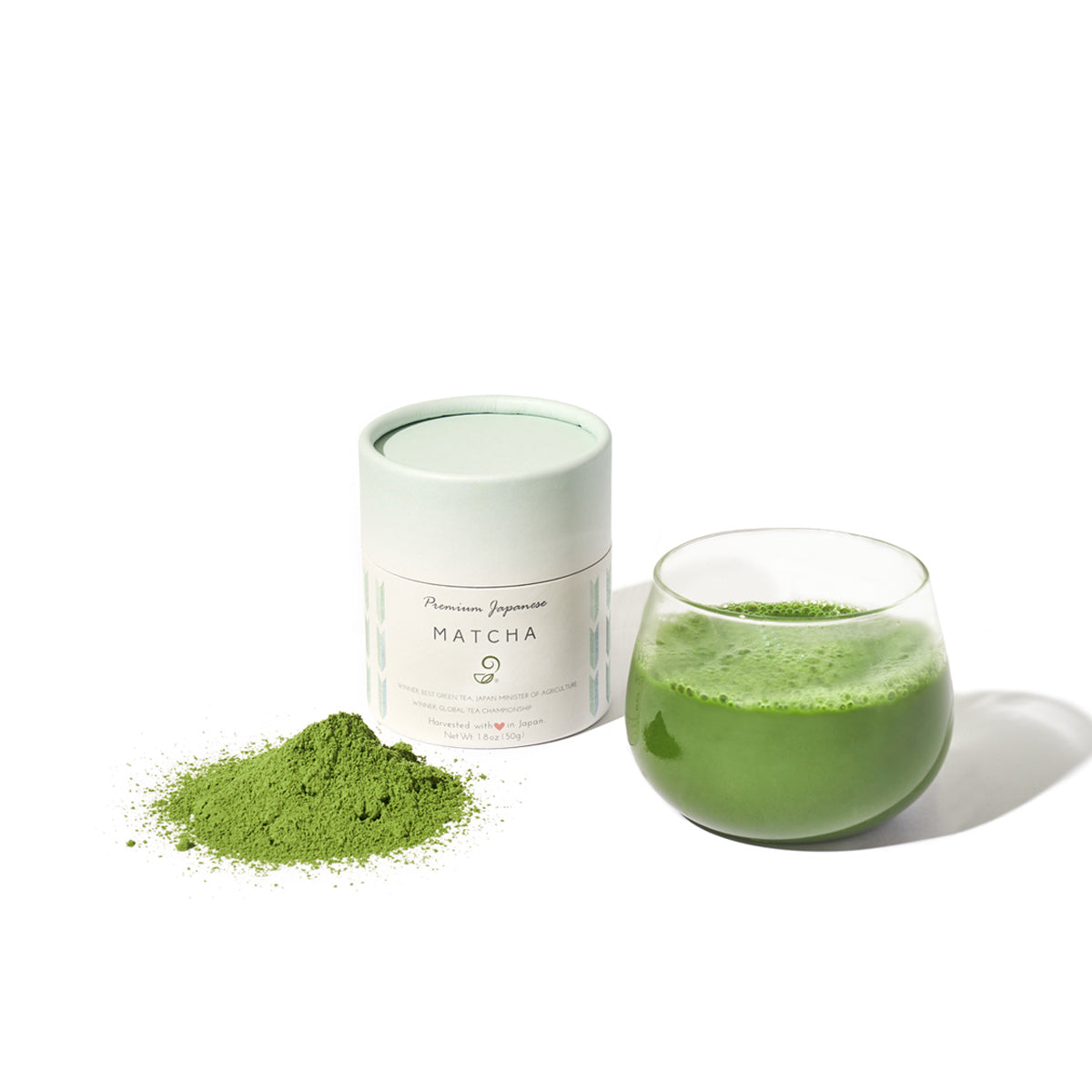
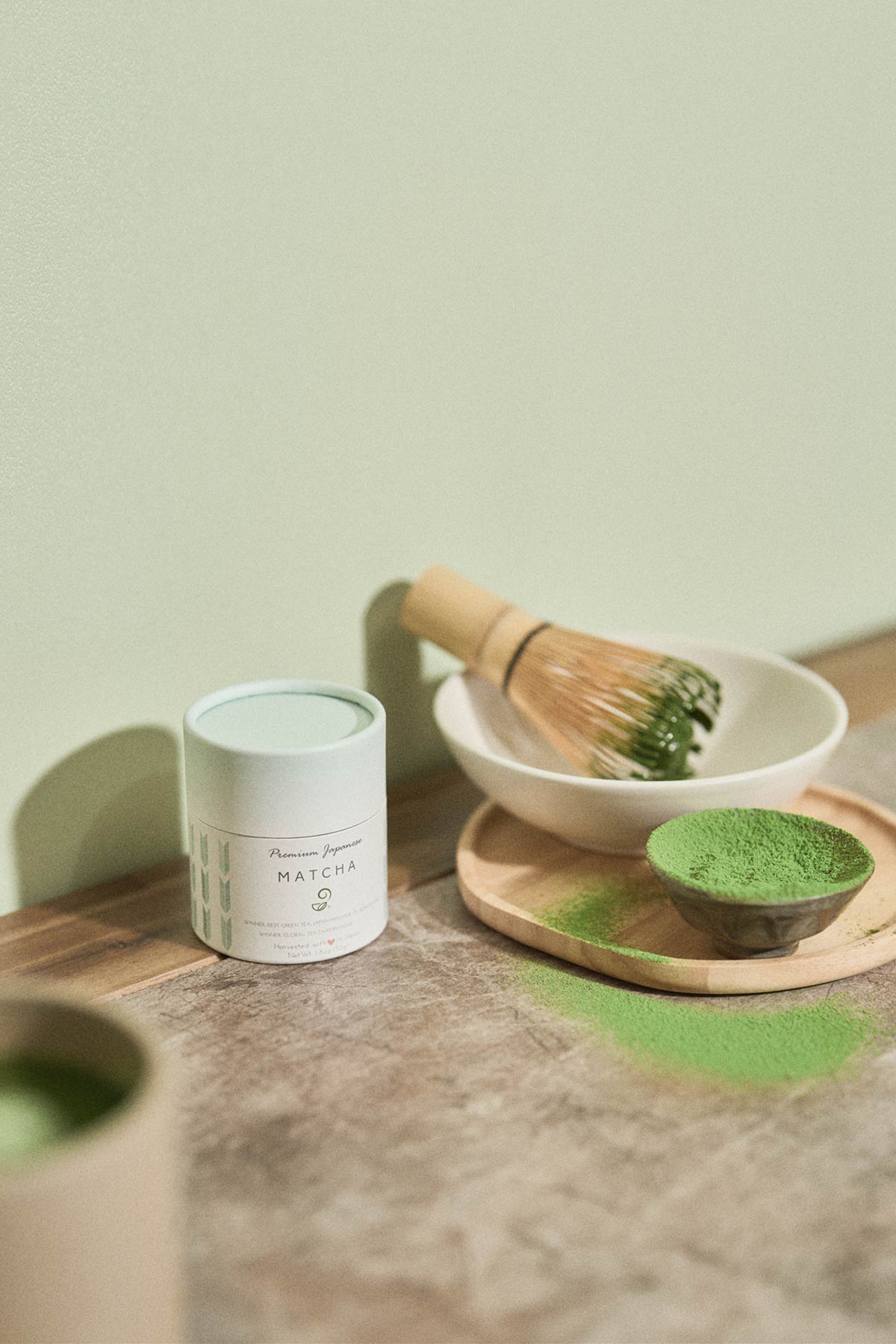
A lot of people still think that Japanese green tea and matcha are the same, but they are actually not. Both of them are derived from plants, though, so it is still a great option for people who are in pursuit of fitness and health. Green tea, however, usually comes in a tea bag or loose leaf, while matcha is in powder form (click here for more detail). The latter is actually 100% green tea leaves, but they have been ground into a fine powder and have a much richer and more buttery flavor.
The biggest difference between the two simply boils down to how they actually enter your body. When you brew standard green tea, you're really only soaking the leaves in hot water. You get the flavor, but a massive amount of the actual nutrients stay permanently trapped inside the wet leaves that you just throw in the trash anyway.
Matcha is an entirely different mechanism. Because the growers grind those specific leaves into an incredibly fine dust, you are quite literally drinking the entire plant. You skip the extraction process completely and ingest a significantly heavier dose of both caffeine and antioxidants. That's exactly why so many people rely on heavy matcha lattes when they need a serious, sustained jolt of energy before a heavy gym session. An ordinary cup of steeped green tea, on the other hand, functions more like a light, hydrating drink you can casually nurse at your desk without instantly redlining your nervous system.
Known fitness benefits
If you are wondering what the effects of Japanese green tea are on women’s health, you have come to the right place. Here, we have rounded up six reasons why women should find time to make and drink tea in order to enjoy its several benefits.
1. Lower cancer risks
Oxidative damage in the body can lead to chronic inflammation and uncontrolled growth, which, when left untreated, can cause carcinoma. To combat this, it is imperative to have powerful antioxidants in the body. Thankfully, we have Japanese green tea as an excellent source of them. Drinking it regularly can significantly lower the risk of carcinoma, such as breast cancer, which is common in women.
Whenever clinical researchers start talking about Japanese green tea protecting your long-term health, they are almost entirely focused on the catechins—specifically one called EGCG. Rather than just being a vague wellness trend, the science behind it is fairly straightforward. The catechins basically act as biological scavengers inside your body. They aggressively hunt down and neutralize free radicals before those unstable molecules can cause the kind of slow, compounding cellular damage that tends to trigger chronic illness later in life.
Look, drinking hot tea is not going to magically cure anything. If you permanently live on the couch and your diet is fundamentally a nightmare, adding a cup of green tea to the mix is absolutely not going to bail you out. That isn't how biology works. But if you're already putting in the exhausting daily work of eating reasonably well and moving around, having a heavy green tea habit is essentially just cheap, highly effective cellular insurance that might actually pay out a few decades from now.
2. Make weight loss possible
Knowing that Japanese green tea can boost one’s metabolic rate in the short term, it only makes sense why more and more women have been drinking it to get rid of stubborn fats in the body, especially in their belly. By regularly drinking it, you can have a significant decrease in your waist circumference, body fat percentage, and body weight. The caffeine in this green tea may also improve physical performance by mobilizing the fatty acids found in the fat tissues, thereby making them available for use as energy that one’s body needs.
When it comes to using green tea specifically to lean out, your timing and your long-term consistency essentially dictate whether the habit actually works or not. If you make a point to drink a hot cup roughly half an hour before you hop on the treadmill or the row machine, the underlying chemistry actively tilts the daily math in your favor. Because the sudden hit of caffeine physically interacts with the catechins in your bloodstream, the combination actively triggers your body to burn slightly more calories and access stored fat much faster while you sweat.
That being said, you absolutely cannot treat the drink like a magic pill. A heavy pot of green tea is never going to actively cancel out a fundamentally terrible lifestyle. It only operates as an amplifier. You still have to drink plain water, eat halfway decently, and drag yourself back to the gym on a highly consistent basis if you ever expect to actually see the numbers on the scale move.
3. Prevent type 2 diabetes
In recent years, the rate of type 2 diabetes has exponentially increased, and the number just grows each day. This can be linked to too much carbohydrate and sugar consumption, not to mention the sedentary lifestyles of many women. The elevated blood sugar levels that can make the body resist insulin and not be able to naturally produce it can be countered. With the help of green tea, the body's insulin sensitivity can be improved. It also helps the body detox after binge-eating, thereby helping to lower blood sugar levels.
If you aggressively drink enough of it over an extended period, green tea can actually be surprisingly effective at keeping your daily blood sugar completely flat. The massive amount of EGCG in the leaves actively makes your body much more sensitive to insulin, while simultaneously dragging out how quickly your stomach is able to process heavy carbohydrates. When you run those two mechanisms at the exact same time, it effectively blocks the aggressive blood sugar spikes that inevitably trigger those horrible, heavy afternoon energy crashes.
Naturally, if you actually have an active, severe metabolic disorder, pouring hot water over some Japanese leaves is not going to replace an actual prescription from a doctor. You can't just chug a pot of tea to cancel out a diet consisting of pure cake. But assuming you're already putting in the exhausting work of eating decent food and occasionally hitting the gym, maintaining a steady green tea habit is arguably the absolute easiest, lowest-effort daily trick to permanently lock your energy levels in place.
4. Keep cardiovascular diseases at bay
More and more people worldwide die due to cardiovascular diseases such as heart attack and stroke. Studies show that Japanese green tea can help counter some of the factors that contribute to such diseases. Including this in your healthy diet can increase the antioxidant capacity of the blood, keeping the bad cholesterol particles in the bloodstream from causing harm therefore preventing any cardiovascular disease.
Even ignoring the blood sugar aspect, the other major medical upside to the tea is how it physically alters your cholesterol. The catechins inside the leaves actively block your LDL (the "bad" cholesterol) from oxidizing once it enters your bloodstream. That specific oxidation process is exactly what slowly triggers thick plaque to start stacking up and hardening inside your arteries over the years. By actively throwing a wrench into that biological process early on, the tea effectively keeps your blood vessels clear and flexible, drastically improving how easily your heart is able to pump blood.
Obviously, sitting down to drink a hot cup of tea is never going to miraculously reverse the physical damage of a terrible diet and years of chronic stress. But assuming you are already putting in the daily effort to eat decently and keep your heart rate up at the gym, drinking Japanese green tea every afternoon is easily one of the absolute lowest-effort things you can do to keep your cardiovascular system running efficiently as you age.
5. Repair and regrow muscles
If you look at the ingredients for any fat-burning and muscle-building supplements, like the BCAAs for women, chances are Japanese green tea will be on the label. Aside from caffeine, Japanese green tea also contains vitamin C, which not only improves immunity but also helps the body recover from fatigue. Aside from that, it also provides the body with catechins that prolong endurance, especially when working out. During physical activity, your muscles have a huge tendency to be stressed and get sore. So the catechins come in to produce lactic acids when working out, thereby reducing inflammation in muscles after undergoing oxidative stress. Catechins also lower the lactate level in the blood and muscles. In return, not only will the muscles be repaired, but the body will also get sustained endurance for fitness training.
If you want to understand exactly why the tea legitimately makes your daily workouts feel easier over time, you just have to look at how your muscles handle physical damage. Every single time you lift heavy weights or push your body through a brutal cardio session, you immediately trigger a massive spike of oxidative stress inside the muscle tissue. That specific biological friction is exactly what causes you to feel sluggish, stiff, and horribly sore for two days afterward. The heavy concentration of antioxidants in green tea actively targets and chemically neutralizes that specific stress response right as it begins.
Because your body isn't unexpectedly forced to fight off nearly as much severe, prolonged inflammation, your overall recovery window shrinks drastically. It acts as an incredibly effective, completely natural muscle recovery compound. But obviously, it only actually works if you're already doing the incredibly basic, thoroughly boring work you're supposed to be doing anyway—like sleeping a full eight hours every night and actually eating enough protein to rebuild the torn tissue.
6. Enable oxygen uptake
In any form of physical activity, be it working out or playing a sport, oxygen plays a vital role in the body's ability to sustain such a rigorous phase. In fact, a higher supply of this element is needed by the body for the muscles to function and endure stress. For this purpose, Japanese green tea is best drunk at least 30 minutes before engaging in any of these activities.
The other major reason the tea actually helps you out in the gym ultimately comes down to basic cardiovascular plumbing. The compounds in the leaves physically relax your blood vessels just enough to let your circulation actively run unhindered. When your blood is suddenly able to pump that freely in the middle of a heavy set, your heart has a significantly easier time driving massive payloads of oxygen directly into your straining muscle fibers.
You aren't necessarily going to feel some aggressive, magical spike in your overall stamina on day one. It's a completely subtle metabolic shift. But over a timeline of several months, it absolutely pushes back the exact moment when you inevitably hit a physical wall. Delivering an uninterrupted stream of oxygen to your active muscles actively delays early fatigue, meaning you simply don't burn out quite as fast halfway through a completely brutal run—assuming you are actually taking your aerobic base seriously to begin with.
7. Enhance carbohydrates absorption
Carbohydrate depletion is common for women working out. Which is why there is a need to have a pre-workout meal, and it should include a cup of Japanese green tea. Here is why: The body’s ability to absorb and use carbohydrates differs from one person to another. However, more often than not, such a process is slow for many people due to certain mechanisms and circumstances in the intestines. The good news is that the caffeine in this tea helps reduce the risk of fatigue and prolongs exercise as it improves the use of carbohydrates. By efficiently using the extra carbohydrates, the body is less likely to consume endogenous energy stores, or glycogen.
If you look at what that actually means on the gym floor, the tea effectively forces your body to wring every single drop of usable energy out of the food you already ate. Instead of aggressively dumping all your fuel into your bloodstream at once, it actively smooths out the release. Because your system is suddenly forced to burn through those calories on a heavily controlled, slow drip, you aggressively delay that horrible moment an hour into a workout where your internal tank randomly hits zero.
It is a massive advantage if you're just trying to physically survive long endurance work or a brutal hour of heavy intervals. You obviously cannot pull this off by skipping actual food—you still have to put down a heavy bowl of oatmeal or some other dense carbohydrate before you lift. But if you purposefully drink a cup of green tea directly on top of that meal, it fundamentally locks the pacing in place and keeps you from suddenly crashing before you even manage to finish your sets.
Drink your Japanese green tea regularly
Japanese green tea has a wide range of possible benefits relating to beauty, fitness, and health. But of course, just like the rest, it must be coupled with regular exercise and a balanced diet for it to yield astonishing results. Various Japanese green teas are available on the market nowadays, especially online. So it is really a smart move to first compare brands and types to choose the most suitable one for you.
FAQs about Green Tea for Women's Fitness
Is green tea actually beneficial for women's fitness routines?

When should I drink tea relative to my workout — before, during, or after?

Conclusion
At the end of the day, Japanese green tea is genuinely one of the smartest, most effective things you can drink if you spend any serious amount of time at the gym. The way the heavy antioxidants and the slow-drip caffeine physically combine to shield your muscle tissue and keep your energy locked in is incredibly hard to legitimately replicate with neon, artificially processed supplements.
Obviously, it completely fails if you treat it like an instant miracle drug. It is absolutely not going to magically make up for a fundamentally terrible diet or casually skipping a full week of workouts. It is strictly an amplifier. But if you're already doing the utterly exhausting baseline work required to stay in shape, brewing a fast cup of tea before you pull up to the weights is easily the absolute cheapest, lowest-effort way to safely tilt the underlying biology of a workout in your favor.
Buy Healthy Japanese Green Tea
Related products
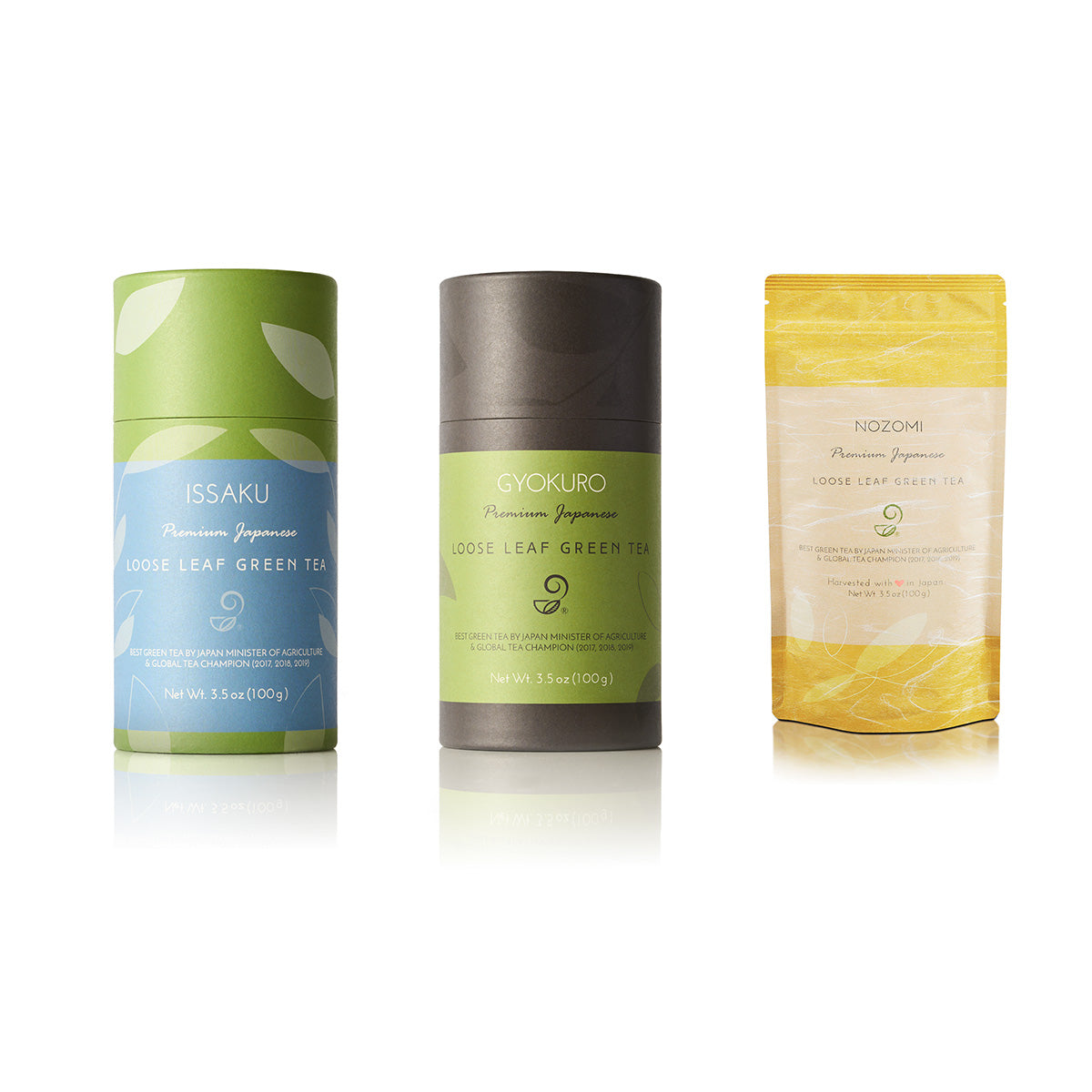
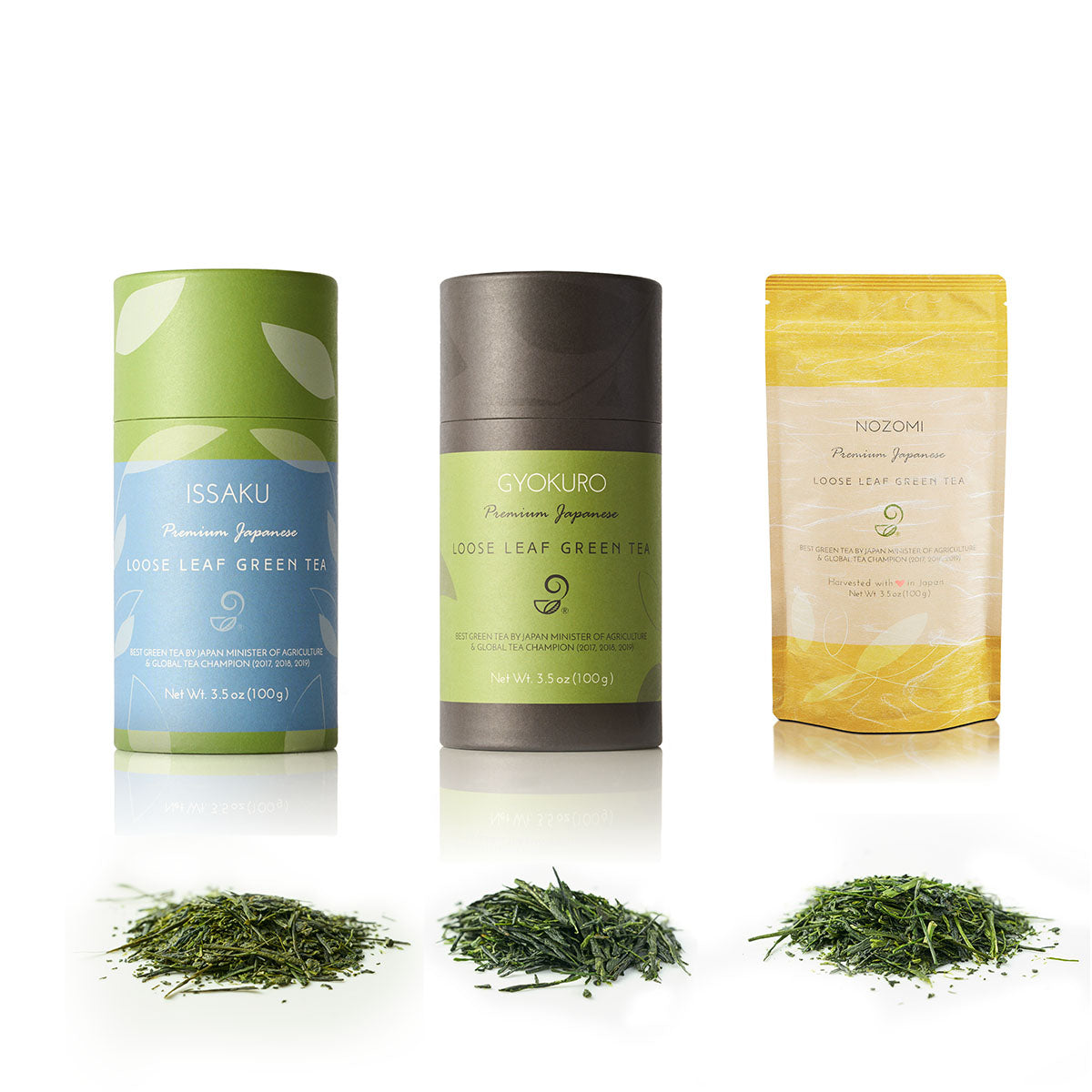
8 reviews
$179.00
$159.99
/
Quick view
The Sencha Lover Gift Set - Premium Japanese Green Tea Set Package


Get Free Bonus Books

Sign up for free to the Green Tea Club to get advice and exclusive articles about how to choose Japanese Tea, and tips, tricks, and recipes for enjoying Japanese tea.
About the author

Kei Nishida
Author, CEO Dream of Japan
Certification: PMP, BS in Computer Science
Education: Western Washington University


