Skip to content

Is Green Tea Good for Dogs and Cats? – Green Tea Quiz

Subscribe to Youtube See all videos

We made a short video out of this blog. I hope you enjoy!

We know that drinking green tea is beneficial to us humans for many reasons, such as weight loss, taking out toxins, being alert and calm, and many more. Pet lovers are asking if their pets, cats and dogs, can enjoy the goodness of green tea. As pet parents or pet best friends, we like to feed and pamper our furry friends within our means since they bring us joy and comfort. Since Catechins (the principal polyphenol compounds found in green tea) serve as antioxidants for us, we assume that the tea can work on pets too.

However, it is important to understand that pets have different metabolisms compared to humans, which means not everything that is healthy for us is automatically safe for them. While green tea contains beneficial compounds like catechins and L-theanine, it also has traces of caffeine and other active elements that may affect animals differently. This is why pet owners should be cautious and well-informed before introducing green tea into their pet’s routine.

Additionally, the size, age, and overall health condition of your pet play a significant role in how they may respond to green tea. What works for a healthy adult dog may not be suitable for a small kitten or a pet with underlying health issues. Understanding these differences helps ensure that any addition to your pet’s diet is both safe and beneficial, allowing you to care for them responsibly while still exploring natural wellness options.

Can cats and dogs drink green tea?

According to this study, If your pet is fasting or does not have an appetite, it is not advisable to give them green tea because it will damage their liver and gastrointestinal organs because of toxicity. But wait, this study only applies to these pets, and the reason green tea is bad for them is that they don’t have enough food or toxins to flush out, and having antioxidants is too much for their bodies, but in general, green tea is still good for pets. Why? Let’s find out.

Green Tea reduces inflammation in your dog's or cat’s liver and gastrointestinal tract. In addition, it protects them from pancreatic, colon, and stomach cancer. Helps in protecting the liver, provides pain relief for arthritis because of polyphenols, and may soothe the pain in gingivitis, mouth sores, and ulcers, preventing oral cavities and infections. Its effectiveness is concluded based on studies on a limited number of animals.

Also, giving cats L-theanine (an ingredient found in green tea) can help calm them down before giving them a bath.

Green tea can also be used to clean infected dog ears. Steep the green tea in hot water, let it cool a bit, spray a bit, or place a few drops on the inner ear, and let your dog shake off the excess. These are the reasons why green tea is still good for them, but how about the proper dosage for your beloved kitty and doggie? 

It is also important to remember that green tea should never replace your pet’s regular diet or medical treatment. While it may offer supportive benefits, it is not a cure for any illness. Pet owners should treat it as a supplementary option rather than a primary solution, ensuring their cats and dogs continue to receive proper nutrition and veterinary care at all times.

In addition, always introduce green tea gradually and in very small amounts to see how your pet reacts. Every animal is different, and some may be more sensitive than others. Monitoring for any signs of discomfort, such as vomiting, restlessness, or loss of appetite, will help you decide whether to continue or stop. A careful and mindful approach will ensure your pet stays safe while potentially benefiting from green tea.

My cat deserves a better cup of tea!

Green Tea Pet servings

Please consult a veterinarian first if you want to make sure that your pet can have a taste of your favorite green tea. If your cat or dog is okay with it, just provide organic decaffeinated green tea. According to Dr. Karen Shaw Becker’s article on Healthy Pets, steep the tea bag in 4 cups purified or clean water for 15 minutes, remove the teabag, and store the drink (preferably in a glass pitcher) in the fridge for up to 3 days. If it’s drinking time for your cute feline or canine friend, just serve the tea lukewarm or at room temperature. If your pet does not like drinking green tea, you can add small amounts to their morning and evening meals. For cats: 1 tbsp., small dogs: 1/8 cup, medium dogs: ¼ to ½ cup and large dogs: ½ to 1 cup.

In case green tea decaf is not available, just limit the green tea powder serving to small amounts, like less than 1 tablespoon.

We hope you can now ask your veterinarian to share the goodness of your green tea with your beloved pet. Cats and dogs will surely become healthier and more relaxed. As time goes on, you will both have a healthier and happier relationship.

It is important to avoid adding any sweeteners, दूध (milk), or flavorings to the green tea, as these can be harmful or difficult for pets to digest. Always keep the preparation simple and natural to ensure your pet’s safety. Using fresh, clean water and properly storing the tea will also help maintain its quality and prevent contamination.

Furthermore, consistency and moderation are key when offering green tea to your pet. It should not be given in large quantities or too frequently, as overconsumption may lead to unwanted side effects. Treat it as an occasional supplement rather than a daily necessity, and always observe how your pet responds to ensure it remains a safe and beneficial addition to their routine.

FAQs About Green Tea for Dogs and Cats

Can dogs drink green tea safely?

Yes, dogs can drink green tea in small amounts, especially if it is decaffeinated. However, it should only be given occasionally and with veterinary approval.

Is green tea safe for cats?

Green tea can be safe for cats in very small quantities, particularly decaffeinated versions. Always consult a veterinarian before giving it to your cat.

What are the benefits of green tea for pets?

Green tea contains antioxidants that may help support liver health, reduce inflammation, improve oral health, and promote relaxation due to L-theanine.

Can green tea be harmful to pets?

Yes, green tea can be harmful if given in large amounts or if it contains caffeine. It may cause digestive issues, toxicity, or liver problems in some cases.

Should I give green tea to my pet on an empty stomach?

No, it is not recommended to give green tea to pets on an empty stomach, as it may increase the risk of gastrointestinal or liver issues.

How much green tea can I give my dog or cat?

Serving depends on size: cats (1 tbsp), small dogs (1/8 cup), medium dogs (¼–½ cup), and large dogs (½–1 cup). Always start with smaller amounts.

Can green tea help calm cats?

Yes, green tea contains L-theanine, which may help calm cats and reduce anxiety, such as before bathing or stressful situations.

Is caffeinated green tea safe for pets?

No, caffeinated green tea is not recommended for pets. Always choose decaffeinated green tea to avoid harmful effects.

Can green tea be used for dog ear infections?

Yes, cooled green tea can be used as a natural rinse to help clean infected dog ears, but it should not replace veterinary treatment.

How often can I give green tea to my pet?

Green tea should be given occasionally and in moderation, not as a daily routine. Always monitor your pet for any side effects.

Can puppies drink green tea?

It is not recommended to give green tea to puppies, as their bodies are more sensitive. Always consult a veterinarian before offering it to young pets.

Can kittens have green tea?

Kittens should generally avoid green tea. Their digestive systems are delicate, and even small amounts may not be suitable.

What type of green tea is best for pets?

Organic, plain, and decaffeinated green tea is the safest option for pets. Avoid flavored or sweetened varieties.

Can I mix green tea with my pet’s food?

Yes, if your pet refuses to drink it, you can mix small amounts of green tea into their food. Make sure it is cooled and given in moderation.

Are green tea supplements safe for pets?

Green tea supplements should only be given under veterinary guidance, as they can be more concentrated and increase the risk of side effects.

Can green tea improve my pet’s digestion?

Green tea may help support digestion due to its anti-inflammatory properties, but it should not be used as a primary treatment for digestive issues.

How should green tea be stored for pets?

Prepared green tea should be stored in a clean, covered container in the refrigerator and used within 2–3 days.

Can I give my pet green tea every day?

It is better to give green tea occasionally rather than daily to avoid overconsumption and potential side effects.

What signs should I watch for after giving green tea to my pet?

Watch for signs like vomiting, restlessness, diarrhea, or loss of appetite. If any of these occur, stop giving green tea and consult a veterinarian.

Can green tea replace water for pets?

No, green tea should never replace fresh drinking water. Pets should always have access to clean, plain water as their primary source of hydration.

Conclusion

Green tea can be a gentle and beneficial addition to your pet’s routine when used carefully and in moderation. While it offers potential health benefits such as antioxidant support, reduced inflammation, and calming effects, it is not suitable for every pet or situation. Factors like your pet’s size, health condition, and whether the tea is decaffeinated all play an important role in ensuring safety.

Ultimately, your pet’s well-being should always come first. Green tea should be treated as a supportive supplement rather than a necessity, and it is always best to consult your veterinarian before introducing it. With the right approach, you can safely explore its benefits and continue building a healthier, happier life for your beloved cat or dog.


Related products
74 reviews

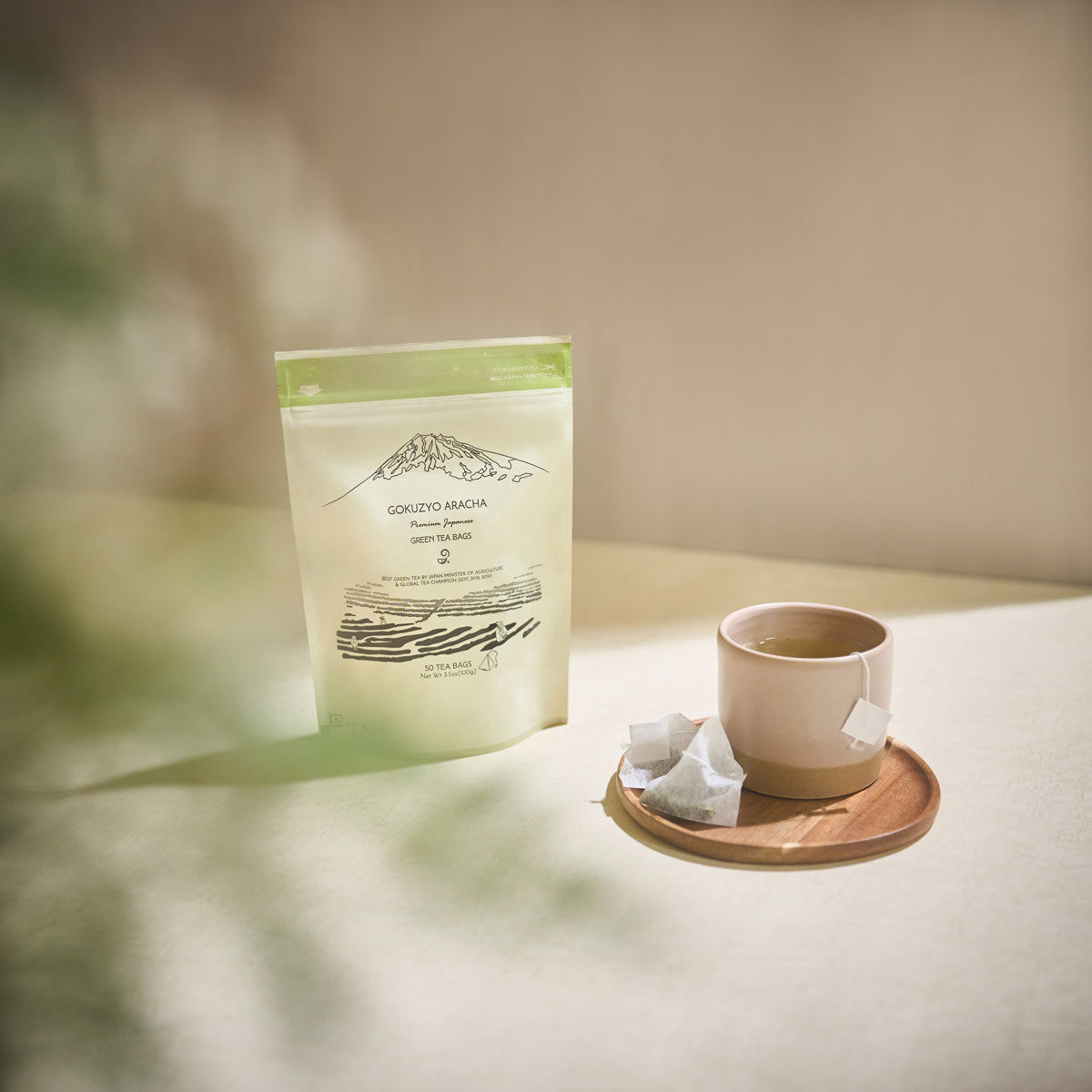
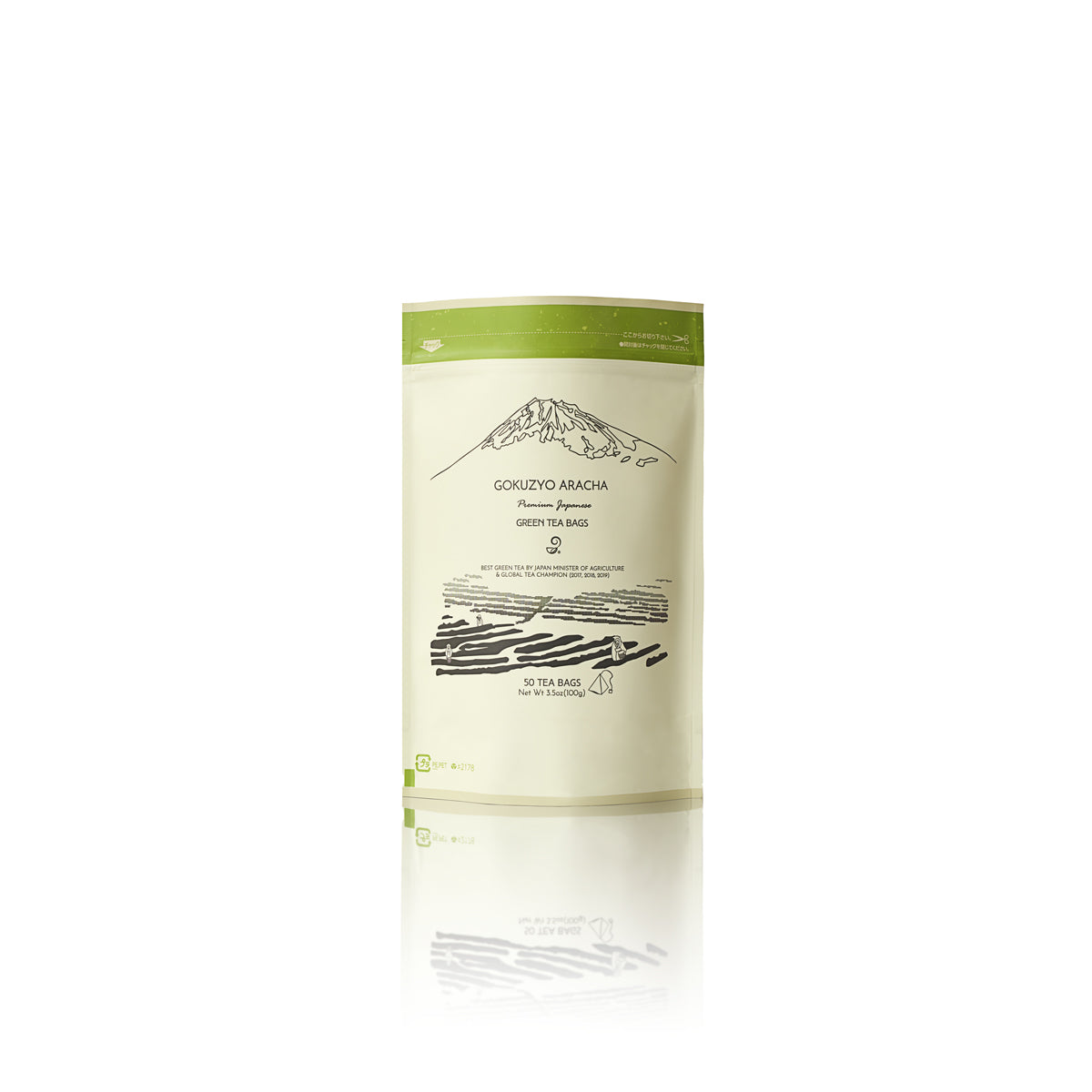
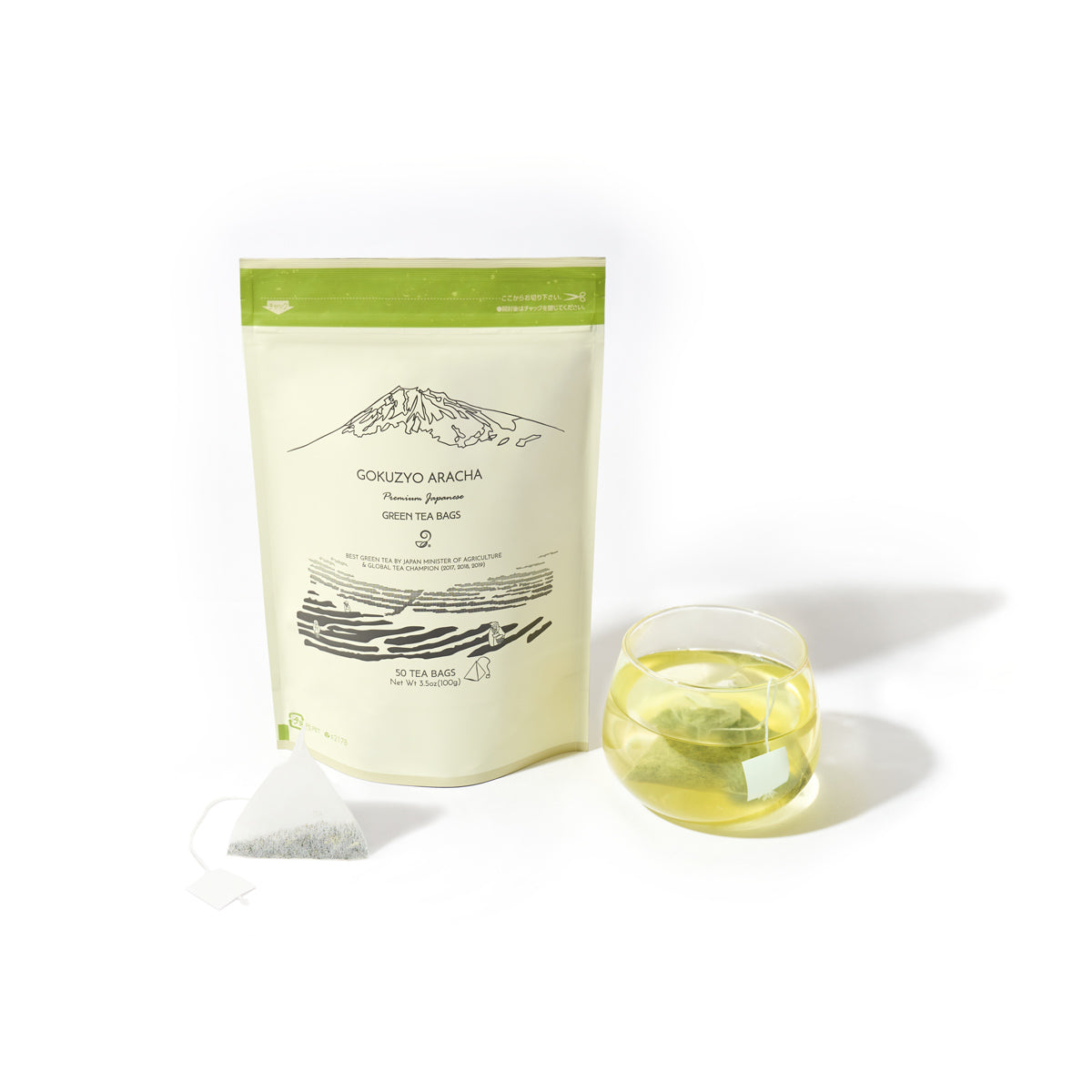
Tea Bag - High-Grade Unrefined Tea - Gokuzyo Aracha (50 tea bags)

$35.00
Quick view

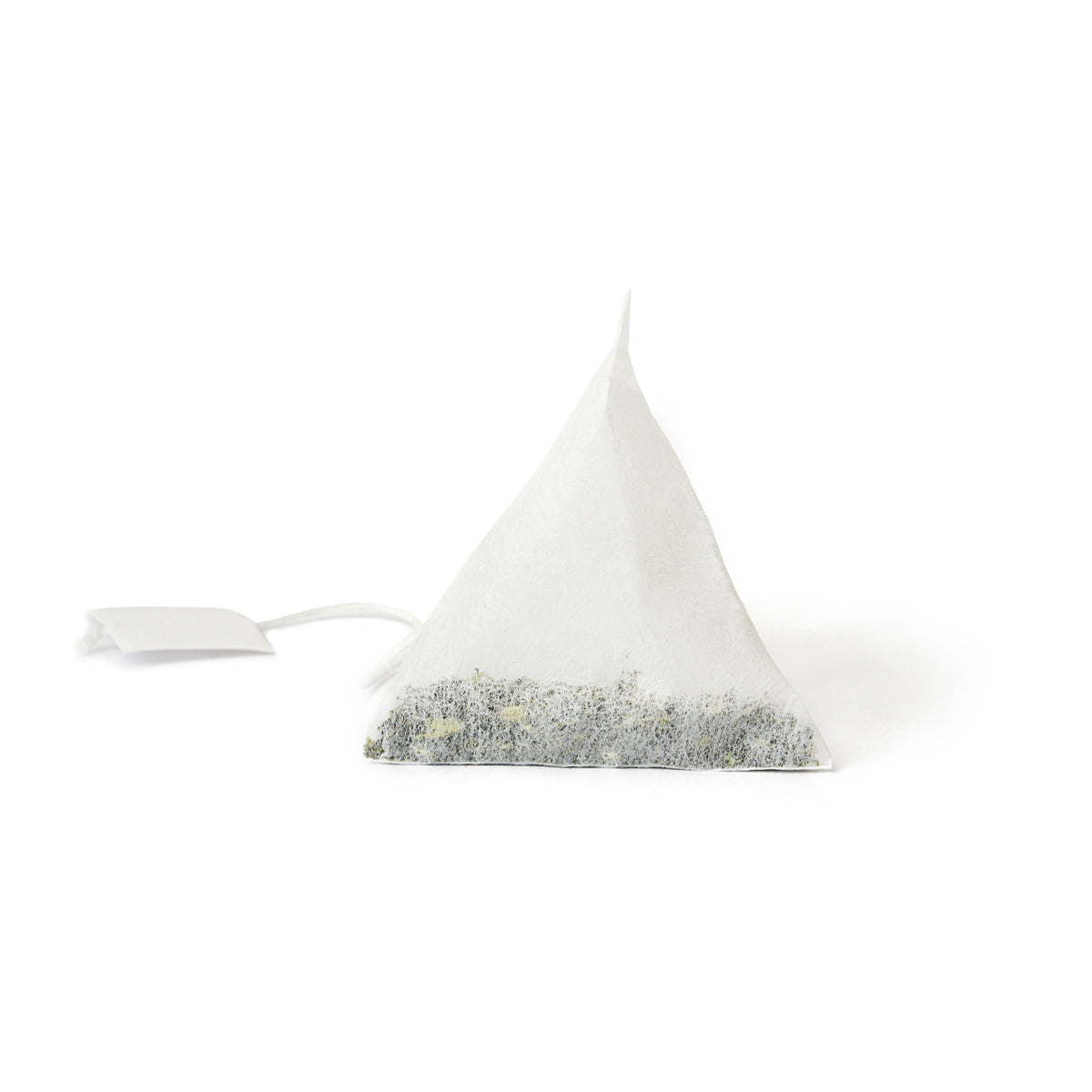
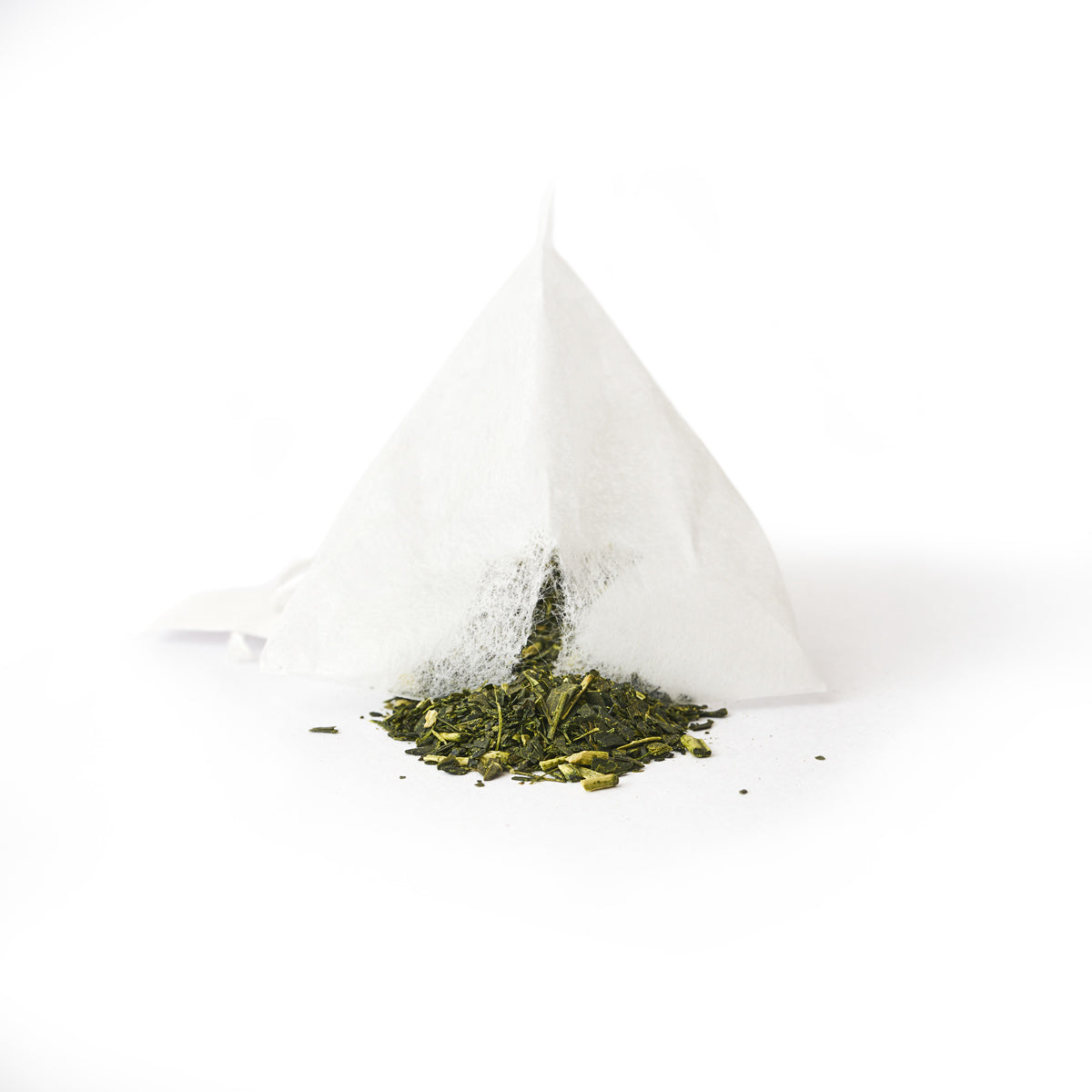
Gokyuzyo 極上, meaning "The Highest Grade," brings the rustic charm of Aracha 荒茶, or "wild tea," into a convenient teabag form, offering a taste as close to freshly picked leaves as possible. Unlike fully processed green teas, this unrefined Fukamushi Sencha preserves its natural shape and texture, blending soft sprouts, twig tea, coarse leaves, and powdered tea for an intense aroma and rich, vibrant flavor. Cultivated by the Chagusaba method in nutrient-rich sugarcane soil and made from the Yabukita cultivar, this tea captures the traditional, nourishing quality enjoyed by generations of tea farmers. Available in a resealable aluminum bag with 50 pyramid-shaped teabags or as a single-serve sample, it is perfect for enjoying authentic Japanese green tea anytime, anywhere.

56 reviews

Benifuuki - Allergy Relief Japanese Green Tea Bags (30 tea bags)

$30.00
Quick view

Benifuuki green tea is highly regarded in Japan for its natural allergy-relief properties, helping with seasonal allergies, cedar allergies, hay fever, and even Mast Cell Activation Syndrome (MCAD). It is rich in Methylated Catechins, a potent form of EGCG that supports the inhibition of mast cell responses and reduces allergy symptoms.

This convenient teabag version uses an eco-friendly pyramid sachet and is made from authentic Japanese green tea cultivated by the Chagusaba method in nutrient-rich sugarcane soil. Featuring the Benifuki cultivar, each resealable aluminum package contains 30 tea bags, with each bag holding 3g of tea for a total of 90g (3.2 oz). A powder and candy version are also available.

78 reviews

Matcha - Ceremonial Japanese Powdered Green Tea

$39.00 $34.99
Quick view

This ceremonial matcha is crafted from the finest Japanese green tea, grown in nutrient-rich soil enhanced with compostable grasses and sugarcane through the Chagusaba method, which gives the tea a natural sweetness and exceptional flavor. In collaboration with researchers from Shizuoka University, farmers ensure that the soil quality consistently produces tea of the highest standard.

Renowned among top Japanese chefs for its unmatched aroma, this matcha is made by carefully shading the plants before harvest to boost caffeine and amino acids, then meticulously drying, de-stemming, and grinding the leaves into a fine powder. Made from the Yabukita cultivar, this 1.8 oz (50g) matcha comes in a high-quality, air-tight paper tube canister, providing a luxurious and authentic Japanese tea experience.

97 reviews

Gyokuro - Shaded Imperial Premium Green Tea

$65.00
Quick view

Gyokuro, also known as "jade dew" or "jewel dew tea," is a premium Japanese green tea shaded from the sun for 20 days using specially made mats, a method that boosts caffeine levels and strengthens amino acids to create a sweeter, richer flavor. This extended shading process results in dark, mossy green leaves with an unmistakable aroma and a complex taste that is layered yet balanced. Cultivated by the Chagusaba method in nutrient-rich sugarcane soil and made from the Yabukita cultivar, this loose-leaf authentic Gyokuro is offered in a high-quality, air-tight paper tube canister (chyazutsu) to preserve its exceptional freshness and flavor. Each 3.5 oz (100g) full-size package steeps 30–40 cups, and a convenient single-serve sample is also available.


Related Articles You May Be Interested

Everything You Need to Know About Different Types of Japanese tea
Kawaii & Japanese Green Tea
Enhancing Your Mental Well-being with Tea: Advantages and Suggestions
Truths and Myths About Green Tea

Get Free Bonus Books

Join Green Tea Club

Sign up for free to the Green Tea Club to get advice and exclusive articles about how to choose Japanese Tea, and tips, tricks, and recipes for enjoying Japanese tea.

Unsubscribe anytime. It’s free!

About the author

Kei Nishida

Author, CEO Dream of Japan

info@japanesegreenteain.com

Certification: PMP, BS in Computer Science

Education: Western Washington University

Kei Nishida is a passionate Japanese green tea connoisseur, writer, and the founder and CEO of Japanese Green Tea Co., a Dream of Japan Company.

Driven by a deep desire to share the rich flavors of his homeland, he established the only company that sources premium tea grown in nutrient-rich sugarcane soil—earning multiple Global Tea Champion awards.

Expanding his mission of introducing Japan’s finest to the world, Kei pioneered the launch of the first-ever Sumiyaki charcoal-roasted coffee through Japanese Coffee Co. He also brought the artistry of traditional Japanese craftsmanship to the global market by making katana-style handmade knives—crafted by a renowned katana maker—available outside Japan for the first time through Japanese Knife Co.

Kei’s journey continues as he uncovers and shares Japan’s hidden treasures with the world.

Learn more about Kei

Related Posts

Our Matcha Is Now at Pillow Talk Cafe in Pasadena — Master Japanese-Inspired Cake Makers

Our matcha is now at Pillow Talk Cafe Pasadena! Meet the cafe, try the Egg Heaven sando & Matchamisu, and see how th

Read More
Simply Donabe — New Cookbook from TOIRO's Naoko-san Is Out!

Simply Donabe is here! We celebrated TOIRO's Naoko-san's new cookbook at a special dinner at Camélia in DTLA — see our p

Read More
Introducing New Product - Meet Hojicha Powder
Introducing A New Product - Meet Hojicha Powder

Discover the game-changing Hojicha powder your kitchen has been waiting for — richer flavor, easier recipes, and surpris

Read More
Leave a comment

Your email address will not be published..

Cart

Your cart is currently empty.

Start Shopping

Select options