

You will probably recognize that one of the more recent trends in the world of foods and beverages is understanding what is healthy for the body. A quick search online reveals that there is much to know, not only about the body but also about the impact various substances have on it. The idea behind green tea is that it's healthy, and for some, this healthy component brings up important distinctions such as "catechins". These compounds are thought to provide a wide range of benefits, including antioxidant properties, which can support various bodily functions.
However, as with all health-related trends, it's crucial to look beyond the surface and explore the full picture. While green tea is often celebrated for its health benefits, it is essential to examine how it interacts with specific organs and systems in the body. This article will review another area of green tea and our bodies, namely whether green tea is healthy or unhealthy for your kidneys. Given the kidneys' vital role in filtering toxins and maintaining overall health, understanding the relationship between green tea and kidney function is important for those looking to incorporate it into their daily routine. This article will review another area of green tea and our bodies, namely whether green tea is healthy or unhealthy for your kidney(s).
What do you know about your kidney(s)?
You have two kidneys, and they are approximately bean-shaped organs. The size of a fist that is situated below your rib cage on each side of your spine. Each kidney is made up of roughly a million units called nephrons. Each of your nephrons has a filter called the glomerulus and a tubule. The glomerulus filters your blood, and the tubule returns what is necessary to your blood. Blood flows to your kidneys via the renal artery, which is a large blood vessel that splits until your blood reaches the nephrons. Your kidneys filter approximately 150 quarts of blood a day; most of it is returned to your body.

In fact, your kidneys have higher blood flow than your brain and liver. It is a unique organ given that most of us start out with two yet only require one-half of a kidney to filter our body’s blood. In an odd relationship with your liver, your kidneys may also produce vitamin D if the liver cannot. Another important component of our kidneys is that they make hormones that directly help control blood pressure, create red blood cells, and keep your bones healthy.
Healthy kidneys are important. Due to the functions kidneys perform and the harmful substances that may move through them, they are susceptible to a number of issues, including kidney failure, kidney stones, uremia, and chronic kidney disease, among many others.
The kidneys also have a significant role in detoxifying the body, filtering waste products like urea and excess salts. Their ability to maintain fluid and electrolyte balance is essential for regulating bodily functions, such as maintaining stable blood pressure and supporting the nervous system. This vital role in maintaining homeostasis makes kidney health a crucial factor in overall well-being.
Green tea and your kidneys
Of course, drinking green tea affects your kidneys, but how?
We talked briefly about catechins and their impact viz-a-viz the liver. Let us spend a few more minutes on the most common catechin found in green teas and its support in preventing Chronic Kidney disease: Epigallocatechin-3-gallate, or EGCG. When discussing chronic kidney disease, we have a form of kidney disease that slowly yet progressively leads to a loss in renal function. One of the more common causes of chronic kidney disease is, yes, diabetes (As a quick note, green tea may actually help lower the risk of type-2 diabetes). However, it may also include hypertension, obstruction, and other issues. Kidneys can be exposed to harm like any other organ in the body. In fact, the kidneys of many people are at high risk of oxidative stress.
Oxidative stress can lead directly to chronic kidney disease and its progression. None of this sounds good, but EGCG has been shown to support your kidneys and help stave off renal decline. Further, The American Journal of Clinical Nutrition has also shown that green tea may actually help regulate blood sugar, which is not only good for staving off chronic kidney disease but also assists diabetics in their own struggles with blood sugar levels.

According to the Chinese Medicine Journal, a 2010 literature review noted that green tea consumption has been linked to the prevention of cancer in the kidneys (among many other parts and organs of the body). This is largely due to the sheer number of polyphenols, which are antioxidants. In this review, the authors also highlight that green tea has been linked to lower blood pressure, which directly benefits the overall functionality of our kidneys. Conversely, the Heart and Stroke Foundation states that over a given amount of time, relatively high blood pressure can cause the arteries around the kidneys to narrow, weaken, or harden. This may lead to an inadequate amount of blood being sent to the kidneys.
Of course, there are concerns related to kidney stones and green tea. A recent study in the journal Nutrients concluded that green tea consumption does not lead to kidney stones. Chinese researchers, in reply, have found that green tea extract, for example, changes the shape of calcium oxalate and makes it less likely to band together, making it easier to move through the kidneys. In fact, studies have shown that there is no link between the substance in green tea and damage to one’s kidneys.
Benefits of Green Tea for Kidneys
Green tea is well-known for its health benefits, and one of its most powerful components, Epigallocatechin-3-gallate (EGCG), plays a significant role in kidney health. Studies have shown that green tea can help in the prevention of chronic kidney disease (CKD) by reducing oxidative stress, which is a key factor in kidney damage. Oxidative stress occurs when the body’s antioxidant defenses are overwhelmed by free radicals, leading to cellular damage. By reducing this stress, EGCG helps protect the kidneys from this type of damage, potentially slowing the progression of kidney diseases and preventing further deterioration of renal function.
Moreover, green tea may help manage blood sugar levels, which is crucial for people with diabetes—a leading cause of kidney disease. Research from the American Journal of Clinical Nutrition suggests that regular consumption of green tea could help control blood sugar, making it beneficial for people at risk of kidney disease [2]. High blood sugar levels can cause damage to the kidneys over time, as they filter excess glucose from the blood, leading to conditions such as diabetic nephropathy. By stabilizing blood sugar, green tea can potentially reduce the strain on the kidneys and help prevent kidney damage in diabetic individuals.
In addition to blood sugar regulation, green tea is rich in antioxidants that help combat inflammation, another key factor contributing to kidney damage. Chronic inflammation is often seen in individuals with kidney disease, and reducing this inflammation is critical to slowing the disease’s progression. The polyphenols found in green tea, particularly EGCG, are known to have anti-inflammatory properties that support kidney health by reducing the inflammatory markers in the body. By combating inflammation, green tea may assist in maintaining kidney function and improving overall kidney health in the long term.
Finally, green tea's potential role in preventing kidney stones has been the subject of several studies. The presence of antioxidants in green tea can help prevent the formation of calcium oxalate crystals, a common cause of kidney stones. Some studies have found that green tea may even help alter the composition of urinary metabolites, making it less likely for stones to form. This additional benefit makes green tea a valuable addition to the diet for those looking to reduce their risk of kidney stones and promote long-term kidney health.
Potential Risks of Green Tea for Kidney Health
Although green tea offers health benefits, excessive consumption can have harmful effects on the kidneys. The risks are often associated with its caffeine content, the presence of aluminum, and its impact on iron absorption. According to studies, high levels of caffeine can overstimulate the kidneys, causing potential dehydration and strain on kidney function [4].
Caffeine is a diuretic, which means it increases urine production and may lead to fluid loss, potentially contributing to dehydration. This dehydration can put additional stress on the kidneys, especially if consumed in excess.
Patients with chronic kidney disease or renal failure should be especially cautious. Green tea contains aluminum, which, if accumulated in the body, can lead to neurological issues, especially in individuals with impaired kidney function. Therefore, it is always best to consult a healthcare provider before increasing your green tea intake.
Green tea’s effect on iron absorption can be another concern, particularly for individuals with iron deficiency or those at risk of anemia. The polyphenols in green tea, which are responsible for its antioxidant properties, can bind to iron in the digestive tract, reducing its bioavailability and hindering its absorption. This interaction can interfere with the body's ability to maintain adequate iron levels, leading to potential complications for individuals who already have low iron stores. For those concerned about iron deficiency, it's important to consume green tea separately from iron-rich meals or supplements to minimize its impact on absorption.
How Green Tea Interacts with Kidney Stones
A common concern among green tea drinkers is whether it causes kidney stones. Fortunately, research has shown that green tea does not contribute to the formation of kidney stones. In fact, a study published in the journal Nutrients reveals that green tea extract changes the shape of calcium oxalate, the compound responsible for kidney stones, making it less likely to clump together. This reduces the likelihood of stone formation, offering a potential protective benefit [1].
Green tea’s high antioxidant content may also play a role in reducing the risk of kidney stone formation. The polyphenols in green tea, particularly EGCG, have been shown to have beneficial effects on kidney function and overall urinary health. These antioxidants help prevent the buildup of harmful substances that can lead to kidney stones.
By supporting the kidneys' detoxification processes and maintaining a healthy urinary environment, green tea may contribute to reducing the frequency and severity of kidney stone episodes, especially for those who are prone to them. However, as with all health-related concerns, it is still recommended to monitor your green tea consumption and consult a healthcare provider if you have a history of kidney stones.
Expert Recommendations for Green Tea Consumption
To enjoy the health benefits of green tea while minimizing risks to your kidneys, it's important to consume it in moderation. Medical experts recommend limiting green tea intake to 2-3 cups per day, especially for individuals with pre-existing health conditions such as high blood pressure, kidney disease, or heart problems. Pregnant women and those with iron deficiencies should also monitor their green tea consumption, as it can interfere with iron absorption.
In addition to moderation, it is also advisable to consume green tea at the right time of day to maximize its benefits. For individuals with kidney or digestive issues, it may be helpful to avoid drinking green tea on an empty stomach, as it could cause irritation or an upset stomach due to its tannin content.
To reduce the risk of dehydration, especially for those with kidney concerns, it is essential to balance green tea consumption with plenty of water throughout the day. Incorporating a variety of fluids, including water, herbal teas, and other hydrating beverages, can help maintain proper kidney function and overall hydration, ensuring that green tea consumption supports your health rather than placing additional strain on your kidneys.
Do I need to worry about its impact on my kidneys?
Green tea can, in fact, damage your kidneys. Like green tea and its impact on your liver, for example, too much green tea or green tea extract can be toxic. The harmful effects of green tea are often due to three major factors: Its caffeine content, the presence of aluminum, and, according to Chinese Medicine’s review, "the effects of tea polyphenols on iron bioavailability." Green tea should be avoided if your doctor states so or if you’re suffering from heart conditions or major cardiovascular problems. It is recommended that pregnant and breastfeeding women limit their green intake to two cups a day.

For those suffering from renal failure, high levels of aluminum can lead to neurological disease. For the more popular, up to 10 small cups of green tea a day is likely fine, according to Chemical Biology and Pharmacognosy Professor Chung Yan. At the end of the day, chances are most of us tea lovers do not need to worry, but it is important to know what impact green tea does have on the body!
Conclusion
Green tea, when consumed in moderation, offers numerous health benefits, including potential protection against kidney disease and kidney stones. However, it is important to monitor intake, particularly for individuals with pre-existing kidney conditions. The key takeaway is that green tea can be part of a kidney-friendly diet, but always consult with your healthcare provider for personalized advice.
References
- "Green Tea Extract and Its Impact on Kidney Stone Formation" – The Journal of Urology
- "Effects of Green Tea Catechins on Fasting Glucose and Cardiometabolic Health" – Frontiers in Pharmacology
- "Chronic Kidney Disease Overview and Treatment" – Mount Sinai
"Severe Iron-Deficiency Anemia Associated with Moderate Green Tea Consumption in Women" – Heliyon
FAQs about Green Tea and Kidney Health
Can drinking green tea cause kidney stones?

How much green tea is safe per day for someone with healthy kidneys?

Should I avoid green tea if I have kidney disease or am on dialysis?

Related products







1 review
$90.00
$72.00
/
Quick view
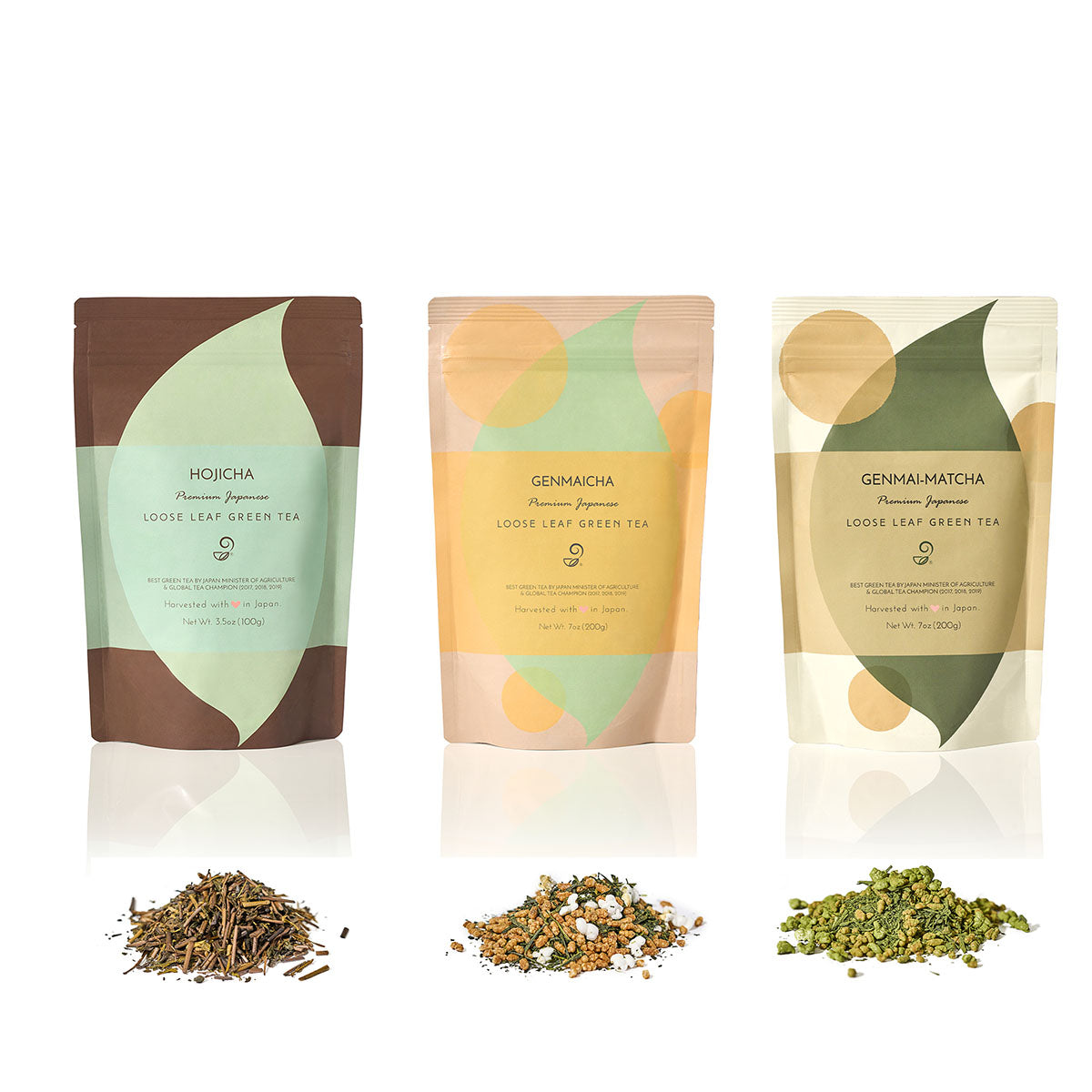
Hojicha Genmaicha Trio Gift Set - Premium Japanese Green Tea Set Package




8 reviews
$179.00
$159.99
/
Quick view
The Sencha Lover Gift Set - Premium Japanese Green Tea Set Package


Get Free Bonus Books

Sign up for free to the Green Tea Club to get advice and exclusive articles about how to choose Japanese Tea, and tips, tricks, and recipes for enjoying Japanese tea.
About the author

Kei Nishida
Author, CEO Dream of Japan
Certification: PMP, BS in Computer Science
Education: Western Washington University


Hi Mike,
Thank you for the comment and it’s a good question after reading our blog post. First, bioavailability means a medicine, drug or other substance’s ability to be absorbed by the body.
About iron bioavailability as one of the three major factors of harmful effects, this is in short, iron deficiency or lack of iron absorption because green tea contains tannins that prevent your body from absorbing iron. When you are iron deficient, the doctor will probably say to avoid drinking tea just before, during, and just after your meal since tannins will block iron from your meals.
About the presence of aluminum, it means there is aluminum in the green tea plant (Camellia Sinensis), and too much drinking of green tea will lead to many aluminum in the body that can lead to Alzheimer’s or any neurological disease.
After reading the article I am more confused… it’s good! …but not really! …it’s good! …but not really… “presence of aluminum”, suggests reduced “iron bioavailability” …there is no firm conclusion. I don’t like that.