Table of contents

Have you been thinking about a new teapot, or about finally starting a matcha routine at home?
Then I have some happy news to share!
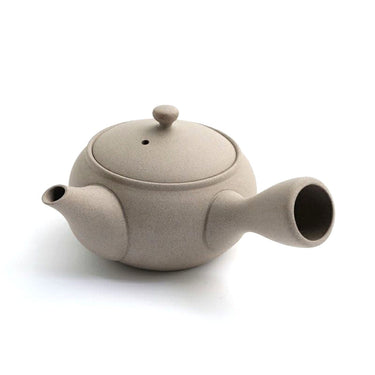
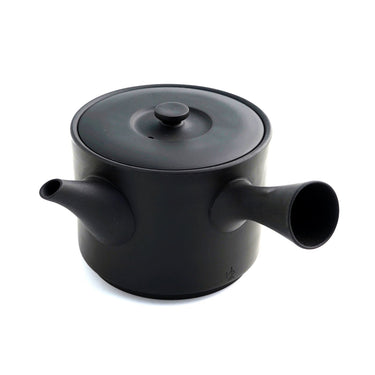
We just added three new pieces of teaware (茶器, chaki) to our Japanese teaware collection: two handmade Tokoname kyusu teapots, a small gray one and a tall black one, and a Matcha Bowl and Whisk Set that comes in black, white and blue.
For many years, our Tokoname kyusu for fukamushi tea has been the teapot I recommend to almost everyone who asks me, so I am really happy that we can now offer two more pots from the same pottery town, in sizes we did not have before. (Yes, more teapots. I don't think a tea lover can ever have too many (^^))
In this post, I would like to show you each one up close, with lots of photos, and share a few tips on how to use them.

Meet Our New Teaware
Here is a quick look at all three before we get into the details.
- Tokoname Kyusu Teapot in Gray, 250 ml (8.5 fl oz): a small, rounded pot for one or two people.
- Tokoname Kyusu Teapot in Black, 700 ml (23.7 fl oz): a tall, roomy pot for sharing at the table.
- Matcha Bowl and Whisk Set: a matcha bowl, a whisk holder, a 100-prong bamboo whisk and a bamboo scoop in one gift box, in black, white or blue.


The new Tokoname kyusu teapots in gray (250 ml / 8.5 fl oz) and black (700 ml / 23.7 fl oz).


The Matcha Bowl and Whisk Set in black, white and blue.
Tokoname, the Pottery Town Behind Our Teapots
Both teapots are made in Tokoname (常滑), a town on the coast of Aichi Prefecture's Chita Peninsula, not far from Nagoya.
Tokoname is home to one of Japan's Six Ancient Kilns (日本六古窯, Nihon Rokkoyo), and its pottery, known as Tokoname-yaki (常滑焼), dates back to the 12th century. The local clay shaped the craft, and because the town sits right on the coast, potters could ship their wares by boat all over Japan. Today, Tokoname is especially well known for its kyusu (急須), the Japanese teapot with a side handle, and local artisans still carry on that tradition in everyday pieces like our new pots.

Japan's Six Ancient Kilns. Tokoname is the one on the coast of Aichi, south of Nagoya.
If you would rather watch than read, here are two videos about Tokoname teapots. The first one is a one-minute introduction to how a Tokoname teapot can make your green tea taste better. In the second one (about 7 minutes), I answer questions about Tokoname teapots at the International Virtual Tea Festival in 2020, like whether the handle gets hot and how well the clay holds the heat.
These videos are pretty old, and honestly I am a little embarrassed to show them (^^), but since everything I say about Tokoname teapots is still true today, I decided to share them with you anyway.

A stone-paved lane in Tokoname, lined with walls of old clay pipes and jars.
If you ever visit, the Pottery Footpath (やきもの散歩道, Yakimono Sanpomichi) is a fun walk through the old part of town. One famous slope there, Dokanzaka (土管坂), has walls built from old clay pipes and shochu bottles made in Tokoname. (And if you have ever flown into Nagoya, you have actually landed in Tokoname, because Chubu Centrair International Airport sits on an island just off its coast!)
Want to know why so many tea lovers prefer a clay teapot?
I wrote about it in Can a Teapot Make Your Green Tea Taste Better? Facts About Tokoname Teapots.
The Gray Tokoname Kyusu: Small and Rounded (250 ml / 8.5 fl oz)
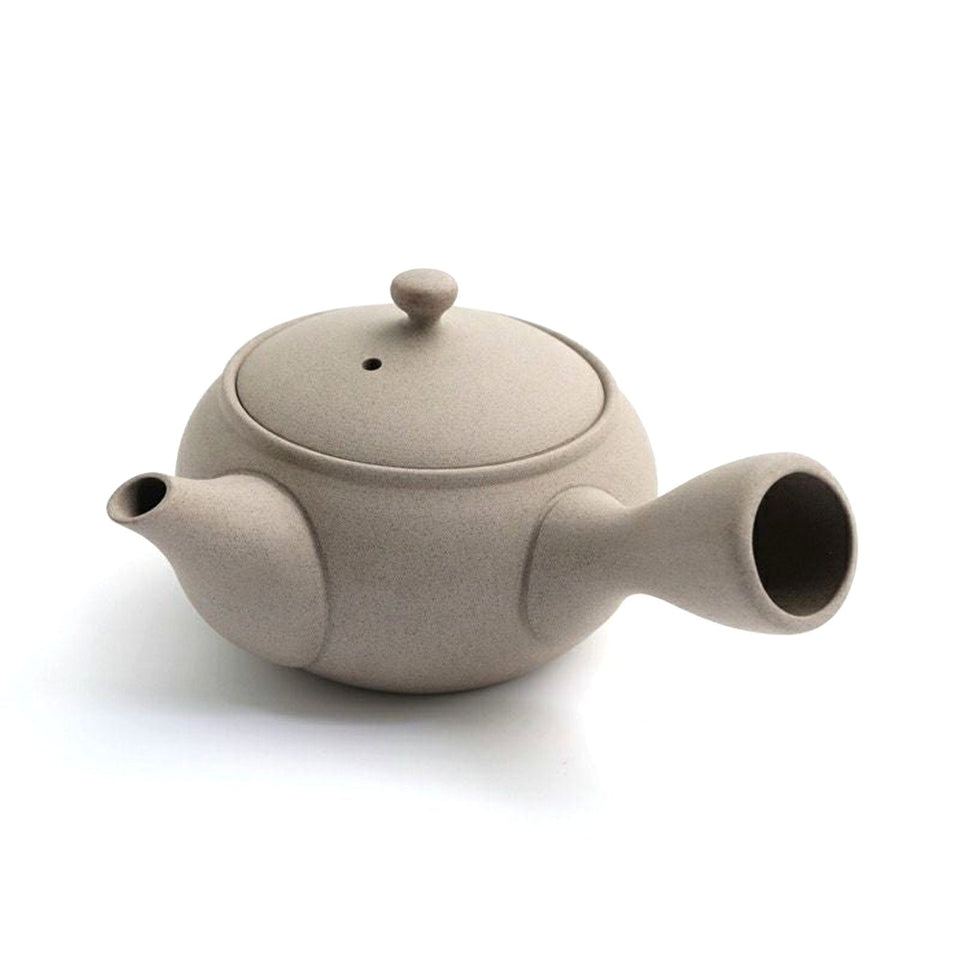
The gray kyusu is the smaller of the two. It holds 250 ml (8.5 fl oz) filled to the brim, which is enough for two small Japanese teacups or one mug, so it is just right when you brew for yourself or for two.

It fits nicely in one hand, which gives you a good idea of its size.
I think it is a perfect pot for a careful cup of sencha, fukamushi or hojicha. The rounded body sits naturally in your hand, and it gives the leaves room to open up as they steep.
This gray pot actually means a lot to me, because a lighter-colored Tokoname clay like this is quite rare these days. Years ago, we carried a light-colored Tokoname kyusu, but it was discontinued. In 2023, our team in Japan spent months trying to have it made again. We asked kilns in Tokoname and even a pottery maker in Hasami, Nagasaki, but nobody could find a kiln that still makes kyusu with that kind of clay, and bringing in a special clay just for us would have cost far too much.
So being able to offer this gray kyusu now feels a little like a revenge for me (^^)


The gray kyusu from the side and from above, with its lid, spout and side handle.
Here are the details I like most:
- Built-in ceramic mesh strainer: the fine mesh is part of the clay itself, so there is no metal taste, and even the tiny leaf particles of fukamushi (deep-steamed) sencha stay in the pot.
- Unglazed soft gray clay: if you look closely, you will see fine mineral grains catch the light.
- Hand-fitted lid: each lid is hand-polished to its own pot (this is called futasuri), so it fits snugly and quietly.
- Side handle (yokode, 横手): the classic Japanese side grip lets you pour with one hand.


The built-in ceramic mesh strainer, and the unglazed base.
It measures 16 cm (6.3 in) wide including the handle, 13 cm (5.1 in) deep including the spout and 7.5 cm (3.0 in) tall.

The gray kyusu with a cup of green tea, loose leaves and a tea canister.
The Black Tokoname Kyusu: Tall and Made for Sharing (700 ml / 23.7 fl oz)
The black kyusu is the big sister of the two. (Or is it the big brother? (^^)) It holds 700 ml (23.7 fl oz) filled to the brim, enough for three or four Japanese teacups or two mugs in one pour, so it is the pot to bring out when family or friends come over.

The black kyusu in hand. The opening is wide enough for your whole hand.
Its tall, cylindrical shape gives the leaves plenty of room to open fully, which is why it is our pick for hojicha, bancha and everyday Japanese green tea at the table. It also makes a great pot for cold-brew green tea in the refrigerator.


The black kyusu from the side and from above.
- Built-in ceramic mesh strainer: just like the gray pot, the strainer behind the spout is part of the clay, so there is no metal taste.
- Unglazed matte black clay: the stoneware is fired without glaze, and it takes on a deeper sheen the more you use it.
- Wide opening: it is easy to fill, empty and rinse, and your hand fits inside.
- Hand-fitted lid and side handle: the same futasuri lid and yokode handle as the gray pot.


The built-in ceramic mesh strainer, and the base of the black kyusu.
It measures 18.5 cm (7.3 in) wide including the handle, 17 cm (6.7 in) deep including the spout and 11 cm (4.3 in) tall.

The black kyusu on a wooden table with a green teacup, a bud vase and a scoop of loose-leaf tea.
Gray or Black? How to Choose
Honestly, it mostly comes down to how many people you brew for. Here is a quick comparison, with our original Tokoname kyusu (270 ml / 9 fl oz) added so you can see all three side by side.
| Gray (new) | Black (new) | Original | |
| Capacity | 250 ml (8.5 fl oz) | 700 ml (23.7 fl oz) | 270 ml (9 fl oz) |
| Shape | Small and rounded | Tall and cylindrical | Classic side-handle kyusu |
| Teacups per pour | About 2 | About 3 to 4 | About 2 |
| Best for | Sencha, fukamushi and hojicha for one or two | Hojicha, bancha, sharing and cold brew | Fukamushi (deep-steamed) sencha |
If you mostly drink tea by yourself in the morning, I would go with the gray one. If your family drinks tea together at dinner, or you like to make a big pot of hojicha, the black one will make you happier. (And if you can't decide, well, they do look really nice next to each other (^^))
Brewing Green Tea with Your New Kyusu
Brewing with a kyusu is easier than it looks. Here is how I do it.
- Warm the teapot with a quick rinse of hot water, then empty it.
- Add your tea leaves.
- For most Japanese green teas, boil the water and let it cool to about 175°F (80°C) before you pour it in. Cooler water brings out more sweetness and umami, and hotter water brings out more bitterness. Roasted hojicha can take water just off the boil.
- When the tea is ready, pour out every last drop. Water left in the pot keeps steeping the leaves and can make your next pour bitter.


Pouring green tea from the gray and the black kyusu.
Here is a small tip.
See the little hole in the lid?
It lets air into the pot as you pour, so the tea flows out in a smooth, steady stream instead of sputtering. If you rest a finger lightly on the lid while you pour, it will stay in place.
For cold brew, add your leaves, fill the pot with cold water, put the lid on and leave it in the refrigerator for 3 to 24 hours. The longer it steeps, the stronger the tea will be. Our cold brew guide has more tips, and How to Brew Tasty Japanese Green Tea goes into more detail for hot tea.
Caring for Your Teapot
Please rinse your kyusu with warm water only, without soap, detergent or metal scrubbers.
It is not made for the dishwasher, the microwave or a direct flame. After use, wipe it dry and leave the lid off so the pot can air-dry completely.
Unglazed clay is a little porous, so over the years it slowly takes on the aroma of the tea you brew. That is part of what makes a clay pot mellow with time, and it is also why many tea lovers keep one pot for green tea and another for roasted teas like hojicha. (Maybe that is a good excuse to get both? (^^))
One more thing. Each pot is finished by hand, so the size, color and texture vary slightly from piece to piece. Small pinholes or dark iron specks in the clay are a natural part of Tokoname-yaki, not defects.
The Matcha Bowl and Whisk Set
Now, for the matcha lovers!
Getting started with matcha usually means hunting down a bowl, a whisk, a scoop and a whisk holder one at a time.
The Matcha Bowl and Whisk Set brings all four together in one gift box, with the bowl and the whisk holder finished in the same glaze, so nothing is missing and everything matches.


Everything in the box, seen from above: the bowl, the whisk holder, the bamboo whisk and the bamboo scoop.
What's in the Box
- Matcha bowl (chawan, 茶碗): a wide, ribbed ceramic bowl with plenty of room to whisk.
- Whisk holder (kusenaoshi, くせ直し): the name literally means "habit fixer." A bamboo whisk dries into whatever shape you leave it in, so resting it upside down on the holder lets the tines dry evenly in their natural curve, which helps the whisk last longer.
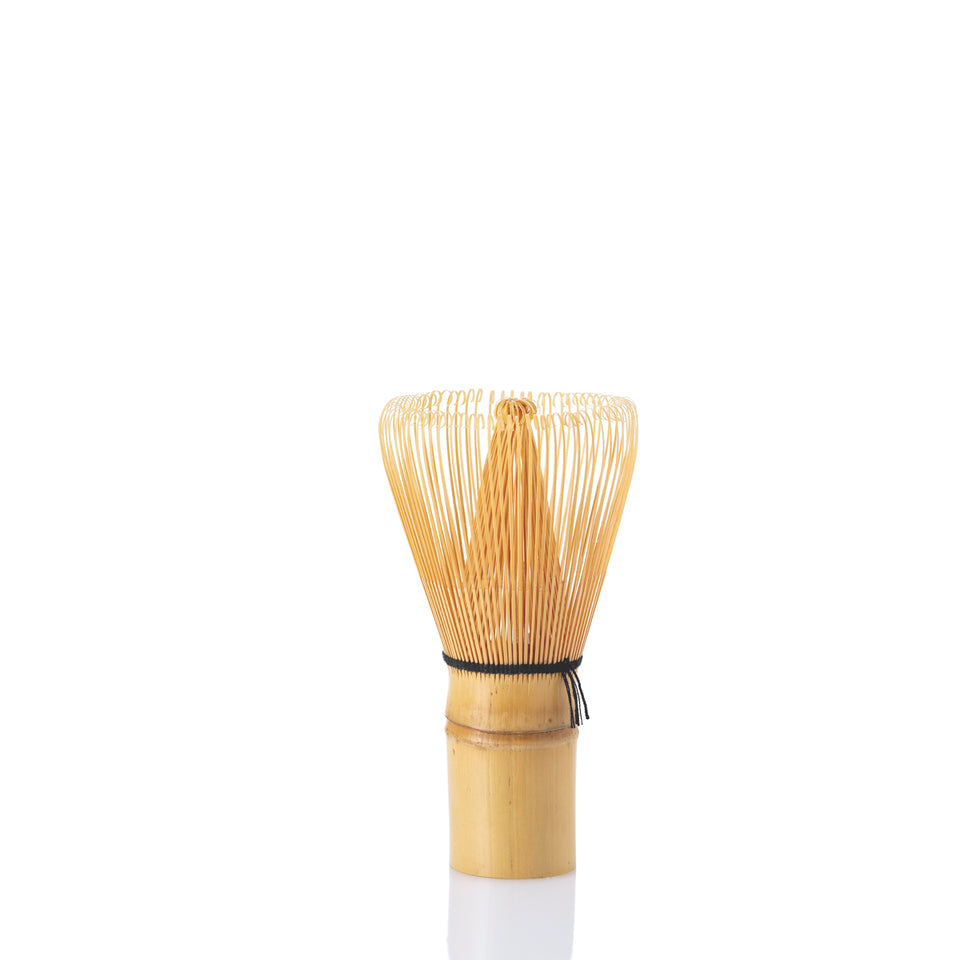
- Bamboo whisk (chasen, 茶筅): 100 fine prongs break up clumps and fold in air for a smooth, creamy foam.
- Bamboo scoop (chashaku, 茶杓): the traditional scoop, which holds about 1 g of matcha.
The gift box measures 23.5 × 21 × 9.5 cm (9.3 × 8.3 × 3.7 in). Matcha is sold separately.
If you would like to know more about the whisk, I wrote a whole article about it: Chasen: The Japanese Bamboo Matcha Whisk and How to Choose One.
Black, White or Blue?
Choosing the color is the fun part!
Black has a matte black bowl and whisk holder, and the bright green of fresh matcha really pops against it.


The black set, and a bowl of freshly whisked matcha in the black chawan.
White is a soft matte white, calm and simple, so it goes with any kitchen.


The white set, and freshly whisked matcha in the white chawan.
Blue has a glossy cobalt glaze with a lighter, speckled blue rim. It is the most colorful of the three, and I think it would make a really fun gift.


The blue set, and the blue chawan with matcha powder and the bamboo whisk.
How to Make Matcha with the Set
- Before the first use, soak the whisk tines in warm water for a minute to soften them.
- Sift 2 scoops (about 2 g) of matcha into the bowl.
- Add 70 ml (2.4 fl oz) of hot water at about 176°F (80°C).
- Whisk briskly in a "W" or "M" motion for about 15 seconds, until a fine foam forms.
- Drink it straight from the bowl, then rest the whisk on its holder to dry.
Would you rather have a matcha latte?
Whisk the same 2 scoops with just 30 ml (1 fl oz) of water into a smooth paste, then pour it over 150 ml (5 fl oz) of warm or iced milk and sweeten to taste. For step-by-step photos, see How Do You Make Matcha Tea at Home?
To clean up, rinse the whisk in warm water only, never with soap, and let it air-dry on its holder. Please hand wash the bowl and the holder too, because they are not made for the dishwasher.
Which Matcha to Use
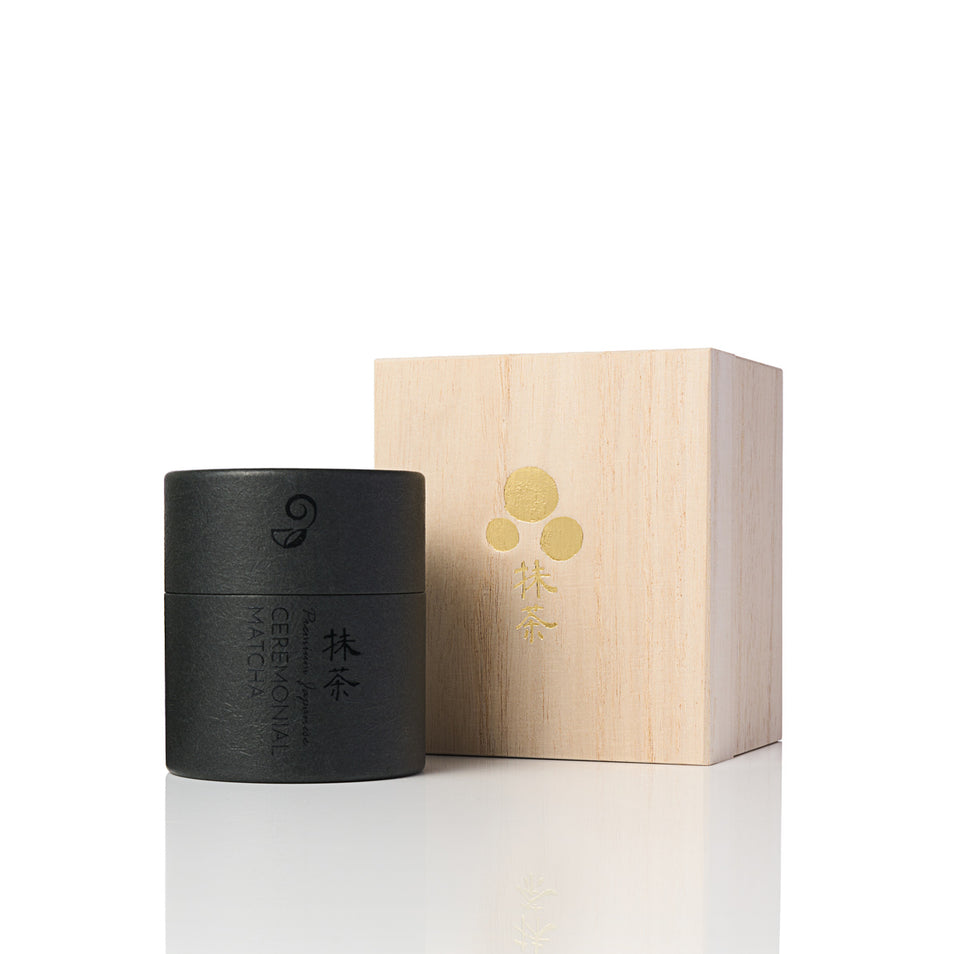
For matcha whisked with water and enjoyed on its own, I recommend a ceremonial grade with natural sweetness and very little bitterness. Our Limited Reserve Ceremonial Matcha is a two-time Global Tea Champion (2018 and 2025), made only from the first spring harvest (ichibancha, 一番茶), when the leaves are most tender and full of umami. It is quite an expensive one, though, so I usually start with our Ceremonial Matcha, which is also great for everyday matcha and lattes.

The black set with a tin of our Limited Reserve Ceremonial Matcha.
And when your whisk wears out someday (a bamboo whisk does, after lots of happy use), our Premium Matcha Chasen Whisk has the same 100 prongs.
A Gift Idea for the Tea Lovers on Your List
With the holidays coming up, I think all three make lovely gifts.
The Matcha Bowl and Whisk Set already comes in a gift box, so it is ready to wrap, and if you add a tin of Limited Reserve Ceremonial Matcha, they can whisk their first bowl the day it arrives. Each teapot ships in its own sturdy box. Pair one with The Sencha Lover Gift Set or our Hojicha, and they can brew their first pot right away.
Final Thoughts
I am really happy to share these with you. A good teapot or a good matcha bowl is something you use every day, and I think it quietly makes each cup a little more special.
If you are not sure which one fits the way you drink tea, please feel free to email us at info@japanesegreenteain.com. I am always happy to help you choose. (^^)
You can find all three, along with the rest of our teapots, whisks and tools, in our Japanese teaware collection.
Quick Reference: Our New Teaware at a Glance
| Product | Size | Best for |
| Tokoname Kyusu Teapot, Gray | 250 ml (8.5 fl oz) 16 × 13 × 7.5 cm (6.3 × 5.1 × 3.0 in) |
One or two people Sencha, fukamushi, hojicha |
| Tokoname Kyusu Teapot, Black | 700 ml (23.7 fl oz) 18.5 × 17 × 11 cm (7.3 × 6.7 × 4.3 in) |
Sharing Hojicha, bancha, cold brew |
| Matcha Bowl and Whisk Set | Bowl, whisk holder, 100-prong whisk, scoop Gift box 23.5 × 21 × 9.5 cm (9.3 × 8.3 × 3.7 in) |
Making matcha at home and gifts Black, white or blue |
FAQs About Our New Teaware
Which new teapot should I choose, the gray or the black?
Is this teapot a good gift?
Shop the New Teaware


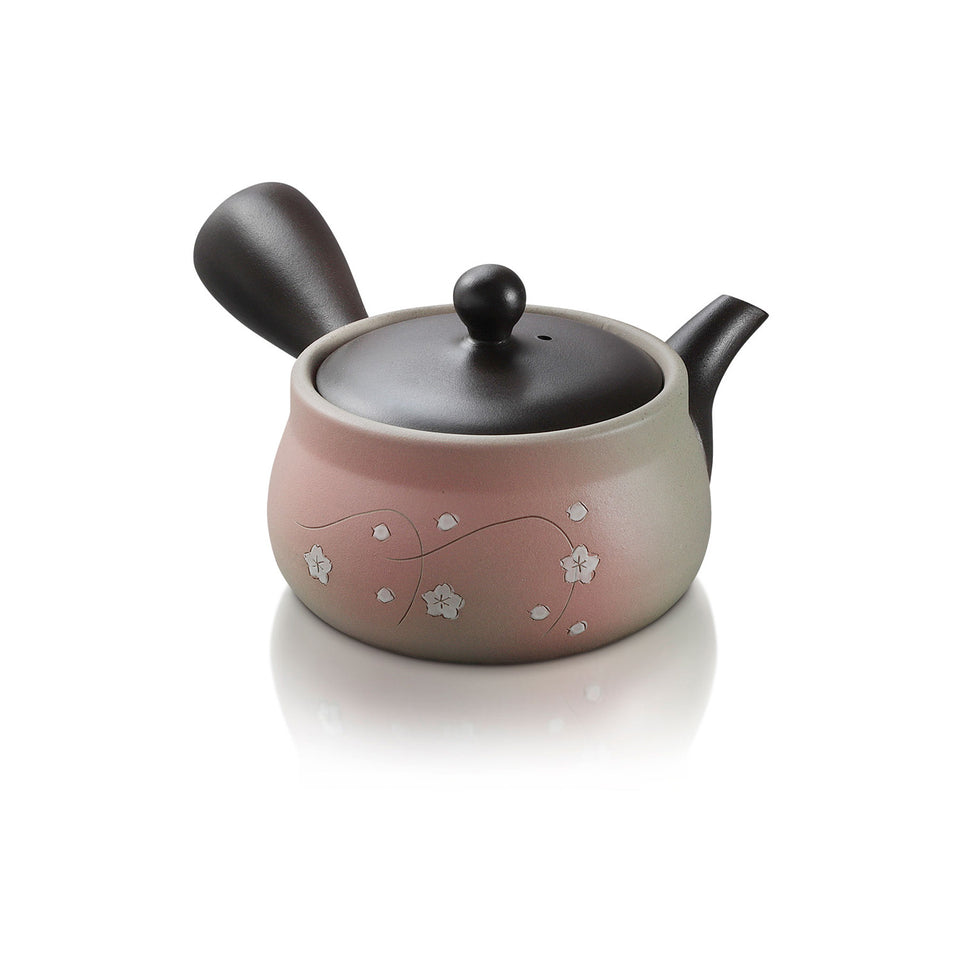
Matcha Bowl and Whisk Set - Chawan, Bamboo Chasen, Whisk Holder and Scoop


Get Free Bonus Books

Sign up for free to the Green Tea Club to get advice and exclusive articles about how to choose Japanese Tea, and tips, tricks, and recipes for enjoying Japanese tea.
About the author
Kei Nishida
Author, CEO Dream of Japan
Certification: PMP, BS in Computer Science
Education: Western Washington University