Skip to content

How to Use Ginger with Japanese Green Tea

How to Use Ginger with Japanese Green Tea

It is tough to argue that at least a small part of our enjoyment of tea is a cultural adventure of sorts. Perhaps the Earl Greys of the world touch on your knowledge of British history. Perhaps your favorite oolong tea brings back memories of your trip to Fujian, China. Lastly, it may be that the Japanese green tea you are currently enjoying piques your interest in how sencha became so popular.

Japanese Green Tea

Whatever it is and whether you recognize it, a cultural stamp is pressed on the world of tea. This article will review the cultural stamp on Japanese green tea specifically. We will spend some time understanding ginger, its history, its application(s), and the how-tos of Japanese green tea with this unique ingredient.

What Do You Know About Ginger? (Perhaps a History)

Yes, ginger is that distinct, earthy-like plant that may best be explained by its strong, almost bitter-like flavor. Beyond this, what else is there to know about ginger? Likely native to southern or southeastern Asia, ginger has been a major ingredient in Indian and Chinese cuisines since at least ancient times. In China, we have the writings of Shennong, also known as the father of traditional Chinese medicine. Apparently, ginger was noted for its healing abilities and for maintaining well-being. In fact, Confucius is said to have had ginger before every meal, which he claimed removed dampness in his stomach and aided indigestion. By the 1st century AD, ginger had made its way into Japan, Korea, and as far away as the Mediterranean. By the 16th century, ginger had become a global commodity via the Spanish Empire. Its original application was primarily related to aiding digestion. The ancient Greeks wrapped ginger in their bread and ate it after dinner. This, apparently, led to the invention of gingerbread. The English would eventually create ginger beer to aid digestion. Often, you will find ginger dried and ground as a flavoring and spice. The green ginger seen on the roots, or rhizomes, is often used in cooking, while slices of ginger are commonly found in Japanese dishes, particularly sushi.

Ginger use extends well beyond what you may commonly find in grocery stores or in recipes. Ginger is used in teas and broths and can even be found in capsules. Slowly sipped ginger tea can be great for coughs, nausea, stomach aches, and even arthritis.

tea is fun

Are any of these claims related to the purported health benefits actually true? Let us review a few case studies. In 2010, a relatively small study looked at the effects of ginger root powder supplements on nausea in kids and younger adults who were taking chemotherapy. In the experimental group, nausea was reduced. In 1999, a study was conducted on 12 volunteers taking 100 mg twice a day of the ginger extract while fasting and then taking a meal. In both cases, ginger purportedly leads to increased digestive movement.

However, the benefits of ginger extend beyond nausea and the digestive system. Ginger reportedly lowers cholesterol levels by blocking cholesterol absorption. It may also help ease the flu or a cold. Other studies have suggested that it may also relieve pain and even reduce inflammation. As a major source of antioxidants, ginger can reduce all kinds of "oxidative stress." The idea is the removal of free radicals or elements that cause cell damage and can lead to all kinds of health issues, including cancer. Specifically, a 2013 study showed ginger may play a role in preventing colorectal cancer.

Ginger in Japan (How Its Commonly Used, Etc.)

Yes, ginger is quite common in Japan, and chances are you have come across it at your favorite sushi restaurant. However, there is a much larger story to tell. As noted, ginger arrived in Japan approximately 2000 years ago. Chinese traditional medicine and Buddhism flourished as if they were two sides of the same coin. Ginger became a part of this new narrative in Japan. In fact, in September, in parts of Japan, you may be lucky enough to partake in Shoga Matsuri, also referred to as the Ginger Root Festivals. There are a few of these festivals held across parts of Japan, but on September 9th specifically, the city of Akiruno reflects on the importance of ginger and its role in religion, health, and wellbeing. The historical narrative of this festival goes something like this: It was believed that if you were to eat the Ninomiya Shrine’s ginger, evil would be warded off and you would be in a perfect state of health.

In contemporary times, ginger is commonly used across Japan in many different applications. Shogayu, or ginger hot water, being a ginger tea, is often used as a remedy for common colds. Hiyashiame is a summer drink to help the drinker deal with hotter weather. Gari is a type of tsukemono, or pickled vegetable, that is sliced and commonly used with sushi. It is as much about cleansing the palate as it is about adding to the presentation of the meal. Ginger is said to also help kill any additional pathogens that may be in the raw fish. With genmaicha at their side, sushi and ginger have helped establish a cultural icon for the world of Japanese cuisine.

Ginger and my Tea

Can I simply add ginger to my tea? The simple answer is yes, you can! It can be hard to know what to do with ginger when you are picking it up for the first time. It is not immediately obvious what one should do to extract the flavors he or she desires. There are also different drink types. These include lattes, simple teas, iced and flavored teas, and even smoothies!

A common recipe is green tea with ginger and lemon. Here is what you’ll need:

  • 4 or 5 cups of water
  • 2.5-inch piece of ginger coarsely chopped or 1 tablespoon (depending on your preference)
  • 3 servings of loose green tea or 2-3 green tea bags
  • ½ lemons (or more) squeezed

Japanese Green Tea and lemon

Put two cups of water and your ginger into a saucepan, and make sure to bring it to a boil. Let it simmer for 5 minutes, stir in your honey, and then remove the pan from the heat and add the loose tea or tea bags. Steep for 3 more minutes, and then strain everything out. Combine the strained tea and 2 cups of water into a larger pitcher, and then add lemon juice.

As you can imagine, lattes with ginger and matcha are not overly complicated. For a single average cup, you’ll need:

  • ½ teaspoon of matcha
  • ¾ near-boiling water
  • Ginger and honey
  • ¼ of sweetener such as coconut milk

    Matcha Japanese Green Tea

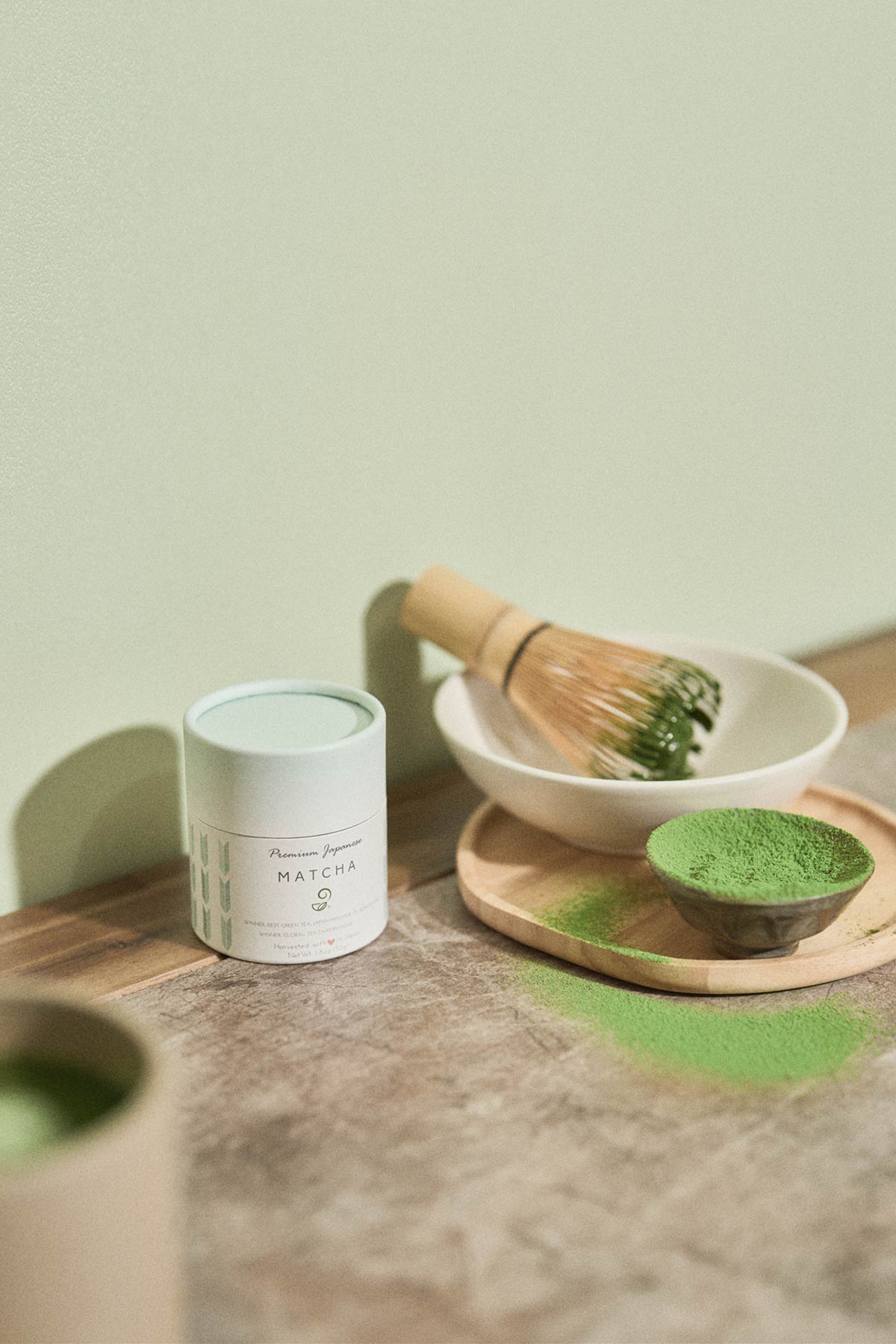
    Whisk your matcha with ¼ cup of water until smooth. (Feel free to review our matcha kit here or something like that.) Once smooth, add your honey, coconut milk, or other sweeteners to taste. Pour in the remaining water and whisk or use a milk frother until you are satisfied with the drink’s consistency and smoothness.

    For your favorite morning smoothie, you will need a few more ingredients:

    • 2 peeled and quartered oranges
    • a large handful of baby spinach
    • 1-inch knob of peeled and sliced ginger
    • 2/3 cups of coconut water
    • 1 tablespoon of chia seeds
    • 2 teaspoons of matcha
    • 1 cup of ice

    Next step: blend and puree the ingredients, and lastly, enjoy!

      Matcha Smoothie

      Are You Ready For Something Different?

      Ginger not only has a distinct history in shaping cultural cuisines, but it also remains an icon of health in the world of digestion and tea. Sometimes it is difficult to step beyond the boundaries of what we are comfortable with, and this includes tea as well, but thankfully, ginger is not as big of a leap as it may sound to some. It’s a relatively small step into some that pair incredibly well with other teas.

      Ultimately, it is up to you; however, history shows that it's tough to go wrong with some added ginger. Enjoy a latte or try a smoothie, and continue exploring what tea offers! 

      FAQs about Ginger and Japanese Green Tea

      Is ginger and green tea a traditional Japanese pairing, or a Western invention?

      It's a real Japanese pairing, but not a traditional ceremonial one. Shōga-yu (生姜湯) — ginger hot water — is a long-standing Japanese home remedy for colds and chills, and adding green tea to that base is a common Japanese household variation. So ginger-and-green-tea has roots in Japanese folk medicine more than in tea ceremony culture. The Japanese tea ceremony itself never includes ginger.

      Outside of folk-medicine context, ginger is occasionally added to bancha (banchaya) or hojicha at home in winter. Hot ginger-hojicha is a popular comfort drink in cold weather. So while ginger isn't part of formal Japanese tea practice, it's part of everyday Japanese tea drinking, especially in colder months.

      The Western adoption of ginger-green tea (often as bottled drinks or Pinterest recipes) is mostly extracted from this Japanese folk-remedy tradition and amplified through wellness marketing. The combination is genuine; the framing is sometimes overstated.

      What does ginger actually add to green tea — flavor, health benefits, or both?

      Both. Flavor-wise, ginger adds a sharp, slightly spicy warmth that contrasts with green tea's cool, vegetal notes. The contrast is what makes the pairing work — ginger gives the tea a sense of body and heat without overwhelming the underlying flavor. Hojicha (焙じ茶) and ginger work especially well because the roasted notes of hojicha bridge naturally to ginger's warmth.

      Health-wise, ginger has anti-inflammatory and digestion-supporting compounds (gingerols and shogaols), which complement green tea's antioxidant and L-theanine effects. There's no chemical reaction between the two that cancels either out — they work in parallel. People who drink ginger-green tea regularly often report it being easier on the stomach than plain green tea, especially if they were getting acid reflux from sencha.

      Whether the health pairing is dramatically more useful than either alone is unclear from research — but it's at least additive, not subtractive.

      Which Japanese green teas pair best with ginger?

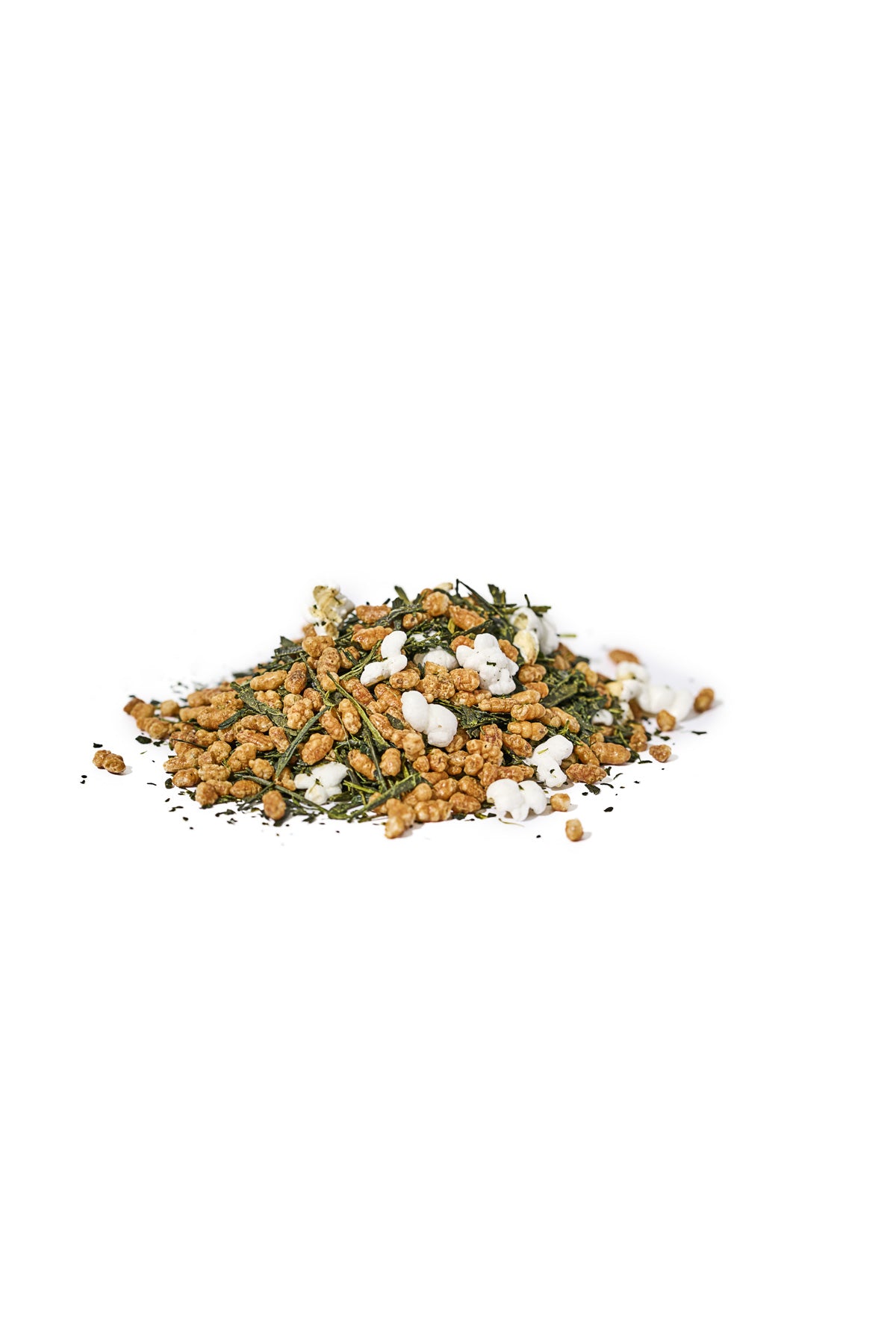
      Hojicha (焙じ茶) is the easiest pairing — the roasted profile bridges naturally to ginger's warmth, and the lower caffeine works for evening drinking. Genmaicha (玄米茶) is the second-best — the toasted brown rice flavor adds a third note that turns ginger-genmaicha into almost a savory tea-broth. Bancha works too, especially three-year aged bancha (sanenban-cha), which has a deep earthy character that ginger complements. The hojicha powder and genmaicha leaf are both good entry points if you want to try the pairing.

      Sencha (煎茶) and ginger is more polarizing. The bright, almost grassy character of sencha clashes with ginger's heat for some palates, and works for others. Try a small amount of fresh ginger first — it's gentler than dried — and see if you like the contrast.

      Skip matcha (抹茶) and gyokuro (玉露) for ginger pairings. The delicate umami compounds get steamrolled by ginger, and you're paying premium prices for nuance you can't taste. Use simpler teas for ginger pairings.

      How do I actually make ginger green tea — fresh ginger, dried, or powder?

      Fresh ginger gives the best flavor — sharper, brighter, more aromatic. Slice 2-3 thin coins of fresh ginger root and add them to hot water. Wait 30 seconds, then add your green tea leaves and steep at the appropriate temperature for that tea (cooler water for sencha, hotter for hojicha). The ginger infuses into the water before the tea so it doesn't compete with the tea's own brewing schedule.

      Dried ginger is more concentrated and slightly different in flavor — earthier, less bright. Use about 1/4 the amount you'd use fresh. It's convenient if you don't have fresh ginger, but the flavor is less alive.

      Ginger powder works in a pinch but tastes flat compared to fresh or dried. Better than nothing, worse than either alternative. If you're going to drink ginger-green tea regularly, keep a piece of fresh ginger root in the freezer (it stores well for months) and slice off pieces as needed.

      Does adding ginger reduce the antioxidant or L-theanine benefits of green tea?

      No, not meaningfully. Ginger doesn't bind to or neutralize the catechins, L-theanine, or other beneficial compounds in green tea. The two work in parallel — you get the green tea's effects, plus ginger's anti-inflammatory and digestion-supporting effects on top. If anything, the ginger may make some of the green tea compounds slightly more bioavailable by stimulating digestion and circulation.

      The one thing to watch is that ginger increases caffeine absorption rate slightly — so a ginger-green tea may feel more stimulating than the same tea plain. Most people don't notice; caffeine-sensitive drinkers might. Hojicha-ginger is the gentlest combination if that matters.

      Where you can lose green tea benefits is by adding sugar, milk, or boiling water. Those interact with the catechins. Plain ginger and hot (not boiling) water doesn't.

      Related products

      8 reviews

      The Sencha Lover Gift Set - Premium Japanese Green Tea Set Package
      $179.00 $159.99
      Quick view

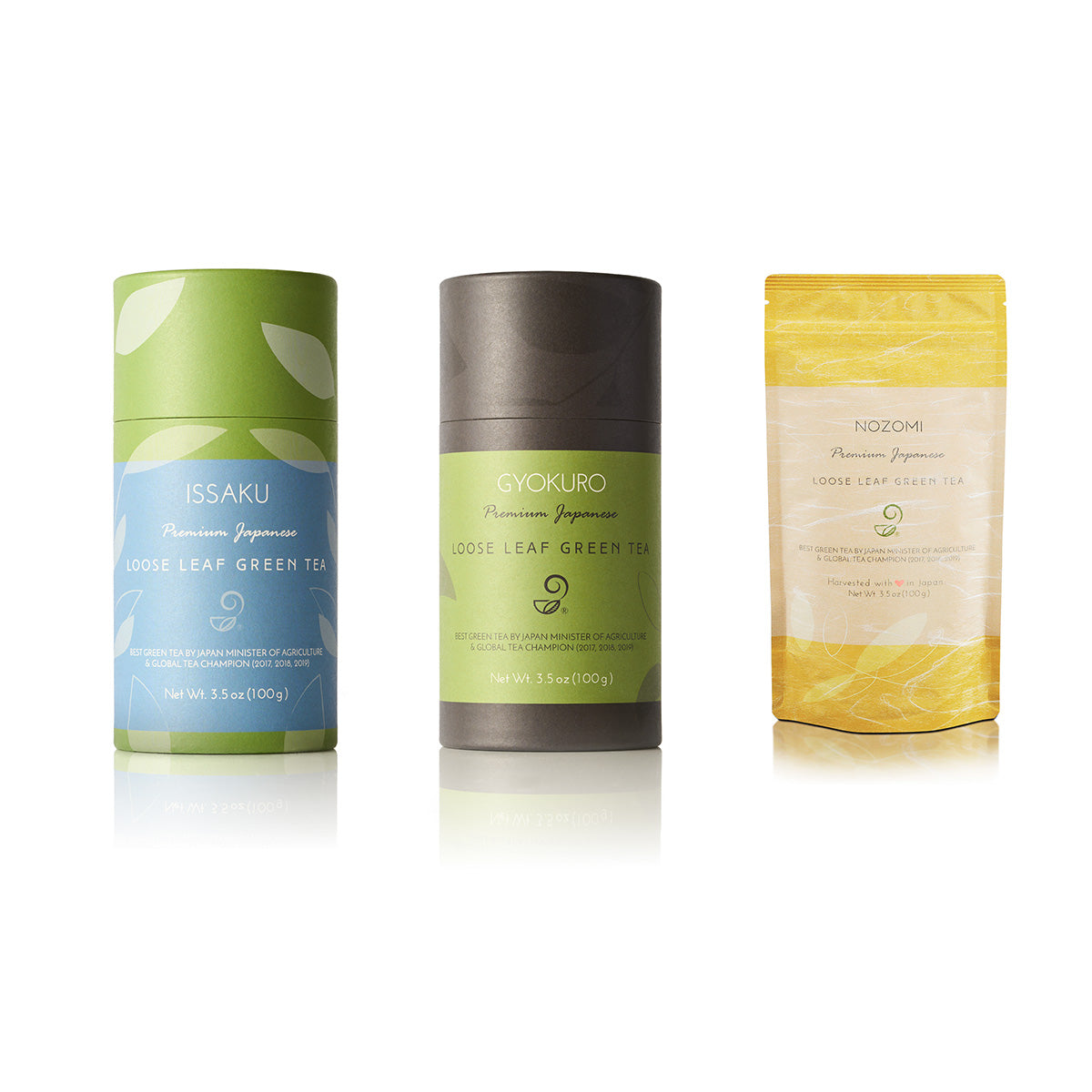
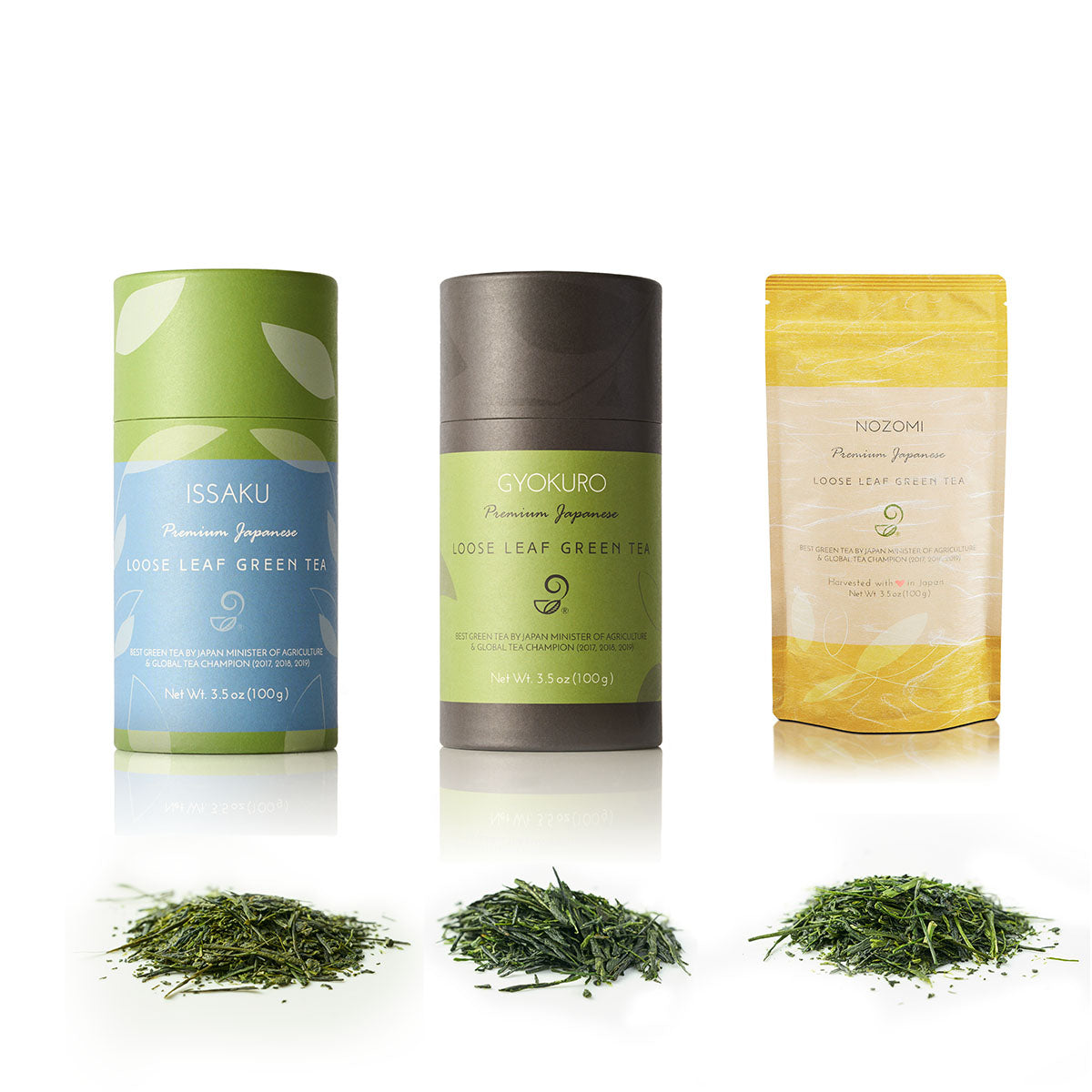
      This tea set features three exceptional Japanese green teas, each crafted with care and traditional techniques. Issaku Reserve, a Global Tea Champion winner in 2017 and 2019, is a rare masterpiece created by Farm Master Mr. Arahata at Arahataen Green Tea Farm. Handpicked once a year from the first flush and processed with advanced methods, Issaku represents the highest-grade deep-steamed green tea, available only in limited quantities even in Japan.

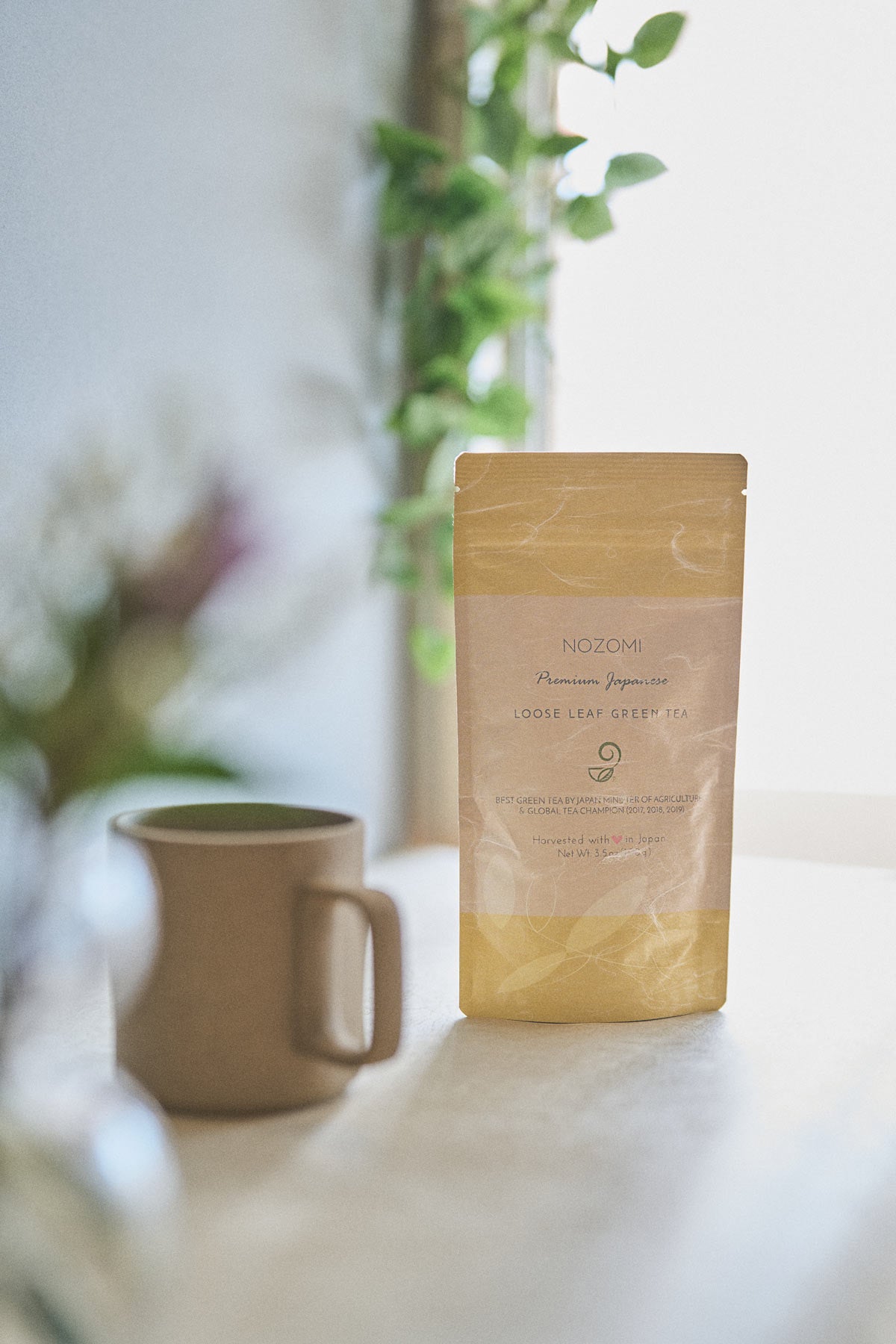
      The set also includes Gyokuro, a premium shaded green tea known for its rich, sweet flavor and deep mossy green color. Grown under special mats for 20 days to increase caffeine and amino acid levels, Gyokuro offers a layered, smooth taste unlike any other. Completing the collection is Nozomi, a fine Kabuse-cha, or "Covered Green Tea," carefully grown under nets to gently shade the leaves just before new sprouts emerge, resulting in a soft, rich, and refined flavor profile.

      97 reviews

      Gyokuro - Shaded Imperial Premium Green Tea

      $65.00
      Quick view

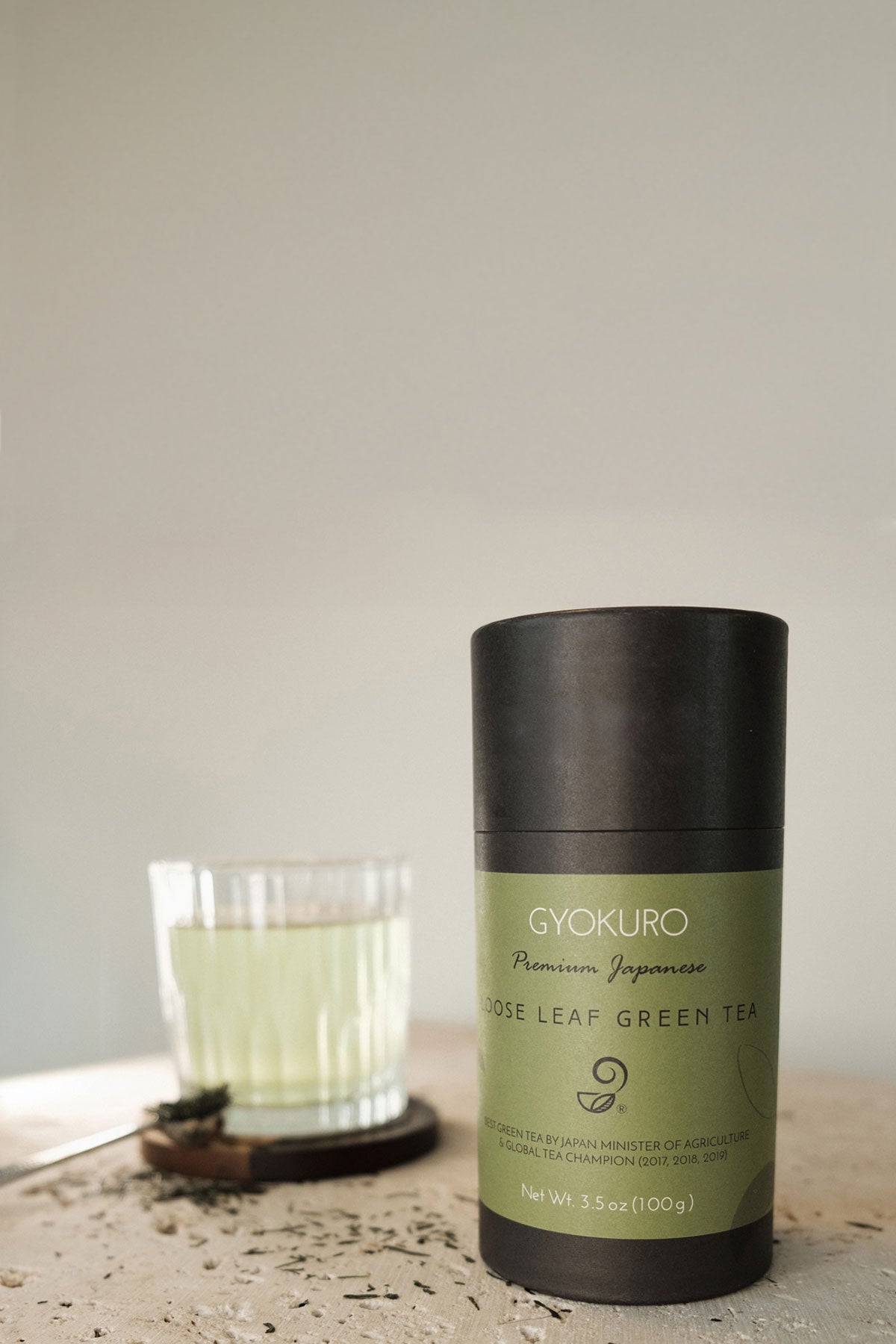
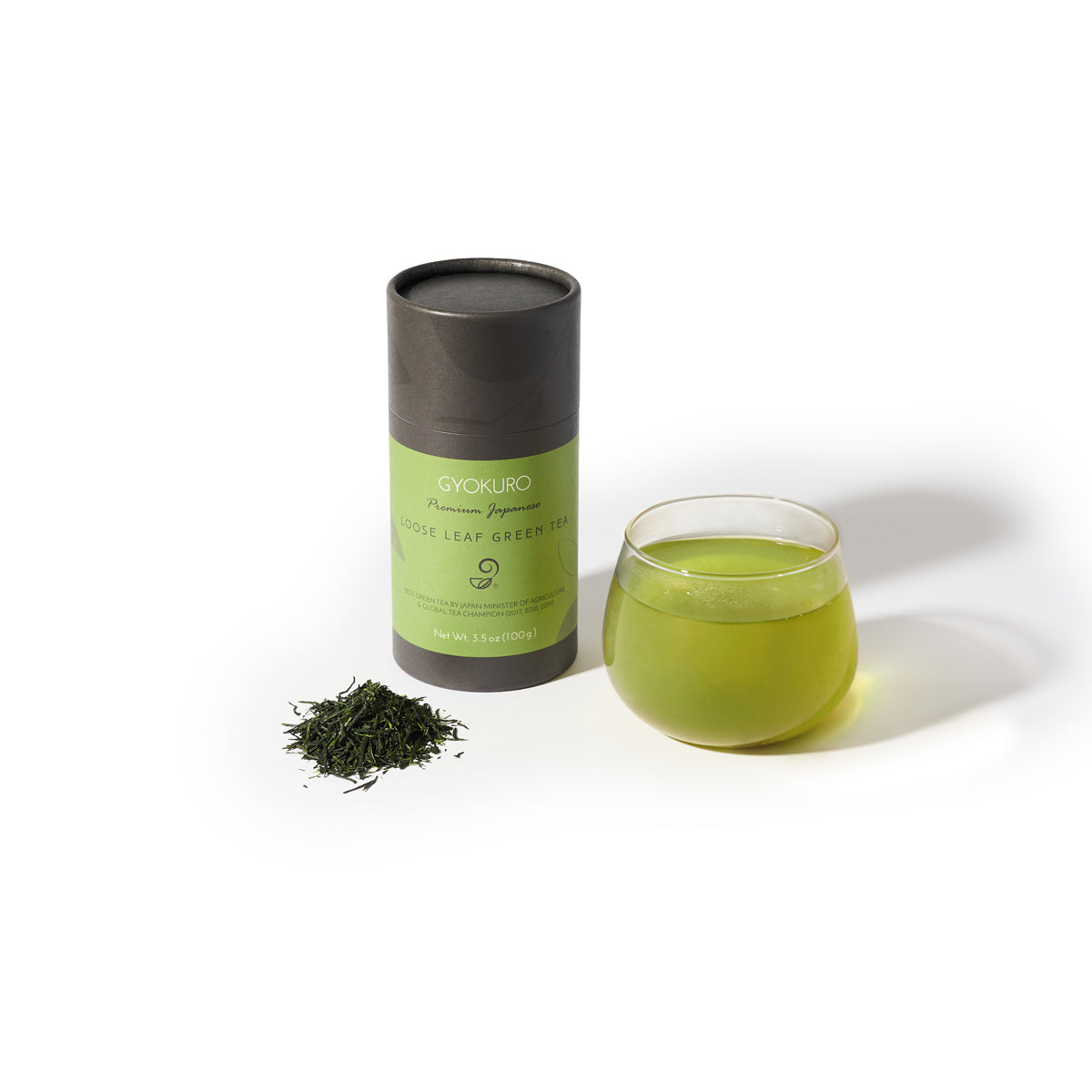
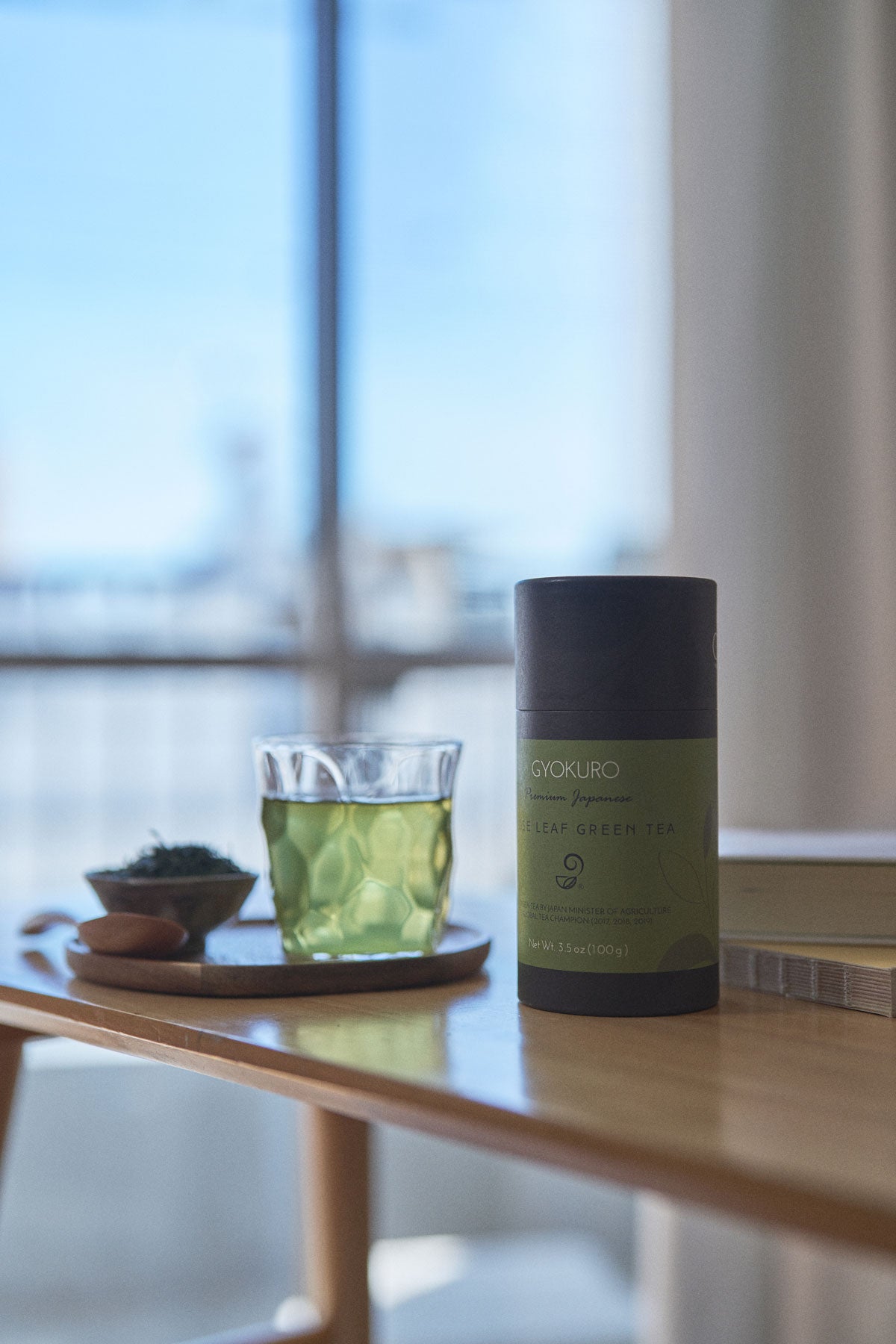
      Gyokuro, also known as "jade dew" or "jewel dew tea," is a premium Japanese green tea shaded from the sun for 20 days using specially made mats, a method that boosts caffeine levels and strengthens amino acids to create a sweeter, richer flavor. This extended shading process results in dark, mossy green leaves with an unmistakable aroma and a complex taste that is layered yet balanced. Cultivated by the Chagusaba method in nutrient-rich sugarcane soil and made from the Yabukita cultivar, this loose-leaf authentic Gyokuro is offered in a high-quality, air-tight paper tube canister (chyazutsu) to preserve its exceptional freshness and flavor. Each 3.5 oz (100g) full-size package steeps 30–40 cups, and a convenient single-serve sample is also available.

      45 reviews

      Hojicha - Roasted Green Tea

      $25.00
      Quick view

      Our roasted green tea, known as hojicha (ほうじ茶), is crafted from freshly harvested premium green tea carefully roasted in porcelain over charcoal to maximize flavor while retaining more catechins than typical hojicha on the market. With lower caffeine and a smoother, less bitter taste compared to steamed green tea, it is an ideal choice for evening relaxation and is gentle enough for kids and pregnant women. Cultivated using the Chagusaba method in nutrient-rich sugarcane soil, this loose-leaf authentic Japanese roasted green tea, made from the Yabukita cultivar, also pairs beautifully with oily foods. Each eco-friendly resealable package contains 3.5 oz (100g) of tea, enough to steep 30–40 comforting cups.

      80 reviews

      Matcha - Ceremonial Japanese Powdered Green Tea

      $39.00
      Quick view

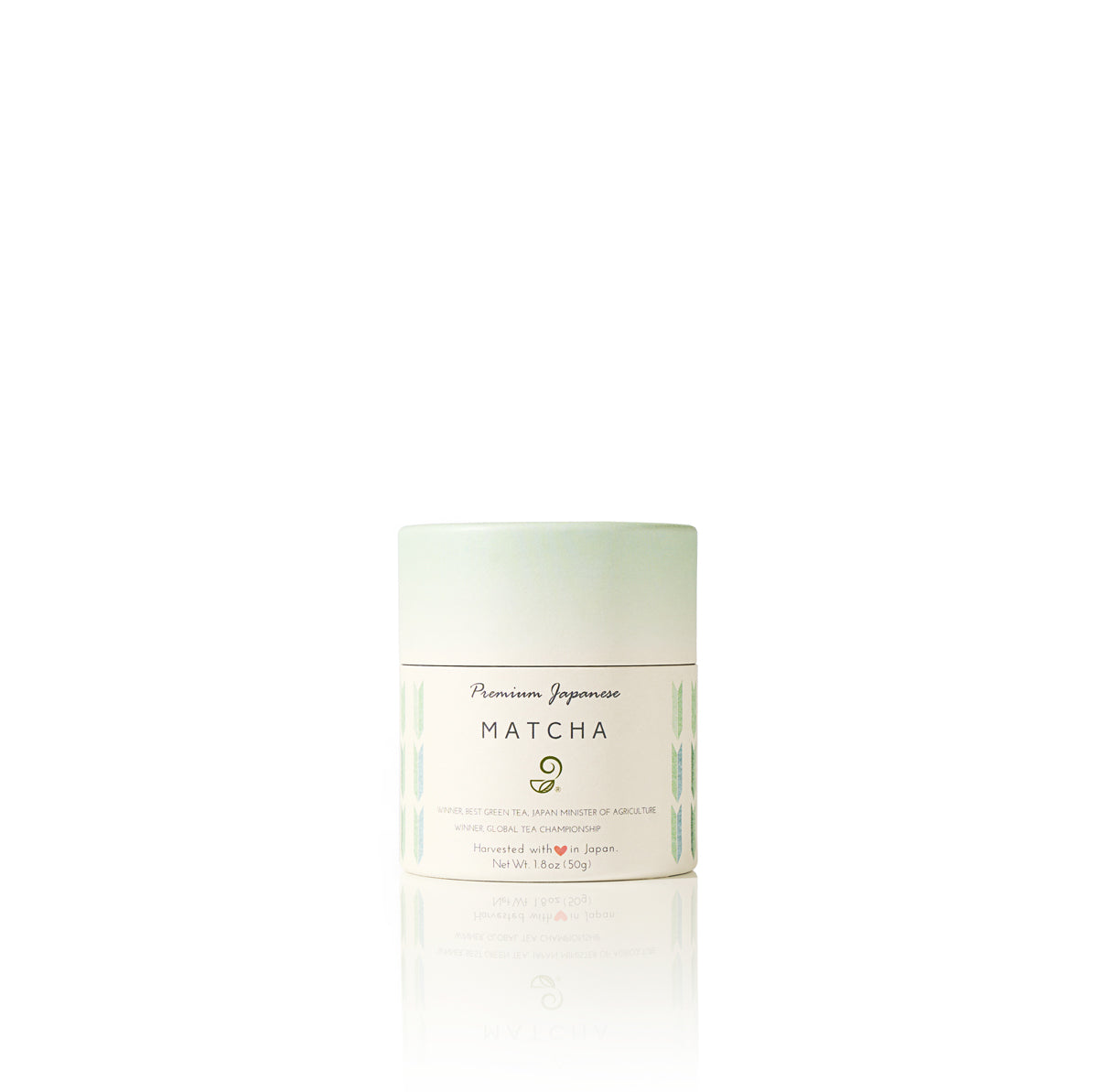
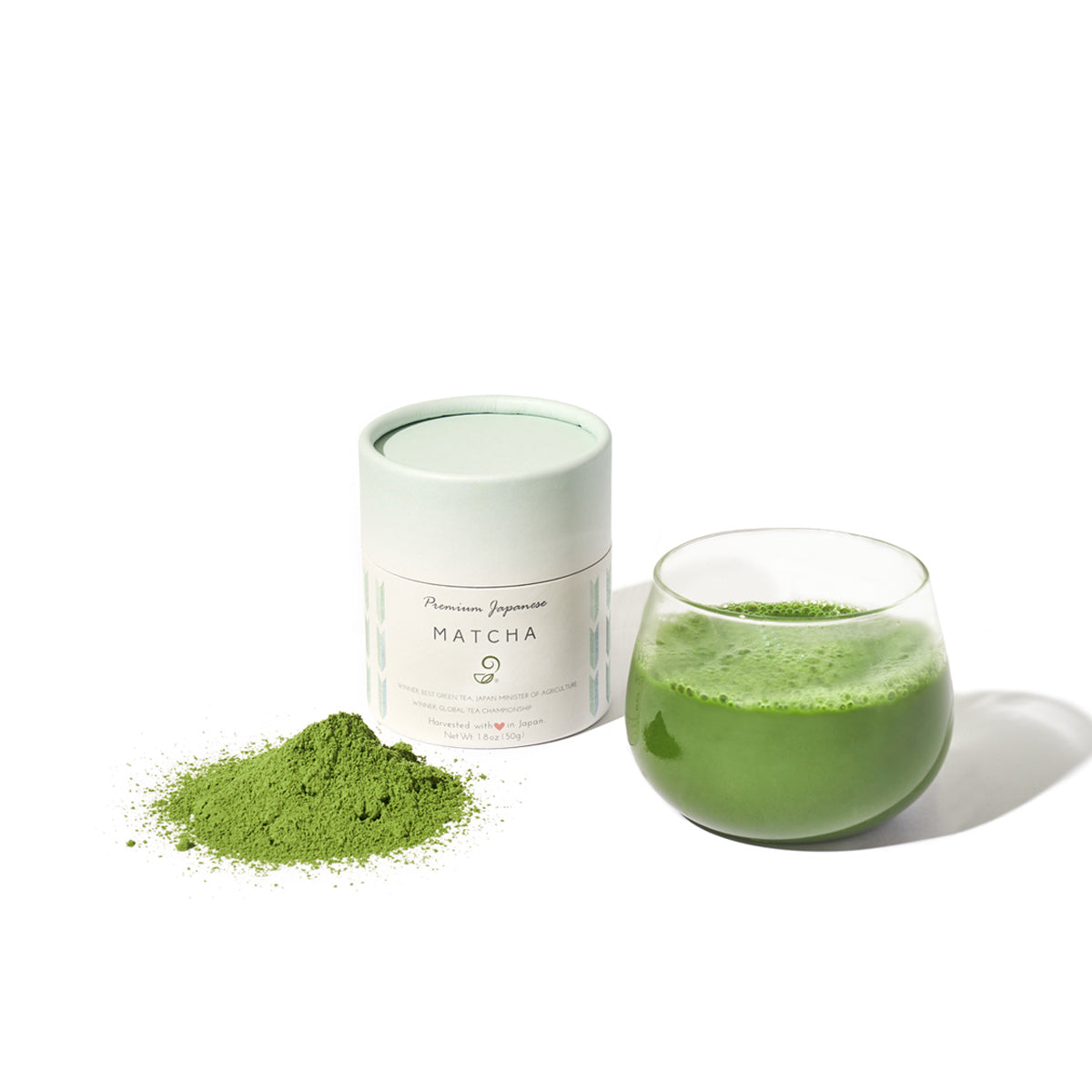
      This ceremonial matcha is crafted from the finest Japanese green tea, grown in nutrient-rich soil enhanced with compostable grasses and sugarcane through the Chagusaba method, which gives the tea a natural sweetness and exceptional flavor. In collaboration with researchers from Shizuoka University, farmers ensure that the soil quality consistently produces tea of the highest standard.

      Renowned among top Japanese chefs for its unmatched aroma, this matcha is made by carefully shading the plants before harvest to boost caffeine and amino acids, then meticulously drying, de-stemming, and grinding the leaves into a fine powder. Made from the Yabukita cultivar, this 1.8 oz (50g) matcha comes in a high-quality, air-tight paper tube canister, providing a luxurious and authentic Japanese tea experience.

      42 reviews

      Genmaicha - Green Tea with Roasted Brown Rice

      $30.00
      Quick view

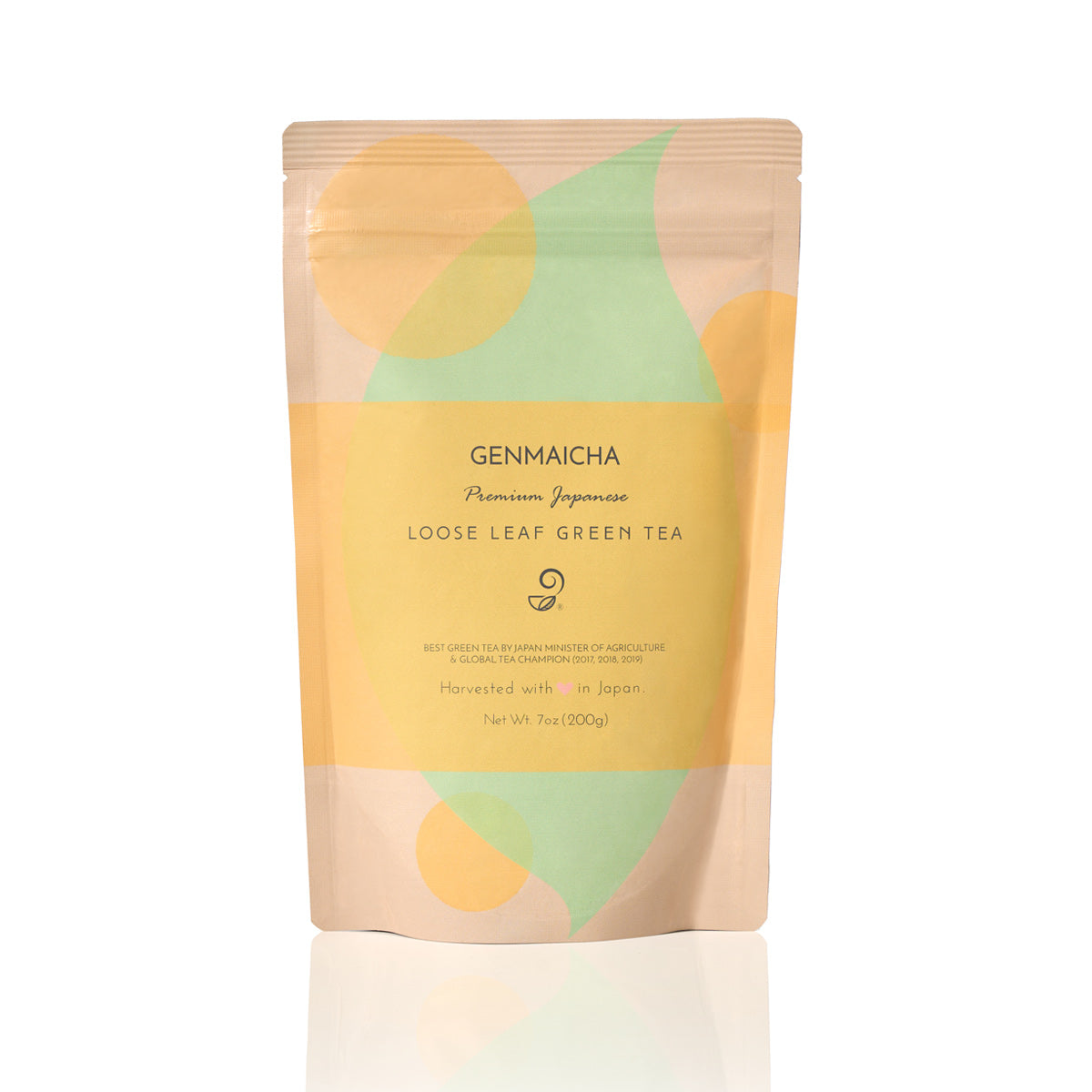
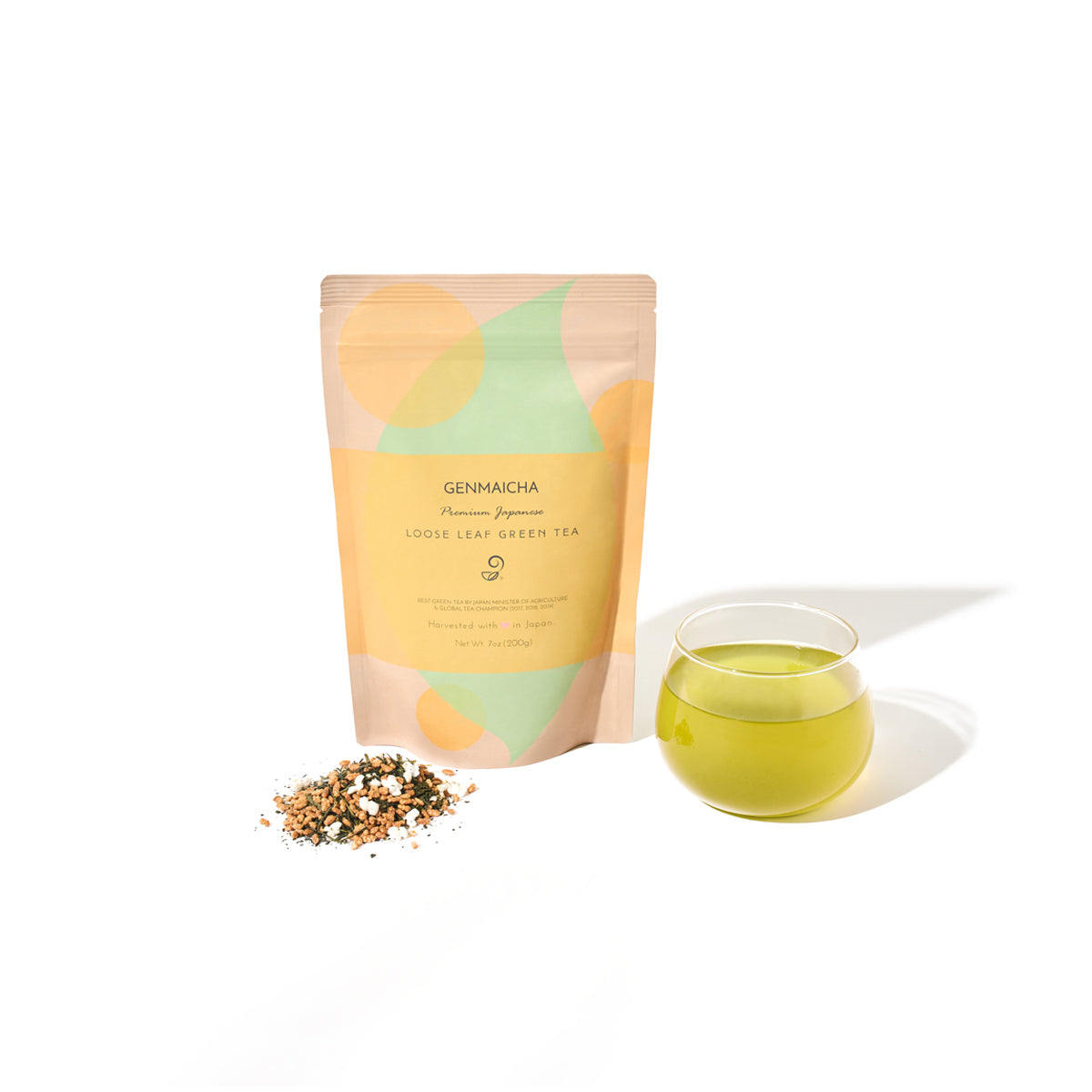
      Our premium Japanese Genmaicha blends high-quality green tea with roasted popped brown rice (genmai 玄米), often nicknamed "popcorn tea" because the roasting process sounds like popcorn popping. Popular especially among the older generation in Japan for its mild flavor and lower caffeine content, this tea is easier on the stomach while still offering a rich, comforting taste. The brown rice used is premium Japanese mochi-gome (もち米) sticky rice, enhancing the tea’s nutty, aromatic profile. Made from Fukamushi Sencha and cultivated using the Chagusaba method in nutrient-rich sugarcane soil, this Genmaicha features the Yabukita cultivar and comes in a 7.0 oz (200g) eco-friendly resealable package, enough to steep 50–60 cups.


      Related Articles You May Be Interested

      Will I Lose Weight Faster if I had Lemon or Ginger to Green Tea? - Green Tea Quiz
      Will I Lose Weight Faster if I had Lemon or Ginger to Green Tea? - Green Tea Quiz
      How to Make Matcha Latte with Marshmallows?
      How to Make Matcha Latte with Marshmallows?
      How to Select Japanese Green Tea? - The Expert Advice
      How to Select Japanese Green Tea?  - The Expert Advice
      Does Roasting Green Tea (Hojicha) Make It Less Healthy?
      Does Roasting Green Tea (Hojicha) Make It Less Healthy?
      Is Green Tea Bad for your Kidney(s)?

      Get Free Bonus Books

      Join Green Tea Club

      Sign up for free to the Green Tea Club to get advice and exclusive articles about how to choose Japanese Tea, and tips, tricks, and recipes for enjoying Japanese tea.

      Unsubscribe anytime. It’s free!

      About the author

      Kei Nishida

      Kei Nishida

      Author, CEO Dream of Japan

      info@japanesegreenteain.com

      Certification: PMP, BS in Computer Science

      Education: Western Washington University

      Kei Nishida is a passionate Japanese green tea connoisseur, writer, and the founder and CEO of Japanese Green Tea Co., a Dream of Japan Company.

      Driven by a deep desire to share the rich flavors of his homeland, he established the only company that sources premium tea grown in nutrient-rich sugarcane soil—earning multiple Global Tea Champion awards.

      Expanding his mission of introducing Japan’s finest to the world, Kei pioneered the launch of the first-ever Sumiyaki charcoal-roasted coffee through Japanese Coffee Co. He also brought the artistry of traditional Japanese craftsmanship to the global market by making katana-style handmade knives—crafted by a renowned katana maker—available outside Japan for the first time through Japanese Knife Co.

      Kei’s journey continues as he uncovers and shares Japan’s hidden treasures with the world.

      Learn more about Kei Nishida

      Related Posts

      What is Shincha - New Crop Tea and What Makes them Unique?
      What is Shincha Tea and What Makes It Unique?

      Discover the secrets of Shincha, Japan's acclaimed new crop tea. Explore its distinct features, flavors, and traditions.

      Read More
      Meet Eijiro Tsukada (塚田英次郎): The Charismatic Businessman Behind Cuzen Matcha — Now Available at Japanese Green Tea Co.
      Meet Eijiro Tsukada (塚田英次郎): The Charismatic Businessman Behind Cuzen Matcha — Now Available at Japanese Green Tea Co.

      Meet Eijiro Tsukada — the man behind Cuzen Matcha. Full guide to the award-winning Matcha Maker, the Pro, and why we're

      Read More
      Behold: Balmuda's "The MoonKettle" — Where Boiling Water Becomes Art
      Behold: Balmuda's "The MoonKettle" — Where Boiling Water Becomes Art

      We were privileged to be invited by Balmuda's Private MoonKettle Launch Event. Here are videos of it and everything you

      Read More
      Leave a comment

      Your email address will not be published..

      Cart

      Your cart is currently empty.

      Start Shopping

      Select options