Skip to content

How to Take a Bath with Japanese Green Tea

Have you seen different bathing and shower products that are marketed to have green tea extracts?

Marketing this as one of the healthiest drinks in the world packed with skincare essentials would mean that it could boost skin benefits topically as well. The therapeutic effect of Japanese green tea is felt not just by drinking it but by bathing in it as well.

Although widely consumed as a beverage, there are studies showing that bath therapy using Japanese green tea extract produces catechins, which are not just good for the internal body organs with a wide range of pharmacological effects, including anticarcinogenic activity and prevention of cardiovascular diseases, but they are also considered antibacterial and antioxidant, which could be used as a treatment for certain skin diseases, such as dermatitis.

japanese healthy green tea in small cups


In Japan, a folk remedy for rashes includes applying green tea leaves directly to the affected area. Tea leaves are natural antioxidants for the body, and along with its caffeine content, it also helps rejuvenate your skin, reduce itchiness, and clear redness.

The antioxidants contained in Japanese green tea have anti-aging benefits. Japanese green teas such as gyokuro and matcha are grown in the shade and contain more chlorophyll than other green teas, which makes them an even greater detoxifier. L-Theanine, a rare amino acid found in Japanese green tea, promotes a state of relaxation.

Japanese Bath and Green Tea


Green tea is also said to tighten pores, nourish, and give your skin an incredible glow. Japanese green tea leaves contain antioxidants such as tannins, which are astringent compounds that shrink skin's pores and reduce moisture loss, resulting in a smoother texture and bounce. Its antibacterial compounds also make it a natural deodorizer as Japanese green tea is also good at suppressing bad odor. Bad odor is usually the smell of bacteria growing on the body, and Japanese green tea leaves are often mixed in facial wash as scrub compounds to extra cleanse our skin.

For the body, Japanese green tea leaves are mixed with body wash for more vigorous scrubbing to remove dead skin and revitalize the body to leave fresh and smooth skin. Containing properties that help with inflammation, people afflicted with sunburns just need to soak some cooled tea leaves and apply them to the burnt area.

Woman with green tea bag applied to her eye

Some use it to apply on fresh wound to manage the damage. Tannins found in tea leaves help stop the bleeding by coagulating the blood. Tannins are helpful in treatment of minor skin infections, superficial cuts, allergies, and insect bites. These are just some of the benefits of Japanese green tea leaves for our skin - it is no wonder Japanese green tea has become a trending and popular ingredient for skincare and bathing products these days. So, make your own Japanese green tea bath at home and let your skin soak in its beautifying antioxidants!


How to Use Green Tea as Bath Salts

Since the detoxication benefits of bathing in green tea are well known, here is your step-by-step do-it-yourself guide to having a detox bath with Japanese green tea. Go and soothe the aches, relax your nervous system, and release toxins from the body.

First, fill the bathtub with hot water at a temperature and quantity that you prefer. You may add some bath salts like Epsom, or aromatic essential oils like lavender or peppermint, and perhaps squeeze some citrus fruits that also contain natural oils, like orange, to further moisturize your skin.

You could also add some peeled orange skin for a more aromatic detox bath. Add a cup of baking soda and green tea leaves or tea bags, whichever is available to you. You must make sure to have a warm bath to fully extract the tea leaves.

Once everything is prepared, simply soak yourself in the tub and relax for 20 minutes or so. The important part is to make sure that prior to doing this detox, you drink plenty of fluids since a detox bath can make you dehydrated as it removes all the toxins from your body.

Making Green Tea Bath Salts

You could perhaps store your own Japanese green tea detox bath mixture so that it would it will be available to you whenever you need that luxurious soak!

Simply mix in a jar - all the essential oils that you want, the extracts from squeezed juices, Epsom salts, and Japanese green tea leaves, and store it in the fridge after stirring all the ingredients well, and enjoy it whenever you feel the need to refresh! This mixture also makes a wonderful gift as well.


Using Green Tea to Make Bath Bombs

Guess what? You can also make Japanese green tea bath bombs! This tea is just full of exciting possibilites - don`t you think?

To make you green tea bath bomb, simply need to mix some crushed Japanese green tea leaves and baking soda in a bowl with a ratio of 2 tablespoons or more depending on your preference, and green tea leaves per half cup of baking soda, with a whisk. Then add a few drops of essential oils of your preference, some citric acid from your natural citrus fruits, and some melted coconut wax. If the mixture begins to fizz or foam, slow down.

Scoop a small amount and squeeze to test the consistency, and see if it will stick together and hold its shape. If it is dry, add more coconut wax until you achieve the right consistency. Put it in a bath bomb mold or any mold of your preference. Some would even add arrowroot powder, Epsom salt, and witch hazel. Pack the mixture very tightly into the molds, and pack the two halves together. Set it aside uncovered for at least overnight in a cool, dry place to form its shape. To create a pretty marbled swirly look, create a slightly darker color mixture than the first one by using more Japanese green tea leaves.

Then, alternate scoops of these mixtures as you pack the ingredients tightly into your bath bomb molds or muffin tin, and stir very slightly with a chopstick or straw partway through to create the marbled effect. Once you have filled your bath tub, simply drop the bomb in hot water, and treat yourself with to a luxurious soak!

Making Green Tea Bath Bombs

Through clinical study, the recommended method for bath therapy treatment using green tea extracts is 700 milliliters of green tea extract solution with 150 liters of filtered tap water at least three times per week, soaking oneself for 30 minutes with a water temperature of 37°C.

Heart Shaped Hands

If you are concerned with its caffeine content to have your children drink a cup of Japanese green tea, its benefits could still be applied through preparing a bath tub of green tea for them!

FAQs about Taking a Bath with Japanese Green Tea

Is bathing with green tea actually a Japanese tradition, or a new wellness fad?

It's a real Japanese practice, though more niche than the tea ceremony or sake bath. Cha-buro (茶風呂) — tea baths — have been documented in Japanese hot spring (onsen) culture for centuries, particularly in tea-growing regions like Shizuoka. Some onsen and ryokans in tea-producing areas still offer traditional tea baths as a regional specialty. So the practice has historical roots, even if it's become more visible recently through wellness marketing.

The Japanese motivation was both practical and aesthetic: the tannins were said to soften skin, the aroma was relaxing, and using tea for bathing was a way for tea-growing regions to find a use for lower-grade leaves and trimmings that weren't suitable for drinking.

Modern wellness adoption of tea baths borrows from this tradition but often inflates the claims. The historical framing was "soothing and skin-softening," not "detoxifying" or "miraculous." The modest historical version is supported; the maximalist modern version isn't.

What does green tea actually do for your skin in a bath?

Two main effects with reasonable research support. The catechins are anti-inflammatory and antioxidant, which can soothe irritated or sensitive skin (some studies show measurable reductions in eczema and contact dermatitis symptoms with topical green tea exposure). The tannins are mildly astringent, which tightens pores and can give skin a slightly firmer, smoother feel for a few hours after the bath.

Beyond those two, the claims get speculative. "Detoxification" through skin contact with tea isn't supported by research — your liver and kidneys do that work, not your skin. "Anti-aging" effects from a single bath are minimal even if real; the catechins don't penetrate skin deeply enough in the timeframe of a bath to produce meaningful effects on aging.

Realistic version: a green tea bath feels nice, may help if you have sensitive or irritated skin, and won't transform your skin. Treat it as a relaxing ritual with mild benefits rather than a treatment.

How much green tea do I need for one bath?
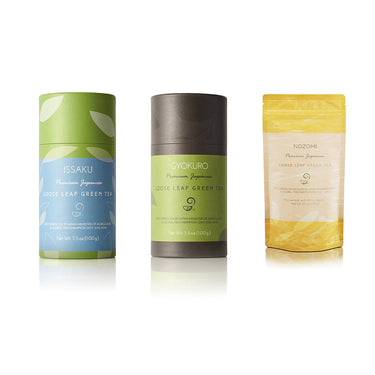
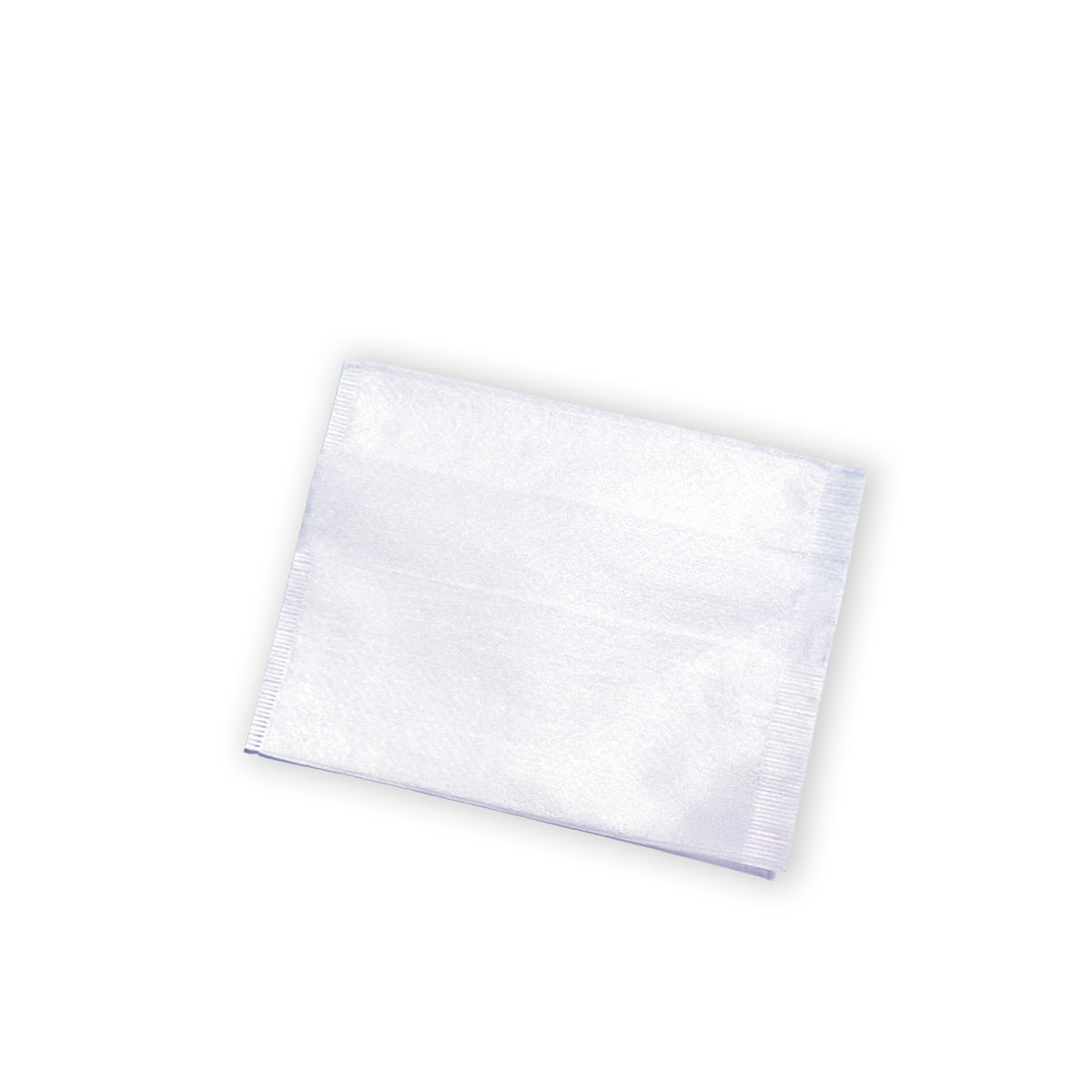
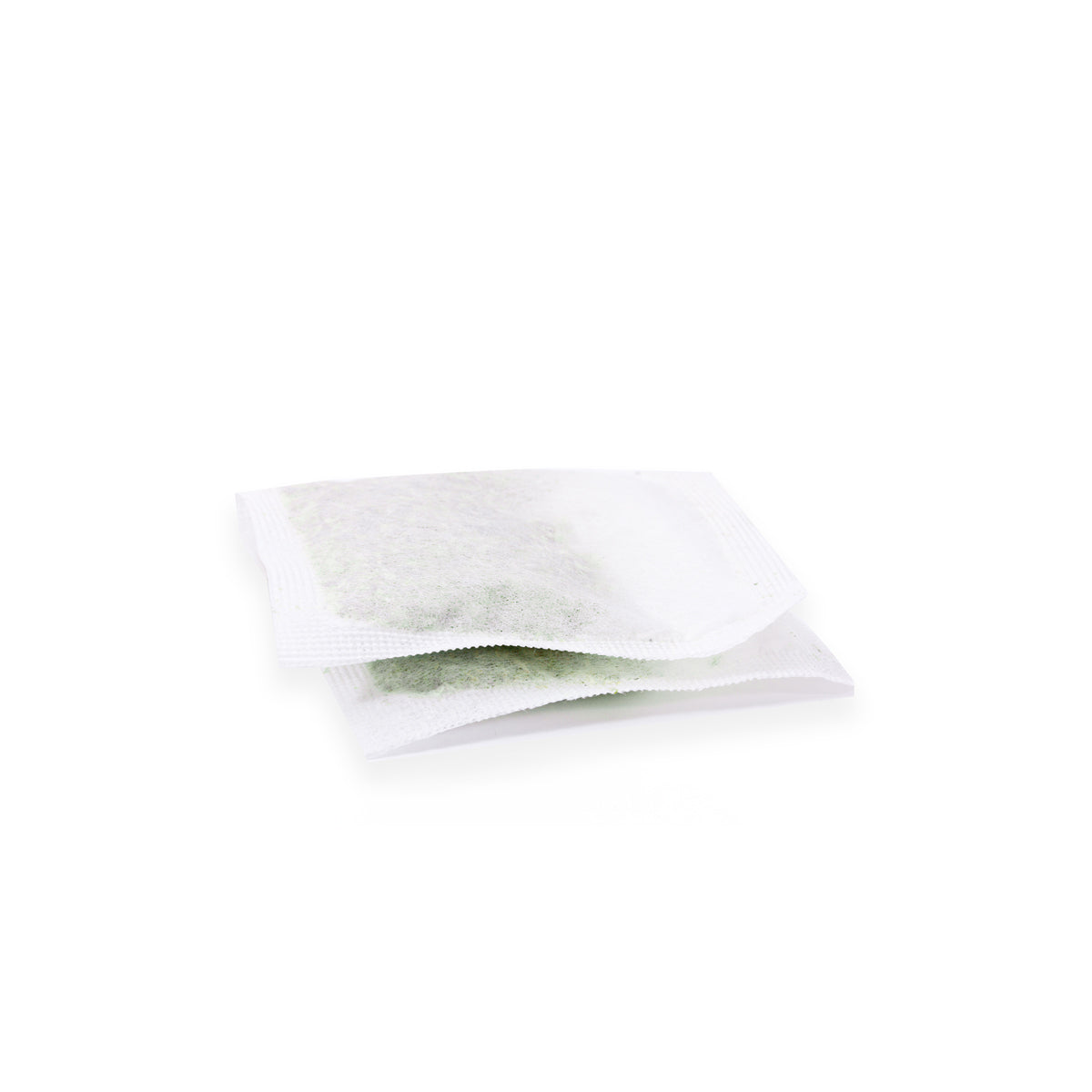
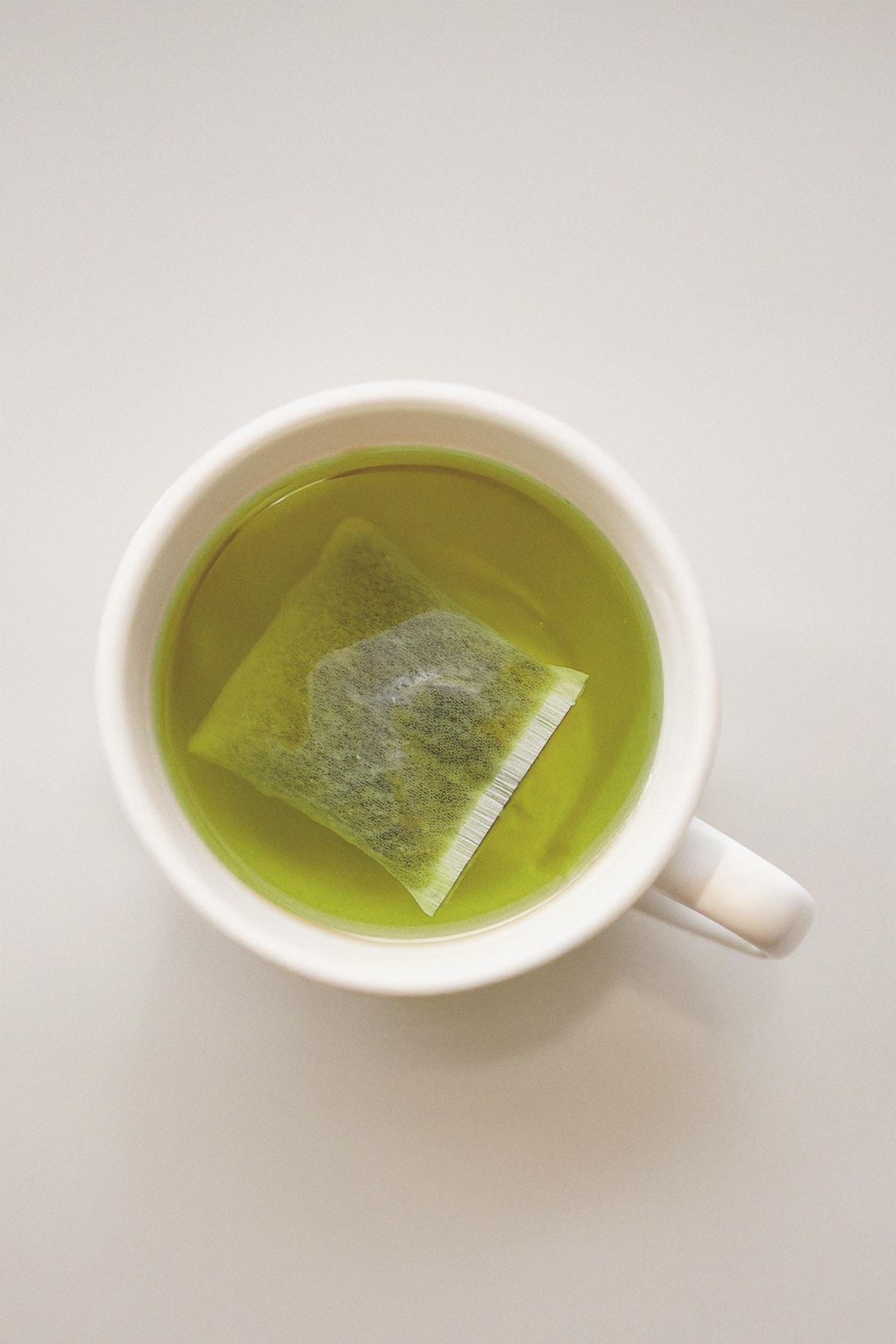
About 30-50g of loose-leaf tea (or 6-8 large teabags) per standard bathtub. Steep the tea in a small amount of just-boiled water for 10 minutes first to extract the compounds, then add the entire pot — leaves and all — to the bath water. The leaves continue to release tannins and catechins as you soak, and they're easier to strain out at the end than to fish out individually. The Sencha Lover Gift Set gives you several teas to test which gives you the most pleasant bath experience.

If you want to use bagged tea, 6-8 large teabags works. The bags contain less tea than the loose-leaf equivalent but they're easier to clean up. Use whatever you have access to.

Skip matcha (抹茶) and gyokuro (玉露) for baths — they're too expensive for the volume needed, and the flavor compounds that make them special won't enhance a bath in a way that justifies the cost. Mid-grade sencha or even bancha is the sensible choice.

Which Japanese green teas work best for a bath?

Bancha and used-tea-leaf bags are the classic Japanese choices, partly for cost and partly because the flavor isn't as nuanced — you don't lose much by using cheaper tea for bathing. Mid-grade sencha (煎茶) is the next step up. Hojicha (焙じ茶) gives the bath a roasted, almost chestnut-like aroma that some people love and others dislike. Genmaicha adds a slightly toasted-rice scent.

If you have leftover loose tea or tea trimmings from your daily drinking — the small leaf fragments that don't brew as nicely — those are perfect for a bath. The tradition originally came from finding a use for tea byproducts, and that's still the most economical version.

If you specifically want the aroma experience, hojicha gives the most pronounced bath aroma. If you want the most catechin-rich water for skin contact, sencha or bancha. Both are reasonable choices depending on your priority.

Will a green tea bath stain my skin or my bathtub?

Skin no, tub maybe. Green tea is much less staining than black tea — the lighter color and the steaming-not-fermenting processing means the tannins don't bond to surfaces as aggressively. Skin will stay normal-toned after a bath; you may have a faint tea aroma for an hour or so, but no visible color change.

The tub is more variable. White porcelain and light-colored tubs may show faint tea-tannin staining if you bathe regularly with tea and don't rinse the tub afterward. The fix is to rinse and wipe the tub immediately after the bath while it's still wet — staining sets when tea residue dries on the surface. With a quick rinse, no staining accumulates.

Acrylic and fiberglass tubs are slightly more prone to staining than porcelain. If you have a light acrylic tub and want to bathe with tea regularly, do a test bath first and check for residue patterns before committing to the routine.

Related products

80 reviews

Matcha - Ceremonial Japanese Powdered Green Tea

$39.00
Quick view

This ceremonial matcha is crafted from the finest Japanese green tea, grown in nutrient-rich soil enhanced with compostable grasses and sugarcane through the Chagusaba method, which gives the tea a natural sweetness and exceptional flavor. In collaboration with researchers from Shizuoka University, farmers ensure that the soil quality consistently produces tea of the highest standard.

Renowned among top Japanese chefs for its unmatched aroma, this matcha is made by carefully shading the plants before harvest to boost caffeine and amino acids, then meticulously drying, de-stemming, and grinding the leaves into a fine powder. Made from the Yabukita cultivar, this 1.8 oz (50g) matcha comes in a high-quality, air-tight paper tube canister, providing a luxurious and authentic Japanese tea experience.

Hojicha Powder - Roasted Green Tea Powder

$25.00
Quick view

Our roasted green tea, known as hojicha (ほうじ茶), is crafted from freshly harvested premium green tea carefully roasted in porcelain over charcoal to maximize flavor while retaining more catechins than typical hojicha on the market. With lower caffeine and a smoother, less bitter taste compared to steamed green tea, it is an ideal choice for evening relaxation and is gentle enough for kids and pregnant women. Cultivated using the Chagusaba method in nutrient-rich sugarcane soil, this loose-leaf authentic Japanese roasted green tea, made from the Yabukita cultivar, also pairs beautifully with oily foods. Each eco-friendly resealable package contains 3.5 oz (100g) of tea, enough to steep 30–40 comforting cups.

28 reviews

Loose Leaf Tea Filters | 144 or 504 Filter Bags

$15.00
Quick view

Enjoy brewing your favorite loose-leaf teas with these easy-to-use filter bags (お茶パック), designed for tea lovers who want a simple and effective way to get the most flavor from their tea. Each oversized bag allows tea leaves to fully expand, enhancing the release of rich flavors and aromas, while the widened bottom ensures thorough brewing.

Perfect not only for green tea but also for black tea, herbal blends, and even soups, these versatile pouches measure 3.5" x 2.8" (9cm x 7cm). Each pack includes 144 or 504 high-quality filters, proudly made in Japan.

8 reviews

The Sencha Lover Gift Set - Premium Japanese Green Tea Set Package

$179.00 $159.99
Quick view

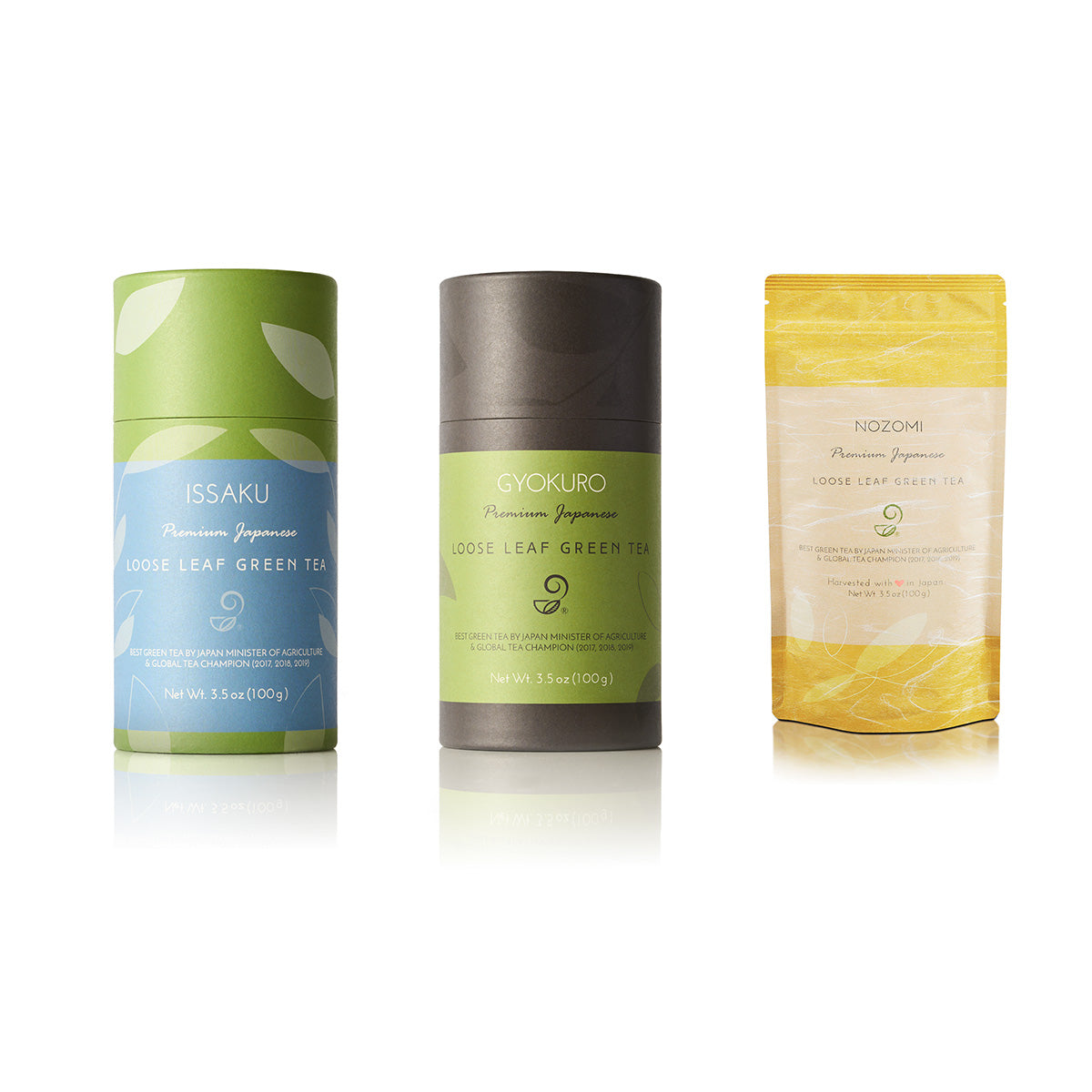
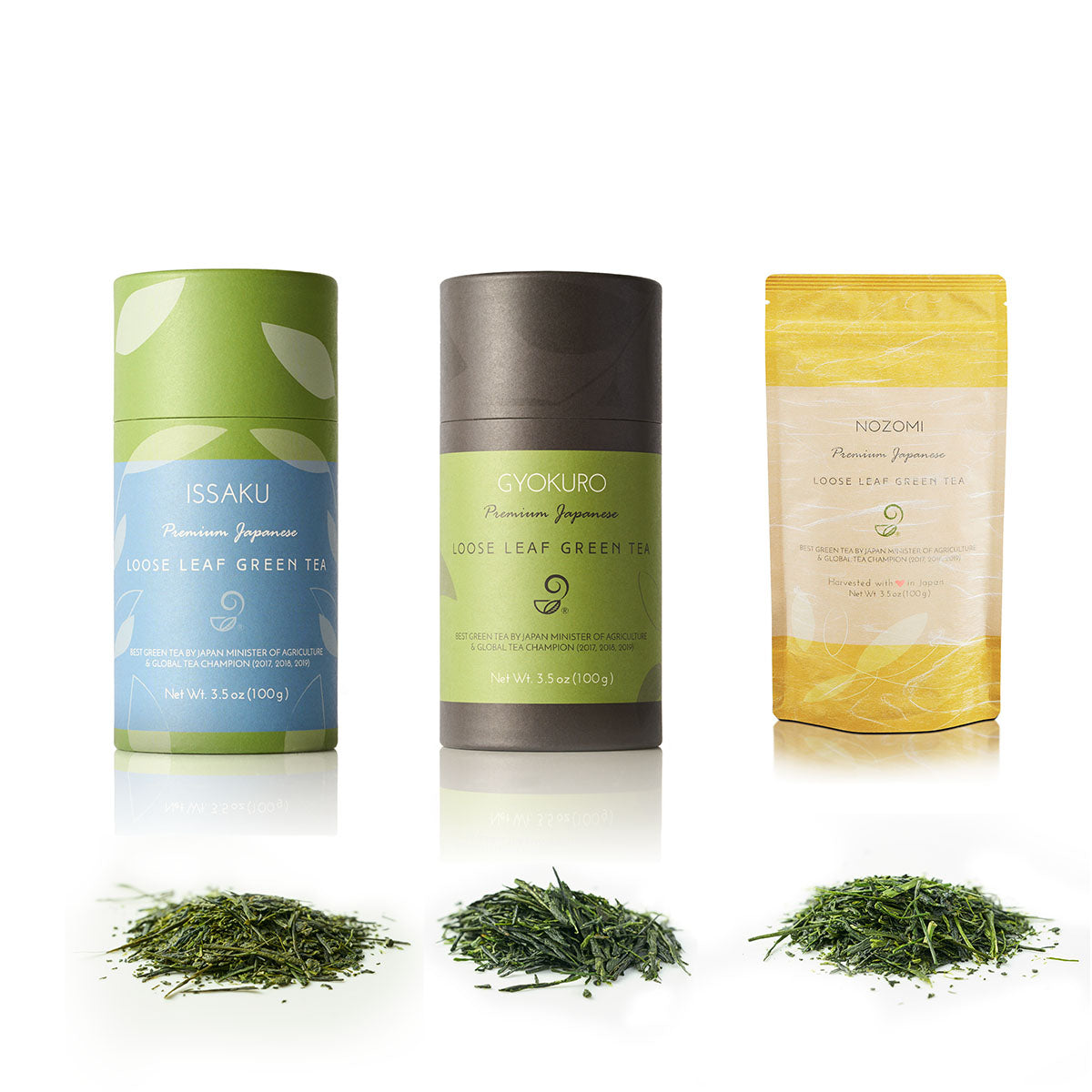
This tea set features three exceptional Japanese green teas, each crafted with care and traditional techniques. Issaku Reserve, a Global Tea Champion winner in 2017 and 2019, is a rare masterpiece created by Farm Master Mr. Arahata at Arahataen Green Tea Farm. Handpicked once a year from the first flush and processed with advanced methods, Issaku represents the highest-grade deep-steamed green tea, available only in limited quantities even in Japan.

The set also includes Gyokuro, a premium shaded green tea known for its rich, sweet flavor and deep mossy green color. Grown under special mats for 20 days to increase caffeine and amino acid levels, Gyokuro offers a layered, smooth taste unlike any other. Completing the collection is Nozomi, a fine Kabuse-cha, or "Covered Green Tea," carefully grown under nets to gently shade the leaves just before new sprouts emerge, resulting in a soft, rich, and refined flavor profile.


Related Articles You May Be Interested

The Hidden Benefits of Green Tea on Your Skin
Does Drinking Green Tea Cause Acne?
Japanese Green Tea and Skin Health
How to Cold Brew Japanese Green Tea - The Expert Advice
What is the Best Way to Store your Matcha & Japanese Green Tea?

Get Free Bonus Books

Join Green Tea Club

Sign up for free to the Green Tea Club to get advice and exclusive articles about how to choose Japanese Tea, and tips, tricks, and recipes for enjoying Japanese tea.

Unsubscribe anytime. It’s free!

About the author

Kei Nishida

Kei Nishida

Author, CEO Dream of Japan

info@japanesegreenteain.com

Certification: PMP, BS in Computer Science

Education: Western Washington University

Kei Nishida is a passionate Japanese green tea connoisseur, writer, and the founder and CEO of Japanese Green Tea Co., a Dream of Japan Company.

Driven by a deep desire to share the rich flavors of his homeland, he established the only company that sources premium tea grown in nutrient-rich sugarcane soil—earning multiple Global Tea Champion awards.

Expanding his mission of introducing Japan’s finest to the world, Kei pioneered the launch of the first-ever Sumiyaki charcoal-roasted coffee through Japanese Coffee Co. He also brought the artistry of traditional Japanese craftsmanship to the global market by making katana-style handmade knives—crafted by a renowned katana maker—available outside Japan for the first time through Japanese Knife Co.

Kei’s journey continues as he uncovers and shares Japan’s hidden treasures with the world.

Learn more about Kei Nishida

Related Posts

Behold: Balmuda's "The MoonKettle" — Where Boiling Water Becomes Art

We were privileged to be invited by Balmuda's Private MoonKettle Launch Event. Here are videos of it and everything you

Read More
OC Japan Fair April 2026 — Visit Us at Booth #A8!
OC Japan Fair Spring 2026 Recap (April 3 - 5 2026)

We were at OC Japan Fair again! April 3-5 2026 with new products, Miki Pon's art debut and more. Here is a recap video f

Read More
Super Mario and Japanese Green Tea

Super Mario and green tea share a hometown! Watch our Yoshi Matcha Cookies video recipe + discover how Nintendo and matc

Read More
Leave a comment

Your email address will not be published..

Cart

Your cart is currently empty.

Start Shopping

Select options