Skip to content

How to Make Matcha Okara Cookies

videoid="jMH03Fht4QI"

Matcha Cookie with Okara: Okara is the soy bean pulp that’s left over from making soy milk. This is a guest post by Pat Tokuyama from All Day I Eat. Pat shows you how to make yummy Okara Matcha cookies in simple steps in his video. 

Matcha Cookie with Okara

Okara is the soy bean pulp that’s left over from making soy milk.
(Here is a link from Amazon to get dried okara.)

This is a guest post by Pat Tokuyama from All Day I Eat. Pat shows you how to make yummy Okara Matcha cookies in simple steps in his video.

Pat uses our premium Matcha in the video. (Here is the link to get the matcha.)

Ingredients

  • 6 Tbsp olive oil or 8 Tbsp unsalted butter, melted 
  • 1/3 cup sugar
  • 1 egg yolk
  • 1 Tbsp matcha powder
  • 1 cup hakurikiko light Japanese flour, alternatively cake flour
  • 1/2 cup Okara 
  • 2-3 Tbsp white chocolate chips
  • Download Printable One-Page Recipe PDF Now

    Sign up for the free Green Tea Club (unsubscribe anytime) to download the printable PDF of this recipe now.

Here is a link to Pat's blog post for more detail

Thanks Pat for sharing great recipe! 

FAQs about Matcha Okara Cookies

What is okara, and why is it used in cookies?

Okara (おから) is the fibrous pulp left over from making soy milk or tofu — the strained-out solid material after the soy beans have been pressed. In Japan, okara is a traditional food on its own, eaten as a side dish or used as a baking ingredient. It has roughly 25% protein, lots of dietary fiber, and a mild, neutral flavor that lets other ingredients shine.

In cookies and baked goods, okara replaces some of the flour and adds protein, fiber, and a slight moistness. The result is a denser, more satisfying cookie with better nutritional profile than pure flour-based versions. It also reduces overall calorie density (okara has fewer calories per gram than flour) without sacrificing volume.

Pairing okara with matcha (抹茶) is a Japanese twist on Western cookie traditions — the okara handles structure, the matcha provides the distinctive Japanese flavor, and the result feels more substantial than a typical flour-and-sugar cookie.

Why does okara pair well with matcha specifically?
Two reasons. First, flavor — okara is mild and slightly nutty, which gives matcha (抹茶) room to be the dominant flavor without competing. Vanilla or chocolate-based cookies can overwhelm matcha's delicate vegetal-umami character; okara is neutral enough to let matcha lead. Second, color — okara doesn't darken the cookie significantly, so the matcha's vivid green stays visible. Cocoa or strong vanilla can muddy the visual; okara doesn't.

Texturally, okara's slight density complements matcha's strong flavor — a lighter, airier cookie can make matcha taste medicinal. The substantial okara base provides the right body to balance matcha's intensity.

If you've made matcha cookies with regular flour and felt the matcha was either too bitter or too forgettable, the okara substitution often fixes both problems by adjusting the structural-flavor balance.

What's the texture and protein advantage of okara cookies?

Okara cookies tend to be denser and chewier than pure-flour cookies — closer to a substantial protein bar than to a delicate sugar cookie. The high fiber content (okara is roughly 50% fiber by weight) gives the cookie a slightly fluffier, more bread-like crumb when properly hydrated, which contrasts with matcha cookies made with regular flour that can come out crisp and snap-y.

Per serving, okara cookies have noticeably higher protein than equivalent flour cookies (often 5-7g vs. 1-2g per cookie) and significantly more fiber (3-4g vs. <1g). They're not protein-bar level, but they're a step up nutritionally from a typical sugar cookie.

The trade-off is shelf life — okara has more moisture content than flour, so okara cookies stale faster. They're best within 2-3 days of baking, where flour-only cookies might keep for a week. If you want to keep them longer, freeze them.

Where do I buy okara, or how do I make it myself?

Buying it is hard outside Japan or Asian groceries — okara isn't a standard Western grocery item. If you live near a Japanese market or a tofu shop, ask if they sell or give away okara (some tofu shops sell it cheaply or even give it free since it's a byproduct). Frozen okara is sometimes available in larger Asian groceries.

Making it yourself is straightforward if you make soy milk. Soak dry soybeans overnight, blend with water, strain through cheesecloth — the strained pulp is okara. The yield is roughly 200-300g of okara per cup of dry soybeans. Use the okara fresh or freeze it; it stores in the freezer for 3-6 months without flavor loss.

If you can't get okara, you can substitute almond flour or oat flour as the closest replacement in cookie recipes. The cookies won't be quite the same — almond is denser, oat is more cake-like — but both work in a pinch.

Replace 30-50% of the flour with okara by weight (not volume — okara is denser than flour). For a recipe calling for 200g of flour, swap 60-100g for okara and reduce the other liquids slightly because okara already contains moisture. Start with the lower-percentage substitution (30%) for your first try and work up if you like the result.

Adjust matcha amount to match — okara dilutes the matcha character somewhat because the cookie is bigger and bulkier. Where a flour-only matcha cookie might use 8g of matcha per 200g flour, an okara-substituted version might want 10-12g of matcha to maintain the same flavor intensity.

The baking time and temperature stay roughly the same as the original recipe — okara doesn't change the chemistry enough to require new parameters. Just check for doneness by the cookie's golden-brown bottom and slightly firm center, which is the same indicator as for flour-only cookies.

Related products

80 reviews

Matcha - Ceremonial Japanese Powdered Green Tea

$39.00
Quick view

This ceremonial matcha is crafted from the finest Japanese green tea, grown in nutrient-rich soil enhanced with compostable grasses and sugarcane through the Chagusaba method, which gives the tea a natural sweetness and exceptional flavor. In collaboration with researchers from Shizuoka University, farmers ensure that the soil quality consistently produces tea of the highest standard.

Renowned among top Japanese chefs for its unmatched aroma, this matcha is made by carefully shading the plants before harvest to boost caffeine and amino acids, then meticulously drying, de-stemming, and grinding the leaves into a fine powder. Made from the Yabukita cultivar, this 1.8 oz (50g) matcha comes in a high-quality, air-tight paper tube canister, providing a luxurious and authentic Japanese tea experience.

97 reviews

Gyokuro - Shaded Imperial Premium Green Tea

$65.00
Quick view

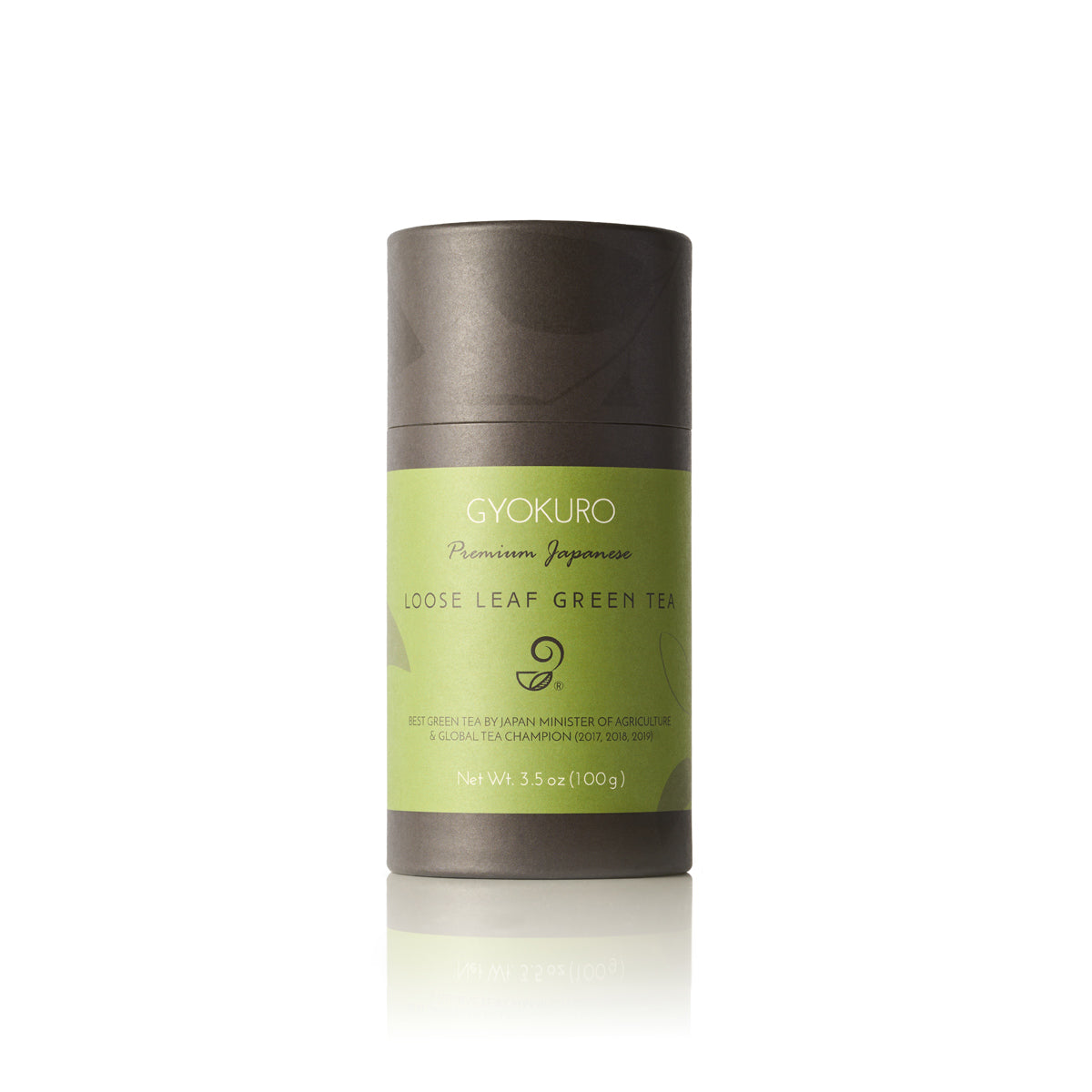
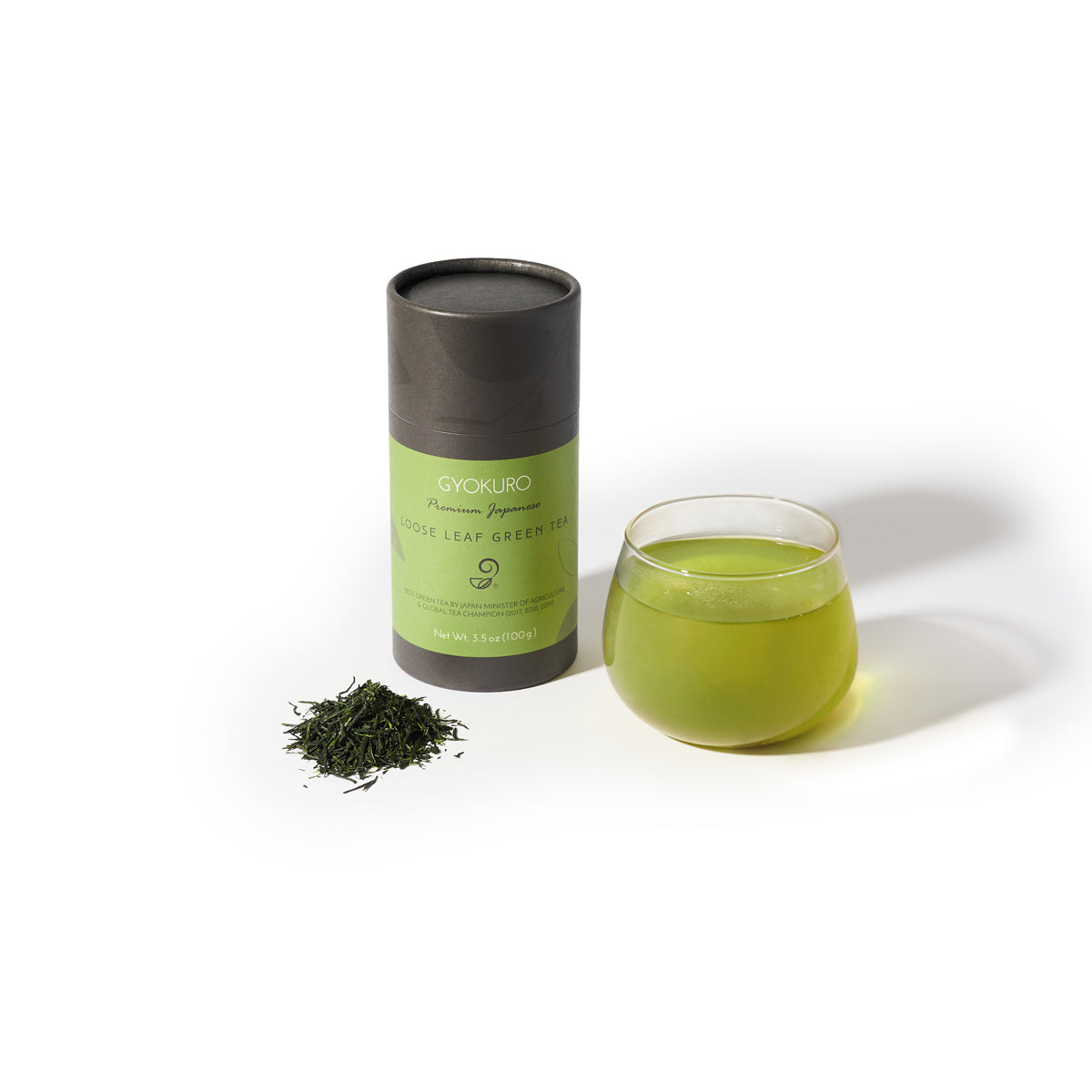
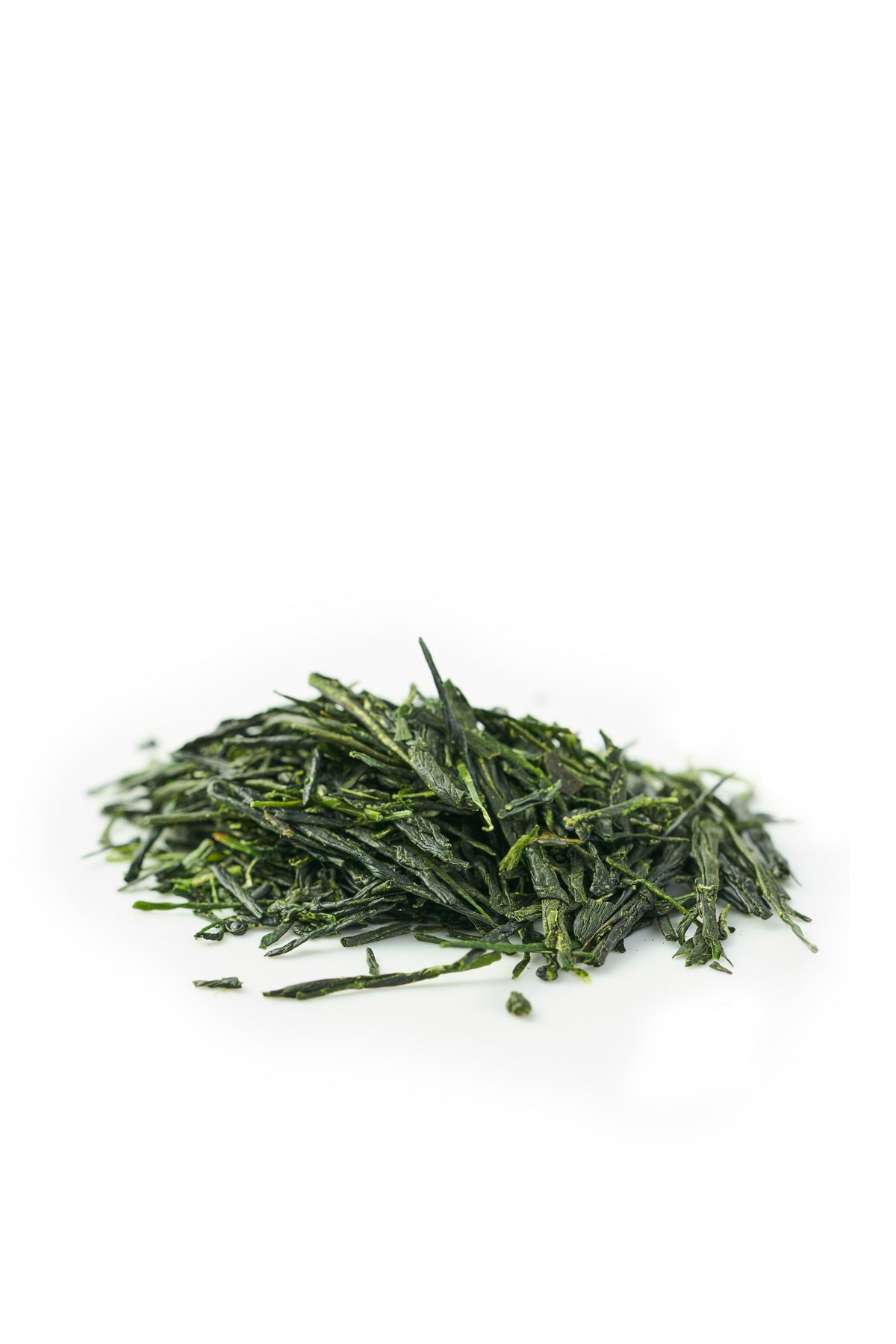
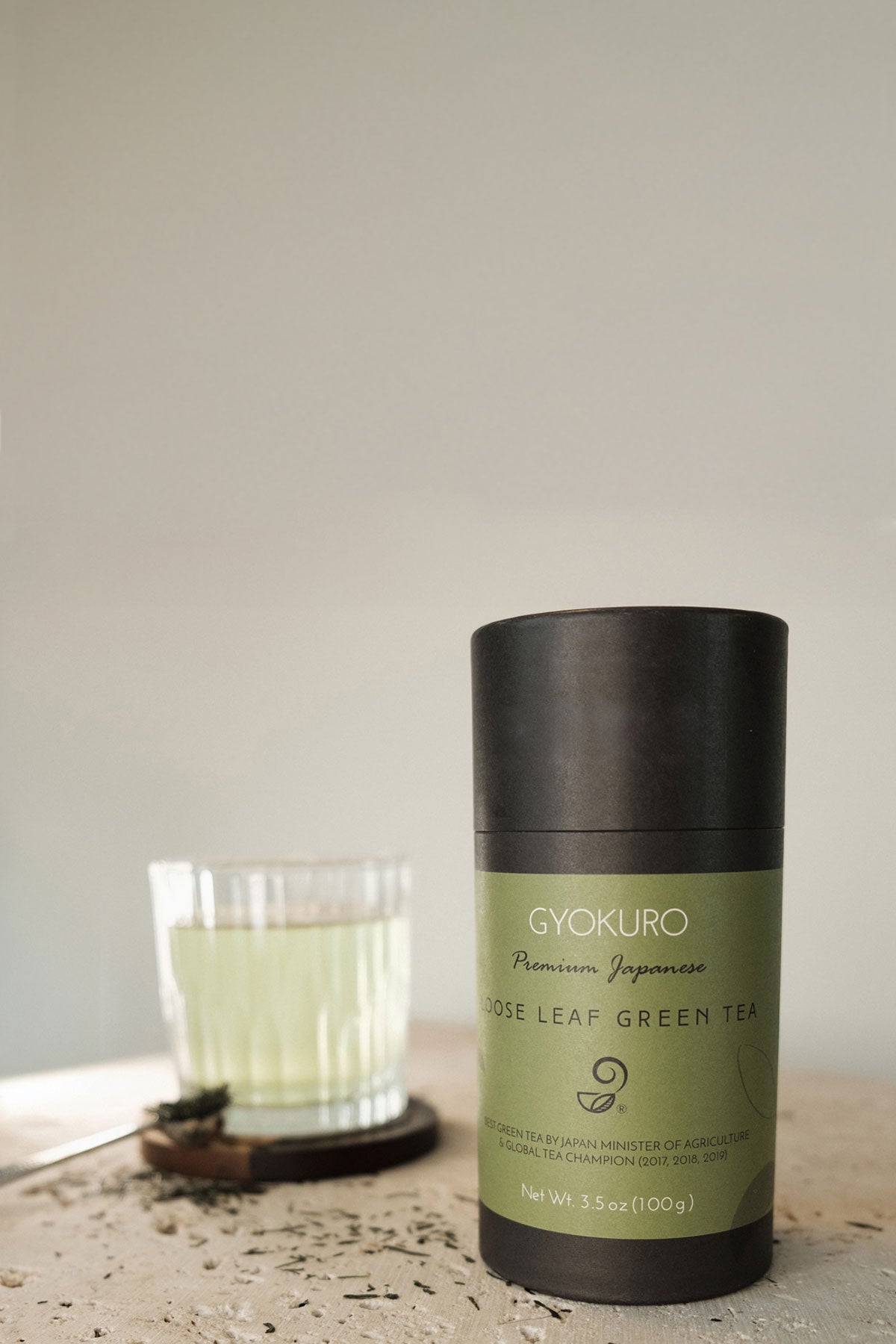
Gyokuro, also known as "jade dew" or "jewel dew tea," is a premium Japanese green tea shaded from the sun for 20 days using specially made mats, a method that boosts caffeine levels and strengthens amino acids to create a sweeter, richer flavor. This extended shading process results in dark, mossy green leaves with an unmistakable aroma and a complex taste that is layered yet balanced. Cultivated by the Chagusaba method in nutrient-rich sugarcane soil and made from the Yabukita cultivar, this loose-leaf authentic Gyokuro is offered in a high-quality, air-tight paper tube canister (chyazutsu) to preserve its exceptional freshness and flavor. Each 3.5 oz (100g) full-size package steeps 30–40 cups, and a convenient single-serve sample is also available.

22 reviews

Matcha - Japanese Limited Reserve Ceremonial Green Tea - (Global Tea Champion 2018, 2025)

$300.00
Quick view

This Premium Ceremonial Grade Matcha is one of the most luxurious matcha teas available, crafted from carefully cultivated Japanese green tea grown in nutrient-rich sugarcane soil using the Chagusaba method. Traditionally reserved for high-end tea ceremonies in Japan and loved by many tea masters, this matcha was once unavailable outside of Japan and is now finally accessible to U.S. consumers. Every step of its production, from shading the tea plants to increase caffeine and amino acid levels to the meticulous removal of stems and veins before grinding into a fine powder, is handled with a blend of advanced technology and time-honored tradition. Made from the Yabukita cultivar, this 30g (1.05 oz) ceremonial matcha offers a vivid color, unforgettable aroma, and the highest standard of flavor, earning recognition as a Global Tea Champion in 2018 and 2025.

4 reviews

The Covered Trio Gift Set - Ceremonial Matcha, Gyokuro, and Nozomi Japanese Green Tea Set Package
$143.00 $128.00
Quick view

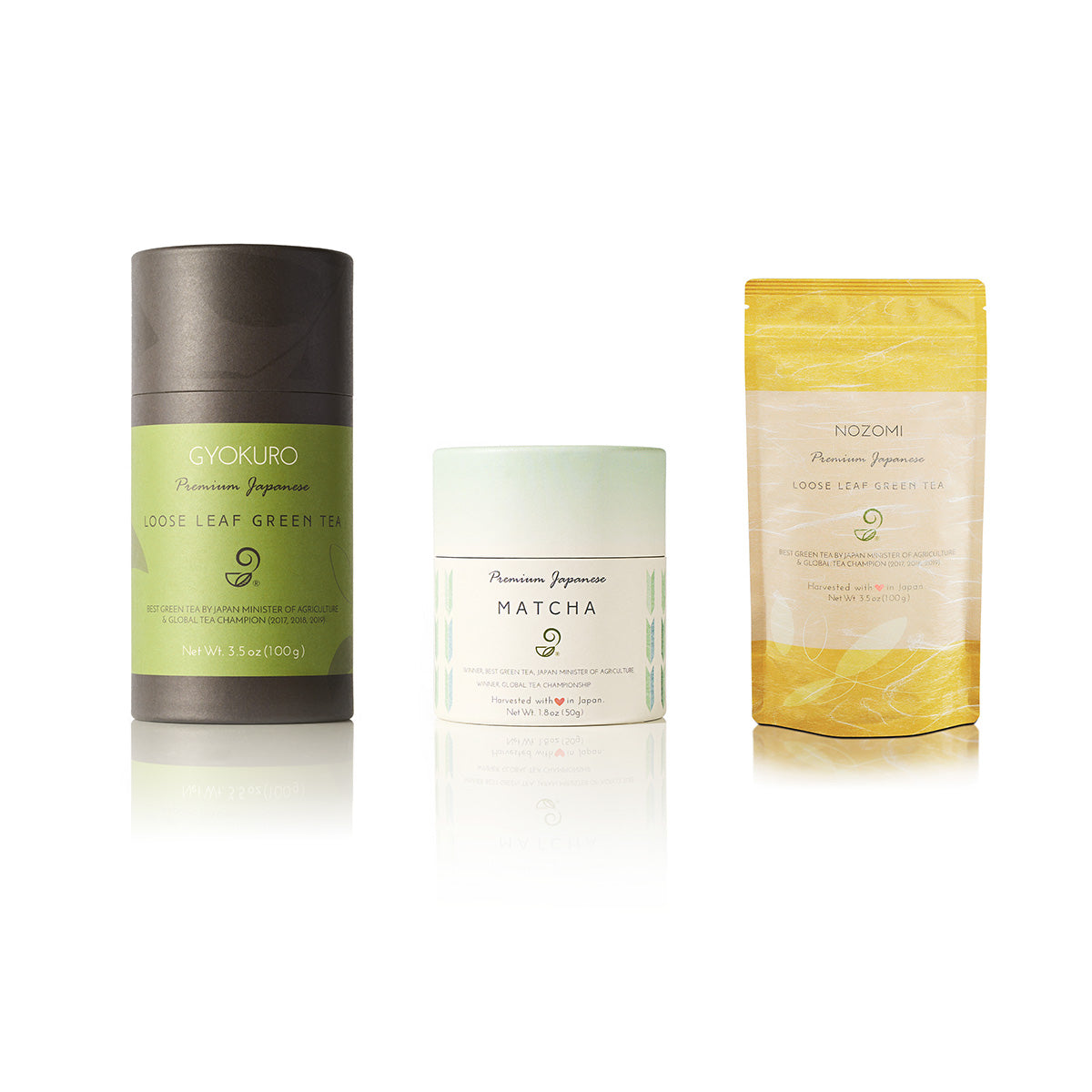
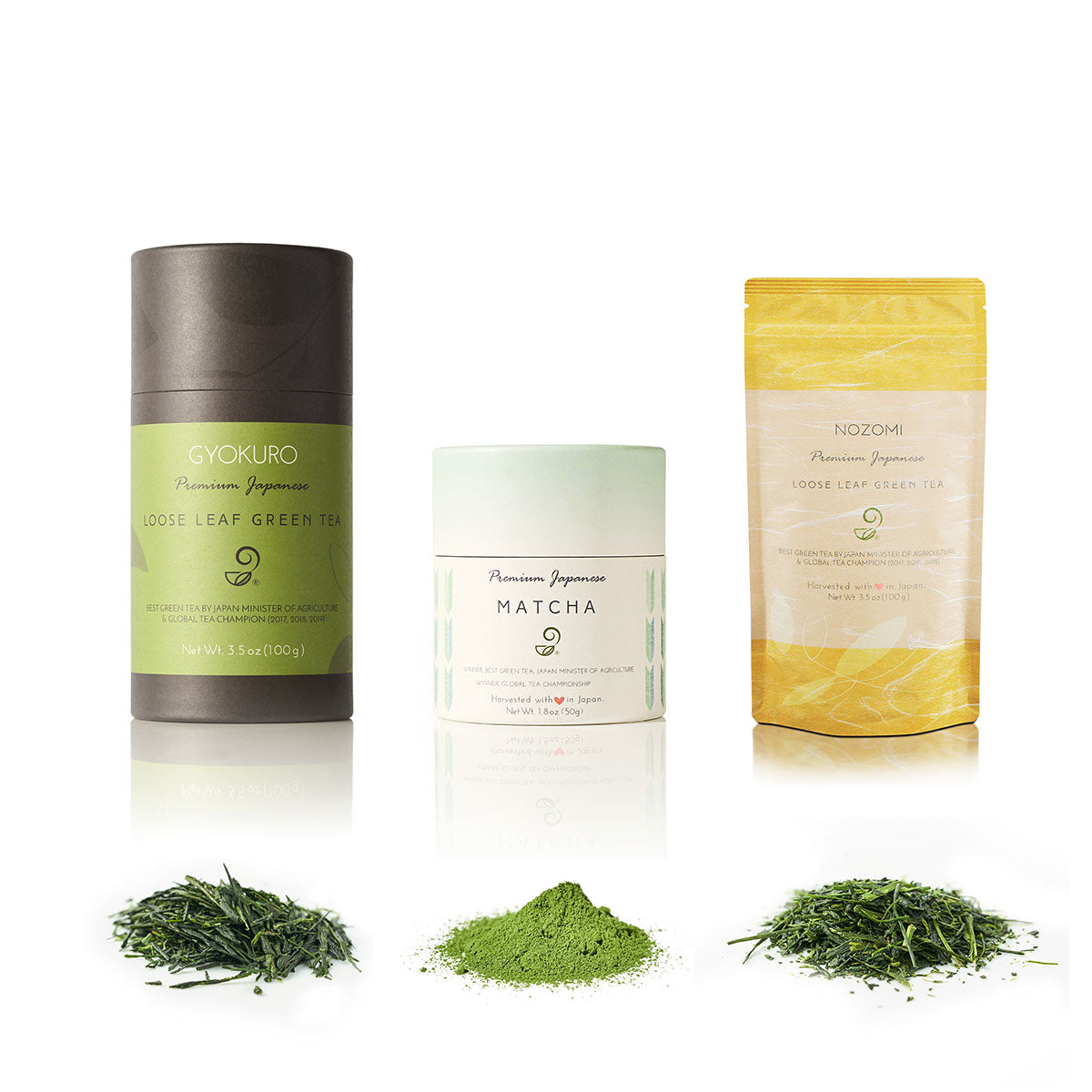
This tea set features three premium Japanese green teas, all cultivated in nutrient-rich sugarcane soil to enhance their flavor and natural sweetness. Gyokuro, a prized shaded green tea, is grown under special mats for 20 days to increase caffeine and amino acid levels, resulting in a rich, sweet taste and deep mossy green color. The set also includes a luxurious matcha, crafted from carefully shaded, hand-processed leaves and renowned for its smooth, aromatic flavor, developed in collaboration with researchers from Shizuoka University to maximize the benefits of the enriched soil. Completing the collection is Nozomi, a fine Kabuse-cha or "Covered Green Tea," where young tea leaves are gently shaded just before sprouting, producing a soft, refined flavor perfect for tea enthusiasts.

2 reviews

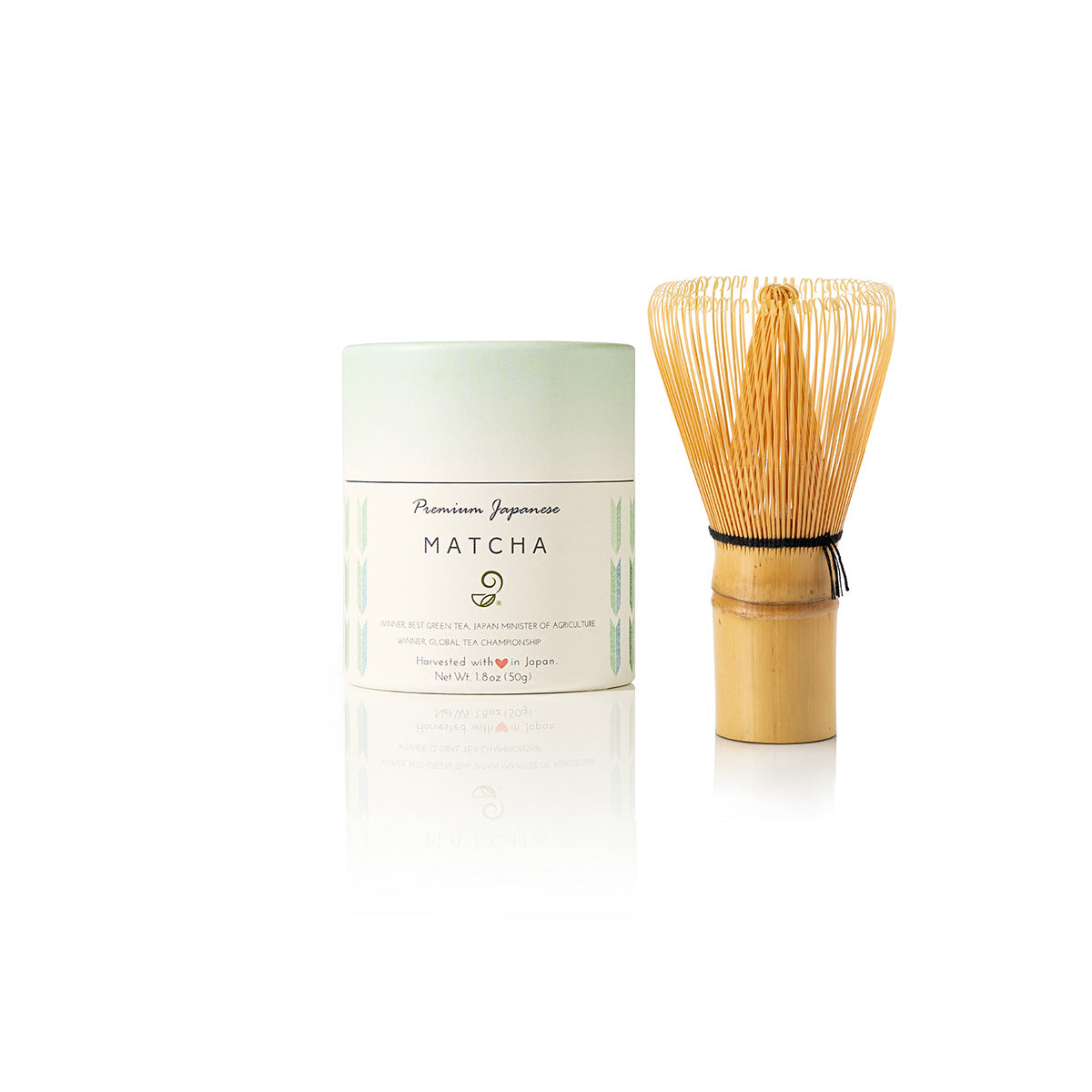
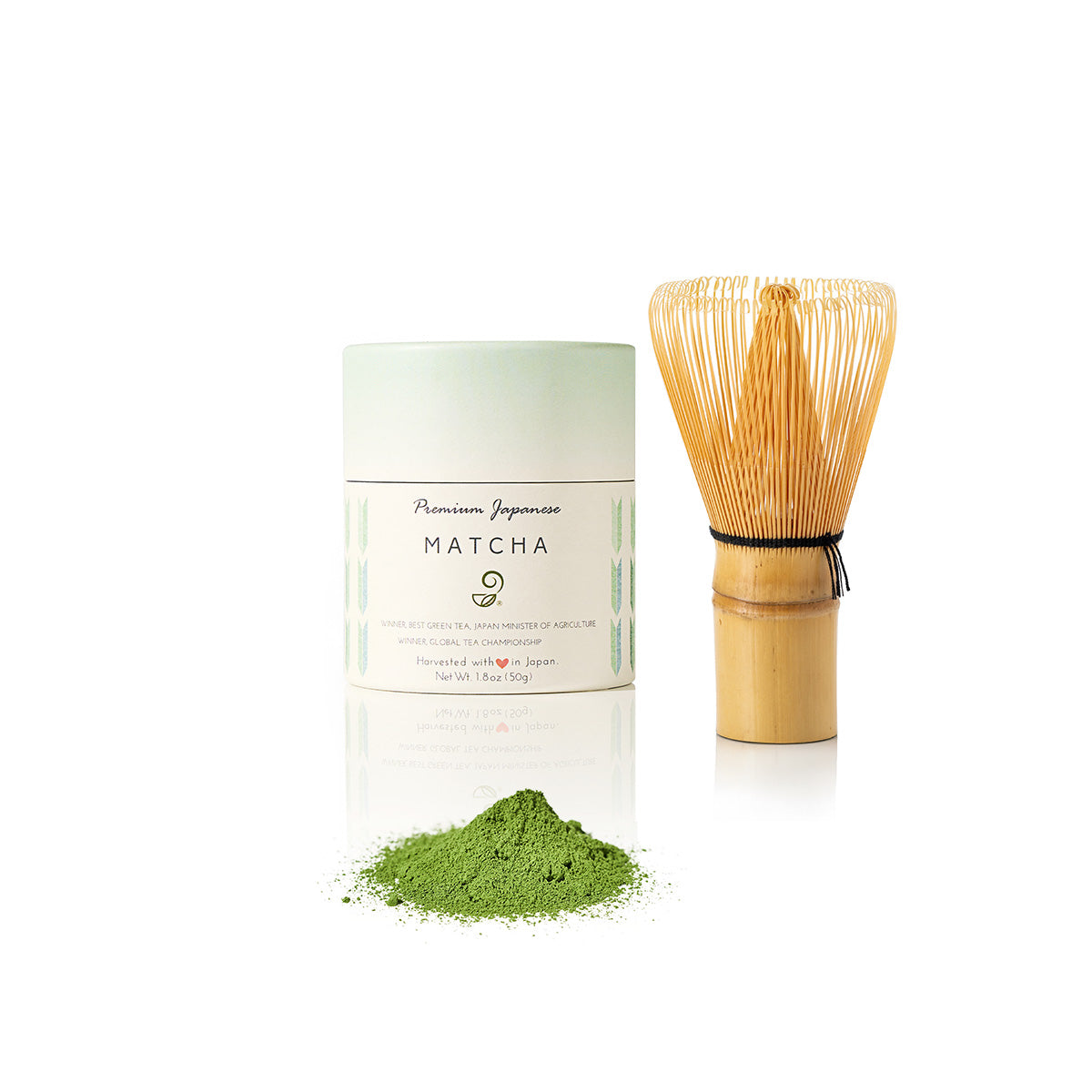
Matcha and Chasen Whisk Gift Set

$74.00 $66.00
Quick view

This set features a premium matcha made from the finest Japanese green tea, cultivated in soil enriched with compostable grasses and sugarcane to bring out a natural sweetness. In collaboration with researchers from Shizuoka University, farmers carefully study soil conditions to enhance flavor quality. The tea plants are shaded before harvest to increase caffeine and amino acid content, then skillfully dried, de-stemmed, and ground into a fine powder, creating a matcha with a luxurious aroma and taste highly regarded by top Japanese chefs.

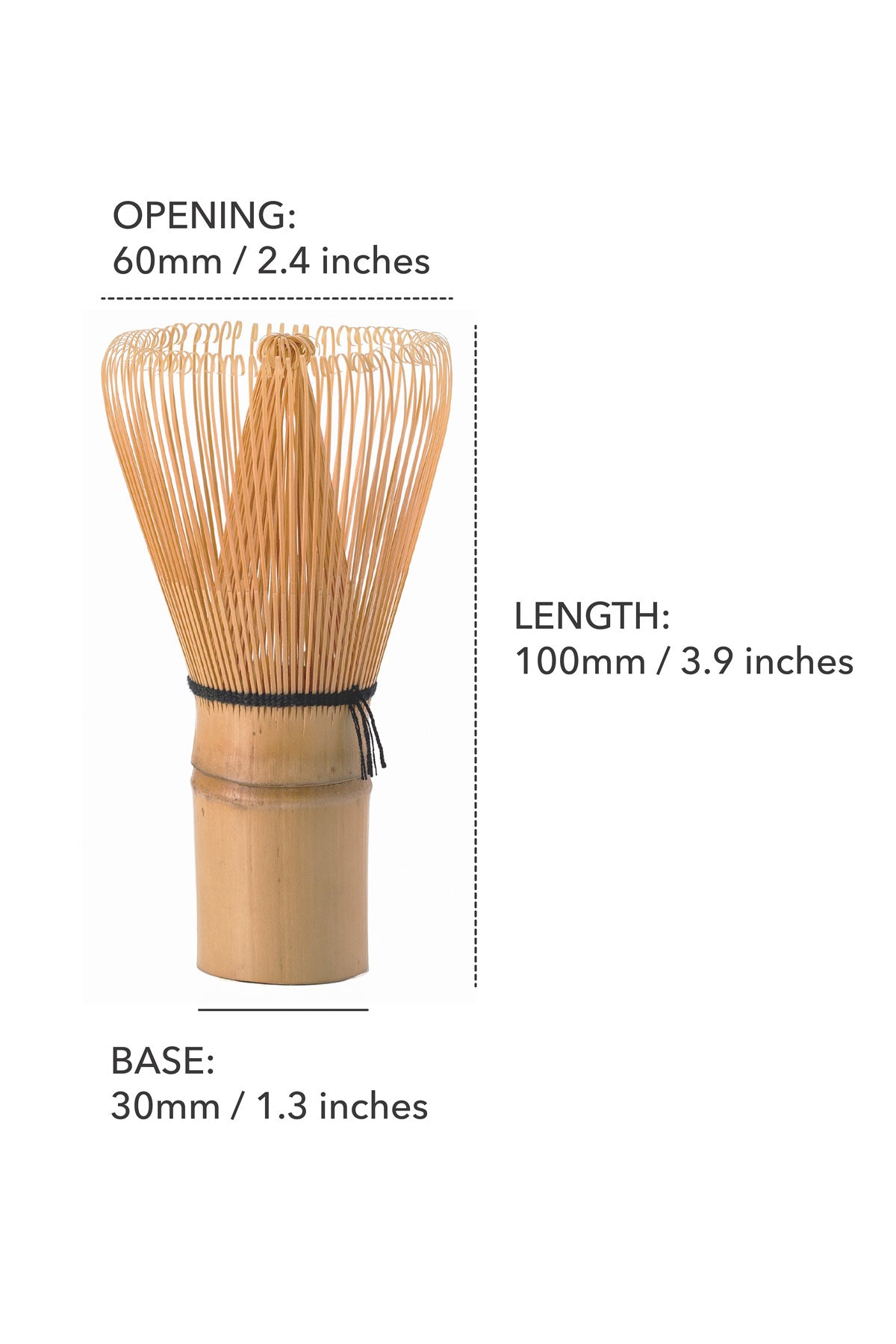
Paired with the matcha is a traditional 100-prong bamboo chasen whisk, considered the highest-grade among matcha tools. Unlike common 40-60 prong versions, this finely crafted whisk is widely used in high-end tea ceremonies in Japan. Its balanced dimensions offer the perfect design for preparing a smooth and frothy bowl of authentic matcha.

• Disclosure: I only recommend products I would use myself, and all opinions expressed here are my own. This post may contain affiliate links that I may earn a small commission at no additional cost to you.
The commission also supports us in producing better content when you buy through our site links.
Thanks for your support.
- Kei and Team at Japanese Green Tea Co.


Related Articles You May Be Interested

Japan’s Greatest Culinary Combo: Green Tea With Rice
Green Tea and Milk: 10 Ways to Enjoy It
Virtual Japanese Cooking Class - What is it?
3 Must-Try Green Tea Desserts
Matcha ASMR

Get Free Bonus Books

Join Green Tea Club

Sign up for free to the Green Tea Club to get advice and exclusive articles about how to choose Japanese Tea, and tips, tricks, and recipes for enjoying Japanese tea.

Unsubscribe anytime. It’s free!

About the author

Kei Nishida

Kei Nishida

Author, CEO Dream of Japan

info@japanesegreenteain.com

Certification: PMP, BS in Computer Science

Education: Western Washington University

Kei Nishida is a passionate Japanese green tea connoisseur, writer, and the founder and CEO of Japanese Green Tea Co., a Dream of Japan Company.

Driven by a deep desire to share the rich flavors of his homeland, he established the only company that sources premium tea grown in nutrient-rich sugarcane soil—earning multiple Global Tea Champion awards.

Expanding his mission of introducing Japan’s finest to the world, Kei pioneered the launch of the first-ever Sumiyaki charcoal-roasted coffee through Japanese Coffee Co. He also brought the artistry of traditional Japanese craftsmanship to the global market by making katana-style handmade knives—crafted by a renowned katana maker—available outside Japan for the first time through Japanese Knife Co.

Kei’s journey continues as he uncovers and shares Japan’s hidden treasures with the world.

Learn more about Kei Nishida

Related Posts

Simply Donabe — New Cookbook from TOIRO's Naoko-san Is Out!

Simply Donabe is here! We celebrated TOIRO's Naoko-san's new cookbook at a special dinner at Camélia in DTLA — see our p

Read More
Introducing New Product - Meet Hojicha Powder
Introducing A New Product - Meet Hojicha Powder

Discover the game-changing Hojicha powder your kitchen has been waiting for — richer flavor, easier recipes, and surpris

Read More
Yokohama Peach is offered as a regular menu at Okayama Kobo Cafe!
Yokohama Peach is offered as a regular menu at Okayama Kobo Cafe! + Recap Video of Pop-up on 2/8/2026 at Anaheim, CA

We are excited to announce that our Yokohama Peach is now available on the regular menu at the popular Japanese Bakery,

Read More
Leave a comment

Your email address will not be published..

Cart

Your cart is currently empty.

Start Shopping

Select options