Skip to content

How To Easily Make Matcha With A Handheld Matcha Whisk Frother

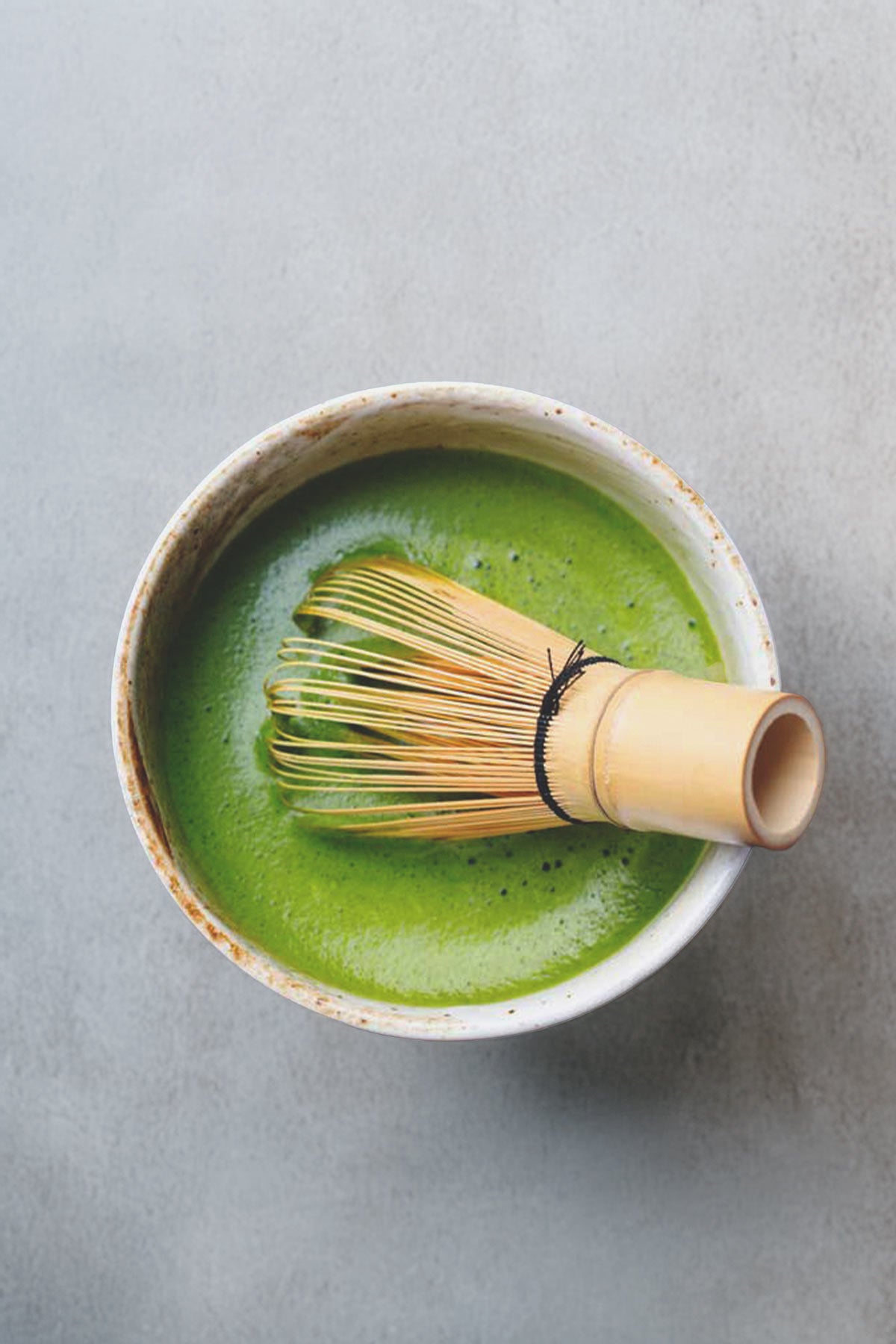
Matcha lovers use a bamboo whisk instead of a wire whisk to avoid scratching the tea bowl and to dissolve the matcha quickly and remove clumps. The prongs of the bamboo whisk are closer than the wire whisk, making matcha foam faster. It is also easy to maneuver when using a bamboo whisk. There are alternatives to bamboo whisks, but nothing beats the matcha quality of using a bamboo whisk, and some of these alternatives take longer to be cleaned.

When you want fast matcha frothing and, at the same time, want to do many cups in a short time. An electric handheld matcha bamboo whisk frother is a must-have for matcha drinkers.

Japan’s technology is always a sign of a durable and high-quality product, and this matcha green tea gadget is made in Tokyo, Japan.

Matcha Whisk"Chasen" Attachment for Electric

This automated electric chasen (bamboo whisk), Charaku, was developed by the brand Willman to cater to matcha lovers with real Japan-quality gadgets to prepare tea. This kitchen tea mixer mimics the up-and-down motion of whisking green tea powder, and the plastic is durable. No more hand

effort and time to wait in making a perfect foam when making matcha. The green color suits well on any tea set and when placed in both traditional and modern kitchens or dining rooms.

Traditional vs Electric Whisk

Matcha makers who always make matcha know that they must whisk fast to make a bowl of matcha. Since there is now a handheld bamboo whisk mixer, they can avoid carpal tunnel and other hand injuries since they will just hold the Charaku electric bamboo whisk for a few seconds. As for the quality, the chasen has many prongs that will make the matcha froth well, and at the same time, the chasen will work for a long time since it has many prongs. A chasen replacement, also by Willman, is available in case the chasen on the machine is worn out. The Charaku Chasen is perfect for cafes and restaurants since work will become faster and the staff can accommodate more orders.

matcha chasen bamboo whisk

Taste the best of foamy and creamy matcha

Many are using handy electric metal whisk frothers, but the matcha powder still has clumps left despite the machine whisking too fast and producing too much foam with larger bubbles. It is a bit of a hassle to transfer from a stainless steel cup to the mug of your choice. If using a mug, it might be scratched by the metal frother.

When using a manual wire whisk, it is tiring and, at the same time, will result in less frothy and less tasty matcha.

With the Charaku electric bamboo whisk foamer, not only is it safe to use on any mug or bowl, but the matcha will quickly become foamy and creamy. Matcha drinking is more convenient, and matcha lovers will have more time to concentrate and enjoy their tea

FAQs about Making Matcha with a Handheld Whisk Frother

Does a handheld milk frother actually work for matcha — or is it just an inferior shortcut?

It works surprisingly well. A handheld electric whisk produces foam similar to what you get with a traditional bamboo chasen — slightly less silky in texture, slightly more bubbly, but visually similar and chemically equivalent. The matcha dissolves fully, the foam holds for a few minutes, and the resulting bowl is recognizably matcha. For daily casual drinking, it's perfectly fine.

The slight difference is in foam quality. The chasen produces tiny, dense, silky bubbles that hold their shape and feel almost mousse-like on the tongue. The frother produces slightly larger, lighter bubbles that feel airier. Most drinkers don't notice the difference unless they're doing back-to-back comparisons. Both are far superior to a regular kitchen whisk (which doesn't work for matcha).

The honest version is that a frother is a real time-saver for daily matcha — about 10 seconds vs. 30-60 seconds with a chasen — without significantly compromising the drink. Serious tea ceremony practitioners stick with the chasen; daily home drinkers can reasonably use either.

How does a frother compare to a chasen — what specifically do you give up?

Three things. First, the foam quality (slightly less silky, as covered above). Second, the ritual element — whisking matcha by hand has a meditative quality that pressing a button on a frother lacks. The chasen forces you to slow down; the frother lets you make matcha while half-paying attention. Third, the precision of mixing — a chasen lets you feel resistance change as the powder dissolves, which a frother doesn't give you the same tactile feedback for.

None of these affect the chemistry of the drink itself. The catechins, L-theanine, and other compounds extract identically regardless of how you mix. So if you're drinking matcha for health, taste, or caffeine, the frother is equivalent.

The chasen wins on ritual and on the absolute peak of foam quality. The frother wins on speed and on consistency (less variation between bowls). Pick based on what you want from the experience.

What technique adjustments do I need to make when using a frother instead of a chasen?

Mostly just patience. Don't dunk the frother into cold water and try to dissolve dry matcha — clumps stay stubborn. Instead, sift or whisk-tap the matcha in the bowl first to break up clumps, add a small amount of hot water (1-2 tablespoons), and use the frother for 10-15 seconds to dissolve the matcha into a paste. Then add the rest of your hot water and frother again for 10-20 seconds to develop foam.

The trick is the two-stage approach: dissolve first, then foam. Trying to do it in one stage often leaves clumps or doesn't develop foam well.

Use the frother in a wider bowl (chawan) rather than a narrow mug — narrow vessels splash and don't develop foam well. The bowl shape matters more for frother-made matcha than for chasen-made because the frother's mechanical action benefits from open space.

What kind of milk frother should I buy for matcha?

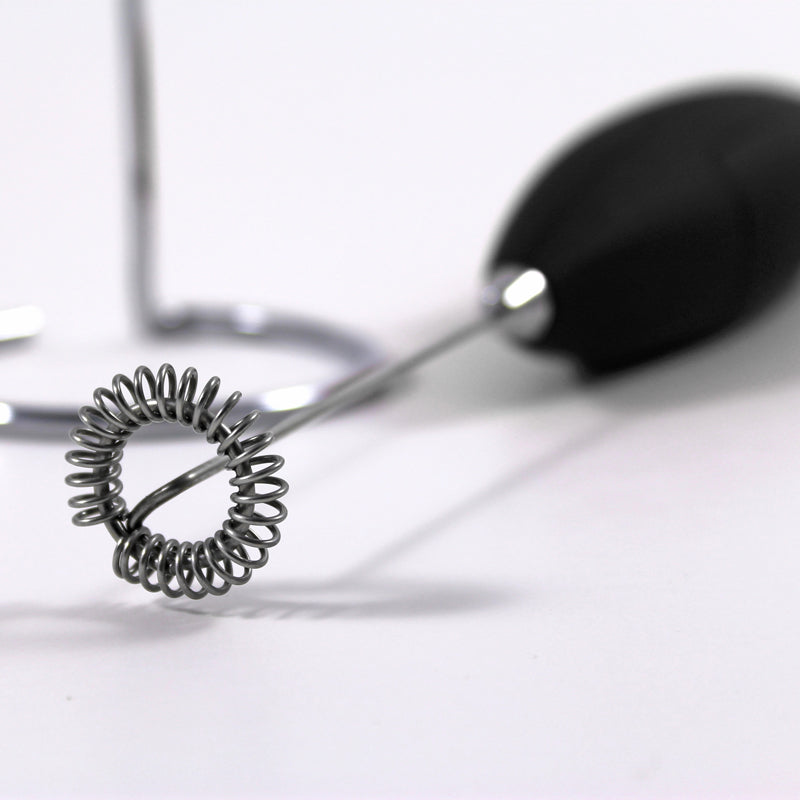
A basic battery-powered handheld frother is fine — the cheap ones (under $15) work as well as expensive ones for matcha specifically. The whisk-head shape and rotation speed matter more than the price; look for ones with a thicker spiral whisk rather than a thin straight one. The thicker spiral creates better foam.

Avoid: ultra-cheap frothers with weak motors (they don't have enough RPM to develop proper foam), frothers with detachable whisks that wobble (the connection point fails over time), and the very large standalone milk-foaming machines (they're optimized for milk, not matcha, and don't make a noticeable improvement). A simple $15 handheld frother lasts for years if you don't drop it in water.

Some specialty brands market "matcha frothers" specifically. They work but aren't necessarily better than a generic milk frother — pricier without delivering meaningfully different results. Don't pay extra for the matcha label.

If I'm going to use a frother, do I still need quality matcha, or can I save money on the powder?

Quality matcha still matters. The frother changes how you mix; it doesn't change what's in the bowl. If you start with mediocre matcha (old, low-grade, dull-colored), you'll get a mediocre cup regardless of how you whisk it. The Limited Reserve Ceremonial matcha and a frother together produce a much better drink than premium matcha and a chasen, because leaf quality dominates technique.

If you're trying to save money, save on the equipment, not the matcha. A $15 frother + $40 ceremonial matcha is a much better daily setup than a $40 chasen + $15 culinary matcha. The leaf is what you're tasting; the equipment is what you're using to get the leaf into the cup.

Many serious daily matcha drinkers use a frother with high-grade matcha specifically because the time saved adds up — 30 seconds × 365 days = nearly 3 hours per year. That time gets spent on the matcha bowl itself instead of on the whisking. Card below for the matcha worth using daily.

Related products

80 reviews

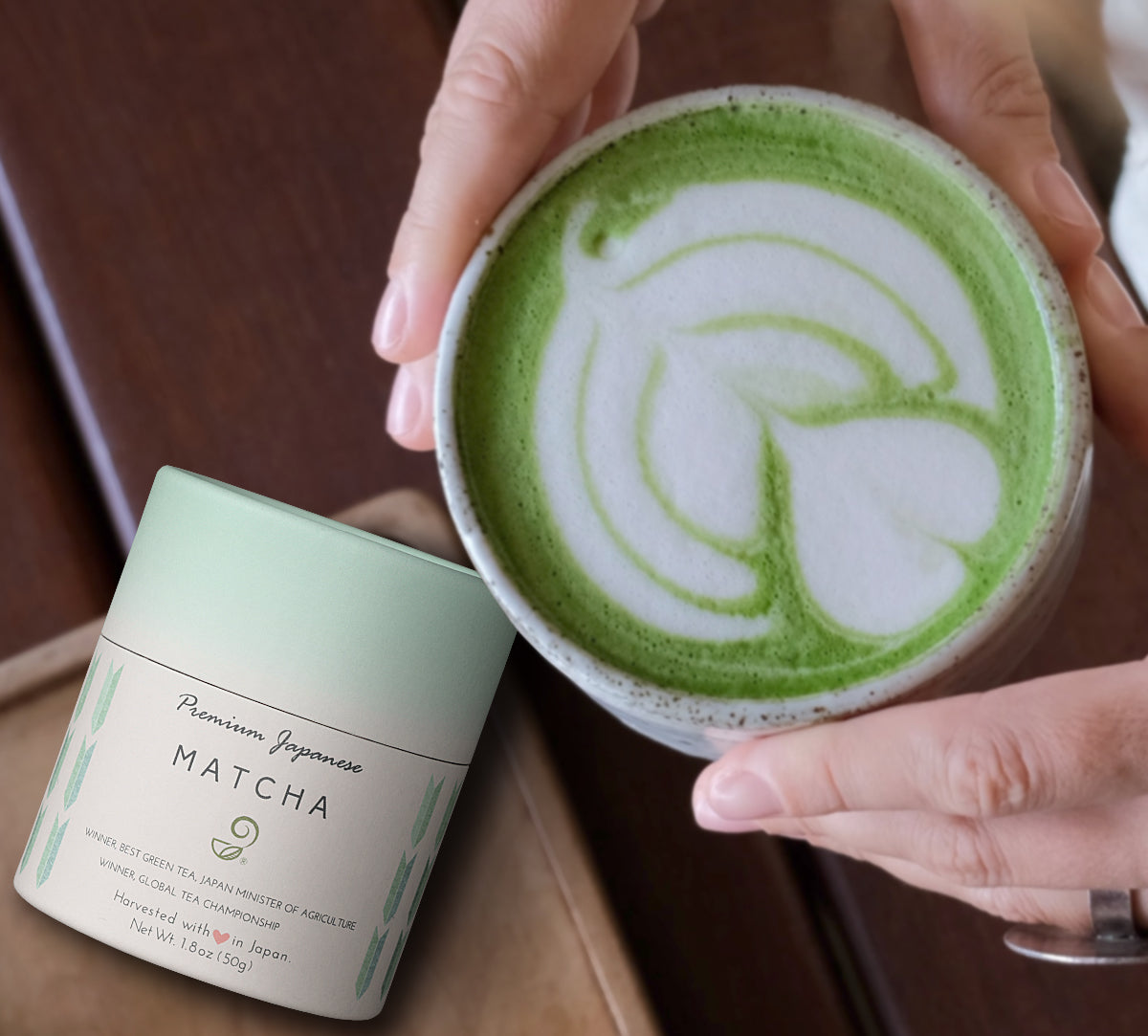
Matcha - Ceremonial Japanese Powdered Green Tea

$39.00
Quick view

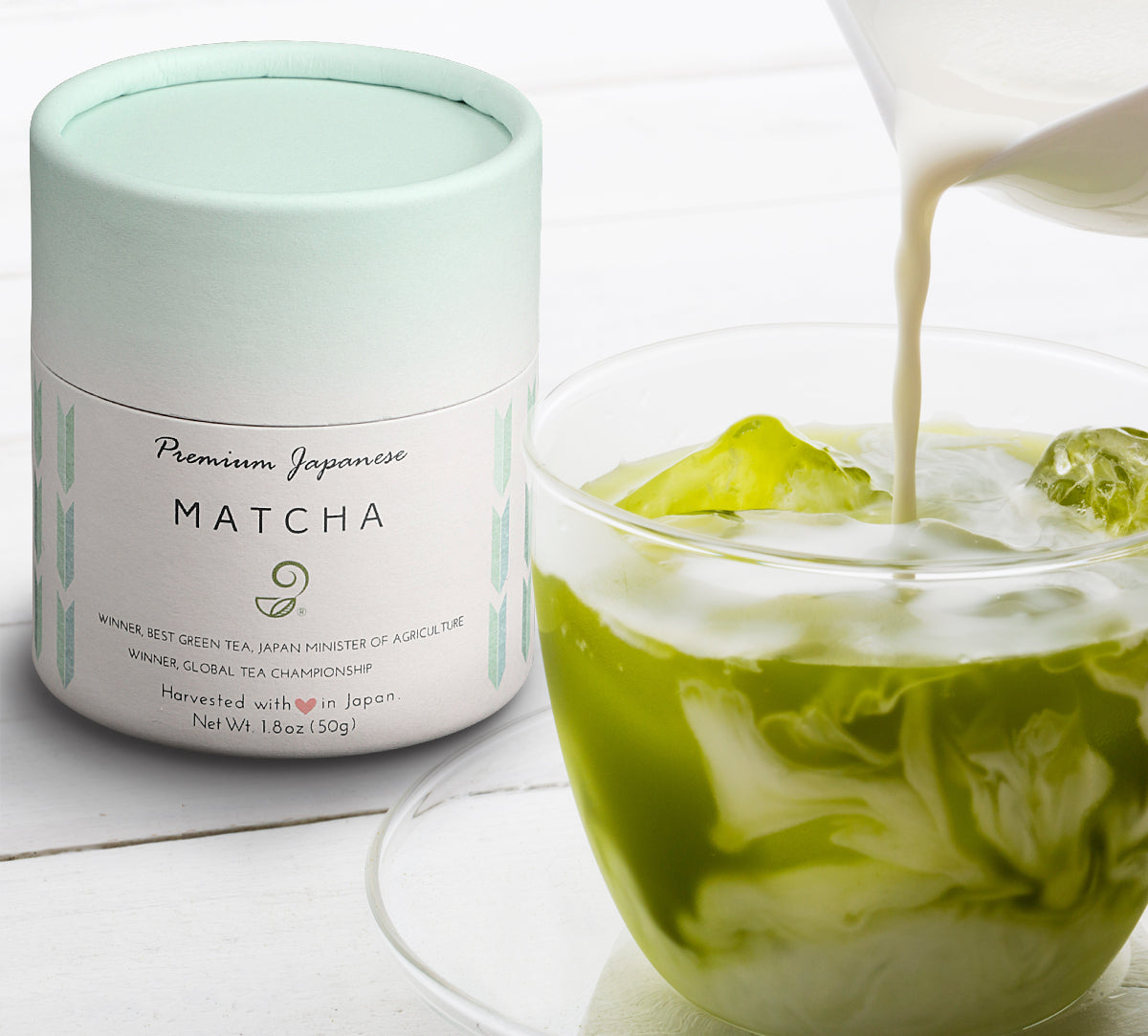
This ceremonial matcha is crafted from the finest Japanese green tea, grown in nutrient-rich soil enhanced with compostable grasses and sugarcane through the Chagusaba method, which gives the tea a natural sweetness and exceptional flavor. In collaboration with researchers from Shizuoka University, farmers ensure that the soil quality consistently produces tea of the highest standard.

Renowned among top Japanese chefs for its unmatched aroma, this matcha is made by carefully shading the plants before harvest to boost caffeine and amino acids, then meticulously drying, de-stemming, and grinding the leaves into a fine powder. Made from the Yabukita cultivar, this 1.8 oz (50g) matcha comes in a high-quality, air-tight paper tube canister, providing a luxurious and authentic Japanese tea experience.

97 reviews

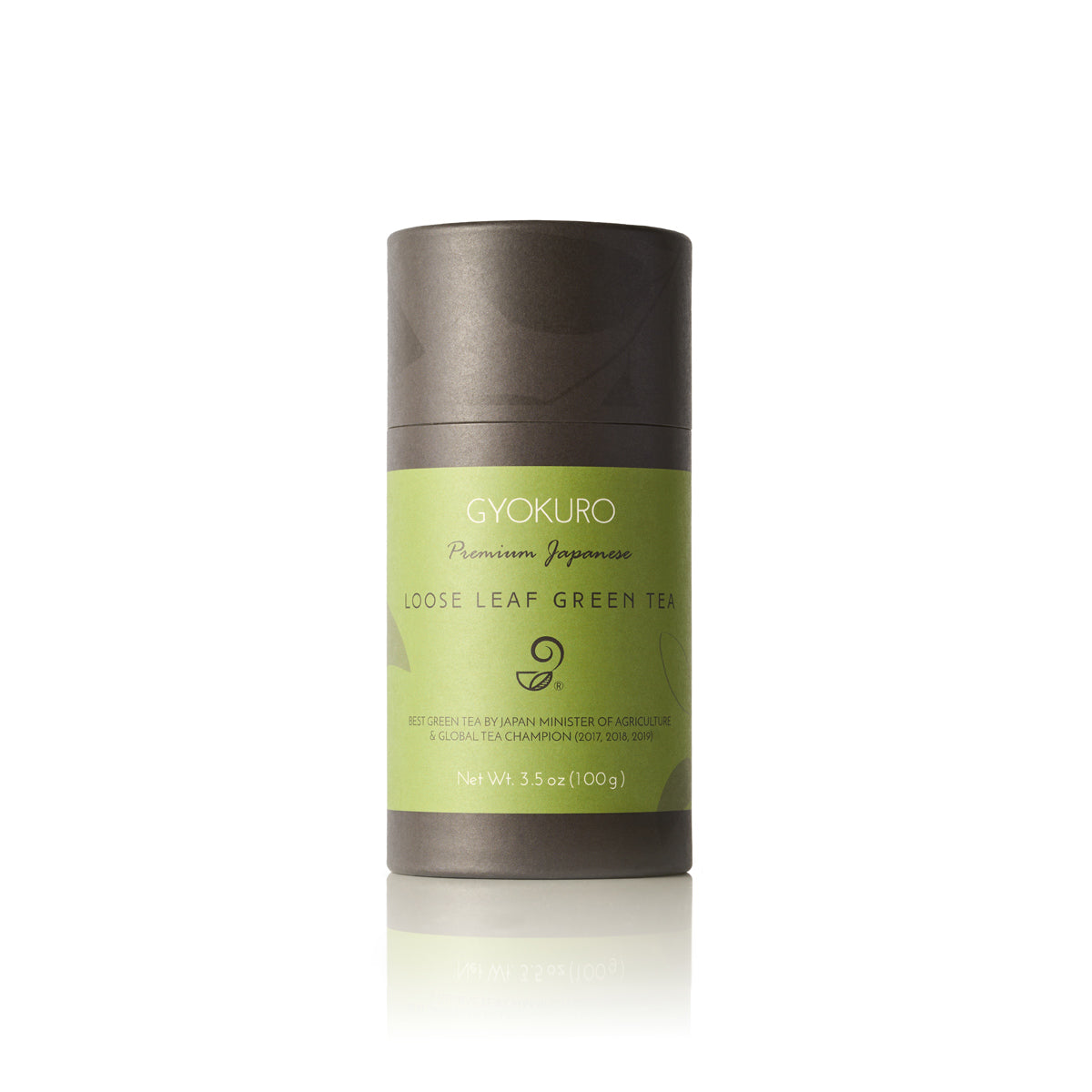
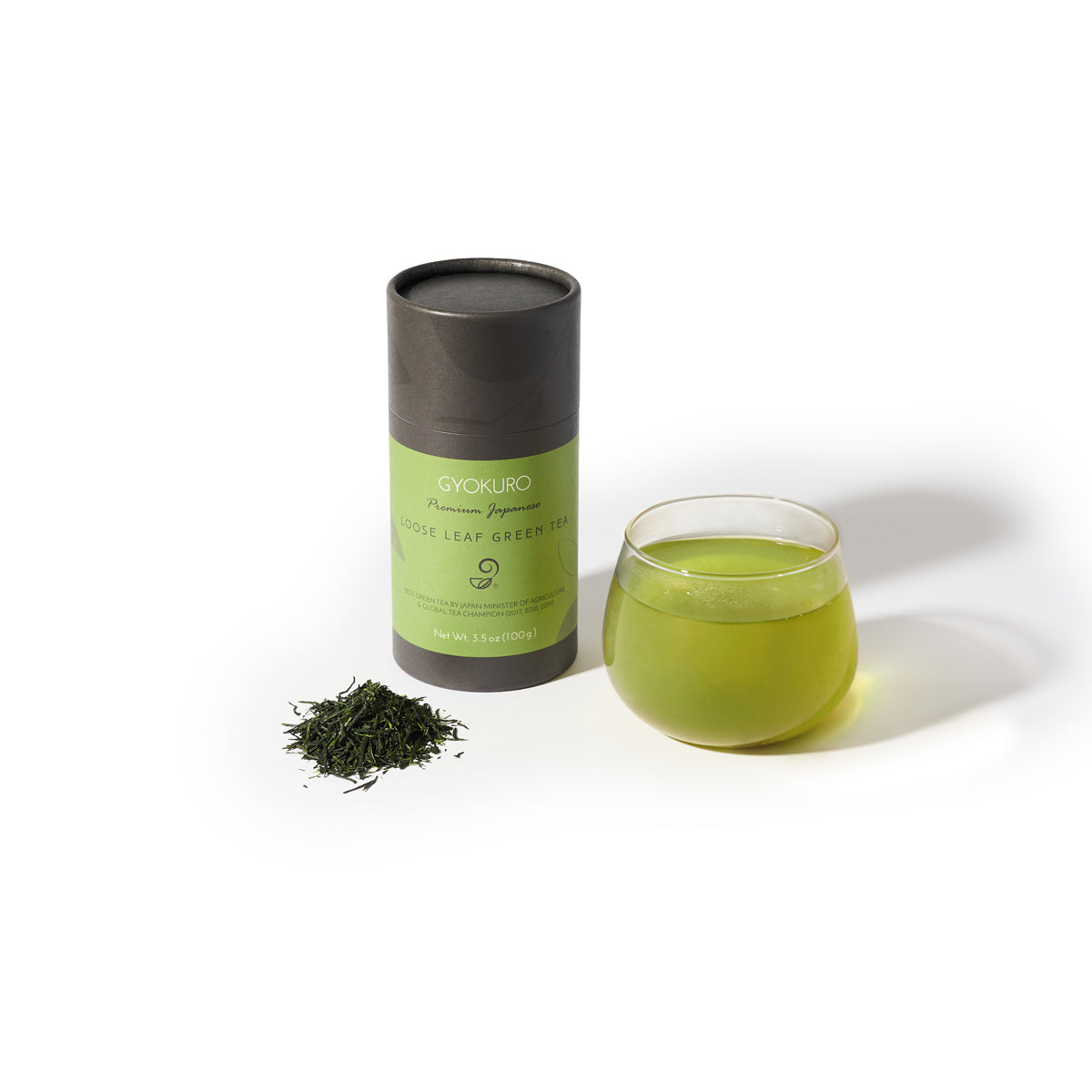
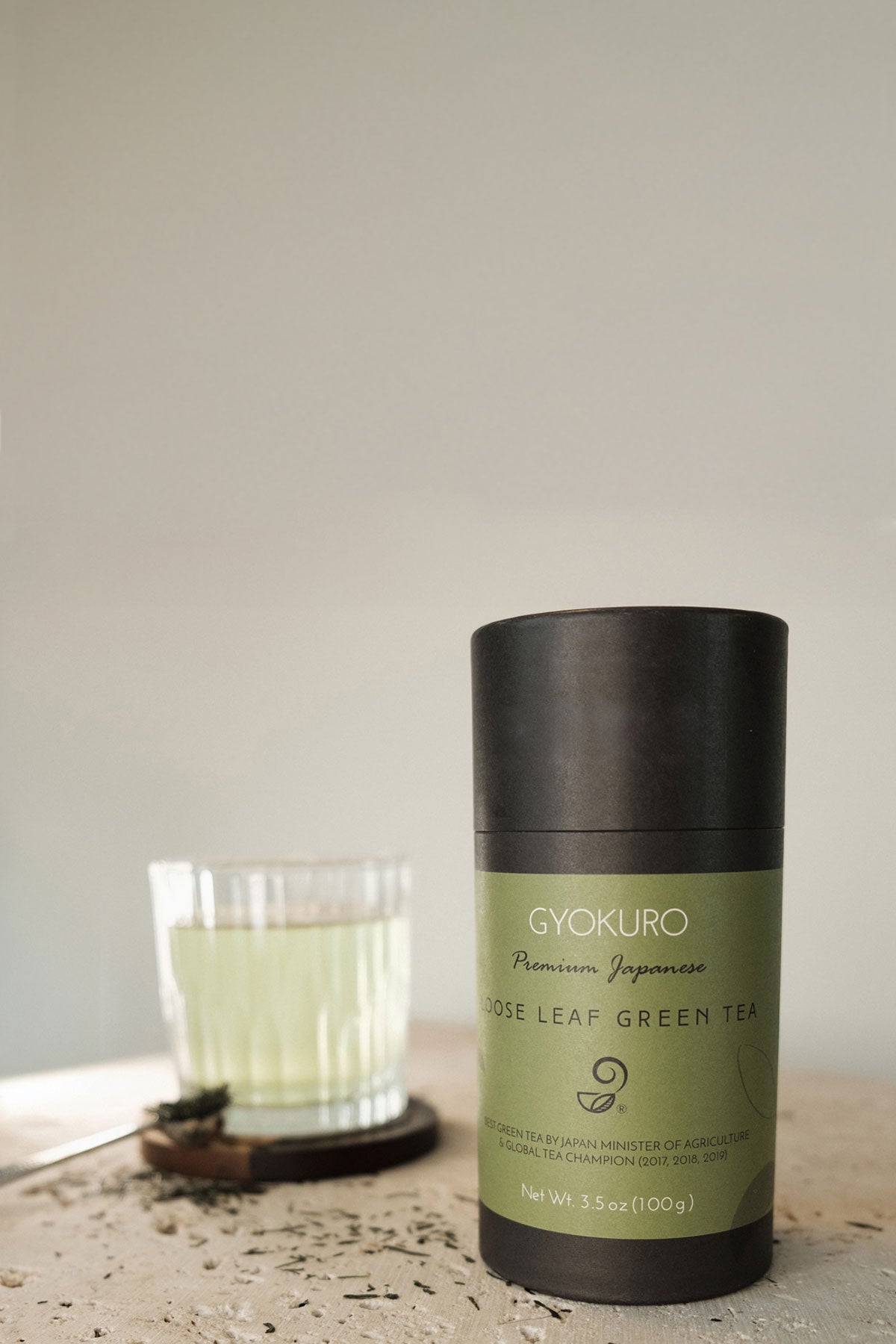
Gyokuro - Shaded Imperial Premium Green Tea

$65.00
Quick view

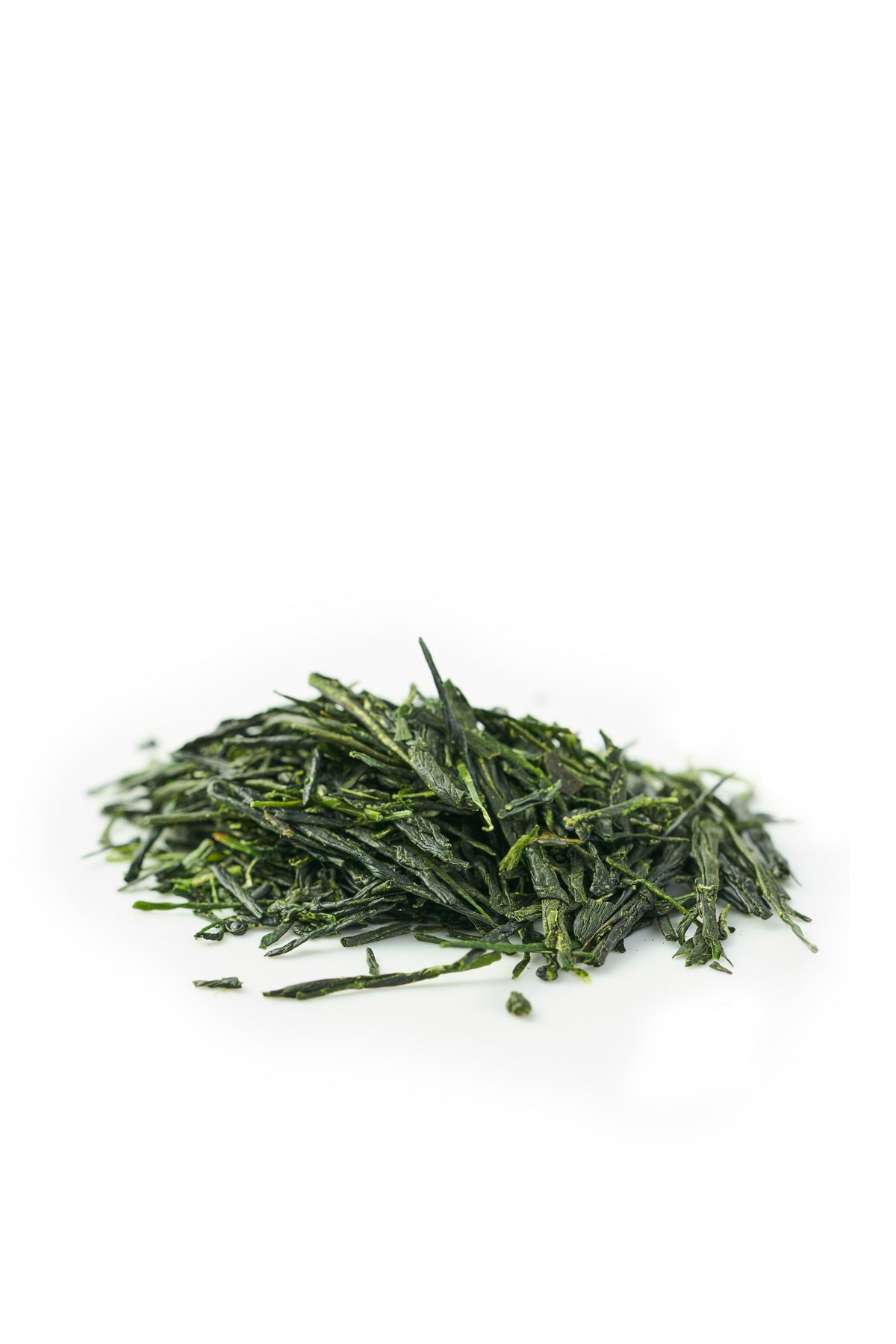
Gyokuro, also known as "jade dew" or "jewel dew tea," is a premium Japanese green tea shaded from the sun for 20 days using specially made mats, a method that boosts caffeine levels and strengthens amino acids to create a sweeter, richer flavor. This extended shading process results in dark, mossy green leaves with an unmistakable aroma and a complex taste that is layered yet balanced. Cultivated by the Chagusaba method in nutrient-rich sugarcane soil and made from the Yabukita cultivar, this loose-leaf authentic Gyokuro is offered in a high-quality, air-tight paper tube canister (chyazutsu) to preserve its exceptional freshness and flavor. Each 3.5 oz (100g) full-size package steeps 30–40 cups, and a convenient single-serve sample is also available.

8 reviews

The Sencha Lover Gift Set - Premium Japanese Green Tea Set Package
$179.00 $159.99
Quick view

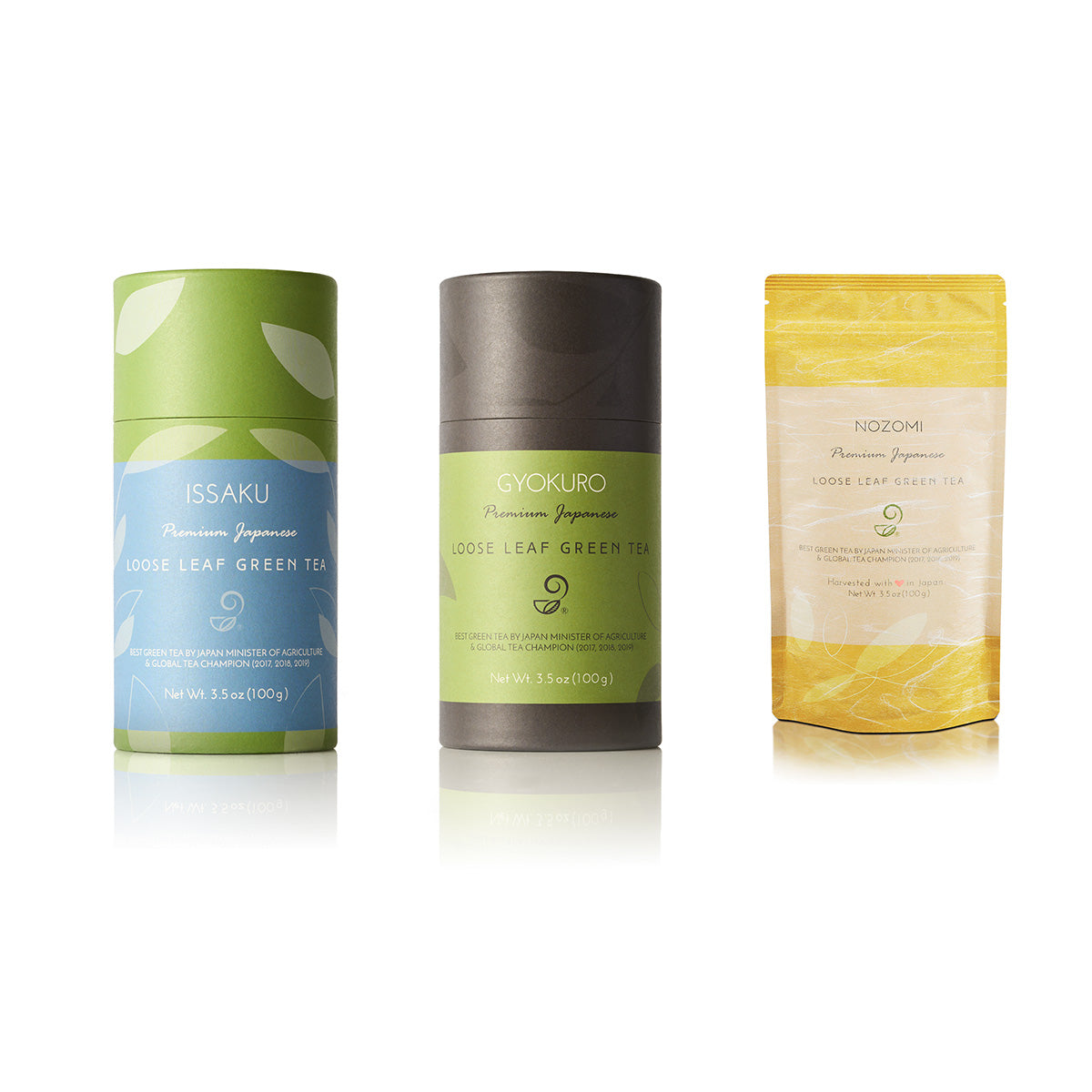
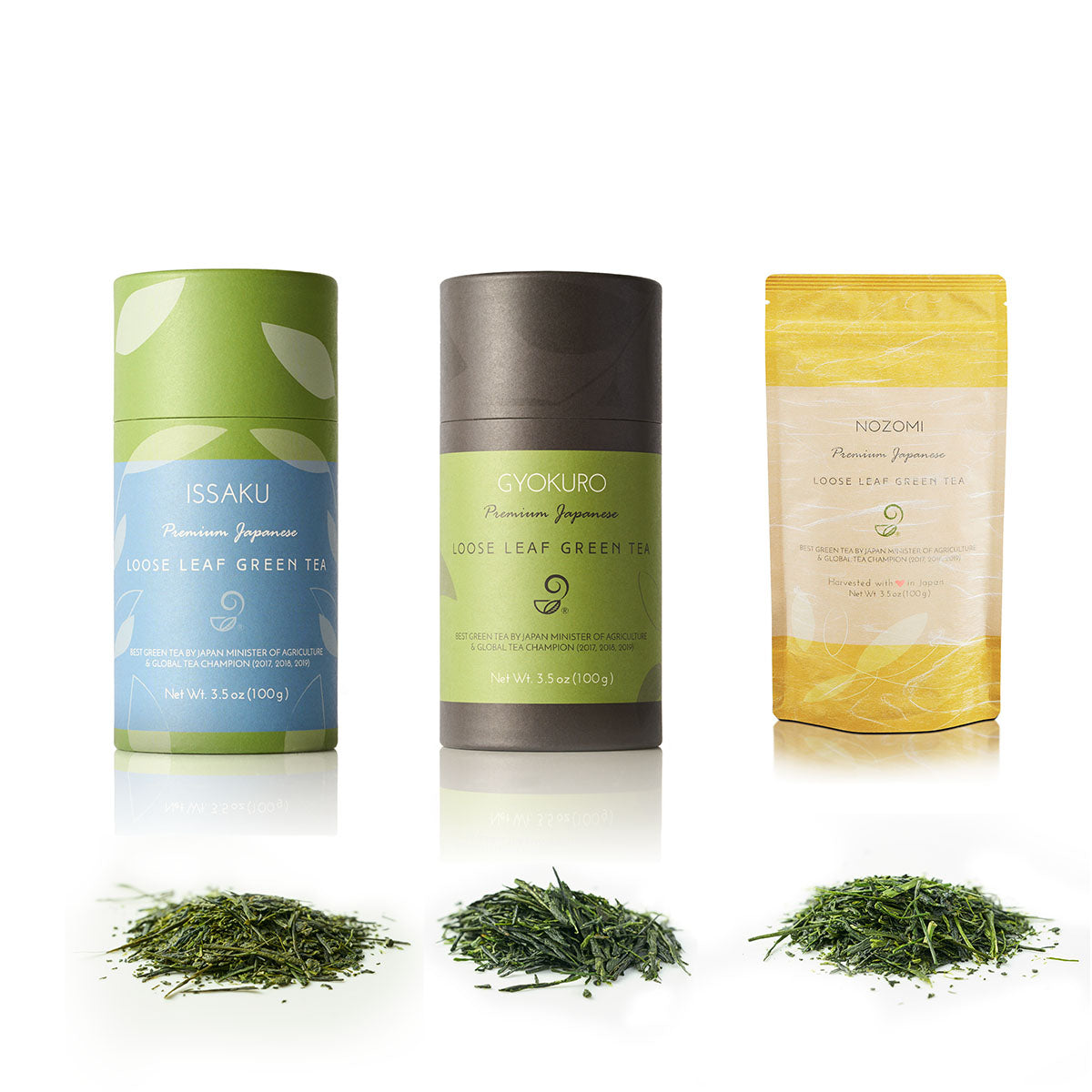
This tea set features three exceptional Japanese green teas, each crafted with care and traditional techniques. Issaku Reserve, a Global Tea Champion winner in 2017 and 2019, is a rare masterpiece created by Farm Master Mr. Arahata at Arahataen Green Tea Farm. Handpicked once a year from the first flush and processed with advanced methods, Issaku represents the highest-grade deep-steamed green tea, available only in limited quantities even in Japan.

The set also includes Gyokuro, a premium shaded green tea known for its rich, sweet flavor and deep mossy green color. Grown under special mats for 20 days to increase caffeine and amino acid levels, Gyokuro offers a layered, smooth taste unlike any other. Completing the collection is Nozomi, a fine Kabuse-cha, or "Covered Green Tea," carefully grown under nets to gently shade the leaves just before new sprouts emerge, resulting in a soft, rich, and refined flavor profile.

Ceremonial Japanese Powdered Green Tea and Electric Matcha Whisk

$56.99 $45.60
Quick view

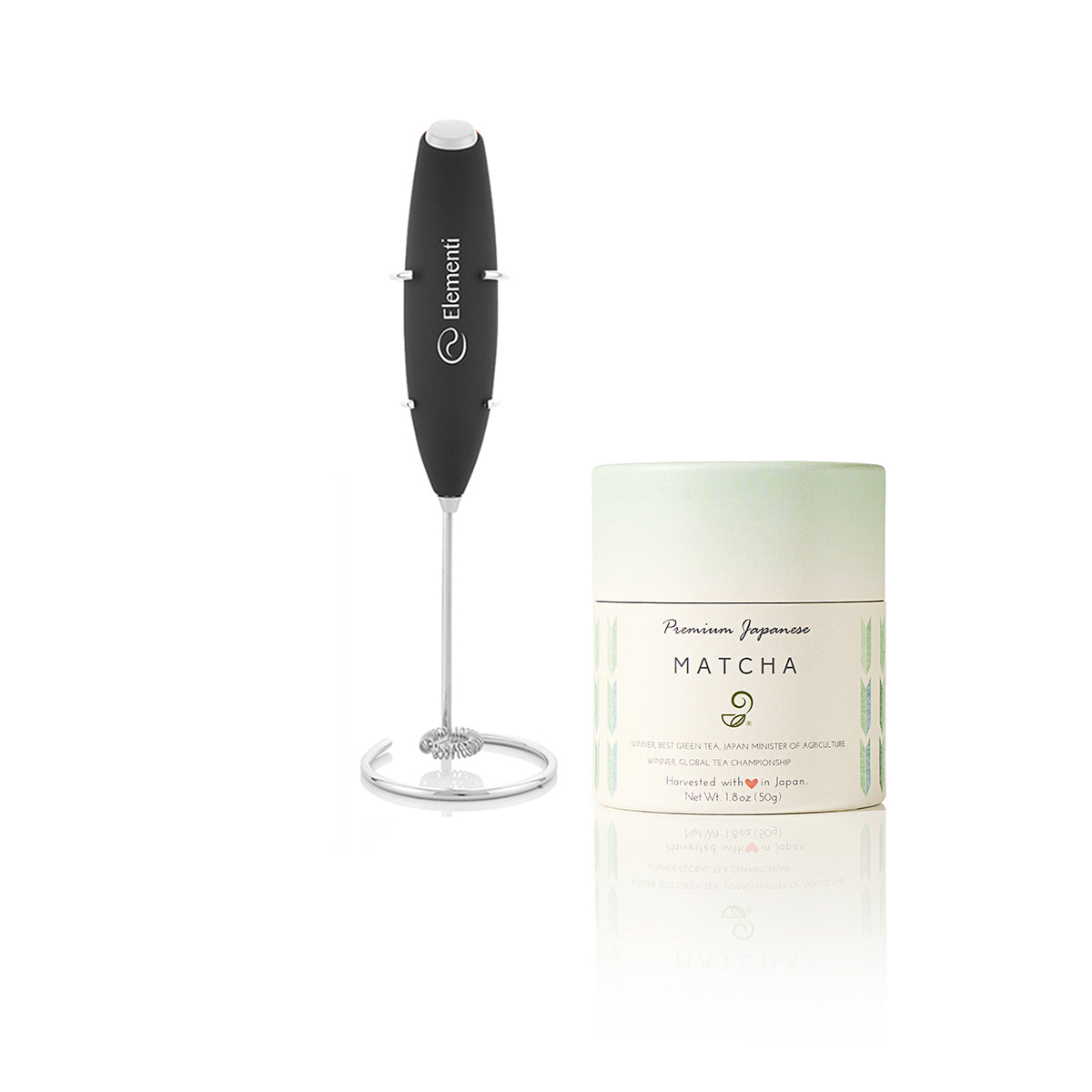
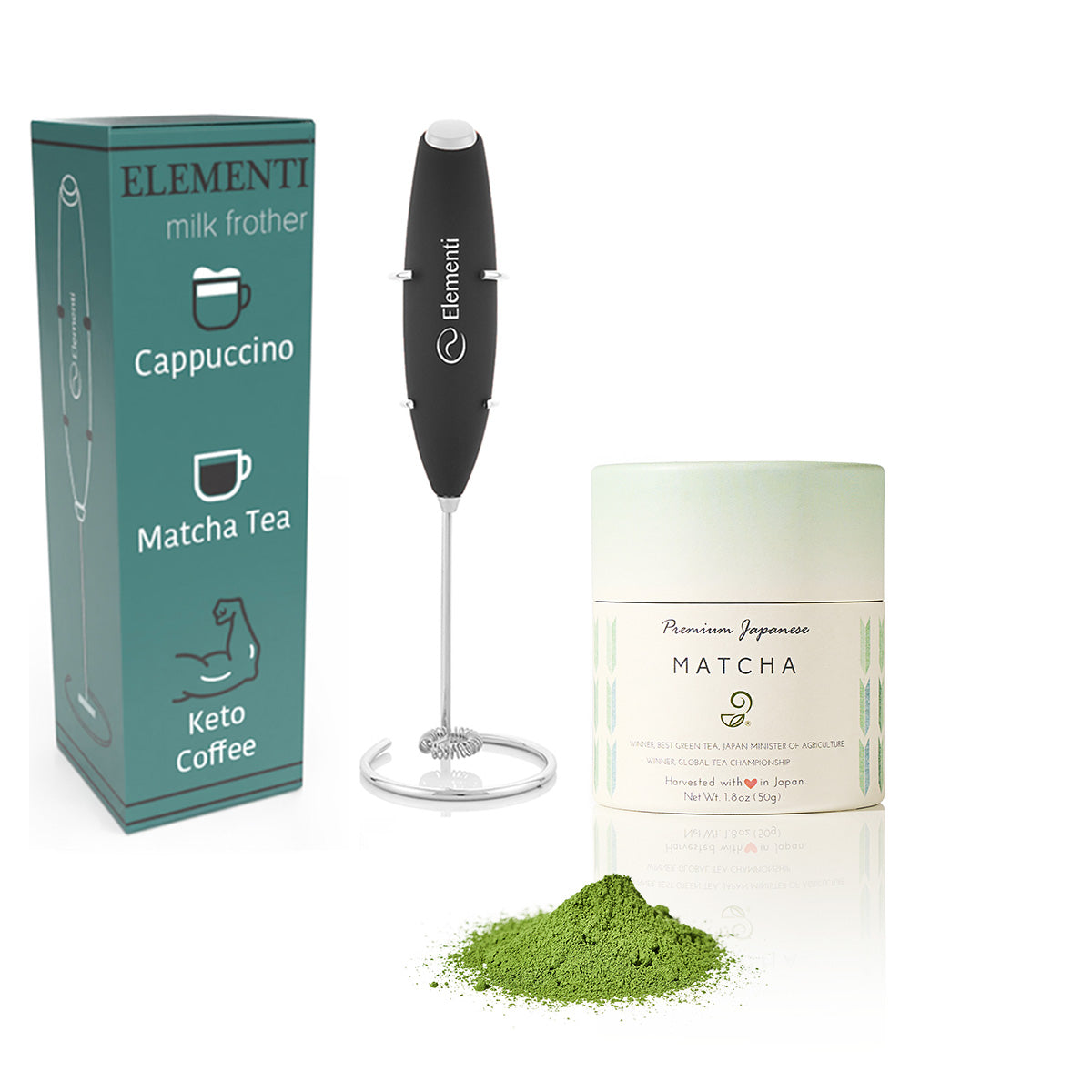
This starter gift set brings together premium ceremonial Japanese matcha and the Elementi electric matcha whisk, giving you everything you need to prepare smooth, authentic matcha at home. The matcha is 100% made in Japan, produced from carefully shaded green tea leaves that are stone-ground into a vibrant, fine powder prized for its rich umami, natural caffeine, and amino acid content.

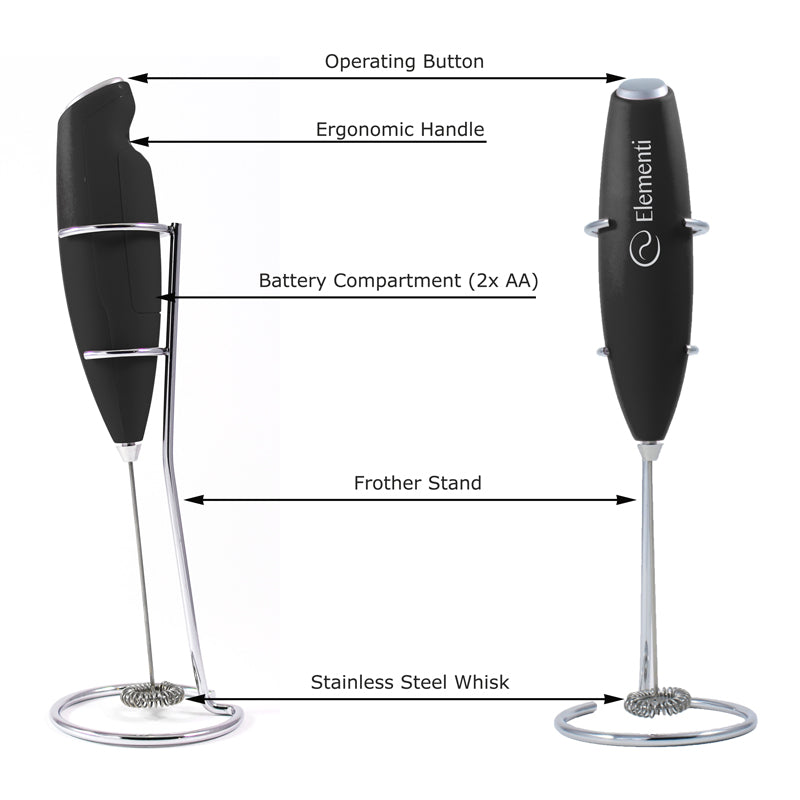
Paired with the matcha is the Elementi electric whisk, designed for quick and effortless preparation. Its powerful motor creates a smooth, frothy cup in seconds, while the ergonomic, soft-touch grip ensures comfortable handling. This item ships within the USA only (excluding HI and AK).

2 reviews

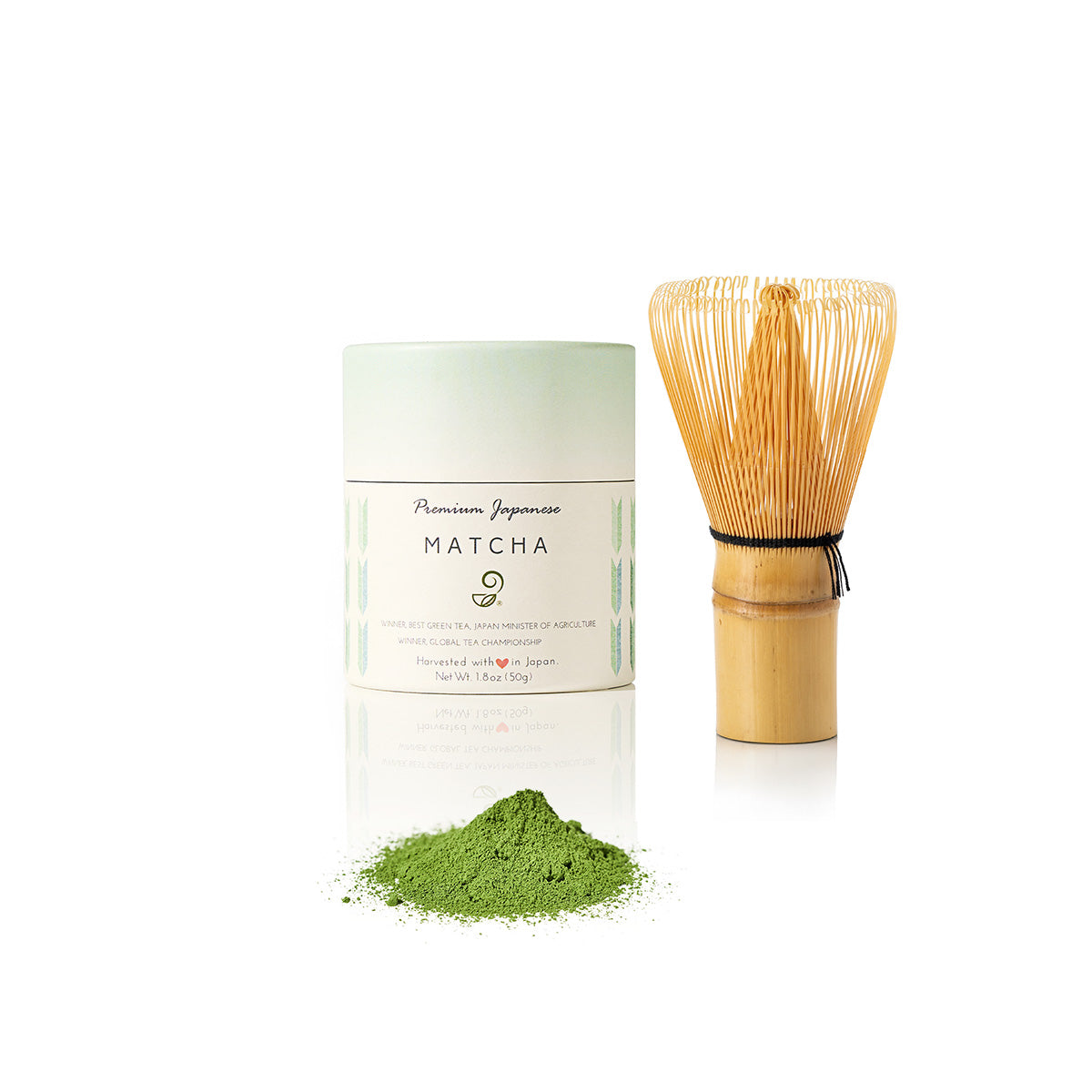
Matcha and Chasen Whisk Gift Set

$74.00 $66.00
Quick view

This set features a premium matcha made from the finest Japanese green tea, cultivated in soil enriched with compostable grasses and sugarcane to bring out a natural sweetness. In collaboration with researchers from Shizuoka University, farmers carefully study soil conditions to enhance flavor quality. The tea plants are shaded before harvest to increase caffeine and amino acid content, then skillfully dried, de-stemmed, and ground into a fine powder, creating a matcha with a luxurious aroma and taste highly regarded by top Japanese chefs.

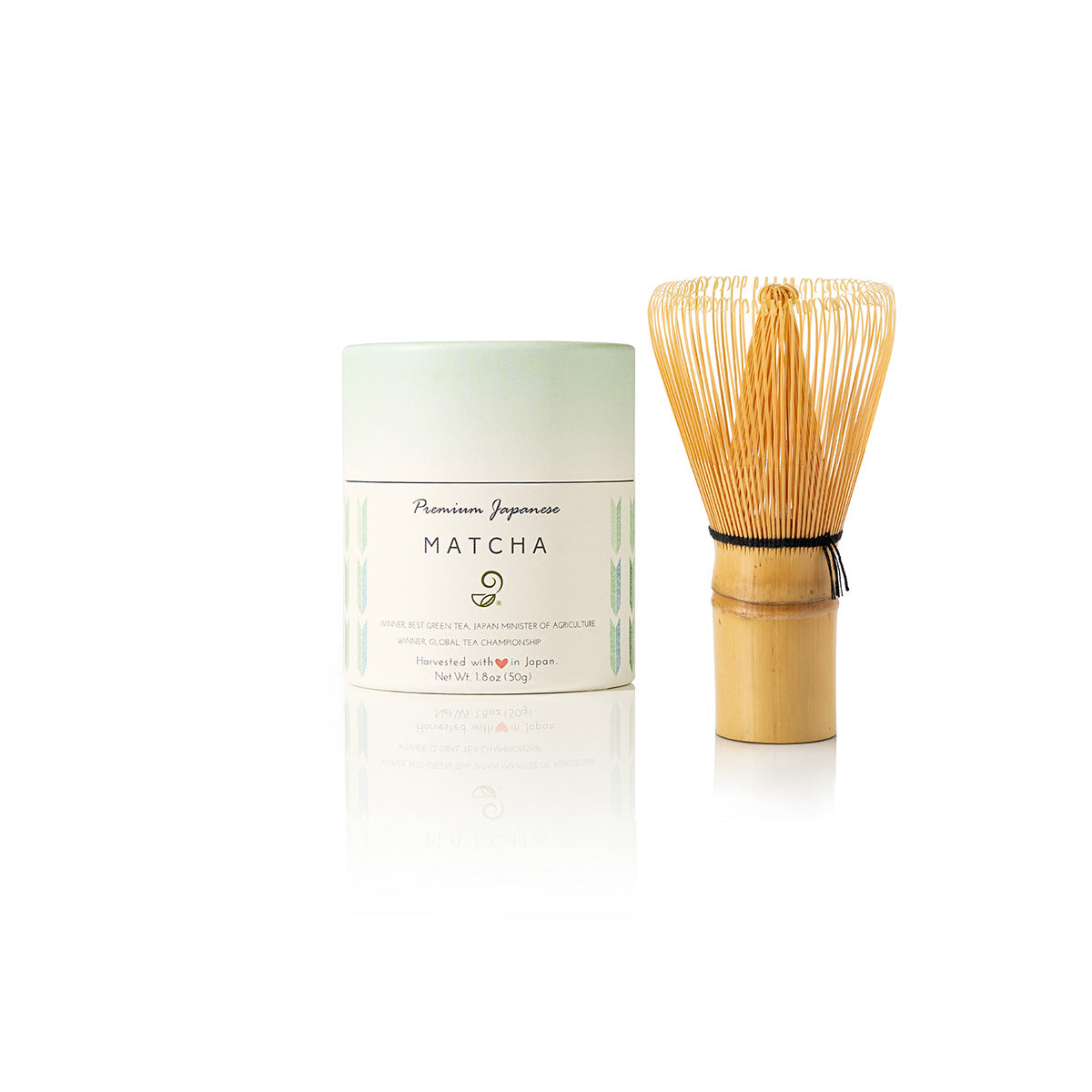
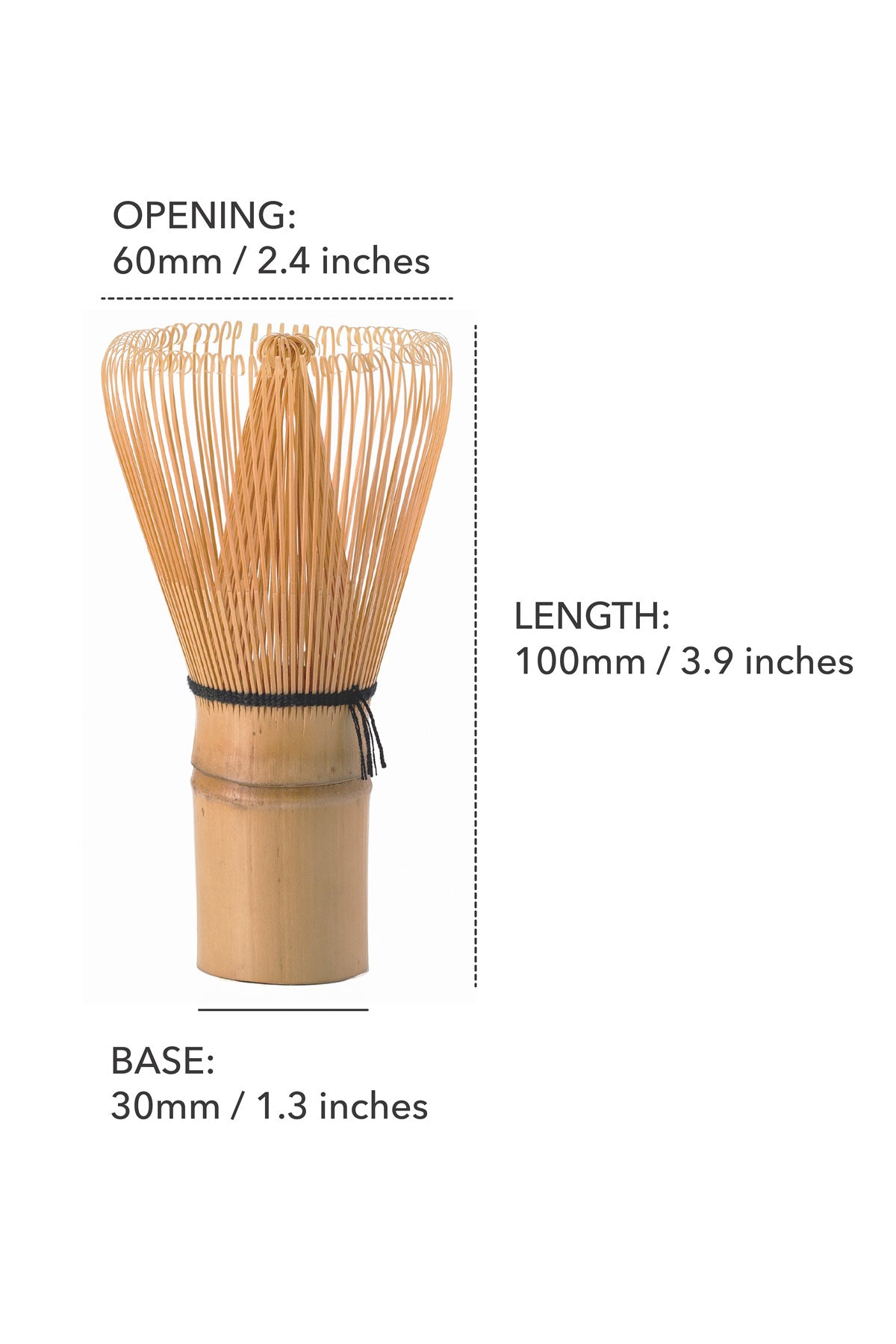
Paired with the matcha is a traditional 100-prong bamboo chasen whisk, considered the highest-grade among matcha tools. Unlike common 40-60 prong versions, this finely crafted whisk is widely used in high-end tea ceremonies in Japan. Its balanced dimensions offer the perfect design for preparing a smooth and frothy bowl of authentic matcha.

• Disclosure: I only recommend products I would use myself, and all opinions expressed here are my own. This post may contain affiliate links that I may earn a small commission at no additional cost to you.
The commission also supports us in producing better content when you buy through our site links.
Thanks for your support.
- Kei and Team at Japanese Green Tea Co.


Related Articles You May Be Interested

Chasen - The Japanese Matcha Whisk
What Causes Some Matcha Flavors to Have a Chocolate Aroma?
25 Matcha Trivia You (Probably) Didn't Know
How Do You Make Matcha Tea At Home?
What Flavors Go Well With Matcha? A Guide For The Tastebuds

Get Free Bonus Books

Join Green Tea Club

Sign up for free to the Green Tea Club to get advice and exclusive articles about how to choose Japanese Tea, and tips, tricks, and recipes for enjoying Japanese tea.

Unsubscribe anytime. It’s free!

About the author

Kei Nishida

Kei Nishida

Author, CEO Dream of Japan

info@japanesegreenteain.com

Certification: PMP, BS in Computer Science

Education: Western Washington University

Kei Nishida is a passionate Japanese green tea connoisseur, writer, and the founder and CEO of Japanese Green Tea Co., a Dream of Japan Company.

Driven by a deep desire to share the rich flavors of his homeland, he established the only company that sources premium tea grown in nutrient-rich sugarcane soil—earning multiple Global Tea Champion awards.

Expanding his mission of introducing Japan’s finest to the world, Kei pioneered the launch of the first-ever Sumiyaki charcoal-roasted coffee through Japanese Coffee Co. He also brought the artistry of traditional Japanese craftsmanship to the global market by making katana-style handmade knives—crafted by a renowned katana maker—available outside Japan for the first time through Japanese Knife Co.

Kei’s journey continues as he uncovers and shares Japan’s hidden treasures with the world.

Learn more about Kei Nishida

Related Posts

Introducing New Product - Meet Hojicha Powder
Introducing A New Product - Meet Hojicha Powder

Discover the game-changing Hojicha powder your kitchen has been waiting for — richer flavor, easier recipes, and surpris

Read More
Yokohama Peach is offered as a regular menu at Okayama Kobo Cafe!
Yokohama Peach is offered as a regular menu at Okayama Kobo Cafe! + Recap Video of Pop-up on 2/8/2026 at Anaheim, CA

We are excited to announce that our Yokohama Peach is now available on the regular menu at the popular Japanese Bakery,

Read More
The Story Behind Our Booth Backdrop: Craftsmanship, Engineering, and Sacred Wood
Behind the Scenes – How We Made the Event Booth & Backdrop Using Sacred Wood

Discover how our one-of-a-kind event booth came to life—from Japanese Kōshi (格子) design and rare Port Orford Cedar to mo

Read More
Leave a comment

Your email address will not be published..

Cart

Your cart is currently empty.

Start Shopping

Select options