Skip to content

Mother's Day Sale Ending Soon!

Treat her to something truly special.

0 days
0 hours
0 minutes
0 seconds
Shop Sale

How Tin Tea Cans Are Bad for the Environment

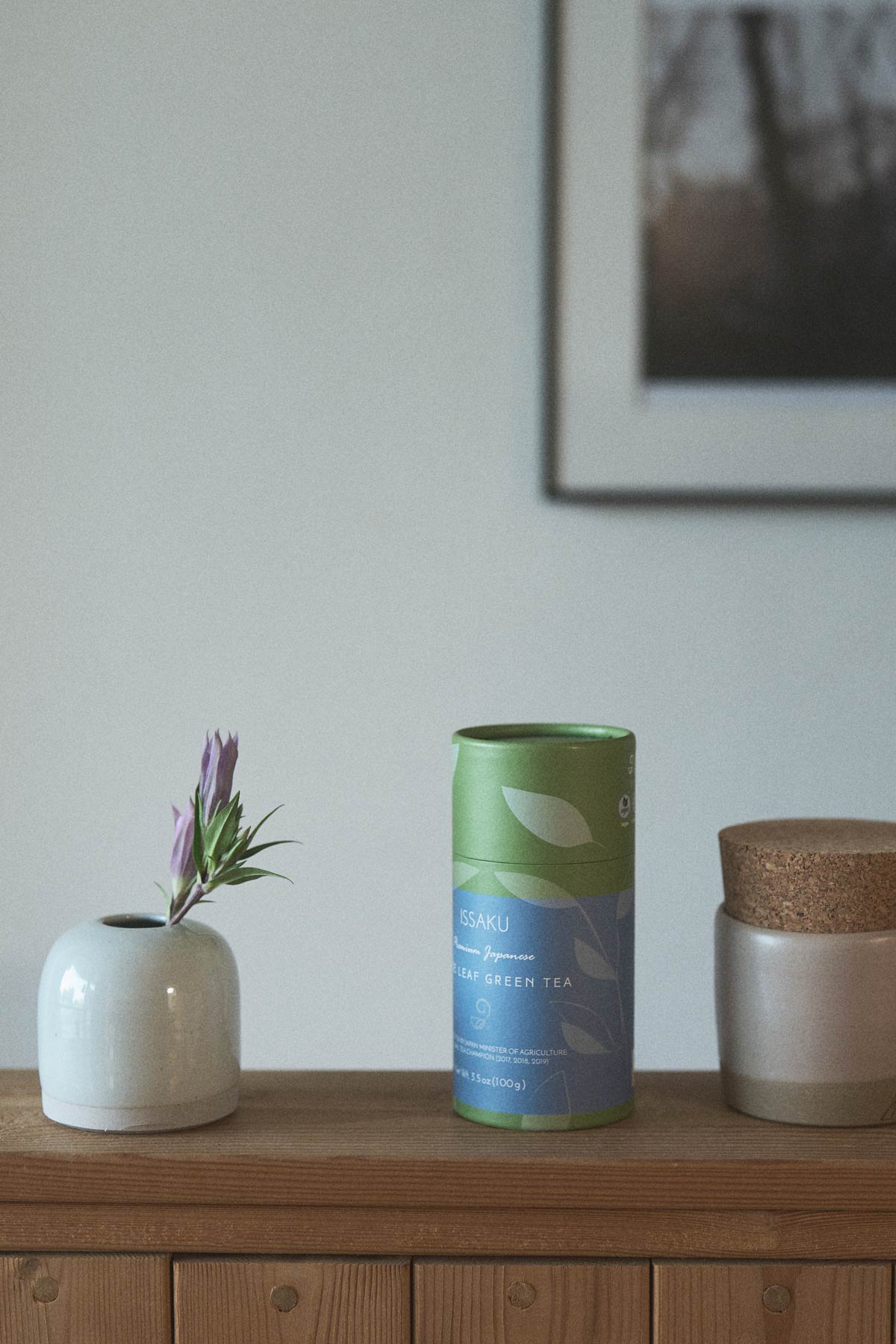
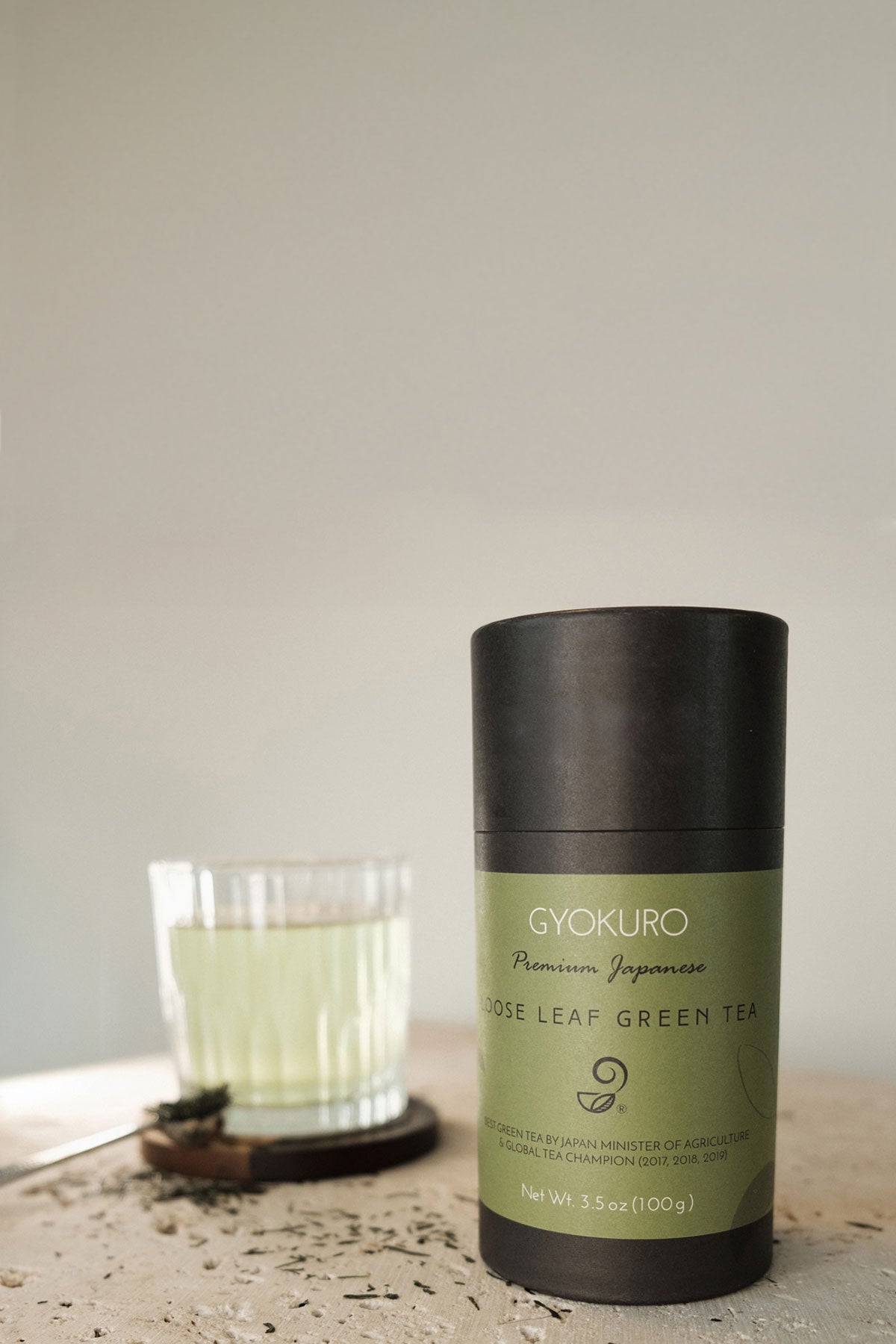
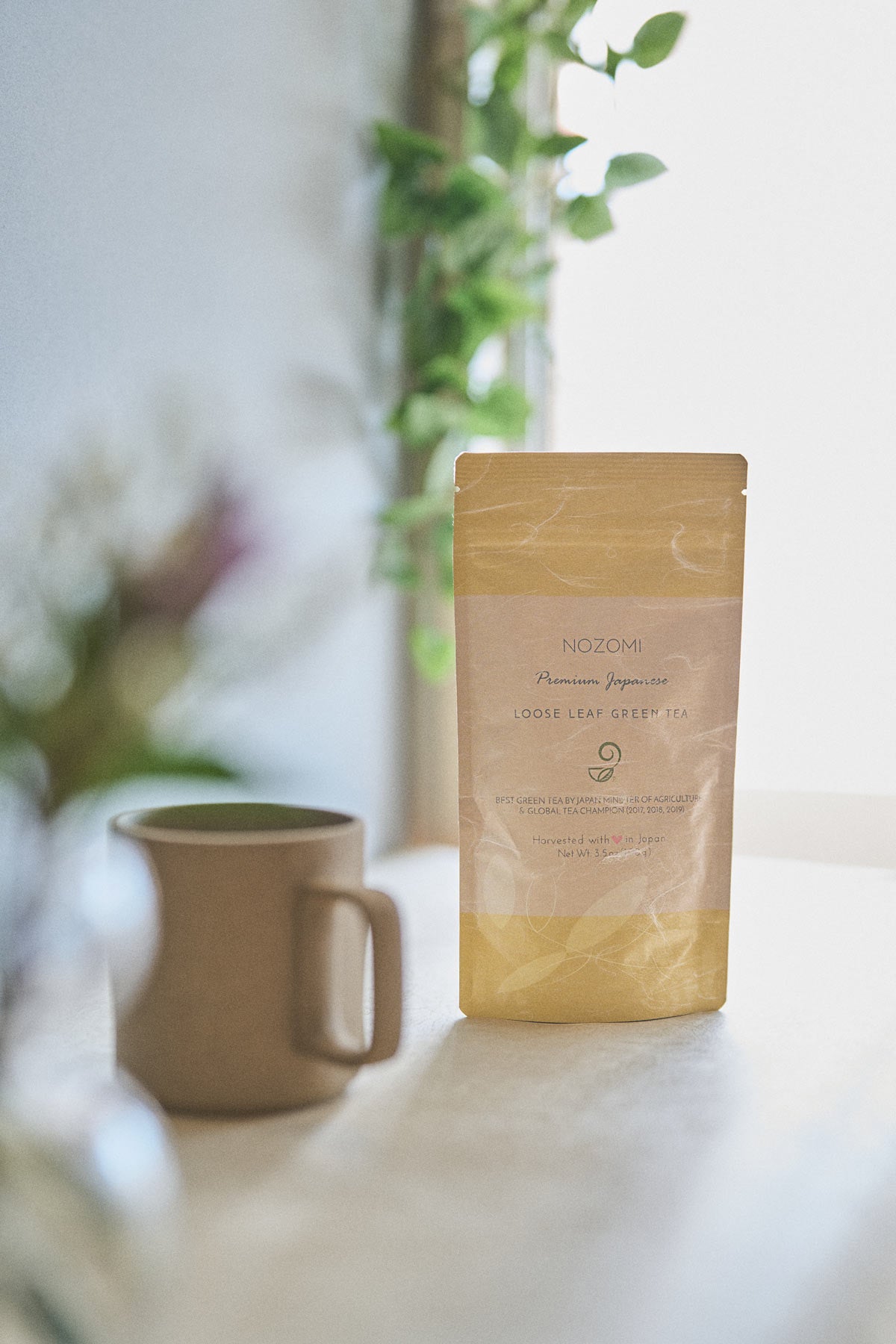
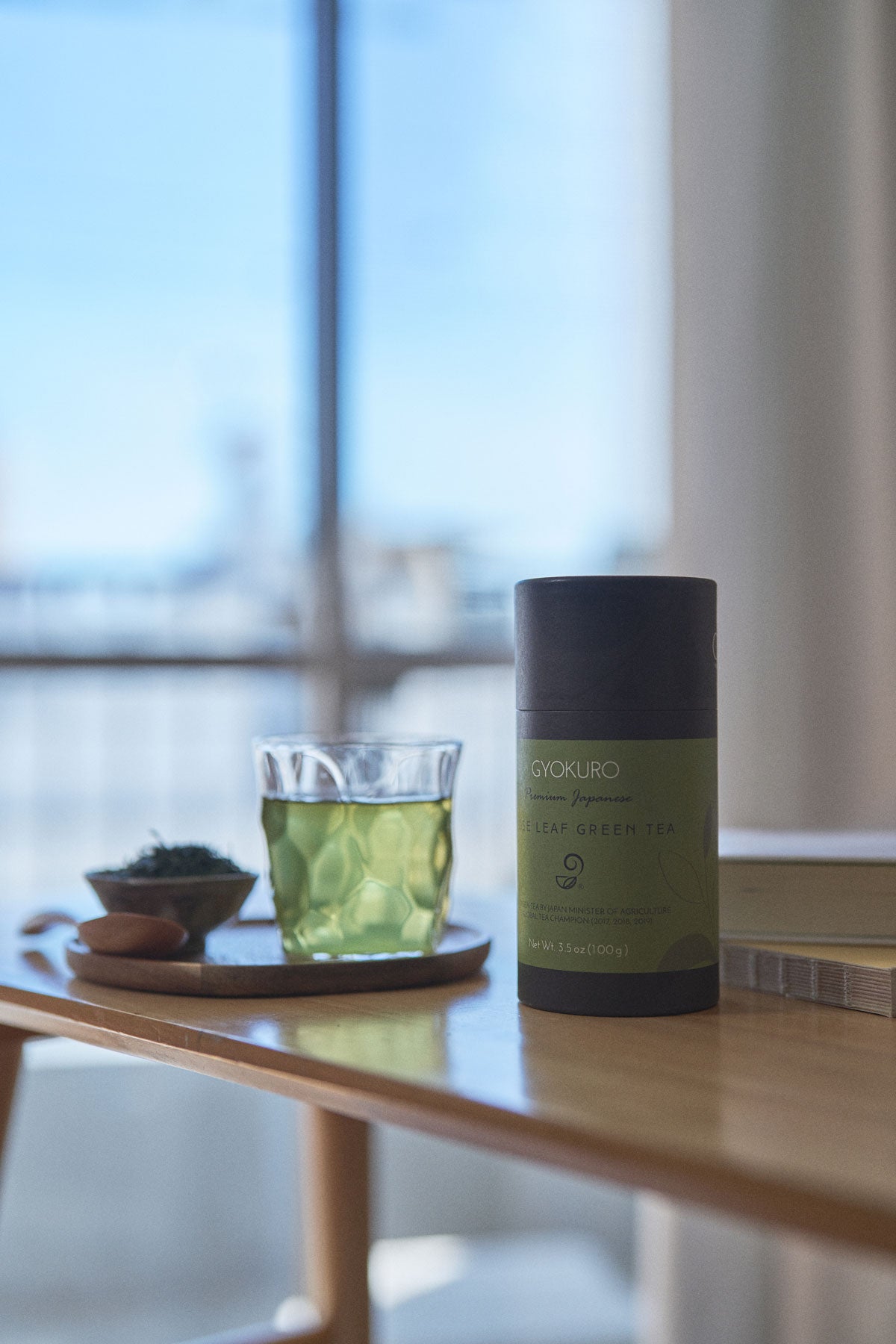
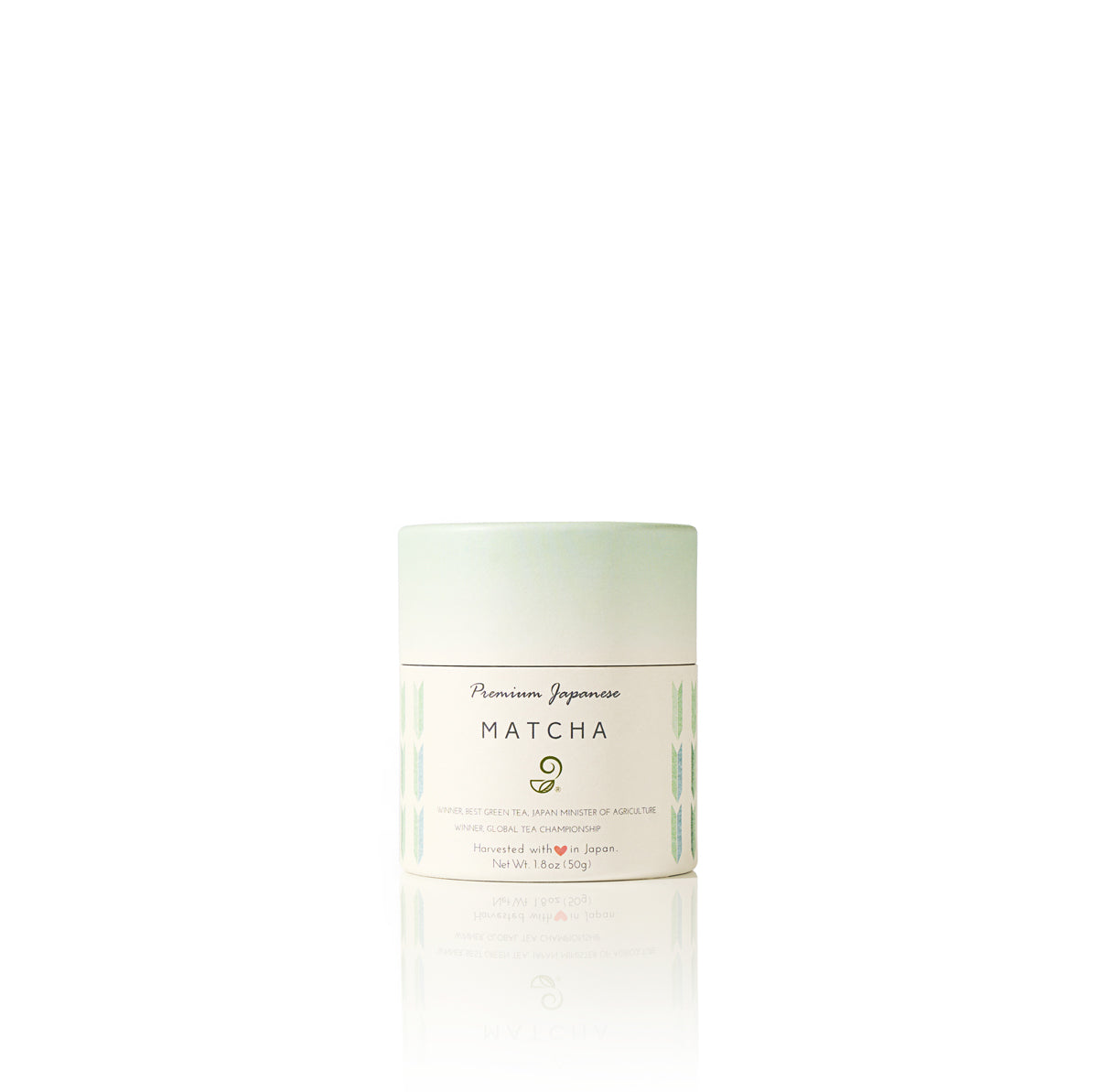
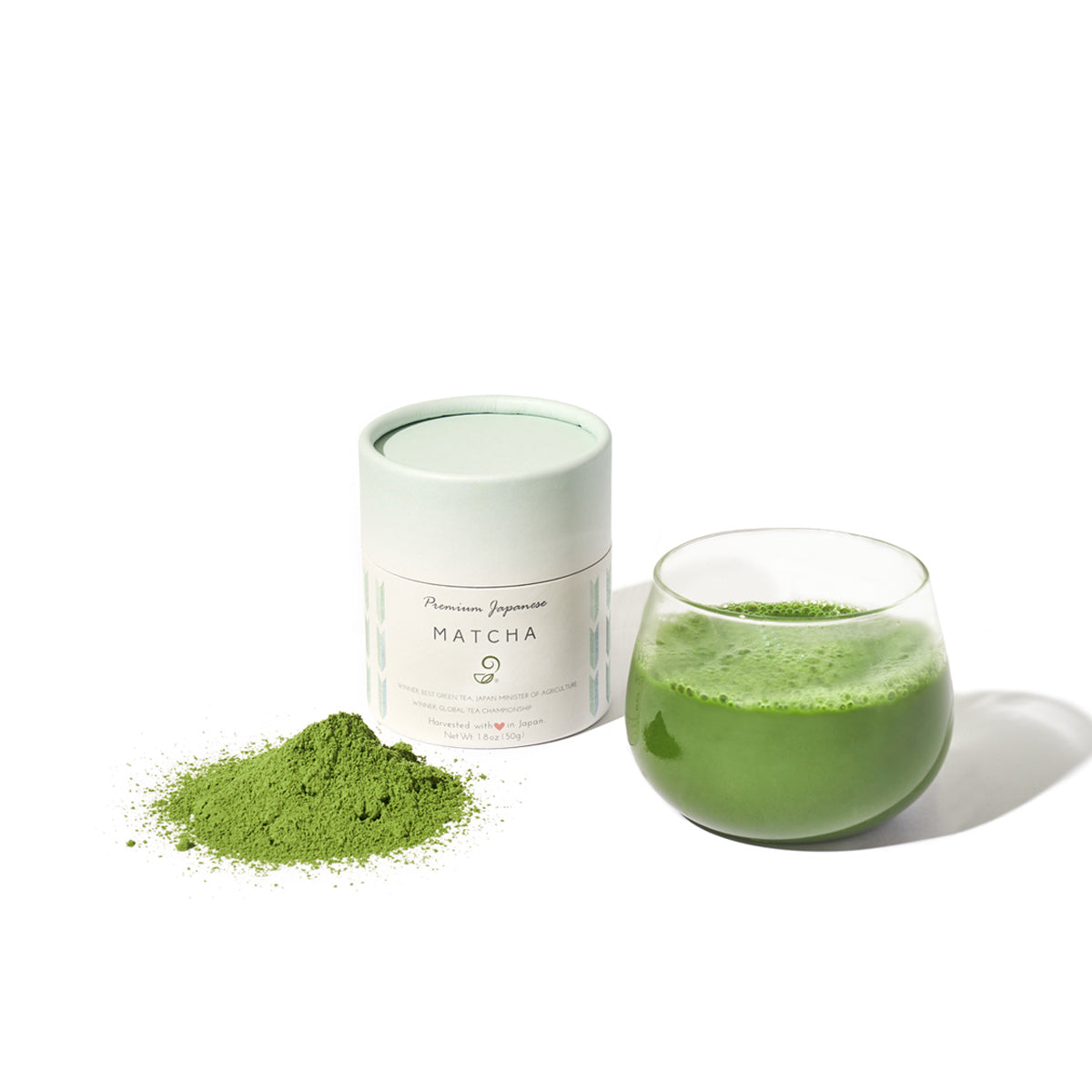
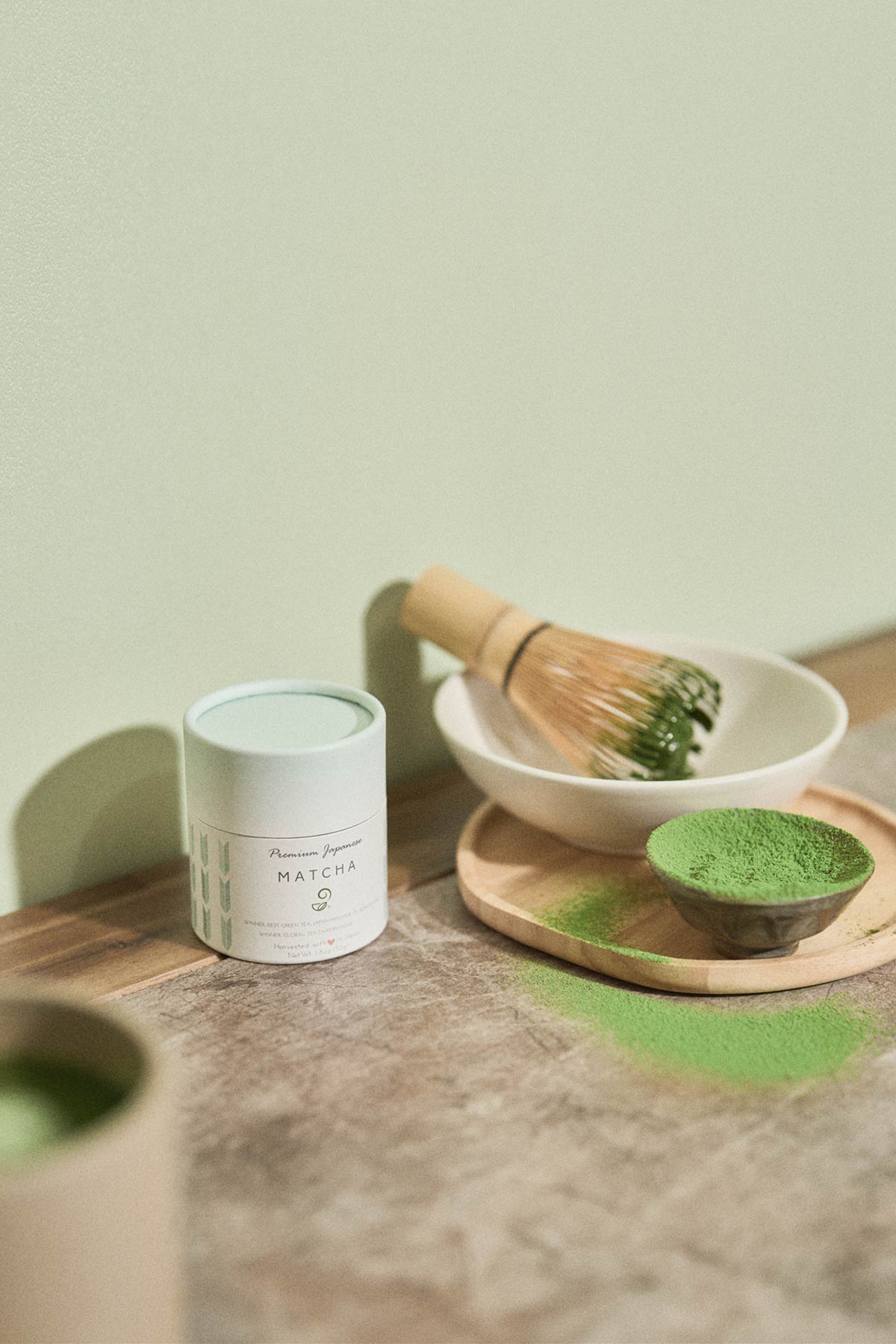
We are happy to announce that we have switched our most popular matcha product from a tin can to a paper tube. Here is what the new paper version looks like—aren’t they looking great?

As you know, the creation of packages goes through months of designing, prototyping, and production. These packages are 100% made in Japan with Washi paper technology and are very eco-friendly. Since we started this process, I have been researching how Tin cans are bad for the environment, so I thought of sharing what I found out here in this blog post.

matcha new packaging

I hope you enjoy it, and hopefully it can be a bit eye-opening for you (which it was for me!).

Many people have always had the idea that tin tea cans are environmentally friendly. They are both easily reusable and recyclable, so this must mean that they're not harmful to the planet, right? That's not the complete story, however.

To see just what kind of impact a material has on the environment, you have to go all the way back to its production.

What is a tin can?

Before we get to the nitty-gritty of production, it's important to point out a particular detail to avoid any confusion going forward.

The phrase "tin can" suggests that the can is made of tin. Unfortunately, this is not always accurate.

If you're familiar with the periodic table, you know that tin (Sn, atomic number 50) is a chemical element, a silver-colored metal that is soft enough to be bent by hand or cut with little force. While that sounds about right, "tin cans" aren't quite what the phrase denotes.

In reality, your present-day tin can's composition is pretty contrary to its name. At times, it contains no tin at all. Although tin, the metal, isn't considered precious like gold, it's still quite rare. That's one reason why the tin cans we know of today are generally made of aluminum and other treated metals.

Why call it a tin can?

Cans were first introduced in the 1800s. Back then, they were made of wrought iron. Later on, their preferred material became tin-plated steel, which combined the durability and lower price of steel with the corrosion-resistant properties of tin.

Matcha Latte

Tin cans became popular during the First World War due to the high demand for preserved food. Since then, the term "tin can" has stuck around even after innovations led to tin cans no longer being made of tin. Because aluminum shares tin's malleability and resistance to corrosion, it has become the most common replacement.

Where does tin come from?

Some tin cans may have zero tin in them, but all tin cans have metals that must be procured for their production.

Before manufacturing tin cans, you first have to mine the mineral that would serve as their primary material. As it happens, actual tin cans with tin in them are typically made from mined cassiterite (tinstone). At times, stannite is also used. What are these two?

Cassiterite is a tin oxide mineral. As a rock, it's opaque, but in thinner crystal form, it's translucent and makes a pretty desirable gem. It has always been the most important source of tin throughout history. Stannite, on the other hand, is a metallic mineral consisting of a sulfide of copper, iron, and tin.

For tin-less cans, other metals are involved, but mining is still necessary. In the case of aluminum, for instance, the process starts with mining bauxite ore.

Mining is obviously not an environmentally friendly endeavor. Not only does it disturb the natural structure of the land bodies involved, but it also often leads to habitat loss for local flora and fauna. In addition, it can also damage the natural drainage system of the area and cause soil erosion, which could lead to disasters like landslides.

how to enjoy matcha with milk

Mining can also contaminate groundwater, which could end up killing plants and animals. The toxicity can also reach humans in some way, even if they don't live in the area.

These metals have byproducts as well. For example, tin contains rare radioactive earth elements like monazite, pyrochlore, and xenotime. Meanwhile, red mud, or bauxite residue, is a byproduct of aluminum. Its alkalinity and other components are hazardous to the environment and can cause a genotoxic effect on fauna.

What is smelting?

Once the desired ores are mined, they are smelted to extract the actual metal needed for producing the cans. This process requires baking at high temperatures, which, as expected, consumes much energy. Not only does it take up a lot of energy, but it also causes air pollution through its emissions.

Are tin and other tin can materials sustainable?

Tin can production is certainly not eco-friendly. With the pollution and damage it causes, it is far from a sustainable practice.

Nonetheless, there are still other considerations when evaluating their impact on the planet. For instance, there's the fact that metal is not a renewable resource. You could only mine so much tin or aluminum before it ran out. At the moment, large amounts of tin have already been mined and used.

Meanwhile, the damage their production has wreaked on nature remains. There's no way to return those lands to their unexploited state. Even when restored or reforested, they've already lost so much that cannot be replaced.

Another point to ponder is the fact that, while metal is recyclable, the process involved is not at all carbon neutral. This is an important consideration to keep in mind as well. This knowledge could better guide people on what to do with their scrap tin or whether to get products packaged in tin cans or not.

matcha latte and hojicha latte

Are tin cans biodegradable?

They're not considered biodegradable because it would take at least half a century for the material to break down. In nature, it would sit as garbage for a long time. There are studies focused on developing more biodegradable tin and other metals, but in the context of their use as surgical implants, not as product packaging.

Are tin cans the lesser evil?

Tin cans have been marketed as the better packaging option, but this is clearly relative. If the other option is plastic, then tin cans are definitely more eco-friendly, but this is mainly because plastic is obviously the wrong choice. How so?

  • Tin can be recycled over and over without its quality being diminished, while recyclable plastic can only be recycled once or twice before it can no longer be reused. This means that plastic piles up in landfills at a much more alarming rate.
  • It's even worse when plastic doesn't end up in landfills but in the water. It does multiple grave damages to marine life, including coral bleaching, microplastic consumption, etc. Make no mistake, though; tin also causes harmful disturbance to the aquatic ecosystem as it is toxic to microorganisms like phytoplankton, an essential link in the aquatic food chain.
  • The plastic industry emits almost double the carbon dioxide equivalent that the metal industry does, so comparatively, metal is the more environmentally friendly option.

    What is a good alternative to tin cans?

    Since tin cans are the lesser of two evils, it's best to go for something that's genuinely more eco-friendly.

    For liquid or wet products, glass jars offer a more sustainable replacement. They can also be reused and recycled infinitely without diminishing in quality. Even better, glass is made from sand, a renewable resource. When it breaks down, it stays stable and safe, releasing no harmful chemicals. Consumers don't have to worry about the material leaching into the product either, provided the glass isn't enameled or decorated with print.

    Glass production is also a sustainable process. Since the materials used are abundant and easily accessible, producing glass does not disturb the natural environment.


    Matcha with the new packaging

    For dry products such as tea, paper is the recommended substitute. It may be reusable, depending on how intact it remains; it's definitely not as sturdy as metal. On the other hand, it's more easily recyclable. It can be recycled without relying on chemical reactions, so recycling paper leaves a far smaller carbon footprint than recycling tin cans. It is also very biodegradable, assuming, of course, that it was not laminated or coated with resin.

    Meanwhile, it has fortunately reached a point in history when paper manufacturing can be a fully sustainable and ecological practice. After all, it uses renewable materials to produce a circular product. There's no need to denude forests. Paper can be made with grass, bamboo, and other abundant resources. Popular these days as well is the use of recycled paper.

    There are indeed many ways to employ green packaging with paper. This is why we changed our matcha package to paper now.

    Final Thoughts

    It may feel good to place used tin tea cans in the recycling bin or reuse them as planters or containers, but it doesn't necessarily make them the green option. 

    It's vital to see the bigger picture, including the impact of their production on the planet. If it uses a non-renewable product and causes harm during production, it's not eco-friendly at all. That means it's time to replace tin tea cans as much as possible with a more sustainable but just as effective alternative, an old, good technology humans invented a long time ago: paper.

    Related products
    8 reviews

    The Sencha Lover Gift Set - Premium Japanese Green Tea Set Package
    $179.00 $159.99
    Quick view

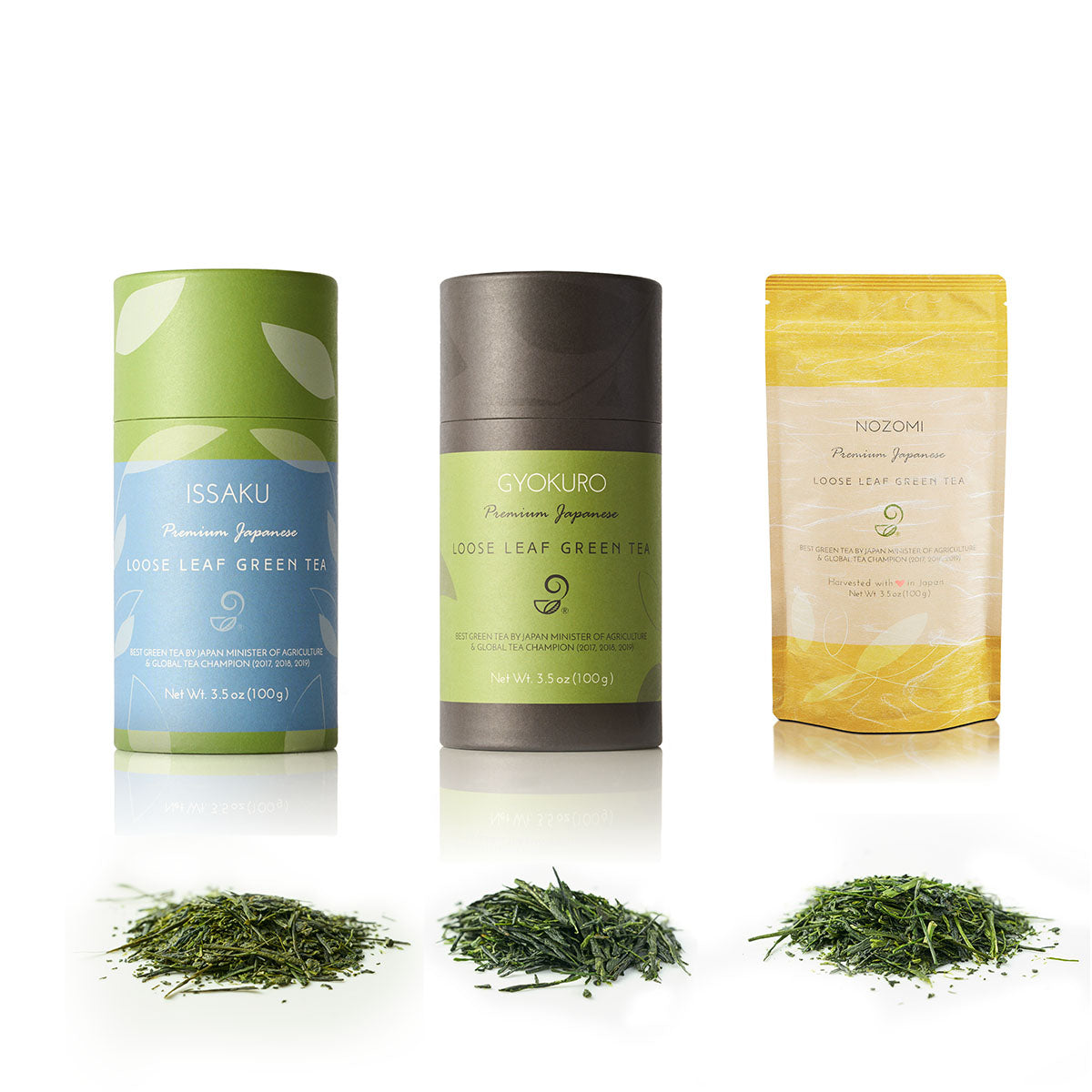
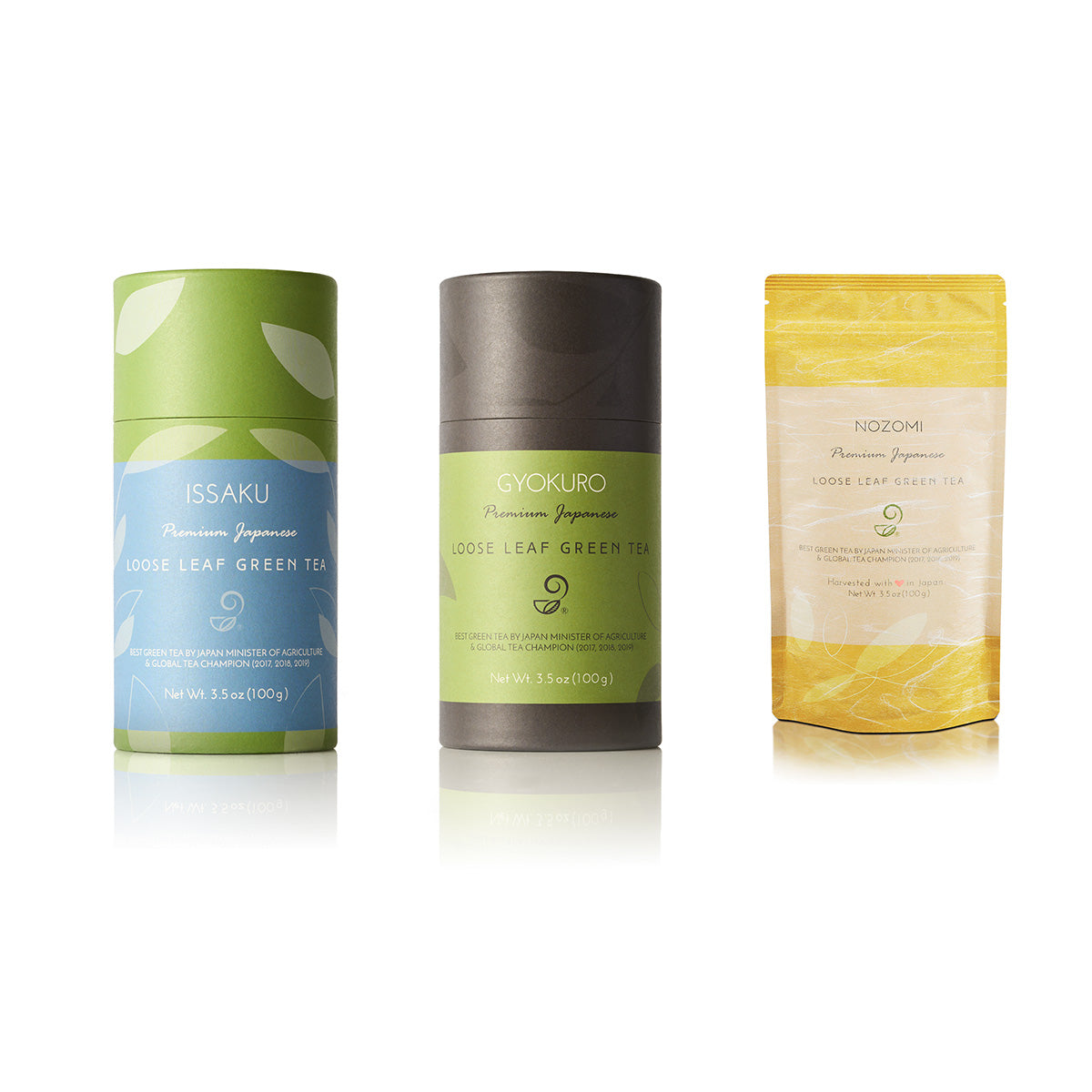
    This tea set features three exceptional Japanese green teas, each crafted with care and traditional techniques. Issaku Reserve, a Global Tea Champion winner in 2017 and 2019, is a rare masterpiece created by Farm Master Mr. Arahata at Arahataen Green Tea Farm. Handpicked once a year from the first flush and processed with advanced methods, Issaku represents the highest-grade deep-steamed green tea, available only in limited quantities even in Japan.

    The set also includes Gyokuro, a premium shaded green tea known for its rich, sweet flavor and deep mossy green color. Grown under special mats for 20 days to increase caffeine and amino acid levels, Gyokuro offers a layered, smooth taste unlike any other. Completing the collection is Nozomi, a fine Kabuse-cha, or "Covered Green Tea," carefully grown under nets to gently shade the leaves just before new sprouts emerge, resulting in a soft, rich, and refined flavor profile.

    97 reviews

    Gyokuro - Shaded Imperial Premium Green Tea

    $65.00
    Quick view

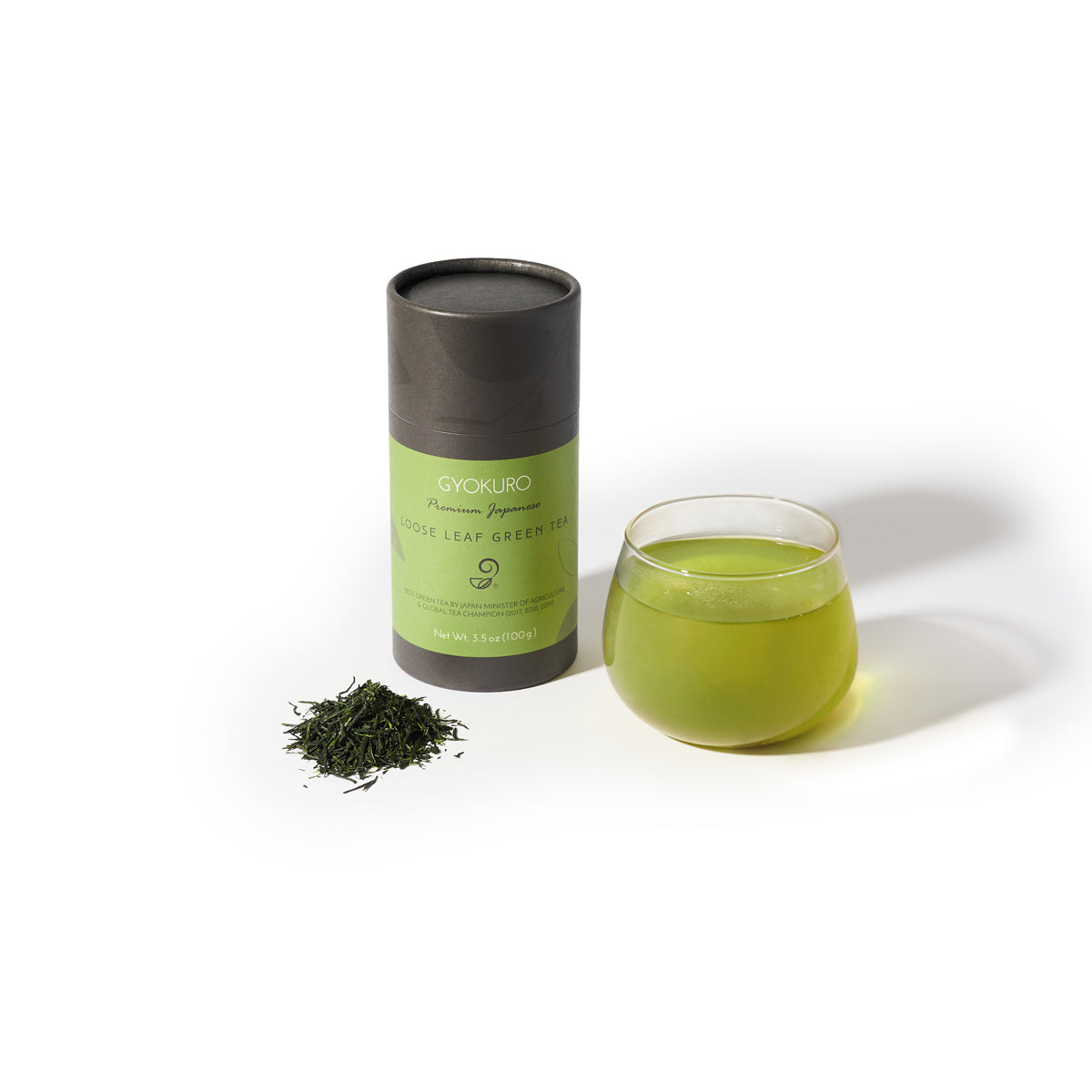
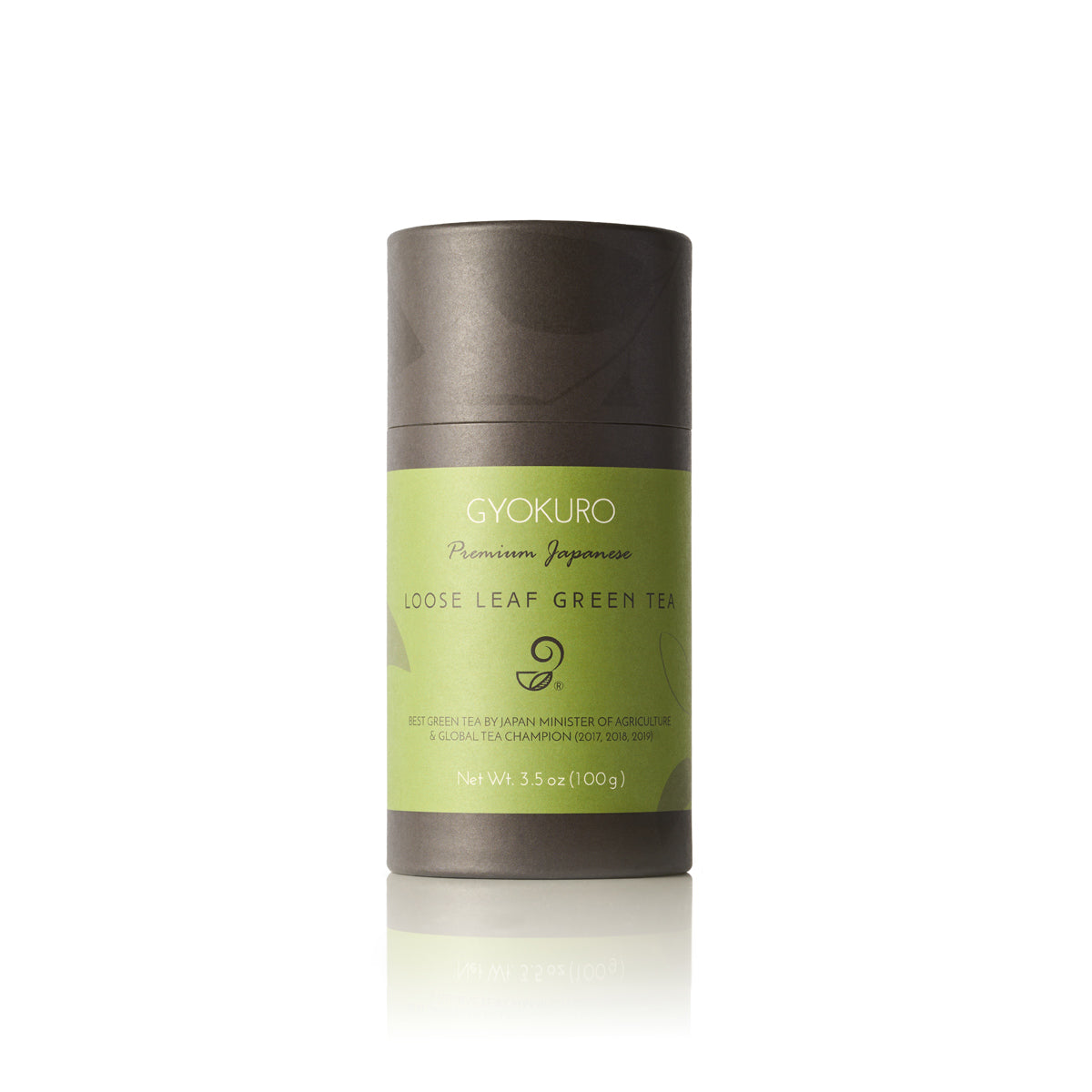
    Gyokuro, also known as "jade dew" or "jewel dew tea," is a premium Japanese green tea shaded from the sun for 20 days using specially made mats, a method that boosts caffeine levels and strengthens amino acids to create a sweeter, richer flavor. This extended shading process results in dark, mossy green leaves with an unmistakable aroma and a complex taste that is layered yet balanced. Cultivated by the Chagusaba method in nutrient-rich sugarcane soil and made from the Yabukita cultivar, this loose-leaf authentic Gyokuro is offered in a high-quality, air-tight paper tube canister (chyazutsu) to preserve its exceptional freshness and flavor. Each 3.5 oz (100g) full-size package steeps 30–40 cups, and a convenient single-serve sample is also available.

    45 reviews

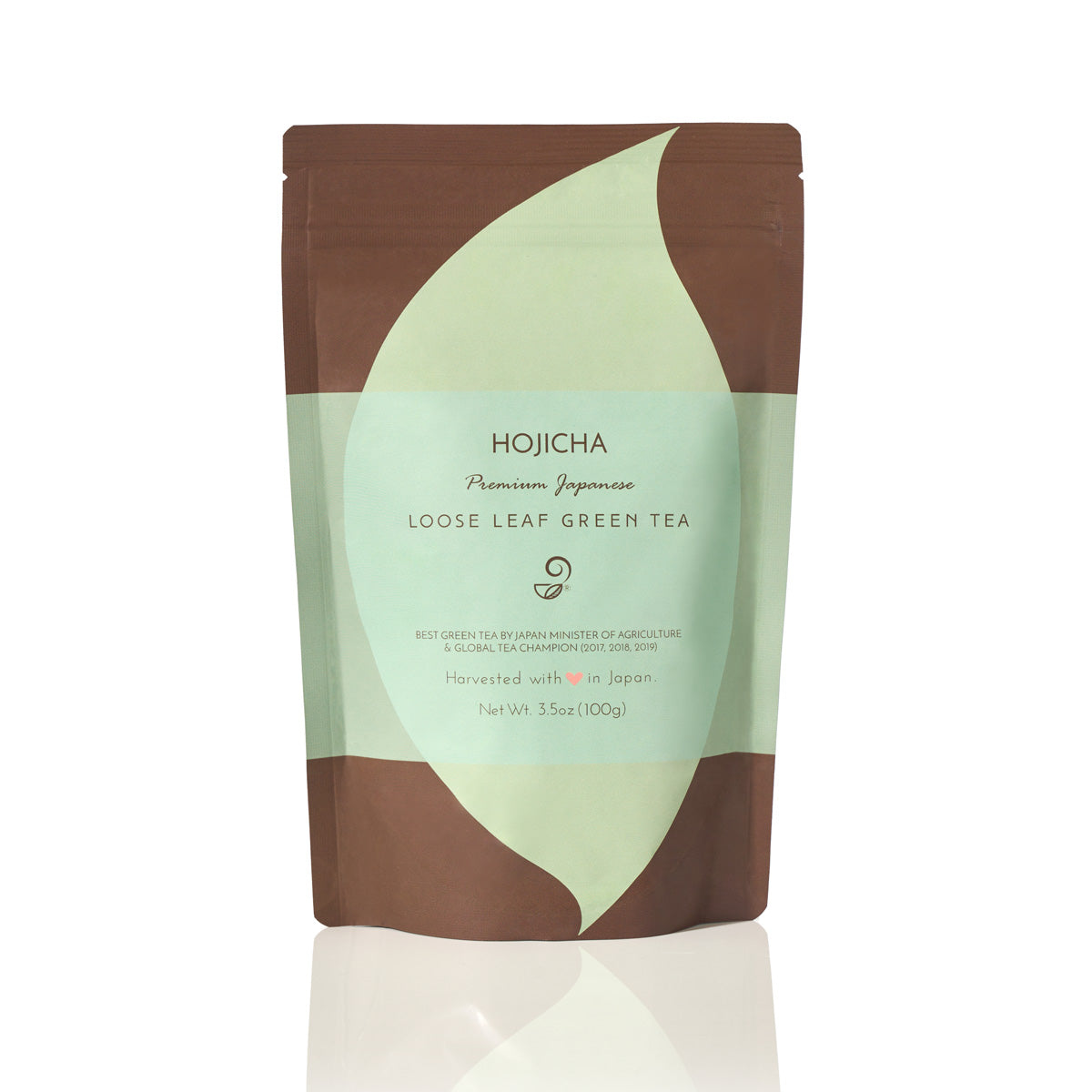
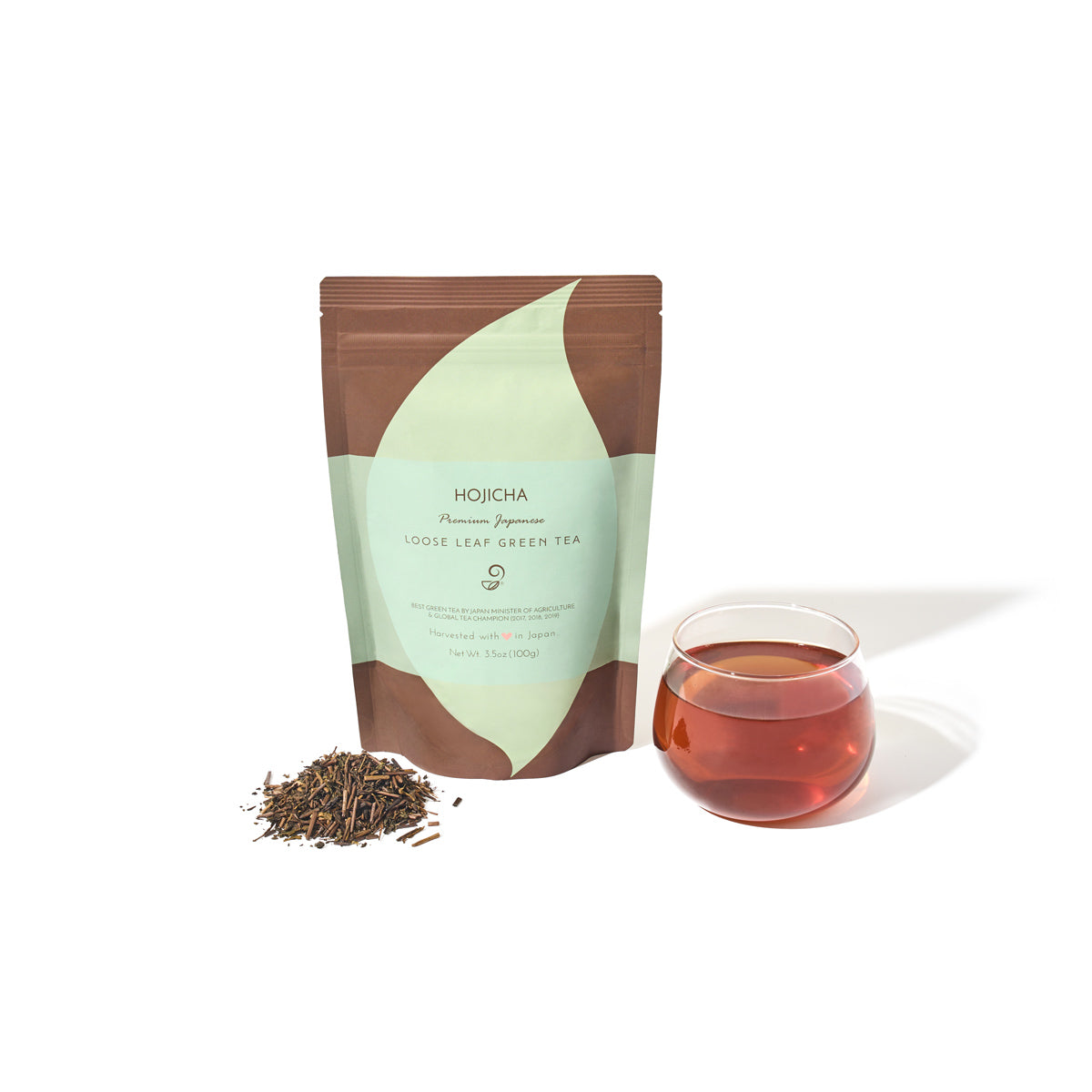
    Hojicha - Roasted Green Tea

    $25.00 $21.99
    Quick view

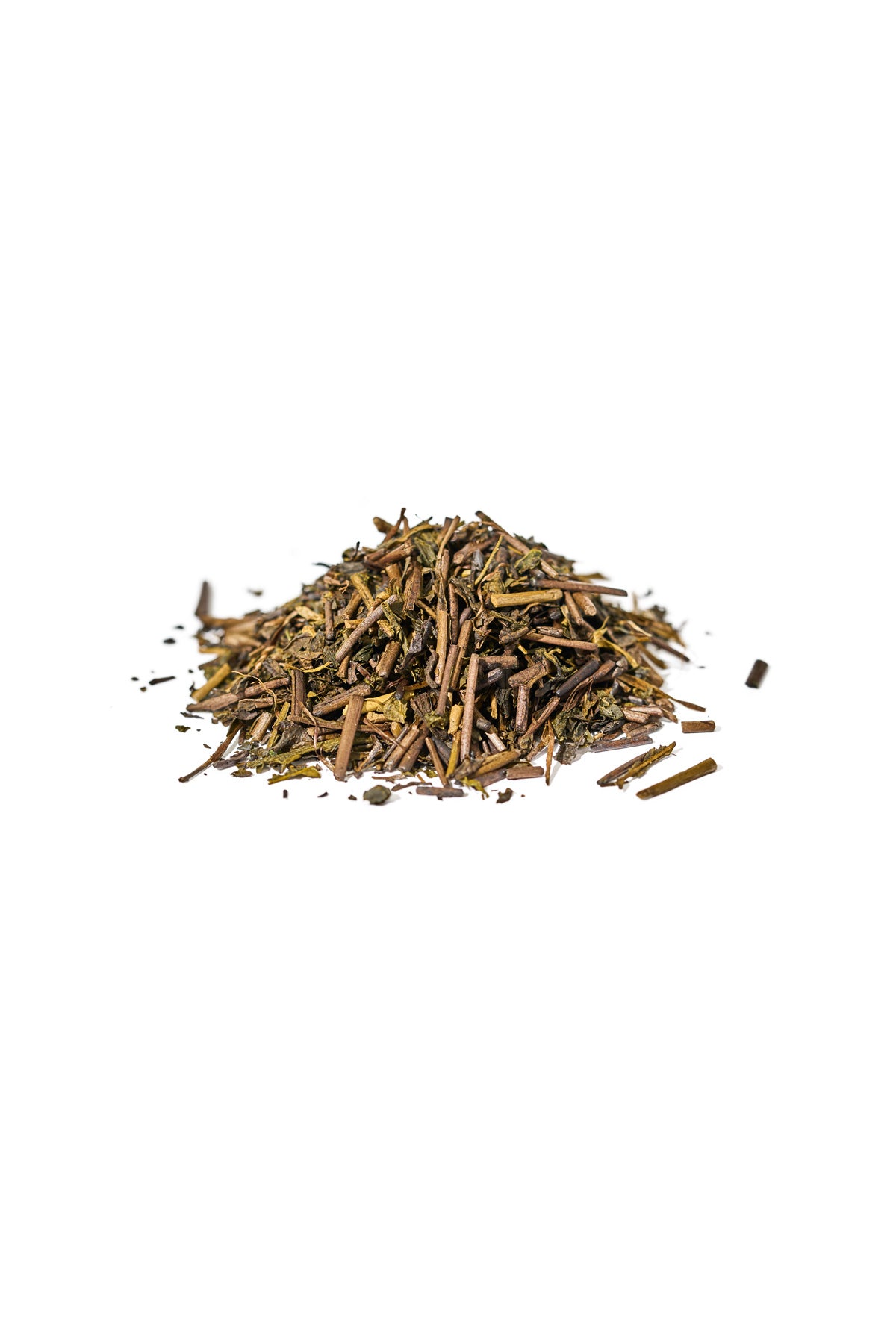
    Our roasted green tea, known as hojicha (ほうじ茶), is crafted from freshly harvested premium green tea carefully roasted in porcelain over charcoal to maximize flavor while retaining more catechins than typical hojicha on the market. With lower caffeine and a smoother, less bitter taste compared to steamed green tea, it is an ideal choice for evening relaxation and is gentle enough for kids and pregnant women. Cultivated using the Chagusaba method in nutrient-rich sugarcane soil, this loose-leaf authentic Japanese roasted green tea, made from the Yabukita cultivar, also pairs beautifully with oily foods. Each eco-friendly resealable package contains 3.5 oz (100g) of tea, enough to steep 30–40 comforting cups.

    80 reviews

    Matcha - Ceremonial Japanese Powdered Green Tea

    $39.00 $34.99
    Quick view

    This ceremonial matcha is crafted from the finest Japanese green tea, grown in nutrient-rich soil enhanced with compostable grasses and sugarcane through the Chagusaba method, which gives the tea a natural sweetness and exceptional flavor. In collaboration with researchers from Shizuoka University, farmers ensure that the soil quality consistently produces tea of the highest standard.

    Renowned among top Japanese chefs for its unmatched aroma, this matcha is made by carefully shading the plants before harvest to boost caffeine and amino acids, then meticulously drying, de-stemming, and grinding the leaves into a fine powder. Made from the Yabukita cultivar, this 1.8 oz (50g) matcha comes in a high-quality, air-tight paper tube canister, providing a luxurious and authentic Japanese tea experience.

    42 reviews

    Genmaicha - Green Tea with Roasted Brown Rice

    $30.00 $28.99
    Quick view

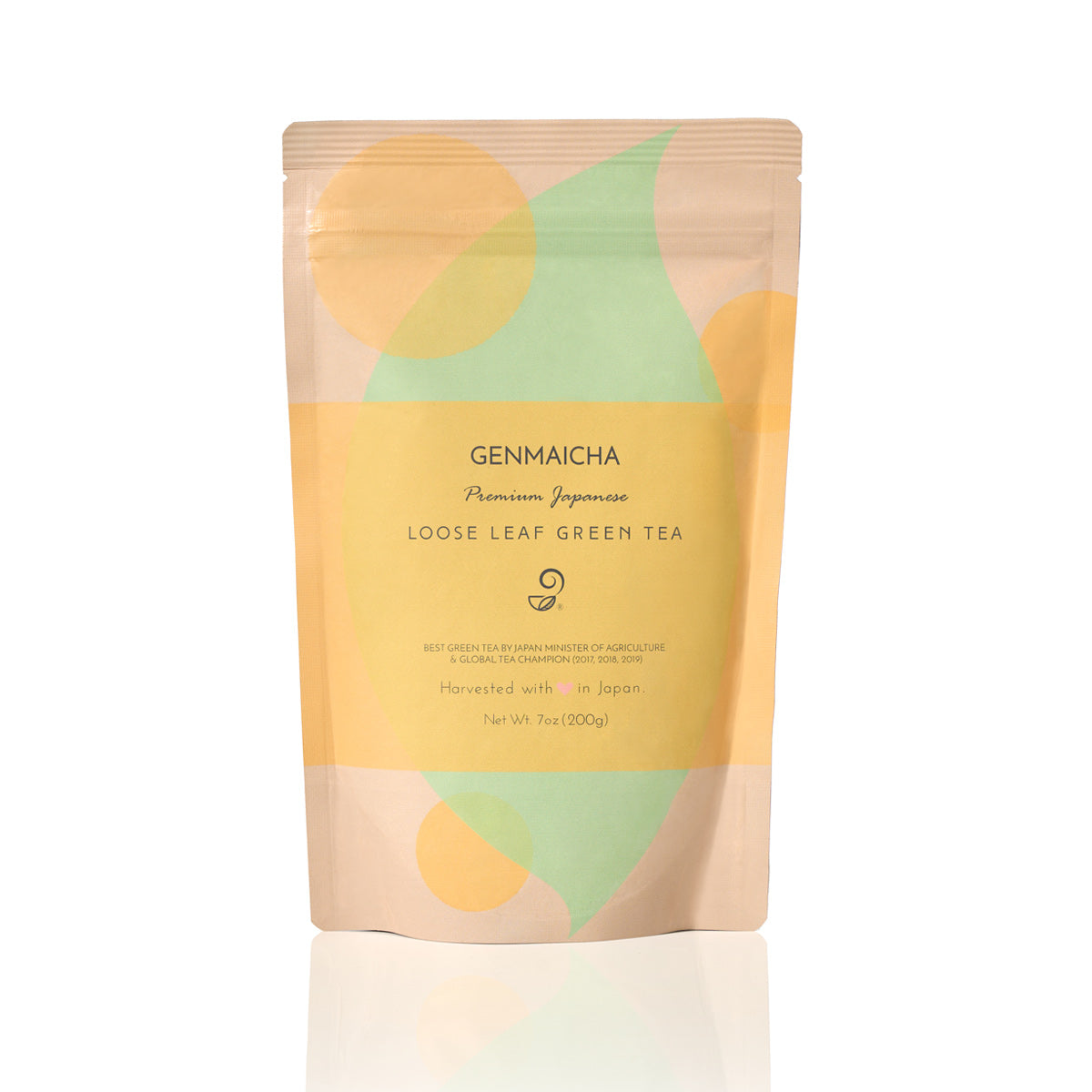
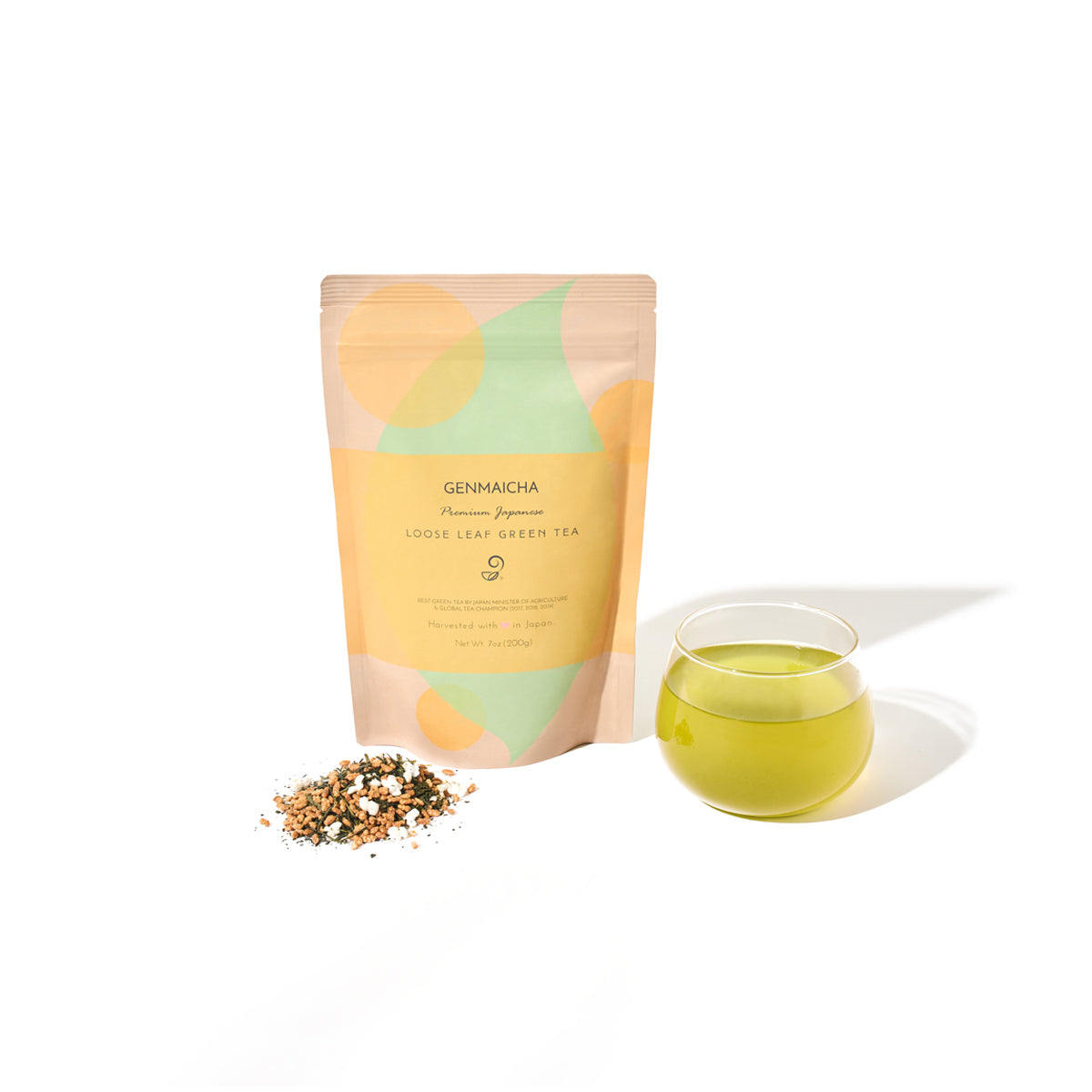
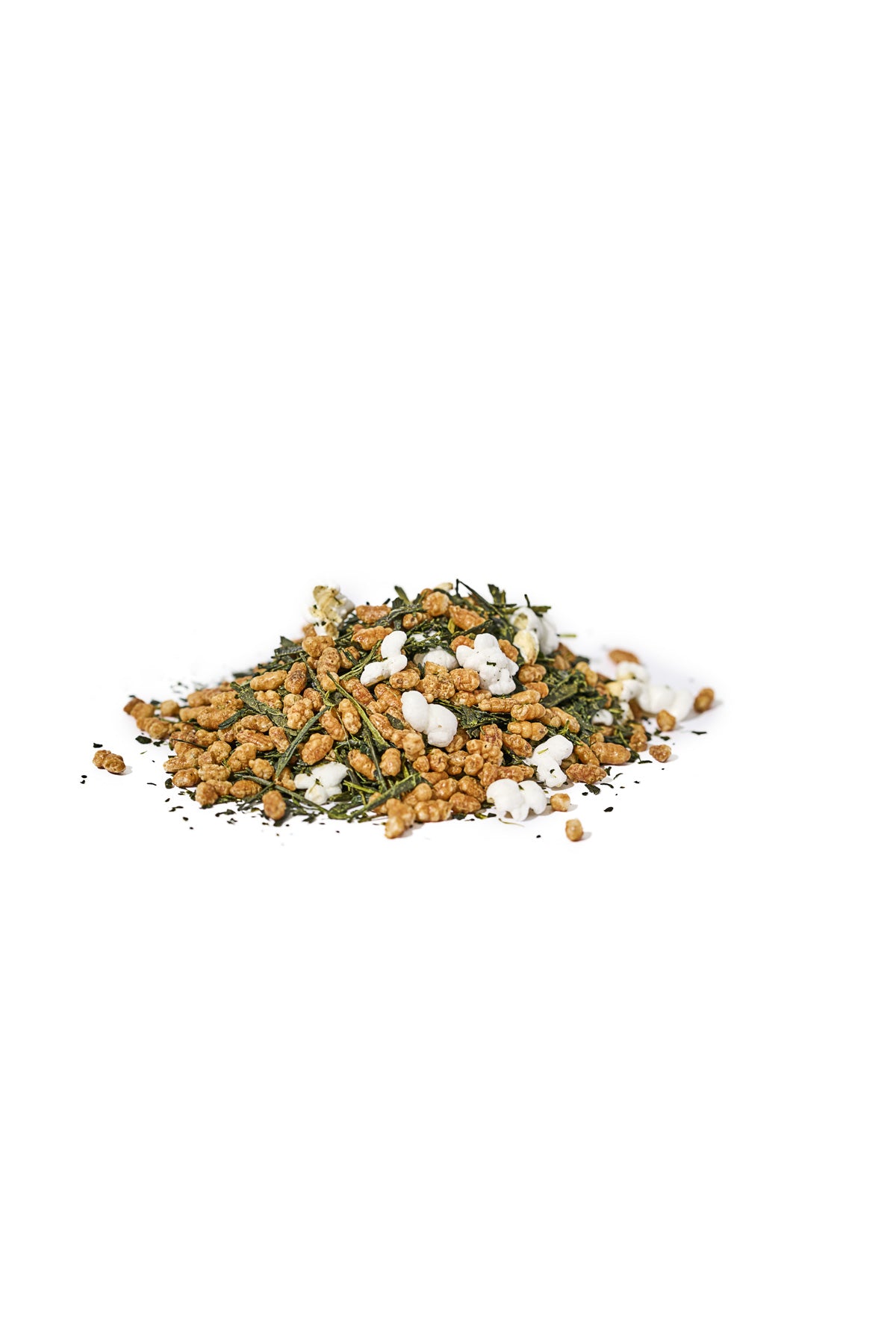
    Our premium Japanese Genmaicha blends high-quality green tea with roasted popped brown rice (genmai 玄米), often nicknamed "popcorn tea" because the roasting process sounds like popcorn popping. Popular especially among the older generation in Japan for its mild flavor and lower caffeine content, this tea is easier on the stomach while still offering a rich, comforting taste. The brown rice used is premium Japanese mochi-gome (もち米) sticky rice, enhancing the tea’s nutty, aromatic profile. Made from Fukamushi Sencha and cultivated using the Chagusaba method in nutrient-rich sugarcane soil, this Genmaicha features the Yabukita cultivar and comes in a 7.0 oz (200g) eco-friendly resealable package, enough to steep 50–60 cups.

    FAQs about Tin Tea Cans and Sustainable Packaging

    Are tin tea cans actually bad for the environment, or is that exaggerated?

    Genuinely worse than alternatives, with caveats. Tin cans (which are usually steel with a tin coating) require significant mining, energy-intensive smelting, and produce industrial waste during manufacturing. They're recyclable in principle but actually-recycled rates are mediocre — many municipal waste streams don't process small mixed-material containers efficiently.

    Compared to alternatives: glass jars are recyclable indefinitely without quality degradation, but they're heavy and breakable in shipping. Paper-based packaging (like the matcha paper tube) has lower carbon footprint but offers worse oxygen and light protection. Plastic-coated paper has its own microplastic concerns. There's no perfect packaging for tea; tin is the worst-of-the-options environmentally but the best-of-the-options for tea preservation.

    So the realistic frame: tea brands optimizing for shelf-life pick tin; tea brands optimizing for environmental footprint pick paper or compostable alternatives. Both are defensible choices. Customers who care about both have to compromise on one.

    Why do tea brands use tin packaging if it's environmentally costly?

    Because tin protects tea quality better than alternatives. Tea is sensitive to four enemies: oxygen, light, moisture, and odor. Tin cans with proper seals block all four effectively. Paper packaging is light-permeable and oxygen-permeable; plastic packaging blocks oxygen but not light; glass is light-permeable unless dark-tinted.

    The economic factor: tea that goes stale faster sells worse. A brand that uses paper packaging delivers worse-tasting tea by month 4 of shelf-life, while tin-packaged tea stays fresh for 12+ months. Customer experience drives packaging choices, and tin is the format that makes customers happiest with their purchases over time.

    Some brands are experimenting with environmentally-better options — recyclable polyester laminates, multi-layer paper-aluminum hybrids, refillable-glass programs. None of them quite match tin's tea-preservation profile yet, but the technology is improving and several brands have started small refill programs.

    What are the most environmentally-friendly tea packaging options available now?

    Glass jars in dark cabinets are the gold standard for environmental impact: indefinitely recyclable, reusable for storing other things, no chemical leaching. Bulk-buy paper bags work for short-shelf-life tea (you finish within 2-3 months) but degrade tea quality faster. Compostable cellulose pouches (from a few specialty brands) work but don't seal as tightly as tin.

    Refill programs at brick-and-mortar tea shops are underrated. Bring your own container, fill it with tea by weight, no packaging waste. A handful of specialty tea shops in major cities run these programs; they're rare but expanding.

    For mail-order tea, the realistic environmental compromise is: tin can with internal foil seal, recyclable cardboard outer packaging, and minimal plastic in shipping. Most premium Japanese tea brands have moved to this configuration in the past 5 years.

    Can I reuse tea tins for storage, and does that help offset the environmental cost?

    Yes and yes. A reused tin tea can serve as: storage for spices, dried herbs, coffee beans, baking ingredients (flour, sugar, salt), small craft items, or even other tea (after thorough cleaning). Each reuse extends the useful life of the tin and offsets the manufacturing impact. Our tea storage guide actually recommends reused tea tins as one of the better DIY storage solutions for loose-leaf you bought in bulk.

    For cleaning a tea tin before reuse: wipe out residual tea, wash with mild soap and water (the inside is usually food-safe lined), dry thoroughly. Avoid putting strong-smelling foods in tins that previously held aromatic teas — the smell can transfer between contents.

    If you have multiple tea tins accumulating, they make decent shipping containers for sending small items by mail (the protection is good and the weight is low). Or just hold onto them for future tea purchases — most tea brands sell loose-leaf in larger sizes that you can refill into a tin.

    Liquid error (snippets/blog-post-banner line 58): invalid url input

    Should I prefer tea brands that use sustainable packaging over those with tin?

    Match the priority to the use case. For tea you'll drink within 2-3 months (a sampler, a single experimental purchase), paper packaging is fine and lower-impact. For tea you'll keep longer (large bulk purchases, premium tea you'll savor over many months), tin's preservation outweighs the environmental cost.

    The bigger environmental factor than packaging is supply chain. A locally-sourced tea in tin packaging probably has lower total environmental impact than an imported tea in compostable packaging — shipping carbon usually outweighs packaging carbon. So buying from regional roasters, supporting brands with transparent supply chains, and reducing total tea-mile is more impactful than packaging optimization.

    Practical: don't agonize over packaging choice for any single purchase. Pay attention to total tea consumption (drink less but better), supply chain (buy from documented sources), and reuse (keep tins for second uses). Those three together produce more environmental benefit than packaging-only optimization.


    Related Articles You May Be Interested

    How Do You Make Matcha Tea At Home?
    How Do You Make Matcha Tea At Home?
    25 Matcha Trivia You (Probably) Didn't Know
    25 Matcha Trivia You (Probably) Didn't Know
    The Process Behind Your Cup of Matcha
    The Process Behind Your Cup of Matcha
    Green or Brown? What the Color of Your Brew Says about Your Green Tea
    Green or Brown? What the Color of Your Brew Says about Your Green Tea
    Is Drinking Too Much Green Tea Bad for You?
    Is Drinking Too Much Green Tea Bad for You?

    Get Free Bonus Books
    Join Green Tea Club

    Sign up for free to the Green Tea Club to get advice and exclusive articles about how to choose Japanese Tea, and tips, tricks, and recipes for enjoying Japanese tea.

    Unsubscribe anytime. It’s free!

    About the author

    Kei Nishida

    Author, CEO Dream of Japan

    info@japanesegreenteain.com

    Certification: PMP, BS in Computer Science

    Education: Western Washington University

    Kei Nishida is a passionate Japanese green tea connoisseur, writer, and the founder and CEO of Japanese Green Tea Co., a Dream of Japan Company.

    Driven by a deep desire to share the rich flavors of his homeland, he established the only company that sources premium tea grown in nutrient-rich sugarcane soil—earning multiple Global Tea Champion awards.

    Expanding his mission of introducing Japan’s finest to the world, Kei pioneered the launch of the first-ever Sumiyaki charcoal-roasted coffee through Japanese Coffee Co. He also brought the artistry of traditional Japanese craftsmanship to the global market by making katana-style handmade knives—crafted by a renowned katana maker—available outside Japan for the first time through Japanese Knife Co.

    Kei’s journey continues as he uncovers and shares Japan’s hidden treasures with the world.

    Learn more about Kei

    Related Posts

    The Story Behind Our Booth Backdrop: Craftsmanship, Engineering, and Sacred Wood
    Behind the Scenes – How We Made the Event Booth & Backdrop Using Sacred Wood

    Discover how our one-of-a-kind event booth came to life—from Japanese Kōshi (格子) design and rare Port Orford Cedar to mo

    Read More
    Hojicha Banana Daifuku (Mochi): The Collaboration of Aromatic Roasted Tea and Richly Sweet Banana
    Hojicha Banana Daifuku (Mochi): The Collaboration of Aromatic Roasted Tea and Richly Sweet Banana

    Dive into the soft, chewy world of Hojicha Banana Daifuku—where toasted tea meets sweet banana in a cloud of fresh mochi

    Read More
    Why Japanese Green Tea is Perfect for Intermittent Fasting
    Why Japanese Green Tea is Perfect for Intermittent Fasting + How to Guide, What to do & What not to do

    Intermittent fasting is becoming increasingly popular. Because there are no restrictions on what foods to eat or limit,

    Read More
    Leave a comment

    Your email address will not be published..

    Cart

    Your cart is currently empty.

    Start Shopping

    Select options