

L-Theanine is a unique amino acid that, when consumed, affects the alpha frequency band waves, inducing relaxation without the side effect of sleepiness. It’s long been known that green tea has it, but how much L-Theanine is in green tea exactly? The answer: An eight-ounce cup typically contains between 20 to 60 mg of L-Theanine.
As an avid consumer of all kinds of tea, it is my duty and pleasure to get to know what each variation of this delicious staple is all about, and green tea is no exception.
You may have heard about L-Theanine, and now you know green tea has it, but what does that mean for you and your tea? Keep reading to learn more about it.
What Is L-Theanine?
L-Theanine is a naturally occurring amino acid found primarily in tea leaves.
Amino acids are typically associated with proteins and as a building block of protein. However, L-Theanine is unique in its function. This amino acid is known to cross the blood-brain barrier, affecting brain chemistry and neuronal function, and it has a few benefits to explore.
Cognitive Enhancement
With recognition of L-Theanine’s potential to improve cognitive functions, studies suggest that combined with caffeine, L-Theanine can enhance attention and focus. Green tea provides both caffeine and the unique amino acid.
These cognitive improvements aren't merely momentary spikes. Long-term intake fosters sustained attention and even memory retention. The brain's ability to process information, particularly during processes requiring multi-tasking, can be significantly optimized.
Promotes Relaxation
Another widely acknowledged benefit of L-Theanine is its ability to induce relaxation without causing drowsiness. It does so by increasing the production of alpha brain waves, promoting a state of alert relaxation.
Synergy with Caffeine
One of the reasons green tea provides a balanced energy boost, unlike other caffeinated beverages, is due to the presence of L-Theanine. It moderates the stimulatory effects of caffeine, leading to a smoother, prolonged energy release.
Factors Affecting L-Theanine Content in Green Tea
Even though you know what an eight ounce cup has, the amount of L-Theanine in green tea can vary based on several factors:
Tea Variety
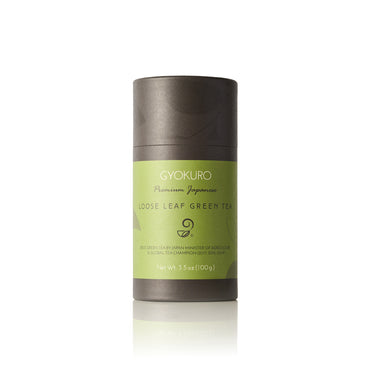
Different green tea varieties can have varying levels of L-Theanine. For instance, shade-grown teas like Matcha and Gyokuro tend to have higher L-Theanine content than their sun-grown counterparts.
Brewing Time and Temperature
The extraction of L-Theanine from the tea leaves is influenced by how long the tea is brewed and at what temperature. Generally, a longer steeping time and higher temperatures can extract more L-Theanine.
Overheating or over-steeping might degrade some beneficial compounds in the tea. Perfecting the brewing technique is both an art and a science, with the objective of harnessing maximum health benefits without compromising taste.
Age of the Leaves
Younger tea leaves typically contain more L-Theanine than older leaves. Tea connoisseurs and tea makers prize the first harvest of tea leaves for both the flavor and health benefit factors.
How To Increase L-Theanine Intake
L-Theanine is not just a mere component; it's one of the elements that makes green tea such a favored beverage for its taste and therapeutic qualities. Following specific steps ensures your brewed tea contains the most benefits.
Opting for Shade-Grown Teas
As mentioned, shade-grown teas such as Matcha and Gyokuro typically contain higher levels of L-Theanine. When shaded, plants produce more L-Theanine in response to the lack of sunlight, and these varieties can provide a higher concentration of this beneficial amino acid.
Adjust Brewing Techniques
Traditional brewing methods are effective, but you can optimize the L-Theanine extraction by tweaking the brewing temperature and duration. Steeping green tea at a temperature around 80°C (176°F) for 3-5 minutes usually yields higher L-Theanine content.
Utilizing Multiple Infusions
Instead of discarding tea leaves after one use, consider multiple infusions. Not only does this method maximize L-Theanine extraction, but it also brings out different flavors each time you steep the leaves.
The third or fourth infusion often reveals subtler flavors, which can be a treat for those who genuinely cherish the nuances of tea.

The Synergy of L-Theanine and Caffeine
The harmonious interaction between L-Theanine and caffeine contributes to the popularity of green tea. This synergy offers a unique experience, quite distinct from that of other caffeinated beverages.
Balanced Energy
Unlike the abrupt jolt coffee provides, the combination of L-Theanine and caffeine in green tea offers a gradual boost. L-Theanine’s properties smooth out the sharp edges of caffeine, resulting in a more sustained and jitter-free alertness.
This synergy can help in reducing the post-caffeine crash. Many people experience a dip in energy levels after the caffeine from their morning coffee wears off. This slump is often milder or even non-existent with green tea, thanks to the L-Theanine.
Enhanced Cognitive Abilities
Studies have shown that L-Theanine and caffeine can improve performance on cognitively demanding tasks when taken together. Green tea is an excellent choice for those seeking a mental boost without using more potent stimulants.
Green Tea vs Coffee Caffeine
The caffeine content in green tea can vary based on several factors, including the type of green tea, the processing method, how it's brewed, and the duration of steeping. On average:
- Green Tea Leaves: For dry tea leaves, the caffeine content can range from 20 to 70 mg per gram.
- Brewed Green Tea: A typical 8-ounce (240-milliliter) cup of brewed green tea contains about 20 to 45 mg of caffeine, but it can sometimes be as high as 75 mg or as low as 10 mg, depending on the factors mentioned above.
For comparison:
- A typical 8-ounce (240-milliliter) cup of brewed black tea usually contains between 40 to 70 mg of caffeine, though this can also vary.
- An 8-ounce (240-milliliter) cup of brewed coffee typically contains between 95 to 200 mg of caffeine, but this varies based on the type of coffee bean and the brewing method.

Debunking Myths Surrounding L-Theanine
With the popularity of green tea and L-Theanine, certain misconceptions have inevitably emerged, how about we clear them out?
L-Theanine as a Sleep Aid
While L-Theanine promotes relaxation, it doesn't necessarily induce sleep. Its primary function is to produce a relaxed yet alert state, making it unsuitable as a direct sleep aid.
More Is Always Better
Like many natural compounds, there's an optimal intake range for L-Theanine. Consuming excessive amounts and hoping for increased benefits can be counterproductive. It's always best to consult a health professional before significantly changing diets or supplement routines.
Some individuals may metabolize L-Theanine differently, and factors like genetics, diet, and overall health can influence the response to it. A personalized approach based on individual needs and reactions is ideal.
The L-Theanine in green tea is a unique component contributing to the beverage's wide range of benefits. By understanding its properties, optimal sources, and associated myths, one can genuinely appreciate and maximize the help of this ancient brew.
L-Theanine and General Health Benefits
The numerous advantages of L-Theanine continue beyond its synergistic relationship with caffeine or its mood-enhancing capabilities. Dive deeper, and one uncovers many health benefits that make green tea a staple in many cultures and diets.
Cardiovascular Health
Several studies suggest that L-Theanine can help reduce blood pressure, particularly in elevated individuals. These findings suggest potential implications for cardiovascular health, as maintaining healthy blood pressure can lower the risk of heart-related conditions.
Antioxidant Properties
Green tea is a well-known source of antioxidants, and L-Theanine plays a role in this. While the primary antioxidants in green tea are catechins, L-Theanine can boost the body’s overall antioxidant defense, aiding in the fight against free radicals and oxidative stress.
Stress Reduction and Emotional Well-being
Beyond the relaxed alertness, L-Theanine promotes, it’s also associated with a reduction in stress and anxiety. This effect isn't merely a placebo; after consuming L-Theanine, there are measurable changes in stress hormones, leading to general well-being and relaxation without drowsiness.
It's worth noting that while L-Theanine can help manage stress, it's not a panacea. Integrating other stress-management techniques, like meditation, exercise, and proper sleep, can offer a holistic approach to mental well-being.
Pairing Green Tea With Other Foods
While a lot of people can drink their green tea without anything else to accompany it, to get the most out of your green tea experience you pair it with certain foods that enhance or complement its effects.
Foods Rich in Vitamin C
Vitamin C can enhance the absorption of the beneficial compounds in green tea, including L-Theanine. Consider pairing your tea with citrus fruits or other Vitamin C-rich foods to maximize benefits.
Avoiding Dairy
Some studies suggest that proteins found in milk can bind to the catechins in green tea, potentially reducing its antioxidant capacity. While the L-Theanine effects are still under debate, enjoying your plain green tea or non-dairy alternatives might be worthwhile if you seek maximum health benefits.
Pairing with Protein-Rich Snacks
L-Theanine’s stress-reducing properties can be enhanced when paired with protein. Consider enjoying your tea alongside protein-rich snacks like nuts or tofu.
The amino acids in these protein sources complement the effects of L-Theanine, possibly aiding in serotonin production, further promoting feelings of happiness and relaxation.

Decoding the Best Ways To Consume Green Tea
As the advantages of L-Theanine in green tea become increasingly apparent, it's essential to understand the most effective ways to consume it. The preparation and consumption methods can influence the potency and efficacy of the active ingredients, including L-Theanine.
Brewing Temperature and Time
Temperature plays a pivotal role in extracting nutrients from green tea leaves. Brewing green tea at a temperature between 150°F to 180°F (65°C to 80°C) is ideal. This temperature optimally extracts the TL-Theanine and other beneficial compounds without breaking down the structure.
Furthermore, allowing the tea to steep for 1 to 3 minutes will yield the best results both in flavor and benefits. Over-steeping can lead to a bitter taste and may reduce the efficacy of the compounds.
Quality of Tea Leaves
Not all green teas are created equal. The L-Theanine content can vary based on where the tea is grown, how it's processed, and its age.
Premium, whole-leaf teas contain higher L-Theanine concentrations than their processed or lower-quality counterparts. When shopping, look for reputable brands or suppliers that provide information about the tea's origin, harvest practices, and processing.
Consumption Frequency and Timing
Timing is crucial for those explicitly aiming to harness the relaxing and focus-enhancing properties of L-Theanine.
Consuming green tea in the morning or early afternoon can provide calm alertness to help tackle the day's tasks. However, given its relaxation benefits, sipping green tea in the evening can also be conducive to unwinding.
Another consideration is the tea's caffeine content. While having green tea late in the day can be calming due to L-Theanine, caffeine can disrupt sleep for those sensitive to it.
Potential Side Effects and Considerations
While green tea and L-Theanine are generally considered safe, like with anything, there are a few considerations you should consider.
Caffeine Content
While L-Theanine can offset some of the stimulating effects of caffeine, it's essential to remember that green tea does contain caffeine. Those sensitive to caffeine or consuming multiple cups daily should be mindful of their total intake.
Interactions With Medications
As with any dietary component, L-Theanine could interact with specific medications. It's always prudent to consult with a healthcare professional before making changes to your diet, especially if you're on prescribed medications.
For pregnant or breastfeeding women, it's crucial to be cautious. Even though green tea is natural, the compounds can affect hormone levels or have other unintended effects.
Teeth Staining
Like black tea and coffee, green tea contains tannins, which can lead to staining or discoloration of teeth over time.
Regular consumption, especially without good oral hygiene practices, can contribute to yellowing of teeth. It's not as potent a stainer as black tea or coffee, but the potential is there.
That said, this can be easily fixed with some teeth whitening at a dental clinic near you.
Expanding Beyond Green Tea
Green tea is an excellent source of L-Theanine, but it’s not the only means one can reap the amino acid's benefits. There are alternatives for individuals who might not enjoy green tea or those looking for concentrated sources.
Supplements and Capsules
L-Theanine supplements, commonly available in capsule form, provide a concentrated dose of this beneficial amino acid. They are convenient for those seeking the effects of L-Theanine without the caffeine found in green tea.
L-Theanine in Foods
While tea remains the most prominent dietary source, certain foods also contain L-Theanine, albeit in smaller amounts.
Some mushrooms contain trace amounts of L-Theanine. However, it's worth noting that the concentrations of L-Theanine in these foods are significantly less than in tea or supplements.
Combining With Other Nutrients
Other nutrients can potentiate the effects of L-Theanine. One popular combination is L-Theanine and caffeine, which, when taken together, can enhance cognitive function more than either does alone. Some nootropic enthusiasts also combine L-Theanine with other brain-enhancing compounds for synergistic effects.
L-Theanine: Nature's Gift for Modern Times
In today's fast-paced world, the calming and cognitive-enhancing properties of L-Theanine seem more valuable than ever. Whether drinking a warm cup of green tea, taking a supplement, or exploring other sources, L-Theanine remains a beacon of tranquility and focus amidst the hustle and bustle of daily life.
Embrace L-Theanine's benefits mindfully, and it may become your favorite natural ally in navigating the challenges of modern living but remember, moderation is key.
To learn more about varieties of green tea, proper steeping techniques, and how L-Theanine may benefit you and improve your well-being, please call or stop in to speak with any member of our knowledgeable team.
FAQs about L-Theanine in Green Tea
How much green tea do I need to drink to get a meaningful L-theanine effect?

Which Japanese green tea has the most L-theanine?
Can I just take L-theanine supplements instead of drinking green tea?

Related products
8 reviews
$179.00
$159.99
/
Quick view
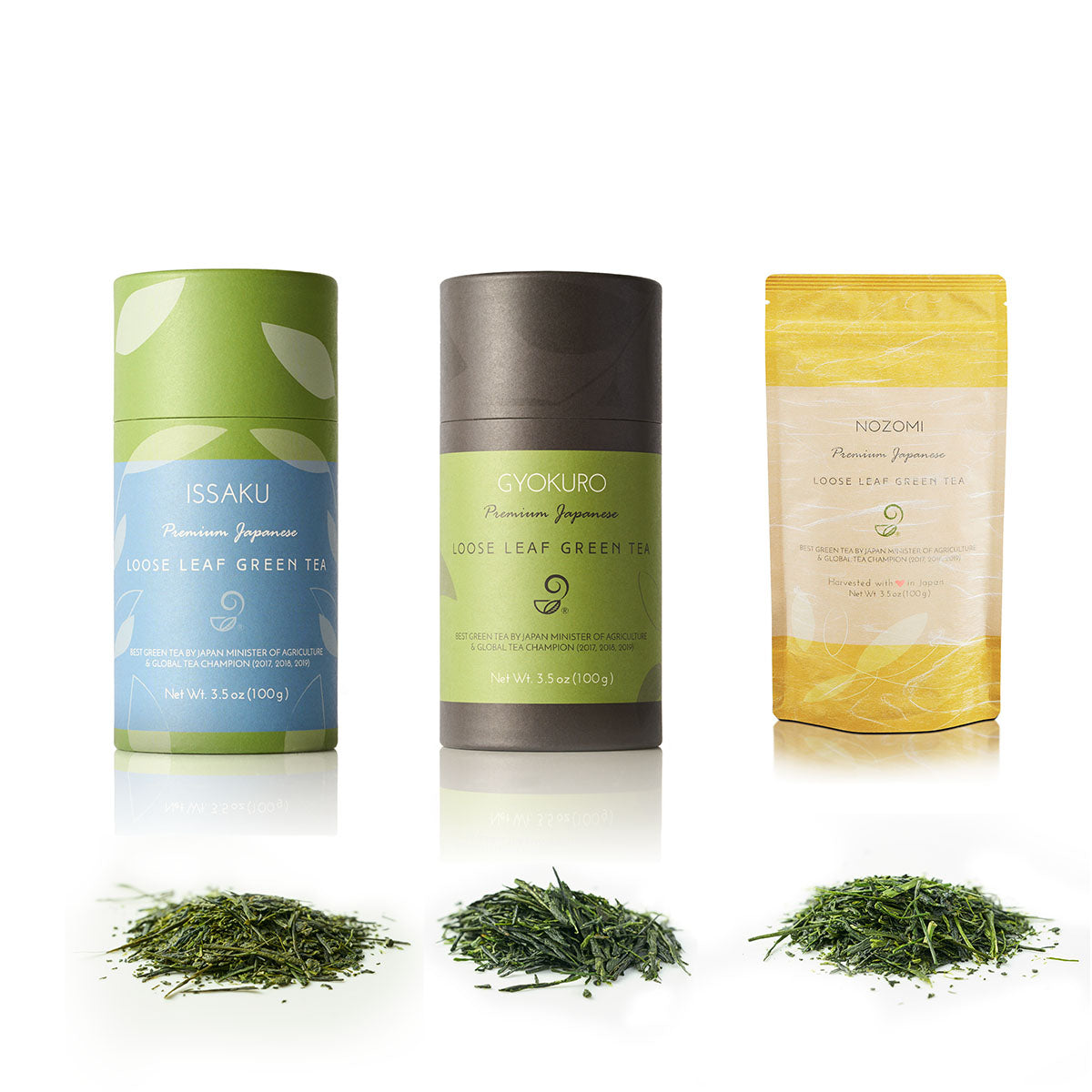
The Sencha Lover Gift Set - Premium Japanese Green Tea Set Package


Get Free Bonus Books

Sign up for free to the Green Tea Club to get advice and exclusive articles about how to choose Japanese Tea, and tips, tricks, and recipes for enjoying Japanese tea.
About the author

Kei Nishida
Author, CEO Dream of Japan
Certification: PMP, BS in Computer Science
Education: Western Washington University


