Skip to content

How Green Tea Can Help You Maintain Mental Health Balance

Green tea is arguably one of the healthiest superfoods out there. It is loaded with several nutrients that have health benefits for our bodies, both mentally and physically. Green tea has been shown to help improve mental focus while giving you the energy boost you require.

The natural beverage extract is packed with essential antioxidants and nutrients that prevent countless diseases, including those that affect the brain, heart, and liver. It provides a myriad of other health benefits, from protecting your skin to reducing cancer risks.

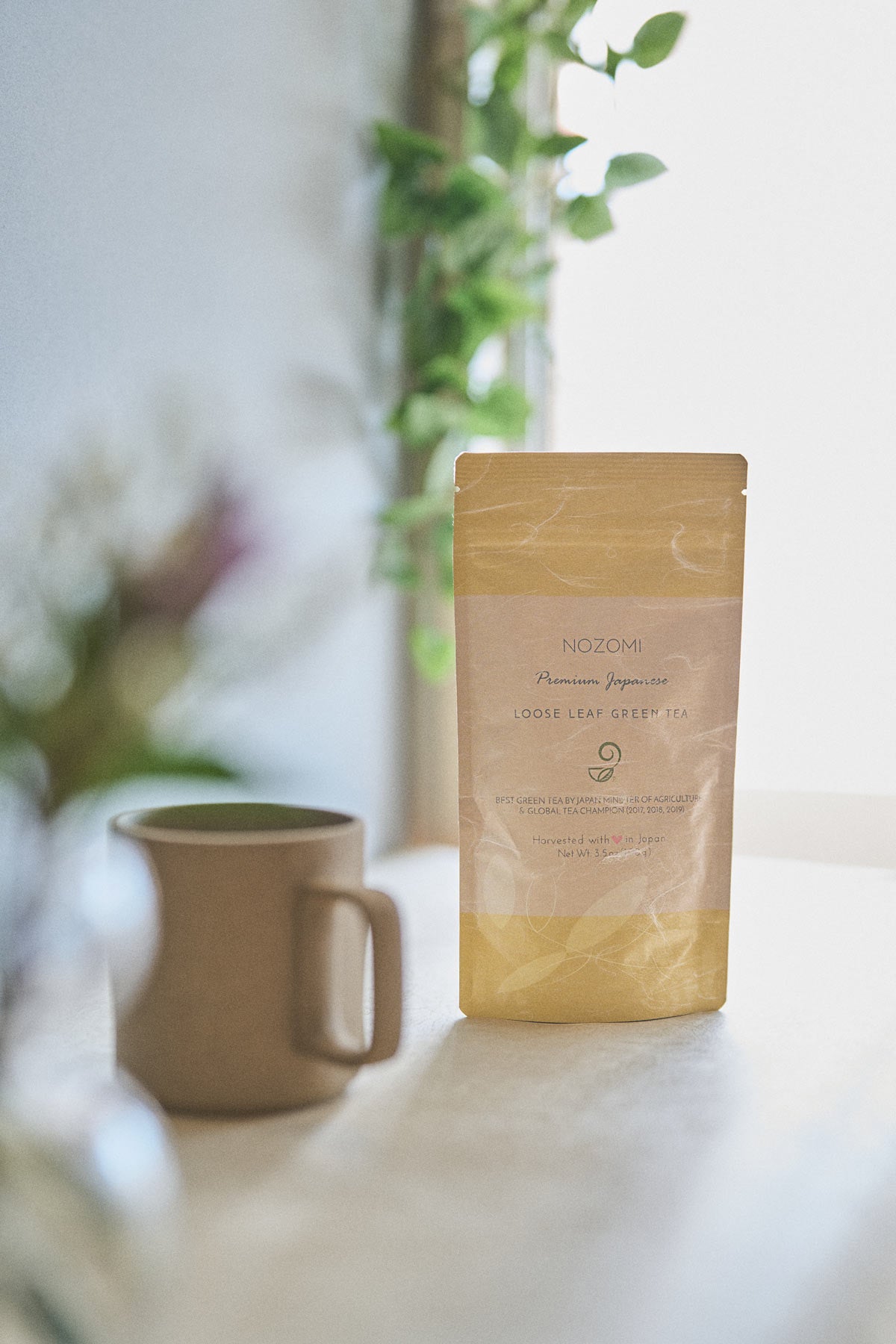
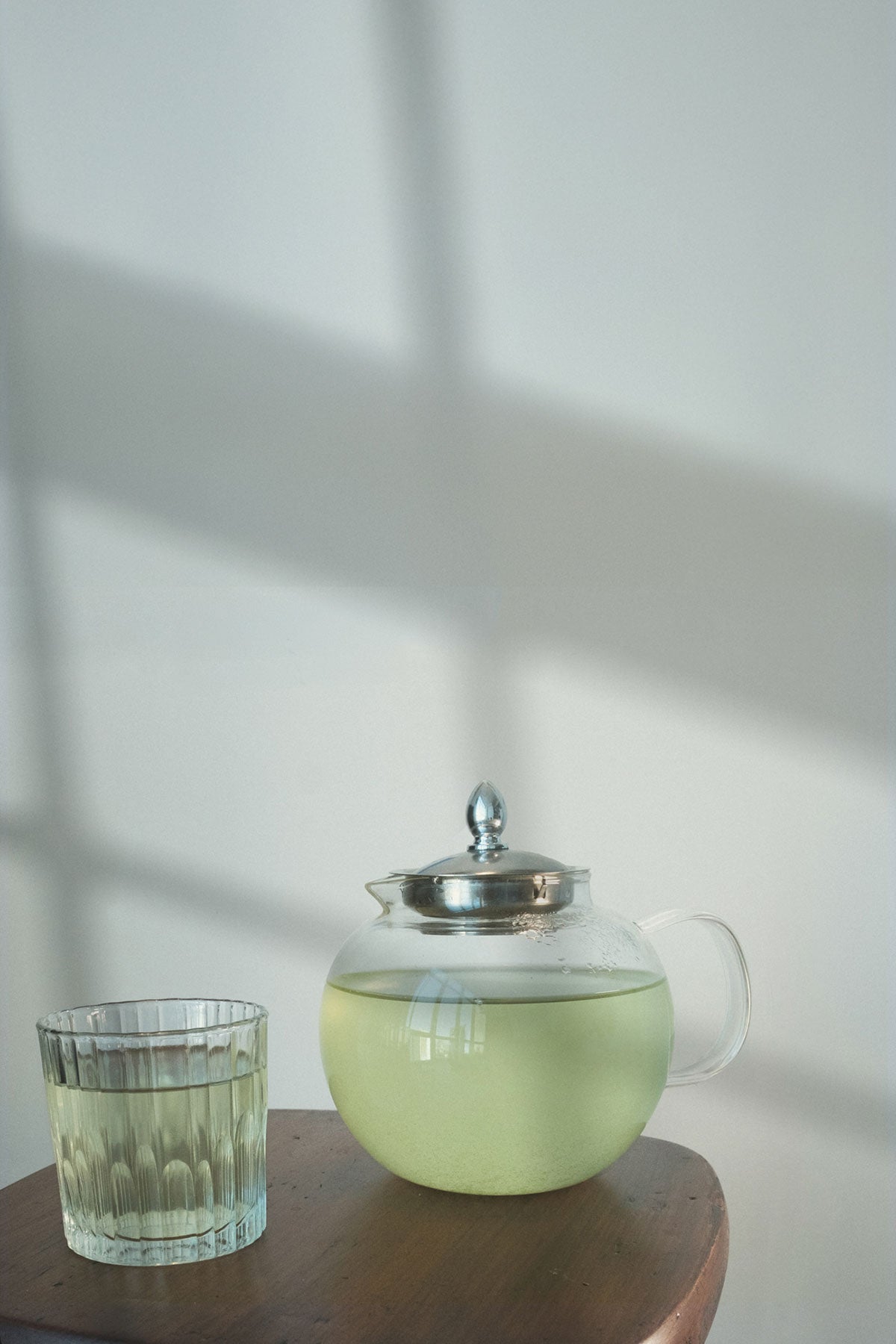
drinking green tea

Like other non-herbal teas, green tea is essentially made from the leaves of the Camellia sinensis plant. It is less processed using steam-dry methods to fully maintain its nutrients and antioxidants. Also, green tea has been used for centuries in Japanese and Chinese medical practices and has been acknowledged by the National Center for Complementary and Integrative Health (NCCIH) for the numerous health benefits it provides.

The general health benefits of green tea are vast and would require an article of their own. However, in this one, we are going to enlighten you on how green tea can help you maintain your mental health balance.

1. The Antioxidants In Green Tea Have Been Shown To Help Protect Brain Cells From Oxidative Stress

The oxidants in green tea extracts prevent brain cell damage, which could otherwise lead to significant mental loss or even cause Parkinson’s, Alzheimer’s, and dementia brain diseases. Some would argue that it is an important staple for populations in the coronavirus pandemic era.

COVID-19 has had a big impact on mental health, causing governments to invest significantly to protect their citizens. You can see which countries are devoting resources in this area in this image from comparethemarket.com.au. One of the reasons many governments are investing heavily in research, public health support, and awareness initiatives on mental health is because it affects a nation’s productivity and has related socioeconomic impacts.

Also, the green tea extracts come in handy in reducing the action of heavy metals such as copper and iron, which can damage the brain cells as well. Therefore, regular consumption of green tea is essential for optimum brain health.

2. Drinking Green Tea Improves Your General Alertness

When it comes to mental alertness, green tea is the undisputed champion. Many sources indicate that green tea contains the low caffeine content required for the short-term alertness effect. It is thus more beneficial compared to higher-caffeine products such as coffee, which can be overstimulating and could cause issues with your nervous system.

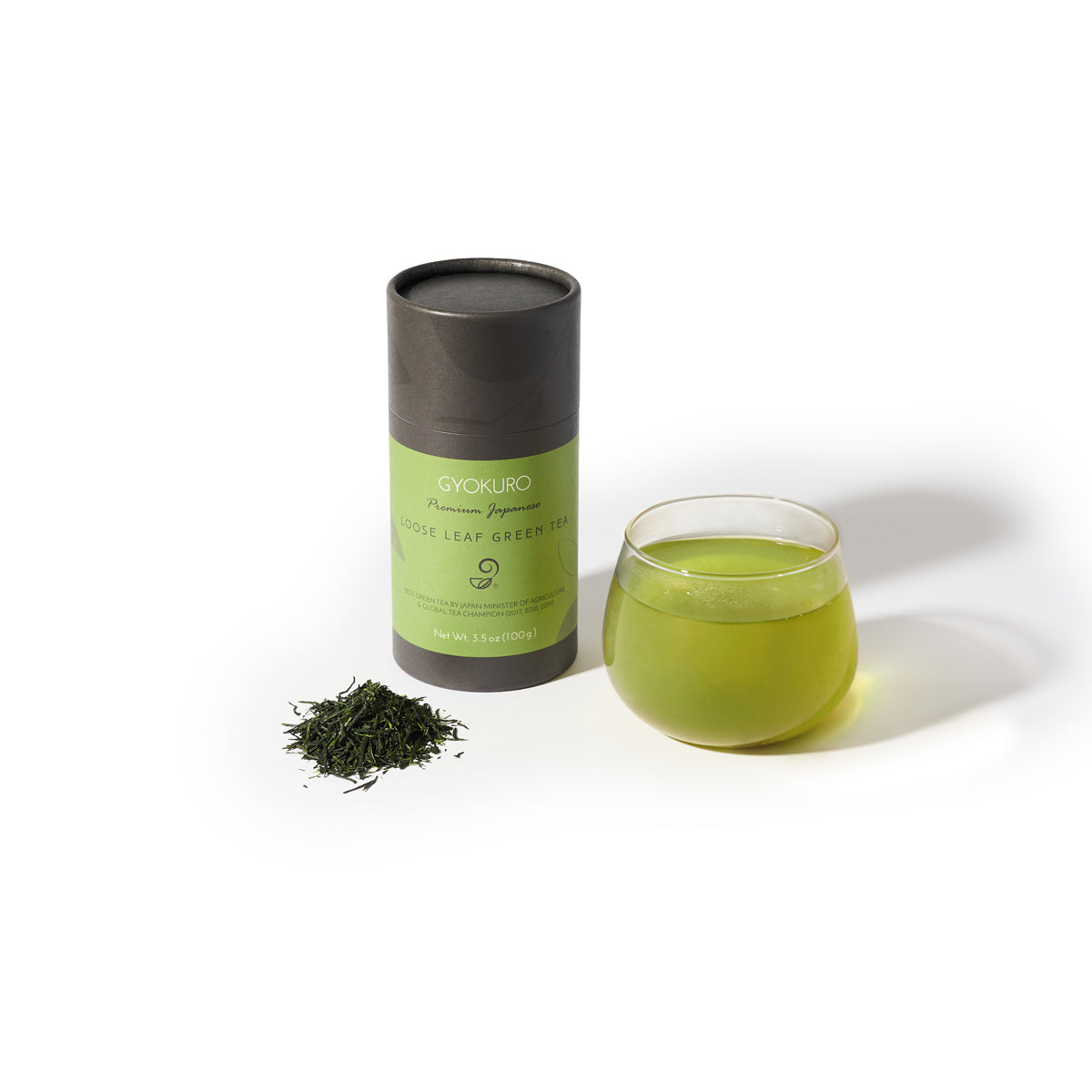
drinking Japanese Green Tea

Most individuals consume green tea whenever they want to remain calm and focused on completing an important task in a healthy way. Therefore, if you are looking for a beverage good enough to just wake you up without causing any anxieties or jitters, then green tea is a perfect option.

3. Even if more Research is Required, Consuming Green Tea May Help Reduce Anxieties

According to a review published in October 2017 in phytomedicine, it was suggested that caffeine and the amino acid L-theanine lower anxieties as well as influence other crucial brain cognitive functions. Therefore, consuming a cup of green tea regularly may help you lower symptoms related to anxiety disorders, whether generalized, obsessive-compulsive, or social anxiety types of disorders.

Remember, when anxieties are not managed appropriately, they cause effects such as fatigue, dizziness, heart palpitations, increased blood pressure, breathing problems, and even worse problems in the long run. Because everyone wants a healthy and natural way to deal with anxiety, drinking green tea on a regular basis can help.

4. Green Tea Can Help Reduce Depression Levels

Several studies show a correlation between higher consumption of green tea and reduced depression levels in elderly individuals. Nevertheless, more and more human trials are in progress to find out exactly how green tea affects depression symptoms. For instance, in one study, green tea polyphenols produced antidepressant-like effects on mice. That suggests the same results could be similar for human beings.

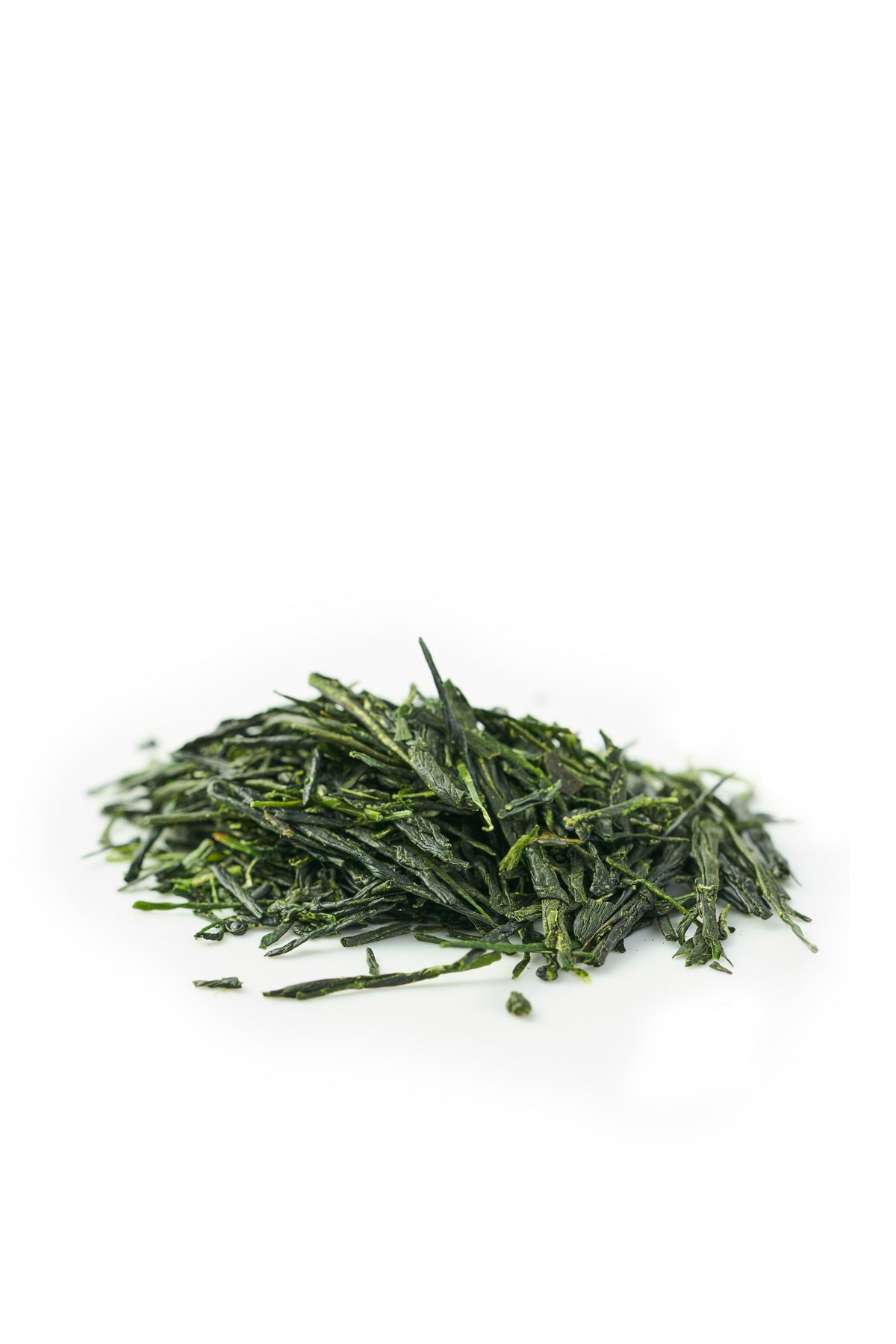
japanese green tea and depression

Additionally, some studies were carried out on the healthy Korean population and the effects of green tea consumption on mental health. Surprisingly, those who drank tea regularly were 21% less likely to develop symptoms of depression over their lifespan compared to green tea non-drinkers. Therefore, there is no doubt that green tea is a great natural solution when it comes to handling depression levels.

5. Long-Term Habitual Green Tea Consumption May Reduce the Risk of Dementia

Dementia refers to a chronic or persistent mental process disorder that is caused by brain disease and characterized by memory disorders and impaired reasoning. Consuming as little as one cup of green tea per week enables you to perform and process information tasks better as compared to non-green tea drinkers. That’s according to researchers on elderly people over the age of 55 in Singapore. So, if you value your brain's cognitive abilities, then don’t hesitate to include green tea in your daily menu.

6. Green Tea Can Help You Recover More Quickly From a Stressful Task

People across the world have testified to the relaxing and refreshing effects of drinking green tea for centuries. Drinking green tea serves a purpose beyond quenching your thirst. It’s also a perfect aid for meditation, soothing the nerves, and even when you need to unwind from a stressful day's task.

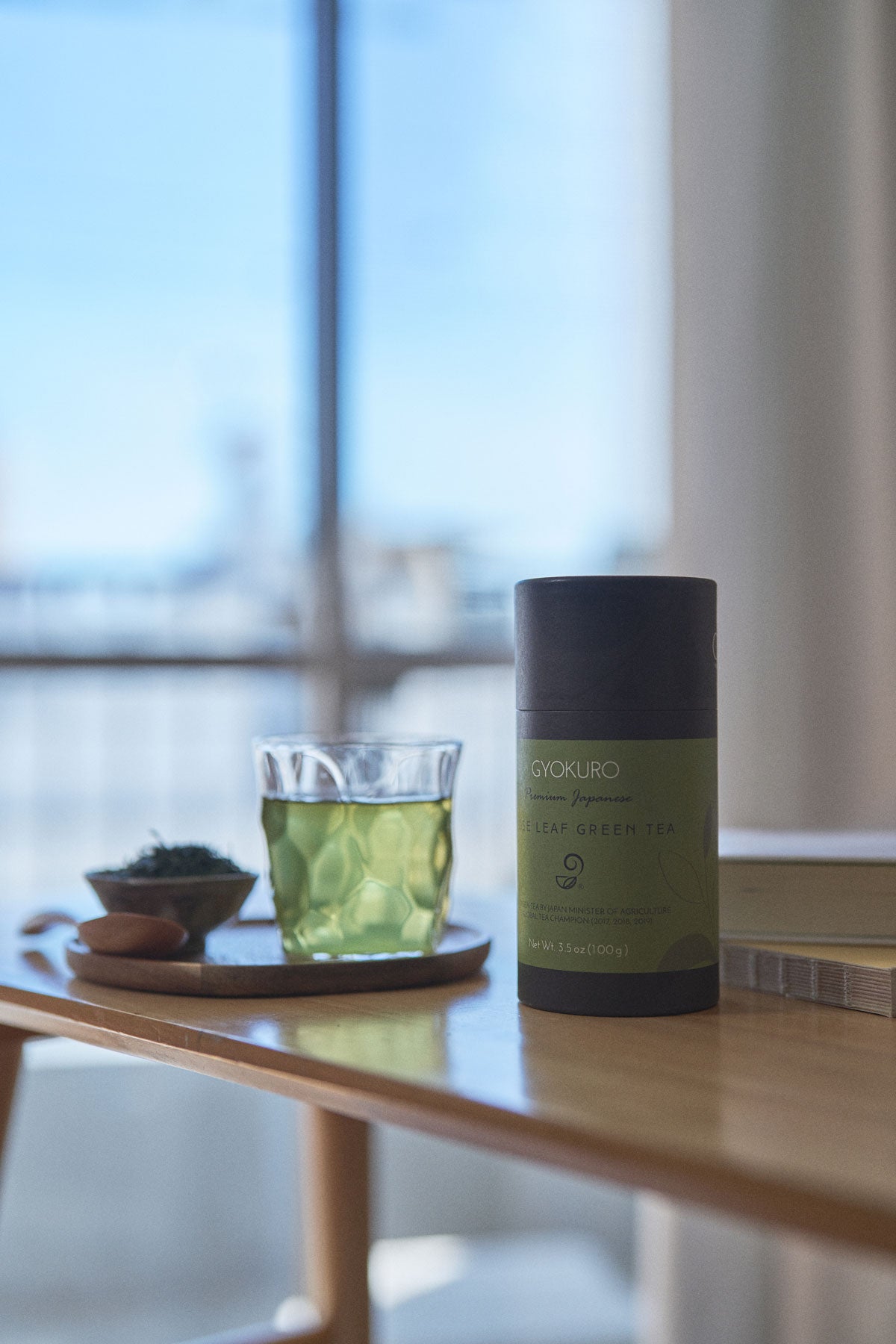
Japanese Green Tea

Moreover, researchers have found that drinking green tea significantly lowers the stress hormone cortisol, leaving someone feeling strong, healthy, and full of energy. So, sitting down and relaxing with a cup of green tea goes a long way toward helping you stay active and healthy.

7. Preparing and Enjoying Green Tea in a Social Setting Feels Relaxing On the Body

Truth be told, tea is a common beverage enjoyed by most families and cultures. There is a tea culture surrounding different ways of preparing and consuming tea, as well as the aesthetics surrounding tea drinking. Whatever the social setting, it is always a wonderful and relaxing moment to have a cup of green tea together with your family, friends, or colleagues. Moreover, some cultures may enjoy tea in small private gatherings commonly known as tea parties or in public, also known as tea houses. All of them essentially serve social interaction purposes.

We are living in a world where access to mental health therapy is limited. More than one-third of individuals suffering from anxiety and depression aren’t able to access proper mental therapy. Nevertheless, as emphasized in this article, green tea could be a healthy and natural remedy to help us maintain mental health balance and wellness.

FAQs about Green Tea and Mental Health

Can green tea genuinely help with mental health, or is that wellness-industry overreach?

Real but modest support, not a treatment. The L-theanine + caffeine + catechin combination in daily green tea has documented effects on stress reactivity, baseline anxiety, and mood regulation. Effect sizes are small but consistent across studies — meaningful enough to count as a population-level wellness benefit, not large enough to substitute for clinical treatment when mental health conditions need treatment.

Daily green tea supports mental health by reducing physiological stress reactivity (cortisol, heart-rate variability), improving sleep quality (especially with hojicha used in evening), and providing a structured ritual that itself has mental-health value. The combination is supportive across multiple axes.

Where green tea isn't enough: clinical depression, severe anxiety, bipolar disorder, PTSD, or any condition that warrants professional treatment. Use tea as a supportive daily practice alongside whatever professional care you need; don't substitute for treatment.

Does green tea help with depression specifically?

Modest evidence, mostly indirect. Several large epidemiological studies show that daily green tea drinkers have lower rates of depression compared to non-drinkers, but the studies have many confounding variables (people who drink daily green tea may also have other healthy habits) and the effect size is small.

Mechanistically, the L-theanine effect on GABA may modestly help with anxiety-related depression symptoms; the caffeine effect provides modest mood lift through increased dopamine; the catechin anti-inflammatory action may help with the inflammatory aspects of depression that recent research has highlighted. None of these are dramatic; combined, they may support mild depression management as an adjunct to other care.

People with diagnosed depression should continue prescribed treatment. Daily green tea can be a supportive addition that may modestly improve outcomes; it's not a substitute for SSRIs, therapy, or other evidence-based treatment. The framing matters: tea is a wellness practice, not a medical intervention.

Can I drink green tea while on antidepressants — any interactions?

Generally safe, with two specific cautions. First, caffeine can interact with some psychiatric medications (notably MAOIs, less commonly with some SSRIs). The interaction is rarely severe at typical green tea drinking volumes (3-5 cups daily), but worth mentioning to your prescribing doctor.

Second, green tea catechins can compete with some medications for the same liver metabolism pathway (CYP3A4). For most antidepressants this is a non-issue; for a few specific medications it can affect dosing slightly. Your psychiatrist can tell you whether your specific medication is affected.

The conservative approach: consistent daily tea intake (rather than dramatic shifts in consumption) makes any minor interactions easier to manage in dosing. If you're starting a new antidepressant, mention your tea consumption so the prescriber can factor it in.

Does the kind of green tea I drink matter for mental health benefits?
Shaded teas (matcha, gyokuro, kabusecha) deliver the highest L-theanine concentrations and therefore the strongest calm-focus / anxiety-reduction effect. Sun-grown sencha has L-theanine but at lower levels. Hojicha has reduced L-theanine (some lost to roasting) but compensates with much lower caffeine — better for people whose mental health is sensitive to caffeine.

For depression-related fatigue, matcha or sencha (with their caffeine + L-theanine combo) is more useful than hojicha. For anxiety-related sleep issues, hojicha or genmaicha (low caffeine, still some L-theanine) is more appropriate. Match the tea profile to your specific symptom pattern.

Practical rotation for someone managing both anxiety and mood: morning matcha (focus + alertness), afternoon sencha (sustained mood), evening hojicha (wind-down without sleep disruption). The combination covers different mental-health needs across different windows.

How does the ritual of making tea contribute to mental health, separate from the chemistry?

Significantly. The act of pausing to brew tea — boiling water, measuring leaves, watching the steep, pouring with attention — produces a small but real shift from sympathetic-nervous-system activation (stressed, busy, multitasking) to parasympathetic activation (calmer, slower, single-task). The chemistry of L-theanine reinforces this shift, but the ritual alone is doing work too.

This is part of why daily green tea practice tends to feel more meaningful than just taking L-theanine supplements. The supplement provides the chemistry; the practice provides the structural pause that's increasingly missing from modern life. Both contribute; neither alone matches the combination.

For people who specifically struggle with anxiety driven by overwork, hyperconnectivity, and chronic multitasking, the ritual side of tea practice may be the more therapeutically relevant component. Building 10-15 minutes of intentional tea practice into the daily routine is a meaningful mental-health intervention regardless of the specific tea you choose.

Related products

8 reviews

The Sencha Lover Gift Set - Premium Japanese Green Tea Set Package
$179.00 $159.99
Quick view

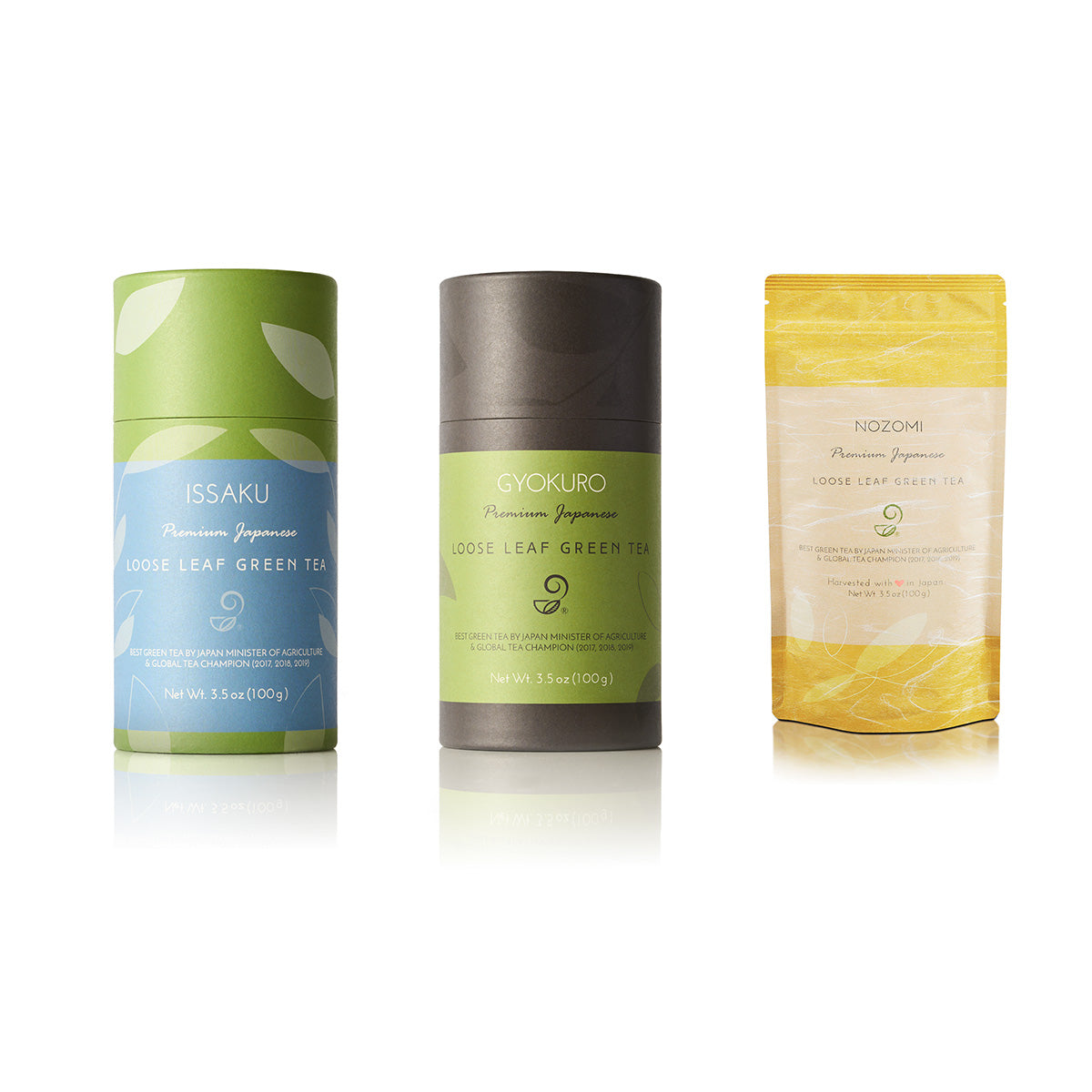
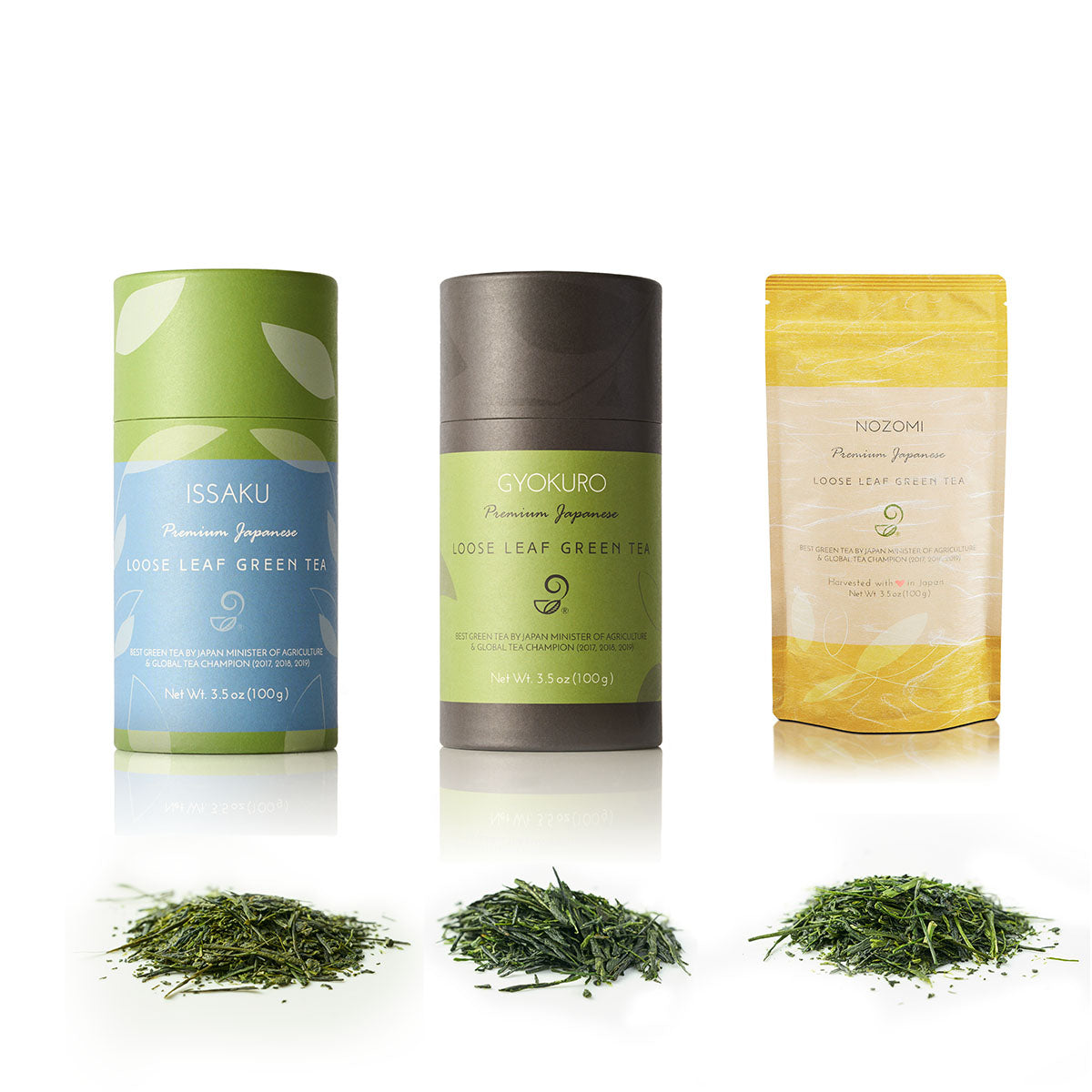
This tea set features three exceptional Japanese green teas, each crafted with care and traditional techniques. Issaku Reserve, a Global Tea Champion winner in 2017 and 2019, is a rare masterpiece created by Farm Master Mr. Arahata at Arahataen Green Tea Farm. Handpicked once a year from the first flush and processed with advanced methods, Issaku represents the highest-grade deep-steamed green tea, available only in limited quantities even in Japan.

The set also includes Gyokuro, a premium shaded green tea known for its rich, sweet flavor and deep mossy green color. Grown under special mats for 20 days to increase caffeine and amino acid levels, Gyokuro offers a layered, smooth taste unlike any other. Completing the collection is Nozomi, a fine Kabuse-cha, or "Covered Green Tea," carefully grown under nets to gently shade the leaves just before new sprouts emerge, resulting in a soft, rich, and refined flavor profile.

97 reviews

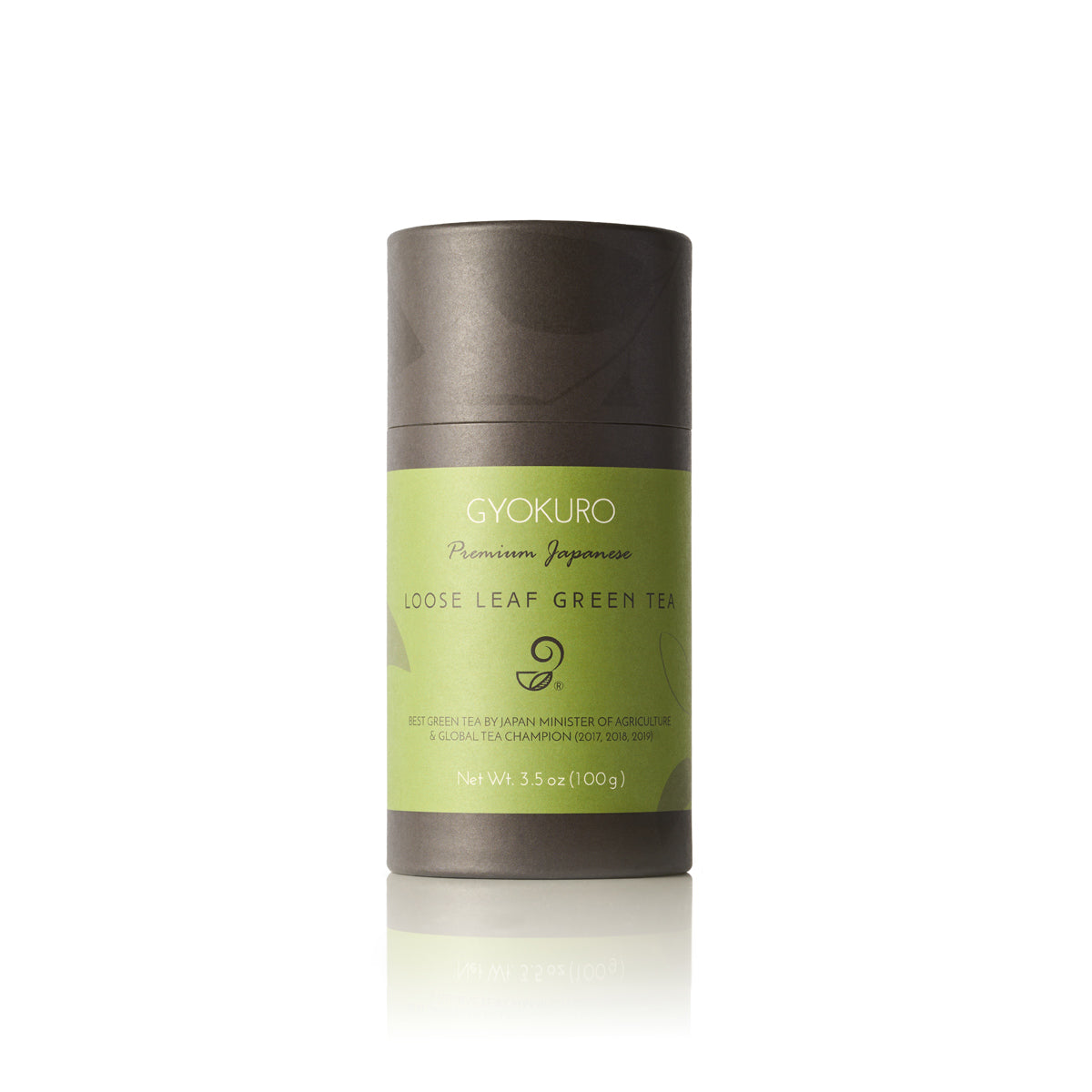
Gyokuro - Shaded Imperial Premium Green Tea

$65.00
Quick view

Gyokuro, also known as "jade dew" or "jewel dew tea," is a premium Japanese green tea shaded from the sun for 20 days using specially made mats, a method that boosts caffeine levels and strengthens amino acids to create a sweeter, richer flavor. This extended shading process results in dark, mossy green leaves with an unmistakable aroma and a complex taste that is layered yet balanced. Cultivated by the Chagusaba method in nutrient-rich sugarcane soil and made from the Yabukita cultivar, this loose-leaf authentic Gyokuro is offered in a high-quality, air-tight paper tube canister (chyazutsu) to preserve its exceptional freshness and flavor. Each 3.5 oz (100g) full-size package steeps 30–40 cups, and a convenient single-serve sample is also available.

45 reviews

Hojicha - Roasted Green Tea

$25.00
Quick view

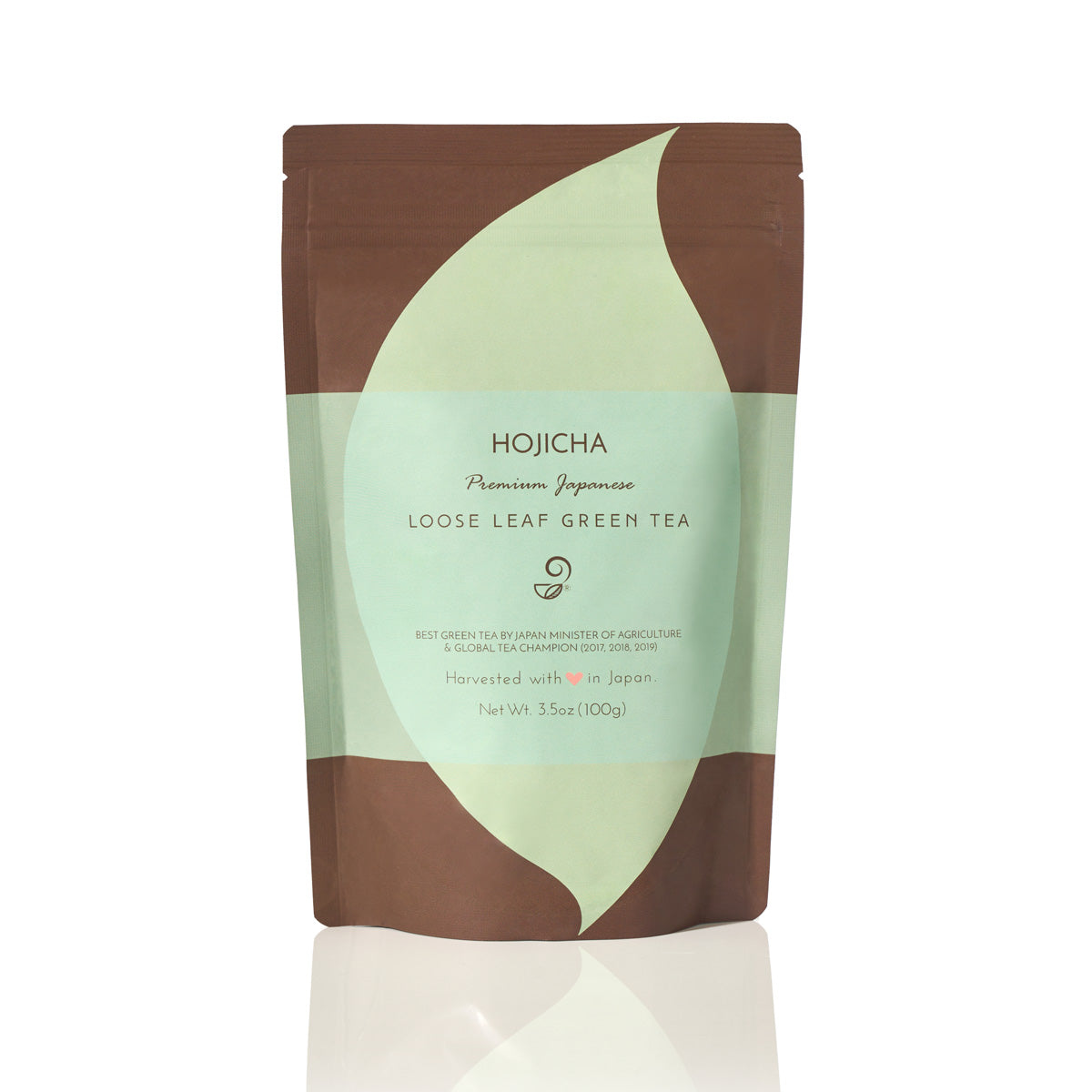
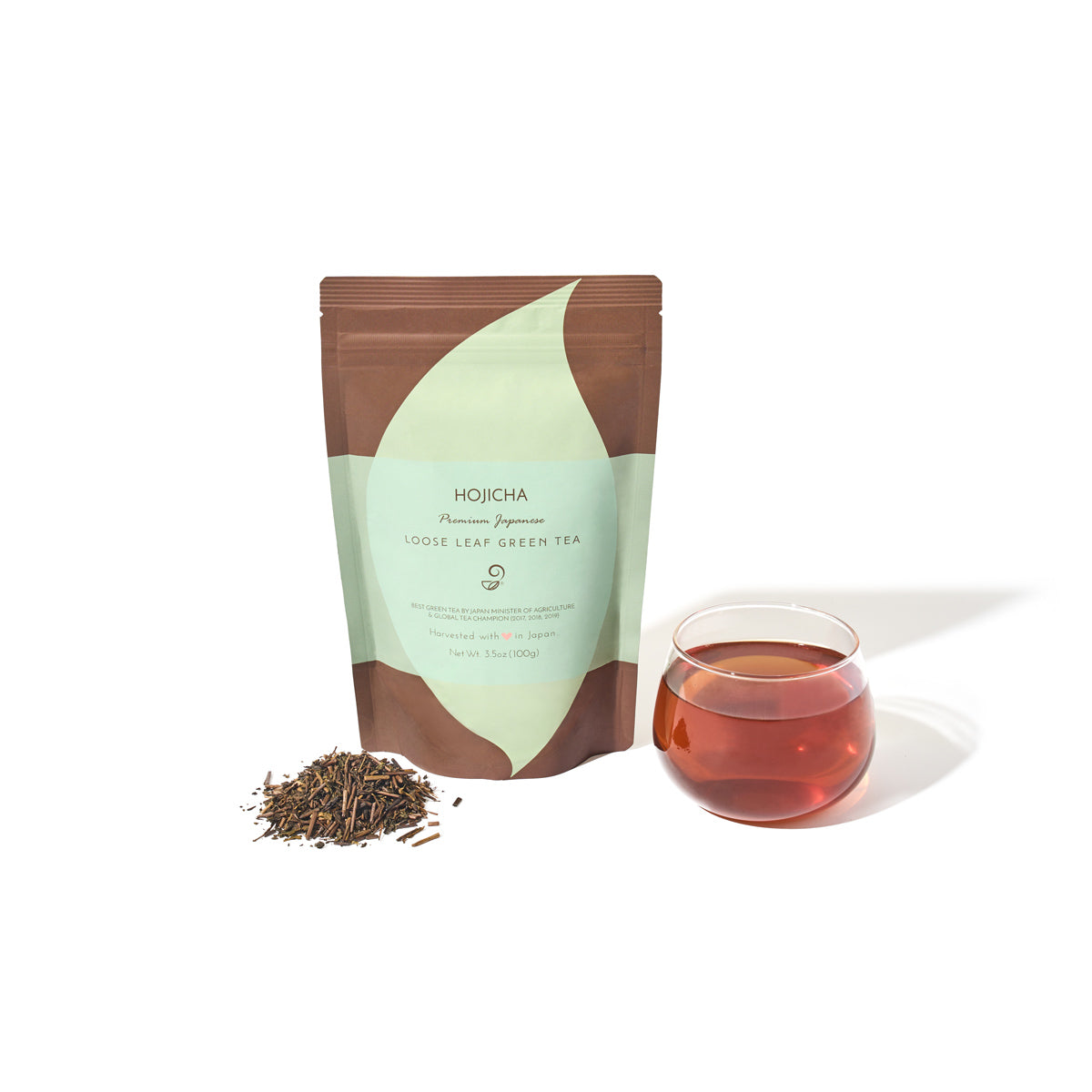
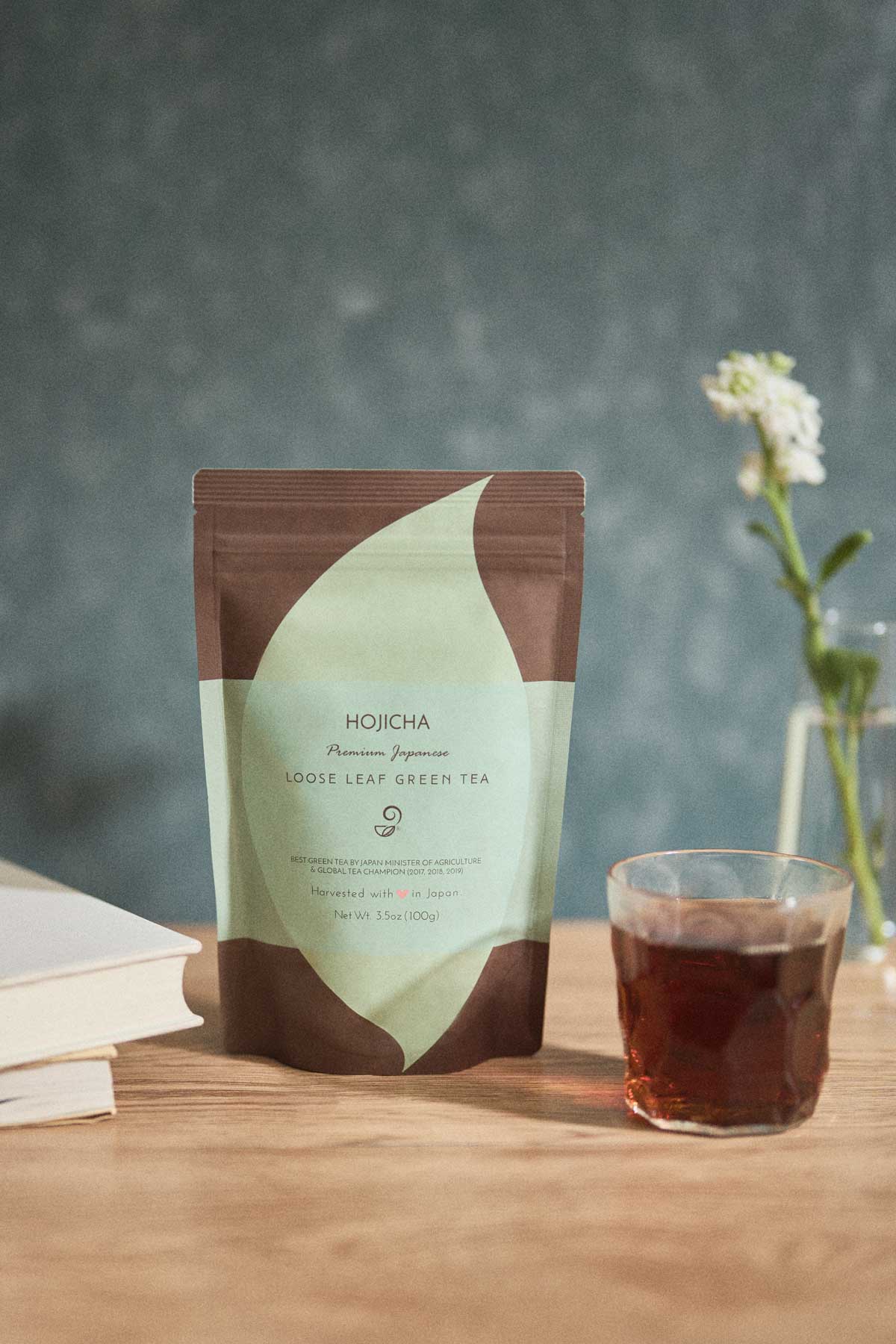
Our roasted green tea, known as hojicha (ほうじ茶), is crafted from freshly harvested premium green tea carefully roasted in porcelain over charcoal to maximize flavor while retaining more catechins than typical hojicha on the market. With lower caffeine and a smoother, less bitter taste compared to steamed green tea, it is an ideal choice for evening relaxation and is gentle enough for kids and pregnant women. Cultivated using the Chagusaba method in nutrient-rich sugarcane soil, this loose-leaf authentic Japanese roasted green tea, made from the Yabukita cultivar, also pairs beautifully with oily foods. Each eco-friendly resealable package contains 3.5 oz (100g) of tea, enough to steep 30–40 comforting cups.

80 reviews

Matcha - Ceremonial Japanese Powdered Green Tea

$39.00
Quick view

This ceremonial matcha is crafted from the finest Japanese green tea, grown in nutrient-rich soil enhanced with compostable grasses and sugarcane through the Chagusaba method, which gives the tea a natural sweetness and exceptional flavor. In collaboration with researchers from Shizuoka University, farmers ensure that the soil quality consistently produces tea of the highest standard.

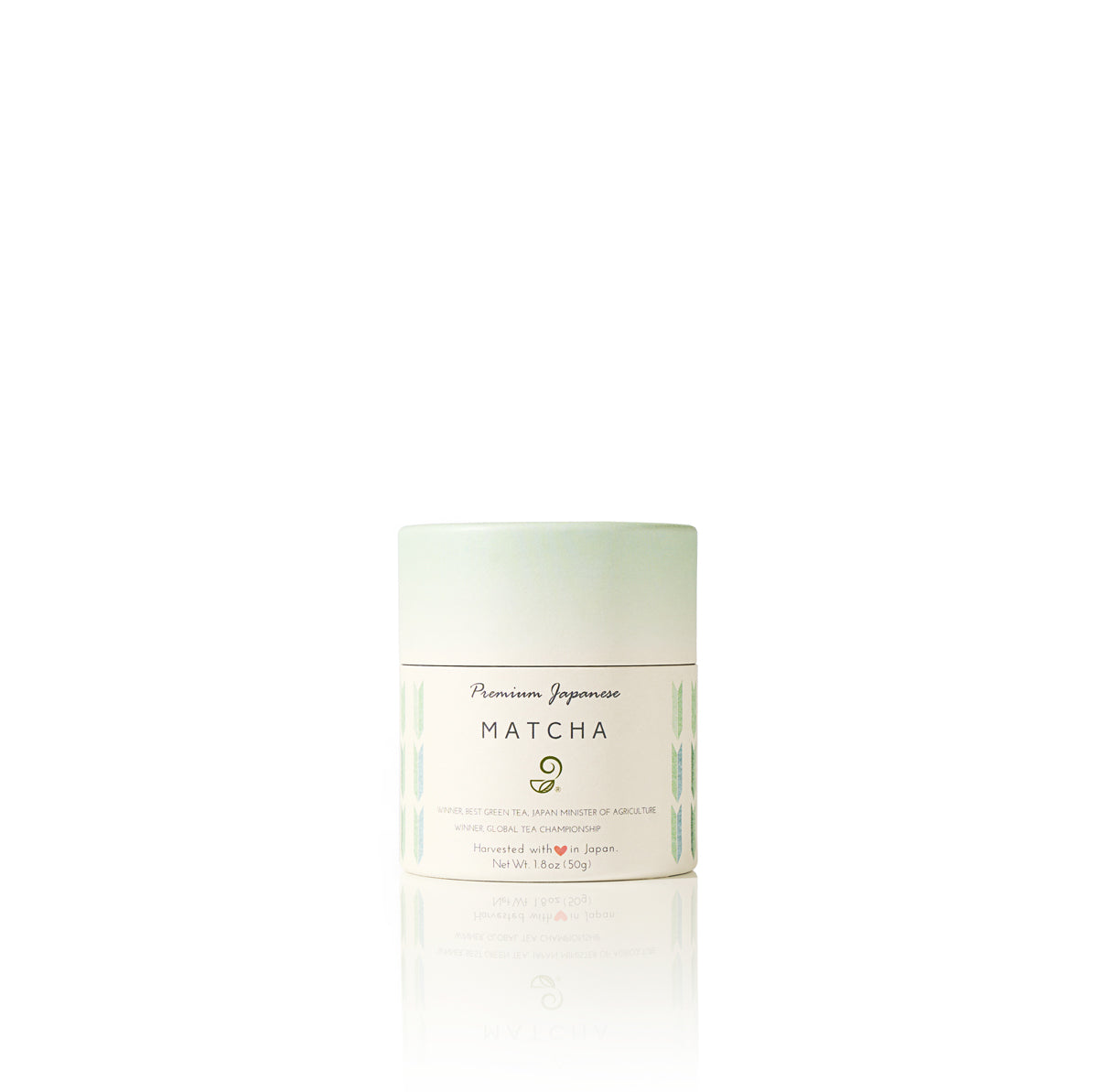
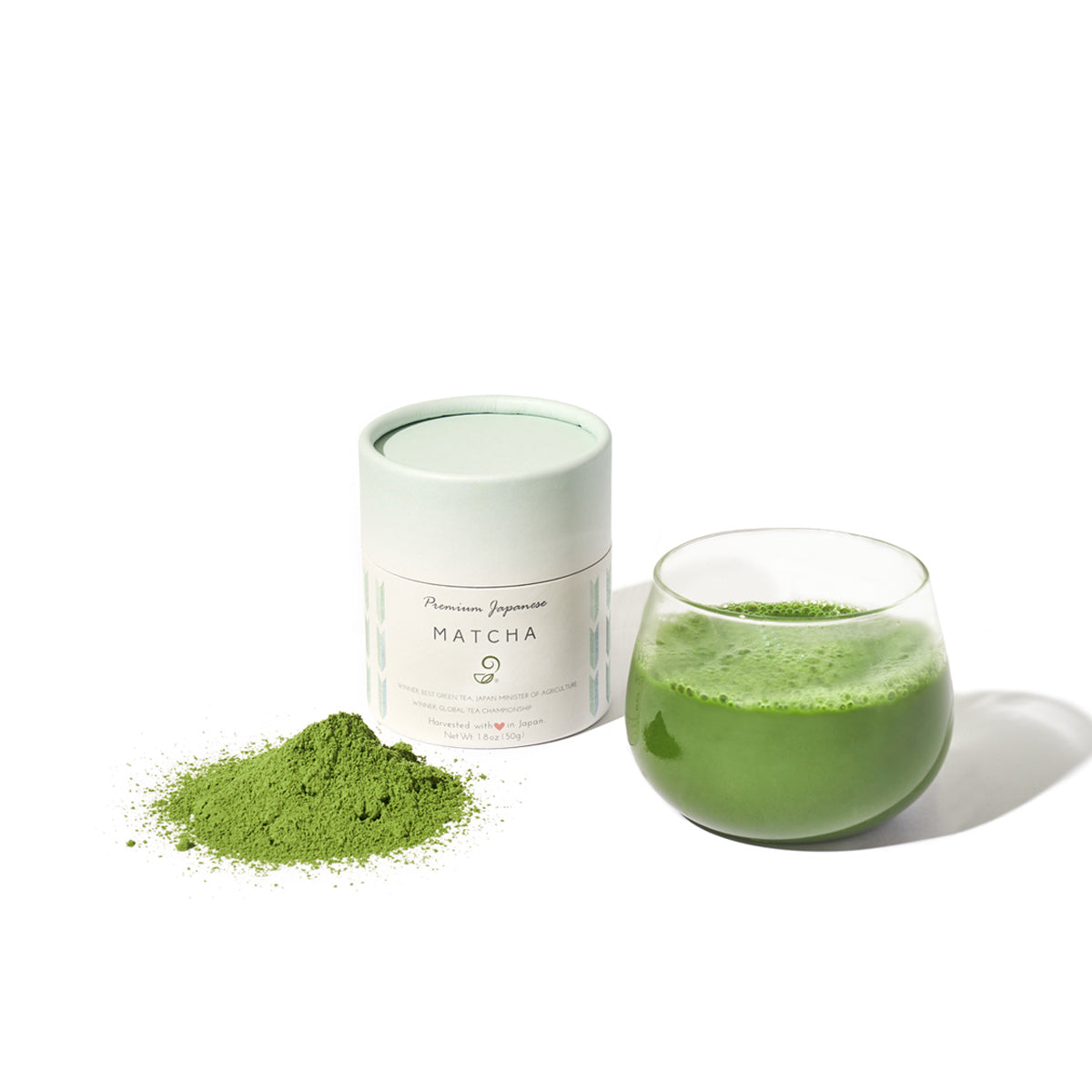
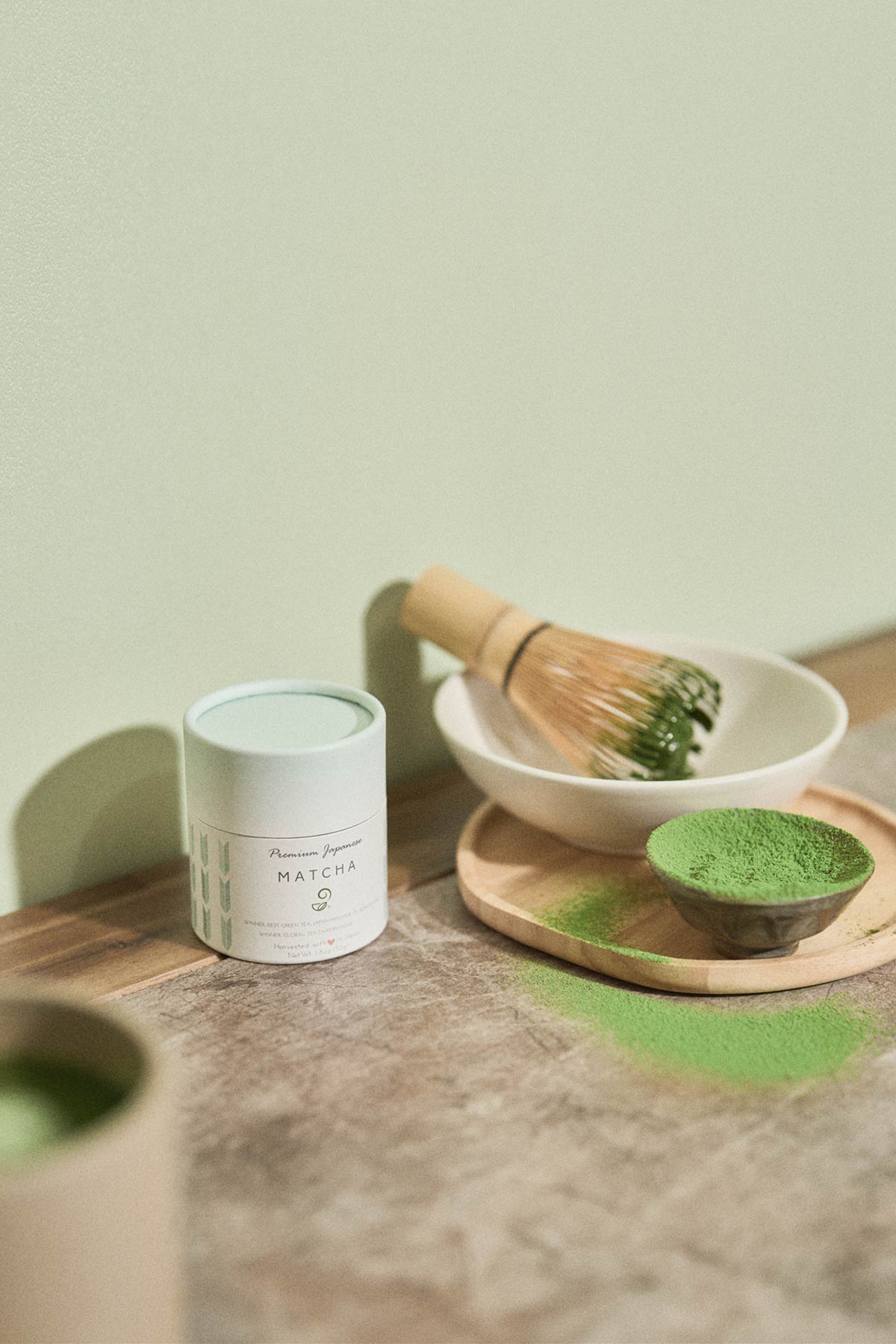
Renowned among top Japanese chefs for its unmatched aroma, this matcha is made by carefully shading the plants before harvest to boost caffeine and amino acids, then meticulously drying, de-stemming, and grinding the leaves into a fine powder. Made from the Yabukita cultivar, this 1.8 oz (50g) matcha comes in a high-quality, air-tight paper tube canister, providing a luxurious and authentic Japanese tea experience.

42 reviews

Genmaicha - Green Tea with Roasted Brown Rice

$30.00
Quick view

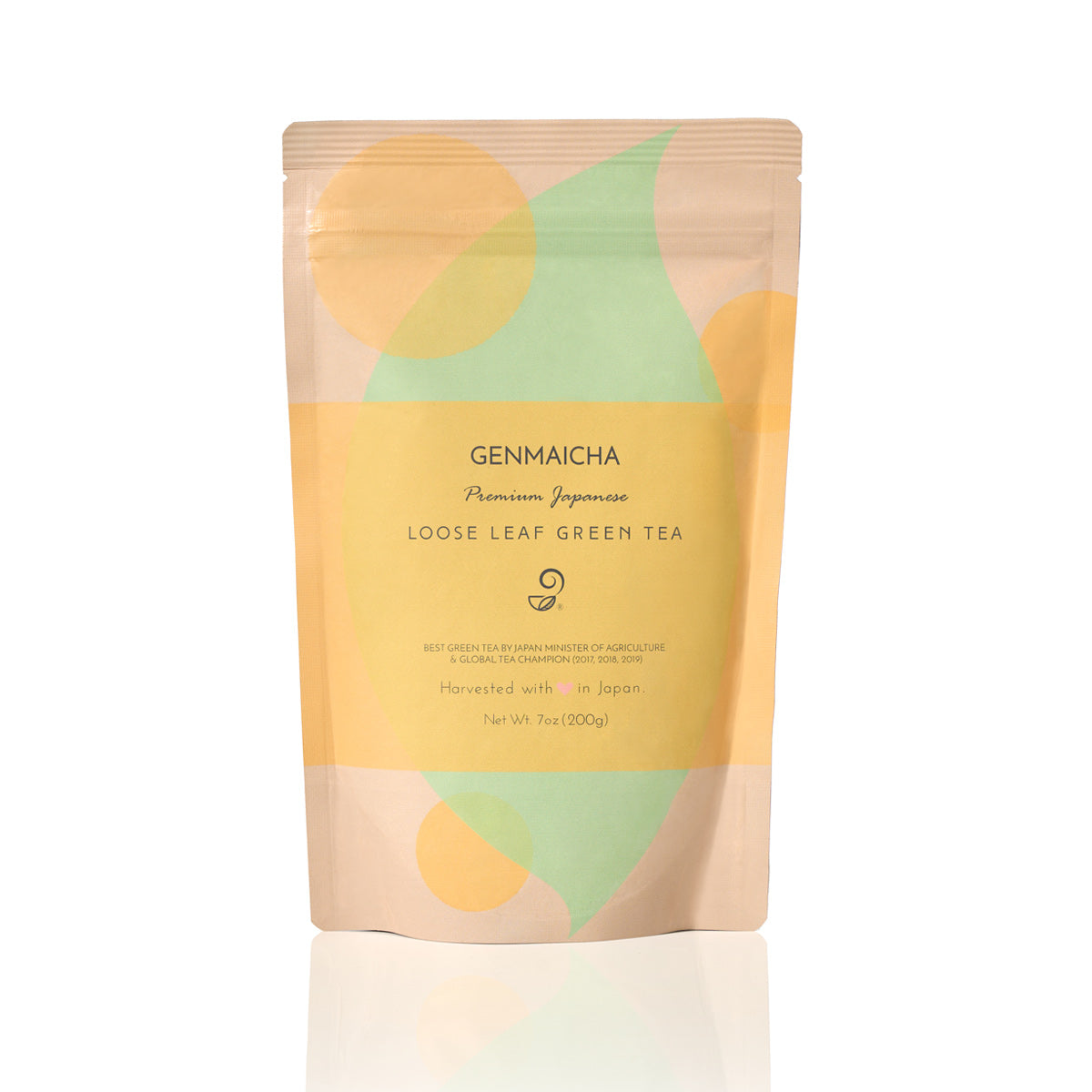
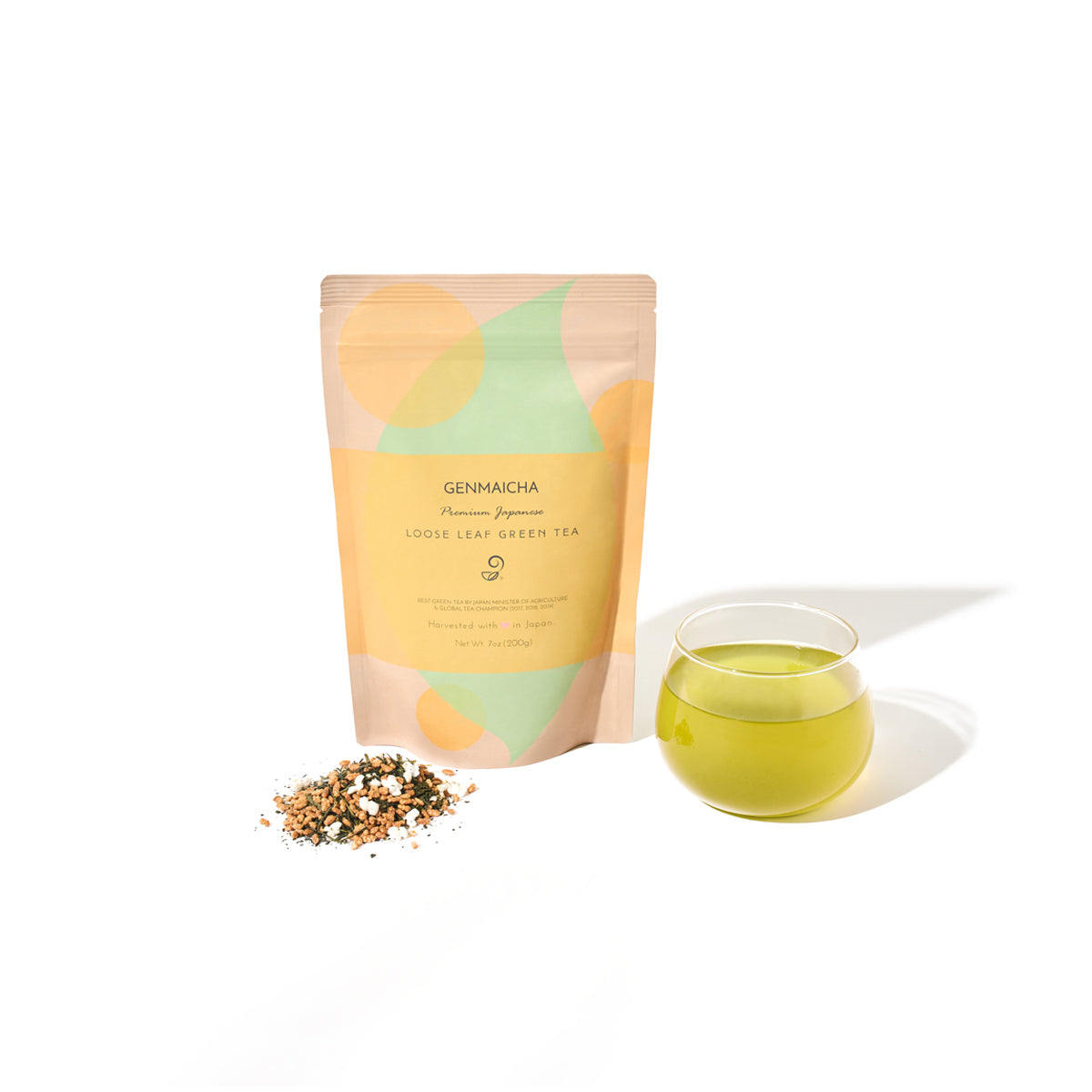
Our premium Japanese Genmaicha blends high-quality green tea with roasted popped brown rice (genmai 玄米), often nicknamed "popcorn tea" because the roasting process sounds like popcorn popping. Popular especially among the older generation in Japan for its mild flavor and lower caffeine content, this tea is easier on the stomach while still offering a rich, comforting taste. The brown rice used is premium Japanese mochi-gome (もち米) sticky rice, enhancing the tea’s nutty, aromatic profile. Made from Fukamushi Sencha and cultivated using the Chagusaba method in nutrient-rich sugarcane soil, this Genmaicha features the Yabukita cultivar and comes in a 7.0 oz (200g) eco-friendly resealable package, enough to steep 50–60 cups.


Related Articles You May Be Interested

How Tea Helps With Mental Health
How Tea Improves Memory and Concentration
Does green tea reduce stress?
Shell Ginger Tea - The Secret To Longevity
How Much L-Theanine Is in Green Tea?

Get Free Bonus Books

Join Green Tea Club

Sign up for free to the Green Tea Club to get advice and exclusive articles about how to choose Japanese Tea, and tips, tricks, and recipes for enjoying Japanese tea.

Unsubscribe anytime. It’s free!

About the author

Kei Nishida

Kei Nishida

Author, CEO Dream of Japan

info@japanesegreenteain.com

Certification: PMP, BS in Computer Science

Education: Western Washington University

Kei Nishida is a passionate Japanese green tea connoisseur, writer, and the founder and CEO of Japanese Green Tea Co., a Dream of Japan Company.

Driven by a deep desire to share the rich flavors of his homeland, he established the only company that sources premium tea grown in nutrient-rich sugarcane soil—earning multiple Global Tea Champion awards.

Expanding his mission of introducing Japan’s finest to the world, Kei pioneered the launch of the first-ever Sumiyaki charcoal-roasted coffee through Japanese Coffee Co. He also brought the artistry of traditional Japanese craftsmanship to the global market by making katana-style handmade knives—crafted by a renowned katana maker—available outside Japan for the first time through Japanese Knife Co.

Kei’s journey continues as he uncovers and shares Japan’s hidden treasures with the world.

Learn more about Kei Nishida

Related Posts

Introducing New Product - Meet Hojicha Powder
Introducing A New Product - Meet Hojicha Powder

Discover the game-changing Hojicha powder your kitchen has been waiting for — richer flavor, easier recipes, and surpris

Read More
Yokohama Peach is offered as a regular menu at Okayama Kobo Cafe!
Yokohama Peach is offered as a regular menu at Okayama Kobo Cafe! + Recap Video of Pop-up on 2/8/2026 at Anaheim, CA

We are excited to announce that our Yokohama Peach is now available on the regular menu at the popular Japanese Bakery,

Read More
The Story Behind Our Booth Backdrop: Craftsmanship, Engineering, and Sacred Wood
Behind the Scenes – How We Made the Event Booth & Backdrop Using Sacred Wood

Discover how our one-of-a-kind event booth came to life—from Japanese Kōshi (格子) design and rare Port Orford Cedar to mo

Read More
Leave a comment

Your email address will not be published..

Cart

Your cart is currently empty.

Start Shopping

Select options