Skip to content

From Skin and Within: Better Uses for Green Tea

Many people believe that green tea is one of the best antioxidants and is packed with several health benefits for both genders and all ages. It is among the least oxidized when refined but still maintains a large concentration of polyphenols, a stress-reducing agent that protects body tissues from further damage. Moreover, it protects us from cancer, coronary heart disease, and other pathogens linked with these illnesses.

Moreover, most people, especially those leading an active lifestyle, prefer green tea after a workout due to its healing and calming powers. In addition, according to studies, a cup of this can have positive effects on muscle recovery after strenuous exercise.

From Skin and Within Better Uses Green Tea

Its primary selling point is its high epigallocatechin, or EGCG gallate, content, a property shown to improve one's metabolism and help in weight reduction. However, experts still advise individuals to get help when incorporating such practices into their diet and workout routine to see actual and better results. Thus, gym trainers and health professionals are encouraged to get more experience and knowledge by attending fitness CEC programs and other courses to help broaden their understanding of various health benefits and better cater to larger demographics.

The benefits of green tea extend beyond the straightforward enjoyment of drinking it. While consuming it benefits the body enormously from within, applying it directly to the skin has an entirely different effect.

It helps relieve skin irritation.

Green tea has properties that help ease skin damage and imperfections. All you need is a cup of freshly boiled green tea. Let it cool down for a few minutes, and dab a clean towel or a piece of cloth in it. Afterward, apply it to the irritated region and leave it for at least half an hour. Its tannic acid and theobromine properties make it an effective agent to soothe inflammation and redness.

It helps improve the unevenness in the skin.

Being exposed to excessively polluted air and eating an unhealthy diet contributes to the development of acne by making the skin appear blotchy and clogging the pores, making it feel a bit congested. Usually, these instances require individuals to depend on skin care products such as serums, creams, toners, and other items beneficial to their cleansing routine.

However, if you find yourself in a tough situation, have run out of supply, or may want to rest your skin from all these chemical products for a while, your wet green tea bag is the answer you are looking for. 

From Skin and Within Better Uses Green Tea

Simply boil a tea bag or two and let it cool down. Transfer it to a spray bottle and refrigerate it overnight. Spray it on your face or dab cotton on it in the morning or before you go to bed. Rinse and pat it dry. Green tea is great as a facial toner alternative because of its outstanding anti-pore-clogging and sebum-controlling qualities. This makes the skin less oily and cleaner.

A natural body scrubs

Rather than throwing your leftover tea leaves and bags away, use them as your natural cleanser. Green tea is excellent for exfoliating your skin, leaving it feeling soft, supple, and youthful. This is because it removes dirt and harmful radicals responsible for wrinkling, fine lines, and making your skin look saggy. To achieve this, simply drain the leftover tea leaves and blend them with organic honey.

You can also use it as is, depending on your preference. Then, apply it to your face and gently rub it in a circular motion to restore your skin's radiance. Remember to moisturize afterward.

First-aid for bleeding incidents

Complex chemical substances such as tannins or tannic acid present in green teas are effective first aids to clot the bleeding and minimize further complications, giving you enough time to get medical help. Soak a bag in boiling water for a few seconds, then drain it and allow it to cool. Rub it carefully and gently on the wound. You may also put some tea water on the cut to wash away the leaves and clean the injury later.

The therapeutic properties of green tea largely depend on the type and preparation method used in making it. For instance, brewed tea may contain more antioxidants than its colder counterpart. However, the latter may offer you a better taste and less caffeine, making it more appealing for younger drinkers. Nonetheless, they are all healthy in their own perfect ways.

Green tea has earned its rightful place in several parts of Asia, especially in Japan and China. Its soothing qualities continue to improve most people's lives, and they will stay that way for the next generation to enjoy.

FAQs about Non-Drinking Uses for Green Tea

What's the best non-drinking use for leftover green tea?

Topical face toner is the highest-yield non-drinking use. Pour cooled brewed green tea into a small spray bottle, spritz on cleansed face morning and evening, let air-dry, follow with moisturizer. The catechins absorb modestly through skin and provide topical anti-inflammatory and antioxidant benefit. Free, easy, mild improvement over weeks of use.

Other strong uses: green tea bag eye compresses (cooled used tea bags placed on closed eyes for 10-15 minutes — reduces puffiness and dark circles), foot soaks (strong brewed tea + warm water for tired feet, the catechins reduce mild inflammation), hair rinse (cooled brewed tea poured through hair after shampooing — slight shine and possibly modest help with dandruff).

Garden uses: dried tea leaves as compost addition or as soil amendment for acid-loving plants (azaleas, blueberries, hydrangeas). Sustainability bonus is real — turning daily tea waste into soil amendment closes a small ecological loop.

Does green tea actually work as a hair treatment?

Modestly, with mostly anecdotal evidence. The catechins in cooled brewed tea may reduce scalp inflammation and provide mild antimicrobial action that helps with dandruff. Some people report reduced hair shedding with regular green tea hair rinses, though clinical studies are limited.

The application: brew strong green tea (1 tablespoon high-quality leaf in 500ml hot water, steep 10 minutes), cool, pour through hair and scalp after shampooing, leave for 5 minutes, rinse with cool water. Once or twice weekly is enough — daily can dry out hair.

For specific hair-loss concerns, topical green tea is supportive at best. Real intervention usually requires medical treatment (minoxidil, finasteride for relevant cases). Green tea is a supplementary approach for general hair health, not a treatment for diagnosed hair-loss conditions.

Can green tea bath actually help with skin or relaxation?

Yes for both, modestly. Adding 5-10 brewed tea bags or a strong tea infusion to bath water creates a green tea bath that delivers catechins to skin through soaking and aromatic compounds to your nervous system through warmth and inhalation. Japanese cha-buro (tea bath) tradition uses this for both skin and relaxation purposes.

For skin: the soaking provides mild topical antioxidant exposure across more skin surface than a face toner can. Some people find tea baths help with mild eczema and irritated skin; others notice no effect. Safe to try; not a treatment for serious skin conditions.

For relaxation: the warm bath itself does most of the work; the green tea adds a subtle aromatic element and possibly modest L-theanine absorption through skin. If you enjoy long baths anyway, adding tea is a small ritual upgrade. If you don't take baths, the standalone benefit isn't large enough to start.

Are there clever cooking uses for green tea beyond just adding it to recipes?
Several. Tea-smoking (using brewed tea leaves in stovetop smoking) imparts smoky-tea flavor to fish, duck, or pork that's hard to replicate any other way. Tea-poaching (simmering food in tea-infused liquid) produces subtle infused flavors in pears, fish, chicken. Tea-curing (using tea as part of a salt-based cure for fish or pork) creates regionally-Japanese-influenced flavors.

More everyday: green tea-infused vinegar (steep used tea leaves in white wine vinegar for 1 week, strain) makes interesting salad dressings. Green tea-salt (matcha mixed with sea salt at 1:4 ratio) is great for sprinkling on tempura, eggs, or grilled fish. Cold-brewed sencha as cocktail mixer (gin + sencha tonic + lime) is genuinely refreshing. The culinary matcha works for the matcha-salt and culinary applications.

For Japanese-traditional applications: ochazuke (rice with green tea poured over it, often with fish or umeboshi) is a comforting late-night meal that's unique to Japanese tea culture. Easy to make, surprisingly satisfying, uses tea as the primary cooking liquid.

What's the worst use for green tea — what should I not bother with?

"Green tea cleanse" products that claim to detoxify your body, flush toxins, or burn fat at concentrated doses. The marketing is mostly false; high-dose tea cleanses don't work as advertised and can cause caffeine over-stimulation or stomach issues. Skip these.

DIY green tea hair dye products (some online recipes claim to dye hair green or rinse out gray). The catechins don't bind to hair shaft strongly enough to produce meaningful color change; you'll get nothing visible from the time invested.

Green tea "toothpaste" or oral health products that promise dramatic effects. Some clinical evidence exists for green tea mouthwash supporting gum health and reducing plaque mildly, but DIY versions and most commercial products overstate the effect compared to actual evidence-based oral hygiene.

Related products

8 reviews

The Sencha Lover Gift Set - Premium Japanese Green Tea Set Package
$179.00 $159.99
Quick view

This tea set features three exceptional Japanese green teas, each crafted with care and traditional techniques. Issaku Reserve, a Global Tea Champion winner in 2017 and 2019, is a rare masterpiece created by Farm Master Mr. Arahata at Arahataen Green Tea Farm. Handpicked once a year from the first flush and processed with advanced methods, Issaku represents the highest-grade deep-steamed green tea, available only in limited quantities even in Japan.

The set also includes Gyokuro, a premium shaded green tea known for its rich, sweet flavor and deep mossy green color. Grown under special mats for 20 days to increase caffeine and amino acid levels, Gyokuro offers a layered, smooth taste unlike any other. Completing the collection is Nozomi, a fine Kabuse-cha, or "Covered Green Tea," carefully grown under nets to gently shade the leaves just before new sprouts emerge, resulting in a soft, rich, and refined flavor profile.

97 reviews

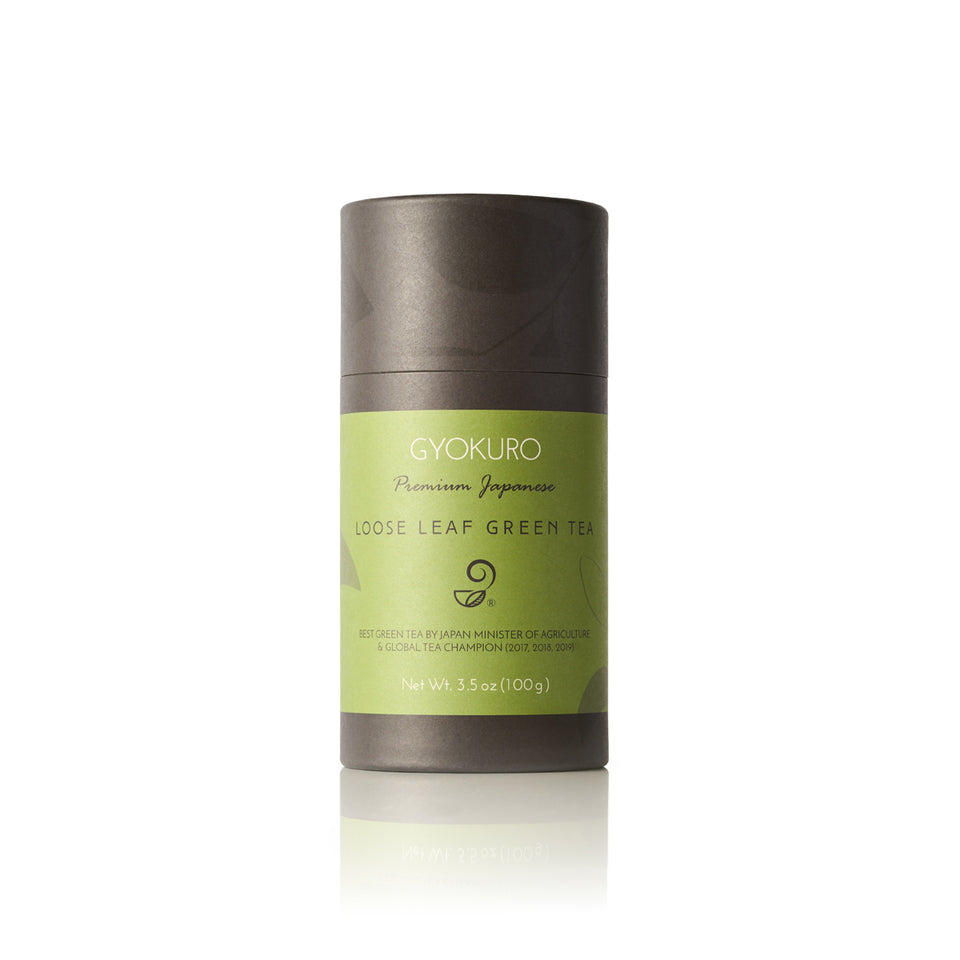
Gyokuro - Shaded Imperial Premium Green Tea

$65.00
Quick view

Gyokuro, also known as "jade dew" or "jewel dew tea," is a premium Japanese green tea shaded from the sun for 20 days using specially made mats, a method that boosts caffeine levels and strengthens amino acids to create a sweeter, richer flavor. This extended shading process results in dark, mossy green leaves with an unmistakable aroma and a complex taste that is layered yet balanced. Cultivated by the Chagusaba method in nutrient-rich sugarcane soil and made from the Yabukita cultivar, this loose-leaf authentic Gyokuro is offered in a high-quality, air-tight paper tube canister (chyazutsu) to preserve its exceptional freshness and flavor. Each 3.5 oz (100g) full-size package steeps 30–40 cups, and a convenient single-serve sample is also available.

45 reviews

Hojicha - Roasted Green Tea

$25.00
Quick view

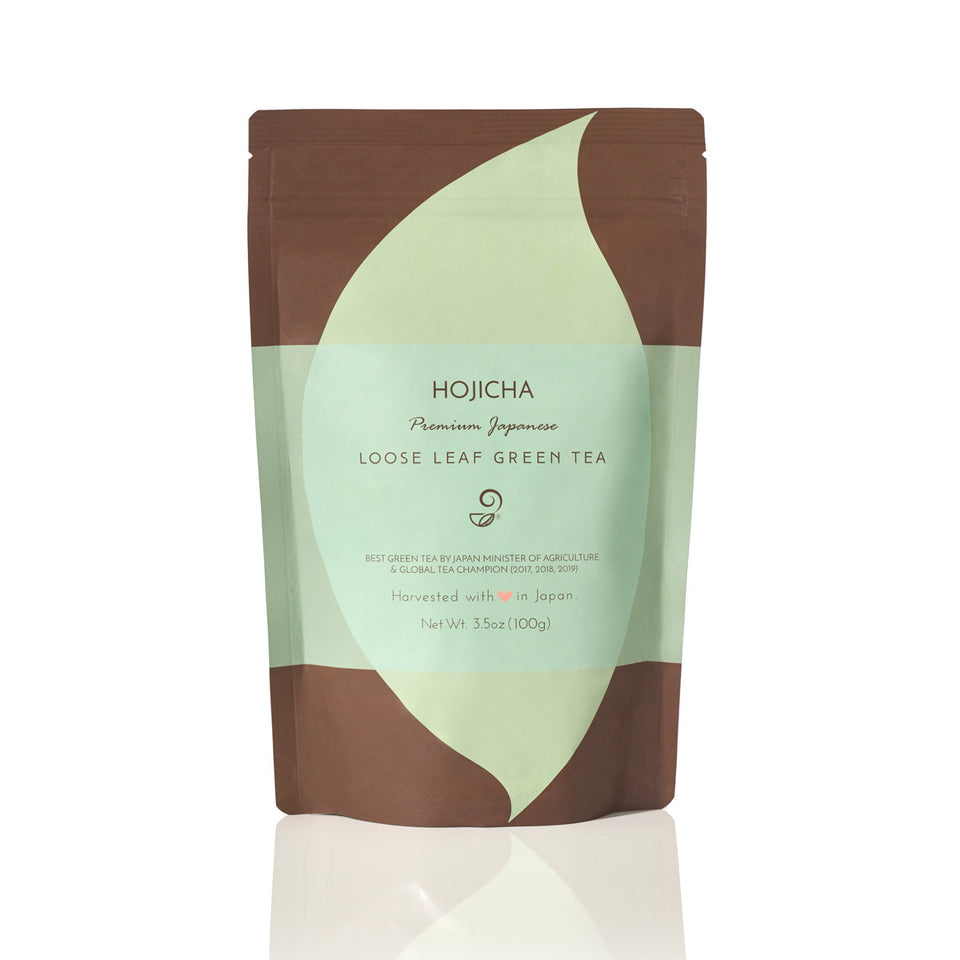
Our roasted green tea, known as hojicha (ほうじ茶), is crafted from freshly harvested premium green tea carefully roasted in porcelain over charcoal to maximize flavor while retaining more catechins than typical hojicha on the market. With lower caffeine and a smoother, less bitter taste compared to steamed green tea, it is an ideal choice for evening relaxation and is gentle enough for kids and pregnant women. Cultivated using the Chagusaba method in nutrient-rich sugarcane soil, this loose-leaf authentic Japanese roasted green tea, made from the Yabukita cultivar, also pairs beautifully with oily foods. Each eco-friendly resealable package contains 3.5 oz (100g) of tea, enough to steep 30–40 comforting cups.

80 reviews

Matcha - Ceremonial Japanese Powdered Green Tea

$39.00
Quick view

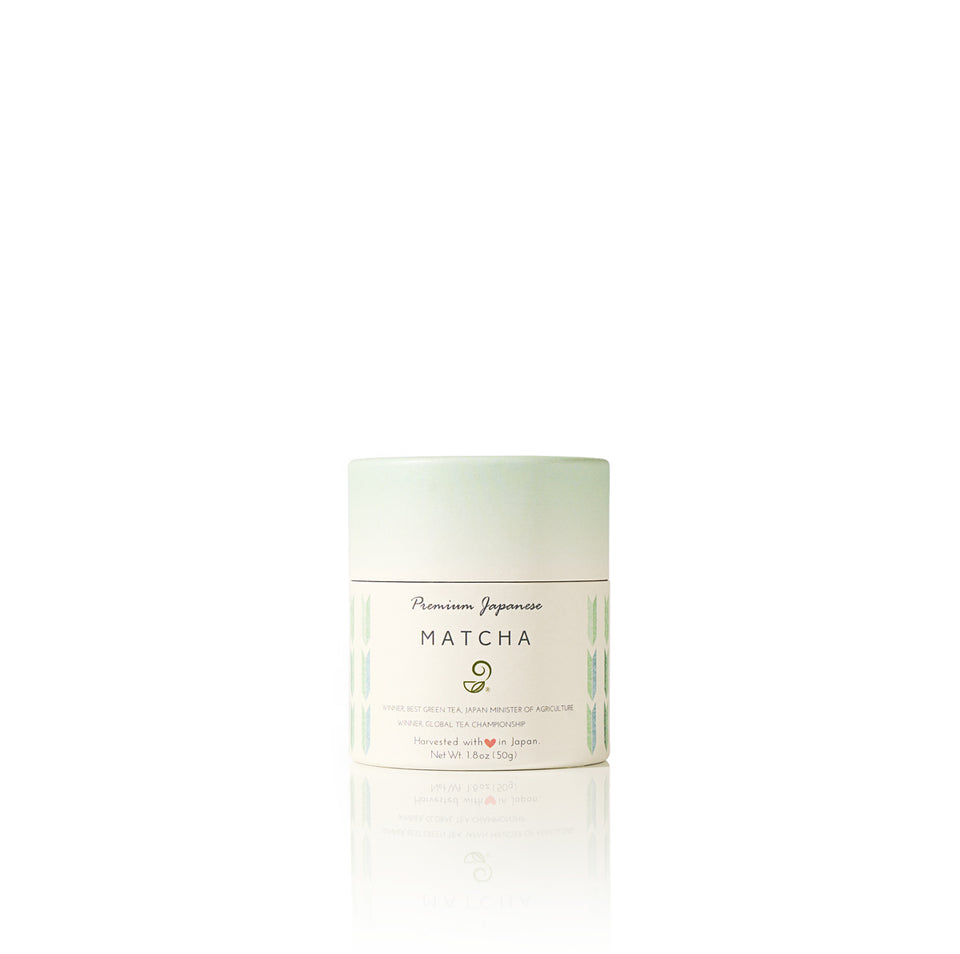
This ceremonial matcha is crafted from the finest Japanese green tea, grown in nutrient-rich soil enhanced with compostable grasses and sugarcane through the Chagusaba method, which gives the tea a natural sweetness and exceptional flavor. In collaboration with researchers from Shizuoka University, farmers ensure that the soil quality consistently produces tea of the highest standard.

Renowned among top Japanese chefs for its unmatched aroma, this matcha is made by carefully shading the plants before harvest to boost caffeine and amino acids, then meticulously drying, de-stemming, and grinding the leaves into a fine powder. Made from the Yabukita cultivar, this 1.8 oz (50g) matcha comes in a high-quality, air-tight paper tube canister, providing a luxurious and authentic Japanese tea experience.

42 reviews

Genmaicha - Green Tea with Roasted Brown Rice

$30.00
Quick view

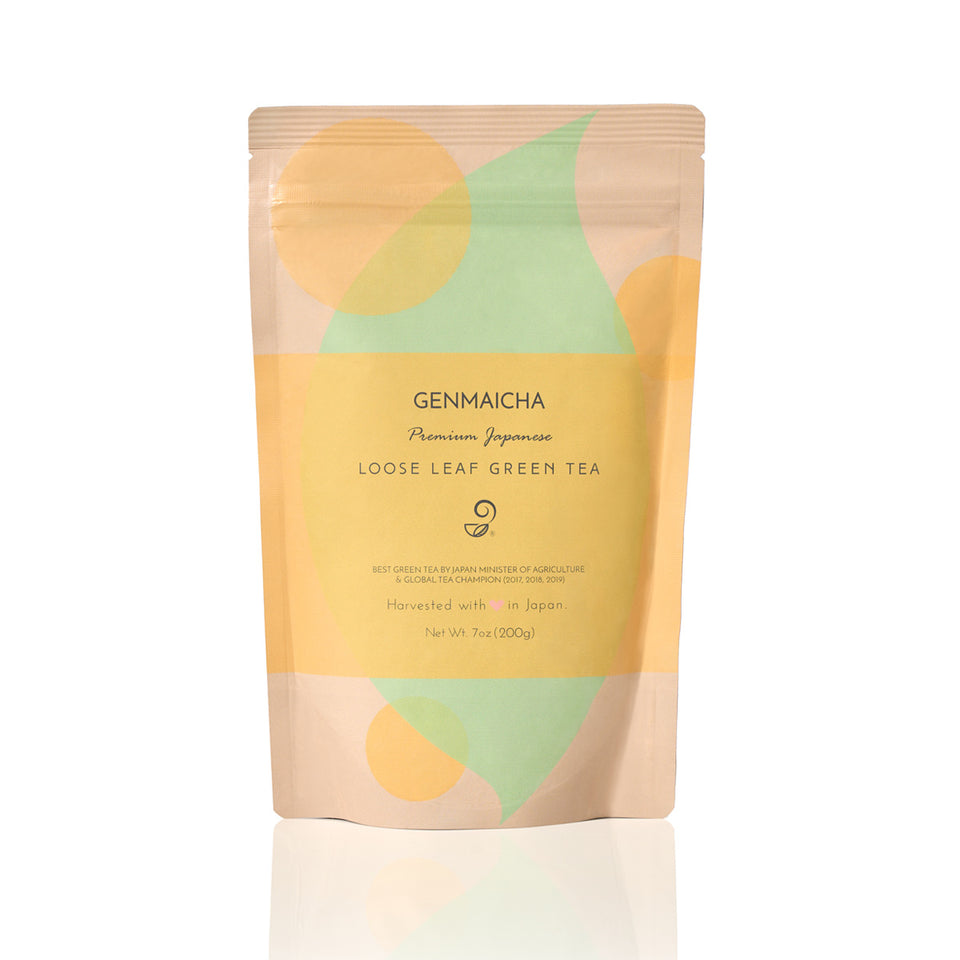
Our premium Japanese Genmaicha blends high-quality green tea with roasted popped brown rice (genmai 玄米), often nicknamed "popcorn tea" because the roasting process sounds like popcorn popping. Popular especially among the older generation in Japan for its mild flavor and lower caffeine content, this tea is easier on the stomach while still offering a rich, comforting taste. The brown rice used is premium Japanese mochi-gome (もち米) sticky rice, enhancing the tea’s nutty, aromatic profile. Made from Fukamushi Sencha and cultivated using the Chagusaba method in nutrient-rich sugarcane soil, this Genmaicha features the Yabukita cultivar and comes in a 7.0 oz (200g) eco-friendly resealable package, enough to steep 50–60 cups.


Related Articles You May Be Interested

The Hidden Benefits of Green Tea on Your Skin
Japanese Green Tea and Skin Health
How to Take a Bath with Japanese Green Tea
Japanese Green Tea and Diabetes - 10 Reasons Why It is Good for Prevention and Management
How Does Green Tea Help Control Cholesterol Ratio?

Get Free Bonus Books

Join Green Tea Club

Sign up for free to the Green Tea Club to get advice and exclusive articles about how to choose Japanese Tea, and tips, tricks, and recipes for enjoying Japanese tea.

Unsubscribe anytime. It’s free!

About the author

Kei Nishida

Kei Nishida

Author, CEO Dream of Japan

info@japanesegreenteain.com

Certification: PMP, BS in Computer Science

Education: Western Washington University
Kei Nishida is a passionate Japanese green tea connoisseur, writer, and the founder and CEO of Japanese Green Tea Co., a Dream of Japan Company.

Driven by a deep desire to share the rich flavors of his homeland, he established the only company that sources premium tea grown in nutrient-rich sugarcane soil—earning multiple Global Tea Champion awards.

Expanding his mission of introducing Japan’s finest to the world, Kei pioneered the launch of the first-ever Sumiyaki charcoal-roasted coffee through Japanese Coffee Co. He also brought the artistry of traditional Japanese craftsmanship to the global market by making katana-style handmade knives—crafted by a renowned katana maker—available outside Japan for the first time through Japanese Knife Co.

Kei’s journey continues as he uncovers and shares Japan’s hidden treasures with the world.

Learn more about Kei Nishida

Related Posts

Meet Eijiro Tsukada (塚田英次郎): The Charismatic Businessman Behind Cuzen Matcha — Now Available at Japanese Green Tea Co.

Meet Eijiro Tsukada — the man behind Cuzen Matcha. Full guide to the award-winning Matcha Maker, the Pro, and why we're

Read More
Behold: Balmuda's "The MoonKettle" — Where Boiling Water Becomes Art

We were privileged to be invited by Balmuda's Private MoonKettle Launch Event. Here are videos of it and everything you

Read More
OC Japan Fair April 2026 — Visit Us at Booth #A8!
OC Japan Fair Spring 2026 Recap (April 3 - 5 2026)

We were at OC Japan Fair again! April 3-5 2026 with new products, Miki Pon's art debut and more. Here is a recap video f

Read More
Leave a comment

Your email address will not be published..

Cart

Your cart is currently empty.

Start Shopping

Select options