

How’s your Japanese green tea tasting? A perfect cup of Japanese green tea should emit flavors of umami with buttery, sweet or bittersweet, green, floral, and grassy notes. If it’s not, then look to your water as the source of the trouble.
Beyond the leaves themselves, small shifts in your water can swing a cup from vivid to dull: excessive hardness (high calcium/magnesium) flattens umami and can turn iced tea cloudy; ultra-low minerals (near-zero TDS) make the liquor taste thin; chlorine and off-odors overwhelm aroma; and water that’s too hot pulls harsh bitterness instead of sweetness. Start with clean, low-mineral “soft” water (TDS ~50–150 ppm), bring it to a boil to drive off odors, then cool to the right range for your tea style (lower for shaded teas like gyokuro, slightly higher for sencha). If your tap water is hard or chlorinated, use a good filter or a soft, non-mineral bottled water—and watch how the tea’s buttery, green notes snap into focus. Other than your fine Japanese green tea, water will be the most essential detail to a delicious brew.
A Short Video First
During the Virtual International Tea Festival, I was asked about water, so we recorded a video answering the question. It is a short summary of what I explain in this article below that you may be interested in watching first.
videoid="46FyvOt9vRo"
Click to Subscribe to my YouTube Channel
Water Quality for Brewing Tea Has Four Essential Components to Consider
Just because water is drinkable doesn’t necessarily mean it is optimal water for brewing a pot of quality Japanese green tea. If you want the highest quality flavor from your green tea, you want to use water that will enhance the tea’s aromas, clarity, and flavors.
When it comes to brewing, water quality determines whether your Japanese green tea reaches its full potential or falls flat. Even if your tap water tastes fine on its own, its mineral balance, pH, and purity can drastically affect extraction and flavor. Water that’s too hard (high in calcium and magnesium) can suppress the tea’s sweetness and umami, while overly purified water can make the tea taste hollow or bland. Think of water as the canvas on which your tea’s natural flavors are painted—the more balanced and neutral the canvas, the clearer and more vibrant the final picture. The key components that shape this balance are hardness or softness, pH level, purity, and temperature—each influencing how aroma compounds, amino acids, and tannins dissolve and harmonize in your cup.
For the scientists out there, you probably do your own water quality testing. Those elements are:
- Water hardness or softness
- Water pH
- Water Purity
- Water Temperature
Let me first explain these, and then I will provide you with the specifics of how you can apply them to your tea. If you are not interested in the background, scroll down to the "Consider What Type of Water You Will Use to Brew Green Tea" section below!
Water Hardness or Softness
Does your region have hard water or soft water? Depending on where you live, your water from the tap could be hard or soft. In a nutshell, hard water means that it has more mineral particles in it, and soft water means there are fewer.
[A little trivia: Tokyo’s water is harder water; therefore, Tokyo often uses bonito (katsuo) for dashi, whereas Osaka's or Kyoto’s water is soft water, so it goes well with seaweed (konbu)].
Here is the hard water ranking in Japan by prefecture in 2021. Many tea enthusiasts are surprised by how dramatically water hardness affects not just taste but also aroma and color. Hard water, rich in minerals like calcium and magnesium, can bind with the amino acids and catechins in Japanese green tea, dulling its signature sweetness and umami while amplifying astringency. Soft water, on the other hand, allows the tea’s delicate compounds to dissolve more evenly, bringing out vibrant green hues and a rounder, smoother flavor. This is why the same tea can taste so different when brewed in Kyoto versus Tokyo. If your tap water leaves white residue on kettles or produces cloudy iced tea, it’s a sign of hardness—and you may want to switch to filtered or bottled soft water to restore your tea’s natural balance and clarity.
(Harder water at the top and softer water at the bottom)
Okinawa has the hardest water, and Aichi has the softest in Japan.
- Okinawa
- Chiba
- Saitama
- Kumamoto
- Ibaragi
- Tokyo
- Kanagawa
- Fukuoka
- Ehime
- Gunma
- Yamanashi
- Wakayama
- Shizuoka
- Ooita
- Tochigi
- Nara
- Kagoshima
- Hyokgo
- Tokushima
- Nagano
- Kagawa
- Okayama
- Shiga
- Mie
- Saga
- Osaka
- Ishikawa
- Kouchi
- Aomori
- Kyoto
- Iwate
- Tottori
- Yamaguchi
- Miyazaki
- Nagasaki
- Fukui
- Gifu
- Fukushima
- Hokkaido
- Niigata
- Toyama
- Akita
- Hiroshima
- Miyagi
- Shimane
- Yamagata
- Aichi
So, for tea, should you be using soft or hard water? The answer is: soft water, and here is why.

Hard water can wreak havoc on green tea by making it taste flat. With extremely hard water, the tea leaves cannot infuse properly. Optimally, you want your water's quality hardness to be 1 to 4 grains.
Hard water can also make tea cloudy. This is especially true for iced and cold-brewed green tea, which has become very popular with on-the-go lifestyles. Iced green tea will tend to become cloudy when your water hardness goes above 7 grains.
I’m fortunate to live in the Pacific Northwest, which has softer water. If you are in an area where your water is hard, you could use bottled water, which is soft water. Evian is famous for its soft, quality water.
When brewing Japanese green tea, even subtle differences in mineral content can dramatically alter the final taste. Hard water’s excess minerals, especially calcium and magnesium, can bond with the tea’s aromatic compounds and catechins, preventing full extraction of flavor and fragrance. This results in a cup that feels heavier on the palate yet surprisingly empty in aroma and sweetness.
On the other hand, using soft water allows the leaf’s natural umami, vegetal, and floral notes to shine clearly. If bottled soft water isn’t available, consider using a home filtration system or blending your tap water with purified water to achieve balanced softness (around 50–150 ppm total dissolved solids). Always remember—the purer and softer the water, the truer your tea’s authentic character will be revealed.

Water pH
Water is considered neutral if it measures 7 on the pH litmus test. Over 7 water leans alkaline, and below 7 water leans acidic. Brewing tea will naturally cause the water to become more acidic, such that a neutral pH could become more like 4.5 to 6 pH when brewed.
Some tea connoisseurs believe tea is best when the brewing water is more acidic. However, the International Tea Masters Association (ITMA) recommends brewing your tea with more alkaline water, between 7.8 and 8.8 pH. Not only does slightly alkaline water create better tea, but some studies have suggested that alkaline water will maintain higher levels of antioxidant catechins and gallic acid in your brewed green tea.
The pH level of water plays a subtle yet powerful role in shaping your tea’s flavor and health benefits. Slightly alkaline water helps preserve the vibrant green color and soft sweetness of Japanese green tea, while overly acidic water can lead to a sharp or bitter finish. A balanced or mildly alkaline pH also enhances extraction of amino acids like L-theanine—the key compound responsible for green tea’s smooth umami character.
Beyond taste, alkaline water may improve antioxidant stability, helping your brew retain more catechins and polyphenols over time. If you’re unsure about your water’s pH, simple testing strips or digital meters can quickly give you a reading, and a small adjustment—such as using filtered or mineral-balanced water—can make your next cup noticeably more harmonious and refreshing.
Curious how you can measure your pH level? Well, there is Amazon for that. Here is a pH tester if you are interested in one. Click here for the PH Tester.

Water Purity
One more scientific point Optimally, you want the total dissolved solids (TDS) to be between 50 and 150 ppm (parts per million). These are your salts and solid mineral particles, often found in both natural, well, and municipal waters.
According to the World Health Organization (WHO), water that contains a TDS of 1000 ppm is considered safe for consumption. Wow! That means you’ve got to do a bit of filtering to get your TDS down to optimal tea brewing levels of 50 to 150 ppm.
A conventional consumer water filter is good enough to filter down these particles, so please always use filtered water for your tea.
* Less than 50 ppm is considered a health risk, as it can draw essential minerals from the body’s cells.
When it comes to brewing Japanese green tea, water purity determines how clearly the tea’s natural essence shines through. If your water contains too many dissolved solids, it can leave a film on the surface of the tea, mute delicate aromas, and give a heavy or chalky mouthfeel. On the other hand, overly purified or distilled water lacks the minerals needed to carry flavor molecules effectively, resulting in a flat, lifeless brew. The sweet spot lies in lightly mineralized water—clean but not stripped bare—allowing the tea’s subtle umami, grassy notes, and sweetness to bloom. Investing in a good household filtration system or using low-TDS bottled water ensures that impurities like chlorine, rust, and micro-sediments are removed, while preserving just enough natural minerals to bring out the best in your Japanese green tea.
Water Temperature
And then comes the water temperature. During harvesting and processing, the Japanese green tea leaves are dried. When tea is brewed, the leaves are immersed in hot or boiling water. The heated water is what extracts the compounds of the tea leaf, such as aroma, flavor, amino acids, and tannins, that give the tea its unique essence.
However, each type of tea requires a specific water temperature to maximize and properly release the compound essence contained within each leaf. So, water temperature is very important in brewing Japanese green tea, or any tea, for that matter. Further on, I’ll give you the traditional way to reach maximum water temperature to brew Japanese green tea through the Yuzamashi technique.
The temperature of the water is what brings your Japanese green tea to life—it’s the key that unlocks the delicate flavors hidden in every leaf. Water that’s too hot can scald the tea, drawing out excess tannins and bitterness, while water that’s too cool may fail to extract the tea’s signature umami and aroma. The goal is balance: just enough heat to release the amino acids, chlorophyll, and catechins without overwhelming them. This is why premium teas like gyokuro and sencha require lower brewing temperatures than black or oolong teas. Mastering temperature isn’t just a technical step—it’s an art form that transforms simple leaves and water into a harmonious, soothing experience.

Consider What Type of Water You Will Use to Brew Green Tea
Based on the above facts, I have listed the best guideline for choosing your water for Japanese green tea.
Soft Water
Soft water is the best water for delicious green tea brewing. This is because there are fewer minerals in bottled water. As we discussed earlier, hard water contains a higher concentration of minerals. Minerals can interfere with essential components of green tea, which would break down the infusion's taste. Additionally, hard water can give your green tea a metallic taste.
If you’re lucky enough to have soft water in your area, you’re halfway there. If you can access a water softener filtration system, then use it.
Soft water allows the natural beauty of Japanese green tea to shine through—its gentle composition draws out the tea’s sweet, smooth, and umami-rich qualities without introducing any harsh or metallic undertones. Because it contains fewer minerals, soft water lets aromatic compounds and amino acids like L-theanine dissolve freely, resulting in a clean, balanced cup with vibrant color and clarity.
If you live in a region blessed with naturally soft water, you already have a major advantage. For those in hard-water areas, using a home water softener or a carbon-based filter can help replicate the ideal conditions for brewing. Some tea experts even suggest blending filtered tap water with a small portion of purified or bottled soft water to achieve the perfect balance of smoothness and flavor depth.
Bottled Water
If you have hard water or lack a filtration system to screen out mineral particles, then bottled water can be used. When using bottled water, never use mineral water (either sparkling or plain).
Bottled water can be an excellent option when your tap water is too hard or treated with chlorine. The key is choosing the right kind—not all bottled waters are suitable for brewing tea. Always look for labels that indicate low mineral content, soft water, or purified water. Avoid mineral waters, whether still or sparkling, as their high calcium and magnesium content can dull flavor, increase bitterness, and leave a film on the surface of your tea.
Instead, select brands with a total dissolved solids (TDS) level between 50 and 150 ppm, which closely mirrors the gentle balance of natural soft water in Kyoto—the gold standard for Japanese tea preparation. Using the right bottled water ensures that your tea’s subtle sweetness, aroma, and umami can unfold exactly as intended by the grower and tea master.

Distilled/Purified Water
Distilled or purified water is water that has been emptied of all minerals and contaminants. Purified water is made by boiling water into steam. The pure steam is processed back through cooling tubes and condensed back into water. All bacteria, organisms, minerals, chemicals, contaminants, and heavy metals have been left behind.
Removing all minerals from the water makes it very soft and virtually 0 ppm. Extremely soft water with no or low levels of minerals will brew a flat green tea. So, distilled or purified water is not recommended.
While distilled or purified water might sound like the purest choice, it actually removes the subtle balance that tea needs to express its true character. Minerals such as calcium, magnesium, and potassium—when present in small amounts—help extract flavor compounds and create a fuller, rounder mouthfeel. Without them, the infusion can taste hollow, lacking depth and aroma. Using distilled or reverse-osmosis water often produces a cup that feels “empty,” with muted sweetness and minimal aroma.
If distilled water is your only option, try blending it with a small amount of filtered tap or bottled soft water to restore some natural minerals. This simple adjustment can transform your brew from lifeless to lively, allowing the tea’s delicate umami and green freshness to shine again.
Filtered Tap Water
If you don’t use natural soft water or bottled water, then filtered tap water will be your next best option for brewing a good cup of green tea. Use a good filtering system and boil the water. I recommend the Yuzamashi technique when boiling the water.
Filtered tap water, when properly treated, can produce an excellent cup of Japanese green tea. A reliable carbon or multi-stage filtration system removes chlorine, sediment, and heavy metals that can distort the tea’s delicate balance, while retaining just enough minerals for flavor depth. Always let freshly filtered water run for a few seconds before collecting it for boiling—this ensures a clean, oxygen-rich start.
Once boiled, allow it to cool to the appropriate brewing temperature using the Yuzamashi technique, which not only removes lingering impurities but also stabilizes the temperature for precise extraction. By pairing filtration with the right cooling method, even ordinary tap water can be elevated into a perfect base for a smooth, aromatic, and umami-rich green tea.
The Yuzamashi Technique for Proper Water Temperature
Yuzamashi, which literally means "cooled down water", was long ago developed in Japan to bring boiled water to the proper temperature for brewing green tea, sencha, and matcha.
Boiling water has been the historical method to remove all water contaminants prior to tea brewing, including salts, dangerous organisms, and odors. However, only black tea will steep properly in boiling water. So, the Yuzamashi was created to cool water to the optimal temperature for brewing Japanese green tea.
The Yuzamashi technique beautifully represents Japan’s attention to precision and ritual in tea preparation. By using a yuzamashi (a small cooling vessel), tea practitioners control temperature naturally without relying on gadgets, ensuring water reaches the perfect warmth for extracting the nuanced umami and sweetness of green tea. This method not only cools the water but also helps aerate it, enhancing clarity and taste. The gentle cooling process protects delicate amino acids and chlorophyll from damage, preserving the tea’s vibrant color and aroma. In modern kitchens, a heat-safe bowl or teacup can serve the same purpose—allowing you to recreate centuries of tea wisdom with just a kettle and a touch of patience.
Yuzamashi "How-To" for Japanese Green Tea:
-
Bring water to a steady boil at 212°F (100°C).
-
Boil water for 4-5 minutes.
-
Pour water into Yuzamashi and allow it to cool to 175°F to 185°F (80°C to 85°C).
-
Pour cooled water into the Kyusu teapot over the green tea leaves and steep.
-
Enjoy your delicious Japanese green tea!

Proper Temperatures for Teas Vary
Finally, if your green tea is still not providing the umami flavor you’ve come to know, then review your water temperature and brewing times, which can result in your green tea tasting bitter or flat. Here are the general temperature and steeping instructions for green teas and other tea varieties to consider.
Green tea: temperature: 169–180°F (76–82°C)
Steeping Time: 1 to 3 minutes
Black tea: temperature: 207–212°F (97–100°C)
Steeping Time: 3 to 5 minutes
Oolong tea: Temperature: 194 °F (90 °C)
Steeping Time: 2 to 3 minutes
White tea: temperature: 169 169°F (76°C)
Steeping Time: 1 to 2 minutes
I have provided a list of all other types of Japanese green tea here, with specific temperatures.
Please note that your tea source may have a specific requirement about temperature or timing, so be sure to follow their instructions if they provide them (most quality tea shops will give you very specific requirements).
Never again let the wrong water quality and temperature stop you from brewing the tastiest possible Japanese green tea. Until next time, enjoy!
Related products
8 reviews
$179.00
$159.99
/
Quick view
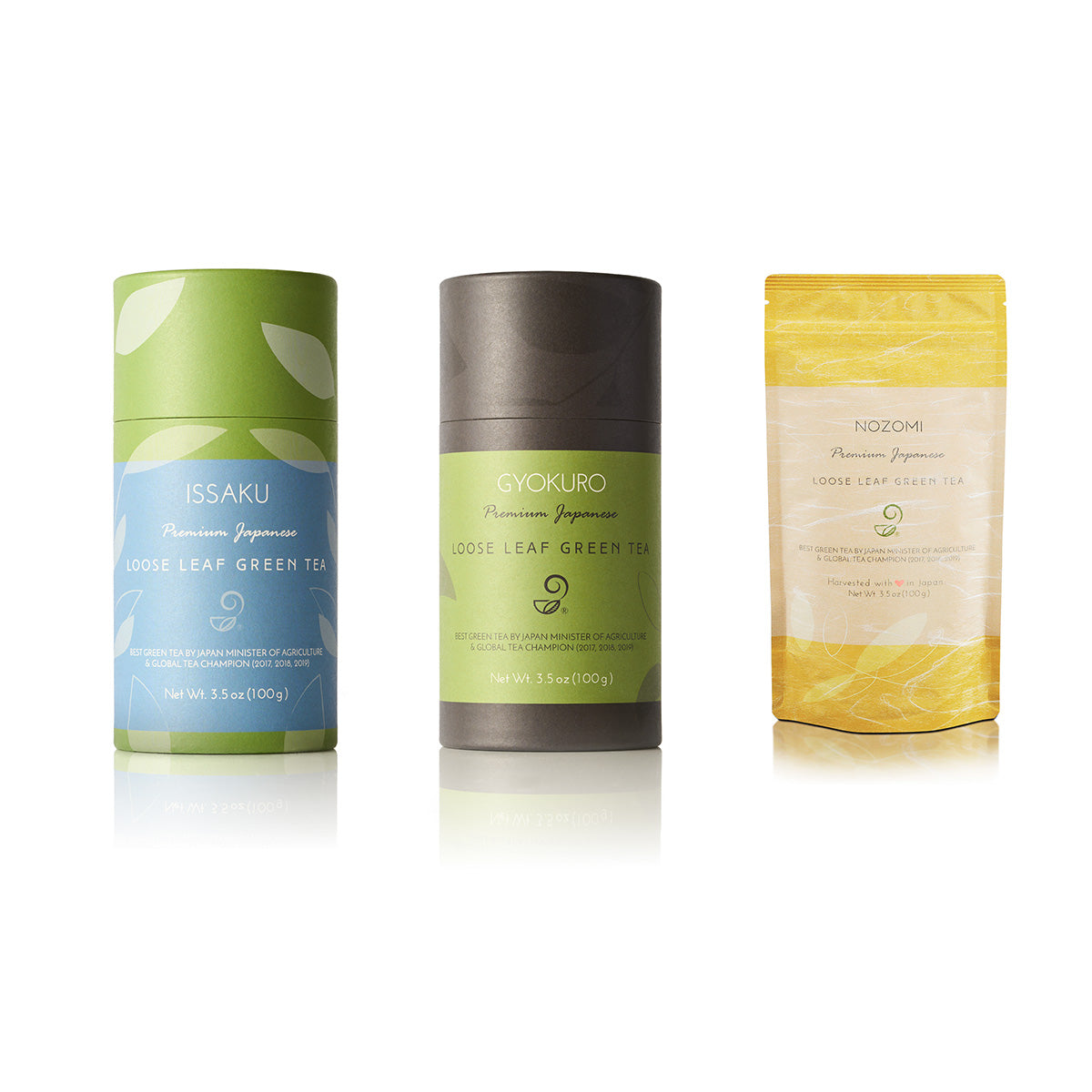
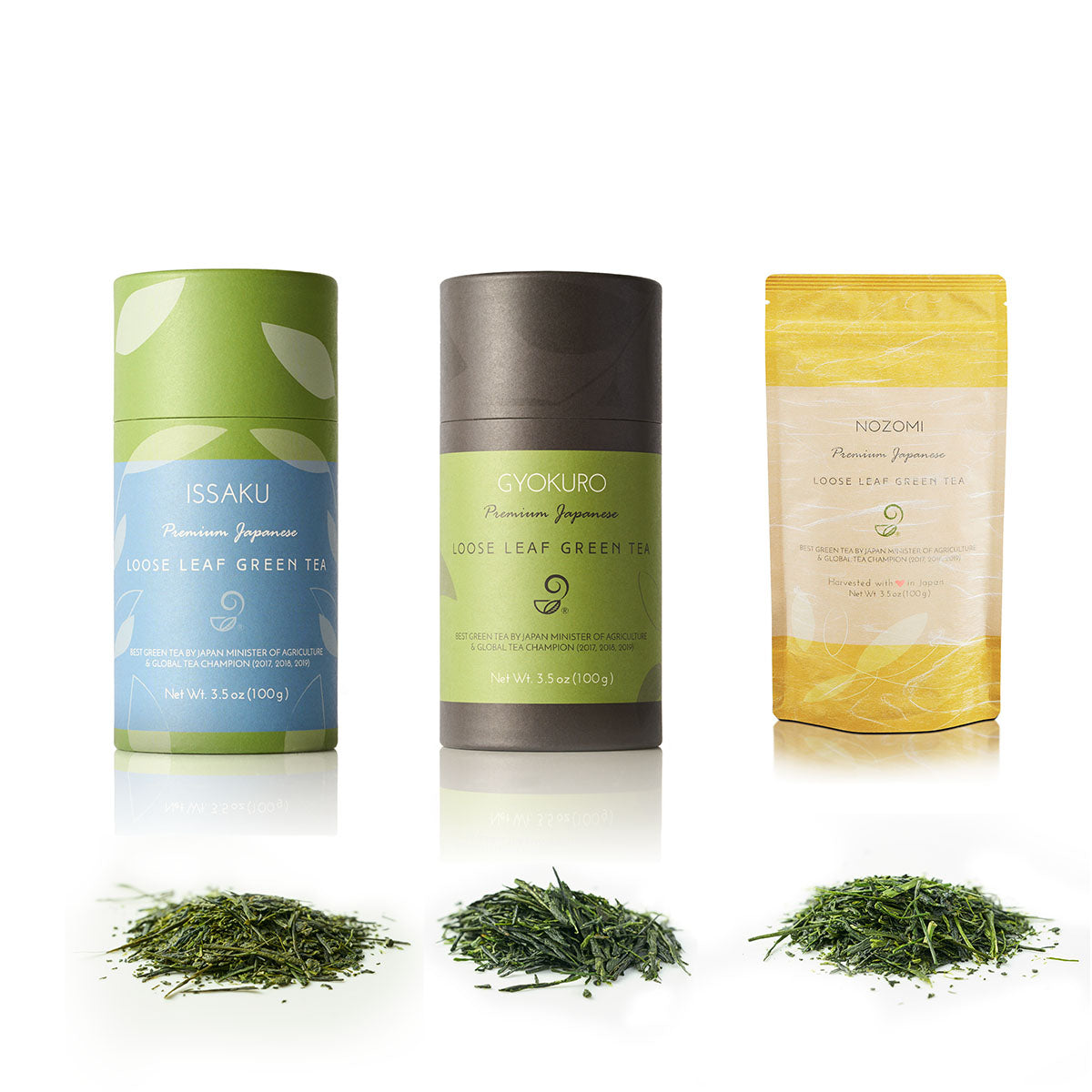
The Sencha Lover Gift Set - Premium Japanese Green Tea Set Package
• Disclosure: I only recommend products I would use myself, and all opinions expressed here are my
own. This post may contain affiliate links that I may earn a small commission at no additional cost to you.
The commission also supports us in producing better content when you buy through our site links.
Thanks for your support.
- Kei and Team at Japanese Green Tea Co.


Get Free Bonus Books

Sign up for free to the Green Tea Club to get advice and exclusive articles about how to choose Japanese Tea, and tips, tricks, and recipes for enjoying Japanese tea.
About the author

Kei Nishida
Author, CEO Dream of Japan
Certification: PMP, BS in Computer Science
Education: Western Washington University


