Skip to content

Does Drinking Green Tea Cause Acne?

Having acne is frustrating. Washing this with facial wash does not help either. Logging entries on your food diary and identifying the food or drink that causes acne can be effective, but how about the acne scars and lesions? It will take time to heal them. Another best solution for faster acne scar recovery aside from topical medication, avoiding milk, and not eating specific foods is drinking green tea or using green tea bags for pimples. You are now wondering if green tea is effective. Let’s find out!

According to an article from the NCBI National Library of Medicine, a randomized clinical trial was conducted for almost 1 year, and the result was a reduction in cholesterol levels and inflammation in lesions. Green tea’s catechins (antioxidants), particularly EGCG (epigallocatechin-3-gallate), are the ones that help fight inflammation and swelling. Not only can green tea bags cure pimples and acne scars, but they can also help you flush toxins and boost your immune system.

Green Tea Acne Beauty Hacks

On boiled water, steep the green tea as if you will be drinking it or as per package instructions. Let it cool, then dip a cotton ball or a washcloth in it and dab it on the pimple. Store the remaining green tea in a spray bottle or a cleanser bottle. Green tea helps fight hormonal imbalances by reducing blood sugar and decreasing insulin levels, resulting in less sebum oil production and oily skin. Sebum, mixed with dirt and sweat, is often the culprit behind large and inflamed pimples.

For the leftover cool green tea bags, get the leaves out of those bags, mix these with honey (a face mask) or brown sugar (a face scrub), and leave the mixture on your face for 15–30 minutes if using as a face mask (honey) or massage the face for 10 minutes if using as a face scrub (brown sugar), then rinse.

Topical skincare products with green tea and caffeine are known to be effective in reducing breakouts. These do not make the skin too dry, unlike benzoyl peroxide and retinol. Safer to drink and use too, unlike with acne pills, where you are not sure if it is safe to take without side effects.

Other Green Tea Beauty Benefits

You can use the green tea leaves as a pimple drier, face mask, face scrub, and fat burner. Since green tea has mild caffeine, you can drink it at least 30 minutes to an hour before your workout. Drinking caffeine improves your performance when you workout since it makes you alert and awake. It also helps with weight loss by suppressing your appetite, especially when you take 1-2 cups before dinner. Green tea keeps you hydrated and makes you eat less.

Conclusion

safe beauty and health drink product indeed. It does not mean that you will drink as much green tea as you want. Just use these on your skin correctly and drink in moderation, like 2-3 cups a day. Green tea is one of the best natural alternatives to water.

FAQs about Green Tea and Acne

Does green tea actually cause acne, or is that a myth?

Green tea generally helps acne rather than causing it — the catechins (especially EGCG) have documented anti-inflammatory and sebum-regulating effects that benefit acne-prone skin. Most clinical studies on green tea and acne show modest improvement in acne severity with daily intake, particularly for inflammatory acne.

Where the "green tea causes acne" association comes from is usually one of three things: caffeine sensitivity (some people break out from any caffeine source), milk in matcha lattes (dairy is a more reliable acne trigger), or sugar in flavored tea drinks. The tea itself isn't the culprit; what people add to it sometimes is.

If you've noticed breakouts after starting green tea, it's worth checking what else changed — switched from coffee, started drinking matcha lattes with cow's milk, or added honey/sweetener. Plain green tea on its own very rarely causes acne in people who don't have a specific caffeine issue.

Can drinking green tea improve acne — what's the evidence?

Yes, modest but real evidence. The mechanism is anti-inflammatory: EGCG inhibits the inflammatory pathways involved in acne lesion formation, and L-theanine reduces stress-related cortisol that worsens hormonal acne. Multiple small clinical trials have shown 10-25% reductions in acne lesion counts with daily green tea consumption (3-5 cups) over 12+ weeks.

Topical green tea extract is even better-supported. Studies on topical EGCG creams and washes show clearer effects than oral consumption — green tea applied directly to acne-prone skin reduces inflammation, sebum production, and bacterial growth (P. acnes specifically). Some over-the-counter acne washes now include green tea extract for this reason.

Combined approach (drinking + topical) is the strongest if acne is a serious concern. As a substitute for prescription acne treatment? Probably not strong enough on its own. As an adjunct? Worth doing.

Is matcha better or worse than sencha for acne specifically?

Matcha is more concentrated in EGCG, so per cup it should deliver more anti-acne benefit. The ceremonial matcha (抹茶) gives you roughly 3x the EGCG of an equivalent sencha cup. For acne goals specifically, matcha is the higher-yield delivery system.

The caveat: matcha is also more concentrated in caffeine, which can be a hormonal-acne trigger for some people. If you've previously had stress-related or hormonally-driven acne, the caffeine load of daily matcha might offset some of the EGCG benefit. Spreading the dose (a smaller bowl daily, or alternating matcha and sencha) is often better than maxing out matcha intake.

My honest practice for skin-conscious daily tea drinking: morning matcha (small bowl, 1-2g of powder), afternoon sencha or hojicha. The combination delivers good EGCG without overdosing the caffeine.

Are matcha lattes bad for acne because of the milk?

Cow's milk is one of the most-documented acne triggers in dietary research — multiple meta-analyses link dairy intake (especially skim milk, oddly) to increased acne severity. So yes, a daily matcha latte made with cow's milk could be net-negative for acne despite the matcha's anti-inflammatory effect.

Switching to plant-based milk usually resolves this. Oat milk, soy milk, and almond milk don't trigger acne the way dairy does — the underlying mechanism (insulin-like growth factor 1, hormone analogs in milk) is dairy-specific. So a matcha oat-milk latte is probably better for acne than either dairy matcha or plain coffee, especially if you'd otherwise drink something more inflammatory.

Watch the sugar in commercial matcha lattes — pre-mixed café matcha lattes often contain 20-30g of added sugar per cup, which is an acne trigger of its own. Brewing at home with unsweetened plant milk and adjusting the matcha-water ratio yourself is the cleanest path.

If green tea isn't helping my acne, what's likely going wrong?

Most likely: you've stacked green tea onto an acne-triggering diet without changing the rest. Green tea is supportive, not transformative — daily tea on a high-sugar, high-dairy, high-refined-carb diet produces minimal visible improvement because the underlying drivers haven't changed.

Other common culprits: caffeine sensitivity creating cortisol-driven hormonal acne (in which case lower-caffeine hojicha would work better than sencha or matcha); poor sleep undoing any anti-inflammatory benefit; specific food triggers (whey protein, refined oils, certain seafoods) that no amount of green tea will counteract; or actually treatable hormonal/medical acne that needs medical management rather than dietary intervention.

If you've drunk daily green tea for 8+ weeks with no acne improvement and no other diet changes, the answer is usually that diet/lifestyle/medical factors need addressing rather than that green tea "doesn't work." Green tea contributes to acne management; it doesn't create dramatic results in isolation.

Related products

8 reviews

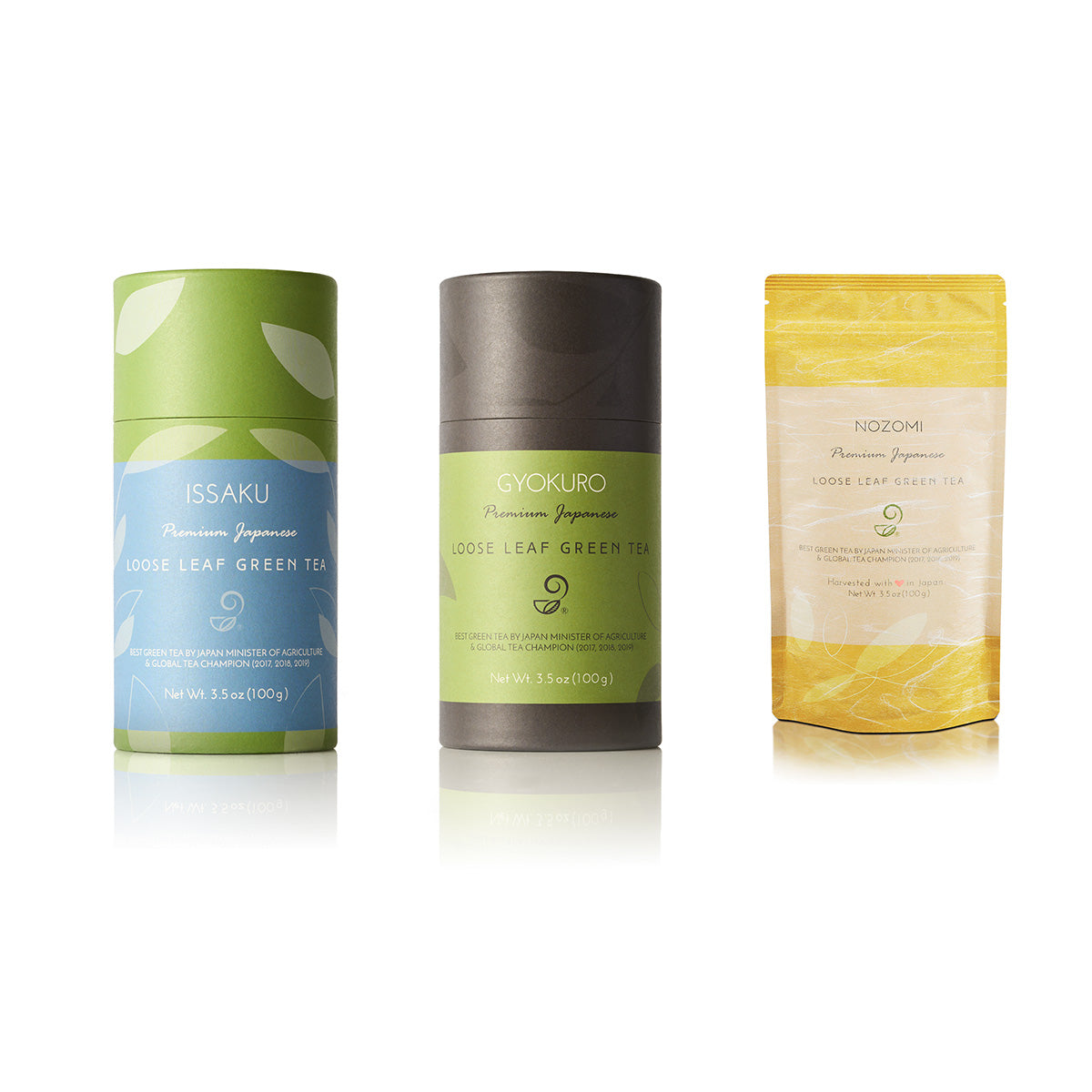
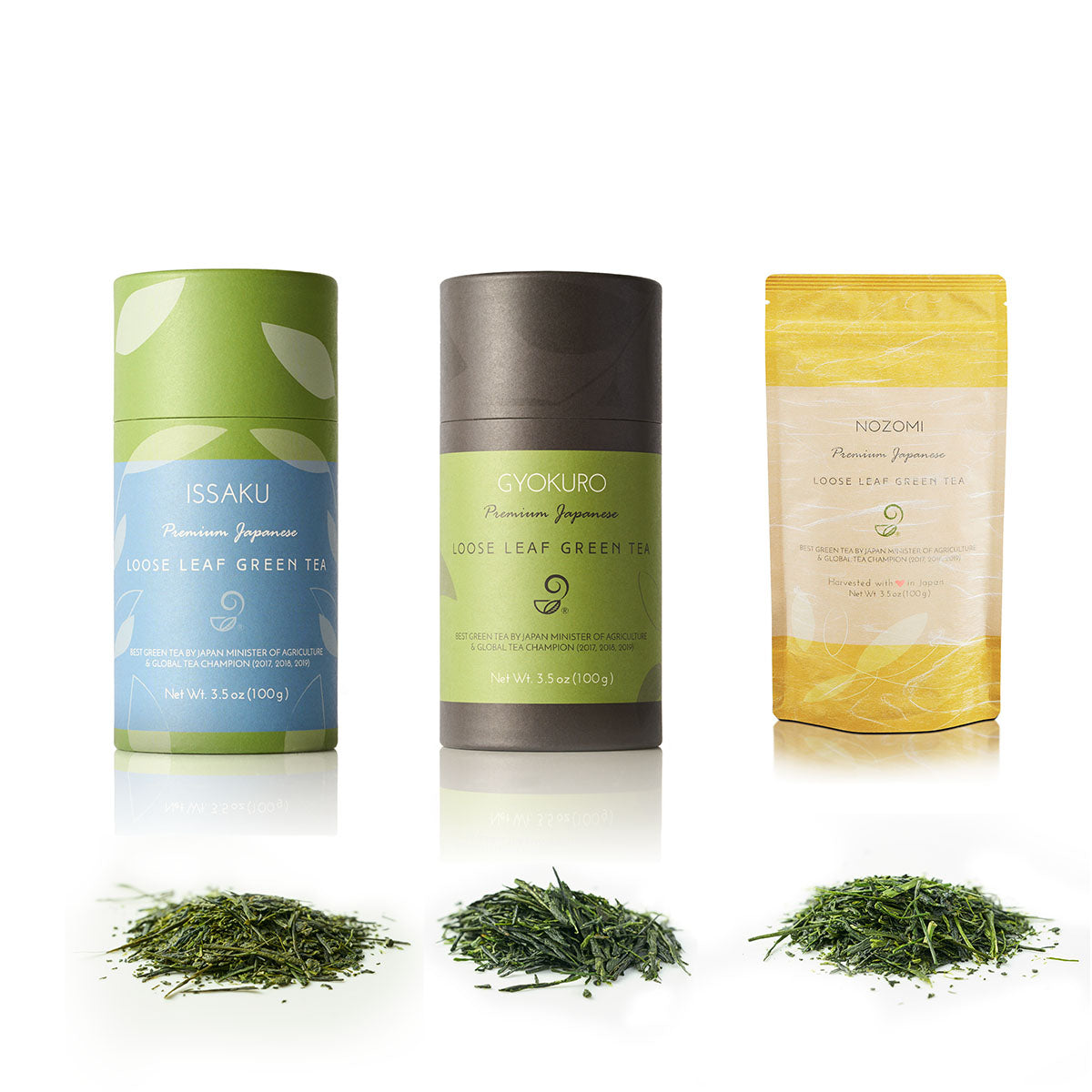
The Sencha Lover Gift Set - Premium Japanese Green Tea Set Package
$179.00 $159.99
Quick view

This tea set features three exceptional Japanese green teas, each crafted with care and traditional techniques. Issaku Reserve, a Global Tea Champion winner in 2017 and 2019, is a rare masterpiece created by Farm Master Mr. Arahata at Arahataen Green Tea Farm. Handpicked once a year from the first flush and processed with advanced methods, Issaku represents the highest-grade deep-steamed green tea, available only in limited quantities even in Japan.

The set also includes Gyokuro, a premium shaded green tea known for its rich, sweet flavor and deep mossy green color. Grown under special mats for 20 days to increase caffeine and amino acid levels, Gyokuro offers a layered, smooth taste unlike any other. Completing the collection is Nozomi, a fine Kabuse-cha, or "Covered Green Tea," carefully grown under nets to gently shade the leaves just before new sprouts emerge, resulting in a soft, rich, and refined flavor profile.

97 reviews

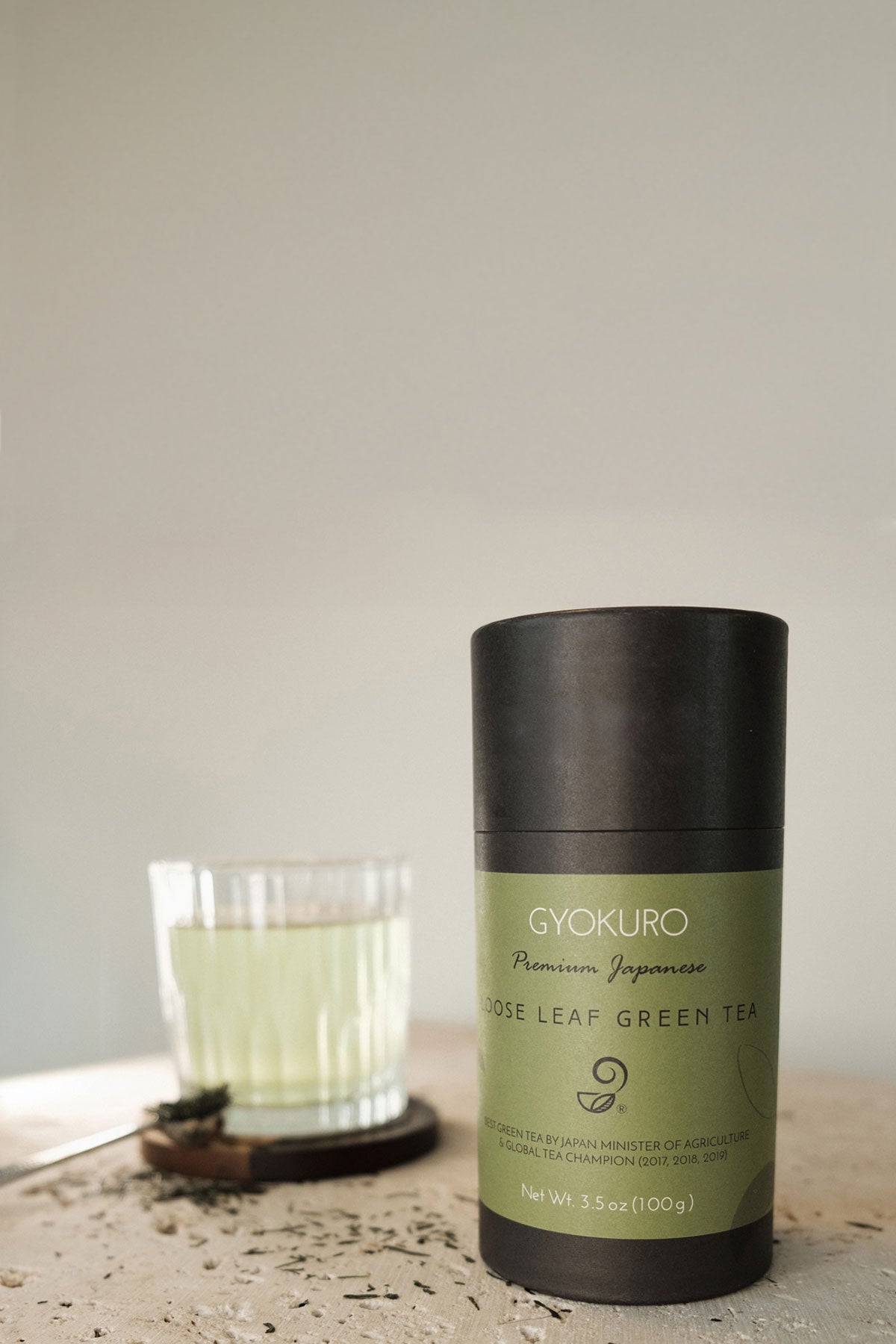
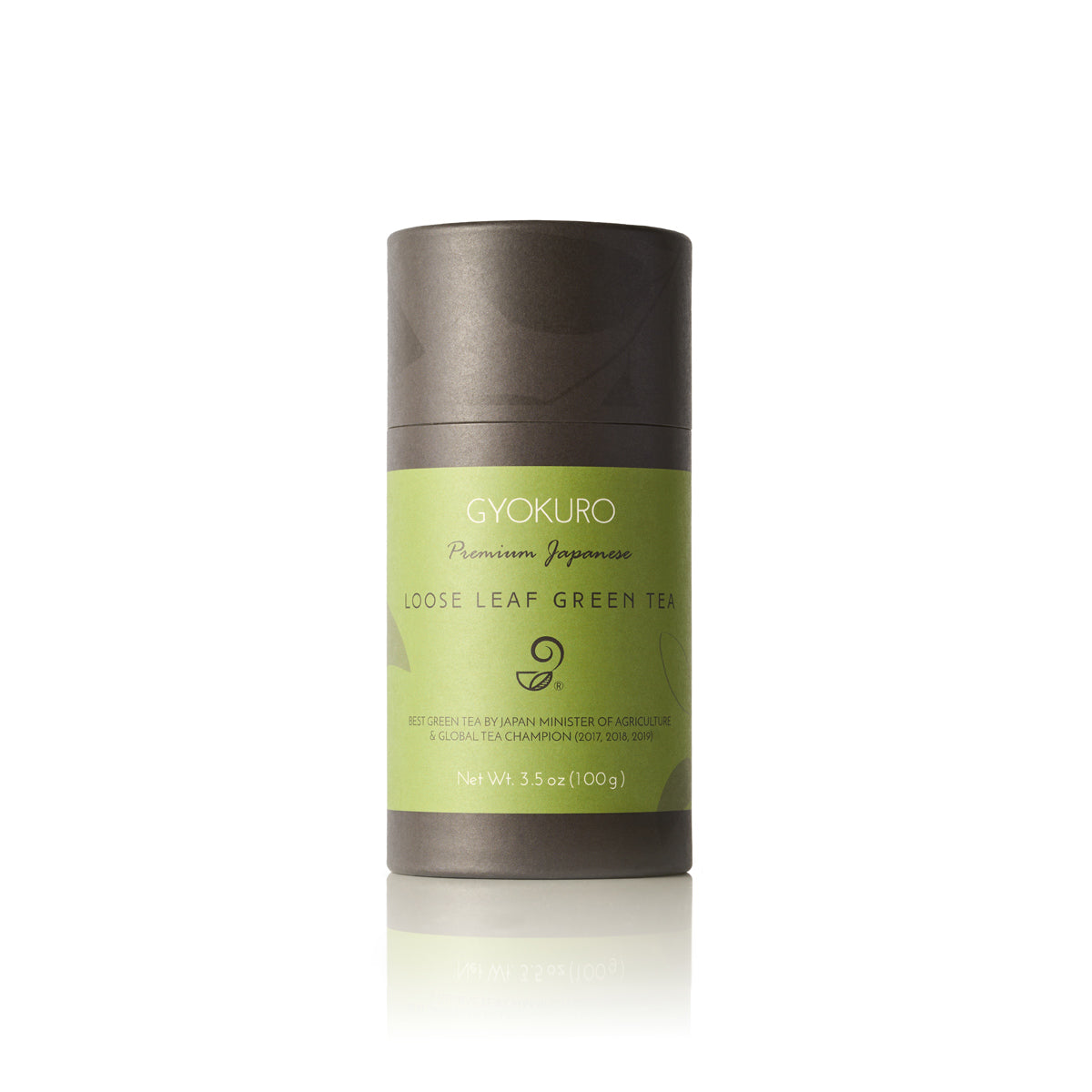
Gyokuro - Shaded Imperial Premium Green Tea

$65.00
Quick view

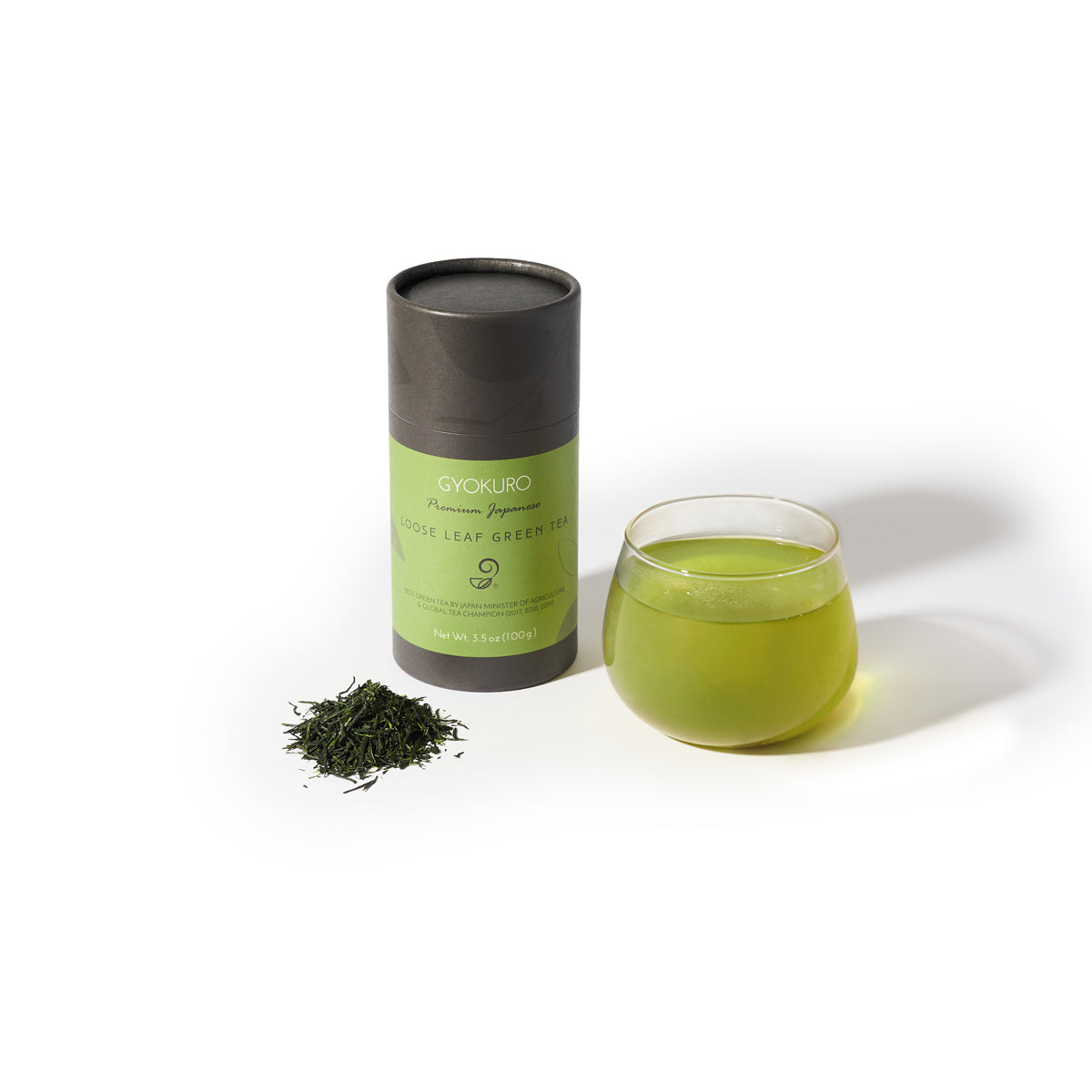
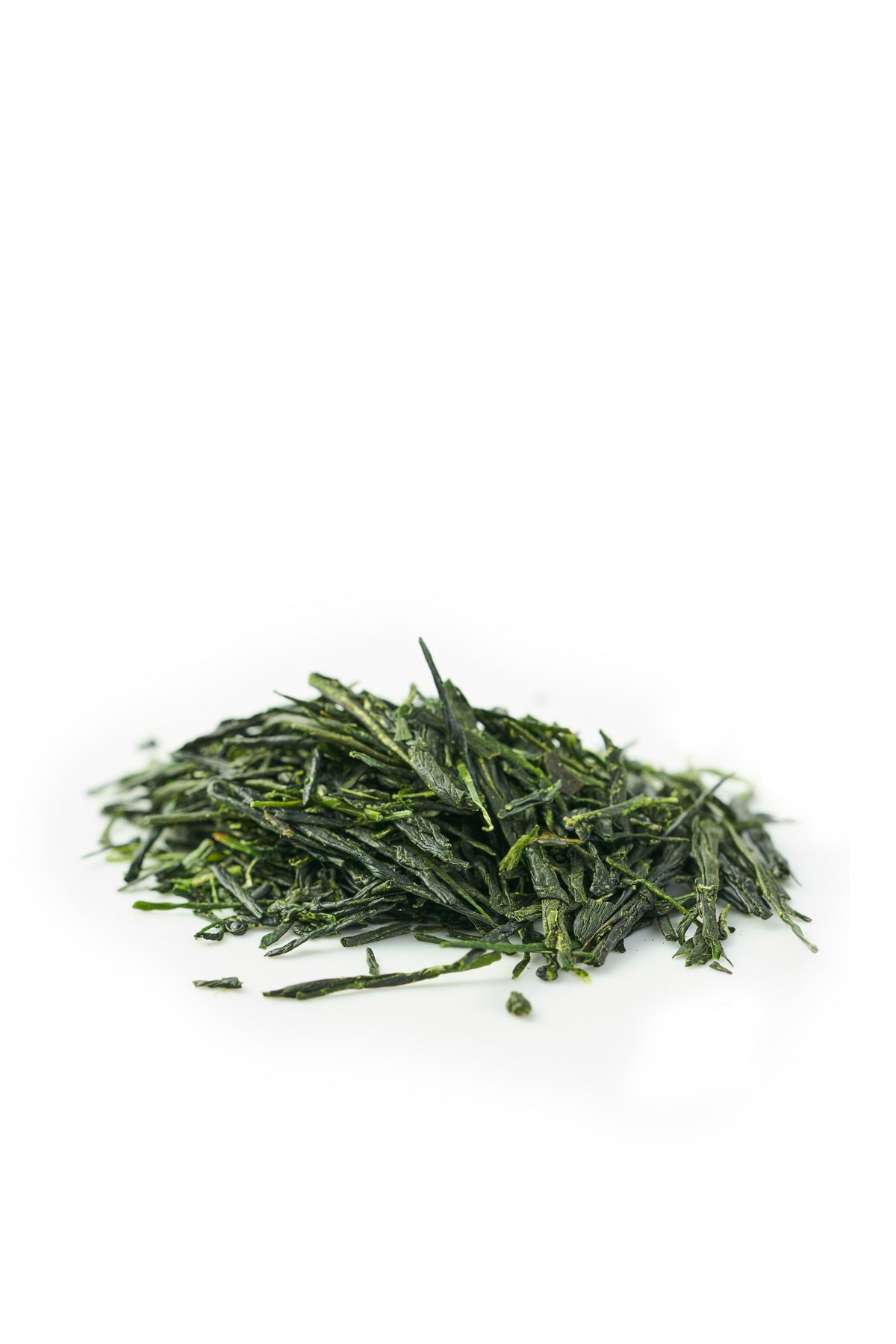
Gyokuro, also known as "jade dew" or "jewel dew tea," is a premium Japanese green tea shaded from the sun for 20 days using specially made mats, a method that boosts caffeine levels and strengthens amino acids to create a sweeter, richer flavor. This extended shading process results in dark, mossy green leaves with an unmistakable aroma and a complex taste that is layered yet balanced. Cultivated by the Chagusaba method in nutrient-rich sugarcane soil and made from the Yabukita cultivar, this loose-leaf authentic Gyokuro is offered in a high-quality, air-tight paper tube canister (chyazutsu) to preserve its exceptional freshness and flavor. Each 3.5 oz (100g) full-size package steeps 30–40 cups, and a convenient single-serve sample is also available.

45 reviews

Hojicha - Roasted Green Tea

$25.00
Quick view

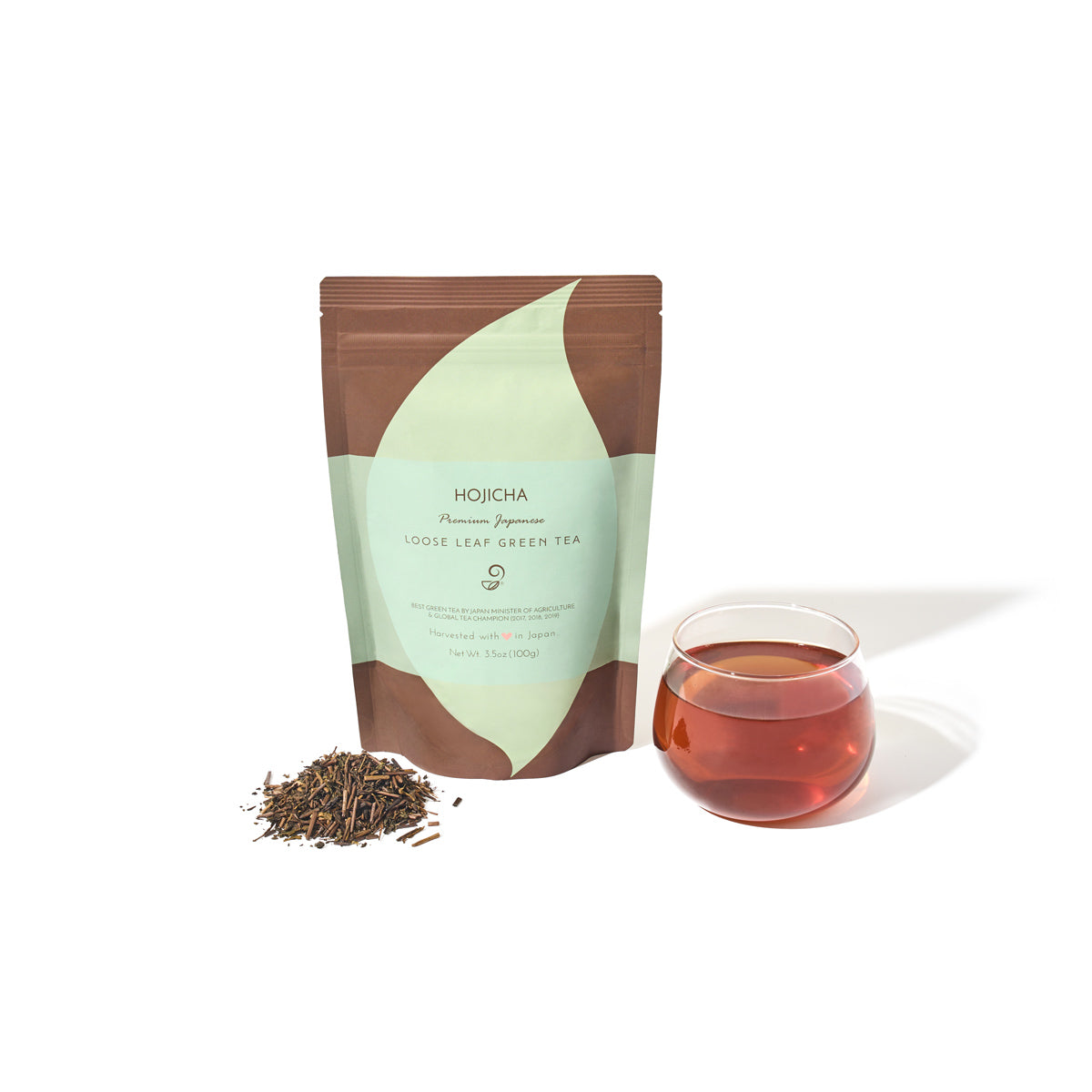
Our roasted green tea, known as hojicha (ほうじ茶), is crafted from freshly harvested premium green tea carefully roasted in porcelain over charcoal to maximize flavor while retaining more catechins than typical hojicha on the market. With lower caffeine and a smoother, less bitter taste compared to steamed green tea, it is an ideal choice for evening relaxation and is gentle enough for kids and pregnant women. Cultivated using the Chagusaba method in nutrient-rich sugarcane soil, this loose-leaf authentic Japanese roasted green tea, made from the Yabukita cultivar, also pairs beautifully with oily foods. Each eco-friendly resealable package contains 3.5 oz (100g) of tea, enough to steep 30–40 comforting cups.

80 reviews

Matcha - Ceremonial Japanese Powdered Green Tea

$39.00
Quick view

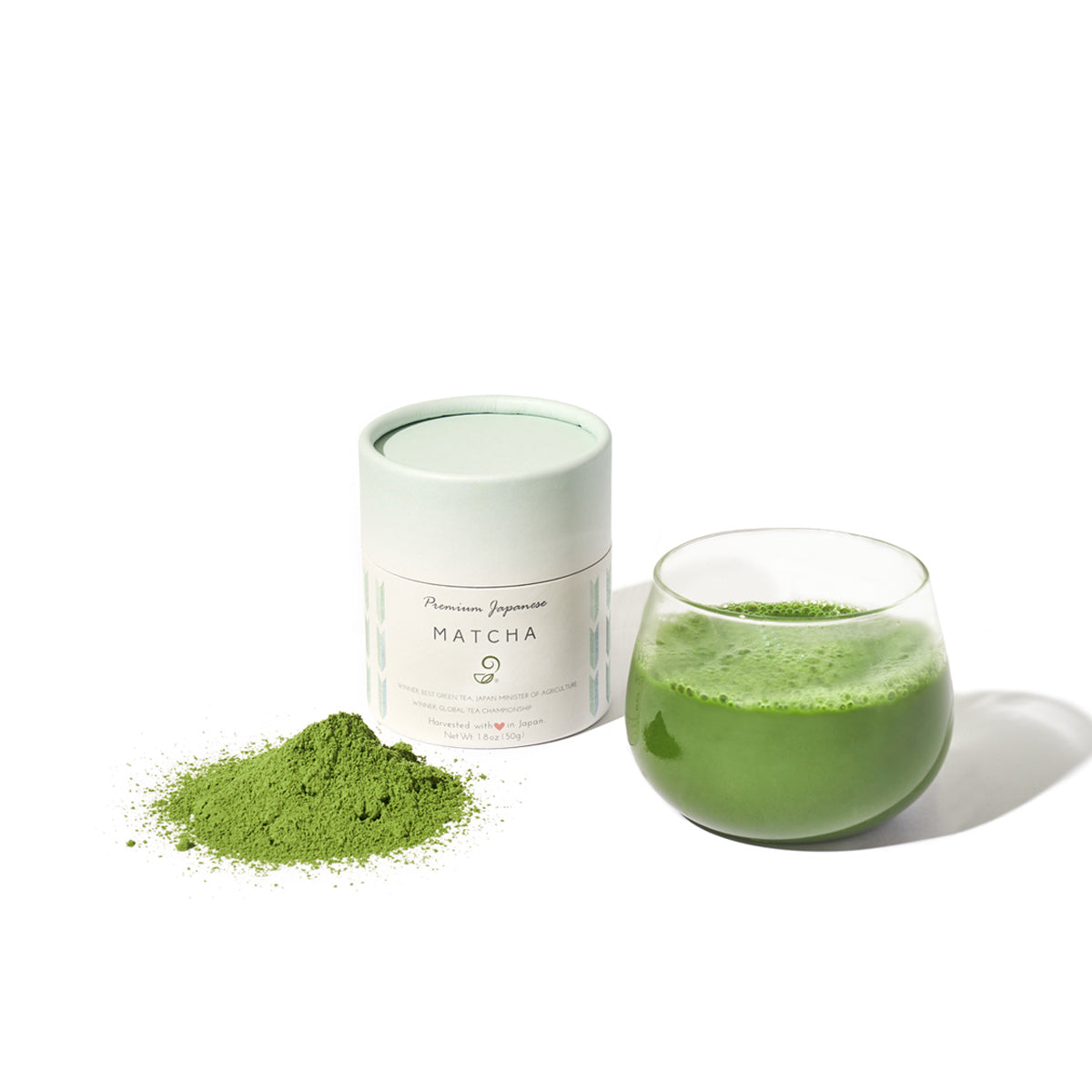
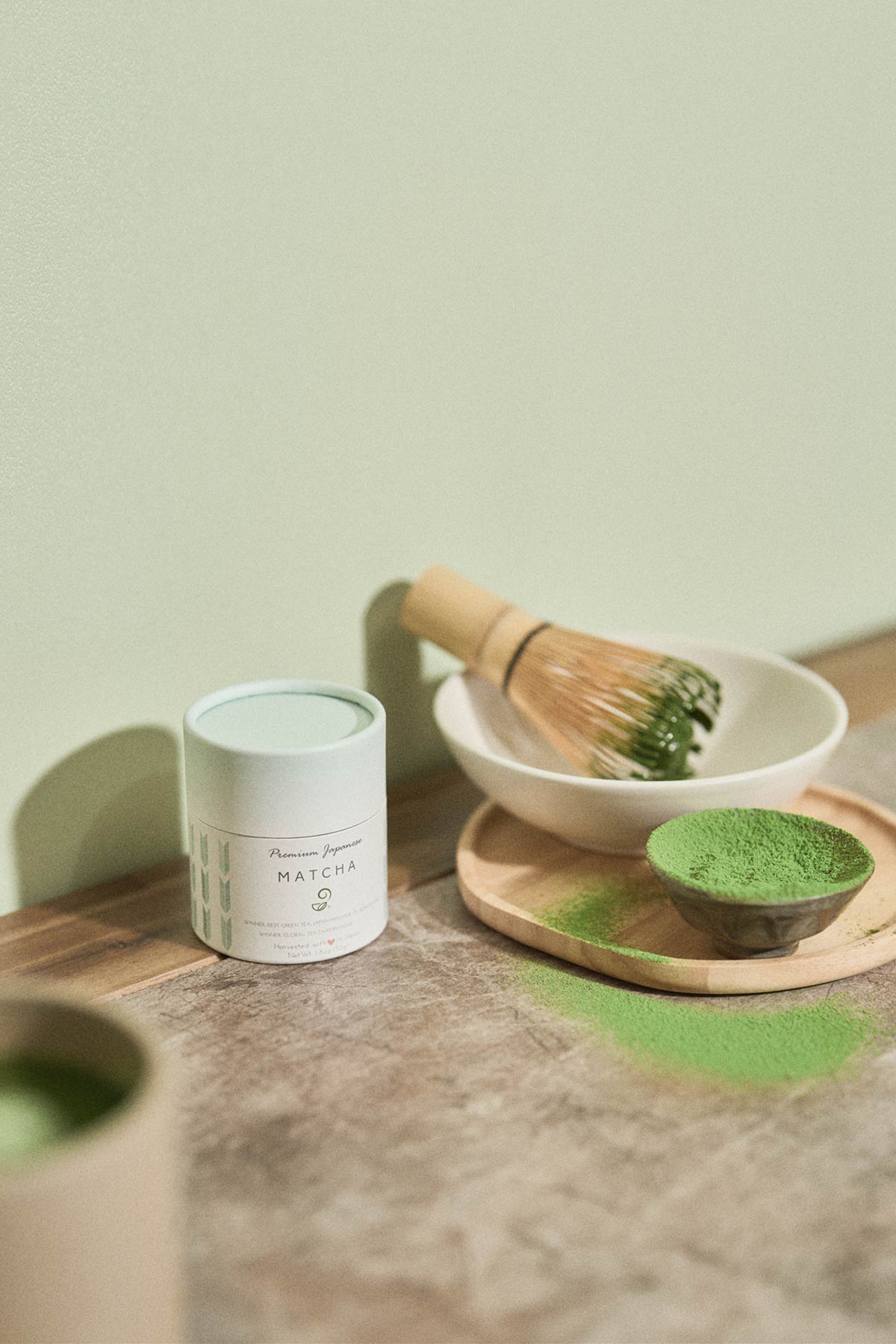
This ceremonial matcha is crafted from the finest Japanese green tea, grown in nutrient-rich soil enhanced with compostable grasses and sugarcane through the Chagusaba method, which gives the tea a natural sweetness and exceptional flavor. In collaboration with researchers from Shizuoka University, farmers ensure that the soil quality consistently produces tea of the highest standard.

Renowned among top Japanese chefs for its unmatched aroma, this matcha is made by carefully shading the plants before harvest to boost caffeine and amino acids, then meticulously drying, de-stemming, and grinding the leaves into a fine powder. Made from the Yabukita cultivar, this 1.8 oz (50g) matcha comes in a high-quality, air-tight paper tube canister, providing a luxurious and authentic Japanese tea experience.

42 reviews

Genmaicha - Green Tea with Roasted Brown Rice

$30.00
Quick view

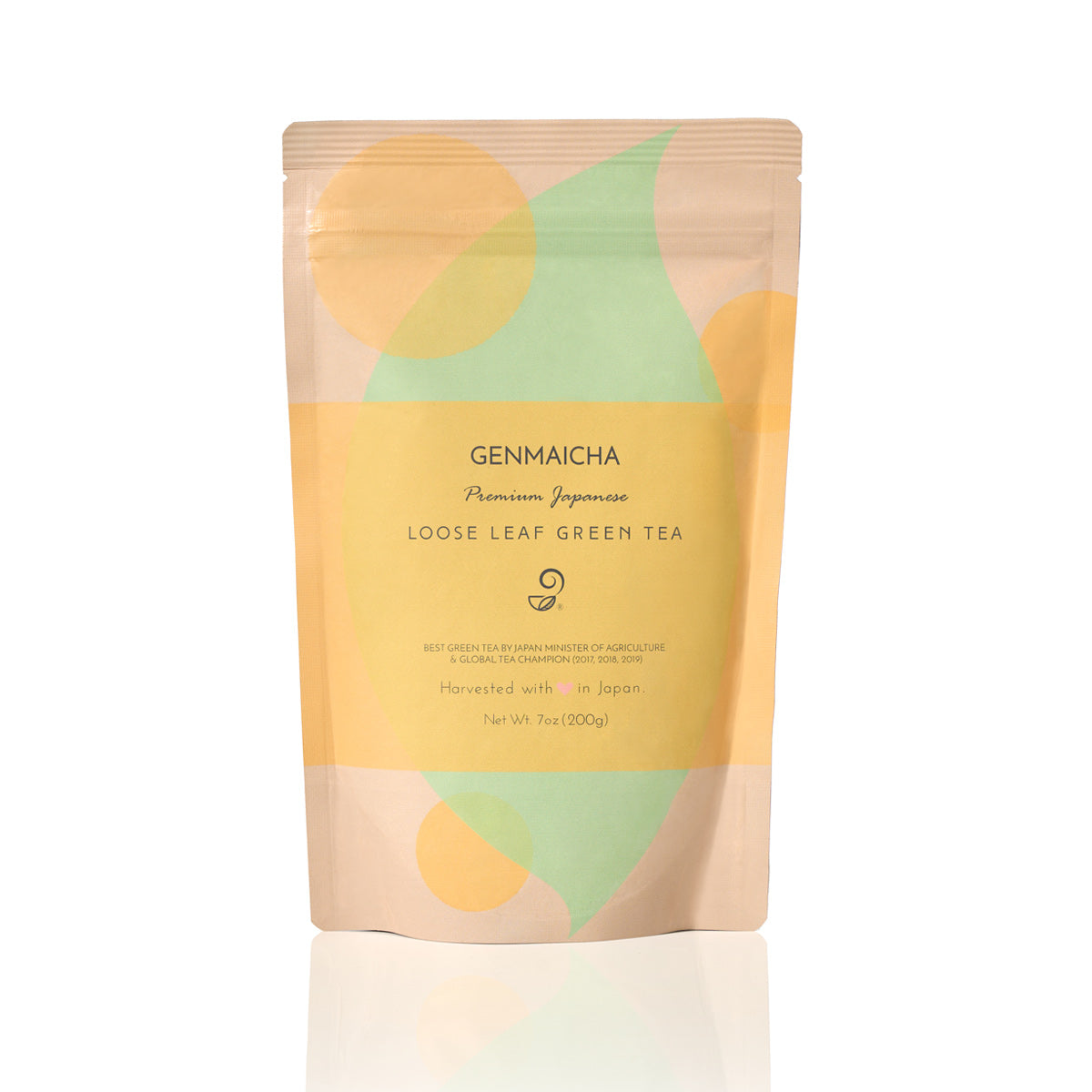
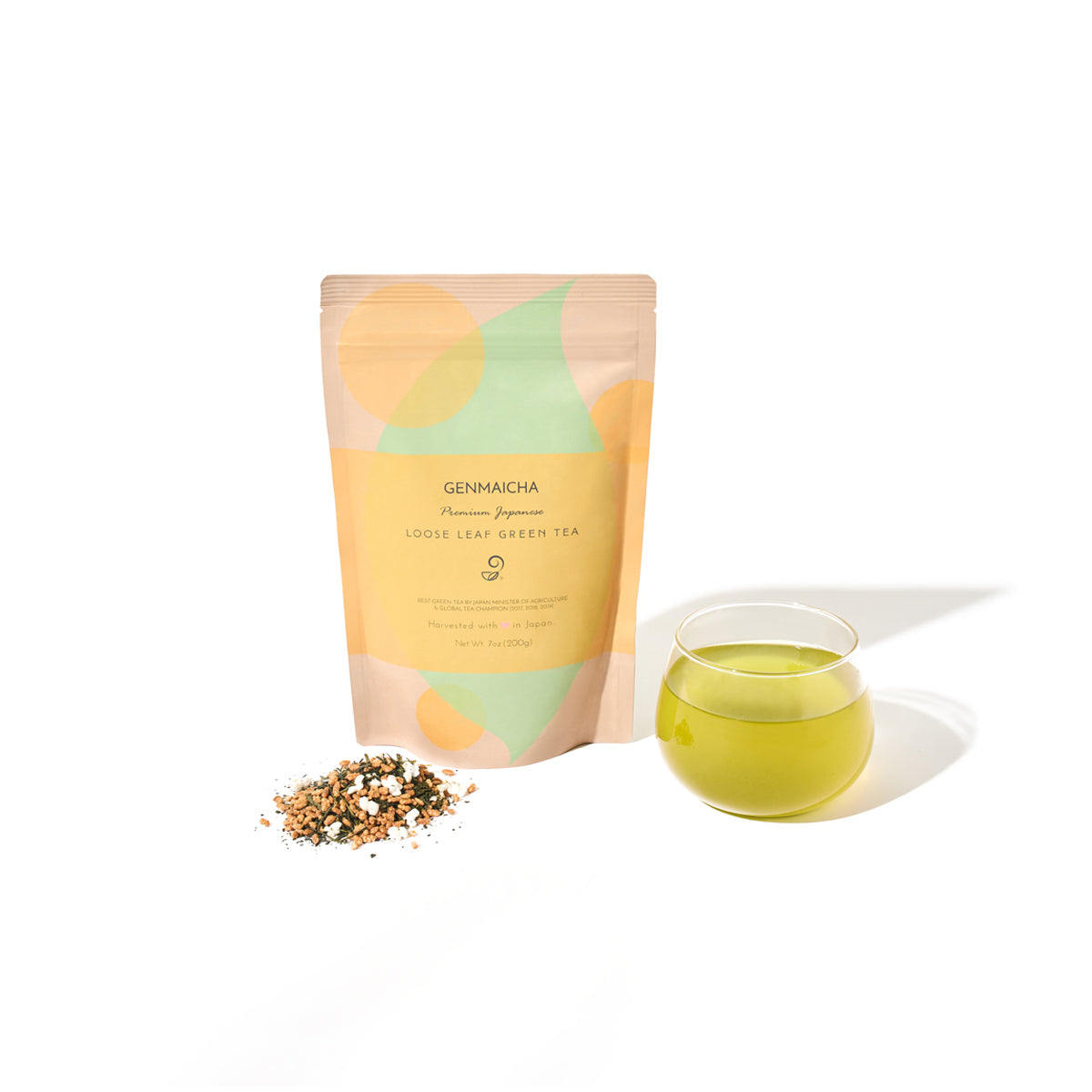
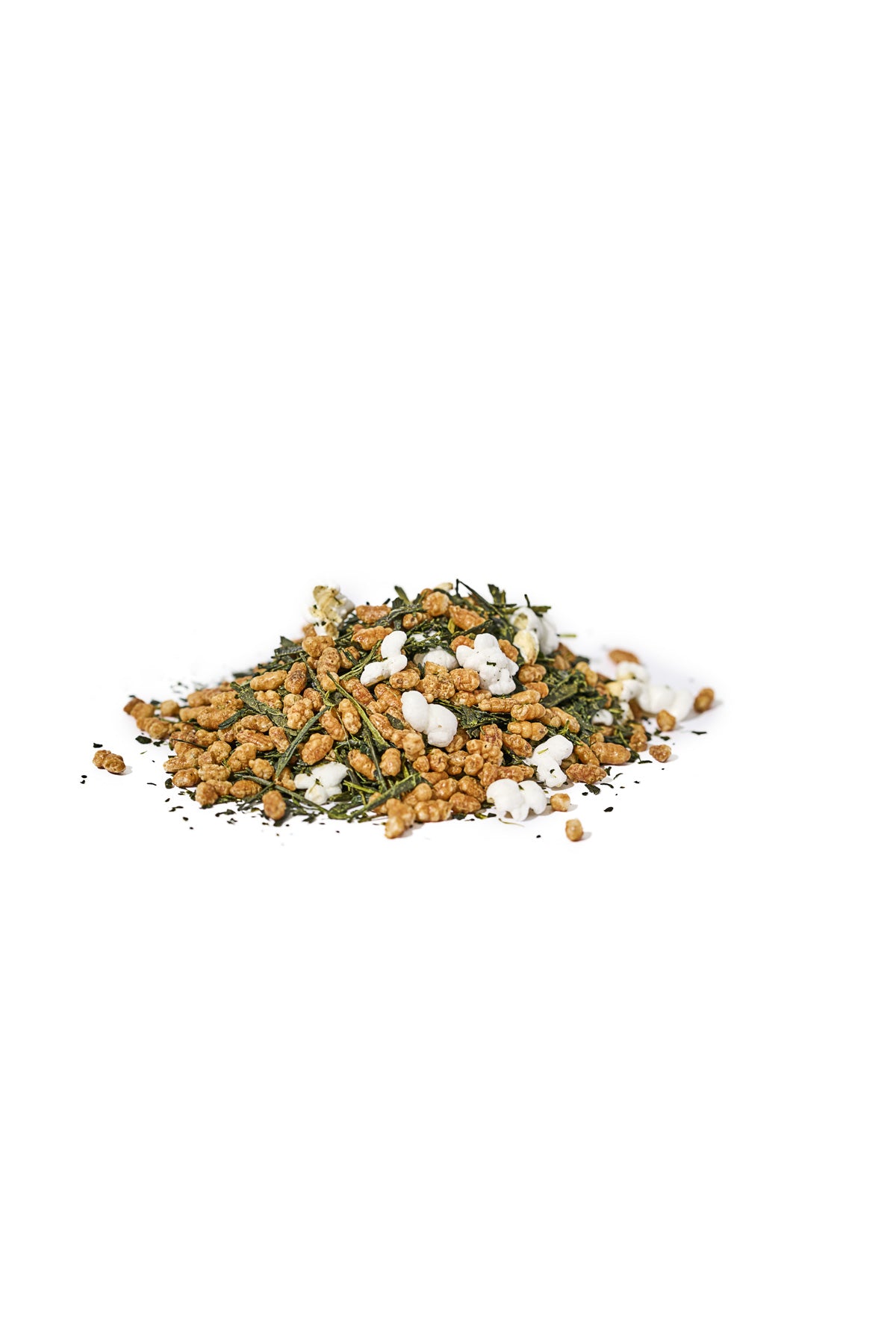
Our premium Japanese Genmaicha blends high-quality green tea with roasted popped brown rice (genmai 玄米), often nicknamed "popcorn tea" because the roasting process sounds like popcorn popping. Popular especially among the older generation in Japan for its mild flavor and lower caffeine content, this tea is easier on the stomach while still offering a rich, comforting taste. The brown rice used is premium Japanese mochi-gome (もち米) sticky rice, enhancing the tea’s nutty, aromatic profile. Made from Fukamushi Sencha and cultivated using the Chagusaba method in nutrient-rich sugarcane soil, this Genmaicha features the Yabukita cultivar and comes in a 7.0 oz (200g) eco-friendly resealable package, enough to steep 50–60 cups.


Related Articles You May Be Interested

How to Fight Against Anti-Aging by Consuming Japanese Green Tea Daily
6 Tea Shops In Tokyo You Don’t Want To Miss
Japanese Green Tea For Diet: Benefits & Science
Green or Brown? What the Color of Your Brew Says about Your Green Tea
What To Do With Tea Going Out of Date?

Get Free Bonus Books

Join Green Tea Club

Sign up for free to the Green Tea Club to get advice and exclusive articles about how to choose Japanese Tea, and tips, tricks, and recipes for enjoying Japanese tea.

Unsubscribe anytime. It’s free!

About the author

Kei Nishida

Kei Nishida

Author, CEO Dream of Japan

info@japanesegreenteain.com

Certification: PMP, BS in Computer Science

Education: Western Washington University

Kei Nishida is a passionate Japanese green tea connoisseur, writer, and the founder and CEO of Japanese Green Tea Co., a Dream of Japan Company.

Driven by a deep desire to share the rich flavors of his homeland, he established the only company that sources premium tea grown in nutrient-rich sugarcane soil—earning multiple Global Tea Champion awards.

Expanding his mission of introducing Japan’s finest to the world, Kei pioneered the launch of the first-ever Sumiyaki charcoal-roasted coffee through Japanese Coffee Co. He also brought the artistry of traditional Japanese craftsmanship to the global market by making katana-style handmade knives—crafted by a renowned katana maker—available outside Japan for the first time through Japanese Knife Co.

Kei’s journey continues as he uncovers and shares Japan’s hidden treasures with the world.

Learn more about Kei Nishida

Related Posts

Behold: Balmuda's "The MoonKettle" — Where Boiling Water Becomes Art

We were privileged to be invited by Balmuda's Private MoonKettle Launch Event. Here are videos of it and everything you

Read More
OC Japan Fair April 2026 — Visit Us at Booth #A8!
OC Japan Fair Spring 2026 Recap (April 3 - 5 2026)

We were at OC Japan Fair again! April 3-5 2026 with new products, Miki Pon's art debut and more. Here is a recap video f

Read More
Super Mario and Japanese Green Tea

Super Mario and green tea share a hometown! Watch our Yoshi Matcha Cookies video recipe + discover how Nintendo and matc

Read More
Leave a comment

Your email address will not be published..

Cart

Your cart is currently empty.

Start Shopping

Select options